A 24-hour urine result can be useful, but only if the collection was complete and the laboratory has the medication and symptom context. Here is how clinicians separate a meaningful elevation from a misleading one.



- Purpose: Urine catecholamines measure 24-hour excretion of epinephrine, norepinephrine and dopamine, mainly when clinicians suspect a catecholamine-secreting tumour or secondary hypertension.
- Collection window: A complete collection starts after the first morning urine is discarded and ends by including the first urine exactly 24 hours later.
- Reference ranges: Typical adult 24-hour ranges are norepinephrine 15-80 mcg, epinephrine 0-20 mcg and dopamine 65-400 mcg, but the reporting laboratory range prevails.
- False elevations: Intense exercise, nicotine, caffeine, acute pain, obstructive sleep apnoea and several medicines can raise catecholamine urine test results.
- Medication safety: Never stop antidepressants, blood-pressure medicines or stimulants on your own; the ordering clinician should decide whether a supervised pause is safe.
- Metanephrines: Fractionated urine or plasma metanephrines are generally more sensitive than urine catecholamines for initial pheochromocytoma and paraganglioma testing.
- Concerning pattern: A result more than three times the laboratory upper limit is much less likely to be a trivial false positive and usually prompts specialist review.
- Next step: Borderline results are commonly repeated under better conditions or confirmed with plasma free metanephrines before any scan is ordered.
What a 24-hour urine catecholamine test actually measures
Urine catecholamines measure how much epinephrine, norepinephrine and dopamine your body excretes over a full 24 hours. They are not a cancer diagnosis; they are a biochemical clue used when episodic headache, sweating, palpitations or difficult-to-control blood pressure raise concern for excess sympathetic hormone release.

Catecholamines are short-lived stress hormones. Epinephrine is made chiefly in the adrenal medulla, while norepinephrine also comes from sympathetic nerve endings; urine captures their accumulated output rather than one anxious five-minute moment in clinic.
The test is most useful when symptoms occur in spells and blood pressure is variable or unusually severe. The Endocrine Society guideline recommends plasma free or urinary fractionated metanephrines as the preferred initial biochemical tests for suspected pheochromocytoma or paraganglioma because they are produced continuously within these growths (Lenders et al., 2014).
As of September 11, 2026, I still see urine catecholamines ordered for selected patients, particularly where a local endocrine service uses them alongside metanephrines. Kantesti is an AI blood test analyzer; it can place related kidney, glucose and electrolyte results in context, but it does not replace a laboratory’s urine assay or an endocrinologist’s judgement.
Why a 24-hour total is different from a spot sample
A random urine sample varies sharply with hydration and timing, whereas a 24-hour total estimates daily excretion in mcg per 24 hours. Even a technically perfect 24-hour value can be misleading if the day included a panic episode, night shift, strenuous event or severe pain.
How to collect urine for 24 hours without losing the result
A valid 24-hour urine catecholamine test requires every urine passed during one exact 24-hour interval. Missing even one substantial void can falsely lower the total, while collecting beyond the end time can falsely raise it.
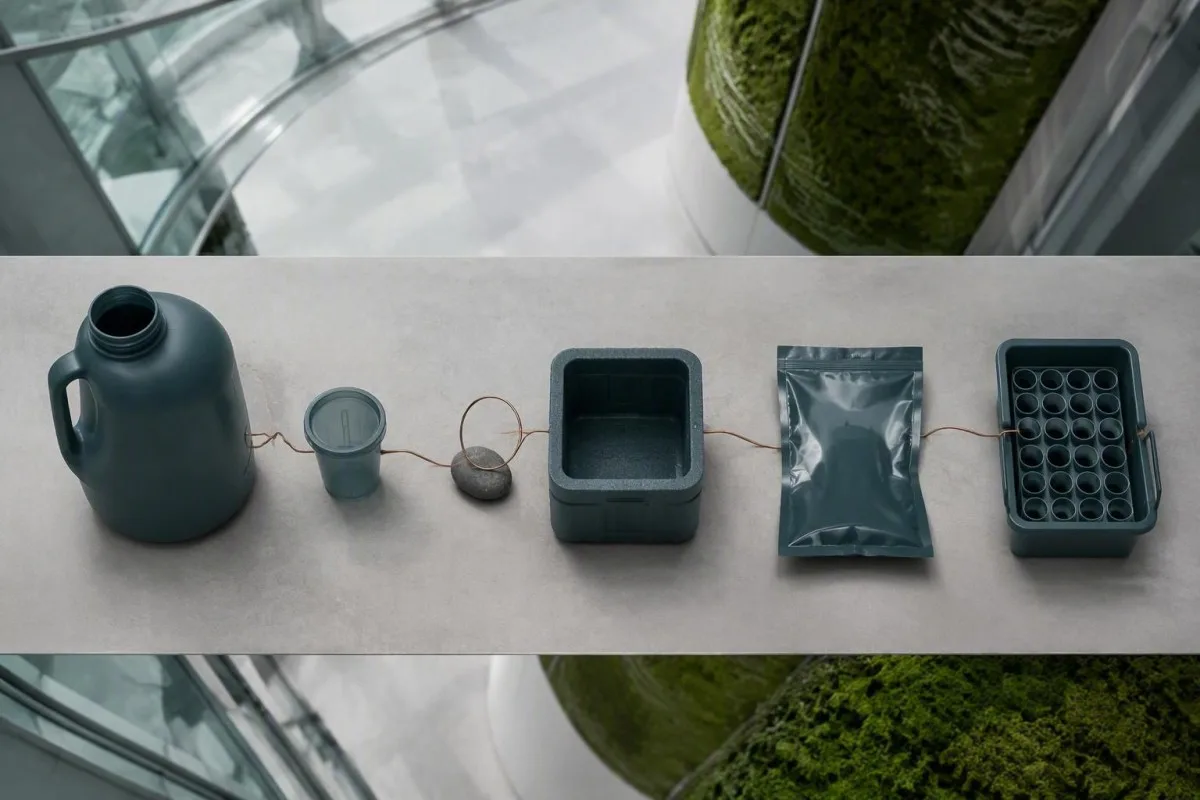
On day one, empty your bladder into the toilet at the chosen start time and record that time; do not save this first urine. From then on, save every void in the supplied container or transfer vessel, including overnight urine, until the same time next day, when you collect and add the final urine.
Keep the collection refrigerated or in an insulated cool box with ice packs unless your laboratory says otherwise. Catecholamines degrade at room temperature, and some laboratories use an acid preservative; if preservative is already in the container, use a separate clean receptacle first and follow the lab’s transfer instructions rather than handling the liquid.
Write down start and finish times, any missed void, and unusual events such as vomiting, emergency care or a hard training session. Our 24-hour urine collection guide explains why volume alone cannot prove that a collection was complete.
Collection errors that commonly change catecholamine results
The commonest collection errors are an omitted urine sample, incorrect start or finish time, warm storage, and failure to report a spill. These errors can change a 24-hour total by far more than the small difference between a borderline result and the laboratory upper limit.
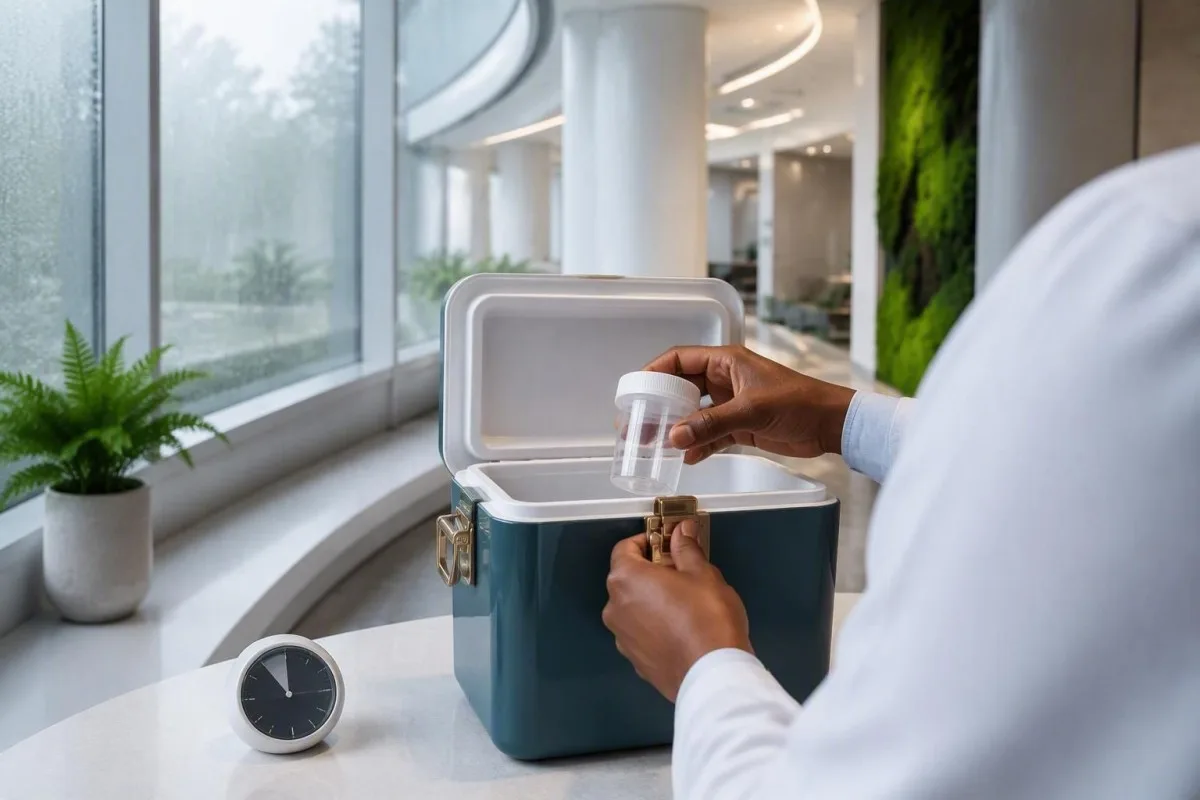
A collection volume of 400 mL or 5,000 mL is not automatically wrong, but it should make the laboratory ask questions. Many services measure 24-hour urine creatinine as a plausibility check; a value markedly out of line with body size, muscle mass and usual intake can suggest under- or over-collection.
Do not pour the container into a larger household bottle, rinse it, or split it without explicit laboratory instructions. A 1-hour timing error is usually less serious than a missed evening void, but both belong on the requisition because the clinician needs to judge reliability rather than pretend the number is exact.
People often ask whether menstrual blood changes this test. It usually does not alter catecholamine chemistry directly, yet contamination or confusion about which urine was collected can spoil the sample; our discussion of urine testing during changing body states offers practical handling principles.
Food, exercise, sleep and stress before urine catecholamines
For the cleanest urine catecholamine result, avoid vigorous exercise, nicotine, caffeine and alcohol for at least 24 hours if your ordering clinician agrees. Acute physiological stress can increase sympathetic output even when there is no endocrine tumour.
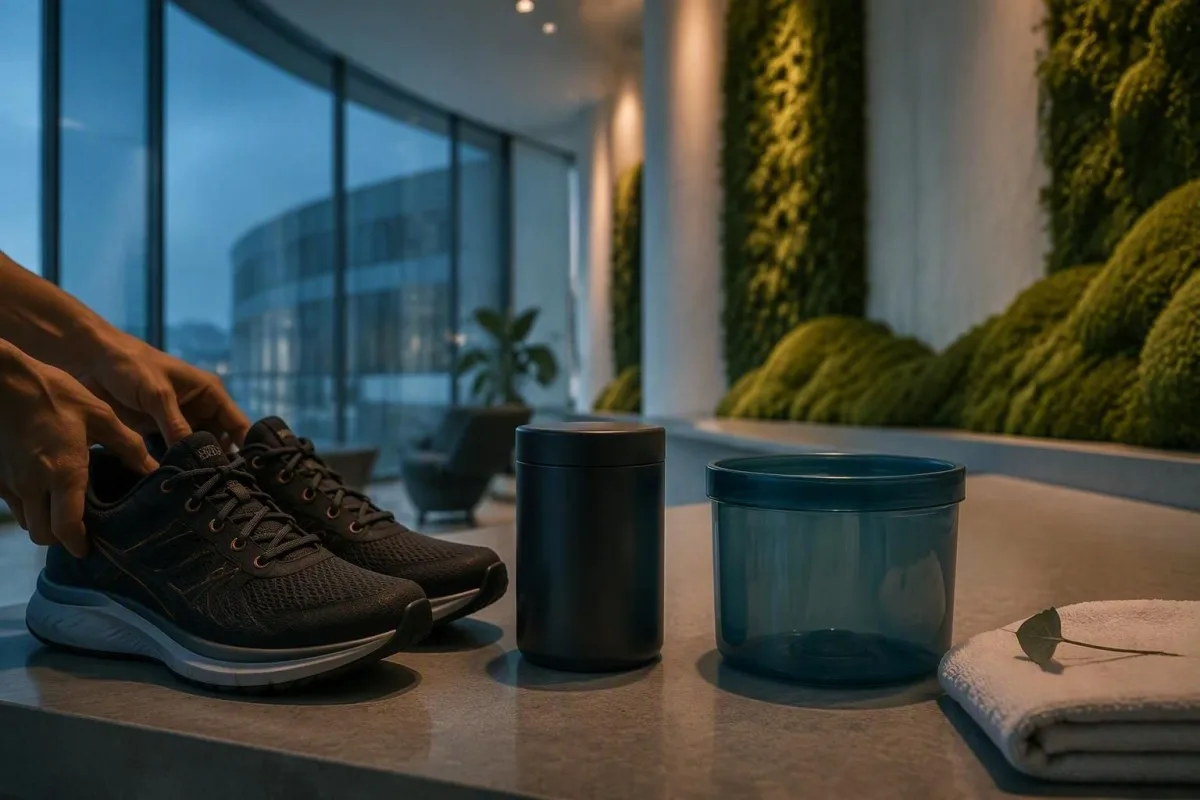
A hard interval workout can raise norepinephrine for hours, so I generally ask recreational athletes to choose a quiet ordinary day for collection. A 52-year-old runner with spells of palpitations once collected after a race weekend; repeating the test after 48 hours without training settled an isolated modest rise.
Caffeine advice differs by laboratory because assay methods and local protocols differ. If your laboratory instruction sheet specifies no coffee, tea, energy drinks, chocolate, bananas, citrus or vanilla for 48 to 72 hours, follow that sheet rather than a generic internet list; dietary restrictions matter more for some related assays than for catecholamines themselves.
Poor sleep is not a minor detail. Untreated obstructive sleep apnoea can raise nocturnal sympathetic activity and produce modestly high results, which is one reason a clinician may explore sleep history before ordering scans; see our guide to lab results after poor sleep.
Medicines that can interfere with urine catecholamines
Tricyclic antidepressants, monoamine oxidase inhibitors, stimulants, decongestants, levodopa and some antipsychotic medicines can alter catecholamine urine test results. The correct response is not to stop them yourself; it is to give the laboratory and prescriber an accurate medication list.
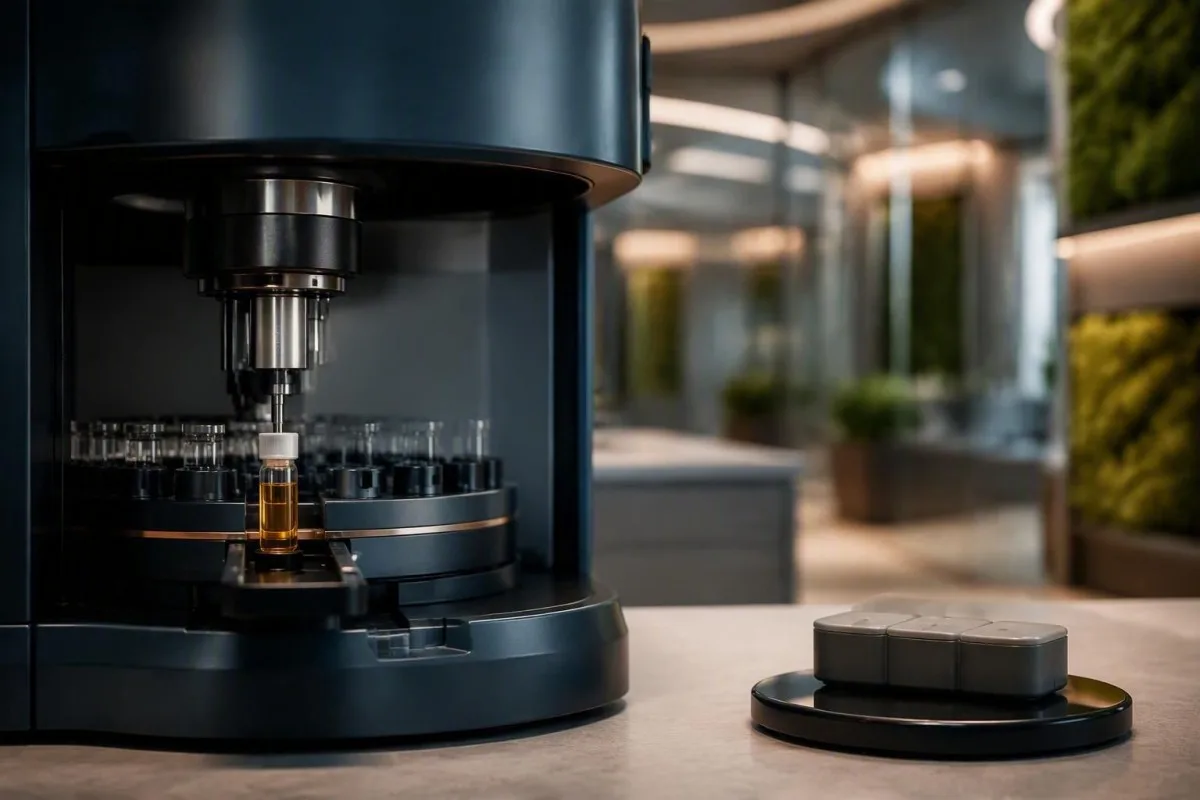
Nortriptyline, amitriptyline, venlafaxine and duloxetine may increase norepinephrine-related results by reducing reuptake or increasing sympathetic signalling. Amphetamine-containing ADHD medication, methylphenidate, pseudoephedrine and cocaine can do the same, while levodopa may affect dopamine measurements substantially.
Analytical interference is method-specific. Acetaminophen can interfere with older electrochemical methods, whereas liquid chromatography-tandem mass spectrometry is less vulnerable to that particular issue; the laboratory can explain its method, which is why the same value should not be compared casually across laboratories.
In my practice, I ask patients to bring every prescribed drug, inhaler, patch, supplement and pre-workout product to the conversation. Medication trend monitoring is useful for related routine laboratory changes, but medication withdrawal for endocrine testing always needs clinician oversight.
How to read catecholamine urine test results
Catecholamine urine test results must be read by analyte, collection quality and the laboratory’s own range. A mild isolated elevation is often non-specific, whereas a sustained result several times above the upper limit deserves structured confirmation.

Typical adult reference intervals are norepinephrine 15-80 mcg/24 hours, epinephrine 0-20 mcg/24 hours and dopamine 65-400 mcg/24 hours, but these vary with method and reporting units. Children require age-specific ranges, and urine creatinine-adjusted reporting may use different units altogether.
A value just above range is not equivalent to a value 10 times above range. In my experience, the probability of a false-positive explanation falls as results rise, especially when more than one related analyte is elevated and symptoms, imaging history or family history fit the pattern.
Kantesti is an AI lab test interpretation service that can identify linked findings in a blood report, such as low potassium with severe hypertension, but it should label urine catecholamine testing as a specialist-directed work-up. Read laboratory flags in context with our guide to what out-of-range results mean.
Urine metanephrines vs catecholamines: which test is better?
Urine metanephrines vs catecholamines is mainly a question of test sensitivity: metanephrines are usually better for finding a catecholamine-secreting tumour, while catecholamines may add context about active hormone release. A tumour can metabolise catecholamines into metanephrines continuously, even between symptom episodes.
Plasma free metanephrines are often preferred when sampling can be done after at least 20 to 30 minutes of quiet supine rest. Urinary fractionated metanephrines are an excellent alternative when a complete 24-hour collection is practical or when plasma collection conditions are difficult.
Sawka and colleagues found that fractionated metanephrines in plasma or urine outperformed older catecholamine approaches for detecting pheochromocytoma, although the ideal test still depends on pre-test probability and local laboratory expertise (Sawka et al., 2003). A normal well-collected metanephrine result makes a secreting tumour less likely, not mathematically impossible.
Do not assume a “metanephrines” result is interchangeable with “catecholamines”; check the exact analytes and units. Our pheochromocytoma testing overview explains the practical differences in preparation.
What can cause high urine catecholamines besides a tumour?
High urine catecholamines can result from medication effects, anxiety, pain, acute illness, sleep apnoea, nicotine, stimulant use or collection during strenuous activity. A positive result is therefore a signal to verify conditions before it becomes a reason for imaging.
Severe untreated hypertension, heart failure, hypoglycaemia and alcohol withdrawal can activate the sympathetic nervous system. A patient having recurrent shaking and sweating may have low glucose rather than a hormone-secreting tumour, so clinicians often check glucose and medication timing alongside the endocrine panel.
Renal impairment complicates interpretation because clearance and metabolite handling change. When creatinine or eGFR is abnormal, the endocrine team may prefer a particular assay or use different decision thresholds; review the basics in our kidney function results guide.
The pattern matters more than an isolated flag: high norepinephrine with normal metanephrines after caffeine and decongestants has a different meaning from repeated multi-analyte elevation under controlled conditions. Dr. Thomas Klein’s practical rule is simple—first ask whether the test day resembled ordinary physiology.
What low urine catecholamine results usually mean
Low urine catecholamine results are usually not clinically concerning and do not diagnose “adrenal fatigue.” The test was designed to detect excess production, not to measure everyday energy, resilience or chronic stress.
A low epinephrine result can occur with a dilute collection, incomplete collection, medication effects or normal biological variation. Unlike cortisol or ACTH testing, low urinary catecholamines rarely provide a direct route to diagnosing primary adrenal insufficiency.
If fatigue, weight loss, dizziness on standing, salt craving or darkening skin raises concern for adrenal insufficiency, clinicians usually start with an 8 a.m. serum cortisol and sometimes ACTH stimulation testing. Our Addison disease laboratory guide explains why that pathway is different.
Do not try to raise a low catecholamine value with supplements, cold exposure or stimulant products. Such strategies can worsen blood pressure, sleep and anxiety without treating a documented condition.
What happens after a borderline urine catecholamine result?
A borderline result—often less than two times the laboratory upper limit—usually leads to a careful repeat or a metanephrine-based confirmatory test, not an immediate CT scan. The aim is to reduce false positives before exposing a patient to incidental findings, radiation or unnecessary anxiety.
The clinician should review collection timing, refrigerated storage, acute illness, caffeine, nicotine, exercise and every medicine before choosing the next assay. Repeating a test under ordinary, low-stress conditions can be more informative than adding a broad panel on the same day.
If symptoms are convincing or results remain abnormal, plasma free metanephrines collected with appropriate rest, or repeat 24-hour urinary fractionated metanephrines, are common next tests. Imaging should generally follow biochemical evidence rather than precede it, because adrenal incidental findings are common enough to confuse the picture.
Kantesti is an AI biomarker interpretation platform that helps users organise related blood pressure, renal and metabolic data for the appointment; its clinical validation framework is built around flagging follow-up questions rather than declaring a diagnosis from one value.
When a high result prompts endocrinology and imaging
A clearly elevated catecholamine or metanephrine result, especially more than three times the laboratory upper limit, generally warrants prompt endocrinology referral. The specialist confirms the biochemical pattern first and then selects CT, MRI or functional imaging based on the likely site and inherited-risk profile.
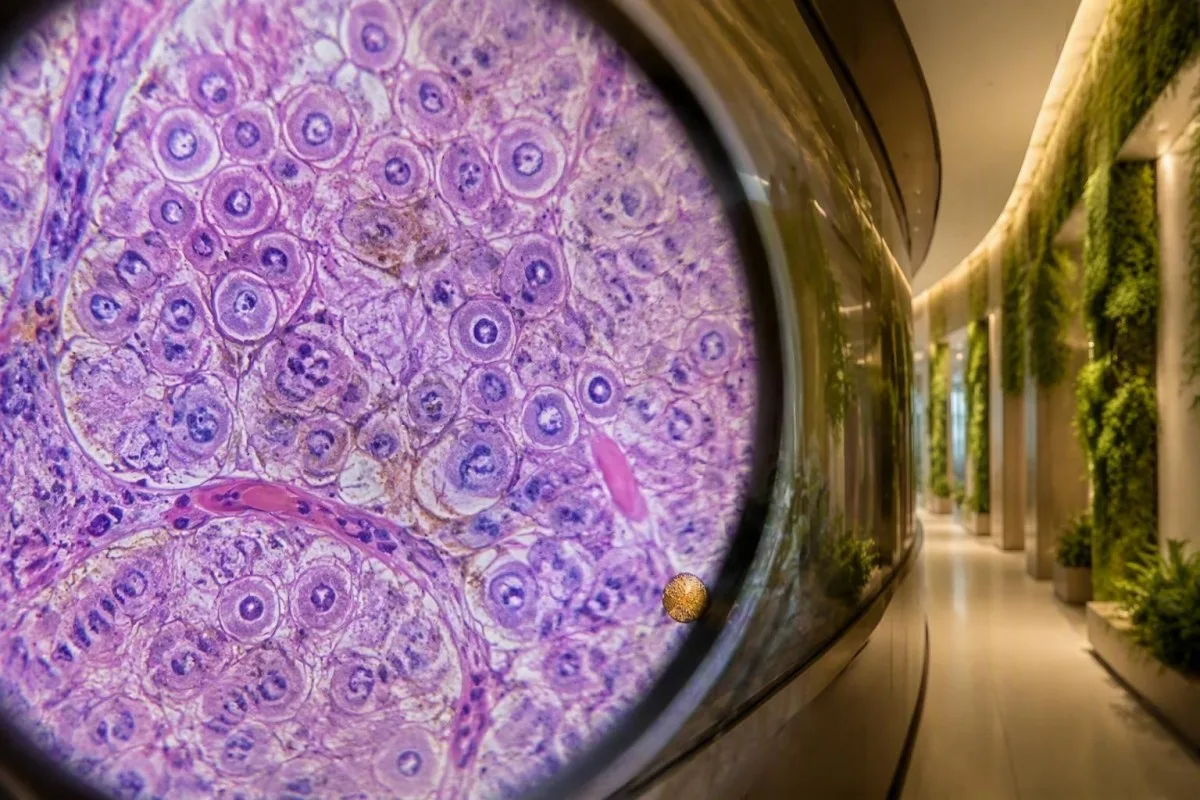
Pheochromocytomas arise in the adrenal medulla, whereas paragangliomas arise in related nerve-tissue sites outside the adrenal gland. Roughly 10% to 15% of catecholamine-secreting tumours may be extra-adrenal, so imaging choices depend on the hormone pattern and clinical history rather than a one-size scan.
Before surgery or invasive procedures, suspected catecholamine excess needs specialist planning because unrecognised hormone surges can cause dangerous blood-pressure instability. Alpha-blockade is often used before resection, but the specific drug, dose and duration belong to an endocrine and surgical team.
Family history changes the threshold for genetic counselling. A younger patient, bilateral adrenal findings, multifocal disease or relatives with related tumours may be offered testing for genes such as SDHB, SDHD, VHL, RET or NF1; our secondary hypertension clues give useful background.
When symptoms and blood pressure need urgent care
Call emergency services now for chest pain, fainting, new weakness, confusion, severe breathlessness or blood pressure of 180/120 mmHg or higher with symptoms. Urine catecholamines are never a reason to wait at home through a possible hypertensive emergency.

A sudden severe headache with visual change, weakness, trouble speaking or collapse needs urgent assessment for stroke or other acute illness. A normal result from a collection completed last week does not rule out an emergency occurring today.
Repeated episodes of pounding heartbeat, pallor, tremor and blood pressure spikes still deserve a timely medical review even if they settle between attacks. Record the time, duration, position, blood-pressure reading, glucose if available, medicines and triggers; this often helps more than trying to interpret bodily sensations from memory.
Patients with palpitations often benefit from parallel evaluation for rhythm disorders, thyroid disease, anaemia and stimulant exposure. Our blood test guide for palpitations outlines common alternatives clinicians consider.
Pregnancy, kidney disease and children: special interpretation issues
Pregnancy, reduced kidney function and childhood require specialist-specific interpretation of urine catecholamines. Adult ranges and standard preparation sheets may not apply cleanly in these settings.
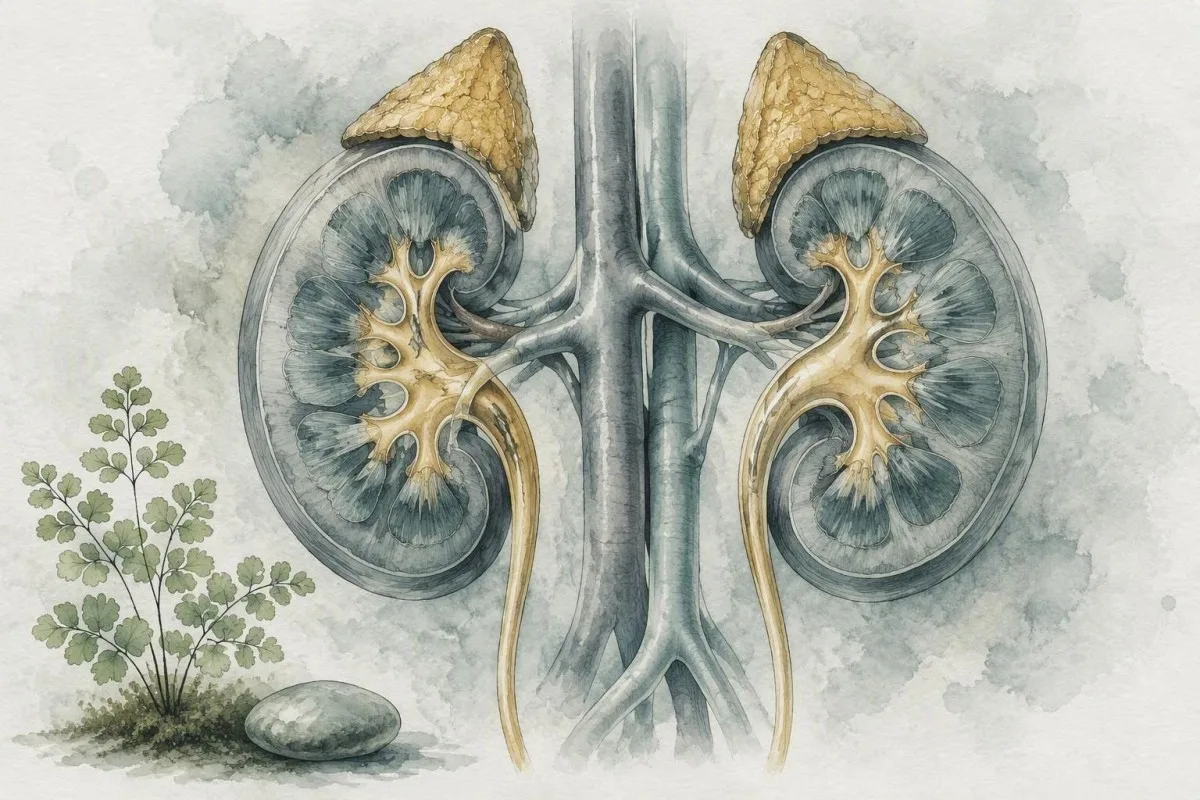
In pregnancy, severe hypertension with headache, visual symptoms or upper abdominal pain needs urgent obstetric assessment for common causes such as pre-eclampsia before rare endocrine explanations are pursued. If pheochromocytoma is genuinely suspected, endocrine, obstetric and anaesthetic teams coordinate testing and imaging choices.
In chronic kidney disease, altered renal clearance can affect urinary results and may make plasma testing preferable in some circumstances. There is no safe universal conversion from a urine number to a plasma number; use the local laboratory’s validated approach and current eGFR.
In children, collection completeness is often the limiting factor, and spot urine ratios may be used by paediatric specialists for particular clinical questions. Parents should not force excessive fluids to increase volume; ordinary hydration and accurate timing are safer, as discussed in our family laboratory testing guide.
What to bring to your follow-up appointment
Bring the full laboratory report, collection times, total volume, medication list and a symptom-and-blood-pressure diary to your follow-up. Those details often determine whether a result is repeated, confirmed or acted on immediately.
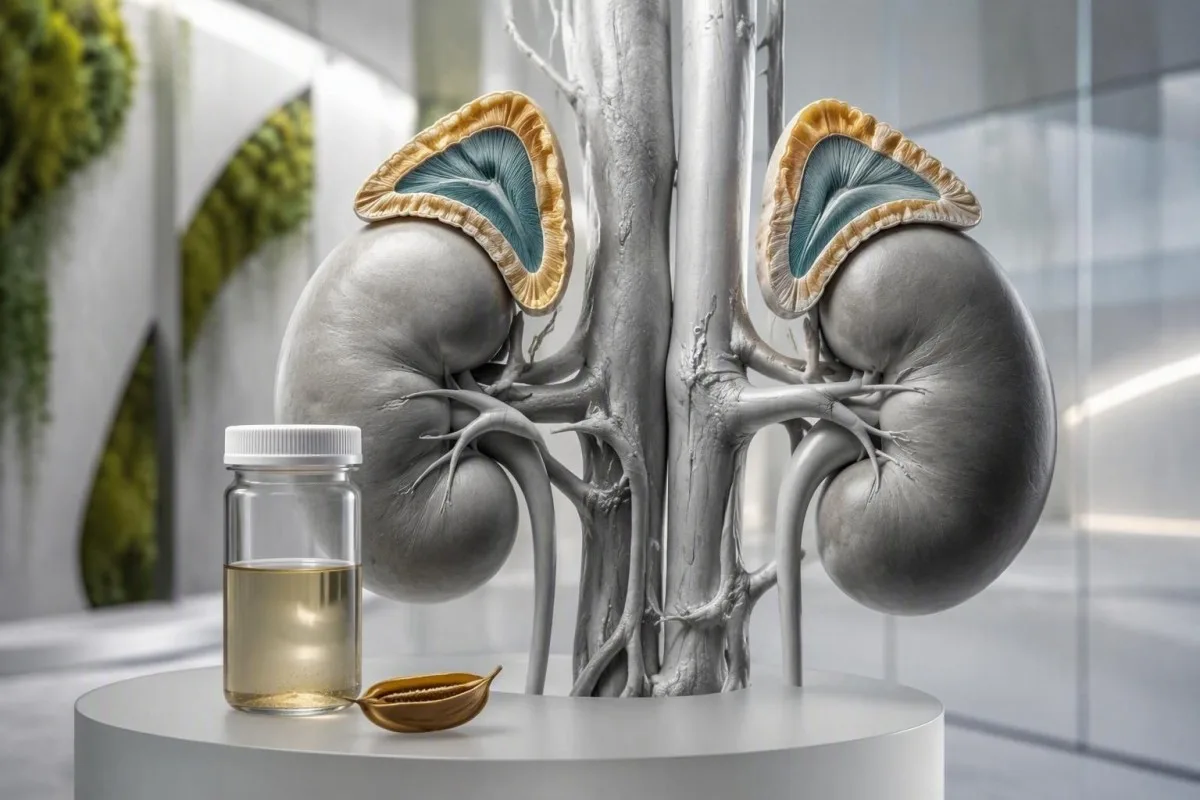
Ask four direct questions: Was the collection complete? Which analyte was high and by how much? Could a medicine or test-day event explain it? Which confirmatory test is most appropriate? These questions turn a vague “abnormal” label into a clinical plan.
Upload only documents you are comfortable sharing and retain the original report, including units and reference intervals. Kantesti can help structure routine blood findings around the appointment, and its technology guide explains how our system extracts and contextualises laboratory data without substituting for care.
I am Dr. Thomas Klein, and after 15 years reviewing complex laboratory patterns, I have learned that a carefully repeated test is often reassuring—but a truly marked result should not be delayed or dismissed. If you need human clinical governance context, meet our medical advisory board.
A sensible next-step plan after urine catecholamines
The sensible next step after urine catecholamines is to verify collection quality and possible interference before drawing conclusions. Marked or repeated abnormalities deserve endocrinology input; a single small rise usually deserves context first.
If your result is normal and the collection was complete, ask whether it answers the original clinical question or whether metanephrines are still needed. If it is mildly high, do not search for a diagnosis in isolation—contact the ordering clinician with your medication and collection notes.
If the result is more than three times the upper limit, or you have recurrent blood-pressure surges with severe symptoms, contact the clinician promptly and follow emergency advice if symptoms are acute. Do not start or stop alpha-blockers, antidepressants or stimulants based on an online interpretation.
Kantesti supports patients across 127+ countries by making routine laboratory reports easier to organise for medical conversations, while keeping clinical decisions with qualified professionals. For broader education on test interpretation and safe follow-up, browse the Kantesti health blog.
Frequently Asked Questions
How do I collect urine catecholamines for 24 hours?
Start by emptying your bladder into the toilet at the chosen time and record that time; then collect every urine passed for the next 24 hours, including the final urine at the same time the next day. Keep the collection cold unless the laboratory gives different instructions, and use a separate clean vessel if the main container contains preservative. A missed urine sample can falsely lower a 24-hour catecholamine result, so report any spill or missed void instead of guessing. Submit the container promptly with the exact start and finish times.
What is a normal range for urine catecholamines?
Typical adult 24-hour reference intervals are approximately norepinephrine 15-80 mcg, epinephrine 0-20 mcg and dopamine 65-400 mcg. These values vary by laboratory method, age, collection preservative and whether the report uses total excretion or a creatinine ratio. The reference interval printed on your own report is the one your clinician should use. A low result is usually not clinically meaningful because this test is designed mainly to detect hormone excess.
Can anxiety cause high urine catecholamines?
Yes, acute anxiety, panic, pain and severe sleep loss can raise catecholamine output because they activate the sympathetic nervous system. A temporary modest elevation, particularly less than two times the laboratory upper limit, is not enough by itself to diagnose pheochromocytoma or paraganglioma. Clinicians often repeat testing on a quiet, ordinary day or use fractionated metanephrines for confirmation. Persistent or marked elevations still need specialist review regardless of anxiety history.
Which medications affect a urine catecholamine test?
Tricyclic antidepressants, monoamine oxidase inhibitors, serotonin-norepinephrine reuptake inhibitors, ADHD stimulants, pseudoephedrine, levodopa and cocaine can affect urine catecholamine results. Acetaminophen may also interfere with certain older laboratory methods, although liquid chromatography-tandem mass spectrometry is less affected. Never stop a prescribed medicine solely to prepare for testing, because abrupt withdrawal can be harmful. Give the ordering clinician and laboratory a complete list of medicines, supplements and stimulant products so they can advise on a safe plan.
Are urine metanephrines better than urine catecholamines?
Urinary fractionated metanephrines are generally more sensitive than urine catecholamines for detecting pheochromocytoma and paraganglioma because tumours may produce metanephrines continuously. Urine catecholamines can still be useful in selected diagnostic pathways and may provide supportive information about active hormone release. Plasma free metanephrines collected after 20 to 30 minutes of supine rest are another common first-line option. The best choice depends on symptoms, kidney function, medication exposure and the local laboratory’s expertise.
What level of urine catecholamines is concerning?
A result just above the laboratory limit often needs a review of collection quality, medicines, caffeine, nicotine, illness and exercise before further action. Results more than three times the laboratory upper limit are substantially more concerning for true catecholamine excess and usually prompt endocrinology referral. Clinicians also weigh whether norepinephrine, epinephrine and metanephrines are elevated together rather than focusing on one number. No single cutoff confirms a diagnosis without clinical and laboratory context.
Get AI-Powered Blood Test Analysis Today
Join over 2 million users worldwide who trust Kantesti for instant, accurate lab test analysis. Upload your blood test results and receive comprehensive interpretation of 15,000+ biomarkers in seconds.
📚 Referenced Research Publications
Klein, T., Mitchell, S., & Weber, H. (2026). Kantesti LTD. (2026). Women's Health Guide: Ovulation, Menopause & Hormonal Symptoms. Figshare. https://doi.org/10.6084/m9.figshare.31830721. ResearchGate: https://www.researchgate.net. Academia.edu: https://www.academia.edu.. Kantesti AI Medical Research.
Klein, T., Mitchell, S., & Weber, H. (2026). Kantesti LTD. (2026). Multilingual AI Assisted Clinical Decision Support for Early Hantavirus Triage: Design, Engineering Validation, and Real-World Deployment Across 50,000 Interpreted Blood Test Reports. Figshare. https://doi.org/10.6084/m9.figshare.32230290. ResearchGate: https://www.researchgate.net. Academia.edu: https://www.academia.edu.. Kantesti AI Medical Research.
📖 External Medical References
⚕️ Medical Disclaimer
This article is for educational purposes only and does not constitute medical advice. Always consult a qualified healthcare provider for diagnosis and treatment decisions.
E-E-A-T Trust Signals
Experience
Physician-led clinical review of lab interpretation workflows.
Expertise
Laboratory medicine focus on how biomarkers behave in clinical context.
Authoritativeness
Written by Dr. Thomas Klein with review by Dr. Sarah Mitchell and Prof. Dr. Hans Weber.
Trustworthiness
Evidence-based interpretation with clear follow-up pathways to reduce alarm.