Результат ЕПО стає корисним лише тоді, коли він розглядається поряд із загальним аналізом крові (CBC), маркерами нирок, рівнем кисневого забезпечення та клінічною історією. Цей посібник пояснює шаблони, які використовують клініцисти, та ситуації, які потребують термінового подальшого спостереження.



- Референтний діапазон ЕПО зазвичай становить близько 2,6–18,5 мМО/мл у дорослих, але діапазон лабораторії, що проводить аналіз, завжди має пріоритет.
- Низький рівень еритропоетину при гемоглобіні вище 16,5 г/дл у чоловіків або 16,0 г/дл у жінок може підтримувати оцінку поліцитемії справжньої.
- Високий рівень еритропоетину при анемії зазвичай означає, що нирки реагують на знижену доставку кисню, крововтрату, гемоліз або низьку доступність заліза.
- Хронічна хвороба нирок може викликати анемію, оскільки пошкоджені нирки можуть не виробляти достатньо ЕПО для наявного ступеня анемії.
- Вплив висоти може підвищити ЕПО протягом кількох годин, тоді як гемоглобін зазвичай змінюється протягом днів-тижнів, а не протягом ночі.
- Тестування JAK2 часто вважається, коли гемоглобін або гематокрит постійно високі, а ЕПО нижче лабораторного діапазону.
- Один показник ЕПО не діагностує рак, захворювання нирок або розлади кісткового мозку; тенденція показників загального аналізу крові (ЗАК) та клінічна ситуація визначають подальші дії.
- Невідкладна оцінка є доцільним при нових неврологічних симптомах, болю в грудях, задишці, односторонній слабкості або помітно високому гематокриті з симптомами зневоднення.
Що означають результати аналізу на еритропоетин у контексті
Результати тесту на еритропоетин найбільш інформативні, коли вони співставлені з гемоглобіном та гематокритом: низький рівень ЕПО, незважаючи на високий рівень еритроцитів, може вказувати на автономну продукцію кісткового мозку, тоді як високий рівень ЕПО зазвичай означає, що організм відчуває недостатню доставку кисню. Результат в межах або поза діапазоном сам по собі не є діагнозом. Станом на 12 вересня 2026 року це просте співставлення залишається практичною відправною точкою.
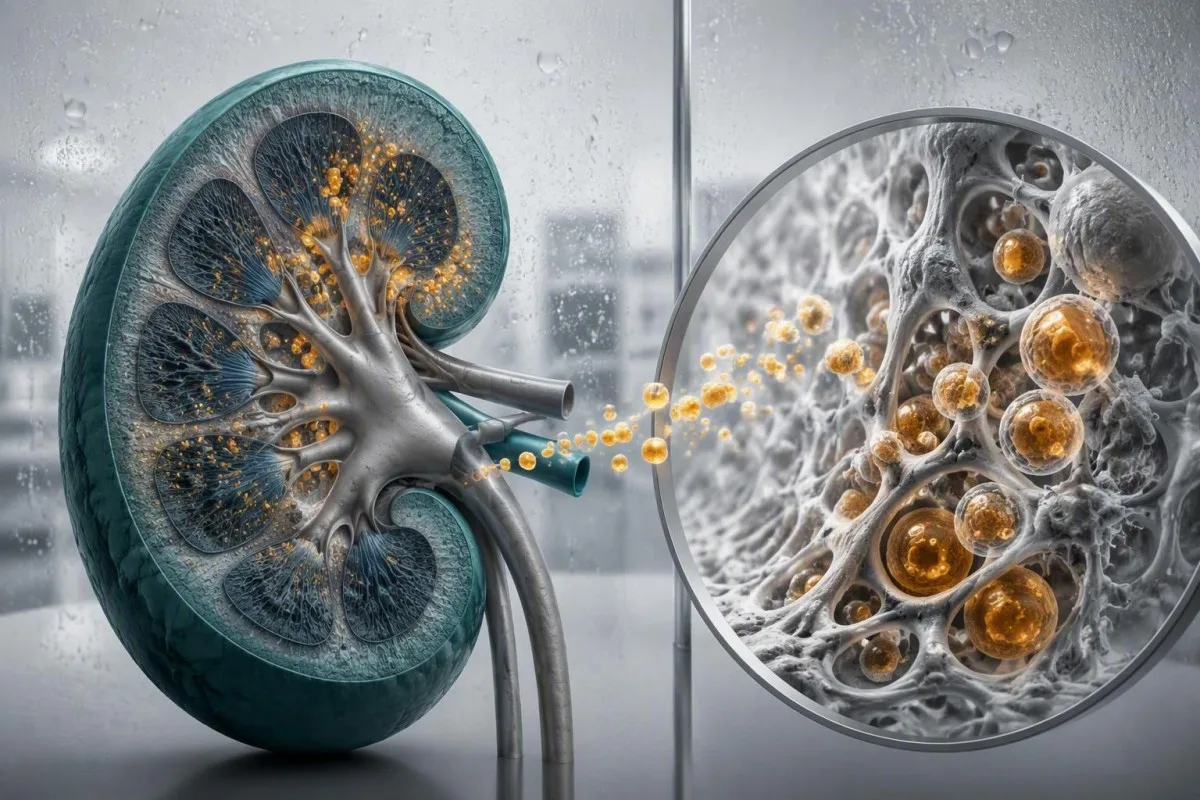
ЕПО – це гормон, який виробляється переважно спеціалізованими клітинами нирок. Він вказує кістковому мозку збільшити продукцію еритроцитів, коли кисень у тканинах низький; здорова зворотна петля пригнічує ЕПО, коли маса еритроцитів вже висока. доктор Томас Кляйн бачила багато направлень, спричинених інтерпретацією результату гормону без попередньої перевірки, чи дійсно ЗАК був відхиленням від норми.
Кантесті – це Аналізатор крові зі штучним інтелектом що інтерпретує ЕПО разом із ЗАК, креатиніном, eGFR, показниками еритроцитів та попередніми результатами, а не розглядає окремий показник як відповідь. Помірно підвищений рівень ЕПО у людини з гемоглобіном 10,2 г/дл біологічно відрізняється від ідентичного результату у когось з гемоглобіном 18,1 г/дл. Почніть з перегляду що означає гемоглобін у вашому власному звіті.
Діапазон, одиниці вимірювання та лабораторні відмінності аналізу крові на ЕПО
Більшість дорослих лабораторій повідомляють про сироватковий ЕПО в діапазоні приблизно 2,6–18,5 мМО/мл, хоча також використовуються діапазони приблизно від 3 до 24 мМО/мл. Аналіз, калібрувальний стандарт, обробка зразка та популяція, яка використовувалася для встановлення інтервалу, пояснюють значну частину цієї варіації.
Результат слід називати високим або низьким лише порівняно з інтервалом, надрукованим поруч. ЕПО зазвичай вимірюється імуноаналізом, а концентрації можуть відображатися як мМО/мл або МО/л; ці одиниці чисельно еквівалентні для звітності. Результат 19 мМО/мл ледь перевищує діапазон в одній лабораторії та є зовсім несуттєвим в іншій.
Справжнє питання полягає в тому, чи ЕПО є відповідним до рівня еритроцитів. При анемії значення близько 5 мМО/мл може бути в межах норми, але невідповідним чином низьким; при вираженій еритроцитозі те саме значення може бути значуще пригніченим. Порівняйте його з розшифровка гематокриту та датою зразка, а не з універсальним онлайн-пороговим значенням.
Високий рівень еритропоетину при низькому гемоглобіні
Високий рівень еритропоетину при низькому гемоглобіні зазвичай свідчить про те, що нирки намагаються компенсувати анемію або зниження доступності кисню. Залізодефіцитна анемія, недавня крововтрата, гемоліз, захворювання легень, розлади дихання під час сну та висотна хвороба є більш поширеними поясненнями, ніж рідкісна пухлина, що продукує ЕПО.

У людини з гемоглобіном 9,8 г/дл, ЕПО 48 мМО/мл часто є очікуваною відповіддю — не доказом того, що гормон викликає проблеми. Наступними розрізнювальними ознаками є MCV, феритин, насичення трансферину, ретикулоцити, білірубін, LDH та гаптоглобін. Низький MCV плюс феритин нижче 15 нг/мл сильно свідчить про залізодефіцит, тоді як підвищений підрахунок ретикулоцитів штовхає нас до поточної втрати або руйнування еритроцитів.
Я нещодавно оглянула спортсменку на витривалість, у якої ЕПО становив 31 мМО/мл, а гемоглобін — 11,1 г/дл після інтенсивного тренувального блоку. Її феритин становив 8 нг/мл, а не розлад кісткового мозку; ось чому низький феритин перед анемією заслуговує на увагу до того, як симптоми стануть обмежуючими. Високий ЕПО не може подолати відсутність заліза, вітаміну B12, фолієвої кислоти або неспроможність кісткового мозку.
Низький ЕПО при анемії: шаблон функції нирок
Низький або низько-нормальний ЕПО при анемії часто свідчить про недостатню продукцію ниркового гормону, особливо коли eGFR знижений. Це також може виникнути при запальних захворюваннях, тяжких системних захворюваннях або пригніченні кісткового мозку, тому сам по собі креатинін ніколи не визначає причину.
Анемія при хронічній хворобі нирок стає більш поширеною зі зниженням фільтрації, але вона не визначається лише показником eGFR. Людина з eGFR 32 мл/хв/1,73 м² та гемоглобіном 9,9 г/дл може мати значення ЕПО 7 мМО/мл — технічно нормальне, але занадто низьке для такого ступеня анемії. Керівництво KDIGO щодо анемії рекомендує перевіряти статус заліза перед розглядом стимулюючого еритропоез медикаменту (KDIGO, 2012).
Ниркова анемія часто є нормоцитарною, з MCV близько 80–100 фл і низькою ретикулоцитарною відповіддю, але змішаний залізодефіцит є надзвичайно поширеним. Переглянути попереджувальні знаки низького eGFR та альбуміну в сечі, а не припускати, що злегка підвищений креатинін пояснює все. У моїй клініці результати феритину та насичення трансферину часто змінюють план лікування.
Низький ЕПО при високому гемоглобіні або гематокриті
Низький еритропоетин при стійко підвищеному гемоглобіні або гематокриті викликає занепокоєння щодо первинного процесу кісткового мозку, особливо справжньої поліцитемії. Це не підтверджує цей діагноз, але є цінною підказкою, оскільки нормальний зворотний зв'язок повинен пригнічувати ЕПО, коли вироблення еритроцитів є автономним.

Критерії ВООЗ 2016 року використовують гемоглобін вище 16,5 г/дл у чоловіків або 16,0 г/дл у жінок, або гематокрит вище 49% та 48% відповідно, як пороги, що спонукають до обстеження на справжню поліцитемію (Arber et al., 2016). Субнормальний ЕПО є другорядним діагностичним критерієм; тестування мутації JAK2, повторні CBC та іноді дослідження кісткового мозку встановлюють діагноз. Одного зневодненого зразка недостатньо.
Kantesti AI інтерпретує низький результат ЕПО, порівнюючи його з попереднім гематокритом, кількістю еритроцитів, MCV, тромбоцитами та лейкоцитами — закономірностями, які можна пропустити, коли кожен результат розглядається окремо. Зростання кількості тромбоцитів або незрозуміло висока кількість лейкоцитів посилює аргумент на користь огляду гематологом. Наш детальний посібник із симптомів поліцитемії пояснює типову послідовність тестування.
Високий ЕПО при високому гемоглобіні: вторинна еритроцитоз
Високий рівень EPO та високий рівень гемоглобіну зазвичай вказують на вторинний еритроцитоз, що означає, що зовнішній або медичний сигнал стимулює вироблення еритроцитів. Поширені причини: висотна хвороба, куріння або вплив чадного газу, обструктивне апное уві сні, хронічні захворювання легень, тестостеронова терапія, а також рідше - пухлини нирок або печінки.
Гемоглобін 17,4 г/дл після тижня на висоті 2500 метрів потребує іншого обговорення, ніж той самий результат на рівні моря. EPO зазвичай підвищується протягом кількох годин після гіпоксичного впливу, тоді як вимірна реакція маси еритроцитів розвивається повільніше; зневоднення під час подорожі також може концентрувати зразок. Запишіть висоту, дати польотів, куріння, вейпінг та вживання андрогенів перед повторним тестом.
Деякі пацієнти здивовані, що апное уві сні може бути актуальним навіть без денної сонливості. Повторні нічні падіння кисню можуть спричинити періодичну стимуляцію EPO, хоча нормальне денне насичення киснем не виключає його. Постійні показники слід порівнювати з нашим посібником щодо причин підвищеного гематокриту та обговорювати з лікарем, а не лікувати лише донорством крові.
Висота, фізичні вправи та час перед аналізом на ЕПО
Висота та вплив кисню можуть вплинути на EPO до того, як вони суттєво змінять гемоглобін, тому час тестування має значення. Короткочасна поїздка в гори, гостре респіраторне захворювання, нічна гіпоксія та нещодавні інтенсивні фізичні навантаження можуть ускладнити інтерпретацію поблизу порогового значення.
Для нетермінового прикордонного результату я зазвичай прошу пацієнтів повторити CBC та EPO після того, як вони повернуться на звичну висоту, добре гідратовані та одужали від гострого захворювання. Немає єдиного періоду очікування, заснованого на доказах, для кожного мандрівника; два-чотири тижні часто є клінічно практичними, коли перший результат був лише незначно аномальним. Тенденція є більш цінною, ніж спроба інтерпретувати фізіологію з поштового відкриття одного дня.
Важкі фізичні навантаження можуть знижувати об'єм плазми протягом кількох годин і призводити до хибно високих показників гемоглобіну або гематокриту. Легко пропустити підказку - одночасно високий рівень альбуміну або загального білка, що свідчить про гемоконцентрацію, а не про справжнє збільшення кількості еритроцитів. Дивіться, як зневоднення створює хибно високий показник RBC перш ніж припускати, що ваша кісткова маса змінилася.
Як креатинін, eGFR та аналіз сечі змінюють інтерпретацію ЕПО
Креатинін, eGFR та альбумін у сечі допомагають визначити, чи може низька відповідь EPO бути пов'язана з нирками. eGFR нижче 60 мл/хв/1,73 м² протягом щонайменше 3 місяців свідчить про хронічне захворювання нирок, але анемія може мати іншу причину на кожній стадії ХЗН.
Низький результат EPO є більш переконливим для ниркової анемії, коли гемоглобін низький, ретикулоцити не підвищені, а ниркова недостатність встановлена при повторному тестуванні. Співвідношення альбумін-креатинін додає важливу інформацію, оскільки людина може мати клінічно значуще захворювання нирок, навіть коли креатинін здається лише помірно підвищеним. Практична різниця між BUN і креатинін може запобігти оманливим висновкам.
Навпаки, знижений eGFR може співіснувати з шлунково-кишковою кровотечею, залізодефіцитом, дефіцитом B12 або пригніченням кісткового мозку, спричиненим медикаментами. Kantesti є сервісі інтерпретації тестів AI який вказує на цю невідповідність: анемія з низькою насиченістю трансферину нижче 20% не повинна бути позначена як ниркова анемія, доки не буде вирішено проблему доступності заліза. Ниркові маркери описують контекст; вони не виправдовують повного обстеження на анемію.
Підказки CBC, що роблять результат ЕПО корисним
CBC визначає, чи є EPO доречним, недостатнім або оманливим. Гемоглобін та гематокрит кількісно визначають проблему еритроцитів, MCV ідентифікує патерни розміру клітин, а ретикулоцити показують, чи дійсно зростає вихід кісткового мозку.
Мікроцитоз, визначений у більшості дорослих лабораторій як MCV нижче 80 фл, спрямовує увагу на дефіцит заліза або ознаки таласемії; макроцитоз вище 100 фл викликає різні припущення, включаючи дефіцит B12, вплив алкоголю, захворювання печінки та розлади кісткового мозку. Жоден результат самостійно не пояснюється ЕПО. Показник продукції ретикулоцитів вище приблизно 2 свідчить про більш активну компенсаторну відповідь, але лабораторії розраховують його по-різному.
Kantesti AI — це Інструмент для аналізу результатів аналізу крові на основі AI який читає ЕПО разом із шириною розподілу еритроцитів, тромбоцитами та лейкоцитами для визначення патернів, що потребують перегляду лікарем. При анемії з низьким рівнем ЕПО нові зниження кількості нейтрофілів або тромбоцитів не є типовими для неускладненої ниркової анемії. Наша інструкція щодо кількості ретикулоцитів пояснює, чому очевидно “нормальний” відсоток ретикулоцитів може бути недостатнім при важкій анемії.
Залізо, B12, фолат та гемоліз: причини, які ЕПО не може розрізнити
ЕПО не може розрізнити дефіцит заліза, дефіцит вітамінів, крововтрату та гемоліз; супутні тести виконують цю роботу. Високий рівень ЕПО очікується за деяких із цих станів, але лікування суттєво відрізняється, і емпіричне залізо не завжди безпечне.
Феритин нижче 15 нг/мл є високо специфічним для виснажених запасів заліза у загалом здорової дорослої людини, але феритин може підвищуватися під час інфекції, ураження печінки та хронічного запалення. Насичення трансферину нижче 20% свідчить про обмежене доступне залізо, особливо якщо присутня анемія. Для повнішої інтерпретації використовуйте наш довідник із досліджень заліза.
Гемоліз зазвичай призводить до іншого набору показників: підвищення ретикулоцитів, підвищення непрямого білірубіну та ЛДГ, а також часто зниження гаптоглобіну. Доктор Томас Кляйн радить не починати самостійно приймати залізо при наявності цього патерну, оскільки це може затримати виявлення імунної, спадкової або механічної причини. Дізнайтеся про застереження щодо низьких результатів гаптоглобіну перед тим, як робити висновки.
Коли ЕПО вказує на необхідність аналізу кісткового мозку
Тестування кісткового мозку та мутацій розглядаються, коли ЕПО пригнічений при стійкому еритроцитозі, або коли анемія має несподівано слабку ретикулоцитарну відповідь з кількома низькими лініями клітин. Ці тести є цільовими дослідженнями, а не рутинним подальшим спостереженням для кожного незначно аномального значення ЕПО.

Справжня поліцитемія тісно пов'язана з мутацією драйвера JAK2, а низький рівень сироваткового ЕПО допомагає відрізнити її від багатьох вторинних причин. Рекомендації Британського товариства гематології рекомендують структуровану оцінку еритроцитозу, а не припущення, що кожен високий гемоглобін є справжньою поліцитемією (McMullin et al., 2019). Клініцист може спочатку замовити JAK2 V617F, а потім подальше тестування, якщо клінічна ймовірність залишається високою.
Анемія плюс низькі ретикулоцити, тромбоцити нижче 150 × 10⁹/л та нейтрофіли нижче 1,5 × 10⁹/л потребують своєчасного перегляду, оскільки ця комбінація може сигналізувати про порушення продукції кісткового мозку. Це не синонім раку — ліки, вірусні захворювання, аутоімунні захворювання, харчові дефіцити та апластичні процеси перекриваються. Наш довідник CBC при апластичній анемії окреслює, які патерни потребують швидшої оцінки.
Ліки, тестостерон та призначений ЕПО
Тестостерон та призначені стимулюючі еритропоез препарати можуть підвищити гемоглобін, тоді як інгібітори АПФ, БРА, хіміотерапія та деякі протизапальні препарати можуть сприяти анемії у окремих пацієнтів. Результат ЕПО не може бути безпечно інтерпретований без повного переліку ліків та добавок.

Еритроцитоз, пов'язаний з тестостероном, зазвичай виявляється при моніторингу послідовного CBC, а не тільки за допомогою тесту на ЕПО. Стійкий гематокрит вище 54% під час терапії тестостероном зазвичай призводить до коригування дози або тимчасового припинення прийому згідно з основними рекомендаціями ендокринологічної практики, оскільки ризик, пов'язаний із в'язкістю, стає більш тривожним. Не здавайте кров багаторазово без участі лікаря; це може спричинити дефіцит заліза та приховати основний патерн.
Рекомбінантний ЕПО та пов'язані з ним препарати використовуються за спеціалізованими протоколами для анемії, пов'язаної з ХХН та хіміотерапією, з індивідуальними цільовими рівнями гемоглобіну. У пацієнта, який приймає ці препарати, результат аналізу може бути складним для інтерпретації залежно від часу та перехресної реактивності аналізу. Наш аналіз тенденцій медикаментів розроблений для збереження дат, доз та змін лабораторних показників з часом.
Як підготуватися до аналізу крові на ЕПО та уникнути помилкових результатів
Більшість аналізів крові на ЕПО не вимагають голодування, але слід задокументувати нещодавній вплив висоти, гідратацію, куріння, прийом тестостерону та гострі захворювання. Лабораторний зразок зазвичай простий; підготовка, яка має найбільше значення, — це точна історія хвороби.

Запитайте лікуючого лікаря, чи слід отримувати ЗАК, підрахунок ретикулоцитів, феритин, креатинін/eGFR, насичення киснем та EPO з одного забору. ЗАК того ж дня запобігає поширеній помилці інтерпретації: порівняння сьогоднішнього EPO з гемоглобіном, виміряним місяцями раніше після операції, подорожі або лікування. Якщо результат буде орієнтиром для направлення до гематолога, узгодженість варта додаткової координації.
Уникайте надмірно інтенсивних тренувань та виправте явне зневоднення перед повторним ЗАК, якщо ваш лікар не вказав інше. Не припиняйте призначений тестостерон, кисень, CPAP або ліки для нирок просто для “очищення” результату. Підготовка до базового аналізу крові пояснює, яку інформацію слід записати, щоб повторний результат був справді порівнянним.
Коли аномальні результати ЕПО потребують термінової або спеціалізованої допомоги
Самі по собі аномалії EPO рідко створюють надзвичайну ситуацію, але симптоми та картина ЗАК навколо них іноді створюють. Новий біль у грудях, втрата свідомості, сильна задишка, одностороння слабкість, труднощі з мовленням, чорний кал або швидко наростаюча втома потребують термінової оцінки, а не онлайн-інтерпретації.
Організуйте терміновий первинний або гематологічний огляд при повторному гемоглобіні вище 16,5 г/дл у чоловіків або 16,0 г/дл у жінок з низьким EPO, особливо при головному болі, змінах зору, свербежі після теплої води, анамнезі тромбів або симптомах збільшення селезінки. Зверніться за терміновою допомогою при гемоглобіні близько 7–8 г/дл з запамороченням, болем у грудях при навантаженні або задишкою; відповідний поріг залежить від віку та серцевих захворювань.
Нейронна мережа Kantesti організовує тенденції EPO, ЗАК, нирок та заліза у запитання, які ви можете поставити на прийомі, але це не замінює огляд, оцінку кисню або спеціалізовані тести. Наша клінічна методологія та нагляд лікаря описані в медична валідаційна рамка. Принесіть попередні ЗАК — три значення протягом часу часто дають безпечнішу картину, ніж один тривожний показник.
Відстеження тенденцій ЕПО та обговорення результатів з вашим лікарем
Повторний результат EPO корисний лише тоді, коли супутній гемоглобін, гематокрит, висота над рівнем моря, ліки та стан нирок порівнянні. Стабільний EPO зі зниженням гемоглобіну має інше значення, ніж стабільний EPO з підвищенням гематокриту, навіть якщо обидва показники залишаються в межах норми.
Зберігайте оригінальний PDF-файл лабораторії, одиниці вимірювання, референтний інтервал, дату забору, поточну висоту над рівнем моря, статус куріння та список ліків. Різниця гемоглобіну в 1,0 г/дл може відображати гідратацію та нормальні біологічні варіації, тоді як повторна спрямована зміна протягом кількох заборів потребує пояснення. Наші довідник щодо змін аналізу крові допомагають відокремити значущі тенденції від звичайних варіацій.
Кантесті – це Платформа для інтерпретації біомаркерів AI використовується в 127+ країнах для розміщення лабораторних результатів у поздовжньому клінічному контексті, з орієнтованим на конфіденційність обробленням завантажених звітів. Для ширшого індексу пов’язаних маркерів зверніться до гайд із 15 000+ біомаркерів. Дві дослідницькі публікації Kantesti, наведені нижче, містять допоміжне читання щодо інтерпретації пов'язаних маркерів сироваткових білків та імунних маркерів; жодна з них не замінює гематологічної оцінки аномальної картини EPO.
Часті запитання
Який нормальний рівень еритропоетину?
Звичайний референтний інтервал еритропоетину у дорослих становить приблизно 2.6–18.5 мМО/мл, хоча багато лабораторій використовують інший діапазон, наприклад 3–24 мМО/мл. Лабораторний інтервал, надрукований у вашому власному звіті, є правильним для порівняння, оскільки аналізи на ЕПО не є повністю взаємозамінними. Нормальний рівень ЕПО все ще може бути невідповідним, якщо гемоглобін дуже низький або дуже високий. Наприклад, ЕПО 6 мМО/мл може бути недостатнім у людини з гемоглобіном 9.5 г/дл, але очікуваним у людини з гемоглобіном 14.0 г/дл.
Що означає високий рівень еритропоетину?
Високий рівень еритропоетину найчастіше означає, що нирки виявляють знижене надходження кисню та стимулюють вироблення еритроцитів. Поширені причини включають залізодефіцитну анемію, крововтрату, гемоліз, перебування на великій висоті, вплив чадного газу від куріння, апное уві сні та хронічні захворювання легень. Високий рівень ЕПО при гемоглобіні нижче 12,0 г/дл у багатьох невагітних дорослих жінок або нижче 13,0 г/дл у багатьох дорослих чоловіків зазвичай є компенсаторною реакцією, а не діагнозом кісткового мозку. Стійке підвищення ЕПО при високому гемоглобіні потребує обстеження на вторинний еритроцитоз і, рідше, пухлину нирок або печінки, що продукує ЕПО.
Що означає низький рівень еритропоетину?
Низький рівень еритропоетину може означати, що нирки не виробляють достатньо гормону для ступеня анемії, особливо при хронічній хворобі нирок. Низький ЕПО також є підтримуючим показником справжньої поліцитемії, коли гемоглобін постійно перевищує 16,5 г/дл у чоловіків або 16,0 г/дл у жінок. Той самий низький результат означає різні речі при анемії та еритроцитозі, тому CBC з тією ж датою є необхідним. Низький ЕПО сам по собі не діагностує ниркову недостатність або розлад кісткового мозку.
Чи може зневоднення вплинути на результат тесту на еритропоетин?
Зневоднення зазвичай впливає на гемоглобін і гематокрит сильніше, ніж на ЕПО, зменшуючи об'єм плазми та роблячи концентрації еритроцитів вищими. Концентрована проба може демонструвати високий гематокрит із високим альбуміном або загальним білком, що може імітувати справжню еритроцитоз. Легке зневоднення зазвичай не призводить до надзвичайно низького рівня ЕПО, але може зробити загальну картину заплутаною поблизу таких порогів, як гематокрит 49% у чоловіків або 48% у жінок. Повторне проведення CBC у стані нормальної гідратації часто є більш корисним, ніж повторне визначення лише ЕПО.
Чи збільшує високогір'я рівень ЕПО?
Високогір'я може збільшити EPO, оскільки нижчий тиск кисню активує ниркові клітини, що сприймають кисень. EPO може підвищитися протягом кількох годин після впливу, тоді як помітні зміни гемоглобіну та маси еритроцитів зазвичай займають від днів до тижнів. Тому нещодавнє перебування на висоті приблизно 2000–2500 метрів може вплинути на аналіз крові на EPO, навіть якщо CBC ще суттєво не змінився. Повідомте свого лікаря про подорожі, трекінг, висоту проживання та дату повернення перед інтерпретацією граничного результату.
Чи завжди низький рівень епо означає справжню поліцитемію?
Ні, низький рівень ЕПО не завжди означає справжню поліцитемію. Це лише один допоміжний показник, і він корисний головним чином, коли рівень гемоглобіну або гематокриту стабільно підвищений; рамки ВООЗ 2016 року також покладаються на тестування мутації JAK2 та інші клінічні критерії або критерії кісткового мозку. Зневоднення, лабораторні варіації та час можуть призвести до заплутаних результатів. Стійкий рівень гемоглобіну вище 16,5 г/дл у чоловіків або 16,0 г/дл у жінок із низьким рівнем ЕПО повинен бути переглянутий лікарем, часто із залученням гематолога.
Отримайте аналіз крові з підтримкою ШІ вже сьогодні
Приєднуйтесь до понад 2 мільйонів користувачів у всьому світі, які довіряють Kantesti для миттєвого та точного аналізу лабораторних тестів. Завантажте результати аналізу крові та отримайте комплексну інтерпретацію біомаркерів 15,000+ за секунди.
📚 Дослідження з посиланнями на публікації
Klein, T., Mitchell, S., & Weber, H. (2026). Kantesti AI. (2026). Посібник із сироваткових білків: глобуліни, альбумін та аналіз крові на співвідношення A/G. Zenodo.. Медичні дослідження ШІ Kantesti.
Klein, T., Mitchell, S., & Weber, H. (2026). Kantesti AI. (2026). Керівництво щодо аналізу крові на C3 C4 комплемент і титру ANA. Zenodo.. Медичні дослідження ШІ Kantesti.
📖 Зовнішні медичні посилання
Робоча група KDIGO з анемії (2012). KDIGO Клінічне керівництво з анемії при хронічній хворобі нирок. Kidney International Supplements.
⚕️ Медична відмова від відповідальності
Ця стаття призначена лише для освітніх цілей і не становить медичної поради. Завжди консультуйтеся з кваліфікованим медичним працівником щодо рішень про діагностику та лікування.
Сигнали довіри E-E-A-T
Досвід
Лікарський клінічний огляд робочих процесів інтерпретації лабораторних показників.
Експертиза
Лабораторна медицина з акцентом на те, як біомаркери поводяться в клінічному контексті.
Авторитетність
Написано доктором Томасом Кляйном за редакційного перегляду докторки Сари Мітчелл і професора доктора Ганса Вебера.
Довірливість
Інтерпретація на основі доказів із чіткими шляхами подальших дій, щоб зменшити тривогу.