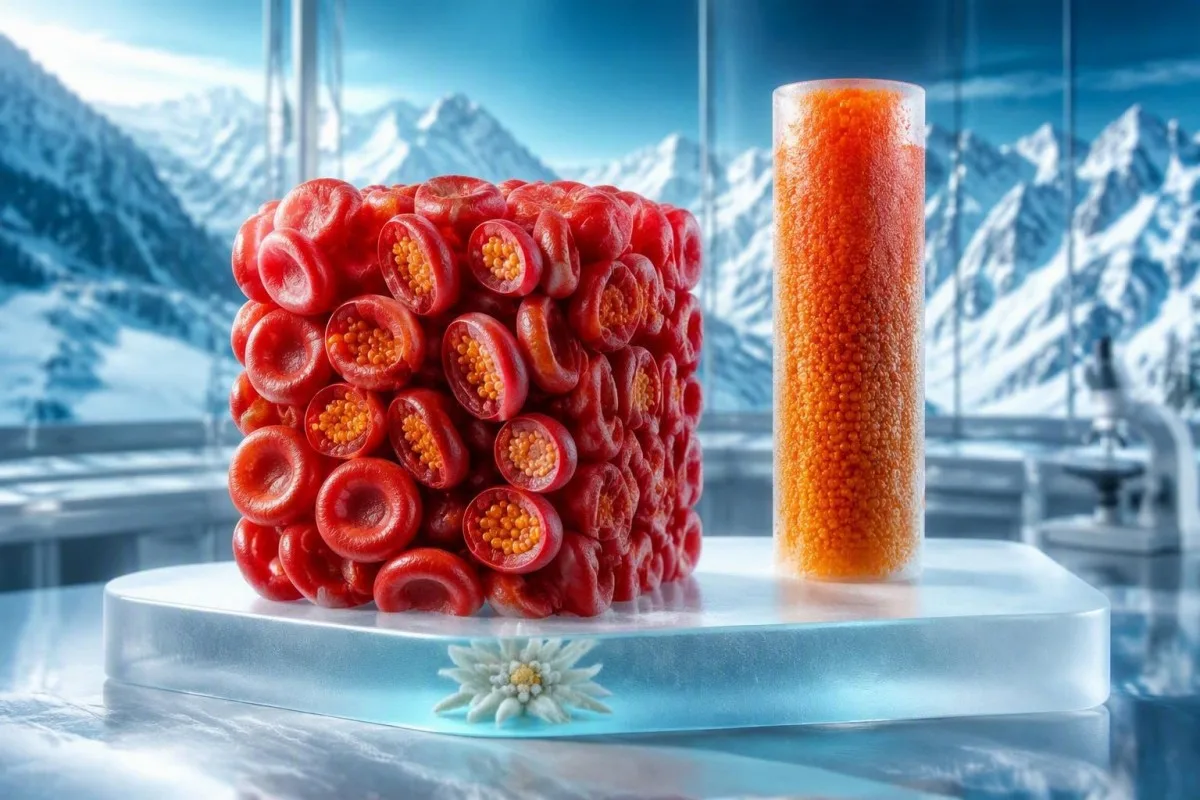
Tomhaiseas an hematocrit an roinn de tomhas-fuil a tha air a ghabhail thairis le ceallan dearga; tomhaiseas an hemoglobin an pròtain a tha a' giùlan ocsaidean. Mar as trice bidh iad a' dol còmhla, ach faodaidh na rudan neo-àbhaisteach a bhith feumail gu clionaigeach.


- Hematocrit is e an ceudad de tomhas-fuil iomlan a tha air a dhèanamh suas le ceallan dearga; mar as trice tha na raointean inbheach timcheall air 36-46% airson boireannaich agus 41-53% airson fir.
- Haemoglobin is e an dùmhlachd pròtain a tha a' giùlan ocsaidean, mar as trice timcheall air 12.0-15.5 g/dL airson boireannaich nach eil trom agus 13.5-17.5 g/dL airson fir.
- An riaghail trì a' measadh hematocrit mar mu thrì uiread an hemoglobin ann an g/dL; faodaidh beàrn nas motha a bhith a' comharrachadh atharrachadh ann am meud nan ceallan, lipemia, fuar-chreidsinn, no cùis anailis.
- Hematocrit ìseal le hemoglobin àbhaisteach gu tric a' nochdadh macrocytosis, uisgeachadh, no eadar-dhealachadh cunntais crìche seach anemia a tha cudromach gu clionaigeach.
- Adhbharan hematocrit àrd a' gabhail a-steach dìth uisge, nochdadh àirde, hypoxia co-cheangailte ri smocadh, apnea cadail, leigheas testosterone, agus nas cumanta polycythemia vera.
- stairsneach leanmhainn tha e nas làidire nuair a tha hemoglobin gu daingeann os cionn 16.5 g/dL ann an fir no 16.0 g/dL ann am boireannaich, gu sònraichte le hematocrit àrdaichte agus erythropoietin ìosal.
- Comharraidhean èiginneach leithidhean pian anns a’ bhroilleach, eas-thairis, troimh-chèile ùr, giorrad analach aig fois, stòl dubh, no fuil mhòr leantainneach a dh’ fheumas cùram pearsanta sgiobalta ge bith dè an àireamh san t-seirbheis slàinte coitcheann.
Na tha hematocrit agus hemoglobin a' tomhas gu fìrinneach
Hematocrit an aghaidh hemoglobin tha e na choimeas de thomhas an aghaidh pròtain: is e hematocrit am pàirt den tiùb de fhuil gu lèir a tha air a ghabhail thairis le ceallan dearga, fhad ‘s a tha hemoglobin nan graman de phròtain a tha a’ ceangal ocsaidean gach deicheamh de fhuil. Bidh iad mar as trice a’ gluasad còmhla oir tha an dithis an urra ri tomhas nan ceallan dearga, ach chan eil iad eadar-ghabhail.
Bidh a’ mhòr-chuid de na bùthan-leigheis a’ clàradh hematocrit mar cheud agus hemoglobin ann an g/dL. Tha hemoglobin de 14.0 g/dL agus hematocrit faisg air 42% na paidhear maidse ainmichte ann an inbheach, ged a tha an ùine clàraidh fhèin aig a’ bhùth-leigheis a’ riaghladh mìneachaidh. Faodar hematocrit a thomhas às deidh centrifugadh no a thomhas bho àireamh nan ceallan dearga agus tomhas cuibheasach nan ceallan, fhad ‘s a tha luchd-anailis ùr-nodha a’ tomhas hemoglobin gu photometrach às deidh na h-earrannan cealla a liosadh.
Is e an eadar-dhealachadh practaigeach solarachadh ocsaidean. Tha hemoglobin a’ giùlan ocsaidean, fhad ‘s a tha hematocrit a’ toirt buaidh air slaodachd agus ag innse dhuinn dè an àite a tha na ceallan dearga a’ gabhail; faodaidh neach mar sin hemoglobin àbhaisteach a bhith aige ach hematocrit beagan neo-àbhaisteach nuair a dh’ atharraicheas meud nan ceallan dearga. Airson an fhaclòir CBC nas fharsainge, tha ar stiùireadh air pàirtean CBC a’ sealltainn far a bheil MCV, MCH, agus RDW freagarrach.
Air 14 Sultain, 2026, tha mi fhathast a“ faicinn euslaintich air an innse gu bheil iad ”anemic” leis gu bheil aon de na luachan sin na phàirt taobh a-muigh an raon. Tha dòigh Dr. Thomas Klein nas lugha de dhrama: dearbhaich a bheil hemoglobin ìosal airson aois, gnè, inbhe trom, agus àirde, an uairsin leugh hematocrit còmhla ri MCV, RDW, reticulocytes, comharraidhean, agus an CBC roimhe seo.
carson a tha an aon CBC a’ toirt a-steach an dà chuid
Tha CBC a’ clàradh an dà dheuchainn oir tha gach fear a’ glacadh seòrsa eadar-dhealaichte de mhì-fhreagarrachd. Mar as trice is e hemoglobin an clàr-innse as dìriche airson anemia a mhìneachadh, fhad ‘s a dh’ fhaodas hematocrit a bharrachd air clàran a thoirt seachad mu chothromachadh lionn agus tomhas nan ceallan dearga.
Raointean iomraidh agus an riaghail cheart-cheàrnaidh
Mar as trice bidh hemoglobin inbheach timcheall air 12.0-15.5 g/dL ann am boireannaich agus 13.5-17.5 g/dL ann an fir, fhad ‘s a tha hematocrit mar as trice timcheall air 36-46% agus 41-53%, fa leth. Tha hematocrit faisg air trì uiread an luach hemoglobin na dheuchainn plausibility feumail, chan e breithneachadh.
Tha an “riaghailt trì” a’ ciallachadh gu bheil hemoglobin 12 g/dL mar as trice a’ paidhir le hematocrit timcheall air 36%, agus hemoglobin 15 g/dL le hematocrit timcheall air 45%. Tha e nas lugha earbsach nuair a tha MCV gu math ìosal no àrd, nuair a tha triglycerides gu mòr àrd, no nuair a bhios ceallan dearga a’ cruinneachadh ann an sampall fuar. Bidh mi ga chleachdadh mar bhratach sgiobalta airson a’ cheist bhùth-leigheis fhaighneachd, chan ann mar neach-ionaid airson an toradh clàraichte.
Tha stiùireadh WHO’s 2024 a’ mìneachadh anemia ann am boireannaich nach eil trom mar hemoglobin fo 12.0 g/dL agus ann an fir fo 13.0 g/dL, le atharrachaidhean airson trom, smocadh, agus àirde. Bidh stairsneach hematocrit ag atharrachadh nas motha a rèir bùth-leigheis, a tha na adhbhar gu bheil luchd-clionaigeach mar as trice a’ ceangal co-dhùnaidhean anemia ri hemoglobin seach ri stairsneach hematocrit uile-choitcheann (WHO, 2024).
Tha Kantesti na Anailisiche deuchainn fala AI a nì sgrùdadh air hemoglobin, hematocrit, MCV, MCHC, agus toraidhean roimhe mar aon phàtran CBC an àite a bhith a’ làimhseachadh bratach dhearg mar bhreithneachadh. Tha an sgrùdadh pàtran-an-toiseach seo gu sònraichte cuideachail nuair a bhios diofar bhùthan-leigheis a’ cleachdadh eadar-ama beagan eadar-dhealaichte; faic mar a a tha raointean bùth-leigheis a rèir gnè eadar-dhealaichte.
Carson a tha an dà luach mar as trice ag èirigh agus a' tuiteam còmhla
Hemoglobin and hematocrit usually fall together in iron deficiency, blood loss, kidney-related anemia, and bone-marrow suppression because each reflects reduced circulating red-cell mass. They usually rise together when plasma volume contracts or red-cell production increases.
A 1-litre saline infusion can lower both hemoglobin and hematocrit within hours through dilution without destroying a single red cell. Conversely, vomiting, diarrhoea, fever, diuretics, or a hard endurance event with inadequate fluid replacement can concentrate both values temporarily. That is why I ask about fluid intake, recent illness, and timing before labeling a mildly high result as disease.
True anemia develops when red-cell production cannot keep pace with loss or destruction. Iron deficiency often first lowers ferritin and transferrin saturation, then reduces MCV and hemoglobin; hematocrit follows. Camaschella’s New England Journal of Medicine review explains why iron deficiency must be traced to intake, menstrual loss, gastrointestinal loss, absorption, or inflammation rather than simply treated with tablets (Camaschella, 2015).
A high hemoglobin plus high hematocrit deserves a different branch of reasoning. The high RBC count and dehydration guide explains why repeating a CBC after normal hydration can separate hemoconcentration from sustained erythrocytosis in many otherwise well adults.
Carson a dh'fhaodas hematocrit agus hemoglobin a bhith eadar-dhealaichte
A meaningful hematocrit-hemoglobin mismatch usually points to altered red-cell size, altered plasma composition, or a measurement artifact rather than two unrelated illnesses. The fastest clue is whether MCV, MCHC, RDW, and the sample quality flags support the result.
Because calculated hematocrit equals red-cell count multiplied by MCV, unusually large cells can raise hematocrit relative to hemoglobin. Macrocytosis from vitamin B12 deficiency, folate deficiency, alcohol exposure, liver disease, hypothyroidism, or certain medicines may therefore make the ratio look “off” before hemoglobin becomes frankly low. An MCV above 100 fL warrants context, especially when RDW is also rising.
Very small cells can produce the opposite impression: a relatively low hematocrit with hemoglobin that is less reduced than expected. Iron deficiency and thalassemia trait commonly produce microcytosis, but ferritin, transferrin saturation, family history, and red-cell count distinguish the patterns better than MCV alone. Our low MCV follow-up guide lays out that decision point.
Laboratory artifacts are real. Severe lipemia may falsely increase measured hemoglobin, while cold agglutinins can distort red-cell count, MCV, and calculated hematocrit until the specimen is warmed and rerun. A mismatch that appears suddenly, with no clinical explanation, merits a repeat sample or laboratory review before extensive testing.
Hematocrit ìseal le hemoglobin àbhaisteach: mìneachaidhean cumanta
Hematocrit ìseal le hemoglobin àbhaisteach is most often a mild calculation or volume issue, but persistent discordance should prompt review of MCV, MCHC, red-cell count, and hydration. It does not automatically mean hidden bleeding or anemia.
A simple example is hemoglobin 13.2 g/dL with hematocrit 38% in an adult whose laboratory lower limit is 39%. If MCV is 102 fL and RDW is elevated, macrocytosis is more informative than the isolated hematocrit flag. In my clinic, I would review alcohol intake, thyroid function, liver enzymes, B12, folate, and medicines such as hydroxyurea, methotrexate, or antiseizure treatment rather than rush to iron.
Overhydration can lower hematocrit by expanding plasma volume, especially after intravenous fluids, pregnancy, endurance exercise, or compulsive water intake. A fall of 2-3 percentage points after a large fluid load can be physiological dilution; it should recover as fluid balance normalizes. Pregnancy requires pregnancy-specific intervals, because plasma volume expands more than red-cell mass.
Kantesti’s àrd-ùrlar mìneachaidh deuchainn fala AI flags low hematocrit with normal hemoglobin as a pattern to contextualize, not a diagnosis to self-treat. If iron markers are needed, compare ferritin with transferrin saturation using our airson iomradh air sgrùdaidhean iarainn and discuss the result with a clinician.
Nuair a tha an dà luach ìosal a' comharrachadh anemia
Low hemoglobin and low hematocrit together usually indicate anemia or dilution, and the next decisive tests are MCV, reticulocyte count, ferritin, kidney function, and a focused bleeding history. Symptoms and speed of change matter more than a single borderline value.
Hemoglobin below 8 g/dL often causes exertional breathlessness, tachycardia, dizziness, or chest discomfort, although chronic anemia can be tolerated better than an abrupt fall. A value below 7 g/dL is a common restrictive transfusion threshold for stable hospitalized adults, but active bleeding, heart disease, symptoms, and local protocols change that decision. This is hospital medicine, not a threshold for home management.
Reticulocytes show whether marrow response is appropriate. High reticulocytes with falling hemoglobin suggest blood loss or hemolysis; low or inappropriately normal reticulocytes suggest underproduction from iron deficiency, kidney disease, inflammation, B12/folate deficiency, medications, or marrow disorders. The stiùireadh cunntais reticulocyte explains how an immature reticulocyte fraction adds timing information.
Dr. Thomas Klein advises same-day assessment for low CBC values accompanied by fainting, breathlessness at rest, chest pain, black tarry stools, vomiting material that resembles coffee grounds, or heavy ongoing menstrual or gastrointestinal bleeding. Anemia itself is a finding; the underlying cause determines the safe next step.
Adhbharan àrd hematocrit: dùmhlachd, hypoxia, no cus cinneasachadh
High hematocrit causes fall into three useful groups: reduced plasma volume, chronic low-oxygen signaling, and autonomous marrow overproduction. A repeat CBC when well hydrated separates many transient results from sustained erythrocytosis.
Dehydration is the commonest reversible explanation for a modest rise, particularly when urea, albumin, and urine specific gravity are also concentrated. Smoking, obstructive sleep apnea, chronic lung disease, cyanotic heart disease, high-altitude residence, and testosterone therapy can raise erythropoietin-driven red-cell production. Even a few nights of severe sleep-apnea hypoxia may complicate interpretation, though it rarely explains a dramatic isolated value alone.
Persistent hemoglobin above 16.5 g/dL in men or 16.0 g/dL in women meets one World Health Organization major criterion used in evaluating polycythemia vera. The diagnosis still requires clinical assessment and usually JAK2 mutation testing, erythropoietin level, and sometimes marrow evaluation; it cannot be made from hematocrit alone. Barbui et al. (2018) emphasize thrombosis prevention and risk-based treatment once a myeloproliferative neoplasm is confirmed.
For a deeper differential, read our high hematocrit causes article agus polycythemia testing pathway. A persistent result is worth a routine appointment even when you feel completely well.
Nuair a dh'fheumas toradh àrdaichte aire mheidigeach luath
A high hematocrit needs urgent evaluation when it occurs with new neurologic symptoms, chest pain, shortness of breath, one-sided leg swelling, visual change, or a previous clot. The number alone does not predict danger perfectly, but hematocrit near or above 55% is not a result I would leave unreviewed.
Blood becomes more viscous as hematocrit rises, although the relationship is nonlinear and individual risk differs. In confirmed polycythemia vera, the CYTO-PV trial found fewer cardiovascular deaths and major thromboses when hematocrit was maintained below 45% than when it was allowed in the 45-50% range (Marchioli et al., 2013). That trial does not mean every person with dehydration needs venesection.
Headache, facial flushing, fatigue, and itch after a warm shower are sometimes reported in polycythemia vera, but they are nonspecific. More concerning is a new focal neurologic deficit, sudden severe headache, altered speech, collapse, or acute breathlessness; these require emergency services rather than a repeat test next week. Do not donate blood or start aspirin solely because an app or one CBC is high.
Kantesti AI uses trend analysis to distinguish a one-off concentration effect from a recurrent pattern, but our output is educational and cannot replace urgent assessment. Our frèam-obrach dearbhaidh meidigeach describes why clinically significant flags are designed for follow-up, not self-diagnosis.
Na clàr-innse CBC a mhìnicheas an beàrn
MCV, MCHC, RDW, and the red-cell count often explain a hematocrit-hemoglobin disagreement better than either headline number. MCV measures average red-cell volume, MCHC estimates hemoglobin concentration inside cells, and RDW measures size variation.
An MCV below 80 fL is microcytosis in most adult laboratories, while an MCV above 100 fL is macrocytosis. Low MCV plus low ferritin strongly supports iron deficiency; low MCV with a relatively high red-cell count and normal iron stores makes thalassemia trait more plausible. Neither pattern should be inferred from hematocrit alone.
MCHC is normally roughly 32-36 g/dL in many laboratories. A genuinely high MCHC is uncommon and can occur with spherocytes, but cold agglutinins, sample issues, and lipemia are more frequent explanations for a surprising value. Our high MCHC interpretation guide explains why a smear or redraw may be more useful than anxiety.
RDW often rises early during iron deficiency and can temporarily increase after iron treatment as new cells differ in size from older cells. That mixed-cell population may make ratios untidy for several weeks, which is why a CBC trend and stiùireadh pàtrain RDW can be more informative than a snapshot.
Tha torrachas, àirde, agus trèanadh ag atharrachadh mìneachadh
Pregnancy, high-altitude exposure, and endurance training can shift hematocrit and hemoglobin without representing the same disease process. The correct reference interval depends on physiology, timing, and whether the change is stable or progressive.
During pregnancy, plasma volume expands by roughly 40-50%, while red-cell mass rises less; hemoglobin and hematocrit commonly fall through dilution. WHO uses hemoglobin below 11.0 g/dL in the first and third trimesters and below 10.5 g/dL in the second trimester to define anemia, though local maternity pathways may vary. Ferritin is especially useful when anemia is suspected.
At altitude, lower oxygen pressure stimulates erythropoietin and raises hemoglobin over days to weeks. WHO specifically recommends altitude adjustment when interpreting anemia prevalence, and individual clinical care should also consider how long someone has lived or trained at elevation. A blood draw 24 hours after a mountain race can be more affected by dehydration than true acclimatization.
Endurance athletes may have “sports anemia,” meaning plasma-volume expansion lowers concentration measures despite normal or increased total red-cell mass. I usually pair CBC results with ferritin, transferrin saturation, diet, menstrual history, and training load; our stiùireadh deuchainn fala airson lùth-chleasaichean seasmhachd covers RED-S warning patterns.
Bu chòir testosterone, smocadh, agus apnea cadail ceistean sònraichte fhaighinn
Testosterone therapy, tobacco exposure, and untreated obstructive sleep apnea can raise hemoglobin and hematocrit through different pathways, so a generic “high red cells” explanation is not enough. Medication timing and oxygen status are often more revealing than another iron panel.
Exogenous testosterone stimulates erythropoiesis, and many prescribing protocols intervene when hematocrit reaches 54% or rises rapidly from baseline. The exact response may include dose adjustment, route change, temporary cessation, or assessment for sleep apnea and other contributors; it should be managed by the prescribing clinician. Injectable formulations can produce larger peak-and-trough effects than some transdermal regimens.
Smoking can elevate carboxyhemoglobin and reduce oxygen delivery, which may stimulate erythropoietin over time. Pulse oximetry can look deceptively normal in carbon monoxide exposure because standard devices cannot reliably distinguish oxyhemoglobin from carboxyhemoglobin. That little detail is easy to miss in a remote review.
Tha Kantesti na Inneal mion-sgrùdaidh deuchainn fala le cumhachd AI that incorporates declared medicines and prior CBCs when it identifies a high-result pattern. If a new high result follows a medication change, record the dose, route, start date, smoking status, and sleep symptoms before your appointment; our slightly high hemoglobin guide can help organize the questions.
Cùisean ro-anailis agus anailis a tha a' dèanamh aithris air eas-aonta
Poor mixing, delayed processing, cold agglutinins, lipemia, and recent intravenous fluids can create a hematocrit-hemoglobin mismatch that is not biologically real. A laboratory comment, delta check, and repeat properly handled sample are often the safest first response.
CBC samples are collected in EDTA tubes, which must be adequately mixed and processed within the laboratory’s validated stability window. Cellular swelling with prolonged storage can raise MCV and calculated hematocrit, while hemolysis or turbidity can interfere with photometric hemoglobin methods. These are uncommon but matter when the result conflicts with the person in front of you.
A delta check compares a current value with prior results and alerts laboratories to abrupt, implausible movement. A hematocrit falling from 45% to 32% overnight without symptoms, fluid administration, bleeding, or an accompanying hemoglobin shift deserves verification before anyone pursues invasive testing. Our mìneachadh delta-check describes how this safety process works.
Dr. Thomas Klein has seen cold agglutinin cases where warming the sample corrected a bizarre MCV and hematocrit within the same day. The lesson is reassuring but not dismissive: unusual patterns should be confirmed, and genuine anemia or hemolysis still needs a clinician-led evaluation.
Plana leanmhainn practaigeach airson pàtran CBC neo-àbhaisteach
A sensible follow-up plan starts by confirming the result, then uses the pattern to choose targeted tests rather than ordering everything. For mild, symptom-free abnormalities, repeat CBC timing is often 2-8 weeks depending on the suspected cause and clinical history.
For low hemoglobin or hematocrit, ask whether MCV is low, normal, or high. Low MCV often leads to ferritin and transferrin saturation; normal MCV may lead to reticulocytes, kidney function, CRP, and bleeding review; high MCV may lead to B12, folate, TSH, liver tests, medication review, and sometimes a blood film. A clinician should tailor this list to age and symptoms.
For high values, repeat the CBC when normally hydrated and not immediately after intense exercise, vomiting, diarrhoea, or a long flight. If elevation persists, clinicians commonly assess oxygen saturation, smoking/carbon monoxide exposure, sleep-apnea risk, testosterone or diuretic use, erythropoietin, and JAK2 testing where indicated. The erythropoietin result guide explains why a low level shifts concern toward autonomous marrow production.
Kantesti AI interprets hematocrit and hemoglobin through trends, indices, and linked results in about 60 seconds after a report upload. Our stiùireadh teicneòlais AI explains the workflow, while your own clinician remains the right person to examine you and decide on testing.
Na bu chòir a thoirt gu neach-clionaigeach a' sgrùdadh nan toraidhean sin
The most useful appointment preparation is a timeline: prior CBCs, recent illnesses, hydration, altitude, exercise, menstrual or gastrointestinal loss, medicines, supplements, and family history. Those details often explain more than one extra decimal point on hematocrit.
Bring at least two prior CBCs when possible, including the laboratory reference ranges. A stable hematocrit of 48% over five years in a high-altitude resident is a different problem from a new rise from 42% to 52% in six months. The stiùireadh atharrachaidh deuchainn fala explains why normal biological variation can still move a result modestly.
Write down supplements, especially iron, B12, folate, testosterone-related products, diuretics, and high-dose zinc. Excess zinc can cause copper deficiency and anemia over time, while iron taken shortly before testing may alter serum iron without correcting underlying stores. Our zinc and copper anemia guide covers that less obvious connection.
Tha susbaint meidigeach Kantesti air a sgrùdadh le cur-a-steach bho ar Bòrd Comhairleachaidh Meidigeach, but no online interpretation can assess pallor, heart rate, oxygenation, spleen size, or active bleeding. If symptoms are substantial or the CBC changes quickly, seek in-person care rather than waiting for a perfect data set.
Na pàtranan CBC as dualtaiche a bhith ag iarraidh leanmhainn
Follow-up is most warranted for persistent low hemoglobin, a fast CBC change, high hemoglobin with high hematocrit, abnormal MCV or RDW, additional low cell lines, or symptoms that fit anemia, clotting, or bleeding. A single slight hematocrit deviation with normal hemoglobin and indices is often rechecked rather than treated.
A hemoglobin below 12.0 g/dL in a non-pregnant adult woman or below 13.0 g/dL in an adult man meets WHO anemia criteria and merits cause-focused evaluation when confirmed. The concern increases when MCV is below 80 fL or above 100 fL, RDW rises, platelets or white cells are also abnormal, or the result has changed materially from baseline. This is where a CBC becomes a pattern, not a list of flags.
Persistent hemoglobin above 16.0 g/dL in women or 16.5 g/dL in men, particularly with hematocrit above 48% or 49% respectively, warrants assessment for secondary erythrocytosis and occasionally polycythemia vera. Clinicians disagree on exactly when to initiate molecular testing in low-risk people, so context matters more than one cutoff. Symptoms, duration, smoking, oxygenation, and medication exposure refine the decision.
The bottom line from Dr. Thomas Klein: hematocrit versus hemoglobin is rarely a contest over which value is “right.” Hemoglobin usually defines anemia more directly; hematocrit and the indices explain why it happened. For safe trend review and source-aware interpretation, see Kantesti’s clinical standards.
Ceistean Bitheanta
Am faod hematocrit a bhith ìosal nuair a tha hemoglobin àbhaisteach?
Seadh. Faodaidh dùmhlachd ìseal a bhith ann le hemoglobin àbhaisteach nuair a thèid an MCV atharrachadh, nuair a thèid an tomhas-lìonaidh plasma a leudachadh, no nuair a tha an eadar-dhealachadh faisg air an ìre gearraidh obair-lann. Mar eisimpleir, faodaidh hemoglobin de 13.2 g/dL le dùmhlachd de 38% a bhith beag gu clionaigeach, ach atharraichidh MCV os cionn 100 fL no fo 80 fL an leanmhainn. Bu chòir eas-aontachd leantainneach ath-sgrùdadh leis an àireamh cheallan dearga, MCV, MCHC, RDW, eachdraidh uisgeachaidh, agus CBCan roimhe. Chan eil e leis fhèin a' dearbhadh fuil no dìth iarainn.
Dè as cruinne airson anemia, hematocrit no hemoglobin?
’S e hemoglobin mar as trice an tomhas as fheàrr airson sgaradh-mòr a mhìneachadh leis gu bheil e a’ tomhas gu dìreach dùmhlachd pròtain a tha a’ giùlan ogsaidean. Tha crìochan WHO 2024 a’ mìneachadh sgaradh-mòr fo 12.0 g/dL ann am boireannaich nach eil trom agus fo 13.0 g/dL ann an fir, le atharrachaidhean air leth airson torrachas. Tha hematocrit fhathast luachmhor leis gu bheil e a’ nochdadh meud ceallaichean dearga agus faodaidh e buaidhean diluain no meud cealla fhoillseachadh. Bidh luchd-clionaigeach a’ mìneachadh an dà chuid còmhla ri MCV agus reticulocytes.
Dè a tha ag adhbhrachadh dùmhlachd-fala àrd agus haemoglobin àrd còmhla?
Is dòcha gur ann bho bhith a’ tiormachadh, smocadh, apnea cadail, nochdadh air fuaimneachadh ocsaidean ìseal gu leantainneach, àirde mhòr, no leigheas testosterone a thig an dùil-lìonadh àrd agus hemoglobin còmhla. Dh’ fhaodadh hemoglobin seasmhach os cionn 16.5 g/dL ann an fir no 16.0 g/dL ann am boireannaich a bhith a’ cur feum air measadh airson erythrocytosis, a’ gabhail a-steach staid ocsaidean, erythropoietin, agus uaireannan deuchainn JAK2. Tha polycythemia vera nas teirce ach tha e cudromach gu clionaigeach leis gu bheil cunnart clot ag èirigh nuair a tha an dùil-lìonadh àrd. Gu tric is e ath-aithris air CBC nuair a tha thu air uisgeachadh gu h-àbhaisteach a’ chiad cheum ma tha comharran neo-làthaireach.
A bheil hematocrit trì uairean hemoglobin?
Mar as trice, tha hematocrit timcheall air trì uiread hemoglobin nuair a tha hemoglobin air a chur an cèill ann an g/dL, agus mar sin tha hemoglobin 14 g/dL gu cumanta a' dol còmhla ri hematocrit faisg air 42%. 'S e riaghailt tuairmse a tha seo seach deuchainn gnàthachais. Faodaidh microcytosis, macrocytosis, fuil-ghlachadh fuar, lipemia, agus dòighean anailis an ceangal a dhèanamh nas cruinne. Bu chòir beàrn leantainneach a bhrosnachadh ath-sgrùdadh air MCV, MCHC, RDW, agus càileachd na sampall.
Aig dè an ìre hematocrit bu chòir dhomh cùram èiginn iarraidh?
Bu chòir do hematocrit timcheall air 55% no nas àirde faighinn ath-bhreithneachadh meidigeach sgiobalta, gu sònraichte nuair a tha e seasmhach no air a chàradh le hemoglobin os cionn 16.5 g/dL ann an fir no 16.0 g/dL ann am boireannaich. Iarr cùram èiginn sa bhad airson pian broilleach, dìth anail gu h-obann, faochadh, laigse aon-thaobhach, duilgheadas cainnte ùr, ceann goirt mòr, no call lèirsinn ge bith dè an hematocrit mionaideach. Faodaidh luach nas ìsle a bhith èiginneach fhathast ma tha e air èirigh gu luath no ma thig e às dèidh tachartas clotachaidh. Na bi a’ làimhseachadh toradh àrd leat fhèin le aspirin no tabhartas fala às aonais comhairle meidigeach.
An urrainn dìth uisge an hematocrit a thogail ach gun a bhith a’ togail an hemoglobin?
Mar as trice bidh dìth uisge a’ togail an dà chuid hematocrit agus hemoglobin leis gu bheil nas lugha de plasma a’ dùnadh na pàirtean de cheallan dearga san fhuil. Faodaidh beag-chreimeadh tachairt leis gu bheil hematocrit an urra ri àireamh nan ceallan dearga agus MCV, fhad ‘s a thèid hemoglobin a thomhas le dòigh eile. Faodaidh cuir a-mach, a’ bhuinneach, diuretics, fiabhras, agus eacarsaich dian a bhith a’ cruthachadh buaidhean dùmhlachd goirid. Le bhith ag ath-aithris an CBC às dèidh gabhail ri uisge gu h-àbhaisteach agus às dèidh faighinn seachad air, tha e gu tric nas fhiosraiche na bhith a’ gabhail gnìomh air aon deuchainn.
Faigh Mion-sgrùdadh Deuchainn Fala le Cumhachd AI an-diugh
Thig còmhla ri còrr is 2 mhillean neach air feadh an t-saoghail a tha a’ earbsa Kantesti airson mion-sgrùdadh sa bhad, ceart air deuchainnean obair-lann. Luchdaich suas na toraidhean deuchainn fala agad agus faigh mìneachadh coileanta air biomarcair 15,000+ ann an diogan.
📚 Foillseachaidhean Rannsachaidh le Iomraidhean
Klein, T., Mitchell, S., & Weber, H. (2026). Urobilinogen in Urine Test: Complete Urinalysis Guide 2026. Zenodo. https://doi.org/10.5281/zenodo.18226379. ResearchGate: https://www.researchgate.net/ Academia.edu: https://www.academia.edu/. Rannsachadh Leigheis AI Kantesti.
Klein, T., Mitchell, S., & Weber, H. (2026). Iron Studies Guide: TIBC, Iron Saturation & Binding Capacity. Zenodo. https://doi.org/10.5281/zenodo.18248745. ResearchGate: https://www.researchgate.net/ Academia.edu: https://www.academia.edu/. Rannsachadh Leigheis AI Kantesti.
📖 Iomraidhean Meidigeach Taobh a-muigh
Buidheann Slàinte na Cruinne (2024). Stiùireadh air gearraidhean haemoglobin gus anaemia a mhìneachadh ann an daoine fa leth agus ann an sluagh. Buidheann Slàinte na Cruinne.
⚕️ Àicheadh Meidigeach
Tha an artaigil seo dìreach airson adhbharan foghlaim agus chan eil e a’ dèanamh comhairle mheidigeach. Cuir fios an-còmhnaidh gu solaraiche cùram slàinte teisteanasach airson co-dhùnaidhean breithneachaidh is leigheis.
Comharran earbsa E-E-A-T
Eòlas
Lèirmheas clionaigeach air a stiùireadh le lighiche air sruthan-obrach mìneachaidh obair-lann.
Eòlas
Fòcas air leigheas obair-lann air mar a bhios bith-chomharraidhean (biomarkers) a’ giùlan ann an co-theacsa clionaigeach.
Ùghdarrasachd
Air a sgrìobhadh le Dr. Thomas Klein le ath-sgrùdadh le Dr. Sarah Mitchell agus Prof. Dr. Hans Weber.
Earbsachd
Mìneachadh stèidhichte air fianais le slighean leanmhainn soilleir gus dragh a lughdachadh.