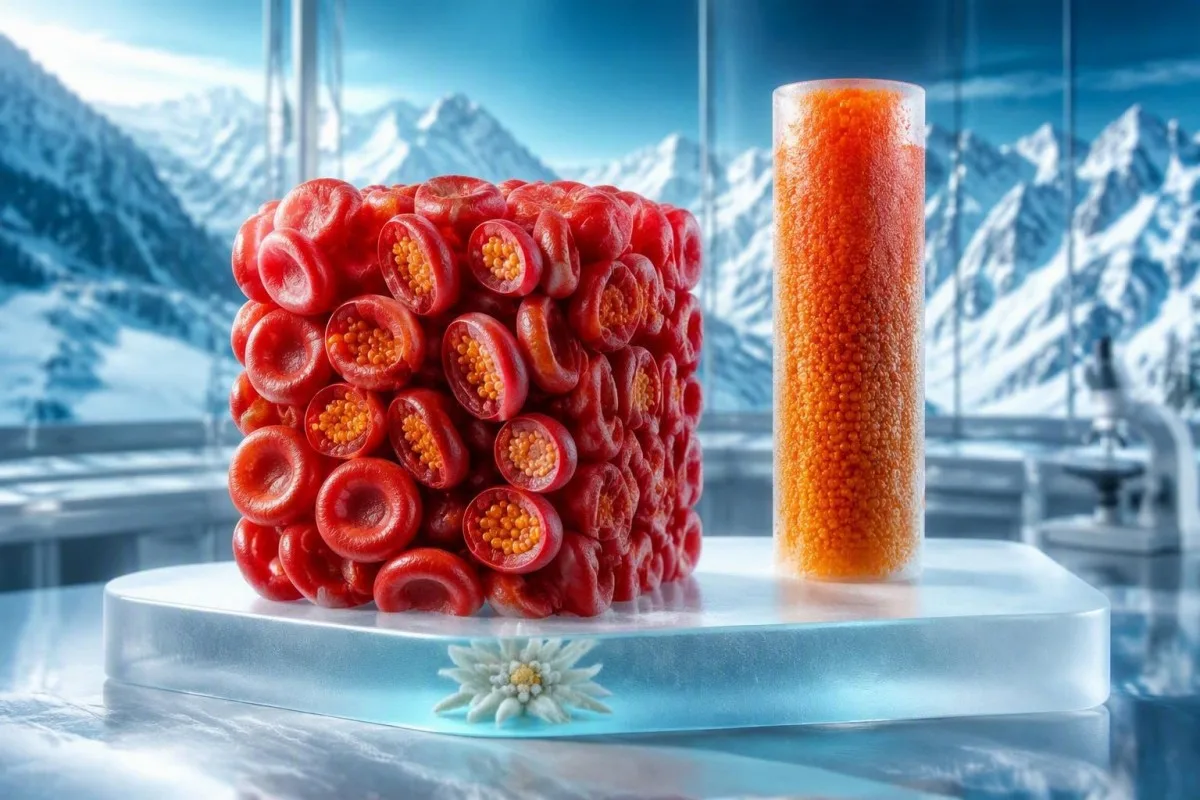
Гематокрит қан көлемінің эритроциттермен толтырылған үлесін өлшейді; гемоглобин олардың оттегін тасымалдайтын ақуызын өлшейді. Олар әдетте бірге жүреді, бірақ ерекшеліктері клиникалық тұрғыдан пайдалы болуы мүмкін.


- Гематокрит эритроциттерден тұратын бүкіл қан көлемінің пайызы; әйелдер үшін әдеттегі ересек диапазондар шамамен 36-46% және ерлер үшін 41-53% құрайды.
- Гемоглобин оттегі тасымалдайтын ақуыздың концентрациясы, әдетте жүкті емес әйелдер үшін шамамен 12.0-15.5 г/дл және ерлер үшін 13.5-17.5 г/дл.
- Үштік ереже гематокритті шамамен 3 есе гемоглобинмен (г/дл) бағалайды; үлкен айырмашылық өзгерген жасуша өлшемі, липемия, суық агглютиндері немесе аналитикалық мәселені білдіруі мүмкін.
- қалыпты гемоглобинмен төмен гематокрит жиі клиникалық маңызы бар анемиядан гөрі макроцитозды, гидратацияны немесе шекаралық есептеу айырмашылығын көрсетеді.
- Жоғары гематокриттің себептері сусыздану, биіктікке ұшырау, темекі шегуге байланысты гипоксия, ұйқы апноэсі, тестостерон терапиясы және сирек кездесетін полицитемия вераны қамтиды.
- Бақылау шегі гемоглобин ерлерде 16.5 г/дл немесе әйелдерде 16.0 г/дл жоғары болғанда, әсіресе көтерілген гематокрит және төмен эритропоэтин болғанда күштірек.
- Шұғыл белгілер Кеуде қытырлап ауырған, естен тану, жаңа шатасу, тыныштықтағы ентігу, қара нәжіс немесе ұзаққа созылған ауыр қан кету сияқты жағдайлар CBC санын ескерусіз, жедел түрде жеке қабылдауды қажет етеді.
Гематокрит пен гемоглобин шынымен не өлшейді
Гематокрит және гемоглобин бұл көлем мен ақуыздың салыстырылуы: гематокрит - бұл бүкіл қан түтігіндегі эритроциттердің үлесі, ал гемоглобин - бұл қан децилитріне шаққандағы оттегі байланыстыратын ақуыздың грамдары. Олар қызыл қан клеткаларының массасына байланысты болғандықтан, олар әдетте бірге жүреді, бірақ оларды алмастыруға болмайды.
Көптеген зертханалар гематокритті пайызбен, ал гемоглобинді г/дл-мен көрсетеді. 14,0 г/дл гемоглобин және 42%-ға жақын гематокрит ересек адамда дәстүрлі сәйкес жұп болып табылады, бірақ зертхананың өз интервалы интерпретацияны басқарады. Гематокритті центрифугалаудан кейін өлшеуге немесе эритроциттерді санау және орташа клетка көлемінен есептеуге болады, ал заманауи анализаторлар жасушалық элементтерді лизиялағаннан кейін гемоглобинді фотометриялық әдіспен өлшейді.
Практикалық айырмашылық - оттегі жеткізу. Гемоглобин оттегін тасымалдайды, ал гематокрит тұтқырлыққа әсер етеді және эритроциттер қанша орын алатынын көрсетеді; сондықтан адамда қалыпты гемоглобин болуы мүмкін, бірақ эритроциттердің мөлшері өзгерген кезде гематокрит сәл ерекше болады. Кеңірек CBC лексикасы үшін біздің CBC компоненттеріне арналған нұсқаулық MCV, MCH және RDW қайда орналасқанын көрсетеді.
14 қыркүйек 2026 жылға дейін мен науқастарға осы көрсеткіштердің бірі диапазонынан тыс бөлшек болғандықтан “анемия” деп айтылғанын көремін. Доктор Томас Клейннің әдісі соншалықты драмалық емес: гемоглобиннің жасына, жынысына, жүктілік статусына және биіктікке байланысты төмен екенін растаңыз, содан кейін гематокритті MCV, RDW, ретикулоциттер, симптомдар және алдыңғы CBC-мен бірге оқыңыз.
Неге бірдей CBC екеуін қамтиды
CBC әр түрлі сәйкессіздікті анықтайтындықтан екі тестті де көрсетеді. Гемоглобин әдетте анемияны анықтаудың тікелей индексі болып табылады, ал гематокрит сұйықтық теңгерімі және эритроциттер көлемі туралы қосымша ақпарат бере алады.
Бақылау диапазондары және үшке тиімді ережесі
Ересек әйелдердегі гемоглобин әдетте 12,0-15,5 г/дл, ал ерлерде 13,5-17,5 г/дл, ал гематокрит әдетте тиісінше шамамен 36-46% және 41-53% құрайды. Гемоглобиннің үш есеге жуық гематокрит мәні - бұл диагностика емес, сенімділікке арналған жарамдылық тексерісі.
“Үш ережесі” дегеніміз - 12 г/дл гемоглобин әдетте 36% гематокритпен, ал 15 г/дл гемоглобин 45% гематокритпен сәйкес келеді. Бұл MCV өте төмен немесе жоғары болғанда, триглицеридтер айтарлықтай жоғары болғанда немесе эритроциттер суық үлгіде агглютинацияланғанда азырақ сенімді болады. Мен оны зертханалық сұрақты қою үшін жылдам белгі ретінде қолданамын, көрсетілген нәтиженің орнына емес.
ДДҰ-ның 2024 жылғы нұсқаулығы жүкті емес әйелдерде анемияны 12,0 г/дл-ден төмен гемоглобин ретінде, ал ерлерде 13,0 г/дл-ден төмен деп анықтайды, жүктілік, темекі шегу және биіктікке байланысты түзетулермен. Гематокрит шектері зертханаға байланысты өзгереді, сондықтан дәрігерлер әдетте анемия туралы шешімдерді әмбебап гематокрит шегіне емес, гемоглобинге негіздейді (ДДҰ, 2024).
Кантести - бұл AI қан анализінің анализаторы бұл гемоглобин, гематокрит, MCV, MCHC және алдыңғы нәтижелерді бір CBC үлгісі ретінде тексереді, бұл қызыл белгіні шешім ретінде қарастырудан гөрі. Бұл үлгі-бірінші шолу әсіресе әртүрлі зертханалар сәл әртүрлі интервалдарды пайдаланған кезде пайдалы; қалай екенін көріңіз жыныстық-ерекше зертханалық диапазондардың айырмашылығы.
Екі көрсеткіш неге бірге көтеріліп, төмендейді
Hemoglobin and hematocrit usually fall together in iron deficiency, blood loss, kidney-related anemia, and bone-marrow suppression because each reflects reduced circulating red-cell mass. They usually rise together when plasma volume contracts or red-cell production increases.
A 1-litre saline infusion can lower both hemoglobin and hematocrit within hours through dilution without destroying a single red cell. Conversely, vomiting, diarrhoea, fever, diuretics, or a hard endurance event with inadequate fluid replacement can concentrate both values temporarily. That is why I ask about fluid intake, recent illness, and timing before labeling a mildly high result as disease.
True anemia develops when red-cell production cannot keep pace with loss or destruction. Iron deficiency often first lowers ferritin and transferrin saturation, then reduces MCV and hemoglobin; hematocrit follows. Camaschella’s New England Journal of Medicine review explains why iron deficiency must be traced to intake, menstrual loss, gastrointestinal loss, absorption, or inflammation rather than simply treated with tablets (Camaschella, 2015).
A high hemoglobin plus high hematocrit deserves a different branch of reasoning. The high RBC count and dehydration guide explains why repeating a CBC after normal hydration can separate hemoconcentration from sustained erythrocytosis in many otherwise well adults.
Гематокрит пен гемоглобин неге келіспеуі мүмкін
A meaningful hematocrit-hemoglobin mismatch usually points to altered red-cell size, altered plasma composition, or a measurement artifact rather than two unrelated illnesses. The fastest clue is whether MCV, MCHC, RDW, and the sample quality flags support the result.
Because calculated hematocrit equals red-cell count multiplied by MCV, unusually large cells can raise hematocrit relative to hemoglobin. Macrocytosis from vitamin B12 deficiency, folate deficiency, alcohol exposure, liver disease, hypothyroidism, or certain medicines may therefore make the ratio look “off” before hemoglobin becomes frankly low. An MCV above 100 fL warrants context, especially when RDW is also rising.
Very small cells can produce the opposite impression: a relatively low hematocrit with hemoglobin that is less reduced than expected. Iron deficiency and thalassemia trait commonly produce microcytosis, but ferritin, transferrin saturation, family history, and red-cell count distinguish the patterns better than MCV alone. Our low MCV follow-up guide lays out that decision point.
Laboratory artifacts are real. Severe lipemia may falsely increase measured hemoglobin, while cold agglutinins can distort red-cell count, MCV, and calculated hematocrit until the specimen is warmed and rerun. A mismatch that appears suddenly, with no clinical explanation, merits a repeat sample or laboratory review before extensive testing.
Қалыпты гемоглобинмен төмен гематокрит: жалпы түсіндірмелер
қалыпты гемоглобинмен төмен гематокрит is most often a mild calculation or volume issue, but persistent discordance should prompt review of MCV, MCHC, red-cell count, and hydration. It does not automatically mean hidden bleeding or anemia.
A simple example is hemoglobin 13.2 g/dL with hematocrit 38% in an adult whose laboratory lower limit is 39%. If MCV is 102 fL and RDW is elevated, macrocytosis is more informative than the isolated hematocrit flag. In my clinic, I would review alcohol intake, thyroid function, liver enzymes, B12, folate, and medicines such as hydroxyurea, methotrexate, or antiseizure treatment rather than rush to iron.
Overhydration can lower hematocrit by expanding plasma volume, especially after intravenous fluids, pregnancy, endurance exercise, or compulsive water intake. A fall of 2-3 percentage points after a large fluid load can be physiological dilution; it should recover as fluid balance normalizes. Pregnancy requires pregnancy-specific intervals, because plasma volume expands more than red-cell mass.
Kantesti’s AI қан талдауы нәтижесін түсіндіру платформасы flags low hematocrit with normal hemoglobin as a pattern to contextualize, not a diagnosis to self-treat. If iron markers are needed, compare ferritin with transferrin saturation using our темір зерттеулеріне арналған анықтамалық нұсқаулық and discuss the result with a clinician.
Екі төмен көрсеткіш анемияны білдірген кезде
Low hemoglobin and low hematocrit together usually indicate anemia or dilution, and the next decisive tests are MCV, reticulocyte count, ferritin, kidney function, and a focused bleeding history. Symptoms and speed of change matter more than a single borderline value.
Hemoglobin below 8 g/dL often causes exertional breathlessness, tachycardia, dizziness, or chest discomfort, although chronic anemia can be tolerated better than an abrupt fall. A value below 7 g/dL is a common restrictive transfusion threshold for stable hospitalized adults, but active bleeding, heart disease, symptoms, and local protocols change that decision. This is hospital medicine, not a threshold for home management.
Reticulocytes show whether marrow response is appropriate. High reticulocytes with falling hemoglobin suggest blood loss or hemolysis; low or inappropriately normal reticulocytes suggest underproduction from iron deficiency, kidney disease, inflammation, B12/folate deficiency, medications, or marrow disorders. The ретикулоциттер саны бойынша нұсқаулық explains how an immature reticulocyte fraction adds timing information.
Dr. Thomas Klein advises same-day assessment for low CBC values accompanied by fainting, breathlessness at rest, chest pain, black tarry stools, vomiting material that resembles coffee grounds, or heavy ongoing menstrual or gastrointestinal bleeding. Anemia itself is a finding; the underlying cause determines the safe next step.
Жоғары гематокрит себептері: концентрация, гипоксия немесе артық өндіріс
High hematocrit causes fall into three useful groups: reduced plasma volume, chronic low-oxygen signaling, and autonomous marrow overproduction. A repeat CBC when well hydrated separates many transient results from sustained erythrocytosis.
Dehydration is the commonest reversible explanation for a modest rise, particularly when urea, albumin, and urine specific gravity are also concentrated. Smoking, obstructive sleep apnea, chronic lung disease, cyanotic heart disease, high-altitude residence, and testosterone therapy can raise erythropoietin-driven red-cell production. Even a few nights of severe sleep-apnea hypoxia may complicate interpretation, though it rarely explains a dramatic isolated value alone.
Persistent hemoglobin above 16.5 g/dL in men or 16.0 g/dL in women meets one World Health Organization major criterion used in evaluating polycythemia vera. The diagnosis still requires clinical assessment and usually JAK2 mutation testing, erythropoietin level, and sometimes marrow evaluation; it cannot be made from hematocrit alone. Barbui et al. (2018) emphasize thrombosis prevention and risk-based treatment once a myeloproliferative neoplasm is confirmed.
For a deeper differential, read our high hematocrit causes article және polycythemia testing pathway. A persistent result is worth a routine appointment even when you feel completely well.
Көтерілген нәтиже шұғыл медициналық араласуды қажет еткен кезде
A high hematocrit needs urgent evaluation when it occurs with new neurologic symptoms, chest pain, shortness of breath, one-sided leg swelling, visual change, or a previous clot. The number alone does not predict danger perfectly, but hematocrit near or above 55% is not a result I would leave unreviewed.
Blood becomes more viscous as hematocrit rises, although the relationship is nonlinear and individual risk differs. In confirmed polycythemia vera, the CYTO-PV trial found fewer cardiovascular deaths and major thromboses when hematocrit was maintained below 45% than when it was allowed in the 45-50% range (Marchioli et al., 2013). That trial does not mean every person with dehydration needs venesection.
Headache, facial flushing, fatigue, and itch after a warm shower are sometimes reported in polycythemia vera, but they are nonspecific. More concerning is a new focal neurologic deficit, sudden severe headache, altered speech, collapse, or acute breathlessness; these require emergency services rather than a repeat test next week. Do not donate blood or start aspirin solely because an app or one CBC is high.
Kantesti AI uses trend analysis to distinguish a one-off concentration effect from a recurrent pattern, but our output is educational and cannot replace urgent assessment. Our медициналық валидациялау негіздемесі describes why clinically significant flags are designed for follow-up, not self-diagnosis.
Айтарлықтай айырмашылықты түсіндіретін CBC индекстері
MCV, MCHC, RDW, and the red-cell count often explain a hematocrit-hemoglobin disagreement better than either headline number. MCV measures average red-cell volume, MCHC estimates hemoglobin concentration inside cells, and RDW measures size variation.
An MCV below 80 fL is microcytosis in most adult laboratories, while an MCV above 100 fL is macrocytosis. Low MCV plus low ferritin strongly supports iron deficiency; low MCV with a relatively high red-cell count and normal iron stores makes thalassemia trait more plausible. Neither pattern should be inferred from hematocrit alone.
MCHC is normally roughly 32-36 g/dL in many laboratories. A genuinely high MCHC is uncommon and can occur with spherocytes, but cold agglutinins, sample issues, and lipemia are more frequent explanations for a surprising value. Our high MCHC interpretation guide explains why a smear or redraw may be more useful than anxiety.
RDW often rises early during iron deficiency and can temporarily increase after iron treatment as new cells differ in size from older cells. That mixed-cell population may make ratios untidy for several weeks, which is why a CBC trend and RDW үлгісіне арналған нұсқаулық can be more informative than a snapshot.
Жүктілік, биіктік және жаттығу интерпретацияны өзгертеді
Pregnancy, high-altitude exposure, and endurance training can shift hematocrit and hemoglobin without representing the same disease process. The correct reference interval depends on physiology, timing, and whether the change is stable or progressive.
During pregnancy, plasma volume expands by roughly 40-50%, while red-cell mass rises less; hemoglobin and hematocrit commonly fall through dilution. WHO uses hemoglobin below 11.0 g/dL in the first and third trimesters and below 10.5 g/dL in the second trimester to define anemia, though local maternity pathways may vary. Ferritin is especially useful when anemia is suspected.
At altitude, lower oxygen pressure stimulates erythropoietin and raises hemoglobin over days to weeks. WHO specifically recommends altitude adjustment when interpreting anemia prevalence, and individual clinical care should also consider how long someone has lived or trained at elevation. A blood draw 24 hours after a mountain race can be more affected by dehydration than true acclimatization.
Endurance athletes may have “sports anemia,” meaning plasma-volume expansion lowers concentration measures despite normal or increased total red-cell mass. I usually pair CBC results with ferritin, transferrin saturation, diet, menstrual history, and training load; our төзімділік спортшысы қан талдауының нұсқаулығы covers RED-S warning patterns.
Тестостерон, темекі шегу және ұйқы апноэсі арнайы сұрақтарға лайық
Testosterone therapy, tobacco exposure, and untreated obstructive sleep apnea can raise hemoglobin and hematocrit through different pathways, so a generic “high red cells” explanation is not enough. Medication timing and oxygen status are often more revealing than another iron panel.
Exogenous testosterone stimulates erythropoiesis, and many prescribing protocols intervene when hematocrit reaches 54% or rises rapidly from baseline. The exact response may include dose adjustment, route change, temporary cessation, or assessment for sleep apnea and other contributors; it should be managed by the prescribing clinician. Injectable formulations can produce larger peak-and-trough effects than some transdermal regimens.
Smoking can elevate carboxyhemoglobin and reduce oxygen delivery, which may stimulate erythropoietin over time. Pulse oximetry can look deceptively normal in carbon monoxide exposure because standard devices cannot reliably distinguish oxyhemoglobin from carboxyhemoglobin. That little detail is easy to miss in a remote review.
Кантести - бұл AI арқылы қуаттандырылған қан талдауын жүргізу құралы that incorporates declared medicines and prior CBCs when it identifies a high-result pattern. If a new high result follows a medication change, record the dose, route, start date, smoking status, and sleep symptoms before your appointment; our slightly high hemoglobin guide can help organize the questions.
Айтарлықтай айырмашылықты имитациялайтын алдын-ала талдау және анализатор мәселелері
Poor mixing, delayed processing, cold agglutinins, lipemia, and recent intravenous fluids can create a hematocrit-hemoglobin mismatch that is not biologically real. A laboratory comment, delta check, and repeat properly handled sample are often the safest first response.
CBC samples are collected in EDTA tubes, which must be adequately mixed and processed within the laboratory’s validated stability window. Cellular swelling with prolonged storage can raise MCV and calculated hematocrit, while hemolysis or turbidity can interfere with photometric hemoglobin methods. These are uncommon but matter when the result conflicts with the person in front of you.
A delta check compares a current value with prior results and alerts laboratories to abrupt, implausible movement. A hematocrit falling from 45% to 32% overnight without symptoms, fluid administration, bleeding, or an accompanying hemoglobin shift deserves verification before anyone pursues invasive testing. Our delta-check түсіндірмесі describes how this safety process works.
Dr. Thomas Klein has seen cold agglutinin cases where warming the sample corrected a bizarre MCV and hematocrit within the same day. The lesson is reassuring but not dismissive: unusual patterns should be confirmed, and genuine anemia or hemolysis still needs a clinician-led evaluation.
Ерекше CBC үлгісі үшін практикалық бақылау жоспары
A sensible follow-up plan starts by confirming the result, then uses the pattern to choose targeted tests rather than ordering everything. For mild, symptom-free abnormalities, repeat CBC timing is often 2-8 weeks depending on the suspected cause and clinical history.
For low hemoglobin or hematocrit, ask whether MCV is low, normal, or high. Low MCV often leads to ferritin and transferrin saturation; normal MCV may lead to reticulocytes, kidney function, CRP, and bleeding review; high MCV may lead to B12, folate, TSH, liver tests, medication review, and sometimes a blood film. A clinician should tailor this list to age and symptoms.
For high values, repeat the CBC when normally hydrated and not immediately after intense exercise, vomiting, diarrhoea, or a long flight. If elevation persists, clinicians commonly assess oxygen saturation, smoking/carbon monoxide exposure, sleep-apnea risk, testosterone or diuretic use, erythropoietin, and JAK2 testing where indicated. The erythropoietin result guide explains why a low level shifts concern toward autonomous marrow production.
Kantesti AI interprets hematocrit and hemoglobin through trends, indices, and linked results in about 60 seconds after a report upload. Our AI технологиясы бойынша нұсқаулық explains the workflow, while your own clinician remains the right person to examine you and decide on testing.
Бұл нәтижелерді қарап жатқан клиницистке не әкелу керек
The most useful appointment preparation is a timeline: prior CBCs, recent illnesses, hydration, altitude, exercise, menstrual or gastrointestinal loss, medicines, supplements, and family history. Those details often explain more than one extra decimal point on hematocrit.
Bring at least two prior CBCs when possible, including the laboratory reference ranges. A stable hematocrit of 48% over five years in a high-altitude resident is a different problem from a new rise from 42% to 52% in six months. The қан талдауы өзгерісін түсіндіру нұсқаулығы explains why normal biological variation can still move a result modestly.
Write down supplements, especially iron, B12, folate, testosterone-related products, diuretics, and high-dose zinc. Excess zinc can cause copper deficiency and anemia over time, while iron taken shortly before testing may alter serum iron without correcting underlying stores. Our zinc and copper anemia guide covers that less obvious connection.
Kantesti-тің медициналық мазмұны біздің тарапымыздан, біздің Медициналық консультативтік кеңес, but no online interpretation can assess pallor, heart rate, oxygenation, spleen size, or active bleeding. If symptoms are substantial or the CBC changes quickly, seek in-person care rather than waiting for a perfect data set.
Бақылауды талап ету ықтималдығы жоғары CBC үлгілері
Follow-up is most warranted for persistent low hemoglobin, a fast CBC change, high hemoglobin with high hematocrit, abnormal MCV or RDW, additional low cell lines, or symptoms that fit anemia, clotting, or bleeding. A single slight hematocrit deviation with normal hemoglobin and indices is often rechecked rather than treated.
A hemoglobin below 12.0 g/dL in a non-pregnant adult woman or below 13.0 g/dL in an adult man meets WHO anemia criteria and merits cause-focused evaluation when confirmed. The concern increases when MCV is below 80 fL or above 100 fL, RDW rises, platelets or white cells are also abnormal, or the result has changed materially from baseline. This is where a CBC becomes a pattern, not a list of flags.
Persistent hemoglobin above 16.0 g/dL in women or 16.5 g/dL in men, particularly with hematocrit above 48% or 49% respectively, warrants assessment for secondary erythrocytosis and occasionally polycythemia vera. Clinicians disagree on exactly when to initiate molecular testing in low-risk people, so context matters more than one cutoff. Symptoms, duration, smoking, oxygenation, and medication exposure refine the decision.
The bottom line from Dr. Thomas Klein: hematocrit versus hemoglobin is rarely a contest over which value is “right.” Hemoglobin usually defines anemia more directly; hematocrit and the indices explain why it happened. For safe trend review and source-aware interpretation, see Kantesti’s clinical standards.
Жиі қойылатын сұрақтар
Гемоглобин қалыпты болған кезде гематокрит төмен болуы мүмкін бе?
Иә. Гематокриттің төмен болуы гемоглобиннің қалыпты болуымен бірге MCV өзгергенде, плазма көлемі ұлғайғанда немесе айырмашылық зертханалық шектеуге жақын болғанда пайда болуы мүмкін. Мысалы, гемоглобин 13,2 г/дл және гематокрит 38% болса, бұл клиникалық тұрғыдан елеусіз болуы мүмкін, бірақ MCV 100 фл жоғары немесе 80 фл төмен болса, бақылау өзгереді. Үздіксіз үйлесімсіздік қызыл қан жасушаларының санымен, MCV, MCHC, RDW, гидратация тарихымен және бұрынғы CBC-мен бірге қарастырылуы керек. Бұл бір өзі қан кетуді немесе темір тапшылығын дәлелдемейді.
Анемия үшін гематокрит немесе гемоглобин қайсысы дәлірек?
Гемоглобин әдетте анемияны анықтау үшін артықшылықты өлшем болып табылады, өйткені ол оттегі тасымалдайтын ақуыз концентрациясын тікелей өлшейді. ДДҰ 2024 кесінділері жүкті емес әйелдерде 12,0 г/дл төмен және ерлерде 13,0 г/дл төмен анемияны анықтайды, жүктілікке бөлек түзетулер бар. Гематокрит әлі де құнды, өйткені ол эритроциттер көлемін көрсетеді және сұйылту немесе жасуша өлшемінің әсерін ашуы мүмкін. Клиницистер MCV және ретикулоциттермен бірге екеуін де түсіндіреді.
Гематокрит пен гемоглобиннің бірге жоғарылауына не себеп болады?
Қанның жоғары гематокриті мен гемоглобині, ең жиі кездесетін себептері – сусыздану, темекі шегу, ұйқы апноэсі, созылмалы түрде оттегінің төмен болуы, биік таулы жерлерде тұру немесе тестостерон терапиясы. Еркектерде гемоглобиннің 16,5 г/дл-ден, әйелдерде 16,0 г/дл-ден жоғары болуы эритроцитозды бағалауды талап етуі мүмкін, соның ішінде оттегі статусын, эритропоэтинді және кейде JAK2 тестін. Полицитемия вера сирек кездеседі, бірақ клиникалық маңызды, өйткені гематокрит жоғары болған кезде тромб қаупі артады. Егер симптомдар болмаса, сусыздану қалыпқа келген кезде қайталап CBC жасау жиі бірінші қадам болып табылады.
Гематокрит гемоглобиннен үш есе жоғары ма?
Гематокрит жиі гемоглобиннен шамамен үш есе көп болады, егер гемоглобин г/дл-мен көрсетілсе, сондықтан 14 г/дл гемоглобин әдетте 42% гематокритпен сәйкес келеді. Бұл қалыптылықты тексеру емес, бағалау ережесі. Микроцитоз, макроцитоз, қанды ұйытатын агенттер, липемия және анализатор әдістері қатынасты азырақ дәл ете алады. Үздіксіз алшақтық MCV, MCHC, RDW және сынама сапасын қарауды талап етуі керек.
Қандай гематокрит деңгейінде шұғыл медициналық көмекке жүгінуім керек?
Гематокриттің 55% немесе одан жоғары болуы, әсіресе егер ол тұрақты болса немесе ерлерде 16,5 г/дл, әйелдерде 16,0 г/дл-дан жоғары гемоглобинмен бірге болса, шұғыл медициналық қарауды талап етеді. Гематокриттің нақты мәніне қарамастан, кеуде қуысының ауырсынуы, кенеттен ентігу, естен тану, бір жақты әлсіздік, сөйлеудің қиындауы, қатты бас ауруы немесе көрудің жоғалуы үшін дереу жедел жәрдемге жүгініңіз. Төменгі мән, егер ол тез көтерілсе немесе қан ұюынан кейін пайда болса, шұғыл болуы мүмкін. Жоғары нәтижені дәрігердің кеңесінсіз аспиринмен немесе қан беру арқылы өзін-өзі емдемеңіз.
Сусыздану гематокритті көтеруі мүмкін бе, бірақ гемоглобинді емес?
Әдетте, плазма азайып, айналымдағы эритроцит компоненттерінің шоғырлануына байланысты дегидратация гематокритті де, гемоглобинді де арттырады. Гематокрит эритроциттер саны мен MCV-ге ішінара байланысты болғандықтан, ал гемоглобин басқа әдіспен өлшенетіндіктен, кішігірім сәйкессіздіктер туындауы мүмкін. Құсу, диарея, диуретиктер, қызба және қарқынды жаттығулар қысқа мерзімді шоғырлану әсерлерін тудыруы мүмкін. Бір реттік тест нәтижесі бойынша әрекет етуге қарағанда, әдеттегідей сұйықтықты қабылдағаннан және қалпына келгеннен кейін CBC-ні қайталау көбірек ақпарат береді.
Бүгін AI арқылы қан талдауы нәтижесін алыңыз
Kantesti-ті лезде әрі дәл зертханалық талдау үшін сенетін бүкіл әлем бойынша 2 миллионнан астам пайдаланушыға қосылыңыз. Қан анализінің нәтижелерін ж.үктеп, бірнеше секунд ішінде 15,000+ биомаркерлерінің жан-жақты түсіндірмесін алыңыз.
📚 Сілтеме жасалған ғылыми жарияланымдар
Кляйн, Т., Митчелл, С., & Вебер, Х. (2026). Urobilinogen in Urine Test: Complete Urinalysis Guide 2026. Zenodo. https://doi.org/10.5281/zenodo.18226379. ResearchGate: https://www.researchgate.net/ Academia.edu: https://www.academia.edu/. Kantesti AI медициналық зерттеулер.
Кляйн, Т., Митчелл, С., & Вебер, Х. (2026). Iron Studies Guide: TIBC, Iron Saturation & Binding Capacity. Zenodo. https://doi.org/10.5281/zenodo.18248745. ResearchGate: https://www.researchgate.net/ Academia.edu: https://www.academia.edu/. Kantesti AI медициналық зерттеулер.
📖 Сыртқы медициналық сілтемелер
Дүниежүзілік денсаулық сақтау ұйымы (2024). Жеке тұлғалар мен популяцияларда анемияны анықтау үшін гемоглобиннің шекті мәндері туралы нұсқаулық. Дүниежүзілік денсаулық сақтау ұйымы.
⚕️ Медициналық ескерту
Бұл мақала тек білім беру мақсатында ғана және медициналық кеңес болып табылмайды. Диагноз және ем туралы шешімдер үшін әрдайым білікті медицина қызметкеріне жүгініңіз.
E-E-A-T сенім сигналдары
Тәжірибе
Дәрігер басқаратын зертханалық талдауды түсіндіру жұмыс ағындарын клиникалық шолу.
Сараптама
Биомаркерлердің клиникалық контексте қалай әрекет ететініне зертханалық медицина фокусы.
Билік
Доктор Томас Клейн жазған, доктор Сара Митчелл және профессор доктор Ханс Вебер шолған.
Сенімділік
Дабыл қаупін азайту үшін айқын бақылау жолдарымен дәлелге негізделген түсіндіру.