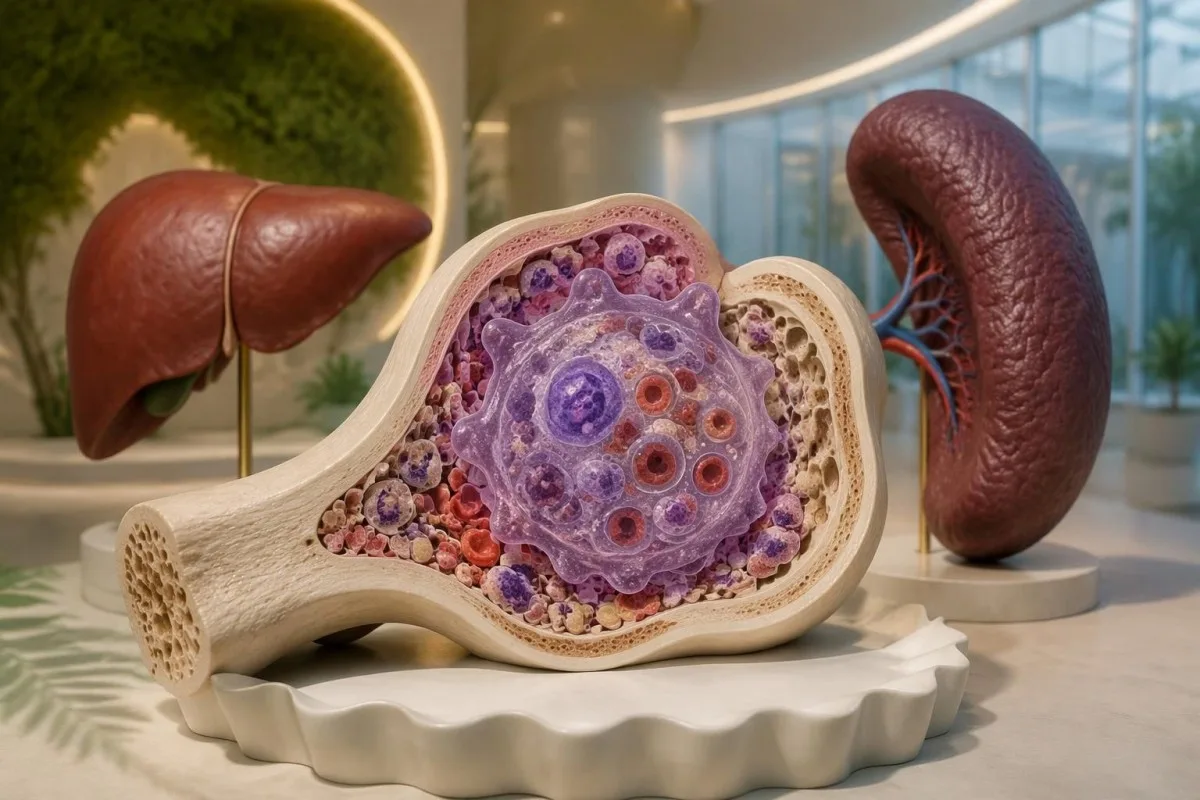
ઊંચો HScore પુખ્તોમાં સેકન્ડરી HLH હોવાની શંકા વધારે છે; તે નિદાનની પુષ્ટિ કરતો નથી. સ્કોર ઓછો અથવા અધૂરો હોય ત્યારે પણ સતત તાવ, લોહીના કોષોની ઘટતી સંખ્યા અને અંગોની કાર્યક્ષમતામાં બગાડ માટે તાત્કાલિક મૂલ્યાંકન જરૂરી છે.

મુખ્ય તારણો
- ઊંચા HScoreનો અર્થ પુખ્તોમાં સેકન્ડરી HLHની સંભાવના વધારે હોવી એવો છે, આ સ્થિતિનો પુરાવો નહીં; આ સ્કોર 9 તબીબી અને પ્રયોગશાળાકીય ચલાંકોને જોડે છે.
- 169ની કટઓફ મૂળ અભ્યાસમાં તેની સંવેદનશીલતા અંદાજે 93% અને વિશિષ્ટતા 86% હતી, પરંતુ આ આંકડા દરેક હોસ્પિટલની વસ્તીનું વર્ણન કરતા નથી.
- સંભાવનાના અંદાજ મૂળ મોડેલમાં 90થી ઓછા સ્કોર 1%થી ઓછી સંભાવના અને 250થી વધુ સ્કોર 99%થી વધુ સંભાવના સાથે સંકળાયેલા હતા—આ વ્યક્તિગત સંભાવનાઓની ખાતરી નથી.
- ફેરીટિન એકલું HLHનું નિદાન કરી શકતું નથી; 500 ng/mL એ HLH-2004ના એક માપદંડને પૂર્ણ કરે છે, જ્યારે HScore 2,000 ng/mLથી ફેરીટિન માટે પૉઇન્ટ આપવાનું શરૂ કરે છે.
- જુદા માપદંડો મહત્વના છે: HScoreમાં સાયટોપેનિયાની મર્યાદાઓ હિમોગ્લોબિન ≤9.2 g/dL, પ્લેટલેટ્સ ≤110 × 10^9/L અને કુલ શ્વેત રક્તકણો ≤5.0 × 10^9/L છે.
- HLH-2004 નિદાન માટે સુસંગત અણુસ્તરીય નિદાન અથવા 8માંથી 5 માપદંડો પૂર્ણ હોવા જરૂરી છે; તેનું અર્થઘટન રોગના તબીબી પ્રવાહ અને નિષ્ણાતના નિર્ણય સાથે કરવામાં આવે છે.
- ખૂટતી તપાસો નકારાત્મક તપાસો નથી; અસ્થિમજ્જાની તપાસ ન કરાઈ હોય તો HScoreના 35 સંભવિત પૉઇન્ટ્સ અનિર્ણિત રહી શકે છે.
- તાત્કાલિક મૂલ્યાંકન સતત તાવ સાથે રક્તકણોની સંખ્યા ઘટતી હોય અથવા અંગોની કામગીરી બગડતી હોય ત્યારે તેની જરૂર પડે છે; ગૂંચવણ, શ્વાસ લેવામાં ગંભીર તકલીફ, બેભાન થઈ પડવું અથવા નોંધપાત્ર રક્તસ્રાવ માટે કટોકટીની સારવાર જરૂરી છે.
શું ઊંચા HScoreનો અર્થ તમને HLH છે એવો થાય?
નં. A ઊંચો HScore ગૌણ હિમોફેગોસાઇટિક લિમ્ફોહિસ્ટિયોસાયટોસિસની વધેલી સંભાવના દર્શાવે છે, અથવા HLH, પરંતુ તે એકલા તેની પુષ્ટિ કરી શકતો નથી. સામાન્ય રીતે વપરાતી 169ની મર્યાદા વધુ મૂલ્યાંકનને સમર્થન આપે છે; તે મર્યાદા પહોંચી હોય કે નહીં, સતત તાવ, ઘટતી રક્તકણોની સંખ્યા અને બગડતી અંગોની કામગીરી માટે તાત્કાલિક નિષ્ણાત મૂલ્યાંકન જરૂરી છે.
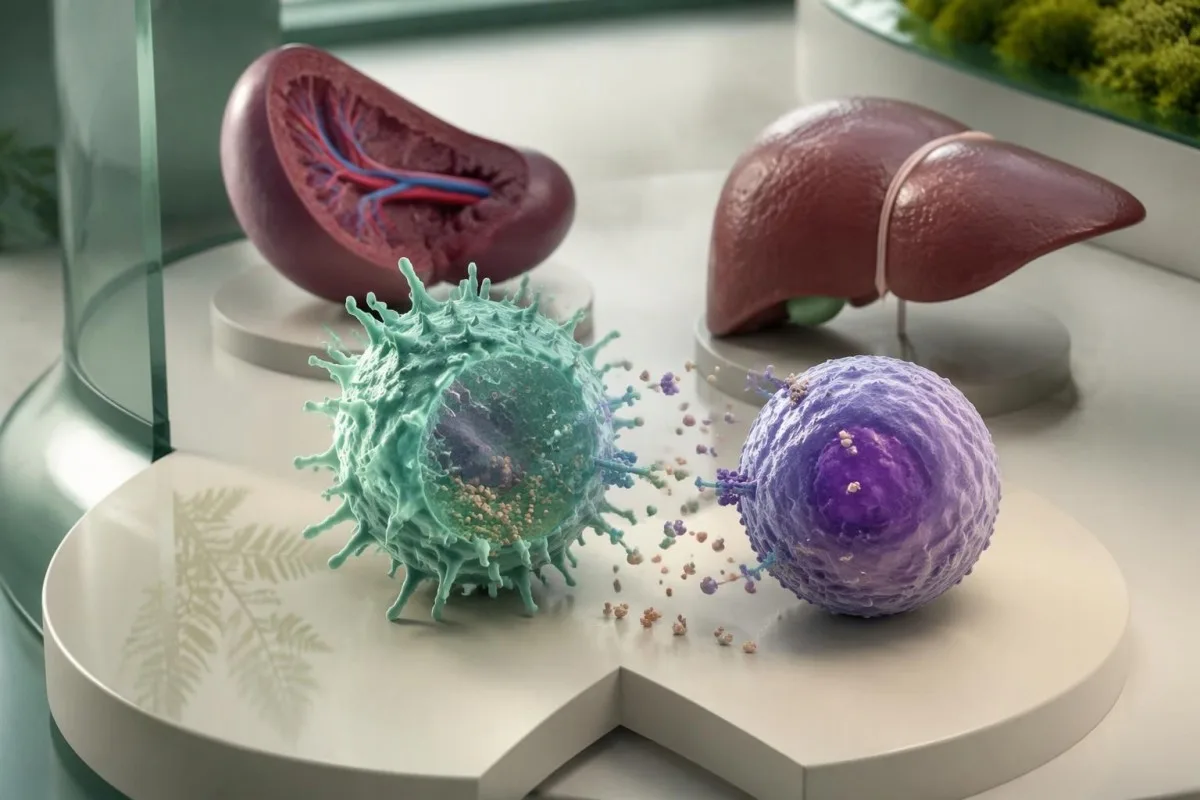
ગૌણ HLH અનિયંત્રિત રોગપ્રતિકારક સક્રિયતાનો સંભવિત જીવલેણ સિન્ડ્રોમ છે; તે માત્ર એક અસામાન્ય પ્રયોગશાળા પરિણામ કે કોઈ એક ચોક્કસ ચેપ નથી. તેનો 9-ચલનો સ્કોર રિએક્ટિવ હિમોફેગોસાઇટિક સિન્ડ્રોમ માટે તપાસાઈ રહેલા પુખ્ત વયના લોકો માટે વિકસાવવામાં આવ્યો હતો, તેથી આકસ્મિક રીતે ફેરીટિન વધેલું હોય એવી તંદુરસ્ત વ્યક્તિ પર તેનો ઉપયોગ કરવાથી અંદાજ જે સંદર્ભમાં વપરાય છે તે બદલાઈ જાય છે.
તાવગ્રસ્ત, હોસ્પિટલમાં દાખલ પુખ્ત વ્યક્તિમાં 180નો સ્કોર, અસંબંધિત બહારના દર્દીઓના અહેવાલોમાંથી મેળવેલા ઑનલાઇન પરિણામ કરતાં અલગ અર્થ ધરાવે છે. તબીબો પહેલાં પૂછે છે કે શું આ અવલોકનો બીમારીના એક જ પ્રસંગ સાથે સંબંધિત છે, શું કોઈ વૈકલ્પિક નિદાન તે સમજાવે છે અને શું વ્યક્તિની સ્થિતિ બગડી રહી છે—કારણ કે ગણિતની દૃષ્ટિએ સાચો કુલ સ્કોર પણ ખોટા તબીબી પ્રશ્નનો જવાબ આપી શકે છે.
કાન્ટેસ્ટી એક છે AI રક્ત પરીક્ષણ વિશ્લેષક જે અન્ય પ્રયોગશાળા પરિણામોની સાથે 2,000 ng/mLથી વધુ ફેરીટિન જેવા તારણો સમજાવવામાં મદદ કરે છે; તે HLHનું નિદાન સ્થાપિત કરી શકતું નથી કે કટોકટીના મૂલ્યાંકનનું સ્થાન લઈ શકતું નથી. અમારું કંપનીની પૃષ્ઠભૂમિ આ સમજૂતીઓ પાછળની સંસ્થાનું વર્ણન કરે છે, જ્યારે શંકાસ્પદ HLH અંગેના નિર્ણયો સારવાર કરતી તબીબી ટીમના અધિકારક્ષેત્રમાં આવે છે.
HScoreની કટઓફ અને ટકાવારીઓનું અર્થઘટન કેવી રીતે કરવું?
એક 169 કે તેથી વધુનો HScore સામાન્ય રીતે વપરાતી સ્ક્રીનિંગ મર્યાદા છે, HLH હોવા અને ન હોવા વચ્ચેની નિદાનાત્મક સીમા નથી. Fardet et al. (2014)એ આ મર્યાદાએ આશરે 93% સંવેદનશીલતા અને 86% વિશિષ્ટતા નોંધાવી હતી; કૅલ્ક્યુલેટર દ્વારા દર્શાવાતી સંભાવના એ મૂળ મોડેલથી અલગ પરિણામ છે.
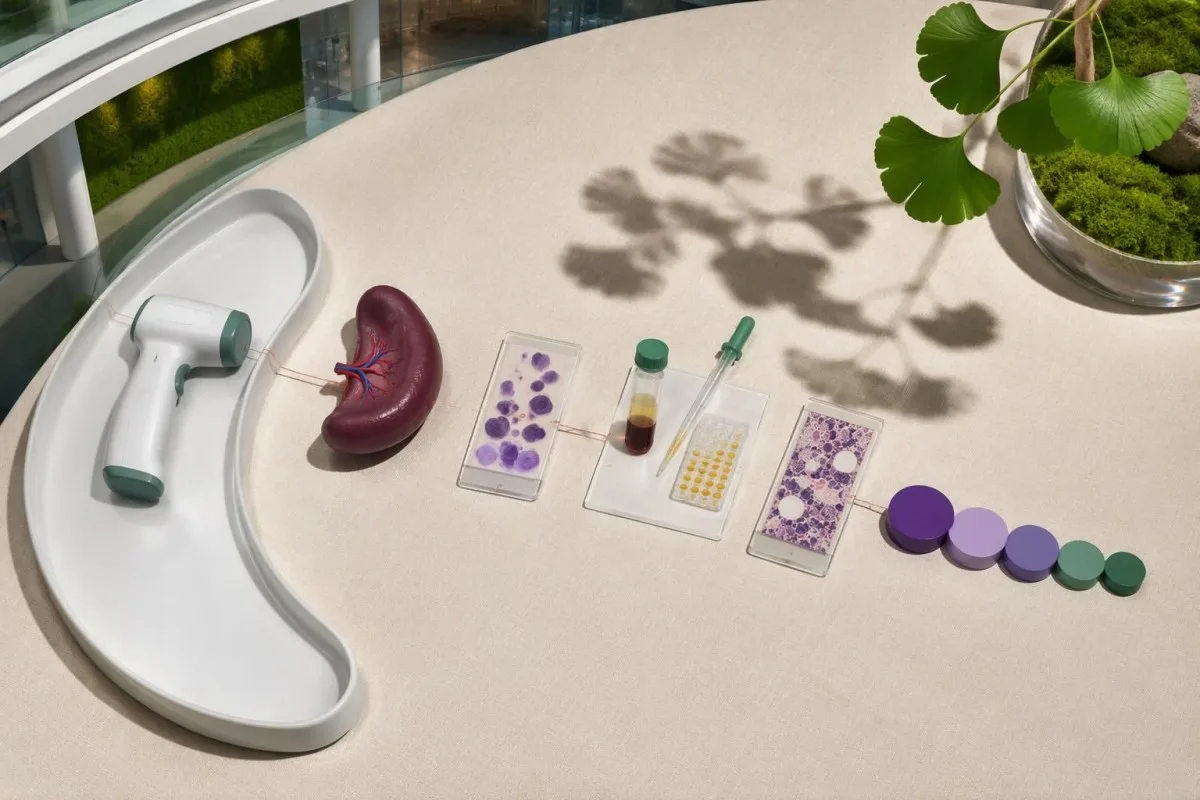
93%ની સંવેદનશીલતા તેનો અર્થ એ છે કે મૂળ અભ્યાસની પરિસ્થિતિઓમાં અસરગ્રસ્ત દર્દીઓમાંથી આશરે 7% મર્યાદાથી નીચે રહી શકે છે. 86% વિશિષ્ટતાનો અર્થ એ છે કે અસરગ્રસ્ત ન હોય તેવા દર્દીઓમાંથી આશરે 14% આ મર્યાદાએ પહોંચી શકે અથવા તેને વટાવી શકે; આમાંથી કોઈ આંકડાનો અર્થ એવો નથી કે પોઝિટિવ સ્કોર ધરાવતી વ્યક્તિને HLH હોવાની શક્યતા 93% છે.
રેફરલ માટે આવેલા દર્દીઓની વસ્તી શા માટે મહત્વની છે તે એક સ્પષ્ટપણે કાલ્પનિક બેયેશિયન ઉદાહરણ દર્શાવે છે: 5% પૂર્વ-પરીક્ષણ સંભાવના, 93% સંવેદનશીલતા અને 86% વિશિષ્ટતા સાથે, પોઝિટિવ મર્યાદા આશરે 26%નું પોઝિટિવ પ્રેડિક્ટિવ મૂલ્ય આપે છે. 50% પૂર્વ-પરીક્ષણ સંભાવના સાથે, એ જ ગણતરી આશરે 87% આપે છે; આ ઉદાહરણો HScore કૅલ્ક્યુલેટરના મોડેલનો અથવા અન્ય વસ્તીમાં માન્ય કરાયેલા અંદાજોનો વિકલ્પ નથી.
મૂળ વિકાસ અભ્યાસમાં શંકાસ્પદ રિએક્ટિવ હિમોફેગોસાઇટિક સિન્ડ્રોમ માટે મૂલ્યાંકન કરાયેલા 312 દર્દીઓનો સમાવેશ હતો, સામાન્ય સ્ક્રીનિંગ વસ્તીનો નહીં. તેથી કૅલ્ક્યુલેટરની ટકાવારી તેના ઇનપુટ્સ અને વિકાસના સંદર્ભને આધીન મોડેલ-આધારિત અંદાજ દર્શાવે છે; અમારી સમજૂતી આંકડાકીય વિરુદ્ધ શ્રેણીગત પરિણામો સંભાવના અને પોઝિટિવ કે નેગેટિવ નિદાન વચ્ચેનો તફાવત સમજવામાં મદદ કરે છે.
| સ્તર | શ્રેણી | તેનો અર્થ |
|---|---|---|
| ઓછો મોડેલ અંદાજ | HScore <90 | મૂળ મોડેલમાં અંદાજિત સંભાવના 1% કરતાં ઓછી; આ સંપૂર્ણ બાકાત રાખવાનો નિયમ નથી. |
| સામાન્ય સ્ક્રીનિંગ મર્યાદાથી નીચે | HScore 90–168 | સામાન્ય રીતે વપરાતી 169ની મર્યાદાથી નીચે; પ્રારંભિક રોગ, ગુમ માહિતી અથવા સારવારને કારણે આશ્વાસન મર્યાદિત થઈ શકે છે. |
| સ્ક્રીનિંગ મર્યાદા જેટલું અથવા તેથી વધુ | HScore 169–250 | HLH અંગે વધતી ચિંતા; આ અંતરાલમાં સંભાવનામાં નોંધપાત્ર ફેરફાર થાય છે. |
| ખૂબ ઊંચો મોડેલ અંદાજ | HScore >250 | મૂળ મોડેલમાં અંદાજિત સંભાવના 99% કરતાં વધુ; તાત્કાલિક તબીબી મૂલ્યાંકન યોગ્ય છે, પરંતુ સ્કોર સ્વતંત્ર પુષ્ટિ નથી. |
HScore કેલ્ક્યુલેટર કયા નવ તારણોનો ઉપયોગ કરે છે?
એક HScore કેલ્ક્યુલેટર રોગપ્રતિકારક શક્તિનું દમન, તાપમાન, અંગોનું મોટું થવું, સાયટોપેનિયા, ફેરિટિન, ટ્રાઇગ્લિસરાઇડ્સ, ફાઇબ્રિનોજન, AST અને અસ્થિમજ્જામાં હેમોફેગોસાઇટોસિસને જોડે છે. કુલ મહત્તમ 337 પોઇન્ટ; કેટલાક ઇનપુટ માટે તપાસ, ઇમેજિંગ, દવાઓનો ઇતિહાસ અથવા પેશીના તારણો જરૂરી છે અને માત્ર નિયમિત રક્ત અહેવાલ પરથી તે જાણી શકાતા નથી.
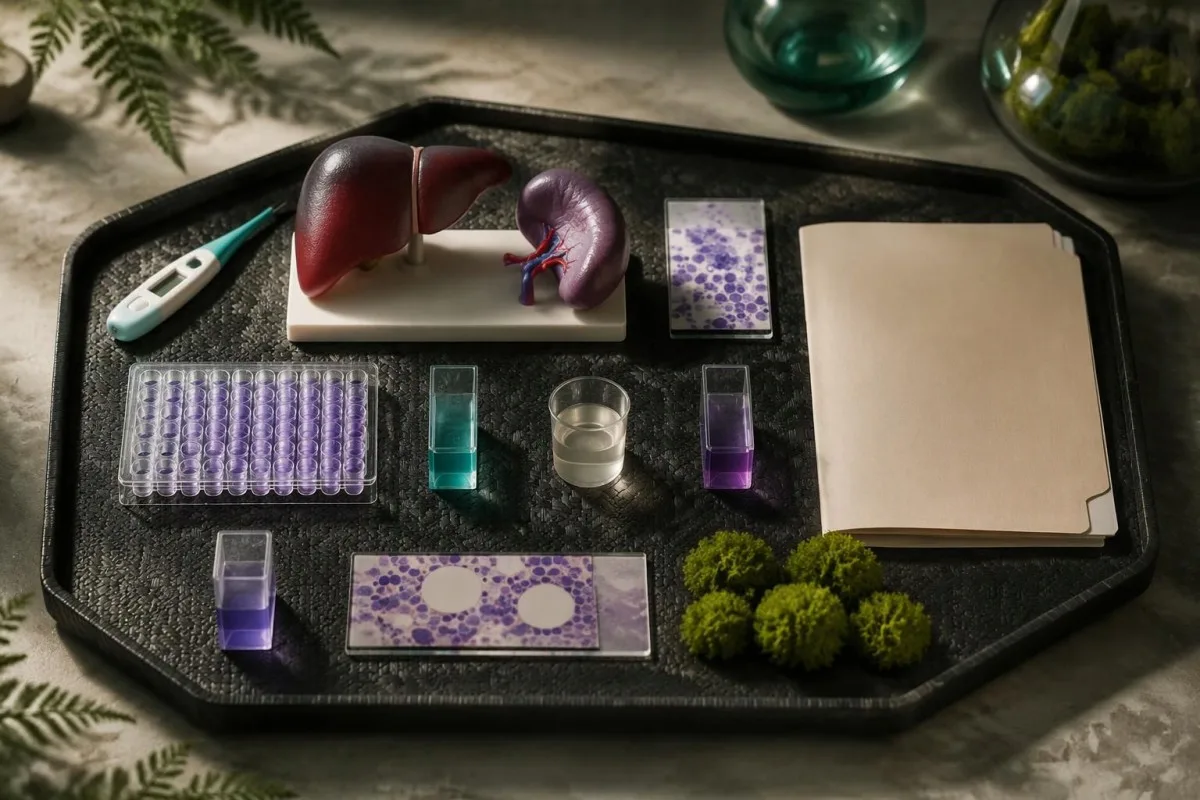
HScore સાયટોપેનિયાની મર્યાદાઓ હિમોગ્લોબિન ≤9.2 g/dL, પ્લેટલેટ્સ ≤110 × 10^9/L અને કુલ શ્વેતકોષો ≤5.0 × 10^9/L છે. માપદંડમાં આવતી શૂન્ય અથવા 1 કોષવંશ માટે સાયટોપેનિયાના પોઇન્ટ મળતા નથી; 2 માટે 24 અને 3 માટે 34 પોઇન્ટ મળે છે, તેથી માત્ર પ્લેટલેટ્સમાં ઘટાડાને ત્રણેય કોષવંશમાં એકસાથે થતા ઘટાડા જેટલો સ્કોર આપવામાં આવતો નથી.
4.8 × 10^9/Lનો શ્વેતકોષ ગણતરીનો આંક HScore માટે પાત્ર બની શકે છે, ભલે તે પ્રયોગશાળાની સંદર્ભ મર્યાદામાં આવતો હોય. આ મોડેલની મર્યાદાઓ છે, CBCમાં અસામાન્યતાની સાર્વત્રિક વ્યાખ્યાઓ નહીં; અમારું હિમોગ્લોબિન અને હેમેટોક્રિટનું સમજૂતી-લેખ એ પણ સમજાવે છે કે એનિમિયા માટેના ઇનપુટ તરીકે હિમોગ્લોબિનનો ઉપયોગ થાય છે—હેમેટોક્રિટ કે લાલ રક્તકોષોની ગણતરીનો નહીં.
ફાઇબ્રિનોજન ≤2.5 g/L 30 પોઇન્ટ આપે છે, જ્યારે AST ≥30 IU/L 19 પોઇન્ટ આપે છે; આમાંથી કોઈ તારણ HLH માટે વિશિષ્ટ નથી. Kantestiનું બ્લડ બાયોમાર્કર રેફરન્સ ગાઇડ માપને સમજવામાં મદદ કરે છે, પરંતુ તબીબ HScoreની ગણતરી કરે ત્યારે પ્રયોગશાળાના ઊંચા કે નીચા સંકેતો કરતાં મૂળ સ્કોરની વ્યાખ્યાઓને પ્રાધાન્ય આપવું જોઈએ.
| સ્તર | શ્રેણી | તેનો અર્થ |
|---|---|---|
| જાણીતી રોગપ્રતિકારક શક્તિનું દમન | ગેરહાજર: 0; હાજર: 18 પોઇન્ટ | HIV અથવા લાંબા ગાળાની રોગપ્રતિકારક દમનકારી સારવાર સહિત, મૂળ વ્યાખ્યાનો ઉપયોગ કરો; થાકેલા અનુભવ પરથી તેનો અંદાજ ન લગાવો. |
| તાપમાન | 39.4°C: 49 પોઇન્ટ | તાપમાન અને તાવ ઉતારતી દવાઓની સરખામણીએ તેનું માપન ક્યારે થયું તે નોંધો. |
| અંગોનું મોટું થવું | બંનેમાંથી કોઈ નહીં: 0; યકૃત અથવા બરોળ: 23; બંને: 38 પોઇન્ટ | ફક્ત પેટની અસ્વસ્થતા નહીં, પરંતુ નોંધાયેલ હેપેટોમેગેલી અથવા સ્પ્લેનોમેગેલી હોવી જરૂરી છે. |
| માપદંડ પૂર્ણ કરતી સાયટોપેનિક કોષવંશો | 0–1: 0; 2: 24; 3: 34 પોઇન્ટ | હિમોગ્લોબિન ≤9.2 g/dL, પ્લેટલેટ્સ ≤110 × 10^9/L અને કુલ શ્વેત રક્તકોષો ≤5.0 × 10^9/Lનો ઉપયોગ કરો. |
| ફેરીટિન | 6,000 ng/mL: 50 પોઇન્ટ | ફેરિટિનના પોઇન્ટની મહત્તમ મર્યાદા છે; 6,000થી વધુના વધુ ને વધુ ઊંચા મૂલ્યોથી વધારાના પોઇન્ટ મળતા નથી. |
| ટ્રાઇગ્લિસરાઇડ્સ | 4.0 mmol/L: 64 પોઇન્ટ | સમકક્ષ સીમાઓ આશરે 133 અને 354 mg/dL છે. |
| ફાઇબ્રિનોજેન | >2.5: 0; ≤2.5 g/L: 30 પોઇન્ટ | 2.5 g/L એટલે 250 mg/dL. |
| AST | <30: 0; ≥30 IU/L: 19 પોઇન્ટ | ALT નહીં, ASTનો ઉપયોગ કરો; સ્નાયુની ઇજા અને નમૂનામાં હેમોલિસિસ અર્થઘટનને અસર કરી શકે છે. |
| અસ્થિ મજ્જામાં હેમોફેગોસાઇટોસિસ | ગેરહાજર: 0; હાજર: 35 પોઇન્ટ | મૂલ્યાંકન ન થયું હોય તો માહિતી અનિર્ણિત રહે છે, ભલે ગણતરીકર્તા તેને મૂળભૂત રીતે શૂન્ય ગણે. |
HScore કેલ્ક્યુલેટરનું પરિણામ કઈ બાબતો ભ્રામક બનાવી શકે?
ગુમ માહિતી, ખોટા એકમો અને બીમારીના જુદા જુદા તબક્કામાંથી લેવાયેલા માપનોથી થતા પરિણામો can make an HScore misleading. A calculator that assigns zero to an unexamined marrow leaves 35 potential points unresolved; the total may be a useful provisional estimate, but it is not equivalent to a fully documented assessment.
Ferritin in ng/mL and µg/L has the same numerical value, but fibrinogen in mg/dL and g/L does not: 250 mg/dL equals 2.5 g/L. Triglycerides require another conversion, with mmol/L multiplied by approximately 88.6 to obtain mg/dL; entering 250 mg/dL as 250 mmol/L can force a falsely high triglyceride category.
A platelet count of 85 × 10^9/L may be genuine, but platelet clumping can create a falsely low automated result. Laboratory comments and the cell review matter before that value is counted as a qualifying lineage; our explanation of EDTA-related platelet clumping describes how an alternative collection method may clarify the count.
AST ≥30 IU/L earns points even when the increase is small, so a compromised sample can alter the total without adding evidence of immune overactivation. A ઊંચો હિમોલિસિસ ઇન્ડેક્સ can help explain an unreliable AST result; suspected HLH still requires prompt assessment while clinicians resolve specimen problems, rather than waiting for a perfect dataset.
HScore, HLH-2004ના નિદાન માપદંડોથી કેવી રીતે અલગ છે?
HScore is a weighted adult probability model; HLH-2004 is a diagnostic framework with 8 criteria. HLH-2004 permits diagnosis through a compatible molecular diagnosis or fulfillment of 5 of 8 criteria, but adult specialists also consider the trajectory and may act before all criteria are documented (Henter et al., 2007; La Rosée et al., 2019).
The first 3 HLH-2004 findings are fever, splenomegaly, and cytopenias affecting at least 2 lineages: hemoglobin <9 g/dL, platelets <100 × 10^9/L, or neutrophils <1.0 × 10^9/L in the usual non-neonatal thresholds. Unlike the HScore, HLH-2004 uses neutrophils rather than total white cells and does not award extra points for liver enlargement.
Another criterion is fasting triglycerides ≥3.0 mmol/L, approximately 265 mg/dL, and/or fibrinogen ≤1.5 g/L. The remaining 4 criteria are hemophagocytosis in marrow, spleen, or lymph nodes; low or absent natural-killer-cell activity; ferritin ≥500 ng/mL; and soluble CD25, also called soluble IL-2 receptor, ≥2,400 U/mL using an appropriate assay.
A fibrinogen result of 2.0 g/L earns 30 HScore points but does not meet the HLH-2004 fibrinogen threshold, illustrating why the two systems cannot be interchanged. HLH-2004 arose from pediatric treatment guidance; our discussion of children's interpretation safety explains why adult models should not be transferred casually to children, including those with possible inherited immune disorders.
શું ફેરીટિનનું ખૂબ ઊંચું સ્તર HLH સૂચવે છે?
Very high ferritin increases concern for serious illness but does not identify HLH by itself. Ferritin ≥500 ng/mL meets one HLH-2004 criterion, while the HScore awards ferritin points only from 2,000 ng/mL; even values above 10,000 ng/mL can occur in adults with other illnesses.
Ferritin is both an iron-storage marker and an acute-phase reactant, so infection, liver injury, inflammatory disease, and some malignancies can raise it without HLH. Adult recommendations caution against treating a single ferritin threshold as diagnostic; La Rosée et al. (2019) emphasize the overall clinical picture, particularly when extreme elevations coexist with cytopenias and organ dysfunction.
Consider a hypothetical well adult with ferritin 650 ng/mL after a recent illness and no fever, falling counts, or organ dysfunction: that result is not equivalent to ferritin 6,500 ng/mL during rapid clinical deterioration. Our exercise-related ferritin discussion concerns stable outpatient interpretation, not a reason to attribute an acutely unwell person's extreme ferritin to training.
The HScore ferritin contribution is capped at 50 points above 6,000 ng/mL, so a rise from 8,000 to 25,000 may convey deterioration that the total score does not capture. Transferrin saturation and the broader આયર્ન સ્ટડીઝ રિપોર્ટ સમજો help investigate iron loading, but iron overload assessment and urgent HLH assessment answer different questions and can require different timelines.
તારણોના કયા સંયોજનોથી HLH અંગે વધુ ચિંતા થાય છે?
Persistent fever plus falling blood counts, rising ferritin, and worsening liver or coagulation results is more concerning for HLH than any isolated abnormality. Fibrinogen falling toward 2.5 g/L can be especially informative during a strong inflammatory response, because inflammation often raises fibrinogen rather than lowering it.
A hypothetical platelet decline from 210 to 95 × 10^9/L over 48 hours deserves attention even before all 3 lineages cross HScore thresholds. The rate of change may signal evolving consumption, marrow suppression, or immune disease; the reason clinicians examine DICની પ્રયોગશાળાકીય પદ્ધતિઓની ચર્ચા is that disseminated intravascular coagulation can coexist with HLH or result from another critical illness.
A high CRP does not exclude HLH, and a white-cell count of 4.5 × 10^9/L does not establish it. Cytopenias can reflect medicines, infection, marrow disease, or baseline variation, so clinicians use the differential count, smear, previous results, and the WBC-versus-CRP relationship to ask whether several abnormalities share one evolving explanation.
કાન્ટેસ્ટી એક છે AI બ્લડ ટેસ્ટ રિપોર્ટ સમજો પ્લેટફોર્મ that can help organize patterns across 2 or more reports, but an apparent trend must be checked against sampling dates, treatment, and laboratory methods. A falling fibrinogen with rising ferritin is a reason to contact the clinical team promptly—not proof that the platform, or the patient reading the report, has identified HLH.
શંકાસ્પદ HLH માટે ક્યારે નિષ્ણાતનું તાત્કાલિક મૂલ્યાંકન જરૂરી છે?
Suspected HLH requires urgent hospital-based assessment when fever accompanies falling counts or organ dysfunction; do not wait for an HScore of 169. Confusion, seizures, severe breathlessness, collapse, significant bleeding, or rapidly worsening jaundice require emergency care because HLH, sepsis, and other dangerous conditions can present similarly.

Fever with an absolute neutrophil count below 0.5 × 10^9/L is an emergency pattern, whether or not HLH is the eventual diagnosis. A person receiving chemotherapy or immunosuppressive treatment should follow their urgent-care instructions immediately; fever-reducing medicines may lower the measured temperature without making the underlying illness safe to monitor at home.
New breathlessness during a febrile illness can reflect lung involvement, anemia, fluid problems, or infection rather than the HScore itself. Our શ્વાસ લેવામાં તકલીફના પરીક્ષણ માટેનું માર્ગદર્શિકા explains why oxygenation and clinical examination matter alongside laboratory values; a reassuring ferritin or a score below 169 should never override severe respiratory symptoms.
A high HScore with persistent fever and deteriorating results merits same-day discussion with the treating team, commonly involving hematology and other relevant specialists. Bring available reports, but do not delay seeking care to retrieve all 9 inputs or wait for a marrow appointment; in the UK, call 999 for life-threatening symptoms, or use the local emergency number elsewhere.
શું ઓછો HScore પ્રારંભિક અથવા સારવાર હેઠળના HLHને નકારી શકે?
A low HScore cannot reliably exclude HLH when the illness is early, key inputs are missing, or treatment has changed the findings. The original 169 threshold had approximately 93% sensitivity, not 100%; clinical deterioration can justify reassessment even when a first calculation falls below that cutoff.
Glucocorticoids and fever-reducing treatment can suppress some score inputs, while transfusion can raise hemoglobin and plasma products can alter coagulation measurements. A temperature of 37.8°C after treatment is not interchangeable with an untreated peak of 39.6°C; clinicians need the treatment timeline to interpret the score rather than assuming the lower total demonstrates recovery.
An unexamined marrow, unknown organ size, and absent triglyceride measurement leave 3 different areas of uncertainty. Recalculation should use clinically appropriate observations from the same assessment window, not a patchwork of worst-ever values selected from unrelated admissions; our દવા-સુરક્ષા ટ્રેન્ડ માર્ગદર્શિકા explains why treatment dates belong beside laboratory trends.
Kantestiની ક્લિનિકલ વેલિડેશન માહિતી concerns interpretation standards and limitations; it should not be read as validation of an HScore cutoff for every setting. The original 169 operating point cannot automatically be assumed to retain the same accuracy in intensive care, rheumatology-associated macrophage activation syndrome, or patients already receiving immune-directed treatment.
પુખ્તોમાં સેકન્ડરી HLH કઈ બાબતોથી ઉદ્ભવી શકે?
Infections, malignancies, and autoimmune or autoinflammatory disease are major trigger groups for secondary HLH in adults. An HScore of 200 does not tell clinicians which trigger is present; identifying the cause matters because controlling immune activation and treating the underlying disease often need to happen together.
Epstein–Barr virus is a recognized HLH trigger, but positive EBV IgG often reflects past exposure rather than the cause of an acute syndrome. A hypothetical adult with ferritin 12,000 ng/mL and positive VCA IgG still needs an appropriately selected infection workup; our EBV એન્ટિબોડી પેટર્ન માર્ગદર્શિકા explains why antibody history is not the same as active viral disease.
Certain treatable infections can cause fever, cytopenias, and liver-test abnormalities that resemble or trigger HLH, making exposure history medically useful. For example, a platelet count of 70 × 10^9/L after tick exposure changes the questions clinicians ask; our discussion of ehrlichiosis testing timing shows why early PCR and later antibodies may provide different information.
Macrophage activation syndrome, often associated with rheumatic disease, overlaps with secondary HLH but may need disease-specific assessment rather than rigid dependence on HScore 169. Lymphoma and other hematologic malignancies also warrant investigation when appropriate; adult presentation does not exclude inherited susceptibility, particularly when there are recurrent episodes, a suggestive family history, or unusual immune-function findings.
ઊંચા અને અધૂરા HScoreનાં કાલ્પનિક ઉદાહરણો કેવાં દેખાય?
Worked examples show how the total is assembled, not how to diagnose yourself. A hypothetical adult with documented fever, spleen enlargement, 3 qualifying cytopenias, high ferritin, elevated triglycerides, low fibrinogen, and elevated AST can accumulate 264 points before marrow findings are known.
Suppose a hypothetical 52-year-old adult has no known immunosuppression, temperature 39.6°C, splenomegaly without hepatomegaly, hemoglobin 8.7 g/dL, platelets 80 × 10^9/L, and white cells 3.2 × 10^9/L. Those inputs contribute 0 + 49 + 23 + 34 = 106 points; the clinical pattern already deserves urgent attention before the remaining measurements are added.
Add ferritin 8,500 ng/mL, triglycerides 3.1 mmol/L, fibrinogen 1.8 g/L, and AST 120 IU/L: their contributions are 50 + 44 + 30 + 19 = 143, producing a subtotal of 249, not 264. If both liver and spleen were enlarged instead, the organ contribution would rise by 15 points to produce 264; unexamined marrow leaves a further 35 points unresolved in either example.
For contrast, ferritin 4,200 ng/mL and AST 45 IU/L contribute only 54 points between them; they do not establish a complete low HScore when the other 7 inputs are unknown. Kantesti uses these hypothetical calculations to show why missingness and exact definitions matter; our blood-test timeline explanation helps organize the observations before a clinician interprets the total.
તબીબોને HLHની શંકા થયા પછી શું થાય છે?
Clinicians investigate HLH and its trigger in parallel, usually repeating blood counts, ferritin, liver tests, triglycerides, and coagulation measurements while considering marrow examination and specialist immune tests. Soluble CD25 ≥2,400 U/mL is one HLH-2004 criterion, but assay units and delayed turnaround can complicate interpretation.
Hemophagocytosis is neither necessary nor sufficient for HLH diagnosis: it may be absent early and can occur in other severe illnesses. A positive marrow result contributes 35 HScore points, but marrow examination may be just as valuable for detecting a malignancy, infection, or alternative explanation for cytopenias; our MDS diagnostic limits guide illustrates why a CBC cannot replace tissue-based investigation.
Specialist tests can include soluble IL-2 receptor, natural-killer-cell function, selected genetic studies, and targeted microbiological testing, depending on the presentation. A laboratory reporting soluble CD25 in pg/mL cannot be compared directly with the original 2,400 U/mL threshold without assay-specific interpretation; asking which method and reference system were used can prevent a misleading criterion count.
Treatment may begin before 5 HLH-2004 criteria are documented when the clinical team judges the syndrome sufficiently likely and organ dysfunction is progressing. La Rosée et al. (2019) describe individualized adult management that may involve glucocorticoids, selected cytokine-directed treatment, or etoposide-containing regimens; an HScore alone does not determine a drug, dose, or safe treatment pathway.
HScore અંગેની ચર્ચા માટે તમે સુરક્ષિત રીતે કેવી તૈયારી કરી શકો?
કાન્ટેસ્ટી એક છે AI-સંચાલિત બ્લડ ટેસ્ટ એનાલિસિસ ટૂલ for understanding laboratory reports, not a service that confirms HLH or manages emergency deterioration. Before discussing an HScore near or above 169, gather the original reports, their dates and units, recent treatments, and any documented liver or spleen findings.
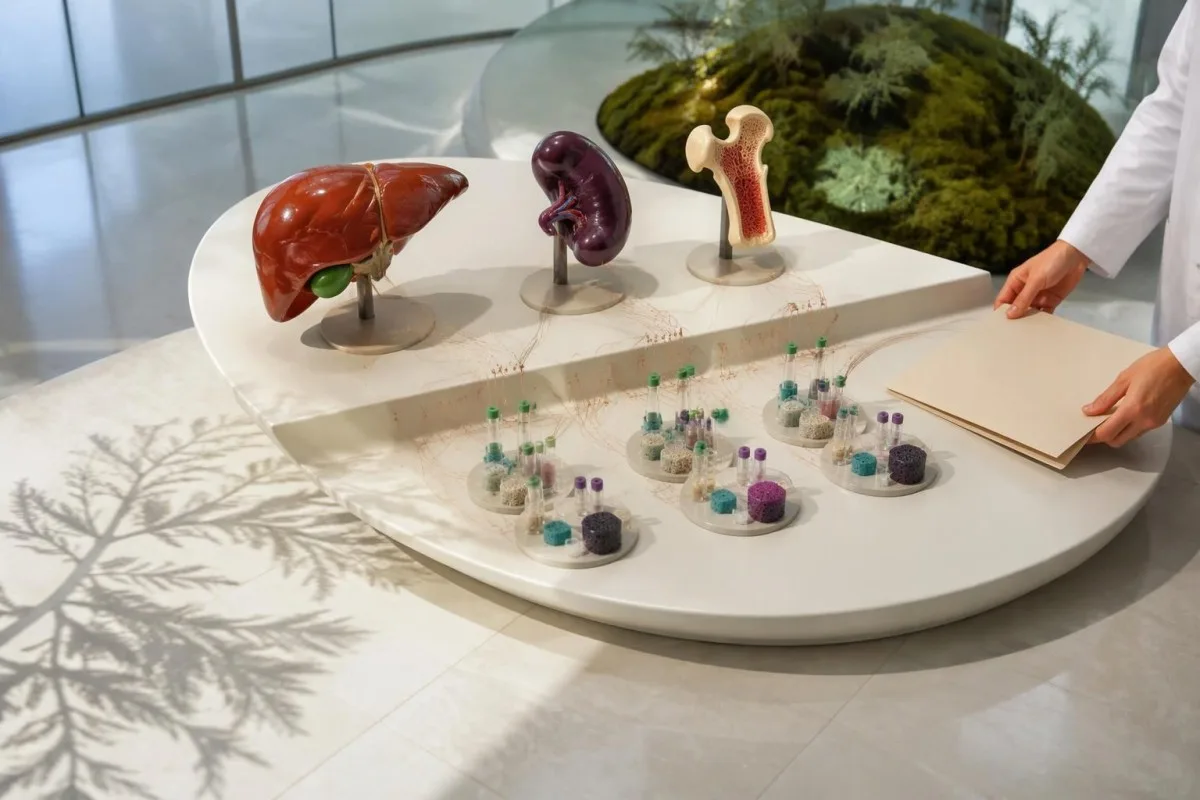
A useful appointment summary separates measured, documented, and unknown information across all 9 HScore inputs. Record the highest relevant temperature with its timing, whether imaging documented organ enlargement, and whether marrow was examined; write 'not assessed' rather than 'negative' when a test or examination has not happened.
Ask 3 focused questions: Is this pattern concerning for HLH or another urgent condition, which missing investigations could change the assessment, and what symptoms should trigger immediate return? If you are clinically stable with ferritin 700 ng/mL and no systemic warning signs, ask about ordinary iron, liver, and inflammatory causes rather than assuming an HLH workup is automatically required.
Diet, supplements, and iron avoidance do not treat suspected HLH, even when ferritin exceeds 6,000 ng/mL. Our જવાબદાર AI પ્રત્યેની પ્રતિબદ્ધતાઓ explain the boundary between educational interpretation and medical decision-making; the practical next step for a high, unexplained score is clinician contact, not repeated online calculations intended to obtain a more reassuring number.
સંશોધન પ્રકાશનો અને HScoreના અર્થઘટન પાછળના પુરાવા
The main evidence for HScore interpretation comes from its 2014 development study and adult HLH recommendations, not general laboratory guides. Fardet et al. established the model and its 169 operating threshold; Henter et al. (2007) described HLH-2004, and La Rosée et al. (2019) addressed the challenges of applying diagnostic and treatment frameworks to adults.

The 3 clinical references below answer different questions: how the score was developed, what the HLH-2004 criteria require, and how adult management differs from a purely pediatric protocol. None makes a calculator a standalone diagnostic test, and none establishes one universally reliable threshold for every patient group, treatment stage, or hospital setting.
Kantesti LTD, UK Company No. 17090423, also publishes educational laboratory guides; the 2 Zenodo records listed below concern kidney function and urinalysis, not HScore validation. Our કિડની-કાર્યના ગુણોત્તર માટેની માર્ગદર્શિકા can help readers understand accompanying renal measurements when a multisystem illness affects hydration or organ function, without identifying the cause of that illness.
Urinalysis is not one of the 9 HScore inputs, although urine findings may contribute to a broader assessment of organ involvement or alternative diagnoses. The મૂત્ર પરીક્ષણ અર્થઘટન માર્ગદર્શિકા is supplementary reading; our તબીબી સામગ્રીના ધોરણો explain why educational publications, diagnostic studies, and clinical guidelines should be distinguished rather than presented as equivalent evidence.
વારંવાર પૂછાતા પ્રશ્નો
શું ઊંચો HScore HLHની પુષ્ટિ કરે છે?
ઊંચો HScore પુખ્ત વયના લોકોમાં દ્વિતીયક HLH થવાની અંદાજિત સંભાવના વધારે છે, પરંતુ તે એકલા નિદાનની પુષ્ટિ કરતો નથી. મૂળ અભ્યાસમાં સામાન્ય રીતે ઉપયોગમાં લેવાતી 169ની મર્યાદામાં આશરે 93% સંવેદનશીલતા અને 86% વિશિષ્ટતા હતી. તબીબી નિષ્ણાતોએ બીમારીની પ્રગતિ, વૈકલ્પિક નિદાન, ગેરહાજર ઇનપુટ્સ અને સહાયક તપાસોનું મૂલ્યાંકન કરવું આવશ્યક છે. ઘટતી રક્તકોષ ગણતરીઓ અથવા અંગોની નિષ્ક્રિયતા સાથે સતત તાવ હોય તો બીજા કેલ્ક્યુલેટર પરિણામની રાહ જોવાને બદલે તાત્કાલિક મૂલ્યાંકન જરૂરી છે.
કયો HScore ઊંચો ગણાય છે?
0 An HScore 169 અથવા તેથી વધુ હોય તો પુખ્ત વયના સેકન્ડરી HLH માટે વધુ મૂલ્યાંકનને સમર્થન આપતી મર્યાદા તરીકે તેનો સામાન્ય રીતે ઉપયોગ થાય છે. મૂળ મોડેલમાં 250થી વધુ સ્કોર 99% કરતાં વધુ અંદાજિત સંભાવના સાથે સંકળાયેલા હતા, પરંતુ દરેક ક્લિનિકલ પરિસ્થિતિમાં તે ટકાવારી વ્યક્તિગત સંભાવનાની ખાતરી આપતી નથી. પ્રારંભિક, અધૂરા મૂલ્યાંકનવાળા અથવા સારવાર હેઠળના HLHમાં HScore 169થી ઓછો પણ હોઈ શકે છે. યોગ્ય પ્રતિભાવ ક્લિનિકલ સ્થિતિની રૂપરેખા અને વ્યક્તિની સ્થિતિ કથળી રહી છે કે નહીં તેના પર આધાર રાખે છે.
10,000થી વધુ ફેરીટિનનો અર્થ HLH સિવાય બીજું કંઈ હોઈ શકે છે?
10,000 ng/mLથી વધુ ફેરિટિન HLH વગરના પુખ્તોમાં પણ જોવા મળી શકે છે, જેમાં ગંભીર ચેપ, યકૃતને ઇજા, દુર્ભાવ અથવા અન્ય દાહક વિકારો ધરાવતા લોકોનો સમાવેશ થાય છે. Ferritin ≥500 ng/mL માત્ર એક HLH-2004 માપદંડ પૂરો કરે છે, અને 6,000 ng/mLથી વધુ ફેરિટિન માટે HScore મહત્તમ 50 પોઈન્ટ આપે છે. સતત તાવ, ઘટતી રક્તકણોની સંખ્યા, ઓછું ફાઇબ્રિનોજન અથવા અંગોની નિષ્ક્રિયતા સાથે હોય ત્યારે અત્યંત ઊંચું ફેરિટિન વધુ ચિંતાજનક હોય છે. તે તબીબી તપાસ માટે પ્રેરિત કરવું જોઈએ, HLH અથવા આયર્નના અતિભારનું આપોઆપ નિદાન નહીં.
શું તમે અસ્થિમજ્જાની તપાસ વિના HScoreની ગણતરી કરી શકો છો?
બોન મેરો પરીક્ષણ પહેલાં કામચલાઉ HScoreની ગણતરી કરી શકાય છે, પરંતુ તપાસ ન કરાયેલ બોન મેરો અજ્ઞાત ગણાય છે, નકારાત્મક નહીં. બોન મેરોમાં હેમોફેગોસાઇટોસિસ માટે 35 પોઇન્ટ મળે છે, તેથી અન્ય તમામ ઇનપુટ્સ દસ્તાવેજિત હોય તો આ અનિશ્ચિતતાને શક્ય 35-પોઇન્ટના વધારા તરીકે વર્ણવી શકાય. તપાસ કરાયેલા નમૂનામાં હેમોફેગોસાઇટોસિસની ગેરહાજરી HLHને બાકાત કરતી નથી, અને તેની હાજરીથી સ્વતંત્ર રીતે HLHની પુષ્ટિ થતી નથી. માત્ર આ ઇનપુટ પૂર્ણ કરવા માટે તાત્કાલિક મૂલ્યાંકનમાં વિલંબ ન કરવો જોઈએ.
HScore અને HLH-2004 માપદંડો વચ્ચે શું તફાવત છે?
HScore એ 9 ઇનપુટ્સનો ઉપયોગ કરતું ભારિત સંભાવના મોડેલ છે, જ્યારે HLH-2004 માટે સુસંગત મોલેક્યુલર નિદાન અથવા 8 નિદાન માપદંડોમાંથી 5ની પૂર્તિ જરૂરી છે. તેમના પ્રયોગશાળા થ્રેશોલ્ડ અલગ છે: HScore ≤2.5 g/L પર ફાઇબ્રિનોજન માટે પોઇન્ટ આપે છે, જ્યારે HLH-2004માં ફાઇબ્રિનોજન થ્રેશોલ્ડ ≤1.5 g/L છે. HLH-2004માં નેચરલ-કિલર-સેલ પ્રવૃત્તિ અને દ્રાવ્ય CD25નો પણ સમાવેશ થાય છે, જે HScoreમાં નથી. પુખ્ત વયના દર્દીઓના નિષ્ણાતો આ માળખાઓનો ઉપયોગ ક્લિનિકલ નિર્ણયશક્તિ સાથે કરે છે, તેમને એકબીજાના બદલે વાપરી શકાય તેવી તપાસો ગણવાને બદલે.
ઓછો HScore HLH ને નકારી શકે છે?
મુખ્ય તારણો ઉપલબ્ધ ન હોય, સારવારથી પરિણામો બદલાઈ ગયાં હોય અથવા સિન્ડ્રોમ હજી વિકસિત થઈ રહ્યો હોય ત્યારે ઓછો HScore, HLH હોવાની શક્યતાને સલામત રીતે નકારી શકતો નથી. 169ની મૂળ થ્રેશોલ્ડની સંવેદનશીલતા આશરે 93% હતી, 100% નહીં, અને અન્ય વસ્તીઓમાં તેનું પ્રદર્શન અલગ હોઈ શકે છે. 90થી ઓછા સ્કોરનો અર્થ મૂળ મોડેલમાં 1%થી ઓછી અંદાજિત સંભાવના હતો, સંપૂર્ણપણે નકારી કાઢવાનો નિયમ નહીં. નવી મૂંઝવણ, ગંભીર શ્વાસની તકલીફ, પડી જવું, નોંધપાત્ર રક્તસ્રાવ અથવા અવયવોની કામગીરી બગડવી—આ બધાને ઓછા સ્કોરથી મળતા આશ્વાસન કરતાં વધુ મહત્ત્વ આપવું જોઈએ.
તમારા બ્લડ ટેસ્ટ રિપોર્ટ સમજાવી લો
તમારો લેબ રિપોર્ટ અપલોડ કરો અને Kantestiનું AI દરેક બાયોમાર્કરને સરળ ભાષામાં સેકન્ડોમાં સમજાવે છે. વિશ્વભરમાં 2 મિલિયનથી વધુ લોકો તેનો ઉપયોગ કરે છે.
સંદર્ભ
- ક્લાઇન, ટી., મિચેલ, એસ., અને વેબર, એચ. (2026). BUN/Creatinine Ratio Explained: કિડની ફંક્શન ટેસ્ટ Guide. Kantesti AI તબીબી સંશોધન. ડીઓઆઈ
- ક્લાઇન, ટી., મિચેલ, એસ., અને વેબર, એચ. (2026). Urobilinogen in Urine Test: Complete Urinalysis Guide 2026. Kantesti AI તબીબી સંશોધન. ડીઓઆઈ
- Fardet L et al. (2014). Development and validation of the HScore, a score for the diagnosis of reactive hemophagocytic syndrome. Arthritis & Rheumatology. ડીઓઆઈ પબમેડ
- Henter JI et al. (2007). HLH-2004: Diagnostic and therapeutic guidelines for hemophagocytic lymphohistiocytosis. Pediatric Blood & Cancer. ડીઓઆઈ પબમેડ
- La Rosée P et al. (2019). Recommendations for the management of hemophagocytic lymphohistiocytosis in adults. Blood. ડીઓઆઈ પબમેડ
- ૨૦ લાખ+વિશ્લેષિત પરીક્ષણો
- 127+દેશો
- 100+ભાષાઓ
તબીબી ટીમ વિશે


E-E-A-T વિશ્વાસ સંકેતો
અનુભવ
લેબ રિપોર્ટની વ્યાખ્યાયન વર્કફ્લોઝનું ડૉક્ટર-આધારિત ક્લિનિકલ સમીક્ષણ.
કુશળતા
લેબોરેટરી મેડિસિનનો ફોકસ કે બાયોમાર્કર્સ ક્લિનિકલ સંદર્ભમાં કેવી રીતે વર્તે છે તેના પર.
સત્તાવાદ
ડૉ. Thomas Klein દ્વારા તબીબી સમીક્ષા, ડૉ. Sarah Mitchell અને પ્રો. ડૉ. Hans Weberનાં યોગદાન સાથે.
વિશ્વસનીયતા
પુરાવા આધારિત વ્યાખ્યાયન સાથે સ્પષ્ટ અનુસરણ માર્ગો, જેથી ચિંતા/અલાર્મ ઓછું થાય.






તબીબી અસ્વીકરણ
આ લેખ માત્ર શૈક્ષણિક હેતુઓ માટે છે અને તે તબીબી સલાહનું સ્વરૂપ નથી. નિદાન અને સારવાર સંબંધિત નિર્ણય માટે હંમેશા લાયક આરોગ્યસેવા પ્રદાતા સાથે પરામર્શ કરો.
પ્રકાશિત · સંપાદકીય ટીમનો સંપર્ક કરો
Kantesti Ltd દ્વારા પ્રકાશિત, ઇંગ્લેન્ડ અને વેલ્સમાં નોંધાયેલ, કંપની નં. 17090423, લંડન, યુનાઇટેડ કિંગડમ.
