Pinatataas ng mataas na HScore ang hinala sa adult secondary HLH; hindi nito kinukumpirma ang diagnosis. Nangangailangan ng agarang pagsusuri ang patuloy na lagnat, bumababang bilang ng mga selula ng dugo, at lumalalang paggana ng mga organo kahit mababa o hindi kumpleto ang score.

Mahahalagang punto
- Kahulugan ng mataas na HScore ay nagpapahiwatig ng mas mataas na posibilidad ng secondary HLH sa mga nasa hustong gulang, hindi patunay ng kondisyon; pinagsasama ng score ang 9 na klinikal at laboratoryong baryabol.
- Ang cutoff na 169 ay may humigit-kumulang 93% na sensitivity at 86% na specificity sa orihinal na pag-aaral, ngunit hindi inilalarawan ng mga bilang na iyon ang bawat populasyon ng ospital.
- Mga pagtataya ng posibilidad ang mas mababa sa 90 ay tumutugma sa mas mababa sa 1%, at ang mga score na higit sa 250 ay tumutugma sa higit sa 99%, sa orihinal na modelo—hindi garantisadong personal na mga posibilidad.
- Ferritin lamang ay hindi sapat upang ma-diagnose ang HLH; tumutugon ang 500 ng/mL sa isang pamantayan ng HLH-2004, samantalang nagsisimulang magbigay ng puntos ang HScore para sa ferritin sa 2,000 ng/mL.
- Magkakaibang pamantayan ang mahalaga: ang mga threshold ng cytopenia sa HScore ay hemoglobin ≤9.2 g/dL, mga platelet ≤110 × 10^9/L, at kabuuang mga white cell ≤5.0 × 10^9/L.
- Diyagnosis ng HLH-2004 ay gumagamit ng katugmang molekular na diyagnosis o pagtupad sa 5 sa 8 pamantayan, na binibigyang-kahulugan batay sa klinikal na kurso at paghuhusga ng espesyalista.
- Mga nawawalang pagsusuri ay hindi mga negatibong resulta ng pagsusuri; maaaring manatiling hindi malutas ang 35 potensyal na puntos sa HScore kung hindi nasuri ang bone marrow.
- Kailangan ng agarang pagtatasa ay kailangan kapag may nagpapatuloy na lagnat kasabay ng pagbaba ng bilang ng mga selula o disfungsi ng organ; nangangailangan ng emerhensiyang pangangalaga ang pagkalito, matinding hirap sa paghinga, pagbagsak, o malaking pagdurugo.
Nangangahulugan ba ang mataas na HScore na mayroon kang HLH?
Hindi. A mataas na HScore ay nagtatantiya ng mas mataas na posibilidad ng sekundaryong hemophagocytic lymphohistiocytosis, o HLH, ngunit hindi ito makapagkukumpirma nito nang mag-isa. Sinusuportahan ng karaniwang ginagamit na threshold na 169 ang karagdagang pagsusuri; nangangailangan ng agarang pagsusuri ng espesyalista ang nagpapatuloy na lagnat, pagbaba ng bilang ng mga selula ng dugo, at paglala ng paggana ng mga organ, naabot man o hindi ang threshold na iyon.
Sekundaryong HLH ay isang sindrom ng hindi nakokontrol na aktibasyon ng immune system na posibleng magdulot ng panganib sa buhay, sa halip na iisang abnormal na resulta ng laboratoryo o iisang partikular na impeksiyon. Binuo ang 9-na-variable na score nito para sa mga adult na sinusuri dahil sa reaktibong hemophagocytic syndrome, kaya nagbabago ang konteksto ng paggamit sa tantiya kapag inilapat ito sa isang taong maayos ang kalusugan na may di-sinasadyang pagtaas ng ferritin.
Iba ang kahulugan ng score na 180 sa isang adult na nilalagnat at naospital kaysa sa online na resultang binuo mula sa mga walang kaugnayang ulat ng outpatient. Unang itinatanong ng mga clinician kung kabilang ang mga obserbasyon sa iisang yugto ng karamdaman, kung naipapaliwanag ng ibang diyagnosis ang mga ito, at kung lumalala ang kalagayan ng tao—dahil maaari pa ring masagot ng isang kabuuang tama sa matematika ang maling klinikal na tanong.
Si Kantesti ay isang AI blood test analyzer na tumutulong magpaliwanag sa mga natuklasan gaya ng ferritin na lampas sa 2,000 ng/mL kasabay ng iba pang resulta ng laboratoryo; hindi ito makapagtatatag ng diyagnosis ng HLH o makapapalit sa emerhensiyang pagsusuri. Ang aming background ng kumpanya ay naglalarawan sa organisasyong nasa likod ng mga paliwanag na ito, samantalang nasa pangkat ng mga clinician na gumagamot ang mga desisyon tungkol sa pinaghihinalaang HLH.
Paano dapat unawain ang mga cutoff at porsiyento ng HScore?
Isang HScore na 169 o mas mataas ay isang karaniwang ginagamit na threshold para sa screening, hindi isang hangganan ng diyagnosis sa pagitan ng pagkakaroon at kawalan ng HLH. Iniulat nina Fardet et al. (2014) ang humigit-kumulang 93% na sensitivity at 86% na specificity sa cutoff na ito; hiwalay na resulta ang ipinapakitang posibilidad ng calculator mula sa pinagbabatayang modelo.
Sensitivity na 93% ay nangangahulugang humigit-kumulang 7% ng mga apektadong pasyente ang maaaring mas mababa sa threshold sa ilalim ng mga kondisyon ng orihinal na pag-aaral. Nangangahulugan ang specificity na 86% na humigit-kumulang 14% ng mga hindi apektadong pasyente ang maaaring umabot o lumampas dito; wala sa dalawang bilang ang nangangahulugang may 93% na posibilidad ng HLH ang isang indibidwal na may positibong score.
Ipinakikita ng isang malinaw na hipotetikal na halimbawang Bayesian kung bakit mahalaga ang populasyong isinasangguni: sa pretest probability na 5%, sensitivity na 93%, at specificity na 86%, nagbubunga ng positive predictive value na humigit-kumulang 26% ang positibong threshold. Sa pretest probability na 50%, humigit-kumulang 87% naman ang ibinibigay ng parehong pagkalkula; hindi pamalit ang mga ilustrasyong ito sa modelo ng HScore calculator o sa mga tantiyang napatunayan sa ibang populasyon.
Kabilang sa orihinal na pag-aaral sa pagbuo ng modelo ang 312 pasyenteng sinuri dahil sa pinaghihinalaang reaktibong hemophagocytic syndrome, hindi isang pangkalahatang populasyon para sa screening. Samakatuwid, inilalarawan ng porsiyento sa calculator ang isang tantiyang batay sa modelo at nakasalalay sa mga input at konteksto ng pagbuo nito; ang aming paliwanag tungkol sa mga numerikal kumpara sa kategoryang resulta ay tumutulong na makilala ang isang probabilidad mula sa positibo o negatibong diyagnosis.
| Antas | Saklaw | Kahulugan |
|---|---|---|
| Low model estimate | HScore <90 | Less than 1% estimated probability in the original model; not an absolute exclusion rule. |
| Below common screening threshold | HScore 90–168 | Below the commonly used 169 cutoff; early disease, missing inputs, or treatment can limit reassurance. |
| At or above screening threshold | HScore 169–250 | Increasing concern for HLH; probability varies substantially within this interval. |
| Very high model estimate | HScore >250 | Greater than 99% estimated probability in the original model; urgent clinical assessment is appropriate, but the score is not independent confirmation. |
Aling siyam na natuklasan ang ginagamit ng calculator ng HScore?
Isang HScore calculator combines immunosuppression, temperature, organ enlargement, cytopenias, ferritin, triglycerides, fibrinogen, AST, and bone-marrow hemophagocytosis. The maximum total is 337 points; several inputs require examination, imaging, medication history, or tissue findings and cannot be recovered from a routine blood report alone.
HScore cytopenia thresholds are hemoglobin ≤9.2 g/dL, platelets ≤110 × 10^9/L, and total white cells ≤5.0 × 10^9/L. Zero or 1 qualifying lineage earns no cytopenia points; 2 earn 24 and 3 earn 34, so an isolated platelet reduction is not scored like a simultaneous reduction across all three lineages.
A white-cell count of 4.8 × 10^9/L can qualify for the HScore even when it falls within a laboratory's reference interval. These are model thresholds, not universal definitions of an abnormal CBC; our hemoglobin and hematocrit explanation also explains why hemoglobin—not hematocrit or red-cell count—is the anemia input.
Fibrinogen ≤2.5 g/L contributes 30 points, whereas AST ≥30 IU/L contributes 19; neither finding is specific to HLH. Kantesti's gabay sa sanggunian ng biomarker ng dugo supports understanding the measurements, but the original score definitions must take precedence over a laboratory's high or low flags when a clinician calculates the HScore.
| Antas | Saklaw | Kahulugan |
|---|---|---|
| Known immunosuppression | Absent: 0; present: 18 points | Use the original definition, including HIV or long-term immunosuppressive therapy; do not infer it from feeling run down. |
| Temperature | <38.4°C: 0; 38.4–39.4°C: 33; >39.4°C: 49 points | Document the temperature and its timing relative to fever-reducing medicines. |
| Organ enlargement | Neither: 0; liver or spleen: 23; both: 38 points | Requires documented hepatomegaly or splenomegaly, not abdominal discomfort alone. |
| Qualifying cytopenic lineages | 0–1: 0; 2: 24; 3: 34 points | Use hemoglobin ≤9.2 g/dL, platelets ≤110 × 10^9/L, and total white cells ≤5.0 × 10^9/L. |
| Ferritin | <2,000: 0; 2,000–6,000: 35; >6,000 ng/mL: 50 points | Ferritin points are capped; increasingly extreme values above 6,000 do not add further points. |
| Triglycerides | <1.5: 0; 1.5–4.0: 44; >4.0 mmol/L: 64 points | Equivalent boundaries are approximately 133 and 354 mg/dL. |
| Fibrinogen | >2.5: 0; ≤2.5 g/L: 30 points | 2.5 g/L equals 250 mg/dL. |
| AST | <30: 0; ≥30 IU/L: 19 points | Use AST, not ALT; muscle injury and sample hemolysis can affect interpretation. |
| Bone-marrow hemophagocytosis | Absent: 0; present: 35 points | Not assessed is unresolved information, even if a calculator defaults it to zero. |
Ano ang maaaring magdulot na maging mapanlinlang ang resulta ng calculator ng HScore?
Missing information, incorrect units, and measurements from different illness stages can make an HScore misleading. A calculator that assigns zero to an unexamined marrow leaves 35 potential points unresolved; the total may be a useful provisional estimate, but it is not equivalent to a fully documented assessment.
Ferritin in ng/mL and µg/L has the same numerical value, but fibrinogen in mg/dL and g/L does not: 250 mg/dL equals 2.5 g/L. Triglycerides require another conversion, with mmol/L multiplied by approximately 88.6 to obtain mg/dL; entering 250 mg/dL as 250 mmol/L can force a falsely high triglyceride category.
A platelet count of 85 × 10^9/L may be genuine, but platelet clumping can create a falsely low automated result. Laboratory comments and the cell review matter before that value is counted as a qualifying lineage; our explanation of EDTA-related platelet clumping describes how an alternative collection method may clarify the count.
AST ≥30 IU/L earns points even when the increase is small, so a compromised sample can alter the total without adding evidence of immune overactivation. A mataas na hemolysis index can help explain an unreliable AST result; suspected HLH still requires prompt assessment while clinicians resolve specimen problems, rather than waiting for a perfect dataset.
Paano naiiba ang HScore sa pamantayan sa diagnosis ng HLH-2004?
HScore is a weighted adult probability model; HLH-2004 is a diagnostic framework with 8 criteria. HLH-2004 permits diagnosis through a compatible molecular diagnosis or fulfillment of 5 of 8 criteria, but adult specialists also consider the trajectory and may act before all criteria are documented (Henter et al., 2007; La Rosée et al., 2019).
The first 3 HLH-2004 findings are fever, splenomegaly, and cytopenias affecting at least 2 lineages: hemoglobin <9 g/dL, platelets <100 × 10^9/L, or neutrophils <1.0 × 10^9/L in the usual non-neonatal thresholds. Unlike the HScore, HLH-2004 uses neutrophils rather than total white cells and does not award extra points for liver enlargement.
Another criterion is fasting triglycerides ≥3.0 mmol/L, approximately 265 mg/dL, and/or fibrinogen ≤1.5 g/L. The remaining 4 criteria are hemophagocytosis in marrow, spleen, or lymph nodes; low or absent natural-killer-cell activity; ferritin ≥500 ng/mL; and soluble CD25, also called soluble IL-2 receptor, ≥2,400 U/mL using an appropriate assay.
A fibrinogen result of 2.0 g/L earns 30 HScore points but does not meet the HLH-2004 fibrinogen threshold, illustrating why the two systems cannot be interchanged. HLH-2004 arose from pediatric treatment guidance; our discussion of children's interpretation safety explains why adult models should not be transferred casually to children, including those with possible inherited immune disorders.
Nangangahulugan ba ang napakataas na ferritin na may HLH?
Very high ferritin increases concern for serious illness but does not identify HLH by itself. Ferritin ≥500 ng/mL meets one HLH-2004 criterion, while the HScore awards ferritin points only from 2,000 ng/mL; even values above 10,000 ng/mL can occur in adults with other illnesses.
Ferritin is both an iron-storage marker and an acute-phase reactant, so infection, liver injury, inflammatory disease, and some malignancies can raise it without HLH. Adult recommendations caution against treating a single ferritin threshold as diagnostic; La Rosée et al. (2019) emphasize the overall clinical picture, particularly when extreme elevations coexist with cytopenias and organ dysfunction.
Consider a hypothetical well adult with ferritin 650 ng/mL after a recent illness and no fever, falling counts, or organ dysfunction: that result is not equivalent to ferritin 6,500 ng/mL during rapid clinical deterioration. Our exercise-related ferritin discussion concerns stable outpatient interpretation, not a reason to attribute an acutely unwell person's extreme ferritin to training.
The HScore ferritin contribution is capped at 50 points above 6,000 ng/mL, so a rise from 8,000 to 25,000 may convey deterioration that the total score does not capture. Transferrin saturation and the broader interpretasyon ng iron studies help investigate iron loading, but iron overload assessment and urgent HLH assessment answer different questions and can require different timelines.
Aling mga kombinasyon ng mga natuklasan ang lalong nagpapataas ng alalahanin tungkol sa HLH?
Persistent fever plus falling blood counts, rising ferritin, and worsening liver or coagulation results is more concerning for HLH than any isolated abnormality. Fibrinogen falling toward 2.5 g/L can be especially informative during a strong inflammatory response, because inflammation often raises fibrinogen rather than lowering it.
A hypothetical platelet decline from 210 to 95 × 10^9/L over 48 hours deserves attention even before all 3 lineages cross HScore thresholds. The rate of change may signal evolving consumption, marrow suppression, or immune disease; the reason clinicians examine mga pattern ng laboratoryo sa DIC is that disseminated intravascular coagulation can coexist with HLH or result from another critical illness.
A high CRP does not exclude HLH, and a white-cell count of 4.5 × 10^9/L does not establish it. Cytopenias can reflect medicines, infection, marrow disease, or baseline variation, so clinicians use the differential count, smear, previous results, and the WBC-versus-CRP relationship to ask whether several abnormalities share one evolving explanation.
Si Kantesti ay isang AI blood test interpretation platform that can help organize patterns across 2 or more reports, but an apparent trend must be checked against sampling dates, treatment, and laboratory methods. A falling fibrinogen with rising ferritin is a reason to contact the clinical team promptly—not proof that the platform, or the patient reading the report, has identified HLH.
Kailan nangangailangan ng agarang pagsusuri ng espesyalista ang pinaghihinalaang HLH?
Suspected HLH requires urgent hospital-based assessment when fever accompanies falling counts or organ dysfunction; do not wait for an HScore of 169. Confusion, seizures, severe breathlessness, collapse, significant bleeding, or rapidly worsening jaundice require emergency care because HLH, sepsis, and other dangerous conditions can present similarly.

Fever with an absolute neutrophil count below 0.5 × 10^9/L is an emergency pattern, whether or not HLH is the eventual diagnosis. A person receiving chemotherapy or immunosuppressive treatment should follow their urgent-care instructions immediately; fever-reducing medicines may lower the measured temperature without making the underlying illness safe to monitor at home.
New breathlessness during a febrile illness can reflect lung involvement, anemia, fluid problems, or infection rather than the HScore itself. Our gabay sa pagsubok ng hirap sa paghinga explains why oxygenation and clinical examination matter alongside laboratory values; a reassuring ferritin or a score below 169 should never override severe respiratory symptoms.
A high HScore with persistent fever and deteriorating results merits same-day discussion with the treating team, commonly involving hematology and other relevant specialists. Bring available reports, but do not delay seeking care to retrieve all 9 inputs or wait for a marrow appointment; in the UK, call 999 for life-threatening symptoms, or use the local emergency number elsewhere.
Maaari bang maalis ng mababang HScore ang posibilidad ng maagang HLH o HLH na ginagamot na?
A low HScore cannot reliably exclude HLH when the illness is early, key inputs are missing, or treatment has changed the findings. The original 169 threshold had approximately 93% sensitivity, not 100%; clinical deterioration can justify reassessment even when a first calculation falls below that cutoff.
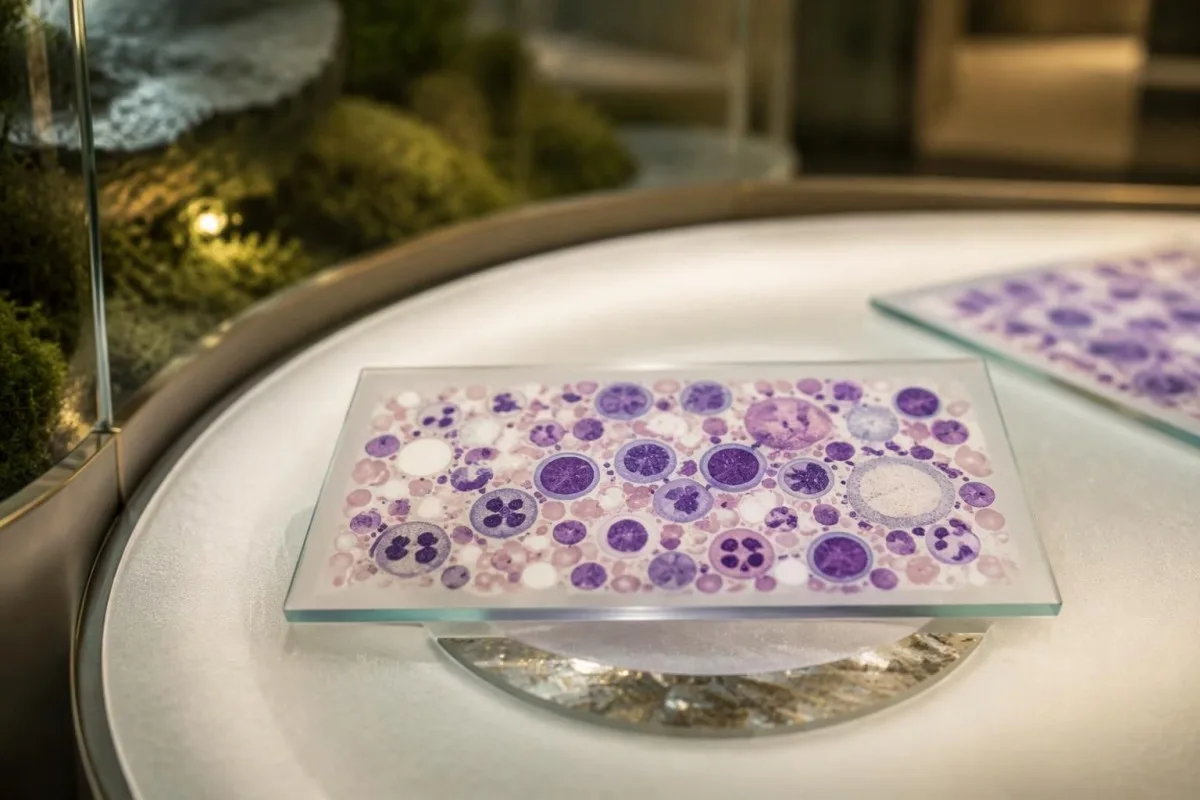
Glucocorticoids and fever-reducing treatment can suppress some score inputs, while transfusion can raise hemoglobin and plasma products can alter coagulation measurements. A temperature of 37.8°C after treatment is not interchangeable with an untreated peak of 39.6°C; clinicians need the treatment timeline to interpret the score rather than assuming the lower total demonstrates recovery.
An unexamined marrow, unknown organ size, and absent triglyceride measurement leave 3 different areas of uncertainty. Recalculation should use clinically appropriate observations from the same assessment window, not a patchwork of worst-ever values selected from unrelated admissions; our gabay sa trend ng kaligtasan ng gamot explains why treatment dates belong beside laboratory trends.
Ang mga impormasyon sa klinikal na pag-validate ng Kantesti concerns interpretation standards and limitations; it should not be read as validation of an HScore cutoff for every setting. The original 169 operating point cannot automatically be assumed to retain the same accuracy in intensive care, rheumatology-associated macrophage activation syndrome, or patients already receiving immune-directed treatment.
Ano ang maaaring magpasimula ng secondary HLH sa mga nasa hustong gulang?
Infections, malignancies, and autoimmune or autoinflammatory disease are major trigger groups for secondary HLH in adults. An HScore of 200 does not tell clinicians which trigger is present; identifying the cause matters because controlling immune activation and treating the underlying disease often need to happen together.
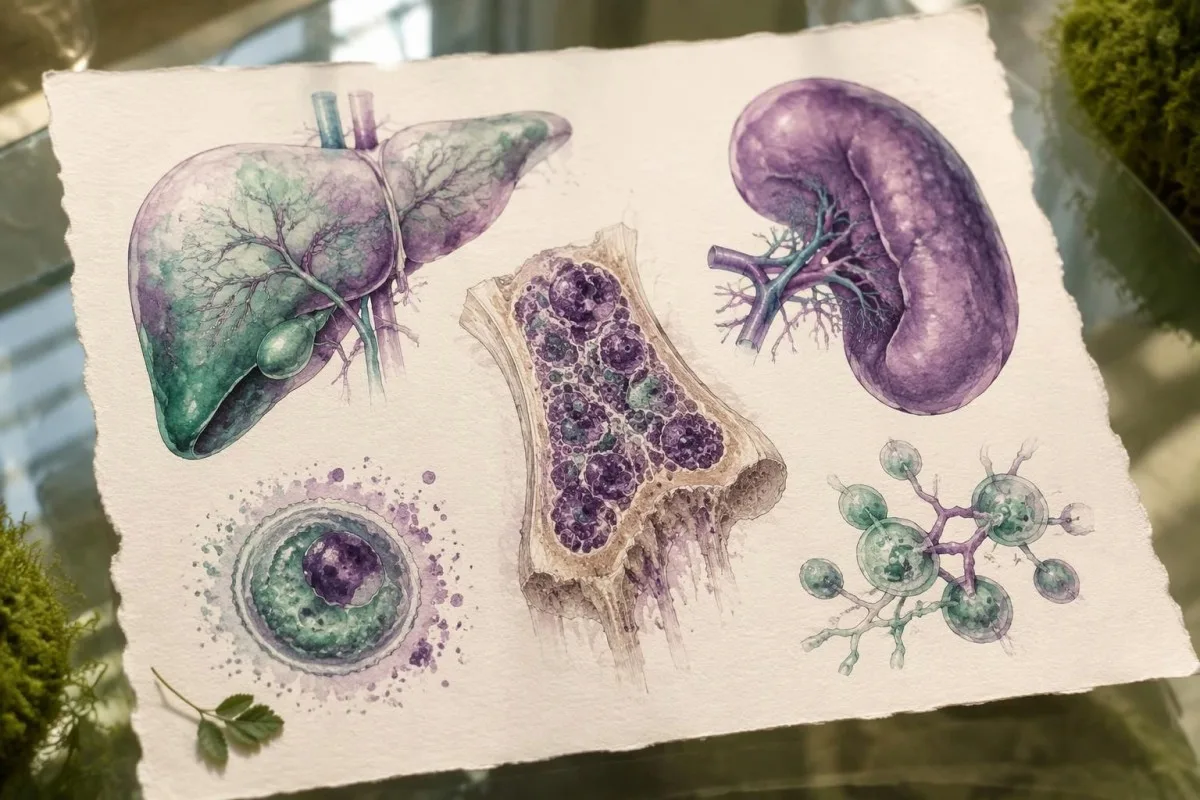
Epstein–Barr virus is a recognized HLH trigger, but positive EBV IgG often reflects past exposure rather than the cause of an acute syndrome. A hypothetical adult with ferritin 12,000 ng/mL and positive VCA IgG still needs an appropriately selected infection workup; our gabay sa pattern ng EBV antibody explains why antibody history is not the same as active viral disease.
Certain treatable infections can cause fever, cytopenias, and liver-test abnormalities that resemble or trigger HLH, making exposure history medically useful. For example, a platelet count of 70 × 10^9/L after tick exposure changes the questions clinicians ask; our discussion of ehrlichiosis testing timing shows why early PCR and later antibodies may provide different information.
Macrophage activation syndrome, often associated with rheumatic disease, overlaps with secondary HLH but may need disease-specific assessment rather than rigid dependence on HScore 169. Lymphoma and other hematologic malignancies also warrant investigation when appropriate; adult presentation does not exclude inherited susceptibility, particularly when there are recurrent episodes, a suggestive family history, or unusual immune-function findings.
Ano ang hitsura ng mga hypothetical na mataas at hindi kumpletong HScore?
Worked examples show how the total is assembled, not how to diagnose yourself. A hypothetical adult with documented fever, spleen enlargement, 3 qualifying cytopenias, high ferritin, elevated triglycerides, low fibrinogen, and elevated AST can accumulate 264 points before marrow findings are known.
Suppose a hypothetical 52-year-old adult has no known immunosuppression, temperature 39.6°C, splenomegaly without hepatomegaly, hemoglobin 8.7 g/dL, platelets 80 × 10^9/L, and white cells 3.2 × 10^9/L. Those inputs contribute 0 + 49 + 23 + 34 = 106 points; the clinical pattern already deserves urgent attention before the remaining measurements are added.
Add ferritin 8,500 ng/mL, triglycerides 3.1 mmol/L, fibrinogen 1.8 g/L, and AST 120 IU/L: their contributions are 50 + 44 + 30 + 19 = 143, producing a subtotal of 249, not 264. If both liver and spleen were enlarged instead, the organ contribution would rise by 15 points to produce 264; unexamined marrow leaves a further 35 points unresolved in either example.
For contrast, ferritin 4,200 ng/mL and AST 45 IU/L contribute only 54 points between them; they do not establish a complete low HScore when the other 7 inputs are unknown. Kantesti uses these hypothetical calculations to show why missingness and exact definitions matter; our blood-test timeline explanation helps organize the observations before a clinician interprets the total.
Ano ang nangyayari pagkatapos maghinala ng HLH ang mga clinician?
Clinicians investigate HLH and its trigger in parallel, usually repeating blood counts, ferritin, liver tests, triglycerides, and coagulation measurements while considering marrow examination and specialist immune tests. Soluble CD25 ≥2,400 U/mL is one HLH-2004 criterion, but assay units and delayed turnaround can complicate interpretation.
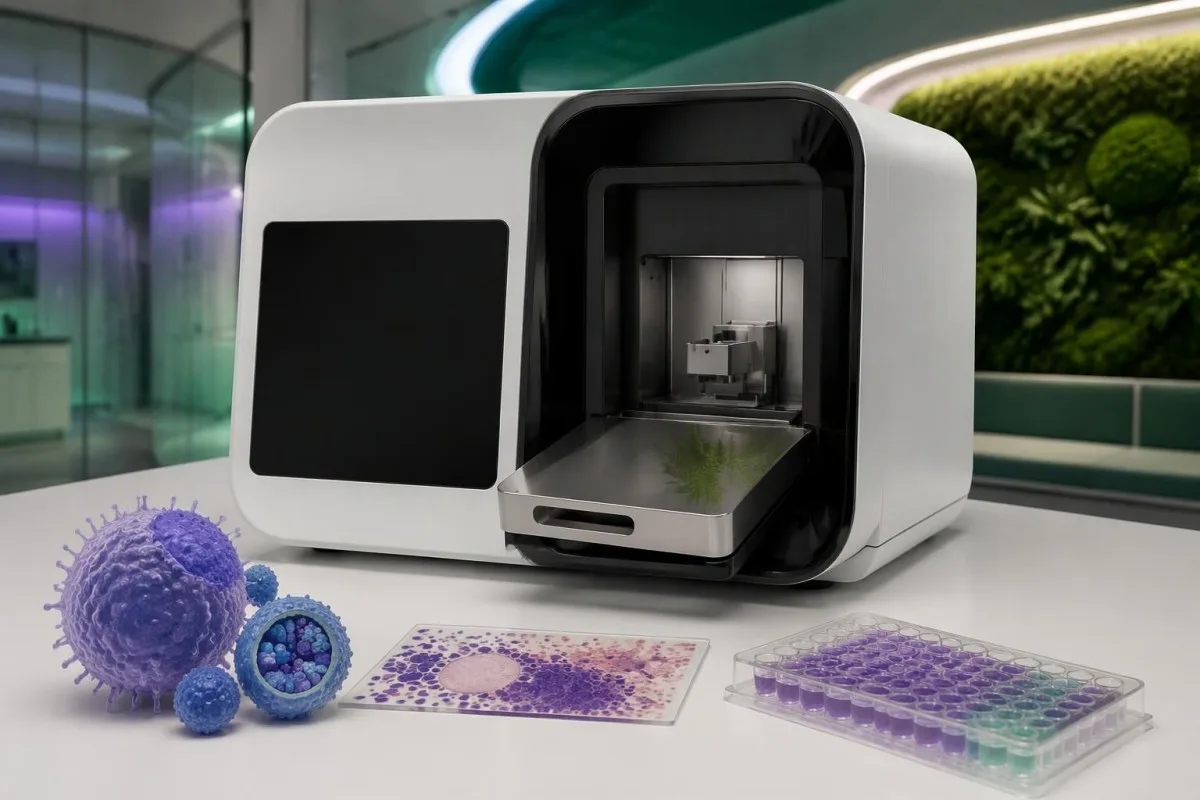
Hemophagocytosis is neither necessary nor sufficient for HLH diagnosis: it may be absent early and can occur in other severe illnesses. A positive marrow result contributes 35 HScore points, but marrow examination may be just as valuable for detecting a malignancy, infection, or alternative explanation for cytopenias; our MDS diagnostic limits guide illustrates why a CBC cannot replace tissue-based investigation.
Specialist tests can include soluble IL-2 receptor, natural-killer-cell function, selected genetic studies, and targeted microbiological testing, depending on the presentation. A laboratory reporting soluble CD25 in pg/mL cannot be compared directly with the original 2,400 U/mL threshold without assay-specific interpretation; asking which method and reference system were used can prevent a misleading criterion count.
Treatment may begin before 5 HLH-2004 criteria are documented when the clinical team judges the syndrome sufficiently likely and organ dysfunction is progressing. La Rosée et al. (2019) describe individualized adult management that may involve glucocorticoids, selected cytokine-directed treatment, or etoposide-containing regimens; an HScore alone does not determine a drug, dose, or safe treatment pathway.
Paano ka ligtas na makapaghahanda para sa talakayan tungkol sa HScore?
Si Kantesti ay isang AI-powered tool para sa pagsusuri ng dugo for understanding laboratory reports, not a service that confirms HLH or manages emergency deterioration. Before discussing an HScore near or above 169, gather the original reports, their dates and units, recent treatments, and any documented liver or spleen findings.
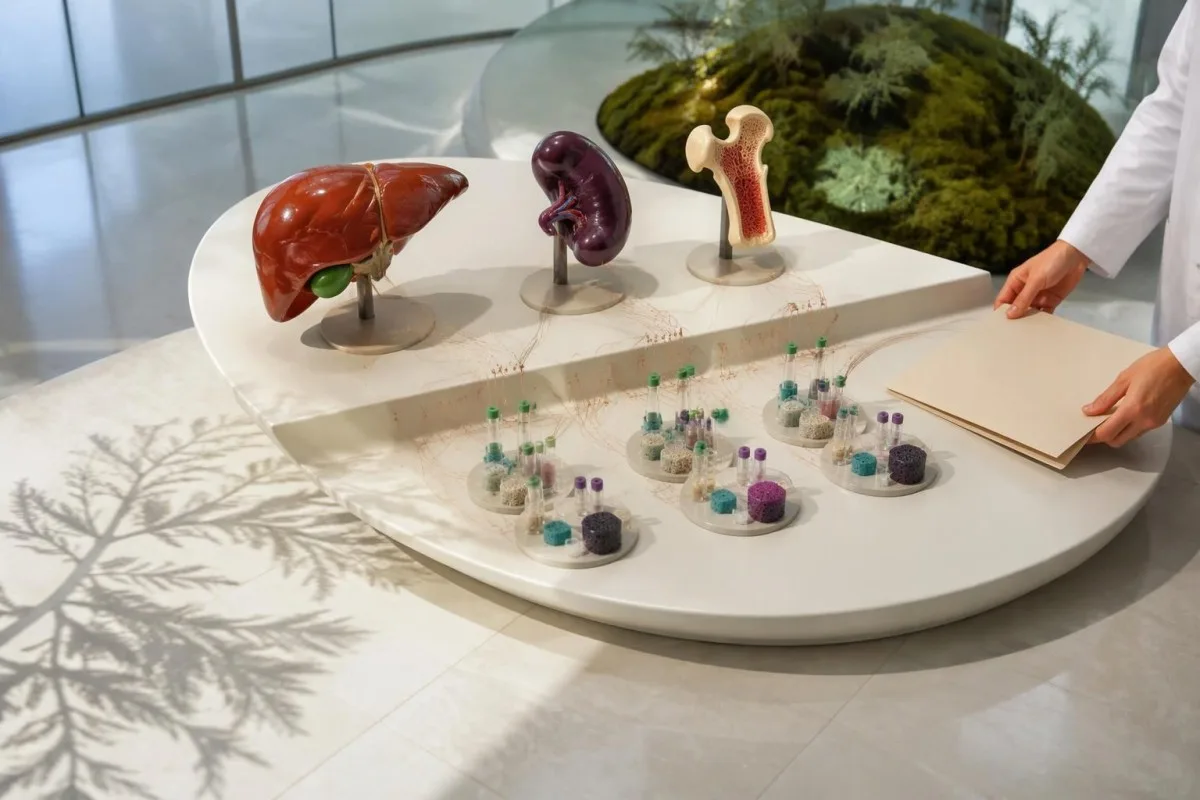
A useful appointment summary separates measured, documented, and unknown information across all 9 HScore inputs. Record the highest relevant temperature with its timing, whether imaging documented organ enlargement, and whether marrow was examined; write 'not assessed' rather than 'negative' when a test or examination has not happened.
Ask 3 focused questions: Is this pattern concerning for HLH or another urgent condition, which missing investigations could change the assessment, and what symptoms should trigger immediate return? If you are clinically stable with ferritin 700 ng/mL and no systemic warning signs, ask about ordinary iron, liver, and inflammatory causes rather than assuming an HLH workup is automatically required.
Diet, supplements, and iron avoidance do not treat suspected HLH, even when ferritin exceeds 6,000 ng/mL. Our mga pangako sa responsableng AI explain the boundary between educational interpretation and medical decision-making; the practical next step for a high, unexplained score is clinician contact, not repeated online calculations intended to obtain a more reassuring number.
Mga publikasyong pananaliksik at ebidensiya sa likod ng interpretasyon ng HScore
The main evidence for HScore interpretation comes from its 2014 development study and adult HLH recommendations, not general laboratory guides. Fardet et al. established the model and its 169 operating threshold; Henter et al. (2007) described HLH-2004, and La Rosée et al. (2019) addressed the challenges of applying diagnostic and treatment frameworks to adults.

The 3 clinical references below answer different questions: how the score was developed, what the HLH-2004 criteria require, and how adult management differs from a purely pediatric protocol. None makes a calculator a standalone diagnostic test, and none establishes one universally reliable threshold for every patient group, treatment stage, or hospital setting.
Kantesti LTD, UK Company No. 17090423, also publishes educational laboratory guides; the 2 Zenodo records listed below concern kidney function and urinalysis, not HScore validation. Our gabay sa ratio ng paggana ng bato can help readers understand accompanying renal measurements when a multisystem illness affects hydration or organ function, without identifying the cause of that illness.
Urinalysis is not one of the 9 HScore inputs, although urine findings may contribute to a broader assessment of organ involvement or alternative diagnoses. The gabay sa interpretasyon ng urinalysis is supplementary reading; our mga pamantayan sa nilalamang medikal explain why educational publications, diagnostic studies, and clinical guidelines should be distinguished rather than presented as equivalent evidence.
Mga Madalas Itanong
Kinukumpirma ba ng mataas na HScore ang HLH?
0 Mataas na HScore ay nagpapataas sa tinatayang posibilidad ng secondary HLH sa mga nasa hustong gulang ngunit hindi sapat nang mag-isa upang kumpirmahin ang diagnosis. Ang karaniwang ginagamit na threshold na 169 ay may humigit-kumulang 93% sensitivity at 86% specificity sa orihinal na pag-aaral. Dapat tasahin ng mga clinician ang takbo ng sakit, mga alternatibong diagnosis, mga nawawalang input, at mga sumusuportang pagsusuri. Ang patuloy na lagnat kasabay ng pagbaba ng mga bilang o dysfunction ng organ ay nangangailangan ng agarang pagtatasa sa halip na maghintay ng isa pang resulta ng calculator.
Anong HScore ang itinuturing na mataas?
Karaniwang ginagamit ang HScore na 169 o mas mataas bilang hangganan na sumusuporta sa karagdagang pagsusuri para sa adultong secondary HLH. Ang mga score na higit sa 250 ay tumutugma sa tinatayang posibilidad na higit sa 99% sa orihinal na modelo, ngunit hindi garantisadong personal na posibilidad ang porsiyentong iyon sa bawat klinikal na kalagayan. Maaari pa ring mangyari ang mga halagang HScore na mas mababa sa 169 sa maagang yugto, kapag hindi pa kumpleto ang pagsusuri, o kapag ginagamot na ang HLH. Nakadepende ang angkop na tugon sa klinikal na pattern at kung lumalala ang kalagayan ng tao.
Maaari bang mangahulugan ng iba maliban sa HLH ang ferritin na higit sa 10,000?
Maaaring magkaroon ng ferritin na higit sa 10,000 ng/mL ang mga nasa hustong gulang na walang HLH, kabilang ang mga may malubhang impeksiyon, pinsala sa atay, malignancy, o iba pang karamdamang nagpapaalab. Natutugunan ng ferritin ≥500 ng/mL ang isa lamang sa mga pamantayan ng HLH-2004, at nililimitahan ng HScore sa 50 puntos ang ferritin na lampas sa 6,000 ng/mL. Mas nakababahala ang napakataas na ferritin kapag may kasabay itong tuluy-tuloy na lagnat, bumababang bilang ng mga selula ng dugo, mababang fibrinogen, o disfungsi ng organ. Dapat itong mag-udyok ng klinikal na pagsusuri, hindi awtomatikong diagnosis ng HLH o sobrang iron sa katawan.
Maaari ka bang magkalkula ng HScore nang walang pagsusuri sa bone marrow?
Maaaring kalkulahin ang pansamantalang HScore bago ang pagsusuri sa bone marrow, ngunit ang hindi pa nasusuring bone marrow ay hindi alam sa halip na negatibo. Nagbibigay ng 35 puntos ang hemophagocytosis sa bone marrow, kaya maaaring ilarawan ang kawalang-katiyakan bilang posibleng dagdag na 35 puntos kung nakadokumento ang lahat ng iba pang input. Hindi isinasantabi ng kawalan ng hemophagocytosis sa sinuring sample ang HLH, at hindi rin ito kumpirmasyon ng HLH kapag naroroon nang mag-isa. Hindi dapat ipagpaliban ang agarang pagtatasa para lamang makumpleto ang input na ito.
Ano ang pagkakaiba ng HScore at pamantayan ng HLH-2004?
Ang HScore ay isang weighted probability model na gumagamit ng 9 na input, samantalang gumagamit ang HLH-2004 ng tugmang molecular diagnosis o pagtugon sa 5 sa 8 diagnostic criteria. Magkakaiba ang mga threshold ng mga ito sa laboratoryo: nagbibigay ng puntos ang HScore para sa fibrinogen sa ≤2.5 g/L, samantalang ≤1.5 g/L ang threshold ng fibrinogen sa HLH-2004. Kabilang din sa HLH-2004 ang aktibidad ng natural killer cell at soluble CD25, na wala sa HScore. Ginagamit ng mga espesyalista sa pangangalaga ng nasa hustong gulang ang mga framework na ito kasabay ng klinikal na pagpapasya, sa halip na ituring ang mga ito bilang mapagpapalitang pagsusuri.
Maaari bang maalis ang posibilidad ng HLH gamit ang mababang HScore?
Hindi ligtas na gamitin ang mababang HScore upang isantabi ang HLH kapag kulang ang mahahalagang natuklasan, nabago ng paggamot ang mga resulta, o umuunlad pa ang sindrom. Ang orihinal na threshold na 169 ay may humigit-kumulang 93% na sensitivity, hindi 100%, at maaaring mag-iba ang performance nito sa ibang mga populasyon. Ang iskor na mas mababa sa 90 ay kumakatawan sa tinatayang probabilidad na mas mababa sa 1% sa orihinal na modelo, hindi sa isang ganap na tuntunin para sa pagsasantabi nito. Dapat manaig ang bagong pagkalito, matinding paghingal, pagbagsak, malaking pagdurugo, o lumalalang paggana ng mga organo kaysa sa kapanatagang dulot ng mababang iskor.
Ipaliwanag sa iyo ang resulta ng blood test
I-upload ang iyong ulat sa laboratoryo at ipapaliwanag ng AI ng Kantesti ang bawat biomarker sa payak na pananalita sa loob ng ilang segundo. Ginagamit ng mahigit 2 milyong tao sa buong mundo.
Mga Sanggunian
- Klein, T., Mitchell, S., & Weber, H. (2026). BUN/Creatinine Ratio Explained: Gabay sa Pagsusuri ng Punsyon ng Bato. Kantesti AI Medical Research. DOI
- Klein, T., Mitchell, S., & Weber, H. (2026). Urobilinogen sa Pagsusuri ng Ihi: Kumpletong Gabay sa Urinalysis 2026. Kantesti AI Medical Research. DOI
- Fardet L et al. (2014). Development and validation of the HScore, a score for the diagnosis of reactive hemophagocytic syndrome. Arthritis & Rheumatology. DOI PubMed
- Henter JI et al. (2007). HLH-2004: Diagnostic and therapeutic guidelines for hemophagocytic lymphohistiocytosis. Pediatric Blood & Cancer. DOI PubMed
- La Rosée P et al. (2019). Recommendations for the management of hemophagocytic lymphohistiocytosis in adults. Blood. DOI PubMed
- 2M+Mga sinuring pagsusuri
- 127+Mga bansa
- 100+Mga wika
Tungkol sa pangkat medikal


Mga Signal ng Tiwala ng E-E-A-T
Karanasan
Pinamumunuan ng manggagamot na klinikal na pagsusuri ng mga daloy ng interpretasyon ng mga pagsusuri sa laboratoryo.
Kadalubhasaan
Pokus sa laboratoryong medisina kung paano kumikilos ang mga biomarker sa kontekstong klinikal.
Pagka-awtoridad
Sinuri sa medikal na aspeto ni Dr. Thomas Klein, kasama ang mga kontribusyon nina Dr. Sarah Mitchell at Prof. Dr. Hans Weber.
Pagiging Mapagkakatiwalaan
Interpretasyong nakabatay sa ebidensya na may malinaw na mga susunod na hakbang upang mabawasan ang pag-aalarma.






Paunawang medikal
Ang artikulong ito ay para sa mga layuning pang-edukasyon lamang at hindi ito bumubuo ng medikal na payo. Palaging kumonsulta sa isang kwalipikadong tagapagbigay ng pangangalagang pangkalusugan para sa mga desisyon sa diagnosis at paggamot.
Inilathala · Makipag-ugnayan sa pangkat ng editoryal
Inilathala ng Kantesti Ltd, nakarehistro sa England at Wales, numero ng kumpanya. 17090423, London, United Kingdom.
