بلند HScore بالغوں میں ثانوی HLH کا شبہ بڑھاتا ہے؛ یہ تشخیص کی تصدیق نہیں کرتا۔ مسلسل بخار، خون کے خلیوں کی گرتی ہوئی تعداد، اور اعضاء کے افعال میں بگاڑ کے لیے فوری معائنہ ضروری ہے، چاہے اسکور کم ہو یا نامکمل۔.

اہم نکات
- بلند HScore کا مطلب بالغوں میں ثانوی HLH کے امکان میں اضافے کی نشاندہی کرتا ہے، اس کیفیت کا ثبوت نہیں؛ یہ اسکور 9 طبی اور لیبارٹری متغیرات کو یکجا کرتا ہے۔.
- 169 کی حد اصل مطالعے میں حساسیت تقریباً 93% اور اختصاصیت 86% تھی، لیکن یہ اعداد ہر ہسپتال کی آبادی پر لاگو نہیں ہوتے۔.
- امکان کے تخمینے اصل ماڈل میں 90 سے کم اسکور 1% سے کم، اور 250 سے زیادہ اسکور 99% سے زیادہ امکان کے مطابق تھے—یہ کسی فرد کے لیے یقینی امکانات نہیں ہیں۔.
- صرف فیریٹن HLH کی تشخیص نہیں کر سکتا؛ 500 ng/mL، HLH-2004 کے ایک معیار پر پورا اترتا ہے، جبکہ HScore میں فیریٹن کے پوائنٹس 2,000 ng/mL سے ملنا شروع ہوتے ہیں۔.
- مختلف معیارات اہمیت رکھتے ہیں: HScore میں سائٹوپینیا کی حدیں ہیموگلوبن ≤9.2 g/dL، پلیٹلیٹس ≤110 × 10^9/L، اور کل سفید خلیات ≤5.0 × 10^9/L ہیں۔.
- HLH-2004 کی تشخیص کے لیے موزوں مالیکیولر تشخیص یا 8 میں سے 5 معیار پورے ہونا ضروری ہے، جن کی تشریح طبی کیفیت اور ماہر کے فیصلے کے تناظر میں کی جاتی ہے۔.
- غائب ٹیسٹ منفی ٹیسٹ نہیں ہوتے؛ بون میرو کا معائنہ نہ ہونے سے HScore کے ممکنہ 35 پوائنٹس غیر طے شدہ رہ سکتے ہیں۔.
- فوری جائزہ (Urgent assessment) مسلسل بخار کے ساتھ خون کے خلیوں کی تعداد میں کمی یا اعضا کی خرابی کی صورت میں ضروری ہے؛ الجھن، شدید سانس پھولنا، بے ہوشی، یا نمایاں خون بہنے پر ہنگامی طبی امداد لیں۔.
کیا بلند HScore کا مطلب ہے کہ آپ کو HLH ہے؟
نمبر۔ A بلند HScore ثانوی ہیموفیگوسائٹک لمفوہسٹیوسائٹوسس کے بڑھتے ہوئے امکان کا اندازہ دیتا ہے، یا HLH, ، لیکن تنہا اس کی تصدیق نہیں کر سکتا۔ عام طور پر استعمال ہونے والی 169 کی حد مزید جانچ کی ضرورت کی تائید کرتی ہے؛ مسلسل بخار، خون کے خلیوں کی گرتی ہوئی تعداد، اور اعضا کے افعال میں بگاڑ فوری ماہر معائنے کا تقاضا کرتے ہیں، خواہ یہ حد پوری ہوئی ہو یا نہیں۔.
ثانوی HLH بے قابو مدافعتی فعالیت کا ایک ممکنہ طور پر جان لیوا سنڈروم ہے، نہ کہ صرف ایک غیر معمولی لیبارٹری نتیجہ یا کوئی ایک مخصوص انفیکشن۔ اس کا 9 متغیری اسکور ان بالغوں کے لیے وضع کیا گیا تھا جن میں ری ایکٹو ہیموفیگوسائٹک سنڈروم کا جائزہ لیا جا رہا ہو؛ اس لیے اتفاقاً فیریٹن بڑھا ہوا ملنے والے تندرست شخص پر اس کا اطلاق کرنے سے وہ سیاق بدل جاتا ہے جس میں یہ اندازہ استعمال کیا جا رہا ہے۔.
بخار میں مبتلا ہسپتال میں داخل بالغ کا 180 اسکور، غیر متعلقہ بیرونی مریضوں کی رپورٹس سے جمع کیے گئے آن لائن نتیجے سے مختلف معنی رکھتا ہے۔ معالجین پہلے یہ دیکھتے ہیں کہ آیا مشاہدات بیماری کے ایک ہی دور سے تعلق رکھتے ہیں، آیا کوئی متبادل تشخیص ان کی وضاحت کرتی ہے، اور آیا مریض کی حالت بگڑ رہی ہے—کیونکہ ریاضی کے لحاظ سے درست مجموعہ بھی غلط طبی سوال کا جواب دے سکتا ہے۔.
کنٹیسٹی ایک ہے۔ اے آئی بلڈ ٹیسٹ تجزیہ کار جو دیگر لیبارٹری نتائج کے ساتھ فیریٹن 2,000 ng/mL سے زیادہ ہونے جیسی علامات کی وضاحت میں مدد کرتا ہے؛ یہ HLH کی تشخیص قائم نہیں کر سکتا اور نہ ہنگامی معائنے کا متبادل ہے۔ ہمارا کمپنی کا پس منظر ان وضاحتوں کے پیچھے موجود تنظیم کا تعارف کراتا ہے، جبکہ مشتبہ HLH کے بارے میں فیصلے معالج ٹیم کے دائرۂ کار میں آتے ہیں۔.
HScore کی حدوں اور فیصدوں کی تشریح کیسے کرنی چاہیے؟
ایک 169 یا اس سے زیادہ کا HScore عام طور پر استعمال ہونے والی اسکریننگ کی حد ہے، HLH ہونے اور نہ ہونے کے درمیان تشخیصی لکیر نہیں۔ Fardet et al. (2014) نے اس حد پر تقریباً 93% حساسیت اور 86% اختصاصیت رپورٹ کی؛ کیلکولیٹر پر دکھایا گیا امکان بنیادی ماڈل کے نتیجے سے الگ ہوتا ہے۔.
93% حساسیت کا مطلب ہے کہ اصل مطالعے کے حالات میں متاثرہ مریضوں میں سے تقریباً 7% اس حد سے نیچے آ سکتے ہیں۔ 86% اختصاصیت کا مطلب ہے کہ غیر متاثرہ مریضوں میں سے تقریباً 14% اس حد تک پہنچ سکتے ہیں یا اس سے تجاوز کر سکتے ہیں؛ ان میں سے کسی عدد کا یہ مطلب نہیں کہ مثبت اسکور والے کسی فرد کو HLH ہونے کا 93% امکان ہے۔.
ایک واضح طور پر فرضی بیزی مثال بتاتی ہے کہ ریفرل کیے گئے مریضوں کی آبادی کیوں اہم ہے: 5% پیشگی امکان، 93% حساسیت، اور 86% اختصاصیت کے ساتھ، مثبت حد سے مثبت پیش گوئی قدر تقریباً 26% بنتی ہے۔ 50% پیشگی امکان کے ساتھ یہی حساب تقریباً 87% دیتا ہے؛ یہ مثالیں HScore کیلکولیٹر کے ماڈل یا کسی دوسری آبادی میں توثیق شدہ اندازوں کا متبادل نہیں ہیں۔.
اصل تیاری کے مطالعے میں 312 ایسے مریض شامل تھے جن کا مشتبہ ری ایکٹو ہیموفیگوسائٹک سنڈروم کے لیے جائزہ لیا گیا تھا، نہ کہ عام اسکریننگ کی آبادی۔ لہٰذا کیلکولیٹر کا فیصد ماڈل پر مبنی ایسا اندازہ بیان کرتا ہے جو دیے گئے ان پٹس اور تیاری کے سیاق سے مشروط ہوتا ہے؛ ہماری وضاحت عددی بمقابلہ زمرہ وار نتائج امکان اور مثبت یا منفی تشخیص میں فرق واضح کرنے میں مدد دیتی ہے۔.
| سطح | حد | اس کا مطلب |
|---|---|---|
| Low model estimate | HScore <90 | Less than 1% estimated probability in the original model; not an absolute exclusion rule. |
| Below common screening threshold | HScore 90–168 | Below the commonly used 169 cutoff; early disease, missing inputs, or treatment can limit reassurance. |
| At or above screening threshold | HScore 169–250 | Increasing concern for HLH; probability varies substantially within this interval. |
| Very high model estimate | HScore >250 | Greater than 99% estimated probability in the original model; urgent clinical assessment is appropriate, but the score is not independent confirmation. |
HScore کیلکولیٹر کن نو نتائج کو استعمال کرتا ہے؟
ایک HScore calculator combines immunosuppression, temperature, organ enlargement, cytopenias, ferritin, triglycerides, fibrinogen, AST, and bone-marrow hemophagocytosis. The maximum total is 337 points; several inputs require examination, imaging, medication history, or tissue findings and cannot be recovered from a routine blood report alone.
HScore cytopenia thresholds are hemoglobin ≤9.2 g/dL, platelets ≤110 × 10^9/L, and total white cells ≤5.0 × 10^9/L. Zero or 1 qualifying lineage earns no cytopenia points; 2 earn 24 and 3 earn 34, so an isolated platelet reduction is not scored like a simultaneous reduction across all three lineages.
A white-cell count of 4.8 × 10^9/L can qualify for the HScore even when it falls within a laboratory's reference interval. These are model thresholds, not universal definitions of an abnormal CBC; our hemoglobin and hematocrit explanation also explains why hemoglobin—not hematocrit or red-cell count—is the anemia input.
Fibrinogen ≤2.5 g/L contributes 30 points, whereas AST ≥30 IU/L contributes 19; neither finding is specific to HLH. Kantesti's خون کے بایومارکرز کے حوالہ جاتی گائیڈ supports understanding the measurements, but the original score definitions must take precedence over a laboratory's high or low flags when a clinician calculates the HScore.
| سطح | حد | اس کا مطلب |
|---|---|---|
| Known immunosuppression | Absent: 0; present: 18 points | Use the original definition, including HIV or long-term immunosuppressive therapy; do not infer it from feeling run down. |
| Temperature | <38.4°C: 0; 38.4–39.4°C: 33; >39.4°C: 49 points | Document the temperature and its timing relative to fever-reducing medicines. |
| Organ enlargement | Neither: 0; liver or spleen: 23; both: 38 points | Requires documented hepatomegaly or splenomegaly, not abdominal discomfort alone. |
| Qualifying cytopenic lineages | 0–1: 0; 2: 24; 3: 34 points | Use hemoglobin ≤9.2 g/dL, platelets ≤110 × 10^9/L, and total white cells ≤5.0 × 10^9/L. |
| فیریٹین | <2,000: 0; 2,000–6,000: 35; >6,000 ng/mL: 50 points | Ferritin points are capped; increasingly extreme values above 6,000 do not add further points. |
| ٹرائگلیسرائیڈز | <1.5: 0; 1.5–4.0: 44; >4.0 mmol/L: 64 points | Equivalent boundaries are approximately 133 and 354 mg/dL. |
| فائبرنوجن | >2.5: 0; ≤2.5 g/L: 30 points | 2.5 g/L equals 250 mg/dL. |
| AST | <30: 0; ≥30 IU/L: 19 points | Use AST, not ALT; muscle injury and sample hemolysis can affect interpretation. |
| Bone-marrow hemophagocytosis | Absent: 0; present: 35 points | Not assessed is unresolved information, even if a calculator defaults it to zero. |
کون سی چیز HScore کیلکولیٹر کے نتیجے کو گمراہ کن بنا سکتی ہے؟
Missing information, incorrect units, and measurements from different illness stages can make an HScore misleading. A calculator that assigns zero to an unexamined marrow leaves 35 potential points unresolved; the total may be a useful provisional estimate, but it is not equivalent to a fully documented assessment.
Ferritin in ng/mL and µg/L has the same numerical value, but fibrinogen in mg/dL and g/L does not: 250 mg/dL equals 2.5 g/L. Triglycerides require another conversion, with mmol/L multiplied by approximately 88.6 to obtain mg/dL; entering 250 mg/dL as 250 mmol/L can force a falsely high triglyceride category.
A platelet count of 85 × 10^9/L may be genuine, but platelet clumping can create a falsely low automated result. Laboratory comments and the cell review matter before that value is counted as a qualifying lineage; our explanation of EDTA-related platelet clumping describes how an alternative collection method may clarify the count.
AST ≥30 IU/L earns points even when the increase is small, so a compromised sample can alter the total without adding evidence of immune overactivation. A بلند ہیمولیسز انڈیکس can help explain an unreliable AST result; suspected HLH still requires prompt assessment while clinicians resolve specimen problems, rather than waiting for a perfect dataset.
HScore، HLH-2004 کے تشخیصی معیار سے کس طرح مختلف ہے؟
HScore is a weighted adult probability model; HLH-2004 is a diagnostic framework with 8 criteria. HLH-2004 permits diagnosis through a compatible molecular diagnosis or fulfillment of 5 of 8 criteria, but adult specialists also consider the trajectory and may act before all criteria are documented (Henter et al., 2007; La Rosée et al., 2019).
The first 3 HLH-2004 findings are fever, splenomegaly, and cytopenias affecting at least 2 lineages: hemoglobin <9 g/dL, platelets <100 × 10^9/L, or neutrophils <1.0 × 10^9/L in the usual non-neonatal thresholds. Unlike the HScore, HLH-2004 uses neutrophils rather than total white cells and does not award extra points for liver enlargement.
Another criterion is fasting triglycerides ≥3.0 mmol/L, approximately 265 mg/dL, and/or fibrinogen ≤1.5 g/L. The remaining 4 criteria are hemophagocytosis in marrow, spleen, or lymph nodes; low or absent natural-killer-cell activity; ferritin ≥500 ng/mL; and soluble CD25, also called soluble IL-2 receptor, ≥2,400 U/mL using an appropriate assay.
A fibrinogen result of 2.0 g/L earns 30 HScore points but does not meet the HLH-2004 fibrinogen threshold, illustrating why the two systems cannot be interchanged. HLH-2004 arose from pediatric treatment guidance; our discussion of children's interpretation safety explains why adult models should not be transferred casually to children, including those with possible inherited immune disorders.
کیا فیریٹن کی بہت زیادہ مقدار کا مطلب HLH ہے؟
Very high ferritin increases concern for serious illness but does not identify HLH by itself. Ferritin ≥500 ng/mL meets one HLH-2004 criterion, while the HScore awards ferritin points only from 2,000 ng/mL; even values above 10,000 ng/mL can occur in adults with other illnesses.
Ferritin is both an iron-storage marker and an acute-phase reactant, so infection, liver injury, inflammatory disease, and some malignancies can raise it without HLH. Adult recommendations caution against treating a single ferritin threshold as diagnostic; La Rosée et al. (2019) emphasize the overall clinical picture, particularly when extreme elevations coexist with cytopenias and organ dysfunction.
Consider a hypothetical well adult with ferritin 650 ng/mL after a recent illness and no fever, falling counts, or organ dysfunction: that result is not equivalent to ferritin 6,500 ng/mL during rapid clinical deterioration. Our exercise-related ferritin discussion concerns stable outpatient interpretation, not a reason to attribute an acutely unwell person's extreme ferritin to training.
The HScore ferritin contribution is capped at 50 points above 6,000 ng/mL, so a rise from 8,000 to 25,000 may convey deterioration that the total score does not capture. Transferrin saturation and the broader آئرن اسٹڈیز کی رپورٹ کیسے پڑھیں help investigate iron loading, but iron overload assessment and urgent HLH assessment answer different questions and can require different timelines.
نتائج کے کون سے امتزاج HLH کے بارے میں زیادہ تشویش پیدا کرتے ہیں؟
Persistent fever plus falling blood counts, rising ferritin, and worsening liver or coagulation results is more concerning for HLH than any isolated abnormality. Fibrinogen falling toward 2.5 g/L can be especially informative during a strong inflammatory response, because inflammation often raises fibrinogen rather than lowering it.
A hypothetical platelet decline from 210 to 95 × 10^9/L over 48 hours deserves attention even before all 3 lineages cross HScore thresholds. The rate of change may signal evolving consumption, marrow suppression, or immune disease; the reason clinicians examine DIC کے لیبارٹری نمونوں کی is that disseminated intravascular coagulation can coexist with HLH or result from another critical illness.
A high CRP does not exclude HLH, and a white-cell count of 4.5 × 10^9/L does not establish it. Cytopenias can reflect medicines, infection, marrow disease, or baseline variation, so clinicians use the differential count, smear, previous results, and the WBC-versus-CRP relationship to ask whether several abnormalities share one evolving explanation.
کنٹیسٹی ایک ہے۔ AI خون کے ٹیسٹ کی رپورٹ کی تشریح that can help organize patterns across 2 or more reports, but an apparent trend must be checked against sampling dates, treatment, and laboratory methods. A falling fibrinogen with rising ferritin is a reason to contact the clinical team promptly—not proof that the platform, or the patient reading the report, has identified HLH.
مشتبہ HLH میں فوری ماہرین کے معائنے کی ضرورت کب ہوتی ہے؟
Suspected HLH requires urgent hospital-based assessment when fever accompanies falling counts or organ dysfunction; do not wait for an HScore of 169. Confusion, seizures, severe breathlessness, collapse, significant bleeding, or rapidly worsening jaundice require emergency care because HLH, sepsis, and other dangerous conditions can present similarly.

Fever with an absolute neutrophil count below 0.5 × 10^9/L is an emergency pattern, whether or not HLH is the eventual diagnosis. A person receiving chemotherapy or immunosuppressive treatment should follow their urgent-care instructions immediately; fever-reducing medicines may lower the measured temperature without making the underlying illness safe to monitor at home.
New breathlessness during a febrile illness can reflect lung involvement, anemia, fluid problems, or infection rather than the HScore itself. Our سانس پھولنے کی جانچ گائیڈ explains why oxygenation and clinical examination matter alongside laboratory values; a reassuring ferritin or a score below 169 should never override severe respiratory symptoms.
A high HScore with persistent fever and deteriorating results merits same-day discussion with the treating team, commonly involving hematology and other relevant specialists. Bring available reports, but do not delay seeking care to retrieve all 9 inputs or wait for a marrow appointment; in the UK, call 999 for life-threatening symptoms, or use the local emergency number elsewhere.
کیا کم HScore ابتدائی یا زیرِ علاج HLH کو خارج کر سکتا ہے؟
A low HScore cannot reliably exclude HLH when the illness is early, key inputs are missing, or treatment has changed the findings. The original 169 threshold had approximately 93% sensitivity, not 100%; clinical deterioration can justify reassessment even when a first calculation falls below that cutoff.
Glucocorticoids and fever-reducing treatment can suppress some score inputs, while transfusion can raise hemoglobin and plasma products can alter coagulation measurements. A temperature of 37.8°C after treatment is not interchangeable with an untreated peak of 39.6°C; clinicians need the treatment timeline to interpret the score rather than assuming the lower total demonstrates recovery.
An unexamined marrow, unknown organ size, and absent triglyceride measurement leave 3 different areas of uncertainty. Recalculation should use clinically appropriate observations from the same assessment window, not a patchwork of worst-ever values selected from unrelated admissions; our میڈیکیشن سیفٹی ٹرینڈ گائیڈ explains why treatment dates belong beside laboratory trends.
Kantesti کے کلینیکل ویلیڈیشن معلومات concerns interpretation standards and limitations; it should not be read as validation of an HScore cutoff for every setting. The original 169 operating point cannot automatically be assumed to retain the same accuracy in intensive care, rheumatology-associated macrophage activation syndrome, or patients already receiving immune-directed treatment.
بالغوں میں ثانوی HLH کو کیا چیز متحرک کر سکتی ہے؟
Infections, malignancies, and autoimmune or autoinflammatory disease are major trigger groups for secondary HLH in adults. An HScore of 200 does not tell clinicians which trigger is present; identifying the cause matters because controlling immune activation and treating the underlying disease often need to happen together.
Epstein–Barr virus is a recognized HLH trigger, but positive EBV IgG often reflects past exposure rather than the cause of an acute syndrome. A hypothetical adult with ferritin 12,000 ng/mL and positive VCA IgG still needs an appropriately selected infection workup; our EBV اینٹی باڈی پیٹرن گائیڈ explains why antibody history is not the same as active viral disease.
Certain treatable infections can cause fever, cytopenias, and liver-test abnormalities that resemble or trigger HLH, making exposure history medically useful. For example, a platelet count of 70 × 10^9/L after tick exposure changes the questions clinicians ask; our discussion of ehrlichiosis testing timing shows why early PCR and later antibodies may provide different information.
Macrophage activation syndrome, often associated with rheumatic disease, overlaps with secondary HLH but may need disease-specific assessment rather than rigid dependence on HScore 169. Lymphoma and other hematologic malignancies also warrant investigation when appropriate; adult presentation does not exclude inherited susceptibility, particularly when there are recurrent episodes, a suggestive family history, or unusual immune-function findings.
فرضی بلند اور نامکمل HScores کیسے دکھائی دیتے ہیں؟
Worked examples show how the total is assembled, not how to diagnose yourself. A hypothetical adult with documented fever, spleen enlargement, 3 qualifying cytopenias, high ferritin, elevated triglycerides, low fibrinogen, and elevated AST can accumulate 264 points before marrow findings are known.
Suppose a hypothetical 52-year-old adult has no known immunosuppression, temperature 39.6°C, splenomegaly without hepatomegaly, hemoglobin 8.7 g/dL, platelets 80 × 10^9/L, and white cells 3.2 × 10^9/L. Those inputs contribute 0 + 49 + 23 + 34 = 106 points; the clinical pattern already deserves urgent attention before the remaining measurements are added.
Add ferritin 8,500 ng/mL, triglycerides 3.1 mmol/L, fibrinogen 1.8 g/L, and AST 120 IU/L: their contributions are 50 + 44 + 30 + 19 = 143, producing a subtotal of 249, not 264. If both liver and spleen were enlarged instead, the organ contribution would rise by 15 points to produce 264; unexamined marrow leaves a further 35 points unresolved in either example.
For contrast, ferritin 4,200 ng/mL and AST 45 IU/L contribute only 54 points between them; they do not establish a complete low HScore when the other 7 inputs are unknown. Kantesti uses these hypothetical calculations to show why missingness and exact definitions matter; our blood-test timeline explanation helps organize the observations before a clinician interprets the total.
معالجین کو HLH کا شبہ ہونے کے بعد کیا ہوتا ہے؟
Clinicians investigate HLH and its trigger in parallel, usually repeating blood counts, ferritin, liver tests, triglycerides, and coagulation measurements while considering marrow examination and specialist immune tests. Soluble CD25 ≥2,400 U/mL is one HLH-2004 criterion, but assay units and delayed turnaround can complicate interpretation.
Hemophagocytosis is neither necessary nor sufficient for HLH diagnosis: it may be absent early and can occur in other severe illnesses. A positive marrow result contributes 35 HScore points, but marrow examination may be just as valuable for detecting a malignancy, infection, or alternative explanation for cytopenias; our MDS diagnostic limits guide illustrates why a CBC cannot replace tissue-based investigation.
Specialist tests can include soluble IL-2 receptor, natural-killer-cell function, selected genetic studies, and targeted microbiological testing, depending on the presentation. A laboratory reporting soluble CD25 in pg/mL cannot be compared directly with the original 2,400 U/mL threshold without assay-specific interpretation; asking which method and reference system were used can prevent a misleading criterion count.
Treatment may begin before 5 HLH-2004 criteria are documented when the clinical team judges the syndrome sufficiently likely and organ dysfunction is progressing. La Rosée et al. (2019) describe individualized adult management that may involve glucocorticoids, selected cytokine-directed treatment, or etoposide-containing regimens; an HScore alone does not determine a drug, dose, or safe treatment pathway.
آپ HScore پر گفتگو کے لیے محفوظ طریقے سے کیسے تیاری کر سکتے ہیں؟
کنٹیسٹی ایک ہے۔ اے آئی سے چلنے والا خون کے ٹیسٹ کا تجزیہ کا آلہ for understanding laboratory reports, not a service that confirms HLH or manages emergency deterioration. Before discussing an HScore near or above 169, gather the original reports, their dates and units, recent treatments, and any documented liver or spleen findings.
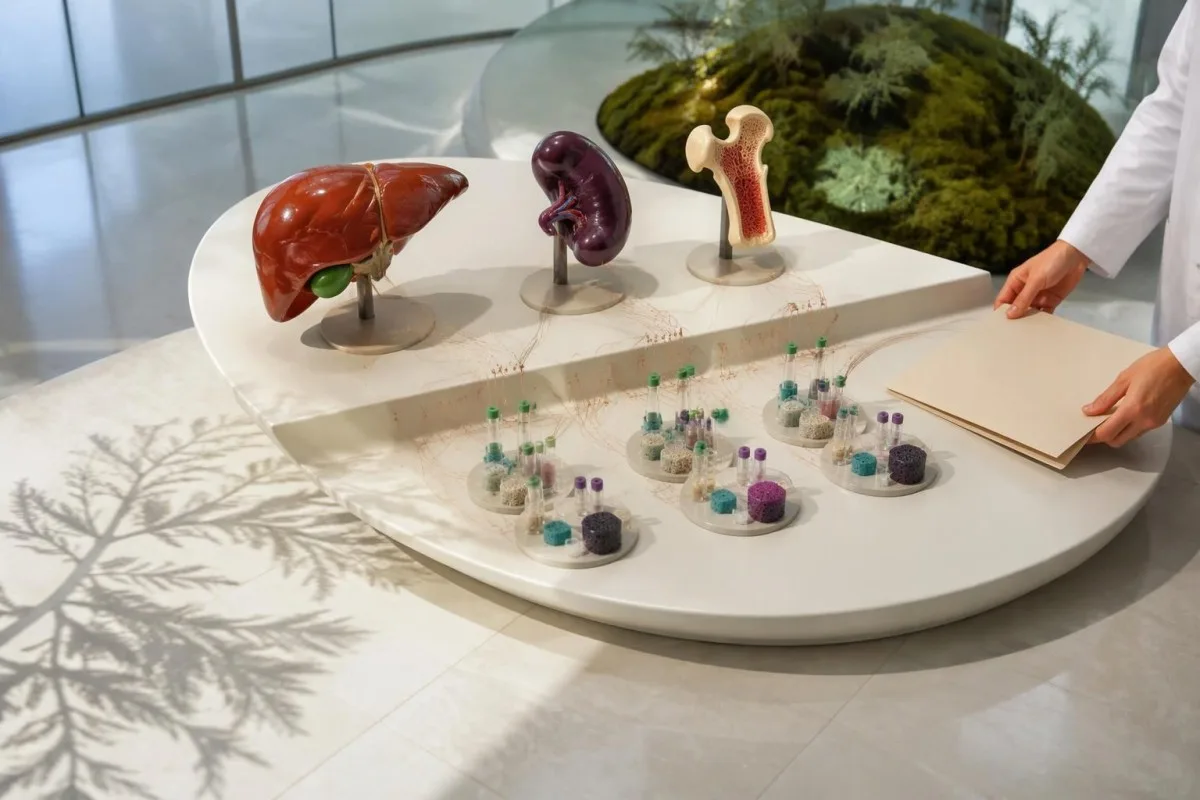
A useful appointment summary separates measured, documented, and unknown information across all 9 HScore inputs. Record the highest relevant temperature with its timing, whether imaging documented organ enlargement, and whether marrow was examined; write 'not assessed' rather than 'negative' when a test or examination has not happened.
Ask 3 focused questions: Is this pattern concerning for HLH or another urgent condition, which missing investigations could change the assessment, and what symptoms should trigger immediate return? If you are clinically stable with ferritin 700 ng/mL and no systemic warning signs, ask about ordinary iron, liver, and inflammatory causes rather than assuming an HLH workup is automatically required.
Diet, supplements, and iron avoidance do not treat suspected HLH, even when ferritin exceeds 6,000 ng/mL. Our ذمہ دار AI سے متعلق عہد explain the boundary between educational interpretation and medical decision-making; the practical next step for a high, unexplained score is clinician contact, not repeated online calculations intended to obtain a more reassuring number.
تحقیقی اشاعتیں اور HScore کی تشریح کے پیچھے شواہد
The main evidence for HScore interpretation comes from its 2014 development study and adult HLH recommendations, not general laboratory guides. Fardet et al. established the model and its 169 operating threshold; Henter et al. (2007) described HLH-2004, and La Rosée et al. (2019) addressed the challenges of applying diagnostic and treatment frameworks to adults.

The 3 clinical references below answer different questions: how the score was developed, what the HLH-2004 criteria require, and how adult management differs from a purely pediatric protocol. None makes a calculator a standalone diagnostic test, and none establishes one universally reliable threshold for every patient group, treatment stage, or hospital setting.
Kantesti LTD, UK Company No. 17090423, also publishes educational laboratory guides; the 2 Zenodo records listed below concern kidney function and urinalysis, not HScore validation. Our گردے کے افعال کے تناسب کی رہنما گائیڈ can help readers understand accompanying renal measurements when a multisystem illness affects hydration or organ function, without identifying the cause of that illness.
Urinalysis is not one of the 9 HScore inputs, although urine findings may contribute to a broader assessment of organ involvement or alternative diagnoses. The یورینالیسس تشریح گائیڈ is supplementary reading; our طبی مواد کے معیارات explain why educational publications, diagnostic studies, and clinical guidelines should be distinguished rather than presented as equivalent evidence.
اکثر پوچھے جانے والے سوالات
کیا زیادہ HScore، HLH کی تصدیق کرتا ہے؟
HScore کا زیادہ اسکور بالغوں میں ثانوی HLH کے امکان کے تخمینے کو بڑھاتا ہے، لیکن یہ اکیلے تشخیص کی تصدیق نہیں کرتا۔ اصل مطالعے میں عام طور پر استعمال ہونے والی 169 کی حد کی حساسیت تقریباً 93% اور خصوصیت 86% تھی۔ معالجین کو بیماری کے ارتقا، متبادل تشخیصات، غائب معلومات اور معاون تحقیقات کا جائزہ لینا چاہیے۔ مسلسل بخار کے ساتھ خون کے خلیات کی تعداد میں کمی یا اعضا کی خرابی کی صورت میں کسی اور کیلکولیٹر کے نتیجے کا انتظار کرنے کے بجائے فوری معائنہ ضروری ہے۔.
کس HScore کو زیادہ سمجھا جاتا ہے؟
0 ایک HScore 169 یا اس سے زیادہ کو عموماً بالغوں میں ثانوی HLH کی مزید جانچ کی حمایت کرنے والی حد کے طور پر استعمال کیا جاتا ہے۔ اصل ماڈل میں 250 سے زیادہ اسکور 99% سے زیادہ تخمینی امکان سے مطابقت رکھتے تھے، لیکن ہر طبی صورتِ حال میں یہ فیصد کسی فرد کے لیے یقینی امکان نہیں ہوتا۔ HScore کی قدریں 169 سے کم بھی ابتدائی، نامکمل طور پر جانچے گئے، یا زیرِ علاج HLH میں ہو سکتی ہیں۔ مناسب ردِعمل کا انحصار طبی صورتِ حال کے نمونے اور اس بات پر ہوتا ہے کہ آیا مریض کی حالت بگڑ رہی ہے۔.
کیا فیریٹن کی سطح 10,000 سے زیادہ ہونے کا مطلب HLH کے علاوہ بھی کچھ ہو سکتا ہے؟
HLH کے بغیر بھی بالغوں میں Ferritin کی سطح 10,000 ng/mL سے زیادہ ہو سکتی ہے، بشمول شدید انفیکشن، جگر کی چوٹ، سرطان یا دیگر سوزشی عوارض میں مبتلا افراد کے۔ Ferritin ≥500 ng/mL صرف HLH-2004 کے ایک معیار پر پورا اترتا ہے، اور HScore میں 6,000 ng/mL سے زیادہ Ferritin کے لیے زیادہ سے زیادہ 50 پوائنٹس مقرر ہیں۔ انتہائی بلند Ferritin اس وقت زیادہ تشویش کا باعث ہوتا ہے جب اس کے ساتھ مسلسل بخار، خون کے خلیوں کی تعداد میں کمی، fibrinogen کی کم سطح یا اعضا کی خرابی بھی ہو۔ اس صورت میں طبی جانچ ہونی چاہیے، نہ کہ HLH یا آئرن کے حد سے زیادہ جمع ہونے کی خودکار تشخیص۔.
کیا آپ بون میرو کے معائنے کے بغیر HScore کا حساب لگا سکتے ہیں؟
بون میرو کے معائنے سے پہلے ایک عارضی HScore کا حساب لگایا جا سکتا ہے، لیکن جس بون میرو کا معائنہ نہ ہوا ہو اسے منفی نہیں بلکہ نامعلوم سمجھا جائے گا۔ بون میرو میں ہیموفیگوسائٹوسس کے 35 پوائنٹس ہوتے ہیں، اس لیے اگر دیگر تمام معلومات درج ہوں تو اس غیر یقینی صورتِ حال کو ممکنہ طور پر 35 پوائنٹس کے اضافے کے طور پر بیان کیا جا سکتا ہے۔ معائنے کے لیے لیے گئے نمونے میں ہیموفیگوسائٹوسس کی عدم موجودگی HLH کو خارج نہیں کرتی، اور اس کی موجودگی بھی تنہا HLH کی تصدیق نہیں کرتی۔ صرف اس اِن پٹ کو مکمل کرنے کے لیے فوری جائزے میں تاخیر نہیں ہونی چاہیے۔.
0 HScore اور HLH-2004 معیار میں کیا فرق ہے؟
0 HScore ایک وزنی امکانی ماڈل ہے جو 9 ان پٹس استعمال کرتا ہے، جبکہ HLH-2004 میں یا تو مطابقت رکھنے والی سالماتی تشخیص یا 8 تشخیصی معیارات میں سے 5 کا پورا ہونا ضروری ہے۔ ان کی لیبارٹری حدیں مختلف ہیں: HScore میں فائبرینوجن ≤2.5 g/L پر پوائنٹس دیے جاتے ہیں، جبکہ HLH-2004 میں فائبرینوجن کی حد ≤1.5 g/L ہے۔ HLH-2004 میں قدرتی قاتل خلیوں کی سرگرمی اور حل پذیر CD25 بھی شامل ہیں، جو HScore میں موجود نہیں۔ بالغ مریضوں کے ماہرین ان فریم ورکس کو طبی صوابدید کے ساتھ استعمال کرتے ہیں، نہ کہ انہیں ایک دوسرے کے متبادل ٹیسٹ سمجھتے ہوئے۔.
0 کیا کم HScore سے HLH کو خارج کیا جا سکتا ہے؟
جب اہم نتائج دستیاب نہ ہوں، علاج نتائج کو تبدیل کر چکا ہو، یا سنڈروم ابھی ارتقا پذیر ہو تو کم HScore کی بنیاد پر HLH کو محفوظ طور پر خارج نہیں کیا جا سکتا۔ اصل حد 169 کی حساسیت تقریباً 93% تھی، 100% نہیں، اور دیگر آبادیوں میں اس کی کارکردگی مختلف ہو سکتی ہے۔ اصل ماڈل میں 90 سے کم اسکور کا مطلب 1% سے کم تخمینی احتمال تھا، نہ کہ قطعی طور پر خارج کرنے کا اصول۔ نئی الجھن، شدید سانس پھولنا، بے ہوشی، نمایاں خون بہنا، یا اعضا کی کارکردگی میں بگاڑ، کم اسکور سے ملنے والی تسلی پر غالب ہونا چاہیے۔.
اپنے خون کے ٹیسٹ کے نتائج کی وضاحت حاصل کریں
اپنی لیب رپورٹ اپ لوڈ کریں اور Kantesti کا AI چند سیکنڈ میں ہر بائیومارکر کو آسان زبان میں سمجھائے گا۔ دنیا بھر میں 2 ملین سے زیادہ افراد استعمال کرتے ہیں۔.
حوالہ جات
- Klein, T., Mitchell, S., & Weber, H. (2026). BUN/کریٹینین ریشو کی وضاحت: گردے کی کارکردگی ٹیسٹ گائیڈ۔. Kantesti AI طبی تحقیق۔. ڈی او آئی
- Klein, T., Mitchell, S., & Weber, H. (2026). پیشاب میں یوروبائلینوجن ٹیسٹ: مکمل پیشاب تجزیہ گائیڈ 2026۔. Kantesti AI طبی تحقیق۔. ڈی او آئی
- Fardet L et al. (2014). Development and validation of the HScore, a score for the diagnosis of reactive hemophagocytic syndrome. آرتھرائٹس اینڈ ریمیٹولوجی۔. ڈی او آئی پب میڈ
- Henter JI et al. (2007). HLH-2004: Diagnostic and therapeutic guidelines for hemophagocytic lymphohistiocytosis. Pediatric Blood & Cancer. ڈی او آئی پب میڈ
- La Rosée P et al. (2019). Recommendations for the management of hemophagocytic lymphohistiocytosis in adults. Blood. ڈی او آئی پب میڈ
- 2M+تجزیہ کیے گئے ٹیسٹ
- 127+ممالک
- 100+زبانیں
طبی ٹیم کے بارے میں


E-E-A-T اعتماد کے اشارے
تجربہ
معالج کی قیادت میں لیب تشریح کے ورک فلو کا کلینیکل جائزہ۔.
مہارت
لیبارٹری میڈیسن کا فوکس یہ کہ بایومارکرز کلینیکل سیاق میں کیسے برتاؤ کرتے ہیں۔.
مستندیت
ڈاکٹر تھامس کلائن نے طبی جائزہ لیا، جبکہ ڈاکٹر سارہ مچل اور پروفیسر ڈاکٹر ہانس ویبر نے بھی تعاون کیا۔.
امانت داری
شواہد پر مبنی تشریح واضح فالو اپ راستوں کے ساتھ تاکہ گھبراہٹ کم ہو۔.






طبی دستبرداری
یہ مضمون صرف تعلیمی مقاصد کے لیے ہے اور طبی مشورہ نہیں ہے۔ تشخیص اور علاج کے فیصلوں کے لیے ہمیشہ کسی مستند صحت کے ماہر سے رجوع کریں۔.
شائع ہوا۔ · ادارتی ٹیم سے رابطہ کریں
Kantesti Ltd کی جانب سے شائع کردہ، انگلینڈ اور ویلز میں رجسٹرڈ، کمپنی نمبر. 17090423, ، لندن، برطانیہ۔.
