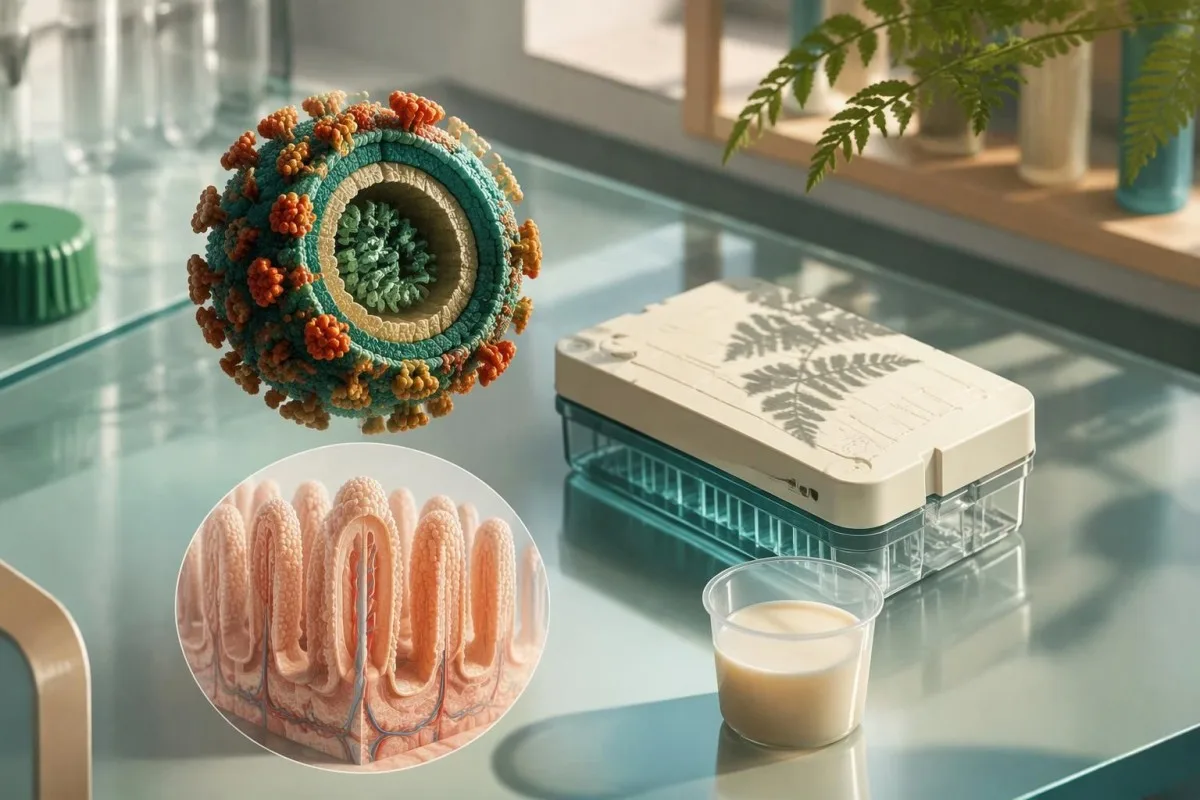
علاج کا انحصار آپ کے بچے کی آب رسانی کی حالت اور علامات پر ہوتا ہے—صرف مثبت نتیجے پر نہیں۔ حالیہ منہ کے ذریعے ویکسینیشن اور وائرس کا مسلسل اخراج نتیجے کی تشریح کو پیچیدہ بنا سکتے ہیں۔.

اہم نکات
- روٹا وائرس PCR مثبت کا مطلب ہے کہ پاخانے میں روٹا وائرس کا جینیاتی مادہ پایا گیا ہے؛ یہ پانی کی کمی کی پیمائش نہیں کرتا اور نہ ہی خودبخود موجودہ علامات کی وجہ ثابت کرتا ہے۔.
- علامتی بیماری عموماً 3–8 دن رہتی ہے، لیکن بچے کے جسم سے سیال کی کمی اور پینے کی صلاحیت طے کرتی ہے کہ آیا گھر پر نگہداشت کافی ہے۔.
- طویل عرصے تک وائرس کا اخراج حساس پاخانے کے PCR کو کئی ہفتوں تک مثبت رکھ سکتا ہے، اور شدید بیماری کے بعد بعض بچوں میں یہ 4 ہفتوں سے زیادہ بھی رہ سکتا ہے۔.
- حالیہ منہ کے ذریعے ویکسینیشن پاخانے میں وائرس کی موجودگی کی وضاحت کر سکتی ہے، خاص طور پر پہلے 1–2 ہفتوں کے دوران؛ معمول کا PCR ویکسین سے حاصل شدہ اور قدرتی وائرس میں فرق نہیں کر سکتا۔.
- زبانی ری ہائیڈریشن محلول (Oral rehydration solution) اسے پیکٹ پر درج پانی کی عین مقدار میں ملانا چاہیے؛ پاؤڈر کی مقدار دوگنی کرنے سے نمکیات کا ارتکاز غیر محفوظ ہو سکتا ہے۔.
- پانی کی کمی کا علاج NICE کی ہدایات کے تحت 4 گھنٹے میں 50 mL/kg محلولِ بازآبیدگی منہ کے ذریعے دینا، اس کے علاوہ جسم کی معمول کی ضروریات پوری کرنا، اور طبی حالت کا دوبارہ جائزہ لینا شامل ہے۔.
- فوری جائزہ (Urgent assessment) پیشاب میں نمایاں کمی، سیال برقرار نہ رکھ پانے یا ہوشیاری مزید کم ہونے کی صورت میں ضروری ہے؛ تقریباً 8 گھنٹے تک پیشاب نہ آنا تشویش ناک ہے، اور کم عمر شیر خوار بچوں کے لیے پہلے مشورہ لینا چاہیے۔.
- ایمرجنسی کی علامات میں جگانے میں دشواری، سبز قے، پیٹ میں شدید وقفے وقفے سے درد یا صدمے کی علامات شامل ہیں؛ 3 ماہ سے کم عمر بچے میں 38°C یا اس سے زیادہ درجۂ حرارت پر بھی فوری طبی معائنہ ضروری ہے۔.
- اینٹی بایوٹکس روٹا وائرس کا علاج نہیں کرتے، اور صرف مثبت نتیجے کی بنیاد پر نہ اینٹی بایوٹک کی ضرورت ہوتی ہے، نہ معمول کے مطابق اینٹی وائرل دوا تجویز کرنے کی۔.
- بچوں کی دیکھ بھال کی جگہ پر واپسی برطانیہ کی پالیسیوں کے تحت عموماً قے یا اسہال کے بغیر کم از کم 48 گھنٹے گزرنا ضروری ہوتا ہے—دوبارہ PCR کا منفی نتیجہ نہیں۔.
روٹا وائرس کا PCR مثبت آنے کا کیا مطلب ہے؟
A روٹا وائرس PCR مثبت نتیجے کا مطلب ہے کہ پاخانے کے نمونے میں روٹا وائرس کا جینیاتی مادہ موجود ہے۔ آپ کے بچے کو پانی کی کمی یا پریشان کن علامات کا علاج درکار ہے—خود نتیجے کا نہیں؛ بصورتِ دیگر ٹھیک بچے کو کسی دوا کی ضرورت نہیں بھی ہو سکتی، خصوصاً صحت یابی کے بعد یا گزشتہ 1–2 ہفتوں میں منہ کے ذریعے ویکسین لگنے کے بعد۔.
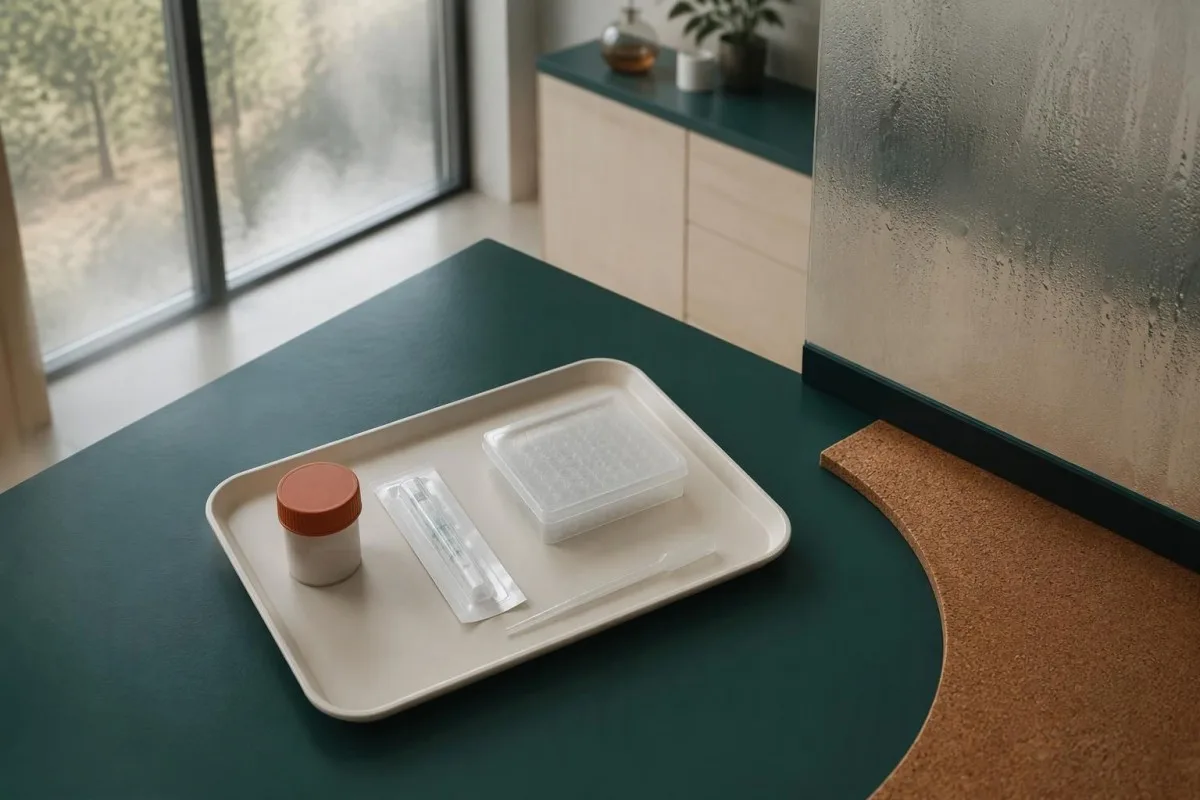
پاخانے کا PCR وائرس کی موجودگی معلوم کرنے کا ٹیسٹ ہے، شدت جانچنے کا پیمانہ نہیں۔. روٹا وائرس میں RNA ہوتا ہے، اس لیے مالیکیولی ٹیسٹنگ میں افزائش سے پہلے ریورس ٹرانسکرپشن کا مرحلہ شامل ہوتا ہے؛ معدے اور آنتوں کے بہت سے پینل روٹا وائرس A کو کئی زیرِ آزمائش جراثیم میں سے صرف 1 کے طور پر رپورٹ کرتے ہیں۔.
A روٹا وائرس کے پاخانے کے ٹیسٹ کا مثبت نتیجہ 3 مختلف صورتوں سے مطابقت رکھ سکتا ہے: موجودہ علامتی بیماری، صحت یابی کے بعد وائرس کا اخراج جاری رہنا، یا منہ کے ذریعے ویکسین کی خوراک کے بعد ویکسین سے ماخوذ وائرس کا پتا چلنا۔ لہٰذا لیبارٹری کی ایک جیسی عبارت کے نتیجے میں طبی فیصلے مختلف ہو سکتے ہیں۔.
سائیکل تھریش ہولڈ کی قدروں سے علاج یا متعدی ہونے کا قابلِ اعتماد تعین نہیں کیا جا سکتا۔. فرضی Ct کی قدر 35 خودبخود بے ضرر نہیں ہوتی، اور Ct کی قدر 20 کا مطلب یہ نہیں کہ لازماً ہسپتال میں نگہداشت درکار ہے؛ نمونے کو سنبھالنے کا طریقہ، ٹیسٹ کی ساخت اور پاخانے کی ترکیب ان اعداد پر اثر انداز ہوتے ہیں۔.
کنٹیسٹی ایک ہے۔ اے آئی بلڈ ٹیسٹ تجزیہ کار, ، پاخانے کے وائرس کی تشخیص کی خدمت نہیں؛ 1 مثبت مالیکیولی نتیجہ بیمار ہونے کی حالت بگڑتے بچے کے معائنے کا متبادل نہیں ہو سکتا۔ معلومات ہماری تنظیم کے بارے میں ہمارے خون کے ٹیسٹ پر توجہ کی وضاحت کرتی ہیں اور یہ بتاتی ہیں کہ اس مضمون میں رپورٹ کی تشریح کو طبی درجہ بندیِ فوریّت سے الگ کیوں رکھا گیا ہے۔.
کیا مثبت نتیجہ آپ کے بچے کی علامات کی وضاحت کرتا ہے؟
فعال روٹا وائرس معدہ و آنت کی سوزش کا امکان زیادہ ہوتا ہے جب پاخانے کا مثبت PCR نئے پانی جیسے اسہال، قے اور کبھی بخار کے ساتھ ہو۔ علامات عموماً وائرس سے واسطے کے تقریباً 2 دن بعد شروع ہوتی ہیں اور لگ بھگ 3–8 دن رہتی ہیں، اگرچہ ویکسین لگنے کی کیفیت اور بچے کی بنیادی صحت بیماری کے دورانیے کو بدل سکتی ہے۔.
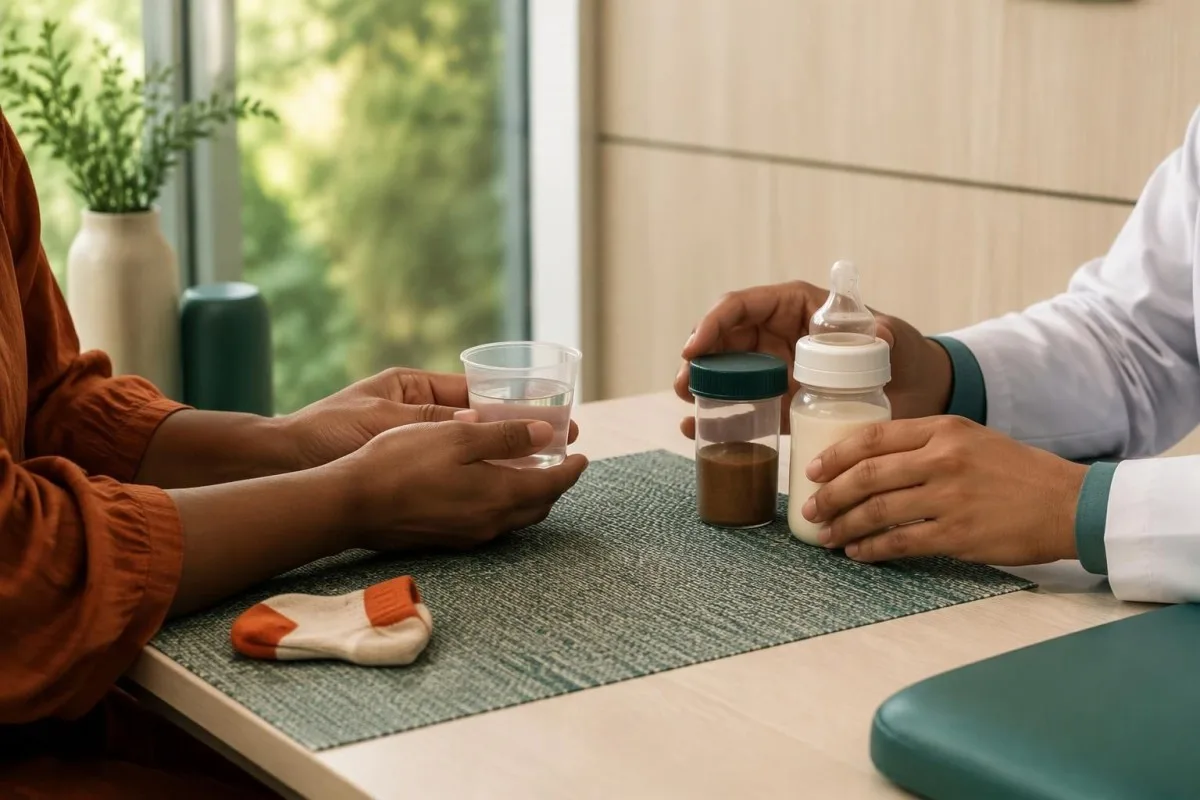
علامات کی زمانی ترتیب سے یہ طے کرنے میں مدد ملتی ہے کہ وائرس کی موجودگی طبی طور پر اہم ہے یا نہیں۔. قے شروع ہونے کا پہلا دن، پاخانہ پتلا ہونے کا پہلا دن، اور علامات بہتر ہو رہی ہیں یا نہیں، درج کریں؛ پانی جیسے اسہال کے دوسرے دن لیا گیا مثبت نمونہ، صحت یابی کے 3 ہفتے بعد لیے گئے نمونے سے مختلف معنی رکھتا ہے۔.
مثال کے طور پر، فرضی طور پر 18 ماہ کے بچے کو آج 6 بار پانی جیسے پاخانے آئیں، بار بار قے ہو اور PCR کا نیا مثبت نتیجہ آئے، تو غالباً اسے طبی طور پر اہم معدہ و آنت کی سوزش ہے۔ اگلا فیصلہ یہ ہے کہ آیا بچہ سیال کی کمی پوری کر سکتا ہے—یہ نہیں کہ دوسرا ٹیسٹ وائرس کی موجودگی ثابت کر سکتا ہے یا نہیں۔.
ملٹی پلیکس پینل 1 سے زیادہ جراثیم کا پتا لگا سکتے ہیں۔. A second positive target may represent another cause, coinfection, or incidental detection; severe localized pain or stool with visible blood should not be explained away simply because rotavirus also appears on the report.
For children who use the toilet, the پاخانے کی ساخت سے متعلق رہنمائی can help describe changes, but type 7 stool does not identify a specific pathogen. In infants, compare with their usual stool pattern because normal breastfed stools can already be loose.
صحت یابی کے بعد روٹا وائرس کا اخراج کتنی دیر تک جاری رہتا ہے؟
Rotavirus shedding can outlast symptoms, and sensitive PCR may detect viral RNA for several weeks after a child feels well. The most intense shedding generally occurs around the acute illness, but detection beyond 4 weeks can occur; there is no universal day when every child’s PCR becomes negative.
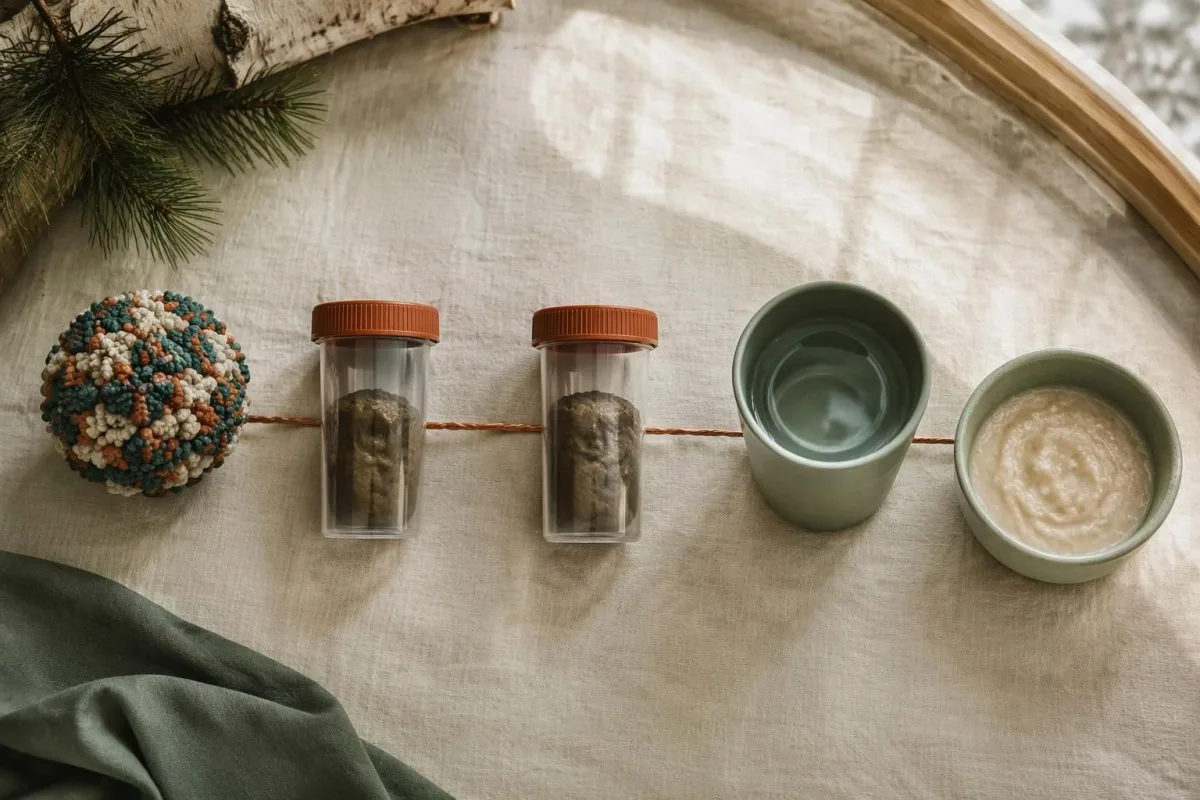
Test sensitivity changes the apparent shedding period. A less-sensitive antigen test may become negative before PCR because molecular assays can detect smaller amounts of viral material; 2 tests performed on the same recovery day may therefore disagree without either laboratory making an error.
The Lancet report “Extended excretion of rotavirus after severe diarrhoea in young children” documented prolonged excretion using molecular methods (Richardson et al., 1998). Its findings support a several-week detection window after severe illness, but they should not be treated as a fixed timetable for every vaccinated child with mild symptoms.
A positive PCR after recovery does not prove the child is equally infectious throughout that period. A hypothetical child who is eating normally 21 days after illness may still have detectable RNA; PCR alone cannot determine how much viable virus is being transmitted at home.
Children with significant immune deficiency can have a different shedding course, especially when diarrhea continues beyond 2 weeks. Our explanation of adenovirus detection and shedding illustrates the broader distinction between molecular persistence and active illness, although the timelines are not interchangeable.
کیا حالیہ منہ کے ذریعے ویکسینیشن سے پاخانے کا PCR مثبت آ سکتا ہے؟
Recent oral rotavirus vaccination can cause a positive stool PCR because the vaccines contain live attenuated virus that can be shed in stool. Detection is particularly plausible during the first 1–2 weeks after a dose, and routine gastrointestinal panels may not distinguish vaccine-derived virus from wild-type rotavirus.
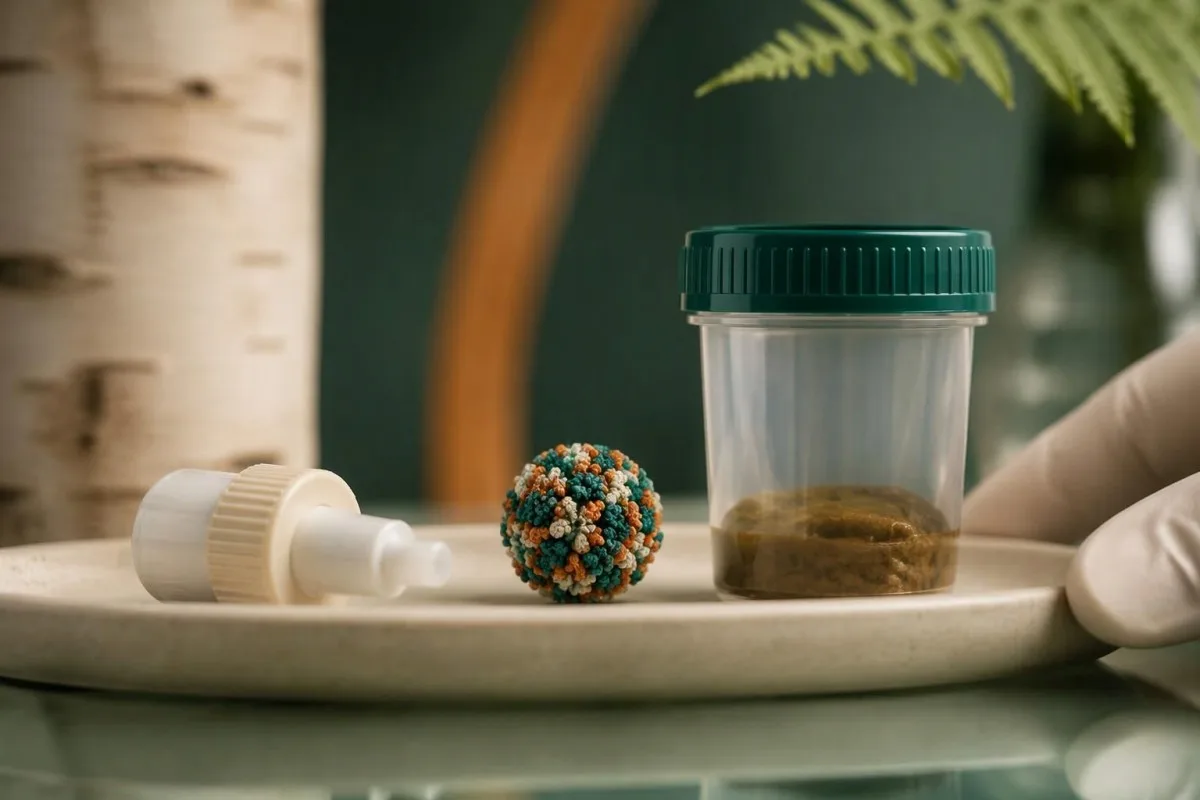
The vaccination date belongs beside the specimen date. In a hypothetical 9-week-old whose sample was collected 7 days after an oral dose, vaccine-related detection is a realistic explanation; that history is more useful than simply labeling the result a false positive.
Yen et al. described fecal shedding after the first dose of pentavalent rotavirus vaccine in Vaccine (2011). That publication demonstrates why detection soon after vaccination needs product and timing context; findings for 1 vaccine product should not be assumed to describe every oral vaccine identically.
Vaccination does not make dehydration signs safe to ignore. The first week after a dose also deserves attention if an infant develops repeated episodes of severe abdominal pain, pallor, unusual lethargy, or green vomiting because intussusception requires urgent assessment, regardless of the stool result.
Ask whether the laboratory offers vaccine-strain differentiation if the distinction would change care, particularly for an immunocompromised infant or an outbreak investigation. Our guide to qualitative and quantitative reports explains why 1 word—“detected”—does not supply strain identity, viral quantity, or clinical severity.
آپ گھر پر اپنے بچے میں پانی کی کمی کی جانچ کیسے کر سکتے ہیں؟
Assess dehydration by combining urine output, drinking, alertness, and physical signs, rather than relying on thirst or 1 wet diaper. Children younger than 1 year, particularly those under 6 months, are at greater risk because fluid losses can represent a larger proportion of their body weight.
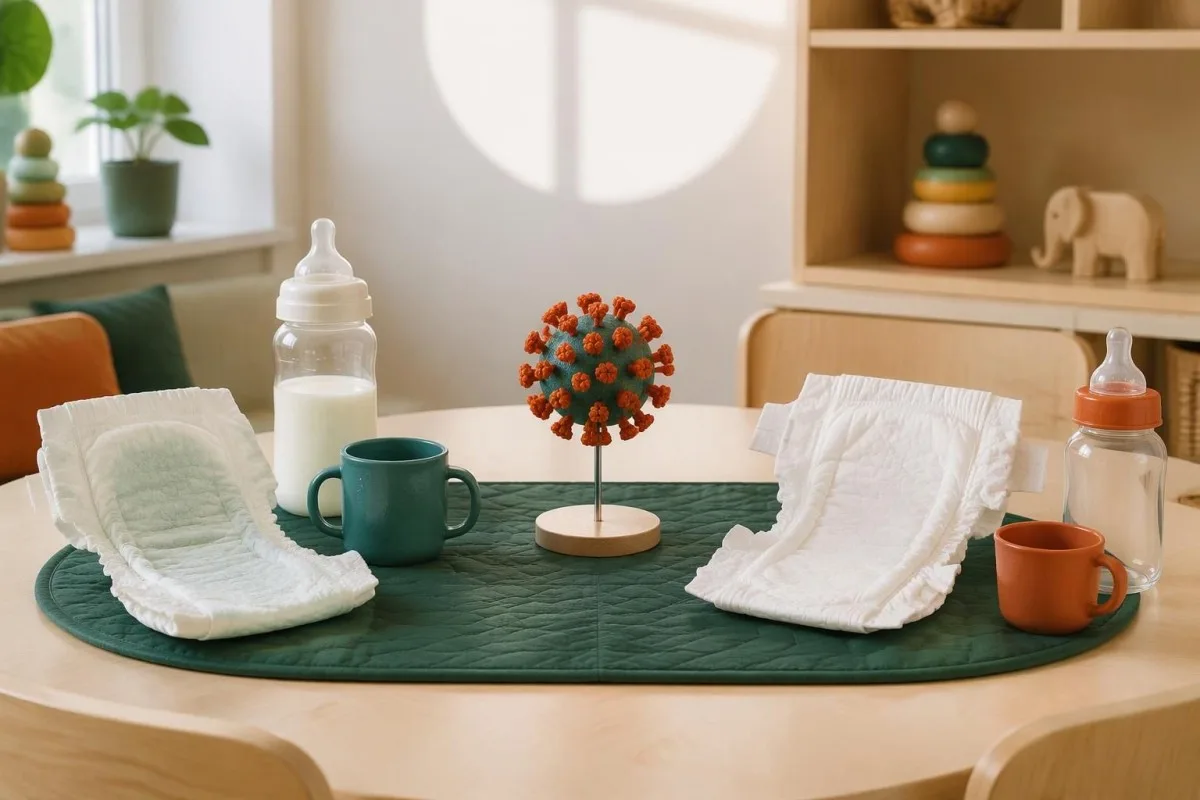
Urine output is useful only when compared with the child’s normal pattern. Markedly fewer wet diapers, dark concentrated urine, or no urine for about 8 hours should prompt urgent advice; seek help sooner in a young infant or when reduced urine accompanies poor drinking or drowsiness.
NICE identifies more than 5 diarrheal stools or more than 2 vomiting episodes in the previous 24 hours as dehydration risk factors in young children (NICE, 2009). These are screening clues, not a rule that a child with fewer episodes cannot become dehydrated.
Weight change can support assessment when reliable measurements exist. A hypothetical fall from 10.0 kg to 9.5 kg is a 5% weight loss, but different scales, clothing, and timing can distort the estimate; do not delay care while trying to obtain a precise home measurement.
Kantesti’s بچوں کی نگہداشت میں AI کی حفاظت سے متعلق رہنمائی explains why digital interpretation cannot establish hydration from 1 laboratory value. Our dark urine explanation also distinguishes concentrated urine from color changes that need a different investigation.
کون سی وارننگ کے نشانات کو فوری یا ایمرجنسی کی دیکھ بھال کی ضرورت ہے؟
Seek emergency care for difficulty waking, collapse, signs of shock, green vomit, or severe abdominal pain, even when rotavirus PCR is positive. A baby under 3 months with a temperature of 38°C or higher needs urgent medical assessment; a viral result does not exclude another serious condition.
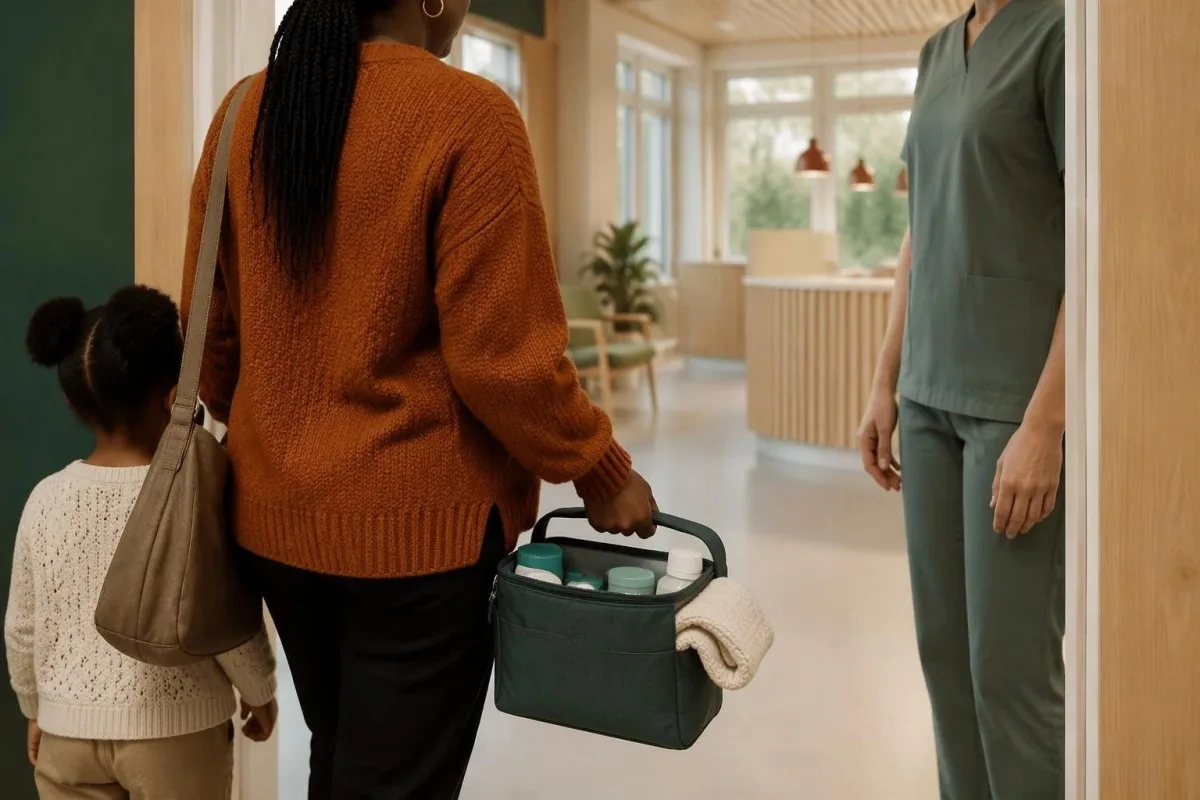
Worsening responsiveness and poor circulation matter more than the stool count. A child who is unusually floppy, hard to wake, breathing abnormally, or pale and mottled needs emergency assessment; do not wait for an 8-hour urine threshold or another episode of diarrhea.
For infants aged 3–6 months, a temperature of 39°C or higher warrants prompt medical advice. Any age group needs urgent assessment when repeated vomiting prevents fluid replacement, urine falls markedly, or the caregiver notices a clear decline over a few hours.
Visible blood is not a typical reason to assume uncomplicated rotavirus. Even 1 episode of blood in stool deserves medical advice, particularly with fever, abdominal pain, or lethargy; our stool blood warning guide explains why appearance can change the urgency.
A hypothetical 4-year-old with a positive panel and pain concentrated in the right lower abdomen still needs assessment for another diagnosis. The appendicitis testing explanation shows why a reassuring test—or a convincing alternative laboratory finding—cannot replace abdominal examination.
آپ منہ کے ذریعے پینے والا محلولِ آب رسانی کیسے تیار اور دے سکتے ہیں؟
Use a commercial oral rehydration solution, mixed exactly as directed, to replace water and electrolytes lost through diarrhea. The WHO reduced-osmolarity formulation contains sodium at 75 mmol/L and glucose at 75 mmol/L; its total osmolarity is 245 mOsm/L, although other approved formulations differ.
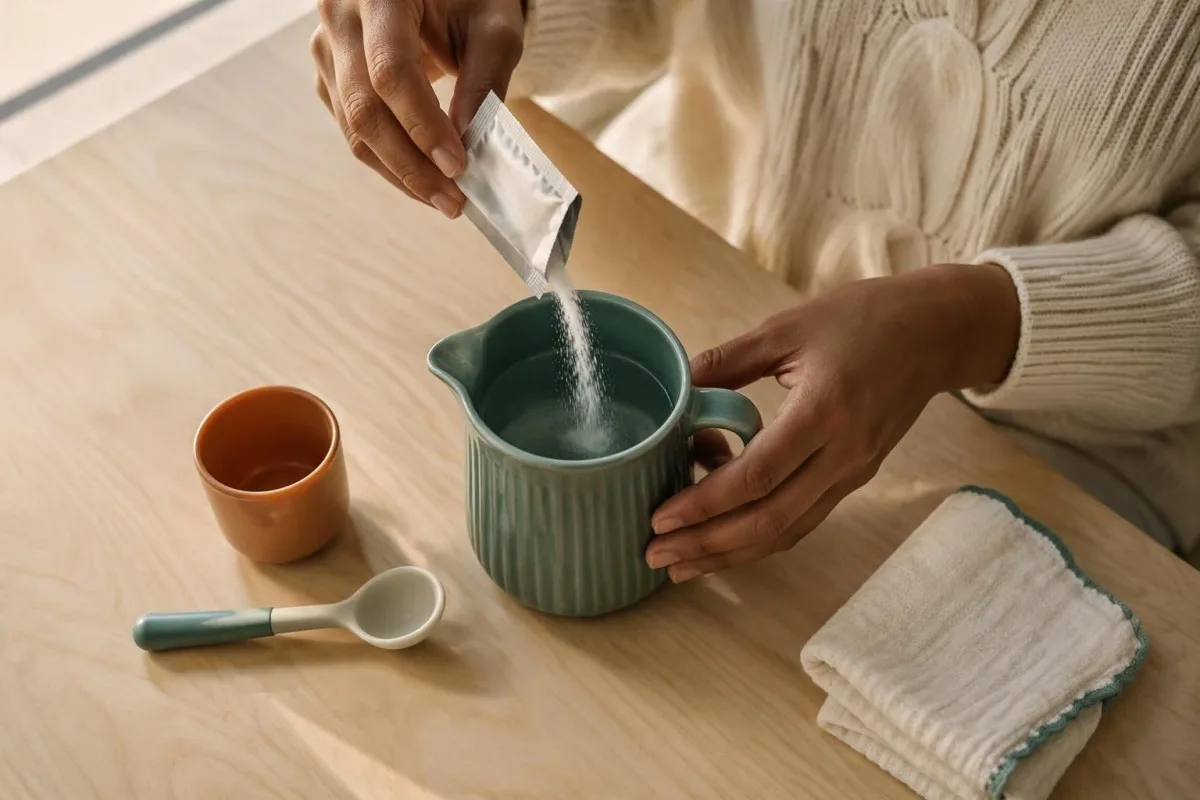
Packet size determines the required water volume. Some products require 200 mL and others 1 L, so never assume that every sachet makes the same amount; doubling the powder in the usual water volume doubles the intended concentration rather than making treatment more effective.
Start with a small, frequent amount—for example, 5 mL every 2–5 minutes during an initial trial—and adjust to the child’s weight, tolerance, and agreed hydration plan. An oral dosing device or spoon can make small amounts easier to control than asking a nauseated child to finish a full cup.
Glucose and sodium work together in intestinal absorption. This is why 1 bottle of plain water, fruit juice, or sports drink is not an equivalent replacement for properly mixed ORS; our الیکٹرولائٹ پینل کی وضاحت describes the salts clinicians assess when illness is more severe.
Follow the product’s storage instructions, because many prepared solutions need to be discarded within 24 hours. Use safe drinking water and a clean container; do not add extra sugar, salt, juice, or formula to the prepared solution.
اگر آپ کا بچہ محلولِ آب رسانی پینے کے بعد بھی قے کرتا رہے تو کیا کریں؟
Vomiting does not automatically mean oral rehydration has failed, because small amounts may still be absorbed between episodes. After vomiting, pause for about 5–10 minutes and restart more slowly; urgent assessment is needed when the child cannot retain enough fluid or becomes less alert.
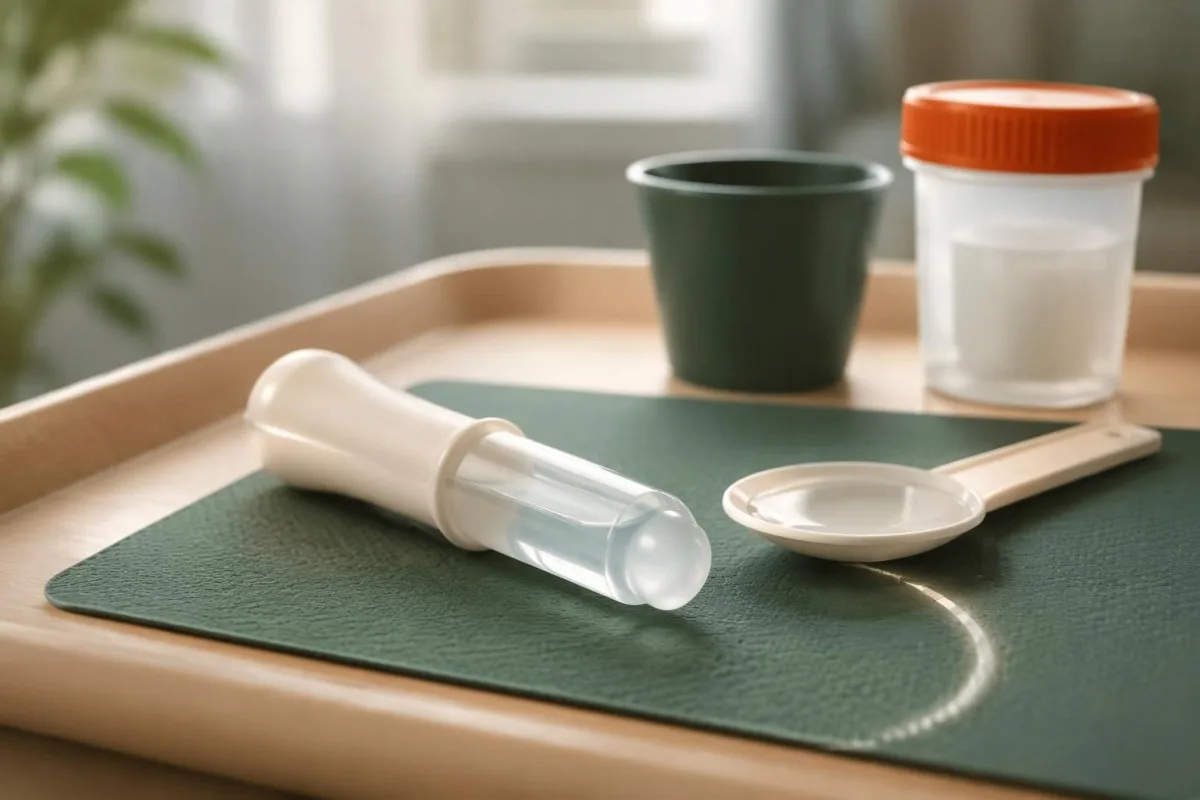
The size of each drink can affect vomiting. A hypothetical toddler who vomits after a 100 mL cup may tolerate 2–5 mL at a time; this is a short-term delivery strategy, not proof that the child is receiving an adequate total volume.
Track what stays down over 30–60 minutes alongside urine and behavior, rather than counting only attempted drinks. Persistent vomiting with declining urine or alertness needs urgent assessment, and green vomit needs emergency evaluation without another home rehydration trial.
Reduced intake can also cause low glucose in young children. A child who has taken almost no calories for 12 hours and becomes unusually sleepy needs assessment rather than continued unsupervised sipping; our کم گلوکوز کی وجوہات کا گائیڈ explains the mechanism, but pediatric thresholds need clinical interpretation.
A clinician may consider an antiemetic in selected children or use a nasogastric tube before intravenous fluids when oral delivery is unsuccessful. These are different decisions from treating the virus: 1 antiemetic dose does not replace reassessment, and electrolyte abnormalities can affect medication safety.
ایک بچے کو منہ کے ذریعے پینے والے محلولِ آب رسانی کی کتنی مقدار درکار ہوتی ہے؟
The required ORS volume depends on body weight, dehydration, and continuing losses. For children under 5 years with clinical dehydration, NICE recommends 50 mL/kg over 4 hours to replace the deficit, in addition to maintenance fluid, with regular clinical reassessment (NICE, 2009).
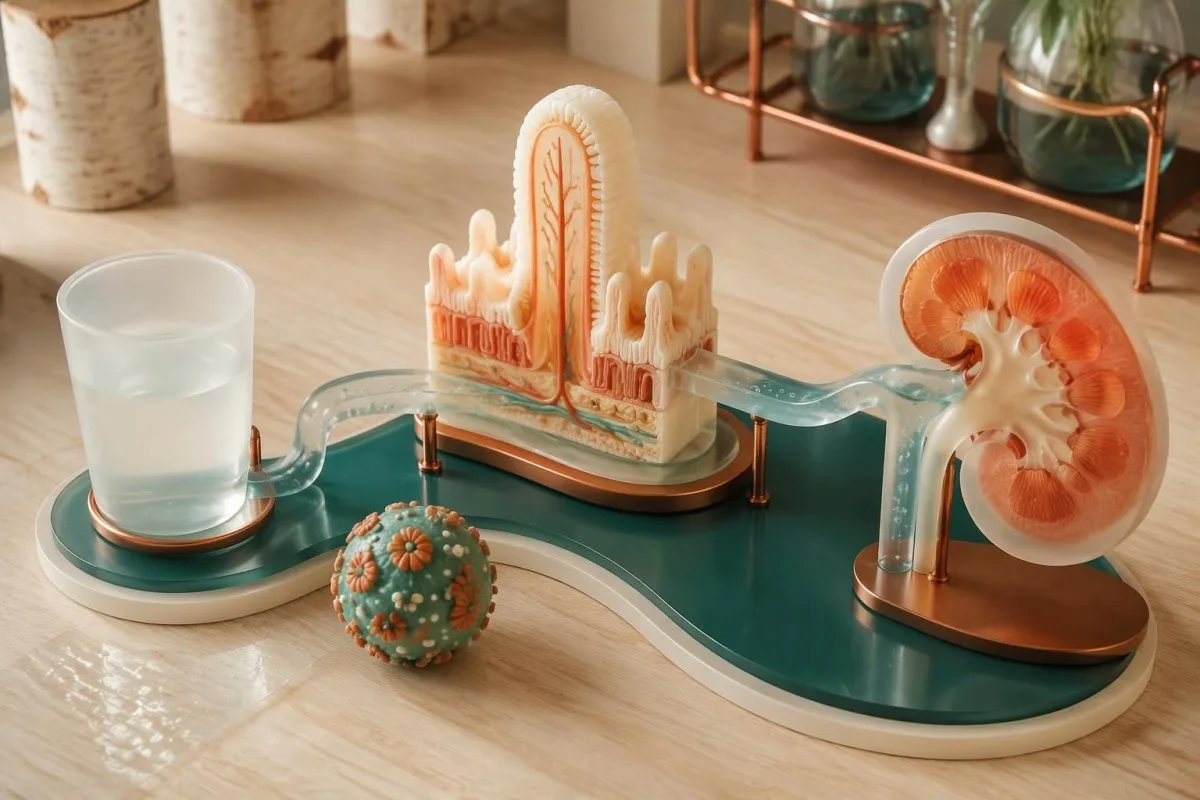
A worked volume is not a universal home prescription. For a hypothetical 10 kg child, 50 mL/kg equals 500 mL over 4 hours, or an average deficit-replacement component of 125 mL/hour; maintenance needs and continuing diarrhea are additional, and the child’s clinician should set the complete plan.
After rehydration, NICE suggests 5 mL/kg of ORS after each large watery stool for children at increased risk of recurrent dehydration. In the same hypothetical 10 kg child, that is 50 mL per large watery stool—not another full 500 mL course each time.
Guidelines use different deficit estimates because dehydration classifications differ. Some international protocols use approximately 75 mL/kg over 4 hours for “some dehydration,” whereas NICE uses 50 mL/kg for clinical dehydration; do not average 2 protocols or assume one volume is right without assessing the child.
Hypernatremic dehydration needs supervised management because correcting sodium too quickly can be harmful. A hypothetical sodium result of 151 mmol/L should trigger clinical review, not extra plain water at home; our high sodium warning guide explains why symptoms and correction speed matter.
کیا آپ کا بچہ ماں کا دودھ پی سکتا ہے، فارمولا دودھ لے سکتا ہے اور معمول کے مطابق کھا سکتا ہے؟
Continue breastfeeding during gastroenteritis, and return to usual full-strength milk and age-appropriate foods after rehydration. Rotavirus commonly causes 3–8 days of symptoms, but withholding nutrition for that entire period is unnecessary; dehydration treatment and feeding are complementary rather than competing goals.
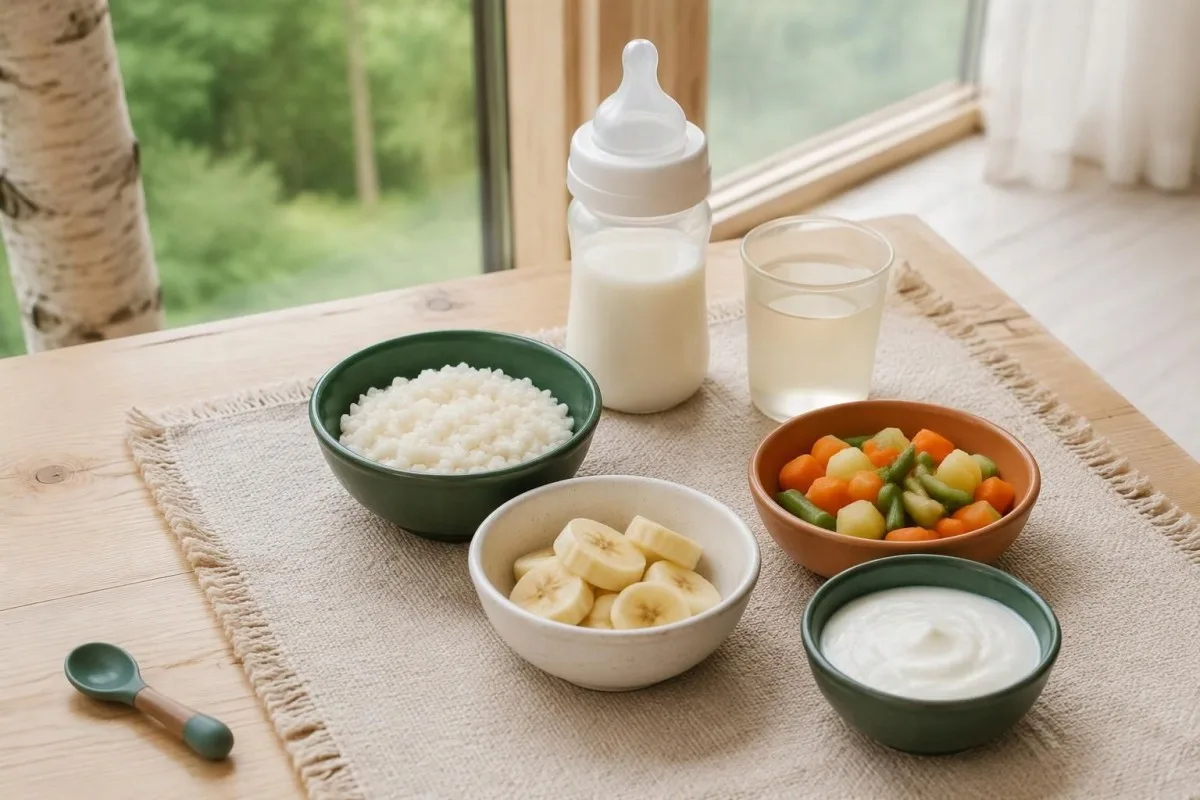
Formula should not routinely be diluted. Adding extra water to 1 normal feed reduces calories and changes its nutrient balance; infants should receive their usual correctly prepared formula unless their clinician recommends a specific alternative.
During an initial 4-hour rehydration phase, follow the clinician’s feeding plan; breastfeeding generally continues, while solids may be paused until rehydration is achieved. Afterwards, offer familiar foods in small portions rather than restricting the child to a prolonged banana-and-rice diet.
Temporary lactose malabsorption can follow intestinal illness, but lactose-free feeding is not automatically necessary. If watery stools repeatedly worsen after milk or continue beyond 1–2 weeks, discuss the pattern with a clinician; our lactose intolerance testing guide explains why symptoms and test selection need context.
A hypothetical 2-year-old eating less for 24 hours but drinking well and urinating normally can often be offered small, frequent meals without pressure. Avoid juice and fizzy drinks during diarrhea because their sugar concentration can worsen stool losses; infants still depend heavily on their usual milk feeds.
اینٹی بایوٹکس بچوں میں روٹا وائرس کا علاج کیوں نہیں کرتیں؟
Antibiotics do not treat rotavirus because it is a virus, and routine pediatric care has no standard antiviral prescription for uncomplicated rotavirus gastroenteritis. A report with 1 positive rotavirus target therefore does not justify antibiotics; treatment focuses on hydration, feeding, and assessment for complications.
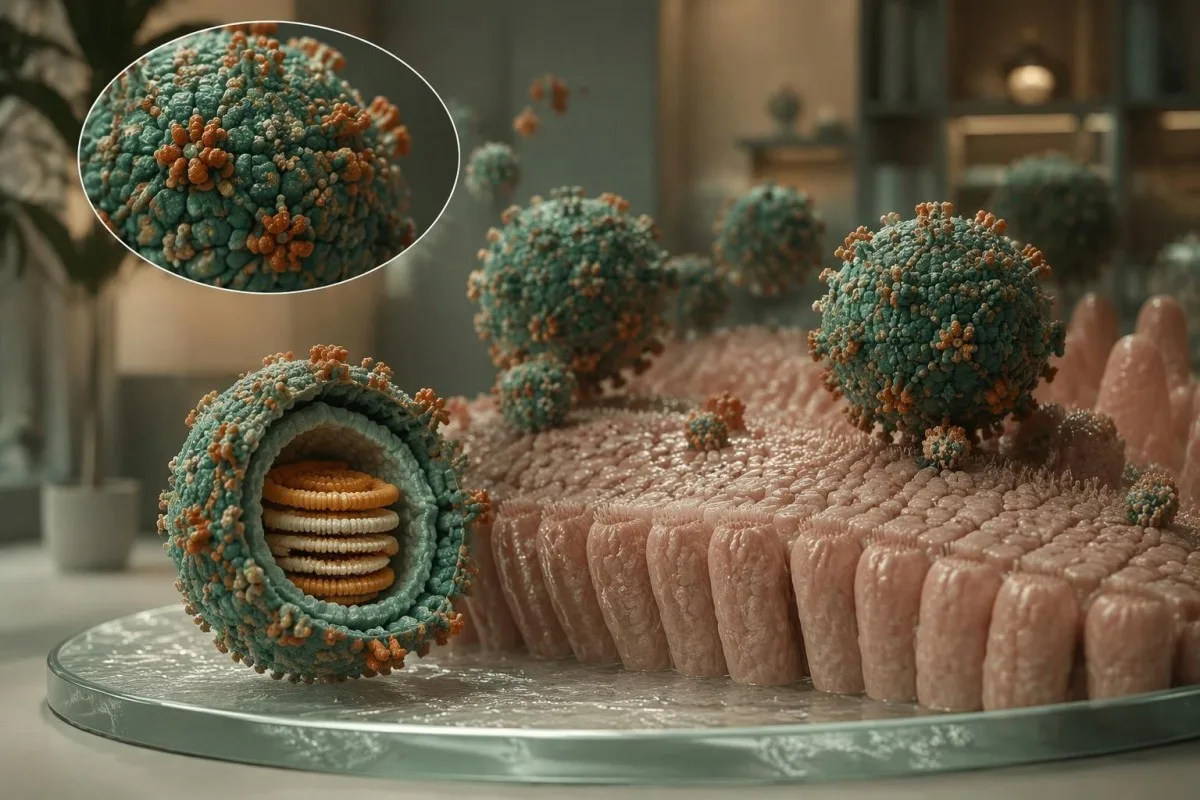
Antibacterial drugs target structures or processes that rotavirus does not possess. Giving an antibiotic for 3 days cannot stop viral RNA replication, and unnecessary treatment can cause adverse effects, disrupt intestinal bacteria, and complicate the interpretation of continued diarrhea.
A separate bacterial diagnosis can change the decision, but 2 detected organisms do not automatically require 2 medicines. Our Campylobacter antibiotic decision guide explains why bacterial treatment depends on severity and risk factors rather than the panel’s positive wording alone.
Do not give diarrhea-stopping medicines to young children without medical advice. For a hypothetical 3-year-old, reducing stool frequency with an unsuitable medicine does not correct dehydration; also avoid ibuprofen when the child is dehydrated or drinking poorly because kidney stress can increase.
Probiotic evidence is strain-specific and honestly mixed, so 1 commercially available product should not be assumed to shorten every rotavirus illness. Zinc recommendations also differ between national programs; neither probiotics nor supplements replace ORS, and parents should follow local pediatric guidance rather than combine several remedies.
خون کے ٹیسٹ یا پاخانے کے اضافی ٹیسٹ کب مفید ہوتے ہیں؟
Most otherwise well children with uncomplicated gastroenteritis do not need blood tests. Testing becomes more useful when intravenous fluids are required, dehydration is severe, glucose disturbance is suspected, or symptoms do not fit the expected course; diarrhea that has not improved by day 7 may warrant further assessment.
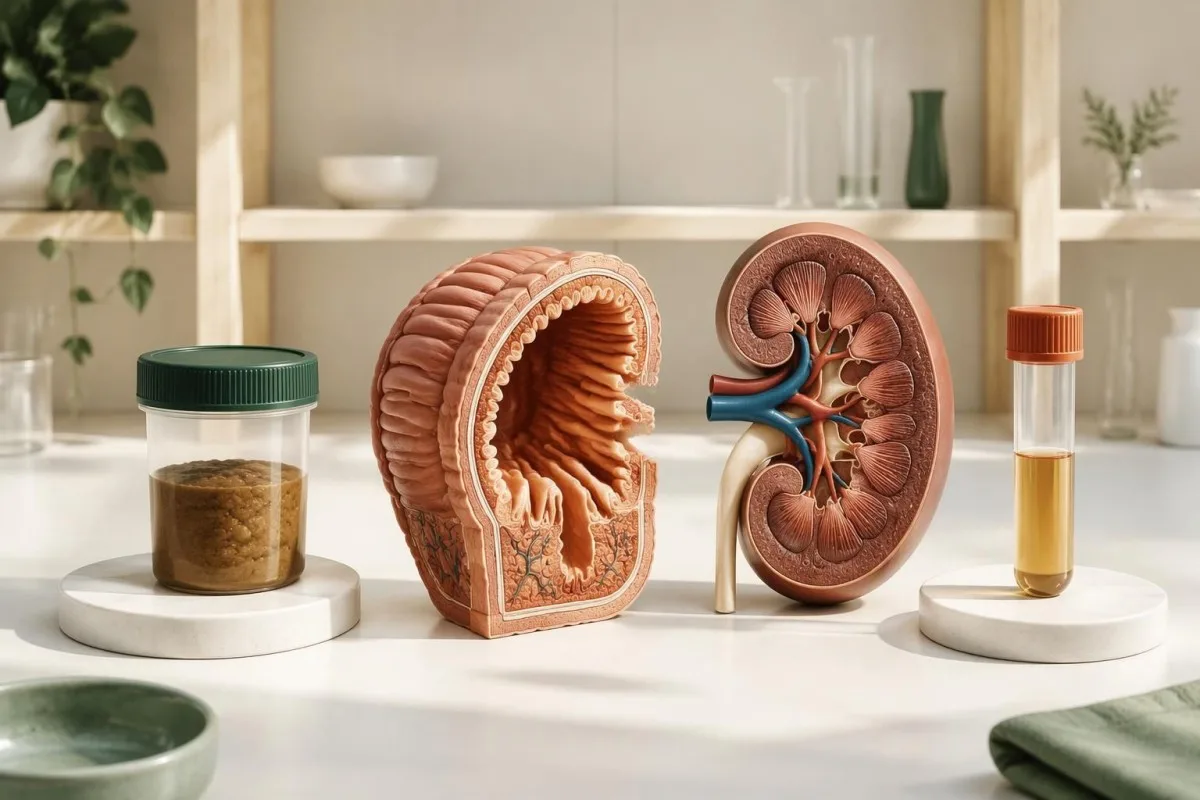
Electrolytes and glucose can reveal problems that a stool PCR cannot measure. NICE recommends appropriate laboratory assessment when intravenous fluids are needed or hypernatremia is suspected; 1 positive viral target cannot tell the clinician whether sodium, potassium, kidney function, or glucose is safe.
Kantesti AI explanations cannot establish hydration from 1 creatinine result or an adult-derived BUN/creatinine ratio. Our BUN اور creatinine گائیڈ explains the relationship, but pediatric creatinine values depend strongly on age and muscle mass, and adult ratio thresholds should not be imported into infant care.
Additional stool testing should answer a specific clinical question. Diarrhea lasting 14 days, recent travel, visible blood, immune deficiency, or a suspected outbreak can justify investigating another cause; repeatedly requesting the same panel may simply rediscover persistent viral material.
کنٹیسٹی ایک ہے۔ AI خون کے ٹیسٹ کی رپورٹ کی تشریح that can help explain clinician-ordered blood results, but 1 explanation is not a pediatric diagnosis or a treatment order. Our کلینیکل ویلیڈیشن فریم ورک شامل ہے جو یہ بتاتے ہیں کہ لیب کی تشریحات کیسے ٹیسٹ کی جاتی ہیں اور طبی طور پر کیسے ریویو کی جاتی ہیں۔ Kantesti کا میڈیکل ریویو ماڈل ہمارے describes the distinction between evaluating an interpretation system and proving that it can safely manage an acutely ill child.
کیا بچوں کی نگہداشت کی جگہ واپس جانے سے پہلے آپ کے بچے کا PCR دوبارہ کرنا ضروری ہے؟
A repeat negative rotavirus PCR is usually unnecessary after clinical recovery. Many UK childcare policies require at least 48 hours without vomiting or diarrhea, rather than laboratory clearance; local public-health instructions, outbreak arrangements, and immune deficiency can change the advice.
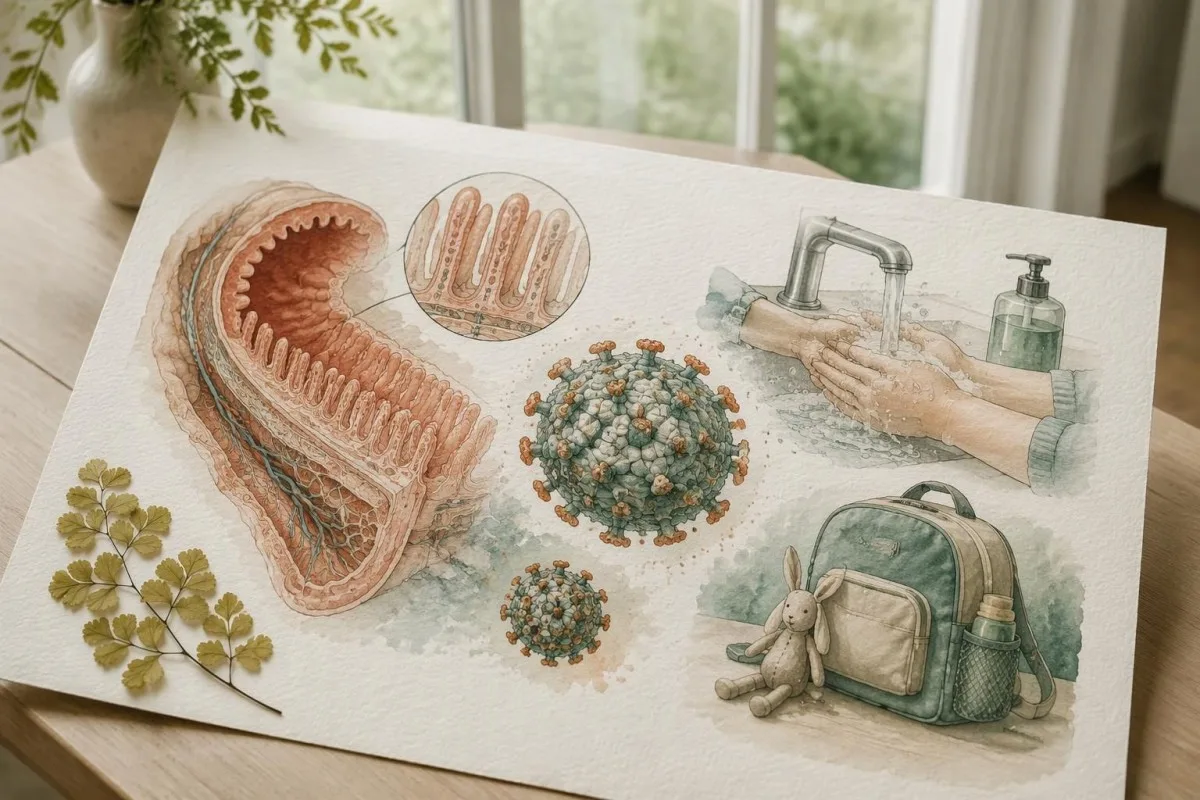
A test of cure can create confusion when shedding continues. A hypothetical child who has been symptom-free for 72 hours may still test positive without needing medicine or a new isolation period; childcare decisions should follow the applicable policy, not an assumed requirement that RNA must disappear.
ہماری نورووائرس سے صحت یابی اور متعدی ہونے سے متعلق رہنما explains a similar distinction between symptom resolution and molecular detection. The commonly used 48-hour exclusion period does not mean transmission risk instantly becomes zero for either virus.
Handwashing and careful diaper handling remain useful after symptoms stop. Wash with soap and water for at least 20 seconds after toileting or diaper changes and before food preparation; clean contaminated surfaces using a product suitable for the surface and effective against the relevant virus.
UK gastroenteritis guidance advises avoiding swimming pools for 2 weeks after the last episode of diarrhea. Tell the childcare setting about symptoms and follow its local rules, while keeping recently vaccinated infants’ diaper hygiene careful without assuming vaccine-related PCR detection requires prolonged exclusion.
خاندانوں کو اس رپورٹ، AI اور تحقیق سے کیسے استفادہ کرنا چاہیے؟
Use the stool report to support clinical decisions, not to override symptoms. Before contacting your child’s clinician, gather 4 items: the symptom timeline, urine and drinking history, oral vaccine dates, and the complete laboratory report; these usually add more decision value than the word “positive” alone.
کنٹیسٹی ایک ہے۔ اے آئی لیب ٹیسٹ کی تشریح کی خدمت focused on blood results, and 1 AI-generated explanation should never delay urgent pediatric assessment. Our ذمہ دار AI کے اصول describe why uncertainty and the boundary between explanation and clinical care must remain visible.
A useful handover describes what has changed. For example, a hypothetical parent can report that vomiting began 36 hours ago, the child has had 1 wet diaper in 8 hours, and ORS is repeatedly vomited; these concrete observations help a clinician prioritize care without needing a repeat PCR first.
The external sources supporting this article address 3 distinct questions: NICE provides pediatric dehydration management, Richardson et al. describe prolonged shedding, and Yen et al. examine vaccine shedding. Our طبی مواد کے معیارات explain why a source about molecular detection cannot, by itself, establish a safe treatment plan.
The 2 Kantesti publications listed below are background resources about blood-test analysis and hematology interpretation. They are hosted on Zenodo and are not rotavirus treatment trials, pediatric triage validation studies, or evidence that AI can distinguish vaccine-derived from wild-type virus; the clinical references should guide those separate questions.
اکثر پوچھے جانے والے سوالات
کیا روٹا وائرس کا پی سی آر ٹیسٹ مثبت آنے کا مطلب ہے کہ میرے بچے کو علاج کی ضرورت ہے؟
0] روٹا وائرس PCR کا مثبت نتیجہ خودبخود یہ معنی نہیں رکھتا کہ آپ کے بچے کو دوا کی ضرورت ہے۔ پانی کی کمی یا طبی طور پر اہم علامات کی صورت میں علاج ضروری ہے، جبکہ بظاہر ٹھیک بچے میں پچھلے 1–2 ہفتوں کے دوران منہ کے ذریعے ویکسین لگوانے کے بعد وائرس کا اخراج یا اس کی نشاندہی جاری رہ سکتی ہے۔ مثبت PCR سیال کی کمی کی پیمائش نہیں کر سکتا اور نہ ہی کسی دوسری بیماری کو خارج کر سکتا ہے۔ پیشاب کم آنے، سیال برقرار نہ رکھ پانے، یا ہوشیاری مزید کم ہونے پر فوری طبی معائنہ کروائیں۔.
بچوں میں روٹا وائرس کا اخراج کتنی دیر تک جاری رہتا ہے؟
0 روٹا وائرس کا اخراج علامات ختم ہونے کے بعد بھی جاری رہ سکتا ہے، اور حساس پاخانے کے PCR ٹیسٹ کا نتیجہ کئی ہفتوں تک مثبت رہ سکتا ہے۔ 4 ہفتوں سے زیادہ عرصے تک اس کی موجودگی بیان کی گئی ہے، خاص طور پر شدید بیماری کے بعد، لیکن ہر بچے کے لیے وائرس کے خاتمے کی کوئی مقررہ تاریخ نہیں ہے۔ PCR کا مثبت نتیجہ صحت یابی کے پورے عرصے میں یکساں متعدی ہونے کو ثابت نہیں کرتا۔ مسلسل اسہال یا قوتِ مدافعت کی کمی کی صورت میں صرف بار بار ٹیسٹ کروانے کے بجائے انفرادی طبی مشورہ درکار ہے۔.
کیا روٹا وائرس ویکسین پاخانے کے ٹیسٹ کا نتیجہ مثبت کر سکتی ہے؟
منہ کے ذریعے دی جانے والی روٹا وائرس ویکسین کے بعد پاخانے کے PCR ٹیسٹ کا مثبت نتیجہ آ سکتا ہے، کیونکہ خوراک لینے کے بعد ویکسین سے حاصل شدہ وائرس خارج ہو سکتا ہے۔ یہ وضاحت خاص طور پر پہلے 1–2 ہفتوں کے دوران موزوں ہے، اگرچہ وقت کا انحصار ویکسین کی قسم اور ٹیسٹ کے طریقے پر ہوتا ہے۔ معمول کے معدے اور آنتوں کے PCR پینل ویکسین سے حاصل شدہ وائرس اور جنگلی قسم کے روٹا وائرس میں فرق نہیں کر سکتے۔ معالج کو ویکسین لگنے اور نمونہ لینے کی تاریخیں بتائیں، اور پانی کی کمی یا پیٹ کی شدید علامات کو ویکسین کا معمول کا اثر سمجھ کر نظرانداز نہ کریں۔.
مجھے اپنے بچے کو کتنا محلولِ بازآبیدگی پلانا چاہیے؟
0 ORS کی مقدار آپ کے بچے کے وزن، پانی کی کمی اور جاری نقصانات پر منحصر ہوتی ہے۔ NICE طبی طور پر پانی کی کمی کے شکار 5 سال سے کم عمر بچوں کے لیے 4 گھنٹوں میں 50 mL/kg تجویز کرتا ہے، جس کے علاوہ برقرار رکھنے کے لیے سیال دیا جائے اور دوبارہ جائزہ لیا جائے۔ لہٰذا، فرضی طور پر 10 kg وزن کے بچے کو پانی کی کمی پوری کرنے کے لیے 500 mL درکار ہوں گے، لیکن یہ گھر پر انفرادی ضرورت کے مطابق مکمل نسخہ نہیں ہے۔ محلول کو بالکل ہدایات کے مطابق تیار کریں اور اگر آپ کا بچہ کافی مقدار میں سیال اپنے اندر نہ رکھ سکے تو طبی مشورہ حاصل کریں۔.
کیا اینٹی بایوٹکس بچوں میں روٹا وائرس کے علاج میں مدد دیتی ہیں؟
اینٹی بایوٹکس روٹا وائرس کا علاج نہیں کرتے کیونکہ روٹا وائرس بیکٹیریا نہیں بلکہ ایک وائرس ہے۔ پاخانے کے پینل میں روٹا وائرس کا 1 مثبت نتیجہ اینٹی بایوٹکس یا معمول کے مطابق اینٹی وائرل دوا تجویز کرنے کا جواز نہیں بنتا۔ غیر پیچیدہ بیماری کے بنیادی علاج میں او آر ایس، خوراک جاری رکھنا، اور پانی کی کمی کی علامات پر نظر رکھنا شامل ہیں۔ الگ سے تشخیص شدہ بیکٹیریائی حالت کے لیے مختلف علاج درکار ہو سکتا ہے، لیکن اس کا فیصلہ علامات، شدت، اور متعلقہ جرثومے پر منحصر ہوتا ہے۔.
روٹا وائرس میں مبتلا بچے کو ہسپتال کب لے جانا چاہیے؟
بیدار کرنے میں دشواری، بے ہوشی، صدمے کی علامات، سبز قے، یا پیٹ میں شدید درد کی صورت میں فوری طبی معائنہ ضروری ہے، چاہے روٹا وائرس کا ٹیسٹ مثبت ہو۔ 3 ماہ سے کم عمر کے بچے کو 38°C یا اس سے زیادہ درجۂ حرارت ہونے پر بھی فوری طبی معائنے کی ضرورت ہے۔ پیشاب میں نمایاں کمی، تقریباً 8 گھنٹے تک پیشاب نہ آنا، یا بار بار سیال برقرار نہ رکھ پانا فوری طبی مشورے کا تقاضا کرتا ہے؛ کم عمر شیر خوار بچوں کو اس سے بھی جلد مدد کی ضرورت ہوتی ہے۔ ایسے بچے کے منہ میں زبردستی سیال نہ ڈالیں جو پوری طرح ہوش میں نہ ہو۔.
کیا میرے بچے کو نرسری واپس جانے سے پہلے روٹا وائرس کا منفی ٹیسٹ کروانا ضروری ہے؟
صحت یابی کے بعد نرسری یا بچوں کی نگہداشت کے مرکز میں واپسی سے پہلے عموماً روٹا وائرس کا دوبارہ منفی PCR ٹیسٹ ضروری نہیں ہوتا۔ برطانیہ کی بہت سی پالیسیوں کے مطابق قے یا اسہال کے بغیر کم از کم 48 گھنٹے گزرنے چاہییں، لیکن مقامی قواعد اور وبا سے متعلق ہدایات کو ترجیح حاصل ہے۔ علامات ختم ہونے کے بعد بھی پاخانے کا PCR مثبت آ سکتا ہے، اس لیے صحت یابی کی تصدیق کے لیے ٹیسٹ غیر ضروری طور پر بے یقینی کو طول دے سکتا ہے۔ احتیاط سے ہاتھ دھوتے رہیں اور تیراکی سے متعلق مقامی پابندیوں پر عمل کریں؛ برطانیہ کی معدے و آنتوں کی سوزش سے متعلق رہنمائی میں اسہال کے آخری دورے کے 2 ہفتے بعد تک تیراکی سے اجتناب کی ہدایت ہے۔.
اپنے خون کے ٹیسٹ کے نتائج کی وضاحت حاصل کریں
اپنی لیب رپورٹ اپ لوڈ کریں اور Kantesti کا AI چند سیکنڈ میں ہر بائیومارکر کو آسان زبان میں سمجھائے گا۔ دنیا بھر میں 2 ملین سے زیادہ افراد استعمال کرتے ہیں۔.
حوالہ جات
- Klein, T., Mitchell, S., & Weber, H. (2026). اے آئی بلڈ ٹیسٹ اینالائزر: 2.5M ٹیسٹس اینالائزڈ | گلوبل ہیلتھ رپورٹ 2026۔. Kantesti AI طبی تحقیق۔. ڈی او آئی
- Klein, T., Mitchell, S., & Weber, H. (2026). RDW خون کا ٹیسٹ: RDW-CV، MCV اور MCHC کے لیے مکمل رہنما۔. Kantesti AI طبی تحقیق۔. ڈی او آئی
- National Institute for Health and Care Excellence (2009). Diarrhoea and vomiting caused by gastroenteritis in under 5s: diagnosis and management. NICE clinical guideline CG84.
- Richardson S et al. (1998). Extended excretion of rotavirus after severe diarrhoea in young children. دی لینسٹ۔.
- Yen C et al. (2011). Detection of fecal shedding of rotavirus vaccine in infants following their first dose of pentavalent rotavirus vaccine. Vaccine.
- 2M+تجزیہ کیے گئے ٹیسٹ
- 127+ممالک
- 100+زبانیں
طبی ٹیم کے بارے میں


E-E-A-T اعتماد کے اشارے
تجربہ
معالج کی قیادت میں لیب تشریح کے ورک فلو کا کلینیکل جائزہ۔.
مہارت
لیبارٹری میڈیسن کا فوکس یہ کہ بایومارکرز کلینیکل سیاق میں کیسے برتاؤ کرتے ہیں۔.
مستندیت
ڈاکٹر تھامس کلائن نے طبی جائزہ لیا، جبکہ ڈاکٹر سارہ مچل اور پروفیسر ڈاکٹر ہانس ویبر نے بھی تعاون کیا۔.
امانت داری
شواہد پر مبنی تشریح واضح فالو اپ راستوں کے ساتھ تاکہ گھبراہٹ کم ہو۔.





طبی دستبرداری
یہ مضمون صرف تعلیمی مقاصد کے لیے ہے اور طبی مشورہ نہیں ہے۔ تشخیص اور علاج کے فیصلوں کے لیے ہمیشہ کسی مستند صحت کے ماہر سے رجوع کریں۔.
شائع ہوا۔ · ادارتی ٹیم سے رابطہ کریں
Kantesti Ltd کی جانب سے شائع کردہ، انگلینڈ اور ویلز میں رجسٹرڈ، کمپنی نمبر. 17090423, ، لندن، برطانیہ۔.
