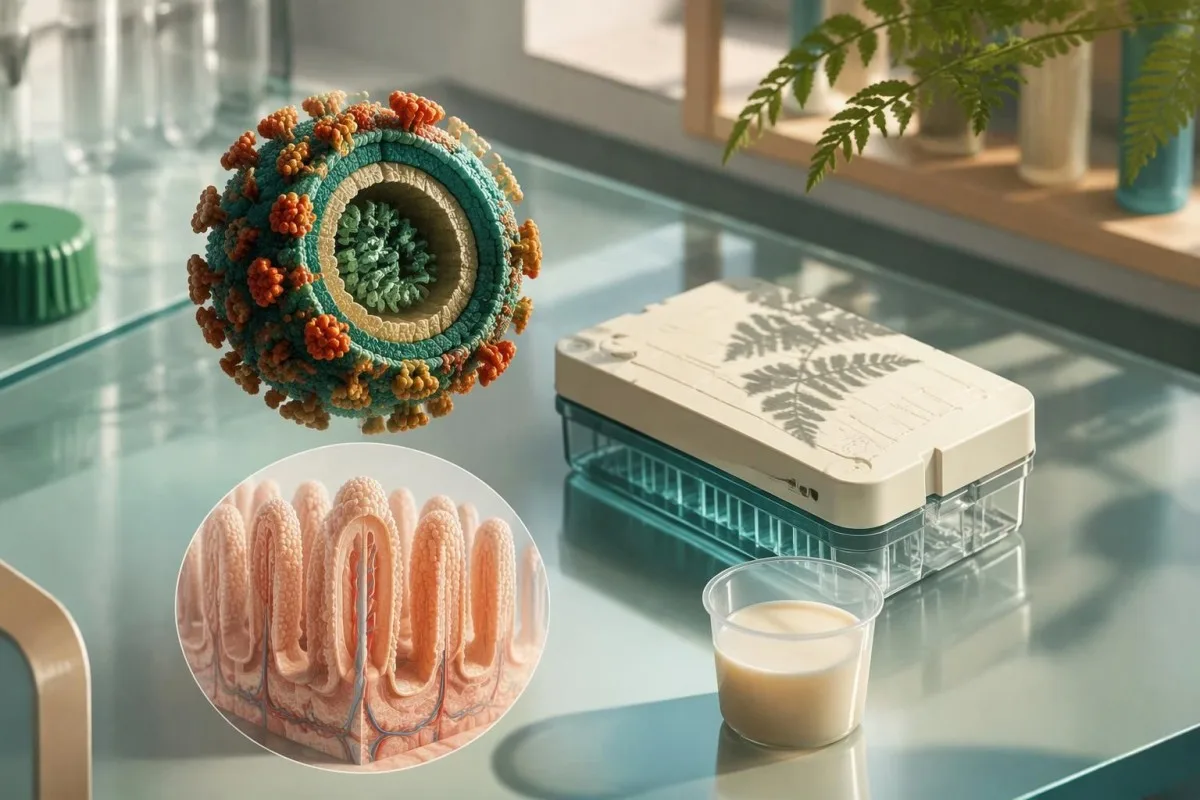
Лікування залежить від ступеня зневоднення та симптомів у вашої дитини, а не лише від позитивного результату. Нещодавня пероральна вакцинація та подальше виділення вірусу можуть ускладнити інтерпретацію.

Ключові висновки
- Позитивний результат ПЛР на ротавірус означає, що в калі виявлено генетичний матеріал ротавірусу; він не визначає ступінь зневоднення й автоматично не встановлює причину поточних симптомів.
- Симптоматичне захворювання зазвичай триває 3–8 днів, але достатність домашнього догляду залежить від втрати рідини дитиною та її здатності пити.
- Тривале виділення вірусу може зумовлювати позитивний результат чутливого ПЛР-тесту калу протягом кількох тижнів, а в деяких дітей після тяжкого перебігу хвороби — понад 4 тижні.
- Нещодавня пероральна вакцинація може пояснювати виявлення вірусу в калі, особливо протягом перших 1–2 тижнів; стандартний ПЛР-тест може не розрізняти вакцинний і дикий штами вірусу.
- Розчин для пероральної регідратації слід розводити точно в зазначеному на пакетику об’ємі води; подвоєння кількості порошку може призвести до небезпечної концентрації солей.
- Лікування зневоднення згідно з рекомендаціями NICE передбачає прийом 50 мл/кг розчину для пероральної регідратації протягом 4 годин, а також задоволення потреби в підтримувальній рідині з подальшою клінічною переоцінкою.
- Невідкладна оцінка потрібне за значного зменшення кількості сечі, неможливості втримувати рідину або погіршення рівня бадьорості; відсутність сечовипускання протягом приблизно 8 годин викликає занепокоєння, а немовлятам молодшого віку потрібна консультація раніше.
- Ознаки невідкладності включають утруднене пробудження, зелене блювання, сильний періодичний біль у животі або ознаки шоку; температура 38°C або вище у дитини віком до 3 місяців також потребує невідкладного медичного огляду.
- Антибіотики не лікують ротавірус і сам по собі позитивний результат не є підставою ані для призначення антибіотика, ані для стандартного призначення противірусного препарату.
- Повернення до закладу догляду за дітьми зазвичай вимагає щонайменше 48 годин без блювання чи діареї згідно з політиками Великої Британії — не негативного повторного ПЛР-тесту.
Що означає позитивний результат ПЛР на ротавірус?
A позитивний результат ПЛР на ротавірус означає, що зразок калу містить генетичний матеріал ротавірусу. Дитині потрібне лікування зневоднення або симптомів, що завдають значного дискомфорту, а не самого результату; загалом здорова дитина може не потребувати ліків, особливо після одужання або пероральної вакцинації протягом попередніх 1–2 тижнів.
ПЛР-тест калу — це тест на виявлення, а не оцінка тяжкості. Ротавірус містить РНК, тому молекулярне тестування включає етап зворотної транскрипції перед ампліфікацією; у багатьох панелях для виявлення шлунково-кишкових інфекцій ротавірус A зазначають лише як 1 із кількох досліджуваних мікроорганізмів.
A позитивний результат аналізу калу на ротавірус може відповідати 3 різним ситуаціям: поточному захворюванню із симптомами, виділенню вірусу після одужання або виявленню вірусу вакцинного походження після перорального введення вакцини. Тому однакове формулювання лабораторного результату може призводити до різних клінічних рішень.
Значення порогового циклу не дають змоги надійно визначити тактику лікування чи заразність. Гіпотетичне значення Ct 35 не означає автоматично, що вірус нешкідливий, а Ct 20 не означає автоматично потреби в госпіталізації; на ці показники впливають обробка зразка, конструкція тест-системи та склад калу.
Кантесті – це Аналізатор крові зі штучним інтелектом, а не служба діагностики вірусів у калі; 1 позитивний результат молекулярного тесту не може замінити огляд дитини, стан якої погіршується. Інформація про нашу організацію пояснює нашу спеціалізацію на аналізах крові та причини, з яких у цій статті окремо розглядаються інтерпретація результату й клінічне сортування пацієнтів.
Чи пояснює позитивний результат симптоми вашої дитини?
Активний ротавірусний гастроентерит імовірніший, коли позитивний ПЛР-тест калу супроводжується новою водянистою діареєю, блюванням і іноді гарячкою. Симптоми зазвичай починаються приблизно через 2 дні після контакту з вірусом і тривають близько 3–8 днів, хоча вакцинація та стан здоров’я дитини можуть змінити перебіг захворювання.
Хронологія симптомів допомагає встановити, чи має виявлення вірусу клінічне значення. Зафіксуйте перший день блювання, перше випорожнення рідкої консистенції та те, чи поліпшується стан; позитивний результат зразка, зібраного на 2-й день водянистої діареї, означає не те саме, що результат, отриманий через 3 тижні після одужання.
Наприклад, у гіпотетичної дитини віком 18 місяців із 6 водянистими випорожненнями сьогодні, повторним блюванням і нещодавно отриманим позитивним результатом ПЛР, імовірно, є клінічно значущий гастроентерит. Наступне питання — чи може дитина компенсувати втрату рідини, а не чи доведе повторний тест наявність вірусу.
Мультиплексні панелі можуть виявляти більше ніж 1 мікроорганізм. A second positive target may represent another cause, coinfection, or incidental detection; severe localized pain or stool with visible blood should not be explained away simply because rotavirus also appears on the report.
For children who use the toilet, the посібник із консистенції калу can help describe changes, but type 7 stool does not identify a specific pathogen. In infants, compare with their usual stool pattern because normal breastfed stools can already be loose.
Як довго триває виділення ротавірусу після одужання?
Rotavirus shedding can outlast symptoms, and sensitive PCR may detect viral RNA for several weeks after a child feels well. The most intense shedding generally occurs around the acute illness, but detection beyond 4 weeks can occur; there is no universal day when every child’s PCR becomes negative.
Test sensitivity changes the apparent shedding period. A less-sensitive antigen test may become negative before PCR because molecular assays can detect smaller amounts of viral material; 2 tests performed on the same recovery day may therefore disagree without either laboratory making an error.
The Lancet report “Extended excretion of rotavirus after severe diarrhoea in young children” documented prolonged excretion using molecular methods (Richardson et al., 1998). Its findings support a several-week detection window after severe illness, but they should not be treated as a fixed timetable for every vaccinated child with mild symptoms.
A positive PCR after recovery does not prove the child is equally infectious throughout that period. A hypothetical child who is eating normally 21 days after illness may still have detectable RNA; PCR alone cannot determine how much viable virus is being transmitted at home.
Children with significant immune deficiency can have a different shedding course, especially when diarrhea continues beyond 2 weeks. Our explanation of adenovirus detection and shedding illustrates the broader distinction between molecular persistence and active illness, although the timelines are not interchangeable.
Чи може нещодавня пероральна вакцинація спричинити позитивний результат ПЛР калу?
Recent oral rotavirus vaccination can cause a positive stool PCR because the vaccines contain live attenuated virus that can be shed in stool. Detection is particularly plausible during the first 1–2 weeks after a dose, and routine gastrointestinal panels may not distinguish vaccine-derived virus from wild-type rotavirus.
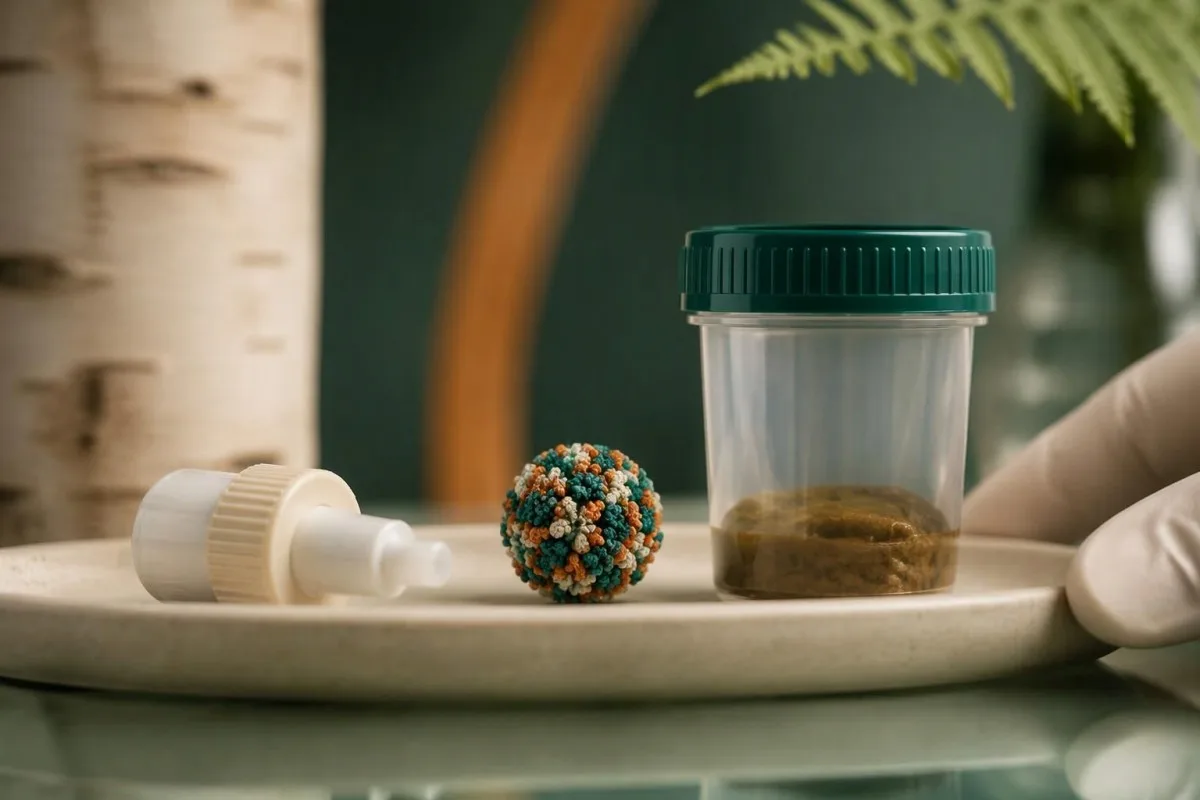
The vaccination date belongs beside the specimen date. In a hypothetical 9-week-old whose sample was collected 7 days after an oral dose, vaccine-related detection is a realistic explanation; that history is more useful than simply labeling the result a false positive.
Yen et al. described fecal shedding after the first dose of pentavalent rotavirus vaccine in Vaccine (2011). That publication demonstrates why detection soon after vaccination needs product and timing context; findings for 1 vaccine product should not be assumed to describe every oral vaccine identically.
Vaccination does not make dehydration signs safe to ignore. The first week after a dose also deserves attention if an infant develops repeated episodes of severe abdominal pain, pallor, unusual lethargy, or green vomiting because intussusception requires urgent assessment, regardless of the stool result.
Ask whether the laboratory offers vaccine-strain differentiation if the distinction would change care, particularly for an immunocompromised infant or an outbreak investigation. Our guide to qualitative and quantitative reports explains why 1 word—“detected”—does not supply strain identity, viral quantity, or clinical severity.
Як перевірити дитину на ознаки зневоднення вдома?
Assess dehydration by combining urine output, drinking, alertness, and physical signs, rather than relying on thirst or 1 wet diaper. Children younger than 1 year, particularly those under 6 months, are at greater risk because fluid losses can represent a larger proportion of their body weight.
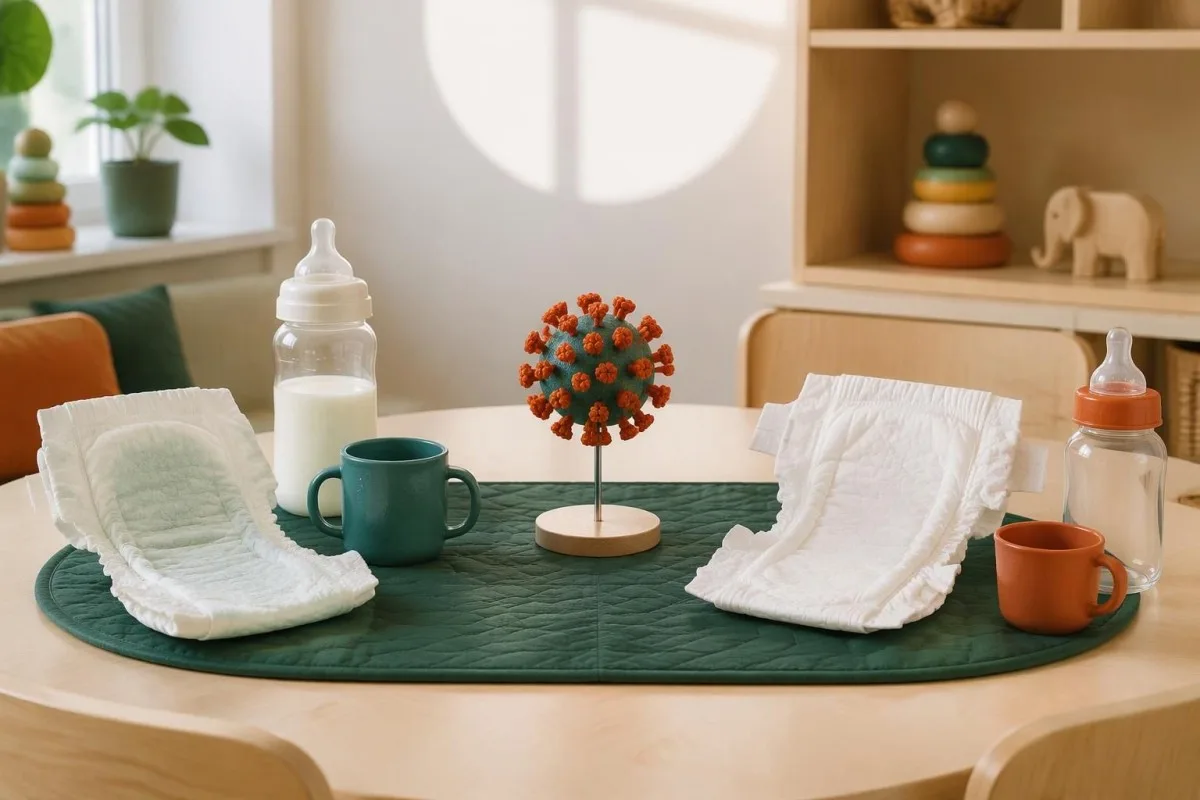
Urine output is useful only when compared with the child’s normal pattern. Markedly fewer wet diapers, dark concentrated urine, or no urine for about 8 hours should prompt urgent advice; seek help sooner in a young infant or when reduced urine accompanies poor drinking or drowsiness.
NICE identifies more than 5 diarrheal stools or more than 2 vomiting episodes in the previous 24 hours as dehydration risk factors in young children (NICE, 2009). These are screening clues, not a rule that a child with fewer episodes cannot become dehydrated.
Weight change can support assessment when reliable measurements exist. A hypothetical fall from 10.0 kg to 9.5 kg is a 5% weight loss, but different scales, clothing, and timing can distort the estimate; do not delay care while trying to obtain a precise home measurement.
Kantesti’s керівництво з безпеки педіатричного ШІ explains why digital interpretation cannot establish hydration from 1 laboratory value. Our dark urine explanation also distinguishes concentrated urine from color changes that need a different investigation.
Які тривожні ознаки потребують невідкладної або екстреної допомоги?
Seek emergency care for difficulty waking, collapse, signs of shock, green vomit, or severe abdominal pain, even when rotavirus PCR is positive. A baby under 3 months with a temperature of 38°C or higher needs urgent medical assessment; a viral result does not exclude another serious condition.
Worsening responsiveness and poor circulation matter more than the stool count. A child who is unusually floppy, hard to wake, breathing abnormally, or pale and mottled needs emergency assessment; do not wait for an 8-hour urine threshold or another episode of diarrhea.
For infants aged 3–6 months, a temperature of 39°C or higher warrants prompt medical advice. Any age group needs urgent assessment when repeated vomiting prevents fluid replacement, urine falls markedly, or the caregiver notices a clear decline over a few hours.
Visible blood is not a typical reason to assume uncomplicated rotavirus. Even 1 episode of blood in stool deserves medical advice, particularly with fever, abdominal pain, or lethargy; our stool blood warning guide explains why appearance can change the urgency.
A hypothetical 4-year-old with a positive panel and pain concentrated in the right lower abdomen still needs assessment for another diagnosis. The appendicitis testing explanation shows why a reassuring test—or a convincing alternative laboratory finding—cannot replace abdominal examination.
Як приготувати й давати розчин для пероральної регідратації?
Use a commercial oral rehydration solution, mixed exactly as directed, to replace water and electrolytes lost through diarrhea. The WHO reduced-osmolarity formulation contains sodium at 75 mmol/L and glucose at 75 mmol/L; its total osmolarity is 245 mOsm/L, although other approved formulations differ.
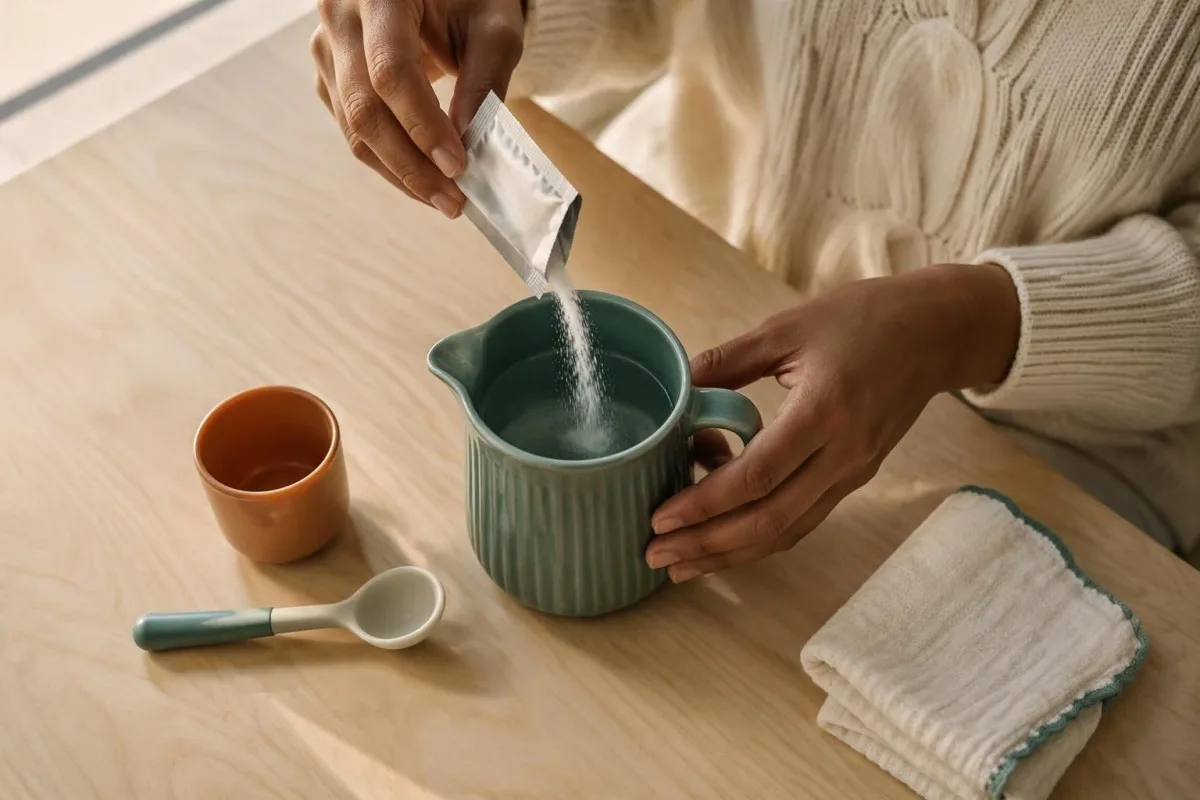
Packet size determines the required water volume. Some products require 200 mL and others 1 L, so never assume that every sachet makes the same amount; doubling the powder in the usual water volume doubles the intended concentration rather than making treatment more effective.
Start with a small, frequent amount—for example, 5 mL every 2–5 minutes during an initial trial—and adjust to the child’s weight, tolerance, and agreed hydration plan. An oral dosing device or spoon can make small amounts easier to control than asking a nauseated child to finish a full cup.
Glucose and sodium work together in intestinal absorption. This is why 1 bottle of plain water, fruit juice, or sports drink is not an equivalent replacement for properly mixed ORS; our пояснення панелі електролітів describes the salts clinicians assess when illness is more severe.
Follow the product’s storage instructions, because many prepared solutions need to be discarded within 24 hours. Use safe drinking water and a clean container; do not add extra sugar, salt, juice, or formula to the prepared solution.
Що робити, якщо дитина продовжує блювати розчином для регідратації?
Vomiting does not automatically mean oral rehydration has failed, because small amounts may still be absorbed between episodes. After vomiting, pause for about 5–10 minutes and restart more slowly; urgent assessment is needed when the child cannot retain enough fluid or becomes less alert.
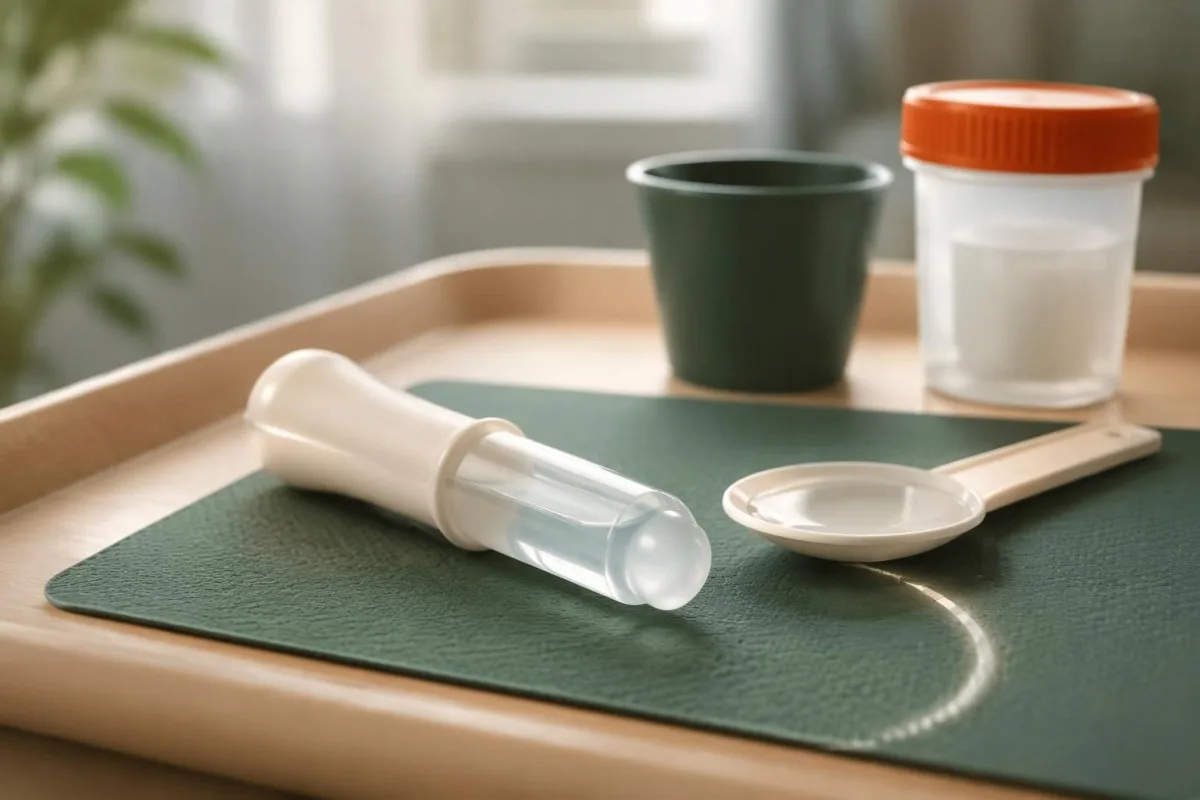
The size of each drink can affect vomiting. A hypothetical toddler who vomits after a 100 mL cup may tolerate 2–5 mL at a time; this is a short-term delivery strategy, not proof that the child is receiving an adequate total volume.
Track what stays down over 30–60 minutes alongside urine and behavior, rather than counting only attempted drinks. Persistent vomiting with declining urine or alertness needs urgent assessment, and green vomit needs emergency evaluation without another home rehydration trial.
Reduced intake can also cause low glucose in young children. A child who has taken almost no calories for 12 hours and becomes unusually sleepy needs assessment rather than continued unsupervised sipping; our посібник щодо причин низького рівня глюкози explains the mechanism, but pediatric thresholds need clinical interpretation.
A clinician may consider an antiemetic in selected children or use a nasogastric tube before intravenous fluids when oral delivery is unsuccessful. These are different decisions from treating the virus: 1 antiemetic dose does not replace reassessment, and electrolyte abnormalities can affect medication safety.
Скільки розчину для пероральної регідратації потрібно дитині?
The required ORS volume depends on body weight, dehydration, and continuing losses. For children under 5 years with clinical dehydration, NICE recommends 50 mL/kg over 4 hours to replace the deficit, in addition to maintenance fluid, with regular clinical reassessment (NICE, 2009).
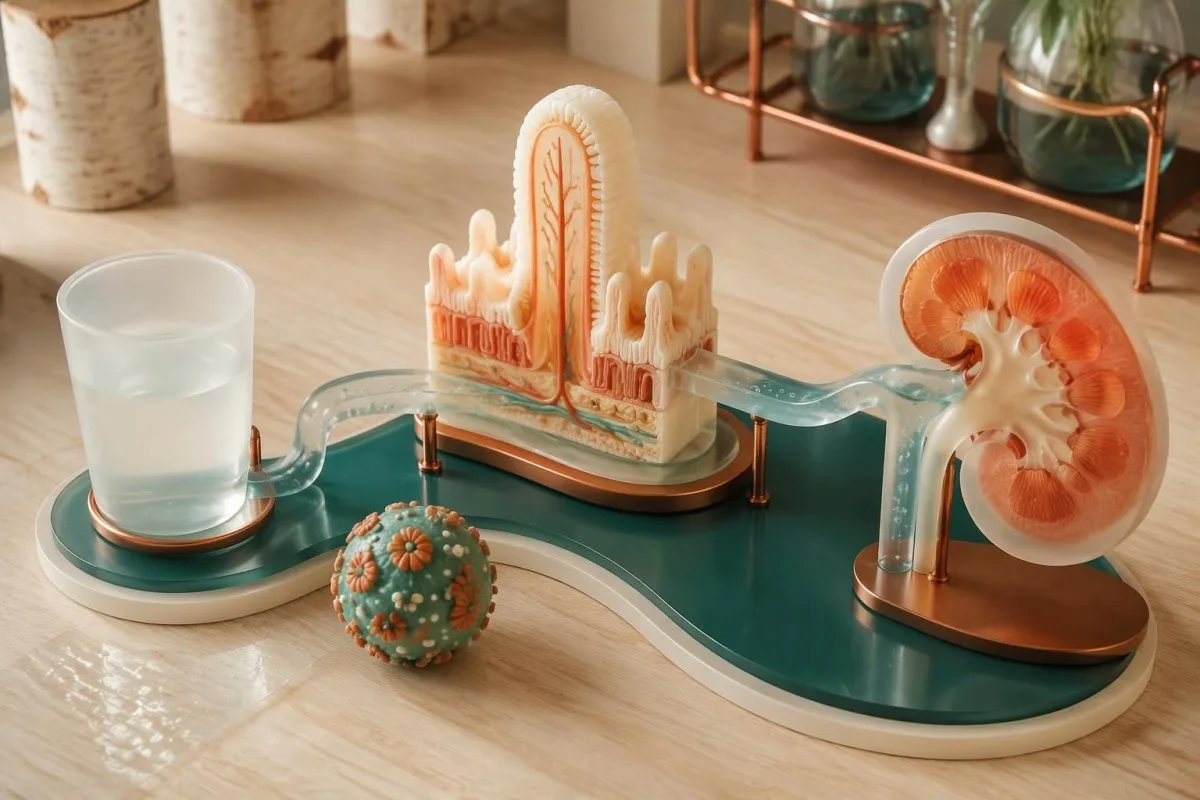
A worked volume is not a universal home prescription. For a hypothetical 10 kg child, 50 mL/kg equals 500 mL over 4 hours, or an average deficit-replacement component of 125 mL/hour; maintenance needs and continuing diarrhea are additional, and the child’s clinician should set the complete plan.
After rehydration, NICE suggests 5 mL/kg of ORS after each large watery stool for children at increased risk of recurrent dehydration. In the same hypothetical 10 kg child, that is 50 mL per large watery stool—not another full 500 mL course each time.
Guidelines use different deficit estimates because dehydration classifications differ. Some international protocols use approximately 75 mL/kg over 4 hours for “some dehydration,” whereas NICE uses 50 mL/kg for clinical dehydration; do not average 2 protocols or assume one volume is right without assessing the child.
Hypernatremic dehydration needs supervised management because correcting sodium too quickly can be harmful. A hypothetical sodium result of 151 mmol/L should trigger clinical review, not extra plain water at home; our high sodium warning guide explains why symptoms and correction speed matter.
Чи можна дитині годуватися грудьми, пити суміш і їсти звичайну їжу?
Continue breastfeeding during gastroenteritis, and return to usual full-strength milk and age-appropriate foods after rehydration. Rotavirus commonly causes 3–8 days of symptoms, but withholding nutrition for that entire period is unnecessary; dehydration treatment and feeding are complementary rather than competing goals.
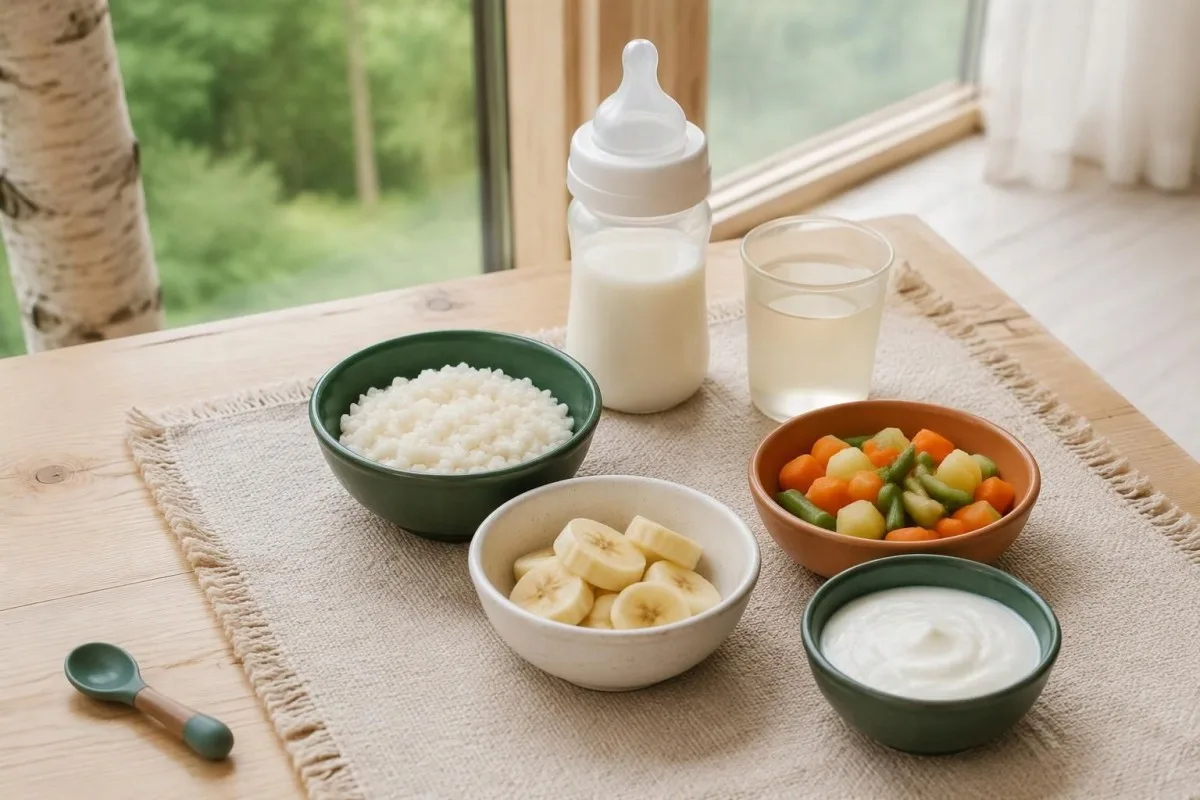
Formula should not routinely be diluted. Adding extra water to 1 normal feed reduces calories and changes its nutrient balance; infants should receive their usual correctly prepared formula unless their clinician recommends a specific alternative.
During an initial 4-hour rehydration phase, follow the clinician’s feeding plan; breastfeeding generally continues, while solids may be paused until rehydration is achieved. Afterwards, offer familiar foods in small portions rather than restricting the child to a prolonged banana-and-rice diet.
Temporary lactose malabsorption can follow intestinal illness, but lactose-free feeding is not automatically necessary. If watery stools repeatedly worsen after milk or continue beyond 1–2 weeks, discuss the pattern with a clinician; our lactose intolerance testing guide explains why symptoms and test selection need context.
A hypothetical 2-year-old eating less for 24 hours but drinking well and urinating normally can often be offered small, frequent meals without pressure. Avoid juice and fizzy drinks during diarrhea because their sugar concentration can worsen stool losses; infants still depend heavily on their usual milk feeds.
Чому антибіотики не лікують ротавірус у дітей?
Antibiotics do not treat rotavirus because it is a virus, and routine pediatric care has no standard antiviral prescription for uncomplicated rotavirus gastroenteritis. A report with 1 positive rotavirus target therefore does not justify antibiotics; treatment focuses on hydration, feeding, and assessment for complications.
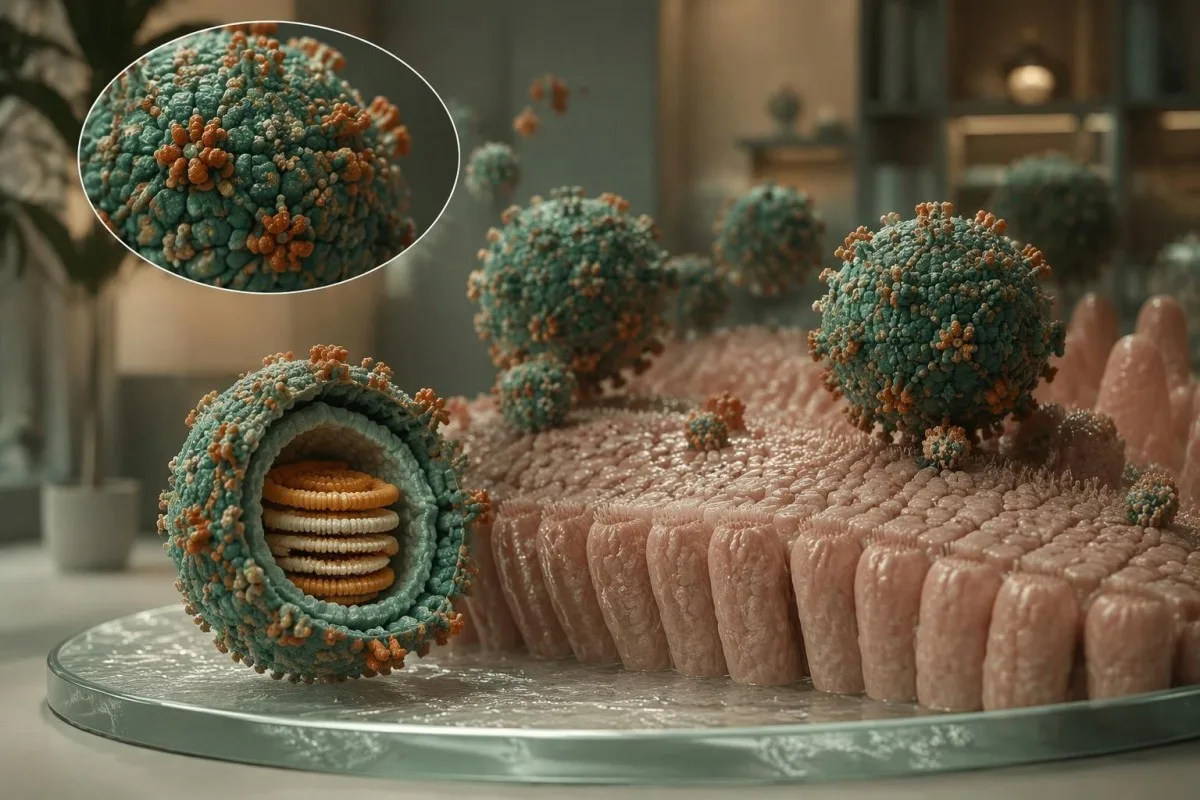
Antibacterial drugs target structures or processes that rotavirus does not possess. Giving an antibiotic for 3 days cannot stop viral RNA replication, and unnecessary treatment can cause adverse effects, disrupt intestinal bacteria, and complicate the interpretation of continued diarrhea.
A separate bacterial diagnosis can change the decision, but 2 detected organisms do not automatically require 2 medicines. Our Campylobacter antibiotic decision guide explains why bacterial treatment depends on severity and risk factors rather than the panel’s positive wording alone.
Do not give diarrhea-stopping medicines to young children without medical advice. For a hypothetical 3-year-old, reducing stool frequency with an unsuitable medicine does not correct dehydration; also avoid ibuprofen when the child is dehydrated or drinking poorly because kidney stress can increase.
Probiotic evidence is strain-specific and honestly mixed, so 1 commercially available product should not be assumed to shorten every rotavirus illness. Zinc recommendations also differ between national programs; neither probiotics nor supplements replace ORS, and parents should follow local pediatric guidance rather than combine several remedies.
Коли доцільно робити аналізи крові або додаткові аналізи калу?
Most otherwise well children with uncomplicated gastroenteritis do not need blood tests. Testing becomes more useful when intravenous fluids are required, dehydration is severe, glucose disturbance is suspected, or symptoms do not fit the expected course; diarrhea that has not improved by day 7 may warrant further assessment.
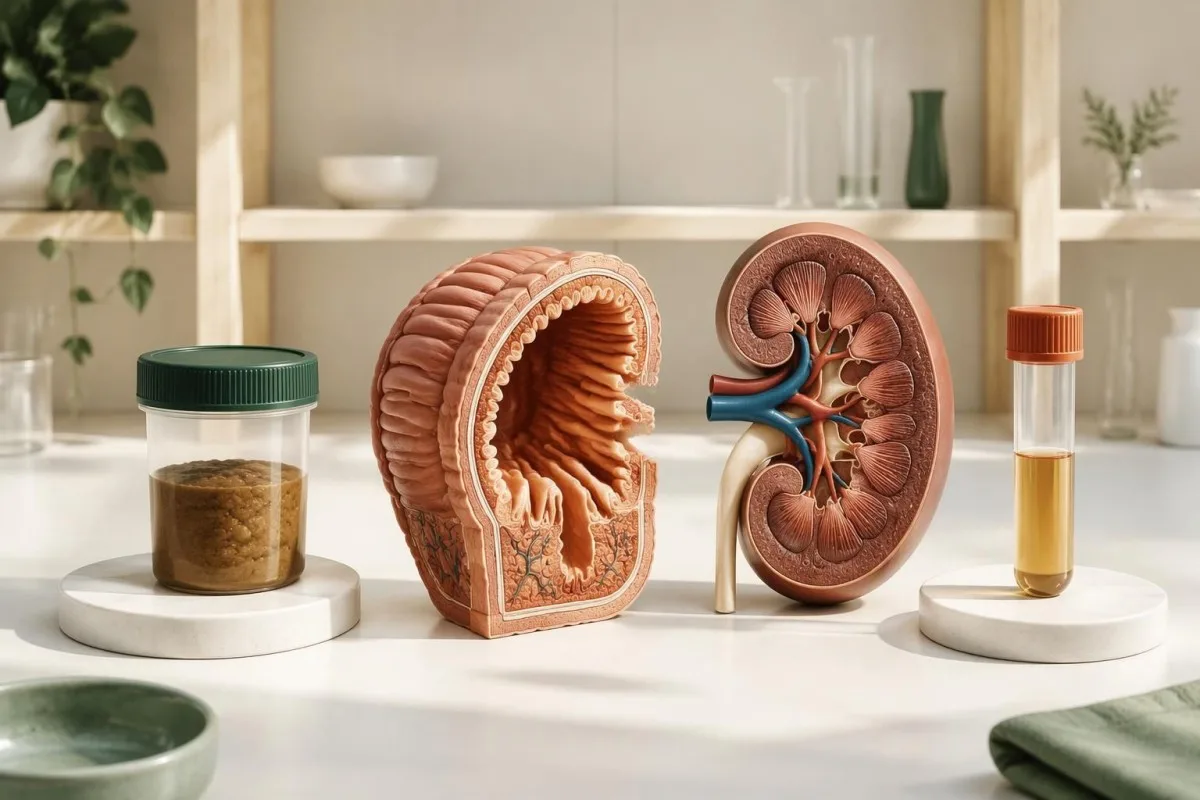
Electrolytes and glucose can reveal problems that a stool PCR cannot measure. NICE recommends appropriate laboratory assessment when intravenous fluids are needed or hypernatremia is suspected; 1 positive viral target cannot tell the clinician whether sodium, potassium, kidney function, or glucose is safe.
Kantesti AI explanations cannot establish hydration from 1 creatinine result or an adult-derived BUN/creatinine ratio. Our Гід щодо BUN і креатиніну explains the relationship, but pediatric creatinine values depend strongly on age and muscle mass, and adult ratio thresholds should not be imported into infant care.
Additional stool testing should answer a specific clinical question. Diarrhea lasting 14 days, recent travel, visible blood, immune deficiency, or a suspected outbreak can justify investigating another cause; repeatedly requesting the same panel may simply rediscover persistent viral material.
Кантесті – це Платформа для розшифровки аналізу крові AI that can help explain clinician-ordered blood results, but 1 explanation is not a pediatric diagnosis or a treatment order. Our клінічну рамку валідації describes the distinction between evaluating an interpretation system and proving that it can safely manage an acutely ill child.
Чи потрібен дитині повторний ПЛР-тест, перш ніж вона повернеться до дитячого закладу?
A repeat negative rotavirus PCR is usually unnecessary after clinical recovery. Many UK childcare policies require at least 48 hours without vomiting or diarrhea, rather than laboratory clearance; local public-health instructions, outbreak arrangements, and immune deficiency can change the advice.
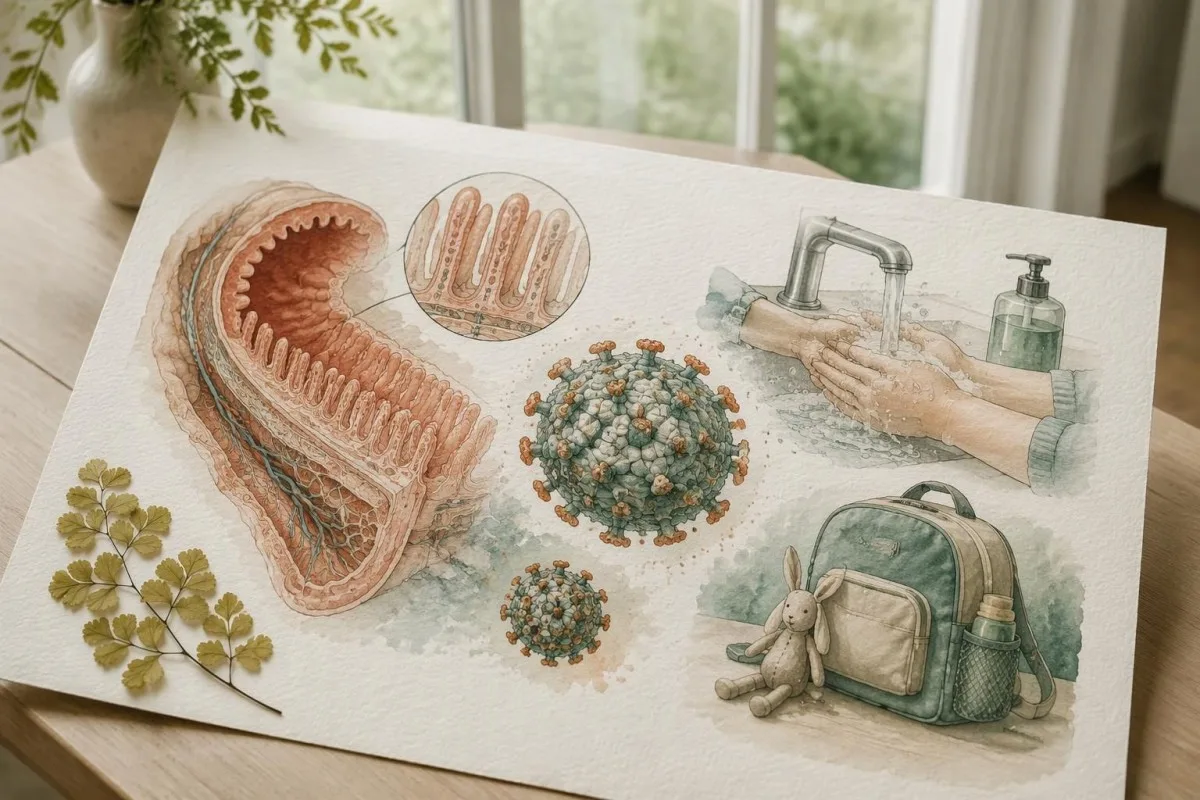
A test of cure can create confusion when shedding continues. A hypothetical child who has been symptom-free for 72 hours may still test positive without needing medicine or a new isolation period; childcare decisions should follow the applicable policy, not an assumed requirement that RNA must disappear.
Наш посібник щодо одужання від норовірусу та заразності explains a similar distinction between symptom resolution and molecular detection. The commonly used 48-hour exclusion period does not mean transmission risk instantly becomes zero for either virus.
Handwashing and careful diaper handling remain useful after symptoms stop. Wash with soap and water for at least 20 seconds after toileting or diaper changes and before food preparation; clean contaminated surfaces using a product suitable for the surface and effective against the relevant virus.
UK gastroenteritis guidance advises avoiding swimming pools for 2 weeks after the last episode of diarrhea. Tell the childcare setting about symptoms and follow its local rules, while keeping recently vaccinated infants’ diaper hygiene careful without assuming vaccine-related PCR detection requires prolonged exclusion.
Як родинам використовувати цей звіт, ШІ та результати досліджень?
Use the stool report to support clinical decisions, not to override symptoms. Before contacting your child’s clinician, gather 4 items: the symptom timeline, urine and drinking history, oral vaccine dates, and the complete laboratory report; these usually add more decision value than the word “positive” alone.
Кантесті – це сервісі інтерпретації тестів AI focused on blood results, and 1 AI-generated explanation should never delay urgent pediatric assessment. Our принципи відповідального використання ШІ describe why uncertainty and the boundary between explanation and clinical care must remain visible.
A useful handover describes what has changed. For example, a hypothetical parent can report that vomiting began 36 hours ago, the child has had 1 wet diaper in 8 hours, and ORS is repeatedly vomited; these concrete observations help a clinician prioritize care without needing a repeat PCR first.
The external sources supporting this article address 3 distinct questions: NICE provides pediatric dehydration management, Richardson et al. describe prolonged shedding, and Yen et al. examine vaccine shedding. Our стандарти медичного контенту explain why a source about molecular detection cannot, by itself, establish a safe treatment plan.
The 2 Kantesti publications listed below are background resources about blood-test analysis and hematology interpretation. They are hosted on Zenodo and are not rotavirus treatment trials, pediatric triage validation studies, or evidence that AI can distinguish vaccine-derived from wild-type virus; the clinical references should guide those separate questions.
Поширені запитання
Чи означає позитивний результат ПЛР на ротавірус, що моїй дитині потрібне лікування?
Позитивний результат ПЛР на ротавірус не означає автоматично, що дитині потрібні ліки. Лікування необхідне за наявності зневоднення або клінічно значущих симптомів, тоді як у дитини, яка почувається добре, може тривати виділення вірусу або його виявлення після пероральної вакцинації, проведеної протягом попередніх 1–2 тижнів. Позитивний результат ПЛР не дає змоги оцінити втрату рідини чи виключити інше захворювання. Негайно зверніться по медичну допомогу, якщо сечовипускання стало рідшим, дитина не може утримувати рідину або її пильність погіршується.
Як довго триває виділення ротавірусу в дітей?
Виділення ротавірусу може тривати після зникнення симптомів, а чутлива ПЛР калу може залишатися позитивною протягом кількох тижнів. Виявлення вірусу більш ніж через 4 тижні описано, особливо після тяжкого перебігу хвороби, але фіксованої дати припинення виділення вірусу для кожної дитини немає. Позитивний результат ПЛР не доводить, що рівень заразності залишається однаковим протягом усього періоду одужання. За тривалої діареї або імунодефіциту потрібна індивідуальна клінічна консультація, а не лише повторне тестування.
Чи може вакцина проти ротавірусу дати позитивний результат аналізу калу?
Оральна вакцина проти ротавірусу може спричинити позитивний результат ПЛР калу, оскільки після введення дози може виділятися вірус вакцинного походження. Це пояснення особливо актуальне протягом перших 1–2 тижнів, хоча терміни залежать від вакцинного препарату та методу тестування. Стандартні ПЛР-панелі для дослідження шлунково-кишкового тракту можуть не розрізняти вірус вакцинного походження та дикий штам ротавірусу. Повідомте лікаря дати вакцинації та взяття зразка й не вважайте зневоднення або сильні болі в животі звичайним ефектом вакцини.
Скільки розчину для пероральної регідратації слід давати дитині?
Об’єм розчину для пероральної регідратації (ORS) залежить від ваги дитини, ступеня зневоднення та подальших втрат рідини. NICE рекомендує дітям до 5 років із клінічними ознаками зневоднення 50 мл/кг протягом 4 годин додатково до підтримувальної рідини з подальшою повторною оцінкою стану. Отже, гіпотетичній дитині вагою 10 кг потрібно 500 мл для компенсації дефіциту рідини, але це не є повною індивідуальною схемою лікування вдома. Розводьте засіб точно за інструкцією та зверніться по медичну консультацію, якщо дитина не може втримати достатню кількість рідини.
Чи допомагають антибіотики в лікуванні ротавірусу у дітей?
Антибіотики не лікують ротавірус, оскільки ротавірус є вірусом, а не бактерією. Виявлення 1 позитивного маркера ротавірусу в аналізі калу не є підставою для призначення антибіотиків або противірусних препаратів. Основними заходами при неускладненому захворюванні є пероральна регідратація, годування та спостереження за ознаками зневоднення. Окремо діагностоване бактеріальне захворювання може потребувати іншого лікування, але рішення залежить від симптомів, тяжкості стану та збудника.
Коли слід відвезти дитину з ротавірусною інфекцією до лікарні?
За наявності труднощів із пробудженням, непритомності, ознак шоку, зеленого блювання або сильного болю в животі потрібен невідкладний огляд лікаря незалежно від позитивного результату тесту на ротавірус. Немовля віком до 3 місяців із температурою 38°C або вище також потребує термінового медичного огляду. Значне зменшення кількості сечі, її відсутність протягом приблизно 8 годин або повторна нездатність утримувати рідину потребують термінової консультації; немовлятам раннього віку допомога потрібна швидше. Не змушуйте дитину, яка не повністю притомна, пити рідину через рот.
Чи потрібен моїй дитині негативний результат тесту на ротавірус, щоб повернутися до дитячого садка?
Негативний повторний ПЛР-тест на ротавірус зазвичай не потрібен перед поверненням до ясел або закладу догляду за дітьми після одужання. Згідно з багатьма правилами у Великій Британії, повертатися можна щонайменше через 48 годин після припинення блювання чи діареї, але місцеві правила та вказівки щодо спалахів мають пріоритет. ПЛР-тест калу може залишатися позитивним після зникнення симптомів, тому контрольний тест може без потреби продовжити період невизначеності. Продовжуйте ретельно мити руки та дотримуйтеся місцевих обмежень щодо плавання; згідно з британськими рекомендаціями щодо гастроентериту, вони діють протягом 2 тижнів після останнього епізоду діареї.
Дізнайтеся, як читати аналіз крові
Завантажте лабораторний звіт, і ШІ Kantesti за лічені секунди пояснить кожен біомаркер простою мовою. Ним користуються понад 2 мільйони людей у всьому світі.
Посилання
- Klein, T., Mitchell, S., & Weber, H. (2026). AI Blood Test Analyzer: проаналізовано 2,5 млн тестів | Global Health Report 2026. Медичні дослідження ШІ Kantesti. DOI
- Klein, T., Mitchell, S., & Weber, H. (2026). Аналіз крові на RDW: повний посібник із RDW-CV, MCV і MCHC. Медичні дослідження ШІ Kantesti. DOI
- National Institute for Health and Care Excellence (2009). Diarrhoea and vomiting caused by gastroenteritis in under 5s: diagnosis and management. NICE clinical guideline CG84.
- Richardson S et al. (1998). Extended excretion of rotavirus after severe diarrhoea in young children. The Lancet.
- Yen C et al. (2011). Detection of fecal shedding of rotavirus vaccine in infants following their first dose of pentavalent rotavirus vaccine. Vaccine.
- 2 млн+Проаналізовані тести
- 127+Країни
- 100+Мови
Про медичну команду


Сигнали довіри E-E-A-T
Досвід
Лікарський клінічний огляд робочих процесів інтерпретації лабораторних показників.
Експертиза
Лабораторна медицина з акцентом на те, як біомаркери поводяться в клінічному контексті.
Авторитетність
Медичну рецензію провів доктор Томас Кляйн за участю доктора Сари Мітчелл і професора, доктора Ганса Вебера.
Довірливість
Інтерпретація на основі доказів із чіткими шляхами подальших дій, щоб зменшити тривогу.





Застереження щодо медичної інформації
Ця стаття призначена лише для освітніх цілей і не становить медичної поради. Завжди консультуйтеся з кваліфікованим медичним працівником щодо рішень про діагностику та лікування.
Опубліковано · Зв’язатися з редакційною командою
Опубліковано компанією Kantesti Ltd, зареєстрованою в Англії та Уельсі під номером компанії. 17090423, Лондон, Велика Британія.
