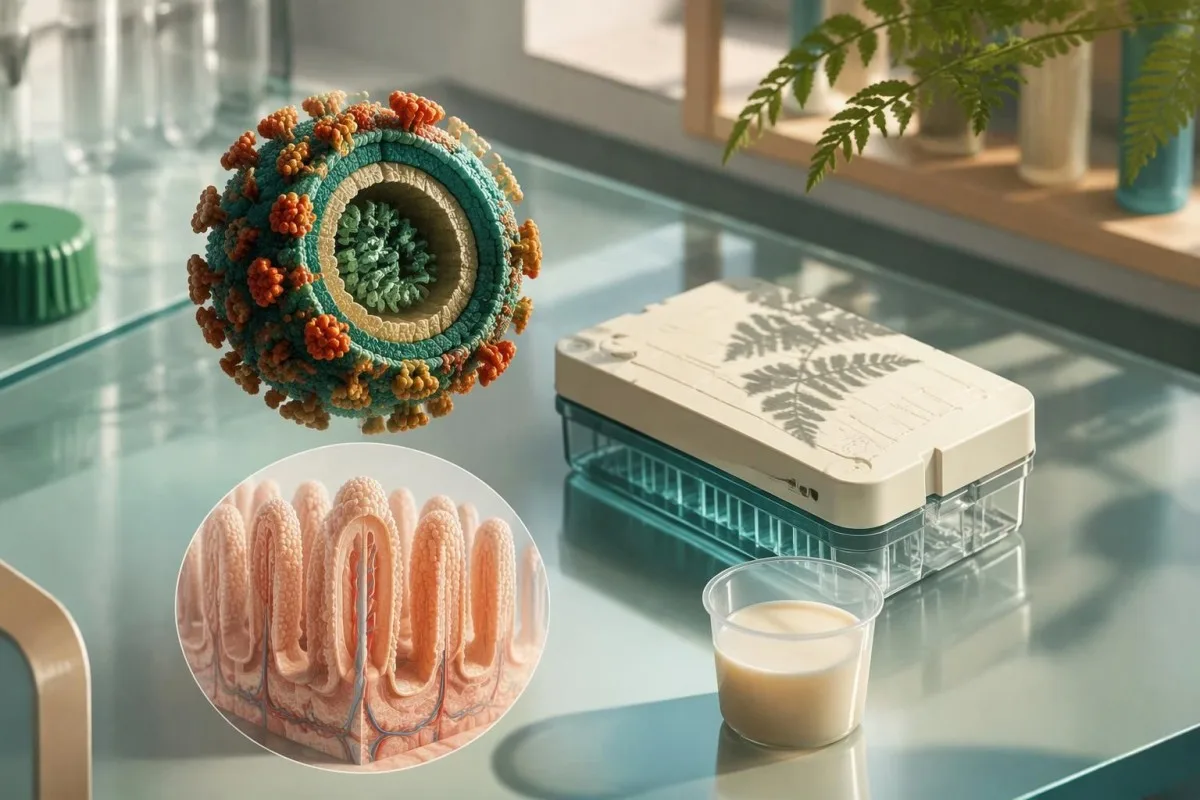
उपचार तुमच्या मुलाच्या शरीरातील पाण्याची पातळी आणि लक्षणांवर अवलंबून असतात—केवळ सकारात्मक निकालावर नाही. अलीकडील तोंडी लसीकरण आणि विषाणूचे सतत उत्सर्जन यांमुळे निकालाचा अर्थ लावणे गुंतागुंतीचे होऊ शकते.

मुख्य मुद्दे
- रोटाव्हायरस PCR सकारात्मक म्हणजे विष्ठेत रोटाव्हायरसचे आनुवंशिक पदार्थ आढळले; यावरून शरीरातील पाण्याची कमतरता मोजली जात नाही किंवा सध्याच्या लक्षणांचे कारण आपोआप सिद्ध होत नाही.
- लक्षणांसह आजार साधारणपणे 3–8 दिवस टिकतो, परंतु घरच्या घरी काळजी पुरेशी आहे की नाही हे मुलाच्या शरीरातून जाणारे द्रव आणि पिण्याची क्षमता यांवर ठरते.
- दीर्घकाळ विषाणूचे उत्सर्जन झाल्यास संवेदनशील विष्ठा PCR चाचणी अनेक आठवड्यांपर्यंत सकारात्मक राहू शकते; गंभीर आजारानंतर काही मुलांमध्ये 4 आठवड्यांहून अधिक काळही ती सकारात्मक राहू शकते.
- अलीकडील तोंडी लसीकरण विष्ठेत विषाणू आढळण्याचे कारण असू शकते, विशेषतः पहिल्या 1–2 आठवड्यांत; नियमित PCR चाचणी लसीतून आलेला विषाणू आणि नैसर्गिक प्रकारचा विषाणू यांत फरक करू शकत नाही.
- तोंडावाटे देण्याचे पुनर्हायड्रेशन द्रावण (Oral rehydration solution) पाकिटावर नमूद केलेल्या पाण्याच्या नेमक्या प्रमाणातच मिसळावे; पावडरचे प्रमाण दुप्पट केल्यास मिठाचे प्रमाण असुरक्षित होऊ शकते.
- निर्जलीकरणावरील उपचार NICE मार्गदर्शक तत्त्वांनुसार 4 तासांत 50 mL/kg तोंडावाटे पुनर्जलीकरण द्रावण देणे, त्यासोबत शरीराची देखभालीसाठीची गरज भागवणे आणि वैद्यकीय पुनर्मूल्यांकन करणे यांचा समावेश होतो.
- तातडीचे मूल्यमापन लघवीचे प्रमाण लक्षणीयरीत्या कमी होणे, द्रवपदार्थ पोटात न टिकणे किंवा सतर्कता आणखी कमी होणे अशा वेळी हे आवश्यक असते; सुमारे 8 तास लघवी न होणे चिंताजनक आहे, आणि लहान अर्भकांसाठी लवकर सल्ला घ्यावा.
- आपत्कालीन चिन्हे जागे करण्यात अडचण, हिरव्या रंगाची उलटी, तीव्र अधूनमधून होणारी पोटदुखी किंवा शॉकची चिन्हे यांचा समावेश होतो; 3 महिन्यांखालील बाळाचे तापमान 38°C किंवा त्याहून अधिक असल्यास तातडीचे वैद्यकीय मूल्यांकनही आवश्यक आहे.
- अँटिबायोटिक्स रोटाव्हायरसवर उपचार करत नाहीत, आणि केवळ चाचणीचा सकारात्मक निकाल आल्यामुळे प्रतिजैविक किंवा नियमितपणे विषाणूविरोधी औषध लिहून देण्याची गरज नसते.
- बालसंगोपन केंद्रात परतणे यूकेमधील धोरणांनुसार उलटी किंवा जुलाब न होता किमान 48 तास होणे सामान्यतः आवश्यक असते—पुन्हा केलेली PCR चाचणी नकारात्मक येणे नव्हे.
रोटाव्हायरस PCR चा सकारात्मक निकाल म्हणजे काय?
A रोटाव्हायरस PCR सकारात्मक या निकालाचा अर्थ मलाच्या नमुन्यात रोटाव्हायरसचे आनुवंशिक पदार्थ आहेत. तुमच्या मुलाला निर्जलीकरणासाठी किंवा त्रासदायक लक्षणांसाठी उपचारांची गरज आहे—निकालासाठी नव्हे; अन्यथा बरे असलेल्या मुलाला कोणतेही औषध लागणार नाही, विशेषतः तो बरा झाल्यानंतर किंवा मागील 1–2 आठवड्यांत तोंडावाटे लस घेतल्यानंतर.
मलाची PCR चाचणी ही शोधण्याची चाचणी आहे, ती तीव्रतेचे गुणांकन नाही. रोटाव्हायरसमध्ये RNA असतो, त्यामुळे आण्विक चाचणीत प्रवर्धनापूर्वी रिव्हर्स-ट्रान्सक्रिप्शनची पायरी असते; अनेक जठरांत्रविषयक पॅनेलमध्ये तपासलेल्या अनेक रोगकारकांपैकी रोटाव्हायरस A हा केवळ 1 म्हणून नोंदवला जातो.
A रोटाव्हायरसच्या मलचाचणीचा निकाल सकारात्मक हा निकाल 3 वेगवेगळ्या परिस्थितींशी जुळू शकतो: सध्या लक्षणे असलेला आजार, बरे झाल्यानंतरही विषाणू बाहेर टाकला जाणे किंवा तोंडावाटे लसीचा डोस घेतल्यानंतर लसीपासून आलेल्या विषाणूचा शोध लागणे. त्यामुळे प्रयोगशाळेतील एकाच शब्दरचनेनुसार वेगवेगळे वैद्यकीय निर्णय घेतले जाऊ शकतात.
सायकल-थ्रेशोल्ड मूल्यांवरून उपचार किंवा संसर्ग पसरवण्याची क्षमता विश्वासार्हपणे ठरवता येत नाही. उदाहरणार्थ, काल्पनिक Ct 35 म्हणजे आपोआप निरुपद्रवी असे नाही, आणि Ct 20 म्हणजे आपोआप रुग्णालयात दाखल करण्याची गरज असे नाही; नमुना हाताळण्याची पद्धत, चाचणीची रचना आणि मलाची संरचना या संख्यांवर परिणाम करतात.
कांटेस्टी हा एक एआय रक्त चाचणी विश्लेषक, मलातील विषाणूच्या निदानाची सेवा नव्हे; 1 सकारात्मक आण्विक निकालामुळे प्रकृती खालावत असलेल्या मुलाची तपासणी टाळता येत नाही. माहिती आमच्या संस्थेबद्दल आमचा भर रक्तचाचण्यांवर का आहे आणि या लेखात अहवालाचा अर्थ लावणे व वैद्यकीय प्राधान्यक्रमानुसार तपासणी करणे हे वेगळे का ठेवले आहे, हे स्पष्ट करते.
सकारात्मक निकाल तुमच्या मुलाची लक्षणे स्पष्ट करतो का?
सक्रिय रोटाव्हायरस जठरांत्रदाह सकारात्मक मल-PCR सोबत नव्याने सुरू झालेला पाणचट जुलाब, उलट्या आणि कधीकधी ताप असल्यास याची शक्यता अधिक असते. लक्षणे साधारणपणे संसर्गाच्या संपर्कानंतर सुमारे 2 दिवसांनी सुरू होतात आणि अंदाजे 3–8 दिवस टिकतात, मात्र लसीकरणाची स्थिती आणि मुलाचे मूळ आरोग्य यांमुळे आजाराचा प्रवास बदलू शकतो.
लक्षणांची कालरेषा तयार केल्याने या शोधाचे वैद्यकीय महत्त्व ठरवण्यास मदत होते. उलट्या सुरू झाल्याचा पहिला दिवस, पहिला पातळ शौचाचा दिवस आणि लक्षणे सुधारत आहेत का याची नोंद ठेवा; पाणचट जुलाबाच्या दुसऱ्या दिवशी घेतलेल्या नमुन्याचा सकारात्मक निकाल आणि बरे झाल्यानंतर 3 आठवड्यांनी घेतलेल्या नमुन्याचा सकारात्मक निकाल यांचा अर्थ वेगळा असतो.
उदाहरणार्थ, आज 6 वेळा पाणचट शौच झालेल्या, वारंवार उलट्या होणाऱ्या आणि नुकताच PCR निकाल सकारात्मक आलेल्या काल्पनिक 18 महिन्यांच्या मुलाला वैद्यकीयदृष्ट्या महत्त्वाचा जठरांत्रदाह असण्याची शक्यता आहे. पुढचा निर्णय असा असतो की मूल द्रवपदार्थाच्या नुकसानीची भरपाई करू शकते का—दुसऱ्या चाचणीने विषाणू उपस्थित असल्याचे सिद्ध होऊ शकते का, हा नव्हे.
मल्टिप्लेक्स पॅनेलमध्ये 1 पेक्षा अधिक रोगकारक आढळू शकतात. A second positive target may represent another cause, coinfection, or incidental detection; severe localized pain or stool with visible blood should not be explained away simply because rotavirus also appears on the report.
For children who use the toilet, the शौचाच्या घट्टपणाविषयीचे मार्गदर्शक can help describe changes, but type 7 stool does not identify a specific pathogen. In infants, compare with their usual stool pattern because normal breastfed stools can already be loose.
बरे झाल्यानंतर रोटाव्हायरसचे उत्सर्जन किती काळ टिकते?
Rotavirus shedding can outlast symptoms, and sensitive PCR may detect viral RNA for several weeks after a child feels well. The most intense shedding generally occurs around the acute illness, but detection beyond 4 weeks can occur; there is no universal day when every child’s PCR becomes negative.
Test sensitivity changes the apparent shedding period. A less-sensitive antigen test may become negative before PCR because molecular assays can detect smaller amounts of viral material; 2 tests performed on the same recovery day may therefore disagree without either laboratory making an error.
The Lancet report “Extended excretion of rotavirus after severe diarrhoea in young children” documented prolonged excretion using molecular methods (Richardson et al., 1998). Its findings support a several-week detection window after severe illness, but they should not be treated as a fixed timetable for every vaccinated child with mild symptoms.
A positive PCR after recovery does not prove the child is equally infectious throughout that period. A hypothetical child who is eating normally 21 days after illness may still have detectable RNA; PCR alone cannot determine how much viable virus is being transmitted at home.
Children with significant immune deficiency can have a different shedding course, especially when diarrhea continues beyond 2 weeks. Our explanation of adenovirus detection and shedding illustrates the broader distinction between molecular persistence and active illness, although the timelines are not interchangeable.
अलीकडील तोंडी लसीकरणामुळे विष्ठेची PCR चाचणी सकारात्मक येऊ शकते का?
Recent oral rotavirus vaccination can cause a positive stool PCR because the vaccines contain live attenuated virus that can be shed in stool. Detection is particularly plausible during the first 1–2 weeks after a dose, and routine gastrointestinal panels may not distinguish vaccine-derived virus from wild-type rotavirus.
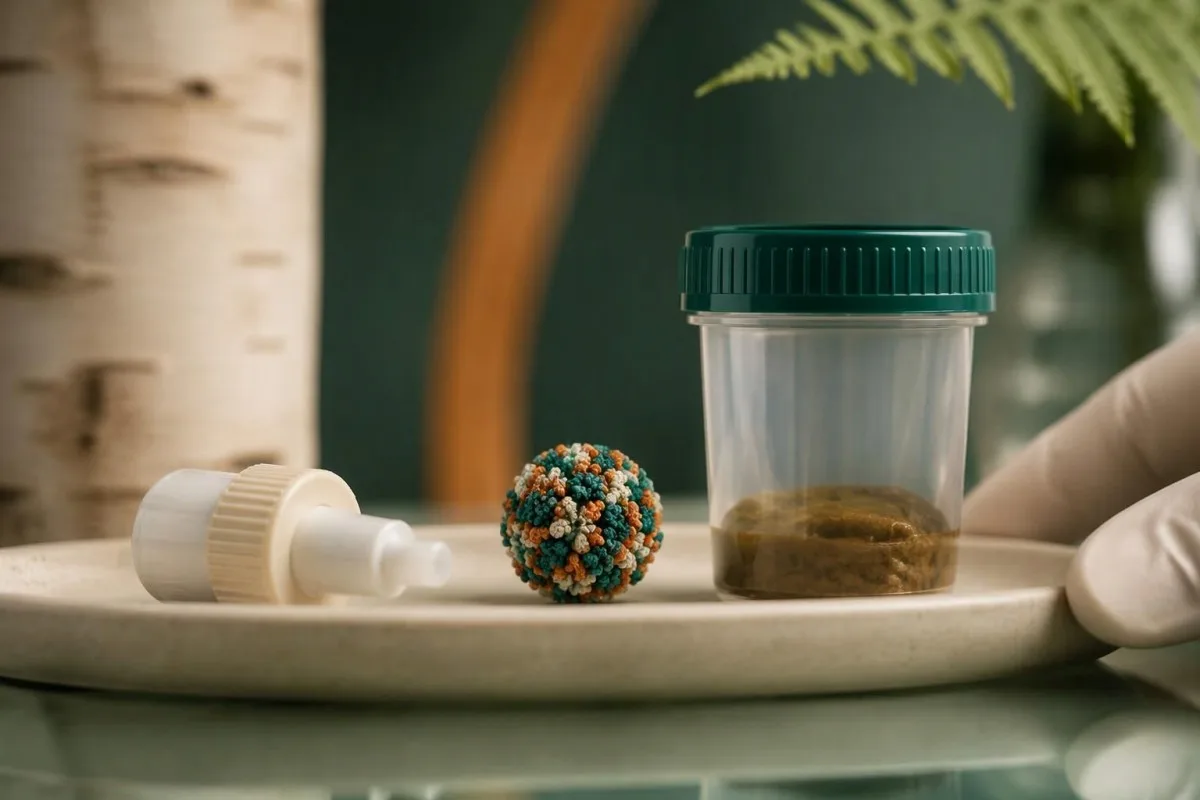
The vaccination date belongs beside the specimen date. In a hypothetical 9-week-old whose sample was collected 7 days after an oral dose, vaccine-related detection is a realistic explanation; that history is more useful than simply labeling the result a false positive.
Yen et al. described fecal shedding after the first dose of pentavalent rotavirus vaccine in Vaccine (2011). That publication demonstrates why detection soon after vaccination needs product and timing context; findings for 1 vaccine product should not be assumed to describe every oral vaccine identically.
Vaccination does not make dehydration signs safe to ignore. The first week after a dose also deserves attention if an infant develops repeated episodes of severe abdominal pain, pallor, unusual lethargy, or green vomiting because intussusception requires urgent assessment, regardless of the stool result.
Ask whether the laboratory offers vaccine-strain differentiation if the distinction would change care, particularly for an immunocompromised infant or an outbreak investigation. Our guide to qualitative and quantitative reports explains why 1 word—“detected”—does not supply strain identity, viral quantity, or clinical severity.
घरी तुमच्या मुलाच्या शरीरातील पाण्याची कमतरता कशी तपासू शकता?
Assess dehydration by combining urine output, drinking, alertness, and physical signs, rather than relying on thirst or 1 wet diaper. Children younger than 1 year, particularly those under 6 months, are at greater risk because fluid losses can represent a larger proportion of their body weight.
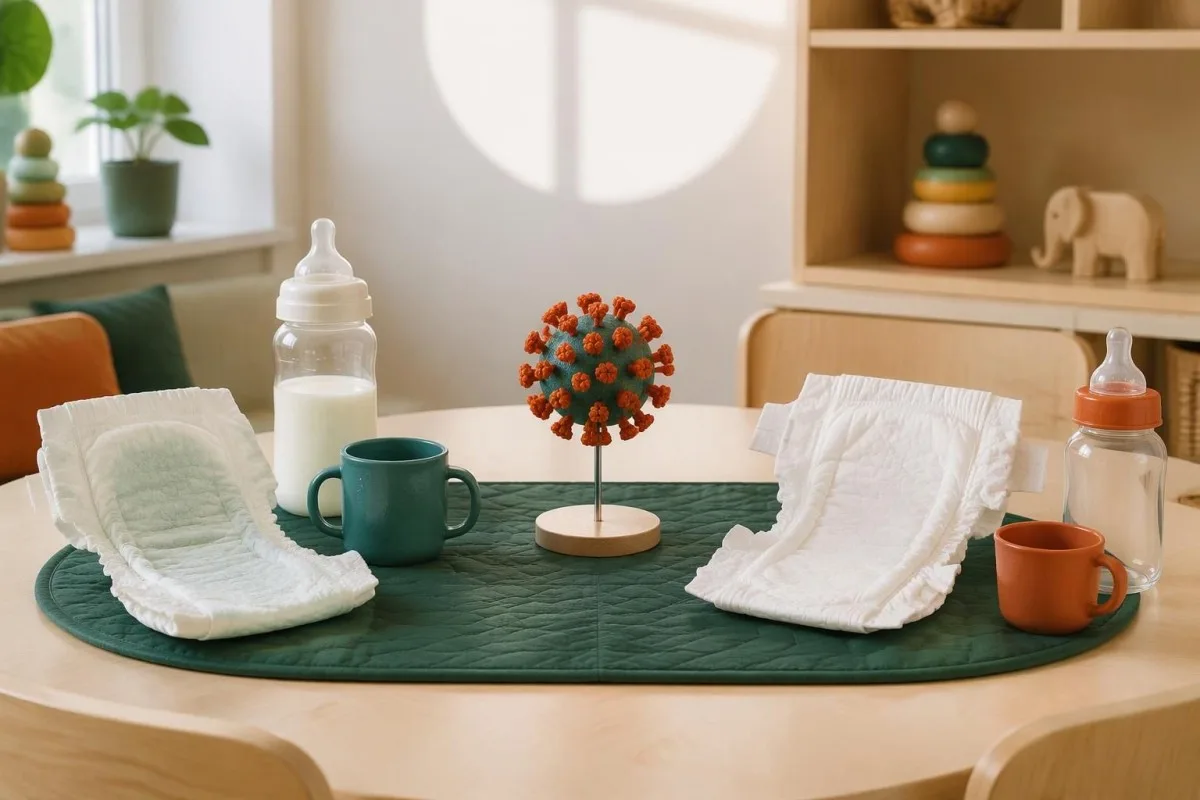
Urine output is useful only when compared with the child’s normal pattern. Markedly fewer wet diapers, dark concentrated urine, or no urine for about 8 hours should prompt urgent advice; seek help sooner in a young infant or when reduced urine accompanies poor drinking or drowsiness.
NICE identifies more than 5 diarrheal stools or more than 2 vomiting episodes in the previous 24 hours as dehydration risk factors in young children (NICE, 2009). These are screening clues, not a rule that a child with fewer episodes cannot become dehydrated.
Weight change can support assessment when reliable measurements exist. A hypothetical fall from 10.0 kg to 9.5 kg is a 5% weight loss, but different scales, clothing, and timing can distort the estimate; do not delay care while trying to obtain a precise home measurement.
Kantesti’s बालरोग AI सुरक्षितता मार्गदर्शन explains why digital interpretation cannot establish hydration from 1 laboratory value. Our dark urine explanation also distinguishes concentrated urine from color changes that need a different investigation.
कोणत्या चेतावणी चिन्हांना तातडीची किंवा आपत्कालीन काळजी आवश्यक आहे?
Seek emergency care for difficulty waking, collapse, signs of shock, green vomit, or severe abdominal pain, even when rotavirus PCR is positive. A baby under 3 months with a temperature of 38°C or higher needs urgent medical assessment; a viral result does not exclude another serious condition.
Worsening responsiveness and poor circulation matter more than the stool count. A child who is unusually floppy, hard to wake, breathing abnormally, or pale and mottled needs emergency assessment; do not wait for an 8-hour urine threshold or another episode of diarrhea.
For infants aged 3–6 months, a temperature of 39°C or higher warrants prompt medical advice. Any age group needs urgent assessment when repeated vomiting prevents fluid replacement, urine falls markedly, or the caregiver notices a clear decline over a few hours.
Visible blood is not a typical reason to assume uncomplicated rotavirus. Even 1 episode of blood in stool deserves medical advice, particularly with fever, abdominal pain, or lethargy; our stool blood warning guide explains why appearance can change the urgency.
A hypothetical 4-year-old with a positive panel and pain concentrated in the right lower abdomen still needs assessment for another diagnosis. The appendicitis testing explanation shows why a reassuring test—or a convincing alternative laboratory finding—cannot replace abdominal examination.
तोंडावाटे द्यायचे पुनर्जलीकरण द्रावण कसे तयार करून द्यावे?
Use a commercial oral rehydration solution, mixed exactly as directed, to replace water and electrolytes lost through diarrhea. The WHO reduced-osmolarity formulation contains sodium at 75 mmol/L and glucose at 75 mmol/L; its total osmolarity is 245 mOsm/L, although other approved formulations differ.
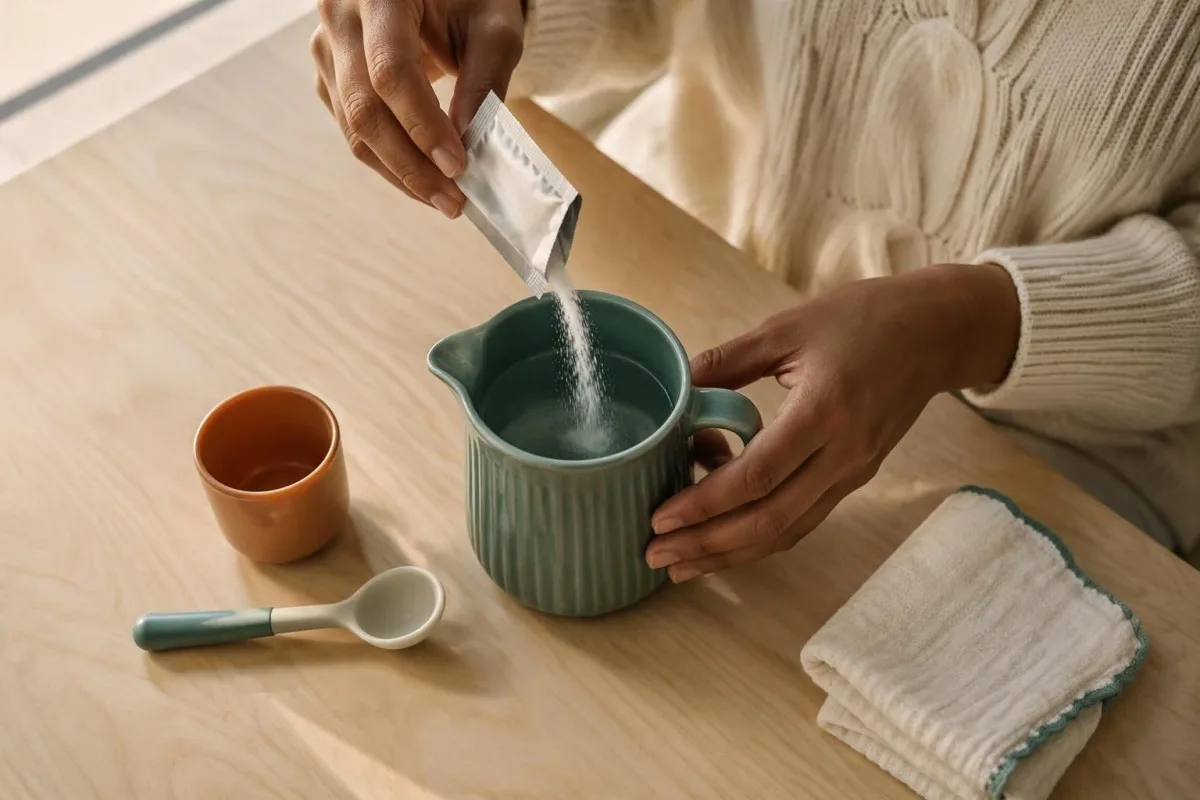
Packet size determines the required water volume. Some products require 200 mL and others 1 L, so never assume that every sachet makes the same amount; doubling the powder in the usual water volume doubles the intended concentration rather than making treatment more effective.
Start with a small, frequent amount—for example, 5 mL every 2–5 minutes during an initial trial—and adjust to the child’s weight, tolerance, and agreed hydration plan. An oral dosing device or spoon can make small amounts easier to control than asking a nauseated child to finish a full cup.
Glucose and sodium work together in intestinal absorption. This is why 1 bottle of plain water, fruit juice, or sports drink is not an equivalent replacement for properly mixed ORS; our इलेक्ट्रोलाइट पॅनेलचे स्पष्टीकरण describes the salts clinicians assess when illness is more severe.
Follow the product’s storage instructions, because many prepared solutions need to be discarded within 24 hours. Use safe drinking water and a clean container; do not add extra sugar, salt, juice, or formula to the prepared solution.
तुमचे मूल पुनर्जलीकरणाचे द्रावण वारंवार उलटून टाकत असल्यास काय करावे?
Vomiting does not automatically mean oral rehydration has failed, because small amounts may still be absorbed between episodes. After vomiting, pause for about 5–10 minutes and restart more slowly; urgent assessment is needed when the child cannot retain enough fluid or becomes less alert.
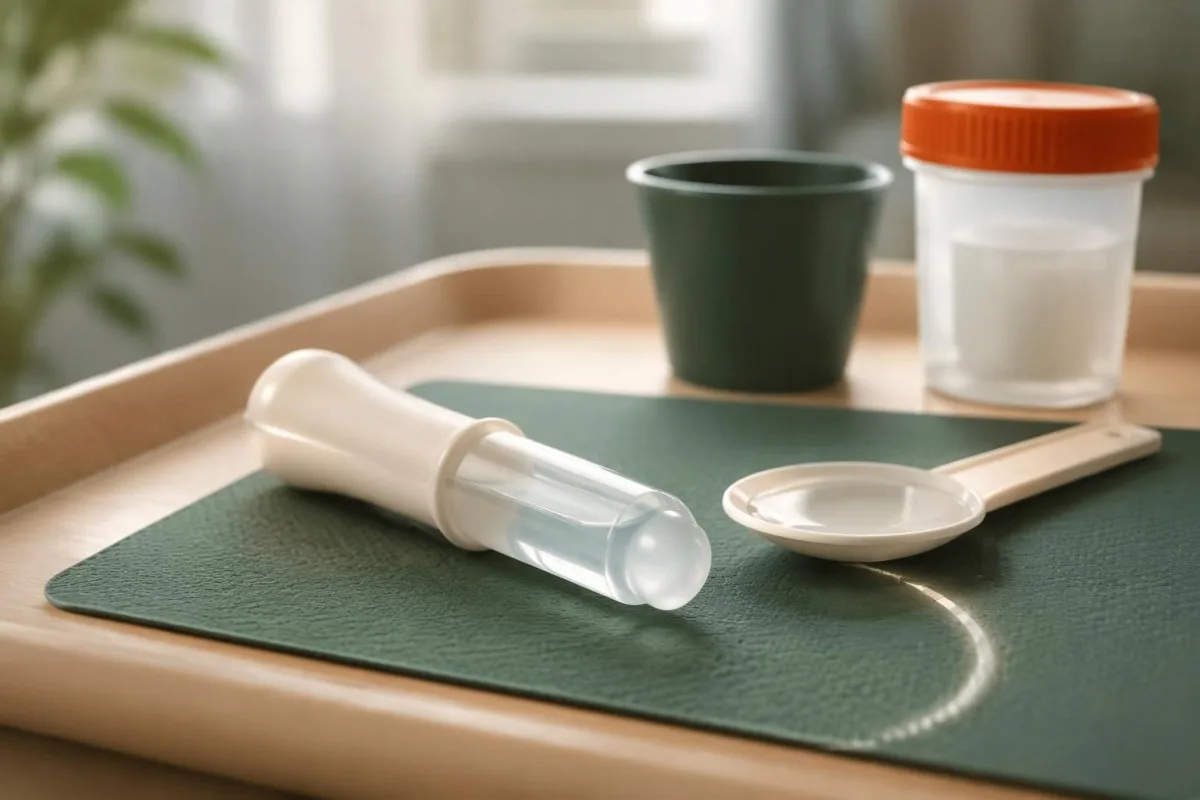
The size of each drink can affect vomiting. A hypothetical toddler who vomits after a 100 mL cup may tolerate 2–5 mL at a time; this is a short-term delivery strategy, not proof that the child is receiving an adequate total volume.
Track what stays down over 30–60 minutes alongside urine and behavior, rather than counting only attempted drinks. Persistent vomiting with declining urine or alertness needs urgent assessment, and green vomit needs emergency evaluation without another home rehydration trial.
Reduced intake can also cause low glucose in young children. A child who has taken almost no calories for 12 hours and becomes unusually sleepy needs assessment rather than continued unsupervised sipping; our कमी ग्लुकोज कारणे मार्गदर्शक explains the mechanism, but pediatric thresholds need clinical interpretation.
A clinician may consider an antiemetic in selected children or use a nasogastric tube before intravenous fluids when oral delivery is unsuccessful. These are different decisions from treating the virus: 1 antiemetic dose does not replace reassessment, and electrolyte abnormalities can affect medication safety.
मुलाला किती तोंडी पुनर्जलीकरण द्रावणाची गरज असते?
The required ORS volume depends on body weight, dehydration, and continuing losses. For children under 5 years with clinical dehydration, NICE recommends 50 mL/kg over 4 hours to replace the deficit, in addition to maintenance fluid, with regular clinical reassessment (NICE, 2009).
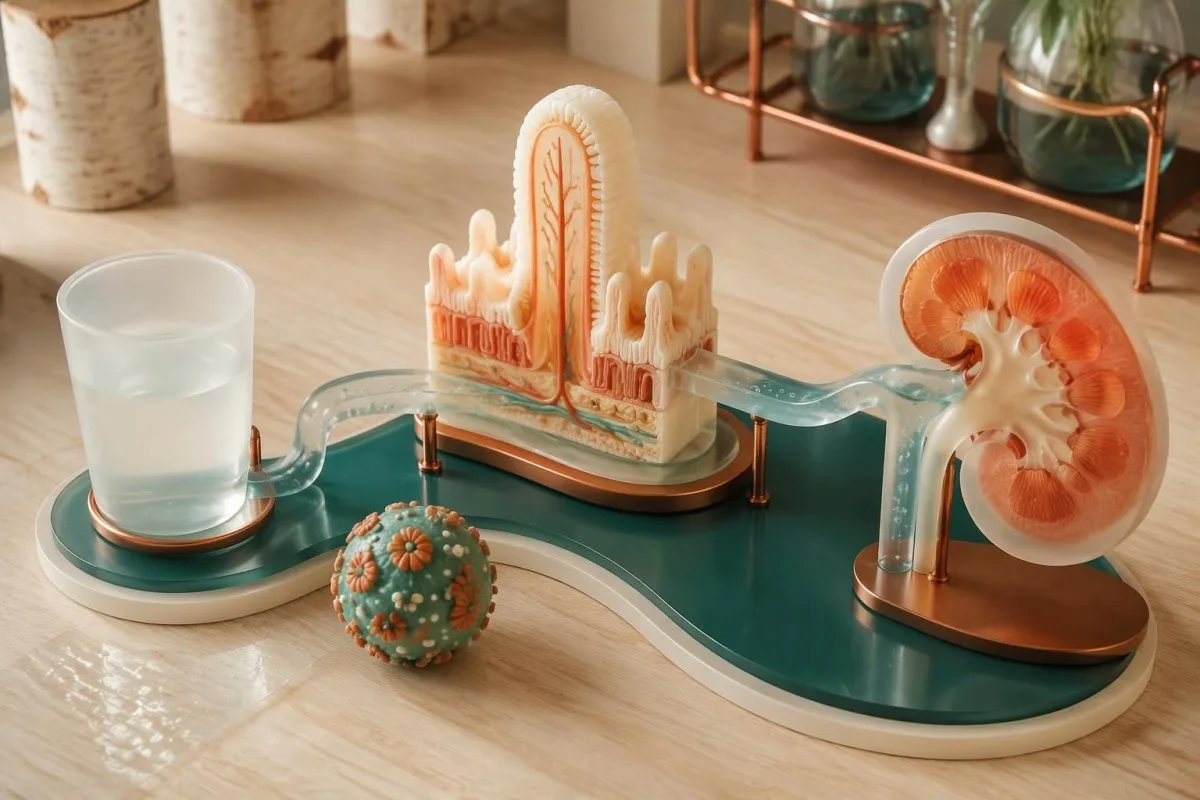
A worked volume is not a universal home prescription. For a hypothetical 10 kg child, 50 mL/kg equals 500 mL over 4 hours, or an average deficit-replacement component of 125 mL/hour; maintenance needs and continuing diarrhea are additional, and the child’s clinician should set the complete plan.
After rehydration, NICE suggests 5 mL/kg of ORS after each large watery stool for children at increased risk of recurrent dehydration. In the same hypothetical 10 kg child, that is 50 mL per large watery stool—not another full 500 mL course each time.
Guidelines use different deficit estimates because dehydration classifications differ. Some international protocols use approximately 75 mL/kg over 4 hours for “some dehydration,” whereas NICE uses 50 mL/kg for clinical dehydration; do not average 2 protocols or assume one volume is right without assessing the child.
Hypernatremic dehydration needs supervised management because correcting sodium too quickly can be harmful. A hypothetical sodium result of 151 mmol/L should trigger clinical review, not extra plain water at home; our high sodium warning guide explains why symptoms and correction speed matter.
तुमचे मूल नेहमीप्रमाणे स्तनपान करू शकते, फॉर्म्युला दूध पिऊ शकते आणि खाऊ शकते का?
Continue breastfeeding during gastroenteritis, and return to usual full-strength milk and age-appropriate foods after rehydration. Rotavirus commonly causes 3–8 days of symptoms, but withholding nutrition for that entire period is unnecessary; dehydration treatment and feeding are complementary rather than competing goals.
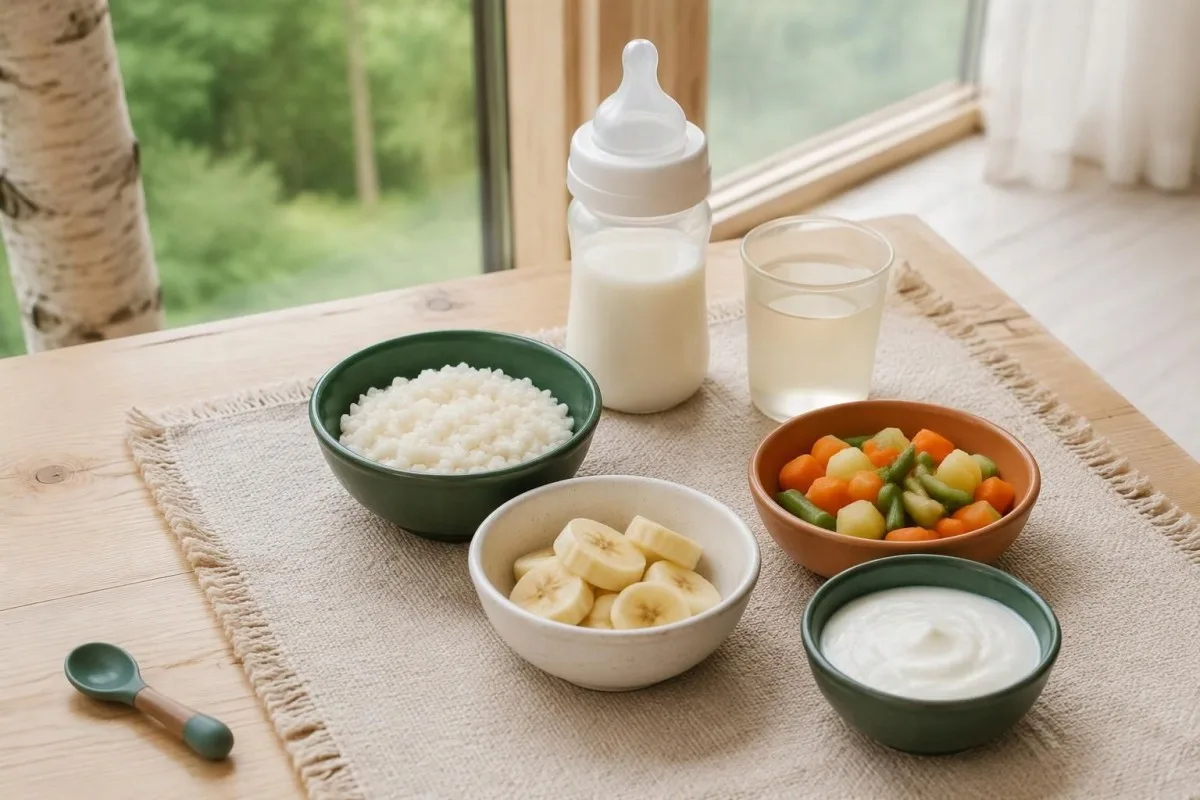
Formula should not routinely be diluted. Adding extra water to 1 normal feed reduces calories and changes its nutrient balance; infants should receive their usual correctly prepared formula unless their clinician recommends a specific alternative.
During an initial 4-hour rehydration phase, follow the clinician’s feeding plan; breastfeeding generally continues, while solids may be paused until rehydration is achieved. Afterwards, offer familiar foods in small portions rather than restricting the child to a prolonged banana-and-rice diet.
Temporary lactose malabsorption can follow intestinal illness, but lactose-free feeding is not automatically necessary. If watery stools repeatedly worsen after milk or continue beyond 1–2 weeks, discuss the pattern with a clinician; our lactose intolerance testing guide explains why symptoms and test selection need context.
A hypothetical 2-year-old eating less for 24 hours but drinking well and urinating normally can often be offered small, frequent meals without pressure. Avoid juice and fizzy drinks during diarrhea because their sugar concentration can worsen stool losses; infants still depend heavily on their usual milk feeds.
प्रतिजैविकांनी मुलांमधील रोटाव्हायरसवर उपचार का होत नाहीत?
Antibiotics do not treat rotavirus because it is a virus, and routine pediatric care has no standard antiviral prescription for uncomplicated rotavirus gastroenteritis. A report with 1 positive rotavirus target therefore does not justify antibiotics; treatment focuses on hydration, feeding, and assessment for complications.
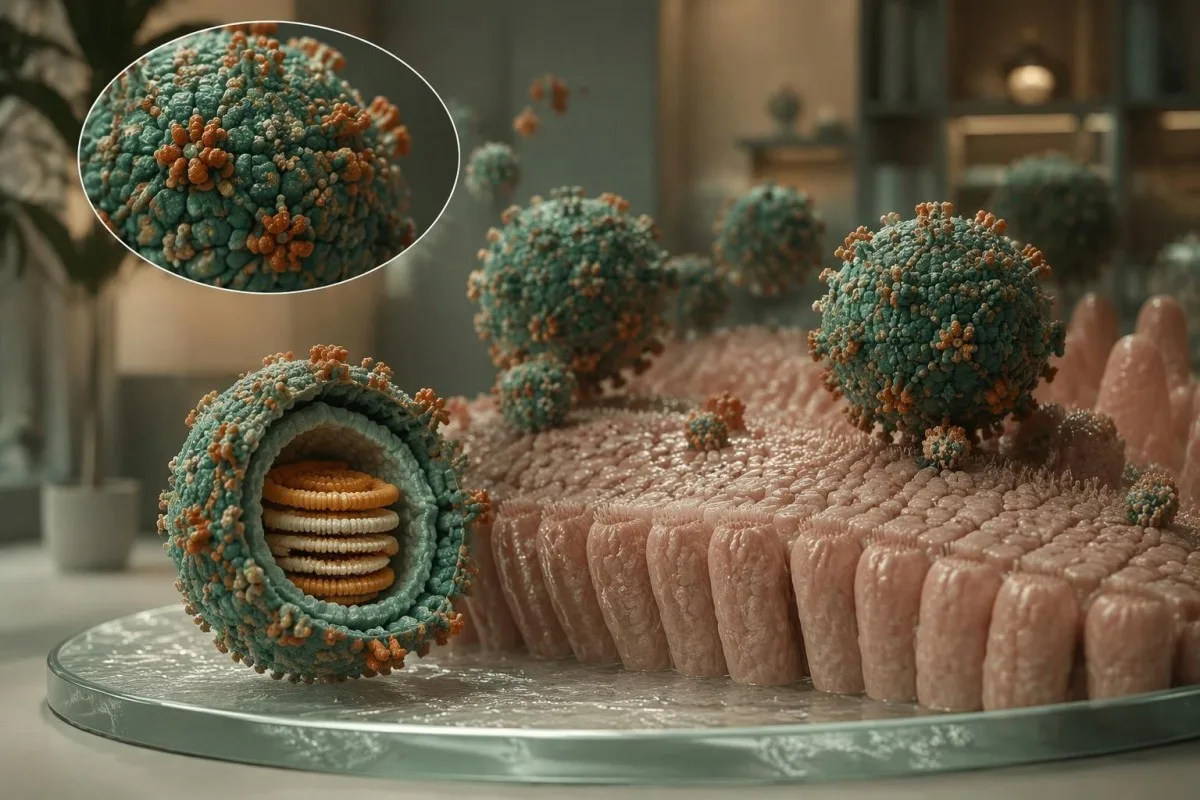
Antibacterial drugs target structures or processes that rotavirus does not possess. Giving an antibiotic for 3 days cannot stop viral RNA replication, and unnecessary treatment can cause adverse effects, disrupt intestinal bacteria, and complicate the interpretation of continued diarrhea.
A separate bacterial diagnosis can change the decision, but 2 detected organisms do not automatically require 2 medicines. Our Campylobacter antibiotic decision guide explains why bacterial treatment depends on severity and risk factors rather than the panel’s positive wording alone.
Do not give diarrhea-stopping medicines to young children without medical advice. For a hypothetical 3-year-old, reducing stool frequency with an unsuitable medicine does not correct dehydration; also avoid ibuprofen when the child is dehydrated or drinking poorly because kidney stress can increase.
Probiotic evidence is strain-specific and honestly mixed, so 1 commercially available product should not be assumed to shorten every rotavirus illness. Zinc recommendations also differ between national programs; neither probiotics nor supplements replace ORS, and parents should follow local pediatric guidance rather than combine several remedies.
रक्ताच्या चाचण्या किंवा अतिरिक्त विष्ठा चाचण्या कधी उपयोगी ठरतात?
Most otherwise well children with uncomplicated gastroenteritis do not need blood tests. Testing becomes more useful when intravenous fluids are required, dehydration is severe, glucose disturbance is suspected, or symptoms do not fit the expected course; diarrhea that has not improved by day 7 may warrant further assessment.
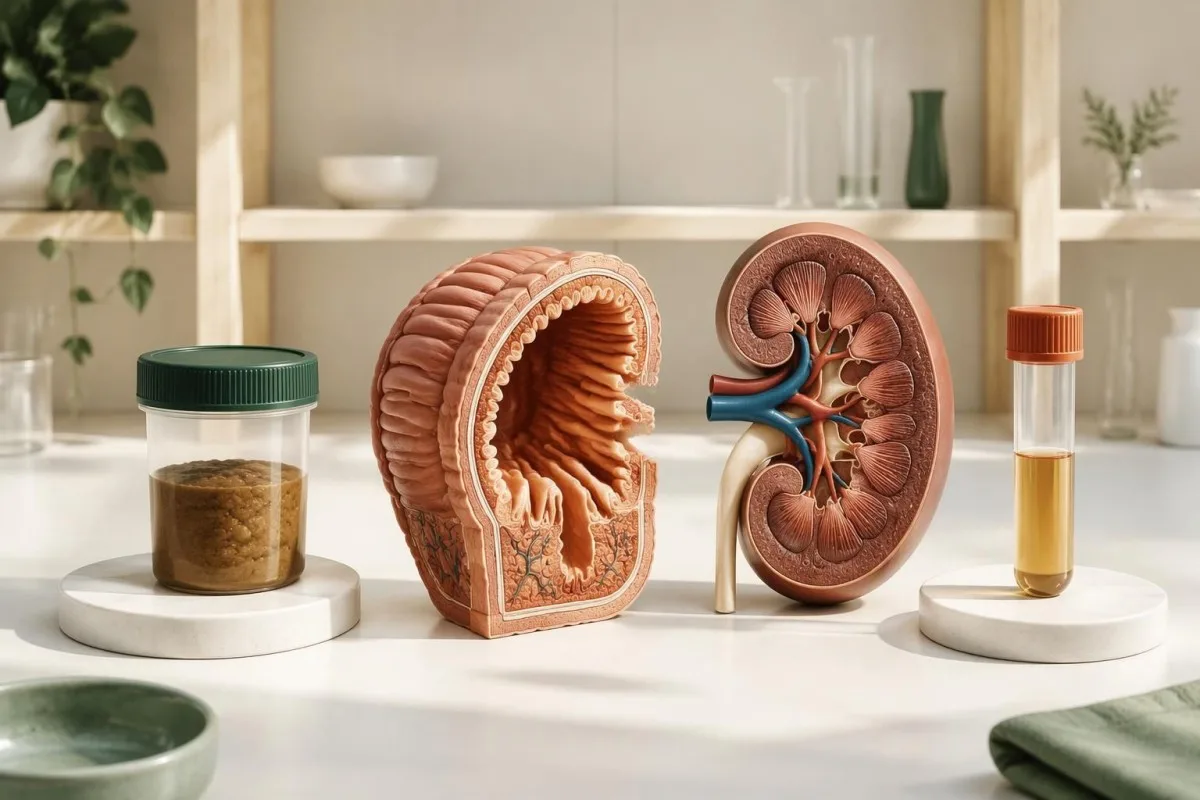
Electrolytes and glucose can reveal problems that a stool PCR cannot measure. NICE recommends appropriate laboratory assessment when intravenous fluids are needed or hypernatremia is suspected; 1 positive viral target cannot tell the clinician whether sodium, potassium, kidney function, or glucose is safe.
Kantesti AI explanations cannot establish hydration from 1 creatinine result or an adult-derived BUN/creatinine ratio. Our BUN आणि क्रिएटिनिन मार्गदर्शक explains the relationship, but pediatric creatinine values depend strongly on age and muscle mass, and adult ratio thresholds should not be imported into infant care.
Additional stool testing should answer a specific clinical question. Diarrhea lasting 14 days, recent travel, visible blood, immune deficiency, or a suspected outbreak can justify investigating another cause; repeatedly requesting the same panel may simply rediscover persistent viral material.
कांटेस्टी हा एक AI रक्त तपासणी अहवाल समजून घ्या प्लॅटफॉर्म that can help explain clinician-ordered blood results, but 1 explanation is not a pediatric diagnosis or a treatment order. Our क्लिनिकल व्हॅलिडेशन फ्रेमवर्क describes the distinction between evaluating an interpretation system and proving that it can safely manage an acutely ill child.
बालसंगोपन केंद्रात परतण्यापूर्वी तुमच्या मुलाची PCR चाचणी पुन्हा करणे आवश्यक आहे का?
A repeat negative rotavirus PCR is usually unnecessary after clinical recovery. Many UK childcare policies require at least 48 hours without vomiting or diarrhea, rather than laboratory clearance; local public-health instructions, outbreak arrangements, and immune deficiency can change the advice.
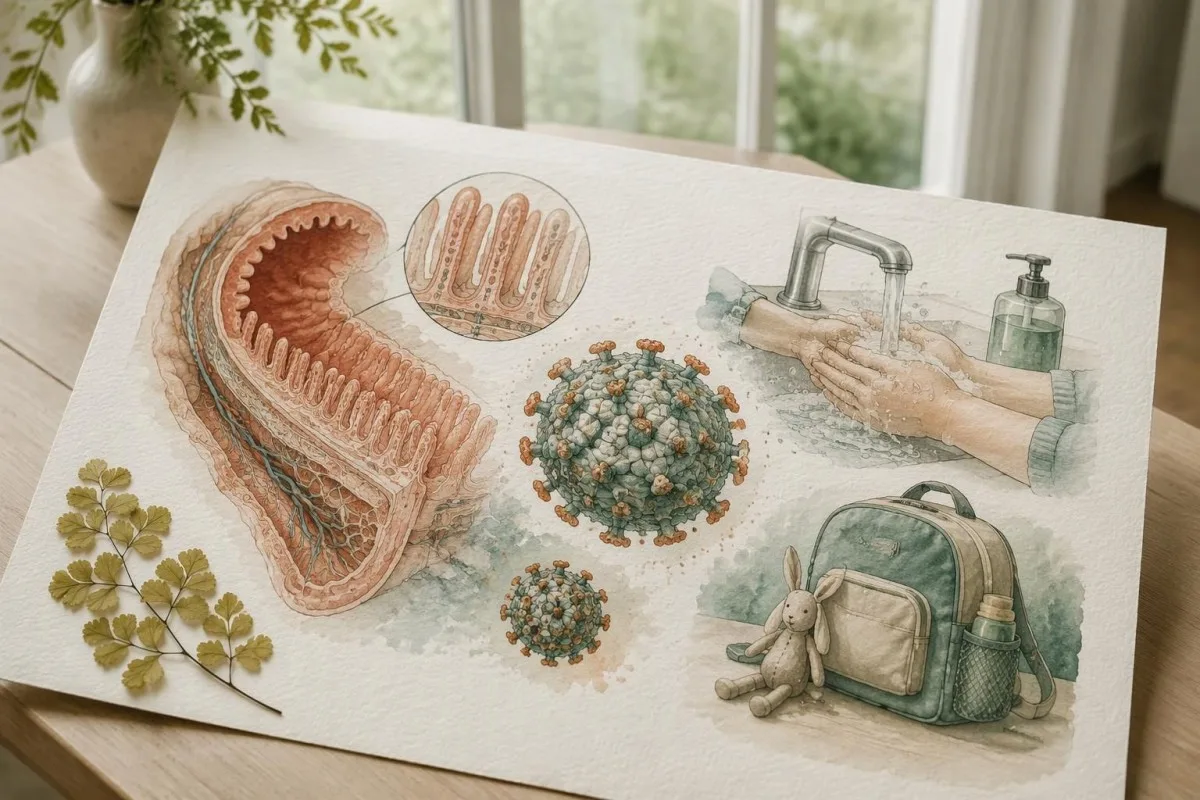
A test of cure can create confusion when shedding continues. A hypothetical child who has been symptom-free for 72 hours may still test positive without needing medicine or a new isolation period; childcare decisions should follow the applicable policy, not an assumed requirement that RNA must disappear.
आमचे नोरोव्हायरसपासून बरे होणे आणि संसर्गजन्यतेविषयी मार्गदर्शक explains a similar distinction between symptom resolution and molecular detection. The commonly used 48-hour exclusion period does not mean transmission risk instantly becomes zero for either virus.
Handwashing and careful diaper handling remain useful after symptoms stop. Wash with soap and water for at least 20 seconds after toileting or diaper changes and before food preparation; clean contaminated surfaces using a product suitable for the surface and effective against the relevant virus.
UK gastroenteritis guidance advises avoiding swimming pools for 2 weeks after the last episode of diarrhea. Tell the childcare setting about symptoms and follow its local rules, while keeping recently vaccinated infants’ diaper hygiene careful without assuming vaccine-related PCR detection requires prolonged exclusion.
कुटुंबांनी हा अहवाल, AI आणि संशोधनाचा वापर कसा करावा?
Use the stool report to support clinical decisions, not to override symptoms. Before contacting your child’s clinician, gather 4 items: the symptom timeline, urine and drinking history, oral vaccine dates, and the complete laboratory report; these usually add more decision value than the word “positive” alone.
कांटेस्टी हा एक AI प्रयोगशाळा चाचणी अर्थसेवा (AI lab test interpretation service) focused on blood results, and 1 AI-generated explanation should never delay urgent pediatric assessment. Our जबाबदार AI तत्त्वे describe why uncertainty and the boundary between explanation and clinical care must remain visible.
A useful handover describes what has changed. For example, a hypothetical parent can report that vomiting began 36 hours ago, the child has had 1 wet diaper in 8 hours, and ORS is repeatedly vomited; these concrete observations help a clinician prioritize care without needing a repeat PCR first.
The external sources supporting this article address 3 distinct questions: NICE provides pediatric dehydration management, Richardson et al. describe prolonged shedding, and Yen et al. examine vaccine shedding. Our वैद्यकीय सामग्री मानके explain why a source about molecular detection cannot, by itself, establish a safe treatment plan.
The 2 Kantesti publications listed below are background resources about blood-test analysis and hematology interpretation. They are hosted on Zenodo and are not rotavirus treatment trials, pediatric triage validation studies, or evidence that AI can distinguish vaccine-derived from wild-type virus; the clinical references should guide those separate questions.
वारंवार विचारले जाणारे प्रश्न
रोटाव्हायरस PCR चा निकाल पॉझिटिव्ह आल्याचा अर्थ माझ्या मुलाला उपचारांची गरज आहे का?
रोटाव्हायरस PCR चा निकाल सकारात्मक आला म्हणजे तुमच्या मुलाला औषधांची गरज आहेच असे नाही. निर्जलीकरण किंवा वैद्यकीयदृष्ट्या लक्षणीय लक्षणे असल्यास उपचारांची गरज असते; अन्यथा प्रकृती ठीक असलेल्या मुलामध्ये मागील 1–2 आठवड्यांत तोंडावाटे लस दिल्यानंतरही विषाणू बाहेर टाकणे सुरू राहू शकते किंवा विषाणू आढळू शकतो. सकारात्मक PCR मुळे द्रवपदार्थांची किती कमतरता झाली आहे हे मोजता येत नाही किंवा अन्य आजार नसल्याची खात्री देता येत नाही. लघवीचे प्रमाण कमी होणे, द्रवपदार्थ पोटात न राहणे किंवा जागरूकता कमी होणे यांसाठी तातडीने वैद्यकीय तपासणी करून घ्या.
मुलांमध्ये रोटाव्हायरसचे उत्सर्जन किती काळ टिकते?
लक्षणे कमी झाल्यानंतरही रोटाव्हायरसचे विसर्जन सुरू राहू शकते आणि संवेदनशील स्टूल PCR अनेक आठवडे पॉझिटिव्ह राहू शकते. 4 आठवड्यांनंतरही विषाणू आढळल्याचे वर्णन आहे, विशेषतः गंभीर आजारानंतर; मात्र प्रत्येक मुलासाठी विषाणू पूर्णपणे नाहीसा होण्याची ठरावीक तारीख नसते. PCR पॉझिटिव्ह असणे म्हणजे बरे होण्याच्या संपूर्ण काळात संसर्गक्षमता समान पातळीवर असते, हे सिद्ध होत नाही. सततचा अतिसार किंवा रोगप्रतिकारक शक्तीची कमतरता असल्यास, केवळ वारंवार चाचण्या करण्याऐवजी वैयक्तिक वैद्यकीय सल्ला घ्यावा.
रोटाव्हायरस लसीमुळे मलाची चाचणी पॉझिटिव्ह येऊ शकते का?
तोंडावाटे दिलेल्या रोटाव्हायरस लसीमुळे मलाच्या PCR चाचणीचा निकाल पॉझिटिव्ह येऊ शकतो, कारण लसीचा डोस दिल्यानंतर लसीतील विषाणू मलावाटे बाहेर पडू शकतो. हे स्पष्टीकरण विशेषतः पहिल्या १–२ आठवड्यांत लागू पडते, तरी वेळ लसीचे उत्पादन आणि चाचणीच्या पद्धतीनुसार बदलतो. नियमित जठरांत्र PCR पॅनेल लसीतील विषाणू आणि जंगली प्रकारातील रोटाव्हायरस यांच्यात फरक करू शकत नाहीत. लसीकरणाची आणि नमुना घेतल्याची तारीख डॉक्टरांना सांगा; निर्जलीकरण किंवा पोटातील तीव्र लक्षणे लसीचा सामान्य परिणाम म्हणून दुर्लक्षित करू नका.
मी माझ्या मुलाला किती तोंडी पुनर्जलीकरण द्रावण द्यावे?
ORS चे प्रमाण तुमच्या मुलाचे वजन, निर्जलीकरण आणि सुरू असलेले द्रवहानी यांवर अवलंबून असते. NICE च्या शिफारशीनुसार, वैद्यकीयदृष्ट्या निर्जलीकरण झालेल्या ५ वर्षांखालील मुलांना ४ तासांत ५० mL/kg द्यावे, त्यासोबत देखभालीसाठी आवश्यक द्रव देऊन पुन्हा मूल्यांकन करावे. त्यामुळे काल्पनिक १० kg वजनाच्या मुलाला द्रवहानी भरून काढण्यासाठी ५०० mL ची गरज असेल; परंतु हे घरी देण्यासाठीचे संपूर्ण, वैयक्तिकृत उपचारसूचनापत्र नाही. उत्पादन दिलेल्या सूचनांनुसारच मिसळा आणि तुमच्या मुलाला पुरेसे द्रव पोटात टिकवता येत नसल्यास वैद्यकीय सल्ला घ्या.
मुलांमधील रोटाव्हायरसच्या उपचारात प्रतिजैविके मदत करतात का?
0 प्रतिजैविके रोटाव्हायरसवर उपचार करत नाहीत, कारण रोटाव्हायरस हा विषाणू आहे, जीवाणू नाही. मलाच्या तपासणी पॅनेलमध्ये रोटाव्हायरसचा 1 लक्ष्य सकारात्मक आढळल्याने प्रतिजैविके किंवा नियमित विषाणूविरोधी औषध देण्याचे समर्थन होत नाही. साध्या आजारावरील मुख्य उपचार म्हणजे ओआरएस, आहार देणे आणि निर्जलीकरणावर लक्ष ठेवणे. स्वतंत्रपणे निदान झालेल्या जीवाणूजन्य स्थितीसाठी वेगळ्या उपचारांची गरज असू शकते, परंतु हा निर्णय लक्षणे, तीव्रता आणि संबंधित सूक्ष्मजीव यांवर अवलंबून असतो.
0 रोटाव्हायरस झालेल्या मुलाला रुग्णालयात कधी घेऊन जावे?
जागे करण्यात अडचण, कोसळणे, शॉकची लक्षणे, हिरव्या रंगाची उलटी किंवा पोटात तीव्र वेदना असल्यास, रोटाव्हायरस चाचणी सकारात्मक असली तरीही, आपत्कालीन तपासणी आवश्यक आहे. ३ महिन्यांपेक्षा कमी वयाच्या बाळाचे तापमान ३८°C किंवा त्याहून अधिक असल्यासही तातडीने वैद्यकीय तपासणी आवश्यक आहे. लघवीचे प्रमाण खूप कमी होणे, सुमारे ८ तास लघवी न होणे किंवा वारंवार द्रवपदार्थ पोटात न टिकणे यासाठी तातडीने वैद्यकीय सल्ला घ्यावा; लहान अर्भकांना त्याहून लवकर मदत आवश्यक असते. पूर्णपणे जागरूक नसलेल्या मुलाला जबरदस्तीने तोंडावाटे द्रवपदार्थ देऊ नका.
नर्सरीमध्ये परत जाण्यापूर्वी माझ्या मुलाची रोटाव्हायरस चाचणी निगेटिव्ह असणे आवश्यक आहे का?
बरे झाल्यानंतर पाळणाघरात किंवा बालसंगोपन केंद्रात परतण्यासाठी रोटाव्हायरस PCR चाचणी पुन्हा निगेटिव्ह येणे सहसा आवश्यक नसते. यूकेमधील अनेक धोरणांनुसार उलट्या किंवा अतिसार थांबल्यानंतर किमान 48 तासांचा कालावधी आवश्यक असतो, परंतु स्थानिक नियम आणि उद्रेकासंबंधीच्या सूचनांना प्राधान्य द्या. लक्षणे थांबल्यानंतरही स्टूल PCR पॉझिटिव्ह राहू शकते, त्यामुळे बरे झाल्याची खात्री करण्यासाठीची चाचणी अनिश्चितता विनाकारण वाढवू शकते. हात काळजीपूर्वक धुणे सुरू ठेवा आणि पोहण्यासंबंधीच्या स्थानिक निर्बंधांचे पालन करा; यूकेच्या गॅस्ट्रोएन्टेरायटिस मार्गदर्शक तत्त्वांनुसार अतिसाराचा शेवटचा प्रसंग झाल्यानंतर 2 आठवडे पोहणे टाळावे.
तुमचे रक्त तपासणी अहवाल कसे वाचावेत
तुमचा प्रयोगशाळा अहवाल अपलोड करा आणि Kantesti चे AI काही सेकंदांत प्रत्येक जैवचिन्ह सोप्या भाषेत समजावून सांगेल. जगभरातील 2 दशलक्षांहून अधिक लोक वापरतात.
संदर्भ
- Klein, T., Mitchell, S., & Weber, H. (2026). AI रक्त चाचणी विश्लेषक: 2.5M चाचण्यांचे विश्लेषण | ग्लोबल हेल्थ रिपोर्ट 2026. Kantesti AI वैद्यकीय संशोधन. डीओआय
- Klein, T., Mitchell, S., & Weber, H. (2026). RDW रक्त चाचणी: RDW-CV, MCV आणि MCHC यांसाठी संपूर्ण मार्गदर्शक. Kantesti AI वैद्यकीय संशोधन. डीओआय
- National Institute for Health and Care Excellence (2009). Diarrhoea and vomiting caused by gastroenteritis in under 5s: diagnosis and management. NICE clinical guideline CG84.
- Richardson S et al. (1998). Extended excretion of rotavirus after severe diarrhoea in young children. The Lancet.
- Yen C et al. (2011). Detection of fecal shedding of rotavirus vaccine in infants following their first dose of pentavalent rotavirus vaccine. Vaccine.
- २० लाख+विश्लेषित केलेल्या चाचण्या
- 127+देश
- 100+भाषा
वैद्यकीय पथकाविषयी


E-E-A-T विश्वास संकेत
अनुभव
प्रयोगशाळेतील अहवाल समजून घेण्याच्या कार्यप्रवाहांचे डॉक्टरांच्या नेतृत्वाखालील क्लिनिकल पुनरावलोकन.
कौशल्य
बायोमार्कर्स क्लिनिकल संदर्भात कसे वागतात यावर प्रयोगशाळा वैद्यकाचा भर.
अधिकृतता
डॉ. Thomas Klein यांनी वैद्यकीय पुनरावलोकन केले; डॉ. Sarah Mitchell आणि प्रा. डॉ. Hans Weber यांचे योगदान.
विश्वासार्हता
पुराव्यावर आधारित अर्थ लावणे, घाबरवणाऱ्या सूचना कमी करण्यासाठी स्पष्ट पुढील मार्गांसह.





वैद्यकीय अस्वीकरण
हा लेख केवळ शैक्षणिक उद्देशांसाठी आहे आणि वैद्यकीय सल्ला ठरत नाही. निदान आणि उपचार निर्णयांसाठी नेहमी पात्र आरोग्यसेवा प्रदात्याशी सल्लामसलत करा.
प्रकाशित · संपादकीय पथकाशी संपर्क साधा
Kantesti Ltd द्वारे प्रकाशित, इंग्लंड आणि वेल्समध्ये नोंदणीकृत, कंपनी क्रमांक. 17090423, लंडन, युनायटेड किंगडम.
