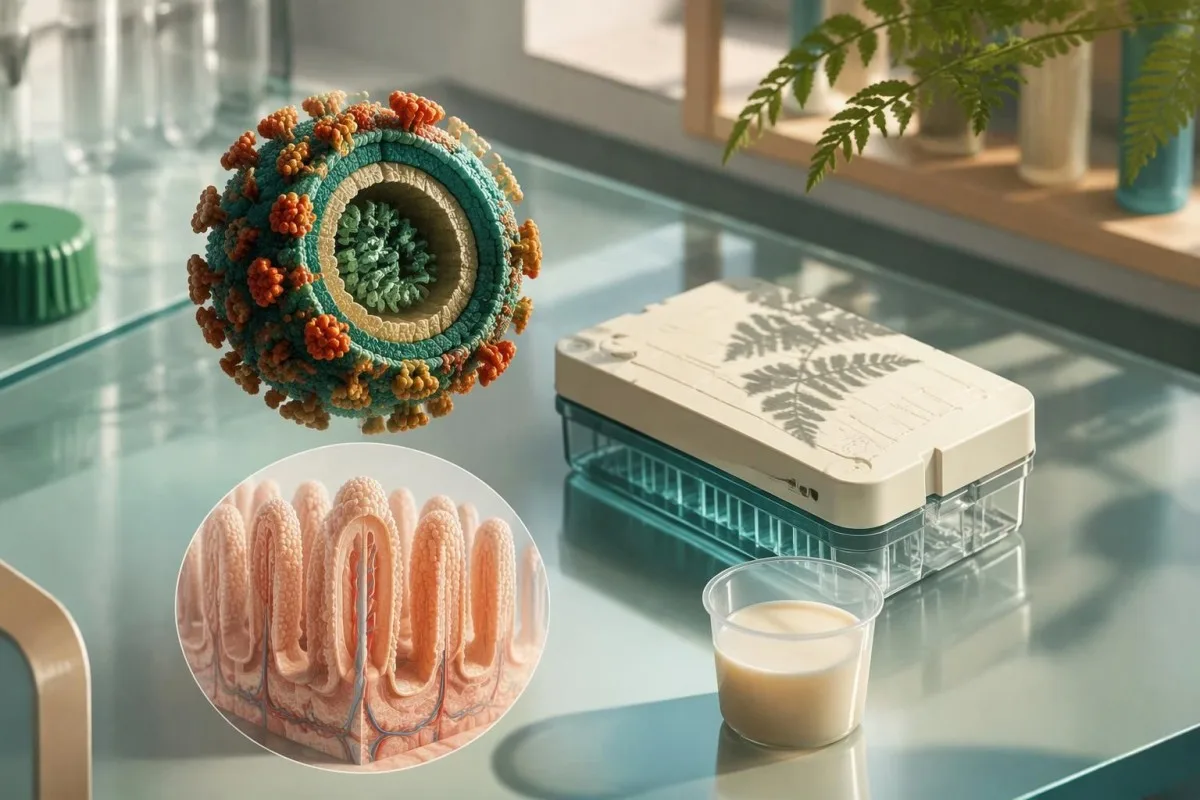
درملنه ستاسو د ماشوم د بدن د اوبو حالت او نښو پورې اړه لري، نه یوازې په مثبتې پایلې پورې. وروستی خولېنی واکسین او د ویروس دوامداره دفع کېدل د پایلې تفسیر پېچلی کولای شي.

مهم ټکي
- د روټاویروس PCR مثبته پایله یعنې د روټاویروس جنتیکي مواد په غایطه موادو کې وموندل شول؛ دا د بدن د اوبو کمښت نه اندازه کوي او په خپله د اوسنیو نښو لامل نه ثابتوي.
- نښمنه ناروغي معمولاً ۳–۸ ورځې دوام کوي، خو د ماشوم د مایعاتو ضایع کېدل او د څښلو وړتیا ټاکي چې په کور کې پاملرنه بسنه کوي که نه.
- د ویروس اوږدمهاله دفع کېدل کولای شي د غایطه موادو حساسې PCR ازموینې پایله څو اوونۍ مثبته وساتي، او په ځینو ماشومانو کې له سختې ناروغۍ وروسته تر ۴ اوونیو زیات هم.
- وروستی خولېنی واکسین د غایطه موادو د ازموینې مثبتوالی توضیح کولای شي، په ځانګړي ډول د لومړیو ۱–۲ اوونیو په ترڅ کې؛ عادي PCR ښايي د واکسین له سرچینې ویروس د وحشي ډول ویروس څخه جلا نه کړي.
- د خولې د بیاهایډریشن محلول باید د پاکټ پر مخ د لیکل شوې اوبو له دقیق حجم سره ګډ شي؛ د پوډر دوه برابره کول د مالګې ناامنه غلظت رامنځته کولای شي.
- د بدن د اوبو کمښت درملنه د NICE د لارښود له مخې، په ۴ ساعتونو کې د هر کیلوګرام وزن پر سر ۵۰ مليلیتره د خولې له لارې د اوبو د جبران محلول، د ساتنې د اړتیاوو تر څنګ، ورکول کېږي او وروسته کلینیکي بیاارزونه کېږي.
- بیړنۍ ارزونه د ادرار د پام وړ کمېدو، د مایعاتو د نه ساتلو، یا د هوښیارۍ د خرابېدو په صورت کې اړینه ده؛ شاوخوا ۸ ساعته ادرار نه کول د اندېښنې وړ دي، او کوچني ماشومان لا ژر طبي مشورې ته اړتیا لري.
- بیړني نښې په ویښېدو کې ستونزه، شین رنګه کانګې، د نس شدیدې دوراني دردونه، یا د شاک نښې پکې شاملې دي؛ تر ۳ میاشتو کم عمره ماشوم کې د ۳۸°C یا لوړه تبه هم بېړنۍ طبي ارزونې ته اړتیا لري.
- انټيبیوټیکونه روټاویروس نه درملوي، او یوازې مثبته پایله نه انټيبیوټیک غواړي او نه د معمول له مخې د ویروس ضد درملو نسخه.
- د ماشومساتنې مرکز ته بېرته ستنېدل د انګلستان د تګلارو له مخې، معمولاً لږ تر لږه ۴۸ ساعته باید له کانګو یا نس ناستې پرته تېر شي—نه دا چې تکراري PCR منفي وي.
د روټاویروس د PCR مثبتې پایلې مانا څه ده؟
A د روټاویروس PCR مثبته پایله دا مانا لري چې د غایطه موادو په نمونه کې د روټاویروس جنیټیکي ماده شته. ستاسو ماشوم د بدن د اوبو د کمښت یا ځوروونکو نښو درملنې ته اړتیا لري—نه د پایلې پخپله؛ که ماشوم په بل اړخ کې روغ وي، ښايي هېڅ درملو ته اړتیا ونه لري، په ځانګړي ډول تر رغېدو وروسته یا په تېرو ۱–۲ اوونیو کې د خولې له لارې د واکسین له ترلاسه کولو وروسته.
د غایطه موادو PCR د کشف ازموینه ده، نه د شدت درجهبندي. روټاویروس RNA لري، نو مالیکولي ازموینه د تکثیر له پړاو مخکې د معکوس لېږد ګام لري؛ د معدې او کولمو ډېر پینلونه روټاویروس A یوازې د ازمویل شویو څو میکروبونو له ډلې د یوه په توګه ښيي.
A د روټاویروس د غایطه موادو ازموینه مثبته پایله له ۳ بېلابېلو حالتونو سره سمون لرلای شي: اوسنۍ نښې لرونکې ناروغي، له رغېدو وروسته د ویروس دوامداره دفع، یا د خولې له لارې د واکسین د یوې اندازې وروسته د واکسین څخه د راوتلي ویروس کشف. له همدې امله، د لابراتوار یوه شان عبارتونه د بېلابېلو کلینیکي پرېکړو لامل کېدای شي.
د دورې د حد ارزښتونه د درملنې یا ساريوالي د معلومولو لپاره په باوري ډول نه شي کارېدلی. د فرضي ۳۵ Ct ارزښت په خپله بېضرره نه دی، او د ۲۰ Ct ارزښت په خپله روغتون ته د تګ اړتیا نه ښيي؛ د نمونې سمبالول، د ازموینې طرحه، او د غایطه موادو جوړښت پر دغو شمېرو اغېز کوي.
کانټیسټي یو دی د AI د وینې معاینې شنونکی, ، د غایطه موادو د ویروس د تشخیص خدمت نه دی؛ د مالیکولي ازموینې یوه مثبته پایله د هغه ماشوم د معاینې ځای نه شي نیولای چې روغتیا یې مخ په خرابېدو وي. معلومات زموږ د ادارې په اړه زموږ د وینې ازموینو تمرکز او دا چې ولې دا مقاله د راپور تفسیر له کلینیکي لومړنۍ ارزونې څخه جلا کوي، تشریح کوي.
ایا مثبته پایله ستاسو د ماشوم نښې توضیح کوي؟
فعاله روټاویروسي معدهکولمي ناروغي هغه وخت ډېر احتمال لري چې د غایطه موادو مثبته PCR له نوې اوبلنې نس ناستې، کانګو او کله ناکله تبې سره مل وي. نښې معمولاً د تماس شاوخوا ۲ ورځې وروسته پیلېږي او نږدې ۳–۸ ورځې دوام کوي، که څه هم د واکسین حالت او د ماشوم بنسټیزه روغتیا د ناروغۍ بهیر بدلولای شي.
د نښو مهالوېش په دې معلومولو کې مرسته کوي چې ایا د ویروس کشف له کلینیکي پلوه مانا لري. د کانګو لومړۍ ورځ، د نرم غایطه موادو لومړۍ ورځ، او دا چې نښې مخ پر ښه کېدو دي که نه، ثبت کړئ؛ د اوبلنې نس ناستې په دویمه ورځ اخیستل شوې مثبته نمونه له هغې نمونې سره بېله مانا لري چې له رغېدو ۳ اوونۍ وروسته اخیستل شوې وي.
د بېلګې په توګه، یو فرضي ۱۸ میاشتنی ماشوم چې نن ۶ ځله اوبلن غایطه مواد لري، پرلهپسې کانګې کوي او تازه یې PCR مثبته شوې ده، ښايي له کلینیکي پلوه د پام وړ معدهکولمي ناروغي ولري. راتلونکې پرېکړه دا ده چې ماشوم د مایعاتو ضایعات بېرته پوره کولای شي که نه—نه دا چې دویمه ازموینه ثابتولای شي چې ویروس شته.
څوګوني پینلونه تر ۱ زیات میکروبونه کشفولای شي. A second positive target may represent another cause, coinfection, or incidental detection; severe localized pain or stool with visible blood should not be explained away simply because rotavirus also appears on the report.
For children who use the toilet, the د غایطه موادو د قوام لارښود can help describe changes, but type 7 stool does not identify a specific pathogen. In infants, compare with their usual stool pattern because normal breastfed stools can already be loose.
له رغېدو وروسته د روټاویروس دفع کېدل څومره وخت دوام کوي؟
Rotavirus shedding can outlast symptoms, and sensitive PCR may detect viral RNA for several weeks after a child feels well. The most intense shedding generally occurs around the acute illness, but detection beyond 4 weeks can occur; there is no universal day when every child’s PCR becomes negative.
Test sensitivity changes the apparent shedding period. A less-sensitive antigen test may become negative before PCR because molecular assays can detect smaller amounts of viral material; 2 tests performed on the same recovery day may therefore disagree without either laboratory making an error.
The Lancet report “Extended excretion of rotavirus after severe diarrhoea in young children” documented prolonged excretion using molecular methods (Richardson et al., 1998). Its findings support a several-week detection window after severe illness, but they should not be treated as a fixed timetable for every vaccinated child with mild symptoms.
A positive PCR after recovery does not prove the child is equally infectious throughout that period. A hypothetical child who is eating normally 21 days after illness may still have detectable RNA; PCR alone cannot determine how much viable virus is being transmitted at home.
Children with significant immune deficiency can have a different shedding course, especially when diarrhea continues beyond 2 weeks. Our explanation of adenovirus detection and shedding illustrates the broader distinction between molecular persistence and active illness, although the timelines are not interchangeable.
ایا وروستی خولېنی واکسین د غایطه موادو PCR مثبته پایله رامنځته کولای شي؟
Recent oral rotavirus vaccination can cause a positive stool PCR because the vaccines contain live attenuated virus that can be shed in stool. Detection is particularly plausible during the first 1–2 weeks after a dose, and routine gastrointestinal panels may not distinguish vaccine-derived virus from wild-type rotavirus.
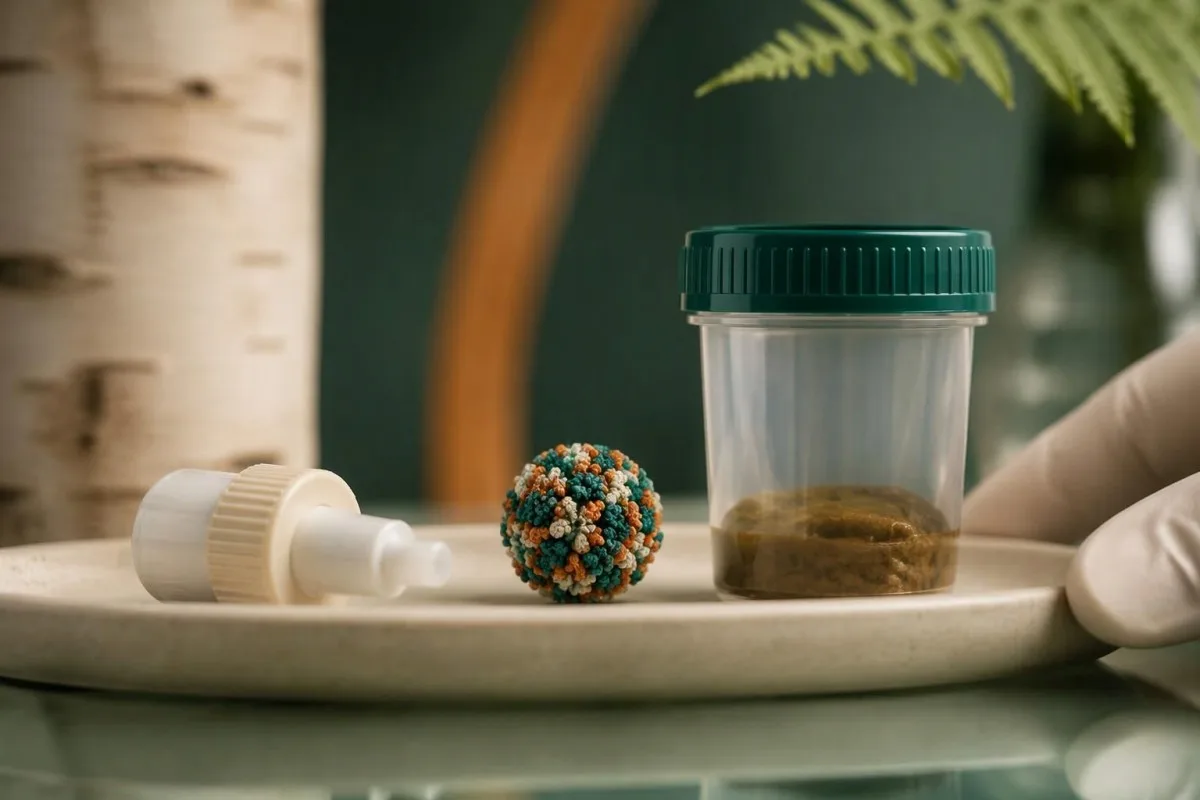
The vaccination date belongs beside the specimen date. In a hypothetical 9-week-old whose sample was collected 7 days after an oral dose, vaccine-related detection is a realistic explanation; that history is more useful than simply labeling the result a false positive.
Yen et al. described fecal shedding after the first dose of pentavalent rotavirus vaccine in Vaccine (2011). That publication demonstrates why detection soon after vaccination needs product and timing context; findings for 1 vaccine product should not be assumed to describe every oral vaccine identically.
Vaccination does not make dehydration signs safe to ignore. The first week after a dose also deserves attention if an infant develops repeated episodes of severe abdominal pain, pallor, unusual lethargy, or green vomiting because intussusception requires urgent assessment, regardless of the stool result.
Ask whether the laboratory offers vaccine-strain differentiation if the distinction would change care, particularly for an immunocompromised infant or an outbreak investigation. Our guide to qualitative and quantitative reports explains why 1 word—“detected”—does not supply strain identity, viral quantity, or clinical severity.
په کور کې څنګه د خپل ماشوم د اوبو کمښت ارزولای شئ؟
Assess dehydration by combining urine output, drinking, alertness, and physical signs, rather than relying on thirst or 1 wet diaper. Children younger than 1 year, particularly those under 6 months, are at greater risk because fluid losses can represent a larger proportion of their body weight.
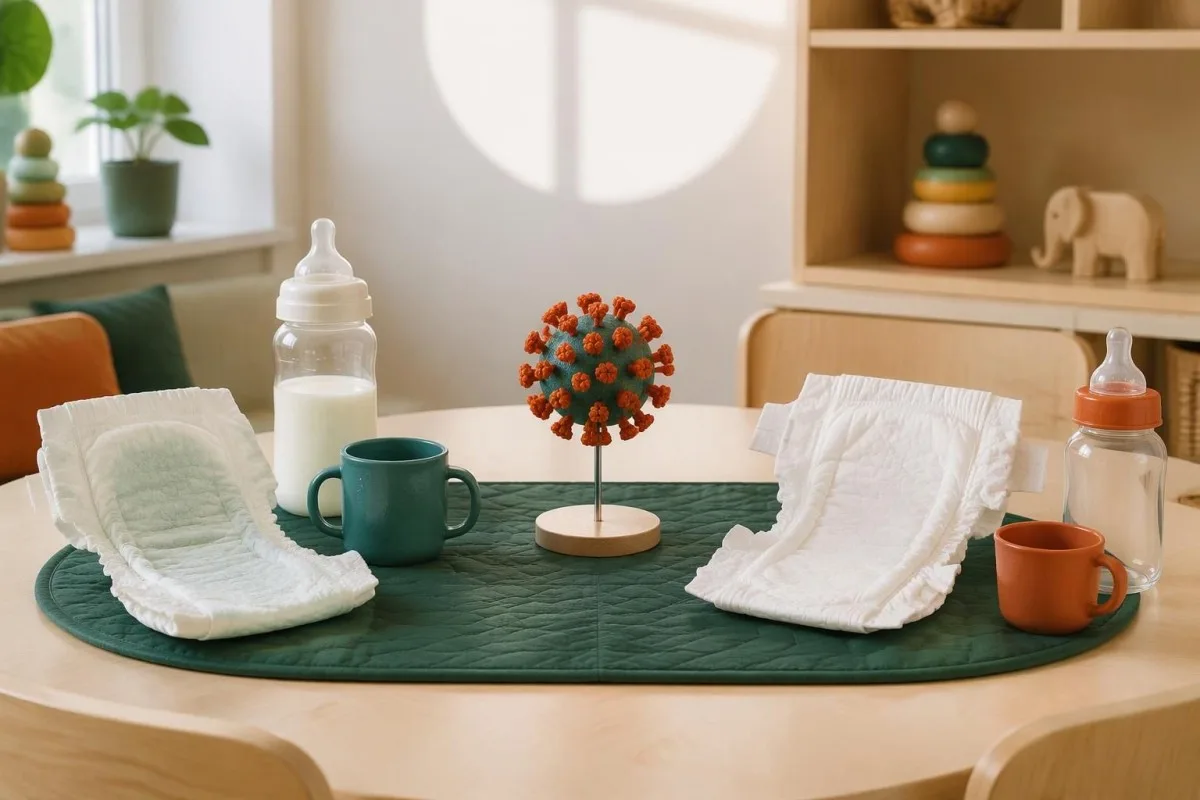
Urine output is useful only when compared with the child’s normal pattern. Markedly fewer wet diapers, dark concentrated urine, or no urine for about 8 hours should prompt urgent advice; seek help sooner in a young infant or when reduced urine accompanies poor drinking or drowsiness.
NICE identifies more than 5 diarrheal stools or more than 2 vomiting episodes in the previous 24 hours as dehydration risk factors in young children (NICE, 2009). These are screening clues, not a rule that a child with fewer episodes cannot become dehydrated.
Weight change can support assessment when reliable measurements exist. A hypothetical fall from 10.0 kg to 9.5 kg is a 5% weight loss, but different scales, clothing, and timing can distort the estimate; do not delay care while trying to obtain a precise home measurement.
Kantesti د ماشومانو د مصنوعي ځیرکتیا د خوندیتوب لارښوونې explains why digital interpretation cannot establish hydration from 1 laboratory value. Our dark urine explanation also distinguishes concentrated urine from color changes that need a different investigation.
کوم اخطار نښې عاجل یا بیړني پاملرنې ته اړتیا لري؟
Seek emergency care for difficulty waking, collapse, signs of shock, green vomit, or severe abdominal pain, even when rotavirus PCR is positive. A baby under 3 months with a temperature of 38°C or higher needs urgent medical assessment; a viral result does not exclude another serious condition.
Worsening responsiveness and poor circulation matter more than the stool count. A child who is unusually floppy, hard to wake, breathing abnormally, or pale and mottled needs emergency assessment; do not wait for an 8-hour urine threshold or another episode of diarrhea.
For infants aged 3–6 months, a temperature of 39°C or higher warrants prompt medical advice. Any age group needs urgent assessment when repeated vomiting prevents fluid replacement, urine falls markedly, or the caregiver notices a clear decline over a few hours.
Visible blood is not a typical reason to assume uncomplicated rotavirus. Even 1 episode of blood in stool deserves medical advice, particularly with fever, abdominal pain, or lethargy; our stool blood warning guide explains why appearance can change the urgency.
A hypothetical 4-year-old with a positive panel and pain concentrated in the right lower abdomen still needs assessment for another diagnosis. The appendicitis testing explanation shows why a reassuring test—or a convincing alternative laboratory finding—cannot replace abdominal examination.
د خولې له لارې د اوبو جبران محلول څنګه چمتو او ورکوئ؟
Use a commercial oral rehydration solution, mixed exactly as directed, to replace water and electrolytes lost through diarrhea. The WHO reduced-osmolarity formulation contains sodium at 75 mmol/L and glucose at 75 mmol/L; its total osmolarity is 245 mOsm/L, although other approved formulations differ.
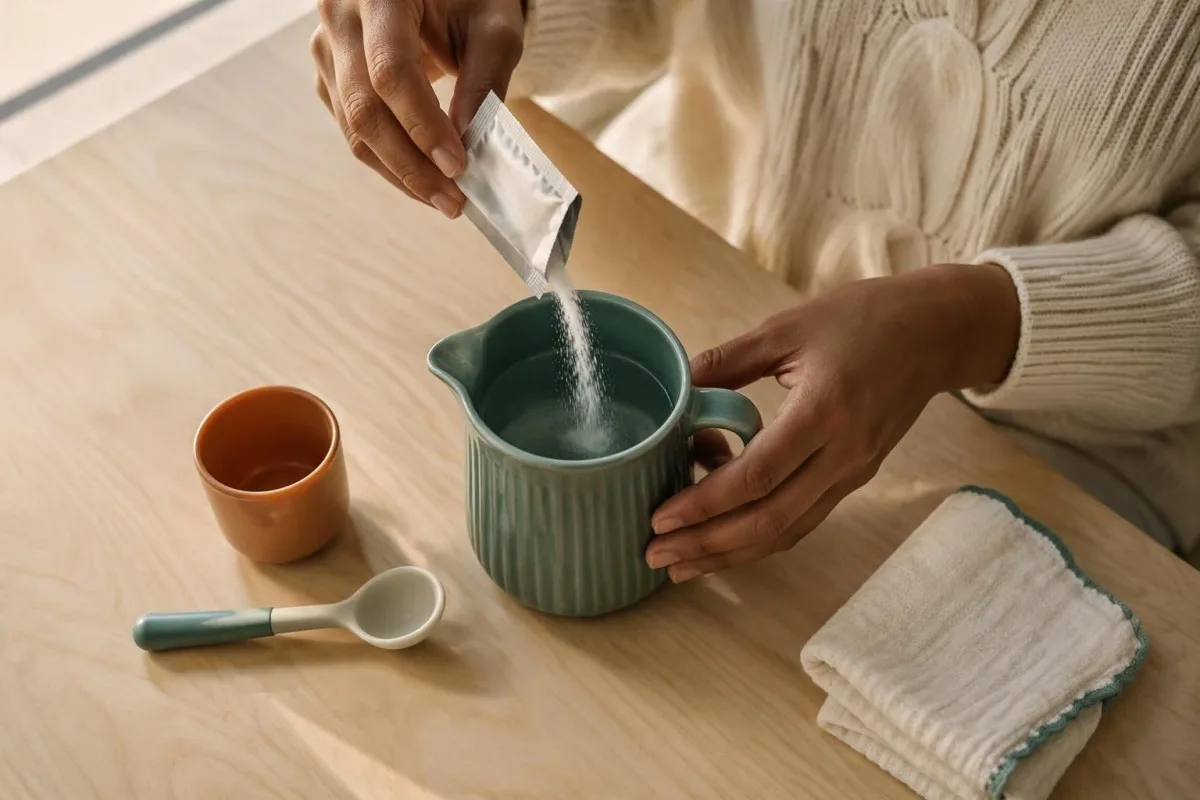
Packet size determines the required water volume. Some products require 200 mL and others 1 L, so never assume that every sachet makes the same amount; doubling the powder in the usual water volume doubles the intended concentration rather than making treatment more effective.
Start with a small, frequent amount—for example, 5 mL every 2–5 minutes during an initial trial—and adjust to the child’s weight, tolerance, and agreed hydration plan. An oral dosing device or spoon can make small amounts easier to control than asking a nauseated child to finish a full cup.
Glucose and sodium work together in intestinal absorption. This is why 1 bottle of plain water, fruit juice, or sports drink is not an equivalent replacement for properly mixed ORS; our د الکترولایتونو د پینل تشریح describes the salts clinicians assess when illness is more severe.
Follow the product’s storage instructions, because many prepared solutions need to be discarded within 24 hours. Use safe drinking water and a clean container; do not add extra sugar, salt, juice, or formula to the prepared solution.
که ستاسو ماشوم د اوبو جبران محلول بېرته کانګې کړي، نو څه؟
Vomiting does not automatically mean oral rehydration has failed, because small amounts may still be absorbed between episodes. After vomiting, pause for about 5–10 minutes and restart more slowly; urgent assessment is needed when the child cannot retain enough fluid or becomes less alert.
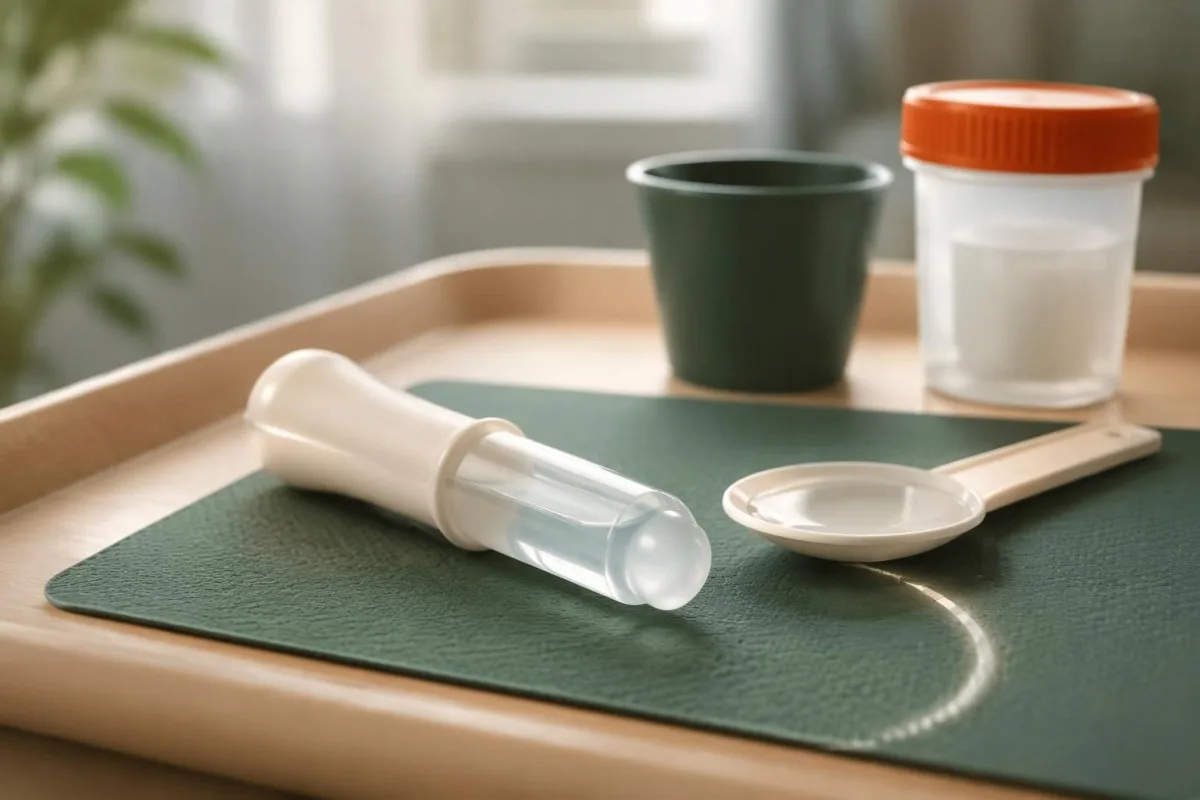
The size of each drink can affect vomiting. A hypothetical toddler who vomits after a 100 mL cup may tolerate 2–5 mL at a time; this is a short-term delivery strategy, not proof that the child is receiving an adequate total volume.
Track what stays down over 30–60 minutes alongside urine and behavior, rather than counting only attempted drinks. Persistent vomiting with declining urine or alertness needs urgent assessment, and green vomit needs emergency evaluation without another home rehydration trial.
Reduced intake can also cause low glucose in young children. A child who has taken almost no calories for 12 hours and becomes unusually sleepy needs assessment rather than continued unsupervised sipping; our د ټیټ ګلوکوز لاملونو لارښود explains the mechanism, but pediatric thresholds need clinical interpretation.
A clinician may consider an antiemetic in selected children or use a nasogastric tube before intravenous fluids when oral delivery is unsuccessful. These are different decisions from treating the virus: 1 antiemetic dose does not replace reassessment, and electrolyte abnormalities can affect medication safety.
ماشوم د خولې له لارې د اوبو جبران محلول څومره اړتیا لري؟
The required ORS volume depends on body weight, dehydration, and continuing losses. For children under 5 years with clinical dehydration, NICE recommends 50 mL/kg over 4 hours to replace the deficit, in addition to maintenance fluid, with regular clinical reassessment (NICE, 2009).
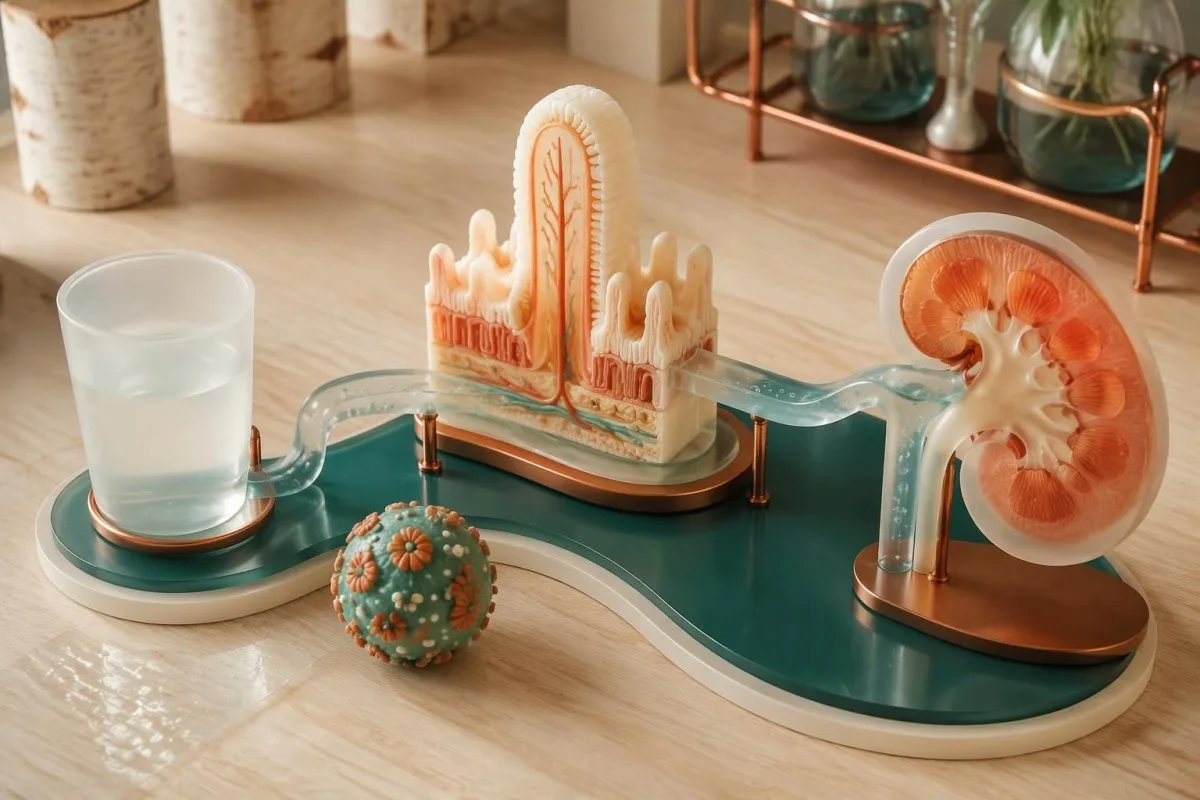
A worked volume is not a universal home prescription. For a hypothetical 10 kg child, 50 mL/kg equals 500 mL over 4 hours, or an average deficit-replacement component of 125 mL/hour; maintenance needs and continuing diarrhea are additional, and the child’s clinician should set the complete plan.
After rehydration, NICE suggests 5 mL/kg of ORS after each large watery stool for children at increased risk of recurrent dehydration. In the same hypothetical 10 kg child, that is 50 mL per large watery stool—not another full 500 mL course each time.
Guidelines use different deficit estimates because dehydration classifications differ. Some international protocols use approximately 75 mL/kg over 4 hours for “some dehydration,” whereas NICE uses 50 mL/kg for clinical dehydration; do not average 2 protocols or assume one volume is right without assessing the child.
Hypernatremic dehydration needs supervised management because correcting sodium too quickly can be harmful. A hypothetical sodium result of 151 mmol/L should trigger clinical review, not extra plain water at home; our high sodium warning guide explains why symptoms and correction speed matter.
ایا ستاسو ماشوم ته د مور شیدې، فارمولا ورکول او عادي خواړه ورکولای شئ؟
Continue breastfeeding during gastroenteritis, and return to usual full-strength milk and age-appropriate foods after rehydration. Rotavirus commonly causes 3–8 days of symptoms, but withholding nutrition for that entire period is unnecessary; dehydration treatment and feeding are complementary rather than competing goals.
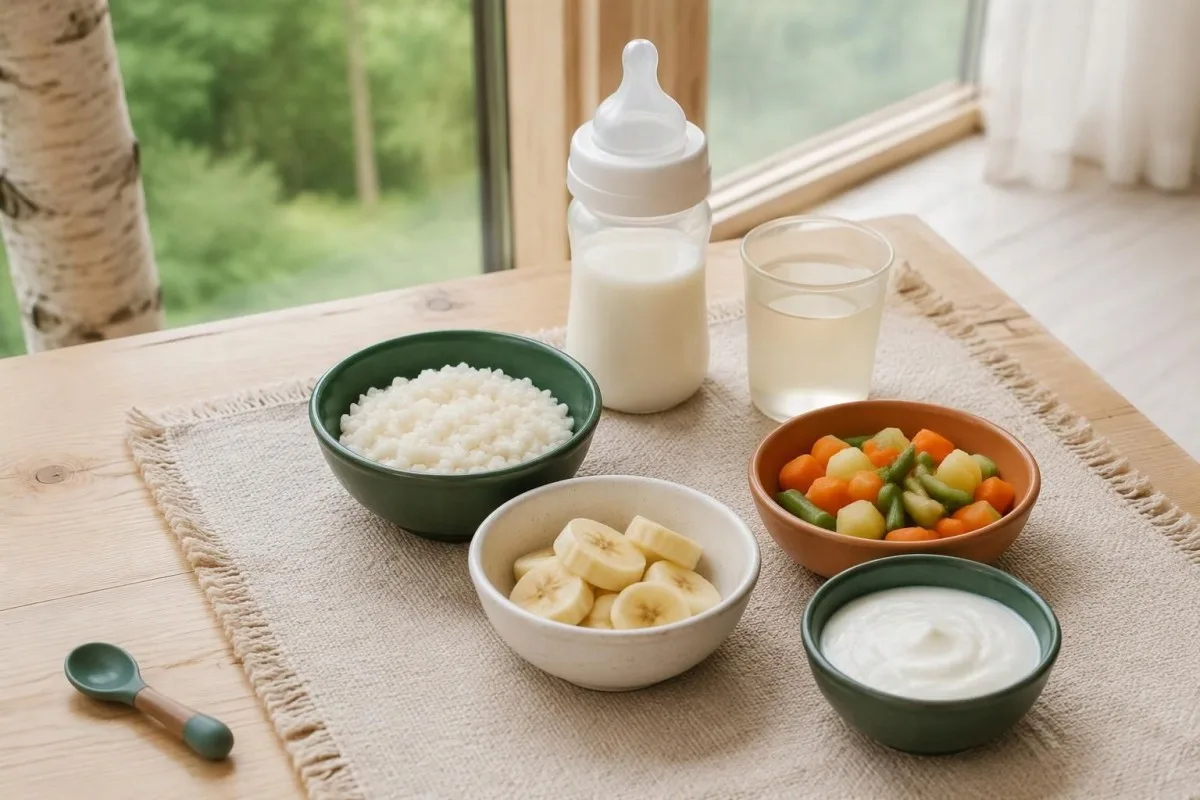
Formula should not routinely be diluted. Adding extra water to 1 normal feed reduces calories and changes its nutrient balance; infants should receive their usual correctly prepared formula unless their clinician recommends a specific alternative.
During an initial 4-hour rehydration phase, follow the clinician’s feeding plan; breastfeeding generally continues, while solids may be paused until rehydration is achieved. Afterwards, offer familiar foods in small portions rather than restricting the child to a prolonged banana-and-rice diet.
Temporary lactose malabsorption can follow intestinal illness, but lactose-free feeding is not automatically necessary. If watery stools repeatedly worsen after milk or continue beyond 1–2 weeks, discuss the pattern with a clinician; our lactose intolerance testing guide explains why symptoms and test selection need context.
A hypothetical 2-year-old eating less for 24 hours but drinking well and urinating normally can often be offered small, frequent meals without pressure. Avoid juice and fizzy drinks during diarrhea because their sugar concentration can worsen stool losses; infants still depend heavily on their usual milk feeds.
ولې انټيبیوټیکونه په ماشومانو کې روټاویروس نه درملوي؟
Antibiotics do not treat rotavirus because it is a virus, and routine pediatric care has no standard antiviral prescription for uncomplicated rotavirus gastroenteritis. A report with 1 positive rotavirus target therefore does not justify antibiotics; treatment focuses on hydration, feeding, and assessment for complications.
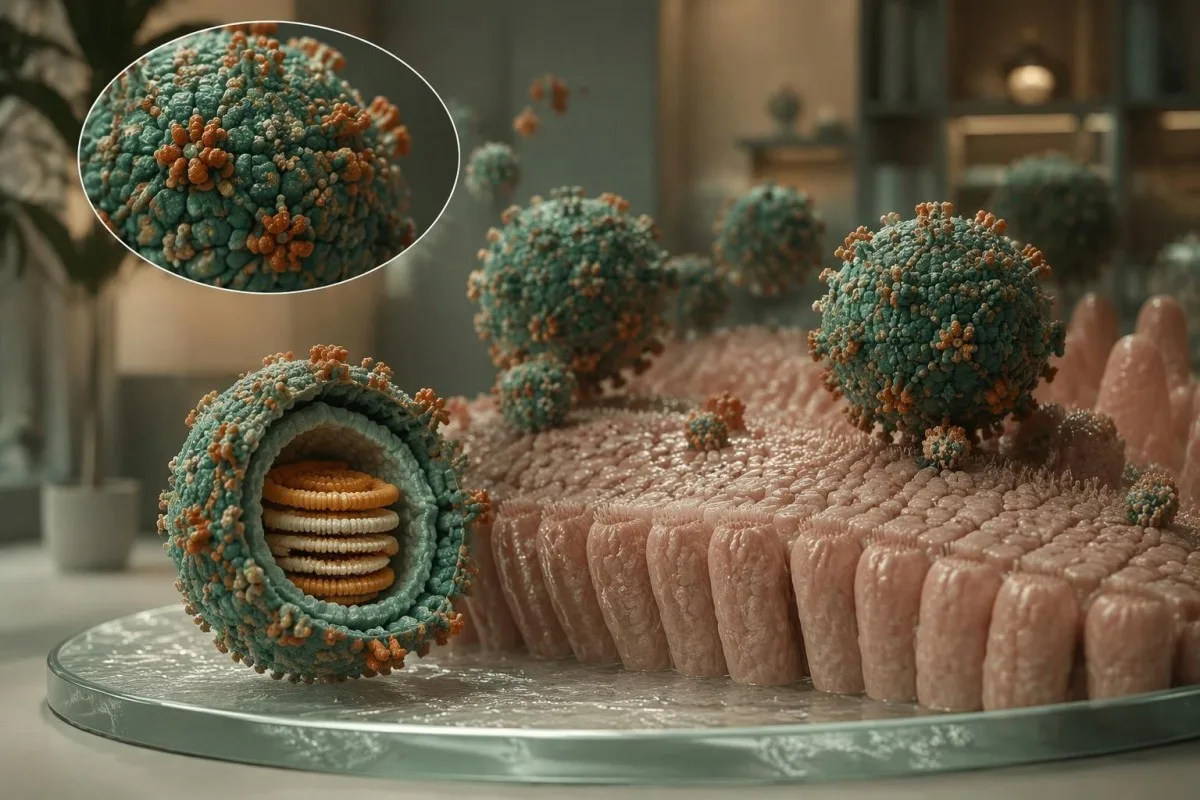
Antibacterial drugs target structures or processes that rotavirus does not possess. Giving an antibiotic for 3 days cannot stop viral RNA replication, and unnecessary treatment can cause adverse effects, disrupt intestinal bacteria, and complicate the interpretation of continued diarrhea.
A separate bacterial diagnosis can change the decision, but 2 detected organisms do not automatically require 2 medicines. Our Campylobacter antibiotic decision guide explains why bacterial treatment depends on severity and risk factors rather than the panel’s positive wording alone.
Do not give diarrhea-stopping medicines to young children without medical advice. For a hypothetical 3-year-old, reducing stool frequency with an unsuitable medicine does not correct dehydration; also avoid ibuprofen when the child is dehydrated or drinking poorly because kidney stress can increase.
Probiotic evidence is strain-specific and honestly mixed, so 1 commercially available product should not be assumed to shorten every rotavirus illness. Zinc recommendations also differ between national programs; neither probiotics nor supplements replace ORS, and parents should follow local pediatric guidance rather than combine several remedies.
د وینې ازموینې یا د غایطه موادو اضافي ازموینې کله ګټورې وي؟
Most otherwise well children with uncomplicated gastroenteritis do not need blood tests. Testing becomes more useful when intravenous fluids are required, dehydration is severe, glucose disturbance is suspected, or symptoms do not fit the expected course; diarrhea that has not improved by day 7 may warrant further assessment.
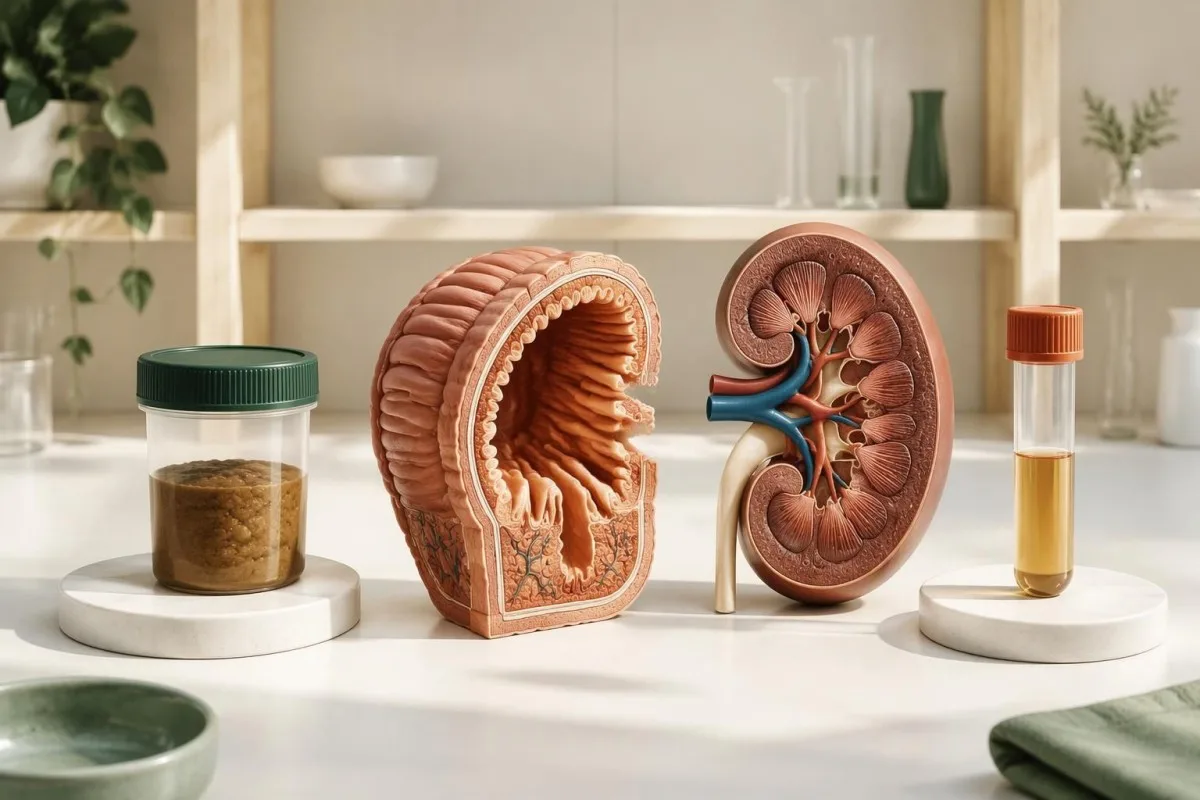
Electrolytes and glucose can reveal problems that a stool PCR cannot measure. NICE recommends appropriate laboratory assessment when intravenous fluids are needed or hypernatremia is suspected; 1 positive viral target cannot tell the clinician whether sodium, potassium, kidney function, or glucose is safe.
Kantesti AI explanations cannot establish hydration from 1 creatinine result or an adult-derived BUN/creatinine ratio. Our BUN او کریټینین لارښود explains the relationship, but pediatric creatinine values depend strongly on age and muscle mass, and adult ratio thresholds should not be imported into infant care.
Additional stool testing should answer a specific clinical question. Diarrhea lasting 14 days, recent travel, visible blood, immune deficiency, or a suspected outbreak can justify investigating another cause; repeatedly requesting the same panel may simply rediscover persistent viral material.
کانټیسټي یو دی AI د وینې ازموینې تشریح پلیټفارم that can help explain clinician-ordered blood results, but 1 explanation is not a pediatric diagnosis or a treatment order. Our کلینیکي تایید چوکاټ. describes the distinction between evaluating an interpretation system and proving that it can safely manage an acutely ill child.
ایا ستاسو ماشوم د ماشومانو پالنې مرکز ته تر بېرته تګ مخکې تکراري PCR ته اړتیا لري؟
A repeat negative rotavirus PCR is usually unnecessary after clinical recovery. Many UK childcare policies require at least 48 hours without vomiting or diarrhea, rather than laboratory clearance; local public-health instructions, outbreak arrangements, and immune deficiency can change the advice.
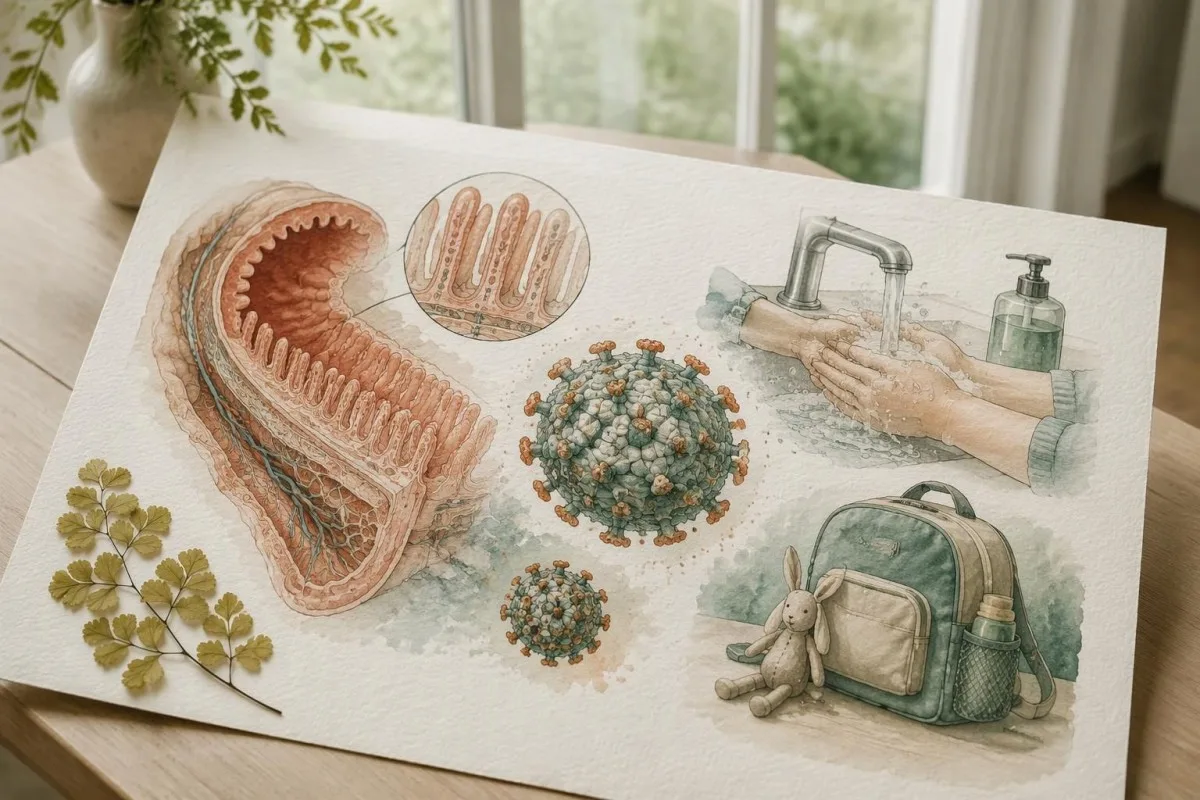
A test of cure can create confusion when shedding continues. A hypothetical child who has been symptom-free for 72 hours may still test positive without needing medicine or a new isolation period; childcare decisions should follow the applicable policy, not an assumed requirement that RNA must disappear.
زموږ د نوروویروس د رغېدو او ساريوالي لارښود explains a similar distinction between symptom resolution and molecular detection. The commonly used 48-hour exclusion period does not mean transmission risk instantly becomes zero for either virus.
Handwashing and careful diaper handling remain useful after symptoms stop. Wash with soap and water for at least 20 seconds after toileting or diaper changes and before food preparation; clean contaminated surfaces using a product suitable for the surface and effective against the relevant virus.
UK gastroenteritis guidance advises avoiding swimming pools for 2 weeks after the last episode of diarrhea. Tell the childcare setting about symptoms and follow its local rules, while keeping recently vaccinated infants’ diaper hygiene careful without assuming vaccine-related PCR detection requires prolonged exclusion.
کورنۍ باید دا راپور، AI او څېړنې څنګه وکاروي؟
Use the stool report to support clinical decisions, not to override symptoms. Before contacting your child’s clinician, gather 4 items: the symptom timeline, urine and drinking history, oral vaccine dates, and the complete laboratory report; these usually add more decision value than the word “positive” alone.
کانټیسټي یو دی د AI لاب ټېسټ د تفسیر خدمت focused on blood results, and 1 AI-generated explanation should never delay urgent pediatric assessment. Our د مصنوعي ځیرکتیا مسؤلانه اصول describe why uncertainty and the boundary between explanation and clinical care must remain visible.
A useful handover describes what has changed. For example, a hypothetical parent can report that vomiting began 36 hours ago, the child has had 1 wet diaper in 8 hours, and ORS is repeatedly vomited; these concrete observations help a clinician prioritize care without needing a repeat PCR first.
The external sources supporting this article address 3 distinct questions: NICE provides pediatric dehydration management, Richardson et al. describe prolonged shedding, and Yen et al. examine vaccine shedding. Our د طبي محتوا معیارونه explain why a source about molecular detection cannot, by itself, establish a safe treatment plan.
The 2 Kantesti publications listed below are background resources about blood-test analysis and hematology interpretation. They are hosted on Zenodo and are not rotavirus treatment trials, pediatric triage validation studies, or evidence that AI can distinguish vaccine-derived from wild-type virus; the clinical references should guide those separate questions.
پرله پسې پوښتل شوي پوښتنې
ایا د روټاویروس د PCR مثبتې پایلې معنا دا ده چې زما ماشوم درملنې ته اړتیا لري؟
د روټاویروس د PCR مثبتې پایلې په خپله دا معنا نه لري چې ماشوم مو درملو ته اړتیا لري. درملنه د اوبو د کمښت یا له طبي پلوه د پام وړ نښو لپاره اړینه ده، په داسې حال کې چې یو بل پلوه روغ ماشوم ښايي د خولې له لارې تر واکسین کېدو وروسته د تېرو 1–2 اونیو په موده کې د ویروس دفعه یا کشف کېدل ولري. د PCR مثبته پایله د مایعاتو ضایع کېدل نه شي اندازه کولی او بله ناروغي نه شي ردولی. که د ادرار اندازه کمه شي، ماشوم مایعات نه شي ساتلی، یا یې د هوښیارۍ کچه نوره هم ټیټه شي، بېړنۍ ارزونه وغواړئ.
په ماشومانو کې د روټا ویروس خپرېدل څومره وخت دوام کوي؟
د روټا وایرس دفع د نښو له ښه کېدو وروسته هم دوام کولی شي، او د غایطه موادو حساس PCR ازموینه د څو اونیو لپاره مثبته پاتې کېدای شي. تر ۴ اونیو وروسته یې موندل هم راپور شوي، په ځانګړي ډول له شدیدې ناروغۍ وروسته، خو د هر ماشوم لپاره د پاکېدو ټاکلې نېټه نشته. د PCR مثبتوالی دا نه ثابتوي چې د رغېدو په ټوله موده کې د ساري کېدو کچه یو شان وي. دوامداره نسناستی یا د معافیت کمزوري د بیا بیا ازموینې پر ځای انفرادي کلینیکي مشورې ته اړتیا لري.
0 ایا د روټاویروس واکسین کولی شي د غایطې د ازموینې پایله مثبته کړي؟
د خولې له لارې ورکول کېدونکی د روټاویروس واکسین د غایطه موادو په PCR ازموینه کې د مثبتې پایلې لامل کېدای شي، ځکه چې له یوه دوز وروسته د واکسین ویروس له بدن څخه خارجېدای شي. دا تشریح په ځانګړي ډول د لومړیو ۱–۲ اونیو پر مهال اړونده ده، خو وخت یې د واکسین له محصول او د ازموینې له طریقې سره توپیر لري. د معدې او کولمو د PCR معمول پینلونه ښايي د واکسین ویروس له طبیعي وحشي ډول روټاویروس څخه جلا نه کړي. ډاکټر ته د واکسین او د نمونې د اخیستو نېټې ووایاست، او د بدن د اوبو کمښت یا د ګېډې سختې نښې د واکسین عادي اغېز مه ګڼئ.
0 څومره د خولې له لارې د اوبو او مالګو محلول باید خپل ماشوم ته ورکړم؟
د ORS اندازه ستاسو د ماشوم په وزن، د اوبو کمښت او دوامداره ضایعاتو پورې اړه لري. NICE سپارښتنه کوي چې د ۵ کلونو څخه د کم عمره ماشومانو ته چې د اوبو د کمښت کلینیکي نښې ولري، د ساتنې د مایعاتو سربېره په ۴ ساعتونو کې ۵۰ mL/kg ورکړل شي او حالت یې بیا وارزول شي. له همدې امله، یو فرضي ۱۰ kg ماشوم د کمښت د جبران لپاره ۵۰۰ mL ته اړتیا لري، خو دا په کور کې د ځانګړي ماشوم لپاره بشپړه نسخه نه ده. محصول په دقیقه توګه د لارښوونو له مخې ګډ کړئ او که ستاسو ماشوم کافي مایعات نه شي ساتلی، د روغتیايي کارکوونکي مشوره وغواړئ.
ایا انټيبیوټیکونه په ماشومانو کې د روټاویروس په درملنه کې مرسته کوي؟
انټيبیوټیکونه روټاویروس نهدرملوي، ځکه روټاویروس ویروس دی، نه باکتریا. د غایطه موادو په پینل کې د روټاویروس د ۱ مثبت هدف پایله د انټيبیوټیکونو یا د معمول انټيوایرل درملو د نسخې دلیل نه دی. د ساده ناروغۍ اصلي درملنه د او ار اېس ورکول، تغذیه او د اوبو د کموالي څارنه ده. په جلا ډول تشخیص شوی باکتریايي حالت ښايي بلې درملنې ته اړتیا ولري، خو دا پرېکړه پر نښو، د ناروغۍ پر شدت او ښکېل میکروب پورې اړه لري.
د روټاویروس لرونکی ماشوم باید کله روغتون ته یوسم؟
د ویښېدو په برخه کې د ستونزې، بېهوښۍ، د شاک نښو، شنې کانګې، یا د ګېډې د سخت درد په صورت کې، د روټاویروس د مثبتې ازموینې په پام کې نیولو پرته، بیړنۍ ارزونه اړینه ده. د ۳ میاشتو څخه کم عمره ماشوم چې تودوخه یې ۳۸°C یا لوړه وي، هم بیړنۍ طبي ارزونې ته اړتیا لري. د ادرار څرګند کمښت، شاوخوا ۸ ساعته ادرار نه کول، یا د مایعاتو د ساتلو تکراري ناتواني د بیړنۍ مشورې غوښتنه کوي؛ کوچني ماشومان تر دې هم ژر مرستې ته اړتیا لري. هغه ماشوم ته په زور له خولې مایعات مه ورکوئ چې بشپړ هوښیار نه وي.
ایا زما ماشوم بېرته نرسري ته تر ستنېدو مخکې د روټاویروس منفي ازموینې ته اړتیا لري؟
0] له رغېدو وروسته بېرته وړکتون یا د ماشومانو ساتنې مرکز ته د تګ لپاره عموماً د روټاویروس د PCR ازموینې منفي تکراري پایله اړینه نه ده. د بریتانیا ډېرې تګلارې لږ تر لږه ۴۸ ساعته د کانګو یا نس ناستې د نشتوالي غوښتنه کوي، خو سیمهییز مقررات او د خپرېدو د مخنیوي لارښوونې لومړیتوب لري. د غایطه موادو PCR ښايي د نښو تر بندېدو وروسته هم مثبت پاتې شي، نو د رغېدو د تایید ازموینه ښايي د بېباورۍ موده بېځایه اوږده کړي. د لاسونو پاک مینځلو ته دوام ورکړئ او د لامبو سیمهییز محدودیتونه مراعات کړئ؛ د بریتانیا د معدې او کولمو د التهاب لارښوونې دا موده د نس ناستې له وروستۍ پېښې وروسته ۲ اوونۍ ټاکي.
د وینې ازموینې پایلې څنګه ولولئ
خپل لابراتواري راپور پورته کړئ، او د Kantesti AI به په څو ثانیو کې هر بایومارکر په ساده ژبه تشریح کړي. په ټوله نړۍ کې له 2 میلیونو څخه زیاتو کسانو ترې کار اخیستی.
ماخذونه
- کلاین، ټي.، میچل، ایس.، او وېبر، ایچ. (۲۰۲۶). د AI وینې د ازموینې شنونکی: 2.5M ازموینې تحلیل شوې | د نړیوال روغتیا راپور 2026. د Kantesti AI طبي څېړنه. د دفاع وزارت
- کلاین، ټي.، میچل، ایس.، او وېبر، ایچ. (۲۰۲۶). د RDW د وینې ازموینه: د RDW-CV، MCV او MCHC بشپړ لارښود. د Kantesti AI طبي څېړنه. د دفاع وزارت
- National Institute for Health and Care Excellence (2009). Diarrhoea and vomiting caused by gastroenteritis in under 5s: diagnosis and management. NICE clinical guideline CG84.
- Richardson S et al. (1998). Extended excretion of rotavirus after severe diarrhoea in young children. The Lancet.
- Yen C et al. (2011). Detection of fecal shedding of rotavirus vaccine in infants following their first dose of pentavalent rotavirus vaccine. Vaccine.
- ۲ میلیونه+تحلیل شوې ازموینې
- 127+هېوادونه
- 100+ژبې
د طبي ټیم په اړه


د E-E-A-T باور نښې
تجربه
د ډاکټر تر مشرۍ لاندې کلینیکي بیاکتنه د لابراتواري تفسیر د کاري بهیرونو لپاره.
تخصص
د لابراتواري طب تمرکز پر دې چې بایومارکرونه په کلینیکي شرایطو کې څنګه چلند کوي.
واک ورکول
د ډاکټر توماس کلاین له خوا طبي بیاکتنه شوې، د ډاکټر سارا میچل او پروفیسور ډاکټر هانس وېبر په مرسته.
اعتبار
د شواهدو پر بنسټ تفسیر د روښانه تعقیبي لارو چارو سره، تر څو اندیښنه کمه شي.






طبي سلبِ مسئولیت
دا مقاله یوازې د زده کړې لپاره ده او طبي مشوره نه جوړوي. د تشخیص او درملنې د پرېکړو لپاره تل د وړ روغتیايي خدمت وړاندې کوونکي سره سلا وکړئ.
خپور شوی · له تحریري ټیم سره اړیکه ونیسئ
خپروونکی یې Kantesti Ltd دی، چې په انګلستان او وېلز کې ثبت شوی، د شرکت شمېره. 17090423, ، لندن، بریتانیا.
