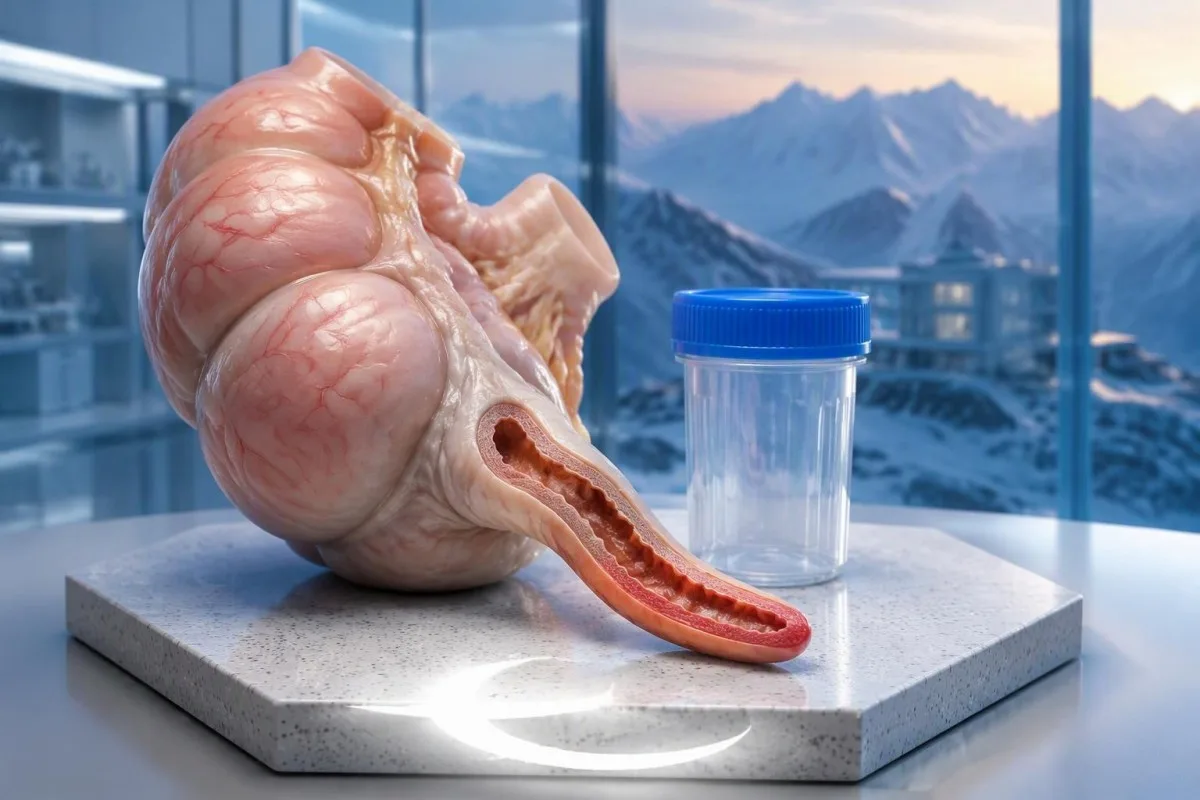
نه—د سپینې وینې عادي شمیر او CRP په باور سره د اپنډیسایټس رد نشي کولی. لومړني علایم د لابراتواري بدلونونو څخه مخکې وده کولی شي، نو د معدې درد خرابیدل ارزونې ته اړتیا لري حتی کله چې هر پایله د ډاډ وړ ښکاري.


- Normal WBC په لویانانو کې معمولا شاوخوا 4.0–11.0 × 10⁹/L معنی لري؛ اپنډیسایټس لاهم پدې وقفه کې پیښ کیدی شي.
- نورمال CRP معمولا د 5 mg/L څخه لږ معنی لري، که څه هم ځینې لابراتوارونه د 10 mg/L څخه لږ کاروي؛ هیڅ حد په خپل سري توګه اپنډیسایټس رد نه کوي.
- Early testing د التهابي غبرګون له لاسه ورکړي ځکه چې CRP عموما د التهابي محرک په پیلیدو څو ساعته وروسته، ډیری وخت شاوخوا 6-8 ساعته وروسته پیل کیږي.
- Paediatric evidence د WBC لپاره 10.0 × 10⁹/L په حساسیت کې شاوخوا 85% موندلي، پدې معنی چې اغیزمن شوي ماشومانو شاوخوا 15% د دې ځانګړي کټ آف څخه ټیټ وو.
- Combined results له یو نښې څخه ډیر معلوماتي دي، مګر نورمال WBC او نورمال CRP د دوامداره فوکل درد یا خرابیدونکي درد څخه ډیر نه دي.
- بیړنۍ ارزونه د ښي ښکته معدې درد، تکراري کانګې، ساتنه، یا خوځښت لخوا خرابیدونکي درد - حتی د 38°C بخار پرته اړین دی.
- د عکس العمل ناڅرګندتیا مهمه ده: د اپنډکس نه لیدل کیدل په الټراساؤنډ کې د اپنډکس سره توپیر لري چې په ډاډ سره نورمال ښودل شوی وي.
- د خوندیتوب جال یو ځانګړي بیا ارزونې پلان ته اړتیا لري؛ که چیرې علایم خراب شي نو د بل وینې ازموینې یا د AI تفسیر لپاره مه انتظار کوئ.
ایا د اپنډیسایټس عادي د وینې ازموینه دا رد کولی شي؟
A د اپنډیسايټس عادي وینې ازموینه په ډاډ سره اپنډیسايټس رد نشي کولی, ، په ځانګړي توګه د ناروغۍ په لومړیو ساعتونو کې. د سپینو وینې حجرې شمیرنه او CRP د بدن غبرګون اندازه کوي، نه پخپله اپنډکس؛ کلینیکین باید د درد پرمختګ، د معاینې موندنو او، کله چې مناسب وي، د عکس العمل سره په ګډه تفسیر وکړي.
کانټیسټي یو دی د AI د وینې معاینې شنونکی چې د WBC او CRP پایلو تشریح کولی شي، مګر دا د لابراتوار راپور څخه اپنډیسايټس رد نشي کولی. زموږ سازمان او کلینیکي تمرکز پایلې تفسیر کوي؛ د معدې معاینه او د اضطراري تشخیصي پریکړه مختلف کارونه دي.
دوه نورمال پایلې معمولا د یوې عادي پایلې په پرتله شک کموي، مګر د دې کمښت اندازه د پیل شوي خطر پورې اړه لري. د معتدل، حل شوي ناراحتي سړی د په دوامداره توګه خرابیدونکي ښي لورې معدې درد لرونکي کس سره مساوي ندی، حتی که دواړه د 7.2 × 10⁹/L WBC ولري.
د لابراتوار حوالې وقفه د ناروغۍ د ردولو حد نه دی. عبارت د نورمال حدودو دننه د حوالې نفوس سره پرتله بیانوي؛ دا پدې معنی ندي چې هر ارګان معاینه شوی یا وده کونکي ناروغي رد شوې ده.
زما چلند، د ډاکټر توماس کلین په توګه، دا دی چې پوښتنه وکړم چې پایله واقعیا څه ځوابوي: ایا اوس مهال د اندازه کیدونکي سیسټمیک غبرګون شتون لري؟ د 3 mg/L CRP دا تنګ پوښتنه ځوابوي. دا تشریح نه کوي چې ولې څوک اوس ځایی درد لري، د حرکت تحمل نشي کولی، یا د مخکیني ارزونې وروسته بیرته راستون شوی.
کوم د وینې ازموینې له کلینیکونو سره د اپنډیسایټس په کشف کې مرسته کوي؟
د وینې ازموینې کولی شي د اپنډیسايټس تشخیص ملاتړ وکړي, ، مګر هیڅ معمول وینې نښه کوونکی په ځانګړي ډول اپنډیسايټس نه پیژني. د توپیري او CRP سره بشپړ وینې شمیرنه په عام ډول کارول کیږي؛ د پښتورګو فعالیت، الکترولیتونه او نور ازموینې د ډیهایډریشن، بدیل تشخیصونو او درملنې یا عکس العمل لپاره د چمتووالي ارزونې کې مرسته کوي.
د د سپینو وینې حجرو شمېرنه, ، یا WBC، د سپینو حجرو ټول شمیر اندازه کوي. توپیر نیوتروفیلونه له نورو حجرو څخه جلا کوي، کوم چې مهم دي ځکه چې د 9.0 × 10⁹/L ټول شمیر ممکن یو نسبتا لوړ نیوتروفیل شمیر او یو ټیټ لیمفوسایټ شمیر پټ کړي.
C-reactive protein, ، یا CRP، په عمده توګه د جگر لخوا د التهاب سیګنالینګ په غبرګون کې تولید کیږي. د 25 mg/L پایله د التهاب غبرګون په ګوته کوي، مګر دا د دې غبرګون موقعیت نه پیژني: اپنډیسايټس، د ادرار انتان، سینه بغل او څو غیر انتاني شرایط کولی شي CRP زیات کړي.
معمول لابراتواري وقفه د وسیلې، نفوس او راپور ورکولو عمل له مخې توپیر لري. د 10.5 × 10⁹/L WBC ممکن د یو لابراتوار لخوا فلګ شي او د بل لخوا بې فلګه پاتې شي؛ کلینیکي معنی د راپور څخه د رنګه خبرتیا له ورکیدو سره په ناڅاپي ډول بدلیږي.
متضاد پایلې اړین ندي چې د لابراتوار غلطۍ وي. زیات شوی WBC د ټیټ CRP سره ممکن د مختلف غبرګون وخت منعکس کړي، پداسې حال کې چې لوړ CRP د نورمال WBC سره ممکن وروسته یا په مختلف ډول څرګند شوی غبرګون منعکس کړي؛ زموږ لارښود WBC او CRP اختلاف دا توپیر تشریح کوي.
څوک کولی شي د اپنډیسایټس سره WBC نورمال ولري؟
Normal WBC with appendicitis is possible because local inflammation does not always produce immediate or substantial leukocytosis. Symptom duration, baseline cell counts, medicines and immune function influence the result; a normal total count may also coexist with a concerning neutrophil pattern.
A total WBC should be read with the مطلق نیوټروفیل شمېر, not only the neutrophil percentage. For example, WBC of 8.0 × 10⁹/L with 80% neutrophils gives an absolute neutrophil count of 6.4 × 10⁹/L; the percentage alone can look more alarming than the absolute result.
Fawkner-Corbett et al. (2022) pooled 67 studies involving 34,839 children and found approximately 85% sensitivity for WBC at a cutoff of 10.0 × 10⁹/L. Roughly 15% of children with appendicitis therefore fell below that study cutoff—not necessarily below every laboratory's age-specific upper limit.
Baseline counts change the meaning of a single result. A rise from a person's usual WBC of 3.5 to 8.5 × 10⁹/L may represent a substantial response despite remaining unflagged; neutrophil reference ranges also differ by age and pregnancy status.
Some people have a naturally lower neutrophil baseline, including those with a د Duffy-null اړوند نیوټروفیل شمېر. That finding is not itself evidence of impaired immunity, but it illustrates why a universal WBC cutoff cannot replace symptoms, examination or comparison with previous results.
ولې د اپنډیسایټس CRP کچه په لومړیو کې نورمال پاتې کیدی شي؟
CRP levels in appendicitis may remain normal early because inflammatory signalling must reach the liver before circulating CRP increases. CRP generally begins rising several hours after an inflammatory stimulus, often around 6–8 hours, but symptom onset and the biological start of inflammation are not identical timestamps.
A CRP of 2 mg/L shortly after pain begins is less reassuring than the same value after a longer, clearly improving illness. There is no reliable clock that lets a clinician say, 'At exactly eight hours, a normal CRP excludes appendicitis.' Biological responses vary, and patients may first notice symptoms at different stages.
Higher CRP can increase concern for more extensive inflammation, particularly when the history and imaging agree. However, CRP of 50 or 100 mg/L does not independently diagnose perforation; duration, another inflammatory condition and the patient's overall physiological state can influence the number.
Standard CRP and high-sensitivity CRP, or hs-CRP, measure the same protein using different analytical sensitivity. Cardiovascular hs-CRP categories such as below 1, 1–3 and above 3 mg/L are not appendicitis decision thresholds; د hs-CRP تشریح requires a different clinical question.
A mildly elevated baseline also complicates interpretation. Some medicines, including certain hormonal contraceptives, can influence CRP; our discussion of contraception and CRP results explains why a small elevation should not automatically be attributed to an acute abdominal cause—or used to dismiss that cause.
ایا WBC او CRP یوځای ډیر ډاډمن دي؟
Normal WBC and CRP together are more reassuring than either alone, but they are not a universal rule-out test. Their value depends on symptom duration, examination findings, the population being assessed and the exact cutoffs used; persistent focal pain can still justify imaging or surgical assessment.
In the paediatric meta-analysis by Fawkner-Corbett et al. (2022), combining WBC ≥10.0 × 10⁹/L or CRP ≥10 mg/L produced approximately 97% sensitivity in the studies reporting that combination. This was an 'either marker positive' strategy, not a requirement that both markers be elevated.
A sensitivity of 97% does not mean that a child with two low results has a 3% chance of appendicitis. Sensitivity describes affected patients; the chance of disease after a negative result also depends on how likely appendicitis was before testing and on the specificity of the test strategy.
Thresholds deserve scrutiny. CRP below 10 mg/L counted as negative in that analysis, but a value of 8 mg/L is above the reference limit in many laboratories; calling every study-negative result 'completely normal' would therefore overstate what the evidence actually evaluated.
A clinician may repeat the examination and selected tests during supervised observation, but worsening pain should not wait for a laboratory rise. The timing of blood test changes is useful context, not permission to stay home until WBC or CRP crosses a particular line.
نښې او معاینه څنګه تشخیص بدلوي؟
Symptom progression and abdominal examination determine how much weight normal blood tests deserve. Pain migrating toward the right lower abdomen, focal tenderness, guarding and pain with movement increase concern; clinicians may use validated scores to organise these findings, but scores do not replace clinical judgement.
The classic sequence is central abdominal discomfort followed by more localised right-lower pain, but not every patient follows that pattern. An appendix behind the caecum may produce less obvious front-of-abdomen tenderness, while a pelvic appendix can cause urinary or bowel symptoms without the expected textbook presentation.
Consider a hypothetical 24-year-old with WBC of 7.8 × 10⁹/L and CRP of 4 mg/L whose discomfort becomes focal over several hours. Those results may justify caution rather than reassurance if the second examination reveals guarding; the change in the abdomen is new evidence, not a contradiction of the first test.
د Alvarado score has a maximum of 10 points, and the Appendicitis Inflammatory Response score has a maximum of 12. Both incorporate clinical features and laboratory information, so a low inflammatory response can lower the score even when an early examination remains concerning.
Di Saverio et al. (2020), in the WSES Jerusalem guidelines, recommend risk-stratified assessment and identify the AIR and Adult Appendicitis Score as useful adult tools. Our guide to unexplained pain testing makes the same practical distinction: a normal inflammatory marker does not explain away a focal symptom.
کومې نښې د نورمال لابراتوارونو سره سره عاجل ارزونې ته اړتیا لري؟
Worsening or persistent right-lower abdominal pain needs urgent assessment even with normal WBC and CRP. Seek emergency care for severe or spreading pain, a rigid abdomen, repeated vomiting, fainting, confusion or marked weakness; a fever is not required for appendicitis or another abdominal emergency.
Pain aggravated by walking, coughing or ordinary movement can suggest irritation of the abdominal lining. Do not repeatedly press your abdomen or try internet 'jump tests' to prove appendicitis; a negative home manoeuvre cannot exclude it, and a positive one does not identify the cause.
A temperature below 38°C does not exclude appendicitis. Children, older adults and immunosuppressed people may have less typical signs; a child who refuses to walk, has worsening abdominal pain or repeatedly vomits deserves prompt assessment rather than reassurance from an earlier normal panel.
Severe illness requires attention to circulation and breathing as well as abdominal findings. Clinicians may order lactate when shock or sepsis is suspected, but lactate testing limitations mean that neither a normal result nor a mildly elevated result independently settles the appendicitis question.
Call your local emergency number for collapse, confusion, difficulty breathing or severe rapidly worsening pain; in the UK, use ۹۹۹ یا ۱۱۲. For less severe but persistent or worsening symptoms, seek urgent same-day medical assessment, and do not delay because you have eaten, taken pain relief or are waiting for an online interpretation.
د ادرار، امیندوارۍ او کیمیاوي ازموینې څه اضافه کوي؟
Urine, pregnancy and chemistry tests help identify alternatives and treatment needs, not just appendicitis. Urinalysis can reveal urinary abnormalities, pregnancy testing changes the differential diagnosis and imaging plan, and kidney function or electrolyte tests assess dehydration and other consequences of vomiting.
Urinary white cells or microscopic blood can occur when an inflamed appendix irritates nearby urinary structures. A mildly abnormal urine result therefore does not automatically prove a urinary infection; the د ادرار د تحلیل بشپړ لارښود explains why collection quality and the entire urinary pattern matter.
Pregnancy testing is often appropriate for a person who could be pregnant and has acute lower abdominal pain. A negative urine test obtained very early can be misleading; our guide to early pregnancy test limitations explains when serum testing or repeat assessment may be necessary.
An ectopic pregnancy is a separate emergency that must be considered when pregnancy is possible, especially with one-sided pain, vaginal bleeding, dizziness or fainting. WBC of 6.0 × 10⁹/L and CRP of 3 mg/L do not exclude that diagnosis either; laboratory reassurance must not narrow the assessment prematurely.
کانټیسټي یو دی AI د وینې ازموینې تشریح پلیټفارم that can explain reported kidney markers and electrolytes alongside WBC and CRP. Its interpretation cannot determine whether urinary abnormalities arise from the appendix, a stone or infection; that distinction requires the patient's history, examination and sometimes imaging.
کله الټراساؤنډ، CT یا MRI ته اړتیا ده؟
Imaging is considered when appendicitis remains possible after clinical assessment, including when blood tests are normal. Ultrasound is commonly preferred initially in children and pregnancy, CT is frequently used in non-pregnant adults, and MRI can clarify selected cases without ionising radiation.
Ultrasound findings include appendix size, compressibility, surrounding fat changes and fluid. An outer diameter above approximately 6 mm can support appendicitis, but size alone is not definitive; a mildly enlarged appendix without supporting features is different from a non-compressible appendix with surrounding inflammatory changes.
'Appendix not visualised' is not synonymous with 'normal appendix'. Bowel gas, body habitus, appendix position and operator experience affect visibility; clinicians interpret a non-diagnostic scan with the examination and may choose observation, repeat ultrasound, MRI or CT rather than treating it as a negative answer.
CT can evaluate the appendix and several alternative causes of abdominal pain in one examination. Di Saverio et al. (2020) support selected low-dose CT strategies after inconclusive ultrasound, particularly in adolescents and young adults, while local pathways differ according to expertise, availability and the patient's circumstances.
Imaging choice also depends on where the pain is and what else is plausible. Right-upper abdominal pain may require a different assessment; our article on gallbladder blood test limitations illustrates another condition in which apparently reassuring inflammatory markers cannot substitute for examination and organ-specific imaging.
څوک د نورمال التهابي نښو سره اضافي احتیاط ته اړتیا لري؟
Children, pregnant patients, older adults and immunosuppressed people need particularly careful interpretation of normal results. Symptoms may be atypical, reference intervals may differ and some patients cannot mount a typical inflammatory response; clinical deterioration should carry more weight than an unflagged laboratory panel.
Children need age-specific WBC intervals, not automatic application of an adult 4.0–11.0 × 10⁹/L range. Younger children may struggle to describe migration or localisation of pain, so behaviour, hydration, movement and repeated examination can become more informative than an apparently ordinary laboratory result.
Pregnancy can increase the normal WBC baseline, making mild leukocytosis less specific for appendicitis. Pregnancy also changes the consequences of missed alternative diagnoses and the imaging discussion; ultrasound and MRI are useful options, but necessary diagnostic assessment should not be delayed solely because radiation is a concern.
Older adults may present with less fever or less obvious local tenderness, and delayed recognition can have serious consequences. New persistent abdominal pain in a 78-year-old with WBC of 8.0 × 10⁹/L still needs a broad assessment that considers appendicitis, obstruction, vascular disease and other urgent causes.
Immune-suppressing medicines can alter laboratory responses, while corticosteroids can themselves increase circulating neutrophils. These mixed effects make a single result difficult to interpret; our discussion of children's AI interpretation safety explains why age, symptoms and direct clinical assessment must remain central.
د نورمال وینې ازموینې سره د رخصتیدو وروسته څه باید وکړئ؟
Discharge after normal blood tests should include clear return precautions and, when needed, a reassessment plan. Return promptly if pain worsens, localises, spreads, or is accompanied by repeated vomiting, fainting or increasing illness; an earlier reassuring assessment does not guarantee that an evolving condition remains low risk.
Ask what was actually established before discharge: was appendicitis considered unlikely, was a normal appendix demonstrated on imaging, or was ultrasound inconclusive? Those are three different conclusions, and each deserves a different explanation rather than a vague statement that 'the bloods were fine'.
A useful safety plan names the warning signs, where to return and when persistent symptoms should be reviewed. If a clinician recommends reassessment within 6–12 hours, follow that individual plan; it is not a universal instruction to wait that long when pain is getting worse.
Bring the original report, imaging summary, medicine list and a simple symptom timeline. Record when the pain began and how its location changed, not just its severity; our د ډاکټر-ملاقات د لنډیز چک لېسټ helps organise information without replacing the consultation.
At Kantesti AI, we distinguish an explanation of an old result from a decision about new symptoms. A WBC of 7.0 × 10⁹/L from yesterday remains yesterday's measurement; if today's abdomen is more tender or vomiting has developed, another online reading of the same report cannot answer today's clinical question.
ایا د وینې ازموینې یا رجحاناتو تکرار پوښتنه حل کولی شي؟
Repeat blood tests can add information, but trends cannot independently confirm or exclude appendicitis. The direction of symptoms and examination findings matters more than a small isolated laboratory change; repeat testing should be part of a clinician-led plan, not a substitute for reassessment or indicated imaging.
A rise in CRP from 3 to 18 mg/L over several hours supports a developing inflammatory response. It still does not identify the appendix as the source; clinicians ask whether the pain, examination and imaging now fit appendicitis or point toward a different abdominal or extra-abdominal diagnosis.
CRP has a circulating half-life of roughly 19 ساعته, so its concentration does not track symptom changes minute by minute. After treatment, CRP may remain elevated despite early clinical improvement; conversely, temporary improvement in discomfort does not prove that an untreated abdominal problem has resolved.
Small WBC differences can reflect hydration, stress, medicines and measurement variation. A change from 8.1 to 8.6 × 10⁹/L should not be portrayed as proof of progression on its own, particularly if different laboratories were used or the patient's fluid status changed between samples.
After hospital treatment, follow the discharge team's instructions rather than chasing a normal CRP independently. Our guide to post-hospital blood test changes explains why recovery curves vary; recurrent fever, worsening abdominal pain or persistent vomiting require assessment even if a previous result was improving.
د AI تفسیر په څه کې مرسته کولی شي - او په څه کې نه؟
کانټیسټي یو دی د AI پر بنسټ د وینې ازموینې تحلیل وسیله that can explain WBC, neutrophil and CRP results, but it cannot rule out appendicitis or provide an abdominal examination. With worsening abdominal symptoms, seek urgent assessment rather than waiting for a report upload, automated answer or trend comparison.
A useful interpretation checks the reported units before discussing a threshold. WBC of 10 × 10⁹/L equals 10,000 cells/µL, while CRP of 1 mg/dL equals 10 mg/L; confusing either pair can make the same result appear tenfold different or incorrectly classified.
AI should preserve the distinction between a laboratory flag and a diagnostic conclusion. Our شرح تقنية الذكاء الاصطناعي describes the interpretation workflow, but no laboratory-only workflow can reproduce guarding, percussion tenderness, changing vital signs or the findings of a properly performed imaging study.
Kantesti's report tools can help organise laboratory information for a clinician, including reported reference intervals and previous measurements when available. They should not assign an 'all clear' from WBC of 6.8 × 10⁹/L and CRP of 2 mg/L when the patient describes worsening focal abdominal pain.
If uploading results for a non-urgent explanation, check that the file belongs to the correct person and that dates, units and values are legible. Our د پایله-اپلوډ محرمیت چکلېست کې تشریح شوی. covers sensible preparation; during an urgent abdominal episode, obtaining clinical care comes before uploading any document.
څیړنیز خپرونې: تشخیصي شواهد او د AI محدودیتونه
Appendicitis diagnostic evidence and AI technical benchmarks answer different questions. As of October 4, 2026, this article uses established appendicitis guidelines and diagnostic research; Kantesti's repository publications below should not be treated as proof that an AI system can exclude appendicitis from normal laboratory results.
Andersson's 2004 meta-analysis in the British Journal of Surgery evaluated clinical and laboratory diagnosis and supports combining findings rather than relying on one marker. WSES guidance from 2020 and the 2022 paediatric meta-analysis address different populations and methods; none supports a blanket claim that normal WBC and CRP exclude every case.
A pre-registered, rubric-based automated technical benchmark of the Kantesti blood-test interpretation engine on 100,000 synthetic test cases. (n.d.). Figshare. The DOI-linked record is listed below, with د ResearchGate ریکارډ لټون او د اکاډمیا خپرونو لټون links; these are searches, not claims of verified duplicate deposits or peer review.
Clinical validation framework v2.0 (Medical validation page). (n.d.). Zenodo. The DOI-linked record is listed below, with ResearchGate framework search او Academia framework search links; a framework describes assessment methods, not an independently established appendicitis rule-out sensitivity.
As Dr. Thomas Klein, my editorial standard is to keep those boundaries explicit: 100,000 synthetic cases are not 100,000 patients prospectively assessed for appendicitis. Our تخنیکي سمیونې معیاري او medical advisory structure explain the wider context; neither replaces timely assessment of a person with worsening abdominal pain.
پوښتل شوې پوښتنې
ایا د وینې ازموینې کولی شي اپنډیسایټس تشخیص کړي؟
د وینې ازموینې کولی شي د اپنډیسایټس تشخیص ملاتړ وکړي، مګر دا په خپله په معتبره توګه نشي موندلی. لوړ WBC یا CRP د التهابي غبرګون ښیې پرته له دې چې د هغه موقعیت وپیژني. اپنډیسایټس سره حتی د 4.0-11.0 × 10⁹/L WBC لویانو کې هم کیدی شي، په ځانګړي توګه په لومړیو مرحلو کې. کلینیک پوهان د لابراتواري پایلو د ناروغۍ پرمختګ، د معدې معاینه او د اړتیا په صورت کې د امیجینګ سره یوځای کوي.
ایا د سپینې وینې حجرو (WBC) او CRP په نورمال حالت کې اپنډیسایټس کیدی شي؟
هو ، اپنډیسايټس د نورمال WBC او نورمال CRP دواړو سره کیدی شي ، په ځانګړي توګه د پام وړ سیسټمیک انفلامیټري غبرګون له پراختیا دمخه. د 7.0 × 10⁹/L WBC او 3 mg/L CRP په خپلواک ډول اپنډیسايټس خارج نه کوي. دوه ټیټ مارکرونه کولی شي په بل ډول د ټیټ خطر ارزونې کې شک کم کړي ، مګر دوامداره فوکل نرمښت یا خرابیدونکي درد ممکن لاهم د امیجنگ یا بیا ارزونې توجیه کړي. که نښې خرابې شي نو عاجل پاملرنې ته مراجعه وکړئ د دې پرځای چې د مارکرونو پورته کیدو ته انتظار وکړئ.
د اپنډيسايټس په صورت کې CRP څومره وخت نيسي چې لوړ شي؟
CRP معمولا څو ساعته وروسته له التهابي محرک څخه لوړېدل پیل کوي، ډیری وختونه شاوخوا 6-8 ساعته، مګر اپنډیسایټس د لابراتواري وختي مهال ویش نه تعقیبوي. د التهاب بیولوژیکي پیل ممکن د ناروغ له خوا د معدې له نښو مخکې یا وروسته رامنځته شي. له همدې امله د ناروغۍ په لومړیو کې د 5 mg/L څخه ټیټ CRP اپنډیسایټس نه ردوي. د نښو خرابیدل د دې پروا نه کوي چې څومره وخت تیر شوی وي، د ارزونې ته اړتیا لري.
د WBC شمیره یا CRP کچه د اپنډیسايټس تصدیق څنګه کوي؟
د WBC شمیره یا CRP کچه یوه هم د اپنډیسایټس تایید نه کوي. د WBC شمیره له نږدې 11.0 × 10⁹/L څخه لوړه د ډیری بالغانو لپاره د حوالې برخې څخه لوړه ده، او CRP له 5 یا 10 mg/L څخه لوړه ده چې د لابراتوار پورې اړه لري، مګر ډیری نور شرایط هم دا بدلونونه رامنځته کوي. حتی د 100 mg/L CRP په خپلواک ډول د اپنډیسایټس یا سوراخ تثبیت نه کوي. تایید په ټولیزه کلینیکي ارزونه پورې اړه لري، چې ډیری وختونه د امیجنګ لخوا ملاتړ کیږي.
ایا نورمال الټراساؤنډ د اپنډیسایټس امکان ردوي؟
یوه ډاډمن الټراساؤنډ اندېښنه تر ډېره حده کموي کله چې اپنډکس په ډاډ سره لیدل کیږي او په نورو کم خطر لرونکو کلینیکي ارزونو کې عادي ښکاري. یوه راپور چې پکې ویل شوي وي چې اپنډکس نه دی لیدل شوی، د عادي اپنډکس سره برابر ندی. له 6 ملي میتر څخه ډیر د اپنډکس قطر ممکن د اپنډیسایټس ملاتړ وکړي، مګر اندازه باید د کمپریسیبلټي او شاوخوا موندنو سره تفسیر شي. دوامداره یا خرابیږي درد ممکن د لومړني ډاډمن سکین سره سره نورې ارزونې ته اړتیا ولري.
کله باید بیرته روغتون ته لاړ شم د اپنډیسایټس د نورمال وینې معاینه وروسته؟
که د معدې درد خراب شو، ښکته ښي لورې ته واوښته، خپاره شو، یا د تکراري کانګو، بې هوښي، ساتلو یا د ناروغۍ زیاتیدو سره مل وي نو سمدستي بیرته راشئ. د 38 درجې سانتي ګراد څخه ټیټ تبه د اپنډیسایټس رد نه کړه، او د پرون عادي وینې ازموینې نن ورځ تشخیص نه ټاکي. د رخصتیدو په وخت کې د بیا ارزونې کوم مشخصي لارښوونې تعقیب کړئ، مګر که نښې خرابې شي نو د دې ملاقات لپاره انتظار مه کوئ. د بې هوښۍ، ګډوډۍ، تنفسي ستونزې یا شدید ګړندي خرابیدونکي درد لپاره خپل سیمه ایز اضطراري شمیره تلیفون کړئ.
همدا نن د AI په مرسته د وینې ازموینې تحلیل ترلاسه کړئ
له 2M+ څخه زیات کاروونکي په ټوله نړۍ کې زموږ په Kantesti باور لري چې د لابراتوار ازموینو تحلیل په فوري او دقیق ډول کوي. خپل د وینې ازموینې پایلې اپلوډ کړئ او په ثانیو کې د 15,000+ بایومارکرونو بشپړه تشریح ترلاسه کړئ.
📚 د څېړنې خپرونې چې حواله شوې دي
کلین، ټي، مېچېل، ایس، او وېبر، ایچ. (2026). د Kantesti د وینې-ټیسټ تفسیر انجن لپاره د 100,000 مصنوعي ازموینې قضیو پر بنسټ د مخکې-ثبت شوې، روبریک-مېشتې اتوماتیک تخنیکي بنچمارک. Kantesti د AI طبي څېړنه.
کلین، ټي، مېچېل، ایس، او وېبر، ایچ. (2026). د کلینیکي تایید چوکاټ v2.0 (د طبي تایید پاڼه). Kantesti د AI طبي څېړنه.
📖 بهرني طبي مراجع
Di Saverio S et al. (2020). Diagnosis and treatment of acute appendicitis: 2020 update of the WSES Jerusalem guidelines. د اضطراري جراحۍ نړیوال ژورنال.
Fawkner-Corbett D et al. (2022). Diagnostic accuracy of blood tests of inflammation in paediatric appendicitis: a systematic review and meta-analysis. BMJ Open.
Andersson RE (2004). Meta-analysis of the clinical and laboratory diagnosis of appendicitis. British Journal of Surgery.
⚕️ طبي ردونه
دا مقاله یوازې د زده کړې لپاره ده او طبي مشوره نه جوړوي. د تشخیص او درملنې د پرېکړو لپاره تل د وړ روغتیايي خدمت وړاندې کوونکي سره سلا وکړئ.
د E-E-A-T باور نښې
تجربه
د ډاکټر تر مشرۍ لاندې کلینیکي بیاکتنه د لابراتواري تفسیر د کاري بهیرونو لپاره.
تخصص
د لابراتواري طب تمرکز پر دې چې بایومارکرونه په کلینیکي شرایطو کې څنګه چلند کوي.
واک ورکول
د ډاکټر توماس کلاین له خوا لیکل شوی، د ډاکټر سارا میچل او پروف. ډاکټر هانس ویبر له خوا بیاکتنه.
اعتبار
د شواهدو پر بنسټ تفسیر د روښانه تعقیبي لارو چارو سره، تر څو اندیښنه کمه شي.