
Maaaring negatibo ang pagsusuri para sa Rocky Mountain spotted fever sa unang linggo dahil hindi pa nabubuo ang mga antibody. Hindi mapatutunayan ng isang positibong IgG titer lamang ang talamak na impeksiyon; sinusuportahan ng mga ipinares na sample na nagpapakita ng apat na ulit na pagtaas ang kamakailang impeksiyon. Dapat agad simulan ng mga clinician ang paggamot kapag pinaghihinalaan ang RMSF—huwag hintayin ang kumpirmasyon sa laboratoryo.

Mahahalagang punto
- Mga maagang maling negatibo: Madalas na negatibo ang mga pagsusuri ng antibody para sa RMSF sa unang 7 araw ng pagkakasakit, kung kailan pinakamahalagang magpasya tungkol sa paggamot.
- Mas pinipiling paraan ng pagsusuri ng antibody: Inihahambing ng pagsusuri ng IgG indirect fluorescent antibody, o IFA, ang mga titer ng antibody laban sa mga antigen ng rickettsia ng pangkat ng spotted fever.
- Mga ipinares na sample: Kumuha ng talamak na sample nang maaga at ng convalescent sample sa kalaunan; inilalarawan sa gabay ng CDC ang pagitan na 2–10 linggo sa pagitan ng mga specimen.
- Apat na ulit na pagtaas: Ang pagbabago mula 1:64 tungo sa 1:256 ay kumakatawan sa apat na ulit na pagtaas at sumusuporta sa kamakailang impeksiyon ng rickettsia ng pangkat ng spotted fever kapag tugma ang karamdaman.
- Iisang positibong IgG: Maaaring manatili sa loob ng maraming taon ang mga antibody; kahit ang titer na 1:256 ay hindi sapat nang nag-iisa upang matukoy kung kailan naganap ang pagkakalantad o matukoy ang species ng rickettsia.
- Negatibong PCR: Maaaring hindi matukoy ng PCR sa buong dugo ang RMSF dahil pangunahing naaapektuhan ng Rickettsia rickettsii ang mga endothelial cell ng mga daluyan ng dugo, sa halip na ang mga puting selulang umiikot sa dugo.
- Pagtatakda ng oras ng paggamot: Ang doxycycline ang unang pinipiling paggamot para sa pinaghihinalaang RMSF sa mga adulto at bata sa lahat ng edad; hindi dapat hintayin ng mga clinician ang mga resulta ng pagsusuri.
- Karaniwang regimen para sa adulto: Inirerekomenda ng gabay ng CDC ang doxycycline na 100 mg kada 12 oras, karaniwan nang hindi bababa sa 5–7 araw at hanggang sa wala nang lagnat sa loob ng hindi bababa sa 3 araw at bumubuti ang kondisyon.
Aling pagsusuri para sa Rocky Mountain spotted fever ang unang isinasagawa?
Ang karaniwang pamamaraan ng pagsusuri sa antibody para sa isang diyagnosis ng RMSF ay ang pagsusuri ng magkapares na IgG gamit ang indirect fluorescent antibody assay, na karaniwang tinatawag na IFA. Gayunman, maaaring simulan ng clinician ang doxycycline bago pa makuha ang unang resulta dahil kadalasang hindi makakumpirma o makapag-aalis sa posibilidad ng sakit ang sample ng antibody na kinuha sa mga araw 1–7.

Ang RMSF ay sanhi ng Rickettsia rickettsii, isang bakteryang naipapasa ng garapata na maaaring mabilis na makapinsala sa maliliit na daluyan ng dugo. Pinaghihiwalay ng praktikal na gabay ng CDC ang 2 gawain: gamutin ngayon ang isang posibleng mapanganib na sakit at kumuha sa kalaunan ng ebidensiya sa laboratoryo para makumpirma ito; nagdudulot ng maiiwasang pagkaantala ang pagkalito sa dalawang gawaing ito (Biggs et al., 2016).
Maaaring kabilang sa isang pagsusuring inilalarawan bilang panel para sa RMSF ang IgG, IgM, o pareho, at maaaring sundan ng IFA titer ang isang resulta ng screening. Itanong kung aling pamamaraan ang ginamit sa bawat resulta, dahil hindi mapagpapalit ang 1 positibong resulta ng screening at 1 kuwantitatibong titer; ang aming gabay sa positibong resulta ng antibody ay nagpapaliwanag ng pagkakaibang iyon.
Si Kantesti ay isang AI blood test analyzer ay idinisenyo upang ipaliwanag ang mga ulat sa laboratoryo, hindi upang alisin sa posibilidad ang RMSF batay sa 1 negatibong resulta. Ang aming background ng kumpanya ay tumutukoy sa organisasyong nasa likod ng serbisyong iyon; nananatiling responsibilidad ng gumagamot na clinician ang pagsusuri, pagtatasa ng pagkakalantad, pag-uutos ng mga pagsusuri, at mga desisyon tungkol sa antibiyotiko.
Bakit negatibo ang maagang pagsusuri ng antibody para sa RMSF?
Isang Maling negatibong resulta ng pagsusuri para sa RMSF ay kadalasang bunga ng palugit bago makita ang antibody: hindi pa nakakalikha ng sapat na antibody na matutukoy ang tugon ng immune system. Madalas na negatibo ang IgG IFA sa unang 7 araw ng mga sintomas, kaya hindi sapat na dahilan ang maagang negatibong ulat upang ipagkait ang paggamot kapag nagpapahiwatig ng RMSF ang klinikal na kalagayan.

Nagsisimula ang pagbibilang para sa pagsusuri sa pagsisimula ng mga sintomas, hindi ang araw na matanggap ng laboratoryo ang sample. Halimbawa, maaaring tunay na may RMSF ang isang kathang-isip na taong sinuri sa ika-3 araw ng pagkakasakit kahit negatibo ang IgG; iba ang magiging pagpapakahulugan sa gayunding negatibong resulta pagkaraan ng ilang linggo, lalo na kung naisagawa ang pagsusuri ng magkapares na sample.
Hindi sabay-sabay na nagsisimulang gumawa ng antibody ang lahat ng tao sa isang eksaktong araw sa kalendaryo. Ipinapaliwanag sa gabay ng CDC na Clinical and Laboratory Diagnosis na kadalasang negatibo ang serolohiya sa unang linggo; hindi nangangahulugan ang mataas na performance ng isang laboratoryo sa mga sample na kumpirmadong positibo sa antibody na gayon din kataas ang sensitivity nito sa mga araw 1–7.
Maaaring kaunti lamang ang maidagdag sa pamamagitan ng muling pagsusuri ng IgG 24–48 oras lamang matapos ang maagang negatibong resulta dahil karaniwang napakaikli ng pagitan upang maipakita ang inaasahang pagbabago sa antibody. Ang Monospot testing window illustrates a similar timing principle, although its assay, illness, and recommended follow-up schedule differ from RMSF.
Ano talaga ang saklaw ng kahulugan ng positibong RMSF IgG?
RMSF IgG positive meaning includes previous exposure, recent infection, or antibodies reacting with another spotted fever group rickettsia. A single positive titer—even 1:256 or higher—cannot independently establish acute RMSF, because antibody persistence and cross-reactivity prevent the result from acting as a reliable date stamp.

Antibodies against R. rickettsii can remain elevated for months and sometimes up to 4 years after illness, according to CDC diagnostic guidance. Persistent positivity does not mean bacteria remain active, and the height of a single titer does not reliably distinguish a new infection from an older immune response.
Background antibodies also affect interpretation: CDC notes that 10% or more of healthy people in some areas may have elevated titers from past exposure to spotted fever group rickettsiae. That figure is geographically dependent, not a universal prevalence estimate; testing someone without compatible symptoms increases the chance of finding a clinically misleading positive.
Consider a hypothetical asymptomatic adult with IgG 1:128 on an incidental panel and no recent febrile illness. That 1 result is not a reason by itself to prescribe doxycycline; antibody persistence after exposure is another example of why serology must be matched to the organism, symptoms, and sampling dates.
Maaari bang magdulot ng mapanlinlang na resulta ang cross-reactivity o IgM?
Cross-reactivity can produce positive RMSF serology after exposure to another spotted fever group rickettsia, and sa paglipas ng panahon, hindi sa araw na pumasok ang organismo sa balat. Kung nakakainis ang “alphabet soup,” ang aming is less specific than IgG for diagnosing recent illness. A positive IgM result on day 5 is therefore not a dependable shortcut around an early negative IgG result.
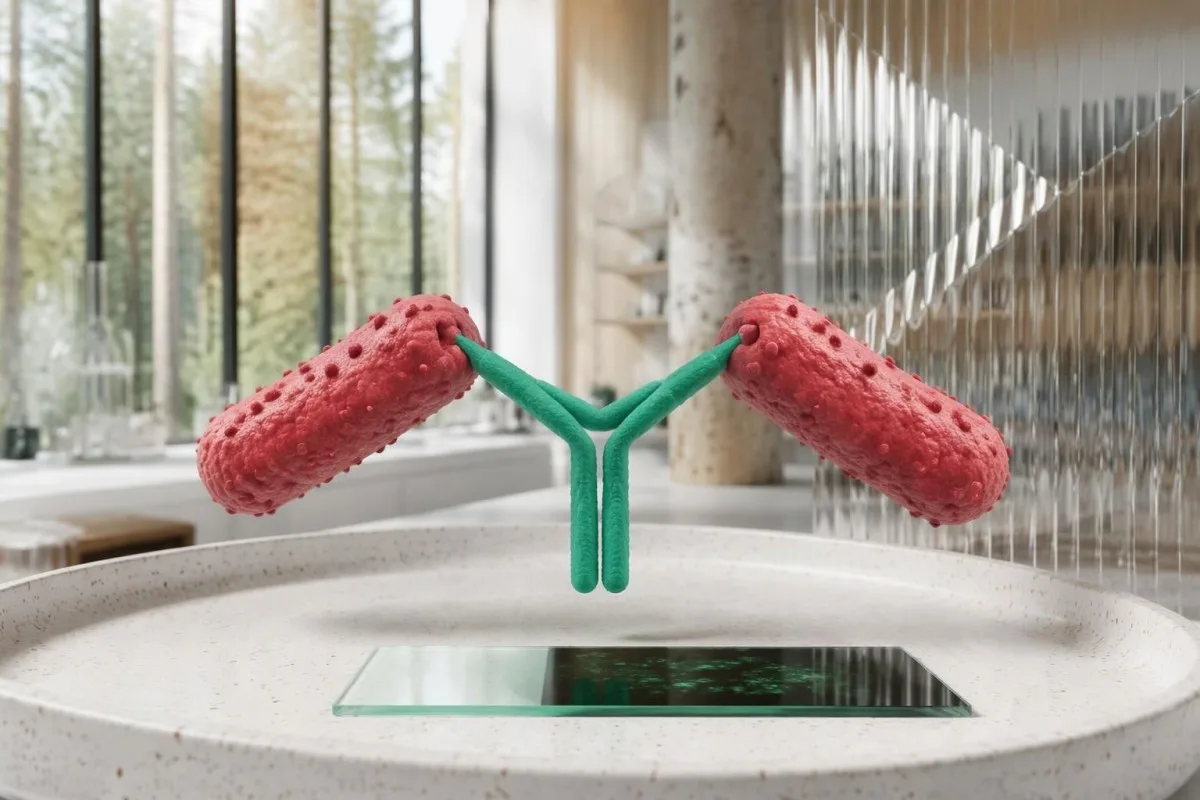
R. rickettsii, R. parkeri, and related organisms share antigenic features that routine commercial serology often cannot distinguish. A 4-fold IgG rise can establish recent spotted fever group rickettsial infection in a compatible illness, but identifying R. rickettsii specifically may require species-specific molecular testing or specialized reference-laboratory investigation.
IgM may appear without convincing evidence of recent rickettsial illness and should not be used as a stand-alone diagnostic marker. The CDC practical guide favors paired IgG IFA for confirmation rather than interpreting 1 isolated IgM positive as proof of acute RMSF (Biggs et al., 2016).
Not all antibody families behave alike: Q fever antibody patterns use phase-specific interpretation that should not be imported into RMSF. For a report showing IgM positive and IgG negative on day 4, ask about clinical suspicion, assay method, and the planned convalescent specimen rather than assuming the sequence proves infection.
Paano nakatutulong ang mga ipinares na sample at apat na ulit na pagtaas sa pagsusuri?
Paired IgG IFA samples support diagnosis by showing whether antibody titers rise substantially between acute illness and recovery. A rise from 1:64 to 1:256 is fourfold; with compatible symptoms, it supports recent spotted fever group rickettsial infection rather than merely documenting an antibody that was already present.

IFA titers describe the highest dilution at which antibody remains detectable; 1:256 means detection after greater dilution than 1:64. In a common 2-fold dilution series, 1:64 to 1:128 is one step, while 1:64 to 1:256 is two steps—the fourfold change used to reduce ambiguity from small fluctuations.
CDC RMSF guidance describes paired specimens collected 2–10 weeks apart, while the 2016 practical guide emphasizes an acute specimen and a convalescent specimen ideally 2–4 weeks later. These recommendations are not competing treatment deadlines; the clinician and laboratory should agree on follow-up timing that can capture the antibody response.
Use the same laboratory and assay when possible, and retain the original reports rather than comparing 2 abbreviated portal flags. Our explanations of quantitative kumpara sa qualitative na mga resulta at pagbabago sa pagitan ng mga pagbisita sa laboratoryo help distinguish a meaningful paired titer rise from unrelated reporting differences.
| Antas | Saklaw | Kahulugan |
|---|---|---|
| Early negative | Below laboratory cutoff on days 1–7 | Does not exclude RMSF; antibodies may not yet be detectable. |
| Single positive | Example: 1:128 on one specimen | Shows detectable antibody, not the date or species of infection. |
| Twofold rise | Example: 1:64 → 1:128 | Does not meet the standard fourfold-rise criterion. |
| Apat na beses na pagtaas | Halimbawa: 1:64 → 1:256 | Supports recent spotted fever group infection with compatible illness; does not measure severity. |
Matutukoy ba ng PCR ang RMSF bago lumitaw ang mga antibody?
PCR can detect rickettsial DNA before antibodies develop, but a negative whole-blood PCR does not exclude RMSF. R. rickettsii mainly targets vascular endothelial cells, so an illness-day-3 blood specimen may contain too little bacterial DNA for detection even when the disease is clinically significant.
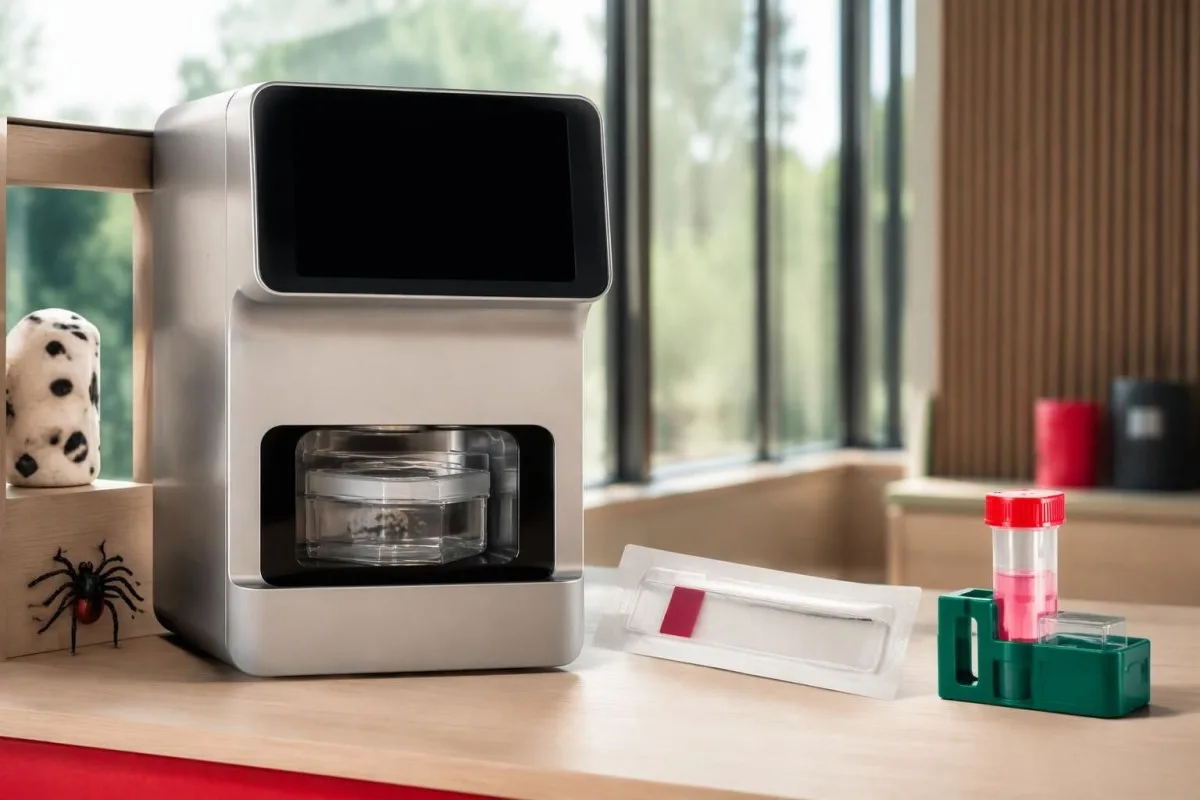
Unlike serology, PCR looks for the organism's genetic material rather than the host's immune response. Its usefulness depends on 3 practical variables: the specimen collected, illness severity and timing, and whether antibiotics have already reduced detectable organisms; there is no single sensitivity percentage applicable to every RMSF PCR order.
A clinician may arrange PCR or immunohistochemical testing of a rash skin biopsy through an appropriate laboratory, because affected tissue can provide evidence unavailable in circulating blood. Even when tissue testing is considered, collecting a specimen before the first doxycycline dose is desirable only if it does not delay urgent treatment.
Ask whether a panel actually includes R. rickettsii and whether it reports species-specific results or a broader rickettsial group. The PCR timing explanation for whooping cough demonstrates why molecular tests have specimen and treatment windows, but its respiratory sampling rules do not apply to RMSF.
Bakit magkaiba ang resulta ng mga pagsusuri para sa RMSF at ehrlichiosis?
RMSF and ehrlichiosis require different diagnostic reasoning even when the same tick-exposure evaluation includes both. Whole-blood PCR is generally more useful early in ehrlichiosis because Ehrlichia organisms infect white cells, whereas R. rickettsii primarily affects vessel-lining cells; 1 negative tick-borne panel is not a universal exclusion test.

Fever, headache, muscle aches, and abnormal liver enzymes can occur in more than 1 tick-borne illness. Exposure location, platelet count, white-cell count, rash, and illness timing guide test selection; clinicians should not assume that an order called a tick panel covers every relevant organism or uses the best specimen for each.
Ang ehrlichiosis PCR and titer guide explains why acute PCR and later antibodies may disagree in that illness. For a hypothetical day-4 presentation, an Ehrlichia PCR positive and RMSF IgG negative need interpretation as separate findings—not evidence that all other tick-transmitted illnesses were conclusively excluded.
Si Kantesti ay isang AI blood test interpretation platform that explains submitted laboratory reports, not a substitute for organism-specific diagnostic assessment. If a report contains 2 negative results from different methods, we emphasize the distinction between the method's target and the clinician's question rather than treating the word negative as a complete answer.
Aling mga karaniwang resulta ng pagsusuri sa dugo ang maaaring sumuporta sa paghihinala ng RMSF?
Low platelets, mildly elevated AST or ALT, and low sodium can support suspicion of RMSF, but none confirms the diagnosis and early values may be normal. A platelet count of 110 × 10⁹/L and sodium of 130 mmol/L are contextual clues—not organism-specific thresholds or prerequisites for starting treatment.
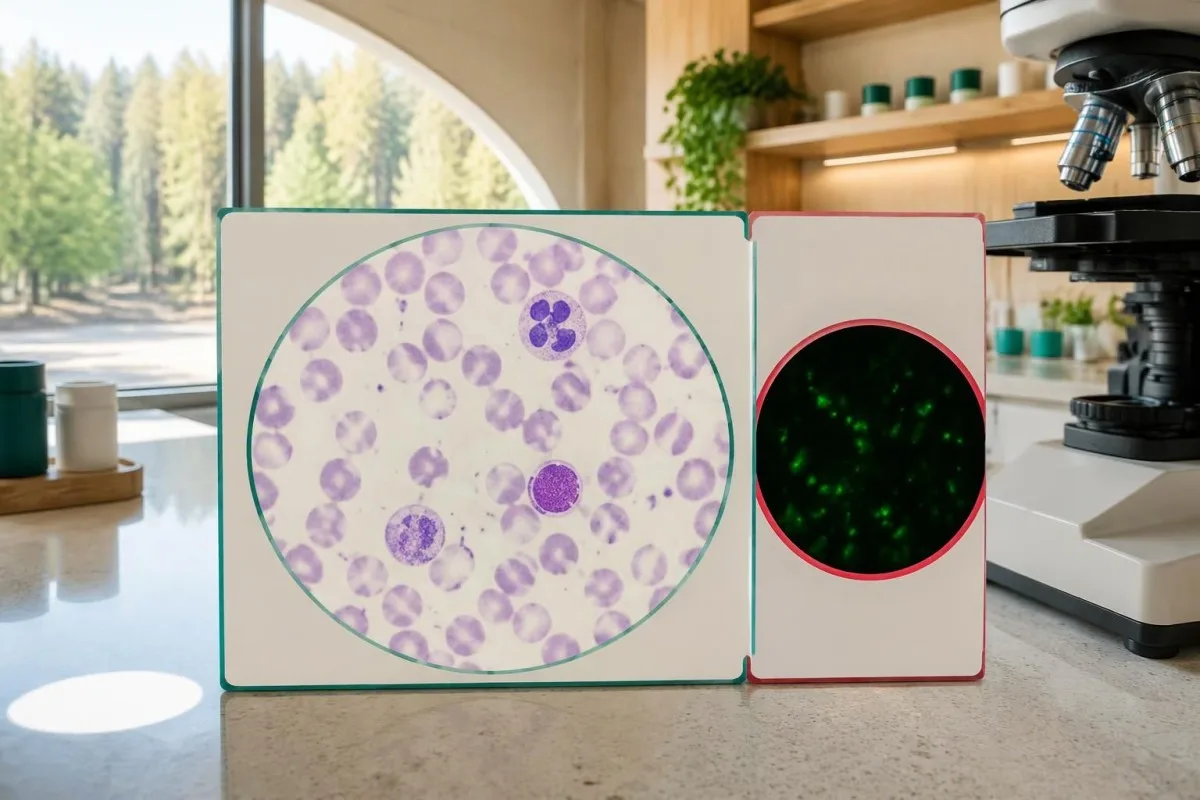
Typical adult platelet reference intervals are approximately 150–450 × 10⁹/L, and serum sodium is commonly 135–145 mmol/L, although local ranges vary. The reason clinicians consider falling platelets together with fever and low sodium is that the combination can suggest systemic illness; it does not distinguish RMSF from several infectious or noninfectious causes.
A hypothetical febrile traveler with platelets 95 × 10⁹/L, AST 82 U/L, and recent outdoor exposure deserves clinical assessment even if white cells are normal. Our WBC and CRP comparison explains why normal inflammatory markers cannot independently clear a person with concerning symptoms.
Unexpectedly low platelets may also reflect sample-related clumping, which requires laboratory verification rather than automatic attribution to RMSF; ang pagdikit-dikit ng platelet sa EDTA explains that artifact. If systemic illness is accompanied by abnormal clotting or organ dysfunction, the gabay sa coagulation testing helps explain additional tests, but a repeat specimen must not postpone urgent care.
Bakit dapat simulan ang paggamot sa pinaghihinalaang RMSF bago makuha ang mga resulta?
Suspected RMSF requires prompt empiric doxycycline, because early tests can be negative and delayed treatment increases the risk of severe illness and death. Clinicians should not wait for IgG seroconversion, a PCR report, or a convalescent sample 2–10 weeks later before treating a compatible acute presentation.

Treatment timing is a safety issue, not simply a preference for faster symptom relief. Kirkland et al. reported higher mortality with treatment initiated after the first 5 days of illness in their retrospective study; its observational design limits precise causal estimates, but the finding supports the urgency emphasized in CDC guidance (Kirkland et al., 1995).
CDC recommends doxycycline 100 mg every 12 hours for adults and children weighing at least 45 kg; children under 45 kg receive 2.2 mg/kg every 12 hours, up to 100 mg per dose. These are clinician-prescribed regimens, not instructions for self-treatment; oral versus intravenous therapy depends on severity and the ability to retain medication.
Treatment generally lasts at least 5–7 days and continues until fever has resolved for at least 3 days with clinical improvement; complicated cases may need longer care. Pregnancy or suspected doxycycline allergy requires urgent individualized advice rather than automatic delay, and urgent infection assessment illustrates the same need to coordinate testing and treatment, although Listeria requires different antibiotics.
Paano dapat bigyang-kahulugan ang mga karaniwang resulta ng pagsusuri para sa RMSF?
RMSF test results must be interpreted using symptoms, illness dates, specimen types, and changes between samples. An early negative result may be uninformative, a single positive may reflect old exposure, and a fourfold paired IgG rise can support recent spotted fever group rickettsial infection without proving the species.

Example 1 is hypothetical: a person develops fever and severe headache after outdoor exposure, tests IgG negative on day 3, and begins clinician-directed doxycycline that day. An acute titer below 1:64 followed by a convalescent titer of 1:256 can provide supportive laboratory evidence, but the laboratory must verify the change against its starting dilution and reporting limits.
Example 2 is also hypothetical: an otherwise well person has IgG 1:256 on 2 specimens obtained several weeks apart, without a compatible intervening illness. Stable positivity does not prove new RMSF, and escalating antibiotics to make the titer disappear is not justified; Kantesti explains this as an interpretation limitation, not a declaration that every stable titer is harmless.
Example 3 involves fever, IgG 1:128, and no properly timed acute comparator, leaving recent versus previous exposure uncertain. The next step depends on clinical assessment and possible additional testing; mga antibody sa Babesia kumpara sa impeksiyon demonstrates a related distinction, but babesiosis needs its own organism-detection approach and is not treated with doxycycline alone.
Kailan dapat manaig ang mga sintomas kaysa sa negatibong resulta ng pagsusuri para sa RMSF?
A negative RMSF result should not override a concerning acute illness with fever, severe headache, gastrointestinal symptoms, or rash after plausible tick exposure. Symptoms typically begin 3–12 days after an infected tick bite, and neither an unremembered bite nor the absence of an early rash reliably excludes RMSF.

The classic rash often develops 2–4 days after fever begins, so waiting for wrist, ankle, palm, or sole spots can delay care. RMSF can occur without a recognized rash, and its name is geographically misleading: clinicians assess exposure beyond the Rocky Mountain region, including travel and locally circulating ticks.
Confusion, breathing difficulty, fainting, rapidly worsening illness, or a spreading purple or pinpoint rash warrant emergency assessment—not a plan to repeat antibodies in 2 weeks. A fever and severe headache after possible tick exposure merit prompt clinical contact even if an online portal marks the first RMSF test negative.
After a tick bite without symptoms, routine antibody screening and preventive antibiotics are not recommended specifically to prevent RMSF; CDC guidance advises symptom monitoring for approximately 14 days. Tick exposure can also lead to conditions with entirely different testing logic, such as alerhiya sa alpha-gal matapos makagat ng garapata, which involves allergy assessment rather than RMSF IgG interpretation.
Dapat bang ulitin ang pagsusuri ng mga antibody para sa RMSF pagkatapos ng paggamot?
Repeat RMSF antibodies are useful for diagnostic confirmation, not as a routine test of cure. A convalescent sample collected 2–10 weeks after the acute specimen can document an antibody rise, but persistent IgG after recovery does not by itself mean treatment failed or that more antibiotics are needed.

Fever often improves within 24–48 hours after early appropriate doxycycline treatment, although severe illness may respond more slowly. Failure to improve or clinical deterioration requires reassessment for complications, an alternative diagnosis, inadequate medication absorption, or another illness; it should not be managed by waiting for a titer to fall.
Early antibiotic treatment can sometimes delay or diminish antibody responses in rickettsial illness, so the absence of a fourfold rise is not an absolute retrospective exclusion in every treated case. Do not stop effective treatment to improve test yield; the clinician should interpret the 2 specimens alongside treatment dates, sampling quality, and the original clinical presentation.
Kantesti AI can help organize submitted results for trend review, but a trend graph cannot establish that RMSF is cured or still active. Our gabay sa timeline ng blood test explains why illness and medication dates matter; persistent symptoms after treatment need clinical reassessment, because lasting complications can occur without evidence of chronic ongoing RMSF infection.
Ano ang dapat mong tingnan bago hilingin sa AI na ipaliwanag ang ulat tungkol sa RMSF?
A useful RMSF report explanation requires the assay method, exact titer, collection date, and symptom-onset date, not just the words positive or negative. Before seeking an AI explanation, identify whether 2 reports represent comparable acute and convalescent specimens; urgent symptoms still require clinical care before any upload or interpretation.

Record at least 5 details: symptom onset, sample collection, IgG versus IgM, IFA titer versus screening index, and the first antibiotic dose. Add recent travel and exposure information for the clinician; a numerical index of 2.1 from one assay cannot be mathematically converted into an IFA titer such as 1:128.
Si Kantesti ay isang AI-powered tool para sa pagsusuri ng dugo that helps explain submitted laboratory information without replacing clinical diagnosis. Our gabay ng teknolohiyang AI describes the interpretation approach; for suspected RMSF, 1 negative early result must never become an AI-generated reassurance that postpones medical assessment.
An explanation should separate 3 categories: what the laboratory measured, what that finding can support, and what remains uncertain. Our mga pag-check ng source ng medical report describe that safety boundary; useful questions include whether paired IgG is planned, whether PCR covered the suspected species, and whether treatment has already started.
Mga publikasyong pananaliksik at mga limitasyon ng ebidensiyang pang-diagnostiko
RMSF diagnostic guidance and AI engineering publications answer different questions and should not be treated as interchangeable evidence. The 2016 CDC practical guide supports paired serology and immediate treatment when clinically indicated; 2 Figshare records listed below provide publication context, not proof that an AI system can diagnose or exclude RMSF.
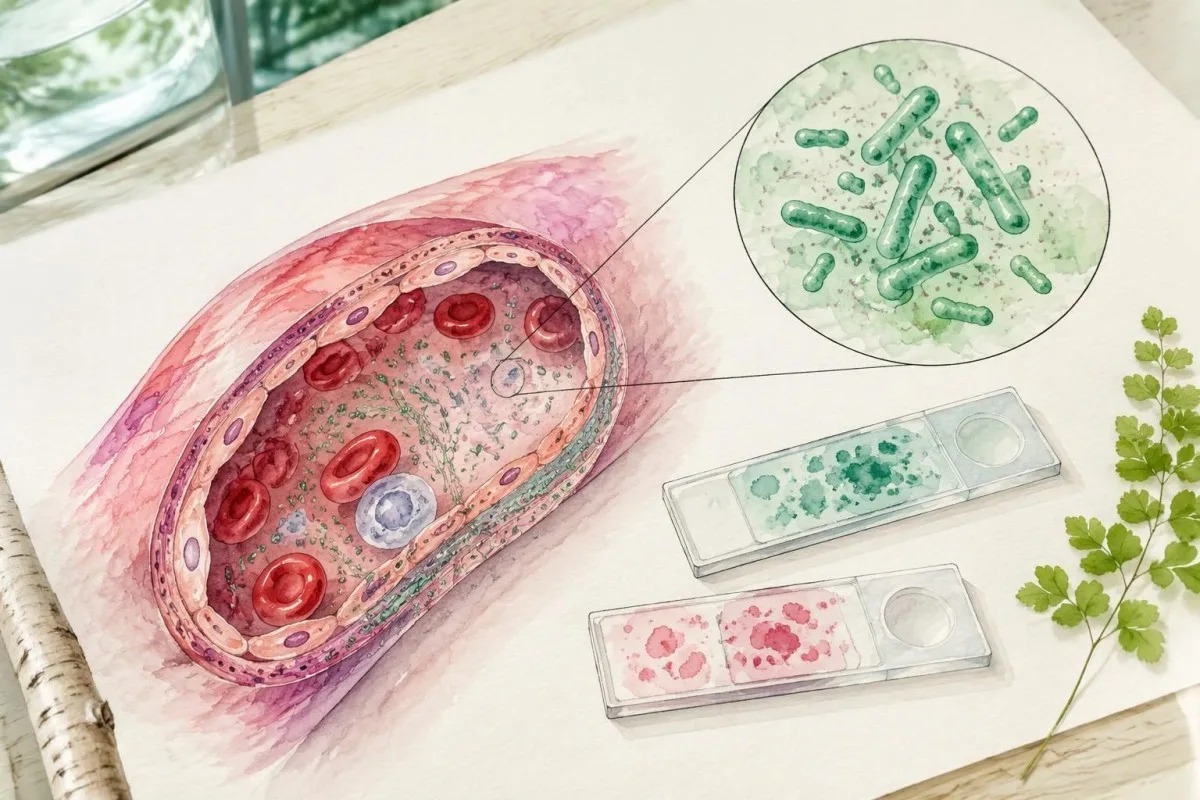
The 1995 therapeutic-delay study and the 2016 CDC recommendations directly address RMSF care, whereas a laboratory's assay validation addresses the particular test it performs. These are 3 different evidence levels—clinical outcomes, diagnostic guidance, and analytical performance—and none makes a first-week negative antibody result a reliable reason to delay treatment.
Kantesti's 2 requested Figshare publication records concern women's health and AI-assisted hantavirus triage, respectively; neither should be cited as an RMSF diagnostic-validation study. A DOI identifies a publication record rather than guaranteeing peer review, clinical accuracy, or applicability to another disease; our mga pamantayan sa nilalamang medikal explain the need to distinguish directly relevant sources from contextual material.
For this topic, the practical evidence boundary is straightforward: a 4-fold paired IgG rise supports recent spotted fever group infection, while immediate care depends on clinical suspicion rather than a future titer. Our klinikal na framework ng validation provides broader methodology context, but suspected RMSF still requires a clinician who can examine, prescribe, and arrange appropriate confirmatory testing.
Mga Madalas Itanong
Maaari bang maging negatibo ang pagsusuri para sa Rocky Mountain spotted fever sa maagang yugto?
0 Oo, madalas na negatibo ang pagsusuri ng antibody para sa Rocky Mountain spotted fever sa unang 7 araw ng karamdaman dahil hindi pa nagkakaroon ng mga antibody na matutukoy. Kaya hindi inaalis ng negatibong maagang resulta ng IgG IFA ang posibilidad ng RMSF. Dapat simulan kaagad ng mga clinician ang doxycycline kapag nagpapahiwatig ng RMSF ang karamdaman at kasaysayan ng pagkakalantad, sa halip na maghintay ng paulit-ulit na pagsusuri. Makakatulong ang mas huling convalescent sample na maitatag ang diagnosis.
Nangangahulugan ba ang positibong RMSF IgG na mayroon akong aktibong impeksiyon?
Ang positibong resulta ng RMSF IgG ay hindi, sa sarili nito, nagpapatunay ng aktibong impeksiyon, kahit pa 1:256 ang titer. Maaaring manatili ang mga antibody nang ilang buwan o taon at maaaring tumugon sa iba pang rickettsiae ng pangkat ng spotted fever. Mas malamang ang kamakailang impeksiyon kung may mga kamakailang sintomas, pagkakalantad, at apat na ulit na pagtaas sa magkatugmang magkapares na sample. Ang nag-iisang positibong resulta sa isang taong walang mga sintomas na tugma rito ay hindi sapat na dahilan para magbigay ng mga antibiotic.
Kailan dapat kunin ang ikalawang sample para sa pagsusuri ng antibodies ng RMSF?
0 CDC RMSF diagnostic guidance inilalarawan ang mga acute at convalescent IgG sample na kinokolekta nang 2–10 linggo ang pagitan. Inilalarawan ng praktikal na gabay ng CDC noong 2016 ang isang convalescent specimen na pinakamainam na kunin 2–4 na linggo pagkatapos ng acute specimen. Dapat piliin ng gumagamot na clinician at laboratoryo ang naaangkop na pagitan at gumamit ng maihahambing na mga assay. Hindi dapat hintayin ang pangalawang sample bago magsimula ng paggamot.
Ano ang apat na ulit na pagtaas sa titer ng antibody laban sa RMSF?
Ang apat na ulit na pagtaas ay nangangahulugang apat na beses na mas mataas ang huling IgG titer kaysa sa naunang titer, gaya ng pagtaas mula 1:64 tungo sa 1:256. Sa karaniwang serye ng twofold dilution, katumbas ito ng dalawang hakbang ng dilution. Kapag may tugmang karamdaman, sinusuportahan ng pagbabagong ito ang kamakailang impeksiyon ng rickettsia mula sa grupong spotted fever. Maaaring hindi pa rin matukoy ng regular na serolohiya ang Rickettsia rickettsii partikular o matiyak ang tindi ng karamdaman.
Inaalis ba ng negatibong resulta ng RMSF PCR ang posibilidad na may sakit ito?
Hindi inaalis ng negatibong whole-blood RMSF PCR ang posibilidad ng sakit dahil pangunahing naaapektuhan ng Rickettsia rickettsii ang mga selulang bumabalot sa mga daluyan ng dugo sa halip na ang mga puting selulang umiikot sa dugo. Maaaring kulang ang DNA ng bakterya sa isang specimen na kinuha sa ikatlong araw ng karamdaman upang matukoy, at maaari pang higit na mabawasan ng mga antibiotic ang resulta ng pagsusuri. Maaaring magbigay ng karagdagang ebidensiya ang espesyalisadong pagsusuri sa apektadong tisyu ng balat kung naaangkop. Hindi dapat ipagpaliban ng mga clinician ang paggamot habang kumukuha o naghihintay ng mga resulta ng PCR.
Dapat bang bigyan ng doxycycline ang mga bata bago makuha ang mga resulta ng pagsusuri para sa RMSF?
Children of all ages should receive clinician-prescribed doxycycline promptly when RMSF is suspected, without waiting for laboratory confirmation. CDC guidance recommends 2.2 mg/kg every 12 hours for children under 45 kg, with a maximum of 100 mg per dose. Short courses used for rickettsial disease have not been shown to cause the permanent tooth staining associated with older tetracycline concerns. The child's clinician determines route, duration, and whether hospital care is needed.
Bakit positibo pa rin ang RMSF IgG ko matapos ang paggamot?
Maaaring manatiling positibo ang RMSF IgG sa loob ng ilang buwan at kung minsan ay hanggang 4 na taon pagkatapos ng pagkakasakit, kaya hindi nangangahulugan ang patuloy na pagiging positibo lamang na nabigo ang paggamot. Hindi karaniwang ginagamit ang pagsusuri ng antibody upang tiyakin ang paggaling. Hindi dapat magreseta ng karagdagang antibiotic para lamang maging negatibo ang titer. Kung nagpapatuloy o lumalala ang mga sintomas, kailangan ng muling klinikal na pagsusuri para sa mga komplikasyon o ibang diyagnosis, sa halip na magbigay-kahulugan batay lamang sa bilang ng antibody.
Ipaliwanag sa iyo ang resulta ng blood test
I-upload ang iyong ulat sa laboratoryo at ipapaliwanag ng AI ng Kantesti ang bawat biomarker sa payak na pananalita sa loob ng ilang segundo. Ginagamit ng mahigit 2 milyong tao sa buong mundo.
Mga Sanggunian
- Klein, T., Mitchell, S., & Weber, H. (2026). Gabay sa Kalusugan ng Kababaihan: Obulasyon, Menopause at mga Sintomang Hormonal. Kantesti AI Medical Research. DOI
- Klein, T., Mitchell, S., & Weber, H. (2026). Suportang Pangklinikal na Pagpapasya na Tinutulungan ng Multilingual AI para sa Maagang Pagsasala ng Hantavirus: Disenyo, Beripikasyon ng Inhinyeriya, at Aktuwal na Pagpapatupad sa 50,000 Ulat ng Interpretasyon ng Blood Test. Kantesti AI Medical Research. DOI
- Biggs HM et al. (2016). Diagnosis and Management of Tickborne Rickettsial Diseases: Rocky Mountain Spotted Fever and Other Spotted Fever Group Rickettsioses, Ehrlichioses, and Anaplasmosis — United States. MMWR Mga Rekomendasyon at Ulat. DOI
- Kirkland KB et al. (1995). Therapeutic delay and mortality in cases of Rocky Mountain spotted fever. Mga Nakahahawang Sakit sa Klinika.
- Centers for Disease Control and Prevention (n.d.). Clinical and Laboratory Diagnosis for Rocky Mountain Spotted Fever. Klinikal na Gabay ng CDC.
- 2M+Mga sinuring pagsusuri
- 127+Mga bansa
- 100+Mga wika
Tungkol sa pangkat medikal


Mga Signal ng Tiwala ng E-E-A-T
Karanasan
Pinamumunuan ng manggagamot na klinikal na pagsusuri ng mga daloy ng interpretasyon ng mga pagsusuri sa laboratoryo.
Kadalubhasaan
Pokus sa laboratoryong medisina kung paano kumikilos ang mga biomarker sa kontekstong klinikal.
Pagka-awtoridad
Sinuri sa medikal na aspeto ni Dr. Thomas Klein, kasama ang mga kontribusyon nina Dr. Sarah Mitchell at Prof. Dr. Hans Weber.
Pagiging Mapagkakatiwalaan
Interpretasyong nakabatay sa ebidensya na may malinaw na mga susunod na hakbang upang mabawasan ang pag-aalarma.






Paunawang medikal
Ang artikulong ito ay para sa mga layuning pang-edukasyon lamang at hindi ito bumubuo ng medikal na payo. Palaging kumonsulta sa isang kwalipikadong tagapagbigay ng pangangalagang pangkalusugan para sa mga desisyon sa diagnosis at paggamot.
Inilathala · Makipag-ugnayan sa pangkat ng editoryal
Inilathala ng Kantesti Ltd, nakarehistro sa England at Wales, numero ng kumpanya. 17090423, London, United Kingdom.
