
ರಾಕಿ ಮೌಂಟನ್ ಸ್ಪಾಟೆಡ್ ಫೀವರ್ ಪರೀಕ್ಷೆಯು ಮೊದಲ ವಾರದಲ್ಲಿ ನಕಾರಾತ್ಮಕವಾಗಿರಬಹುದು, ಏಕೆಂದರೆ ಪ್ರತಿಕಾಯಗಳು ಇನ್ನೂ ಅಭಿವೃದ್ಧಿಯಾಗಿರುವುದಿಲ್ಲ. ಒಂದು ಧನಾತ್ಮಕ IgG ಟೈಟರ್ನಿಂದ ತೀವ್ರ ಸೋಂಕನ್ನು ದೃಢಪಡಿಸಲಾಗುವುದಿಲ್ಲ; ನಾಲ್ಕು ಪಟ್ಟು ಏರಿಕೆಯನ್ನು ತೋರಿಸುವ ಜೋಡಿ ಮಾದರಿಗಳು ಇತ್ತೀಚಿನ ಸೋಂಕನ್ನು ಬೆಂಬಲಿಸುತ್ತವೆ. RMSF ಶಂಕೆಯಿದ್ದಾಗ ವೈದ್ಯರು ತಕ್ಷಣ ಚಿಕಿತ್ಸೆಯನ್ನು ಪ್ರಾರಂಭಿಸಬೇಕು—ಪ್ರಯೋಗಾಲಯದ ದೃಢೀಕರಣಕ್ಕಾಗಿ ಕಾಯಬಾರದು.

ಪ್ರಮುಖ ಅಂಶಗಳು
- ಆರಂಭಿಕ ತಪ್ಪು ನಕಾರಾತ್ಮಕ ಫಲಿತಾಂಶಗಳು: ಅನಾರೋಗ್ಯದ ಮೊದಲ 7 ದಿನಗಳಲ್ಲಿ RMSF ಪ್ರತಿಕಾಯ ಪರೀಕ್ಷೆಗಳು ಆಗಾಗ್ಗೆ ನಕಾರಾತ್ಮಕವಾಗಿರುತ್ತವೆ; ಈ ಅವಧಿಯಲ್ಲೇ ಚಿಕಿತ್ಸೆಯ ನಿರ್ಧಾರಗಳು ಅತ್ಯಂತ ತುರ್ತಾಗಿರುತ್ತವೆ.
- ಆದ್ಯತೆಯ ಪ್ರತಿಕಾಯ ವಿಧಾನ: IgG ಪರೋಕ್ಷ ಪ್ರತಿದೀಪಕ ಪ್ರತಿಕಾಯ ಪರೀಕ್ಷೆ ಅಥವಾ IFA, ಸ್ಪಾಟೆಡ್ ಫೀವರ್ ಗುಂಪಿನ ರಿಕೆಟ್ಸಿಯಲ್ ಪ್ರತಿಜನಕಗಳ ವಿರುದ್ಧದ ಪ್ರತಿಕಾಯ ಟೈಟರ್ಗಳನ್ನು ಹೋಲಿಸುತ್ತದೆ.
- ಜೋಡಿ ಮಾದರಿಗಳು: ಆರಂಭದಲ್ಲಿ ಒಂದು ತೀವ್ರ ಹಂತದ ಮಾದರಿಯನ್ನು ಸಂಗ್ರಹಿಸಿ, ನಂತರ ಗುಣಮುಖತೆಯ ಹಂತದ ಮಾದರಿಯನ್ನು ಸಂಗ್ರಹಿಸಿ; CDC ಮಾರ್ಗಸೂಚಿಯು ಮಾದರಿಗಳ ನಡುವೆ 2–10 ವಾರಗಳ ಅಂತರವನ್ನು ವಿವರಿಸುತ್ತದೆ.
- ನಾಲ್ಕು ಪಟ್ಟು ಏರಿಕೆ: 1:64ರಿಂದ 1:256ಕ್ಕೆ ಬದಲಾವಣೆಯು ನಾಲ್ಕು ಪಟ್ಟು ಏರಿಕೆಯನ್ನು ಸೂಚಿಸುತ್ತದೆ ಮತ್ತು ಹೊಂದಾಣಿಕೆಯ ಅನಾರೋಗ್ಯದ ಸಂದರ್ಭದಲ್ಲಿ ಇತ್ತೀಚಿನ ಸ್ಪಾಟೆಡ್ ಫೀವರ್ ಗುಂಪಿನ ರಿಕೆಟ್ಸಿಯಲ್ ಸೋಂಕನ್ನು ಬೆಂಬಲಿಸುತ್ತದೆ.
- ಒಂದೇ ಧನಾತ್ಮಕ IgG: ಪ್ರತಿಕಾಯಗಳು ಹಲವು ವರ್ಷಗಳವರೆಗೆ ಉಳಿಯಬಹುದು; 1:256 ಟೈಟರ್ ಕೂಡ ಸೋಂಕು ಯಾವಾಗ ತಗುಲಿತು ಎಂಬುದನ್ನು ಸ್ವತಂತ್ರವಾಗಿ ಸ್ಥಾಪಿಸಲು ಅಥವಾ ರಿಕೆಟ್ಸಿಯಲ್ ಪ್ರಭೇದವನ್ನು ಗುರುತಿಸಲು ಸಾಧ್ಯವಿಲ್ಲ.
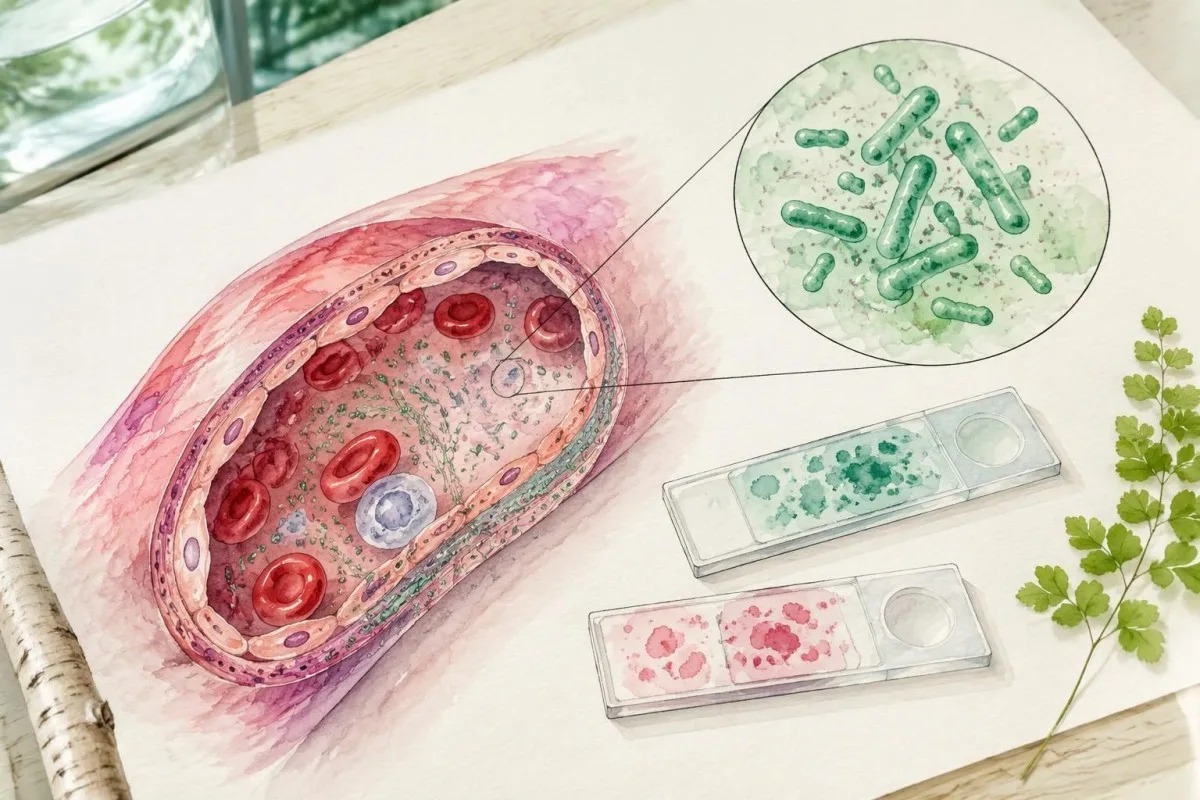
- ನಕಾರಾತ್ಮಕ PCR: ಸಂಪೂರ್ಣ-ರಕ್ತ PCR ಮೂಲಕ RMSF ಪತ್ತೆಯಾಗದೆ ಹೋಗಬಹುದು, ಏಕೆಂದರೆ Rickettsia rickettsii ಮುಖ್ಯವಾಗಿ ರಕ್ತಪರಿಚಲನೆಯಲ್ಲಿ ಇರುವ ಬಿಳಿ ರಕ್ತಕಣಗಳ ಬದಲಿಗೆ ನಾಳೀಯ ಎಂಡೋಥೀಲಿಯಲ್ ಕೋಶಗಳ ಮೇಲೆ ಪರಿಣಾಮ ಬೀರುತ್ತದೆ.
- ಚಿಕಿತ್ಸೆಯ ಸಮಯ: ಎಲ್ಲ ವಯಸ್ಸಿನ ವಯಸ್ಕರು ಮತ್ತು ಮಕ್ಕಳಲ್ಲಿ ಶಂಕಿತ RMSFಗೆ ಡಾಕ್ಸಿಸೈಕ್ಲಿನ್ ಮೊದಲ ಆಯ್ಕೆಯ ಚಿಕಿತ್ಸೆ; ವೈದ್ಯರು ಪರೀಕ್ಷೆಯ ಫಲಿತಾಂಶಗಳಿಗಾಗಿ ಕಾಯಬಾರದು.
- ವಯಸ್ಕರಿಗೆ ಸಾಮಾನ್ಯ ಚಿಕಿತ್ಸಾ ಕ್ರಮ: CDC ಮಾರ್ಗಸೂಚಿಯು ಪ್ರತಿ 12 ಗಂಟೆಗಳಿಗೊಮ್ಮೆ 100 mg ಡಾಕ್ಸಿಸೈಕ್ಲಿನ್ ನೀಡಲು ಶಿಫಾರಸು ಮಾಡುತ್ತದೆ; ಸಾಮಾನ್ಯವಾಗಿ ಕನಿಷ್ಠ 5–7 ದಿನಗಳವರೆಗೆ ಮತ್ತು ಜ್ವರ ಕಡಿಮೆಯಾಗಿ, ವೈದ್ಯಕೀಯ ಸುಧಾರಣೆಯೊಂದಿಗೆ ಕನಿಷ್ಠ 3 ದಿನಗಳಾಗುವವರೆಗೆ.
ಯಾವ ರಾಕಿ ಮೌಂಟನ್ ಸ್ಪಾಟೆಡ್ ಫೀವರ್ ಪರೀಕ್ಷೆಯನ್ನು ಮೊದಲು ಮಾಡಲಾಗುತ್ತದೆ?
ಒಂದು RMSF ರೋಗನಿರ್ಣಯಕ್ಕೆ ಪ್ರಮಾಣಿತ ಪ್ರತಿಕಾಯ ಪರೀಕ್ಷಾ ವಿಧಾನವೆಂದರೆ ಪರೋಕ್ಷ ಫ್ಲೂರೆಸೆಂಟ್ ಪ್ರತಿಕಾಯ ವಿಶ್ಲೇಷಣೆಯ ಮೂಲಕ ಜೋಡಿ IgG ಪರೀಕ್ಷೆ; ಇದನ್ನು ಸಾಮಾನ್ಯವಾಗಿ ಹೀಗೆ ಕರೆಯಲಾಗುತ್ತದೆ IFA. ಆದಾಗ್ಯೂ, ಮೊದಲ ಫಲಿತಾಂಶ ಬರುವುದಕ್ಕೂ ಮುನ್ನವೇ ವೈದ್ಯರು ಡಾಕ್ಸಿಸೈಕ್ಲಿನ್ ಆರಂಭಿಸಬಹುದು, ಏಕೆಂದರೆ 1–7ನೇ ದಿನಗಳಲ್ಲಿ ಸಂಗ್ರಹಿಸಿದ ಪ್ರತಿಕಾಯ ಮಾದರಿಯಿಂದ ಅನೇಕ ಬಾರಿ ಕಾಯಿಲೆಯನ್ನು ದೃಢಪಡಿಸಲು ಅಥವಾ ತಳ್ಳಿಹಾಕಲು ಸಾಧ್ಯವಾಗುವುದಿಲ್ಲ.

RMSFಗೆ ಕಾರಣ Rickettsia rickettsii, ಉಣ್ಣಿಗಳ ಮೂಲಕ ಹರಡುವ ಬ್ಯಾಕ್ಟೀರಿಯಂ ಆಗಿದ್ದು, ಸಣ್ಣ ರಕ್ತನಾಳಗಳಿಗೆ ಕ್ಷಿಪ್ರವಾಗಿ ಹಾನಿ ಮಾಡಬಲ್ಲದು. CDCಯ ಪ್ರಾಯೋಗಿಕ ಮಾರ್ಗದರ್ಶಿ 2 ಕಾರ್ಯಗಳನ್ನು ಪ್ರತ್ಯೇಕಿಸುತ್ತದೆ: ಈಗಲೇ ಅಪಾಯಕಾರಿಯಾಗಿರಬಹುದಾದ ಕಾಯಿಲೆಗೆ ಚಿಕಿತ್ಸೆ ನೀಡುವುದು ಮತ್ತು ನಂತರ ದೃಢೀಕರಣಕ್ಕಾಗಿ ಪ್ರಯೋಗಾಲಯದ ಸಾಕ್ಷ್ಯ ಪಡೆಯುವುದು; ಈ ಕಾರ್ಯಗಳನ್ನು ಗೊಂದಲಗೊಳಿಸುವುದರಿಂದ ತಪ್ಪಿಸಬಹುದಾದ ವಿಳಂಬ ಉಂಟಾಗುತ್ತದೆ (Biggs et al., 2016).
RMSF ಪ್ಯಾನೆಲ್ ಎಂದು ವಿವರಿಸಲಾದ ಪರೀಕ್ಷೆಯು IgG, IgM ಅಥವಾ ಎರಡನ್ನೂ ಒಳಗೊಂಡಿರಬಹುದು; ಸ್ಕ್ರೀನಿಂಗ್ ಫಲಿತಾಂಶದ ನಂತರ IFA ಟೈಟರ್ ಪರೀಕ್ಷೆ ಮಾಡಬಹುದು. ಪ್ರತಿಯೊಂದು ಫಲಿತಾಂಶವನ್ನು ಯಾವ ವಿಧಾನದಿಂದ ಪಡೆಯಲಾಗಿದೆ ಎಂದು ಕೇಳಿ, ಏಕೆಂದರೆ 1 ಧನಾತ್ಮಕ ಸ್ಕ್ರೀನಿಂಗ್ ಫಲಿತಾಂಶ ಮತ್ತು 1 ಪರಿಮಾಣಾತ್ಮಕ ಟೈಟರ್ ಪರಸ್ಪರ ಬದಲಾಯಿಸಬಹುದಾದವುಗಳಲ್ಲ; ನಮ್ಮ ಮಾರ್ಗದರ್ಶಿ ಧನಾತ್ಮಕ ಪ್ರತಿಕಾಯ ಫಲಿತಾಂಶಗಳು ಆ ವ್ಯತ್ಯಾಸವನ್ನು ವಿವರಿಸುತ್ತದೆ.
ಕಾಂತೆಸ್ಟಿ ಒಬ್ಬ AI ರಕ್ತ ಪರೀಕ್ಷಾ ವಿಶ್ಲೇಷಕ ಪ್ರಯೋಗಾಲಯ ವರದಿಗಳನ್ನು ವಿವರಿಸಲು ರೂಪಿಸಲಾಗಿದೆ; 1 ನಕಾರಾತ್ಮಕ ಫಲಿತಾಂಶದಿಂದ RMSF ಅನ್ನು ತಳ್ಳಿಹಾಕಲು ಅಲ್ಲ. ನಮ್ಮ ಕಂಪನಿ ಹಿನ್ನೆಲೆ ಆ ಸೇವೆಯ ಹಿಂದಿರುವ ಸಂಸ್ಥೆಯನ್ನು ಗುರುತಿಸುತ್ತದೆ; ಪರೀಕ್ಷೆ, ಸೋಂಕಿಗೆ ಒಡ್ಡಿಕೊಂಡಿರುವಿಕೆಯ ಮೌಲ್ಯಮಾಪನ, ಪರೀಕ್ಷೆಗಳನ್ನು ಸೂಚಿಸುವುದು ಮತ್ತು ಪ್ರತಿಜೀವಕಗಳ ನಿರ್ಧಾರಗಳು ಚಿಕಿತ್ಸೆ ನೀಡುವ ವೈದ್ಯರ ಜವಾಬ್ದಾರಿಯಾಗಿಯೇ ಉಳಿಯುತ್ತವೆ.
ಆರಂಭಿಕ RMSF ಪ್ರತಿಕಾಯ ಪರೀಕ್ಷೆ ನಕಾರಾತ್ಮಕವಾಗಿರುವುದು ಏಕೆ?
ಒಂದು RMSF ತಪ್ಪು ನಕಾರಾತ್ಮಕ ಪರೀಕ್ಷೆ ಅನೇಕ ಬಾರಿ ಪ್ರತಿಕಾಯದ ವಿಂಡೋ ಅವಧಿಯನ್ನು ಸೂಚಿಸುತ್ತದೆ: ರೋಗನಿರೋಧಕ ಪ್ರತಿಕ್ರಿಯೆಯು ಇನ್ನೂ ಪತ್ತೆಹಚ್ಚಬಹುದಾದಷ್ಟು ಪ್ರತಿಕಾಯಗಳನ್ನು ಉತ್ಪಾದಿಸಿಲ್ಲ. ರೋಗಲಕ್ಷಣಗಳ ಮೊದಲ 7 ದಿನಗಳಲ್ಲಿ IgG IFA ಫಲಿತಾಂಶವು ಅನೇಕ ಬಾರಿ ನಕಾರಾತ್ಮಕವಾಗಿರುತ್ತದೆ; ಆದ್ದರಿಂದ, ವೈದ್ಯಕೀಯ ಲಕ್ಷಣಗಳು RMSF ಅನ್ನು ಸೂಚಿಸುವಾಗ ಆರಂಭಿಕ ನಕಾರಾತ್ಮಕ ವರದಿಯ ಆಧಾರದಲ್ಲಿ ಚಿಕಿತ್ಸೆಯನ್ನು ತಡೆಹಿಡಿಯಬಾರದು.

ಪರೀಕ್ಷೆಯ ಲೆಕ್ಕ ಆರಂಭವಾಗುವುದು ರೋಗಲಕ್ಷಣಗಳು ಆರಂಭವಾದ ಸಮಯ, ಪ್ರಯೋಗಾಲಯವು ಮಾದರಿಯನ್ನು ಸ್ವೀಕರಿಸಿದ ದಿನವಲ್ಲ. ಉದಾಹರಣೆಗೆ, ಅನಾರೋಗ್ಯದ 3ನೇ ದಿನ ಪರೀಕ್ಷೆಗೆ ಒಳಗಾದ ಕಾಲ್ಪನಿಕ ವ್ಯಕ್ತಿಗೆ IgG ನಕಾರಾತ್ಮಕವಾಗಿದ್ದರೂ ನಿಜವಾಗಿಯೂ RMSF ಇರಬಹುದು; ಅದೇ ನಕಾರಾತ್ಮಕ ಫಲಿತಾಂಶವು ಹಲವು ವಾರಗಳ ನಂತರ ಬಂದರೆ ಅದರ ಅರ್ಥೈಸುವಿಕೆ ಬೇರೆಯಾಗಿರುತ್ತದೆ, ವಿಶೇಷವಾಗಿ ಜೋಡಿ ಪರೀಕ್ಷೆ ಪೂರ್ಣಗೊಂಡಿದ್ದರೆ.
ಪ್ರತಿಯೊಬ್ಬರಲ್ಲೂ ಪ್ರತಿಕಾಯ ಉತ್ಪಾದನೆಯು ನಿಖರವಾದ ಕ್ಯಾಲೆಂಡರ್ ದಿನಕ್ಕೆ ಅನುಗುಣವಾಗಿ ನಡೆಯುವುದಿಲ್ಲ. CDCಯ ಕ್ಲಿನಿಕಲ್ ಮತ್ತು ಪ್ರಯೋಗಾಲಯ ರೋಗನಿರ್ಣಯ ಮಾರ್ಗದರ್ಶನವು ಮೊದಲ ವಾರದ ಸೆರಾಲಜಿ ಅನೇಕ ಬಾರಿ ನಕಾರಾತ್ಮಕವಾಗಿರುತ್ತದೆ ಎಂದು ವಿವರಿಸುತ್ತದೆ; ಈಗಾಗಲೇ ಪ್ರತಿಕಾಯ-ಧನಾತ್ಮಕವಾಗಿರುವ ಮಾದರಿಗಳಲ್ಲಿ ಪ್ರಯೋಗಾಲಯದ ಉತ್ತಮ ಕಾರ್ಯಕ್ಷಮತೆ ಇರುವುದು, 1–7ನೇ ದಿನಗಳಲ್ಲಿಯೂ ಸಮಾನ ಸಂವೇದನಾಶೀಲತೆ ಇದೆ ಎಂದರ್ಥವಲ್ಲ.
ಆರಂಭಿಕ ನಕಾರಾತ್ಮಕ ಫಲಿತಾಂಶ ಬಂದ ಕೇವಲ 24–48 ಗಂಟೆಗಳ ನಂತರ IgG ಪರೀಕ್ಷೆಯನ್ನು ಪುನರಾವರ್ತಿಸುವುದರಿಂದ ಅಲ್ಪ ಪ್ರಯೋಜನವಾಗಬಹುದು, ಏಕೆಂದರೆ ನಿರೀಕ್ಷಿತ ಪ್ರತಿಕಾಯ ಬದಲಾವಣೆಯನ್ನು ತೋರಿಸಲು ಆ ಅವಧಿ ಸಾಮಾನ್ಯವಾಗಿ ತುಂಬಾ ಕಡಿಮೆ. The Monospot testing window illustrates a similar timing principle, although its assay, illness, and recommended follow-up schedule differ from RMSF.
RMSF IgG ಧನಾತ್ಮಕ ಎಂಬುದರ ನಿಜವಾದ ಅರ್ಥವೇನು?
RMSF IgG positive meaning includes previous exposure, recent infection, or antibodies reacting with another spotted fever group rickettsia. A single positive titer—even 1:256 or higher—cannot independently establish acute RMSF, because antibody persistence and cross-reactivity prevent the result from acting as a reliable date stamp.

Antibodies against R. rickettsii can remain elevated for months and sometimes up to 4 years after illness, according to CDC diagnostic guidance. Persistent positivity does not mean bacteria remain active, and the height of a single titer does not reliably distinguish a new infection from an older immune response.
Background antibodies also affect interpretation: CDC notes that 10% or more of healthy people in some areas may have elevated titers from past exposure to spotted fever group rickettsiae. That figure is geographically dependent, not a universal prevalence estimate; testing someone without compatible symptoms increases the chance of finding a clinically misleading positive.
Consider a hypothetical asymptomatic adult with IgG 1:128 on an incidental panel and no recent febrile illness. That 1 result is not a reason by itself to prescribe doxycycline; antibody persistence after exposure is another example of why serology must be matched to the organism, symptoms, and sampling dates.
ಅಡ್ಡ-ಪ್ರತಿಕ್ರಿಯೆ ಅಥವಾ IgM ತಪ್ಪು ದಾರಿಗೆಳೆಯುವ ಫಲಿತಾಂಶವನ್ನು ಉಂಟುಮಾಡಬಹುದೇ?
ಅಡ್ಡ-ಪ್ರತಿಕ್ರಿಯೆ can produce positive RMSF serology after exposure to another spotted fever group rickettsia, and IgM is less specific than IgG for diagnosing recent illness. A positive IgM result on day 5 is therefore not a dependable shortcut around an early negative IgG result.
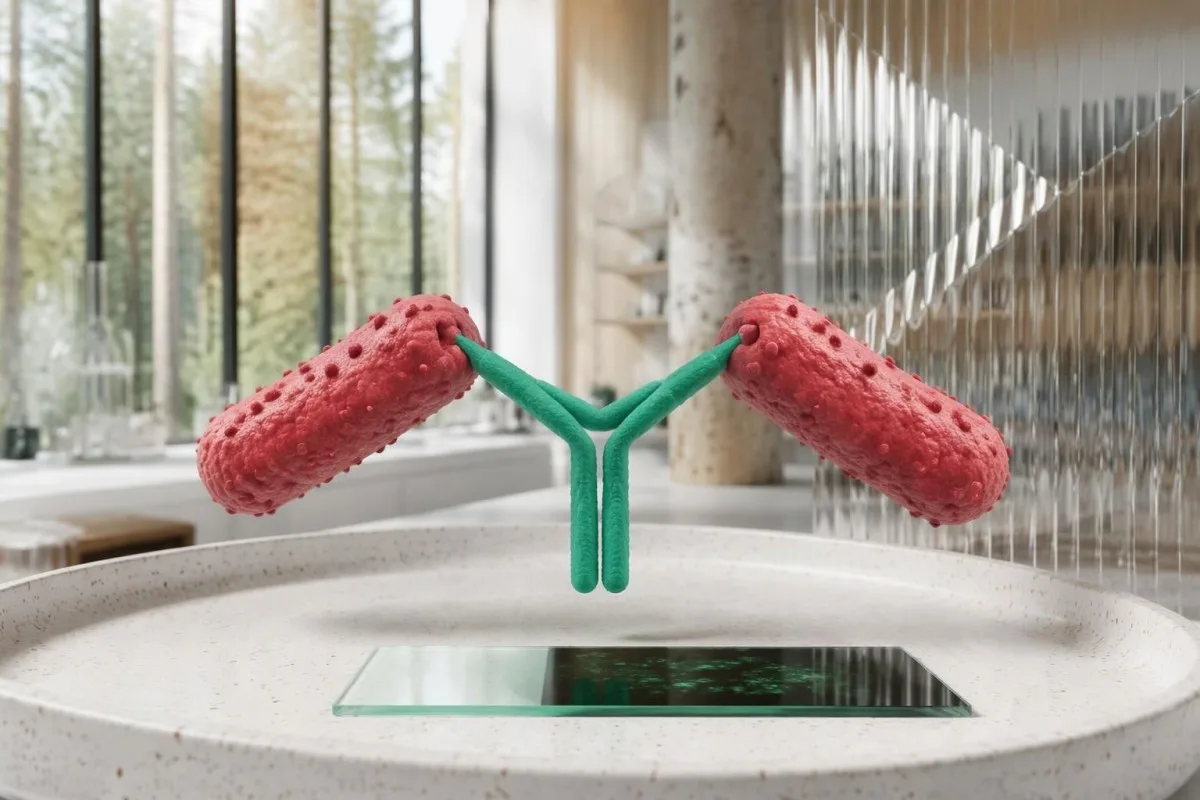
R. rickettsii, R. parkeri, and related organisms share antigenic features that routine commercial serology often cannot distinguish. A 4-fold IgG rise can establish recent spotted fever group rickettsial infection in a compatible illness, but identifying R. rickettsii specifically may require species-specific molecular testing or specialized reference-laboratory investigation.
IgM may appear without convincing evidence of recent rickettsial illness and should not be used as a stand-alone diagnostic marker. The CDC practical guide favors paired IgG IFA for confirmation rather than interpreting 1 isolated IgM positive as proof of acute RMSF (Biggs et al., 2016).
Not all antibody families behave alike: Q fever antibody patterns use phase-specific interpretation that should not be imported into RMSF. For a report showing IgM positive and IgG negative on day 4, ask about clinical suspicion, assay method, and the planned convalescent specimen rather than assuming the sequence proves infection.
ಜೋಡಿ ಮಾದರಿಗಳು ಮತ್ತು ನಾಲ್ಕು ಪಟ್ಟು ಏರಿಕೆ ರೋಗನಿರ್ಣಯವನ್ನು ಹೇಗೆ ಬೆಂಬಲಿಸುತ್ತವೆ?
Paired IgG IFA samples support diagnosis by showing whether antibody titers rise substantially between acute illness and recovery. A rise from 1:64 to 1:256 is fourfold; with compatible symptoms, it supports recent spotted fever group rickettsial infection rather than merely documenting an antibody that was already present.
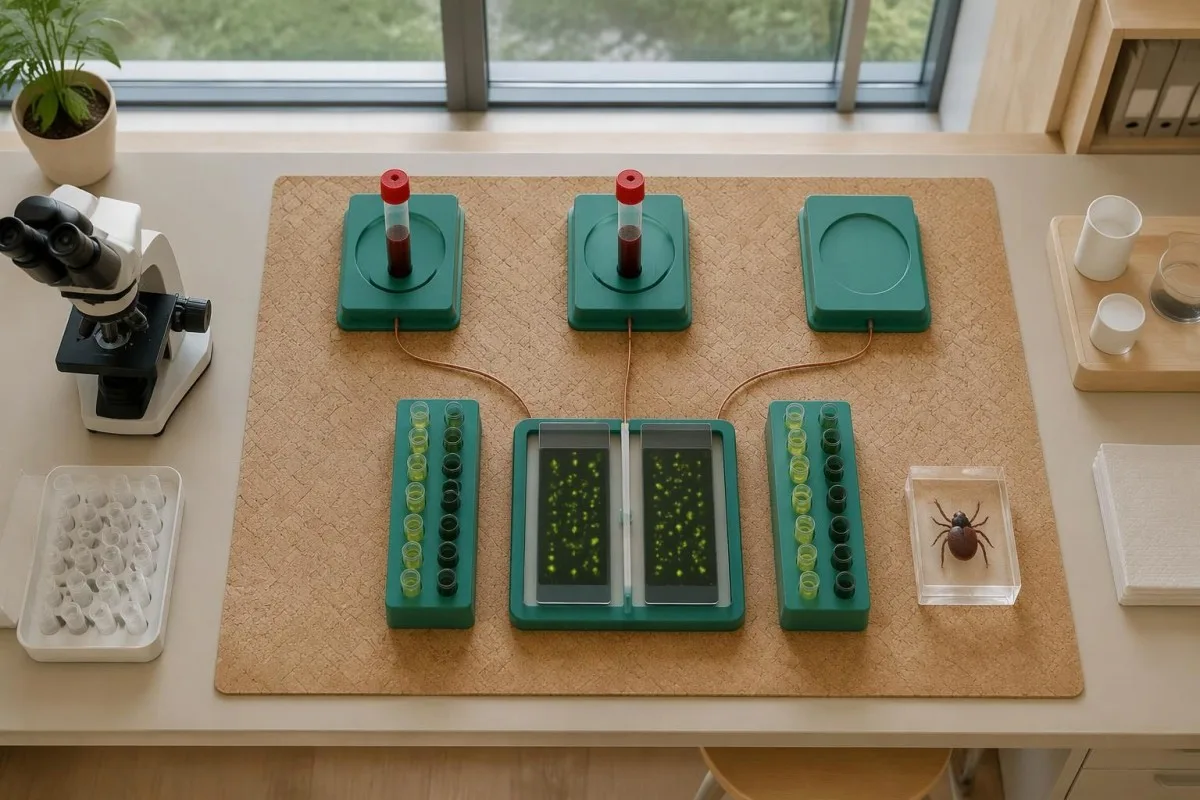
IFA titers describe the highest dilution at which antibody remains detectable; 1:256 means detection after greater dilution than 1:64. In a common 2-fold dilution series, 1:64 to 1:128 is one step, while 1:64 to 1:256 is two steps—the fourfold change used to reduce ambiguity from small fluctuations.
CDC RMSF guidance describes paired specimens collected 2–10 weeks apart, while the 2016 practical guide emphasizes an acute specimen and a convalescent specimen ideally 2–4 weeks later. These recommendations are not competing treatment deadlines; the clinician and laboratory should agree on follow-up timing that can capture the antibody response.
Use the same laboratory and assay when possible, and retain the original reports rather than comparing 2 abbreviated portal flags. Our explanations of ಪ್ರಮಾಣೀಕೃತ ವಿರುದ್ಧ ಗುಣಾತ್ಮಕ ಫಲಿತಾಂಶಗಳು ಮತ್ತು ಪ್ರಯೋಗಾಲಯ ಭೇಟಿಗಳ ನಡುವೆ ಬದಲಾಗುತ್ತದೆ help distinguish a meaningful paired titer rise from unrelated reporting differences.
| ಮಟ್ಟ | ವ್ಯಾಪ್ತಿ | ಅದರ ಅರ್ಥ |
|---|---|---|
| Early negative | Below laboratory cutoff on days 1–7 | Does not exclude RMSF; antibodies may not yet be detectable. |
| Single positive | Example: 1:128 on one specimen | Shows detectable antibody, not the date or species of infection. |
| Twofold rise | Example: 1:64 → 1:128 | Does not meet the standard fourfold-rise criterion. |
| ನಾಲ್ಕು ಪಟ್ಟು ಏರಿಕೆ | ಉದಾಹರಣೆ: 1:64 → 1:256 | Supports recent spotted fever group infection with compatible illness; does not measure severity. |
ಪ್ರತಿಕಾಯಗಳು ಕಾಣಿಸಿಕೊಳ್ಳುವ ಮೊದಲು PCR RMSF ಅನ್ನು ಪತ್ತೆಹಚ್ಚಬಹುದೇ?
PCR can detect rickettsial DNA before antibodies develop, but a negative whole-blood PCR does not exclude RMSF. R. rickettsii mainly targets vascular endothelial cells, so an illness-day-3 blood specimen may contain too little bacterial DNA for detection even when the disease is clinically significant.
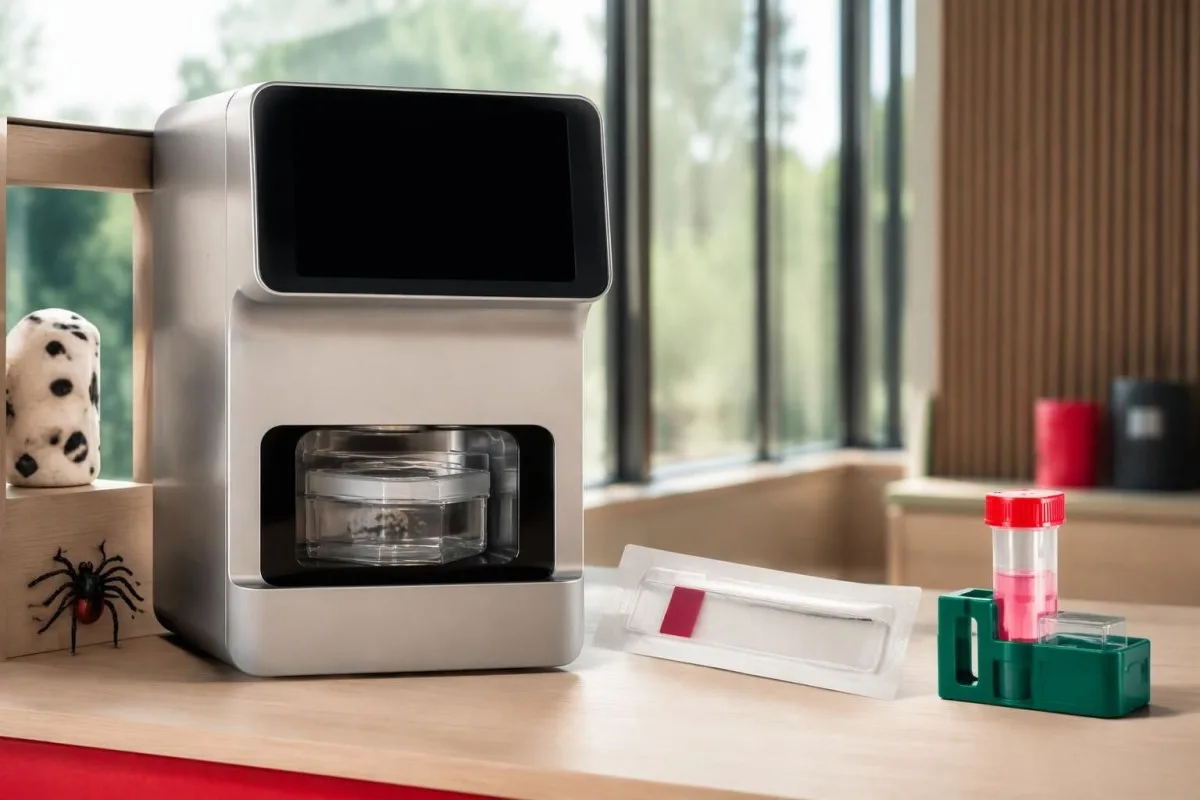
Unlike serology, PCR looks for the organism's genetic material rather than the host's immune response. Its usefulness depends on 3 practical variables: the specimen collected, illness severity and timing, and whether antibiotics have already reduced detectable organisms; there is no single sensitivity percentage applicable to every RMSF PCR order.
A clinician may arrange PCR or immunohistochemical testing of a rash skin biopsy through an appropriate laboratory, because affected tissue can provide evidence unavailable in circulating blood. Even when tissue testing is considered, collecting a specimen before the first doxycycline dose is desirable only if it does not delay urgent treatment.
Ask whether a panel actually includes R. rickettsii and whether it reports species-specific results or a broader rickettsial group. The PCR timing explanation for whooping cough demonstrates why molecular tests have specimen and treatment windows, but its respiratory sampling rules do not apply to RMSF.
RMSF ಮತ್ತು ಎಹ್ರ್ಲಿಖಿಯೋಸಿಸ್ ಪರೀಕ್ಷೆಗಳ ಫಲಿತಾಂಶಗಳು ವಿಭಿನ್ನವಾಗಿ ವರ್ತಿಸುವುದು ಏಕೆ?
RMSF and ehrlichiosis require different diagnostic reasoning even when the same tick-exposure evaluation includes both. Whole-blood PCR is generally more useful early in ehrlichiosis because Ehrlichia organisms infect white cells, whereas R. rickettsii primarily affects vessel-lining cells; 1 negative tick-borne panel is not a universal exclusion test.

Fever, headache, muscle aches, and abnormal liver enzymes can occur in more than 1 tick-borne illness. Exposure location, platelet count, white-cell count, rash, and illness timing guide test selection; clinicians should not assume that an order called a tick panel covers every relevant organism or uses the best specimen for each.
ದಿ ehrlichiosis PCR and titer guide explains why acute PCR and later antibodies may disagree in that illness. For a hypothetical day-4 presentation, an Ehrlichia PCR positive and RMSF IgG negative need interpretation as separate findings—not evidence that all other tick-transmitted illnesses were conclusively excluded.
ಕಾಂತೆಸ್ಟಿ ಒಬ್ಬ AI ರಕ್ತ ಪರೀಕ್ಷೆ ವರದಿ ಅರ್ಥ ಪ್ಲಾಟ್ಫಾರ್ಮ್ that explains submitted laboratory reports, not a substitute for organism-specific diagnostic assessment. If a report contains 2 negative results from different methods, we emphasize the distinction between the method's target and the clinician's question rather than treating the word negative as a complete answer.
RMSF ಶಂಕೆಯನ್ನು ಬೆಂಬಲಿಸಬಹುದಾದ ಸಾಮಾನ್ಯ ರಕ್ತ ಪರೀಕ್ಷೆಯ ಫಲಿತಾಂಶಗಳು ಯಾವುವು?
Low platelets, mildly elevated AST or ALT, and low sodium can support suspicion of RMSF, but none confirms the diagnosis and early values may be normal. A platelet count of 110 × 10⁹/L and sodium of 130 mmol/L are contextual clues—not organism-specific thresholds or prerequisites for starting treatment.
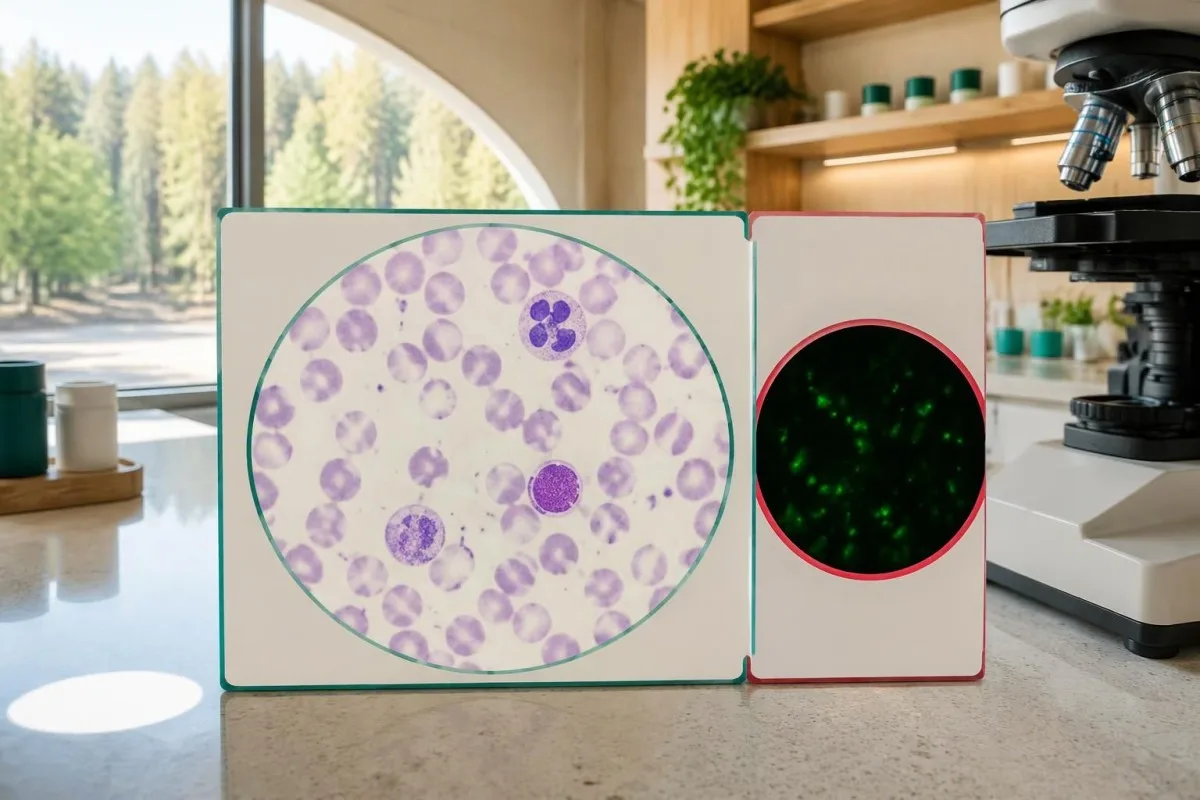
Typical adult platelet reference intervals are approximately 150–450 × 10⁹/L, and serum sodium is commonly 135–145 mmol/L, although local ranges vary. The reason clinicians consider falling platelets together with fever and low sodium is that the combination can suggest systemic illness; it does not distinguish RMSF from several infectious or noninfectious causes.
A hypothetical febrile traveler with platelets 95 × 10⁹/L, AST 82 U/L, and recent outdoor exposure deserves clinical assessment even if white cells are normal. Our WBC ಮತ್ತು CRP ಹೋಲಿಕೆ explains why normal inflammatory markers cannot independently clear a person with concerning symptoms.
Unexpectedly low platelets may also reflect sample-related clumping, which requires laboratory verification rather than automatic attribution to RMSF; EDTA ಪ್ಲೇಟ್ಲೆಟ್ ಗುಂಪುಗೂಡುವಿಕೆ explains that artifact. If systemic illness is accompanied by abnormal clotting or organ dysfunction, the ರಕ್ತಗಟ್ಟುವಿಕೆ ಪರೀಕ್ಷೆಯ ಮಾರ್ಗದರ್ಶಿ helps explain additional tests, but a repeat specimen must not postpone urgent care.
RMSF ಶಂಕೆಯಿದ್ದಾಗ ಫಲಿತಾಂಶಗಳು ಬರುವ ಮೊದಲು ಚಿಕಿತ್ಸೆಯನ್ನು ಏಕೆ ಪ್ರಾರಂಭಿಸಬೇಕು?
Suspected RMSF requires prompt empiric doxycycline, because early tests can be negative and delayed treatment increases the risk of severe illness and death. Clinicians should not wait for IgG seroconversion, a PCR report, or a convalescent sample 2–10 weeks later before treating a compatible acute presentation.

Treatment timing is a safety issue, not simply a preference for faster symptom relief. Kirkland et al. reported higher mortality with treatment initiated after the first 5 days of illness in their retrospective study; its observational design limits precise causal estimates, but the finding supports the urgency emphasized in CDC guidance (Kirkland et al., 1995).
CDC recommends doxycycline 100 mg every 12 hours for adults and children weighing at least 45 kg; children under 45 kg receive 2.2 mg/kg every 12 hours, up to 100 mg per dose. These are clinician-prescribed regimens, not instructions for self-treatment; oral versus intravenous therapy depends on severity and the ability to retain medication.
Treatment generally lasts at least 5–7 days and continues until fever has resolved for at least 3 days with clinical improvement; complicated cases may need longer care. Pregnancy or suspected doxycycline allergy requires urgent individualized advice rather than automatic delay, and urgent infection assessment illustrates the same need to coordinate testing and treatment, although Listeria requires different antibiotics.
ಸಾಮಾನ್ಯ RMSF ಪರೀಕ್ಷಾ ಫಲಿತಾಂಶಗಳನ್ನು ಹೇಗೆ ಅರ್ಥೈಸಬೇಕು?
RMSF test results must be interpreted using symptoms, illness dates, specimen types, and changes between samples. An early negative result may be uninformative, a single positive may reflect old exposure, and a fourfold paired IgG rise can support recent spotted fever group rickettsial infection without proving the species.

Example 1 is hypothetical: a person develops fever and severe headache after outdoor exposure, tests IgG negative on day 3, and begins clinician-directed doxycycline that day. An acute titer below 1:64 followed by a convalescent titer of 1:256 can provide supportive laboratory evidence, but the laboratory must verify the change against its starting dilution and reporting limits.
Example 2 is also hypothetical: an otherwise well person has IgG 1:256 on 2 specimens obtained several weeks apart, without a compatible intervening illness. Stable positivity does not prove new RMSF, and escalating antibiotics to make the titer disappear is not justified; Kantesti explains this as an interpretation limitation, not a declaration that every stable titer is harmless.
Example 3 involves fever, IgG 1:128, and no properly timed acute comparator, leaving recent versus previous exposure uncertain. The next step depends on clinical assessment and possible additional testing; ಸೋಂಕಿನ ವಿರುದ್ಧದ ಬೇಬಿಸಿಯಾ ಪ್ರತಿಕಾಯಗಳು demonstrates a related distinction, but babesiosis needs its own organism-detection approach and is not treated with doxycycline alone.
ನಕಾರಾತ್ಮಕ RMSF ಫಲಿತಾಂಶಕ್ಕಿಂತ ರೋಗಲಕ್ಷಣಗಳಿಗೆ ಯಾವಾಗ ಆದ್ಯತೆ ನೀಡಬೇಕು?
A negative RMSF result should not override a concerning acute illness with fever, severe headache, gastrointestinal symptoms, or rash after plausible tick exposure. Symptoms typically begin 3–12 days after an infected tick bite, and neither an unremembered bite nor the absence of an early rash reliably excludes RMSF.

The classic rash often develops 2–4 days after fever begins, so waiting for wrist, ankle, palm, or sole spots can delay care. RMSF can occur without a recognized rash, and its name is geographically misleading: clinicians assess exposure beyond the Rocky Mountain region, including travel and locally circulating ticks.
Confusion, breathing difficulty, fainting, rapidly worsening illness, or a spreading purple or pinpoint rash warrant emergency assessment—not a plan to repeat antibodies in 2 weeks. A fever and severe headache after possible tick exposure merit prompt clinical contact even if an online portal marks the first RMSF test negative.
After a tick bite without symptoms, routine antibody screening and preventive antibiotics are not recommended specifically to prevent RMSF; CDC guidance advises symptom monitoring for approximately 14 days. Tick exposure can also lead to conditions with entirely different testing logic, such as ಉಣ್ಣಿಗಳಿಂದ ಉಂಟಾಗುವ ಆಲ್ಫಾ-ಗಾಲ್ ಅಲರ್ಜಿ, which involves allergy assessment rather than RMSF IgG interpretation.
ಚಿಕಿತ್ಸೆಯ ನಂತರ RMSF ಪ್ರತಿಕಾಯ ಪರೀಕ್ಷೆಯನ್ನು ಪುನರಾವರ್ತಿಸಬೇಕೇ?
Repeat RMSF antibodies are useful for diagnostic confirmation, not as a routine test of cure. A convalescent sample collected 2–10 weeks after the acute specimen can document an antibody rise, but persistent IgG after recovery does not by itself mean treatment failed or that more antibiotics are needed.

Fever often improves within 24–48 hours after early appropriate doxycycline treatment, although severe illness may respond more slowly. Failure to improve or clinical deterioration requires reassessment for complications, an alternative diagnosis, inadequate medication absorption, or another illness; it should not be managed by waiting for a titer to fall.
Early antibiotic treatment can sometimes delay or diminish antibody responses in rickettsial illness, so the absence of a fourfold rise is not an absolute retrospective exclusion in every treated case. Do not stop effective treatment to improve test yield; the clinician should interpret the 2 specimens alongside treatment dates, sampling quality, and the original clinical presentation.
Kantesti AI can help organize submitted results for trend review, but a trend graph cannot establish that RMSF is cured or still active. Our ರಕ್ತ ಪರೀಕ್ಷೆಯ ಟೈಮ್ಲೈನ್ ಮಾರ್ಗದರ್ಶಿ explains why illness and medication dates matter; persistent symptoms after treatment need clinical reassessment, because lasting complications can occur without evidence of chronic ongoing RMSF infection.
RMSF ವರದಿಯನ್ನು ವಿವರಿಸಲು AIಯನ್ನು ಕೇಳುವ ಮೊದಲು ನೀವು ಏನನ್ನು ಪರಿಶೀಲಿಸಬೇಕು?
A useful RMSF report explanation requires the assay method, exact titer, collection date, and symptom-onset date, not just the words positive or negative. Before seeking an AI explanation, identify whether 2 reports represent comparable acute and convalescent specimens; urgent symptoms still require clinical care before any upload or interpretation.

Record at least 5 details: symptom onset, sample collection, IgG versus IgM, IFA titer versus screening index, and the first antibiotic dose. Add recent travel and exposure information for the clinician; a numerical index of 2.1 from one assay cannot be mathematically converted into an IFA titer such as 1:128.
ಕಾಂತೆಸ್ಟಿ ಒಬ್ಬ AI-ಚಾಲಿತ ರಕ್ತ ಪರೀಕ್ಷೆ ವಿಶ್ಲೇಷಣೆ ಸಾಧನ that helps explain submitted laboratory information without replacing clinical diagnosis. Our AI ತಂತ್ರಜ್ಞಾನ ಮಾರ್ಗದರ್ಶಿ describes the interpretation approach; for suspected RMSF, 1 negative early result must never become an AI-generated reassurance that postpones medical assessment.
An explanation should separate 3 categories: what the laboratory measured, what that finding can support, and what remains uncertain. Our ವೈದ್ಯಕೀಯ ವರದಿ ಮೂಲ ಪರಿಶೀಲನೆಗಳು describe that safety boundary; useful questions include whether paired IgG is planned, whether PCR covered the suspected species, and whether treatment has already started.
ಸಂಶೋಧನಾ ಪ್ರಕಟಣೆಗಳು ಮತ್ತು ರೋಗನಿರ್ಣಯದ ಪುರಾವೆಗಳ ಮಿತಿಗಳು
RMSF diagnostic guidance and AI engineering publications answer different questions and should not be treated as interchangeable evidence. The 2016 CDC practical guide supports paired serology and immediate treatment when clinically indicated; 2 Figshare records listed below provide publication context, not proof that an AI system can diagnose or exclude RMSF.
The 1995 therapeutic-delay study and the 2016 CDC recommendations directly address RMSF care, whereas a laboratory's assay validation addresses the particular test it performs. These are 3 different evidence levels—clinical outcomes, diagnostic guidance, and analytical performance—and none makes a first-week negative antibody result a reliable reason to delay treatment.
Kantesti's 2 requested Figshare publication records concern women's health and AI-assisted hantavirus triage, respectively; neither should be cited as an RMSF diagnostic-validation study. A DOI identifies a publication record rather than guaranteeing peer review, clinical accuracy, or applicability to another disease; our ವೈದ್ಯಕೀಯ ವಿಷಯದ ಮಾನದಂಡಗಳು explain the need to distinguish directly relevant sources from contextual material.
For this topic, the practical evidence boundary is straightforward: a 4-fold paired IgG rise supports recent spotted fever group infection, while immediate care depends on clinical suspicion rather than a future titer. Our ಕ್ಲಿನಿಕಲ್ ಮಾನ್ಯತಾ ಚೌಕಟ್ಟು provides broader methodology context, but suspected RMSF still requires a clinician who can examine, prescribe, and arrange appropriate confirmatory testing.
ಆಗಾಗ್ಗೆ ಕೇಳಲಾಗುವ ಪ್ರಶ್ನೆಗಳು
ರಾಕಿ ಮೌಂಟನ್ ಸ್ಪಾಟೆಡ್ ಫೀವರ್ ಪರೀಕ್ಷೆಯು ಆರಂಭಿಕ ಹಂತದಲ್ಲಿ ನಕಾರಾತ್ಮಕವಾಗಿರಬಹುದೇ?
ಹೌದು, ರಾಕಿ ಮೌಂಟನ್ ಸ್ಪಾಟೆಡ್ ಫೀವರ್ ಪ್ರತಿಕಾಯ ಪರೀಕ್ಷೆಯು ಅನಾರೋಗ್ಯದ ಮೊದಲ 7 ದಿನಗಳಲ್ಲಿ ಆಗಾಗ್ಗೆ ನೆಗೆಟಿವ್ ಆಗಿರುತ್ತದೆ, ಏಕೆಂದರೆ ಪತ್ತೆಹಚ್ಚಬಹುದಾದ ಪ್ರತಿಕಾಯಗಳು ಇನ್ನೂ ರೂಪುಗೊಂಡಿರುವುದಿಲ್ಲ. ಆದ್ದರಿಂದ, ಆರಂಭಿಕ ಹಂತದ ನೆಗೆಟಿವ್ IgG IFA ಫಲಿತಾಂಶವು RMSF ಅನ್ನು ತಳ್ಳಿಹಾಕುವುದಿಲ್ಲ. ಅನಾರೋಗ್ಯ ಮತ್ತು ಸೋಂಕಿಗೆ ಒಳಗಾದ ಇತಿಹಾಸವು RMSF ಅನ್ನು ಸೂಚಿಸಿದಾಗ, ಮರುಪರೀಕ್ಷೆಗಾಗಿ ಕಾಯುವ ಬದಲು ವೈದ್ಯರು ತಕ್ಷಣವೇ ಡಾಕ್ಸಿಸೈಕ್ಲಿನ್ ಆರಂಭಿಸಬೇಕು. ನಂತರದ ಚೇತರಿಕೆಯ ಹಂತದ ಮಾದರಿಯು ರೋಗನಿರ್ಣಯವನ್ನು ಖಚಿತಪಡಿಸಲು ಸಹಾಯ ಮಾಡಬಹುದು.
ಧನಾತ್ಮಕ RMSF IgG ಎಂದರೆ ನನಗೆ ಸಕ್ರಿಯ ಸೋಂಕು ಇದೆ ಎಂದರ್ಥವೇ?
0 ಧನಾತ್ಮಕ RMSF IgG ಫಲಿತಾಂಶವು, ಟೈಟರ್ 1:256 ಆಗಿದ್ದರೂ ಸಹ, ಸಕ್ರಿಯ ಸೋಂಕನ್ನು ಸ್ವತಂತ್ರವಾಗಿ ಸಾಬೀತುಪಡಿಸುವುದಿಲ್ಲ. ಪ್ರತಿಕಾಯಗಳು ತಿಂಗಳುಗಳು ಅಥವಾ ವರ್ಷಗಳವರೆಗೆ ಉಳಿಯಬಹುದು ಮತ್ತು ಇತರ ಸ್ಪಾಟೆಡ್ ಫೀವರ್ ಗುಂಪಿನ ರಿಕೆಟ್ಸಿಯಾಗಳೊಂದಿಗೆ ಪ್ರತಿಕ್ರಿಯಿಸಬಹುದು. ಇತ್ತೀಚಿನ ಲಕ್ಷಣಗಳು, ಸೋಂಕಿಗೆ ಒಡ್ಡಿಕೊಂಡಿರುವುದು ಮತ್ತು ಹೋಲಿಸಬಹುದಾದ ಜೋಡಿ ಮಾದರಿಗಳ ನಡುವಿನ ನಾಲ್ಕು ಪಟ್ಟು ಏರಿಕೆಯು ಇತ್ತೀಚಿನ ಸೋಂಕಿನ ಸಾಧ್ಯತೆಯನ್ನು ಹೆಚ್ಚಿಸುತ್ತದೆ. ಹೊಂದಾಣಿಕೆಯ ಲಕ್ಷಣಗಳಿಲ್ಲದ ವ್ಯಕ್ತಿಯಲ್ಲಿ ಪ್ರತ್ಯೇಕವಾಗಿ ಕಂಡುಬರುವ ಧನಾತ್ಮಕ ಫಲಿತಾಂಶವೊಂದೇ ಆಂಟಿಬಯೋಟಿಕ್ಗಳನ್ನು ನೀಡುವುದನ್ನು ಸಮರ್ಥಿಸುವುದಿಲ್ಲ.
ಎರಡನೇ RMSF ಪ್ರತಿಕಾಯದ ಮಾದರಿಯನ್ನು ಯಾವಾಗ ಸಂಗ್ರಹಿಸಬೇಕು?
0 CDC RMSF ರೋಗನಿರ್ಣಯ ಮಾರ್ಗದರ್ಶನವು 2–10 ವಾರಗಳ ಅಂತರದಲ್ಲಿ ಸಂಗ್ರಹಿಸಿದ ತೀವ್ರ ಹಂತದ ಮತ್ತು ಚೇತರಿಕೆಯ ಹಂತದ IgG ಮಾದರಿಗಳನ್ನು ವಿವರಿಸುತ್ತದೆ. 2016ರ CDC ಪ್ರಾಯೋಗಿಕ ಮಾರ್ಗದರ್ಶಿಯು ತೀವ್ರ ಹಂತದ ಮಾದರಿಯ 2–4 ವಾರಗಳ ನಂತರ ಚೇತರಿಕೆಯ ಹಂತದ ಮಾದರಿಯನ್ನು ಪಡೆಯುವುದು ಆದರ್ಶವೆಂದು ವಿವರಿಸುತ್ತದೆ. ಸೂಕ್ತ ಸಮಯಾವಧಿಯನ್ನು ಚಿಕಿತ್ಸಕ ವೈದ್ಯರು ಮತ್ತು ಪ್ರಯೋಗಾಲಯವು ಆಯ್ಕೆಮಾಡಬೇಕು ಹಾಗೂ ಹೋಲಿಸಬಹುದಾದ ಪರೀಕ್ಷೆಗಳನ್ನು ಬಳಸಬೇಕು. ಎರಡನೇ ಮಾದರಿಗಾಗಿ ಚಿಕಿತ್ಸೆಯನ್ನು ಕಾಯಿಸಬಾರದು.
RMSF ಪ್ರತಿಕಾಯ ಟೈಟರ್ನಲ್ಲಿ ನಾಲ್ಕು ಪಟ್ಟು ಏರಿಕೆ ಎಂದರೇನು?
ನಾಲ್ಕು ಪಟ್ಟು ಏರಿಕೆ ಎಂದರೆ, ನಂತರದ IgG ಟೈಟರ್ ಹಿಂದಿನ ಟೈಟರ್ನ ನಾಲ್ಕು ಪಟ್ಟು ಎಂಬರ್ಥ; ಉದಾಹರಣೆಗೆ, 1:64ರಿಂದ 1:256ಕ್ಕೆ ಏರಿಕೆ. ಸಾಮಾನ್ಯ ಎರಡು ಪಟ್ಟು ಡೈಲ್ಯೂಷನ್ ಸರಣಿಯಲ್ಲಿ, ಇದು ಎರಡು ಡೈಲ್ಯೂಷನ್ ಹಂತಗಳಿಗೆ ಸಮನಾಗಿರುತ್ತದೆ. ಇದಕ್ಕೆ ಹೊಂದಿಕೆಯಾಗುವ ಅನಾರೋಗ್ಯವಿದ್ದರೆ, ಈ ಬದಲಾವಣೆಯು ಇತ್ತೀಚಿನ ಸ್ಪಾಟೆಡ್ ಫೀವರ್ ಗುಂಪಿನ ರಿಕೆಟ್ಸಿಯಲ್ ಸೋಂಕನ್ನು ಸೂಚಿಸುತ್ತದೆ. ಸಾಮಾನ್ಯ ಸೆರಾಲಜಿಯಿಂದ Rickettsia rickettsii ಅನ್ನು ನಿರ್ದಿಷ್ಟವಾಗಿ ಗುರುತಿಸಲು ಅಥವಾ ಅನಾರೋಗ್ಯದ ತೀವ್ರತೆಯನ್ನು ನಿರ್ಧರಿಸಲು ಇನ್ನೂ ಸಾಧ್ಯವಾಗದಿರಬಹುದು.
ಋಣಾತ್ಮಕ RMSF PCR ಪರೀಕ್ಷೆಯು ಈ ರೋಗವನ್ನು ತಳ್ಳಿಹಾಕುತ್ತದೆಯೇ?
0 ಸಂಪೂರ್ಣ ರಕ್ತದ RMSF PCR ನಕಾರಾತ್ಮಕವಾಗಿರುವುದರಿಂದ ರೋಗವನ್ನು ತಳ್ಳಿಹಾಕಲಾಗುವುದಿಲ್ಲ; ಏಕೆಂದರೆ Rickettsia rickettsii ರಕ್ತದಲ್ಲಿ ಸಂಚರಿಸುವ ಬಿಳಿ ರಕ್ತಕಣಗಳಿಗಿಂತ ಮುಖ್ಯವಾಗಿ ರಕ್ತನಾಳಗಳ ಒಳಪದರದ ಕೋಶಗಳ ಮೇಲೆ ಪರಿಣಾಮ ಬೀರುತ್ತದೆ. ಅನಾರೋಗ್ಯದ 3ನೇ ದಿನದ ಮಾದರಿಯಲ್ಲಿ ಪತ್ತೆಹಚ್ಚಲು ಸಾಕಷ್ಟು ಬ್ಯಾಕ್ಟೀರಿಯಾದ DNA ಇಲ್ಲದಿರಬಹುದು, ಮತ್ತು ಪ್ರತಿಜೀವಕಗಳು ಪರೀಕ್ಷೆಯ ಪತ್ತೆಹಚ್ಚುವ ಸಾಮರ್ಥ್ಯವನ್ನು ಇನ್ನಷ್ಟು ಕಡಿಮೆ ಮಾಡಬಹುದು. ಸೂಕ್ತ ಸಂದರ್ಭಗಳಲ್ಲಿ, ಬಾಧಿತ ಚರ್ಮದ ಅಂಗಾಂಶದ ವಿಶೇಷ ಪರೀಕ್ಷೆಯು ಹೆಚ್ಚುವರಿ ಸಾಕ್ಷ್ಯವನ್ನು ಒದಗಿಸಬಹುದು. PCR ಫಲಿತಾಂಶಗಳನ್ನು ಪಡೆಯುವಾಗ ಅಥವಾ ಅವುಗಳಿಗಾಗಿ ಕಾಯುವಾಗ ವೈದ್ಯರು ಚಿಕಿತ್ಸೆಯನ್ನು ವಿಳಂಬಿಸಬಾರದು.
RMSF ಫಲಿತಾಂಶಗಳು ಬರುವ ಮೊದಲು ಮಕ್ಕಳಿಗೆ ಡಾಕ್ಸಿಸೈಕ್ಲಿನ್ ನೀಡಬೇಕೇ?
Children of all ages should receive clinician-prescribed doxycycline promptly when RMSF is suspected, without waiting for laboratory confirmation. CDC guidance recommends 2.2 mg/kg every 12 hours for children under 45 kg, with a maximum of 100 mg per dose. Short courses used for rickettsial disease have not been shown to cause the permanent tooth staining associated with older tetracycline concerns. The child's clinician determines route, duration, and whether hospital care is needed.
ಚಿಕಿತ್ಸೆಯ ನಂತರವೂ ನನ್ನ RMSF IgG ಪಾಸಿಟಿವ್ ಆಗಿರುವುದೇಕೆ?
RMSF IgG ತಿಂಗಳುಗಳವರೆಗೆ ಮತ್ತು ಕೆಲವೊಮ್ಮೆ ಅನಾರೋಗ್ಯದ ನಂತರ 4 ವರ್ಷಗಳವರೆಗೆ ಧನಾತ್ಮಕವಾಗಿಯೇ ಉಳಿಯಬಹುದು; ಆದ್ದರಿಂದ ನಿರಂತರ ಧನಾತ್ಮಕತೆಯು ಮಾತ್ರ ಚಿಕಿತ್ಸೆಯ ವೈಫಲ್ಯವನ್ನು ಸೂಚಿಸುವುದಿಲ್ಲ. ಪ್ರತಿಕಾಯ ಪರೀಕ್ಷೆಯು ಗುಣಮುಖತೆಯನ್ನು ಖಚಿತಪಡಿಸಲು ಮಾಡುವ ಸಾಮಾನ್ಯ ಪರೀಕ್ಷೆಯಲ್ಲ. ಟೈಟರ್ ಋಣಾತ್ಮಕವಾಗುವಂತೆ ಮಾಡಲು ಮಾತ್ರ ಹೆಚ್ಚುವರಿ ಆಂಟಿಬಯೋಟಿಕ್ಗಳನ್ನು ಶಿಫಾರಸು ಮಾಡಬಾರದು. ಮುಂದುವರಿಯುವ ಅಥವಾ ಉಲ್ಬಣಗೊಳ್ಳುವ ಲಕ್ಷಣಗಳಿದ್ದರೆ, ಪ್ರತಿಕಾಯದ ಸಂಖ್ಯೆಯನ್ನು ಮಾತ್ರ ಆಧರಿಸಿ ಅರ್ಥೈಸುವ ಬದಲು, ತೊಡಕುಗಳು ಅಥವಾ ಮತ್ತೊಂದು ರೋಗನಿರ್ಣಯಕ್ಕಾಗಿ ವೈದ್ಯಕೀಯ ಮರುಮೌಲ್ಯಮಾಪನ ಮಾಡಬೇಕು.
ನಿಮ್ಮ ರಕ್ತ ಪರೀಕ್ಷೆ ಫಲಿತಾಂಶಗಳನ್ನು ವಿವರಿಸಿಕೊಳ್ಳಿ
ನಿಮ್ಮ ಪ್ರಯೋಗಾಲಯ ವರದಿಯನ್ನು ಅಪ್ಲೋಡ್ ಮಾಡಿ; Kantestiಯ AI ಕೆಲವೇ ಸೆಕೆಂಡುಗಳಲ್ಲಿ ಪ್ರತಿಯೊಂದು ಜೈವಿಕ ಸೂಚಕವನ್ನು ಸರಳ ಭಾಷೆಯಲ್ಲಿ ವಿವರಿಸುತ್ತದೆ. ವಿಶ್ವದಾದ್ಯಂತ 2 ದಶಲಕ್ಷಕ್ಕೂ ಹೆಚ್ಚು ಜನರು ಬಳಸಿದ್ದಾರೆ.
ಉಲ್ಲೇಖಗಳು
- Klein, T., Mitchell, S., & Weber, H. (2026). ಮಹಿಳೆಯರ ಆರೋಗ್ಯ ಮಾರ್ಗದರ್ಶಿ: ಅಂಡೋತ್ಸರ್ಗ, ಋತುಬಂಧ ಮತ್ತು ಹಾರ್ಮೋನ್ ಲಕ್ಷಣಗಳು. Kantesti AI ವೈದ್ಯಕೀಯ ಸಂಶೋಧನೆ. ಡಿಒಐ
- Klein, T., Mitchell, S., & Weber, H. (2026). ಬಹುಭಾಷಾ AI ನೆರವಿನ ವೈದ್ಯಕೀಯ ನಿರ್ಧಾರ-ಬೆಂಬಲದ ಮೂಲಕ ಹಾಂಟಾವೈರಸ್ನ ಆರಂಭಿಕ ತುರ್ತು-ವರ್ಗೀಕರಣ: 50,000 ಅರ್ಥೈಸಲಾದ ರಕ್ತ ಪರೀಕ್ಷೆ ವರದಿಗಳಾದ್ಯಂತ ವಿನ್ಯಾಸ, ಎಂಜಿನಿಯರಿಂಗ್ ಮಾನ್ಯತೆ ಮತ್ತು ನೈಜ-ಜಗತ್ತಿನ ಅನುಷ್ಠಾನ. Kantesti AI ವೈದ್ಯಕೀಯ ಸಂಶೋಧನೆ. ಡಿಒಐ
- Biggs HM et al. (2016). Diagnosis and Management of Tickborne Rickettsial Diseases: Rocky Mountain Spotted Fever and Other Spotted Fever Group Rickettsioses, Ehrlichioses, and Anaplasmosis — United States. MMWR ಶಿಫಾರಸುಗಳು ಮತ್ತು ವರದಿಗಳು. ಡಿಒಐ
- Kirkland KB et al. (1995). Therapeutic delay and mortality in cases of Rocky Mountain spotted fever. ಕ್ಲಿನಿಕಲ್ ಇನ್ಫೆಕ್ಷಿಯಸ್ ಡಿಸೀಸಸ್.
- ರೋಗ ನಿಯಂತ್ರಣ ಮತ್ತು ತಡೆಗಟ್ಟುವಿಕೆ ಕೇಂದ್ರಗಳು (ದಿನಾಂಕವಿಲ್ಲ). Clinical and Laboratory Diagnosis for Rocky Mountain Spotted Fever. CDC ವೈದ್ಯಕೀಯ ಮಾರ್ಗದರ್ಶನ.
- 2ಮಿ+ವಿಶ್ಲೇಷಿಸಿದ ಪರೀಕ್ಷೆಗಳು
- 127+ದೇಶಗಳು
- 100+ಭಾಷೆಗಳು
ವೈದ್ಯಕೀಯ ತಂಡದ ಬಗ್ಗೆ


E-E-A-T ವಿಶ್ವಾಸ ಸಂಕೇತಗಳು
ಅನುಭವ
ಲ್ಯಾಬ್ ಅರ್ಥೈಸುವ ಕಾರ್ಯಪ್ರವಾಹಗಳ ಮೇಲೆ ವೈದ್ಯರಿಂದ ನೇತೃತ್ವದ ಕ್ಲಿನಿಕಲ್ ವಿಮರ್ಶೆ.
ಪರಿಣಿತಿ
ಕ್ಲಿನಿಕಲ್ ಸಂದರ್ಭದಲ್ಲಿನ ಬಯೋಮಾರ್ಕರ್ಗಳು ಹೇಗೆ ವರ್ತಿಸುತ್ತವೆ ಎಂಬುದರ ಮೇಲೆ ಪ್ರಯೋಗಾಲಯ ವೈದ್ಯಕೀಯದ ಕೇಂದ್ರೀಕರಣ.
ಅಧಿಕಾರಯುತತೆ
ಡಾ. ಥಾಮಸ್ ಕ್ಲೈನ್ ಅವರ ವೈದ್ಯಕೀಯ ವಿಮರ್ಶೆ; ಡಾ. ಸಾರಾ ಮಿಚೆಲ್ ಮತ್ತು ಪ್ರೊ. ಡಾ. ಹಾನ್ಸ್ ವೆಬರ್ ಅವರ ಕೊಡುಗೆಗಳೊಂದಿಗೆ.
ವಿಶ್ವಾಸಾರ್ಹತೆ
ಎಚ್ಚರಿಕೆಯನ್ನು ಕಡಿಮೆ ಮಾಡಲು ಸ್ಪಷ್ಟವಾದ ಮುಂದಿನ ಹಂತಗಳೊಂದಿಗೆ ಸಾಕ್ಷ್ಯಾಧಾರಿತ ಅರ್ಥೈಸಿಕೆ.






ವೈದ್ಯಕೀಯ ಹಕ್ಕುತ್ಯಾಗ
ಈ ಲೇಖನವು ಕೇವಲ ಶಿಕ್ಷಣ ಉದ್ದೇಶಗಳಿಗಾಗಿ이며 ವೈದ್ಯಕೀಯ ಸಲಹೆಯನ್ನು ನೀಡುವುದಿಲ್ಲ. ರೋಗನಿರ್ಣಯ ಮತ್ತು ಚಿಕಿತ್ಸೆ ನಿರ್ಧಾರಗಳಿಗಾಗಿ ಸದಾ ಅರ್ಹ ಆರೋಗ್ಯ ಸೇವಾ ಪೂರೈಕೆದಾರರನ್ನು ಸಂಪರ್ಕಿಸಿ.
ಪ್ರಕಟಿಸಲಾಗಿದೆ · ಸಂಪಾದಕೀಯ ತಂಡವನ್ನು ಸಂಪರ್ಕಿಸಿ
Kantesti Ltd ಪ್ರಕಟಿಸಿದೆ, ಇಂಗ್ಲೆಂಡ್ ಮತ್ತು ವೇಲ್ಸ್ನಲ್ಲಿ ನೋಂದಾಯಿತವಾಗಿದೆ, ಕಂಪನಿ ಸಂಖ್ಯೆ. 17090423, ಲಂಡನ್, ಯುನೈಟೆಡ್ ಕಿಂಗ್ಡಮ್.
