
Rocky Mountain داغلىق قىزىتمىسى تەكشۈرۈشىدە بىرىنچى ھەپتە نەتىجە مەنپىي چىقىشى مۇمكىن، چۈنكى ئانتىتېلالار تېخى ھاسىل بولمىغان بولىدۇ. يەككە بىر ئىجابىي IgG تىترى ئۆتكۈر يۇقۇملىنىشنى جەزملەشتۈرەلمەيدۇ؛ تۆت ھەسسە ئۆرلىگەنلىكىنى كۆرسىتىدىغان جۈپ ئەۋرىشكە يېقىندا يۇقۇملانغانلىقنى قوللايدۇ. RMSF گۇمان قىلىنغاندا، كىلىنىكىلىق دوختۇرلار تەجرىبىخانىنىڭ جەزملەشتۈرۈشىنى كۈتمەي، داۋالاشنى دەرھال باشلىشى كېرەك.

مۇھىم خۇلاسىلەر
- دەسلەپكى يالغان مەنپىي نەتىجىلەر: RMSF ئانتىتېلا تەكشۈرۈشلىرى كېسەللىكنىڭ دەسلەپكى 7 كۈنىدە دائىم مەنپىي چىقىدۇ؛ بۇ مەزگىلدە داۋالاش توغرىسىدىكى قارارلار ئەڭ جىددىي بولىدۇ.
- ئەۋزەل ئانتىتېلا ئۇسۇلى: IgG ۋاسىتىلىك فلۇئورېسسېنت ئانتىتېلا تەكشۈرۈشى ياكى IFA داغلىق قىزىتما گۇرۇپپىسىدىكى رىكېتسىيە ئانتىگېنلىرىغا قارشى ئانتىتېلا تىترلىرىنى سېلىشتۇرىدۇ.
- جۈپ ئەۋرىشكە: ئۆتكۈر باسقۇچتىكى ئەۋرىشكىنى بالدۇر، ساقىيىش باسقۇچىدىكى ئەۋرىشكىنى كېيىنرەك ئېلىڭ؛ CDC كۆرسەتمىسىدە ئەۋرىشكىلەر ئارىسىدا 2–10 ھەپتىلىك ئارىلىق بولۇشى تەسۋىرلەنگەن.
- تۆت ھەسسە ئۆرلەش: 1:64 دىن 1:256 غا ئۆزگىرىش تۆت ھەسسە ئۆرلەشنى بىلدۈرىدۇ ۋە ماس كېلىدىغان كېسەللىك ئالامەتلىرى بار ئەھۋالدا يېقىندا داغلىق قىزىتما گۇرۇپپىسىدىكى رىكېتسىيە بىلەن يۇقۇملانغانلىقنى قوللايدۇ.
- يەككە ئىجابىي IgG: ئانتىتېلالار نەچچە يىلغىچە ساقلىنىشى مۇمكىن؛ ھەتتا 1:256 تىترىدىمۇ يۇقۇملىنىشنىڭ قاچان يۈز بەرگەنلىكىنى ياكى رىكېتسىيە تۈرىنى يالغۇز ئۆزى ئېنىقلىغىلى بولمايدۇ.
- PCR نەتىجىسى مەنپىي: پۈتۈن قاندىكى PCR RMSF نى بايقىماي قېلىشى مۇمكىن، چۈنكى Rickettsia rickettsii ئايلىنىۋاتقان ئاق قان ھۈجەيرىلىرىگە ئەمەس، ئاساسلىقى قان تومۇر ئىچكى پەردە ھۈجەيرىلىرىگە تەسىر قىلىدۇ.
- داۋالاشنى باشلاش ۋاقتى: دوكسىسېكلېن چوڭلار ۋە ھەر قانداق ياشتىكى بالىلاردا RMSF گۇمان قىلىنغاندا بىرىنچى تاللاشتىكى داۋالاشتۇر؛ كلىنىكىلىق دوختۇرلار تەكشۈرۈش نەتىجىسىنى كۈتمەسلىكى كېرەك.
- چوڭلارغا بېرىلىدىغان ئادەتتىكى دورا مىقدارى: CDC كۆرسەتمىسىدە دوكسىسېكلېننى ھەر 12 سائەتتە 100 mg دىن، ئادەتتە كەم دېگەندە 5–7 كۈن ۋە قىزىتما كەم دېگەندە 3 كۈن پەسەيىپ، كلىنىكىلىق ياخشىلىنىش كۆرۈلگۈچە ئىشلىتىش تەۋسىيە قىلىنىدۇ.
قايسى Rocky Mountain داغلىق قىزىتمىسى تەكشۈرۈشى ئالدى بىلەن ئېلىنىدۇ؟
...غا قارىتىلغان ئۆلچەملىك ئانتىتېلا ئۇسۇلى RMSF دىئاگنوزى ۋاسىتىلىك فلۇئورېسسېنت ئانتىتېلا تەكشۈرۈشى ئارقىلىق IgG نى جۈپ ھالدا تەكشۈرۈش بولۇپ، بۇ ئادەتتە IFA. دەپ ئاتىلىدۇ. لېكىن، ئانتىتېلا ئەۋرىشكىسى كېسەللىكنىڭ 1–7-كۈنلىرىدە ئېلىنسا، كۆپىنچە كېسەللىكنى جەزملەشتۈرەلمەيدۇ ياكى يوققا چىقىرالمايدۇ؛ شۇڭا كلىنىكىلىق دوختۇر بىرىنچى نەتىجە چىقىشتىن بۇرۇن دوكسىسېكلېننى باشلىشى مۇمكىن.

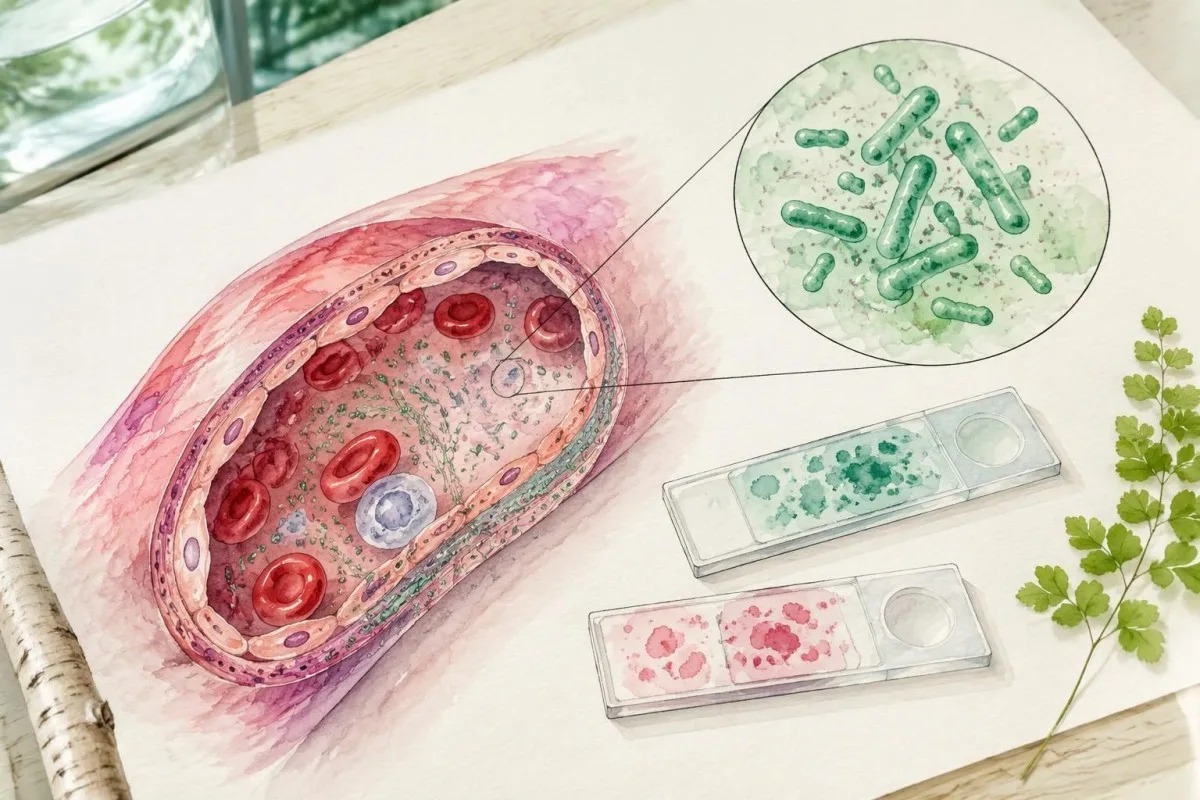
RMSF نى Rickettsia rickettsii, ، چىشلىگۈچى چىۋىن ئارقىلىق تارقىلىدىغان، كىچىك قان تومۇرلارغا تېز زىيان يەتكۈزەلەيدىغان باكتېرىيە پەيدا قىلىدۇ. CDC نىڭ ئەمەلىي قوللانمىسى ئىككى ۋەزىپىنى ئايرىيدۇ: خەتەرلىك بولۇشى مۇمكىن بولغان كېسەللىكنى ھازىر داۋالاش ۋە كېيىن تەجرىبىخانا دەلىلى ئېلىپ جەزملەشتۈرۈش؛ بۇ ئىككى ۋەزىپىنى ئارىلاشتۇرۇۋېتىشنىڭ ئالدىنى ئالغىلى بولىدىغان كېچىكىشلەرنى كەلتۈرۈپ چىقىرىدۇ (Biggs et al., 2016).
RMSF تاختىسى دەپ تەسۋىرلەنگەن بۇيرۇق IgG، IgM ياكى ھەر ئىككىسىنى ئۆز ئىچىگە ئېلىشى مۇمكىن، شۇنداقلا دەسلەپكى تەكشۈرۈش نەتىجىسىدىن كېيىن IFA تىترى تەكشۈرۈشى ئېلىپ بېرىلىشى مۇمكىن. ھەر بىر نەتىجىنىڭ قايسى ئۇسۇلدا چىقىرىلغانلىقىنى سوراڭ، چۈنكى بىر مەنپىي بولمىغان دەسلەپكى تەكشۈرۈش نەتىجىسى بىلەن بىر مىقدارلىق تىترى ئۆزئارا ئالماشتۇرغىلى بولمايدۇ؛ بىزنىڭ ... ھەققىدىكى قوللانمىمىز ئىجابىي ئانتىتانلا نەتىجىلىرى بۇ پەرقنى چۈشەندۈرىدۇ.
كانتېستى بىر AI قان تەكشۈرۈش ئانالىزچىسى تەجرىبىخانا دوكلاتلىرىنى چۈشەندۈرۈش ئۈچۈن لايىھەلەنگەن، بىر مەنپىي نەتىجىگە ئاساسەن RMSF نى يوققا چىقىرىش ئۈچۈن ئەمەس. بىزنىڭ شىركەت ئارقا كۆرۈنۈشى شۇ مۇلازىمەتنىڭ ئارقىسىدىكى تەشكىلاتنى تونۇشتۇرىدۇ؛ تەكشۈرۈش، ئۇچرىشىش خەۋپىنى باھالاش، سىناق بۇيرۇتۇش ۋە ئانتىبىئوتىك توغرىسىدىكى قارارلار داۋالىغۇچى كلىنىكىلىق دوختۇرنىڭ مەسئۇلىيىتىدە.
نېمە ئۈچۈن دەسلەپكى RMSF ئانتىتېلا تەكشۈرۈشى مەنپىي چىقىدۇ؟
بىر RMSF تەكشۈرۈشىدە يالغان مەنپىي نەتىجە كۆپىنچە ئانتىتېلا كۆزنەك مەزگىلىگە باغلىق: ئىممۇنىتېت ئىنكاسى تېخى بايقىغىلى بولىدىغان يېتەرلىك ئانتىتېلا ھاسىل قىلمىغان بولىدۇ. كېسەللىك ئالامەتلىرىنىڭ دەسلەپكى 7 كۈنىدە IgG IFA كۆپىنچە مەنپىي چىقىدۇ؛ شۇڭا كلىنىكىلىق كۆرۈنۈش RMSF نى كۆرسىتىپ تۇرغاندا، بالدۇر چىققان مەنپىي دوكلات داۋالاشنى بېرىشتىن ۋاز كېچىشكە ئاساس بولالمايدۇ.

تەكشۈرۈش ۋاقتى كېسەللىك ئالامەتلىرىنىڭ باشلىنىشى, ، تەجرىبىخانا ئەۋرىشكىنى تاپشۇرۇۋالغان كۈن ئەمەس. مەسىلەن، 3-كۈنى تەكشۈرۈلگەن دەپ پەرەز قىلىنغان بىر كىشىدە IgG مەنپىي بولسىمۇ ھەقىقىي RMSF بولۇشى مۇمكىن؛ ئوخشاش مەنپىي نەتىجە بىرنەچچە ھەپتىدىن كېيىن چىقسا، بولۇپمۇ جۈپ تەكشۈرۈش تاماملانغان بولسا، ئۇنىڭ چۈشەندۈرۈلۈشى باشقىچە بولىدۇ.
ئانتىتېلا ھاسىل بولۇش ھەر بىر ئادەمدە ئېنىق بىر كالېندار كۈنىگە ماس كەلمەيدۇ. CDC نىڭ كلىنىكىلىق ۋە تەجرىبىخانا دىئاگنوزى ھەققىدىكى كۆرسەتمىسىدە، بىرىنچى ھەپتىدىكى سېروتېست نەتىجىسىنىڭ كۆپىنچە مەنپىي بولىدىغانلىقى چۈشەندۈرۈلگەن؛ تەجرىبىخانىنىڭ ئانتىتېلاسى مەنپىي بولمىغانلىقى ئاللىبۇرۇن ئېنىقلانغان ئەۋرىشكىلەردە يۇقىرى ئىقتىدار كۆرسىتىشى، 1–7-كۈنلەردىكى سەزگۈرلۈكىمۇ شۇنىڭغا تەڭ دېگەنلىك ئەمەس.
بالدۇر چىققان مەنپىي نەتىجىدىن كېيىن ئاران 24–48 سائەت ئۆتكەندە IgG نى قايتا تەكشۈرۈش ئاز پايدا بېرىشى مۇمكىن، چۈنكى بۇ ئارىلىق ئادەتتە مۆلچەرلەنگەن ئانتىتېلا ئۆزگىرىشىنى كۆرسىتىشكە بەك قىسقا. بۇ Monospot testing window illustrates a similar timing principle, although its assay, illness, and recommended follow-up schedule differ from RMSF.
RMSF IgG ئىجابىي بولۇشى ئەمەلىيەتتە نېمىلەرنى ئۆز ئىچىگە ئالىدۇ؟
RMSF IgG positive meaning includes previous exposure, recent infection, or antibodies reacting with another spotted fever group rickettsia. A single positive titer—even 1:256 or higher—cannot independently establish acute RMSF, because antibody persistence and cross-reactivity prevent the result from acting as a reliable date stamp.

Antibodies against R. rickettsii can remain elevated for months and sometimes up to 4 years after illness, according to CDC diagnostic guidance. Persistent positivity does not mean bacteria remain active, and the height of a single titer does not reliably distinguish a new infection from an older immune response.
Background antibodies also affect interpretation: CDC notes that 10% or more of healthy people in some areas may have elevated titers from past exposure to spotted fever group rickettsiae. That figure is geographically dependent, not a universal prevalence estimate; testing someone without compatible symptoms increases the chance of finding a clinically misleading positive.
Consider a hypothetical asymptomatic adult with IgG 1:128 on an incidental panel and no recent febrile illness. That 1 result is not a reason by itself to prescribe doxycycline; antibody persistence after exposure is another example of why serology must be matched to the organism, symptoms, and sampling dates.
كرېست رېئاكسىيە ياكى IgM خاتا نەتىجە پەيدا قىلالامدۇ؟
ئۆزئارا تەسىرلىشىش can produce positive RMSF serology after exposure to another spotted fever group rickettsia, and IgM is less specific than IgG for diagnosing recent illness. A positive IgM result on day 5 is therefore not a dependable shortcut around an early negative IgG result.
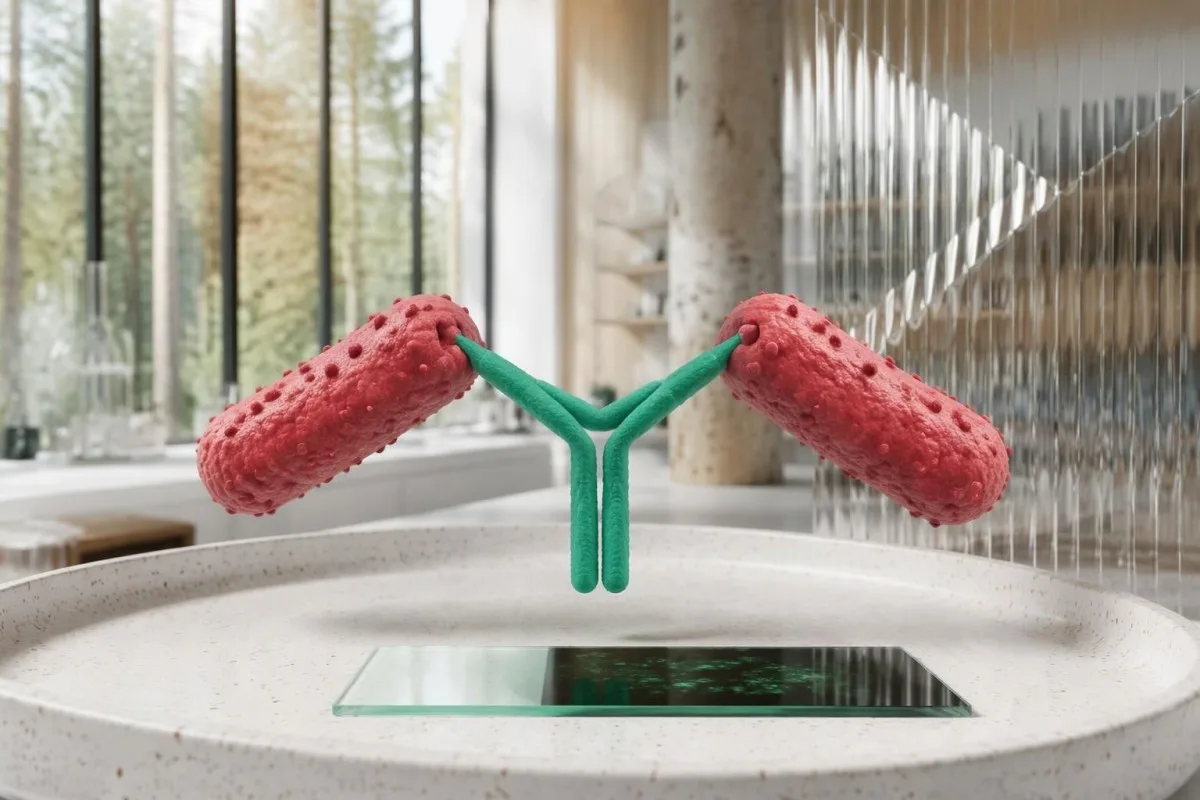
R. rickettsii, R. parkeri, and related organisms share antigenic features that routine commercial serology often cannot distinguish. A 4-fold IgG rise can establish recent spotted fever group rickettsial infection in a compatible illness, but identifying R. rickettsii specifically may require species-specific molecular testing or specialized reference-laboratory investigation.
IgM may appear without convincing evidence of recent rickettsial illness and should not be used as a stand-alone diagnostic marker. The CDC practical guide favors paired IgG IFA for confirmation rather than interpreting 1 isolated IgM positive as proof of acute RMSF (Biggs et al., 2016).
Not all antibody families behave alike: Q fever antibody patterns use phase-specific interpretation that should not be imported into RMSF. For a report showing IgM positive and IgG negative on day 4, ask about clinical suspicion, assay method, and the planned convalescent specimen rather than assuming the sequence proves infection.
جۈپ ئەۋرىشكە ۋە تۆت ھەسسە ئۆرلەش دىياگنوزنى قانداق قوللايدۇ؟
Paired IgG IFA samples support diagnosis by showing whether antibody titers rise substantially between acute illness and recovery. A rise from 1:64 to 1:256 is fourfold; with compatible symptoms, it supports recent spotted fever group rickettsial infection rather than merely documenting an antibody that was already present.
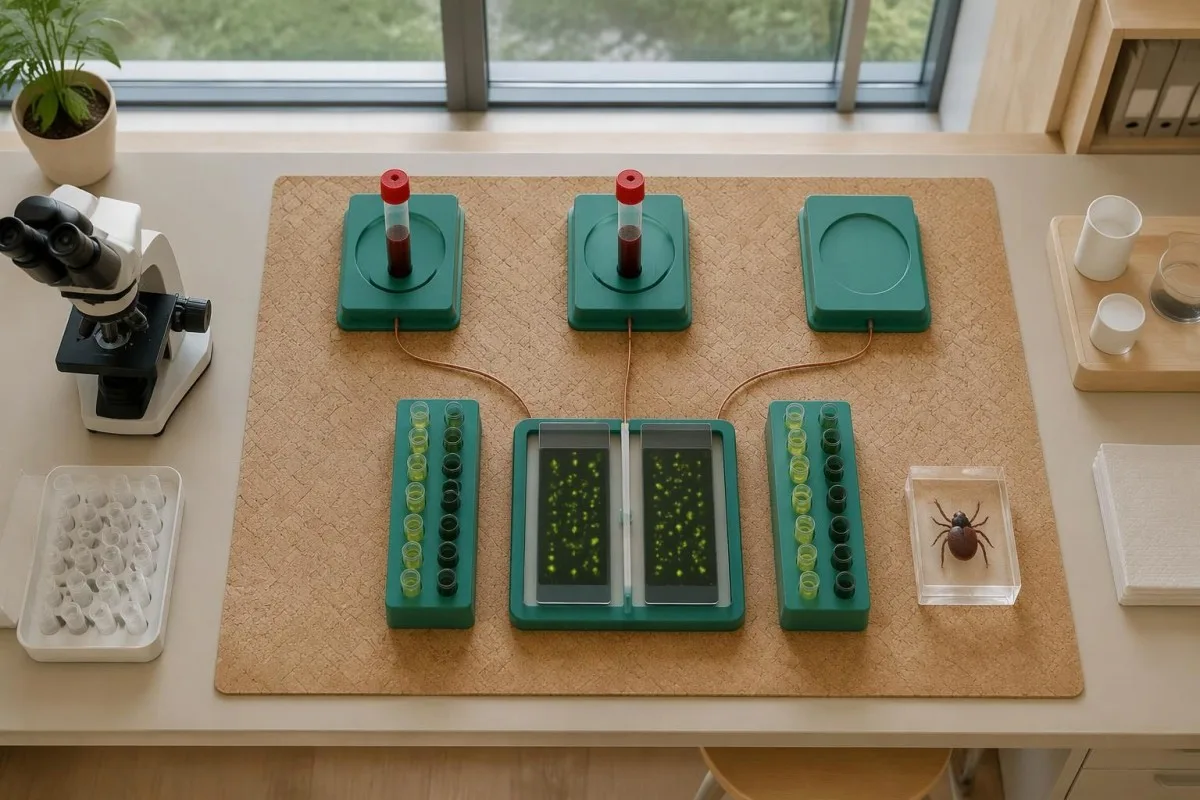
IFA titers describe the highest dilution at which antibody remains detectable; 1:256 means detection after greater dilution than 1:64. In a common 2-fold dilution series, 1:64 to 1:128 is one step, while 1:64 to 1:256 is two steps—the fourfold change used to reduce ambiguity from small fluctuations.
CDC RMSF guidance describes paired specimens collected 2–10 weeks apart, while the 2016 practical guide emphasizes an acute specimen and a convalescent specimen ideally 2–4 weeks later. These recommendations are not competing treatment deadlines; the clinician and laboratory should agree on follow-up timing that can capture the antibody response.
Use the same laboratory and assay when possible, and retain the original reports rather than comparing 2 abbreviated portal flags. Our explanations of مىقدارلىق ۋە سۈپەتلىك نەتىجىلەرنى چۈشەندۈرۈشىمىز ۋە Laboratoriyə ziyarətliri arisidə özgirish help distinguish a meaningful paired titer rise from unrelated reporting differences.
| دەرىجە | دائىرە | مەنىسى |
|---|---|---|
| Early negative | Below laboratory cutoff on days 1–7 | Does not exclude RMSF; antibodies may not yet be detectable. |
| Single positive | Example: 1:128 on one specimen | Shows detectable antibody, not the date or species of infection. |
| Twofold rise | Example: 1:64 → 1:128 | Does not meet the standard fourfold-rise criterion. |
| تۆت ھەسسە ئېشىش | 示例:1:64 → 1:256 | Supports recent spotted fever group infection with compatible illness; does not measure severity. |
ئانتىتېلالار پەيدا بولۇشتىن بۇرۇن PCR RMSF نى بايقىيالامدۇ؟
PCR can detect rickettsial DNA before antibodies develop, but a negative whole-blood PCR does not exclude RMSF. R. rickettsii mainly targets vascular endothelial cells, so an illness-day-3 blood specimen may contain too little bacterial DNA for detection even when the disease is clinically significant.
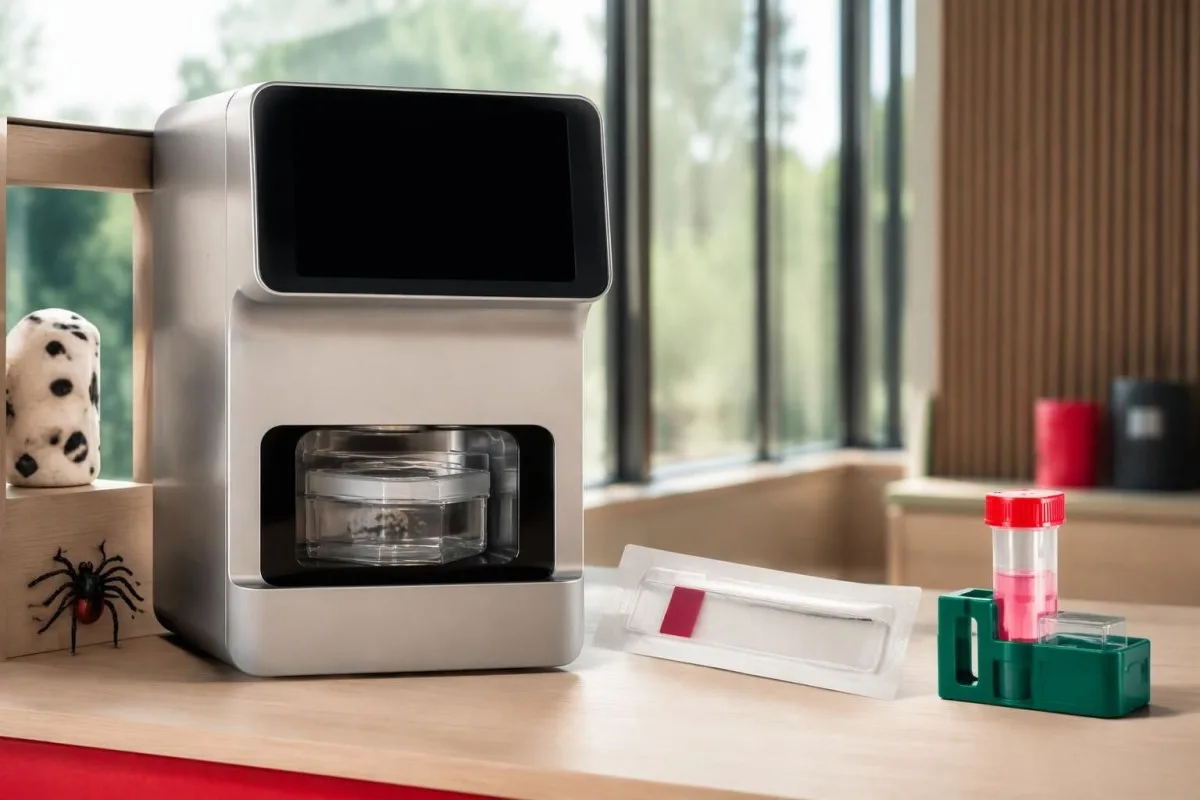
Unlike serology, PCR looks for the organism's genetic material rather than the host's immune response. Its usefulness depends on 3 practical variables: the specimen collected, illness severity and timing, and whether antibiotics have already reduced detectable organisms; there is no single sensitivity percentage applicable to every RMSF PCR order.
A clinician may arrange PCR or immunohistochemical testing of a rash skin biopsy through an appropriate laboratory, because affected tissue can provide evidence unavailable in circulating blood. Even when tissue testing is considered, collecting a specimen before the first doxycycline dose is desirable only if it does not delay urgent treatment.
Ask whether a panel actually includes R. rickettsii and whether it reports species-specific results or a broader rickettsial group. The PCR timing explanation for whooping cough demonstrates why molecular tests have specimen and treatment windows, but its respiratory sampling rules do not apply to RMSF.
نېمە ئۈچۈن RMSF ۋە ئېھرلىخىئوز تەكشۈرۈشلىرى ئوخشىمىغان نەتىجە بېرىدۇ؟
RMSF and ehrlichiosis require different diagnostic reasoning even when the same tick-exposure evaluation includes both. Whole-blood PCR is generally more useful early in ehrlichiosis because Ehrlichia organisms infect white cells, whereas R. rickettsii primarily affects vessel-lining cells; 1 negative tick-borne panel is not a universal exclusion test.

Fever, headache, muscle aches, and abnormal liver enzymes can occur in more than 1 tick-borne illness. Exposure location, platelet count, white-cell count, rash, and illness timing guide test selection; clinicians should not assume that an order called a tick panel covers every relevant organism or uses the best specimen for each.
The ehrlichiosis PCR and titer guide explains why acute PCR and later antibodies may disagree in that illness. For a hypothetical day-4 presentation, an Ehrlichia PCR positive and RMSF IgG negative need interpretation as separate findings—not evidence that all other tick-transmitted illnesses were conclusively excluded.
كانتېستى بىر AI قان تەكشۈرۈش نەتىجىسىنى چۈشەندۈرۈش سۇپىسى that explains submitted laboratory reports, not a substitute for organism-specific diagnostic assessment. If a report contains 2 negative results from different methods, we emphasize the distinction between the method's target and the clinician's question rather than treating the word negative as a complete answer.
قايسى دائىملىق قان تەكشۈرۈش نەتىجىلىرى RMSF گۇمانىنى قوللىشى مۇمكىن؟
Low platelets, mildly elevated AST or ALT, and low sodium can support suspicion of RMSF, but none confirms the diagnosis and early values may be normal. A platelet count of 110 × 10⁹/L and sodium of 130 mmol/L are contextual clues—not organism-specific thresholds or prerequisites for starting treatment.
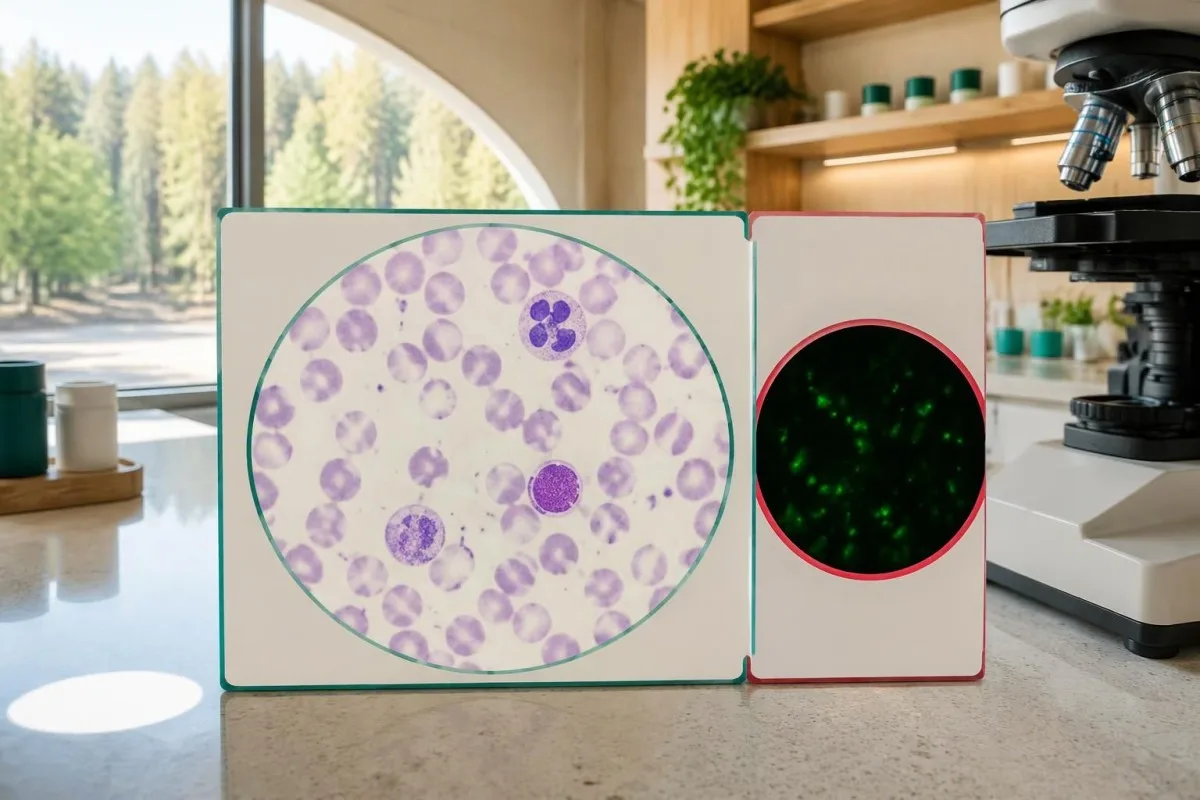
Typical adult platelet reference intervals are approximately 150–450 × 10⁹/L, and serum sodium is commonly 135–145 mmol/L, although local ranges vary. The reason clinicians consider falling platelets together with fever and low sodium is that the combination can suggest systemic illness; it does not distinguish RMSF from several infectious or noninfectious causes.
A hypothetical febrile traveler with platelets 95 × 10⁹/L, AST 82 U/L, and recent outdoor exposure deserves clinical assessment even if white cells are normal. Our WBC ۋە CRP نى سېلىشتۇرۇش explains why normal inflammatory markers cannot independently clear a person with concerning symptoms.
Unexpectedly low platelets may also reflect sample-related clumping, which requires laboratory verification rather than automatic attribution to RMSF; EDTA نىڭ PLT توپلىشىشى explains that artifact. If systemic illness is accompanied by abnormal clotting or organ dysfunction, the قان ئۇيۇشنى تەكشۈرۈش يېتەكچىسى helps explain additional tests, but a repeat specimen must not postpone urgent care.
نېمە ئۈچۈن RMSF گۇمان قىلىنغاندا نەتىجىلەر چىقىشتىن بۇرۇن داۋالاشنى باشلاش كېرەك؟
Suspected RMSF requires prompt empiric doxycycline, because early tests can be negative and delayed treatment increases the risk of severe illness and death. Clinicians should not wait for IgG seroconversion, a PCR report, or a convalescent sample 2–10 weeks later before treating a compatible acute presentation.

Treatment timing is a safety issue, not simply a preference for faster symptom relief. Kirkland et al. reported higher mortality with treatment initiated after the first 5 days of illness in their retrospective study; its observational design limits precise causal estimates, but the finding supports the urgency emphasized in CDC guidance (Kirkland et al., 1995).
CDC recommends doxycycline 100 mg every 12 hours for adults and children weighing at least 45 kg; children under 45 kg receive 2.2 mg/kg every 12 hours, up to 100 mg per dose. These are clinician-prescribed regimens, not instructions for self-treatment; oral versus intravenous therapy depends on severity and the ability to retain medication.
Treatment generally lasts at least 5–7 days and continues until fever has resolved for at least 3 days with clinical improvement; complicated cases may need longer care. Pregnancy or suspected doxycycline allergy requires urgent individualized advice rather than automatic delay, and urgent infection assessment illustrates the same need to coordinate testing and treatment, although Listeria requires different antibiotics.
كۆپ ئۇچرايدىغان RMSF تەكشۈرۈش نەتىجىلىرىنى قانداق چۈشەندۈرۈش كېرەك؟
RMSF test results must be interpreted using symptoms, illness dates, specimen types, and changes between samples. An early negative result may be uninformative, a single positive may reflect old exposure, and a fourfold paired IgG rise can support recent spotted fever group rickettsial infection without proving the species.

Example 1 is hypothetical: a person develops fever and severe headache after outdoor exposure, tests IgG negative on day 3, and begins clinician-directed doxycycline that day. An acute titer below 1:64 followed by a convalescent titer of 1:256 can provide supportive laboratory evidence, but the laboratory must verify the change against its starting dilution and reporting limits.
Example 2 is also hypothetical: an otherwise well person has IgG 1:256 on 2 specimens obtained several weeks apart, without a compatible intervening illness. Stable positivity does not prove new RMSF, and escalating antibiotics to make the titer disappear is not justified; Kantesti explains this as an interpretation limitation, not a declaration that every stable titer is harmless.
Example 3 involves fever, IgG 1:128, and no properly timed acute comparator, leaving recent versus previous exposure uncertain. The next step depends on clinical assessment and possible additional testing; بابېزىيە ئانتىتېلالىرى ۋە يۇقۇملىنىش demonstrates a related distinction, but babesiosis needs its own organism-detection approach and is not treated with doxycycline alone.
قاچان كېسەللىك ئالامەتلىرى RMSF مەنپىي نەتىجىسىدىن ئۈستۈن ئورۇندا تۇرىدۇ؟
A negative RMSF result should not override a concerning acute illness with fever, severe headache, gastrointestinal symptoms, or rash after plausible tick exposure. Symptoms typically begin 3–12 days after an infected tick bite, and neither an unremembered bite nor the absence of an early rash reliably excludes RMSF.

The classic rash often develops 2–4 days after fever begins, so waiting for wrist, ankle, palm, or sole spots can delay care. RMSF can occur without a recognized rash, and its name is geographically misleading: clinicians assess exposure beyond the Rocky Mountain region, including travel and locally circulating ticks.
Confusion, breathing difficulty, fainting, rapidly worsening illness, or a spreading purple or pinpoint rash warrant emergency assessment—not a plan to repeat antibodies in 2 weeks. A fever and severe headache after possible tick exposure merit prompt clinical contact even if an online portal marks the first RMSF test negative.
After a tick bite without symptoms, routine antibody screening and preventive antibiotics are not recommended specifically to prevent RMSF; CDC guidance advises symptom monitoring for approximately 14 days. Tick exposure can also lead to conditions with entirely different testing logic, such as چىكىتتىن كېيىنكى ئالفا-گال سەزگۈرلۈكى, which involves allergy assessment rather than RMSF IgG interpretation.
داۋالاشتىن كېيىن RMSF ئانتىتېلالىرىنى قايتا تەكشۈرۈش كېرەكمۇ؟
Repeat RMSF antibodies are useful for diagnostic confirmation, not as a routine test of cure. A convalescent sample collected 2–10 weeks after the acute specimen can document an antibody rise, but persistent IgG after recovery does not by itself mean treatment failed or that more antibiotics are needed.

Fever often improves within 24–48 hours after early appropriate doxycycline treatment, although severe illness may respond more slowly. Failure to improve or clinical deterioration requires reassessment for complications, an alternative diagnosis, inadequate medication absorption, or another illness; it should not be managed by waiting for a titer to fall.
Early antibiotic treatment can sometimes delay or diminish antibody responses in rickettsial illness, so the absence of a fourfold rise is not an absolute retrospective exclusion in every treated case. Do not stop effective treatment to improve test yield; the clinician should interpret the 2 specimens alongside treatment dates, sampling quality, and the original clinical presentation.
Kantesti AI can help organize submitted results for trend review, but a trend graph cannot establish that RMSF is cured or still active. Our قان تەكشۈرۈش ۋاقىت لىنىيەسى يېتەكچىسى explains why illness and medication dates matter; persistent symptoms after treatment need clinical reassessment, because lasting complications can occur without evidence of chronic ongoing RMSF infection.
سۈنئىي ئەقىلدىن RMSF دوكلاتىنى چۈشەندۈرۈشنى سوراشتىن بۇرۇن نېمىلەرنى تەكشۈرۈش كېرەك؟
A useful RMSF report explanation requires the assay method, exact titer, collection date, and symptom-onset date, not just the words positive or negative. Before seeking an AI explanation, identify whether 2 reports represent comparable acute and convalescent specimens; urgent symptoms still require clinical care before any upload or interpretation.

Record at least 5 details: symptom onset, sample collection, IgG versus IgM, IFA titer versus screening index, and the first antibiotic dose. Add recent travel and exposure information for the clinician; a numerical index of 2.1 from one assay cannot be mathematically converted into an IFA titer such as 1:128.
كانتېستى بىر AI ئارقىلىق قوزغىتىلغان قان تەكشۈرۈش تەھلىل قورالى that helps explain submitted laboratory information without replacing clinical diagnosis. Our AI تېخنىكىسى يېتەكچىسى describes the interpretation approach; for suspected RMSF, 1 negative early result must never become an AI-generated reassurance that postpones medical assessment.
An explanation should separate 3 categories: what the laboratory measured, what that finding can support, and what remains uncertain. Our داۋالاش دوكلاتى مەنبەسىنى تەكشۈرۈش describe that safety boundary; useful questions include whether paired IgG is planned, whether PCR covered the suspected species, and whether treatment has already started.
تەتقىقات نەشر بۇيۇملىرى ۋە دىياگنوز دەلىللىرىنىڭ چەكلىمىلىرى
RMSF diagnostic guidance and AI engineering publications answer different questions and should not be treated as interchangeable evidence. The 2016 CDC practical guide supports paired serology and immediate treatment when clinically indicated; 2 Figshare records listed below provide publication context, not proof that an AI system can diagnose or exclude RMSF.
The 1995 therapeutic-delay study and the 2016 CDC recommendations directly address RMSF care, whereas a laboratory's assay validation addresses the particular test it performs. These are 3 different evidence levels—clinical outcomes, diagnostic guidance, and analytical performance—and none makes a first-week negative antibody result a reliable reason to delay treatment.
Kantesti's 2 requested Figshare publication records concern women's health and AI-assisted hantavirus triage, respectively; neither should be cited as an RMSF diagnostic-validation study. A DOI identifies a publication record rather than guaranteeing peer review, clinical accuracy, or applicability to another disease; our 0 تېببىي مەزمۇن ئۆلچەملىرى explain the need to distinguish directly relevant sources from contextual material.
For this topic, the practical evidence boundary is straightforward: a 4-fold paired IgG rise supports recent spotted fever group infection, while immediate care depends on clinical suspicion rather than a future titer. Our كلىنىكىلىق تەكشۈرۈش رامكىسى بار بولۇپ، تەجرىبىخانا ئىزاھاتلىرى قانداق سىناق قىلىنىپ ۋە داۋالاش جەھەتتىن قانداق تەكشۈرۈلىدىغانلىقىنى چۈشەندۈرىدۇ. Kantesti نىڭ داۋالاش تەكشۈرۈش مودېلى بىزنىڭ provides broader methodology context, but suspected RMSF still requires a clinician who can examine, prescribe, and arrange appropriate confirmatory testing.
دائىملىق سورالدىغان سوئاللار
دەسلەپكى باسقۇچتا روككى تېغى داغلىق قىزىتمىسى تەكشۈرۈشىنىڭ نەتىجىسى مەنپىي چىقىشى مۇمكىنمۇ؟
0 ھەئە، Rocky Mountain spotted fever ئانتىتېلا تەكشۈرۈشى كېسەللىكنىڭ دەسلەپكى 7 كۈنىدە دائىم مەنپىي چىقىدۇ، چۈنكى بايقىغىلى بولىدىغان ئانتىتېلالار تېخى شەكىللەنمىگەن بولىدۇ. شۇڭا دەسلەپكى مەنپىي IgG IFA نەتىجىسى RMSF نى يوققا چىقارمايدۇ. كېسەللىك ئالامەتلىرى ۋە تەسىرگە ئۇچراش تارىخى RMSF نى كۆرسەتسە، دوختۇرلار قايتا تەكشۈرۈشنى كۈتمەيلا دەرھال doxycycline بىلەن داۋالاشنى باشلىشى كېرەك. كېيىنكى ئەسلىگە كېلىش مەزگىلىدە ئېلىنغان ئەۋرىشكە دىياگنوزنى جەزملەشتۈرۈشكە ياردەم بېرەلەيدۇ.
RMSF IgG نىڭ مۇسبەت چىقىشى مەندە ئاكتىپ يۇقۇم بارلىقىنى بىلدۈرەمدۇ؟
0 مۇسبەت RMSF IgG نەتىجىسى، تىتېرى 1:256 بولغان تەقدىردىمۇ، ئاكتىپ يۇقۇملىنىشنى ئۆز ئالدىغا ئىسپاتلىمايدۇ. ئانتىتېلالار نەچچە ئاي ياكى يىلغىچە ساقلىنىپ، باشقا داغلىق قىزىتما گۇرۇپپىسىدىكى رىكېتسىيەلەر بىلەنمۇ ئىنكاس قايتۇرۇشى مۇمكىن. يېقىنقى ئالامەتلەر، ئۇچرىشىش ۋە سېلىشتۇرۇشقا بولىدىغان جۈپ ئەۋرىشكىلەردە تىتېرنىڭ تۆت ھەسسە ئۆسۈشى يېقىنقى يۇقۇملىنىش ئېھتىماللىقىنى ئاشۇرىدۇ. ماس كېلىدىغان ئالامەتلىرى يوق ئادەمدىكى يەككە مۇسبەت نەتىجە ئۆز ئالدىغا ئانتىبىئوتىك ئىشلىتىشنى ئاقلىمايدۇ.
Rocky Mountain داغلىق قىزىتمىسى (RMSF) ئانتىتېلاسىنىڭ ئىككىنچى ئەۋرىشكىسى قاچان ئېلىنىشى كېرەك؟
CDC نىڭ RMSF دىئاگنوز قويۇش يېتەكچىسىدە 2–10 ھەپتە ئارىلىقتا ئېلىنغان جىددىي مەزگىل ۋە كېسەللىكتىن كېيىنكى مەزگىلدىكى IgG ئەۋرىشكىلىرى تەسۋىرلەنگەن. CDC نىڭ 2016-يىللىق ئەمەلىي قوللانمىسىدا كېسەللىكتىن كېيىنكى مەزگىلدىكى ئەۋرىشكىنى جىددىي مەزگىلدىكى ئەۋرىشكىدىن كېيىن ئەڭ مۇۋاپىقى 2–4 ھەپتە ئىچىدە ئېلىش تەسۋىرلەنگەن. داۋالىغۇچى كلىنىكىلىق دوختۇر ۋە تەجرىبىخانا مۇۋاپىق ئارىلىقنى تاللاپ، سېلىشتۇرۇشقا بولىدىغان تەكشۈرۈش ئۇسۇللىرىنى ئىشلىتىشى كېرەك. داۋالاش ئىككىنچى ئەۋرىشكىنى ساقلاپ تۇرماسلىقى كېرەك.
RMSF ئانتىتېلا تېترىنىڭ تۆت ھەسسە ئۆرلىشى دېگەن نېمە؟
0) تۆت ھەسسە ئېشىش دېگىنى، كېيىنكى IgG تىترىنىڭ دەسلەپكى تىترىدىن تۆت ھەسسە يۇقىرى بولۇشىدۇر؛ مەسىلەن، 1:64 دىن 1:256 گىچە ئېشىش. كۆپ ئىشلىتىلىدىغان ئىككى ھەسسە سۇيۇلدۇرۇش قاتارىدا، بۇ ئىككى سۇيۇلدۇرۇش باسقۇچىغا توغرا كېلىدۇ. ماس كېلىدىغان كېسەللىك ئالامەتلىرى بىلەن بىرگە كۆرۈلگەندە، بۇ ئۆزگىرىش يېقىنقى مەزگىلدىكى داغلىق قىزىتما گۇرۇپپىسى رىكېتسىيەسىدىن يۇقۇملىنىشنى قوللايدۇ. ئادەتتىكى قان زەردابى تەكشۈرۈشى يەنىلا Rickettsia rickettsii نى كونكرېت پەرقلەندۈرەلمەسلىكى ياكى كېسەللىكنىڭ ئېغىرلىقىنى بېكىتەلمەسلىكى مۇمكىن.
مەنپىي RMSF PCR نەتىجىسى بۇ كېسەلنى يوققا چىقىرامدۇ؟
پۈتۈن قاندىكى RMSF PCR نەتىجىسىنىڭ مەنپىي بولۇشى كېسەللىكنى يوققا چىقارمايدۇ، چۈنكى Rickettsia rickettsii ئاساسلىقى ئايلىنىپ يۈرگەن ئاق قان ھۈجەيرىلىرىگە ئەمەس، بەلكى قان تومۇر ئىچكى پەردىسى ھۈجەيرىلىرىگە تەسىر كۆرسىتىدۇ. كېسەللىكنىڭ 3-كۈنى ئېلىنغان ئەۋرىشكىدە بايقاشقا يېتەرلىك باكتېرىيە DNA سى بولماسلىقى مۇمكىن، ئانتىبىيوتىكلارمۇ تەكشۈرۈشنىڭ نەتىجە بېرىش نىسبىتىنى تېخىمۇ تۆۋەنلىتىشى مۇمكىن. مۇۋاپىق بولغاندا، زەخىملەنگەن تېرە توقۇلمىسىنى مەخسۇس تەكشۈرۈش قوشۇمچە دەلىل بىلەن تەمىنلىشى مۇمكىن. دوختۇرلار PCR نەتىجىسىنى ئېلىش ياكى كۈتۈش جەريانىدا داۋالاشنى كېچىكتۈرمەسلىكى كېرەك.
بالىلارغا RMSF نەتىجىسى قايتىپ كېلىشتىن بۇرۇن دوكسىسيكلىن بېرىش كېرەكمۇ؟
Children of all ages should receive clinician-prescribed doxycycline promptly when RMSF is suspected, without waiting for laboratory confirmation. CDC guidance recommends 2.2 mg/kg every 12 hours for children under 45 kg, with a maximum of 100 mg per dose. Short courses used for rickettsial disease have not been shown to cause the permanent tooth staining associated with older tetracycline concerns. The child's clinician determines route, duration, and whether hospital care is needed.
نېمە ئۈچۈن داۋالانغاندىن كېيىنمۇ RMSF IgG سىنىقىم مۇسبەت چىقىدۇ؟
RMSF IgG مىقدارى كېسەلدىن كېيىن نەچچە ئاي، بەزىدە ھەتتا 4 يىلغىچە مۇسبەت ھالەتتە تۇرۇشى مۇمكىن؛ شۇڭا مۇسبەتلىكنىڭ داۋاملىشىشى ئۆزلىكىدىن داۋالاشنىڭ ئۈنۈم بەرمىگەنلىكىنى بىلدۈرمەيدۇ. ئانتىتېلا تەكشۈرۈشى داۋالاشنىڭ تاماملانغانلىقىنى جەزملەشتۈرۈش ئۈچۈن دائىملىق ئېلىپ بېرىلىدىغان تەكشۈرۈش ئەمەس. پەقەت تىترنى مەنپىيگە ئايلاندۇرۇش مەقسىتىدە قوشۇمچە ئانتىبىيوتىك دورىلارنى يېزىپ بېرىشكە بولمايدۇ. ئالامەتلەر داۋاملاشسا ياكى ئېغىرلاشسا، ئانتىتېلا سانىغا قاراپلا چۈشەندۈرۈشنىڭ ئورنىغا، ئەگەشمە كېسەللىكلەر ياكى باشقا دىئاگنوزلار بار-يوقلۇقىنى باھالاش ئۈچۈن كلىنىكىلىق قايتا تەكشۈرۈش كېرەك.
قان تەكشۈرۈش نەتىجىسىنى قانداق ئوقۇش
تەجرىبىخانا دوكلاتىڭىزنى يوللاڭ، Kantesti نىڭ سۈنئىي ئەقىلى ھەر بىر بىئوماركېرنى بىر نەچچە سېكۇنت ئىچىدە ئاددىي تىلدا چۈشەندۈرىدۇ. دۇنيا بويىچە 2 مىليوندىن ئارتۇق ئادەم ئىشلىتىدۇ.
پايدىلانغان ماتېرىياللار
- Klein, T., Mitchell, S., & Weber, H. (2026). ئاياللار ساغلاملىقى قوللانمىسى: تۇخۇم چىقىرىش، ھەيز توختاش ۋە ھورمونغا مۇناسىۋەتلىك ئالامەتلەر. Kantesti AI Medical Research. DOI
- Klein, T., Mitchell, S., & Weber, H. (2026). بوۋاقلاردا خەنتا ۋىرۇسىنى دەسلەپكى تەكشۈرۈش ئۈچۈن كۆپ تىللىق سۈنئىي ئەقىل ياردەمچى كلىنىكىلىق قارار قوللاش: لايىھە، قۇرۇلۇش دەلىللەش ۋە 50,000 قان تەكشۈرۈش دوكلاتى ئىزاھلانغان ھەقىقىي دۇنيا مىقياسىدىكى ئىشلىتىش. Kantesti AI Medical Research. DOI
- Biggs HM et al. (2016). Diagnosis and Management of Tickborne Rickettsial Diseases: Rocky Mountain Spotted Fever and Other Spotted Fever Group Rickettsioses, Ehrlichioses, and Anaplasmosis — United States. MMWR تەۋسىيەلىرى ۋە دوكلاتلىرى. DOI
- Kirkland KB et al. (1995). Therapeutic delay and mortality in cases of Rocky Mountain spotted fever. كلىنىكىلىق يۇقۇملۇق كېسەللىكلەر.
- كېسەللىكلەرنى كونترول قىلىش ۋە ئالدىنى ئېلىش مەركىزى (تارىخى يوق). Clinical and Laboratory Diagnosis for Rocky Mountain Spotted Fever. CDC نىڭ كلىنىكىلىق كۆرسەتمىسى.
- 2M +تەھلىل قىلىنغان تەكشۈرۈشلەر
- 127+دۆلەتلەر
- 100+تىللار
تېببىي گۇرۇپپا ھەققىدە


E-E-A-T ئىشەنچ سىگناللىرى
تەجرىبە
دوختۇر رەھبەرلىكىدىكى لابوراتورىيە تەبىرىنى چۈشەندۈرۈش خىزمەت ئېقىملىرىنى بالىياتقۇچلۇق تەكشۈرۈش.
مۇتەخەسسىسلىك
بىئوماركىرلارنىڭ كىلىنىكىلىق مۇھىتتا قانداق ھەرىكەت قىلىدىغانلىقىغا مەركەزلەشكەن لابوراتورىيە تېبابىتى.
ھوقۇقدارلىق
دوكتور توماس كلېين تېببىي جەھەتتىن تەكشۈرگەن، دوكتور سارا مىچېل ۋە پروفېسسور دوكتور خانس ۋېبېرنىڭ تۆھپىسى بىلەن تەييارلانغان.
ئىشەنچلىكلىك
ئاگاھلاندۇرۇشنى ئازايتىش ئۈچۈن ئېنىق كېيىنكى قەدەملەر بىلەن ئىسپات-ئاساسلىق تەبىر.






تېببىي ئاگاھلاندۇرۇش
بۇ ماقالە پەقەت تەربىيە-ئوقۇتۇش مەقسىتى ئۈچۈن بولۇپ، داۋالاش مەسلىھەتىنى تەشكىل قىلمايدۇ. دىئاگنوز قويۇش ۋە داۋالاش قارارلىرى ئۈچۈن ھەمىشە لاياقەتلىك ساغلاملىق مۇلازىمىتى تەمىنلىگۈچى بىلەن مەسلىھەتلىشىڭ.
Published · تەھرىر گۇرۇپپىسى بىلەن ئالاقىلىشىڭ
ئەنگلىيە ۋە ۋېلىشتا تىزىمغا ئېلىنغان Kantesti Ltd تەرىپىدىن نەشر قىلىنغان، شىركەت نومۇرى:. 17090423, ، لوندون، ئەنگلىيە.
