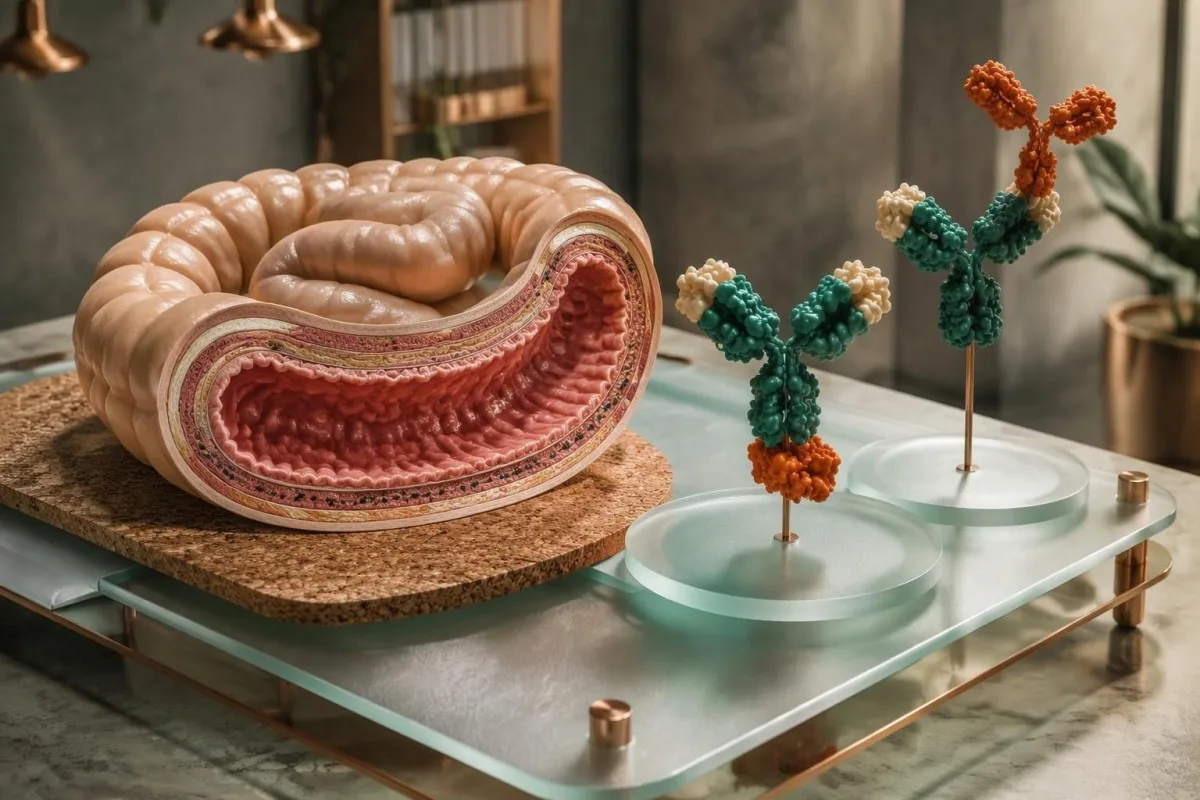
ಇನ್ಫ್ಲಿಕ್ಸಿಮ್ಯಾಬ್ ಮಟ್ಟದ ಪರೀಕ್ಷೆಯು IBD ನಿಯಂತ್ರಣ ಕಳೆದುಹೋಗಿರುವುದಕ್ಕೆ ಕಾರಣವನ್ನು ವಿವರಿಸಲು ಔಷಧದ ಸಾಂದ್ರತೆಯನ್ನು ಪ್ರತಿಕಾಯಗಳೊಂದಿಗೆ ಹೋಲಿಸುತ್ತದೆ. ಗಮನಾರ್ಹ ಪ್ರತಿಕಾಯಗಳಿಲ್ಲದೆ ಔಷಧದ ಮಟ್ಟ ಕಡಿಮೆಯಿದ್ದರೆ, ಔಷಧಕ್ಕೆ ಸಾಕಷ್ಟು ಒಡ್ಡಿಕೊಳ್ಳದಿರುವುದನ್ನು ಸೂಚಿಸುತ್ತದೆ; ನಿರಂತರವಾಗಿ ಹೆಚ್ಚಿನ ಪ್ರತಿಕಾಯಗಳೊಂದಿಗೆ ಔಷಧದ ಮಟ್ಟ ಕಡಿಮೆಯಿದ್ದರೆ, ಪ್ರತಿರಕ್ಷಣಾ-ಮಧ್ಯಸ್ಥ ತೆರವುಗೊಳಿಸುವಿಕೆಯನ್ನು ಸೂಚಿಸುತ್ತದೆ. ಸಾಕಷ್ಟು ಔಷಧ-ಒಡ್ಡಿಕೊಳ್ಳುವಿಕೆಯಿದ್ದರೂ ಸಕ್ರಿಯ ಉರಿಯೂತ ಮುಂದುವರಿದರೆ, ಕಾರ್ಯವಿಧಾನಾತ್ಮಕ ವೈಫಲ್ಯದ ಸಾಧ್ಯತೆ ಇದೆ—ಆದರೆ ಉರಿಯೂತವನ್ನು ದೃಢಪಡಿಸಿದ ನಂತರ, ಮಾದರಿಯನ್ನು ಸರಿಯಾಗಿ ಸಂಗ್ರಹಿಸಿದ ನಂತರ ಮತ್ತು ಚಿಕಿತ್ಸೆಯ ಗುರಿಗೆ ಸೂಕ್ತವಾದ ಗುರಿ ಮಟ್ಟವನ್ನು ಖಚಿತಪಡಿಸಿದ ನಂತರ ಮಾತ್ರ.

ಪ್ರಮುಖ ಅಂಶಗಳು
- ಜೋಡಿಯಾಗಿ ಪಡೆದ ಫಲಿತಾಂಶಗಳು ಇನ್ಫ್ಲಿಕ್ಸಿಮ್ಯಾಬ್ಗೆ ಸಾಕಷ್ಟು ಒಡ್ಡಿಕೊಳ್ಳದಿರುವುದನ್ನು ಪ್ರತಿಕಾಯ-ಸಂಬಂಧಿತ ತೆರವುಗೊಳಿಸುವಿಕೆಯಿಂದ ಬೇರ್ಪಡಿಸುತ್ತವೆ; ಯಾವ ಫಲಿತಾಂಶವೂ ಒಂದರಿಂದಲೇ ಲಕ್ಷಣಗಳು ಮರಳಿದ ಕಾರಣವನ್ನು ಸಾಬೀತುಪಡಿಸುವುದಿಲ್ಲ.
- ಇನ್ಫ್ಯೂಷನ್ಗೆ ಮುನ್ನ ಮಾದರಿ ಸಂಗ್ರಹ ಮುಂದಿನ ಇಂಟ್ರಾವೀನಸ್ ಇನ್ಫ್ಯೂಷನ್ ಆರಂಭವಾಗುವ ಮೊದಲು ಪ್ರಯೋಗಾಲಯದ ಮಾದರಿಯನ್ನು ಸಂಗ್ರಹಿಸುವುದನ್ನು ಸೂಚಿಸುತ್ತದೆ; 2 ದಿನಗಳ ನಂತರವಲ್ಲ.
- ನಿರ್ವಹಣಾ ಮಾನದಂಡದ ಮಟ್ಟಗಳು ಭಿನ್ನವಾಗಿವೆ: 2017ರ AGA ಮಾರ್ಗಸೂಚಿಯು ಪ್ರತಿಕ್ರಿಯಾತ್ಮಕ ಮೇಲ್ವಿಚಾರಣೆಗೆ ಕನಿಷ್ಠ 5 µg/mL ಅನ್ನು ಸೂಚಿಸಿತು, ಆದರೆ ತಜ್ಞರ ಒಮ್ಮತವು ನಿರ್ವಹಣೆಗೆ 5–10 µg/mL ಅನ್ನು ವಿವರಿಸುತ್ತದೆ.
- ಕಡಿಮೆ ಇನ್ಫ್ಲಿಕ್ಸಿಮ್ಯಾಬ್ ಮಟ್ಟಗಳು ಪ್ರತಿಕಾಯಗಳು ಇಲ್ಲದಿರುವಾಗಲೂ ವೇಗವಾದ ತೆರವುಗೊಳಿಸುವಿಕೆ, ಕರುಳಿನ ಮೂಲಕ ಪ್ರೋಟೀನ್ ನಷ್ಟ, ಡೋಸ್ ನೀಡುವಲ್ಲಿ ವಿಳಂಬ ಅಥವಾ ತುಂಬಾ ದೀರ್ಘವಾದ ಅಂತರವನ್ನು ಪ್ರತಿಬಿಂಬಿಸಬಹುದು.
- ಇನ್ಫ್ಲಿಕ್ಸಿಮ್ಯಾಬ್ಗೆ ಪ್ರತಿಕಾಯಗಳು ಅವು ನಿರಂತರವಾಗಿದ್ದಾಗ, ಆ ಪರೀಕ್ಷೆಗೆ ಗಣನೀಯವಾಗಿದ್ದಾಗ ಮತ್ತು ಔಷಧದ ಮಟ್ಟ ತುಂಬಾ ಕಡಿಮೆ ಅಥವಾ ಪತ್ತೆಯಾಗದಿದ್ದಾಗ ಹೆಚ್ಚು ಮಹತ್ವ ಪಡೆಯುತ್ತವೆ.
- ಸಂಭವನೀಯ ಕಾರ್ಯವಿಧಾನ ವೈಫಲ್ಯ ಸಾಕಷ್ಟು ಔಷಧದ ಮಟ್ಟವಿದ್ದರೂ ಉರಿಯೂತದ ಕರುಳಿನ ಕಾಯಿಲೆ (IBD) ವಸ್ತುನಿಷ್ಠವಾಗಿ ಸಕ್ರಿಯವಾಗಿರುವ ಅಗತ್ಯವಿದೆ; 8 µg/mL ಟ್ರಫ್ ಮಟ್ಟದೊಂದಿಗೆ ಅತಿಸಾರವಿರುವುದು ಇದನ್ನು ಸಾಬೀತುಪಡಿಸುವುದಿಲ್ಲ.
- ಪರೀಕ್ಷಾ ಘಟಕಗಳು ಪರಸ್ಪರ ಬದಲಾಯಿಸಬಹುದಾದವುಗಳಲ್ಲ: infliximab 1 µg/mL ಎಂದರೆ 1 mg/L, ಆದರೆ ಪ್ರತಿಕಾಯಗಳ U/mL ಮತ್ತು AU/mL ಅನ್ನು ಎಲ್ಲ ಸಂದರ್ಭಗಳಲ್ಲೂ ಪರಿವರ್ತಿಸಲಾಗುವುದಿಲ್ಲ.
- ಚಿಕಿತ್ಸೆಯ ಬದಲಾವಣೆಗಳು ನಿಮ್ಮ IBD ತಂಡದೊಂದಿಗೆ ನಿರ್ಧರಿಸಬೇಕು; ಪ್ರತಿಕ್ರಿಯೆ ಕಳೆದುಕೊಳ್ಳುವ ಕೆಲವು ಆಯ್ದ ಪ್ರಕರಣಗಳಲ್ಲಿ infliximab ನಿಲ್ಲಿಸುವ ಮೊದಲು 10–15 µg/mL ಔಷಧದ ಮಟ್ಟವನ್ನು ಸಾಧಿಸುವುದು ಸೂಕ್ತವಾಗಬಹುದು.
ಇನ್ಫ್ಲಿಕ್ಸಿಮ್ಯಾಬ್ ಮಟ್ಟದ ಪರೀಕ್ಷೆಯು ನಿಜವಾಗಿ ಏನನ್ನು ತಿಳಿಸುತ್ತದೆ?
ಒಂದು infliximab ಮಟ್ಟದ ಪರೀಕ್ಷೆ ರಕ್ತಪರಿಚಲನೆಯಲ್ಲಿ ಇರುವ infliximab ಅನ್ನು ಅಳೆಯುತ್ತದೆ, ಸಾಮಾನ್ಯವಾಗಿ ಇದರ ಜೊತೆಗೆ ಔಷಧ-ವಿರೋಧಿ ಪ್ರತಿಕಾಯಗಳನ್ನೂ, ಔಷಧದ ಮಟ್ಟ ಸಾಕಷ್ಟಿಲ್ಲದಿರುವುದನ್ನು ಅಥವಾ ರೋಗನಿರೋಧಕ-ಮಧ್ಯಸ್ಥ ಔಷಧ ತೆರವುಗೊಳಿಸುವಿಕೆಯನ್ನು ಪರಿಶೀಲಿಸಲು ಅಳೆಯುತ್ತದೆ. ಪ್ರತಿಕಾಯಗಳು ಪತ್ತೆಯಾಗದಿರುವಾಗ 2 µg/mL ಎಂಬ ಫಲಿತಾಂಶವು, ನಿರಂತರವಾಗಿ ಹೆಚ್ಚಿನ ಪ್ರತಿಕಾಯಗಳಿರುವಾಗಿನ 2 µg/mL ಫಲಿತಾಂಶಕ್ಕಿಂತ ಬೇರೆ ಪ್ರಶ್ನೆಯನ್ನು ಹುಟ್ಟುಹಾಕುತ್ತದೆ; ಇವೆರಡೂ ಔಷಧವನ್ನು ನಿಲ್ಲಿಸಲೇಬೇಕು ಎಂದರ್ಥವಲ್ಲ.
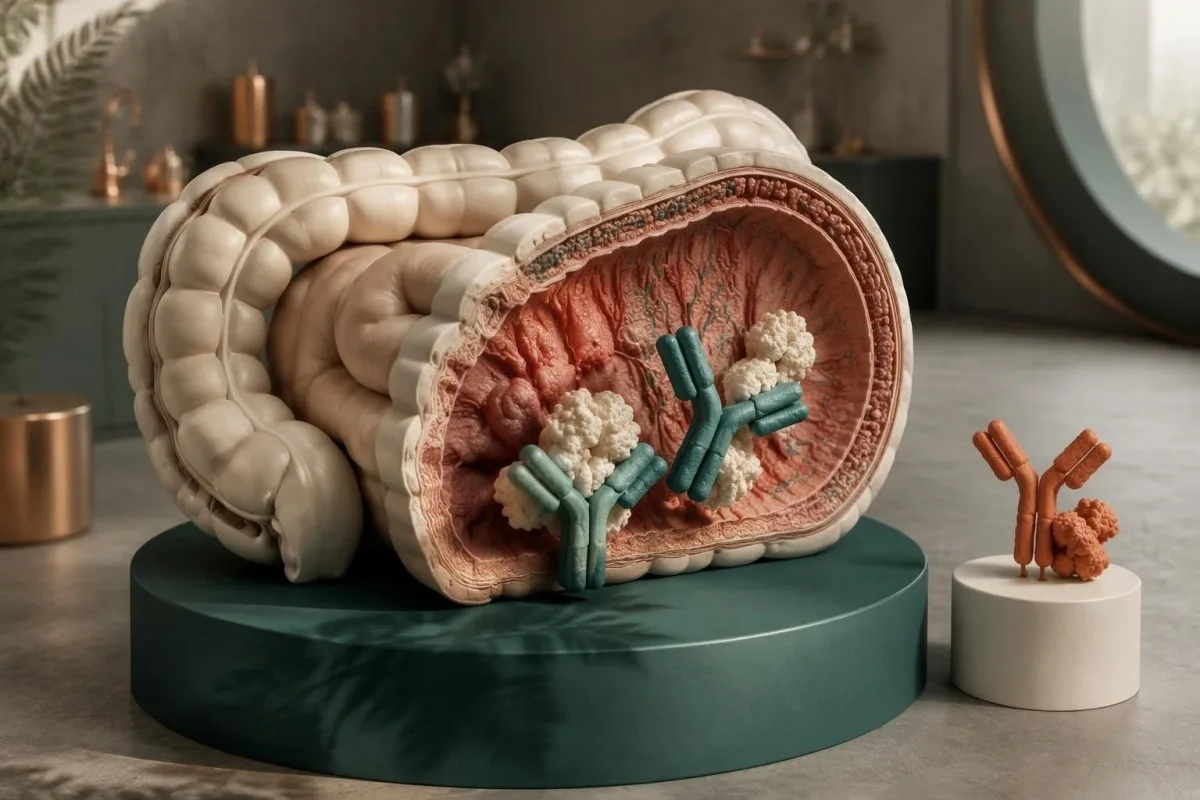
ಪ್ರತಿಕ್ರಿಯಾತ್ಮಕ ಚಿಕಿತ್ಸಕ ಔಷಧ ಮೇಲ್ವಿಚಾರಣೆ ಹದಗೆಡುತ್ತಿರುವ ಲಕ್ಷಣಗಳು ಅಥವಾ ಸಕ್ರಿಯ ಕಾಯಿಲೆಯ ಸಾಕ್ಷ್ಯದಿಂದ ಪ್ರೇರಿತವಾಗಿ ಮಾಡುವ ಪರೀಕ್ಷೆಯಾಗಿದೆ. ಇದು ಕಾಯಿಲೆ ನಿಯಂತ್ರಣದಲ್ಲಿರುವಂತೆ ಕಂಡಾಗ ಮಾಡುವ ಮುನ್ನೆಚ್ಚರಿಕೆಯ ಮೇಲ್ವಿಚಾರಣೆಗಿಂತ ಭಿನ್ನವಾಗಿದೆ: ದಾಖಲಾದ ಕಾಯಿಲೆ ಉಲ್ಬಣದ ಸಮಯದಲ್ಲಿ 4 µg/mL ಎಂಬ ಕಲ್ಪಿತ ಟ್ರಫ್ ಮಟ್ಟವು ಹೆಚ್ಚಿನ ತನಿಖೆಗೆ ಕಾರಣವಾಗಬಹುದು; ಆದರೆ ಎಂಡೋಸ್ಕೋಪಿ ಮತ್ತು ಮಲದ ಗುರುತುಗಳು ನಿರಂತರ ಗುಣಮುಖತೆಯನ್ನು ತೋರಿಸಿದಾಗ ಬೇರೆ ರೀತಿಯ ಚರ್ಚೆಯ ಅಗತ್ಯವಿರಬಹುದು.
Infliximab ತಡೆಯುತ್ತದೆ ಟ್ಯೂಮರ್ ನೆಕ್ರೋಸಿಸ್ ಫ್ಯಾಕ್ಟರ್, ಇದನ್ನು ಸಾಮಾನ್ಯವಾಗಿ TNF ಎಂದು ಸಂಕ್ಷಿಪ್ತಗೊಳಿಸಲಾಗುತ್ತದೆ; ಈ ಸಾಂದ್ರತೆ ಪರೀಕ್ಷೆಯು ಕರುಳಿನಲ್ಲಿನ ಪ್ರತಿಯೊಂದು TNF ಸಂಕೇತವೂ ನಿಷ್ಕ್ರಿಯಗೊಂಡಿದೆಯೇ ಎಂಬುದನ್ನು ಅಳೆಯುವುದಿಲ್ಲ. 7 µg/mL ಎಂಬ ಸೀರಮ್ ಫಲಿತಾಂಶವು ರಕ್ತಪರಿಚಲನೆಯಲ್ಲಿರುವ ಔಷಧವನ್ನು ಅಳೆಯುತ್ತದೆ; ಬಾಧಿತ ಕರುಳಿನ ಪ್ರತಿಯೊಂದು ಭಾಗದಲ್ಲಿನ ಔಷಧದ ಚಟುವಟಿಕೆಯನ್ನು ಅಥವಾ ಕರುಳಿನ ಗುಣಮುಖತೆಯ ಮಟ್ಟವನ್ನು ಅಲ್ಲ.
ಪ್ರಾಯೋಗಿಕ ಅರ್ಥೈಸುವಿಕೆಗೆ ಕನಿಷ್ಠ 3 ಅಂಶಗಳು ಬೇಕಾಗುತ್ತವೆ: ಔಷಧದ ಸಾಂದ್ರತೆ, ಪ್ರತಿಕಾಯಗಳ ಫಲಿತಾಂಶಗಳು ಮತ್ತು ಕಾಯಿಲೆಯ ವಸ್ತುನಿಷ್ಠ ಚಟುವಟಿಕೆ. ಹಿಂದಿನ ಪ್ರತಿಕ್ರಿಯೆಯೂ ಮುಖ್ಯ—18 ತಿಂಗಳ ನಿಯಂತ್ರಣದ ನಂತರ ಲಕ್ಷಣಗಳು ಮರಳುವುದು ದ್ವಿತೀಯ ಪ್ರತಿಕ್ರಿಯೆ ನಷ್ಟವನ್ನು ಸೂಚಿಸುತ್ತದೆ; ಆರಂಭಿಕ ಚಿಕಿತ್ಸೆಯಲ್ಲೇ ಎಂದಿಗೂ ನಿಯಂತ್ರಣ ಸಾಧಿಸದಿರುವುದು, ಚಿಕಿತ್ಸೆಯ ಪ್ರಾರಂಭದ ಹಂತದ ಔಷಧದ ಮಟ್ಟ ಮತ್ತು ಚಿಕಿತ್ಸೆಯ ಕಾರ್ಯವಿಧಾನದ ಬಗ್ಗೆ ಬೇರೆ ಪ್ರಶ್ನೆಗಳನ್ನು ಹುಟ್ಟುಹಾಕುತ್ತದೆ.
ಕಾಂತೆಸ್ಟಿ ಒಬ್ಬ AI ರಕ್ತ ಪರೀಕ್ಷಾ ವಿಶ್ಲೇಷಕ ಜೋಡಿಯಾದ infliximab ಫಲಿತಾಂಶಗಳನ್ನು ಅರ್ಥಮಾಡಿಕೊಳ್ಳಲು ಓದುಗರಿಗೆ ನೆರವಾಗುವ, ಪ್ರಯೋಗಾಲಯದ 1 ಸಂಖ್ಯೆಯನ್ನು ಔಷಧದ ಪ್ರಮಾಣ ಸೂಚನೆಯಂತೆ ಪರಿಗಣಿಸದ ವಿಧಾನ. ನಮ್ಮ ವೇದಿಕೆಯನ್ನು UK ಕಂಪನಿ ಸಂಖ್ಯೆ 17090423 ಹೊಂದಿರುವ Kantesti LTD ನಿರ್ವಹಿಸುತ್ತದೆ; ಇದರ ಬಗ್ಗೆ ಮಾಹಿತಿ ನಮ್ಮ ಸಂಸ್ಥೆಯಲ್ಲಿ ಚಿಕಿತ್ಸಕ ಔಷಧ ಮೇಲ್ವಿಚಾರಣೆಯನ್ನು ಬೆಂಬಲಿಸುವ ವೈದ್ಯಕೀಯ ಸಾಕ್ಷ್ಯದಿಂದ ಪ್ರತ್ಯೇಕವಾಗಿದೆ.
ಇನ್ಫ್ಲಿಕ್ಸಿಮ್ಯಾಬ್ನ ಟ್ರಫ್ ಮಟ್ಟಗಳನ್ನು ಯಾವಾಗ ಮಾದರಿಯಾಗಿ ಪಡೆಯಬೇಕು?
ಅಭಿದಮನಿ ಮೂಲಕ ನೀಡುವ infliximab ನ ಟ್ರಫ್ ಮಟ್ಟಗಳು ಮುಂದಿನ ಇನ್ಫ್ಯೂಷನ್ ಆರಂಭವಾಗುವ ಮುನ್ನ ತಕ್ಷಣ ಮಾದರಿಯನ್ನು ಸಂಗ್ರಹಿಸಬೇಕು; ಆಗ ಆ ಡೋಸಿಂಗ್ ಅವಧಿಯಲ್ಲಿ ಸಾಂದ್ರತೆಯು ಅತ್ಯಂತ ಕಡಿಮೆ ಮಟ್ಟಕ್ಕೆ ಸಮೀಪದಲ್ಲಿರುತ್ತದೆ. ಇನ್ಫ್ಯೂಷನ್ ಆದ 2 ದಿನಗಳ ಬಳಿಕ ಸಂಗ್ರಹಿಸಿದ ಮಾದರಿ ಟ್ರಫ್ ಮಾದರಿಯಲ್ಲ ಮತ್ತು ಅದನ್ನು ಇನ್ಫ್ಯೂಷನ್ಗೆ ಮುನ್ನದ ನಿರ್ವಹಣಾ ಗುರಿಗಳೊಂದಿಗೆ ನೇರವಾಗಿ ಹೋಲಿಸಬಾರದು.
ಚಿಕಿತ್ಸೆಯ ಪರಿಣಾಮಕಾರಿತ್ವದಲ್ಲಿ ಯಾವುದೇ ಬದಲಾವಣೆಯಿಲ್ಲದಿದ್ದರೂ, ಮಾದರಿ ಸಂಗ್ರಹಿಸಿದ ಸಮಯವು ಫಲಿತಾಂಶದ ಮೇಲ್ನೋಟಕ್ಕೆ ತೋರುವ ಅರ್ಥವನ್ನು ಬದಲಾಯಿಸಬಹುದು. ಉದಾಹರಣೆಗೆ, ಇನ್ಫ್ಯೂಷನ್ ಆದ ತಕ್ಷಣ ಸಂಗ್ರಹಿಸಿದ 18 µg/mL ಮತ್ತು ಮುಂದಿನ ಇನ್ಫ್ಯೂಷನ್ಗೆ ಮುನ್ನ ಸಂಗ್ರಹಿಸಿದ 3 µg/mL ಎಂಬ ಕಲ್ಪಿತ ಫಲಿತಾಂಶಗಳು ಒಂದೇ ಡೋಸಿಂಗ್ ಚಕ್ರವನ್ನು ವಿವರಿಸಬಹುದು—2 ಸ್ವತಂತ್ರ ಚಿಕಿತ್ಸಾ ಸ್ಥಿತಿಗಳ ನಡುವೆ ಹಠಾತ್ ಹದಗೆಡುವುದನ್ನು ಅಲ್ಲ.
ವರದಿಯನ್ನು ಅರ್ಥೈಸುವ ಮೊದಲು ಹಿಂದಿನ ಇನ್ಫ್ಯೂಷನ್ ದಿನಾಂಕ, mg ನಲ್ಲಿ ನೀಡಿದ ನಿಜವಾದ ಡೋಸ್, ನಿಗದಿತ ಅವಧಿ ಮತ್ತು ಮಾದರಿ ಸಂಗ್ರಹಿಸಿದ ಸಮಯವನ್ನು ದಾಖಲಿಸಿ. 8 ವಾರಗಳಿಗೊಮ್ಮೆ ನೀಡಬೇಕಾದ ಇನ್ಫ್ಯೂಷನ್ 10ನೇ ವಾರದವರೆಗೆ ವಿಳಂಬವಾದರೆ, ಅದರ ಫಲಿತಾಂಶದ ಸಾಂದ್ರತೆಯು ಔಷಧವಿಲ್ಲದೆ ಕಳೆದ ದೀರ್ಘ ಅವಧಿಯನ್ನು ಸೂಚಿಸುತ್ತದೆ; ಮೂಲ 8 ವಾರಗಳ ವೇಳಾಪಟ್ಟಿಯು ಸಾಕಷ್ಟು ಔಷಧದ ಮಟ್ಟ ಒದಗಿಸಿತೇ ಎಂಬುದನ್ನು ಅದು ನಿಖರವಾಗಿ ಉತ್ತರಿಸಲಾರದು.
ಇನ್ಫ್ಲಿಕ್ಸಿಮ್ಯಾಬ್ ನೀಡಲು ಇತ್ತೀಚೆಗೆ ಬಳಸಿದ ಲೈನ್ನಿಂದ ಮಾದರಿ ಸಂಗ್ರಹಿಸಿದರೆ ಅದು ಮಾದರಿಯನ್ನು ಕಲುಷಿತಗೊಳಿಸಿ, ತಪ್ಪುದಾರಿಗೆಳೆಯುವಷ್ಟು ಹೆಚ್ಚಿನ ಫಲಿತಾಂಶವನ್ನು ನೀಡಬಹುದು. ಸಂಗ್ರಹಣೆಯ ಪ್ರೋಟೋಕಾಲ್ ಬಗ್ಗೆ ಇನ್ಫ್ಯೂಷನ್ ಸೇವೆಯನ್ನು ಕೇಳಿ, ಮತ್ತು ಚಿಕಿತ್ಸೆ ಆರಂಭವಾದ ಬಳಿಕ ಮಾದರಿ ಸಂಗ್ರಹಿಸಿದ್ದರೆ ಅದನ್ನು ತಿಳಿಸಿ; ಸಮಯದ ತತ್ವಗಳು ಇತರ ಡೋಸ್ಗೆ ಮುನ್ನದ ಔಷಧ ಪರೀಕ್ಷೆಗಳನ್ನು, ಹೋಲುತ್ತವೆ, ಆದರೆ ಅವುಗಳ ಗುರಿಗಳು ಭಿನ್ನವಾಗಿವೆ.
ಇನ್ಫ್ಲಿಕ್ಸಿಮ್ಯಾಬ್ ಸಾಂದ್ರತೆಯ ಪರೀಕ್ಷೆಗೆ ಸಾಮಾನ್ಯವಾಗಿ ಉಪವಾಸ ಅಗತ್ಯವಿಲ್ಲ; ಆದರೆ ಅದೇ ಭೇಟಿಯಲ್ಲಿ ಆದೇಶಿಸಲಾದ ಮತ್ತೊಂದು ಪರೀಕ್ಷೆಗೆ ತಯಾರಿಯ ಅಗತ್ಯಗಳಿರಬಹುದು. ನಮ್ಮ ಮೊದಲ-ಡ್ರಾ ತಯಾರಿಕೆ ಮಾರ್ಗದರ್ಶಿ ಔಷಧದ ಸಮಯವನ್ನು ಹೇಗೆ ದಾಖಲಿಸಬೇಕು ಎಂಬುದನ್ನು ವಿವರಿಸುತ್ತದೆ; ಈ ಪರೀಕ್ಷೆಗೆ, 8 ಗಂಟೆಗಳ ಉಪವಾಸಕ್ಕಿಂತ ಇನ್ಫ್ಯೂಷನ್ನ ನಿಖರ ಕಾಲರೇಖೆ ಸಾಮಾನ್ಯವಾಗಿ ಹೆಚ್ಚು ಮುಖ್ಯವಾಗಿರುತ್ತದೆ.
ಇನ್ಫ್ಲಿಕ್ಸಿಮ್ಯಾಬ್ನ ಯಾವ ಮಟ್ಟವನ್ನು ಸಾಕಷ್ಟು ಎಂದು ಪರಿಗಣಿಸಲಾಗುತ್ತದೆ?
ಲ್ಯೂಕೇಮಿಯಾವನ್ನು ಸಾಬೀತುಪಡಿಸುವ ಎಲ್ಲರಿಗೂ ಅನ್ವಯಿಸುವ ಸಾರ್ವತ್ರಿಕವಾಗಿ ಸಮರ್ಪಕವಾದ ಇನ್ಫ್ಲಿಕ್ಸಿಮ್ಯಾಬ್ ಟ್ರಫ್ ಮಟ್ಟವಿಲ್ಲ ಪ್ರತಿ ರೋಗಿ, ರೋಗದ ಫಿನೋಟೈಪ್, ಪರೀಕ್ಷಾ ವಿಧಾನ ಮತ್ತು ಚಿಕಿತ್ಸೆಯ ಹಂತಕ್ಕೆ. 2017ರ AGA ಮಾರ್ಗಸೂಚಿಯು ಪ್ರತಿಕ್ರಿಯಾತ್ಮಕ ನಿರ್ವಹಣಾ ಮೇಲ್ವಿಚಾರಣೆಯ ವೇಳೆ ಕನಿಷ್ಠ 5 µg/mL ಎಂದು ಸೂಚಿಸಿತು; 2021ರ ತಜ್ಞರ ಒಮ್ಮತವು ನಿರ್ವಹಣಾ ಸಾಂದ್ರತೆ 5–10 µg/mL ಎಂದು ಮತ್ತು ಪ್ರತಿಕ್ರಿಯೆ ಕಳೆದುಕೊಳ್ಳುವ ಆಯ್ದ ಸಂದರ್ಭಗಳಲ್ಲಿ ಹೆಚ್ಚಿನ ಔಷಧೀಯ ಒಡ್ಡುವಿಕೆ ಅಗತ್ಯವೆಂದು ವಿವರಿಸಿತು.
ಕನಿಷ್ಠ 5 µg/mL ಎಂಬ AGA ಮಾನದಂಡವು ವೈದ್ಯಕೀಯ ನಿರ್ಧಾರಕ್ಕೆ ನೆರವಾಗುವ ಸಾಧನ; ಆರೋಗ್ಯವಂತ ಜನಸಂಖ್ಯೆಯ ಉಲ್ಲೇಖ ವ್ಯಾಪ್ತಿಯಲ್ಲ (Feuerstein et al., 2017). ಇನ್ಫ್ಲಿಕ್ಸಿಮ್ಯಾಬ್ ವೈದ್ಯರು ಸೂಚಿಸುವ ಜೈವಿಕ ಔಷಧವಾಗಿದೆ: ಚಿಕಿತ್ಸೆ ಪಡೆಯದ ವ್ಯಕ್ತಿಯ ರಕ್ತದಲ್ಲಿ ಸಾಮಾನ್ಯವಾಗಿ ಇನ್ಫ್ಲಿಕ್ಸಿಮ್ಯಾಬ್ ಇರುವುದಿಲ್ಲ; ಆದ್ದರಿಂದ ಪ್ರಯೋಗಾಲಯದ ಚಿಕಿತ್ಸಕ ವ್ಯಾಪ್ತಿಯನ್ನು ಸೋಡಿಯಂನ ಸಾಮಾನ್ಯ ವ್ಯಾಪ್ತಿಯಂತೆ ಎಂದಿಗೂ ಅರ್ಥೈಸಬಾರದು.
TAXIT ಪ್ರಯೋಗವು ಸ್ಥಿರ ಪ್ರತಿಕ್ರಿಯೆ ಹೊಂದಿದ್ದ 263 ವಯಸ್ಕರನ್ನು ಒಳಗೊಂಡಿತು ಮತ್ತು ಯಾದೃಚ್ಛಿಕ ಅನುಸರಣೆಗೆ ಮೊದಲು ಅಭಿದಮನಿ ಇನ್ಫ್ಲಿಕ್ಸಿಮ್ಯಾಬ್ ಪ್ರಮಾಣವನ್ನು 3–7 µg/mL ಕಡೆಗೆ ಹೊಂದಿಸಿತು. ಸಾಂದ್ರತೆಯ ಆಧಾರದ ಮೇಲಿನ ಡೋಸಿಂಗ್ನಿಂದ ಪ್ರಾಥಮಿಕ ರಿಮಿಷನ್ ಫಲಿತಾಂಶ ಸುಧಾರಿಸಲಿಲ್ಲ, ಆದರೂ ಕೆಲವು ದ್ವಿತೀಯ ಫಲಿತಾಂಶಗಳು ಆ ವಿಧಾನಕ್ಕೆ ಅನುಕೂಲಕರವಾಗಿದ್ದವು; ಹೀಗಾಗಿ ಐತಿಹಾಸಿಕ 3–7 µg/mL ವ್ಯಾಪ್ತಿಯನ್ನು ಸಾರ್ವತ್ರಿಕ ಆಧುನಿಕ ಗುರಿಯಾಗಿ ಅಲ್ಲ, ಉಪಯುಕ್ತ ಸಂದರ್ಭವಾಗಿ ಪರಿಗಣಿಸಬೇಕು (Vande Casteele et al., 2015).
ಆಯ್ದ ರೋಗಿಗಳಲ್ಲಿ ಪ್ರತಿಕ್ರಿಯೆ ದ್ವಿತೀಯವಾಗಿ ಕಳೆದುಹೋದಾಗ ಇನ್ಫ್ಲಿಕ್ಸಿಮ್ಯಾಬ್ ನಿಲ್ಲಿಸುವ ಮೊದಲು 10–15 µg/mL ಔಷಧೀಯ ಒಡ್ಡುವಿಕೆಯನ್ನು ಪರಿಗಣಿಸಲು Cheifetz et al. (2021) ಶಿಫಾರಸು ಮಾಡಿದರು. ಇದು ತಜ್ಞರ ಒಮ್ಮತವೇ ಹೊರತು ಎಲ್ಲರಿಗೂ 15 µg/mL ವರೆಗೆ ಪ್ರಮಾಣ ಹೆಚ್ಚಿಸಬೇಕು ಎಂಬುದಕ್ಕೆ ಪುರಾವೆಯಲ್ಲ; ಫಿಸ್ಟುಲಾಗಳು, ಎಂಡೋಸ್ಕೋಪಿಕ್ ಗುರಿಗಳು, ರೋಗದ ತೀವ್ರತೆ, ಸುರಕ್ಷತೆ ಮತ್ತು ಹಿಂದಿನ ಪ್ರಮಾಣ ಹೊಂದಾಣಿಕೆ—ಇವೆಲ್ಲವೂ ಆ ತರ್ಕ ಅನ್ವಯಿಸುತ್ತದೆಯೇ ಎಂಬುದರ ಮೇಲೆ ಪರಿಣಾಮ ಬೀರುತ್ತವೆ.
12 µg/mL ಸಾಂದ್ರತೆಯು ಸ್ವಯಂಚಾಲಿತವಾಗಿ ವಿಷಕಾರಿಯಲ್ಲ; ಹಾಗೆಯೇ ಗುಣಮುಖತೆ ದಾಖಲಾಗಿರುವ, ರೋಗಲಕ್ಷಣಗಳಿಲ್ಲದ ರೋಗಿಯಲ್ಲಿ 4 µg/mL ಸಾಂದ್ರತೆಯು ಸ್ವಯಂಚಾಲಿತವಾಗಿ ಪ್ರಮಾಣ ಹೆಚ್ಚಿಸಬೇಕೆಂದರ್ಥವಲ್ಲ. ಕೆಲವು ಇತರ ಟ್ರೋಫ್-ಮೇಲ್ವಿಚಾರಣೆಯ ಔಷಧಿಗಳು, ಔಷಧಿಗಳ ಸುತ್ತಲಿನ ಹೆಚ್ಚು ಸೀಮಿತ ವಿಷಕಾರಿತ್ವದ ಚರ್ಚೆಗಳಿಗಿಂತ ಭಿನ್ನವಾಗಿ, ಕ್ರಮ ಕೈಗೊಳ್ಳಬೇಕೆಂದು ಸೂಚಿಸುವ ಏಕೈಕ ಸ್ಥಾಪಿತ ಸೀರಮ್ ವಿಷಕಾರಿತ್ವದ ಮಿತಿಯನ್ನು ಇನ್ಫ್ಲಿಕ್ಸಿಮ್ಯಾಬ್ಗೆ ನಿಗದಿಪಡಿಸಲಾಗಿಲ್ಲ.
| ಮಟ್ಟ | ವ್ಯಾಪ್ತಿ | ಅದರ ಅರ್ಥ |
|---|---|---|
| ಐತಿಹಾಸಿಕ TAXIT ಹೊಂದಾಣಿಕೆ ವ್ಯಾಪ್ತಿ | 3–7 µg/mL | ಸ್ಥಿರ ಪ್ರತಿಕ್ರಿಯೆ ಹೊಂದಿದ್ದ ವಯಸ್ಕರಲ್ಲಿ ಅಧ್ಯಯನ ಮಾಡಲಾಗಿದೆ; ಸಕ್ರಿಯ ರೋಗ ಅಥವಾ ಫಿಸ್ಟುಲಾ ಗುಣಮುಖತೆಗೆ ಇದು ಸಾರ್ವತ್ರಿಕ ಮಿತಿಯಲ್ಲ. |
| AGA ಪ್ರತಿಕ್ರಿಯಾತ್ಮಕ ನಿರ್ವಹಣಾ ಮಾನದಂಡ | ಕನಿಷ್ಠ 5 µg/mL | ಪ್ರತಿಕ್ರಿಯಾತ್ಮಕ ಮೇಲ್ವಿಚಾರಣೆಗಾಗಿ 2017ರ ಮಾರ್ಗಸೂಚಿಯಲ್ಲಿ ಸೂಚಿಸಲಾಗಿದೆ; ವಸ್ತುನಿಷ್ಠ ರೋಗ ಚಟುವಟಿಕೆ ಮತ್ತು ಪರೀಕ್ಷಾ ವಿಧಾನದೊಂದಿಗೆ ಅರ್ಥೈಸಿ. |
| ತಜ್ಞರ ಒಮ್ಮತದ ನಿರ್ವಹಣಾ ವ್ಯಾಪ್ತಿ | 5–10 µg/mL | 2021ರ ಒಮ್ಮತದಲ್ಲಿ ವಿವರಿಸಲಾಗಿದೆ; ಸೂಕ್ತ ಗುರಿಯು ರೋಗದ ಫಿನೋಟೈಪ್ ಮತ್ತು ಅಪೇಕ್ಷಿತ ಫಲಿತಾಂಶಕ್ಕೆ ಅನುಗುಣವಾಗಿ ಬದಲಾಗುತ್ತದೆ. |
| ಪ್ರತಿಕ್ರಿಯೆ ಕಳೆದುಕೊಂಡಿರುವ ಆಯ್ದ ಪ್ರಕರಣಗಳ ಮರುಮೌಲ್ಯಮಾಪನ | 10–15 µg/mL | ಆಯ್ದ ಪ್ರಕರಣಗಳಲ್ಲಿ ಚಿಕಿತ್ಸೆಯನ್ನು ಕೈಬಿಡುವ ಮೊದಲು ಪರಿಗಣಿಸಲು ತಜ್ಞರು ಸೂಚಿಸುವ ಔಷಧೀಯ ಒಡ್ಡುವಿಕೆ; ಇದು ನಿಯಮಿತ ಗುರಿಯೂ ಅಲ್ಲ, ವಿಷಕಾರಿತ್ವದ ವ್ಯಾಪ್ತಿಯೂ ಅಲ್ಲ. |
ಪ್ರತಿಕಾಯಗಳಿಲ್ಲದೆ ಇನ್ಫ್ಲಿಕ್ಸಿಮ್ಯಾಬ್ ಮಟ್ಟ ಏಕೆ ಕಡಿಮೆಯಾಗಿರುತ್ತದೆ?
ಗಮನಾರ್ಹ ಪ್ರತಿಕಾಯಗಳಿಲ್ಲದ ಕಡಿಮೆ ಇನ್ಫ್ಲಿಕ್ಸಿಮ್ಯಾಬ್ ಮಟ್ಟಗಳು ಸಾಮಾನ್ಯವಾಗಿ ಔಷಧದ ಪ್ರಮಾಣೀಕರಣ ಅವಧಿಯಲ್ಲಿ ದೇಹಕ್ಕೆ ಔಷಧದ ಲಭ್ಯತೆ ತುಂಬಾ ಕಡಿಮೆಯಿದೆ ಎಂಬುದನ್ನು ಸೂಚಿಸುತ್ತದೆ: ಡೋಸ್ಗಳ ನಡುವಿನ ಅವಧಿಯಲ್ಲಿ ಲಭ್ಯವಿರುವ ಔಷಧದ ಪ್ರಮಾಣ ತುಂಬಾ ಕಡಿಮೆ ಉಳಿದಿರುತ್ತದೆ. 1.5 µg/mL ನ ಟ್ರಫ್ ಮಟ್ಟವು ವೇಗವಾದ ತೆರವು, ಕರುಳಿನ ಮೂಲಕ ಪ್ರೋಟೀನ್ ನಷ್ಟ, ವಿಳಂಬವಾದ ಇನ್ಫ್ಯೂಷನ್ ಅಥವಾ ಸಾಕಷ್ಟಿಲ್ಲದ ಡೋಸ್ ಅಥವಾ ಆವೃತ್ತಿಯನ್ನು ಪ್ರತಿಬಿಂಬಿಸಬಹುದು—ಇದು TNF ತಡೆ ಚಿಕಿತ್ಸಾ ಕಾರ್ಯವಿಧಾನವಾಗಿ ವಿಫಲವಾಗಿದೆ ಎಂದೇನೂ ಅಗತ್ಯವಾಗಿ ಸೂಚಿಸುವುದಿಲ್ಲ.

ತೀವ್ರ ಕರುಳಿನ ಕಾಯಿಲೆಯು ಇನ್ಫ್ಲಿಕ್ಸಿಮ್ಯಾಬ್ ತೆರವನ್ನು ಹೆಚ್ಚಿಸಬಹುದು ಮತ್ತು ಚಿಕಿತ್ಸಕ ಪ್ರತಿಕಾಯವನ್ನೂ ಒಳಗೊಂಡಂತೆ ಪ್ರೋಟೀನ್ ಕರುಳಿನ ಮೂಲಕ ನಷ್ಟವಾಗಲು ಕಾರಣವಾಗಬಹುದು. ಆದ್ದರಿಂದ, ಆಲ್ಬುಮಿನ್ 28 g/L ಮತ್ತು ಟ್ರಫ್ ಮಟ್ಟ 1 µg/mL ಇರುವ ಕಲ್ಪಿತ ರೋಗಿಯಲ್ಲಿ, ಇನ್ಫ್ಯೂಷನ್ಗೆ ಹಾಜರಾಗಿದ್ದಾರೆಯೇ ಎಂದು ಮಾತ್ರ ಕೇಳದೆ, ರೋಗದ ತೀವ್ರತೆ ಮತ್ತು ಪ್ರೋಟೀನ್ ನಷ್ಟವನ್ನು ಮೌಲ್ಯಮಾಪನ ಮಾಡಬೇಕಾಗುತ್ತದೆ.
ಕಡಿಮೆ ಆಲ್ಬುಮಿನ್ ವೇಗವಾದ ಇನ್ಫ್ಲಿಕ್ಸಿಮ್ಯಾಬ್ ತೆರವಿಗೆ ಸಂಬಂಧಿಸಿದೆ; ಆದರೆ ಅದು ಔಷಧದ ಬಂಧನದ ನೇರ ಅಳತೆಯೂ ಅಲ್ಲ, ಮುಕ್ತ ಔಷಧಕ್ಕೆ ತಿದ್ದುಪಡಿ ಅನ್ವಯಿಸುವ ಸೂಚನೆಯೂ ಅಲ್ಲ. 30 g/L ಮತ್ತು 40 g/L ಆಲ್ಬುಮಿನ್ ಮಟ್ಟಗಳು ತೆರವಿನ ಕುರಿತು ವಿಭಿನ್ನ ಸಂದರ್ಭವನ್ನು ಒದಗಿಸಬಹುದು; ನಮ್ಮ ಸೀರಮ್ ಪ್ರೋಟೀನ್ ವ್ಯಾಖ್ಯಾನ ಮಾರ್ಗದರ್ಶಿ ಉರಿಯೂತ, ಯಕೃತ್ತಿನ ಸಂಶ್ಲೇಷಣೆ, ಪೋಷಣೆ ಮತ್ತು ನಷ್ಟವನ್ನು ಏಕೆ ಪ್ರತ್ಯೇಕವಾಗಿ ಪರಿಗಣಿಸಬೇಕು ಎಂಬುದನ್ನು ವಿವರಿಸುತ್ತದೆ.
ಇನ್ಫ್ಲಿಕ್ಸಿಮ್ಯಾಬ್ ಮುಖ್ಯವಾಗಿ ಪ್ರೋಟೀನ್-ವಿಘಟನೆಯ ಮಾರ್ಗಗಳ ಮೂಲಕ ಒಡೆಯುತ್ತದೆ; ಬದಲಾಗದೆ ಮೂತ್ರಪಿಂಡಗಳ ಮೂಲಕ ಹೊರಹೋಗುವುದಿಲ್ಲ. 90 µmol/L ಕ್ರಿಯಾಟಿನಿನ್ ಮಟ್ಟದಿಂದ ಇನ್ಫ್ಲಿಕ್ಸಿಮ್ಯಾಬ್ ಟ್ರಫ್ ಮಟ್ಟವನ್ನು ಊಹಿಸಲು ಸಾಧ್ಯವಿಲ್ಲ; ಈ ಔಷಧವನ್ನು ಸಣ್ಣ-ಅಣು ಔಷಧಗಳ ಮೂತ್ರಪಿಂಡದ ಡೋಸಿಂಗ್ ಊಹೆಗಳ ಆಧಾರದ ಮೇಲೆ ಅರ್ಥೈಸಬಾರದು. ದೇಹದ ಗಾತ್ರ, ಉರಿಯೂತದ ತೀವ್ರತೆ ಮತ್ತು ಚಿಕಿತ್ಸೆಯಲ್ಲಿನ ವಿರಾಮಗಳು ಹೆಚ್ಚು ಮಾಹಿತಿಪೂರ್ಣವಾಗಿರಬಹುದು.
Kantesti AI ಕಡಿಮೆ ಟ್ರಫ್ ಮಟ್ಟವನ್ನು ವರದಿಯಾದ ಆಲ್ಬುಮಿನ್, CRP ಮತ್ತು ಇನ್ಫ್ಯೂಷನ್ ಸಮಯದ ಜೊತೆಗೆ ಪರಿಗಣಿಸಲು ಸಹಾಯ ಮಾಡುತ್ತದೆ; 1 ಫಲಿತಾಂಶದಿಂದ ಮಾತ್ರ ತೆರವಿನ ಮಾರ್ಗವನ್ನು ಗುರುತಿಸಲು ಸಾಧ್ಯವಿಲ್ಲ. ಕಡಿಮೆ ಆಲ್ಬುಮಿನ್ ಇದ್ದುದರಿಂದಲೇ ಪ್ರೋಟೀನ್ ಪೂರಕಗಳನ್ನು ಸ್ವಯಂಚಾಲಿತವಾಗಿ ನೀಡಬಾರದು, ಏಕೆಂದರೆ ಉರಿಯೂತವು ಪರಿಚಲನೆಯಲ್ಲಿ ಇರುವ ಪ್ರೋಟೀನ್ಗಳನ್ನೂ ಬದಲಾಯಿಸುತ್ತದೆ—ನಮ್ಮ ಉರಿಯೂತ ಮತ್ತು ಟ್ರಾನ್ಸ್ಫೆರಿನ್ ಕುರಿತ ಮಾರ್ಗದರ್ಶಿಯಲ್ಲಿ ವಿವರಿಸಿದಂತೆ.
ಕಡಿಮೆ ಔಷಧ ಮಟ್ಟಗಳು ಜೊತೆಗೆ ಪ್ರತಿಕಾಯಗಳು ಏನನ್ನು ಸೂಚಿಸುತ್ತವೆ?
ನಿರಂತರವಾಗಿ ಹೆಚ್ಚಿನ ಪ್ರತಿಕಾಯಗಳೊಂದಿಗೆ ಕಡಿಮೆ ಅಥವಾ ಪತ್ತೆಯಾಗದ ಇನ್ಫ್ಲಿಕ್ಸಿಮ್ಯಾಬ್ ರೋಗನಿರೋಧಕ-ಮಧ್ಯಸ್ಥ ಔಷಧಗತಿವೈಜ್ಞಾನಿಕ ವೈಫಲ್ಯವನ್ನು ಸೂಚಿಸುತ್ತದೆ: ಪ್ರತಿಕಾಯಗಳು ತೆರವನ್ನು ವೇಗಗೊಳಿಸಬಹುದು, ಔಷಧದ ಕ್ರಿಯೆಯನ್ನು ತಟಸ್ಥಗೊಳಿಸಬಹುದು ಅಥವಾ ಎರಡನ್ನೂ ಮಾಡಬಹುದು. ಪರೀಕ್ಷೆಯ 0.5 µg/mL ಪ್ರಮಾಣೀಕರಣ ಮಿತಿಗಿಂತ ಕಡಿಮೆ ಇರುವ ಟ್ರಫ್ ಮಟ್ಟದ ಜೊತೆಗೆ ಗಣನೀಯ ಪ್ರತಿಕಾಯ ಫಲಿತಾಂಶವಿದ್ದರೆ, ಔಷಧದ ಸಾಂದ್ರತೆ ಉಳಿದಿರುವಾಗ ಕಂಡುಬರುವ ದುರ್ಬಲ ಪ್ರತಿಕಾಯ ಸೂಚನೆಗಿಂತ ಹೆಚ್ಚು ಕಳವಳಕಾರಿಯಾಗಿದೆ.
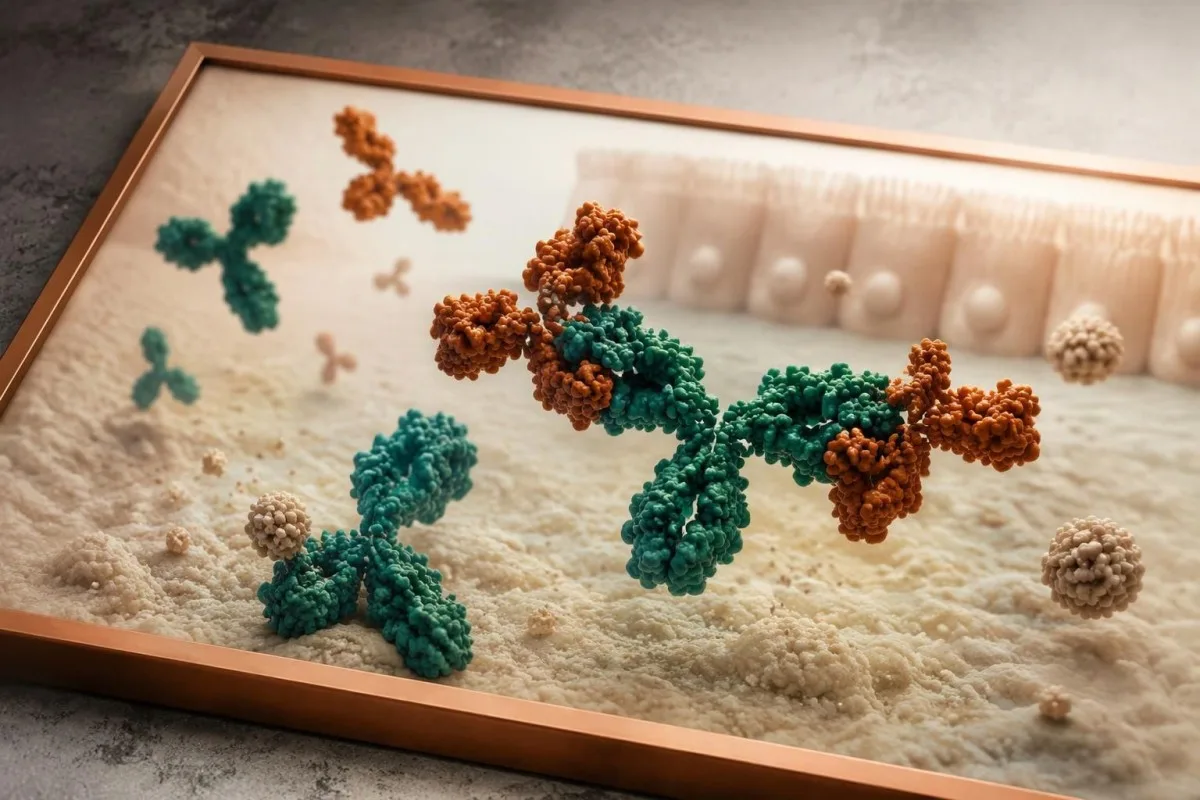
ಇನ್ಫ್ಲಿಕ್ಸಿಮ್ಯಾಬ್-ವಿರೋಧಿ ಪ್ರತಿಕಾಯ ಪರೀಕ್ಷೆಗಳು ಸಾಮಾನ್ಯವಾಗಿ ಬಂಧಕ ಪ್ರತಿಕಾಯಗಳನ್ನು ಪತ್ತೆಹಚ್ಚುತ್ತವೆ; ಅವೆಲ್ಲವೂ ತಟಸ್ಥಗೊಳಿಸುವ ಕ್ರಿಯೆಯನ್ನು ನೇರವಾಗಿ ಅಳೆಯುವುದಿಲ್ಲ. ಆದ್ದರಿಂದ 20 U/mL ನ ಸಕಾರಾತ್ಮಕ ಫಲಿತಾಂಶವು ಪರೀಕ್ಷೆಯಿಂದ ನಿರ್ಧರಿಸಲಾದ ಪ್ರತಿಕಾಯ ಸೂಚನೆಯನ್ನು ಗುರುತಿಸುತ್ತದೆ; ಇದು ಇನ್ಫ್ಲಿಕ್ಸಿಮ್ಯಾಬ್ನ ಎಷ್ಟು ಶೇಕಡಾ ಭಾಗ ತಡೆಯಲ್ಪಟ್ಟಿದೆ ಎಂಬುದನ್ನಾಗಲಿ, ಎಷ್ಟು ಪ್ರಯೋಜನ ಉಳಿದಿದೆ ಎಂಬುದರ ನಿಖರ ಮುನ್ಸೂಚನೆಯನ್ನಾಗಲಿ ನೀಡುವುದಿಲ್ಲ.
ಪ್ರತಿಕಾಯಗಳ ನಿರಂತರತೆ ಮತ್ತು ಪ್ರಮಾಣವು ಡೋಸ್ ಹೊಂದಾಣಿಕೆಯಿಂದ ಔಷಧದ ಲಭ್ಯತೆ ಮರುಸ್ಥಾಪನೆಯಾಗುವ ಸಾಧ್ಯತೆಯನ್ನು ಪ್ರಭಾವಿಸುತ್ತವೆ. Cheifetz et al. (2021) ಅವರು homogeneous mobility shift assay ಗಾಗಿ ನಿರ್ದಿಷ್ಟವಾಗಿ 10 U/mL ಗಿಂತ ಕಡಿಮೆ ಇರುವ ಪ್ರತಿಕಾಯಗಳನ್ನು ಕಡಿಮೆ ಟೈಟರ್ ಎಂದು ವಿವರಿಸಿದ್ದಾರೆ; ಆ ಮಿತಿಯನ್ನು AU/mL ವರದಿ ಮಾಡುವ ELISA ಗೆ ಅಥವಾ ಬೇರೆ ಪ್ರಯೋಗಾಲಯದ ಮಾಪನಾಂಕಕ್ಕೆ ಅನ್ವಯಿಸಬಾರದು.
ಒಂದೇ ಕಡಿಮೆ ಪ್ರತಿಕಾಯ ಫಲಿತಾಂಶವು ತಾತ್ಕಾಲಿಕವಾಗಿರಬಹುದು ಅಥವಾ ಮೇಲ್ವಿಚಾರಣೆಯ ಚಿಕಿತ್ಸಾ ಹೊಂದಾಣಿಕೆಯ ನಂತರ ವೈದ್ಯಕೀಯವಾಗಿ ಕಡಿಮೆ ಪ್ರಸ್ತುತವಾಗಬಹುದು. ಔಷಧ ಮತ್ತು ಪ್ರತಿಕಾಯಗಳ ಜೋಡಿ ಪರೀಕ್ಷೆಯನ್ನು ಪುನರಾವರ್ತಿಸುವುದರಿಂದ ಒಂದು ಬಾರಿಯ ಸೂಚನೆ ಮತ್ತು ಏರುತ್ತಿರುವ ಮಾದರಿಯನ್ನು ಪ್ರತ್ಯೇಕಿಸಬಹುದು; ಆದರೆ ತೀವ್ರ ಕಾಯಿಲೆ ಅಥವಾ ಇನ್ಫ್ಯೂಷನ್ ಪ್ರತಿಕ್ರಿಯೆ ಇದ್ದರೆ ಎರಡನೇ ಫಲಿತಾಂಶ ಲಭ್ಯವಾಗುವ ಮೊದಲು ಕ್ರಮ ಕೈಗೊಳ್ಳಬೇಕಾಗಬಹುದು.
ಇನ್ಫ್ಲಿಕ್ಸಿಮ್ಯಾಬ್ಗೆ ಇರುವ ಪ್ರತಿಕಾಯಗಳು ನಿಮ್ಮದೇ ಕರುಳಿನ ವಿರುದ್ಧದ ಪ್ರತಿಕಾಯಗಳಂತಲ್ಲ; ಅವು ಮಾತ್ರದಿಂದ ತಕ್ಷಣದ ಅಲರ್ಜಿಯೂ ಪತ್ತೆಯಾಗುವುದಿಲ್ಲ. ನಮ್ಮ ವಿವರಣೆ ಧನಾತ್ಮಕ ಪ್ರತಿಕಾಯ ಫಲಿತಾಂಶದ ಪ್ರಕಾರಗಳು ಈ ಪರಿಕಲ್ಪನೆಗಳನ್ನು ಪ್ರತ್ಯೇಕಿಸಲು ಸಹಾಯ ಮಾಡುತ್ತದೆ; ಪ್ರತಿಕಾಯದ ಸಂಖ್ಯೆ ಏನೇ ಇರಲಿ, ಇನ್ಫ್ಯೂಷನ್ ಸಮಯದಲ್ಲಿ ಉಸಿರಾಟದ ತೊಂದರೆ ಅಥವಾ ಮೂರ್ಛೆ ಬಂದರೆ ತಕ್ಷಣ ಗಮನ ನೀಡಬೇಕು.
ಸಾಕಷ್ಟು ಟ್ರಫ್ ಮಟ್ಟವು ಯಾವಾಗ ಕಾರ್ಯವಿಧಾನಾತ್ಮಕ ವೈಫಲ್ಯವನ್ನು ಸೂಚಿಸುತ್ತದೆ?
ಸಂಭವನೀಯ ಕಾರ್ಯವಿಧಾನ ವೈಫಲ್ಯ ಚಿಕಿತ್ಸೆಯ ಗುರಿಗೆ ಸಾಕಷ್ಟು ಇನ್ಫ್ಲಿಕ್ಸಿಮ್ಯಾಬ್ ಲಭ್ಯವಿದ್ದರೂ ವಸ್ತುನಿಷ್ಠವಾಗಿ ಸಕ್ರಿಯ IBD ಮುಂದುವರಿಯುವುದನ್ನು ಸೂಚಿಸುತ್ತದೆ. ದೃಢೀಕೃತ ಸಕ್ರಿಯ ಕೊಲೈಟಿಸ್ ಜೊತೆಗೆ 8 µg/mL ಟ್ರಫ್ ಮಟ್ಟವಿದ್ದರೆ ಈ ಸಾಧ್ಯತೆ ಉದ್ಭವಿಸಬಹುದು; ಆದರೆ ಬೇರೆ ಉರಿಯೂತದ ಮಾರ್ಗವನ್ನು ಗುರಿಯಾಗಿಸಬೇಕು ಎಂದು ವೈದ್ಯರು ನಿರ್ಧರಿಸುವ ಮೊದಲು ಆಯ್ದ ರೋಗಿಗಳಿಗೆ ಔಷಧದ ಲಭ್ಯತೆಯನ್ನು ಇನ್ನಷ್ಟು ಹೊಂದಿಸುವ ಅಗತ್ಯವಿರಬಹುದು.
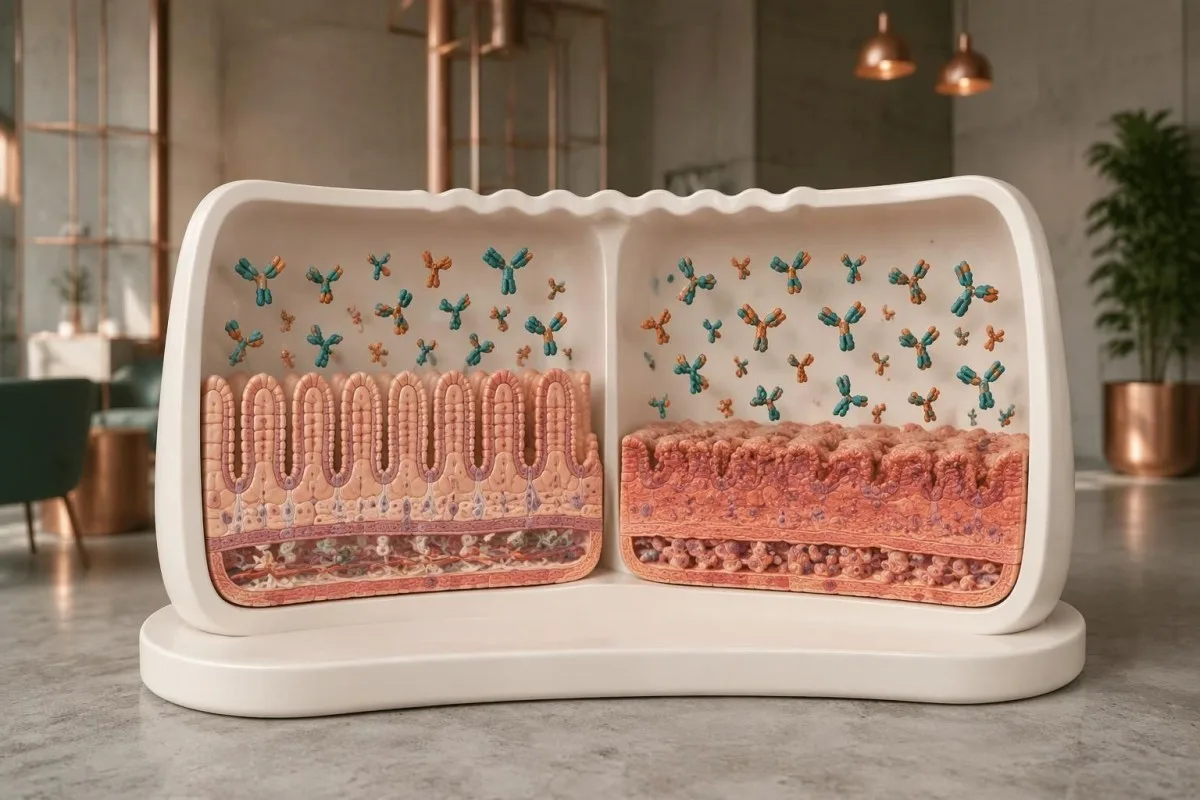
ಸಾಕಷ್ಟು ಸೀರಮ್ ಸಾಂದ್ರತೆಯಿಂದಲೇ TNF ವ್ಯಕ್ತಿಯ ಪ್ರಸ್ತುತ ಕಾಯಿಲೆಯನ್ನು ಚಲಾಯಿಸುವ ಏಕೈಕ ಮಾರ್ಗ ಎಂದು ಸಾಬೀತುಪಡಿಸಲಾಗುವುದಿಲ್ಲ. 12 µg/mL ಟ್ರಫ್ ಮಟ್ಟದೊಂದಿಗೆ ಮುಂದುವರಿಯುವ ಎಂಡೋಸ್ಕೋಪಿಕ್ ಸಕ್ರಿಯತೆ, ಅದೇ ಸಾಂದ್ರತೆಯ ಜೊತೆಗೆ ವಸ್ತುನಿಷ್ಠ ಪರೀಕ್ಷೆಗಳು ಸಾಮಾನ್ಯವಾಗಿದ್ದು ಲಕ್ಷಣಗಳು ಪಿತ್ತಾಮ್ಲ ಅತಿಸಾರದಿಂದ ಉಂಟಾಗಿರುವುದಕ್ಕಿಂತ, ಚಿಕಿತ್ಸಾ ಕಾರ್ಯವಿಧಾನದ ಸಮಸ್ಯೆಯನ್ನು ಹೆಚ್ಚು ಬೆಂಬಲಿಸುತ್ತದೆ.
ನಿಖರವಾಗಿ 5 µg/mL ನಲ್ಲಿ ಚಿಕಿತ್ಸಾ ವೈಫಲ್ಯ ಎಂದು ಕರೆಯುವುದು, ಗುರಿ ಫಿಸ್ಟುಲಾ ನಿಯಂತ್ರಣ ಅಥವಾ ಎಂಡೋಸ್ಕೋಪಿಯಲ್ಲಿ ಗಣನೀಯ ಸುಧಾರಣೆಯಾಗಿದ್ದರೆ, ಅಕಾಲಿಕವಾಗಿರಬಹುದು. 2021ರ ಒಮ್ಮತದಲ್ಲಿ ಚರ್ಚಿಸಿದ 10–15 µg/mL ಮರುಮೌಲ್ಯಮಾಪನವು ಸಾಕಷ್ಟು ಹೊಂದಾಣಿಕೆ ಮಾಡದ ಚಿಕಿತ್ಸೆಯನ್ನು ಕೈಬಿಡುವುದನ್ನು ತಡೆಯುವ ಸುರಕ್ಷತಾ ಕ್ರಮವಾಗಿದೆ; ಆದರೆ ಲಕ್ಷಣಗಳಿರುವ ಪ್ರತಿಯೊಬ್ಬ ರೋಗಿಯ ಡೋಸ್ ಹೆಚ್ಚಿಸುವ ಅಗತ್ಯವಿದೆ ಎಂದರ್ಥವಲ್ಲ.
ವಸ್ತುನಿಷ್ಠ ಸಾಕ್ಷ್ಯಕ್ಕೂ ಮಿತಿಗಳಿವೆ: CRP 3 mg/L ಇದ್ದರೆ ಸಕ್ರಿಯ IBD ಇಲ್ಲವೆಂದು ಹೇಳಲಾಗುವುದಿಲ್ಲ; ವಿಶೇಷವಾಗಿ ಹಿಂದಿನ ಉಲ್ಬಣಗಳಲ್ಲಿಯೂ CRP ಕಡಿಮೆಯಾಗಿಯೇ ಉಳಿದಿರುವವರಲ್ಲಿ. ಗಡಿಭಾಗದ ಮಲ ಪರೀಕ್ಷಾ ಫಲಿತಾಂಶಗಳನ್ನು ಸಂದರ್ಭದೊಂದಿಗೆ ಅರ್ಥೈಸಬೇಕು, ಕೆಲವೊಮ್ಮೆ ಪುನರಾವರ್ತಿಸಬೇಕು; ನಮ್ಮ ಮಾರ್ಗದರ್ಶಿ ಅಂಚಿನಲ್ಲಿರುವ ಮಲ ಕ್ಯಾಲ್ಪ್ರೊಟೆಕ್ಟಿನ್ ಪ್ರತ್ಯೇಕವಾಗಿ ಕಂಡ ಮಧ್ಯಂತರ ಮೌಲ್ಯವೊಂದೇ ಜೈವಿಕ ಔಷಧ ಬದಲಾವಣೆಯನ್ನು ಏಕೆ ನಿರ್ಧರಿಸಬಾರದು ಎಂಬುದನ್ನು ವಿವರಿಸುತ್ತದೆ.
ಚಿಕಿತ್ಸಾ ಕಾರ್ಯವಿಧಾನವನ್ನು ಬದಲಾಯಿಸಲು ಅತ್ಯಂತ ಬಲವಾದ ಆಧಾರವು 3 ಕಂಡುಬರುವ ಅಂಶಗಳನ್ನು ಒಳಗೊಂಡಿರುತ್ತದೆ: ದಾಖಲಾದ ಉರಿಯೂತ, ಸರಿಯಾದ ಸಮಯದಲ್ಲಿ ತೆಗೆದ ಮಾದರಿಯಲ್ಲಿ ಸಾಕಷ್ಟು ಔಷಧದ ಲಭ್ಯತೆ ಮತ್ತು ಸೂಕ್ತ ಹೊಂದಾಣಿಕೆಯ ಹೊರತಾಗಿಯೂ ಅಪರ್ಯಾಪ್ತ ವೈದ್ಯಕೀಯ ಪ್ರತಿಕ್ರಿಯೆ. ಸ್ಥಿರವಾದ ಕ್ರೋನ್ಸ್ನ ಕರುಳಿನ ಕಿರಿದಾಗುವಿಕೆಯಂತಹ ರಚನಾತ್ಮಕ ತೊಂದರೆಗಳೂ ಲಕ್ಷಣಗಳನ್ನು ಉಂಟುಮಾಡಬಹುದು; ಇವುಗಳನ್ನು ಹೆಚ್ಚುವರಿ ಇನ್ಫ್ಲಿಕ್ಸಿಮ್ಯಾಬ್ ಅಥವಾ ಬೇರೆ ಜೈವಿಕ ಔಷಧದಿಂದ ವಿಶ್ವಾಸಾರ್ಹವಾಗಿ ಹಿಮ್ಮೆಟ್ಟಿಸಲಾಗುವುದಿಲ್ಲ.
ಇನ್ಫ್ಲಿಕ್ಸಿಮ್ಯಾಬ್ ಮಟ್ಟ ಸಾಕಷ್ಟಿದ್ದಾಗಲೂ ಪ್ರತಿಕಾಯಗಳು ಧನಾತ್ಮಕವಾಗಿರಬಹುದೇ?
ಇನ್ಫ್ಲಿಕ್ಸಿಮ್ಯಾಬ್ ಅಳೆಯಬಹುದಾದ ಅಥವಾ ಸಾಕಷ್ಟು ಪ್ರಮಾಣದಲ್ಲಿರುವಾಗಲೂ ಪ್ರತಿಕಾಯಗಳು ಪತ್ತೆಯಾಗಬಹುದು, ವಿಶೇಷವಾಗಿ ಔಷಧ-ಸಹಿಷ್ಣು ಪರೀಕ್ಷೆಗಳಲ್ಲಿ. 7 µg/mL ಟ್ರಫ್ ಮಟ್ಟ ಮತ್ತು ದುರ್ಬಲ ಸಕಾರಾತ್ಮಕ ಪ್ರತಿಕಾಯ ಫಲಿತಾಂಶವಿದ್ದರೆ ಅದರಿಂದಲೇ ಚಿಕಿತ್ಸಾ ವೈಫಲ್ಯ ಎಂದರ್ಥವಲ್ಲ; ಆ ಕಂಡುಬಂದ ಅಂಶಕ್ಕೆ ಎಷ್ಟು ಮಹತ್ವ ನೀಡಬೇಕು ಎಂಬುದನ್ನು ಪರೀಕ್ಷೆ, ಪ್ರತಿಕಾಯಗಳ ಪ್ರವೃತ್ತಿ ಮತ್ತು ಕಾಯಿಲೆಯ ಸಕ್ರಿಯತೆಯ ಸಾಕ್ಷ್ಯ ನಿರ್ಧರಿಸುತ್ತವೆ.

Drug-tolerant methods can identify antibodies in samples containing infliximab that would interfere with some drug-sensitive methods. This greater analytical sensitivity may reveal early or low-level immunogenicity, but 1 newly detected signal does not necessarily establish clinically meaningful loss of response.
A qualitative positive result contains less information than a quantitative result with the assay's cutoff and units. A report reading only positive cannot distinguish a value just above a 10 AU/mL cutoff from a much larger signal; our guide to ಗುಣಾತ್ಮಕ ಮತ್ತು ಪ್ರಮಾಣಾತ್ಮಕ ಪರೀಕ್ಷೆಗಳು explains what each format can establish.
Compare antibody trajectories using the same laboratory method whenever feasible. Hypothetical results of 12, 15, and 13 AU/mL across 3 correctly timed visits may carry a different implication from 12, 80, and 200 AU/mL, although analytical variability and clinical findings still prevent interpretation from trend alone.
ಕಾಂತೆಸ್ಟಿ ಒಬ್ಬ AI ರಕ್ತ ಪರೀಕ್ಷೆ ವರದಿ ಅರ್ಥ ಪ್ಲಾಟ್ಫಾರ್ಮ್ that helps distinguish a reported antibody cutoff from a treatment target. When the report lacks the method or units, our interpretation should preserve that uncertainty rather than labeling 1 positive result as proof that infliximab has stopped working.
ಪ್ರಯೋಗಾಲಯ ವಿಧಾನಗಳು ಮತ್ತು ಪ್ರತಿಕಾಯಗಳ ಏಕಮಾನಗಳು ಏಕೆ ಮುಖ್ಯ?
Infliximab and antibody results are method-dependent, so values from different assays are not always interchangeable. Infliximab 1 µg/mL equals 1 mg/L, but antibody results in U/mL, AU/mL, or ng/mL do not have a universal conversion because laboratories use different standards, detection limits, and approaches to drug interference.
An assay may report free or functionally available drug differently from another method that detects a broader pool of circulating drug. Two laboratories can therefore produce somewhat different concentrations from similar specimens; a change from 6 to 8 µg/mL after switching methods may not represent a true gain in exposure.
Below the quantification limit means the assay cannot reliably assign a numerical concentration below its validated boundary. A report of less than 0.4 µg/mL is not proof of exactly 0 µg/mL, and greater than 100 U/mL cannot tell you whether the true antibody result is 110 or 1,000 U/mL.
Some laboratories use reflex antibody testing only when the drug concentration falls below a preset threshold. If antibodies were not tested because infliximab was 9 µg/mL, the result is not equivalent to antibodies negative; ask whether the antibody field says not performed, not detected, or below detection.
Kantesti's report interpretation should retain the assay name, units, and collection context instead of silently converting 20 AU/mL into another method's scale. Our ವೈದ್ಯಕೀಯ ವಿಧಾನಶಾಸ್ತ್ರದ ಮಾಹಿತಿ explains the distinction between technical interpretation and clinical decision-making; no AI explanation removes the need to confirm an unusual result with the reporting laboratory.
ಮರಳಿಬರುತ್ತಿರುವ ಲಕ್ಷಣಗಳು IBDಗೆ ಸಂಬಂಧಿಸಿದವು ಎಂದು ವೈದ್ಯರು ಹೇಗೆ ದೃಢಪಡಿಸುತ್ತಾರೆ?
Returning symptoms do not necessarily mean returning intestinal inflammation; clinicians combine stool markers, CRP, infection testing, endoscopy, and imaging as appropriate. Three loose stools daily with a trough of 6 µg/mL can arise from active IBD, an intestinal infection, bile acid diarrhea, or a functional bowel disorder.
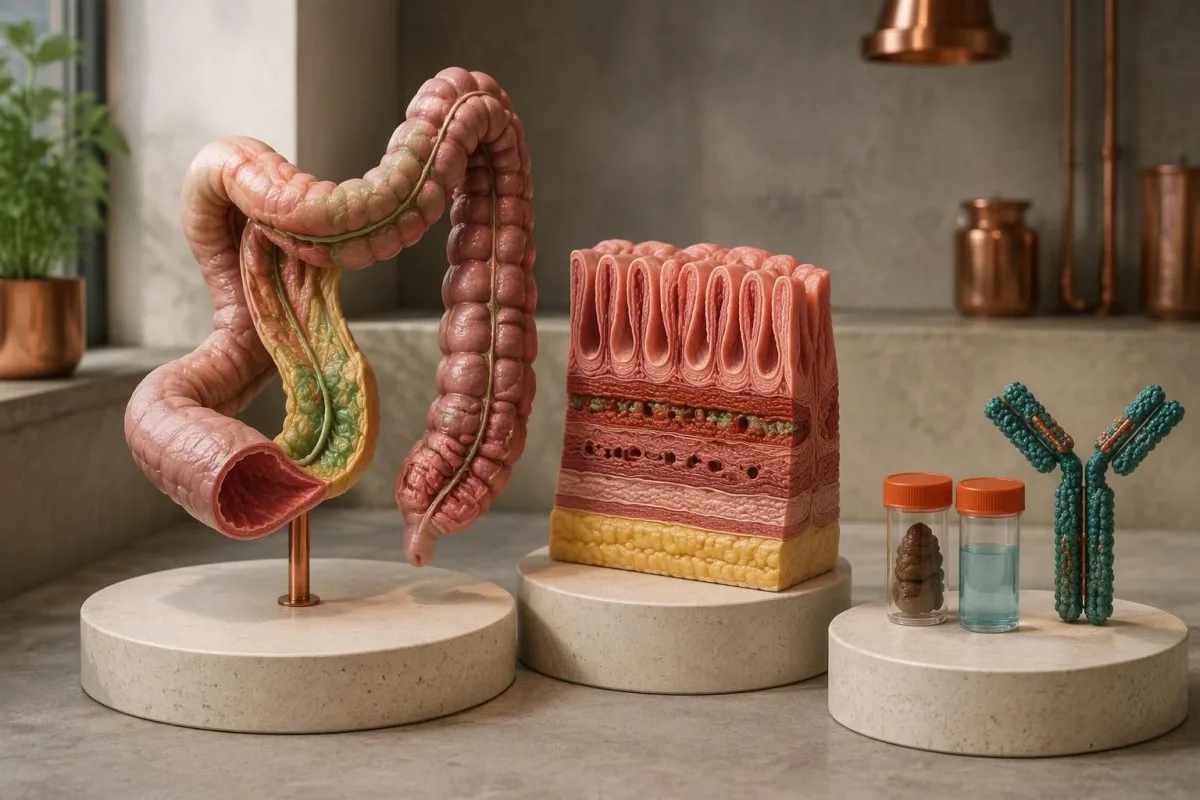
Fecal calprotectin and lactoferrin assess intestinal inflammatory activity rather than infliximab exposure. A hypothetical calprotectin of 800 µg/g adds different information from a trough of 2 µg/mL; our stool inflammation marker comparison explains why paired disease and drug measurements answer separate clinical questions.
C. difficile testing can be necessary during new or worsening diarrhea, even without recent antibiotics. A positive screening test and negative toxin result require contextual interpretation, not automatic classification as an IBD flare; our guide to ಹೊಂದಿಕೆಯಾಗದ C. difficile ಫಲಿತಾಂಶಗಳು describes why 2 test components can disagree.
Bile acid diarrhea is particularly relevant after ileal disease or resection and can persist despite controlled inflammation. A person with a trough of 10 µg/mL and reassuring objective IBD assessment may need a different evaluation; our explanation of SeHCAT retention results covers one diagnostic route where that test is available.
Bloating, gas, and altered stool frequency can also reflect bacterial overgrowth or carbohydrate malabsorption. At least 2 explanations can coexist with IBD, so a satisfactory trough should not end the assessment; our SIBO breath test guide explains preparation and limitations rather than treating breath testing as proof of every symptom's cause.
ಕಡಿಮೆ ಔಷಧ-ಒಡ್ಡಿಕೊಳ್ಳುವಿಕೆಗೆ IBD ತಂಡ ಹೇಗೆ ಪ್ರತಿಕ್ರಿಯಿಸಬಹುದು?
Low exposure without substantial persistent antibodies may lead an IBD team to increase the infliximab dose, shorten the dosing interval, or address a treatment interruption. A common adult intravenous maintenance schedule is 5 mg/kg every 8 weeks after induction, but any adjustment requires individualized prescribing and reassessment of disease activity.
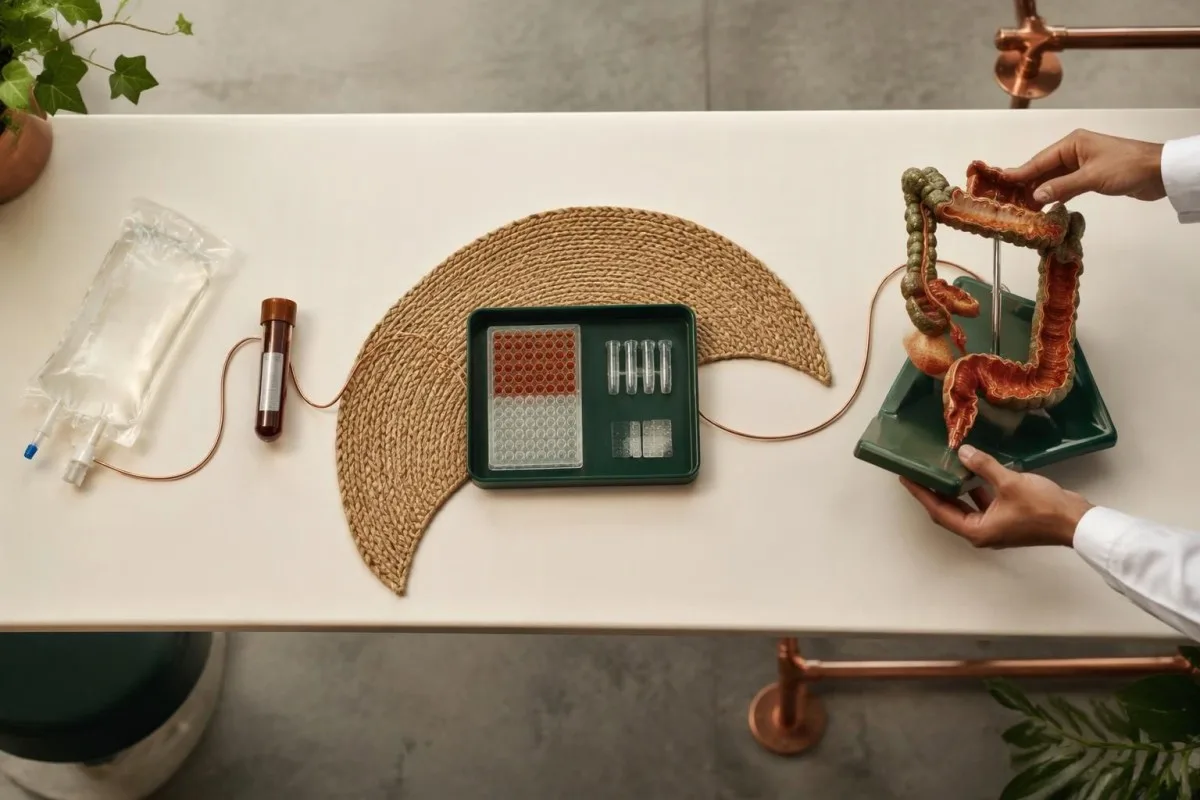
For a hypothetical 70 kg adult, 5 mg/kg corresponds to 350 mg before local preparation or rounding rules. Shortening an unchanged dose from every 8 weeks to every 6 weeks increases average drug administered per unit time by about 33%; the trough increase cannot be predicted as exactly 33% because clearance is not constant.
Increasing the dose and shortening the interval are not pharmacokinetically identical strategies. A larger dose changes peak exposure, while a shorter interval reduces time for concentrations to decline; a hypothetical patient whose symptoms repeatedly return during week 7 may prompt a different discussion from someone symptomatic throughout all 8 weeks.
A useful reassessment checks both exposure and the treatment outcome rather than declaring success because the trough rose. If infliximab increases from 2 to 9 µg/mL but calprotectin remains 900 µg/g and endoscopic disease persists, the new result has narrowed the explanation without necessarily improving the underlying disease.
The timing of repeat testing depends on severity, the revised schedule, and the clinical question; waiting 3 months is not appropriate for every deteriorating patient. Our ಔಷಧ ಸುರಕ್ಷತೆ ಟ್ರೆಂಡ್ ಗೈಡ್ explains why comparable dates and methods matter, but an app should never independently recommend extra infusions.
ಚಿಕಿತ್ಸೆಯನ್ನು ಬದಲಿಸುವುದು ಅಥವಾ ಸಂಯೋಜನಾ ಚಿಕಿತ್ಸೆಯನ್ನು ಪರಿಗಣಿಸುವುದು ಯಾವಾಗ?
Persistent high antibodies with low drug may favor changing treatment, while adequate exposure with confirmed active IBD may favor switching to a different mechanism. Low-level immunogenicity can sometimes be addressed through supervised optimization or an immunomodulator, but a result of 15 U/mL alone cannot determine which option offers the best benefit-risk balance.
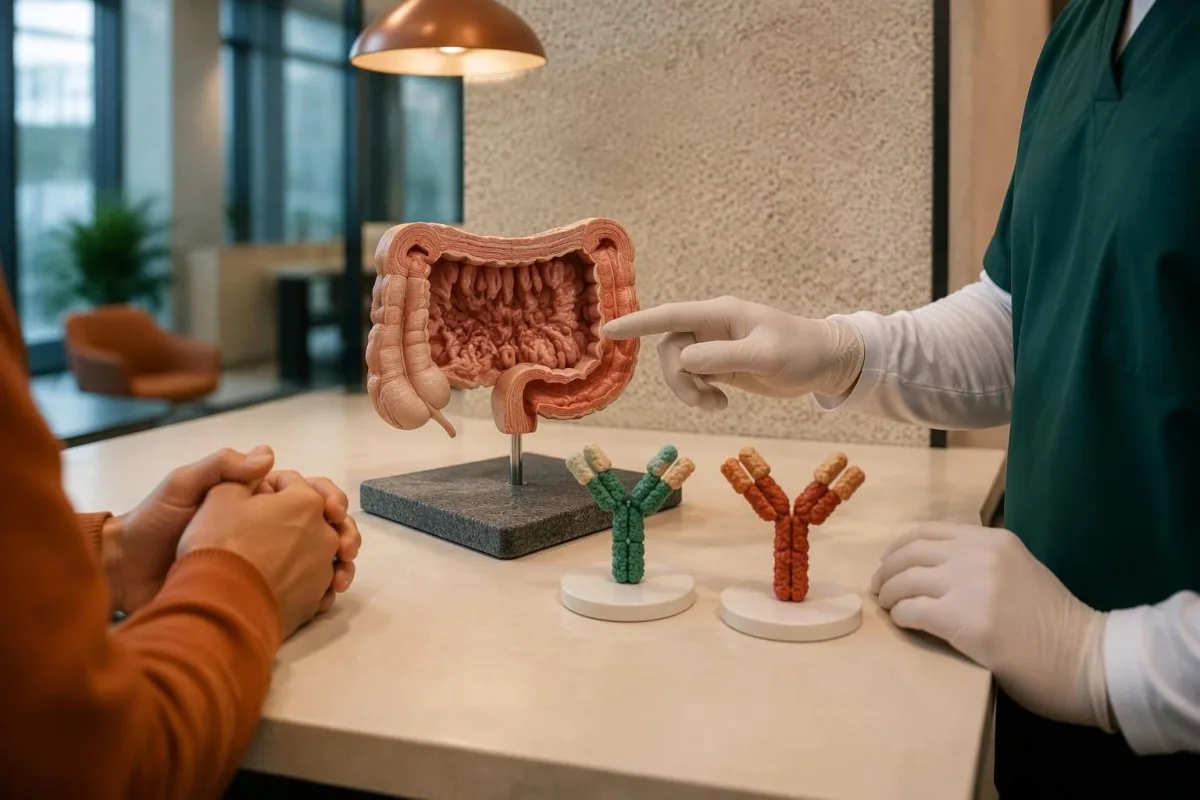
Switching within the anti-TNF class can make sense when infliximab previously controlled disease but antibody-associated clearance now prevents adequate exposure. Switching to another mechanism becomes more persuasive when inflammation persists with adequate exposure; these are 2 different failure patterns, not interchangeable reasons to choose the next medicine.
An immunomodulator such as azathioprine or methotrexate may reduce immunogenicity in selected circumstances, but adding one introduces additional monitoring and adverse-effect risks. Before azathioprine, TPMT testing and safety assessment can inform prescribing; TPMT and NUDT15 assessment do not replace ongoing CBC and liver monitoring, even when baseline results are normal.
If a person already takes a thiopurine, metabolite testing can help clarify exposure or a metabolism pattern before assuming combination therapy has failed. For example, 2 patients prescribed the same mg dose may have very different metabolite findings; our thiopurine treatment pattern guide explains why prescription dose alone is incomplete.
Restarting infliximab after a long interruption deserves a separate safety discussion because immunogenicity and infusion reactions can complicate re-exposure. A treatment gap of 6 months is not equivalent to a routine 1-week scheduling delay; never restart, add an immunomodulator, or stop an existing medicine based solely on an online interpretation.
ಇಂಡಕ್ಷನ್, ಫಿಸ್ಟುಲಾಗಳು, ಮಕ್ಕಳು ಮತ್ತು ಇಂಜೆಕ್ಷನ್ಗಳು ಗುರಿ ಮಟ್ಟಗಳನ್ನು ಬದಲಾಯಿಸುತ್ತವೆಯೇ?
Treatment phase, disease phenotype, age, and formulation can change the relevant exposure goal; intravenous maintenance targets should not be copied into every setting. Standard adult intravenous induction commonly uses 5 mg/kg at weeks 0, 2, and 6, and those early concentrations are interpreted differently from an established 8-week maintenance trough.

The 2021 expert consensus described induction goals of approximately 20–25 µg/mL at week 2, 15–20 µg/mL at week 6, and 7–10 µg/mL at week 14 (Cheifetz et al., 2021). These are consensus exposure goals influenced by disease phenotype and outcome, not interchangeable minimums from one definitive randomized trial.
Perianal fistula outcomes may require higher exposure than symptom control in uncomplicated luminal disease, but observational associations do not establish a universal healing threshold. A fistula still draining at 10 µg/mL may also need imaging, drainage of an abscess, or procedural care; raising the trough cannot substitute for addressing an undrained collection.
Children can have different clearance and dosing requirements, particularly with lower body weight or severe disease. An adult maintenance benchmark of 5 µg/mL should not become a parent-directed dosing rule; our discussion of ಮಕ್ಕಳಿಗಾಗಿ AI ವ್ಯಾಖ್ಯಾನ explains why pediatric specialist context and age-appropriate interpretation remain necessary.
Subcutaneous infliximab produces a different concentration-time profile from intermittent intravenous infusions, and availability and prescribing schedules vary internationally. A concentration of 15 µg/mL during injection treatment should not be labeled excessive merely because an intravenous report lists 3–7 µg/mL; the formulation, actual regimen, and sampling convention must be specified.
ಜೋಡಿಯಾಗಿ ಪಡೆದ ಫಲಿತಾಂಶಗಳು ವೈದ್ಯಕೀಯ ತರ್ಕವನ್ನು ಹೇಗೆ ಬದಲಾಯಿಸುತ್ತವೆ?
Paired results guide the next question rather than dictate a prescription: low drug without antibodies suggests underexposure, low drug with persistent antibodies suggests immunogenicity, and adequate drug with inflammation raises possible mechanism failure. The following 4 examples are entirely hypothetical; the concentrations are illustrative, not personalized treatment recommendations.
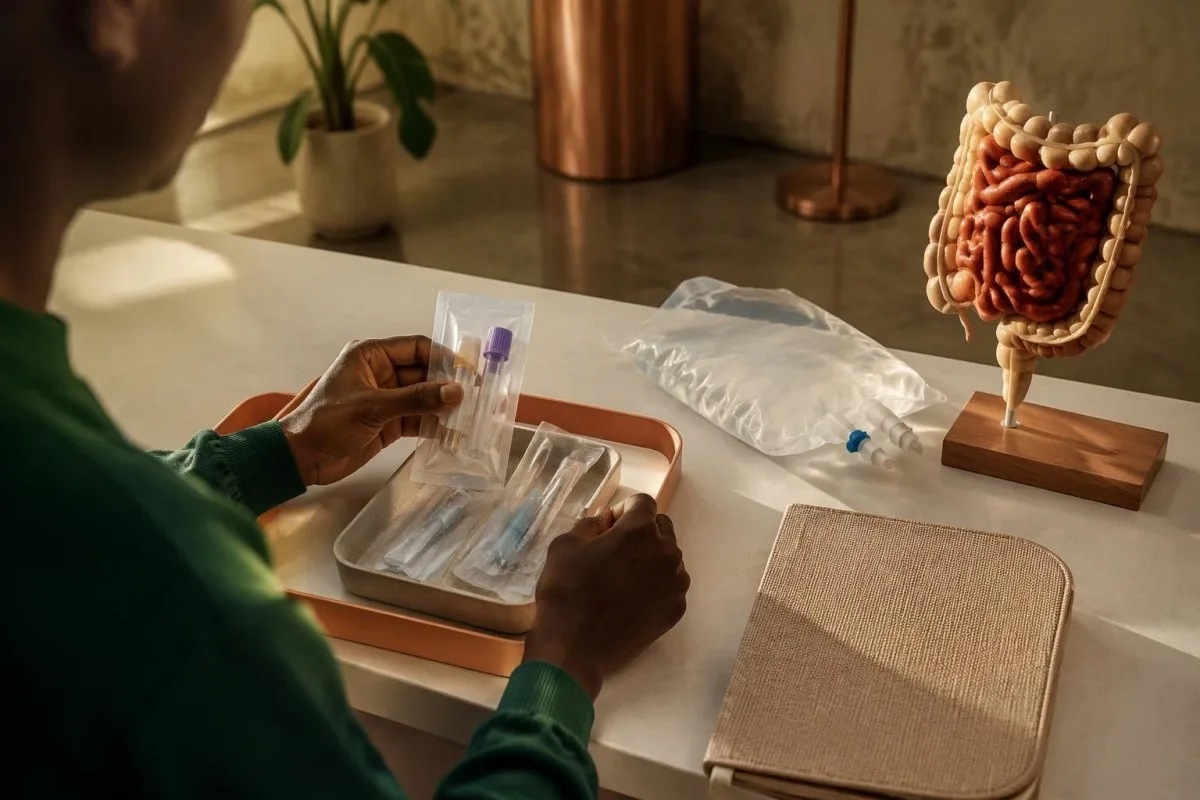
Example 1: a 34-year-old with Crohn's disease has a true trough of 1.8 µg/mL, no detected antibodies, albumin of 29 g/L, and calprotectin of 1,100 µg/g. This pattern supports underexposure in active disease; confirming the infusion schedule and considering supervised optimization are more logical than immediately declaring TNF blockade ineffective.
Example 2: a 46-year-old with ulcerative colitis has infliximab below 0.4 µg/mL and antibodies above the laboratory's 100 U/mL reporting limit on 2 visits. Assuming the assay defines that antibody signal as substantial, persistent immunogenicity is plausible; simply increasing the dose may be less successful than a clinician-directed treatment change.
Example 3: a 28-year-old has a trough of 11 µg/mL, no significant antibodies, and repeatedly active colitis on endoscopy despite appropriate optimization. Example 4: a 61-year-old has the same 11 µg/mL trough but reassuring endoscopy and diarrhea after ileal resection; the first pattern raises mechanism failure, whereas the second prompts investigation of non-inflammatory causes.
ಕಾಂತೆಸ್ಟಿ ಒಬ್ಬ AI-ಚಾಲಿತ ರಕ್ತ ಪರೀಕ್ಷೆ ವಿಶ್ಲೇಷಣೆ ಸಾಧನ that helps organize these distinctions when the report and treatment details are supplied. Our AI ತಂತ್ರಜ್ಞಾನದ ವಿವರಣೆ describes how laboratory context informs interpretation; if a 2-week-old report lacks sampling timing, the missing information must stay visible rather than being guessed.
ಅನುಸರಣಾ ಭೇಟಿಗೆ ನೀವು ಏನನ್ನು ತರಬೇಕು, ಮತ್ತು ಯಾವ ಸಾಕ್ಷ್ಯ ಅನ್ವಯಿಸುತ್ತದೆ?
Bring the complete report, infusion timeline, and objective disease results to your IBD review; these 3 evidence streams make paired drug-antibody testing actionable. Seek earlier care for severe deterioration rather than waiting for the next trough, and distinguish infliximab-specific clinical research from general educational publications about accompanying laboratory abnormalities.
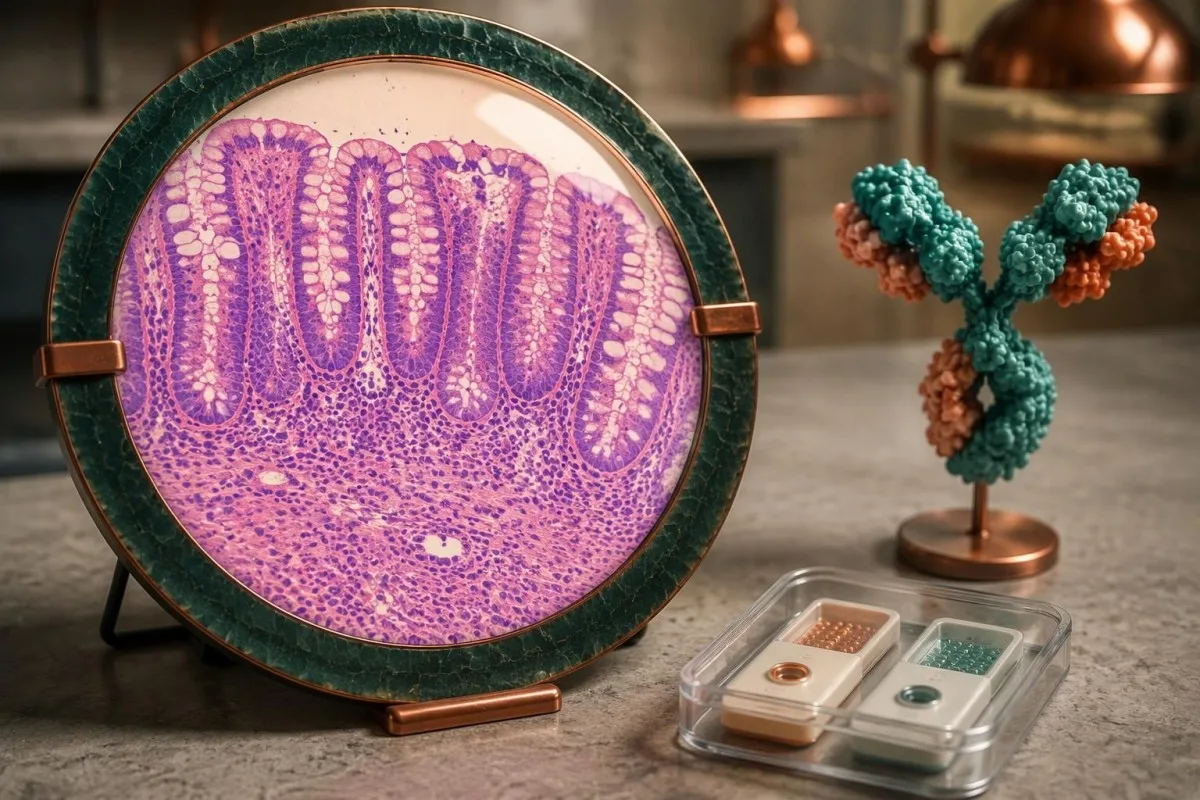
A useful review record includes the previous 2 infusion dates, actual dose, collection timing, assay name, antibody units, and recent CRP, albumin, and fecal calprotectin. Add symptom timing, steroid use, recent antibiotics, and missed doses; ask whether the proposed change addresses insufficient exposure, immunogenicity, active non-TNF disease, or a non-inflammatory explanation.
Contact your clinical team promptly for worsening diarrhea with dehydration, persistent vomiting, new significant bleeding, or fever of 38°C or higher while immunosuppressed. Severe abdominal pain with distension, fainting, or inability to keep fluids down may require emergency assessment; during an infusion, sudden breathing difficulty or collapse requires immediate staff attention, not interpretation of an antibody report.
Kantesti provides educational interpretation, not independent biologic prescribing, and our ಜವಾಬ್ದಾರಿಯುತ AI ತತ್ವಗಳು explain that boundary. A reassuring trough of 10 µg/mL does not establish that an infusion is safe during an acute illness; the treating service must assess symptoms, examination findings, and any necessary investigations.
The 2 Zenodo publications listed below address accompanying laboratory interpretation, not infliximab target validation: our RDW ಮತ್ತು ಕೆಂಪು-ಕೋಶ ಮಾರ್ಗದರ್ಶಿ concerns anemia patterns, while our BUN ಮತ್ತು ಕ್ರಿಯಾಟಿನಿನ್ ಮಾರ್ಗದರ್ಶಿ concerns renal and hydration context. These educational deposits are not evidence for anti-drug antibody cutoffs; the AGA guideline, TAXIT trial, and biologic-monitoring consensus supply the directly relevant clinical references.
ಆಗಾಗ್ಗೆ ಕೇಳಲಾಗುವ ಪ್ರಶ್ನೆಗಳು
ಕಡಿಮೆ ಇನ್ಫ್ಲಿಕ್ಸಿಮ್ಯಾಬ್ ಮಟ್ಟದ ಅರ್ಥವೇನು?
0 ಕಡಿಮೆ ಇನ್ಫ್ಲಿಕ್ಸಿಮ್ಯಾಬ್ ಮಟ್ಟವೆಂದರೆ, ಆ ಚಿಕಿತ್ಸಾ ಹಂತ ಮತ್ತು ಗುರಿಗಾಗಿ ಆಯ್ಕೆಮಾಡಿದ ಮಾನದಂಡಕ್ಕಿಂತ ಕಡಿಮೆ ಪ್ರಮಾಣದಲ್ಲಿ ಔಷಧವು ರಕ್ತಪರಿಚಲನೆಯಲ್ಲಿ ಲಭ್ಯವಿದೆ ಎಂದರ್ಥ; ಇದರಿಂದ ಇನ್ಫ್ಲಿಕ್ಸಿಮ್ಯಾಬ್ ಅನ್ನು ನಿಲ್ಲಿಸಬೇಕು ಎಂದರ್ಥವಲ್ಲ. ಗಮನಾರ್ಹ ಪ್ರತಿಕಾಯಗಳಿಲ್ಲದೆ ನಿರ್ವಹಣಾ ಹಂತದ ನಿಜವಾದ ಔಷಧ-ಕಣಿವೆ ಮಟ್ಟವು 2 µg/mL ಆಗಿದ್ದರೆ, ಅದು ವೇಗವಾದ ಔಷಧ ತೆರವು, ಕರುಳಿನ ಮೂಲಕ ಪ್ರೋಟೀನ್ ನಷ್ಟ, ಅಥವಾ ಸಾಕಷ್ಟಿಲ್ಲದ ಡೋಸ್ ಅಥವಾ ಡೋಸ್ಗಳ ನಡುವಿನ ಅವಧಿಯನ್ನು ಸೂಚಿಸಬಹುದು. ಔಷಧದ ಮಟ್ಟ ಕಡಿಮೆಯಾಗಿದ್ದು, ಗಮನಾರ್ಹ ಪ್ರತಿಕಾಯಗಳು ನಿರಂತರವಾಗಿದ್ದರೆ, ಅದು ರೋಗನಿರೋಧಕ-ಮಧ್ಯಸ್ಥ ಔಷಧ ತೆರವನ್ನು ಸೂಚಿಸುತ್ತದೆ. ನಿಮ್ಮ IBD ತಂಡವು ವಸ್ತುನಿಷ್ಠ ರೋಗ ಚಟುವಟಿಕೆ, ಇನ್ಫ್ಯೂಷನ್ನ ಸಮಯ ಮತ್ತು ಪರೀಕ್ಷಾ ವಿಧಾನವನ್ನು ಪರಿಗಣಿಸಿ ಈ ಫಲಿತಾಂಶವನ್ನು ಅರ್ಥೈಸಬೇಕು.
IBD ಗಾಗಿ ಉತ್ತಮ ಇನ್ಫ್ಲಿಕ್ಸಿಮ್ಯಾಬ್ ಟ್ರಫ್ ಮಟ್ಟ ಎಷ್ಟು?
IBD ಇರುವ ಪ್ರತಿಯೊಬ್ಬರಿಗೂ ಸೂಕ್ತವಾದ ಒಂದೇ infliximab ಟ್ರಫ್ ಮಟ್ಟವಿಲ್ಲ. 2017ರ AGA ಮಾರ್ಗಸೂಚಿಯು ಪ್ರತಿಕ್ರಿಯಾತ್ಮಕ ನಿರ್ವಹಣಾ ಮೇಲ್ವಿಚಾರಣೆಗೆ ಕನಿಷ್ಠ 5 µg/mL ಅನ್ನು ಸೂಚಿಸಿತು, ಆದರೆ 2021ರ ತಜ್ಞರ ಸಹಮತವು ನಿರ್ವಹಣಾ ಸಾಂದ್ರತೆ 5–10 µg/mL ಎಂದು ವಿವರಿಸಿತು. ಪ್ರತಿಕ್ರಿಯೆಯು ಎರಡನೇ ಬಾರಿ ಕಡಿಮೆಯಾಗುವ ಆಯ್ದ ರೋಗಿಗಳಿಗೆ ಚಿಕಿತ್ಸೆಯನ್ನು ಕೈಬಿಡುವ ಮೊದಲು 10–15 µg/mL ಮಟ್ಟದಲ್ಲಿ ಮರುಮೌಲ್ಯಮಾಪನ ಮಾಡಬೇಕಾಗಬಹುದು. ಇಂಡಕ್ಷನ್, ಫಿಸ್ಟುಲಾಗಳು ಮತ್ತು ಚರ್ಮದಡಿಯ ಚಿಕಿತ್ಸೆಗೆ ವಿಭಿನ್ನ ಸಂದರ್ಭಗಳು ಅನ್ವಯಿಸುತ್ತವೆ; ಆದ್ದರಿಂದ ಪ್ರಯೋಗಾಲಯದ ಉಲ್ಲೇಖ ವ್ಯಾಪ್ತಿಯು ಎಲ್ಲರಿಗೂ ಅನ್ವಯಿಸುವ ಡೋಸಿಂಗ್ ಗುರಿಯಲ್ಲ.
ನಾನು ಯಾವಾಗ ನನ್ನ ಇನ್ಫ್ಲಿಕ್ಸಿಮ್ಯಾಬ್ ಮಟ್ಟದ ಪರೀಕ್ಷೆ ಮಾಡಿಸಿಕೊಳ್ಳಬೇಕು?
For intravenous infliximab, a trough sample should be collected immediately before the next infusion begins. A sample obtained 2 days after an infusion is not comparable with routine pre-infusion targets. Record the last infusion date, dose, scheduled interval, and actual collection time, especially if an 8-week appointment was delayed. Subcutaneous infliximab has a different exposure profile, so sampling should follow the prescribing team's and laboratory's instructions.
ಇನ್ಫ್ಲಿಕ್ಸಿಮ್ಯಾಬ್ಗೆ ವಿರುದ್ಧವಾದ ಪ್ರತಿಕಾಯಗಳು ಕಣ್ಮರೆಯಾಗಬಹುದೇ?
0 ಕಡಿಮೆ ಮಟ್ಟದ infliximab ಪ್ರತಿಕಾಯಗಳು ಕೆಲವೊಮ್ಮೆ ಪತ್ತೆಯಾಗದಂತಾಗಬಹುದು ಅಥವಾ ವೈದ್ಯಕೀಯವಾಗಿ ಕಡಿಮೆ ಪ್ರಸ್ತುತವಾಗಬಹುದು; ಆದರೆ ಔಷಧದ ಮಟ್ಟ ಬಹಳ ಕಡಿಮೆಯಾಗಿರುವಾಗ ನಿರಂತರವಾಗಿ ಗಮನಾರ್ಹ ಪ್ರಮಾಣದಲ್ಲಿರುವ ಪ್ರತಿಕಾಯಗಳನ್ನು ನಿಯಂತ್ರಿಸುವುದು ಹೆಚ್ಚು ಕಷ್ಟ. 2021ರ ತಜ್ಞರ ಒಮ್ಮತದ ಪ್ರಕಾರ, ಒಂದು homogeneous mobility shift assayನಲ್ಲಿ ಕಡಿಮೆ ಟೈಟರ್ನ ಪ್ರತಿಕಾಯಗಳು 10 U/mLಗಿಂತ ಕಡಿಮೆ ಎಂದು ವಿವರಿಸಲಾಗಿದೆ; ಆ ಮಿತಿಯನ್ನು ಪ್ರತಿಯೊಂದು ಪ್ರಯೋಗಾಲಯ ವಿಧಾನಕ್ಕೂ ಅನ್ವಯಿಸಲಾಗದು. ಮೇಲ್ವಿಚಾರಣೆಯೊಂದಿಗೆ ಚಿಕಿತ್ಸೆಯನ್ನು ಉತ್ತಮಗೊಳಿಸುವುದು ಅಥವಾ ಇಮ್ಯುನೊಮಾಡ್ಯುಲೇಟರ್ ಬಳಸುವುದು ಆಯ್ದ ರೋಗಿಗಳಿಗೆ ಸಹಾಯ ಮಾಡಬಹುದು; ಇತರರಿಗೆ ಚಿಕಿತ್ಸೆಯಲ್ಲಿ ಬದಲಾವಣೆ ಬೇಕಾಗಬಹುದು. ಮರುಕಳಿಸಿದ ಜೋಡಿ ಪರೀಕ್ಷೆಯು ಪ್ರತಿಕಾಯಗಳು ನಿರಂತರವಾಗಿವೆಯೇ ಎಂಬುದನ್ನು ಸ್ಪಷ್ಟಪಡಿಸಬಹುದು; ಆದರೆ ರೋಗಿಗಳು ಸ್ವತಃ ಚಿಕಿತ್ಸೆಯನ್ನು ಬದಲಾಯಿಸಬಾರದು.
ಮಟ್ಟ ಸಾಮಾನ್ಯವಾಗಿದ್ದರೂ ಇನ್ಫ್ಲಿಕ್ಸಿಮ್ಯಾಬ್ ಕೆಲಸ ಮಾಡುವುದನ್ನು ನಿಲ್ಲಿಸಬಹುದೇ?
0 ಇನ್ಫ್ಲಿಕ್ಸಿಮ್ಯಾಬ್ನ ರಕ್ತಪರಿಚಲನೆಯಲ್ಲಿ ಸಾಕಷ್ಟು ಸಾಂದ್ರತೆಯಿದ್ದರೂ ವಸ್ತುನಿಷ್ಠವಾಗಿ ಸಕ್ರಿಯವಾಗಿರುವ IBD ಅನ್ನು ನಿಯಂತ್ರಿಸಲು ವಿಫಲವಾಗಬಹುದು; ಇದು ಸಂಭಾವ್ಯ ಕಾರ್ಯವಿಧಾನಾತ್ಮಕ ವೈಫಲ್ಯದ ಸೂಚನೆಯಾಗಿದೆ. 10 µg/mL ನ ಟ್ರಫ್ ಮಟ್ಟವು ಕರುಳಿನ ಗುಣಮುಖತೆಯನ್ನು ಖಚಿತಪಡಿಸುವುದಿಲ್ಲ ಅಥವಾ TNF ಮಾತ್ರವೇ ರೋಗವನ್ನು ಚಾಲಿತಗೊಳಿಸುವ ಮಾರ್ಗ ಎಂದು ಸ್ಥಾಪಿಸುವುದಿಲ್ಲ. ಕಾರ್ಯವಿಧಾನವನ್ನು ಬದಲಾಯಿಸುವ ಮೊದಲು, ವೈದ್ಯರು ಉರಿಯೂತವನ್ನು ದೃಢಪಡಿಸುತ್ತಾರೆ, ರಚನಾತ್ಮಕ ಅಥವಾ ಸಾಂಕ್ರಾಮಿಕ ತೊಂದರೆಗಳನ್ನು ಮೌಲ್ಯಮಾಪನ ಮಾಡುತ್ತಾರೆ ಮತ್ತು ನಿರ್ದಿಷ್ಟ ಚಿಕಿತ್ಸಾ ಗುರಿಗೆ ಔಷಧಿ-ಒಡ್ಡಿಕೆ ಸಾಕಷ್ಟಿತ್ತೇ ಎಂದು ಪರಿಗಣಿಸುತ್ತಾರೆ. ವಸ್ತುನಿಷ್ಠ ಮೌಲ್ಯಮಾಪನವು ಸಮಾಧಾನಕರವಾಗಿದ್ದರೂ ಅತಿಸಾರಕ್ಕೆ ಉರಿಯೂತವಲ್ಲದ ಕಾರಣವಿರಬಹುದು.
ಹೆಚ್ಚಿನ ಇನ್ಫ್ಲಿಕ್ಸಿಮ್ಯಾಬ್ ಮಟ್ಟ ಅಪಾಯಕಾರಿಯೇ?
ಹೆಚ್ಚಿನ ಇನ್ಫ್ಲಿಕ್ಸಿಮ್ಯಾಬ್ ಸಾಂದ್ರತೆಯು ಸ್ವಯಂಚಾಲಿತವಾಗಿ ಅಪಾಯಕಾರಿಯಲ್ಲ, ಮತ್ತು ಎಲ್ಲಾ IBD ರೋಗಿಗಳಿಗೆ ಅನ್ವಯವಾಗುವ ಯಾವುದೇ ಏಕೈಕ ಸ್ಥಾಪಿತ ಸೀರಮ್ ವಿಷತ್ವ ಮಿತಿ ಇಲ್ಲ. 15 µg/mL ಫಲಿತಾಂಶವನ್ನು, ಸಾಮಾನ್ಯ ಅಭಿದಮನಿ ನಿರ್ವಹಣಾ ಚಿಕಿತ್ಸೆಯ ಸಮಯದಲ್ಲಿ ಅರ್ಥೈಸುವುದಕ್ಕಿಂತ, ಚಿಕಿತ್ಸೆ ಪ್ರಾರಂಭದ ಹಂತದಲ್ಲಿ, ಫಿಸ್ಟುಲಾ ಚಿಕಿತ್ಸೆಯ ಸಮಯದಲ್ಲಿ ಅಥವಾ ಚರ್ಮದಡಿಯ ಚಿಕಿತ್ಸೆಯ ಸಮಯದಲ್ಲಿ ವಿಭಿನ್ನವಾಗಿ ಅರ್ಥೈಸಬಹುದು. ಸುರಕ್ಷತೆಯು ಸಾಂದ್ರತೆಯೊಂದರ ಮೇಲೆ ಮಾತ್ರವಲ್ಲದೆ, ಒಟ್ಟಾರೆ ಚಿಕಿತ್ಸಾ ಕ್ರಮ, ಸೋಂಕುಗಳು, ಇನ್ಫ್ಯೂಷನ್ ಪ್ರತಿಕ್ರಿಯೆಗಳು ಮತ್ತು ಇತರ ವೈದ್ಯಕೀಯ ಕಂಡುಬರುವಿಕೆಗಳ ಮೇಲೆ ಅವಲಂಬಿತವಾಗಿರುತ್ತದೆ. ಫಲಿತಾಂಶದ ಕುರಿತು ನಿಮ್ಮ ಔಷಧಿ ಸೂಚಿಸಿದ ತಂಡದೊಂದಿಗೆ ಚರ್ಚಿಸದೆ ಇನ್ಫ್ಯೂಷನ್ ತಪ್ಪಿಸಬೇಡಿ ಅಥವಾ ಡೋಸ್ ಕಡಿಮೆ ಮಾಡಬೇಡಿ.
ಪ್ರಯೋಗಾಲಯಗಳನ್ನು ಬದಲಾಯಿಸಿದ ನಂತರ ನನ್ನ ಇನ್ಫ್ಲಿಕ್ಸಿಮ್ಯಾಬ್ ಪ್ರತಿಕಾಯಗಳ ಫಲಿತಾಂಶಗಳು ಏಕೆ ಬದಲಾದವು?
ಪ್ರಯೋಗಾಲಯಗಳನ್ನು ಬದಲಾಯಿಸಿದ ನಂತರ ಇನ್ಫ್ಲಿಕ್ಸಿಮ್ಯಾಬ್ ಪ್ರತಿಕಾಯದ ಫಲಿತಾಂಶಗಳು ಬದಲಾಗಬಹುದು, ಏಕೆಂದರೆ ಪರೀಕ್ಷಾ ವಿಧಾನಗಳ ಮಾಪನಾಂಕ ನಿರ್ಣಯ, ಘಟಕಗಳು, ಪತ್ತೆಮಿತಿಗಳು ಮತ್ತು ರಕ್ತಪರಿಚಲನೆಯಲ್ಲಿ ಇರುವ ಔಷಧವನ್ನು ಸಹಿಸಿಕೊಳ್ಳುವ ಸಾಮರ್ಥ್ಯ ವಿಭಿನ್ನವಾಗಿರುತ್ತವೆ. 20 AU/mL ಫಲಿತಾಂಶವನ್ನು ಸಾರ್ವತ್ರಿಕವಾಗಿ U/mL ಅಥವಾ ng/mLಗೆ ಪರಿವರ್ತಿಸಲು ಸಾಧ್ಯವಿಲ್ಲ. ಇನ್ಫ್ಲಿಕ್ಸಿಮ್ಯಾಬ್ ಪತ್ತೆಯಾಗುವ ಪ್ರಮಾಣದಲ್ಲಿ ಉಳಿದಿರುವಾಗ, ಔಷಧ-ಸಂವೇದಿ ಪರೀಕ್ಷೆ ತಪ್ಪಿಸಬಹುದಾದ ಪ್ರತಿಕಾಯಗಳನ್ನು ಔಷಧ-ಸಹಿಷ್ಣು ವಿಧಾನವು ಪತ್ತೆಹಚ್ಚಬಹುದು. ಸಾಧ್ಯವಾದಾಗ ಒಂದೇ ವಿಧಾನವನ್ನು ಬಳಸಿ ಪ್ರವೃತ್ತಿಗಳನ್ನು ಹೋಲಿಸಿ, ಮತ್ತು ಪ್ರತಿಕಾಯ ಪರೀಕ್ಷೆಯನ್ನು ನಿಜವಾಗಿಯೂ ಮಾಡಲಾಗಿತ್ತೇ ಅಥವಾ ಪ್ರತಿಫಲ ಪರೀಕ್ಷಾ ನಿಯಮದಂತೆ ಬಿಟ್ಟುಬಿಡಲಾಗಿತ್ತೇ ಎಂದು ಕೇಳಿ.
ನಿಮ್ಮ ರಕ್ತ ಪರೀಕ್ಷೆ ಫಲಿತಾಂಶಗಳನ್ನು ವಿವರಿಸಿಕೊಳ್ಳಿ
ನಿಮ್ಮ ಪ್ರಯೋಗಾಲಯ ವರದಿಯನ್ನು ಅಪ್ಲೋಡ್ ಮಾಡಿ; Kantestiಯ AI ಕೆಲವೇ ಸೆಕೆಂಡುಗಳಲ್ಲಿ ಪ್ರತಿಯೊಂದು ಜೈವಿಕ ಸೂಚಕವನ್ನು ಸರಳ ಭಾಷೆಯಲ್ಲಿ ವಿವರಿಸುತ್ತದೆ. ವಿಶ್ವದಾದ್ಯಂತ 2 ದಶಲಕ್ಷಕ್ಕೂ ಹೆಚ್ಚು ಜನರು ಬಳಸಿದ್ದಾರೆ.
ಉಲ್ಲೇಖಗಳು
- Klein, T., Mitchell, S., & Weber, H. (2026). RDW ರಕ್ತ ಪರೀಕ್ಷೆ: RDW-CV, MCV ಮತ್ತು MCHC ಕುರಿತು ಸಂಪೂರ್ಣ ಮಾರ್ಗದರ್ಶಿ. Kantesti AI ವೈದ್ಯಕೀಯ ಸಂಶೋಧನೆ. ಡಿಒಐ
- Klein, T., Mitchell, S., & Weber, H. (2026). BUN/Creatinine ಅನುಪಾತ ವಿವರಿಸಲಾಗಿದೆ: ಕಿಡ್ನಿ ಕಾರ್ಯ ಪರೀಕ್ಷಾ ಮಾರ್ಗದರ್ಶಿ. Kantesti AI ವೈದ್ಯಕೀಯ ಸಂಶೋಧನೆ. ಡಿಒಐ
- Feuerstein JD et al. (2017). American Gastroenterological Association Institute Guideline on Therapeutic Drug Monitoring in Inflammatory Bowel Disease. Gastroenterology. ಡಿಒಐ
- Vande Casteele N et al. (2015). Trough concentrations of infliximab guide dosing for patients with inflammatory bowel disease. Gastroenterology. ಡಿಒಐ
- Cheifetz AS et al. (2021). A Comprehensive Literature Review and Expert Consensus Statement on Therapeutic Drug Monitoring of Biologics in Inflammatory Bowel Disease. The American Journal of Gastroenterology. ಡಿಒಐ
- 2ಮಿ+ವಿಶ್ಲೇಷಿಸಿದ ಪರೀಕ್ಷೆಗಳು
- 127+ದೇಶಗಳು
- 100+ಭಾಷೆಗಳು
ವೈದ್ಯಕೀಯ ತಂಡದ ಬಗ್ಗೆ


E-E-A-T ವಿಶ್ವಾಸ ಸಂಕೇತಗಳು
ಅನುಭವ
ಲ್ಯಾಬ್ ಅರ್ಥೈಸುವ ಕಾರ್ಯಪ್ರವಾಹಗಳ ಮೇಲೆ ವೈದ್ಯರಿಂದ ನೇತೃತ್ವದ ಕ್ಲಿನಿಕಲ್ ವಿಮರ್ಶೆ.
ಪರಿಣಿತಿ
ಕ್ಲಿನಿಕಲ್ ಸಂದರ್ಭದಲ್ಲಿನ ಬಯೋಮಾರ್ಕರ್ಗಳು ಹೇಗೆ ವರ್ತಿಸುತ್ತವೆ ಎಂಬುದರ ಮೇಲೆ ಪ್ರಯೋಗಾಲಯ ವೈದ್ಯಕೀಯದ ಕೇಂದ್ರೀಕರಣ.
ಅಧಿಕಾರಯುತತೆ
ಡಾ. ಥಾಮಸ್ ಕ್ಲೈನ್ ಅವರ ವೈದ್ಯಕೀಯ ವಿಮರ್ಶೆ; ಡಾ. ಸಾರಾ ಮಿಚೆಲ್ ಮತ್ತು ಪ್ರೊ. ಡಾ. ಹಾನ್ಸ್ ವೆಬರ್ ಅವರ ಕೊಡುಗೆಗಳೊಂದಿಗೆ.
ವಿಶ್ವಾಸಾರ್ಹತೆ
ಎಚ್ಚರಿಕೆಯನ್ನು ಕಡಿಮೆ ಮಾಡಲು ಸ್ಪಷ್ಟವಾದ ಮುಂದಿನ ಹಂತಗಳೊಂದಿಗೆ ಸಾಕ್ಷ್ಯಾಧಾರಿತ ಅರ್ಥೈಸಿಕೆ.





ವೈದ್ಯಕೀಯ ಹಕ್ಕುತ್ಯಾಗ
ಈ ಲೇಖನವು ಕೇವಲ ಶಿಕ್ಷಣ ಉದ್ದೇಶಗಳಿಗಾಗಿ이며 ವೈದ್ಯಕೀಯ ಸಲಹೆಯನ್ನು ನೀಡುವುದಿಲ್ಲ. ರೋಗನಿರ್ಣಯ ಮತ್ತು ಚಿಕಿತ್ಸೆ ನಿರ್ಧಾರಗಳಿಗಾಗಿ ಸದಾ ಅರ್ಹ ಆರೋಗ್ಯ ಸೇವಾ ಪೂರೈಕೆದಾರರನ್ನು ಸಂಪರ್ಕಿಸಿ.
ಪ್ರಕಟಿಸಲಾಗಿದೆ · ಸಂಪಾದಕೀಯ ತಂಡವನ್ನು ಸಂಪರ್ಕಿಸಿ
Kantesti Ltd ಪ್ರಕಟಿಸಿದೆ, ಇಂಗ್ಲೆಂಡ್ ಮತ್ತು ವೇಲ್ಸ್ನಲ್ಲಿ ನೋಂದಾಯಿತವಾಗಿದೆ, ಕಂಪನಿ ಸಂಖ್ಯೆ. 17090423, ಲಂಡನ್, ಯುನೈಟೆಡ್ ಕಿಂಗ್ಡಮ್.
