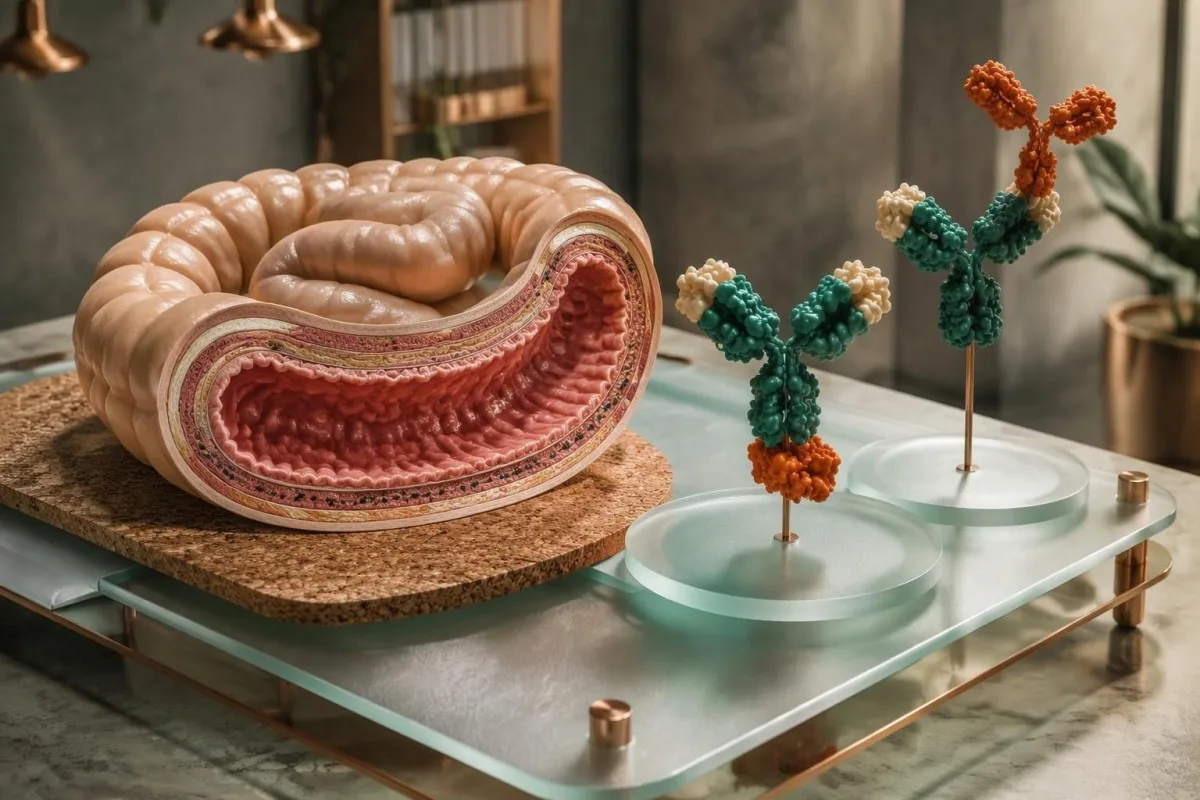
Инфликсимаб дәрәҗәсен тикшерү препаратының концентрациясен антитәнчекләр белән бергә бәяләп, IBD контроленең югалуын аңлатырга ярдәм итә. Препарат дәрәҗәсе түбән, ә әһәмиятле антитәнчекләр булмау экспозициянең җитәрлек булмавын күрсәтә; препарат дәрәҗәсе түбән һәм антитәнчекләр озак вакыт югары булу иммун механизм аша тизрәк чыгарылуны күрсәтә. Экспозиция җитәрлек булуга карамастан актив ялкынсыну механизмның уңышсыз булуы ихтималын күтәрә — ләкин ялкынсыну расланганнан, кан дөрес вакытта алынганнан һәм дәвалау максатына туры килгән максатчан дәрәҗә билгеләнгәннән соң гына.

Төп нәтиҗәләр
- Парлы нәтиҗәләр инфликсимаб экспозициясенең җитәрлек булмавын антитәнчекләр белән бәйле тизрәк чыгарылудан аерырга ярдәм итә; нәтиҗәләрнең берсе дә симптомнарның ни өчен кабатлануын үзеннән-үзе расламый.
- Инфузиягә кадәр кан алу лаборатория өчен кан үрнәген киләсе вена эченә инфузия башланганчы алу дигәнне аңлата, 2 көннән соң түгел.
- Дәвалауны дәвам иткәндәге күрсәткечләр аерыла: 2017 елгы AGA күрсәтмәсе реактив мониторинг өчен кимендә 5 µg/mL тәкъдим иткән, ә экспертлар консенсусында дәвалауны дәвам иткәндә 5–10 µg/mL күрсәтелә.
- Инфликсимаб дәрәҗәсенең түбән булуы антитәнчекләр булмаганда тизрәк чыгарылу, эчәклектән аксым югалту, дозаны соңрак алу яки интервалның артык озын булуы белән бәйле булырга мөмкин.
- Инфликсимабка антитәнчекләр алар анализ өчен әһәмиятле дәрәҗәдә даими булганда һәм препарат дәрәҗәсе бик түбән яки ачыкланмый торган булганда иң мөһиме.
- Механистик дәвалау уңышсызлыгы ихтималы препаратның организмга җитәрлек тәэсир итүенә карамастан, объектив рәвештә актив IBD булуын таләп итә; препаратның канда калдык дәрәҗәсе 8 µg/mL булганда эч китү моны расламый.
- Анализ берәмлекләре бер-берсен алыштыра алмый: infliximab өчен 1 µg/mL = 1 mg/L, әмма антитәнчекләрнең U/mL һәм AU/mL берәмлекләрен гомуми рәвештә үзара әйләндереп булмый.
- Дәвалауга үзгәрешләр кертү сезнең IBD командасы белән бергә хәл ителергә тиеш; җавап югалган кайбер очракларда infliximab-тан баш тартканчы, препарат дәрәҗәсен 10–15 µg/mL-га җиткерү кирәк булырга мөмкин.
Инфликсимаб дәрәҗәсен тикшерү нәрсәне күрсәтә?
Бер infliximab дәрәҗәсен тикшерү канда әйләнеп йөрүче infliximab-ны, гадәттә, моның белән беррәттән препаратка каршы антитәнчекләрне, дә үлчәп, препарат тәэсиренең җитәрлек булмавын яки иммун механизмнары аркасында препаратның кандан тиз чыгарылуын ачыклау өчен үткәрелә. Антитәнчекләр ачыкланмаганда 2 µg/mL нәтиҗәсе, антитәнчекләр даими рәвештә югары булганда алынган 2 µg/mL нәтиҗәсеннән аерым мәсьәләне күтәрә; аларның берсе дә препаратны һичшиксез туктатырга кирәк дигәнне аңлатмый.
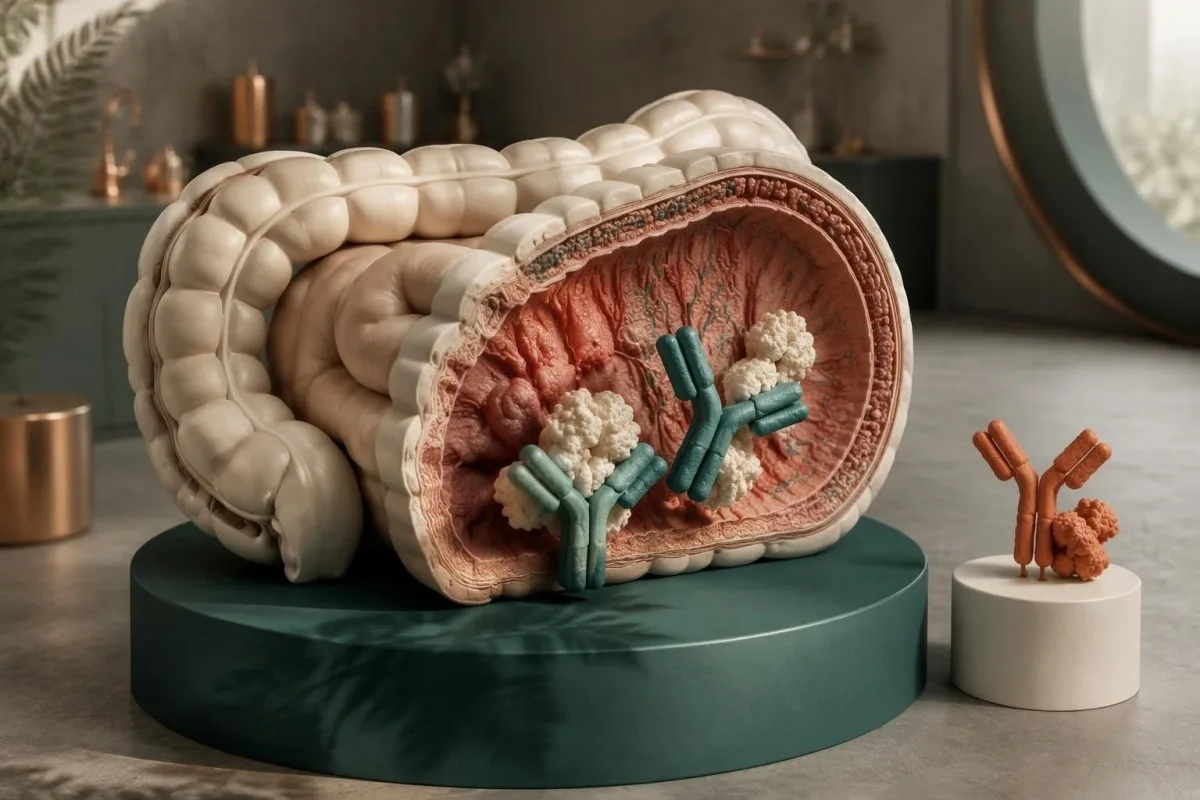
Реактив терапевтик препарат мониторингы симптомнар начарайганда яки авыруның актив булуына дәлилләр булганда тикшерү үткәрүне аңлата. Ул авыруның күренеп торган ремиссиясе вакытында планлы мониторингтан аерыла: документлаштырылган көчәю чорында препаратның шартлы рәвештә 4 µg/mL булган минималь дәрәҗәсе тикшерү үткәрү өчен нигез булырга мөмкин, ә эндоскопия һәм тизәк маркерлары төзәлүнең дәвамлы булуын күрсәтсә, бу башкача бәяләнә.
Infliximab түбәндәгене блоклый: шеш некрозы факторы, гадәттә TNF дип кыскартыла; концентрацияне үлчәү эчәклектәге һәр TNF сигналның нейтральләштерелүен бәяләми. Кандагы 7 µg/mL нәтиҗәсе кан әйләнешендәге препаратны үлчи, зарарланган эчәкнең һәр өлешендәге препарат активлыгын яки эчәклекнең ни дәрәҗәдә төзәлгәнен түгел.
Гамәли бәяләү кимендә 3 күрсәткечкә нигезләнә: препарат концентрациясе, антитәнчекләр нәтиҗәләре һәм авыру активлыгының объектив билгеләре. Элекке җавап та мөһим: 18 ай дәвамында авыру контрольдә тотылганнан соң симптомнарның кире кайтуы — җавапның икенчел югалуы, ә баштагы дәвалау вакытында контрольгә беркайчан да ирешмәү индукция дозасының тәэсире һәм дәвалау механизмы турында башка сораулар тудыра.
Кантести - ЯИ анализы укучыларга infliximab буенча бергә алынган нәтиҗәләрне лабораториядәге 1 санны доза билгеләү күрсәтмәсе итеп кабул итмичә аңларга ярдәм итә. Платформаны Бөекбританиядә теркәлгән Kantesti LTD идарә итә; Бөекбритания компаниясе номеры — 17090423; мәгълүмат безнең оешмада терапевтик препарат мониторингын нигезләүче клиник дәлилләрдән аерым бирелә.
Инфликсимабның минималь дәрәҗәсен кайчан үлчәргә кирәк?
Вена аша кертелә торган infliximab-ның минималь дәрәҗәсе чираттагы инфузия башланыр алдыннан, дозалар арасындагы вакытта концентрация иң түбән ноктага җиткән чакта алынырга тиеш. Инфузиядән соң 2 көн узгач алынган үрнәк минималь дәрәҗәне күрсәтми һәм аны инфузия алдыннан алынучы даими дәвалауның максатчан дәрәҗәләре белән турыдан-туры чагыштырырга ярамый.
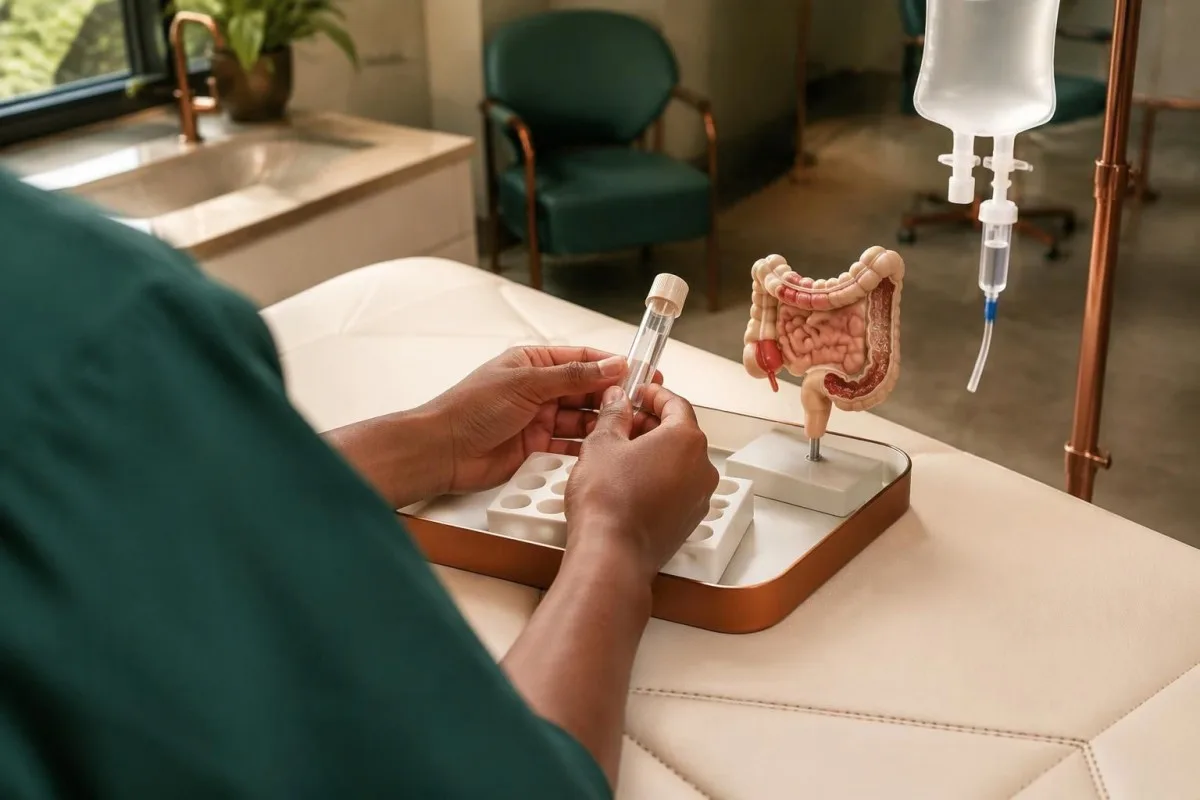
Дәвалау нәтиҗәлелеге үзгәрмәсә дә, үрнәк алу вакыты нәтиҗәнең мәгънәсен үзгәртә ала. Мәсәлән, инфузиядән соң озак та үтми алынган шартлы 18 µg/mL һәм киләсе инфузия алдыннан алынган 3 µg/mL бер үк доза циклына туры килергә мөмкин — бу үзара бәйсез 2 дәвалау халәте арасында кинәт начараю дигән сүз түгел.
Нәтиҗәне бәяләгәнче, алдагы инфузиянең датасын, препаратның фактик дозасын mg белән, билгеләнгән интервалны һәм үрнәк алынган вакытны теркәгез. Әгәр 8 атналык инфузия 10 нчы атнага кадәр кичектерелсә, алынган концентрация препаратсыз узган вакытның озынрак булуын чагылдыра; ул баштагы 8 атналык графикның препаратны җитәрлек дәрәҗәдә тәэмин итүен төгәл билгели алмый.
Collection from a line recently used to administer infliximab can contaminate the specimen and produce a misleadingly high result. Ask the infusion service about its collection protocol, and tell it if sampling occurred after treatment started; the timing principles resemble other pre-dose medication tests, although their targets differ.
Fasting is generally not required for the infliximab concentration itself, but another test ordered during the same visit may have preparation requirements. Our беренче алынган әзерләү буенча кулланма explains how to document medication timing; for this test, an accurate infusion timeline usually matters more than an 8-hour fast.
Инфликсимабның нинди дәрәҗәсе җитәрлек дип санала?
Бер no universal adequate infliximab trough for every patient, disease phenotype, assay, and treatment phase. The 2017 AGA guideline suggested at least 5 µg/mL during reactive maintenance monitoring, while a 2021 expert consensus described maintenance concentrations of 5–10 µg/mL and higher exposure in selected loss-of-response situations.
The AGA benchmark of at least 5 µg/mL is a clinical decision aid, not a healthy-population reference range (Feuerstein et al., 2017). Infliximab is a prescribed biologic: an untreated person normally has no circulating infliximab, so a laboratory's therapeutic interval should never be read like the normal range for sodium.
The TAXIT trial enrolled 263 adults with stable responses and optimized intravenous infliximab toward 3–7 µg/mL before randomized follow-up. Its primary remission endpoint did not improve with concentration-based dosing, although some secondary outcomes favored that approach; this explains why the historical 3–7 µg/mL window is useful context rather than a universal modern target (Vande Casteele et al., 2015).
Cheifetz et al. (2021) recommended considering exposure of 10–15 µg/mL before discontinuing infliximab for secondary loss of response in selected patients. This is expert consensus, not proof that everyone should be escalated to 15 µg/mL; fistulas, endoscopic goals, disease severity, safety, and prior optimization affect whether that reasoning applies.
A concentration of 12 µg/mL is not automatically toxic, and a concentration of 4 µg/mL does not automatically require escalation in an asymptomatic patient with documented healing. Unlike the narrower toxicity discussions around some башка иң түбән дәрәҗәдә күзәтелә торган дарулар, infliximab has no single established serum toxicity cutoff that dictates action.
| Дәрәҗә | Диапазон | Мәгънәсе |
|---|---|---|
| Historical TAXIT optimization window | 3–7 µg/mL | Studied in adults with stable responses; not a universal threshold for active disease or fistula healing. |
| AGA reactive maintenance benchmark | At least 5 µg/mL | Suggested in the 2017 guideline for reactive monitoring; interpret alongside objective activity and the assay. |
| Expert-consensus maintenance range | 5–10 µg/mL | Described by the 2021 consensus; the appropriate goal varies with disease phenotype and desired outcome. |
| Selected loss-of-response reassessment | 10–15 µg/mL | Exposure experts suggest considering before abandoning treatment in selected cases; not a routine target or toxicity range. |
Ни өчен антитәнчекләр булмаганда инфликсимаб дәрәҗәсе түбән була?
Low infliximab levels with no significant antibodies usually suggest pharmacokinetic underexposure: too little drug remains available over the dosing interval. A trough of 1.5 µg/mL can reflect faster clearance, intestinal protein loss, a delayed infusion, or insufficient dose or frequency—not necessarily failure of TNF blockade as a treatment mechanism.
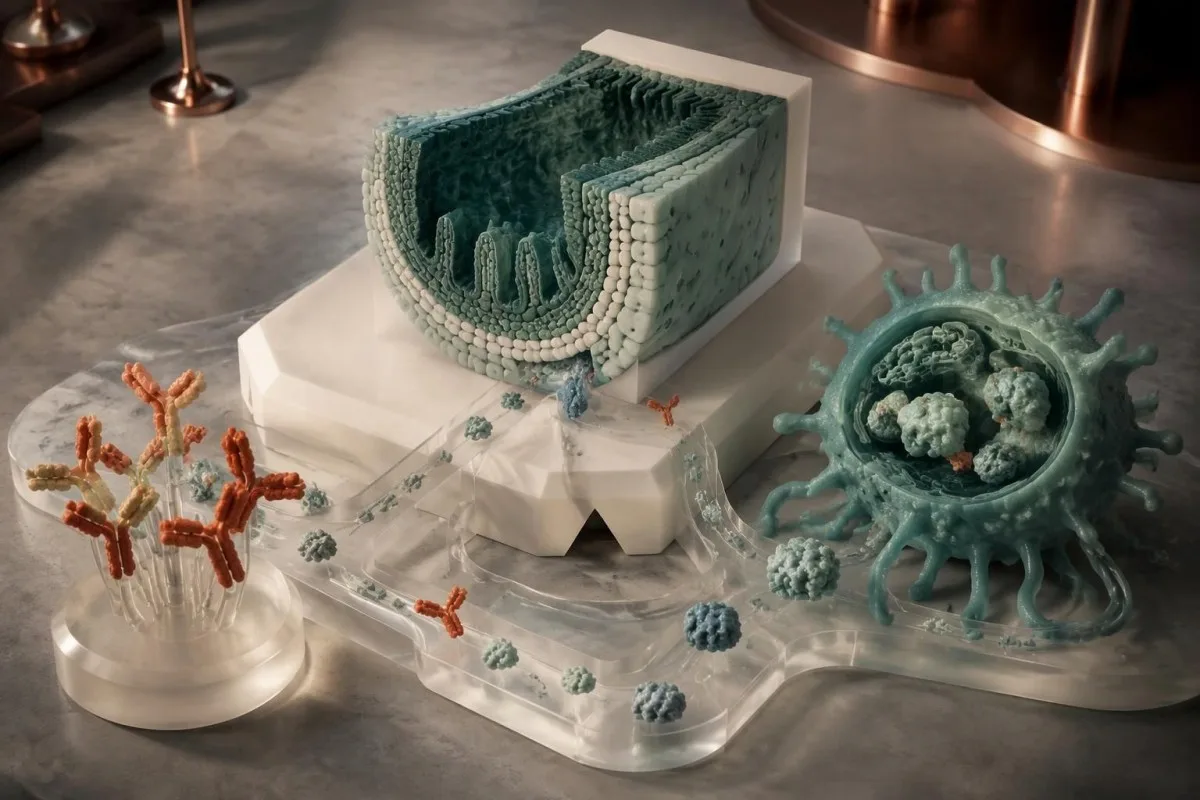
Severe intestinal disease can increase infliximab clearance and allow protein, including therapeutic antibody, to be lost through the bowel. A hypothetical patient with albumin of 28 g/L and a trough of 1 µg/mL therefore needs assessment of disease burden and protein loss, not just a question about whether the infusion was attended.
Low albumin is associated with faster infliximab clearance, but it is not a direct measure of drug binding or an instruction to apply a free-drug correction. Albumin of 30 g/L and 40 g/L may provide different clearance context; our кан сарысы аксымнарын интерпретацияләү кулланмасы explains why inflammation, liver synthesis, nutrition, and loss must be distinguished.
Infliximab is mainly broken down through protein-catabolic pathways rather than cleared unchanged by the kidneys. A creatinine of 90 µmol/L cannot predict the infliximab trough, and the medicine should not be interpreted using small-molecule renal dosing assumptions; body size, inflammatory burden, and treatment interruptions may be more informative.
Kantesti AI helps place a low trough alongside reported albumin, CRP, and infusion timing; 1 result cannot identify the clearance pathway by itself. Low albumin should not automatically trigger protein supplements, because inflammation also changes circulating proteins—as explained in our guide to inflammation and transferrin.
Препарат дәрәҗәсенең түбән булуы һәм антитәнчекләр булу нәрсәне күрсәтә?
Low or undetectable infliximab with persistent high antibodies suggests immune-mediated pharmacokinetic failure: antibodies can accelerate clearance, neutralize drug activity, or both. A trough below an assay's 0.5 µg/mL quantification limit with a substantial antibody result is more concerning than a weak antibody signal alongside a maintained drug concentration.
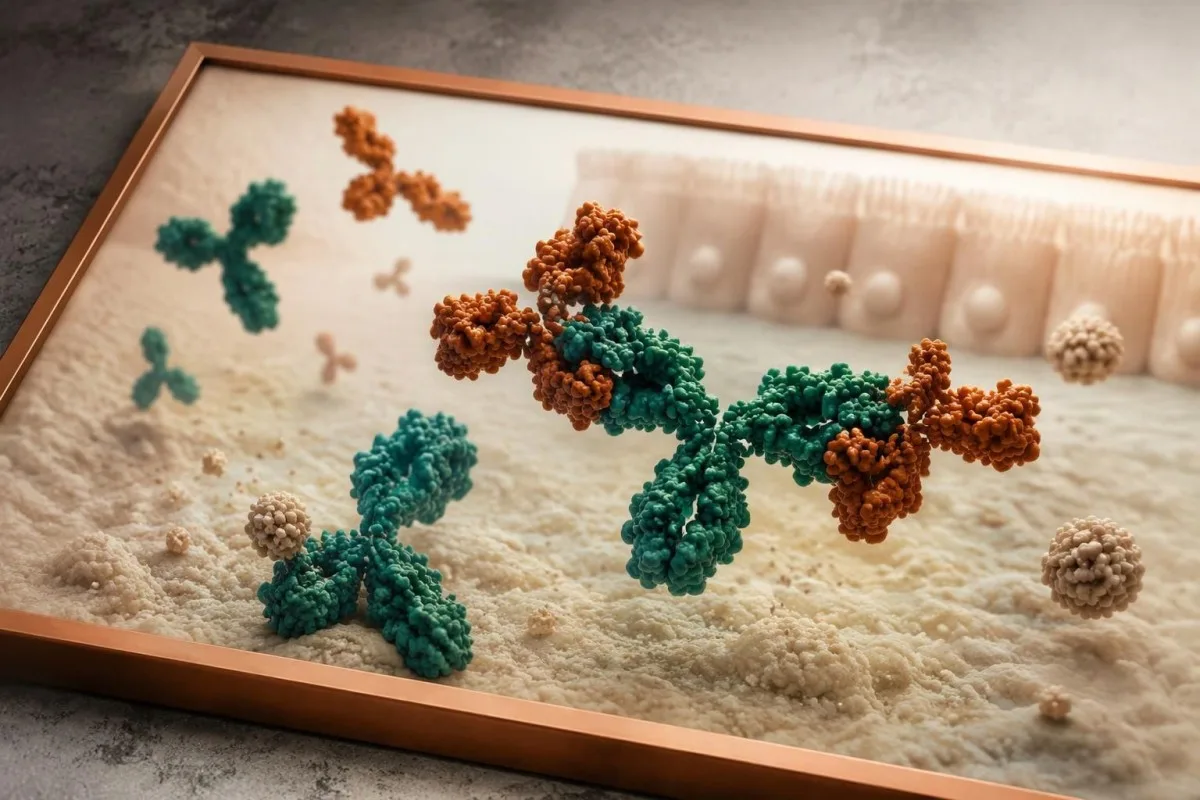
Anti-infliximab antibody tests usually detect binding antibodies; they do not all directly measure neutralizing activity. A positive result of 20 U/mL therefore identifies an assay-defined antibody signal, not a universal percentage of blocked infliximab or a precise prediction of how much benefit remains.
Antibody persistence and magnitude influence whether dose optimization is likely to recover exposure. Cheifetz et al. (2021) described low-titer antibodies as below 10 U/mL for the homogeneous mobility shift assay specifically; that threshold must not be transferred to an ELISA reporting AU/mL or to another laboratory's calibration.
A single low antibody result may be transient or become less clinically relevant after supervised treatment optimization. Repeating paired drug and antibody testing can distinguish a 1-time signal from a rising pattern, but severe disease or an infusion reaction may require action before a second result is available.
Antibodies to infliximab are not the same as antibodies against your own bowel, and they do not by themselves diagnose an immediate allergy. Our explanation of уңай антитәнчек нәтиҗәләре төрләре helps separate these concepts; breathlessness or faintness during an infusion still requires immediate attention regardless of the antibody number.
Җитәрлек минималь дәрәҗә механизмның уңышсыз булуын кайчан күрсәтә?
Механистик дәвалау уңышсызлыгы ихтималы means objectively active IBD persists despite sufficient infliximab exposure for the treatment goal. A trough of 8 µg/mL with confirmed active colitis may raise this possibility, but selected patients need further exposure optimization before clinicians conclude that another inflammatory pathway should be targeted.
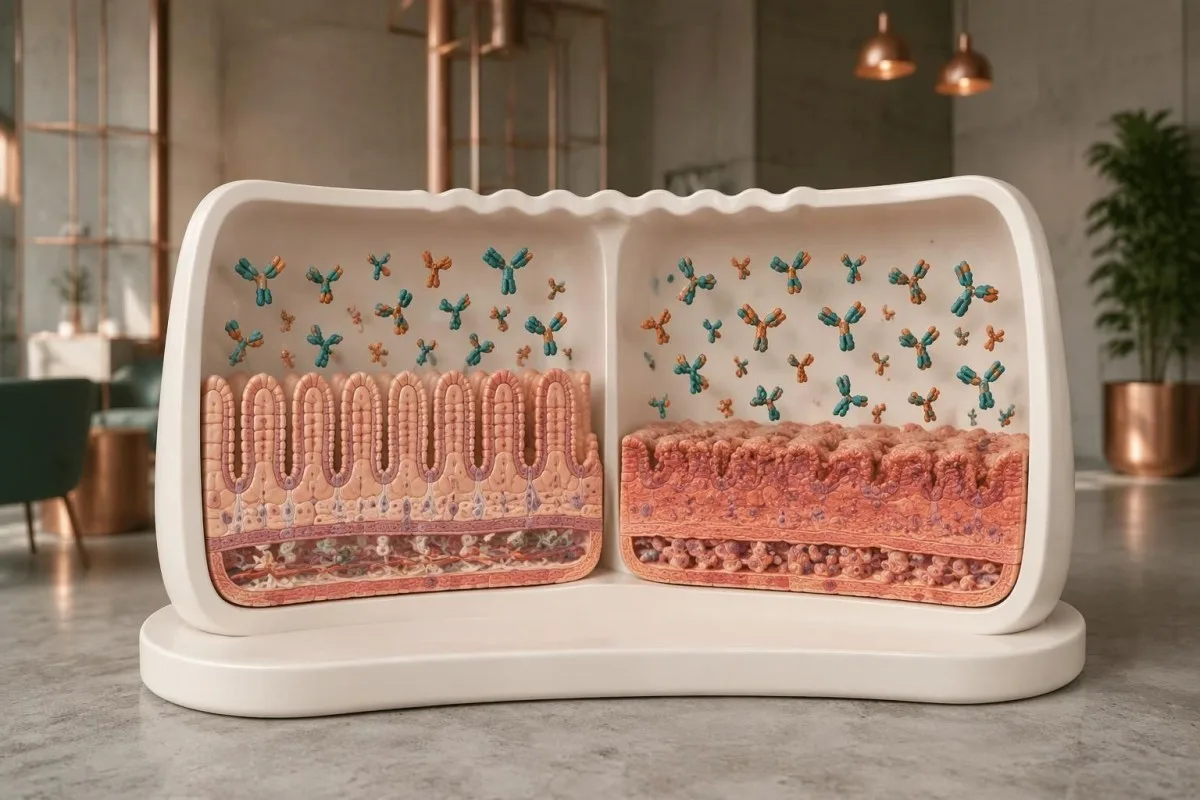
An adequate serum concentration cannot prove that TNF is the only pathway driving a person's current disease. Persistent endoscopic activity with a trough of 12 µg/mL is more supportive of a mechanism problem than the same concentration with normal objective testing and symptoms from bile acid diarrhea.
Calling treatment failure at exactly 5 µg/mL can be premature when the goal is fistula control or substantial endoscopic improvement. The 10–15 µg/mL reassessment discussed in the 2021 consensus provides a safeguard against abandoning an under-optimized treatment, but it is not a requirement to escalate every patient with symptoms.
Objective evidence also has limits: CRP of 3 mg/L does not exclude active IBD, especially in people whose CRP has remained low during previous flares. Borderline stool results need context and sometimes repetition; our guide to чикләнгән фекаль калпротектин explains why an isolated intermediate value should not determine a biologic switch.
The strongest case for changing mechanism combines 3 findings: documented inflammation, adequate exposure on a correctly timed sample, and an inadequate clinical response despite appropriate optimization. Structural complications, such as a fixed Crohn's stricture, can also cause symptoms that neither more infliximab nor a different biologic will reliably reverse.
Инфликсимаб дәрәҗәсе җитәрлек булганда антитәнчекләр уңай булырга мөмкинме?
Antibodies can be detected while infliximab remains measurable or adequate, particularly with drug-tolerant assays. A trough of 7 µg/mL and a weak positive antibody result do not automatically mean treatment failure; the assay, antibody trend, and evidence of disease activity determine how much weight that finding deserves.
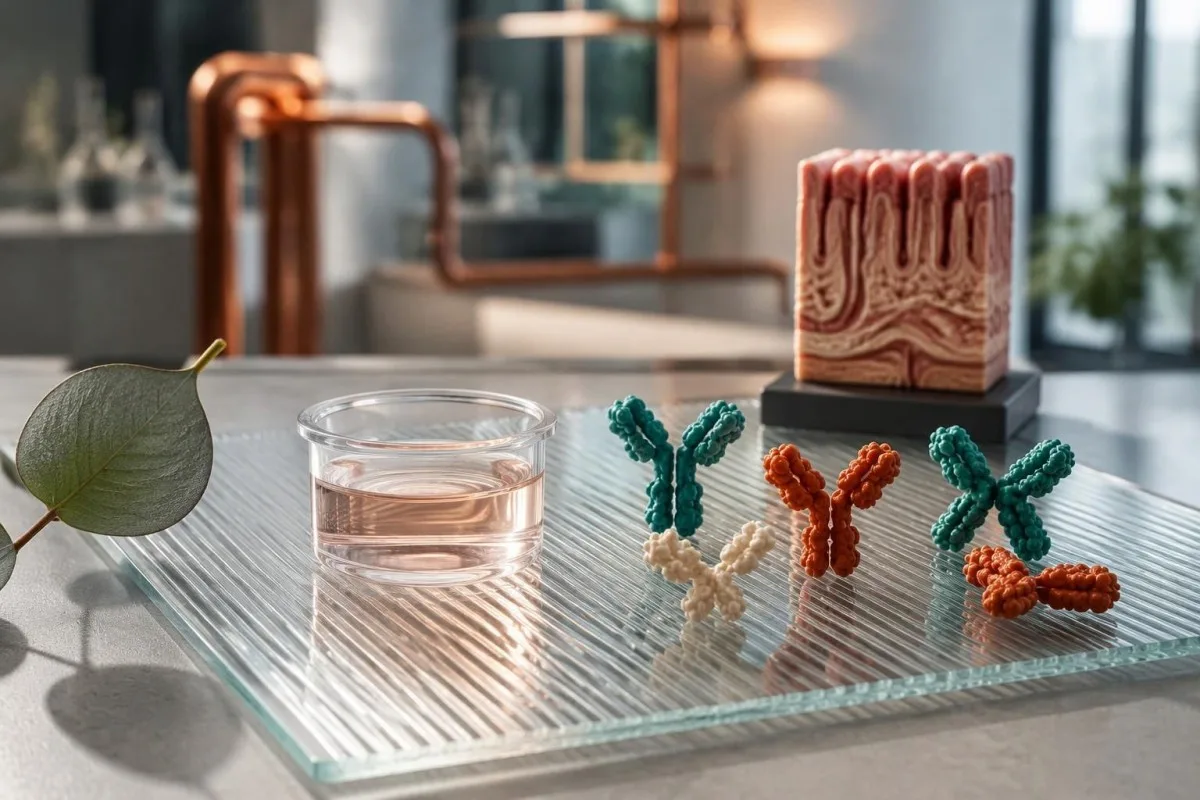
Drug-tolerant methods can identify antibodies in samples containing infliximab that would interfere with some drug-sensitive methods. This greater analytical sensitivity may reveal early or low-level immunogenicity, but 1 newly detected signal does not necessarily establish clinically meaningful loss of response.
A qualitative positive result contains less information than a quantitative result with the assay's cutoff and units. A report reading only positive cannot distinguish a value just above a 10 AU/mL cutoff from a much larger signal; our guide to санды һәм санлы тестлар explains what each format can establish.
Compare antibody trajectories using the same laboratory method whenever feasible. Hypothetical results of 12, 15, and 13 AU/mL across 3 correctly timed visits may carry a different implication from 12, 80, and 200 AU/mL, although analytical variability and clinical findings still prevent interpretation from trend alone.
Кантести - AI кан анализы нәтиҗәләрен аңлату платформасы that helps distinguish a reported antibody cutoff from a treatment target. When the report lacks the method or units, our interpretation should preserve that uncertainty rather than labeling 1 positive result as proof that infliximab has stopped working.
Ни өчен лаборатория ысуллары һәм антитәнчек берәмлекләре мөһим?
Infliximab and antibody results are method-dependent, so values from different assays are not always interchangeable. Infliximab 1 µg/mL equals 1 mg/L, but antibody results in U/mL, AU/mL, or ng/mL do not have a universal conversion because laboratories use different standards, detection limits, and approaches to drug interference.
An assay may report free or functionally available drug differently from another method that detects a broader pool of circulating drug. Two laboratories can therefore produce somewhat different concentrations from similar specimens; a change from 6 to 8 µg/mL after switching methods may not represent a true gain in exposure.
Below the quantification limit means the assay cannot reliably assign a numerical concentration below its validated boundary. A report of less than 0.4 µg/mL is not proof of exactly 0 µg/mL, and greater than 100 U/mL cannot tell you whether the true antibody result is 110 or 1,000 U/mL.
Some laboratories use reflex antibody testing only when the drug concentration falls below a preset threshold. If antibodies were not tested because infliximab was 9 µg/mL, the result is not equivalent to antibodies negative; ask whether the antibody field says not performed, not detected, or below detection.
Kantesti's report interpretation should retain the assay name, units, and collection context instead of silently converting 20 AU/mL into another method's scale. Our кагыйдәсе юк. Үрнәкнең сыйфаты, вирус күләме кимүе һәм сайланган тест нәтиҗәлелеккә йогынты ясый; өске сулыш юлларыннан алынган үрнәкнең нәтиҗәсе тискәре булса да, түбәнге сулыш юлларының авыр авыруы дәвалаучы команда билгеләгән өстәмә тикшеренүләрне таләп итәргә мөмкин. explains the distinction between technical interpretation and clinical decision-making; no AI explanation removes the need to confirm an unusual result with the reporting laboratory.
Табиблар симптомнарның кабатлануы IBD белән бәйле булуын ничек раслый?
Returning symptoms do not necessarily mean returning intestinal inflammation; clinicians combine stool markers, CRP, infection testing, endoscopy, and imaging as appropriate. Three loose stools daily with a trough of 6 µg/mL can arise from active IBD, an intestinal infection, bile acid diarrhea, or a functional bowel disorder.
Fecal calprotectin and lactoferrin assess intestinal inflammatory activity rather than infliximab exposure. A hypothetical calprotectin of 800 µg/g adds different information from a trough of 2 µg/mL; our stool inflammation marker comparison explains why paired disease and drug measurements answer separate clinical questions.
C. difficile testing can be necessary during new or worsening diarrhea, even without recent antibiotics. A positive screening test and negative toxin result require contextual interpretation, not automatic classification as an IBD flare; our guide to C. difficile буенча туры килмәгән нәтиҗәләр describes why 2 test components can disagree.
Bile acid diarrhea is particularly relevant after ileal disease or resection and can persist despite controlled inflammation. A person with a trough of 10 µg/mL and reassuring objective IBD assessment may need a different evaluation; our explanation of SeHCAT retention results covers one diagnostic route where that test is available.
Bloating, gas, and altered stool frequency can also reflect bacterial overgrowth or carbohydrate malabsorption. At least 2 explanations can coexist with IBD, so a satisfactory trough should not end the assessment; our SIBO breath test guide explains preparation and limitations rather than treating breath testing as proof of every symptom's cause.
IBD белгечләр төркеме экспозиция түбән булганда нинди чаралар күрергә мөмкин?
Low exposure without substantial persistent antibodies may lead an IBD team to increase the infliximab dose, shorten the dosing interval, or address a treatment interruption. A common adult intravenous maintenance schedule is 5 mg/kg every 8 weeks after induction, but any adjustment requires individualized prescribing and reassessment of disease activity.
For a hypothetical 70 kg adult, 5 mg/kg corresponds to 350 mg before local preparation or rounding rules. Shortening an unchanged dose from every 8 weeks to every 6 weeks increases average drug administered per unit time by about 33%; the trough increase cannot be predicted as exactly 33% because clearance is not constant.
Increasing the dose and shortening the interval are not pharmacokinetically identical strategies. A larger dose changes peak exposure, while a shorter interval reduces time for concentrations to decline; a hypothetical patient whose symptoms repeatedly return during week 7 may prompt a different discussion from someone symptomatic throughout all 8 weeks.
A useful reassessment checks both exposure and the treatment outcome rather than declaring success because the trough rose. If infliximab increases from 2 to 9 µg/mL but calprotectin remains 900 µg/g and endoscopic disease persists, the new result has narrowed the explanation without necessarily improving the underlying disease.
The timing of repeat testing depends on severity, the revised schedule, and the clinical question; waiting 3 months is not appropriate for every deteriorating patient. Our документировать итәргә лаек нәтиҗә үзгәрешләрен күрсәтә. explains why comparable dates and methods matter, but an app should never independently recommend extra infusions.
Дәвалауны алыштыру яки комбинацияле терапия кайчан карала?
Persistent high antibodies with low drug may favor changing treatment, while adequate exposure with confirmed active IBD may favor switching to a different mechanism. Low-level immunogenicity can sometimes be addressed through supervised optimization or an immunomodulator, but a result of 15 U/mL alone cannot determine which option offers the best benefit-risk balance.
Switching within the anti-TNF class can make sense when infliximab previously controlled disease but antibody-associated clearance now prevents adequate exposure. Switching to another mechanism becomes more persuasive when inflammation persists with adequate exposure; these are 2 different failure patterns, not interchangeable reasons to choose the next medicine.
An immunomodulator such as azathioprine or methotrexate may reduce immunogenicity in selected circumstances, but adding one introduces additional monitoring and adverse-effect risks. Before azathioprine, TPMT testing and safety assessment can inform prescribing; TPMT and NUDT15 assessment do not replace ongoing CBC and liver monitoring, even when baseline results are normal.
If a person already takes a thiopurine, metabolite testing can help clarify exposure or a metabolism pattern before assuming combination therapy has failed. For example, 2 patients prescribed the same mg dose may have very different metabolite findings; our thiopurine treatment pattern guide explains why prescription dose alone is incomplete.
Restarting infliximab after a long interruption deserves a separate safety discussion because immunogenicity and infusion reactions can complicate re-exposure. A treatment gap of 6 months is not equivalent to a routine 1-week scheduling delay; never restart, add an immunomodulator, or stop an existing medicine based solely on an online interpretation.
Индукция, фистулалар, балалар һәм инъекцияләр максатчан дәрәҗәләргә йогынты ясыймы?
Treatment phase, disease phenotype, age, and formulation can change the relevant exposure goal; intravenous maintenance targets should not be copied into every setting. Standard adult intravenous induction commonly uses 5 mg/kg at weeks 0, 2, and 6, and those early concentrations are interpreted differently from an established 8-week maintenance trough.
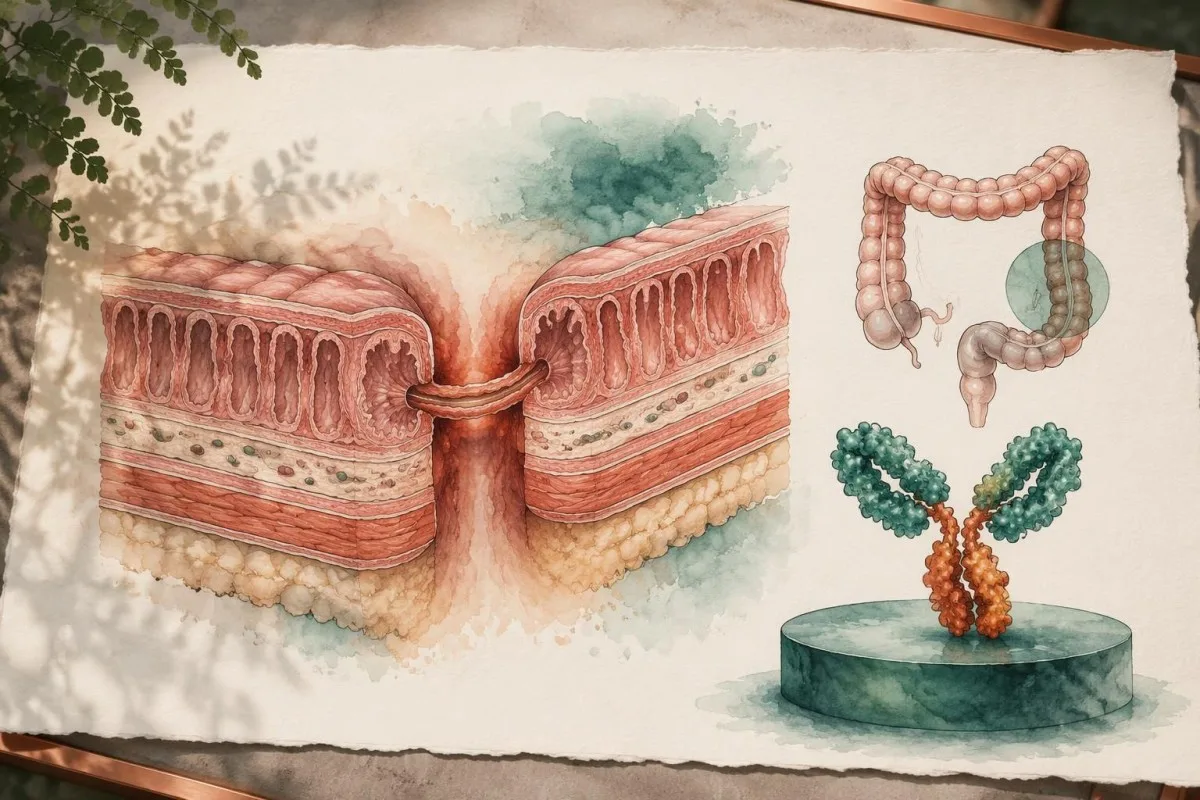
The 2021 expert consensus described induction goals of approximately 20–25 µg/mL at week 2, 15–20 µg/mL at week 6, and 7–10 µg/mL at week 14 (Cheifetz et al., 2021). These are consensus exposure goals influenced by disease phenotype and outcome, not interchangeable minimums from one definitive randomized trial.
Perianal fistula outcomes may require higher exposure than symptom control in uncomplicated luminal disease, but observational associations do not establish a universal healing threshold. A fistula still draining at 10 µg/mL may also need imaging, drainage of an abscess, or procedural care; raising the trough cannot substitute for addressing an undrained collection.
Children can have different clearance and dosing requirements, particularly with lower body weight or severe disease. An adult maintenance benchmark of 5 µg/mL should not become a parent-directed dosing rule; our discussion of AI балалар өчен интерпретациясе explains why pediatric specialist context and age-appropriate interpretation remain necessary.
Subcutaneous infliximab produces a different concentration-time profile from intermittent intravenous infusions, and availability and prescribing schedules vary internationally. A concentration of 15 µg/mL during injection treatment should not be labeled excessive merely because an intravenous report lists 3–7 µg/mL; the formulation, actual regimen, and sampling convention must be specified.
Парлы нәтиҗәләр клиник фикер йөртүне ничек үзгәртә?
Paired results guide the next question rather than dictate a prescription: low drug without antibodies suggests underexposure, low drug with persistent antibodies suggests immunogenicity, and adequate drug with inflammation raises possible mechanism failure. The following 4 examples are entirely hypothetical; the concentrations are illustrative, not personalized treatment recommendations.
Example 1: a 34-year-old with Crohn's disease has a true trough of 1.8 µg/mL, no detected antibodies, albumin of 29 g/L, and calprotectin of 1,100 µg/g. This pattern supports underexposure in active disease; confirming the infusion schedule and considering supervised optimization are more logical than immediately declaring TNF blockade ineffective.
Example 2: a 46-year-old with ulcerative colitis has infliximab below 0.4 µg/mL and antibodies above the laboratory's 100 U/mL reporting limit on 2 visits. Assuming the assay defines that antibody signal as substantial, persistent immunogenicity is plausible; simply increasing the dose may be less successful than a clinician-directed treatment change.
Example 3: a 28-year-old has a trough of 11 µg/mL, no significant antibodies, and repeatedly active colitis on endoscopy despite appropriate optimization. Example 4: a 61-year-old has the same 11 µg/mL trough but reassuring endoscopy and diarrhea after ileal resection; the first pattern raises mechanism failure, whereas the second prompts investigation of non-inflammatory causes.
Кантести - AI нигезендәге кан анализы тикшерү коралы that helps organize these distinctions when the report and treatment details are supplied. Our AI технологиясе аңлатмасы describes how laboratory context informs interpretation; if a 2-week-old report lacks sampling timing, the missing information must stay visible rather than being guessed.
Кабат тикшерүгә нәрсә алып килергә кирәк, һәм нинди дәлилләр кулланыла?
Bring the complete report, infusion timeline, and objective disease results to your IBD review; these 3 evidence streams make paired drug-antibody testing actionable. Seek earlier care for severe deterioration rather than waiting for the next trough, and distinguish infliximab-specific clinical research from general educational publications about accompanying laboratory abnormalities.
A useful review record includes the previous 2 infusion dates, actual dose, collection timing, assay name, antibody units, and recent CRP, albumin, and fecal calprotectin. Add symptom timing, steroid use, recent antibiotics, and missed doses; ask whether the proposed change addresses insufficient exposure, immunogenicity, active non-TNF disease, or a non-inflammatory explanation.
Contact your clinical team promptly for worsening diarrhea with dehydration, persistent vomiting, new significant bleeding, or fever of 38°C or higher while immunosuppressed. Severe abdominal pain with distension, fainting, or inability to keep fluids down may require emergency assessment; during an infusion, sudden breathing difficulty or collapse requires immediate staff attention, not interpretation of an antibody report.
Kantesti provides educational interpretation, not independent biologic prescribing, and our җаваплы ЯИ принциплары explain that boundary. A reassuring trough of 10 µg/mL does not establish that an infusion is safe during an acute illness; the treating service must assess symptoms, examination findings, and any necessary investigations.
The 2 Zenodo publications listed below address accompanying laboratory interpretation, not infliximab target validation: our RDW һәм кызыл кан күзәнәкләре буенча кулланма concerns anemia patterns, while our BUN һәм креатинин буенча кулланма concerns renal and hydration context. These educational deposits are not evidence for anti-drug antibody cutoffs; the AGA guideline, TAXIT trial, and biologic-monitoring consensus supply the directly relevant clinical references.
Еш бирелгән сораулар
Инфликсимаб дәрәҗәсенең түбән булуы нәрсәне аңлата?
0 Түбән инфликсимаб дәрәҗәсе кандагы препарат тәэсиренең дәвалау этабы һәм максаты өчен сайланган эталоннан түбән булуын аңлата; бу инфликсимабны туктатырга кирәк дигәнне автоматик рәвештә аңлатмый. Зур күләмдә антитәнчекләр булмаганда, чын поддерживающая trough дәрәҗәсенең 2 µg/mL булуы препаратның тизрәк чыгарылуын, эчәк аша аксым югалтуны яки дозаның яисә интервалның җитәрлек булмавын күрсәтергә мөмкин. Препарат дәрәҗәсе түбән булып, зур күләмдә антитәнчекләр сакланса, бу иммун-арадашлы чыгарылуны күрсәтә. Сезнең IBD командасы нәтиҗәне авыру активлыгының объектив күрсәткечләре, инфузия вакыты һәм анализ ысулы белән бергә бәяләргә тиеш.
IBD өчен инфликсимабның нинди trough дәрәҗәсе яхшы санала?
0. IBD булган һәр кеше өчен infliximab-ның бердәнбер оптималь иң түбән концентрациясе юк. 2017 AGA күрсәтмәсендә реактив дәвалауны мониторинглау өчен кимендә 5 µg/mL тәкъдим ителде, ә 2021 елгы экспертлар консенсусында дәвалауны дәвам итү вакытында 5–10 µg/mL концентрацияләре күрсәтелде. Җавапның икенчел югалуы булган кайбер пациентларга дәвалаудан баш тартканчы 10–15 µg/mL дәрәҗәсендә кабат бәяләү кирәк булырга мөмкин. Индукция, фистулалар һәм тире астына кертелә торган дәвалау өчен башка контекст кирәк, шуңа күрә лаборатория интервалын дозалауның универсаль максаты дип карарга ярамый.
Инфликсимаб дәрәҗәсенә анализны кайчан тапшырырга кирәк?
For intravenous infliximab, a trough sample should be collected immediately before the next infusion begins. A sample obtained 2 days after an infusion is not comparable with routine pre-infusion targets. Record the last infusion date, dose, scheduled interval, and actual collection time, especially if an 8-week appointment was delayed. Subcutaneous infliximab has a different exposure profile, so sampling should follow the prescribing team's and laboratory's instructions.
Инфликсимабка каршы антитәнчекләр юкка чыгарга мөмкинме?
Инфликсимабка каршы антитәнчекләрнең түбән дәрәҗәсе кайвакыт ачыкланмаска яки клиник яктан әһәмиятлерәк булмаска мөмкин, ләкин препаратның бик түбән дәрәҗәсе белән бергә күзәтелгән даими югары дәрәҗәдәге антитәнчекләрне җиңү авыррак. 2021 елгы экспертлар консенсусында бертөрле хәрәкәт күчеше анализы өчен титры түбән антитәнчекләр 10 U/mL-дан азрак дип билгеләнгән; бу чик күрсәткечен һәр лаборатория ысулына кулланып булмый. Табиб күзәтүе астында дәвалауны оптимальләштерү яки иммуномодулятор сайланган пациентларга ярдәм итәргә мөмкин, ә башкаларга дәвалауны үзгәртергә кирәк булырга мөмкин. Парлы анализларны кабатлау антитәнчекләрнең даимилыгын ачыкларга ярдәм итә ала, әмма пациентлар дәвалауны үзләре үзгәртергә тиеш түгел.
Инфликсимаб дәрәҗәсе нормада булса да, тәэсир итми башларга мөмкинме?
0 Infliximab әйләнештәге концентрациясе җитәрлек булуга карамастан, объектив рәвештә актив булган ялкынсынулы эчәк авыруын контрольдә тота алмаска мөмкин, бу механизмга бәйле уңышсызлык ихтималын күтәрә. 10 µg/mL дәрәҗәсендәге минималь концентрация эчәкнең төзәлүен гарантияләми һәм авыруны TNFның гына китереп чыгаруын расламый. Дәвалау механизмын үзгәрткәнче, табиблар ялкынсынуны раслый, структур яки инфекцияле өзлегүләрне бәяли һәм конкрет дәвалау максаты өчен препарат тәэсиренең җитәрлек булу-булмавын карый. Объектив тикшерү нәтиҗәләре тынычландыргыч булганда, эч китүнең сәбәбе ялкынсыну белән бәйле булмаска мөмкин.
Инфликсимаб дәрәҗәсенең югары булуы куркынычмы?
0 Югары инфликсимаб концентрациясе үзеннән-үзе куркыныч түгел, һәм эчәкнең ялкынсыну авырулары булган барлык пациентлар өчен дә кан сарысуындагы токсиклыкның бердәм билгеләнгән чик дәрәҗәсе юк. 15 µg/mL нәтиҗәсе индукция чорында, фистуланы дәвалаганда яки препаратны тире астына кулланганда, гадәти вена эченә кертеп дәвалауга караганда, башкача аңлатылырга мөмкин. Куркынычсызлык концентрациянең үзенә генә түгел, ә гомуми дәвалау схемасына, инфекцияләргә, инфузия реакцияләренә һәм башка клиник күрсәткечләргә бәйле. Нәтиҗәне билгеләгән медицина хезмәткәрләре белән сөйләшмичә, инфузияне калдырмагыз һәм дозаны киметмәгез.
Лабораторияне алыштырганнан соң инфликсимабка антитәнчекләр буенча нәтиҗәләрем ни өчен үзгәрде?
Лабораторияләрне алыштырганнан соң инфликсимабка каршы антителалар нәтиҗәләре үзгәрергә мөмкин, чөнки анализлар калибровкасы, үлчәү берәмлекләре, ачыклау чикләре һәм кандагы препаратка чыдамлыгы буенча аерыла. 20 AU/mL нәтиҗәсен гомуми тәртиптә U/mL яки ng/mL берәмлекләренә күчереп булмый. Препаратка чыдам ысул инфликсимаб күләме үлчәнә торган дәрәҗәдә калганда, препаратка сизгер анализ ачыклый алмаган антителаларны ачыкларга мөмкин. Мөмкин булганда, үзгәрешләрне бер үк ысул белән чагыштырыгыз һәм антителаларга анализның чыннан да үткәрелгәнме, әллә рефлекс-тест кагыйдәсе буенча төшереп калдырылганмы икәнен сорагыз.
Кан анализы нәтиҗәләрен аңлатып алыгыз
Лаборатория хисабыгызны йөкләгез, һәм Kantesti AI һәр биомаркерны секундлар эчендә гади тел белән аңлатыр. Дөнья буйлап 2 миллионнан артык кеше куллана.
Сылтамалар
- Klein, T., Mitchell, S., & Weber, H. (2026). RDW кан анализы: RDW-CV, MCV һәм MCHC буенча тулы кулланма. Kantesti AI медицина тикшеренүләре. DOI
- Klein, T., Mitchell, S., & Weber, H. (2026). BUN/Креатинин Коефициенты Төшендерү: Бешәк Функция Тесты Кайдалы. Kantesti AI медицина тикшеренүләре. DOI
- Feuerstein JD et al. (2017). American Gastroenterological Association Institute Guideline on Therapeutic Drug Monitoring in Inflammatory Bowel Disease. Gastroenterology. DOI
- Vande Casteele N et al. (2015). Trough concentrations of infliximab guide dosing for patients with inflammatory bowel disease. Gastroenterology. DOI
- Cheifetz AS et al. (2021). A Comprehensive Literature Review and Expert Consensus Statement on Therapeutic Drug Monitoring of Biologics in Inflammatory Bowel Disease. The American Journal of Gastroenterology. DOI
- 2М +Анализланган тестлар
- 127+Илләр
- 100+Телләр
Медицина командасы турында


E-E-A-T ышаныч сигналлары
Тәҗрибә
Табиб җитәкчелегендә лаборатория нәтиҗәләрен аңлату эш процессларын клиник тикшерү.
Белгечлек
Лаборатория медицинасы: биомаркерларның клиник контекстта үз-үзләрен тотышын аңлау.
Авторититет
Доктор Томас Кляйн медицина ягыннан тикшерде; доктор Сара Митчелл һәм профессор доктор Һанс Вебер үз өлешләрен кертте.
Ышанычлылык
Ачык күзәтү юллары белән куркуны киметү өчен дәлилләргә нигезләнгән аңлату.





Медицина турында кисәтү
Бу мәкалә бары тик белем бирү максатларында гына һәм медицина киңәше булып тормый. Диагноз һәм дәвалау карарлары өчен һәрвакыт квалификацияле сәламәтлек саклау белгеченә мөрәҗәгать итегез.
Басылып чыкты · Редакция командасына мөрәҗәгать итегез
Kantesti Ltd нәшер итә, Англия һәм Уэльста теркәлгән, компания №. 17090423, Лондон, Бөекбритания.
