توپىراماتنىڭ قاندىكى مىقدارى دائىم تەكشۈرۈلمەيدۇ، چۈنكى داۋالاشقا بولغان ئىنكاس ۋە ئەگەشمە تەسىرلەر مەلۇم بىر نىشان قىممەتكە ئىزچىل ماس كەلمەيدۇ. تەكشۈرۈش دورىنىڭ بەدەنگە قانچىلىك سىڭگەنلىكىنى ياكى بەدەندىن چىقىرىلىشىنىڭ ئۆزگەرگەنلىكىنى ئېنىقلاشقا ياردەم بېرىدۇ؛ ئىككى كاربونات ۋە بۆرەك ئىقتىدارى تەكشۈرۈشى بولسا باشقا بىخەتەرلىك مەسىلىلىرىگە جاۋاب بېرىدۇ.

مۇھىم خۇلاسىلەر
- توپىرامات مىقدارى تەكشۈرۈش ئادەتتە تۇتقاقلىقنىڭ كۈتۈلمىگەن ھالدا پەيدا بولۇشى، دورا مىقدارلىرىنىڭ ئۇنتۇلغانلىقىدىن گۇمانلىنىش، دورىلارنىڭ ئۆزئارا تەسىرى ياكى بۆرەك ئىقتىدارىنىڭ ئۆزگىرىشى قاتارلىق مەلۇم بىر سوئالغا جاۋاب تېپىش ئۈچۈنلا ئېلىپ بېرىلىدۇ.
- توپىراماتنىڭ داۋالاش دائىرىسى ئادەتتە 5–20 mg/L دەپ بېرىلىدۇ، ئەمما بەزى تەجرىبىخانىلار 2–10 mg/L دائىرىسىنى ئىشلىتىدۇ؛ بۇ ئىككى دائىرىنىڭ ھېچبىرى ئۈنۈملۈك ياكى بىخەتەر بولۇشقا كاپالەتلىك قىلمايدۇ.
- دورا ئىچىشتىن بۇرۇنقى ۋاقىت دېگىنى ئەۋرىشكىنى كېيىنكى قېتىملىق دورا مىقدارى بېرىشتىن دەرھال بۇرۇن ئېلىشنى، شۇنداقلا ئەڭ ئاخىرقى دورا مىقدارى ئېلىنغان ۋاقىتنى خاتىرىلەشنى كۆرسىتىدۇ.
- مۇقىم ھالەت بۆرەك ئىقتىدارى نورمال ۋە دورا مىقدارى ئۆزگەرمىگەن ئەھۋالدا، ئادەتتە تەخمىنەن 4 كۈندە مۇقىملىشىدۇ؛ چىقىرىلىشى ئاستىلاشقاندا بۇ مۇددەت ئۇزىرىشى مۇمكىن.
- بىرلىك ئالماشتۇرۇش ئاددىي: 1 mg/L 1 µg/mL گە تەڭ، شۇڭا 8 mg/L ۋە 8 µg/mL ئوخشاش مىقدارنى تەسۋىرلەيدۇ.
- زەھەرلىنىشنى باھالاش كېسەللىك ئالامەتلىرى، تەكشۈرۈش، دورا تارىخى ۋە مۇناسىۋەتلىك تەجرىبىخانا نەتىجىلىرىنى تەلەپ قىلىدۇ؛ توپىراماتنىڭ زەھەرلىنىشنى جەزملەشتۈرىدىغان ئومۇميۈزلۈك بىر قاندىكى قويۇقلۇق قىممىتى يوق.
- ئىككى كاربوناتنى نازارەت قىلىش مېتابولىزملىق كىسلاتالىشىشنى تەكشۈرىدۇ؛ بۇ توپىراماتنىڭ ئېتىراپ قىلىنغان تەسىرى بولۇپ، قاندىكى مىقدارى تەجرىبىخانا دائىرىسى ئىچىدە بولسىمۇ كۆرۈلۈشى مۇمكىن.
- بۆرەك ئىقتىدارىنى كۆزىتىش دورىنىڭ بەدەندىن چىقىپ كېتىش ئىقتىدارىنى باھالاشقا ياردەم بېرىدۇ؛ دورا يېزىش ئۇچۇرىدا چوڭلارنىڭ كرىئاتىنىن تازىلىنىش كۆرسەتكۈچى 70 mL/min/1.73 m² دىن تۆۋەن بولغاندا دورا مىقدارىنى تەڭشەش تەۋسىيە قىلىنىدۇ.
نېمە ئۈچۈن توپىراماتنىڭ قاندىكى مىقدارى دائىم تەكشۈرۈلمەيدۇ؟
A توپىرامات مىقدارى قەرەللىك تەكشۈرۈلمەيدۇ، چۈنكى قاندىكى قويۇقلۇق، پايدا ۋە ئەكىس تەسىرلەر ئوتتۇرىسىدىكى مۇناسىۋەت كىشىلەر ئارىسىدا زور دەرىجىدە پەرقلىنىدۇ. كۆپ تىلغا ئېلىنىدىغان 5–20 mg/L تەجرىبىخانىنىڭ پايدىلىنىش قورالىدۇر؛ بۇ ھەر بىر بىمار چوقۇم يېتىشى كېرەك بولغان سان ئەمەس، شۇنداقلا بىخەتەر داۋالاشنى زەھەرلىك تەسىردىن ئىشەنچلىك ئايرىپ تۇرىدىغان چېگرا ئەمەس.
توپىرامات ئىستېمال قىلىۋاتقان ھەر بىر ئادەم ئۈچۈن قاندىكى قويۇقلۇققا ئاساسەن دورا مىقدارىنى قەرەللىك تەڭشەشنىڭ داۋالاش نەتىجىسىنى ياخشىلايدىغانلىقى ئىسپاتلانمىغان. ILAE نىڭ كۆز قاراش ماقالىسىدە بارلىق تۇتقاقلىققا قارشى دورىلارنىڭ مىقدارىنى ئاپتوماتىك تەكشۈرۈشنىڭ ئورنىغا، نەتىجە ئېنىق بىر كلىنىكىلىق سوئالغا جاۋاب بېرەلەيدىغاندا داۋالاش دورىلىرىنى كۆزىتىشنى قوللايدۇ (Patsalos et al., 2008)؛ تۇتقاقلىق قېتىم سانى، باشنىڭ يېرىمى ئاغرىش كۈنلىرى ۋە دورىنى كۆتۈرۈش ئىقتىدارى داۋالاش قارارىنىڭ ئاساسلىق ئامىللىرى بولۇپ قالىدۇ.
مەسىلەن، دورا مىقدارى كۈنىگە ئىككى قېتىم 50 mg بولغاندا باشنىڭ يېرىمى ئاغرىشى ياخشىلانغان پەرەزدىكى بىر چوڭ كىشىنىڭ تەجرىبىخانا 5 mg/L دىن تۆۋەن دەپ كۆرسەتتى دەپلا دورا مىقدارىنى ئاشۇرۇشى زۆرۈر ئەمەس. باشنىڭ يېرىمى ئاغرىشىنىڭ ئالدىنى ئېلىشتا قاندىكى قويۇقلۇقنىڭ ئېنىق بېكىتىلگەن نىشانى يوق؛ پەقەت كۆرسەتكۈچنى تۈزىتىش ئۈچۈن داۋالاشنى كۈچەيتىش سۆز تاپالماسلىق ياكى ئىشتىھا يوقىلىشىنى ئېغىرلاشتۇرۇپ، ئەھمىيەتلىك پايدا قوشماسلىقى مۇمكىن.
Kantesti بولسا، 5–20 mg/L لىق تەجرىبىخانا دائىرىسىنىڭ نېمە ئۈچۈن كېسەللىك ئالامەتلىرى ۋە ئەۋرىشكە ئېلىنغان ۋاقىتنى باھالاشنىڭ ئورنىنى باسالمايدىغانلىقىنى چۈشەندۈرۈشكە ياردەم بېرىدىغان سۈنئىي ئەقىللىق قان تەكشۈرۈش ئانالىزچىسى. بىزنىڭ تەشكىلاتىمىز ۋە مەقسىتىمىز دوكلاتلارنى ئىزاھلاشتىكى رولىمىزنى تەسۋىرلەيدۇ؛ بىز دورا يېزىپ بەرمەيمىز، سۈنئىي ئەقىل چۈشەندۈرۈشى مۇقىم دورا تەرتىپىنى ئۆز ئالدىغا ئۆزگەرتىشكە سەۋەب بولماسلىقى كېرەك.
Topamax مىقدارى تەكشۈرۈشى ئەمەلىيەتتە نېمىنى ئۆلچەيدۇ؟
A توپاماكس مىقدارىنى تەكشۈرۈش تەجرىبىخانا ئەۋرىشكىسىدىكى توپىرامات قويۇقلۇقىنى ئۆلچەيدۇ، ئادەتتە قان زەردابى ياكى پلازمىدا. نەتىجە ئەۋرىشكە ئېلىنغان ۋاقىتتىكى دورا تەسىرىنى كۆرسىتىدۇ؛ يېزىلغان دورا مىقدارىنى، تۇتقاقلىقنىڭ ئالدىنى ئېلىشنى ياكى بىكاربونات ھالىتىنى كۆرسەتمەيدۇ؛; 1 mg/L بولسا 1 µg/mL گە تەڭ, ، بۇ ئادەتتە ئۇچرايدىغان بىرلىك ئوقۇش خاتالىقىنىڭ ئالدىنى ئالىدۇ.
نۇرغۇن تەجرىبىخانىلار توپىراماتنى تەڭ باغلانغان ماسسا سپېكترومېتىرىيەلىك سۇيۇقلۇق خروماتوگرافىيە ئارقىلىق ئۆلچەيدۇ، ئەمما ئۇسۇللار ۋە قوبۇل قىلىنىدىغان ئەۋرىشكە قاچىسى پەرقلىنىدۇ. 8 µg/mL نەتىجە 8 mg/L قويۇقلۇق بىلەن دەل ئوخشاش؛ بۇنىڭغا سېلىشتۇرغاندا، 100 mg لىق رېتسېپ بېرىلگەن دورا مىقدارىنى كۆرسىتىدۇ، ئۇنى بۇ قويۇقلۇق بىرلىكلىرىنىڭ ھېچقايسىسى بىلەن بىۋاسىتە سېلىشتۇرغىلى بولمايدۇ.
توپىراماتنىڭ ئاقسىلغا باغلىنىش نىسبىتى بىر قەدەر تۆۋەن؛ دورا يېزىش ئۇچۇرىدا باغلىنىش تەخمىنەن 15–41% دەپ كۆرسىتىلگەن. قەرەللىك تەكشۈرۈشتە ئادەتتە ئومۇمىي قويۇقلۇق ئۆلچىنىدۇ، فېنىتوئىنغا بەزىدە قوللىنىلىدىغان ئۇسۇلغا تەڭ كېلىدىغان ئۆلچەملىك ئالبۇمىن تۈزىتىش تەڭلىمىسى يوق؛ بىزنىڭ چۈشەندۈرۈشىمىز ئەركىن ۋە ئومۇمىي فېنىتوئىن ئىزاھلاش قائىدىلىرىنى دورىلار ئارىسىدا پەرقلەندۈرمەي قوللانماسلىقنىڭ سەۋەبىنى كۆرسىتىدۇ.
تەجرىبىخانا دوكلاتىدا توپىرامات 6 mg/L، ئومۇمىي CO2 بولسا 19 mmol/L دەپ كۆرسىتىلسە، بۇلار تۈپتىن پەرقلىق ئىككى ئۆلچەم بولىدۇ. بىرىنچىسى دورا تەسىرىنى كۆرسىتىدۇ؛ ئىككىنچىسى ئادەتتە قان زەردابىدىكى بىكاربوناتنى تەخمىنەن كۆرسىتىدۇ ۋە كىسلاتا-ئىشقار مەسىلىسىنىڭ ئىشارىسى بولۇشى مۇمكىن، شۇڭا قويۇقلۇقنىڭ بېسىلغان دائىرە ئىچىدە بولۇشى نورمالسىز قان خىمىيەسى نەتىجىسىنى يوققا چىقارمايدۇ.
توپىراماتنىڭ داۋالاش دائىرىسى قانداق؟
كۆپ تىلغا ئېلىنىدىغان توپىراماتنىڭ داۋالاش دائىرىسى 5–20 mg/L, ، ئەمما بەزى ياۋروپا تەجرىبىخانىلىرى 2–10 mg/L. These intervals mainly support epilepsy-related interpretation; they are not universally validated treatment targets, and there is no widely accepted serum concentration target for migraine prevention.
Jacob and Nair's review lists a topiramate reference concentration of 5–20 mg/L while emphasizing selective use of monitoring and variable concentration–response relationships (Jacob and Nair, 2016). A reference interval summarizes concentrations considered useful in a population; it does not establish that every individual below its lower limit needs more medication.
Different laboratory intervals can produce different flags for the same number. A hypothetical trough of 12 mg/L sits within a 5–20 mg/L interval but above a 2–10 mg/L interval; that disagreement should trigger review of the laboratory's convention and the patient's clinical state, not an assumption that the medicine became toxic between reports.
An individual's previously effective, well-tolerated concentration can be more informative than the population interval. If someone remained seizure-free at a correctly timed trough of 4 mg/L, that documented baseline may help interpret a later change; the same individual-baseline principle appears in لېۋېتىراسېتام نەتىجىسىنى چۈشەندۈرۈش, although the numerical ranges are different.
| دەرىجە | دائىرە | مەنىسى |
|---|---|---|
| كۆپ ئۇچرايدىغان تەجرىبىخانا دائىرىسى | 5–20 mg/L | A frequently quoted epilepsy-related reference interval, not a guaranteed effective or safe target. |
| Alternative laboratory interval | 2–10 mg/L | Used by some European laboratories; interpretation must follow the reporting laboratory and clinical context. |
| Above a 5–20 interval | >20 mg/L | Prompts review of symptoms, timing, dose, interactions, and clearance; does not establish toxicity by itself. |
| Individual reference concentration | Patient-specific; no universal cutoff | A prior correctly timed concentration obtained during effective, tolerated treatment can guide later comparisons. |
قاچان توپىراماتنىڭ قاندىكى قويۇقلۇقىنى نازارەت قىلىش پايدىلىق بولۇشى مۇمكىن؟
Topiramate concentration monitoring helps when clinicians need to distinguish changed medication exposure from other causes of worsening control or new adverse effects. Comparing 2 similarly timed samples can be useful after suspected missed doses, kidney-function changes, interacting medicines, pregnancy-related clearance changes, or an unexplained treatment failure.
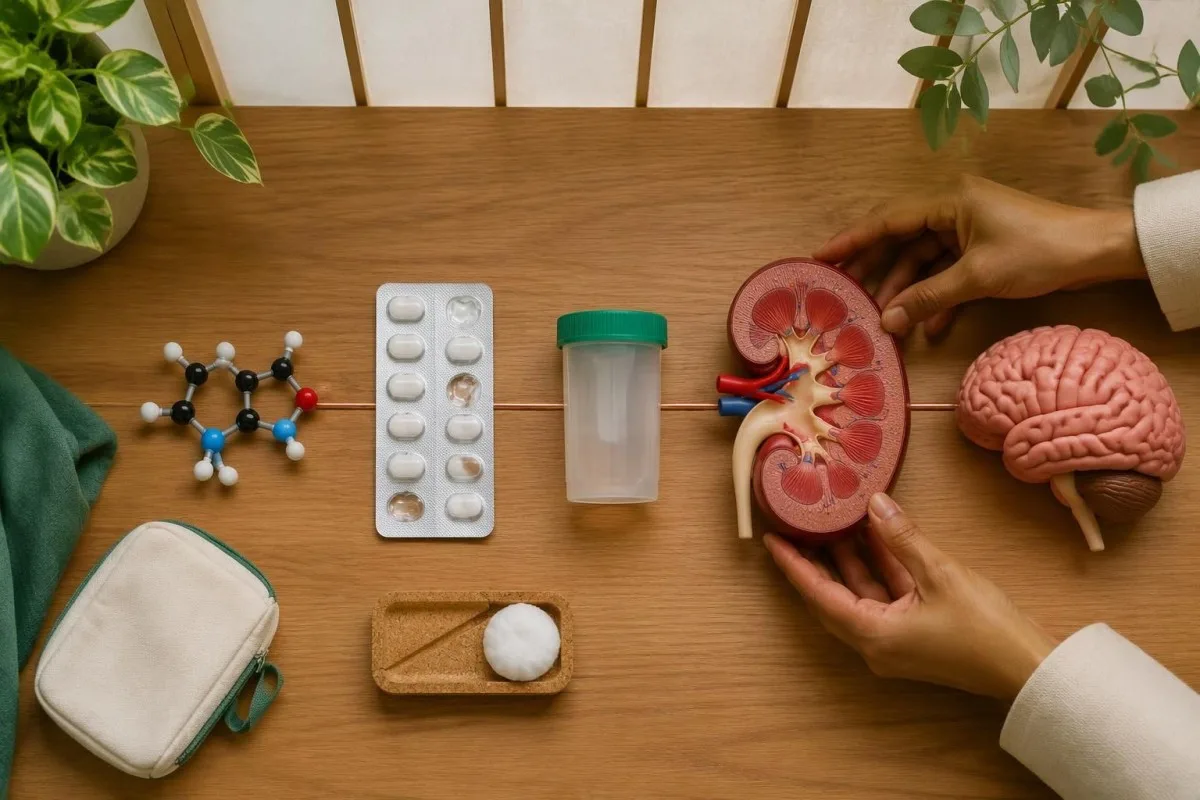
Unexpected breakthrough seizures are one reason to investigate exposure, but the concentration cannot diagnose the cause of the event. The ILAE position paper identifies situations such as suspected nonadherence, toxicity, pharmacokinetic variability, and changing treatment conditions as appropriate reasons to consider monitoring (Patsalos et al., 2008); sleep deprivation, illness, and seizure classification still need separate assessment.
Establishing a personal reference concentration can help before an anticipated change. For a hypothetical person stable on 100 mg twice daily, a trough obtained during seizure control provides a comparison if kidney function later declines or another antiseizure drug is withdrawn; without that baseline, a later isolated result may be harder to interpret.
A test is less helpful if nobody can state what management decision it might change. Before requesting a concentration of 7 mg/L or any other result, ask whether the question concerns adherence, clearance, or possible adverse effects; our lacosamide monitoring explanation illustrates why selective monitoring is not the same as having no monitoring strategy.
توپىرامات ئەۋرىشكىسى قاچان ئېلىنىشى كېرەك؟
For planned monitoring, a trough sample immediately before the next scheduled dose is usually the most comparable measurement. Topiramate's elimination half-life is approximately 21 hours in adults with normal kidney function, and steady state is generally reached in about 4 كۈندىن after an unchanged regimen begins.
Collection timing depends on the regimen, not on a universal morning rule. A twice-daily schedule may produce a trough around 12 hours after the preceding dose, whereas once-daily extended-release treatment involves a different interval; document the actual formulation, last dose time, collection time, and any recent missed doses rather than assuming the schedule was followed.
Steady state takes approximately 4–5 elimination half-lives, so reduced kidney clearance can make the usual 4-day estimate too short. A sample taken 1 day after a dose increase may not reflect the eventual concentration; Jacob and Nair discuss the pharmacokinetic basis for timing interpretation rather than treating every sample as equivalent (Jacob and Nair, 2016).
Kantesti AI helps distinguish a reported topiramate concentration of 10 mg/L from the circumstances needed to interpret it, including whether the sample was a trough. Our guide to trough timing principles explains the general concept, but tacrolimus targets and sampling protocols must not be applied to topiramate; urgent assessment should never wait for an ideal trough.
توپىراماتنىڭ قاندىكى مىقدارى تۆۋەن بولسا، بۇ دورا مىقدارلىرىنىڭ ئۇنتۇلغانلىقىنى ئىسپاتلامدۇ؟
A low topiramate level does not prove nonadherence. 30 ng/mL دىن تۆۋەن نەتىجە . could reflect a modest dose, faster clearance, an interacting medicine, recent treatment changes, or collection timing; a fall from the person's own comparable baseline is often more informative than a low flag alone.
Consider a hypothetical trough that falls from 8 mg/L to 3 mg/L on an apparently unchanged prescription. That pattern warrants checking missed doses and refill access, but also whether an enzyme-inducing medicine was added, whether the earlier sample was actually post-dose, and whether the daily dose or formulation changed without being reflected in the laboratory request.
An undetectable result can strengthen suspicion of little recent exposure, but the assay's detection limit and elapsed time still matter. With an approximately 21-hour half-life, topiramate does not disappear immediately after 1 missed dose; a single concentration cannot reconstruct weeks of medication-taking behavior or distinguish intentional omission from vomiting, supply problems, or misunderstanding instructions.
The practical response is to review barriers before escalating treatment. If a dose is increased after a low result and regular dosing then resumes, exposure may rise unexpectedly; our lamotrigine concentration guide discusses a related monitoring problem, but each medicine requires its own missed-dose and restarting instructions rather than a shared numerical rule.
توپىراماتنىڭ قاندىكى مىقدارى يۇقىرى بولسا، زەھەرلىنىشنى جەزملەشتۈرەلەمدۇ؟
A high topiramate level cannot establish toxicity by itself, and a result inside the laboratory interval cannot exclude it. A concentration above 20 mg/L may support concern about excessive exposure, but clinicians must assess symptoms, dosing history, kidney function, acid–base status, and other medicines.
Two hypothetical results show the limitation: 22 mg/L in an alert person after a post-dose sample is not equivalent to 10 mg/L in someone with new severe confusion and low bicarbonate. Neither situation should be interpreted from the number alone; cognitive slowing, dizziness, and impaired coordination may be medication-related even at concentrations the laboratory does not flag.
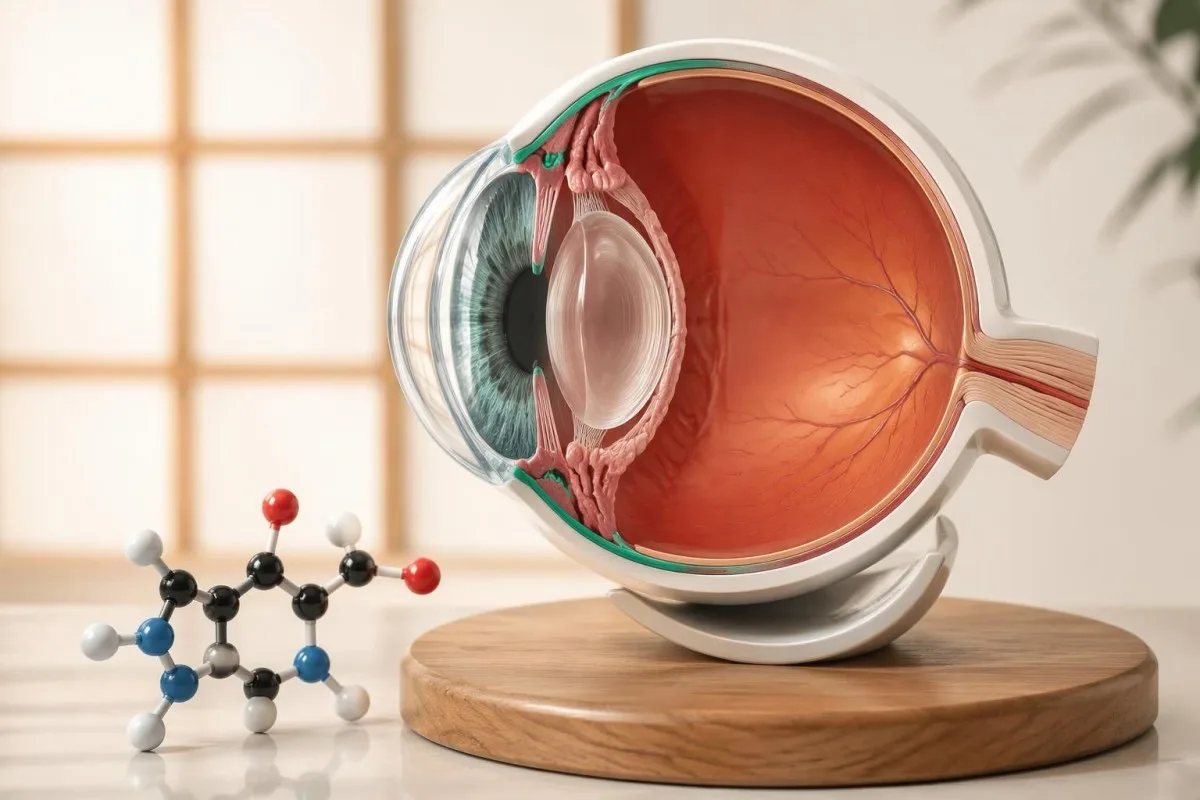
Sudden eye pain or blurred vision during topiramate treatment needs urgent assessment because acute myopia and secondary angle closure can occur, often within the first month of treatment. A level of 6 mg/L would not make that presentation safe to observe at home; glaucoma assessment methods address eye pressure and anatomy, which a drug concentration cannot measure.
Suspected overdose, markedly reduced alertness, breathing difficulty, or a prolonged seizure requires emergency evaluation without waiting for a send-out concentration result. A seizure lasting 5 minutes is an emergency threshold, and sudden one-sided weakness or new speech difficulty should also prompt emergency action rather than being attributed to topiramate; our سەكتە ئاگاھلاندۇرۇش ئالامەتلىرى jiěshìle nàxiē chāyì.
بۆرەك ئىقتىدارى توپىراماتنىڭ بەدەندىن چىقىرىلىشىغا قانداق تەسىر كۆرسىتىدۇ؟
Reduced kidney function can increase topiramate serum concentration چۈنكى تەخمىنەن 70% of an administered dose is eliminated unchanged in urine. Adult prescribing information recommends a reduced dose when creatinine clearance is below 70 mL/min/1.73 m², but a clinician must apply that advice to the indication and individual circumstances.
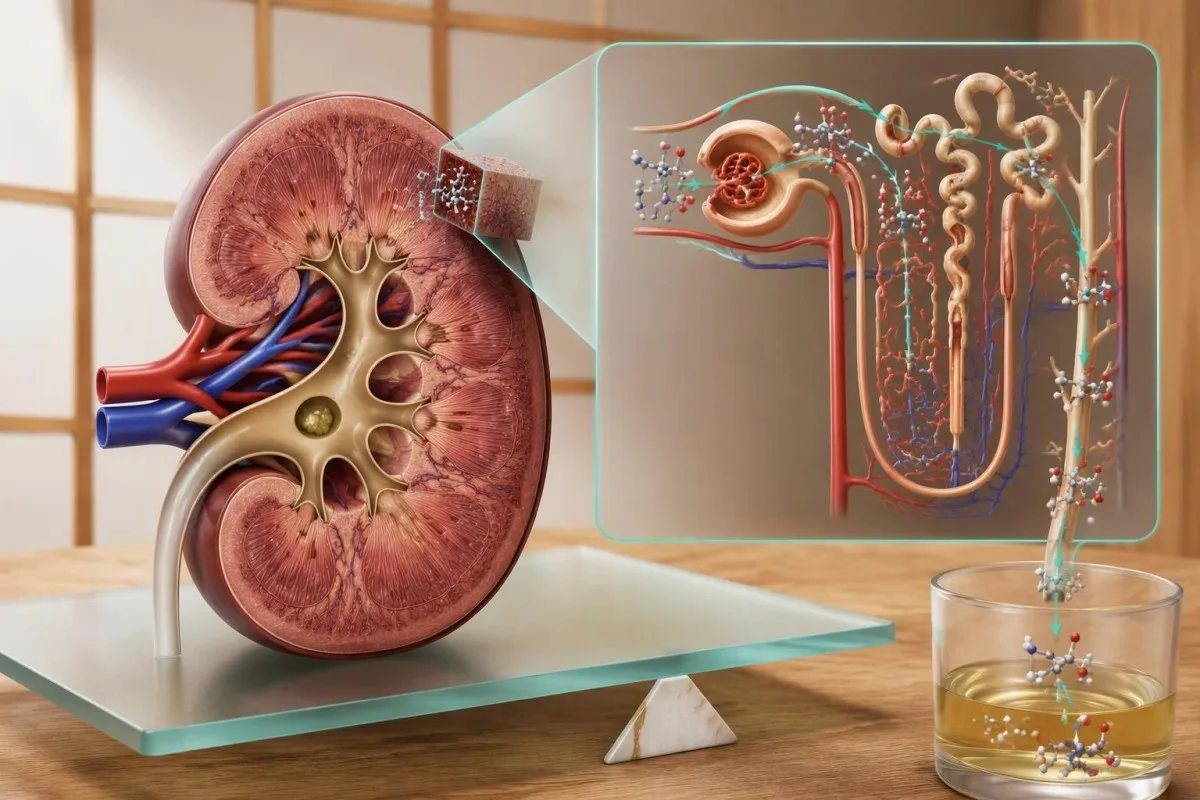
A hypothetical adult with an estimated creatinine clearance of 50 mL/min/1.73 m² may need a different regimen from someone with normal clearance, even if both have the same seizure type. Labeling commonly recommends one-half of the usual adult dose in renal impairment below the stated threshold; that is prescribing guidance, not permission to halve an existing prescription without review.
Creatinine-based eGFR and creatinine clearance are not automatically interchangeable, especially at unusual body sizes or during acute kidney injury. An eGFR of 45 mL/min/1.73 m² signals a need to review clearance, but the appropriate dosing calculation and the reliability of a rapidly changing creatinine require clinical judgment; our eGFR تۆۋەن بولغاندا باھالاش قوللانمىمىز explains when changes need prompt attention.
Kantesti is an AI blood test interpretation platform that helps separate a topiramate result of 14 mg/L from the kidney measurements that may explain it. Our BUN ۋە كراتىن يېتەكچىمىز adds context, but a creatinine concentration alone cannot prove medication accumulation; sample timing, hydration, previous results, and the actual dosing history still matter.
قايسى دورىلار توپىرامات تەكشۈرۈش نەتىجىسىنى ئۆزگەرتەلەيدۇ؟
Enzyme-inducing antiseizure medicines can lower topiramate concentrations, while some other combinations increase exposure or adverse-effect risk without a predictable level change. Prescribing-information interaction studies report approximately 40% lower topiramate concentrations with carbamazepine ۋە 48% lower concentrations with phenytoin, although individual effects vary.
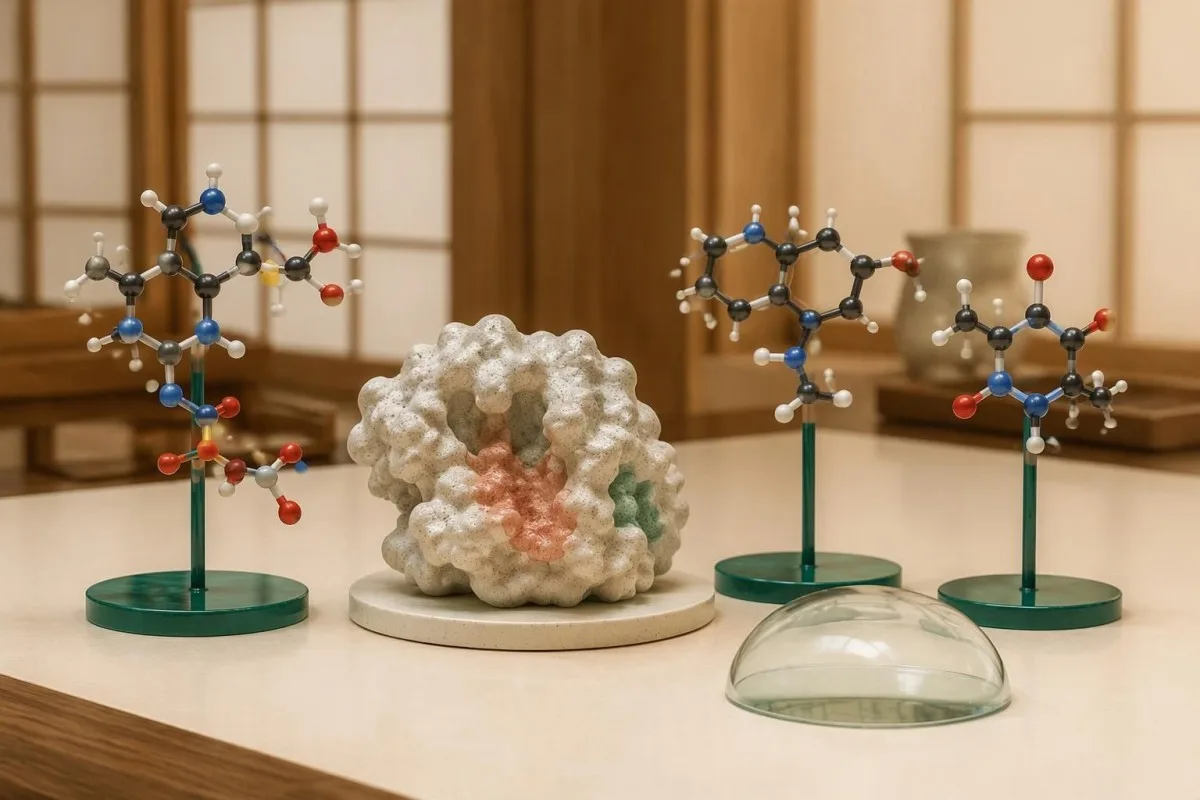
Stopping an inducing medicine can raise topiramate exposure even when the topiramate prescription stays unchanged. For example, a hypothetical person taking 100 mg twice daily may develop more cognitive adverse effects after carbamazepine is withdrawn; our carbamazepine monitoring guide explains that medicine's own concentration monitoring, which remains separate from assessing its effect on topiramate clearance.
Hydrochlorothiazide increased topiramate exposure by approximately 29% in a pharmacokinetic study described in prescribing information, and the combination can also increase potassium loss. That percentage describes the studied group, not a guaranteed change for every patient; checking potassium and symptoms may be useful even if a repeat topiramate concentration remains inside a 5–20 mg/L interval.
Topiramate with valproate can be associated with hyperammonemia and encephalopathy, sometimes despite otherwise unremarkable routine laboratory results. New unexplained lethargy, vomiting, or altered mental status on these 2 medicines warrants prompt assessment and consideration of ammonia testing; a topiramate level is not a substitute, and our valproate result explanation describes why valproate concentrations also have interpretation limits.
نېمە ئۈچۈن ئىككى كاربوناتنى نازارەت قىلىش باشقا بىر بىخەتەرلىك تەكشۈرۈشى ھېسابلىنىدۇ؟
Bicarbonate monitoring checks for metabolic acidosis, not topiramate exposure. Topiramate can cause renal bicarbonate loss through carbonic anhydrase inhibition; many laboratories use an adult bicarbonate interval around 22–29 mmol/L, and prescribing information recommends baseline and periodic measurement rather than relying on a drug level.
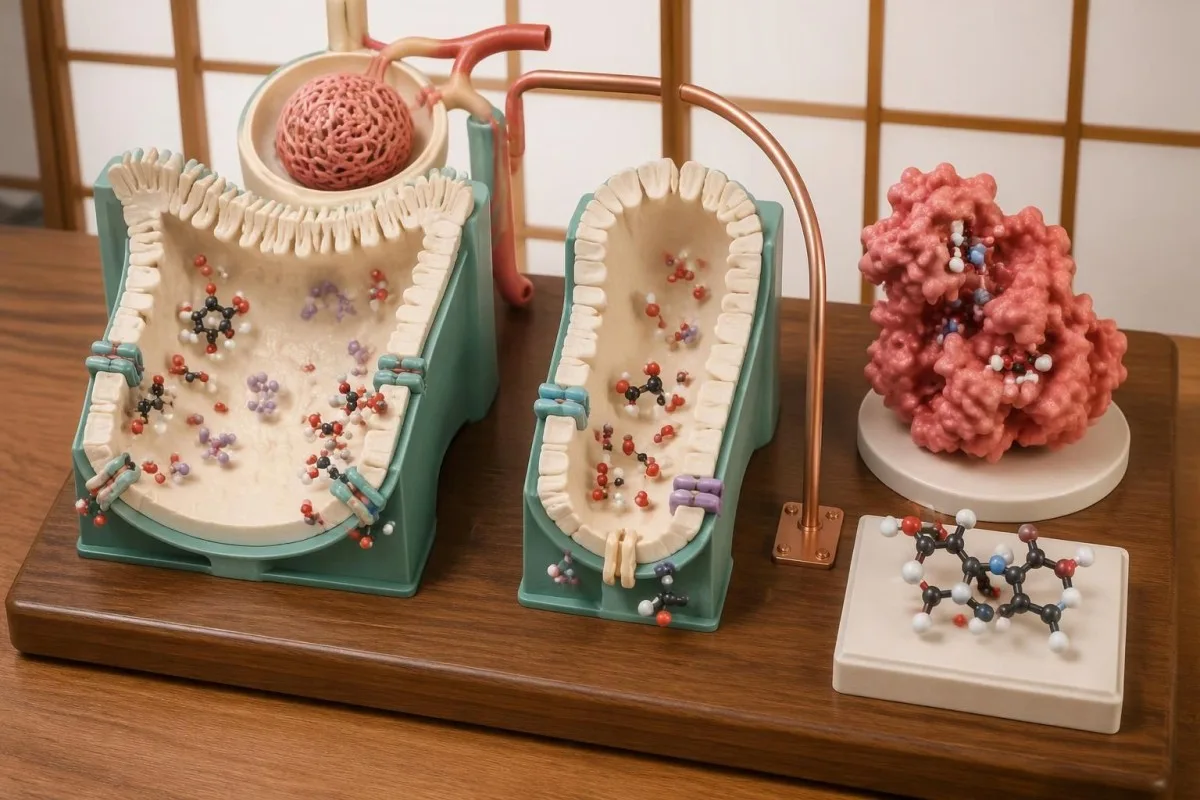
Topiramate typically causes a hyperchloremic, normal-anion-gap metabolic acidosis, although other conditions can create mixed patterns. Mirza and colleagues describe impaired renal acid–base handling and note that evidence for the optimal monitoring strategy is limited (Mirza et al., 2009); our بۆرەك تۇبلىرىنىڭ كېسەللىكىنىڭ ئەندىزىسىنى كۆرۈڭ explain why bicarbonate must be read with chloride, potassium, and the clinical history.
For a hypothetical chemistry panel with sodium 138 mmol/L, chloride 111 mmol/L, and bicarbonate 18 mmol/L, the anion gap excluding potassium is 138 − 111 − 18 = 9 mmol/L. That calculation is compatible with a normal-gap pattern in many laboratories, but it does not identify topiramate as the cause; diarrhea, other renal disorders, albumin changes, and mixed acid–base disturbances need consideration.
Kantesti AI explains why bicarbonate of 18 mmol/L deserves attention even when topiramate is 7 mg/L, while avoiding a diagnosis from those 2 numbers alone. Prescribing information uses bicarbonate below 17 mmol/L with a fall greater than 5 mmol/L as a trial definition of markedly low bicarbonate—not a universal emergency cutoff; our ئېلېكتىرولىتلار تاختىسىنى چۈشەندۈرۈش helps interpret associated abnormalities.
دورا مىقدارى تەكشۈرۈشى قانداق بۆرەك بىخەتەرلىكى تەكشۈرۈشلىرىنى ئۆز ئىچىگە ئالمايدۇ؟
A topiramate concentration cannot detect kidney stones, measure urinary citrate, or establish renal tubular acidosis. Adult epilepsy development trials reported kidney stones in approximately 1.5% of topiramate-treated participants; risk depends on treatment context, and a concentration inside 5–20 mg/L does not eliminate the possibility.
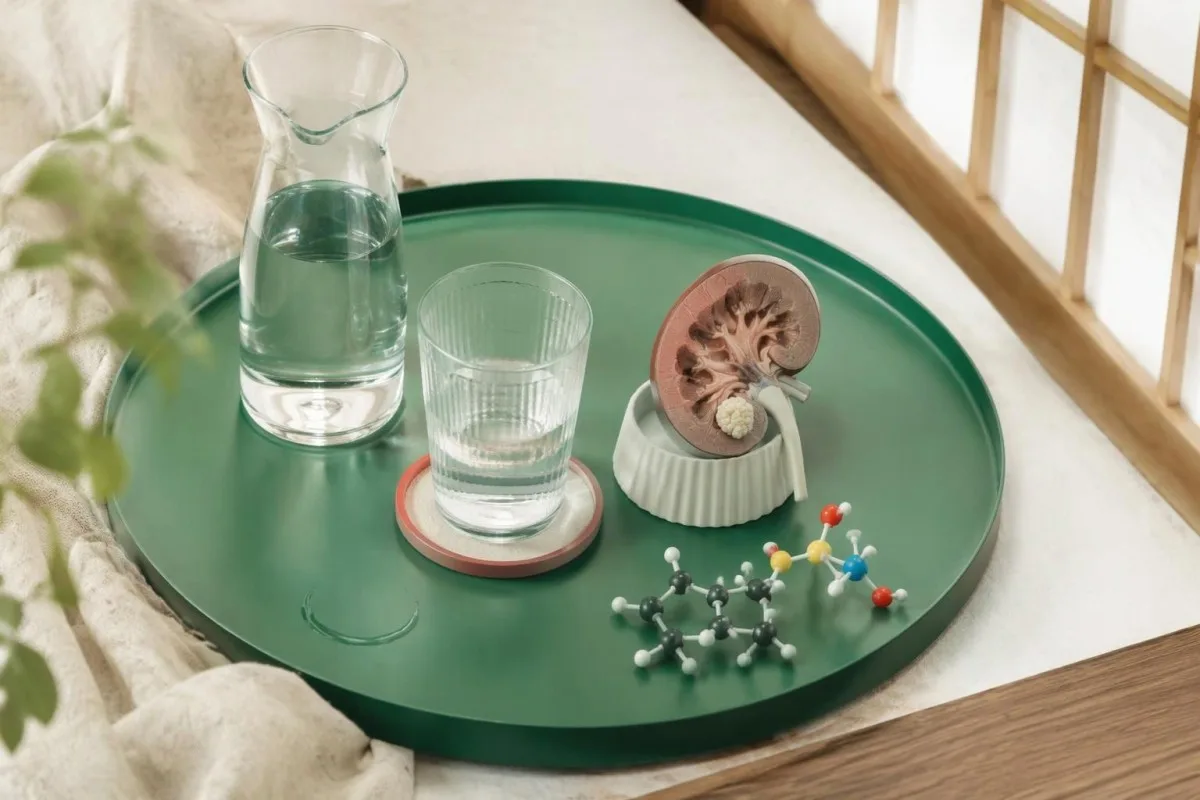
Topiramate can increase urine pH and reduce urinary citrate, a combination that favors calcium phosphate stones. Mirza and colleagues link these urinary changes to carbonic anhydrase inhibition (Mirza et al., 2009); our سۈيۈك ئىشكىلىك سىتراتى تۆۋەن يېتەكچىسىدە explains why a 24-hour urine assessment may become relevant after recurrent stones rather than being automatically required for every user.
Monitoring creatinine serves a different purpose from checking urinary stone risk. A hypothetical person with a topiramate level of 9 mg/L, normal creatinine, and recurrent flank pain still needs evaluation for stones; normal filtration does not guarantee normal urinary citrate, and persistent pain with fever, vomiting, or difficulty passing urine should not wait for a repeat drug concentration.
Adequate fluid intake is commonly advised, but there is no single safe target such as 3 liters daily for everyone. People with heart failure, advanced kidney disease, or a prescribed fluid restriction need individualized guidance; potassium citrate or bicarbonate treatment also requires clinician oversight because changing urine chemistry and potassium intake can create different risks from those measured by topiramate testing.
قايسى كىشىلەرنىڭ قاندىكى قويۇقلۇقنى تېخىمۇ شەخسىيلەشتۈرۈپ نازارەت قىلىشىغا ئېھتىياجى بولۇشى مۇمكىن؟
Pregnancy, childhood, older age, and changing kidney function can make topiramate exposure less predictable. A personal pre-pregnancy concentration and 2 similarly timed follow-up samples may be more useful than chasing a population interval, but monitoring does not remove topiramate's pregnancy-related risks or replace specialist treatment planning.
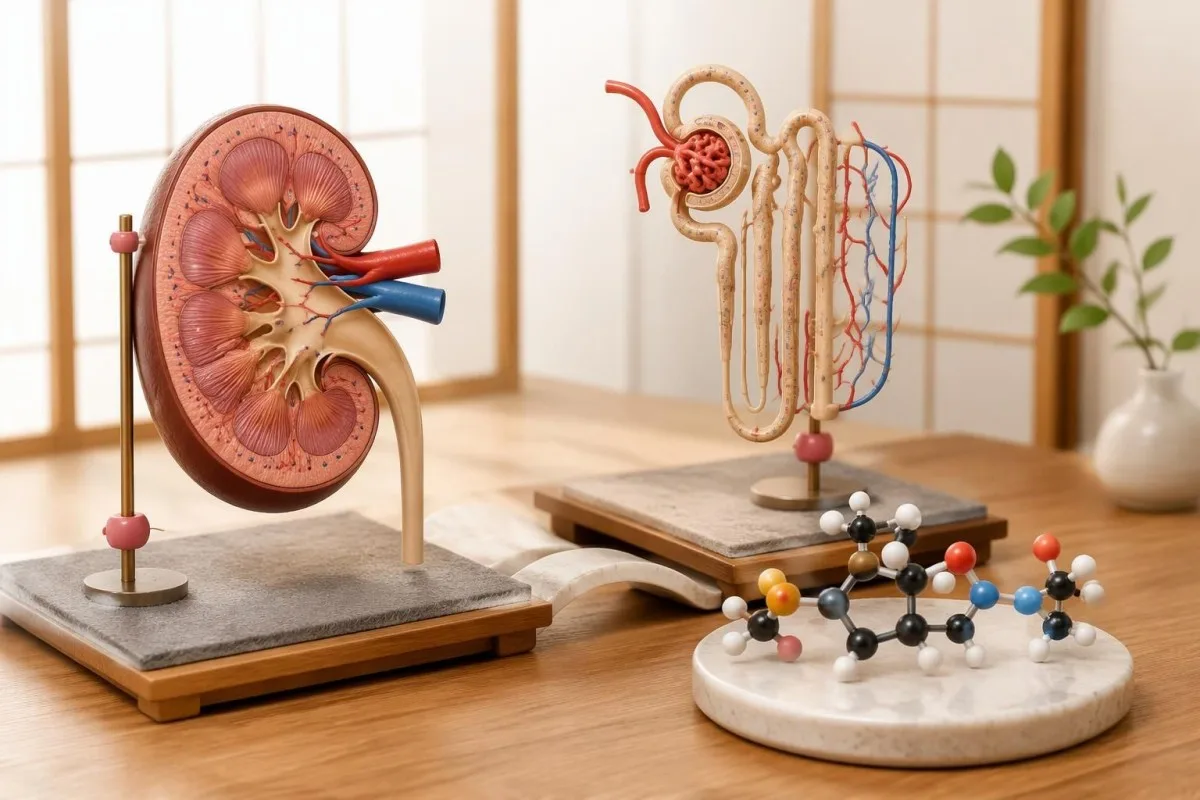
Pregnancy can increase topiramate clearance, so a concentration may fall despite consistent dosing. Pregnancy also changes the interpretation of creatinine, and standard eGFR equations are not reliable for assessing filtration during pregnancy; our pregnancy kidney-function explanation explains why a apparently reassuring result should not be used to estimate drug clearance mechanically.
In the UK, topiramate is subject to a Pregnancy Prevention Programme for people who can become pregnant; it is contraindicated for migraine prevention during pregnancy and for epilepsy in pregnancy unless no suitable alternative exists. A level of 5 mg/L does not establish fetal safety, and someone who becomes pregnant should contact the prescriber promptly rather than abruptly stopping an antiseizure regimen.
Children may have higher weight-normalized clearance than adults, while older adults may clear the medicine more slowly because of reduced renal function. The adult 5–20 mg/L interval therefore needs context rather than a new age-based cutoff invented from a single report; pediatric dose decisions require specialist assessment, and post-pregnancy monitoring may matter if a dose was increased when clearance was higher.
نەتىجىنى باشقا بايقاشلار بىلەن بىرلىكتە قانداق چۈشەندۈرۈش كېرەك؟
Interpret a topiramate result by combining concentration, collection timing, symptoms, and safety chemistry. At minimum, compare 4 pieces of information: the current regimen, the last dose and sample times, the reason testing was ordered, and bicarbonate plus kidney-function results when available.
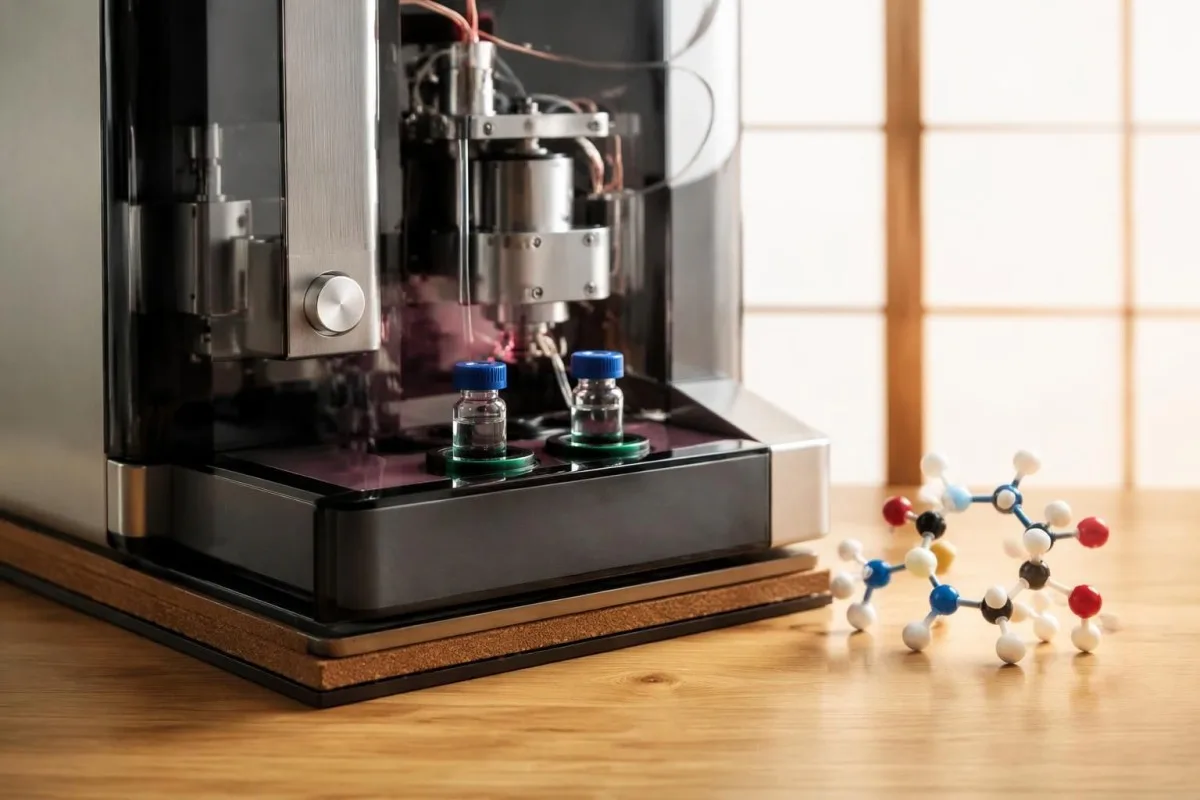
Hypothetical pattern 1: a trough falls from 8 to 3 mg/L, kidney function is stable, and seizures recur after several prescription refills were delayed. Reduced exposure is plausible, but the response should include a medication-access review and seizure assessment; raising the dose without addressing intermittent use could create excessive exposure when regular dosing resumes.
Hypothetical pattern 2: a trough rises from 9 to 16 mg/L while creatinine worsens and new coordination problems appear. Reduced clearance is a reasonable concern even though 16 mg/L remains inside a 5–20 mg/L interval; pattern 3, a level of 7 mg/L with bicarbonate of 18 mmol/L, instead highlights a possible acid–base effect that concentration monitoring alone would miss.
Kantesti is an AI-powered blood test analysis tool that helps organize these 3 patterns without treating any one as a confirmed diagnosis. Our دورا بىخەتەرلىك يۈزلىنىش يېتەكچىسى explains how serial results support follow-up; keep the original laboratory interval and dates visible, because changing laboratories, formulations, or collection timing can make an apparent trend misleading.
كېيىن نېمە قىلىشىڭىز كېرەك، تەكشۈرۈشنى قوللايدىغان قانداق دەلىللەر بار؟
The next step is to ask what the topiramate result changes—not to adjust treatment from the number alone. Bring چېسلا قويۇلغان 2 دوكلاتنى, if available, and a medication timeline to the prescriber; monitoring recommendations rely on pharmacology, expert guidance, and clinical context rather than a universally validated toxicity threshold.
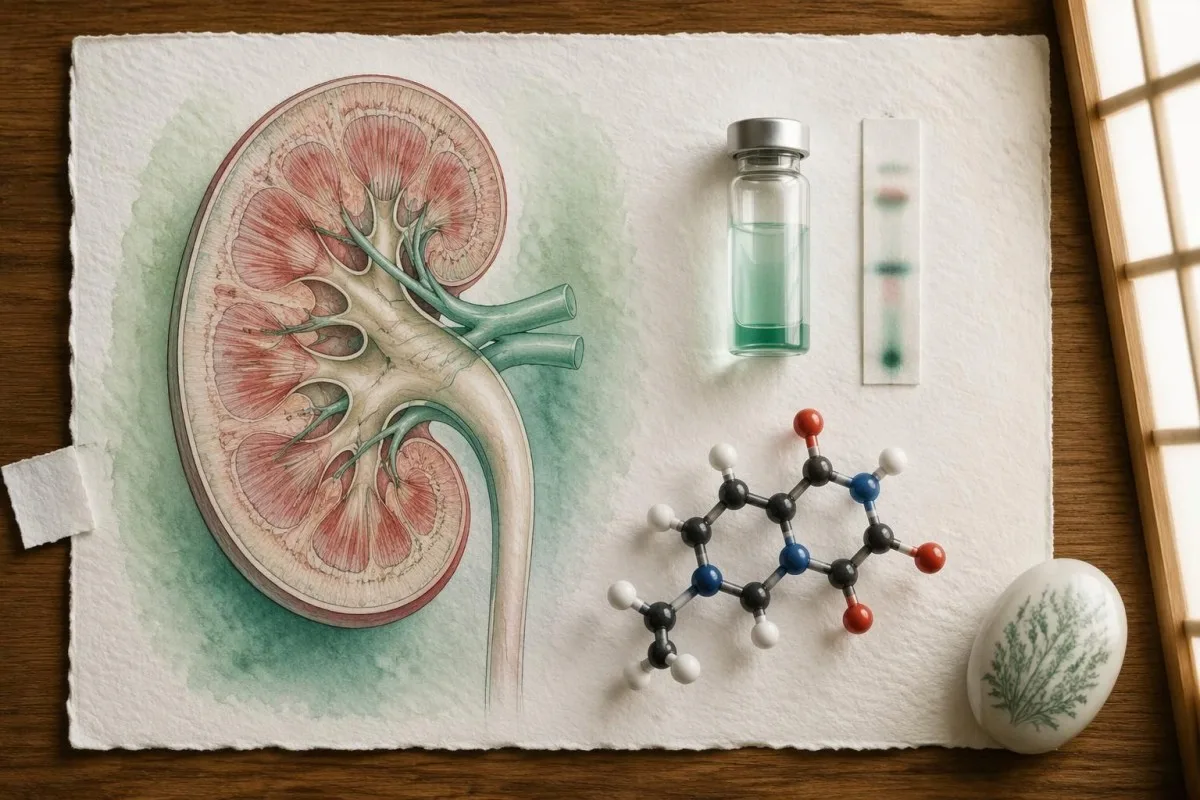
Ask the prescriber whether a repeat trough, bicarbonate check, kidney-function assessment, or medication review would answer the unresolved question. There is no evidence-based rule that every patient needs a topiramate concentration every 3 or 6 months; persistent low bicarbonate, new adverse effects, or changing clearance may justify a different follow-up plan from an isolated laboratory flag.
Kantesti helps explain reports, but our مەسئۇلىيەتچان سۈنئىي ئەقىل چېگراسى distinguish educational interpretation from diagnosis and prescribing. Our كلىنىكىلىق دەلىللەش ئۇسۇلىمىز provides methodology context; neither an AI confidence estimate nor a concentration of 10 mg/L can exclude toxicity, replace an examination, or authorize an independent dose change.
The 2 Zenodo publications listed below concern serum proteins and complement testing; they are not topiramate therapeutic-monitoring studies and should not be used to validate its concentration cutoffs. Our سېرۇم ئاقسىلىنى چۈشەندۈرۈش قوللانمىسى offers background for understanding albumin and other medicines, while the directly relevant external references support this article's discussion of selective monitoring, pharmacokinetics, and acid–base effects.
دائىملىق سورالدىغان سوئاللار
نورمال توپىرامات مىقدارى قانچىلىك؟
Topiramat ئۈچۈن دائىم نەقىل كەلتۈرۈلىدىغان پايدىلىنىش ئارىلىقى 5–20 mg/L، گەرچە بەزى تەجرىبىخانىلار 2–10 mg/L نى قوللانسىمۇ. بۇ ئارىلىقلار ئاساسەن تۇتقاقلىق كېسىلىدە نەتىجىنى ئىزاھلاشقا ياردەم بېرىدۇ، ئەمما ھەممە ئادەمگە ماس كېلىدىغان نورمال ياكى بىخەتەر قويۇقلۇقنى بەلگىلىمەيدۇ. بەزى كىشىلەر بېسىلغان ئارىلىقتىن تۆۋەن قويۇقلۇقتىمۇ ئىنكاس قايتۇرۇشى ياكى ئارىلىق ئىچىدىكى قويۇقلۇقتا ئەكس تەسىرلەرگە ئۇچرىشى مۇمكىن. تەجرىبىخانا دائىرىسى، قان ئېلىش ۋاقتى، ئالامەتلەر ۋە ئىلگىرى ئۈنۈم بەرگەن قويۇقلۇق بىرلىكتە نەزەرگە ئېلىنىشى كېرەك.
توپىراماتنىڭ مىقدارىنى قەرەللىك تەكشۈرتۈشىم كېرەكمۇ؟
كۆپىنچە كىشىلەر توپىراماتنىڭ قويۇقلۇقىنى مۇقىم ۋاقىت جەدۋىلى بويىچە قەرەللىك تەكشۈرتۈشىنىڭ ھاجىتى يوق. بۆسۈپ چىققان تۇتقاقلىق، دورىنى ئىچىشنى ئۇنتۇپ قالغان بولۇش گۇمانى، ئۆزئارا تەسىر قىلىدىغان دورىلار، ھامىلىدارلىققا مۇناسىۋەتلىك ئۆزگىرىشلەر ياكى بۆرەكنىڭ تازىلاش ئىقتىدارى تۆۋەنلىگەندە تەكشۈرۈش پايدىلىق بولۇشى مۇمكىن. بارلىق ئىشلەتكۈچىلەرگە نىسبەتەن ھەر 3 ياكى 6 ئايدا بىر قېتىمغا ئوخشاش قويۇقلۇقنى تەكشۈرۈش ئارىلىقىنى ئۇنىۋېرسال تەۋسىيە قىلىدىغان كۆرسەتمە يوق. دەسلەپكى ۋە قەرەللىك ئىككى كاربوناتنى نازارەت قىلىش باشقا بىر بىخەتەرلىك مەسىلىسىگە مۇناسىۋەتلىك بولۇپ، دورا سەۋىيەسى ئۆلچەنمىگەن تەقدىردىمۇ مۇۋاپىق بولۇشى مۇمكىن.
0 Topamax سەۋىيەسىنى تەكشۈرۈش قاچان ئېلىپ بېرىلىشى كېرەك؟
0 ئادەتتە پىلانلانغان Topamax سەۋىيەسىنى ئۆلچەش ئەڭ سېلىشتۇرۇشقا بولىدىغان نەتىجىنى كېيىنكى پىلانلانغان دورا مىقدارىنى ئېلىشتىن دەرھال بۇرۇن قان ئېلىنغاندا بېرىدۇ. بۆرەك ئىقتىدارى نورمال بولغاندا، ئۆزگەرتىلمىگەن داۋالاش تەرتىپى باشلانغاندىن كېيىن توپىرامات ئادەتتە تەخمىنەن 4 كۈندە تۇراقلىق سەۋىيەگە يېتىدۇ، ئەمما تازىلىنىش نىسبىتىنىڭ تۆۋەنلىشى بۇ ۋاقىتنى ئۇزارتىشى مۇمكىن. ئاخىرقى دورا مىقدارىنى ئېلىش ۋاقتى، قان ئېلىش ۋاقتى، دورا مىقدارى ۋە دورا شەكلىنى خاتىرىلەڭ. زەھەرلىك مىقداردا ئېلىشتىن گۇمانلانغاندا ياكى ئېغىر ئەكس تەسىرلەر كۆرۈلگەندە، ۋاقتى توغرا كېلىدىغان ئەڭ تۆۋەن سەۋىيەنى ساقلاپ كۈتمەستىن دەرھال باھالاش كېرەك.
0 قاندىكى توپىرامات قويۇقلۇقىنىڭ تۆۋەن بولۇشى دورىنى قوبۇل قىلىشنى ئۇنتۇپ قالغانلىقىمنى بىلدۈرەمدۇ؟
قان زەردسۇيۇقلۇقىدىكى توپىرامات قويۇقلۇقىنىڭ تۆۋەن بولۇشى دورىلارنى قالدۇرۇپ قويغانلىقىنى ئىسپاتلىمايدۇ. 5 mg/L دىن تۆۋەن نەتىجە دورا مىقدارىنىڭ ئاز بولۇشى، بەدەننىڭ دورىنى چىقىرىۋېتىش سۈرئىتىنىڭ تېزلىشىشى، فېرمېنتنى قوزغىتىدىغان دورا، يېقىندا دورا مىقدارىنىڭ ئۆزگەرتىلىشى ياكى ئەۋرىشكە ئېلىش ۋاقتىدىن بولۇشى مۇمكىن. ئىلگىرىكى سېلىشتۇرغىلى بولىدىغان ئەڭ تۆۋەن قويۇقلۇقتىن، مەسىلەن 8 دىن 3 mg/L غىچە تۆۋەنلەش، دورىنىڭ بەدەنگە تەسىر قىلىش دەرىجىسىنىڭ ئۆزگەرگەنلىكىگە تېخىمۇ كۈچلۈك دەلىل بولۇشى مۇمكىن. داۋالاش تەرتىپىنى ئۆزگەرتىش-ئۆزگەرتمەسلىكنى قارار قىلىشتىن بۇرۇن، دوختۇرلار دورىغا ئېرىشىش ۋە دورا ئىشلىتىش تارىخىنى تەكشۈرۈشى كېرەك.
توپىراماتنىڭ قايسى سەۋىيەسى زەھەرلىك ھېسابلىنىدۇ؟
0] توپىراماتنىڭ زەھەرلىك تەسىر پەيدا قىلىدىغانلىقىنى ئىسپاتلايدىغان، ھەممە يەردە تەستىقلانغان قان قويۇقلۇقى يوق. 20 mg/L دىن يۇقىرى نەتىجە تېخىمۇ ئىنچىكە باھالاشقا سەۋەب بولۇشى مۇمكىن، ئەمما بەزى ئەكس تەسىرلەر كۆپ ئۇچرايدىغان تەجرىبىخانا دائىرىسى ئىچىدىمۇ كۆرۈلىدۇ. كېسەللىك ئالامەتلىرى، تەكشۈرۈش نەتىجىسى، بۆرەك ئىقتىدارى، ئىككى كاربونات، باشقا دورىلار ۋە ئەۋرىشكە ئېلىنغان ۋاقىت نەتىجىنىڭ كلىنىكىلىق مەنىسىنى بەلگىلەيدۇ. دورىنى كۆپ ئىستېمال قىلغانلىقىدىن گۇمانلىنىش، ئېغىر دەرىجىدە گاڭگىراش، نەپەس ئېلىش قىيىنلىشىش ياكى كۆز تۇيۇقسىز ئاغرىش ياكى كۆرۈشنىڭ ئۆزگىرىشى، ئۆلچەنگەن قان سەۋىيەسىنىڭ قانداق بولۇشىدىن قەتئىينەزەر، جىددىي باھالاشنى تەلەپ قىلىدۇ.
0. توپىرامات دورا سەۋىيەسى نورمال بولغاندا ئىككى كاربونات مىقدارىنىڭ تۆۋەنلىشىنى كەلتۈرۈپ چىقارامدۇ؟
توپىراماتنىڭ قويۇقلۇقى 5–20 mg/L غا ئوخشاش تەجرىبىخانا دائىرىسى ئىچىدە بولسىمۇ، ئۇ قاندىكى بىكاربوناتنى تۆۋەنلىتىشى مۇمكىن. كاربونىك ئانھىدرازىنىڭ چەكلىنىشى بۆرەك ئارقىلىق بىكاربوناتنىڭ يوقىلىشىنى ئاشۇرۇپ، گىپېرخلورېمىيەلىك، ئانئون پەرقى نورمال مېتابولىزم كىسلاتالىشىشىنى كەلتۈرۈپ چىقىرىشى مۇمكىن. 18 mmol/L لىق بىكاربونات نەتىجىسى كلىنىكىلىق جەھەتتىن باھالىنىشى كېرەك، ئەمما بۇ نەتىجىنىڭ ئۆزىلا توپىراماتنى سەۋەب دەپ ئىسپاتلىمايدۇ ياكى جىددىيلىكنىڭ دەرىجىسىنى بەلگىلىمەيدۇ. شۇڭا بىكاربونات ۋە بۆرەك ئىقتىدارىنى تەكشۈرۈشنىڭ ئورنىنى Topamax سەۋىيەسىنى تەكشۈرۈش بىلەن ئالماشتۇرغىلى بولمايدۇ.
قان تەكشۈرۈش نەتىجىسىنى قانداق ئوقۇش
تەجرىبىخانا دوكلاتىڭىزنى يوللاڭ، Kantesti نىڭ سۈنئىي ئەقىلى ھەر بىر بىئوماركېرنى بىر نەچچە سېكۇنت ئىچىدە ئاددىي تىلدا چۈشەندۈرىدۇ. دۇنيا بويىچە 2 مىليوندىن ئارتۇق ئادەم ئىشلىتىدۇ.
پايدىلانغان ماتېرىياللار
- Klein, T., Mitchell, S., & Weber, H. (2026). قان زەردابى ئاقسىللىرى يېتەكچىسى: گلوبۇلىن، ئالبۇمېن ۋە A/G نىسبىتى قان تەكشۈرۈشى. Kantesti AI Medical Research. DOI
- Klein, T., Mitchell, S., & Weber, H. (2026). C3 C4 تولۇقلاش قان تەكشۈرۈشى ۋە ANA تىترى يېتەكچىسى. Kantesti AI Medical Research. DOI
- Patsalos PN et al. (2008). Antiepileptic drugs—best practice guidelines for therapeutic drug monitoring: a position paper by the subcommission on therapeutic drug monitoring, ILAE Commission on Therapeutic Strategies. Epilepsia. DOI
- Jacob S and Nair AB (2016). An Updated Overview on Therapeutic Drug Monitoring of Recent Antiepileptic Drugs. Drugs in R&D. DOI
- Mirza N et al. (2009). Effect of topiramate on acid–base balance: extent, mechanism and effects. British Journal of Clinical Pharmacology. DOI
- 2M +تەھلىل قىلىنغان تەكشۈرۈشلەر
- 127+دۆلەتلەر
- 100+تىللار
تېببىي گۇرۇپپا ھەققىدە


E-E-A-T ئىشەنچ سىگناللىرى
تەجرىبە
دوختۇر رەھبەرلىكىدىكى لابوراتورىيە تەبىرىنى چۈشەندۈرۈش خىزمەت ئېقىملىرىنى بالىياتقۇچلۇق تەكشۈرۈش.
مۇتەخەسسىسلىك
بىئوماركىرلارنىڭ كىلىنىكىلىق مۇھىتتا قانداق ھەرىكەت قىلىدىغانلىقىغا مەركەزلەشكەن لابوراتورىيە تېبابىتى.
ھوقۇقدارلىق
دوكتور توماس كلېين تېببىي جەھەتتىن تەكشۈرگەن، دوكتور سارا مىچېل ۋە پروفېسسور دوكتور خانس ۋېبېرنىڭ تۆھپىسى بىلەن تەييارلانغان.
ئىشەنچلىكلىك
ئاگاھلاندۇرۇشنى ئازايتىش ئۈچۈن ئېنىق كېيىنكى قەدەملەر بىلەن ئىسپات-ئاساسلىق تەبىر.






تېببىي ئاگاھلاندۇرۇش
بۇ ماقالە پەقەت تەربىيە-ئوقۇتۇش مەقسىتى ئۈچۈن بولۇپ، داۋالاش مەسلىھەتىنى تەشكىل قىلمايدۇ. دىئاگنوز قويۇش ۋە داۋالاش قارارلىرى ئۈچۈن ھەمىشە لاياقەتلىك ساغلاملىق مۇلازىمىتى تەمىنلىگۈچى بىلەن مەسلىھەتلىشىڭ.
Published · تەھرىر گۇرۇپپىسى بىلەن ئالاقىلىشىڭ
ئەنگلىيە ۋە ۋېلىشتا تىزىمغا ئېلىنغان Kantesti Ltd تەرىپىدىن نەشر قىلىنغان، شىركەت نومۇرى:. 17090423, ، لوندون، ئەنگلىيە.
