
لاكوسامىد مىقدارى Vimpat نىڭ بەدەنگە قانچىلىك تەسىر كۆرسەتكەنلىكىنى ئۆلچەيدۇ، داۋالاشنىڭ چوقۇم ئۈنۈم بېرىدىغان-بەرمەيدىغانلىقىنى ئەمەس. بەزى تەجرىبىخانىلار 1–10 µg/mL دائىرىسىنى ئىشلىتىدۇ، ئەمما نەتىجىنى ئىزاھلاش تەجرىبىخانا دائىرىسى، دورا ئىچىش ۋاقتى، بۆرەك ئىقتىدارى، تۇتقاقلىقنىڭ كونترول قىلىنىشى ۋە ئەگەشمە تەسىرلەرگە باغلىق.

مۇھىم خۇلاسىلەر
- لاكوسامىد مىقدارى نى تەكشۈرۈش سەۋەبى ئېنىق بولمىغان تۇتقاقلىق، ئەگەشمە تەسىرگە گۇمان، دورىنى قەرەللىك ئىچىش مەسىلىسى ياكى دورىنىڭ بەدەندىن تازىلىنىشى ئۆزگەرگەن ئەھۋاللاردا ئەڭ پايدىلىق؛ ھەر بىر قوبۇلدا ئاپتوماتىك تەكشۈرۈشنىڭ ھاجىتى يوق.
- پايدىلىنىدىغان دائىرە (reference intervals) پەرقلىنىدۇ: بەزى تەجرىبىخانىلار 1–10 µg/mL، باشقىلىرى تېخىمۇ تار دائىرىلەرنى ياكى 10–20 mg/L نى كۆرسىتىدۇ؛ بۇلارنى بىر-بىرىنىڭ ئورنىدا ئىشلىتىشكە بولمايدۇ.
- بىرلىكلىرى ناھايىتى ئاددىي: 1 µg/mL 1 mg/L غا تەڭ، شۇڭا 8 µg/mL نەتىجىسى 8 mg/L غىمۇ تەڭ.
- لاكوسامىدنىڭ ئەڭ تۆۋەن سەۋىيەسى ئادەتتە كېيىنكى دورا مىقدارىنى ئىچىشنىڭ دەل ئالدىدا ئېلىنغان ئەۋرىشكىنى كۆرسىتىدۇ؛ دورىنى كۈندە ئىككى قېتىم ئىچىشتە، بۇ ۋاقىت ئادەتتە ئالدىنقى مىقداردىن تەخمىنەن 12 سائەت كېيىن بولىدۇ.
- مۇقىم ھالەت ئادەتتە بەدەندىن تازىلىنىشى نورمال چوڭلاردا ئۆزگەرمىگەن داۋالاش تەرتىپىدە تەخمىنەن 3 كۈندىن كېيىن شەكىللىنىدۇ؛ بۆرەك ئىقتىدارىنىڭ بۇزۇلۇشى تەڭشىلىش مۇددىتىنى ئۇزارتالايدۇ.
- بۆرەك ئىقتىدارى تەسىر كۆرسىتىدۇ: ئامېرىكىنىڭ دورا ئىشلىتىش ئۇچۇرلىرىدا، كرىئاتىنىن تازىلىنىشى 30 mL/min دىن تۆۋەن دەپ بېكىتىلگەن ئېغىر بۆرەك ئىقتىدارى بۇزۇلۇشىدا ئەڭ يۇقىرى دورا مىقدارىنى 25% قىسقارتىش تەۋسىيە قىلىنىدۇ.
- ئەگەشمە تەسىرلەر تەجرىبىخانىنىڭ ئۆلچەملىك دائىرىسى ئىچىدە بولۇشى مۇمكىن؛ باش قېيىش، قوش كۆرۈش، ھەرىكەت ماسلىشىشىنىڭ بۇزۇلۇشى ۋە يۈرەك ئۆتكۈزۈش مەسىلىلىرى كلىنىكىلىق باھالاشنى تەلەپ قىلىدۇ.
- بىخەتەر قارارلار ئەڭ ئاز دېگەندە 4 پارچە ئۇچۇرنى بىرلەشتۈرۈشكە تايىنىدۇ: قان ئېلىش ۋاقتى، بەلگىلەنگەن دورا مىقدارى، تۇتقاقلىق تارىخى ۋە ئالامەتلەر. پەقەت تەجرىبىخانا ئاگاھلاندۇرۇشىغا ئاساسەن لاكوسامىدنى ئۆزگەرتمەڭ ياكى توختاتماڭ.
لاكوسامىد مىقدارى ئەمەلىيەتتە سىزگە نېمىنى بىلدۈرىدۇ؟
A لاكوسامىد مىقدارى Vimpat دىكى ئاكتىپ دورا لاكوسامىدنىڭ قان زەردابى ياكى پلازمىدىكى قويۇقلۇقىنى ئۆلچەيدۇ. بەزى تەجرىبىخانىلار 1–10 µg/mL, ئىشلىتىدۇ، ئەمما ھېچبىر قويۇقلۇق تۇتقاقلىقنىڭ كونترول قىلىنىشىغا ياكى ئەكس تەسىردىن خالىي بولۇشقا كاپالەتلىك قىلمايدۇ؛ نەتىجە مەلۇم بىر داۋالاش سوئالىغا جاۋاب بەرگەندىلا ئەڭ پايدىلىق بولىدۇ.
Vimpat نىڭ قاندىكى مىقدارى دورىنىڭ بەدەنگە تەسىر قىلىش دەرىجىسىنى ئۆلچەيدۇ، مېڭىدىكى ئېلېكتىر پائالىيىتىنى تەكشۈرىدىغان سىناق ئەمەس. نەتىجىنىڭ 6 µg/mL بولۇشى مەلۇم بىر ۋەقەنىڭ تۇتقاقلىق بولغان-بولمىغانلىقىنى بېكىتەلمەيدۇ، شۇنداقلا كۆرسەتمە بولغاندا تۇتقاقلىق كۈندىلىك خاتىرىسى، نېرۋا كېسەللىكلىرى باھالاشى ياكى EEG نىڭ ئورنىنى باسالمايدۇ؛ بىزنىڭ لېۋېتىراسېتام نەتىجىسىنى چۈشەندۈرۈش قوللانمىمىز باشقا بىر تۇتقاقلىققا قارشى دورىغا مۇناسىۋەتلىك مۇشۇنىڭغا ئوخشاش پەرقنى چۈشەندۈرىدۇ.
بىر شەخس ئۈچۈن ئۈنۈملۈك قويۇقلۇق ئاھالىلەرگە خاس ئۆلچەملىك دائىرىدىنمۇ پايدىلىق بولۇشى مۇمكىن. مەسىلەن، قان ئېلىش ۋاقتى توغرا بولغان ئەڭ تۆۋەن چەكتىكى 4.2 µg/mL نەتىجىسىدە تۇتقاقلىقسىز يۈرگەن، پەرەز قىلىنغان بىر قۇرامىغا يەتكەن كىشىنىڭ ئۆزىگە خاس پايدىلىق ئاساسىي ئۆلچىمى بولۇشى مۇمكىن؛ كېيىنكى 2.1 µg/mL نەتىجىسى تۇنجى قېتىم چىققان يەككە 2.1 µg/mL نەتىجىسىدىن پەرقلىق بىر سوئال پەيدا قىلىدۇ.
Kantesti لاكوسامىد نەتىجىسىنى بىرلىكى ۋە پايدىلىنىش دائىرىسى بىلەن بىللە چۈشەندۈرۈشكە ياردەم بېرىدىغان سۈنئىي ئەقىل قان تەھلىللىگۈچىسى؛ دورىغا ئائىت قارارلارنى بەلگىلىگەن داۋالاش گۇرۇپپىسىغا قالدۇرىدۇ. بىزنىڭ تەشكىلاتىمىز ۋە مەقسىتىمىز بۇ قوشۇمچە رولنى چۈشەندۈرىدۇ؛ قارىماققا خاتىرجەم قىلارلىق 8 µg/mL نەتىجىسىمۇ يېڭىدىن ھوشىدىن كېتىش، تۇتقاقلىقنىڭ ئېغىرلىشىشى ياكى مېيىپ قىلغۇدەك دەرىجىدىكى باش قېيىشنى نەزەردىن ساقىت قىلماسلىقى كېرەك.
لاكوسامىدنىڭ داۋالاش دائىرىسى نېمە ئۈچۈن پەرقلىنىدۇ؟
The لاكوسامىدنىڭ داۋالاش دائىرىسى ئوخشىمايدۇ، چۈنكى تەجرىبىخانىلار ۋە نەشر قىلىنغان مەنبەلەر قان ئېلىش ۋاقتى، بىمارلار توپى ياكى پايدىلىق دائىرىنىڭ ئېنىقلىمىسىنى ھەمىشە ئوخشاش قوللانمايدۇ. نەشر قىلىنغان دائىرىلەر ئىچىدە 1–10 mg/L ۋە 10–20 mg/L; بار؛ ئەڭ تۆۋەن چەككە ئاساسلانغان دائىرىنى دورا ئىچكەندىن كېيىنكى ئۆلچەشلەرنىمۇ ئۆز ئىچىگە ئالغان دائىرىگە تەڭ دەپ قارىماسلىق كېرەك.

Reference intervals describe observed or proposed concentrations; they are not a universal boundary between effective and ineffective treatment. Schultz and Mahmoud's review in the European Journal of Drug Metabolism and Pharmacokinetics describes substantial variation in proposed lacosamide ranges and supports selective monitoring rather than a single target for everyone (Schultz and Mahmoud, 2020).
The historical 1–10 mg/L interval was commonly associated with trough measurements, whereas the higher 10–20 mg/L proposal drew on peak-oriented information. Otero Torres and colleagues specifically questioned applying that higher interval to fasting, pre-dose samples in their 2023 study; this sampling mismatch explains more than simply saying that one country or laboratory uses a stricter cutoff.
A hypothetical result of 11 mg/L may be flagged by a laboratory using 1–10 mg/L and unflagged by one using 10–20 mg/L, without any change in the patient's actual exposure. Ask which sampling assumptions support the printed interval; the same distinction between a laboratory flag and a treatment decision appears in our lamotrigine range explanation.
| دەرىجە | دائىرە | مەنىسى |
|---|---|---|
| Common trough-oriented interval | 1–10 µg/mL | Used by some laboratories; neither endpoint guarantees seizure control or tolerability. |
| Narrower published interval | 5–10 µg/mL | Appears in some laboratory or review guidance; values below 5 are not automatically ineffective. |
| Higher published interval | 10–20 mg/L | Sampling assumptions matter; this interval has been questioned when applied to trough samples. |
| Personal treatment baseline | Established trough in µg/mL | A documented concentration during good seizure control and acceptable tolerability can guide later comparisons. |
لاكوسامىدنىڭ ئەڭ تۆۋەن سەۋىيەسىنى قاچان ئۆلچەش كېرەك؟
A lacosamide trough level is usually collected immediately before the next scheduled dose. For twice-daily immediate-release lacosamide, that often means approximately ئالدىنقى دورىدىن 12 سائەت كېيىن; a sample collected 1–4 hours after a dose measures a different part of the concentration curve.
Oral immediate-release lacosamide typically reaches its maximum concentration about 1–4 hours after administration. Consequently, a morning result obtained after taking the medicine can be higher than a pre-dose result on the same prescription, and the magnitude of that difference varies with absorption and clearance rather than following one universal correction factor.
For example, a hypothetical patient taking 150 mg at 8 am and 8 pm might have a planned sample shortly before 8 am, then take the usual morning dose after collection according to the clinic's instructions. A 10 am appointment after the 8 am dose is not a trough appointment; tell the laboratory what actually happened rather than trying to make the result fit the intended schedule.
Record the last dose time, collection time and any missed doses over the preceding 3 كۈن نورمال يېمەك-ئىچمەك،. Do not omit an entire dose merely to create a low result, and do not postpone necessary treatment without instructions; our carbamazepine sampling guide explains why accurately documented timing is more valuable than the word 'trough' written on a request.
دورا مىقدارىنىڭ ئۆزگىرىشى ۋە تۇراقلىق ھالەت نەتىجىگە قانداق تەسىر كۆرسىتىدۇ؟
Lacosamide concentrations usually approach steady state after about 3 days on an unchanged regimen in adults with typical clearance. Its elimination half-life is approximately 13 hours, so a result obtained immediately after a dose change may still partly reflect the previous regimen rather than the new long-term exposure.
Lacosamide has approximately linear pharmacokinetics over usual treatment doses, meaning that exposure generally increases as the daily dose increases. However, doubling a hypothetical prescription from 100 to 200 mg/day does not justify predicting an exact measured trough: sample timing, missed doses, renal function and interacting medicines can all change the observed relationship.
A loading dose and a maintenance regimen answer different questions. A concentration collected 6 hours after a supervised loading dose can help describe immediate exposure when clinically needed, but it should not be mistaken for the stable pre-dose baseline used to compare outpatient visits; extended-release formulations also require their own formulation-specific sampling instructions.
A late sample can look lower simply because elimination continued. Using a simplified 13-hour half-life model, an additional 4-hour delay would reduce concentration by about 19% after absorption is complete; this is an illustration, not a patient-specific correction formula, and our trough timing discussion explains why recording actual times remains safer than mathematically 'fixing' a result.
Vimpat نىڭ قاندىكى سەۋىيەسىنى قاچان كۆزىتىش پايدىلىق؟
A Vimpat blood level is most useful when seizures, side effects or a change in clearance cannot be explained from the prescription alone. A well patient on a stable regimen does not automatically need testing every 3 or 6 months; monitoring should have a question that could change clinical management.

Breakthrough seizures despite an unchanged prescription are a reasonable reason to consider targeted measurement. If a hypothetical person's established trough was 7 µg/mL and the new correctly timed trough is 3 µg/mL, the clinician can investigate missed doses, vomiting, a medicine interaction or a dispensing misunderstanding before concluding that the epilepsy itself has become harder to control.
Suspected accumulation is another useful indication, especially after a kidney-function change or a new interacting prescription. Schultz and Mahmoud's 2020 review identifies circumstances such as altered pharmacokinetics and adherence assessment in which monitoring may help; testing is less informative when there is no baseline, no collection time and no symptom history to interpret.
Kantesti AI can help organize the reported concentration alongside previous results, but a comparison such as 5 versus 9 µg/mL still requires matching dose and sampling conditions. Our دورا ئۆزگىرىشىنى كۆزىتىش خىزمەت تەرتىپىمىز emphasizes these context fields; valproate monitoring differences also show why one antiseizure medicine's testing rules should not be copied directly to another.
لاكوسامىد سەۋىيەسىنىڭ تۆۋەن بولۇشى داۋالاشنىڭ ئۈنۈم بەرمەيۋاتقانلىقىنى بىلدۈرەمدۇ؟
A low lacosamide concentration does not by itself prove treatment failure. A trough of 2 µg/mL may be effective for one person and inadequate for another; a low result becomes more concerning when it coincides with recurrent seizures, a substantial fall from a personal baseline or evidence of missed medication.

A missed dose can lower the result without proving that the prescribed dose is insufficient. In a simplified model with a 13-hour half-life, about 53% of an already absorbed concentration remains after 12 hours if no further medicine enters the circulation; real repeated-dose concentrations are more complex, so this calculation cannot identify exactly how many tablets were missed.
A single concentration cannot reliably distinguish nonadherence from unusually rapid clearance, an interacting medicine or an incorrectly timed sample. For a hypothetical trough of 1.5 µg/mL, useful follow-up questions include whether both daily doses were taken, whether vomiting occurred soon afterward and whether the prescription or formulation changed; those questions are more actionable than labeling the patient noncompliant.
Breakthrough seizures can occur without a falling lacosamide level. For example, hypoglycemia below 70 mg/dL may contribute to neurological symptoms and requires its own assessment, while major sleep loss or illness can alter seizure susceptibility; our تۆۋەن گلوكوزا سەۋەبلىرى تىلپىقى explains why a medication concentration should not become the only explanation considered.
لاكوسامىد سەۋىيەسىنىڭ يۇقىرى بولۇشى ئەگەشمە تەسىرلەر جەھەتتە نېمىنى بىلدۈرىدۇ؟
A high lacosamide level suggests greater medication exposure, but there is no universally validated concentration that separates safe treatment from toxicity. A trough above 10 µg/mL deserves interpretation against the laboratory interval, symptoms and baseline—not an automatic diagnosis of poisoning or an automatic decision to stop treatment.
Dizziness, double vision, nausea, sleepiness and unsteadiness can increase with lacosamide exposure or dose escalation. A hypothetical patient developing disabling imbalance at 8 µg/mL still needs review even if the laboratory calls that result in range; another patient tolerating 11 µg/mL cannot assume that the same concentration will remain comfortable after an additional sedating medicine.
Otero Torres and colleagues studied 44 adults with fasting lacosamide concentrations above 10 mg/L and reported adverse effects in approximately 41%, suggesting that an upper reference limit around 12 mg/L could be more suitable for such samples (Clinical Neuropharmacology, 2023). This selected, observational group does not establish 12 mg/L as a universal toxicity cutoff or describe the adverse-effect rate among all lacosamide users.
A concentration should never delay care for fainting, severe confusion, repeated falls or a suspected large ingestion. For example, a result of 18 mg/L with new collapse is clinically different from an incidental stable trough of 11 mg/L; our salicylate toxicity timing guide illustrates the broader emergency principle that symptoms and exposure history can matter before a confirmatory result returns.
بۆرەك ئىقتىدارى لاكوسامىد سەۋىيەسىنى قانداق ئۆزگەرتىدۇ؟
Reduced kidney function can increase lacosamide exposure because approximately 40% of a dose is excreted in urine as unchanged medicine. US prescribing information recommends a 25% reduction in the maximum dose for severe renal impairment, defined as creatinine clearance below 30 mL/min, or end-stage renal disease.
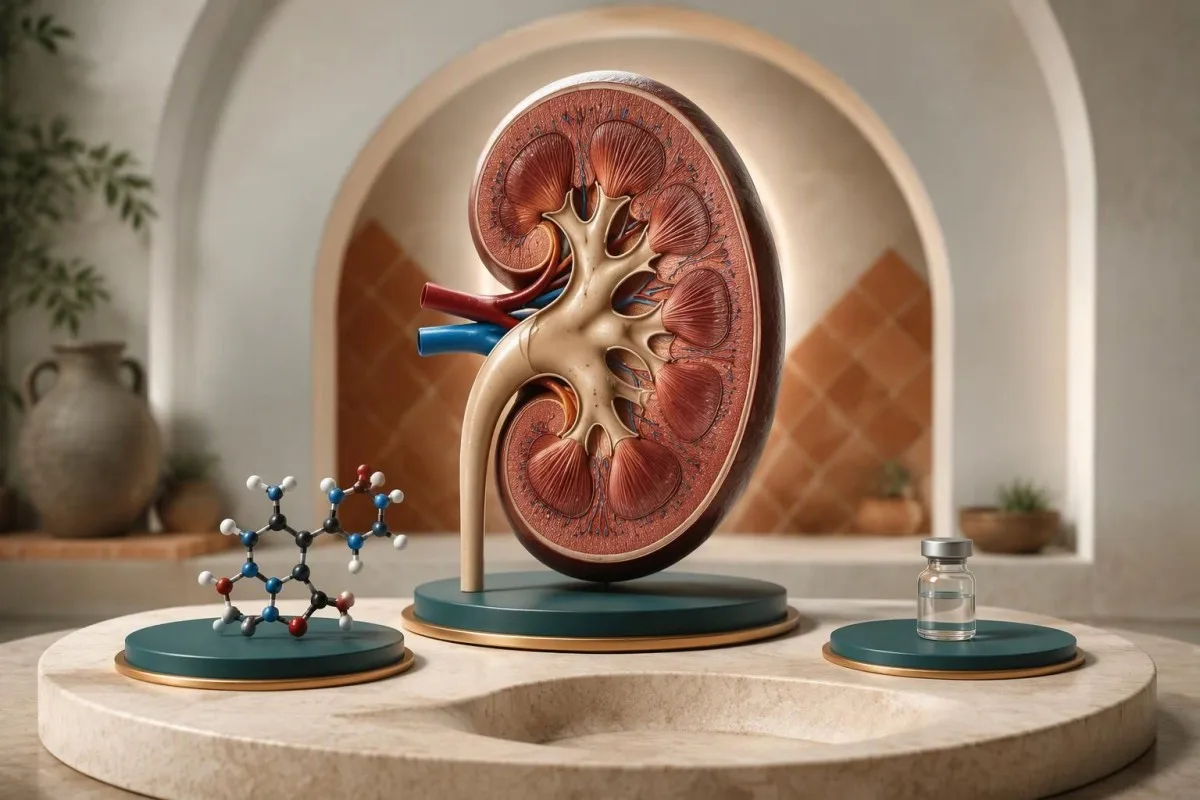
The US prescribing information reports approximately 25% greater overall exposure in mild or moderate renal impairment and approximately 60% greater exposure in severe impairment compared with normal renal function. Those are group-average AUC changes, not exact trough multipliers; an individual result should not be predicted by multiplying a previous concentration by 1.6.
Creatinine clearance used for a dose recommendation is not always interchangeable with the automatically reported eGFR نى mL/min/1.73 m² دا. Kantesti AI can place the concentration beside kidney results, but the prescriber must select the appropriate renal estimate and account for acute changes; our بۆرەك ئىقتىدارى نىسبىتى قوللانمىسى ۋە تۆۋەن eGFR ئاگاھلاندۇرۇش ئالامەتلىرى explain complementary pieces of that assessment.
Hemodialysis removes approximately 50% of lacosamide from plasma during a 4-hour session, and prescribing information allows clinicians to consider a post-dialysis supplement of up to 50%. This is not a self-dosing instruction: a pre-dialysis result and a post-dialysis result are different measurements, so the dialysis session's timing must accompany the laboratory request.
قايسى دورىلار ۋە جىگەرگە مۇناسىۋەتلىك ئامىللار نەتىجىنى ئىزاھلاشقا تەسىر كۆرسىتىدۇ؟
Enzyme-inducing antiseizure medicines can lower lacosamide concentrations, while impaired clearance and certain enzyme inhibitors can increase exposure. Lacosamide is less than 15% protein bound, so routine free-drug measurement and albumin correction are generally less useful than they are for highly protein-bound medicines such as phenytoin.

Carbamazepine, phenytoin and phenobarbital are associated with roughly 15–20% lower lacosamide concentrations in population pharmacokinetic analyses cited in prescribing information. That modest average reduction does not mean every combination needs an increased dose; our free versus total phenytoin guide explains why phenytoin's own result requires a different protein-binding interpretation.
Moderate hepatic impairment can increase overall lacosamide exposure by approximately 50–60%, and US labeling recommends reducing the maximum dose by 25% in mild or moderate hepatic impairment; severe hepatic impairment is not a recommended setting for use. Strong CYP3A4 or CYP2C9 inhibitors warrant additional assessment particularly when renal or hepatic impairment is already present, rather than a blanket assumption that every inhibitor causes clinically significant accumulation.
Kantesti, our AI blood test interpretation platform, helps separate a reported concentration from the medication context supplied with it—for example, 2 daily doses plus another sodium-channel-blocking medicine. Additive dizziness or cardiac conduction effects can occur without a major rise in lacosamide concentration; our digoxin timing and safety guide illustrates why a second medicine's own monitoring requirements also need attention.
Vimpat سەۋىيەسىنىڭ دائىرە ئىچىدە بولۇشى يۈرەك مەسىلىلىرىنى يوققا چىقىرامدۇ؟
An in-range Vimpat level cannot rule out a cardiac conduction problem. Lacosamide can prolong the PR interval, and a PR interval longer than 200 milliseconds defines first-degree atrioventricular block in adults; an ECG, not a medication concentration alone, evaluates this electrical effect.
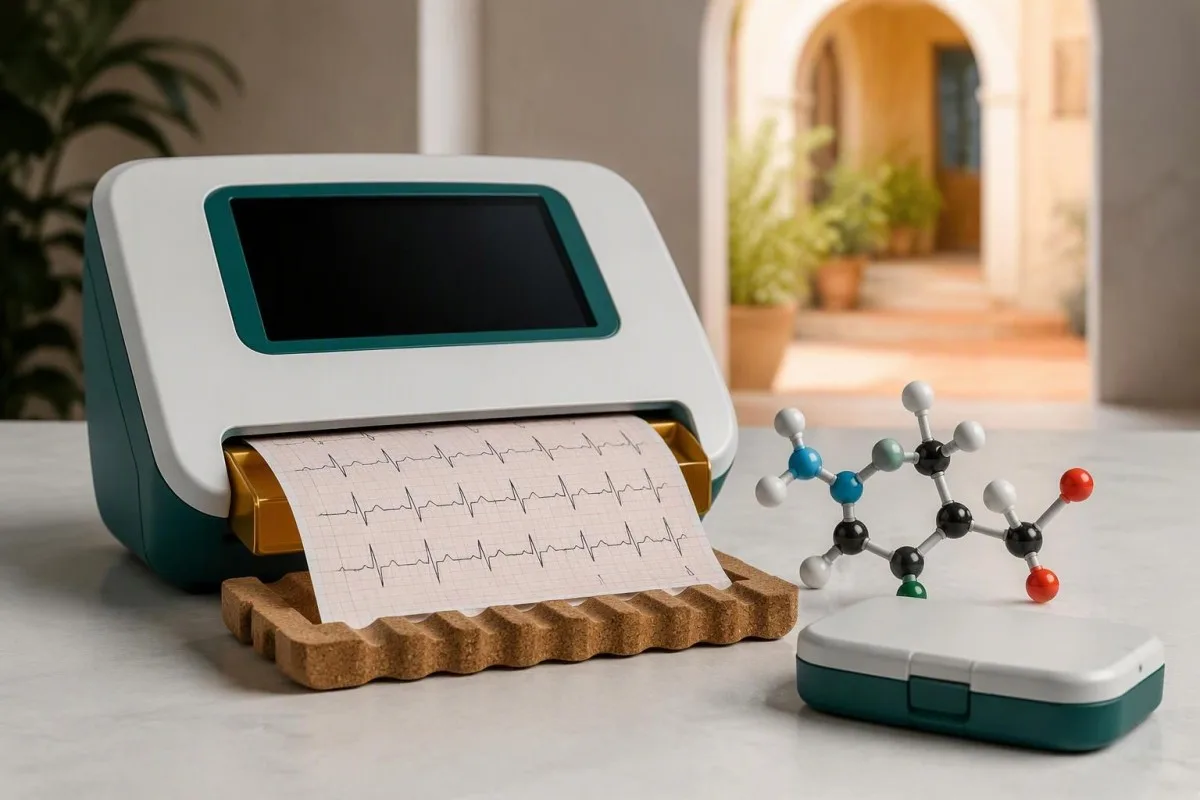
US prescribing information reports asymptomatic first-degree AV block in approximately 0.4% of adults receiving lacosamide in adjunctive focal-seizure trials, compared with 0% receiving placebo. This trial finding does not capture every real-world risk situation, and more serious rhythm or conduction problems have been reported particularly in susceptible patients or with other conduction-affecting medicines.
An ECG before treatment and after reaching the maintenance dose is recommended in patients with relevant cardiac conditions or concomitant medicines affecting conduction. For example, a hypothetical adult taking a beta-blocker who develops faintness after increasing lacosamide to 200 mg twice daily needs symptom and ECG assessment even if the trough is 7 µg/mL; our يۈرەك سوققۇسىنى باھالاش قوللانمىسى explains additional causes clinicians may investigate.
New fainting, a markedly slow pulse with symptoms, chest pain or persistent palpitations warrants urgent assessment rather than waiting 24–48 سائەت for a drug-level report. Electrolytes can influence rhythm risk but do not replace the ECG; our ئېلېكترولىت نەتىجىسى بىخەتەرلىك قوللانمىسى explains why these measurements may be reviewed together without treating a normal panel as proof of cardiac safety.
ھامىلىدارلىق، بالىلىق ۋە ياش كۆزىتىشنى قانداق ئۆزگەرتىدۇ؟
Pregnancy can lower lacosamide exposure at the same dose, while childhood dosing and older-adult clearance require individualized assessment. In the 2022 MONEAD study, dose-normalized lacosamide concentrations decreased by up to 39.9% during pregnancy relative to postpartum values, supporting attention to a person's own baseline rather than a universal target.
Pennell and colleagues' MONEAD study in JAMA Neurology found pregnancy-related concentration changes across several antiseizure medicines, including lacosamide (Pennell et al., 2022). The lacosamide evidence base is smaller than that for some established alternatives, so an observed fall in concentration supports individualized specialist monitoring—not a claim that a particular concentration proves fetal safety or prevents every seizure.
A hypothetical pre-pregnancy trough of 6 µg/mL followed by a similarly timed pregnancy trough of 3.6 µg/mL represents a 40% decline, which may be clinically meaningful even if both results fall inside the laboratory interval. After delivery, clearance can move back toward baseline; any pregnancy-related dose increase therefore needs a planned postpartum review to avoid excessive exposure.
Children often receive weight-based prescriptions, while older adults may have reduced renal clearance or more interacting medicines; neither group should inherit an adult concentration target without context. For example, a 20-kg child's mg/kg regimen cannot be evaluated from the concentration alone, and our بالىلاردا سۈنئىي ئەقىل ئارقىلىق ئىزاھلاشنىڭ چەكلىمىلىرى explain why pediatric medication decisions require the treating specialist.
لاكوسامىدنىڭ ئىككى نەتىجىسىنى قانداق سېلىشتۇرۇش كېرەك؟
Two lacosamide results should be compared only after checking units, dose, formulation, collection timing and the clinical state. A change from 4 to 8 µg/mL is a doubling of measured concentration, but it is not automatically a doubling of long-term exposure if one sample was a trough and the other was collected after dosing.
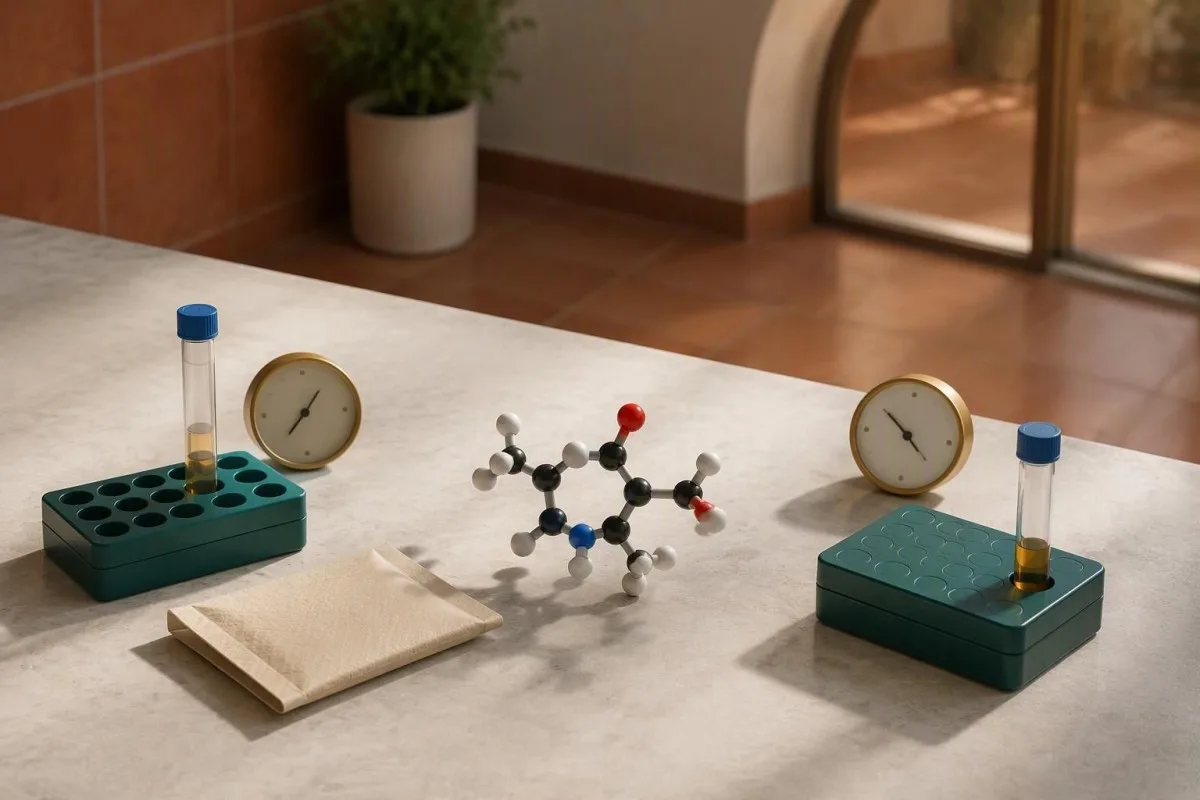
Consider a hypothetical adult taking 150 mg twice daily whose first sample was 4 µg/mL immediately before a dose and whose next sample was 8 µg/mL two hours afterward. These results cannot establish accumulation because their timing differs; if symptoms are absent and the question is longitudinal exposure, the clinician may request a repeat under matching pre-dose conditions.
A different hypothetical patient has troughs of 5 and 10 µg/mL on the same dose, collected at the same interval, alongside a new creatinine rise and worsening unsteadiness. That combination is more persuasive for altered clearance than the concentration change alone; our زىيارەتلەر ئارىسىدىكى نەتىجىلەرنى سېلىشتۇرۇش discusses why biological and collection context should accompany any apparent trend.
A stable number can still coexist with a changing clinical problem. For example, repeated troughs near 6 µg/mL do not resolve new nocturnal events, falls or double vision; bring a dated description of events, the complete medication list and any videos obtained safely, because those observations may direct evaluation more effectively than another unmatched concentration.
سۈنئىي ئەقىل نېمىنى چۈشەندۈرەلەيدۇ، نېمە ئۈچۈن دورا يازغۇچى دوختۇرغا مۇراجىئەت قىلىش كېرەك؟
AI can explain a lacosamide report's units, interval and documented context, but it cannot establish an individualized dose from a concentration alone. A result of 9 µg/mL still requires a prescriber to judge seizure control, tolerability, cardiac risk and whether the sample represents the intended dosing interval.

Kantesti is an AI-powered blood test analysis tool that helps readers connect a lacosamide result with related laboratory findings rather than treating the printed interval as a prescription. For example, the combination of 12 µg/mL and a new kidney-function decline deserves contextual explanation; our كلىنىكىلىق تەكشۈرۈش رامكىسى بار بولۇپ، تەجرىبىخانا ئىزاھاتلىرى قانداق سىناق قىلىنىپ ۋە داۋالاش جەھەتتىن قانداق تەكشۈرۈلىدىغانلىقىنى چۈشەندۈرىدۇ. Kantesti نىڭ داۋالاش تەكشۈرۈش مودېلى بىزنىڭ describes how evaluation and oversight should be considered when using AI-generated information.
Missing metadata limits any interpretation, whether produced by software or a clinician reading an isolated report. If a result of 3 µg/mL arrives without dose timing, the useful output is a list of missing questions—not a confident claim of underdosing; our AI تېخنىكىسى يېتەكچىسى explains the supporting workflow without turning it into an autonomous prescribing service.
Kantesti AI does not replace urgent assessment or authorize changes such as moving from 100 to 200 mg twice daily. A laboratory concentration cannot capture the entire history of seizures, an ECG's findings or the risks of withdrawal; stopping lacosamide abruptly can worsen seizures, and prescribing information generally recommends withdrawal over at least one week unless urgent circumstances require a clinician-led alternative.
ئىز قوغلاپ داۋاملاشتۇرۇش پىلانىڭىز ۋە مەنبە تەكشۈرۈشىڭىز نېمىلەرنى ئۆز ئىچىگە ئېلىشى كېرەك؟
Your follow-up plan should identify 4 essentials: the clinical question, the intended sampling time, the current regimen and who will review the result. Evidence supporting lacosamide monitoring should come from lacosamide-specific research or prescribing information; a DOI attached to an unrelated publication does not validate a therapeutic cutoff.
Bring the full report rather than just a screenshot of 1 flagged number, together with the last dose time, collection time, formulation and recent symptom history. Persistent vomiting or diarrhea may affect dose retention and kidney function, but an extra tablet after vomiting is not automatically appropriate; our digestive symptoms and fasting guide provides background, not a lacosamide redosing protocol.
Ask whether a repeat sample would answer a question that the current one cannot, and whether it should be collected after approximately 3 days of an unchanged regimen or later because clearance is impaired. A medication adjustment should have a defined reassessment plan covering seizures and adverse effects, not just a plan to push the next number into the laboratory's shaded interval.
The 2 Kantesti نەشر بۇيۇملىرى listed below concern hematology and gastrointestinal education, not lacosamide pharmacokinetics, and should not be used as evidence for Vimpat dose targets. The directly relevant external references are the 2020 monitoring review, the 2023 high-concentration study and the 2022 MONEAD pregnancy study; our 0 تېببىي مەزمۇن ئۆلچەملىرى explain why topic relevance and transparent evidence limits matter more than merely having a citation.
دائىملىق سورالدىغان سوئاللار
نورمال لاكوسامىد مىقدارى قانچە؟
Lacosamide does not have one universally accepted normal or therapeutic concentration. Some laboratories use 1–10 µg/mL, while other sources use narrower intervals or 10–20 mg/L with different sampling assumptions. A result must be interpreted against the reporting laboratory's interval, dose timing, seizure control and adverse effects. A concentration inside the interval does not guarantee effectiveness or safety.
Lacosamide قان تەكشۈرۈشىدىن بۇرۇن Vimpat نى ئىچىشىم كېرەكمۇ؟
For an intended lacosamide trough level, the sample is usually collected immediately before the next scheduled dose, followed by the usual dose according to the clinic's instructions. With twice-daily immediate-release treatment, this is commonly about 12 hours after the previous dose. Do not skip an entire dose or substantially delay treatment simply to obtain a lower result. If you already took Vimpat, report the exact time because a sample 1–4 hours afterward may be near the post-dose maximum.
لاكوسامىدنىڭ 12 سەۋىيەسى يۇقىرىمۇ؟
12 µg/mL لىق لاكوسامىد مىقدارى 10 µg/mL دە ئاخىرلىشىدىغان تەجرىبىخانا ئارىلىقىدىن يۇقىرى، ئەمما بۇ ھەممەيلەنگە ئورتاق زەھەرلىك چېكى ئەمەس. 2023-يىلى ئېلىپ بېرىلغان، ئاچ قورساقتىكى قويۇقلۇقى 10 mg/L دىن يۇقىرى بولغان 44 نەپەر چوڭلارنى ئۆز ئىچىگە ئالغان كۆزىتىش تەتقىقاتى، بۇنداق ئەۋرىشكىلەر ئۈچۈن تەخمىنەن 12 mg/L لىق يۇقىرى پايدىلىنىش چېكىنى ئويلىشىشنى تەۋسىيە قىلغان. بۇ تەكلىپ 12 دىن يۇقىرى بولغانلارنىڭ ھەممىسى زەھەرلەنگەن ياكى 12 دىن تۆۋەن بولغانلارنىڭ ھەممىسى بىخەتەر دېگەنلىك ئەمەس. ئەۋرىشكە ئېلىنغان ۋاقىت، باش قېيىش، ھەرىكەت ماسلىشىش مەسىلىلىرى، بۆرەك ئىقتىدارى ۋە يۈرەك ئالامەتلىرى كېيىنكى باھالاشنى بەلگىلەيدۇ.
Vimpat دورا مىقدارىنىڭ قاندىكى سەۋىيەسىنى قەرەللىك نازارەت قىلىش كېرەكمۇ؟
0 Vimpat مۇقىم تۇتقاقلىق كونتروللۇقى ۋە قوبۇل قىلغىلى بولىدىغان بەرداشلىق بېرىشچانلىقى بار كىشىلەردە ھەر 3 ياكى 6 ئايدا بىر قېتىم دورا قويۇقلۇقىنى تەكشۈرۈشنى ئاپتوماتىك تەلەپ قىلمايدۇ. يېڭىدىن پەيدا بولغان تۇتقاقلىق، دورىنىڭ ئەكس تەسىرىدىن گۇمانلىنىش، دورىنى بەلگىلىمە بويىچە ئىستېمال قىلغان-قىلمىغانلىقىنىڭ ئېنىق بولماسلىقى، ھامىلىدارلىق، بۆرەك ئىقتىدارىنىڭ بۇزۇلۇشى ياكى دورىلاردا مۇھىم ئۆزگىرىش بولۇشى سەۋەبىدىن نىشانلىق تەكشۈرۈش پايدىلىق بولۇشى مۇمكىن. تۇتقاقلىق ياخشى كونترول قىلىنىۋاتقان مەزگىلدە مۇۋاپىق ۋاقىتتا ئېلىنغان دەسلەپكى ئۆلچەم كېيىنكى نەتىجىلەرنى تېخىمۇ ئۇچۇرلۇق قىلىدۇ. بۇ نەتىجىنىڭ داۋالاشنى باشقۇرۇشنى ئۆزگەرتىدىغان-ئۆزگەرتەلمەيدىغانلىقىنى رېتسېپ يازغان دوختۇر بېكىتىشى كېرەك.
بۆرەك كېسىلى لاكوسامىدنىڭ مىقدارىنى ئاشۇرۇۋېتەمدۇ؟
0 بۆرەك ئىقتىدارىنىڭ بۇزۇلۇشى لاكوسامىدنىڭ تەسىرگە ئۇچراش دەرىجىسىنى ئاشۇرۇۋېتىشى مۇمكىن، چۈنكى بېرىلگەن مىقدارنىڭ تەخمىنەن 40% ى ئۆزگەرمىگەن دورا ھالىتىدە سۈيدۈك بىلەن چىقىرىلىدۇ. ئامېرىكىنىڭ دورا يېزىش ئۇچۇرىدا، كرىئاتىنىن تازىلىنىش نىسبىتى مىنۇتىغا 30 mL دىن تۆۋەن بولغاندا ياكى ئاخىرقى باسقۇچتىكى بۆرەك كېسىلىدە ئەڭ يۇقىرى مىقدارنى 25% ئازايتىش تەۋسىيە قىلىنىدۇ. 4 سائەتلىك قان دىئالىزى يىغىنى لاكوسامىدنىڭ پلازمىدىكى مىقدارىنىڭ تەخمىنەن 50% ىنى چىقىرىۋېتىدۇ، شۇڭا دىئالىز ۋاقتىنى نەتىجىنى شەرھلەشتە نەزەرگە ئېلىش مۇھىم. بۇ سانلىق مەلۇماتلار دوختۇر يېتەكچىلىكىدىكى باھالاشقا ياردەم بېرىدۇ، ئۆزىڭىزنىڭ مىقدارىنى تەڭشەش ھەققىدىكى كۆرسەتمە ئەمەس.
لاكوسامىد نەتىجىلىرى mg/L ۋە µg/mL بىر-بىرىگە تەڭمۇ؟
Lacosamide نىڭ mg/L ۋە µg/mL دىكى نەتىجىلىرى سان جەھەتتە تەڭ: 1 mg/L بولسا 1 µg/mL غا تەڭ. شۇڭا، 7 mg/L بىلەن 7 µg/mL ئوخشاش قويۇقلۇقنى كۆرسىتىدۇ. ng/mL دا ئىپادىلەنگەن نەتىجە سان جەھەتتە ئوخشىمايدۇ، چۈنكى 7 µg/mL بولسا 7,000 ng/mL غا تەڭ. بىرلىك ئايلاندۇرۇش قان ئەۋرىشكىسى ئېلىنغان ۋاقىت ياكى تەجرىبىخانىنىڭ پايدىلىنىش ئارىلىقىدىكى پەرقنى ھەل قىلمايدۇ.
قان تەكشۈرۈش نەتىجىسىنى قانداق ئوقۇش
تەجرىبىخانا دوكلاتىڭىزنى يوللاڭ، Kantesti نىڭ سۈنئىي ئەقىلى ھەر بىر بىئوماركېرنى بىر نەچچە سېكۇنت ئىچىدە ئاددىي تىلدا چۈشەندۈرىدۇ. دۇنيا بويىچە 2 مىليوندىن ئارتۇق ئادەم ئىشلىتىدۇ.
پايدىلانغان ماتېرىياللار
- Klein, T., Mitchell, S., & Weber, H. (2026). B مەنپىي قان گۇرۇپپىسى، LDH قان تەكشۈرۈشى ۋە قىزىل قان ھۈجەيرىسىنىڭ يېتىلىش شەكلى سانى قوللانمىسى. Kantesti AI Medical Research. DOI
- Klein, T., Mitchell, S., & Weber, H. (2026). روزا تۇتقاندىن كېيىنكى ئىچ سۈرۈش، چوڭ تەرەتتىكى قارا داغلار ۋە ئاشقازان-ئۈچەي قوللانمىسى 2026. Kantesti AI Medical Research. DOI
- Schultz L, Mahmoud SH. (2020). Is Therapeutic Drug Monitoring of Lacosamide Needed in Patients with Seizures and Epilepsy? European Journal of Drug Metabolism and Pharmacokinetics.
- Otero Torres S et al. (2023). Therapeutic Drug Monitoring of Lacosamide: Is 10 to 20 mg/L a Suitable Reference Range for Patients With Epilepsy? Clinical Neuropharmacology.
- Pennell PB et al. (2022). Antiseizure Medication Concentrations During Pregnancy: Results From the Maternal Outcomes and Neurodevelopmental Effects of Antiepileptic Drugs (MONEAD) Study. JAMA Neurology. DOI
- 2M +تەھلىل قىلىنغان تەكشۈرۈشلەر
- 127+دۆلەتلەر
- 100+تىللار
تېببىي گۇرۇپپا ھەققىدە


E-E-A-T ئىشەنچ سىگناللىرى
تەجرىبە
دوختۇر رەھبەرلىكىدىكى لابوراتورىيە تەبىرىنى چۈشەندۈرۈش خىزمەت ئېقىملىرىنى بالىياتقۇچلۇق تەكشۈرۈش.
مۇتەخەسسىسلىك
بىئوماركىرلارنىڭ كىلىنىكىلىق مۇھىتتا قانداق ھەرىكەت قىلىدىغانلىقىغا مەركەزلەشكەن لابوراتورىيە تېبابىتى.
ھوقۇقدارلىق
دوكتور توماس كلېين تېببىي جەھەتتىن تەكشۈرگەن، دوكتور سارا مىچېل ۋە پروفېسسور دوكتور خانس ۋېبېرنىڭ تۆھپىسى بىلەن تەييارلانغان.
ئىشەنچلىكلىك
ئاگاھلاندۇرۇشنى ئازايتىش ئۈچۈن ئېنىق كېيىنكى قەدەملەر بىلەن ئىسپات-ئاساسلىق تەبىر.


تېببىي ئاگاھلاندۇرۇش
بۇ ماقالە پەقەت تەربىيە-ئوقۇتۇش مەقسىتى ئۈچۈن بولۇپ، داۋالاش مەسلىھەتىنى تەشكىل قىلمايدۇ. دىئاگنوز قويۇش ۋە داۋالاش قارارلىرى ئۈچۈن ھەمىشە لاياقەتلىك ساغلاملىق مۇلازىمىتى تەمىنلىگۈچى بىلەن مەسلىھەتلىشىڭ.
Published · تەھرىر گۇرۇپپىسى بىلەن ئالاقىلىشىڭ
ئەنگلىيە ۋە ۋېلىشتا تىزىمغا ئېلىنغان Kantesti Ltd تەرىپىدىن نەشر قىلىنغان، شىركەت نومۇرى:. 17090423, ، لوندون، ئەنگلىيە.
