កំហាប់ថូពីរ៉ាម៉ាតមិនត្រូវបានពិនិត្យជាប្រចាំទេ ព្រោះការឆ្លើយតបនឹងការព្យាបាល និងផលរំខានមិនមានទំនាក់ទំនងដែលអាចទុកចិត្តបានជាមួយតម្លៃគោលដៅតែមួយឡើយ។ ការធ្វើតេស្តអាចជួយបញ្ជាក់ការប៉ះពាល់នឹងថ្នាំ ឬការបញ្ចេញថ្នាំថយចុះ; ការធ្វើតេស្តប៊ីកាបូណាត និងមុខងារតម្រងនោមឆ្លើយសំណួរផ្សេងៗអំពីសុវត្ថិភាព។.

ចំណុចសំខាន់ៗដែលត្រូវចងចាំ
- កម្រិតថូពីរ៉ាម៉ាត ការធ្វើតេស្តជាធម្មតាត្រូវបានរក្សាទុកសម្រាប់សំណួរជាក់លាក់ ដូចជាការប្រកាច់ដែលមិនបានរំពឹងទុក ការសង្ស័យថាខកខានលេបថ្នាំ អន្តរកម្មរវាងថ្នាំ ឬការប្រែប្រួលមុខងារតម្រងនោម។.
- កម្រិតព្យាបាលរបស់ថូពីរ៉ាម៉ាត ជាទូទៅត្រូវបានរាយការណ៍ថា 5–20 mg/L ប៉ុន្តែមន្ទីរពិសោធន៍ខ្លះប្រើ 2–10 mg/L; ជួរទាំងពីរនេះមិនអាចធានាថាមានប្រសិទ្ធភាព ឬសុវត្ថិភាពឡើយ។.
- ពេលប្រមូលសំណាកមុនពេលលេបថ្នាំដូសបន្ទាប់ មានន័យថាប្រមូលសំណាកភ្លាមៗមុនពេលលេបដូសបន្ទាប់តាមកាលវិភាគ ដោយកត់ត្រាពេលវេលាលេបដូសចុងក្រោយ។.
- Steady state ជាធម្មតាឈានដល់កម្រិតថេរក្នុងប្រហែល 4 ថ្ងៃ នៅពេលមុខងារតម្រងនោមធម្មតា និងកម្រិតដូសមិនផ្លាស់ប្តូរ; ការបញ្ចេញថ្នាំថយចុះអាចពន្យាររយៈពេលនេះ។.
- ការបម្លែងឯកតា គឺសាមញ្ញ៖ 1 mg/L ស្មើនឹង 1 µg/mL ដូច្នេះ 8 mg/L និង 8 µg/mL សុទ្ធតែបង្ហាញពីកំហាប់ដូចគ្នា។.
- ការវាយតម្លៃពុលថ្នាំ តម្រូវឱ្យពិចារណារោគសញ្ញា ការពិនិត្យរាងកាយ ប្រវត្តិប្រើថ្នាំ និងលទ្ធផលមន្ទីរពិសោធន៍ដែលពាក់ព័ន្ធ; មិនមានកំហាប់ថូពីរ៉ាម៉ាតសកលណាមួយដែលអាចបញ្ជាក់ពីពុលថ្នាំបានទេ។.
- ការតាមដានប៊ីកាបូណាត ពិនិត្យរកជំងឺអាស៊ីតក្នុងឈាមក្នុងកម្រិតមេតាបូលីស ដែលជាផលប៉ះពាល់មួយរបស់ថ្នាំ topiramate ដែលគេទទួលស្គាល់ ហើយអាចកើតមាន ទោះបីកំហាប់ស្ថិតក្នុងចន្លោះយោងរបស់មន្ទីរពិសោធន៍ក៏ដោយ។.
- ការតាមដានមុខងារតម្រងនោម ជួយវាយតម្លៃការបញ្ចេញថ្នាំ; ព័ត៌មានវេជ្ជបញ្ជាណែនាំឱ្យកែសម្រួលកម្រិតថ្នាំ នៅពេលការបោសសម្អាតក្រេអាទីនរបស់មនុស្សពេញវ័យទាបជាង 70 mL/min/1.73 m²។.
ហេតុអ្វីបានជាមិនពិនិត្យកម្រិតថូពីរ៉ាម៉ាតជាប្រចាំ?
A កម្រិត topiramate មិនត្រូវបានពិនិត្យជាប្រចាំទេ ព្រោះទំនាក់ទំនងរវាងកំហាប់ អត្ថប្រយោជន៍ និងផលរំខាន ខុសគ្នាខ្លាំងពីមនុស្សម្នាក់ទៅមនុស្សម្នាក់។ ចន្លោះដែលគេលើកឡើងជាញឹកញាប់គឺ 5–20 mg/L ជាឧបករណ៍យោងរបស់មន្ទីរពិសោធន៍ មិនមែនជាតម្លៃដែលអ្នកជំងឺគ្រប់រូបត្រូវតែឈានដល់ទេ ហើយក៏មិនមែនជាព្រំដែនដែលអាចបែងចែកការព្យាបាលដែលមានសុវត្ថិភាពពីពុលភាពបានយ៉ាងគួរឱ្យទុកចិត្តដែរ។.
មិនទាន់មានការបង្ហាញថា ការកំណត់កម្រិតថ្នាំជាប្រចាំដោយផ្អែកលើកំហាប់ អាចធ្វើឱ្យលទ្ធផលប្រសើរឡើងសម្រាប់មនុស្សគ្រប់រូបដែលប្រើ topiramate នោះទេ។ ឯកសារគោលជំហររបស់ ILAE គាំទ្រការតាមដានកម្រិតថ្នាំព្យាបាល នៅពេលលទ្ធផលអាចឆ្លើយសំណួរព្យាបាលជាក់លាក់មួយ ជាជាងបញ្ជាឱ្យពិនិត្យកម្រិតថ្នាំដោយស្វ័យប្រវត្តិសម្រាប់ថ្នាំប្រឆាំងនឹងការប្រកាច់ទាំងអស់ (Patsalos et al., 2008); ភាពញឹកញាប់នៃការប្រកាច់ ចំនួនថ្ងៃឈឺប្រកាំង និងការអត់ឱនចំពោះថ្នាំ នៅតែជាចំណុចសំខាន់ក្នុងការសម្រេចចិត្តព្យាបាល។.
ឧទាហរណ៍ មនុស្សពេញវ័យសម្មតិកម្មម្នាក់ដែលអាការៈឈឺប្រកាំងបានធូរស្រាលពេលប្រើ 50 mg ពីរដងក្នុងមួយថ្ងៃ មិនចាំបាច់ត្រូវបង្កើនកម្រិតថ្នាំទេ ដោយសារតែមន្ទីរពិសោធន៍បង្ហាញកំហាប់ទាបជាង 5 mg/L។ ការបង្ការជំងឺឈឺប្រកាំងមិនមានគោលដៅកំហាប់ក្នុងសេរ៉ូមដែលត្រូវបានកំណត់ច្បាស់លាស់ទេ; ការបង្កើនការព្យាបាលតែមួយមុខដើម្បីកែសម្រួលតម្លៃដែលត្រូវបានសម្គាល់ អាចធ្វើឱ្យពិបាករកពាក្យ ឬបាត់បង់ចំណង់អាហារកាន់តែខ្លាំង ដោយមិនផ្តល់អត្ថប្រយោជន៍សំខាន់បន្ថែមឡើយ។.
Kantesti ជាឧបករណ៍វិភាគតេស្តឈាមដោយ AI ដែលជួយពន្យល់ថា ហេតុអ្វីចន្លោះ 5–20 mg/L របស់មន្ទីរពិសោធន៍មិនអាចជំនួសការវាយតម្លៃរោគសញ្ញា និងពេលវេលាប្រមូលសំណាកបាន។ របស់យើង และวัตถุประสงค์ของเรา ពិពណ៌នាអំពីតួនាទីរបស់យើងក្នុងការបកស្រាយរបាយការណ៍; យើងមិនចេញវេជ្ជបញ្ជាថ្នាំទេ ហើយការពន្យល់ដោយ AI មិនគួរក្លាយជាមូលហេតុឱ្យផ្លាស់ប្តូររបបប្រើថ្នាំដែលមានស្ថិរភាពដោយខ្លួនឯងឡើយ។.
តើការធ្វើតេស្តកម្រិត Topamax វាស់អ្វីពិតប្រាកដ?
A ការធ្វើតេស្តកម្រិត Topamax វាស់កំហាប់ topiramate ក្នុងសំណាកមន្ទីរពិសោធន៍ ដែលជាទូទៅជាសេរ៉ូម ឬប្លាស្មា។ វាបង្ហាញកម្រិតថ្នាំដែលមានក្នុងរាងកាយនៅពេលប្រមូលសំណាក មិនមែនកម្រិតថ្នាំដែលបានចេញវេជ្ជបញ្ជា ការការពារការប្រកាច់ ឬស្ថានភាពប៊ីកាបូណាតទេ; 1 mg/L ស្មើនឹង 1 µg/mL, ដែលជួយចៀសវាងកំហុសទូទៅក្នុងការអានឯកតា។.
មន្ទីរពិសោធន៍ជាច្រើនវាស់ topiramate ដោយប្រើក្រូម៉ាតូក្រាហ្វីរាវភ្ជាប់ជាមួយម៉ាស់ស្ពិចត្រូមេទ្រីតង់ដឹម ទោះបីវិធីសាស្ត្រ និងធុងសំណាកដែលអាចទទួលយកបានមានភាពខុសគ្នាក៏ដោយ។ លទ្ធផល 8 µg/mL មានកំហាប់ដូចគ្នាបេះបិទនឹង 8 mg/L; ផ្ទុយទៅវិញ វេជ្ជបញ្ជា 100 mg សំដៅលើបរិមាណថ្នាំដែលបានប្រើ ហើយមិនអាចប្រៀបធៀបដោយផ្ទាល់ជាមួយឯកតាកំហាប់ណាមួយក្នុងចំណោមឯកតាទាំងពីរបានទេ។.
Topiramate ភ្ជាប់នឹងប្រូតេអ៊ីនក្នុងកម្រិតទាបគួរសម ដោយព័ត៌មានវេជ្ជបញ្ជារៀបរាប់ថា ការភ្ជាប់មានប្រហែល 15–41%។ ការធ្វើតេស្តជាប្រចាំជាទូទៅវាស់កំហាប់សរុប ហើយមិនមានសមីការកែតម្រូវតាមអាល់ប៊ុយមីនស្តង់ដារដែលស្មើនឹងវិធីសាស្ត្រដែលពេលខ្លះប្រើសម្រាប់ phenytoin ទេ; ការពន្យល់របស់យើងអំពី phenytoin សេរីធៀបនឹង phenytoin សរុប បង្ហាញថា ហេតុអ្វីច្បាប់បកស្រាយមិនគួរត្រូវបានផ្ទេរពីថ្នាំមួយទៅថ្នាំមួយទៀតដោយមិនរើសអើង។.
របាយការណ៍មន្ទីរពិសោធន៍ដែលបង្ហាញ topiramate 6 mg/L និង CO2 សរុប 19 mmol/L មានការវាស់វែងខុសគ្នាជាមូលដ្ឋាន 2 ប្រភេទ។ ទីមួយឆ្លុះបញ្ចាំងពីកម្រិតថ្នាំដែលមានក្នុងរាងកាយ; ទីពីរជាទូទៅប៉ាន់ប្រមាណប៊ីកាបូណាតក្នុងសេរ៉ូម ហើយអាចបង្ហាញពីបញ្ហាតុល្យភាពអាស៊ីត-បាស ដូច្នេះកំហាប់ដែលស្ថិតក្នុងចន្លោះដែលបានបោះពុម្ពមិនអាចលុបចោលសារៈសំខាន់នៃលទ្ធផលគីមីក្នុងឈាមដែលខុសប្រក្រតីបានទេ។.
តើកម្រិតព្យាបាលរបស់ថូពីរ៉ាម៉ាតជាអ្វី?
ដែលគេលើកឡើងជាញឹកញាប់ ចន្លោះកម្រិត topiramate សម្រាប់ការព្យាបាលគឺ 5–20 mg/L, ប៉ុន្តែមន្ទីរពិសោធន៍មួយចំនួននៅអឺរ៉ុបប្រើ 2–10 mg/L. These intervals mainly support epilepsy-related interpretation; they are not universally validated treatment targets, and there is no widely accepted serum concentration target for migraine prevention.
Jacob and Nair's review lists a topiramate reference concentration of 5–20 mg/L while emphasizing selective use of monitoring and variable concentration–response relationships (Jacob and Nair, 2016). A reference interval summarizes concentrations considered useful in a population; it does not establish that every individual below its lower limit needs more medication.
Different laboratory intervals can produce different flags for the same number. A hypothetical trough of 12 mg/L sits within a 5–20 mg/L interval but above a 2–10 mg/L interval; that disagreement should trigger review of the laboratory's convention and the patient's clinical state, not an assumption that the medicine became toxic between reports.
An individual's previously effective, well-tolerated concentration can be more informative than the population interval. If someone remained seizure-free at a correctly timed trough of 4 mg/L, that documented baseline may help interpret a later change; the same individual-baseline principle appears in ការបកស្រាយលទ្ធផល levetiracetam, although the numerical ranges are different.
| កម្រិត | ចន្លោះ | អត្ថន័យ |
|---|---|---|
| ចន្លោះយោងមន្ទីរពិសោធន៍ទូទៅ | 5–20 mg/L | A frequently quoted epilepsy-related reference interval, not a guaranteed effective or safe target. |
| Alternative laboratory interval | 2–10 mg/L | Used by some European laboratories; interpretation must follow the reporting laboratory and clinical context. |
| Above a 5–20 interval | >20 មីលីក្រាម/លីត្រ | Prompts review of symptoms, timing, dose, interactions, and clearance; does not establish toxicity by itself. |
| Individual reference concentration | Patient-specific; no universal cutoff | A prior correctly timed concentration obtained during effective, tolerated treatment can guide later comparisons. |
តើការតាមដានកំហាប់ថូពីរ៉ាម៉ាតអាចជួយបាននៅពេលណា?
Topiramate concentration monitoring helps when clinicians need to distinguish changed medication exposure from other causes of worsening control or new adverse effects. Comparing 2 similarly timed samples can be useful after suspected missed doses, kidney-function changes, interacting medicines, pregnancy-related clearance changes, or an unexplained treatment failure.
Unexpected breakthrough seizures are one reason to investigate exposure, but the concentration cannot diagnose the cause of the event. The ILAE position paper identifies situations such as suspected nonadherence, toxicity, pharmacokinetic variability, and changing treatment conditions as appropriate reasons to consider monitoring (Patsalos et al., 2008); sleep deprivation, illness, and seizure classification still need separate assessment.
Establishing a personal reference concentration can help before an anticipated change. For a hypothetical person stable on 100 mg twice daily, a trough obtained during seizure control provides a comparison if kidney function later declines or another antiseizure drug is withdrawn; without that baseline, a later isolated result may be harder to interpret.
A test is less helpful if nobody can state what management decision it might change. Before requesting a concentration of 7 mg/L or any other result, ask whether the question concerns adherence, clearance, or possible adverse effects; our lacosamide monitoring explanation illustrates why selective monitoring is not the same as having no monitoring strategy.
តើគួរប្រមូលសំណាកថូពីរ៉ាម៉ាតនៅពេលណា?
For planned monitoring, a trough sample immediately before the next scheduled dose is usually the most comparable measurement. Topiramate's elimination half-life is approximately 21 hours in adults with normal kidney function, and steady state is generally reached in about 4 ថ្ងៃ after an unchanged regimen begins.
Collection timing depends on the regimen, not on a universal morning rule. A twice-daily schedule may produce a trough around 12 hours after the preceding dose, whereas once-daily extended-release treatment involves a different interval; document the actual formulation, last dose time, collection time, and any recent missed doses rather than assuming the schedule was followed.
Steady state takes approximately 4–5 elimination half-lives, so reduced kidney clearance can make the usual 4-day estimate too short. A sample taken 1 day after a dose increase may not reflect the eventual concentration; Jacob and Nair discuss the pharmacokinetic basis for timing interpretation rather than treating every sample as equivalent (Jacob and Nair, 2016).
Kantesti AI helps distinguish a reported topiramate concentration of 10 mg/L from the circumstances needed to interpret it, including whether the sample was a trough. Our guide to trough timing principles explains the general concept, but tacrolimus targets and sampling protocols must not be applied to topiramate; urgent assessment should never wait for an ideal trough.
តើកម្រិតថូពីរ៉ាម៉ាតទាបបញ្ជាក់ថាបានខកខានលេបថ្នាំឬទេ?
A low topiramate level does not prove nonadherence. ។ លទ្ធផលទាបជាង 5 mg/L could reflect a modest dose, faster clearance, an interacting medicine, recent treatment changes, or collection timing; a fall from the person's own comparable baseline is often more informative than a low flag alone.
Consider a hypothetical trough that falls from 8 mg/L to 3 mg/L on an apparently unchanged prescription. That pattern warrants checking missed doses and refill access, but also whether an enzyme-inducing medicine was added, whether the earlier sample was actually post-dose, and whether the daily dose or formulation changed without being reflected in the laboratory request.
An undetectable result can strengthen suspicion of little recent exposure, but the assay's detection limit and elapsed time still matter. With an approximately 21-hour half-life, topiramate does not disappear immediately after 1 missed dose; a single concentration cannot reconstruct weeks of medication-taking behavior or distinguish intentional omission from vomiting, supply problems, or misunderstanding instructions.
The practical response is to review barriers before escalating treatment. If a dose is increased after a low result and regular dosing then resumes, exposure may rise unexpectedly; our lamotrigine concentration guide discusses a related monitoring problem, but each medicine requires its own missed-dose and restarting instructions rather than a shared numerical rule.
តើកម្រិតថូពីរ៉ាម៉ាតខ្ពស់អាចបញ្ជាក់ពីពុលថ្នាំឬទេ?
A high topiramate level cannot establish toxicity by itself, and a result inside the laboratory interval cannot exclude it. A concentration above 20 mg/L may support concern about excessive exposure, but clinicians must assess symptoms, dosing history, kidney function, acid–base status, and other medicines.
Two hypothetical results show the limitation: 22 mg/L in an alert person after a post-dose sample is not equivalent to 10 mg/L in someone with new severe confusion and low bicarbonate. Neither situation should be interpreted from the number alone; cognitive slowing, dizziness, and impaired coordination may be medication-related even at concentrations the laboratory does not flag.
Sudden eye pain or blurred vision during topiramate treatment needs urgent assessment because acute myopia and secondary angle closure can occur, often within the first month of treatment. A level of 6 mg/L would not make that presentation safe to observe at home; glaucoma assessment methods address eye pressure and anatomy, which a drug concentration cannot measure.
Suspected overdose, markedly reduced alertness, breathing difficulty, or a prolonged seizure requires emergency evaluation without waiting for a send-out concentration result. A seizure lasting 5 minutes is an emergency threshold, and sudden one-sided weakness or new speech difficulty should also prompt emergency action rather than being attributed to topiramate; our សញ្ញាព្រមាននៃជំងឺដាច់សរសៃឈាមខួរក្បាល ពន្យល់ពីភាពខុសគ្នានោះ។.
តើមុខងារតម្រងនោមប៉ះពាល់ដល់ការបញ្ចេញថូពីរ៉ាម៉ាតយ៉ាងដូចម្តេច?
Reduced kidney function can increase topiramate serum concentration ពីព្រោះប្រហែល 70% of an administered dose is eliminated unchanged in urine. Adult prescribing information recommends a reduced dose when creatinine clearance is below 70 mL/min/1.73 m², but a clinician must apply that advice to the indication and individual circumstances.
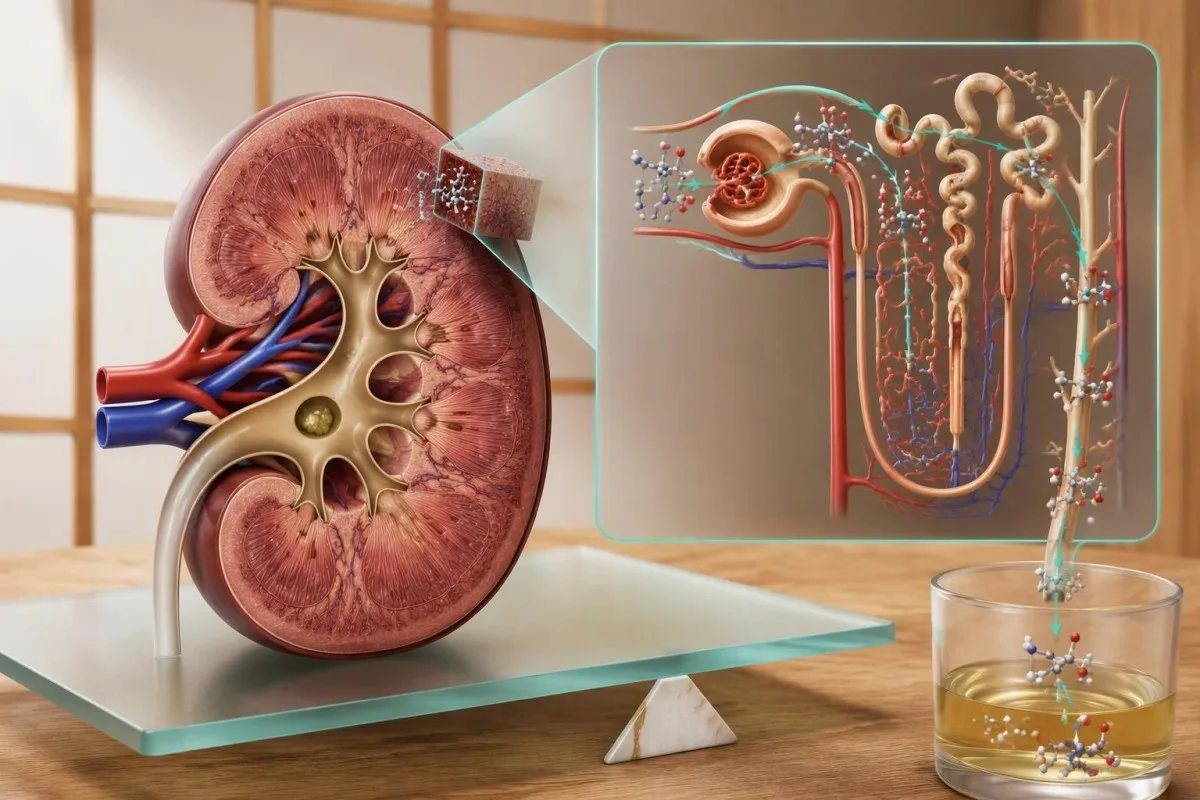
A hypothetical adult with an estimated creatinine clearance of 50 mL/min/1.73 m² may need a different regimen from someone with normal clearance, even if both have the same seizure type. Labeling commonly recommends one-half of the usual adult dose in renal impairment below the stated threshold; that is prescribing guidance, not permission to halve an existing prescription without review.
Creatinine-based eGFR and creatinine clearance are not automatically interchangeable, especially at unusual body sizes or during acute kidney injury. An eGFR of 45 mL/min/1.73 m² signals a need to review clearance, but the appropriate dosing calculation and the reliability of a rapidly changing creatinine require clinical judgment; our មគ្គុទ្ទេសក៍វាយតម្លៃ eGFR ទាប explains when changes need prompt attention.
Kantesti is an AI blood test interpretation platform that helps separate a topiramate result of 14 mg/L from the kidney measurements that may explain it. Our BUN និង creatinine guide adds context, but a creatinine concentration alone cannot prove medication accumulation; sample timing, hydration, previous results, and the actual dosing history still matter.
តើថ្នាំអ្វីខ្លះអាចធ្វើឱ្យលទ្ធផលថូពីរ៉ាម៉ាតប្រែប្រួល?
Enzyme-inducing antiseizure medicines can lower topiramate concentrations, while some other combinations increase exposure or adverse-effect risk without a predictable level change. Prescribing-information interaction studies report approximately 40% lower topiramate concentrations with carbamazepine និង 48% lower concentrations with phenytoin, although individual effects vary.
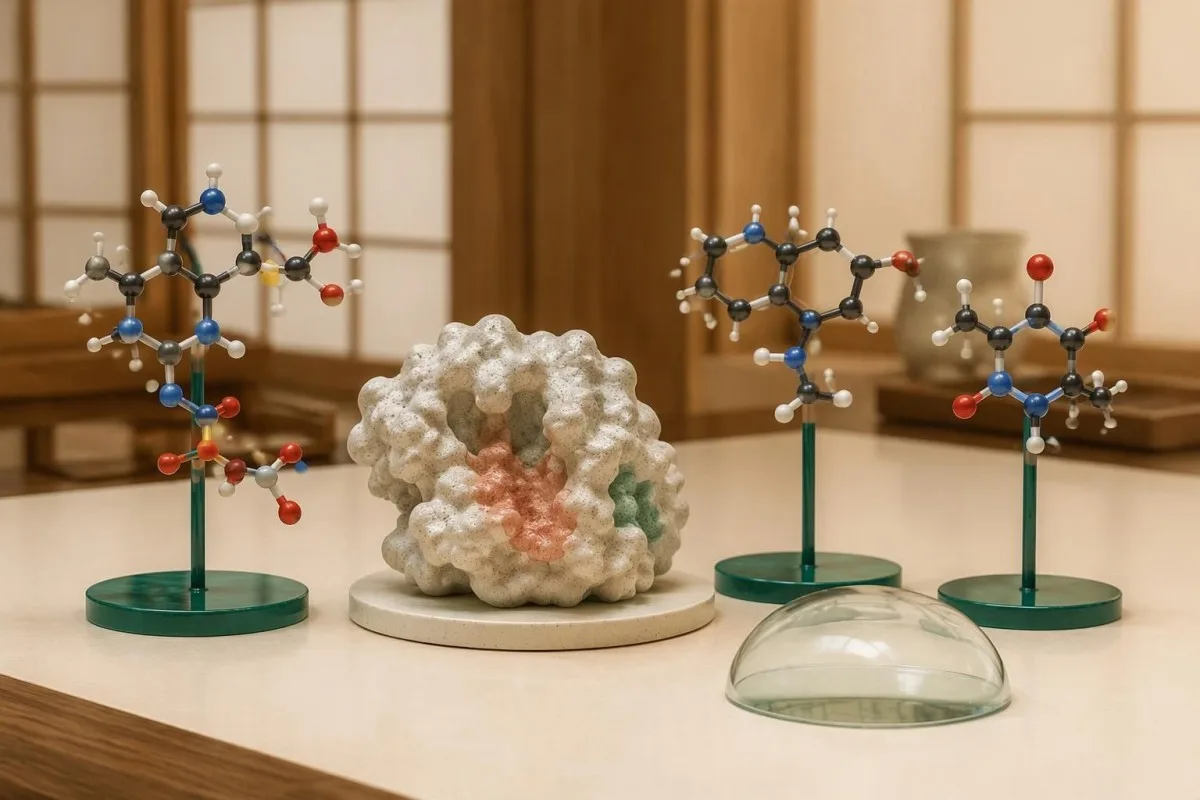
Stopping an inducing medicine can raise topiramate exposure even when the topiramate prescription stays unchanged. For example, a hypothetical person taking 100 mg twice daily may develop more cognitive adverse effects after carbamazepine is withdrawn; our carbamazepine monitoring guide explains that medicine's own concentration monitoring, which remains separate from assessing its effect on topiramate clearance.
Hydrochlorothiazide increased topiramate exposure by approximately 29% in a pharmacokinetic study described in prescribing information, and the combination can also increase potassium loss. That percentage describes the studied group, not a guaranteed change for every patient; checking potassium and symptoms may be useful even if a repeat topiramate concentration remains inside a 5–20 mg/L interval.
Topiramate with valproate can be associated with hyperammonemia and encephalopathy, sometimes despite otherwise unremarkable routine laboratory results. New unexplained lethargy, vomiting, or altered mental status on these 2 medicines warrants prompt assessment and consideration of ammonia testing; a topiramate level is not a substitute, and our valproate result explanation describes why valproate concentrations also have interpretation limits.
ហេតុអ្វីបានជាការតាមដានប៊ីកាបូណាតជាការធ្វើតេស្តសុវត្ថិភាពផ្សេងមួយ?
Bicarbonate monitoring checks for metabolic acidosis, not topiramate exposure. Topiramate can cause renal bicarbonate loss through carbonic anhydrase inhibition; many laboratories use an adult bicarbonate interval around 22–29 mmol/L, and prescribing information recommends baseline and periodic measurement rather than relying on a drug level.
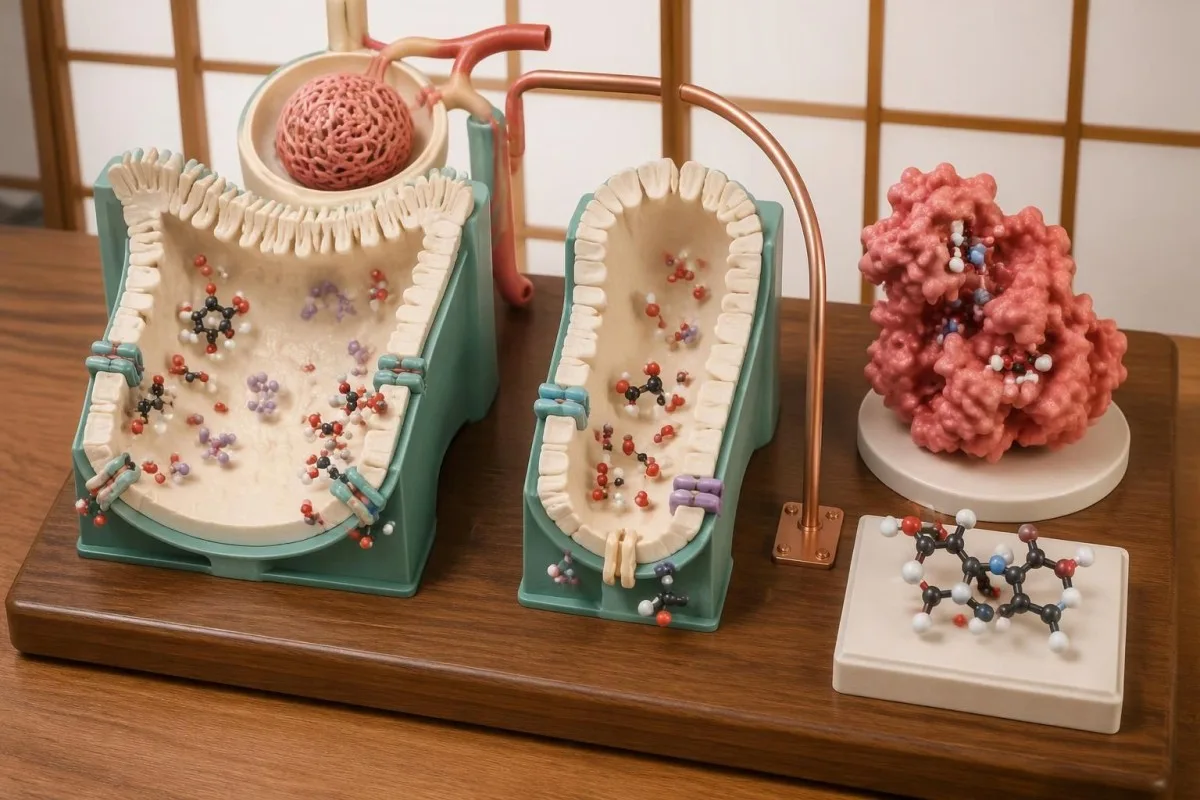
Topiramate typically causes a hyperchloremic, normal-anion-gap metabolic acidosis, although other conditions can create mixed patterns. Mirza and colleagues describe impaired renal acid–base handling and note that evidence for the optimal monitoring strategy is limited (Mirza et al., 2009); our គំរូរំលាយអាស៊ីតក្នុងបំពង់តម្រងនោម explain why bicarbonate must be read with chloride, potassium, and the clinical history.
For a hypothetical chemistry panel with sodium 138 mmol/L, chloride 111 mmol/L, and bicarbonate 18 mmol/L, the anion gap excluding potassium is 138 − 111 − 18 = 9 mmol/L. That calculation is compatible with a normal-gap pattern in many laboratories, but it does not identify topiramate as the cause; diarrhea, other renal disorders, albumin changes, and mixed acid–base disturbances need consideration.
Kantesti AI explains why bicarbonate of 18 mmol/L deserves attention even when topiramate is 7 mg/L, while avoiding a diagnosis from those 2 numbers alone. Prescribing information uses bicarbonate below 17 mmol/L with a fall greater than 5 mmol/L as a trial definition of markedly low bicarbonate—not a universal emergency cutoff; our ការពន្យល់អំពីបន្ទះតេស្តអេឡិចត្រូលីត helps interpret associated abnormalities.
តើការត្រួតពិនិត្យសុវត្ថិភាពតម្រងនោមអ្វីខ្លះដែលការវាស់កម្រិតថ្នាំមិនអាចរកឃើញ?
A topiramate concentration cannot detect kidney stones, measure urinary citrate, or establish renal tubular acidosis. Adult epilepsy development trials reported kidney stones in approximately 1.5% of topiramate-treated participants; risk depends on treatment context, and a concentration inside 5–20 mg/L does not eliminate the possibility.
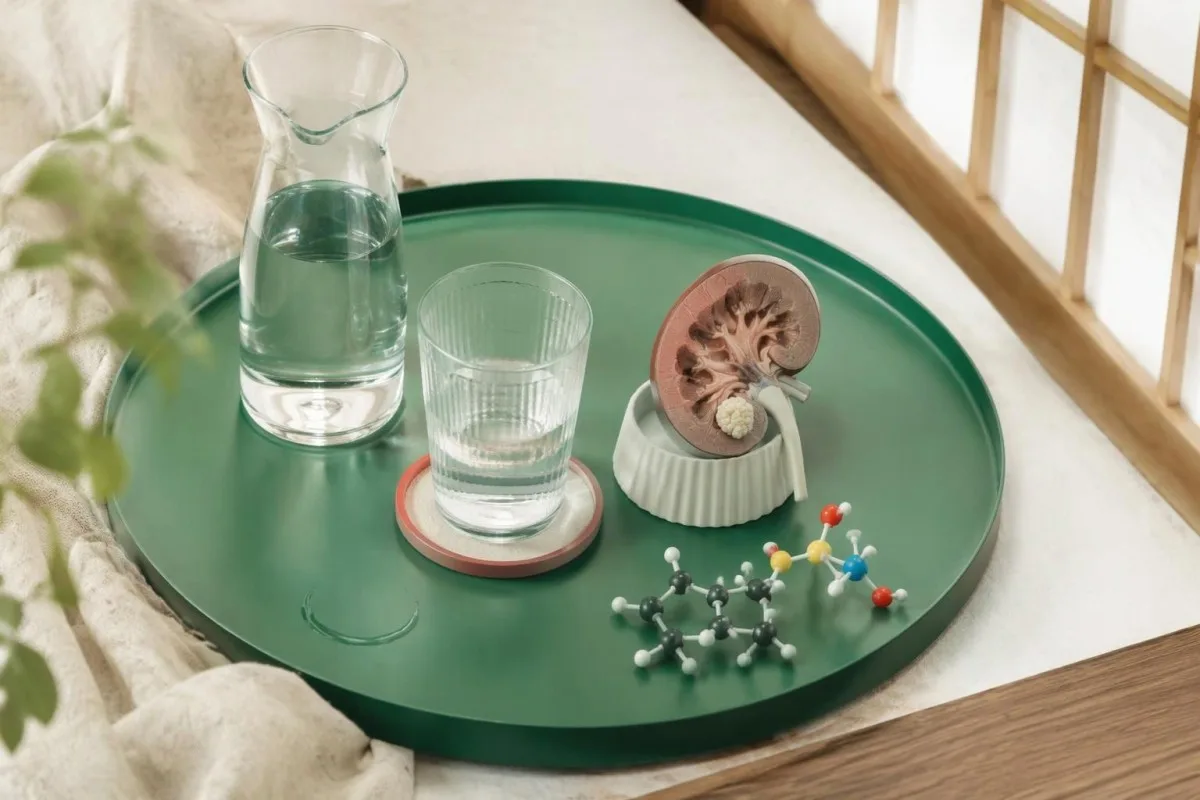
Topiramate can increase urine pH and reduce urinary citrate, a combination that favors calcium phosphate stones. Mirza and colleagues link these urinary changes to carbonic anhydrase inhibition (Mirza et al., 2009); our មគ្គុទ្ទេសក៍ទឹកនោម citrate ទាប explains why a 24-hour urine assessment may become relevant after recurrent stones rather than being automatically required for every user.
Monitoring creatinine serves a different purpose from checking urinary stone risk. A hypothetical person with a topiramate level of 9 mg/L, normal creatinine, and recurrent flank pain still needs evaluation for stones; normal filtration does not guarantee normal urinary citrate, and persistent pain with fever, vomiting, or difficulty passing urine should not wait for a repeat drug concentration.
Adequate fluid intake is commonly advised, but there is no single safe target such as 3 liters daily for everyone. People with heart failure, advanced kidney disease, or a prescribed fluid restriction need individualized guidance; potassium citrate or bicarbonate treatment also requires clinician oversight because changing urine chemistry and potassium intake can create different risks from those measured by topiramate testing.
តើនរណាខ្លះអាចត្រូវការការតាមដានកំហាប់ថ្នាំដែលសម្របតាមលក្ខណៈបុគ្គលបន្ថែម?
Pregnancy, childhood, older age, and changing kidney function can make topiramate exposure less predictable. A personal pre-pregnancy concentration and 2 similarly timed follow-up samples may be more useful than chasing a population interval, but monitoring does not remove topiramate's pregnancy-related risks or replace specialist treatment planning.
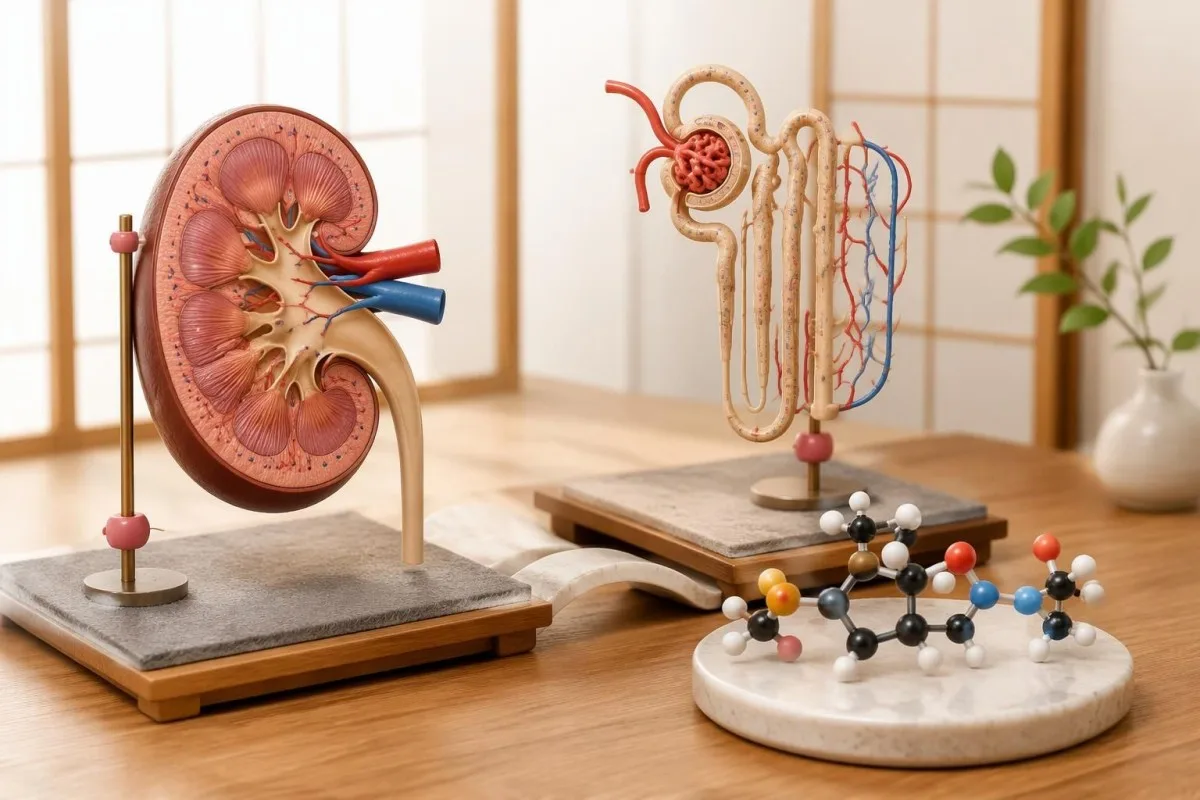
Pregnancy can increase topiramate clearance, so a concentration may fall despite consistent dosing. Pregnancy also changes the interpretation of creatinine, and standard eGFR equations are not reliable for assessing filtration during pregnancy; our pregnancy kidney-function explanation explains why a apparently reassuring result should not be used to estimate drug clearance mechanically.
In the UK, topiramate is subject to a Pregnancy Prevention Programme for people who can become pregnant; it is contraindicated for migraine prevention during pregnancy and for epilepsy in pregnancy unless no suitable alternative exists. A level of 5 mg/L does not establish fetal safety, and someone who becomes pregnant should contact the prescriber promptly rather than abruptly stopping an antiseizure regimen.
Children may have higher weight-normalized clearance than adults, while older adults may clear the medicine more slowly because of reduced renal function. The adult 5–20 mg/L interval therefore needs context rather than a new age-based cutoff invented from a single report; pediatric dose decisions require specialist assessment, and post-pregnancy monitoring may matter if a dose was increased when clearance was higher.
តើគួរបកស្រាយលទ្ធផលដោយរួមពិចារណាជាមួយព័ត៌មានផ្សេងទៀតយ៉ាងដូចម្តេច?
Interpret a topiramate result by combining concentration, collection timing, symptoms, and safety chemistry. At minimum, compare 4 pieces of information: the current regimen, the last dose and sample times, the reason testing was ordered, and bicarbonate plus kidney-function results when available.
Hypothetical pattern 1: a trough falls from 8 to 3 mg/L, kidney function is stable, and seizures recur after several prescription refills were delayed. Reduced exposure is plausible, but the response should include a medication-access review and seizure assessment; raising the dose without addressing intermittent use could create excessive exposure when regular dosing resumes.
Hypothetical pattern 2: a trough rises from 9 to 16 mg/L while creatinine worsens and new coordination problems appear. Reduced clearance is a reasonable concern even though 16 mg/L remains inside a 5–20 mg/L interval; pattern 3, a level of 7 mg/L with bicarbonate of 18 mmol/L, instead highlights a possible acid–base effect that concentration monitoring alone would miss.
Kantesti is an AI-powered blood test analysis tool that helps organize these 3 patterns without treating any one as a confirmed diagnosis. Our មគ្គុទ្ទេសក៍និន្នាការសុវត្ថិភាពថ្នាំ explains how serial results support follow-up; keep the original laboratory interval and dates visible, because changing laboratories, formulations, or collection timing can make an apparent trend misleading.
តើអ្នកគួរធ្វើអ្វីបន្ទាប់ ហើយតើភស្តុតាងអ្វីខ្លះគាំទ្រការធ្វើតេស្ត?
The next step is to ask what the topiramate result changes—not to adjust treatment from the number alone. Bring របាយការណ៍ចំនួន 2 ដែលមានកាលបរិច្ឆេទ, if available, and a medication timeline to the prescriber; monitoring recommendations rely on pharmacology, expert guidance, and clinical context rather than a universally validated toxicity threshold.
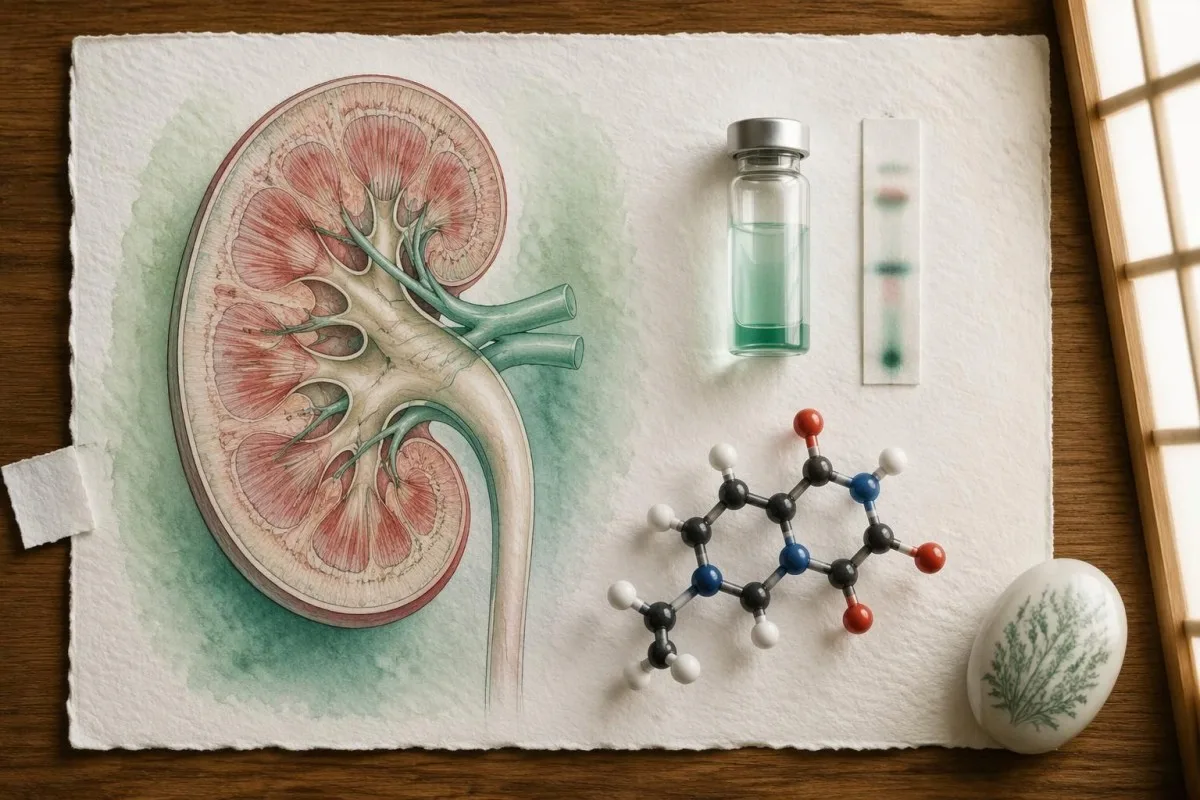
Ask the prescriber whether a repeat trough, bicarbonate check, kidney-function assessment, or medication review would answer the unresolved question. There is no evidence-based rule that every patient needs a topiramate concentration every 3 or 6 months; persistent low bicarbonate, new adverse effects, or changing clearance may justify a different follow-up plan from an isolated laboratory flag.
Kantesti helps explain reports, but our ព្រំដែននៃ AI ប្រកបដោយការទទួលខុសត្រូវ distinguish educational interpretation from diagnosis and prescribing. Our វិធីសាស្ត្រសម្រាប់ការធ្វើឲ្យមានសុពលភាពក្នុងការព្យាបាល (clinical validation) provides methodology context; neither an AI confidence estimate nor a concentration of 10 mg/L can exclude toxicity, replace an examination, or authorize an independent dose change.
The 2 Zenodo publications listed below concern serum proteins and complement testing; they are not topiramate therapeutic-monitoring studies and should not be used to validate its concentration cutoffs. Our មគ្គុទ្ទេសក៍បកស្រាយប្រូតេអ៊ីនក្នុងឈាម offers background for understanding albumin and other medicines, while the directly relevant external references support this article's discussion of selective monitoring, pharmacokinetics, and acid–base effects.
សំណួរដែលគេច្រើនសួរ
តើកម្រិតថូពីរ៉ាម៉ាតធម្មតាគឺប៉ុន្មាន?
ចន្លោះតម្លៃយោងរបស់ topiramate ដែលត្រូវបានដកស្រង់ជាទូទៅគឺ 5–20 mg/L ទោះបីជាមន្ទីរពិសោធន៍មួយចំនួនប្រើ 2–10 mg/L ក៏ដោយ។ ចន្លោះទាំងនេះជួយដល់ការបកស្រាយ ជាចម្បងក្នុងជំងឺឆ្កួតជ្រូក ជាជាងកំណត់កំហាប់ដែលធម្មតា ឬមានសុវត្ថិភាពជាសកល។ មនុស្សមួយចំនួនអាចឆ្លើយតបនៅក្រោមចន្លោះដែលបានបោះពុម្ព ឬជួបប្រទះផលរំខាននៅក្នុងចន្លោះនោះ។ ចន្លោះតម្លៃរបស់មន្ទីរពិសោធន៍ ពេលវេលាប្រមូលសំណាក រោគសញ្ញា និងកំហាប់ដែលមានប្រសិទ្ធភាពពីមុន គួរត្រូវបានពិចារណារួមគ្នា។.
តើខ្ញុំចាំបាច់ត្រូវពិនិត្យកម្រិតថ្នាំ topiramate ជាប្រចាំដែរឬទេ?
មនុស្សភាគច្រើនមិនចាំបាច់ធ្វើតេស្តវាស់កំហាប់ថ្នាំ topiramate ជាប្រចាំតាមកាលវិភាគថេរទេ។ ការធ្វើតេស្តអាចមានប្រយោជន៍នៅពេលមានការប្រកាច់កើតឡើងឡើងវិញ ទោះបីកំពុងព្យាបាលក៏ដោយ សង្ស័យថាខកខានលេបថ្នាំ ប្រើថ្នាំដែលមានអន្តរកម្ម ការប្រែប្រួលពាក់ព័ន្ធនឹងការមានផ្ទៃពោះ ឬការបញ្ចេញថ្នាំតាមតម្រងនោមថយចុះ។ មិនមានចន្លោះពេលធ្វើតេស្តកំហាប់ថ្នាំដែលត្រូវបានណែនាំជាសកល ដូចជារៀងរាល់ 3 ឬ 6 ខែ សម្រាប់អ្នកប្រើប្រាស់ទាំងអស់នោះទេ។ ការត្រួតពិនិត្យប៊ីកាបូណាតនៅដំណាក់កាលដំបូង និងតាមកាលកំណត់ គឺដោះស្រាយបញ្ហាសុវត្ថិភាពផ្សេងមួយ ហើយអាចសមស្រប ទោះបីមិនបានវាស់កម្រិតថ្នាំក៏ដោយ។.
តើគួរធ្វើតេស្តកម្រិត Topamax នៅពេលណា?
ការធ្វើតេស្តកម្រិត Topamax ដែលបានគ្រោងទុក ជាទូទៅអាចប្រៀបធៀបបានច្រើនបំផុត នៅពេលប្រមូលសំណាកភ្លាមៗមុនពេលប្រើដូសបន្ទាប់តាមកាលវិភាគ។ នៅពេលមុខងារតម្រងនោមធម្មតា ថ្នាំ topiramate ជាទូទៅឈានដល់ស្ថានភាពស្ថិរភាពក្នុងរយៈពេលប្រហែល 4 ថ្ងៃ បន្ទាប់ពីចាប់ផ្តើមប្រើរបបដូសដែលមិនមានការផ្លាស់ប្តូរ ប៉ុន្តែការបញ្ចេញថ្នាំថយចុះអាចពន្យារពេលនេះ។ កត់ត្រាពេលវេលាប្រើដូសចុងក្រោយ ពេលវេលាប្រមូលសំណាក ដូស និងទម្រង់ថ្នាំ។ ការសង្ស័យថាប្រើថ្នាំលើសកម្រិត ឬមានផលរំខានធ្ងន់ធ្ងរ តម្រូវឱ្យមានការវាយតម្លៃជាបន្ទាន់ ជាជាងរង់ចាំដល់ពេលប្រមូលសំណាកកម្រិតទាបនៅចុងចន្លោះដូសដែលបានកំណត់ត្រឹមត្រូវ។.
តើកំហាប់ topiramate ក្នុងសេរ៉ូមទាបមានន័យថា ខ្ញុំបានខកខានលេបថ្នាំមែនទេ?
កំហាប់ topiramate ក្នុងសេរ៉ូមទាបមិនបញ្ជាក់ថាបានខកខានលេបថ្នាំទេ។ លទ្ធផលក្រោម 5 mg/L អាចបណ្តាលមកពីកម្រិតថ្នាំតិចតួច ការបញ្ចេញថ្នាំចេញពីរាងកាយកើនឡើង ថ្នាំដែលជំរុញអង់ស៊ីម ការផ្លាស់ប្តូរកម្រិតថ្នាំថ្មីៗនេះ ឬពេលវេលាយកសំណាក។ ការធ្លាក់ចុះពីកំហាប់ទាបបំផុតមុននេះដែលអាចប្រៀបធៀបបាន ដូចជា 8 ទៅ 3 mg/L អាចផ្តល់ភស្តុតាងកាន់តែរឹងមាំអំពីការផ្លាស់ប្តូរកម្រិតថ្នាំដែលរាងកាយទទួលបាន។ គ្រូពេទ្យគួរពិនិត្យលទ្ធភាពទទួលបានថ្នាំ និងប្រវត្តិនៃការលេបថ្នាំ មុនសម្រេចថាតើត្រូវកែសម្រួលរបបថ្នាំឬអត់។.
តើកម្រិតថ្នាំ topiramate ប៉ុន្មានដែលចាត់ទុកថាពុល?
មិនមានកំហាប់ topiramate ដែលបានផ្ទៀងផ្ទាត់ជាសកលសម្រាប់កំណត់ថាមានពុលនោះទេ។ លទ្ធផលលើសពី 20 mg/L អាចជំរុញឱ្យមានការពិនិត្យឡើងវិញឱ្យបានដិតដល់ជាងមុន ប៉ុន្តែផលរំខានខ្លះកើតឡើងនៅក្នុងចន្លោះតម្លៃមន្ទីរពិសោធន៍ដែលគេរាយការណ៍ជាទូទៅ។ រោគសញ្ញា ការពិនិត្យ ការបំពេញមុខងារតម្រងនោម ប៊ីកាបូណាត ថ្នាំផ្សេងៗ និងពេលវេលាដែលយកសំណាក កំណត់អត្ថន័យផ្នែកគ្លីនិក។ ការសង្ស័យថាប្រើថ្នាំលើសកម្រិត ការភាន់ច្រឡំធ្ងន់ធ្ងរ ការពិបាកដកដង្ហើម ឬការឈឺភ្នែកភ្លាមៗ ឬការប្រែប្រួលនៃការមើលឃើញ តម្រូវឱ្យមានការវាយតម្លៃបន្ទាន់ដោយមិនគិតពីកម្រិតដែលបានវាស់ឃើញឡើយ។.
តើ topiramate អាចបណ្តាលឱ្យកម្រិតប៊ីកាបូណាតទាប ទោះបីជាកម្រិតថ្នាំធម្មតាក៏ដោយឬទេ?
ថូពីរ៉ាម៉ាតអាចបណ្ដាលឱ្យកម្រិតប៊ីកាបូណាតទាប ទោះបីកំហាប់របស់វាស្ថិតក្នុងចន្លោះយោងមន្ទីរពិសោធន៍ ដូចជា 5–20 mg/L ក៏ដោយ។ ការទប់ស្កាត់អង់ស៊ីម carbonic anhydrase អាចបង្កើនការបាត់បង់ប៊ីកាបូណាតតាមតម្រងនោម និងបណ្ដាលឱ្យមានអាស៊ីដូសមេតាបូលីកប្រភេទ hyperchloremic ដែលមាន anion gap ធម្មតា។ លទ្ធផលប៊ីកាបូណាត 18 mmol/L ត្រូវការការបកស្រាយតាមគ្លីនិក ប៉ុន្តែដោយខ្លួនវាផ្ទាល់ មិនបញ្ជាក់ថាថូពីរ៉ាម៉ាតជាមូលហេតុ ឬកំណត់កម្រិតភាពធ្ងន់ធ្ងរនៃភាពអាសន្ននោះទេ។ ដូច្នេះ ការធ្វើតេស្តប៊ីកាបូណាត និងមុខងារតម្រងនោម មិនអាចត្រូវបានជំនួសដោយការធ្វើតេស្តកម្រិត Topamax បានទេ។.
ទទួលបានការពន្យល់អំពីលទ្ធផលពិនិត្យឈាមរបស់អ្នក
បង្ហោះរបាយការណ៍មន្ទីរពិសោធន៍របស់អ្នក ហើយ AI របស់ Kantesti នឹងពន្យល់ជីវសញ្ញានីមួយៗជាភាសាសាមញ្ញ ក្នុងរយៈពេលត្រឹមតែប៉ុន្មានវិនាទី។ មនុស្សជាង 2 លាននាក់នៅទូទាំងពិភពលោកបានប្រើប្រាស់។.
ឯកសារយោង
- Klein, T., Mitchell, S., & Weber, H. (2026)។. មគ្គុទ្ទេសក៍អំពីប្រូតេអ៊ីនក្នុងសេរ៉ូម៖ ការធ្វើតេស្តឈាម Globulins, Albumin និងសមាមាត្រ A/G។. ការស្រាវជ្រាវវេជ្ជសាស្ត្រ AI របស់ Kantesti។. ក្រសួងអប់រំយុវជន និងកីឡា
- Klein, T., Mitchell, S., & Weber, H. (2026)។. ការណែនាំអំពីតេស្តឈាម C3 C4 Complement និងចំណងជើង ANA។. ការស្រាវជ្រាវវេជ្ជសាស្ត្រ AI របស់ Kantesti។. ក្រសួងអប់រំយុវជន និងកីឡា
- Patsalos PN et al. (2008). Antiepileptic drugs—best practice guidelines for therapeutic drug monitoring: a position paper by the subcommission on therapeutic drug monitoring, ILAE Commission on Therapeutic Strategies. Epilepsia. ក្រសួងអប់រំយុវជន និងកីឡា
- Jacob S and Nair AB (2016). An Updated Overview on Therapeutic Drug Monitoring of Recent Antiepileptic Drugs. Drugs in R&D. ក្រសួងអប់រំយុវជន និងកីឡា
- Mirza N et al. (2009). Effect of topiramate on acid–base balance: extent, mechanism and effects. British Journal of Clinical Pharmacology. ក្រសួងអប់រំយុវជន និងកីឡា
- 2M+ការធ្វើតេស្តដែលបានវិភាគ
- 127+ប្រទេស
- 100+ភាសា
អំពីក្រុមវេជ្ជសាស្ត្រ


សញ្ញាទុកចិត្ត E-E-A-T
បទពិសោធន៍
ការពិនិត្យព្យាបាលដោយវេជ្ជបណ្ឌិតលើដំណើរការការបកស្រាយលទ្ធផលមន្ទីរពិសោធន៍។.
ជំនាញ
ផ្តោតលើវិទ្យាសាស្ត្រមន្ទីរពិសោធន៍ថា សញ្ញាសម្គាល់ (biomarkers) មានឥរិយាបថយ៉ាងដូចម្តេចក្នុងបរិបទព្យាបាល។.
ភាពមានសិទ្ធិអំណាច
បានពិនិត្យផ្នែកវេជ្ជសាស្ត្រដោយវេជ្ជបណ្ឌិត Thomas Klein ដោយមានការចូលរួមចំណែកពីវេជ្ជបណ្ឌិត Sarah Mitchell និងសាស្ត្រាចារ្យបណ្ឌិត Hans Weber។.
ភាពគួរឱ្យទុកចិត្ត
ការបកស្រាយដោយផ្អែកលើភស្តុតាង ជាមួយផ្លូវបន្តតាមដានច្បាស់លាស់ ដើម្បីកាត់បន្ថយការភ័យខ្លាច។.






សេចក្តីប្រកាសបដិសេធការទទួលខុសត្រូវផ្នែកវេជ្ជសាស្ត្រ
អត្ថបទនេះមានគោលបំណងសម្រាប់ការអប់រំប៉ុណ្ណោះ ហើយមិនមែនជាការផ្តល់ដំបូន្មានផ្នែកវេជ្ជសាស្ត្រទេ។ សូមពិគ្រោះជាមួយអ្នកផ្តល់សេវាសុខភាពដែលមានសមត្ថភាពជានិច្ច សម្រាប់ការសម្រេចចិត្តអំពីការធ្វើរោគវិនិច្ឆ័យ និងការព្យាបាល។.
បានបោះពុម្ភ · ទាក់ទងក្រុមនិពន្ធ
បោះពុម្ពផ្សាយដោយ Kantesti Ltd ដែលបានចុះបញ្ជីនៅប្រទេសអង់គ្លេស និងវែលស៍ លេខក្រុមហ៊ុន. 17090423, ទីក្រុងឡុងដ៍ ចក្រភពអង់គ្លេស។.
