ئاستەکانی تۆپیرامەیت بە شێوەی ڕۆتین پشکنین ناکرێن، چونکە وەڵامی چارەسەر و کاریگەرییە لاوەکییەکان بە شێوەیەکی متمانەپێکراو بە یەک ژمارەی ئامانجەوە ناگونجێن. پشکنین دەتوانێت ڕوون بکاتەوە چەند دەرمانەکە لە جەستەدا هەیە یان پاککردنەوەی لەش گۆڕاوە؛ پشکنینی بیکاربۆنات و کارکردی گورچیلە پرسیاری سەلامەتیی جیاواز وەڵام دەدەنەوە.

خاڵە سەرەکییەکان
- ئاستی تۆپیرامەیت پشکنینەکەی زۆرجار تەنها بۆ پرسیارێکی دیاریکراو بەکاردێت، وەک هەڵەنجانی چاوەڕواننەکراو، گومانی لەبیرکردنی دۆزەکان، کارلێکی دەرمانی، یان گۆڕانی کارکردی گورچیلە.
- مەودای چارەسەریی تۆپیرامەیت بە شێوەی باو 5–20 mg/L ڕاپۆرت دەکرێت، بەڵام هەندێک تاقیگە 2–10 mg/L بەکاردەهێنن؛ هیچکام لەم مەودانە کاریگەری یان سەلامەتی مسۆگەر ناکات.
- کاتی وەرگرتنی نموونەی پێش دۆز واتە کۆکردنەوەی نموونەکە دەستبەجێ پێش دۆزی داهاتووی دیاریکراو، لەگەڵ تۆمارکردنی کاتی دۆزی پێشوو.
- ئاستی جێگیر کاتێک کارکردی گورچیلە ئاساییە و دۆزەکە نەگۆڕاوە، زۆرجار لە نزیکەی 4 ڕۆژدا پەرە دەسێنێت؛ کەمبوونەوەی پاککردنەوە دەتوانێت ئەم ماوەیە درێژتر بکاتەوە.
- گۆڕینی یەکە ڕوونە: 1 mg/L یەکسانە بە 1 µg/mL، بۆیە 8 mg/L و 8 µg/mL هەمان ئاست نیشان دەدەن.
- هەڵسەنگاندنی ژەهراویبوون پێویستی بە نیشانەکان، پشکنینی پزیشکی، مێژووی دەرمانەکان و دۆزینەوە پەیوەندیدارەکانی تاقیگە هەیە؛ هیچ ئاستێکی گشتیی تۆپیرامەیت ژەهراویبوون دیاری ناکات.
- چاودێریکردنی بیکاربۆنات پشکنین بۆ ئەسیدۆزی میتابۆلیک دەکات، کە کاریگەرییەکی ناسراوی تۆپیرامەتە و دەتوانێت ڕووبدات تەنانەت ئەگەر کۆنسەنتراسیۆنەکە لە ناو مەودای تاقیگەدا بێت.
- چاودێریی کارکردنی گورچیلەکان یارمەتی هەڵسەنگاندنی پاککردنەوەی دەرمان دەدات؛ زانیارییەکانی نووسینی دەرمان پێشنیاری گۆڕینی دۆز دەکەن کاتێک کلیرانسی کرێیاتینینی گەورەساڵان لە 70 mL/min/1.73 m² کەمتر بێت.
بۆچی ئاستی تۆپیرامەیت بە شێوەی ڕۆتین پشکنین ناکرێت؟
A ئاستی تۆپیرامەت بە شێوەیەکی ڕۆتین پشکنینی بۆ ناکرێت، چونکە پەیوەندیی نێوان کۆنسەنتراسیۆن، سوود و کاریگەرییە لاوەکییەکان لە نێوان کەساندا زۆر جیاوازە. مەودایەکی باو کە زۆرجار باس دەکرێت 5–20 mg/L ئامرازێکی ئاماژەیی تاقیگەییە—نە ژمارەیەک کە هەموو نەخۆشێک دەبێت پێی بگات، و نە سنوورێک کە بە دڵنیایی چارەسەری سەلامەت لە ژەهراویبوون جیا بکاتەوە.
نیشان نەدراوە کە دۆزدانانی ڕۆتین بە ڕێبەری کۆنسەنتراسیۆن بۆ هەموو کەسێک کە تۆپیرامەت بەکاردەهێنێت ئەنجامەکان باشتر بکات. پەڕەی بۆچوونی ILAE چاودێریی دەرمانیی چارەسەری پشتگیری دەکات کاتێک ئەنجامێک دەتوانێت پرسیارێکی کلینیکی دیاریکراو وەڵام بداتەوە، نەک ئەوەی بە شێوەی خۆکار ئاستی هەموو دەرمانە دژەهەڵچوونەکان داوا بکرێت (Patsalos et al., 2008)؛ ژمارەی هەڵچوونەکان، ڕۆژەکانی سەرئێشەی میگرێن و توانای بەرگەگرتنی دەرمان هێشتا لە بڕیاردانی چارەسەردا بنەڕەتین.
بۆ نموونە، گەورەساڵێکی خەیاڵی کە میگرێنەکەی بە 50 mg دوو جار لە ڕۆژدا باشتر دەبێت، پێویست ناکات دۆزەکە زیاد بکات تەنها بۆ ئەوەی تاقیگە کۆنسەنتراسیۆنێکی کەمتر لە 5 mg/L نیشان بدات. ئامانجێکی سیرۆمی بە باشی جێگیرکراو بۆ پێشگرتن لە میگرێن نییە؛ زیادکردنی چارەسەر تەنها بۆ ڕاستکردنەوەی ئەو نیشانەیە دەتوانێت قورسایی لە دۆزینەوەی وشە یان لەدەستدانی ئیشتیها خراپتر بکات، بەبێ ئەوەی سوودێکی بامانای زیاد بکات.
Kantesti شیکەرەوەیەکی AI بۆ پشکنینی خوێنە کە یارمەتی دەدات ڕوون بکرێتەوە بۆچی مەودای تاقیگەیی 5–20 mg/L ناتوانێت جێگەی هەڵسەنگاندنی نیشانەکان و کاتی وەرگرتنی نموونە بگرێتەوە. ئێمە ئامانج ڕۆڵی خۆمان لە لێکدانەوەی ڕاپۆرتەکان ڕوون دەکەینەوە؛ ئێمە دەرمان پێشنیار ناکەین، و نابێت ڕوونکردنەوەی AI ببێتە هۆی گۆڕینی سەربەخۆی ڕێژیمی جێگیری دەرمان.
پشکنینی ئاستی تاپاماکس بەڕاستی چی دەپێوێت؟
A تاقیکردنەوەی ئاستی Topamax کۆنسەنتراسیۆنی تۆپیرامەت لە نموونەیەکی تاقیگەدا، کە زۆرجار سیرۆم یان پلاسما دەبێت، دەپێوێت. بڕی دەرمانی بەکارهاتوو لە کاتی کۆکردنەوەدا ڕاپۆرت دەکات—نە دۆزی نووسراو، نە پاراستن لە هەڵچوون، و نە دۆخی بایکاربۆنات؛; 1 mg/L یەکسانە بە 1 µg/mL, ، کە ڕێگری لە هەڵەیەکی باوی خوێندنەوەی یەکە دەکات.
زۆرێک لە تاقیگەکان تۆپیرامەت بە کرۆماتۆگرافی مایعی لەگەڵ سپێکترۆمێتری کتڵی دووانە دەپێون، هەرچەندە ڕێگاکان و قاچاخانی قبوڵکراوی نموونە جیاوازن. ئەنجامی 8 µg/mL بە تەواوی هەمان کۆنسەنتراسیۆنە وەک 8 mg/L؛ بە پێچەوانەوە، نووسینەوەی 100 mg بۆ دەرمان بڕێک دەگوازێتەوە کە ناتوانرێت ڕاستەوخۆ بە هیچکام لەو یەکەی کۆنسەنتراسیۆنانە بەراورد بکرێت.
تۆپیرامەت بە شێوەیەکی ڕێژەیی بەهێزی کەم بە پرۆتینەوە دەبەسترێت، و زانیارییەکانی نووسینی دەرمان باس لە بەستنی نزیکەی 15–41% دەکەن. پشکنینی ڕۆتین بە گشتی کۆنسەنتراسیۆنی گشتی دەپێوێت، و هاوکێشەیەکی ستانداردی ڕاستکردنەوە بەپێی ئەلبومین هاوشێوەی ئەو ڕێگایانە نییە کە هەندێک جار بۆ فێنایتۆین بەکاردەهێنرێن؛ ڕوونکردنەوەی ئێمە لەبارەی فێنایتۆینی ئازاد لە بەرامبەر گشتی پیشان دەدات بۆچی نابێت یاساکانی لێکدانەوە بەبێ جیاوازی لە نێوان دەرمانەکاندا بگوازرێنەوە.
ڕاپۆرتێکی تاقیگە کە تۆپیرامەت بە 6 mg/L و کۆی CO2 بە 19 mmol/L نیشان دەدات، دوو پێوانەی بە بنەڕەت جیاوازی تێدایە. یەکەمیان بڕی دەرمانی بەکارهاتوو نیشان دەدات؛ دووەمیان زۆرجار نزیکەی بایکاربۆناتی سیرۆمە و دەتوانێت ئاماژە بێت بە کێشەی هاوسەنگی ئەسید و باز، بۆیە کۆنسەنتراسیۆنێک کە لە ناو مەودای چاپکراودایە ناتوانێت ئەنجامی نائاساییی تاقیکردنەوەی کیمیایی لەناوببات.
مەودای چارەسەریی تۆپیرامەیت چییە؟
مەودایەکی باو کە زۆرجار باس دەکرێت مەودای چارەسەری تۆپیرامەت 5–20 mg/L ـە, ، بەڵام هەندێک لە تاقیگە ئەورووپییەکان 2–10 mg/L. These intervals mainly support epilepsy-related interpretation; they are not universally validated treatment targets, and there is no widely accepted serum concentration target for migraine prevention.
Jacob and Nair's review lists a topiramate reference concentration of 5–20 mg/L while emphasizing selective use of monitoring and variable concentration–response relationships (Jacob and Nair, 2016). A reference interval summarizes concentrations considered useful in a population; it does not establish that every individual below its lower limit needs more medication.
Different laboratory intervals can produce different flags for the same number. A hypothetical trough of 12 mg/L sits within a 5–20 mg/L interval but above a 2–10 mg/L interval; that disagreement should trigger review of the laboratory's convention and the patient's clinical state, not an assumption that the medicine became toxic between reports.
An individual's previously effective, well-tolerated concentration can be more informative than the population interval. If someone remained seizure-free at a correctly timed trough of 4 mg/L, that documented baseline may help interpret a later change; the same individual-baseline principle appears in لێکدانەوەی ئەنجامی لێڤێتیرەسێتام, although the numerical ranges are different.
| ئاست | مەودا | مانای چییە |
|---|---|---|
| ڕێژەی زۆر بەکارهاتووی لابراتۆر | 5–20 mg/L | A frequently quoted epilepsy-related reference interval, not a guaranteed effective or safe target. |
| Alternative laboratory interval | 2–10 mg/L | Used by some European laboratories; interpretation must follow the reporting laboratory and clinical context. |
| Above a 5–20 interval | >20 مگ/ل | Prompts review of symptoms, timing, dose, interactions, and clearance; does not establish toxicity by itself. |
| Individual reference concentration | Patient-specific; no universal cutoff | A prior correctly timed concentration obtained during effective, tolerated treatment can guide later comparisons. |
کەی چاودێریکردنی چڕیی تۆپیرامەیت دەتوانێت یارمەتیدەر بێت؟
Topiramate concentration monitoring helps when clinicians need to distinguish changed medication exposure from other causes of worsening control or new adverse effects. Comparing 2 similarly timed samples can be useful after suspected missed doses, kidney-function changes, interacting medicines, pregnancy-related clearance changes, or an unexplained treatment failure.
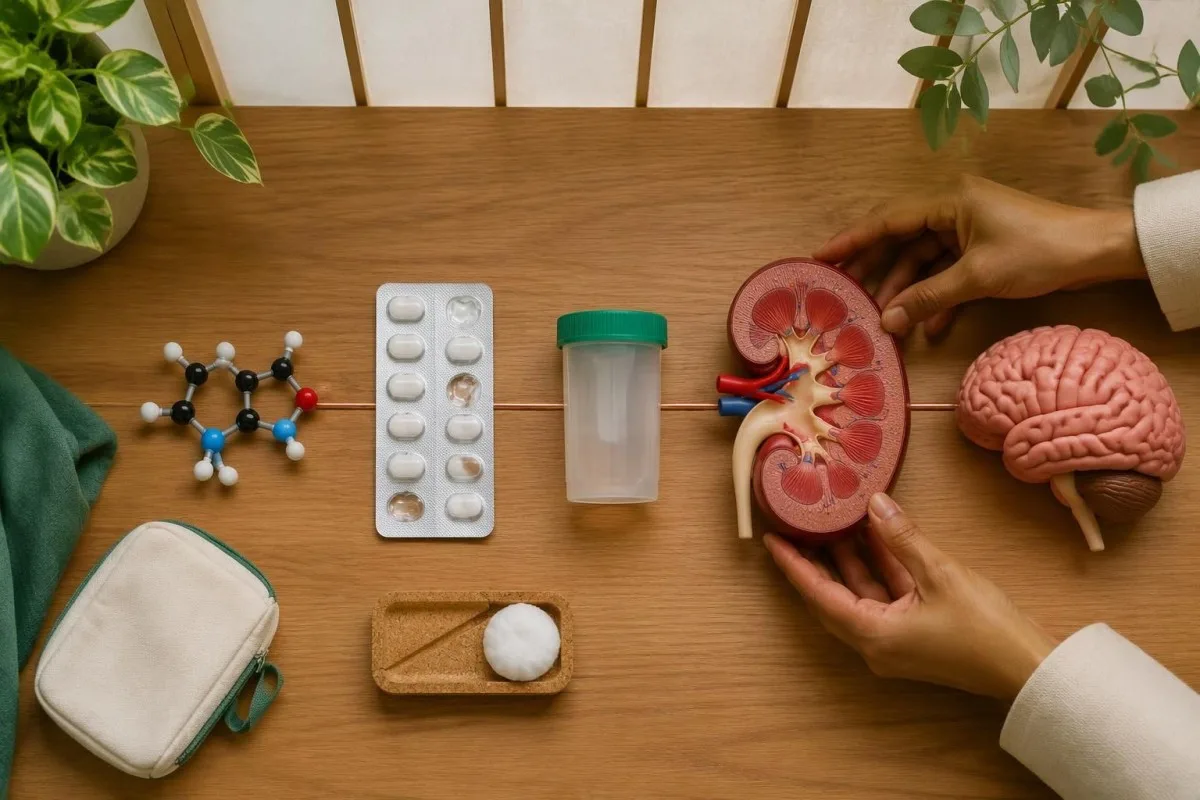
Unexpected breakthrough seizures are one reason to investigate exposure, but the concentration cannot diagnose the cause of the event. The ILAE position paper identifies situations such as suspected nonadherence, toxicity, pharmacokinetic variability, and changing treatment conditions as appropriate reasons to consider monitoring (Patsalos et al., 2008); sleep deprivation, illness, and seizure classification still need separate assessment.
Establishing a personal reference concentration can help before an anticipated change. For a hypothetical person stable on 100 mg twice daily, a trough obtained during seizure control provides a comparison if kidney function later declines or another antiseizure drug is withdrawn; without that baseline, a later isolated result may be harder to interpret.
A test is less helpful if nobody can state what management decision it might change. Before requesting a concentration of 7 mg/L or any other result, ask whether the question concerns adherence, clearance, or possible adverse effects; our lacosamide monitoring explanation illustrates why selective monitoring is not the same as having no monitoring strategy.
نموونەی تۆپیرامەیت کەی دەبێت کۆبکرێتەوە؟
For planned monitoring, a trough sample immediately before the next scheduled dose is usually the most comparable measurement. Topiramate's elimination half-life is approximately 21 hours in adults with normal kidney function, and steady state is generally reached in about 4 ڕۆژ after an unchanged regimen begins.
Collection timing depends on the regimen, not on a universal morning rule. A twice-daily schedule may produce a trough around 12 hours after the preceding dose, whereas once-daily extended-release treatment involves a different interval; document the actual formulation, last dose time, collection time, and any recent missed doses rather than assuming the schedule was followed.
Steady state takes approximately 4–5 elimination half-lives, so reduced kidney clearance can make the usual 4-day estimate too short. A sample taken 1 day after a dose increase may not reflect the eventual concentration; Jacob and Nair discuss the pharmacokinetic basis for timing interpretation rather than treating every sample as equivalent (Jacob and Nair, 2016).
Kantesti AI helps distinguish a reported topiramate concentration of 10 mg/L from the circumstances needed to interpret it, including whether the sample was a trough. Our guide to trough timing principles explains the general concept, but tacrolimus targets and sampling protocols must not be applied to topiramate; urgent assessment should never wait for an ideal trough.
ئایا ئاستی نزم لە تۆپیرامەیت دەیسەلمێنێت کە دۆزەکان لەبیر کراون؟
A low topiramate level does not prove nonadherence. ئەنجامێک لەخوار 5 mg/L could reflect a modest dose, faster clearance, an interacting medicine, recent treatment changes, or collection timing; a fall from the person's own comparable baseline is often more informative than a low flag alone.
Consider a hypothetical trough that falls from 8 mg/L to 3 mg/L on an apparently unchanged prescription. That pattern warrants checking missed doses and refill access, but also whether an enzyme-inducing medicine was added, whether the earlier sample was actually post-dose, and whether the daily dose or formulation changed without being reflected in the laboratory request.
An undetectable result can strengthen suspicion of little recent exposure, but the assay's detection limit and elapsed time still matter. With an approximately 21-hour half-life, topiramate does not disappear immediately after 1 missed dose; a single concentration cannot reconstruct weeks of medication-taking behavior or distinguish intentional omission from vomiting, supply problems, or misunderstanding instructions.
The practical response is to review barriers before escalating treatment. If a dose is increased after a low result and regular dosing then resumes, exposure may rise unexpectedly; our lamotrigine concentration guide discusses a related monitoring problem, but each medicine requires its own missed-dose and restarting instructions rather than a shared numerical rule.
ئایا ئاستی بەرزی تۆپیرامەیت دەتوانێت ژەهراویبوون بسەلمێنێت؟
A high topiramate level cannot establish toxicity by itself, and a result inside the laboratory interval cannot exclude it. A concentration above ٢٠ مل/ل may support concern about excessive exposure, but clinicians must assess symptoms, dosing history, kidney function, acid–base status, and other medicines.
Two hypothetical results show the limitation: 22 mg/L in an alert person after a post-dose sample is not equivalent to 10 mg/L in someone with new severe confusion and low bicarbonate. Neither situation should be interpreted from the number alone; cognitive slowing, dizziness, and impaired coordination may be medication-related even at concentrations the laboratory does not flag.
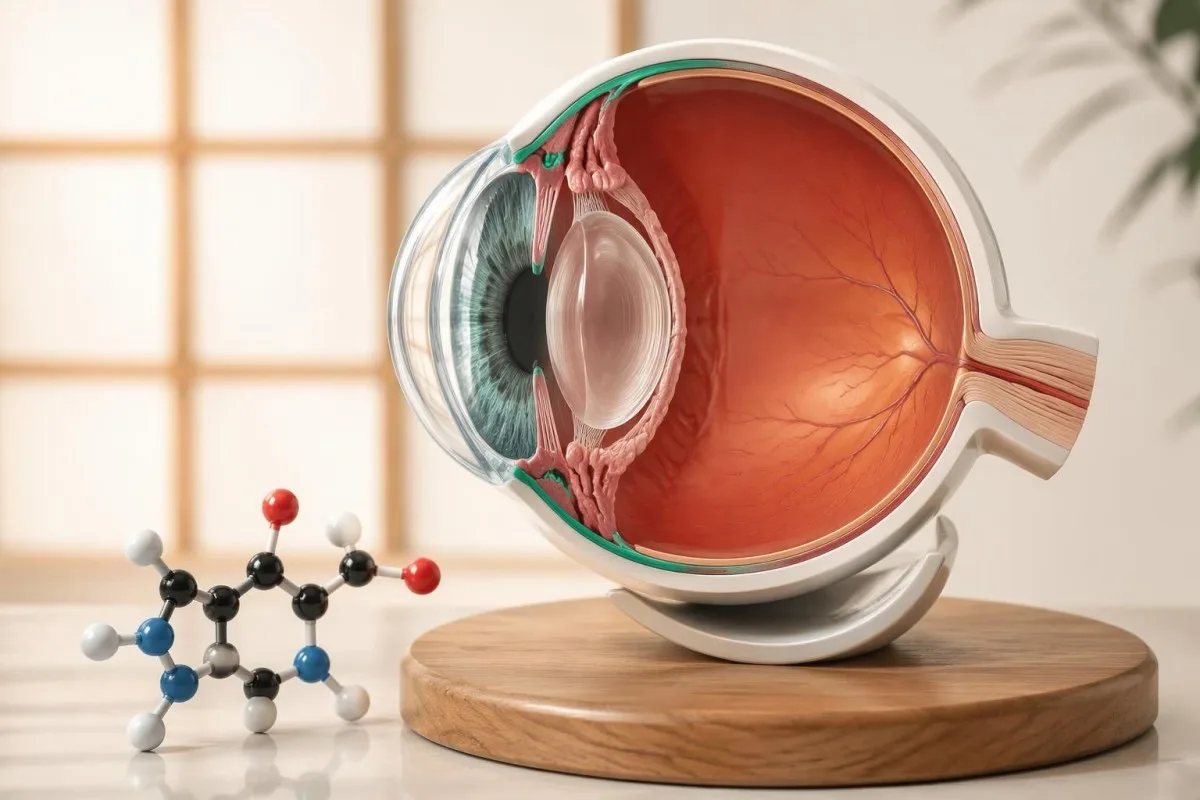
Sudden eye pain or blurred vision during topiramate treatment needs urgent assessment because acute myopia and secondary angle closure can occur, often within the first month of treatment. A level of 6 mg/L would not make that presentation safe to observe at home; glaucoma assessment methods address eye pressure and anatomy, which a drug concentration cannot measure.
Suspected overdose, markedly reduced alertness, breathing difficulty, or a prolonged seizure requires emergency evaluation without waiting for a send-out concentration result. A seizure lasting 5 minutes is an emergency threshold, and sudden one-sided weakness or new speech difficulty should also prompt emergency action rather than being attributed to topiramate; our نیشانە ئاگادارکەرەوەکانی سکتهی مێشک ئەو جیاوازییە ڕوون دەکەنەوە.
کارکردی گورچیلە چۆن کاریگەری لەسەر پاککردنەوەی تۆپیرامەیت دەکات؟
Reduced kidney function can increase topiramate serum concentration چونکە نزیکەی 70% of an administered dose is eliminated unchanged in urine. Adult prescribing information recommends a reduced dose when creatinine clearance is below 70 mL/min/1.73 m², but a clinician must apply that advice to the indication and individual circumstances.
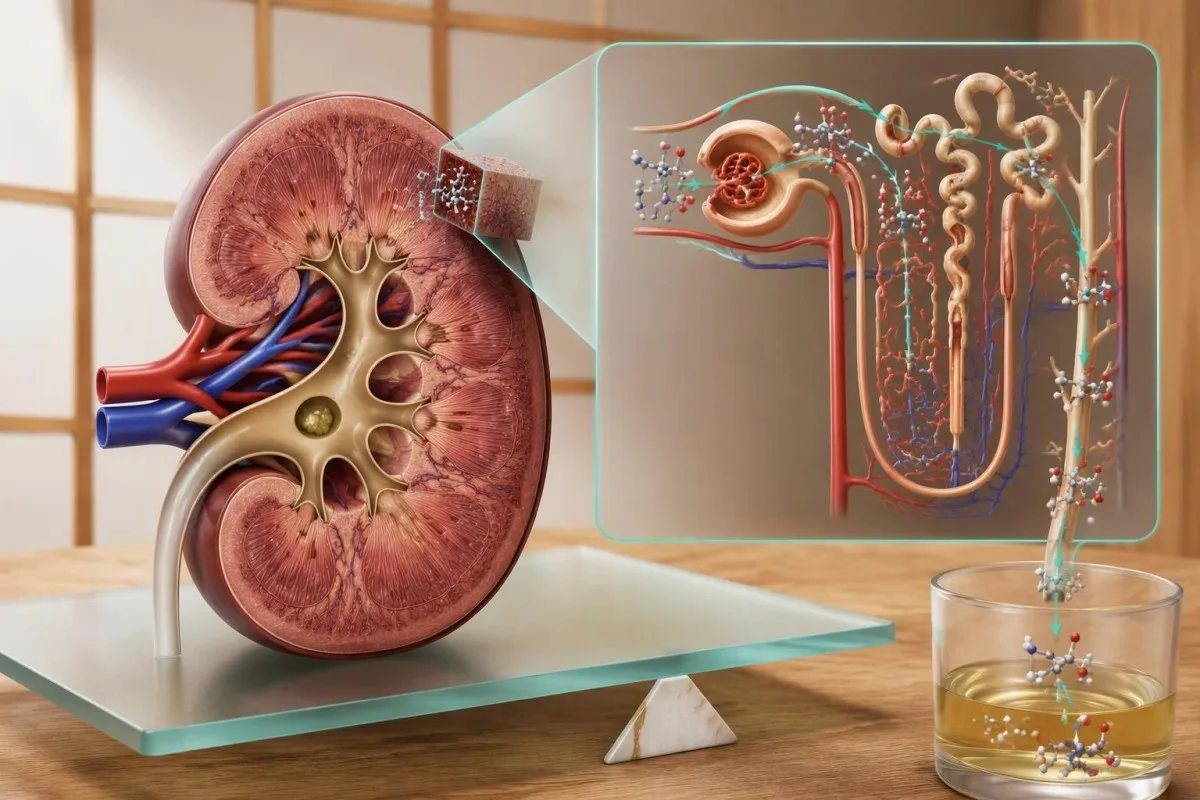
A hypothetical adult with an estimated creatinine clearance of 50 mL/min/1.73 m² may need a different regimen from someone with normal clearance, even if both have the same seizure type. Labeling commonly recommends one-half of the usual adult dose in renal impairment below the stated threshold; that is prescribing guidance, not permission to halve an existing prescription without review.
Creatinine-based eGFR and creatinine clearance are not automatically interchangeable, especially at unusual body sizes or during acute kidney injury. An eGFR of 45 mL/min/1.73 m² signals a need to review clearance, but the appropriate dosing calculation and the reliability of a rapidly changing creatinine require clinical judgment; our eGFR ـی نزممان explains when changes need prompt attention.
Kantesti is an AI blood test interpretation platform that helps separate a topiramate result of 14 mg/L from the kidney measurements that may explain it. Our BUN و creatinine adds context, but a creatinine concentration alone cannot prove medication accumulation; sample timing, hydration, previous results, and the actual dosing history still matter.
کام دەرمان دەتوانێت ئەنجامی تۆپیرامەیت بگۆڕێت؟
Enzyme-inducing antiseizure medicines can lower topiramate concentrations, while some other combinations increase exposure or adverse-effect risk without a predictable level change. Prescribing-information interaction studies report approximately 40% lower topiramate concentrations with carbamazepine û 48% lower concentrations with phenytoin, although individual effects vary.
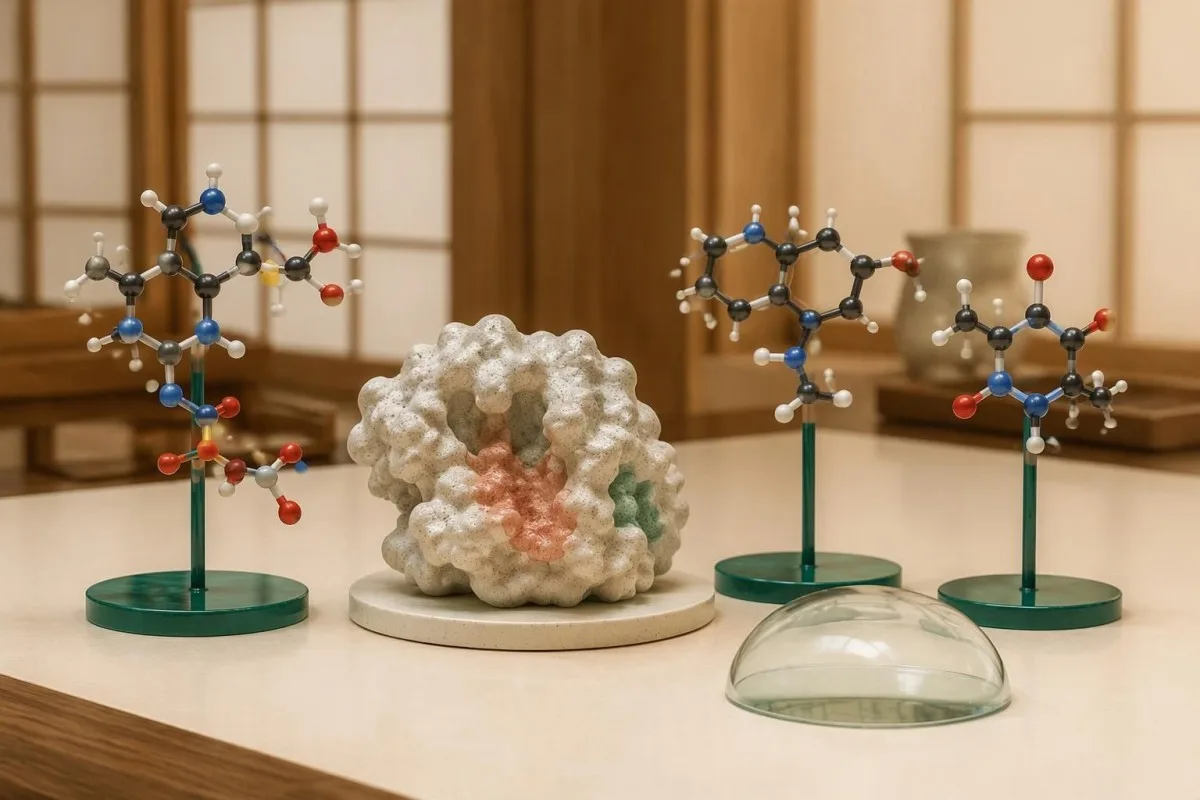
Stopping an inducing medicine can raise topiramate exposure even when the topiramate prescription stays unchanged. For example, a hypothetical person taking 100 mg twice daily may develop more cognitive adverse effects after carbamazepine is withdrawn; our carbamazepine monitoring guide explains that medicine's own concentration monitoring, which remains separate from assessing its effect on topiramate clearance.
Hydrochlorothiazide increased topiramate exposure by approximately 29% in a pharmacokinetic study described in prescribing information, and the combination can also increase potassium loss. That percentage describes the studied group, not a guaranteed change for every patient; checking potassium and symptoms may be useful even if a repeat topiramate concentration remains inside a 5–20 mg/L interval.
Topiramate with valproate can be associated with hyperammonemia and encephalopathy, sometimes despite otherwise unremarkable routine laboratory results. New unexplained lethargy, vomiting, or altered mental status on these 2 medicines warrants prompt assessment and consideration of ammonia testing; a topiramate level is not a substitute, and our valproate result explanation describes why valproate concentrations also have interpretation limits.
بۆچی چاودێریکردنی بیکاربۆنات پشکنینێکی سەلامەتیی جیاوازە؟
Bicarbonate monitoring checks for metabolic acidosis, not topiramate exposure. Topiramate can cause renal bicarbonate loss through carbonic anhydrase inhibition; many laboratories use an adult bicarbonate interval around 22–29 mmol/L, and prescribing information recommends baseline and periodic measurement rather than relying on a drug level.
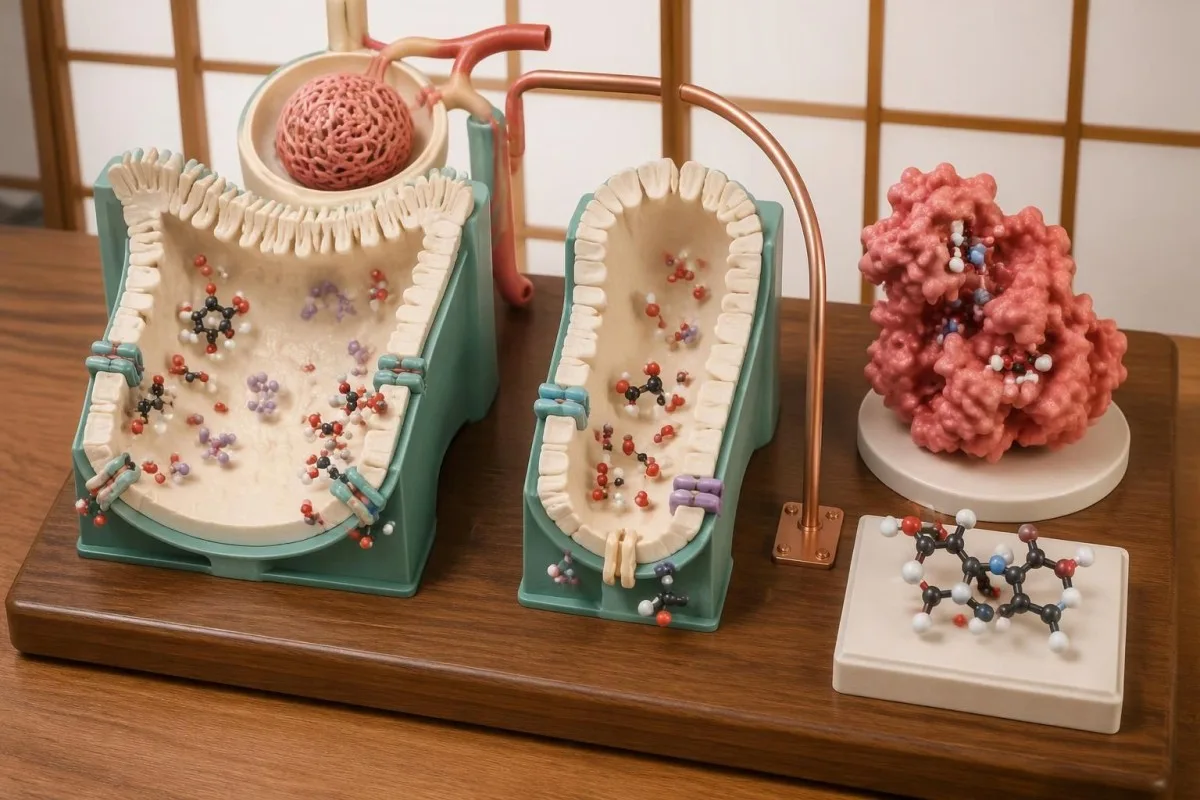
Topiramate typically causes a hyperchloremic, normal-anion-gap metabolic acidosis, although other conditions can create mixed patterns. Mirza and colleagues describe impaired renal acid–base handling and note that evidence for the optimal monitoring strategy is limited (Mirza et al., 2009); our شێوەکانی کەمبوونی ترشی بۆڕیی گورچیلە explain why bicarbonate must be read with chloride, potassium, and the clinical history.
For a hypothetical chemistry panel with sodium 138 mmol/L, chloride 111 mmol/L, and bicarbonate 18 mmol/L, the anion gap excluding potassium is 138 − 111 − 18 = 9 mmol/L. That calculation is compatible with a normal-gap pattern in many laboratories, but it does not identify topiramate as the cause; diarrhea, other renal disorders, albumin changes, and mixed acid–base disturbances need consideration.
Kantesti AI explains why bicarbonate of 18 mmol/L deserves attention even when topiramate is 7 mg/L, while avoiding a diagnosis from those 2 numbers alone. Prescribing information uses bicarbonate below 17 mmol/L with a fall greater than 5 mmol/L as a trial definition of markedly low bicarbonate—not a universal emergency cutoff; our ڕوونکردنەوەی پانێڵی ئەلیکترۆلایت helps interpret associated abnormalities.
ئاستی دەرمان کام پشکنینەکانی سەلامەتیی گورچیلە نادۆزێتەوە؟
A topiramate concentration cannot detect kidney stones, measure urinary citrate, or establish renal tubular acidosis. Adult epilepsy development trials reported kidney stones in approximately 1.5% of topiramate-treated participants; risk depends on treatment context, and a concentration inside 5–20 mg/L does not eliminate the possibility.
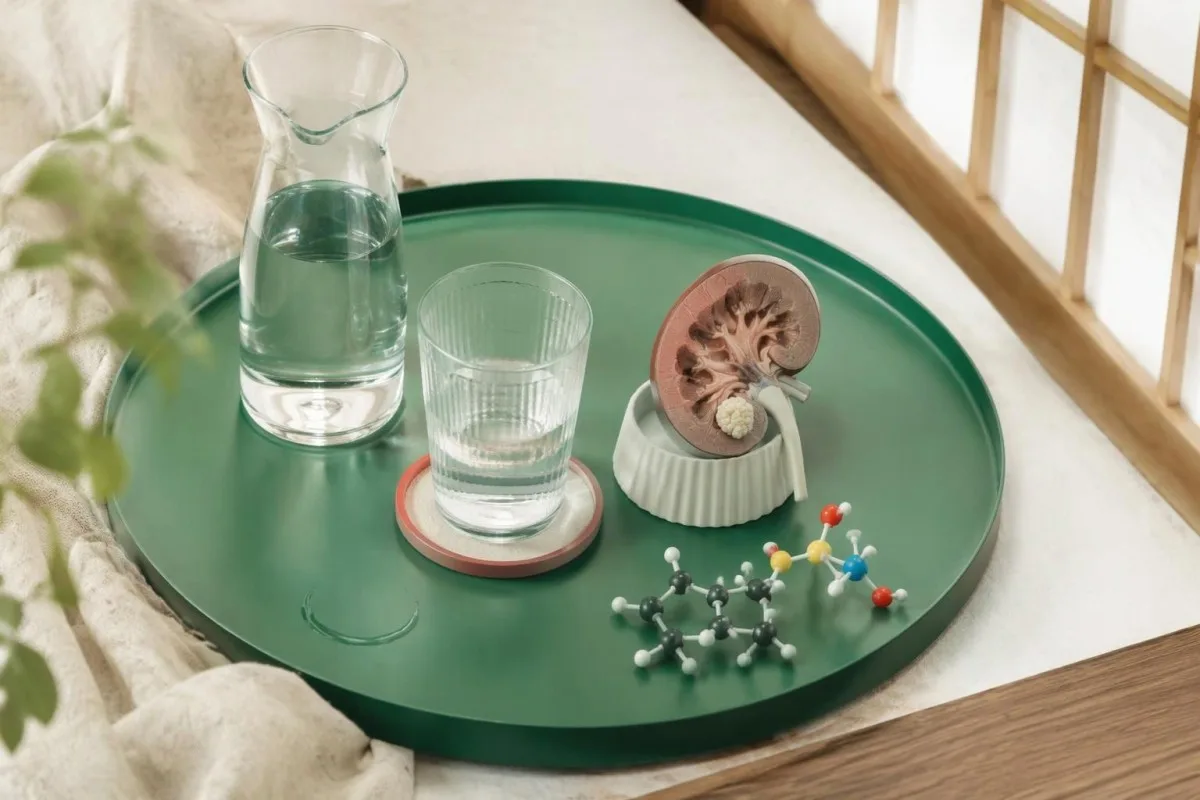
Topiramate can increase urine pH and reduce urinary citrate, a combination that favors calcium phosphate stones. Mirza and colleagues link these urinary changes to carbonic anhydrase inhibition (Mirza et al., 2009); our ڕێنمایی میز سیتراتی کەم explains why a 24-hour urine assessment may become relevant after recurrent stones rather than being automatically required for every user.
Monitoring creatinine serves a different purpose from checking urinary stone risk. A hypothetical person with a topiramate level of 9 mg/L, normal creatinine, and recurrent flank pain still needs evaluation for stones; normal filtration does not guarantee normal urinary citrate, and persistent pain with fever, vomiting, or difficulty passing urine should not wait for a repeat drug concentration.
Adequate fluid intake is commonly advised, but there is no single safe target such as 3 liters daily for everyone. People with heart failure, advanced kidney disease, or a prescribed fluid restriction need individualized guidance; potassium citrate or bicarbonate treatment also requires clinician oversight because changing urine chemistry and potassium intake can create different risks from those measured by topiramate testing.
کێ ڕەنگە پێویستی بە چاودێریکردنی چڕیی دەرمان بە شێوەی تاکەکەسی هەبێت؟
Pregnancy, childhood, older age, and changing kidney function can make topiramate exposure less predictable. A personal pre-pregnancy concentration and 2 similarly timed follow-up samples may be more useful than chasing a population interval, but monitoring does not remove topiramate's pregnancy-related risks or replace specialist treatment planning.
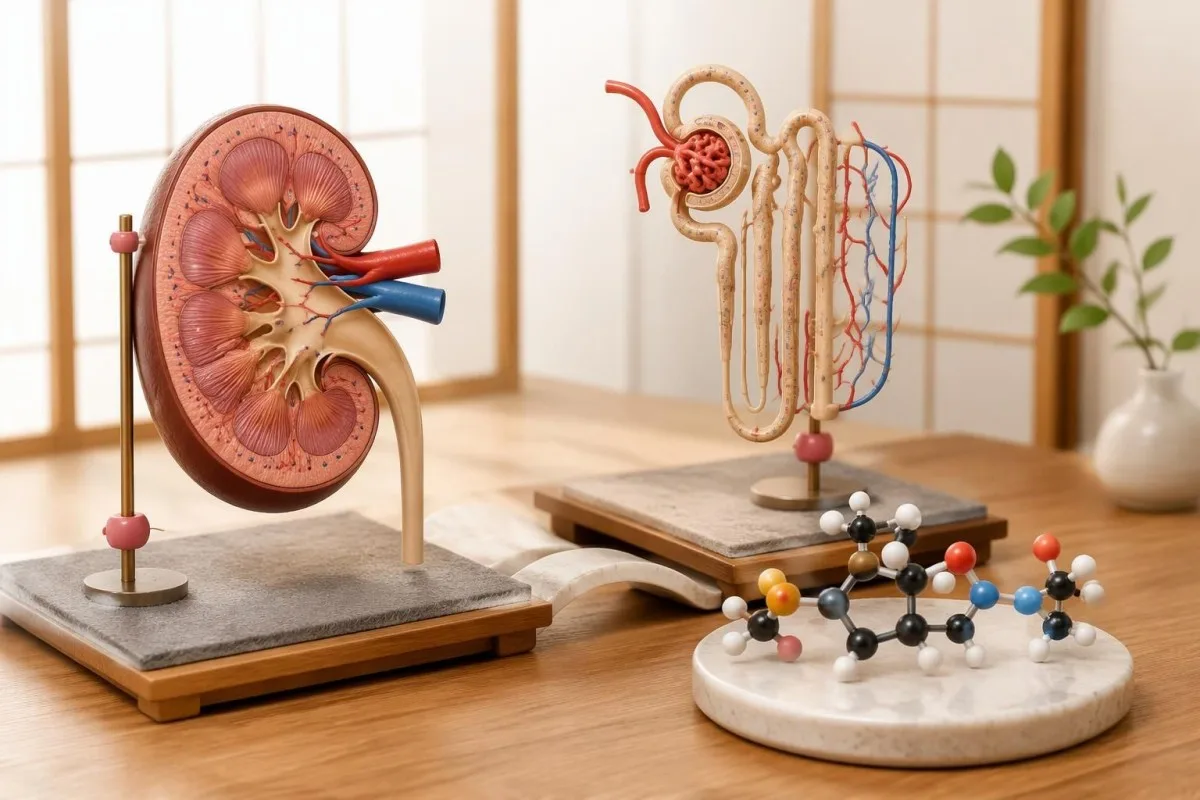
Pregnancy can increase topiramate clearance, so a concentration may fall despite consistent dosing. Pregnancy also changes the interpretation of creatinine, and standard eGFR equations are not reliable for assessing filtration during pregnancy; our pregnancy kidney-function explanation explains why a apparently reassuring result should not be used to estimate drug clearance mechanically.
In the UK, topiramate is subject to a Pregnancy Prevention Programme for people who can become pregnant; it is contraindicated for migraine prevention during pregnancy and for epilepsy in pregnancy unless no suitable alternative exists. A level of 5 mg/L does not establish fetal safety, and someone who becomes pregnant should contact the prescriber promptly rather than abruptly stopping an antiseizure regimen.
Children may have higher weight-normalized clearance than adults, while older adults may clear the medicine more slowly because of reduced renal function. The adult 5–20 mg/L interval therefore needs context rather than a new age-based cutoff invented from a single report; pediatric dose decisions require specialist assessment, and post-pregnancy monitoring may matter if a dose was increased when clearance was higher.
چۆن ئەنجامێک لەگەڵ دۆزینەوەکانی دیکەدا لێک دەدەیتەوە؟
Interpret a topiramate result by combining concentration, collection timing, symptoms, and safety chemistry. At minimum, compare 4 pieces of information: the current regimen, the last dose and sample times, the reason testing was ordered, and bicarbonate plus kidney-function results when available.
Hypothetical pattern 1: a trough falls from 8 to 3 mg/L, kidney function is stable, and seizures recur after several prescription refills were delayed. Reduced exposure is plausible, but the response should include a medication-access review and seizure assessment; raising the dose without addressing intermittent use could create excessive exposure when regular dosing resumes.
Hypothetical pattern 2: a trough rises from 9 to 16 mg/L while creatinine worsens and new coordination problems appear. Reduced clearance is a reasonable concern even though 16 mg/L remains inside a 5–20 mg/L interval; pattern 3, a level of 7 mg/L with bicarbonate of 18 mmol/L, instead highlights a possible acid–base effect that concentration monitoring alone would miss.
Kantesti is an AI-powered blood test analysis tool that helps organize these 3 patterns without treating any one as a confirmed diagnosis. Our ڕێنمایی گۆڕانکاری سەلامەتی دەرمان explains how serial results support follow-up; keep the original laboratory interval and dates visible, because changing laboratories, formulations, or collection timing can make an apparent trend misleading.
دواتر چی بکەیت، و چ بەڵگەیەک پشتگیری پشکنین دەکات؟
The next step is to ask what the topiramate result changes—not to adjust treatment from the number alone. Bring ٢ ڕاپۆرتی بەرواردار, if available, and a medication timeline to the prescriber; monitoring recommendations rely on pharmacology, expert guidance, and clinical context rather than a universally validated toxicity threshold.
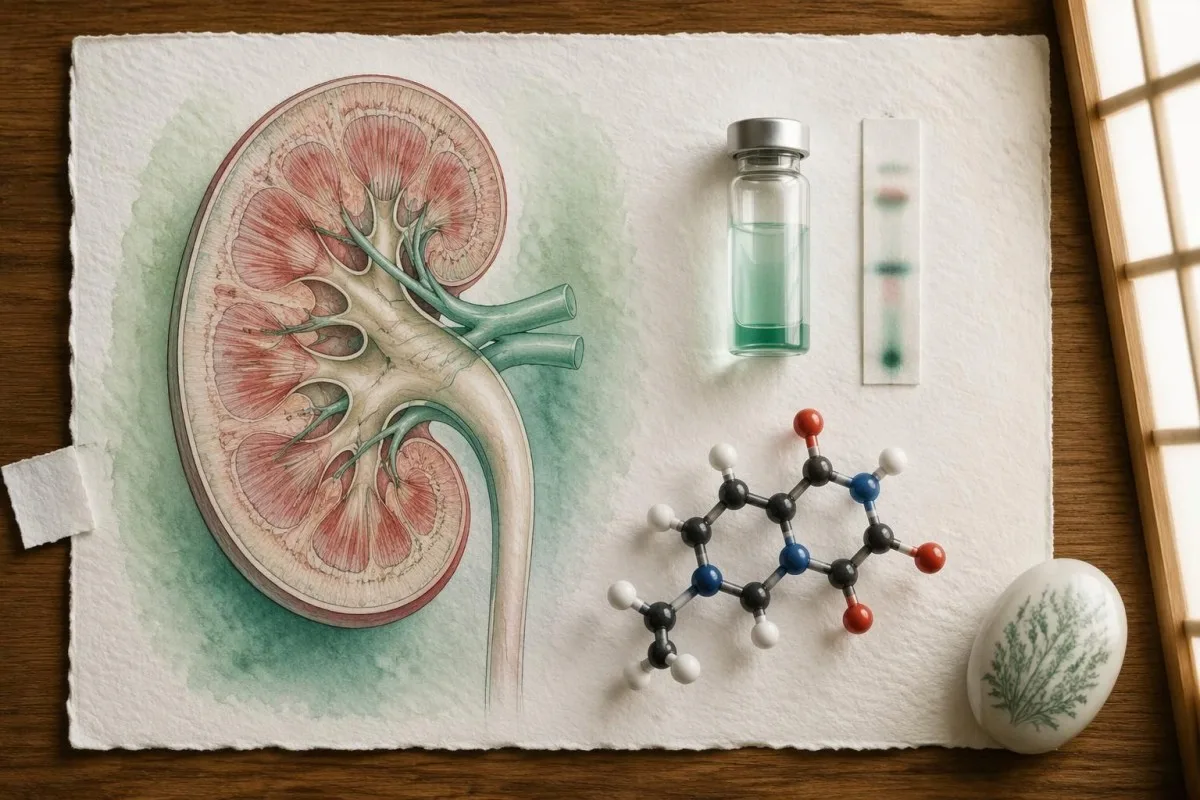
Ask the prescriber whether a repeat trough, bicarbonate check, kidney-function assessment, or medication review would answer the unresolved question. There is no evidence-based rule that every patient needs a topiramate concentration every 3 or 6 months; persistent low bicarbonate, new adverse effects, or changing clearance may justify a different follow-up plan from an isolated laboratory flag.
Kantesti helps explain reports, but our سنوورەکانی زیرەکی دەستکردی بەرپرسانەی ئێمە distinguish educational interpretation from diagnosis and prescribing. Our ڕێگای تاقیکردنەوەی پزیشکی (clinical validation) provides methodology context; neither an AI confidence estimate nor a concentration of 10 mg/L can exclude toxicity, replace an examination, or authorize an independent dose change.
The 2 Zenodo publications listed below concern serum proteins and complement testing; they are not topiramate therapeutic-monitoring studies and should not be used to validate its concentration cutoffs. Our ڕێبەری لێکدانەوەی پرۆتینی سیرۆم offers background for understanding albumin and other medicines, while the directly relevant external references support this article's discussion of selective monitoring, pharmacokinetics, and acid–base effects.
پرسیاره باوهكان
ئاستێکی ئاساییی تۆپیرامەیت چەندە؟
مەودای ئاماژەپێکراوی باوی تۆپیرامەیت 5–20 mg/L ـە، هەرچەندە هەندێک تاقیگە 2–10 mg/L بەکاردەهێنن. ئەم مەودایانە یارمەتی لێکدانەوە دەدەن، بە تایبەتی لە نەخۆشیی سەرع، نەک ئەوەی ئاستێکی گشتیی ئاسایی یان سەلامەت دیاری بکەن. کەسەکان لە ژێر مەودای چاپکراوەکەشدا وەڵام دەدەنەوە یان لەناویدا تووشی کاریگەرییە لاوەکییەکان دەبن. مەودای تاقیگە، کاتی وەرگرتنی نموونە، نیشانەکان و ئاستێکی پێشووی کاریگەر دەبێت پێکەوە لەبەرچاو بگیرێن.
پێویستە بەردەوام ئاستی تۆپیرامێت بپشکنرێت؟
زۆربەی خەڵک پێویستیان بە پشکنینی ڕێژەی تۆپیرامێت بە شێوەی ڕۆتین و لە کاتی دیاریکراودا نییە. پشکنینەکە لە کاتی هاتنەوەی تشەنج، گومان لە لەبیرکردنی دۆزەکان، بەکارهێنانی دەرمانی کارلێککەر، گۆڕانکارییە پەیوەندیدارەکان بە دووگیانی، یان کەمبوونەوەی پاککردنەوەی گورچیلەکاندا سوودبەخش بێت. هیچ ماوەیەکی پشکنینی ڕێژەی دەرمان بە شێوەی گشتی پێشنیارکراو نییە، وەک هەر ٣ یان ٦ مانگ جارێک بۆ هەموو بەکارهێنەران. چاودێریکردنی بنەڕەتی و ماوەیی بایکاربۆنات بابەتێکی جیاوازی سەلامەتییە و ڕەنگە پێویست بێت تەنانەت ئەگەر ئاستی دەرمان پێوانە نەکرێت.
کەی دەبێت تاقیکردنەوەی ئاستی تۆپاماکس ئەنجام بدرێت؟
تاقیکردنەوەی پلانی ئاستی Topamax زۆرجار کاتێک زۆرترین بەراوردپێکراوە کە دەستبەجێ پێش دۆزی داهاتووی دیاریکراو کۆبکرێتەوە. لەگەڵ ئیشکردنی ئاسایی گورچیلەکان، topiramate بە گشتی نزیکەی 4 ڕۆژ دەخایەنێت بۆ گەیشتن بە ئاستی جێگیر، دوای دەستپێکردنی ڕێژەی دۆزێکی نەگۆڕاو، بەڵام کەمبوونەوەی پاککردنەوە دەتوانێت ئەو ماوەیە درێژتر بکاتەوە. کاتی دوا دۆز، کاتی کۆکردنەوە، دۆز و شێوەی دەرمان تۆمار بکە. گومانی دۆزی زیاتر لە پێویست یان کاریگەرییە لاوەکییە جدییەکان پێویستیان بە هەڵسەنگاندنی دەستبەجێ هەیە، نەک چاوەڕوانی تا کاتی گونجاوی پێش دۆز.
ئایا کەمبوونەوەی چڕیی تۆپیرامیت لە سێرەمدا واتە دۆزەکانم لەدەست داوە؟
کۆنسەنتراسیۆنی نزمەمی توپیڕامیت لە سێرەمدا بەڵگە نییە کە دۆزەکان لەدەست چوون. ئەنجامێکی خوارتر لە 5 mg/L دەتوانێت بەهۆی دۆزێکی مامناوەند، زیادبوونی پاککردنەوەی جەستە، دەرمانێکی هاندەری ئەنزایم، گۆڕانکارییەکانی دۆزی نزیک، یان کاتی وەرگرتنی نموونەوە بێت. دابەزینێک لە بەهای پێشووی هاوشێوەی نێواندۆز، وەک 8 بۆ 3 mg/L، لەوانەیە بەڵگەی بەهێزتری گۆڕانی بەرکەوتن دابین بکات. پزیشکان پێویستە پێش بڕیاردان لەسەر ئەوەی ڕێژەی دەرمان پێویستی بە گۆڕانکاری هەیە، دەستگەیشتن بە دەرمان و مێژووی دۆزدان پێداچوونەوەیان بۆ بکەن.
ئاستی تۆپیرامەیت چەندە کە ژەهراوییە؟
هیچ ئاستێکی گشتیی پشتڕاستکراوەی تۆپیرامەیت نییە کە ژەهراویبوون بسەلمێنێت. ئەنجامێک لە 20 mg/L زیاترەوە ڕەنگە پێداچوونەوەی وردتری پێویست بێت، بەڵام هەندێک کاریگەریی ناخوازراو لە ناو مەوداکانی تاقیگەیی باو ڕوودەدەن. نیشانەکان، پشکنین، کارکردنی گورچیلە، بیکاربۆنات، دەرمانەکانی تر و کاتی وەرگرتنی نموونە مانای کلینیکییەکە دیاری دەکەن. گومانی زیادهخواردنەوە، سەرلێشێواویی توند، سەختیی هەناسەدان، یان ئازاری لەناکاوی چاو یان گۆڕانی بینین، بەبێ گوێدانە ئاستی پێوانەکراو، پێویستی بە هەڵسەنگاندنی خێرا هەیە.
ئایا تۆپیرامەت دەتوانێت ببێتە هۆی کەمبوونەوەی بایکاربۆنات لەگەڵ ئاستێکی ئاسایی دەرمان؟
تۆپیرامات دەتوانێت ببێتە هۆی نزمبوونەوەی بایکاربۆنات، تەنانەت کاتێک چڕییەکەی لە ناو مەودای تاقیگەییدایە، وەک 5–20 mg/L. ڕاگرتنی کاری ئەنهیدرازی کەربۆنیک دەتوانێت لەدەستدانی بایکاربۆنات لە ڕێگەی گورچیلەوە زیاد بکات و ببێتە هۆی ئەسیدۆزیی مێتابۆلیکیی هایپەرکلۆریمیک و بێ گۆڕانی ئانیۆنی گەپ. ئەنجامی بایکاربۆناتی 18 mmol/L پێویستی بە لێکدانەوەی کلینیکی هەیە، بەڵام بە تەنها نایسەلمێنێت کە تۆپیرامات هۆکارەکەیە یان ئاستی فریاکەوتن دیاری ناکات. بۆیە تاقیکردنەوەی بایکاربۆنات و کارکردنی گورچیلە ناتوانرێت بە تاقیکردنەوەی ئاستی Topamax بگۆڕدرێت.
ئەنجامەکانی تاقیکردنەوەی خوێنت ڕوون بکەرەوە
ڕاپۆرتی تاقیگەکەت باربکە و AIی Kantesti لە چەند چرکەیەکدا هەر بایۆمارکەرێک بە زمانی سادە ڕوون دەکاتەوە. زیاتر لە 2 ملیۆن کەس لە سەرانسەری جیهان بەکاری دەهێنن.
Referans
- کلاین، تی.، میچڵ، ئێس.، و وێبەر، ھ. (٢٠٢٦). ڕێبەری پرۆتینەکانی سیرەم: گڵۆبۆلین، ئەلبومین و تاقیکردنەوەی خوێنی ڕێژەی A/G. توێژینەوەی پزیشکیی AIی Kantesti. DOI
- کلاین، تی.، میچڵ، ئێس.، و وێبەر، ھ. (٢٠٢٦). ڕێبەری تاقیکردنەوەی کۆمپلێمێنتی خوێنی C3 C4 و تیتری ANA. توێژینەوەی پزیشکیی AIی Kantesti. DOI
- Patsalos PN et al. (2008). Antiepileptic drugs—best practice guidelines for therapeutic drug monitoring: a position paper by the subcommission on therapeutic drug monitoring, ILAE Commission on Therapeutic Strategies. Epilepsia. DOI
- Jacob S and Nair AB (2016). An Updated Overview on Therapeutic Drug Monitoring of Recent Antiepileptic Drugs. Drugs in R&D. DOI
- Mirza N et al. (2009). Effect of topiramate on acid–base balance: extent, mechanism and effects. British Journal of Clinical Pharmacology. DOI
- 2M+تاقیکردنەوە شیکراوەکان
- 127+Welat
- 100+Ziman
دەربارەی تیمی پزیشکی


سەنگەری باوەڕپێکردن E-E-A-T
Tecribe
ڕەوی پشکنینی کلینیکی لەلایەن پزیشکەوە بۆ ڕێکخستنی ڕووداوەکانی لێکدانەوەی ئازمایش.
Pisporî
گرێدانی لابراتۆرییەی پزیشکی بەوەی چۆن بایۆمارکەرەکان لە کۆنتێکستی کلینیکی دەگۆڕن.
Desthilatdarî
پێداچوونەوەی پزیشکی بۆ کراوە لەلایەن دکتۆر توماس کلاینەوە، بە بەشداریی دکتۆر سارا میچڵ و پرۆفیسۆر دکتۆر هانس ڤێبەر.
Bawerî
لێکدانەوە بە بنەمای دڵنیابوون (Evidence-based) بە ڕێڕەوی دوایینەوەی ڕوون بۆ کەمکردنەوەی هەست بە ترس/هەڵوەشاندن.






ڕاگەیاندنی بەرپرسیاریەتی پزیشکی
ئەم مادەیە تەنها بۆ. I think I must continue but user expects all items.
بڵاوکراوهتهوه · پەیوەندی بکە بە تیمی دەستەنووس
بڵاوکراوەتەوە لەلایەن Kantesti Ltd، تۆمارکراو لە ئینگلتەرا و وێڵز، ژمارەی کۆمپانیا. 17090423, ، لەندەن، شانشینی یەکگرتوو.
