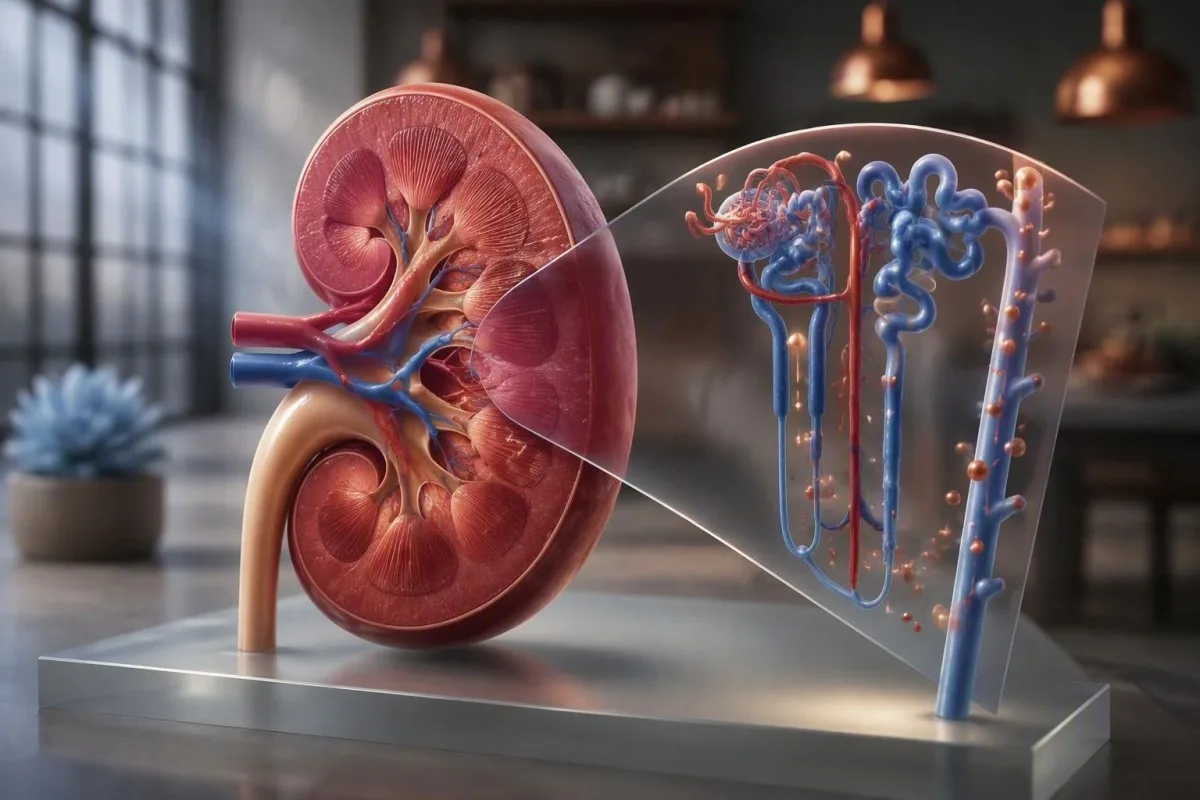
تایلەدی دەریاچەی گورچیلە بە شێوەیەکی گشتی دەبێتە هۆی کەمبوونی ترشی میتابۆلیکی بەلانس-نیوتریال، غنی بە کلۆر. نیشانە دیاریکەرەکان بریتین لە پۆتاسیۆم، pH ی میز، جێگرەوەکانی ئامۆنیای میز، و ئەوەی ئایا تەندروستی گورچیلە بە گشتی پارێزراوە یان نا.


- شێوازی بنەڕەتی: RTA بە شێوەیەکی گشتی بایکاربۆنات کەم دەکات خوار 22 mmol/L, ، بەرزبوونەوەی کلۆر، و ڕێژەی کلۆری SERUM ی ئاسایی.
- pH-ya mîzê: لە کەمبوونی ترشی میتابۆلیکی چارەسەر نەکراودا، pH ی میز بەردەوام لە سەرووی 5.5 پشتگیری لە RTA ی دوورەستە (جۆری 1) دەکات.
- ڕێنمایی پووتاسیوم: جۆری 1 و جۆری 2 RTA زۆرجار پۆتاسیۆم کەم دەکەنەوە؛ جۆری 4 RTA بە شێوەیەکی گشتی بەرز دەکاتەوە سەرووی زۆرجار تەنها پێویستی بە دووبارە-پەیوەندی نزیکتر دەکات. پۆتاسیم لە یان زیاتر لە.
- ڕێژەی کلۆری میز: ڕێژەیەکی ئەرێنی کلۆری میز لە کاتی ترشیدا ئاماژەیە بۆ کەمبوونی دەرپەڕاندنی ئامۆنیا؛ نرخێکی نەرێنی پشتگیری لە سکچوون دەکات.
- پشکنینی جۆری 2: ڕێژەی دەرپەڕاندنی بایکاربۆنات لە 15% بارھەڵگرتنی بیکاربۆنات پشتگیری لە RTA یلوولەیی داگیرکەر دەکات.
- لەسەر یەکەم جیاوازی: کێشەی پۆتاسێمیوم لەگەڵ بیکاربۆناتی نزم پێویستی بە دەرمانە، شەکری، دەرکەوتە و وردبینیی کرداری گورچیلە بەپەلە.
- تەنها لە CO2 قەرار مەدە: ئەنجامی CO2 لە پشکنینی کیمیاوییدا وەسفکردنی بیکاربۆناتە و دەبێت کاتێک بارودۆخی کلینیکی ناڕوونە، بە گازەکانی خوێن پشتڕاست بکرێتەوە.
- سەرووکی هەڵبژاردەی فورس: بیکاربۆنات لە خوار 15 mmol/L ـە, ، پۆتاسیوم لە یان لەسەر 6.0 mmol/L, ، تێکچوون، نیشانەکانی شێواوی لێدان یان هەناسەدانی خێرا پێویستی بە لێکۆڵینەوەیەکی خێرا هەیە.
دەستپێکردن بە هاوکێشەی بنەڕەتی ترش-بنەما
تاقیگاکانی دەریاچەیی گەورەی خوێن بە شێوەیەکی نموونەیی بیکاربۆناتی نزم، کلۆریدی بەرز و نزیکبوونی ئایۆنی ئاسایی نیشان دەدەن سەرەڕای پاراستنی فیلتەرکردنی. یەکەم پرسیاری پراکتیکی ئەوەیە کە ئایا CO2 ی نزم لە پشکنینی کیمیاوییدا ڕاستەقینە گەورەیی لاوازی میتابۆلی، یان دواکەوتنی نموونە، یان لاوازی هەناسەدان، یان تێکچوونی تێکەڵە، نیشان دەدات.
لەسەر پشکنینێکی میتابۆلی ئاسایی، کۆی CO2 بە شێوەیەکی گشتی نزیکە لە بیکاربۆنات؛ زۆربەی تاقیگاکانی گەورەکان نزیکەی لە BMP و CMP ـدا هاوبەشە؛ کەمبوونەوە دەلالەت دەکات بە ئاسیدۆزی میتابۆلیک یان لەدەستدانی بیکربۆنات. وەک ڕێژەی ئاسایی. بڕی 18 mmol/L ـە خوارەوە لەگەڵ کلۆریدی 112 مێلیمول/لەتر نمونەیەکی مانادارترە لە هەر یەکێک لەو دوو بڕە بە تەنها. وردبینی بکەرەوە سەرنجی گورچیلە لە پشکنینی میتابۆلی سەرەتایی پێش ئەوەی گومان لە دەستنیشانکردنی دەگمەنی لوولەیی بکەیت.
نزیکبوونی ئایۆنی خوێن وەک سۆدیوم کەمکردن کلۆرید کەمکردن بیکاربۆنات: Na − (Cl + HCO3−). لەگەڵ سۆدیوم 140، کلۆرید 112 و بیکاربۆنات 18 مل/ل، نزیکبوونەوەکە 10 مل/ل ە، کە گونجاوە لەگەڵ گەورەیی کلۆریدی یان گەورەیی ئاسایی. ئەگەر ئەلبومین کەم بێت، نزیکەی 2.5 mmol/L بۆ نزیکبوونەوەکە بۆ هەموو 1 گ/ل ئەلبومین خوار 4.0 گ/ل زیاد بکە.
Kantestî yek e Analyzerê testa xwînê ya AI کە بیکاربۆنات، کلۆرید، پۆتاسیوم، کرێتینین و ئەلبومین پێکەوە دەخوێنێتەوە نەک ئاماژەدان بە ئەنجامێکی تاک. بە ئەزموونی من، دابەزینی خێرای CO2 لە 25 بۆ 18 مل/ل شایەنی نموونەیەکی دووبارە و وردبینی دەرمانە تەنانەت کاتێک eGFR دڵنیایە. Thomas Klein, MD، ئەم RTA ە بێ ئەو پشتڕاستکردنەوە ناو نابات.
گەورەیی پشتڕاست بکەرەوە پێش ئەوەی پۆلێنی بکەیت
گازێکی خوێنی وەرچەرخان لەگەڵ pH خوار 7.35 و بیکاربۆناتی حیسابکراوی کەمکراو گەورەیی لاوازی میتابۆلی پشتڕاست دەکاتەوە. بیکاربۆناتی نزم لەگەڵ PaCO2 ی نزم دەتوانێت لاوازی هەناسەدانی درێژخایەنیش ڕەنگ بداتەوە، بۆیە ڕەهەندی گازەکانی خوێن ڕێگریکردنی گۆڕانکارییەکی چارەسەرنەکراوە.
جیاکردنەوەی RTA لە هۆکارەکانی تری کەمبوونی بایکاربۆنات
سکپرانه وەک چاودێرێکی شێوازی گشتیی شێرپەنجەی میزەرە، چونکە هەردووکیان ترشی میتابۆلیکی هاوسەنگ بەهێز دەکەن. گورچیلە دەبێت دەردانی ئەمۆنیۆم زیاد بکات لە کاتی لەدەستدانی بای کاربۆنات لەناو ڕیخۆڵەدا؛ ناتوانێت بە شێوەیەکی گونجاو ئەنجامی بدات لە زۆربەی شێوەکانی شێرپەنجەی میزەرە.
نیشانەی دەرچوونی میزەر، کە بە شێوەیەکی گشتی لە خوارەوەیە −20 mmol/L, ، ئاماژە بە دەردانی زۆری ئەمۆنیۆم دەکات و لەبەر ئەوەش وەڵامێکی گونجاوی میزەرە بۆ سکپرانە. ئەنجامێکی ئەرێنی، کە زۆرجار لە سەرووی 0 mmol/L, ، پاڵپشتی لە تێکچوونی دەردانی ئەمۆنیۆم دەکات و شێرپەنجەی میزەرە یان نەخۆشی درێژخایەنی گورچیلە پیشان دەدات. کراووت و مادیاس ئەم جیاکارییە سیستەماتیکییە لە CJASN (کراووت و مادیاس، 2012)دا باس دەکەن.
نیشانەی دەرچوونی میزەر زۆر گەورە مەکەرەوە. نابێتە جێی متمانە کاتێک سۆدیۆمی میزەر لە خوارەوەیە 25 mmol/L, ، یان نموونەی نامۆیی ئەمۆنیۆم، یان ئانایۆنەکانی کێتۆئەسید، یان تیشکی تولیوین، یان دیوڕێتیکی نوێ. نیشانەی دەرچوونی میزەر دەتوانێت ئەمۆنیۆم بە ڕاستەوخۆتر هەڵسەنگێنێت، لەگەڵ ئەوەی لە ڕووی تەکنیکییەوە کەمتر ڕێکە و جیاوازە بەپێی شێوازی تاقیگە.
نەخۆشی درێژخایەنی گورچیلە خۆی دەتوانێت بای کاربۆنات کەم بکاتەوە کاتێک eGFR دادەبەزێت، بەتایبەتی لە خوارەوە ٣٠ مل/خولەك/١.٧٣ م², ، بەبێ ئەوەی شێرپەنجەی میزەری بنەڕەتی بێت. کرێتینین، سیستاتین سی لە کاتێکدا بەردەستە، و ئەلبوومینیی میزراو بەراورد بکە؛ ڕێنمایی ئێمە بۆ پلەکانی نەخۆشی مزمنی کلیە ڕووندەکاتەوە بۆچی یەکێک لە نرخەکانی eGFR پێویستی بە ڕەگ و ڕیشە هەیە.
بەکارھێنانی پۆتاسیۆم بۆ سنووردارکردنی جۆری RTA
پوتاسیۆمی کەم ئاماژە بە شێرپەنجەی میزەری دەرەکی یان ناوەڕاست دەکات، لە کاتێکدا پوتاسیۆمی بەرز بەهێزتر پشتگیری لە جۆری 4ی شێرپەنجەی میزەر دەکات. پوتاسیۆم تەنها گۆڕانکارییەکی هاودەم نییە: ڕەنگدانەوەی تێکچوونی گواستنەوەیە و بڕیاری پاراستنی ڕاستەوخۆیە.
جۆری 1ی شێرپەنجەی میزەری دەرەکی زۆرجار پوتاسیۆمی لە خوارەوە دروست دەکات 3.5 میلیمۆڵ/لەتر, ، بەردی گورچیلە، و میزراوێک کە بە نادروستی ишڵمایی دەمێنێتەوە. جۆری 2ی شێرپەنجەی میزەری ناوەڕاستیش دەتوانێت هۆکار بێت بۆ کەمیی پوتاسیۆم، بەتایبەتی دوای چارەسەری ишڵمایی گواستنەوەی سۆدیۆمی زیاتر بۆ دەرەوە. کەمبوونەوەی توندی پوتاسیۆم دەتوانێت ببێتە هۆی لاوازی، قەبزی یان لێدانی دڵ پێش ئەوەی نیشانەکانی هاوسەنگی ترشی-بنەڕەت دیار بن.
جۆری 4ی شێرپەنجەی میزەر زۆرجار لەگەڵ پوتاسیۆمی سەرووی زۆرجار تەنها پێویستی بە دووبارە-پەیوەندی نزیکتر دەکات. پۆتاسیم لە یان زیاتر لە و بای کاربۆنات بە شێوەیەکی گشتی 17-22 mmol/L, ، نەک بای کاربۆناتێکی زۆر کەم کە هەندێک جار لە نەخۆشی دەرەکی چارەسەر نەکراودا دەبینرێت. شەکرە، کەمبوونەوەی دەردانی ڕینین، کەمیی ئادڕینال، تریمێتۆپریم، ئینسیبیتەرەکانی ACE، ARB ەکان، NSAID ەکان و دیوڕێتیکە پارێزەرەکانی پوتاسیۆم هۆکارە باوەکانن. سەیری ڕێنمایی پوتاسیۆمی کەمێک بەرز بکە بۆ سنوورە بەپەلەکان.
پۆتاسیۆم لە 6.0 mmol/L یان بەرزتر, ، لاوازی نوێی ماسولکەکان، بێهۆشبوون، ناڕەحەتی سنگ، یان ئەلکترۆکاردیۆگرام (ECG) ناجێگیر پێویستی بە هەڵسەنگاندنی پزیشکی خێرا هەیە. نموونەیەکی خوێن کە خوێنەکەی تێکچووبێت (hemolyzed) دەکرێت بە هەڵە پۆتاسیۆم بەرز بکاتەوە، بەڵام نابێت بە سووکی فەرامۆش بکرێت؛ دووبارە کردنەوەی پشکنین و کاتی ECG گرنگن، وەک لە تاوتوێکردنی هەڵەی کێشانەوەی پۆتاسیۆم.
ناسینەوەی جۆری 1 RTAی دوورەستە لە پشکنینەکاندا
RTA ی جۆری 1 ی دەرەکی (Distal) ئەسیدۆزی بە شتێکەوە لە. ، pH ی میز هەمیشە لە 5.5 بەرزتر، زۆرجار پۆتاسیۆمی کەم، و شتێک بە ناوی شتێکەوە لە.
بە شێوەیەکی گشتی، pH ی میز لە 5.5 بەرزترە لە کاتی ئەسیدۆزدا. 20 mmol/L, ، پۆتاسیۆمی کەمتر لە 3.5 میلیمۆڵ/لەتر, ، و pH ی میز لە 5.5 لە کاتی ئەسیدۆزدا. تەنها pH ی میز دیاریکەر نییە: هەوکردنی ڕێڕەوی میز بەو میکرۆبانەی کە یۆریا دروست دەکەن، ڕشانەوەی دوایی، یان ژەمە خۆراکێکی ишڵمین دەکرێت. نموونەیەکی نوێ و پشکنینی میز هەندێک جار ووردەکارییەکە یەکلایی دەکەنەوە.
بەردی ستراتی وسترایتی کالسیۆم و کالسیۆمی ستراتی بەهۆی ئەوەی میزێکی ишڵمین گاریگەریی سوودمەندی هەیە و هاندەری دروستبوونی بەردی ستراتی دەبێت. پشکنینی 24 کاتژمێری میز بە شێوەیەکی گشتی بریتییە لە ستراتی، کالسیۆم، ئۆگزالات، سۆدیۆم، قەبارە و pH؛; ئەنجامەکانی کریستاڵی ئۆگزالاتی کالسیۆم دەکرێت زانیاری سوودبەخشی پێ بدات، سەرەڕای ئەوەی جۆری کریستاڵەکە RTA دیاری ناکات.
RTA ی دەرەکی (Acquired distal) دەبێت ببێتە هۆی وردبینی و لێکۆڵینەوە بۆ نەخۆشی خۆبەخۆ، بە تایبەتی نەخۆشیی سوجرن (Sjögren syndrome)، لوپوس، نەخۆشی درێژخایەنی توبولاری (interstitial disease) و دەرمانەکان وەک ئەمفۆتیرسین B. چاوی وشک + دەمی وشک + ئەم شێوازەی گازی خوێن شایەنی سەرنجە؛ سەیر بکە بۆ وتارمان لەسەر ئاماژەکانی پشکنینی نەخۆشی سوجرن.
ناسینەوەی جۆری 2 RTAی نزیکەستە لە پشکنینەکاندا
RTA ی جۆری 2 ی سەرەتایی (Proximal) دەست پێ دەکات بە فڕێدانی بایکاربۆنات، بەڵام pH ی میز دەکرێت کەمتر لە 5.5 بێت دوای ئەوەی بایکاربۆنات لە خوێندا دەگاتە حاڵەتێکی نوێ و جێگیر. ئەم گۆڕانکارییە لە pH ی میزدا هۆکارە بۆ ئەوەی تەنها یەک نموونەی کاتی بتوانێت وردبینی شاراوەکان بخاتە ژێر پرسیارەوە.
کاتێک بایکاربۆنات لە خوێندا لە پەنجەرەی گەڕانەوەی کەمکراوە بەرزتر بێت، لەدەستدانی بایکاربۆنات لە میزدا دەکرێت pH ی میز بخاتە سەر 5.5. کاتێک بایکاربۆنات لە خوێندا نزیکەی 12-18 mmol/L, ، توبولی دەرەکی (distal nephron) هێشتا دەتوانێت میز ترش بکات و pH زۆرجار دادەبەزێت بۆ خوار 5.5. ئەمە جیاوازە لەگەڵ RTA ی دەرەکی، کە ترشکردنەکە بەردەوام خراپە.
کاتێک ڕێژەی بایکاربۆنات لە میزدا زیاتر بێت لە 15% لە کاتی بارکردنی بایکاربۆناتدا، پشتگیری لە RTA ی سەرەتایی دەکات؛ ڕێژەی خوار 5% ئەگەری کەم دەکاتەوە. ئەم پشکنینە تایبەتەی RTA ی توبولی بە شێوەیەکی ئاسایی پێویست نییە لە حاڵەتە سادەکاندا، بەڵام ئەگەر pH ی میز و مێژووی کلینیکی یەک نەگرێتەوە ئەوا سوودبەخشە.
بیر لە شتی تر بکەرەوە جگە لە بایکاربۆنات. نەخۆشی فەنکۆنی (Fanconi syndrome) دەبێتە هۆی لەدەستدانی سەرەتایی فوسفات، گلوکۆز لەگەڵ ئەوەی گلوکۆزی خوێن ئاساییە، یورات، ترشی ئەمینی و پرۆتینە بچووکەکان. گلوکوز لە میزدا لەگەڵ گلوکۆزی ئاسایی دەبێت ببێتە هۆی وردبینی لە glucose in urine causes and exposures such as tenofovir, ifosfamide, outdated tetracycline, or light-chain disease.
ناسینەوەی جۆری 4 RTA و شێوازەکانی کەم-ئەڵدۆستیرۆن
Type 4 RTA is the most common adult RTA pattern and combines mild normal-gap acidosis with hyperkalemia from low aldosterone activity or aldosterone resistance. Urine pH is often below 5.5 because the main defect is reduced ammonium generation, not complete failure of distal acidification.
Typical RTA blood test results show potassium 5.1-6.0 mmol/L, ، بیکاردۆنات 17-22 mmol/L, and chloride elevation with a normal anion gap. A positive urine anion gap can be present because ammonium excretion is low. In contrast, urine pH may be appropriately acidic, often below 5.5.
Diabetic kidney disease is a frequent setting because hyporeninemic hypoaldosteronism reduces distal sodium-driven potassium secretion. Renin and aldosterone testing can help, but posture, sodium intake, time of day and medicines alter both results substantially; renin result patterns are not interpretable in a vacuum.
Kantestî yek e ئامێری توێژینەوەی تاقیکردنەوەی خوێن بە پشتبەستن بە AI that can surface the combination of high potassium, low CO2, diabetes markers and kidney function for clinician follow-up. It cannot determine whether a prescribed RAAS blocker should be stopped; that decision depends on blood pressure, albuminuria, ECG findings and the reason the medicine was prescribed.
ڕاستکردنەوەی pHی میز و ڕێژەی کلۆری میز
Fresh urine collected during untreated metabolic acidosis gives the most useful RTA evidence. Delayed analysis allows carbon dioxide loss and bacterial metabolism to alter urine pH, occasionally changing an apparent type 1 pattern.
Urine pH from a calibrated electrode is more accurate than a dipstick near the clinically important 5.3-5.5 range. Dipsticks are convenient but commonly read in increments of 0.5 to 1.0 pH unit. A clinician evaluating suspected distal RTA should request prompt analysis rather than relying on a specimen that sat at room temperature.
The urine anion gap is urine sodium plus urine potassium minus urine chloride. A value of +25 mmol/L during acidosis implies low ammonium excretion only if urine sodium is adequate and there are no unmeasured urinary anions. Our urine pH testing guide covers common non-RTA reasons for alkaline urine.
Urine osmolal gap may be preferable when the urine anion gap is distorted. A urine osmolal gap above roughly 200 mOsm/kg generally indicates substantial ammonium excretion, making diarrhea more likely than RTA, though the calculation is an estimate and assay availability varies.
لە دەستنەدانی تێکچوونی تێکەڵاوی ترش-بنەما
A normal anion gap does not exclude a concurrent high-gap acidosis. Mixed disorders are especially likely when bicarbonate is below 15 mmol/L, lactate is elevated, ketones are present, or kidney function has worsened abruptly.
Correct the anion gap for albumin before deciding it is normal. Albumin of 2.0 گرام/دڵ lowers the expected gap by about 5 mmol/L, so an uncorrected gap of 12 mmol/L may actually be abnormal. This is a common miss in hospitalized patients with inflammation, malnutrition or liver disease.
A delta gap calculation is mainly helpful when the corrected anion gap is elevated: compare the gap rise above 12 with the bicarbonate fall below 24. It is less reliable in low-albumin states and after saline resuscitation. Lactate collection errors matter because a falsely high lactate can create a false mixed-disorder narrative.
I have seen patients with vomiting, saline infusion and early ketoacidosis show almost textbook hyperchloremia while still having a dangerous high-gap process. Check beta-hydroxybutyrate, lactate, glucose, renal function and medication exposure rather than treating the anion gap as a final verdict.
پێداچوونەوەی دەرمانەکان و بەرکەوتنەکان پێش ناو نانی RTA
Medication review is part of the renal tubular acidosis test because several common drugs reproduce a tubular pattern. The timing of a bicarbonate or potassium change often offers more diagnostic value than a one-off specialist assay.
Topiramate and acetazolamide inhibit carbonic anhydrase and can cause a proximal or mixed RTA phenotype with low bicarbonate. Trimethoprim, heparin, calcineurin inhibitors, ACE inhibitors, ARBs and spironolactone can contribute to type 4 physiology. Bicarbonate often changes within days to weeks of starting or escalating the relevant drug.
Toluene exposure may produce hypokalemic acidosis with variable anion-gap behavior because hippurate is excreted in urine. If the history includes solvents, chronic inhalant exposure or unexplained severe hypokalemia, toxicology input is appropriate. A urine anion gap can be deceptively negative in this setting.
Kantesti AI flags medication-sensitive electrolyte combinations for review, but it does not replace a pharmacist or prescribing clinician. Keep an exact list of prescription medicines, over-the-counter NSAIDs, herbal preparations and salt substitutes; medication safety trend analysis is most useful when dates are attached to results.
سەیری بەشەکانی ئێسک، بەرد، و نەخۆشییە خۆبەرگرییەکان بکە
Long-standing distal RTA can cause calcium phosphate stones, low urinary citrate and bone mineral loss. These complications may reveal the disorder before patients notice fatigue or muscle symptoms.
Chronic acidosis mobilizes bone buffer and increases renal calcium loss, while hypocitraturia removes a natural inhibitor of stone formation. Serum calcium can remain normal, so normal calcium does not rule out clinically meaningful skeletal effects. Check phosphate, alkaline phosphatase, 25-hydroxyvitamin D, PTH and a stone-focused urine profile when indicated.
A urine citrate below 320 مگ/ڕۆژ is commonly considered low in adult stone assessment, although laboratories use different cutoffs and collection quality matters. Potassium citrate is often preferred over sodium bicarbonate in distal RTA with calcium stones because it provides alkali and citrate while avoiding sodium-driven calciuria. Treatment dose must be individualized, especially if kidney function is reduced.
Autoimmune screening is guided by symptoms rather than ordered indiscriminately. Dryness, parotid enlargement, rash, neuropathy, arthralgia or proteinuria may justify ANA, SSA/SSB, complements and specialist review; لێکدانەوەی ئەنجامی ANA explains why a positive ANA alone is not a diagnosis.
ھەڵبژاردنی پشکنینەکانی داهاتوو بە ڕیزبەندییەکی لۆژیکی
The next tests after suspected RTA are repeat electrolytes, blood gas, urine pH, urine sodium-potassium-chloride, kidney assessment and a medication review. Specialists add targeted studies only after the basic pattern is verified.
Repeat a basic metabolic panel within days, or sooner if bicarbonate is below 18 mmol/L ـە خوارەوە or potassium is abnormal. Pair it with venous blood gas, magnesium, phosphate, glucose, creatinine, albumin and urinalysis. Blood and urine ideally should be obtained before bicarbonate therapy, because alkali can temporarily change the diagnostic pattern.
For suspected distal RTA, ask about stones, obtain renal imaging when clinically appropriate, and consider urinary citrate. For proximal disease, measure urine glucose, phosphate, urate, protein type and fractional excretions. Proteinuria and casts may shift the concern from isolated tubular dysfunction to broader renal disease; granular cast findings نابێت بەسەرچاو بکرێت.
As of September 16, 2026, Thomas Klein, MD, recommends using home-uploaded results as preparation for a clinical discussion, not as a diagnosis. Kantesti is an خزمەتگوزاری تێکست/تێگەیشتنی تاقیکردنی لابراتۆریی AI that organizes trends and flags questions for the clinician, while our ڕێبازی تائیدکردنی پزیشکی explains its clinical oversight and limits.
تێگەیشتن لە ئامانجەکانی چارەسەر و چاودێریکردن
RTA treatment corrects the cause when possible and replaces alkali while monitoring potassium, kidney function and stone risk. The target is generally a normal or near-normal serum bicarbonate, not simply relief of fatigue.
Adults with distal RTA often need alkali equivalent to roughly 1-2 mEq/kg/day, while proximal RTA may require 5-15 mEq/kg/day because filtered bicarbonate continues to be lost. Potassium citrate can be useful in hypokalemic distal RTA with stones, but it can be unsafe in type 4 RTA with hyperkalemia. Prescribers adjust to serial results rather than a fixed internet dose.
KDIGO's 2024 CKD guidance advises considering pharmacologic or dietary treatment to prevent clinically important acidosis, while avoiding overtreatment that pushes bicarbonate above the laboratory upper limit (KDIGO, 2024). In practice, many clinicians aim for bicarbonate at least 22 mmol/L, but the optimal target varies with CKD, blood pressure, edema risk and sodium sensitivity.
Recheck electrolytes about 1-2 هەفتەدا after a meaningful alkali or medication change, sooner for high-risk potassium values. Patients with type 4 physiology need particular caution with potassium-containing citrate products; kidney supplement safety reviews why “natural” products can still alter electrolytes.
زانینی کەی کەمبوونی بایکاربۆنات پێویستی بە چاودێری پەلەی هەیە
Low bicarbonate needs urgent assessment when it is severe, rapidly falling, or paired with dangerous potassium changes, altered breathing or neurological symptoms. RTA is usually treatable, but the lab pattern can also signal sepsis, ketoacidosis, toxin exposure or acute kidney injury.
Seek same-day urgent evaluation for bicarbonate below 15 mmol/L ـە, ، پۆتاسیوم لە یان لەسەر 6.0 mmol/L, ، پۆتاسیۆمی کەمتر لە 2.5 mmol/L, new confusion, fainting, marked weakness, chest symptoms, or deep rapid breathing. These thresholds are not diagnoses, but they identify values that can affect cardiac and neuromuscular function quickly. Electrolyte-panel urgent signs provides a practical symptom checklist.
Children, pregnant people, older adults with frailty, and anyone with diabetes or advanced kidney disease may deteriorate with less laboratory reserve. Persistent vomiting, diarrhea, fever, poor intake or a new medication can convert compensated acidosis into a clinically significant problem over 24-48 hours.
Kantesti AI can help turn a multi-page report into questions for an appointment, but alarming symptoms should bypass digital interpretation and go directly to urgent clinical care. The Lijneya Şêwirmendiya Bijîşkî supports our emphasis on escalation rather than false reassurance.
چ لێکۆڵینەوەیەک پشتگیری دەکات – و چ پشکنینێک ناتوانێت بسەلمێنێت
No single renal tubular acidosis lab proves the diagnosis; clinicians diagnose RTA from a coherent blood, urine, medication and clinical pattern. The uncertainty is greatest when testing occurs after IV fluids, bicarbonate treatment, diuretics or an intercurrent illness.
Kraut and Madias' 2012 CJASN review remains useful because it emphasizes first separating high-gap from normal-gap acidosis, then assessing renal ammonium response. Karet's review of inherited distal RTA explains why early deafness, childhood stones or a family history can justify genetic evaluation rather than repeated nonspecific testing (Karet, 2002).
Kantestî yek e پلاتفۆرمی تێکڕوانینی بایۆمارکەری AI used across multilingual lab-report formats, but it cannot measure urine ammonium, inspect urine microscopy, or replace nephrology assessment. Our ڕێنمایی تەکنەلۆژیای AI describes how contextual pattern recognition differs from clinical diagnosis.
Research publication: Kantesti LTD. (2026). دۆزینەوەکەرێکی تاقیکردنەوەی خوێنی AI: 2.5M تاقیکردنەوە لێکۆڵکرا | ڕاپۆرتی تەندروستی گڵۆبال 2026. Zenodo. https://doi.org/10.5281/zenodo.18175532. ResearchGate: https://www.researchgate.net/; Academia.edu: https://www.academia.edu/. Kantesti LTD. (2026). Testa Xwînê ya RDW: Rêbernameya Tevahî ji bo RDW-CV, MCV û MCHC. Zenodo. https://doi.org/10.5281/zenodo.18202598. ResearchGate: https://www.researchgate.net/; Academia.edu: https://www.academia.edu/.
Pirsên Pir tên Pirsîn
چی شێوازێکی تاقیگە ئاماژە بە برینی بۆڕییەکانی گورچیلە دەدات؟
Renal tubular acidosis usually causes a normal-anion-gap metabolic acidosis with bicarbonate below 22 mmol/L and chloride elevation. Potassium then helps classify the pattern: low potassium favors type 1 or type 2 RTA, while potassium above 5.0 mmol/L favors type 4 RTA. A blood gas confirms true metabolic acidosis, because low chemistry-panel CO2 alone can have other explanations.
ئایا pHی میز دەتوانێت نەخۆشیی کەمئاکردنی تیوبولیی گورچیلە (distal renal tubular acidosis) دیاری بکات؟
Urine pH above 5.5 during confirmed systemic metabolic acidosis supports distal type 1 RTA, but it does not diagnose it by itself. A delayed specimen, alkaline diet, recent vomiting and urease-producing urinary infection can all raise urine pH. Clinicians interpret fresh urine pH alongside potassium, urine anion gap, blood bicarbonate and infection testing.
مانای چین گەپ بوونی ئەنیونی میز چییە لە کاتی تێکشانی حامڵیدا؟
A positive urine anion gap during normal-gap metabolic acidosis suggests low urinary ammonium excretion and therefore an inadequate renal acid response. The calculation is urine sodium plus urine potassium minus urine chloride, with values above 0 mmol/L often supporting RTA. It is less reliable when urine sodium is below 25 mmol/L, diuretics are active, or unusual unmeasured urinary anions are present.
جیاوازی نێوان تاقیگەکانی RTAی جۆری ١ و جۆری ٢ چییە؟
Type 1 distal RTA usually shows urine pH persistently above 5.5 during acidosis, low potassium and a tendency to calcium phosphate stones. Type 2 proximal RTA wastes bicarbonate early, but urine pH often falls below 5.5 once serum bicarbonate reaches approximately 12-18 mmol/L. Fractional bicarbonate excretion above 15% during bicarbonate loading supports proximal RTA.
ئایا ڕێگاکانی دەستنیشانکردنی گورچیلە (RTA) لە جۆری 4دا هەمیشە بە واتای شکستی گورچیلە دێت؟
Type 4 RTA does not always mean kidney failure, although it commonly occurs with diabetic kidney disease or reduced kidney function. Its characteristic results are mild metabolic acidosis, often bicarbonate 17-22 mmol/L, plus hyperkalemia commonly above 5.0 mmol/L. Medicines that reduce aldosterone activity or potassium excretion can cause or worsen the pattern even with moderately preserved eGFR.
کەی بێکاربۆناتی کەم پێویستی بە چارەسەری بەپەلە هەیە؟
Bicarbonate below 15 mmol/L, a rapidly declining value, or acidosis with potassium at or above 6.0 mmol/L warrants urgent clinical assessment. Deep rapid breathing, confusion, fainting, chest symptoms and severe weakness are urgent symptoms regardless of the presumed cause. RTA is only one possible explanation; ketoacidosis, lactic acidosis, toxin exposure and acute kidney injury need prompt exclusion.
ئەمڕۆ AI-پاوەرد لەسەر تاقیکردنەوەی خوێن بەدەست بهێنە
بە یارمەتی زیاتر لە 2 ملیۆن بەکارهێنەر لە هەموو جیهاندا کە Kantesti دەستپێدەکەن بۆ تاقیکردنەوەی لابراتۆری ڕاست و بەهێز لە کاتێکی کەم. ڕەخنەی تاقیکردنەوەی خوێنت بنێرە و تفسیرێکی تەواو لە 15,000+ نیشانەی زیستی (biomarkers) لە ماوەی چرکەکاندا وەرگرە.
📚 توێژینەوە سەرچاوە پەیوەندیدارەکان
کلاین، ت.، میچێڵ، س.، & وێبەر، ه. (2026). دۆزینەوەکەرێکی تاقیکردنەوەی خوێنی AI: 2.5M تاقیکردنەوە لێکۆڵکرا | ڕاپۆرتی تەندروستی گڵۆبال 2026. Kantesti توێژینەوەی پزیشکی AI.
کلاین، ت.، میچێڵ، س.، & وێبەر، ه. (2026). Testa Xwînê ya RDW: Rêbernameya Tevahî ji bo RDW-CV, MCV û MCHC. Kantesti توێژینەوەی پزیشکی AI.
📖 سەرچاوەی پزیشکی دەرەکی
Karet FE (2002). Inherited distal renal tubular acidosis. ژورنالی «American Society of Nephrology».
⚕️ Daxuyaniya Bijîşkî
ئەم مادەیە تەنها بۆ. I think I must continue but user expects all items.
سەنگەری باوەڕپێکردن E-E-A-T
Tecribe
ڕەوی پشکنینی کلینیکی لەلایەن پزیشکەوە بۆ ڕێکخستنی ڕووداوەکانی لێکدانەوەی ئازمایش.
Pisporî
گرێدانی لابراتۆرییەی پزیشکی بەوەی چۆن بایۆمارکەرەکان لە کۆنتێکستی کلینیکی دەگۆڕن.
Desthilatdarî
نووسراوە لەلایەن د. توماس کلاین بە پشکنینی لەلایەن د. سارا میچێڵ و پڕۆف. د. هانس وێبەر.
Bawerî
لێکدانەوە بە بنەمای دڵنیابوون (Evidence-based) بە ڕێڕەوی دوایینەوەی ڕوون بۆ کەمکردنەوەی هەست بە ترس/هەڵوەشاندن.