Топирамат концентрациясен гадәттә даими тикшермиләр, чөнки дәвалауга җавап һәм ян йогынтылар бер генә максатчан күрсәткечкә дә ышанычлы бәйләнми. Анализ даруның организмга тәэсирен яки клиренсның үзгәрүен ачыкларга ярдәм итә ала; бикарбонат һәм бөер функциясен тикшерү башка куркынычсызлык мәсьәләләренә җавап бирә.

Төп нәтиҗәләр
- Топирамат дәрәҗәсе анализы гадәттә билгеле бер сорауга җавап табу өчен генә үткәрелә, мәсәлән, көтелмәгән тоткыннар, дозаларны калдыру шикләре, даруларның үзара тәэсире яки бөер функциясенең үзгәрүе булганда.
- Топираматның терапевтик диапазоны гадәттә 5–20 mg/L дип күрсәтелә, ләкин кайбер лабораторияләр 2–10 mg/L диапазонын куллана; бу интервалларның берсе дә нәтиҗәлелекне яки куркынычсызлыкны гарантияләми.
- Доза алдыннан алу вакыты дигән сүз — үрнәкне чираттагы билгеләнгән дозаны кабул итәр алдыннан алу, шул ук вакытта соңгы дозаның кабул ителгән вакытын теркәү.
- Даими халәт бөер функциясе нормаль һәм доза үзгәрмәгән очракта, гадәттә, якынча 4 көндә тотрыклы дәрәҗәгә җитә; клиренс кимү бу вакытны озайтырга мөмкин.
- Берәмлекләрне әйләндерү гади: 1 мг/л 1 мкг/млга тиң, шулай итеп 8 мг/л һәм 8 мкг/мл бер үк концентрацияне тасвирлый.
- Агулануны бәяләү симптомнарны, тикшерү нәтиҗәләрен, дарулар тарихын һәм тиешле лаборатория күрсәткечләрен исәпкә алуны таләп итә; топирамат концентрациясенең бер генә гомуми дәрәҗәсе дә агулануны раслый алмый.
- Бикарбонат мониторингы лаборатория диапазоны эчендә булган концентрациягә карамастан барлыкка килергә мөмкин булган һәм топираматның танылган тәэсире саналган метаболик ацидозны тикшерә.
- Бөер функциясен мониторинглау препаратның организмнан чыгарылуын бәяләргә ярдәм итә; куллану буенча мәгълүматта олыларда креатинин клиренсы 70 mL/min/1.73 m²-тан түбән булганда дозаны көйләү тәкъдим ителә.
Ни өчен топирамат дәрәҗәсе даими тикшерелми?
A топирамат дәрәҗәсе гадәттә тикшерелми, чөнки концентрация, файда һәм тискәре йогынтылар арасындагы бәйләнеш кешеләр арасында шактый аерыла. Еш телгә алына торган 5–20 mg/L аралыгы — лаборатория өчен белешмә чарасы гына; һәр пациент ирешергә тиешле сан да, куркынычсыз дәвалауны агуланудан ышанычлы аера торган чик тә түгел.
Топирамат кабул итүче һәр кеше өчен концентрациягә карап дозаны даими билгеләү дәвалау нәтиҗәләрен яхшыртуын күрсәтүче дәлилләр юк. ILAE позиция белдерүендә эпилепсиягә каршы барлык дарулар өчен дәрәҗәләрне автомат рәвештә билгеләү урынына, нәтиҗә конкрет клиник сорауга җавап бирә алган очракта терапевтик дару мониторингын хуплый (Patsalos et al., 2008); тоткарланулар ешлыгы, мигрень көннәре һәм даруның күтәрелүчәнлеге дәвалау турында карар кабул иткәндә төп әһәмияткә ия.
Мәсәлән, көненә ике тапкыр 50 mg кабул иткәндә мигреньнәре басылган дип күз алдына китерелгән өлкән кешегә лабораториядә концентрация 5 mg/L-тан түбән дип күрсәтелгән өчен генә дозаны арттыру кирәк түгел. Мигреньне профилактикалау өчен кан сыворотмасында яхшы билгеләнгән максатлы дәрәҗә юк; күрсәткечне төзәтү өчен генә дәвалануны көчәйтү сүз табуны кыенлаштырырга яки аппетитны киметергә, әмма сизелерлек файда китермәскә мөмкин.
Kantesti — 5–20 mg/L лаборатория аралыгының ни өчен симптомнарны һәм үрнәк алу вакытын бәяләүне алыштыра алмавын аңлатырга ярдәм итүче ясалма интеллектлы кан анализаторы. Безнең оешма һәм максат отчетларны аңлатудагы ролебезне тасвирлый; без дару билгеләмибез, һәм ясалма интеллект аңлатмасы тотрыклы дәвалау тәртибен мөстәкыйль үзгәртү өчен сәбәп булырга тиеш түгел.
Топамакс дәрәҗәсенә анализ нәрсәне үлчи?
A Топамакс дәрәҗәсен тикшерү лаборатория үрнәгендәге топирамат концентрациясен, гадәттә кан сыворотмасында яки плазмада, үлчи. Анда үрнәк алынган вакыттагы организмның даруга дучар булу дәрәҗәсе күрсәтелә, ләкин билгеләнгән доза, тоткарланулардан саклау яки бикарбонат дәрәҗәсе түгел; 1 mg/L 1 µg/mL-га тигез, бу үлчәү берәмлекләрен укыганда еш очрый торган хатаны булдырмый.
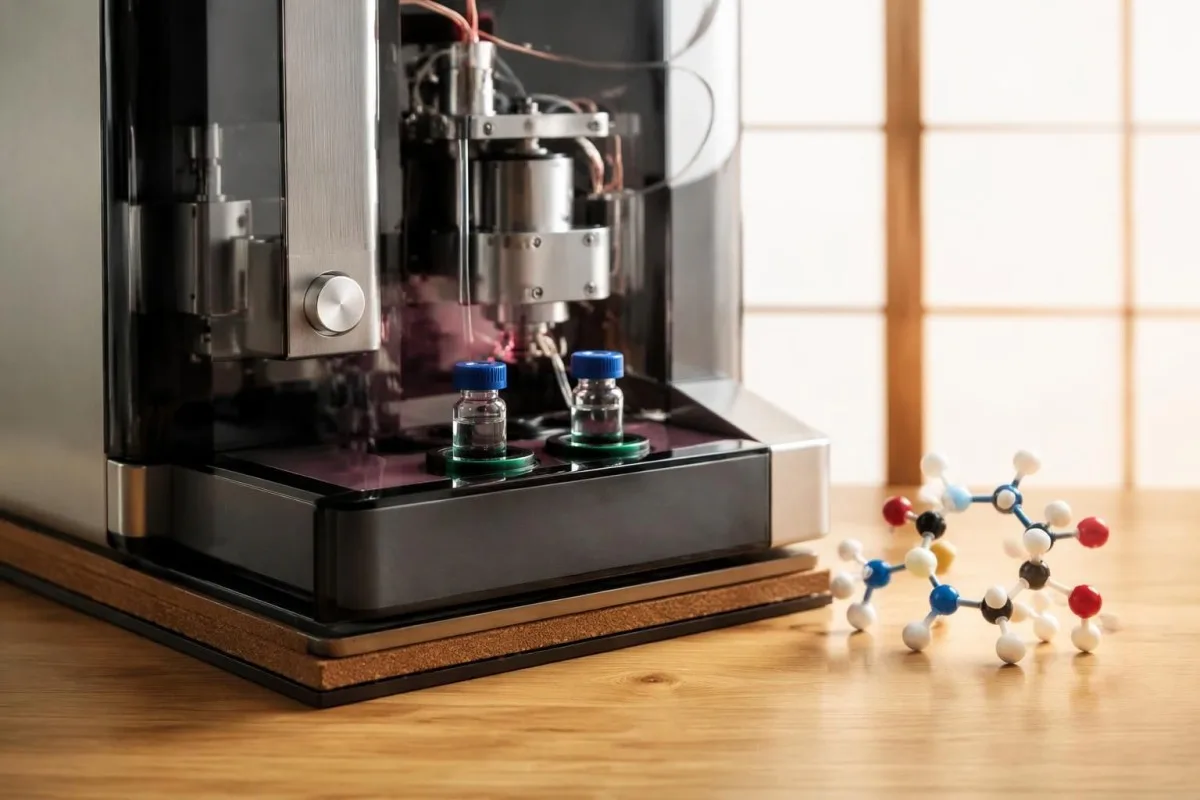
Күп кенә лабораторияләр топираматны тандем масс-спектрометрияле сыек хроматография ярдәмендә үлчи, әмма ысуллар һәм яраклы үрнәк савытлары төрле булырга мөмкин. 8 µg/mL нәтиҗәсе 8 mg/L концентрациясенә нәкъ тәңгәл; ә 100 mg итеп билгеләнгән доза кабул ителгән дару күләмен аңлата һәм концентрациянең бу берәмлекләренең берсе белән дә турыдан-туры чагыштырыла алмый.
Топирамат плазма аксымнары белән чагыштырмача аз бәйләнә; куллану буенча мәгълүматта бәйләнеш якынча 15–41% дип күрсәтелгән. Гадәти тикшерүдә, кагыйдә буларак, гомуми концентрация үлчәнә, һәм фенитоин өчен кайвакыт кулланыла торган алымнарга тиң альбуминны исәпкә алу формуласы юк; безнең фенитоинның ирекле һәм гомуми формалары турындагы аңлатмабыз аңлату кагыйдәләрен дарулар арасында аермыйча күчермәскә кирәклеген күрсәтә.
Топирамат 6 mg/L һәм гомуми CO2 19 mmol/L дип күрсәтелгән лаборатория отчетында бер-берсеннән төптән аерыла торган 2 үлчәү бар. Беренчесе даруга дучар булу дәрәҗәсен күрсәтә; икенчесе, гадәттә, кан сыворотмасындагы бикарбонатны чагылдыра һәм кислота-селте балансы бозылуын күрсәтергә мөмкин, шуңа күрә концентрациянең отчетта күрсәтелгән арада булуы биохимик анализдагы аномаль нәтиҗәне кире какмый.
Топираматның терапевтик диапазоны нинди?
Еш телгә алына торган топираматның терапевтик диапазоны 5–20 mg/L, әмма кайбер Европа лабораторияләре 2–10 mg/L. These intervals mainly support epilepsy-related interpretation; they are not universally validated treatment targets, and there is no widely accepted serum concentration target for migraine prevention.
Jacob and Nair's review lists a topiramate reference concentration of 5–20 mg/L while emphasizing selective use of monitoring and variable concentration–response relationships (Jacob and Nair, 2016). A reference interval summarizes concentrations considered useful in a population; it does not establish that every individual below its lower limit needs more medication.
Different laboratory intervals can produce different flags for the same number. A hypothetical trough of 12 mg/L sits within a 5–20 mg/L interval but above a 2–10 mg/L interval; that disagreement should trigger review of the laboratory's convention and the patient's clinical state, not an assumption that the medicine became toxic between reports.
An individual's previously effective, well-tolerated concentration can be more informative than the population interval. If someone remained seizure-free at a correctly timed trough of 4 mg/L, that documented baseline may help interpret a later change; the same individual-baseline principle appears in леветирацетам нәтиҗәсен аңлату, although the numerical ranges are different.
| Дәрәҗә | Диапазон | Мәгънәсе |
|---|---|---|
| Гадәти лаборатор интервал | 5–20 mg/L | A frequently quoted epilepsy-related reference interval, not a guaranteed effective or safe target. |
| Alternative laboratory interval | 2–10 mg/L | Used by some European laboratories; interpretation must follow the reporting laboratory and clinical context. |
| Above a 5–20 interval | >20 мг/л | Prompts review of symptoms, timing, dose, interactions, and clearance; does not establish toxicity by itself. |
| Individual reference concentration | Patient-specific; no universal cutoff | A prior correctly timed concentration obtained during effective, tolerated treatment can guide later comparisons. |
Топирамат концентрациясен мониторинглау кайчан ярдәм итә ала?
Topiramate concentration monitoring helps when clinicians need to distinguish changed medication exposure from other causes of worsening control or new adverse effects. Comparing 2 similarly timed samples can be useful after suspected missed doses, kidney-function changes, interacting medicines, pregnancy-related clearance changes, or an unexplained treatment failure.
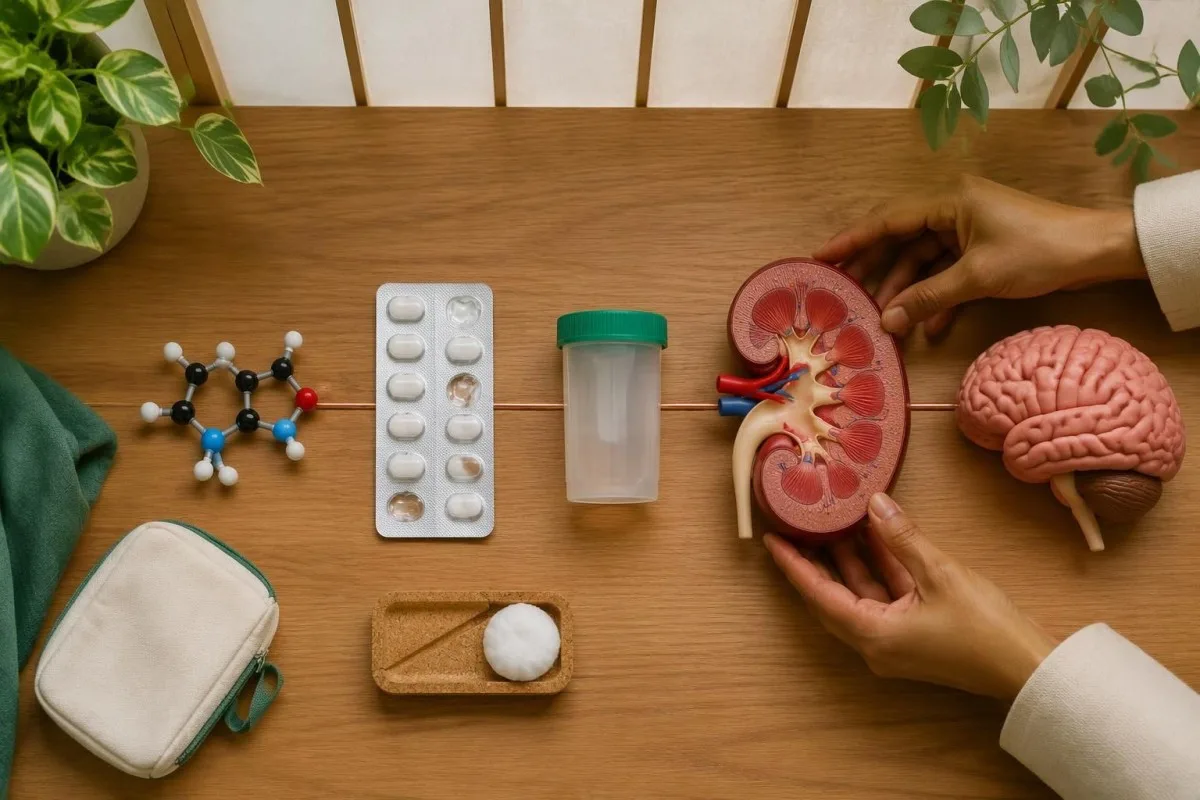
Unexpected breakthrough seizures are one reason to investigate exposure, but the concentration cannot diagnose the cause of the event. The ILAE position paper identifies situations such as suspected nonadherence, toxicity, pharmacokinetic variability, and changing treatment conditions as appropriate reasons to consider monitoring (Patsalos et al., 2008); sleep deprivation, illness, and seizure classification still need separate assessment.
Establishing a personal reference concentration can help before an anticipated change. For a hypothetical person stable on 100 mg twice daily, a trough obtained during seizure control provides a comparison if kidney function later declines or another antiseizure drug is withdrawn; without that baseline, a later isolated result may be harder to interpret.
A test is less helpful if nobody can state what management decision it might change. Before requesting a concentration of 7 mg/L or any other result, ask whether the question concerns adherence, clearance, or possible adverse effects; our lacosamide monitoring explanation illustrates why selective monitoring is not the same as having no monitoring strategy.
Топираматка анализ өчен үрнәкне кайчан алырга кирәк?
For planned monitoring, a trough sample immediately before the next scheduled dose is usually the most comparable measurement. Topiramate's elimination half-life is approximately 21 hours in adults with normal kidney function, and steady state is generally reached in about 4 көннән after an unchanged regimen begins.
Collection timing depends on the regimen, not on a universal morning rule. A twice-daily schedule may produce a trough around 12 hours after the preceding dose, whereas once-daily extended-release treatment involves a different interval; document the actual formulation, last dose time, collection time, and any recent missed doses rather than assuming the schedule was followed.
Steady state takes approximately 4–5 elimination half-lives, so reduced kidney clearance can make the usual 4-day estimate too short. A sample taken 1 day after a dose increase may not reflect the eventual concentration; Jacob and Nair discuss the pharmacokinetic basis for timing interpretation rather than treating every sample as equivalent (Jacob and Nair, 2016).
Kantesti AI helps distinguish a reported topiramate concentration of 10 mg/L from the circumstances needed to interpret it, including whether the sample was a trough. Our guide to trough timing principles explains the general concept, but tacrolimus targets and sampling protocols must not be applied to topiramate; urgent assessment should never wait for an ideal trough.
Топираматның түбән дәрәҗәсе дозаларны калдыруны раслыймы?
A low topiramate level does not prove nonadherence. Нәтиҗә 5 мг/л could reflect a modest dose, faster clearance, an interacting medicine, recent treatment changes, or collection timing; a fall from the person's own comparable baseline is often more informative than a low flag alone.
Consider a hypothetical trough that falls from 8 mg/L to 3 mg/L on an apparently unchanged prescription. That pattern warrants checking missed doses and refill access, but also whether an enzyme-inducing medicine was added, whether the earlier sample was actually post-dose, and whether the daily dose or formulation changed without being reflected in the laboratory request.
An undetectable result can strengthen suspicion of little recent exposure, but the assay's detection limit and elapsed time still matter. With an approximately 21-hour half-life, topiramate does not disappear immediately after 1 missed dose; a single concentration cannot reconstruct weeks of medication-taking behavior or distinguish intentional omission from vomiting, supply problems, or misunderstanding instructions.
The practical response is to review barriers before escalating treatment. If a dose is increased after a low result and regular dosing then resumes, exposure may rise unexpectedly; our lamotrigine concentration guide discusses a related monitoring problem, but each medicine requires its own missed-dose and restarting instructions rather than a shared numerical rule.
Топираматның югары дәрәҗәсе агулануны ачыклый аламы?
A high topiramate level cannot establish toxicity by itself, and a result inside the laboratory interval cannot exclude it. A concentration above 20 мг/л may support concern about excessive exposure, but clinicians must assess symptoms, dosing history, kidney function, acid–base status, and other medicines.
Two hypothetical results show the limitation: 22 mg/L in an alert person after a post-dose sample is not equivalent to 10 mg/L in someone with new severe confusion and low bicarbonate. Neither situation should be interpreted from the number alone; cognitive slowing, dizziness, and impaired coordination may be medication-related even at concentrations the laboratory does not flag.
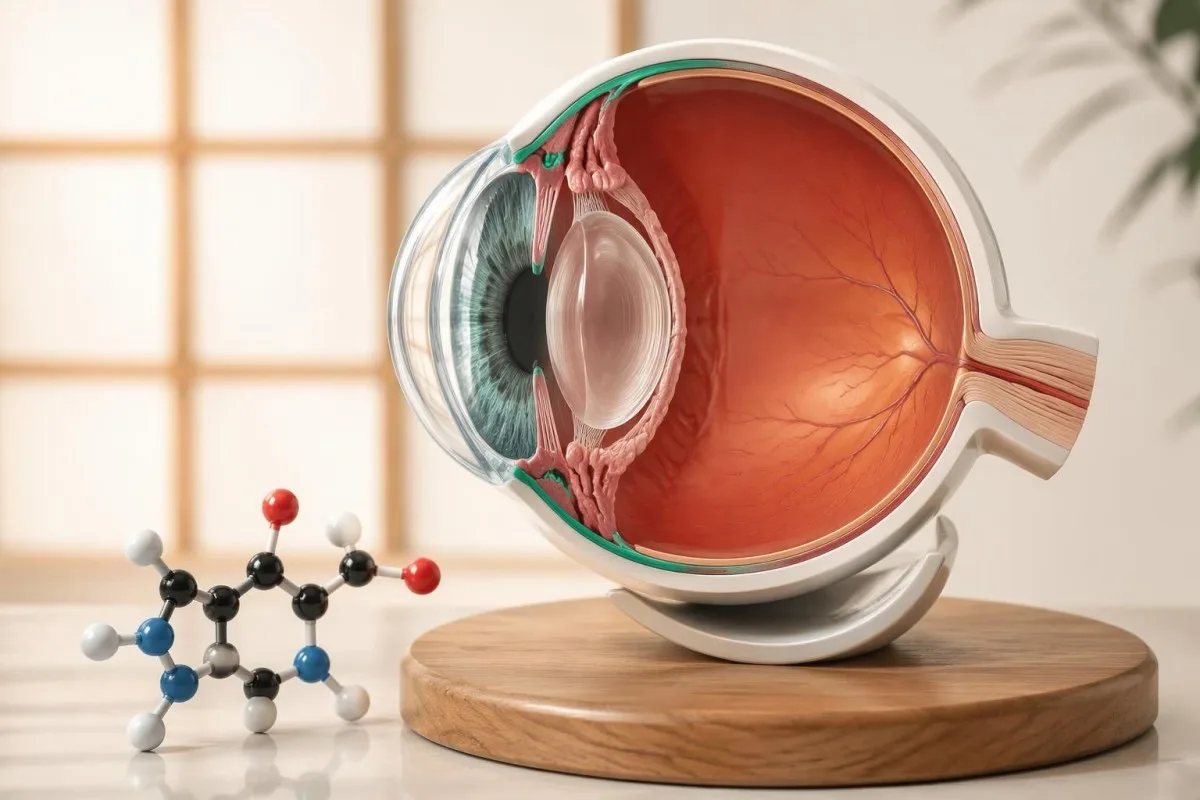
Sudden eye pain or blurred vision during topiramate treatment needs urgent assessment because acute myopia and secondary angle closure can occur, often within the first month of treatment. A level of 6 mg/L would not make that presentation safe to observe at home; glaucoma assessment methods address eye pressure and anatomy, which a drug concentration cannot measure.
Suspected overdose, markedly reduced alertness, breathing difficulty, or a prolonged seizure requires emergency evaluation without waiting for a send-out concentration result. A seizure lasting 5 minutes is an emergency threshold, and sudden one-sided weakness or new speech difficulty should also prompt emergency action rather than being attributed to topiramate; our инсультның кисәтү билгеләре бу аерманы аңлата.
Бөер функциясе топирамат клиренсына ничек тәэсир итә?
Reduced kidney function can increase topiramate serum concentration чөнки дозаның якынча 70% of an administered dose is eliminated unchanged in urine. Adult prescribing information recommends a reduced dose when creatinine clearance is below 70 mL/min/1.73 m², but a clinician must apply that advice to the indication and individual circumstances.
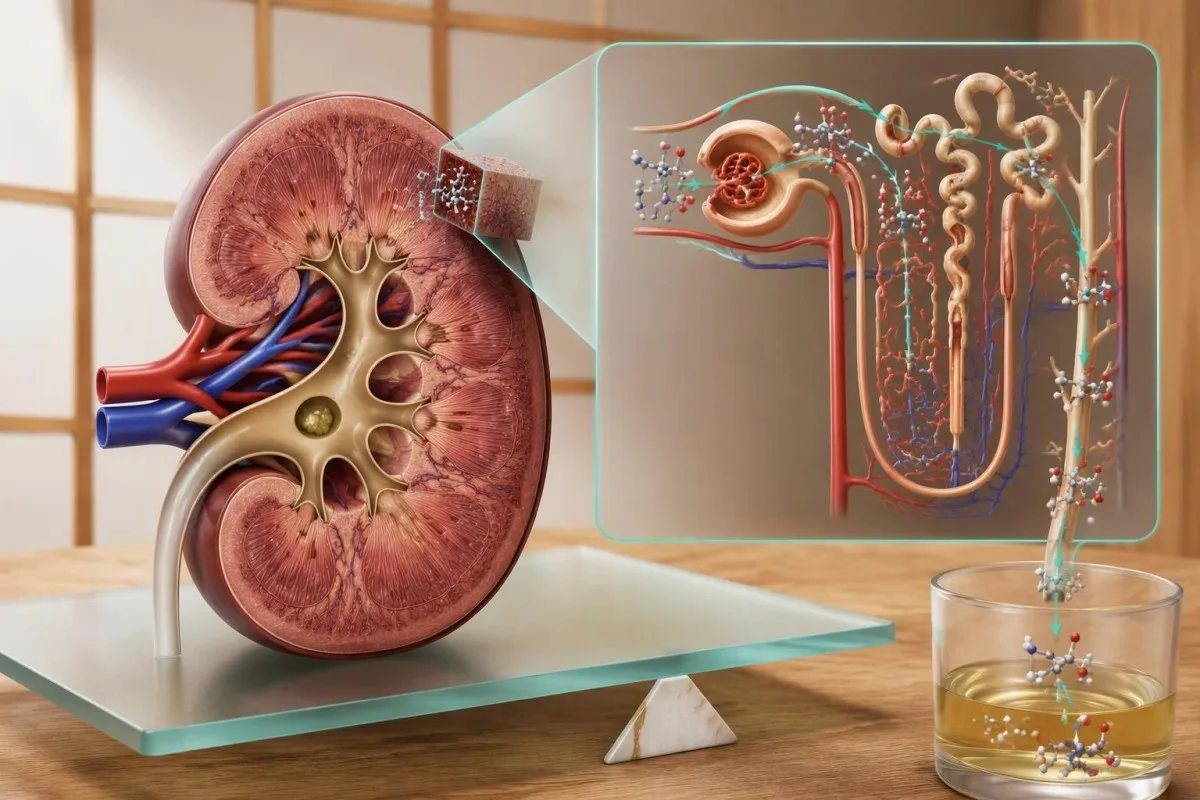
A hypothetical adult with an estimated creatinine clearance of 50 mL/min/1.73 m² may need a different regimen from someone with normal clearance, even if both have the same seizure type. Labeling commonly recommends one-half of the usual adult dose in renal impairment below the stated threshold; that is prescribing guidance, not permission to halve an existing prescription without review.
Creatinine-based eGFR and creatinine clearance are not automatically interchangeable, especially at unusual body sizes or during acute kidney injury. An eGFR of 45 mL/min/1.73 m² signals a need to review clearance, but the appropriate dosing calculation and the reliability of a rapidly changing creatinine require clinical judgment; our eGFR түбән булганда бәяләү буенча кулланма explains when changes need prompt attention.
Kantesti is an AI blood test interpretation platform that helps separate a topiramate result of 14 mg/L from the kidney measurements that may explain it. Our BUN һәм креатинин буенча кулланма adds context, but a creatinine concentration alone cannot prove medication accumulation; sample timing, hydration, previous results, and the actual dosing history still matter.
Кайсы дарулар топирамат анализы нәтиҗәсен үзгәртә ала?
Enzyme-inducing antiseizure medicines can lower topiramate concentrations, while some other combinations increase exposure or adverse-effect risk without a predictable level change. Prescribing-information interaction studies report approximately 40% lower topiramate concentrations with carbamazepine һәм 48% lower concentrations with phenytoin, although individual effects vary.
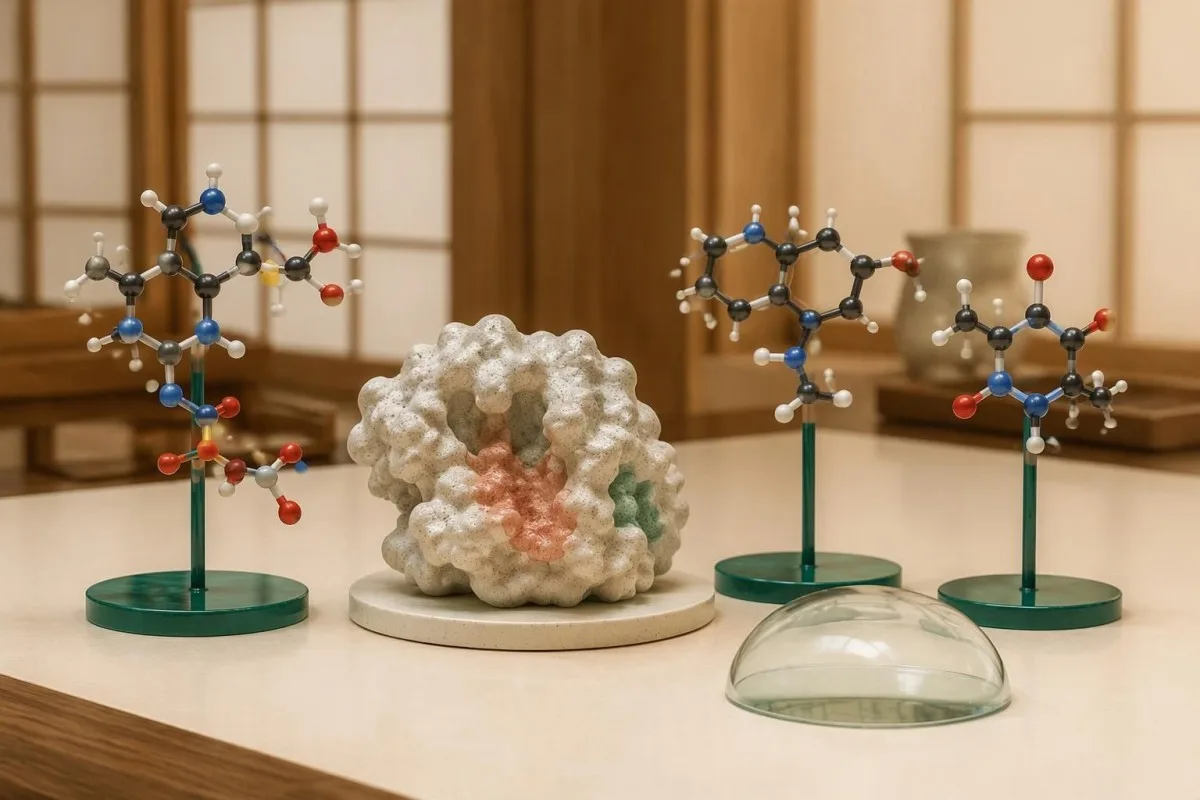
Stopping an inducing medicine can raise topiramate exposure even when the topiramate prescription stays unchanged. For example, a hypothetical person taking 100 mg twice daily may develop more cognitive adverse effects after carbamazepine is withdrawn; our carbamazepine monitoring guide explains that medicine's own concentration monitoring, which remains separate from assessing its effect on topiramate clearance.
Hydrochlorothiazide increased topiramate exposure by approximately 29% in a pharmacokinetic study described in prescribing information, and the combination can also increase potassium loss. That percentage describes the studied group, not a guaranteed change for every patient; checking potassium and symptoms may be useful even if a repeat topiramate concentration remains inside a 5–20 mg/L interval.
Topiramate with valproate can be associated with hyperammonemia and encephalopathy, sometimes despite otherwise unremarkable routine laboratory results. New unexplained lethargy, vomiting, or altered mental status on these 2 medicines warrants prompt assessment and consideration of ammonia testing; a topiramate level is not a substitute, and our valproate result explanation describes why valproate concentrations also have interpretation limits.
Ни өчен бикарбонат мониторингы — башка төр куркынычсызлык анализы?
Bicarbonate monitoring checks for metabolic acidosis, not topiramate exposure. Topiramate can cause renal bicarbonate loss through carbonic anhydrase inhibition; many laboratories use an adult bicarbonate interval around 22–29 ммоль/л, and prescribing information recommends baseline and periodic measurement rather than relying on a drug level.
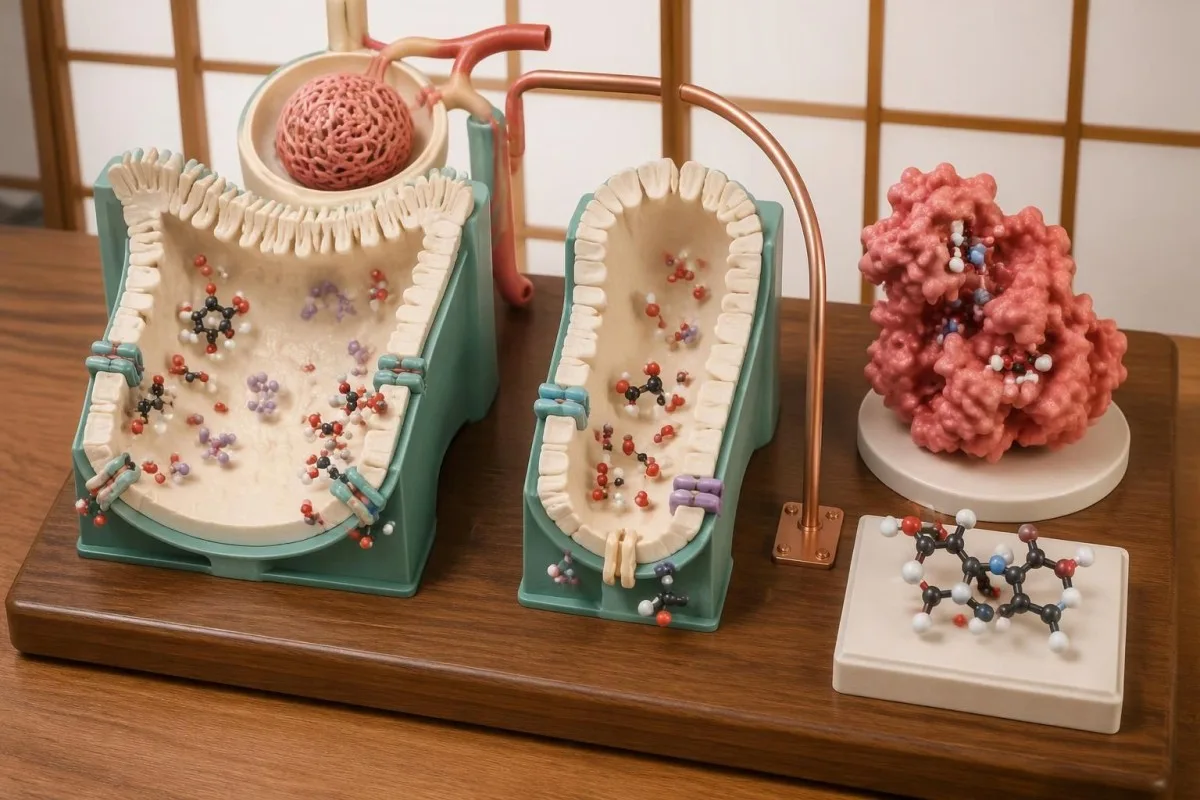
Topiramate typically causes a hyperchloremic, normal-anion-gap metabolic acidosis, although other conditions can create mixed patterns. Mirza and colleagues describe impaired renal acid–base handling and note that evidence for the optimal monitoring strategy is limited (Mirza et al., 2009); our бөер тубуляр ацидоз үрнәкләре explain why bicarbonate must be read with chloride, potassium, and the clinical history.
For a hypothetical chemistry panel with sodium 138 mmol/L, chloride 111 mmol/L, and bicarbonate 18 mmol/L, the anion gap excluding potassium is 138 − 111 − 18 = 9 mmol/L. That calculation is compatible with a normal-gap pattern in many laboratories, but it does not identify topiramate as the cause; diarrhea, other renal disorders, albumin changes, and mixed acid–base disturbances need consideration.
Kantesti AI explains why bicarbonate of 18 mmol/L deserves attention even when topiramate is 7 mg/L, while avoiding a diagnosis from those 2 numbers alone. Prescribing information uses bicarbonate below 17 mmol/L with a fall greater than 5 mmol/L as a trial definition of markedly low bicarbonate—not a universal emergency cutoff; our электролитлар панелен аңлату helps interpret associated abnormalities.
Дару дәрәҗәсен анализлау нинди бөер куркынычсызлыгы тикшерүләрен алыштырмый?
A topiramate concentration cannot detect kidney stones, measure urinary citrate, or establish renal tubular acidosis. Adult epilepsy development trials reported kidney stones in approximately 1.5% of topiramate-treated participants; risk depends on treatment context, and a concentration inside 5–20 mg/L does not eliminate the possibility.
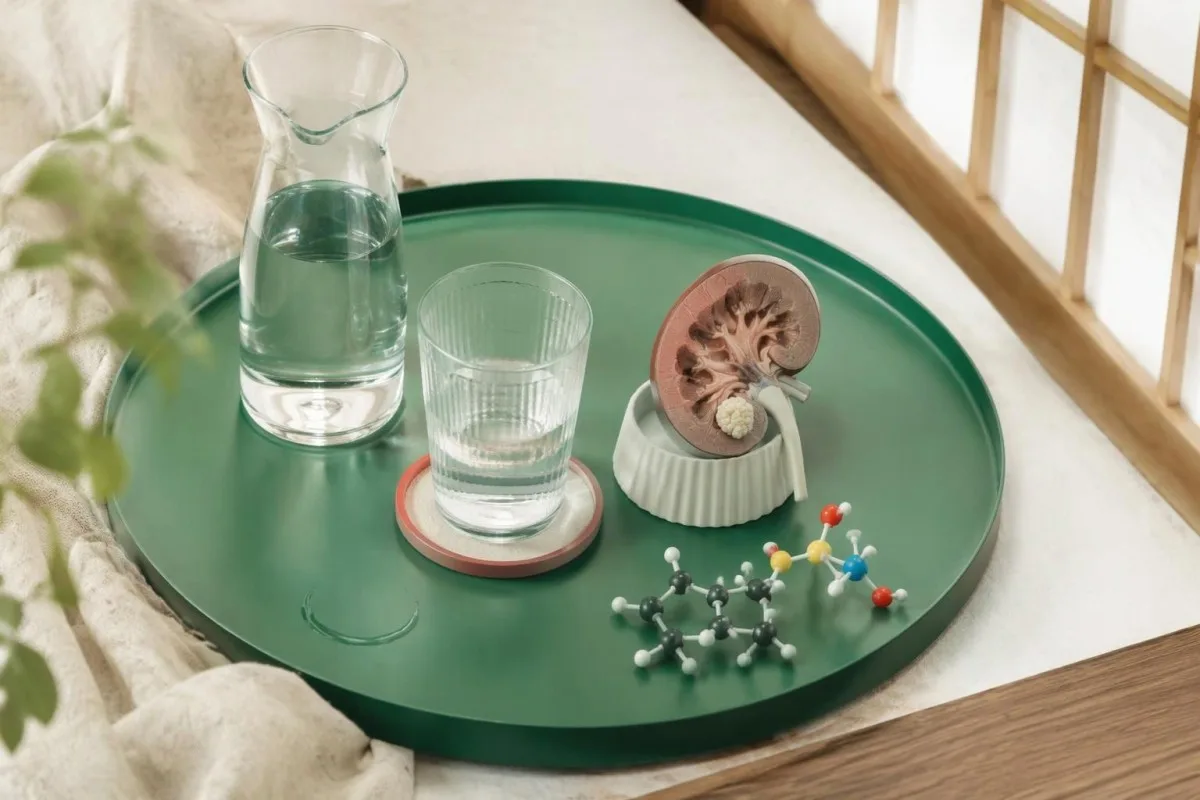
Topiramate can increase urine pH and reduce urinary citrate, a combination that favors calcium phosphate stones. Mirza and colleagues link these urinary changes to carbonic anhydrase inhibition (Mirza et al., 2009); our сидек цитратының аз булуы турындагы юл күрсәтмәбездә explains why a 24-hour urine assessment may become relevant after recurrent stones rather than being automatically required for every user.
Monitoring creatinine serves a different purpose from checking urinary stone risk. A hypothetical person with a topiramate level of 9 mg/L, normal creatinine, and recurrent flank pain still needs evaluation for stones; normal filtration does not guarantee normal urinary citrate, and persistent pain with fever, vomiting, or difficulty passing urine should not wait for a repeat drug concentration.
Adequate fluid intake is commonly advised, but there is no single safe target such as 3 liters daily for everyone. People with heart failure, advanced kidney disease, or a prescribed fluid restriction need individualized guidance; potassium citrate or bicarbonate treatment also requires clinician oversight because changing urine chemistry and potassium intake can create different risks from those measured by topiramate testing.
Кемгә концентрацияне аерым тәртиптә мониторинглау кирәк булырга мөмкин?
Pregnancy, childhood, older age, and changing kidney function can make topiramate exposure less predictable. A personal pre-pregnancy concentration and 2 similarly timed follow-up samples may be more useful than chasing a population interval, but monitoring does not remove topiramate's pregnancy-related risks or replace specialist treatment planning.
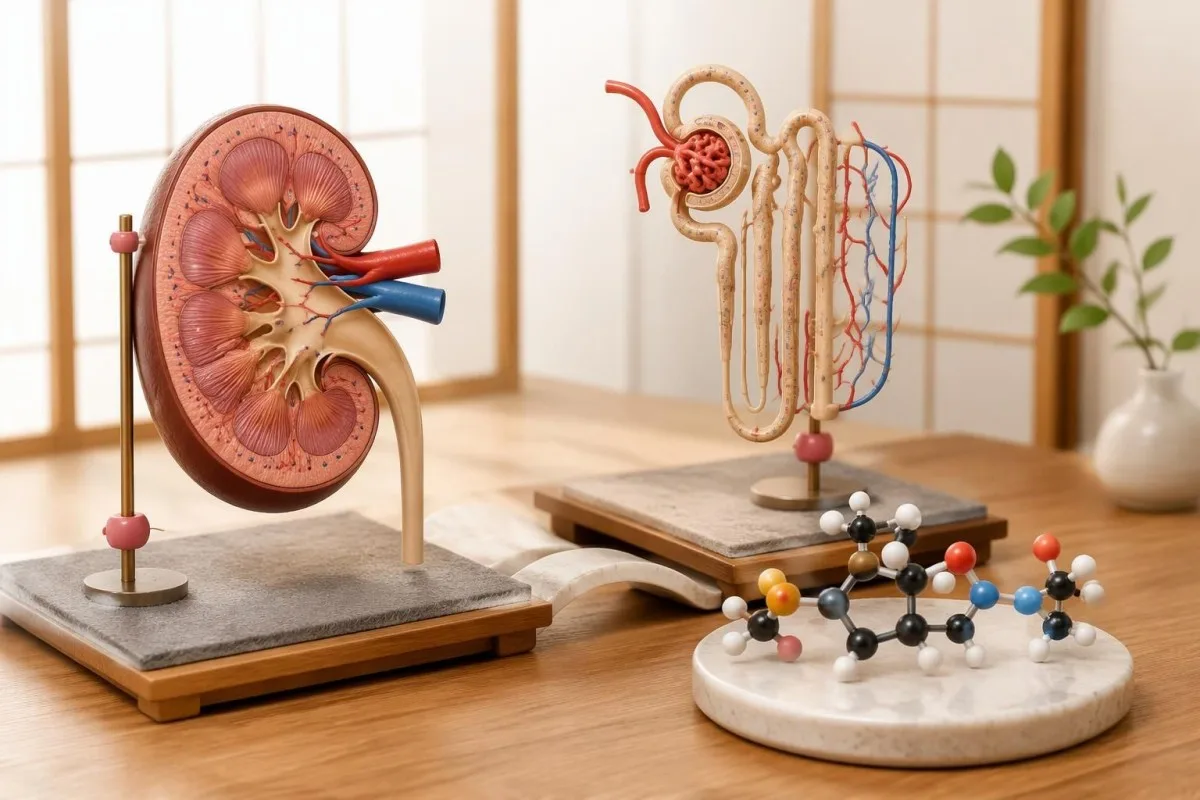
Pregnancy can increase topiramate clearance, so a concentration may fall despite consistent dosing. Pregnancy also changes the interpretation of creatinine, and standard eGFR equations are not reliable for assessing filtration during pregnancy; our pregnancy kidney-function explanation explains why a apparently reassuring result should not be used to estimate drug clearance mechanically.
In the UK, topiramate is subject to a Pregnancy Prevention Programme for people who can become pregnant; it is contraindicated for migraine prevention during pregnancy and for epilepsy in pregnancy unless no suitable alternative exists. A level of 5 mg/L does not establish fetal safety, and someone who becomes pregnant should contact the prescriber promptly rather than abruptly stopping an antiseizure regimen.
Children may have higher weight-normalized clearance than adults, while older adults may clear the medicine more slowly because of reduced renal function. The adult 5–20 mg/L interval therefore needs context rather than a new age-based cutoff invented from a single report; pediatric dose decisions require specialist assessment, and post-pregnancy monitoring may matter if a dose was increased when clearance was higher.
Нәтиҗәне башка мәгълүматлар белән бергә ничек аңлатырга?
Interpret a topiramate result by combining concentration, collection timing, symptoms, and safety chemistry. At minimum, compare 4 pieces of information: the current regimen, the last dose and sample times, the reason testing was ordered, and bicarbonate plus kidney-function results when available.
Hypothetical pattern 1: a trough falls from 8 to 3 mg/L, kidney function is stable, and seizures recur after several prescription refills were delayed. Reduced exposure is plausible, but the response should include a medication-access review and seizure assessment; raising the dose without addressing intermittent use could create excessive exposure when regular dosing resumes.
Hypothetical pattern 2: a trough rises from 9 to 16 mg/L while creatinine worsens and new coordination problems appear. Reduced clearance is a reasonable concern even though 16 mg/L remains inside a 5–20 mg/L interval; pattern 3, a level of 7 mg/L with bicarbonate of 18 mmol/L, instead highlights a possible acid–base effect that concentration monitoring alone would miss.
Kantesti is an AI-powered blood test analysis tool that helps organize these 3 patterns without treating any one as a confirmed diagnosis. Our документировать итәргә лаек нәтиҗә үзгәрешләрен күрсәтә. explains how serial results support follow-up; keep the original laboratory interval and dates visible, because changing laboratories, formulations, or collection timing can make an apparent trend misleading.
Алга таба нишләргә кирәк һәм анализ ясауны нинди дәлилләр нигезли?
The next step is to ask what the topiramate result changes—not to adjust treatment from the number alone. Bring даталары күрсәтелгән 2 хисапны, if available, and a medication timeline to the prescriber; monitoring recommendations rely on pharmacology, expert guidance, and clinical context rather than a universally validated toxicity threshold.
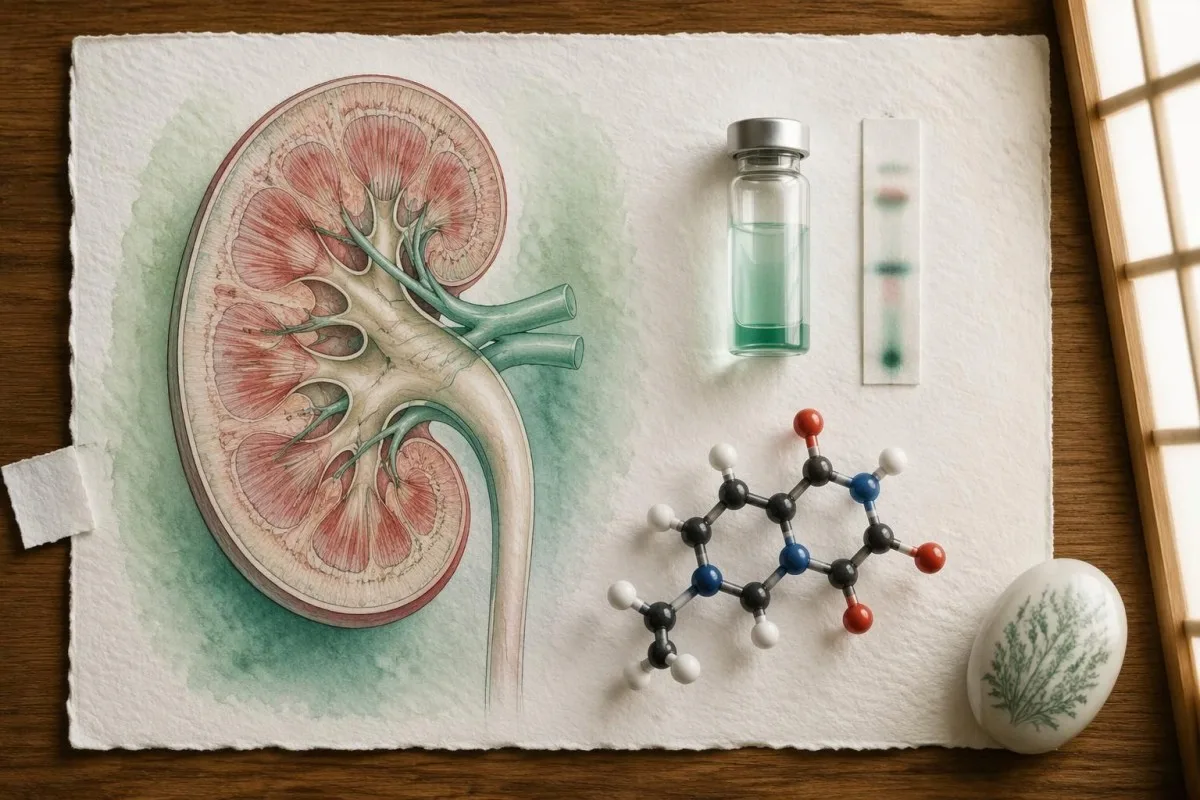
Ask the prescriber whether a repeat trough, bicarbonate check, kidney-function assessment, or medication review would answer the unresolved question. There is no evidence-based rule that every patient needs a topiramate concentration every 3 or 6 months; persistent low bicarbonate, new adverse effects, or changing clearance may justify a different follow-up plan from an isolated laboratory flag.
Kantesti helps explain reports, but our җаваплы ЯИ чикләүләре distinguish educational interpretation from diagnosis and prescribing. Our клиник валидация алымы provides methodology context; neither an AI confidence estimate nor a concentration of 10 mg/L can exclude toxicity, replace an examination, or authorize an independent dose change.
The 2 Zenodo publications listed below concern serum proteins and complement testing; they are not topiramate therapeutic-monitoring studies and should not be used to validate its concentration cutoffs. Our кан сарысы аксымнарын интерпретацияләү кулланмасы offers background for understanding albumin and other medicines, while the directly relevant external references support this article's discussion of selective monitoring, pharmacokinetics, and acid–base effects.
Еш бирелгән сораулар
Топираматның нормаль дәрәҗәсе нинди?
0 Гадәттә китерелә торган топираматның белешмә диапазоны — 5–20 mg/L, әмма кайбер лабораторияләр 2–10 mg/L куллана. Бу диапазоннар, башлыча, эпилепсия очрагында, нәтиҗәләрне аңлатырга ярдәм итә, ләкин бөтен кеше өчен нормаль яки куркынычсыз концентрацияне билгеләми. Кешеләр күрсәтелгән диапазоннан түбән концентрациядә дә җавап бирергә яки аның эчендә булганда да тискәре йогынтылар кичерергә мөмкин. Лаборатория диапазонын, үрнәк алу вакытын, симптомнарны һәм моңа кадәр нәтиҗәле булган концентрацияне бергә исәпкә алырга кирәк.
Миңа топирамат дәрәҗәсен даими тикшереп торырга кирәкме?
0 Күпчелек кешегә топирамат концентрациясен билгеләнгән график буенча даими тикшереп тору кирәкми. Дәвалау фонында кабатланган тоткынулар, дару дозаларын кабул итүне онытуга шик булу, үзара тәэсир итешүче дарулар, йөклелек белән бәйле үзгәрешләр яки бөерләрнең чистарту сәләте кимү очракларында тикшерү ярдәм итәргә мөмкин. Барлык кулланучылар өчен дә, мәсәлән, һәр 3 яки 6 ай саен концентрацияне тикшерү тәкъдим ителгән универсаль интервал юк. Бикарбонат дәрәҗәсен башлангыч һәм вакыт-вакыт мониторинглау башка куркынычсызлык мәсьәләсенә кагыла һәм дару дәрәҗәләре үлчәнмәгән очракта да урынлы булырга мөмкин.
Топамакс дәрәҗәсен кайчан тикшертергә кирәк?
0. Планлаштырылган Topamax дәрәҗәсен тикшерү өчен үрнәк чираттагы билгеләнгән дозаны кабул итәр алдыннан ук алынганда, нәтиҗә гадәттә иң чагыштырырлык була. Бөерләр нормаль эшләгәндә, топирамат, гадәттә, үзгәрешсез дәвалау режимы башланганнан соң якынча 4 көн эчендә тотрыклы дәрәҗәгә җитә, ләкин клиренс кимү бу вакытны озайтырга мөмкин. Соңгы дозаны кабул итү вакытын, үрнәк алу вакытын, дозаны һәм дару формасын язып куегыз. Дозаны артык кабул итүгә шик булганда яки җитди тискәре йогынтылар күзәтелгәндә, тиешле вакытта алынган минималь концентрация нәтиҗәсен көтү урынына, кичекмәстән бәяләү үткәрергә кирәк.
Топираматның кан сарысуындагы концентрациясе түбән булуы дозаларны кабул итмәвемне аңлатамы?
Топираматның кан сүвороткасындагы түбән концентрациясе даруларны кабул итүне калдыруны расламый. 5 mg/L-тан түбән нәтиҗә азрак дозага, клиренсның артуына, ферментларны индукцияләүче даруга, дозаның күптән түгел үзгәртелүенә яки кан үрнәген алу вакытына бәйле булырга мөмкин. Элекке чагыштырырлык минималь концентрациядән, мәсәлән, 8 mg/L-тан 3 mg/L-ка кадәр төшү экспозициянең үзгәрүен көчлерәк дәлилли ала. Дәвалау схемасын үзгәртергә кирәкме-юкмы икәнен хәл иткәнче, клиницистлар даруларга ирешү мөмкинлеген һәм дозаларны кабул итү тарихын тикшерергә тиеш.
Топираматның нинди дәрәҗәсе агулы булып санала?
0. Токсиклыкны раслаучы, бөтен җирдә бердәй кабул ителгән топирамат концентрациясе юк. 20 mg/L-дан югары нәтиҗә җентекләбрәк тикшерүгә сәбәп булырга мөмкин, әмма кайбер тискәре йогынтылар лабораториядә еш очрый торган диапазоннар эчендә дә барлыкка килә. Клиник мәгънәсе симптомнарга, тикшерү нәтиҗәләренә, бөерләр эшчәнлегенә, бикарбонатка, башка даруларга һәм үрнәкнең кайчан алынуына бәйле. Дозаны арттырып кабул итүгә шик булганда, аң нык буталганда, сулыш алу авырлашканда яки кинәт күз авыртуы яисә күрү үзгәреше барлыкка килгәндә, үлчәнгән дәрәҗәгә карамастан, кичекмәстән тикшерү кирәк.
Топирамат препарат дәрәҗәсе нормаль булганда да гидрокарбонат күләмен киметә аламы?
0 Топирамат лаборатория интервалындагы 5–20 mg/L кебек концентрациядә дә бикарбонатның түбәнәюенә китерергә мөмкин. Карбоангидразаны тоткарлау бөерләр аша бикарбонат югалтуны арттырырга һәм гиперхлоремик, нормаль анион аермалы метаболик ацидозга китерергә мөмкин. 18 mmol/L күләмендәге бикарбонат нәтиҗәсен клиник яктан бәяләргә кирәк, әмма ул үзеннән-үзе топираматның сәбәп булуын расламый һәм хәлнең ашыгычлык дәрәҗәсен билгеләми. Шуңа күрә бикарбонат һәм бөер функциясен тикшерү анализларын Topamax дәрәҗәсен тикшерү белән алыштырып булмый.
Кан анализы нәтиҗәләрен аңлатып алыгыз
Лаборатория хисабыгызны йөкләгез, һәм Kantesti AI һәр биомаркерны секундлар эчендә гади тел белән аңлатыр. Дөнья буйлап 2 миллионнан артык кеше куллана.
Сылтамалар
- Klein, T., Mitchell, S., & Weber, H. (2026). Кан аксымнары буенча белешмәлек: глобулиннар, альбумин һәм A/G нисбәте кан анализы. Kantesti AI медицина тикшеренүләре. DOI
- Klein, T., Mitchell, S., & Weber, H. (2026). C3 C4 Комплементның кан анализы һәм ANA титры буенча белешмәлек. Kantesti AI медицина тикшеренүләре. DOI
- Patsalos PN et al. (2008). Antiepileptic drugs—best practice guidelines for therapeutic drug monitoring: a position paper by the subcommission on therapeutic drug monitoring, ILAE Commission on Therapeutic Strategies. Epilepsia. DOI
- Jacob S and Nair AB (2016). An Updated Overview on Therapeutic Drug Monitoring of Recent Antiepileptic Drugs. Drugs in R&D. DOI
- Mirza N et al. (2009). Effect of topiramate on acid–base balance: extent, mechanism and effects. British Journal of Clinical Pharmacology. DOI
- 2М +Анализланган тестлар
- 127+Илләр
- 100+Телләр
Медицина командасы турында


E-E-A-T ышаныч сигналлары
Тәҗрибә
Табиб җитәкчелегендә лаборатория нәтиҗәләрен аңлату эш процессларын клиник тикшерү.
Белгечлек
Лаборатория медицинасы: биомаркерларның клиник контекстта үз-үзләрен тотышын аңлау.
Авторититет
Доктор Томас Кляйн медицина ягыннан тикшерде; доктор Сара Митчелл һәм профессор доктор Һанс Вебер үз өлешләрен кертте.
Ышанычлылык
Ачык күзәтү юллары белән куркуны киметү өчен дәлилләргә нигезләнгән аңлату.






Медицина турында кисәтү
Бу мәкалә бары тик белем бирү максатларында гына һәм медицина киңәше булып тормый. Диагноз һәм дәвалау карарлары өчен һәрвакыт квалификацияле сәламәтлек саклау белгеченә мөрәҗәгать итегез.
Басылып чыкты · Редакция командасына мөрәҗәгать итегез
Kantesti Ltd нәшер итә, Англия һәм Уэльста теркәлгән, компания №. 17090423, Лондон, Бөекбритания.
