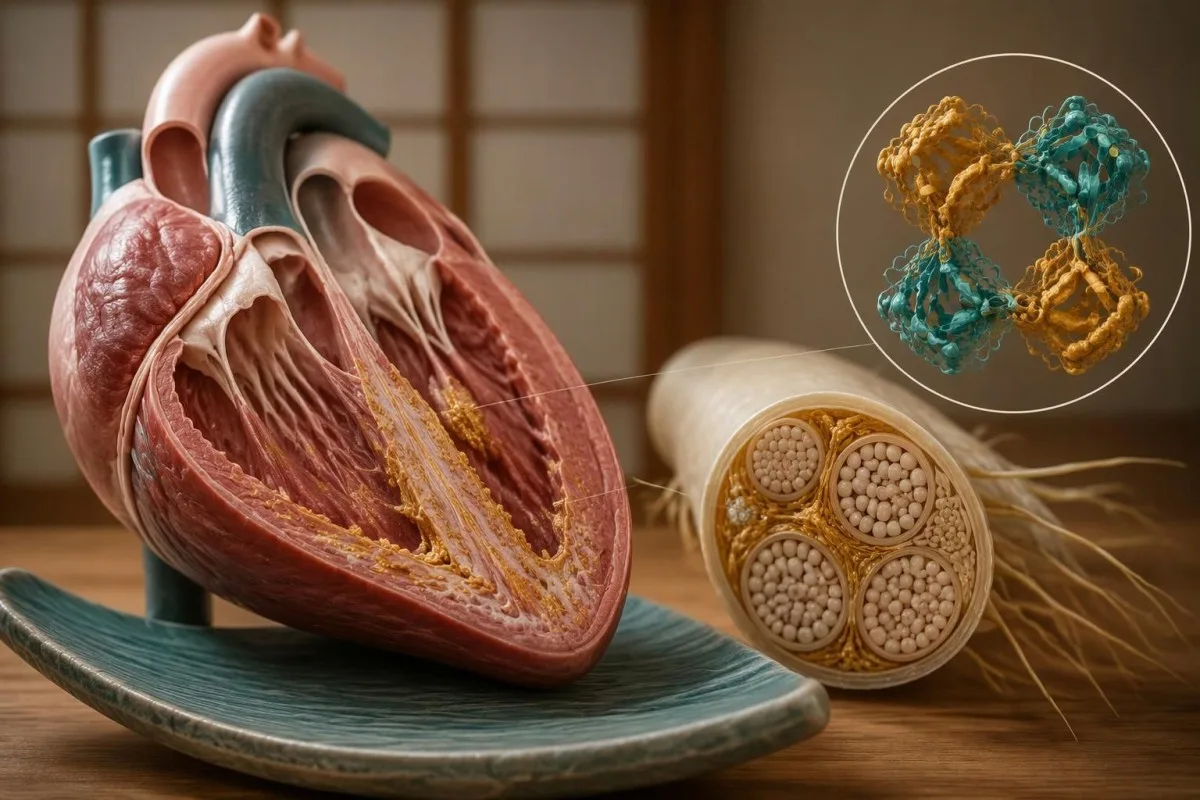
Një variant i TTR-së që shkakton sëmundje përcakton predispozicion të trashëguar për amiloidozën trashëgimore ATTR—jo prova të sëmundjes aktive. Një variant me domethënie të pasigurt nuk e përcakton këtë predispozicion; simptomat kërkojnë vlerësim të veçantë nga specialisti, ndërsa ATTR-ja e tipit të egër zhvillohet pa një variant të trashëguar të TTR-së që shkakton sëmundje.

Përfundimet kryesore
- Variant patogjen i TTR-së nënkupton predispozicion të trashëguar; vetëm një gjetje gjenetike nuk vërteton amiloidozë simptomatike.
- Rreziku i trashëgimisë zakonisht është 50% për secilin fëmijë të një personi me 1 kopje të TTR-së që shkakton sëmundje, pavarësisht nga gjinia e fëmijës.
- Gjetjet me domethënie të pasigurt bëjnë pjesë në 1 nga 5 kategoritë standarde të klasifikimit të varianteve; vetëm një VUS nuk duhet të përcaktojë testimin parashikues ose trajtimin.
- Emrat e varianteve mund të ndryshojnë me 22 pozicione të aminoacideve: p.Val50Met dhe emri historik Val30Met përshkruajnë të njëjtin zëvendësim.
- ATTR e tipit të egër përfshin transtiretinën pa një variant TTR të identifikuar si shkaktar të sëmundjes; depozitat trashëgimore dhe ato të tipit të egër nuk mund të dallohen me besueshmëri vetëm nga simptomat.
- Konfirmimi kardiak mund të përdorë marrjen e gjurmuesit kockor të shkallës 2 ose 3, por vetëm brenda rrugës së përshtatshme të imazherisë dhe pas vlerësimit të proteinave monoklonale.
- Mbikëqyrja e bartësve shpesh përfshin vlerësim vjetor, me kohën të përshtatur për individin; rreth 10 vjet para fillimit të parashikuar të sëmundjes në familje është një ndihmë për planifikimin, jo një afat biologjik.
- Simptoma të urgjencës si vështirësia e rëndë në frymëmarrje, kolapsi ose dhimbja e gjoksit kërkojnë kujdes të menjëhershëm—jo pritjen deri te vizita e ardhshme e mbikëqyrjes pas 6–12 muajsh.
Çfarë do të thotë në të vërtetë një variant i TTR-së?
A variant TTR patogjen ose me gjasë patogjen identifikon predispozicionin e trashëguar ndaj amiloidozës ATTR trashëgimore, por në vetvete nuk tregon depozitim aktiv të amiloidit ose dëmtim të organeve. Një variant me rëndësi të pasigurt, ose VUS, nuk ka prova të mjaftueshme për atë përfundim; këto janë çështje të veçanta që kërkojnë vendime klinike të veçanta.

TTR është gjeni që kodon transtiretinën, një proteinë transportuese e prodhuar kryesisht nga mëlçia; struktura e saj e zakonshme në qarkullim përmban 4 nënnjësi proteinike. Disa variante e bëjnë këtë strukturë më pak të qëndrueshme, duke lejuar grumbullimin e proteinës së palosur gabimisht si amiloid, veçanërisht në nerva ose në zemër.
Për shembull, përfytyroni një 46-vjeçar, testi gjenetik klinik i të cilit identifikon një variant TTR të njohur si shkaktar të sëmundjes, por ekzaminimi neurologjik dhe vlerësimi kardiak i të cilit nuk tregojnë sëmundje. Përshkrimi i përshtatshëm mund të jetë bartës asimptomatik i variantit, jo person me amiloidozë simptomatike; përshtatshmëria për trajtim dhe ndjekja varen nga gjetje të tjera.
Kantesti është një analizues me IA i analizave të gjakut që ndihmon në shpjegimin e rezultateve shoqëruese laboratorike, duke e mbajtur predispozicionin gjenetik të ndarë nga konfirmimi i sëmundjes së organeve. Informacioni rreth organizata jonë shpjegon kontekstin e shërbimit tonë; as një panel rutinë laboratorik dhe as një shpjegim me IA nuk mund t’i zëvendësojnë këto 2 vlerësime specialistike.
Si ndryshojnë gjetjet patogjene të TTR-së nga një VUS?
Gjetjet patogjene dhe me gjasë patogjen kanë prova që mbështesin rolin e tyre si shkaktare të sëmundjes; një VUS nuk ka prova të mjaftueshme për t’u klasifikuar as si e dëmshme, as si e padëmshme. Laboratorët përdorin 5 kategori standarde: patogjene, me gjasë patogjene, me rëndësi të pasigurt, me gjasë beninje dhe beninje.

Kuadri ACMG/AMP për variantet e sekuencës i vendos gjetjet me gjasë patogjene mbi pragun e besueshmërisë prej 90% për patogjenitetin, por kjo përqindje përshkruan besueshmërinë e klasifikimit, jo mundësinë që një individ të zhvillojë simptoma (Richards et al., 2015). Shpjegimi ynë për rezultatet e testeve për kancerin e trashëguar illustrates the same distinction between a laboratory label and a person's current disease status.
A VUS should not, by itself, trigger disease-specific treatment or routine predictive testing of healthy relatives. Specialists may instead investigate whether the finding tracks with confirmed disease in a family—a segregation study involving 2 or more informative relatives when available—which is different from declaring those relatives genetically affected.
Classification can change when additional family, functional, or population evidence becomes available. Ask who will handle recontact, whether review in 12–24 months would be useful, and whether another laboratory has classified the exact same variant differently; our guide to common genetic variant misconceptions explains why the word mutation is not automatically a diagnosis.
Pse mund të ketë i njëjti variant i TTR-së dy emra?
The same TTR variant can have modern and historical protein names because modern numbering includes a 22-amino-acid signal peptide. For example, p.Val50Met is the variant historically called Val30Met, dhe p.Val142Ile is the variant historically called Val122Ile.

A complete report ideally supplies the gene, transcript reference, DNA-level notation, protein-level notation, zygosity, and classification—not simply a variant nickname. Because a TTR precursor contains 149 amino acids and the mature protein contains 127, comparing reports without noticing the numbering convention can create an apparent disagreement where none exists.
p.Thr80Ala, historically Thr60Ala, can produce a mixed cardiac and neurological phenotype, whereas p.Val142Ile is often associated with predominantly cardiac disease. These are tendencies rather than guarantees: 2 relatives with the same variant may differ in age at onset, affected organs, and severity.
For a hypothetical family, a parent's report saying Val122Ile and an adult child's report saying p.Val142Ile should prompt exact-notation comparison before anyone concludes that there are 2 different familial variants. Similar nomenclature issues arise in enzyme and genetic testing; bring the original reports rather than relying on a handwritten abbreviation.
A do të thotë rreziku i trashëgimisë 50% rrezik për sëmundje 50%?
A 50% inheritance risk is not a 50% risk of symptomatic disease. Hereditary ATTR usually follows autosomal dominant inheritance: a person with 1 disease-causing TTR copy has a 50% chance of passing that copy to each child, but disease expression depends on age-related penetrance and other factors.
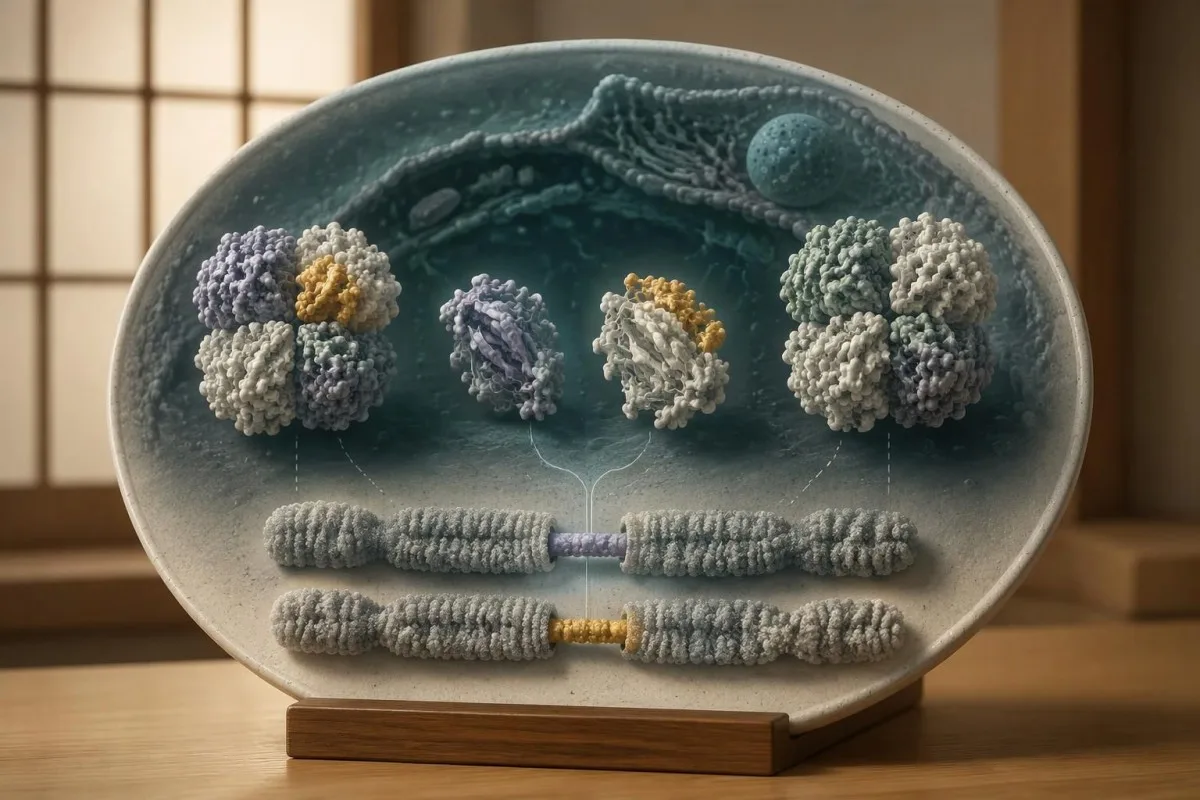
Each pregnancy is an independent event; with 2 children, the theoretical probabilities are 25% for neither inheriting the variant, 50% for exactly one, and 25% for both. Those calculations assume one heterozygous parent and describe inheritance only—they do not predict whether or when either child will become ill.
Penetrance means the proportion of variant carriers who develop disease by a stated age, and it varies across TTR variants and populations. The often-quoted 3–4% frequency of p.Val142Ile in some populations of African ancestry is a variant-frequency estimate, not a universal estimate of amyloidosis prevalence or an individual's lifetime disease risk.
An apparently unaffected parent aged 75 can still have transmitted a pathogenic variant, while a negative family history may reflect late onset, small families, or previously unrecognized disease. Our discussion of genetic susceptibility and kidney risk offers a useful comparison, although APOL1 risk architecture should not be substituted for TTR inheritance.
Si ndryshon ATTR-ja trashëgimore nga ATTR-ja e tipit të egër?
Hereditary ATTR involves a disease-causing TTR variant; wild-type ATTR involves amyloid formed from transthyretin without an identified disease-causing variant. Both can affect the heart, so neither age nor a cardiac scan alone reliably distinguishes these 2 forms.
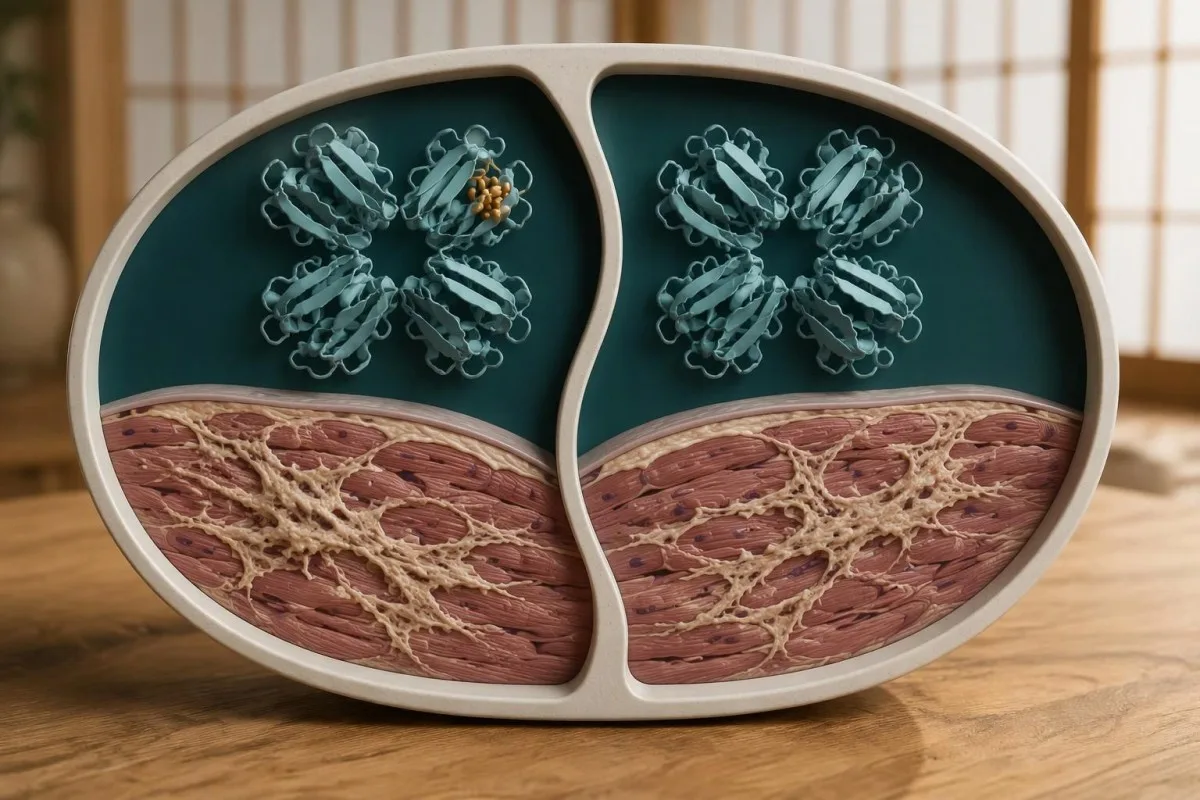
TTR sequencing is recommended after ATTR cardiomyopathy is established, including in older adults, because hereditary disease can first become apparent after age 70. The ESC position statement emphasizes genetic counseling and testing to distinguish variant ATTR from wild-type ATTR, rather than assuming that an older patient's disease cannot be inherited (Garcia-Pavia et al., 2021).
A negative result for a known family variant removes that particular inherited susceptibility, but it does not guarantee that the person will never develop wild-type ATTR or another heart condition. Conversely, a VUS does not automatically convert a confirmed ATTR diagnosis into hereditary ATTR; the laboratory classification and amyloid diagnosis still need reconciliation.
ATTR is also different from Amiloidoza AL, caused by immunoglobulin light chains, and Amiloidoza AA, associated with prolonged inflammatory activity. These are at least 3 distinct amyloid types with different investigations and treatment pathways; an elevated serum amyloid A result does not diagnose TTR-related disease.
Cilat simptoma të amiloidozës trashëgimore kërkojnë vlerësim?
Hereditary amyloidosis symptoms may include progressive numbness or burning feet, weakness, altered bowel function, dizziness on standing, breathlessness, or ankle swelling. These findings are nonspecific, but involvement of 2 systems—such as neuropathy plus unexplained cardiac thickening—raises more concern than either finding alone.

Bilateral carpal tunnel syndrome, particularly when it precedes cardiac symptoms by several years, can be an ATTR clue but is far more commonly explained by other causes. Document whether 1 or both wrists are affected and when symptoms began; our guide to carpal tunnel finger patterns helps distinguish a local median-nerve pattern from broader neuropathy.
Hipotension ortostatik commonly means a sustained fall of at least 20 mmHg systolic or 10 mmHg diastolic within 3 minutes of standing. Amyloid-related autonomic dysfunction is one possible cause, but dehydration and medicines are common alternatives; it is not interchangeable with the heart-rate pattern discussed in POTS diagnostic testing.
Consider a hypothetical 58-year-old carrier who develops numb feet, unintentional weight loss, and new difficulty climbing stairs over 6 months: that combination warrants prompt specialist review rather than waiting for annual screening. Sudden weakness, severe breathlessness, chest pain, or collapse requires urgent care because immediately treatable problems must be assessed before attributing symptoms to ATTR.
Cilat analiza vërtetojnë amiloidozën aktive ATTR?
Active ATTR amyloidosis requires evidence of amyloid disease, not just a genetic result. In the appropriate cardiac setting, grade 2 or 3 uptake on a validated bone-tracer scan can establish ATTR cardiomyopathy without biopsy only when monoclonal protein testing is negative and imaging confirms uptake within heart muscle.

The monoclonal screen includes serum free light chains plus serum and urine immunofixation; serum protein electrophoresis alone is insufficient. Gillmore et al.'s 2016 Circulation study evaluated 1,217 patients and established the nonbiopsy cardiac approach under defined conditions; our guide to immunofixation bands and follow-up explains why detecting a monoclonal protein changes the next step.
A monoclonal protein does not prove AL amyloidosis, because an unrelated monoclonal gammopathy can coexist with ATTR, especially in older adults. However, it prevents clinicians from using the simplified scan-only ATTR pathway; interpreting the raportit të zinxhirit të lirë të lehtë also requires kidney-function context and, where available, assay-specific renal reference intervals.
When tissue examination is needed, Congo red staining establishes amyloid, while reliable protein typing—often mass spectrometry—identifies its source. A negative abdominal fat sample does not exclude ATTR, and grade 1 cardiac uptake is not the same as the grade 2–3 diagnostic criterion; neuropathy-predominant disease may require a different combination of neurological and tissue investigations.
Çfarë duhet të përfshijë këshillimi gjenetik për TTR-në?
TTR genetic counseling should explain the exact variant, classification, inheritance, limitations of risk prediction, and consequences for relatives before testing or major decisions. For most heterozygous families, the 50% transmission probability is straightforward; predicting age at onset and organ involvement is much less precise.

Counseling distinguishes diagnostic testing in someone with suspected disease from predictive testing in an unaffected relative. A person considering predictive testing should have time to discuss emotional readiness and the right not to know, similar to the consent principles described in predictive neurological genetic testing, although TTR penetrance differs substantially.
Reproductive discussions can include natural conception, prenatal diagnosis, and preimplantation genetic testing where available and legally permitted. Because a 50% transmission risk does not specify future severity, these conversations should be nondirective; confirm the familial pathogenic variant in a clinical laboratory before using it for reproductive testing or other consequential decisions.
Kantesti's explanations of privatësinë dhe të dhënat tuaja help readers consider what they share, but genetic information has implications beyond ordinary laboratory values. Before adding reports for 2 or more relatives to a shared account, obtain each person's permission and ask the genetics team about local insurance rules, record access, and secure family communication.
Cilët të afërm duhet të marrin në konsideratë testimin e synuar për TTR-në?
Adult relatives at risk of a confirmed familial pathogenic or likely pathogenic TTR variant should be offered genetic counseling and the option of targeted testing. Each child of a heterozygous carrier has a 50% inheritance probability; a sibling's risk depends on whether a parent carries the variant.

Start with the relative who has confirmed disease whenever possible, then use that person's exact variant to guide cascade testing. Testing all relatives with a broad panel before establishing the family finding may generate additional VUS results; this differs from the recessive inheritance questions in SMA carrier screening, where 2 gene copies have a different meaning.
Predictive testing for adult-onset TTR disease is generally deferred in children younger than 18 when the result would not change childhood care, preserving their future choice. A child with unexplained relevant symptoms needs clinical assessment rather than automatic dismissal; any exceptional testing decision should involve pediatric and genetics specialists, not a routine family screening package.
For example, a 34-year-old who tests negative for a clinically confirmed familial p.Val50Met variant generally does not need surveillance specifically for that family variant. A symptomatic relative still needs assessment for other causes, and a 1-variant consumer screening result cannot substitute for a validated familial test if the relevant variant was not actually examined.
Si ndiqen bartësit asimptomatikë të TTR-së?
Asymptomatic pathogenic TTR carriers need individualized surveillance, commonly involving annual clinical review, rather than an automatic amyloidosis diagnosis or preventive prescription. Many expert pathways begin structured assessment approximately 10 years before predicted disease onset, but variant-specific evidence and family history may justify earlier or different monitoring.

Baseline assessment may include neurological examination, autonomic history, ECG, echocardiography, kidney function, and cardiac biomarkers; additional tests depend on the variant and symptoms. The ESC position statement outlines regular carrier follow-up (Garcia-Pavia et al., 2021), but a 6–12-month interval should be individualized, especially when new findings appear or expected onset approaches.
A parent's onset at 62 is not a countdown showing that a child's disease will begin at 62, and a normal baseline does not eliminate later risk. Kantesti AI can help explain the difference between a single value and a meaningful laboratory timeline, but specialist decisions also require examination and imaging that routine blood interpretation cannot supply.
Imagine NT-proBNP increasing from 180 to 620 pg/mL while eGFR falls from 62 to 43 mL/min/1.73 m²: cardiac change deserves assessment, but reduced kidney clearance can contribute to the rise. Review intercurrent illness, rhythm, and medicines before interpreting progression; our udhëzuesi për raportin e funksionit të veshkave explains why renal context belongs beside cardiac trends.
Çfarë mund të zbulojnë analizat e gjakut—dhe çfarë mund të mos zbulojnë?
Routine blood tests cannot confirm or exclude hereditary ATTR amyloidosis. NT-proBNP, troponin, kidney function, and urine protein can help assess organ involvement or alternatives, but a normal set of results—even across 2 visits—does not establish that a pathogenic TTR carrier will remain disease-free.

Troponina must be interpreted against the assay's 99th-percentile upper reference limit, and NT-proBNP varies with age, kidney function, atrial fibrillation, and body size. A TTR or prealbumin concentration such as 25 mg/dL does not identify a TTR gene mutation or prove amyloid deposition; the test measures circulating protein concentration rather than its genetic sequence.
Neuropathy assessment should also look for treatable alternatives, including diabetes, vitamin B12 deficiency, thyroid disease, and medication effects. A hypothetical B12 result of 210 pg/mL may need additional assessment according to the laboratory and symptoms; our discussion of rezultateve kufitare të vitaminës B12 explains why a competing diagnosis should not be overlooked simply because a TTR variant exists.
Kantesti is an AI blood test interpretation platform that explains accompanying laboratory values without treating 1 protein result as an amyloidosis diagnosis. Our udhëzues interpretimi i proteinave të serumit helps separate transport proteins and immunoglobulin findings; neither an ordinary protein panel nor a family-risk feature replaces clinical TTR testing and amyloid typing.
A do të thotë një rezultat pozitiv gjenetik për TTR-në se duhet të fillohet trajtimi?
A positive TTR genetic result alone is not a standard indication for disease-modifying treatment. Specialists consider confirmed ATTR disease, the affected organs, functional status, and local approvals; the 2 main medication strategies are stabilizing transthyretin and reducing production of transthyretin.

TTR stabilizers aim to reduce dissociation of the 4-subunit protein, while TTR-lowering therapies reduce production, mainly in the liver. Neither approach edits the inherited DNA, so family transmission considerations remain after treatment; eligibility differs between cardiomyopathy, polyneuropathy, and mixed disease, as do approval and reimbursement rules across countries.
Monitoring depends on the chosen medicine rather than the genetic label alone: some regimens require attention to platelets, kidney function, or vitamin A handling. If vitamin A supplementation is advised during a TTR-lowering regimen, use the prescribed allowance rather than escalating the dose because a laboratory result looks low; 1 abnormal value does not establish a safe replacement dose.
Kantesti does not select amyloidosis medication or establish treatment eligibility from uploaded laboratory results; our validimin teknik dhe mbikëqyrjen describe a different task from specialist prescribing. For an asymptomatic carrier, discuss surveillance and research opportunities; there is no single proven preventive prescription that follows automatically from a 50% inheritance-risk calculation.
Çfarë duhet të merrni me vete në takimin me specialistin?
Bring the original genetic report, symptom timeline, family history, and relevant cardiac or neurological investigations to an amyloidosis or clinical genetics appointment. These 4 information groups help specialists distinguish a confirmed disease-causing variant, an uncertain finding, unrelated symptoms, and early organ involvement.

Record symptom onset by month and year where possible, including numbness, bowel changes, wrist procedures, fainting, breathlessness, and reduced walking tolerance. Include at least 3 generations of family information if available, but distinguish a documented amyloidosis diagnosis from a relative's unexplained heart failure; uncertain family labels should remain visibly uncertain.
Ask 3 focused questions: Is this variant pathogenic, likely pathogenic, or uncertain; what evidence exists for active organ disease; and which relatives should be offered counseling? A written plan should also identify the clinician responsible for follow-up, what changes should trigger earlier contact, and whether a laboratory will notify anyone if the variant classification changes.
Kantesti is an AI-powered blood test analysis tool that can help explain laboratory reports before a consultation, not replace the consultation or infer another relative's genotype. Our guide to consent-based family health tracking covers shared records; our parime të inteligjencës artificiale të përgjegjshme explain why 1 uncertain genetic result should never become an automated family diagnosis.
Cilat studime mbështesin diagnozën dhe cilat vlerësojnë IA-në?
Clinical amyloidosis research and AI technical benchmarks answer different questions. The 2016 nonbiopsy diagnostic study and 2021 ESC position statement support specific ATTR assessment pathways; the 2 repository publications listed below describe separate AI projects and do not validate TTR variant classification or diagnose hereditary ATTR amyloidosis.

The clinical evidence cited here addresses 3 distinct tasks: sequence-variant classification, cardiac amyloid confirmation, and specialist management pathways. Congo red staining can reveal amyloid but cannot, by itself, identify a TTR genotype or reliably distinguish all amyloid proteins; the same caution applies to a compelling-looking AI explanation unsupported by the required clinical tests.
Kantesti's repository publications describe early hantavirus triage across 50,000 interpreted reports and a technical benchmark involving 100,000 synthetic test cases. The blood-test engine benchmark provides context for the latter; synthetic-case performance does not establish sensitivity for detecting ATTR in real patients, and a Figshare DOI does not itself demonstrate peer review or regulatory authorization.
For patients and relatives, the next decision should follow the report category: counseling and individualized surveillance for a confirmed pathogenic variant, specialist-led clarification for a VUS, and organ assessment for relevant symptoms. Keep those 3 pathways separate; a genetic finding, an imaging result, and an AI-generated explanation are not interchangeable forms of evidence.
Pyetjet e bëra shpesh
A do të thotë një mutacion i gjenit TTR se kam amiloidozë ATTR të trashëguar?
Një mutacion patogjen ose me gjasë patogjen në gjenin TTR vërteton predispozitën e trashëguar, por nuk vërteton në vetvete praninë e amiloidozës aktive trashëgimore ATTR. Një person me 1 kopje të TTR-së që shkakton sëmundje mund të mbetet asimptomatik për shumë vite ose të mos zhvillojë kurrë sëmundje të njohur. Specialistët vlerësojnë simptomat, gjetjet nga ekzaminimi, imazherinë dhe ndonjëherë rezultatet e analizave të indeve për të përcaktuar nëse ka sëmundje të organeve. Një variant me rëndësi të pasigurt nuk vërteton të njëjtën predispozitë të trashëguar.
A mund të përdoret një variant TTR me domethënie të pasigurt për të testuar familjen time?
0 Një variant TTR me rëndësi të pasigurt nuk duhet përdorur i vetëm për testimin parashikues rutinë të të afërmve të shëndetshëm ose për vendimet e trajtimit. Ai është 1 nga 5 kategoritë standarde të klasifikimit të varianteve dhe do të thotë se provat janë të pamjaftueshme për ta klasifikuar gjetjen si të dëmshme ose të padëmshme. Një ekip i gjenetikës mund të organizojë testime të përzgjedhura të familjarëve për të studiuar nëse varianti shfaqet së bashku me sëmundjen e konfirmuar. Ky hetim ndihmon në klasifikim; nuk është e njëjta gjë si t’i cilësosh të afërmit si bartës të prekur.
Sa është mundësia që fëmijët e mi të trashëgojnë ATTR-në trashëgimore?
Një fëmijë i një personi me 1 kopje të TTR-së që shkakton sëmundje zakonisht ka një mundësi 50% për ta trashëguar atë variant. Probabiliteti është i njëjtë për fëmijët e çdo seksi dhe çdo shtatzëni është e pavarur. Trashëgimi i variantit nuk përcakton se kur do të fillojnë simptomat apo sa e rëndë do të jetë sëmundja. Këshillimi gjenetik mund të shpjegojë testimin parashikues dhe mundësitë riprodhuese pa e trajtuar probabilitetin e transmetimit si prognozë të sëmundjes.
A janë Val30Met dhe p.Val50Met i njëjti mutacion i TTR-së?
Val30Met dhe p.Val50Met përshkruajnë të njëjtin zëvendësim të proteinës TTR, duke përdorur konventa të ndryshme numërimi. Numërimi modern përfshin një peptid sinjalizues prej 22 aminoacidesh, të cilin numërimi historik i proteinës së pjekur e përjashton. I njëjti parim shpjegon Val122Ile kundrejt p.Val142Ile dhe Thr60Ala kundrejt p.Thr80Ala. Një profesionist i gjenetikës duhet të krahasojë shënimin e plotë të ADN-së dhe proteinës kur shqyrton raporte nga laboratorë të ndryshëm.
A mund ta përjashtojnë analizat rutinë të gjakut amiloidozën ATTR?
Normal routine blood tests cannot rule out ATTR amyloidosis or eliminate future disease risk in a pathogenic TTR carrier. Troponin is interpreted using the assay's 99th-percentile limit, while NT-proBNP and kidney results provide context about organ stress rather than amyloid identity. A normal TTR or prealbumin concentration does not exclude a TTR variant or amyloid deposits. Evaluation may still require neurological assessment, cardiac imaging, and selected tissue investigations.
A është amiloidoza ATTR e tipit të egër e trashëgueshme?
Amiloidoza ATTR e tipit të egër nuk i atribuohet një varianti të trashëguar të TTR-së që shkakton sëmundje, ndryshe nga ATTR-ja trashëgimore. Të dyja format mund të shkaktojnë gjetje të ngjashme kardiake, ndaj vetëm mosha dhe simptomat nuk mund t’i dallojnë ato me besueshmëri. Testimi gjenetik i TTR-së rekomandohet pasi të jetë konfirmuar kardiomiopatia ATTR, përfshirë edhe te të rriturit e moshuar. Të afërmit nuk kanë nevojë për testim të synuar për një variant familjar, përveç rastit kur është identifikuar vërtet një variant që shkakton sëmundje.
Sa shpesh duhet të vizitohet te një specialist një bartës asimptomatik i TTR-së?
Një bartës asimptomatik i një varianti patogjen të TTR-së zakonisht vlerësohet çdo vit nga një specialist, por ndjekja duhet të individualizohet dhe jo të jetë e njëjtë për të gjithë. Disa protokolle nisin mbikëqyrjen e strukturuar rreth 10 vjet përpara fillimit të parashikuar të sëmundjes në familje, me vlerësim më të hershëm në rast simptomash ose gjetjesh shqetësuese. Ekzaminimi neurologjik, EKG-ja, ekokardiografia dhe disa markues laboratorikë të përzgjedhur mund të jenë pjesë e planit. Vështirësia e re në frymëmarrje, dobësia progresive ose të fikëtit duhet të nxisin vlerësim më të hershëm, në vend që të pritet vizita e planifikuar.
Merrni shpjegimin e rezultateve të analizave të gjakut
Ngarkoni raportin tuaj laboratorik dhe AI e Kantesti shpjegon çdo biomarker me gjuhë të thjeshtë brenda pak sekondash. Përdoret nga më shumë se 2 milionë njerëz në mbarë botën.
Referencat
- Klein, T., Mitchell, S., & Weber, H. (2026). Mbështetje shumëgjuhëshe e asistuar nga IA-ja për vendimmarrjen klinike në triazhimin e hershëm të hantavirusit: projektimi, vërtetimi inxhinierik dhe zbatimi në botën reale në 50,000 raporte të interpretuara të analizave të gjakut. Kërkim mjekësor me Kantesti AI. DOI
- Klein, T., Mitchell, S., & Weber, H. (2026). Një Benchmark Teknik i Automatizuar i Parregjistruar, i Bazuar në Rubrikë, i Motorit të Interpretimit të Analizës së gjakut Kantesti mbi 100,000 Raste Testi Sintetike. Kërkim mjekësor me Kantesti AI. DOI
- Richards S et al. (2015). Standardet dhe udhëzimet për interpretimin e varianteve të sekuencës: rekomandim i përbashkët konsensusi i Kolegjit Amerikan të Gjenetikës Mjekësore dhe Gjenomikës dhe Shoqatës për Patologjinë Molekulare. Gjenetika në Mjekësi. DOI PubMed
- Garcia-Pavia P et al. (2021). Diagnosis and treatment of cardiac amyloidosis: a position statement of the ESC Working Group on Myocardial and Pericardial Diseases. European Heart Journal. DOI PubMed
- Gillmore JD et al. (2016). Nonbiopsy Diagnosis of Cardiac Transthyretin Amyloidosis. Circulation. DOI PubMed
- 2M+Analizat e kryera
- 127+Vendet
- 100+Gjuhët
Rreth ekipit mjekësor


Sinjalet e Besimit E-E-A-T
Përvoja
Rishikim klinik i udhëhequr nga mjeku i flukseve të punës për interpretimin e analizave.
Ekspertizë
Fokus i mjekësisë laboratorike mbi mënyrën se si sillen biomarkerët në kontekstin klinik.
Autoritariteti
Rishikuar nga ana mjekësore nga Dr. Thomas Klein, me kontribute nga Dr. Sarah Mitchell dhe Prof. Dr. Hans Weber.
Besueshmëria
Interpretim i bazuar në prova, me rrugë të qarta për ndjekje për të reduktuar alarmin.






Mohim përgjegjësie mjekësore
Ky artikull është vetëm për qëllime edukative dhe nuk përbën këshilla mjekësore. Gjithmonë konsultohuni me një ofrues të kualifikuar të kujdesit shëndetësor për vendimet e diagnozës dhe trajtimit.
Botuar · Kontaktoni ekipin redaktues
Botuar nga Kantesti Ltd, e regjistruar në Angli dhe Uells, nr. i kompanisë. 17090423, Londër, Mbretëria e Bashkuar.
