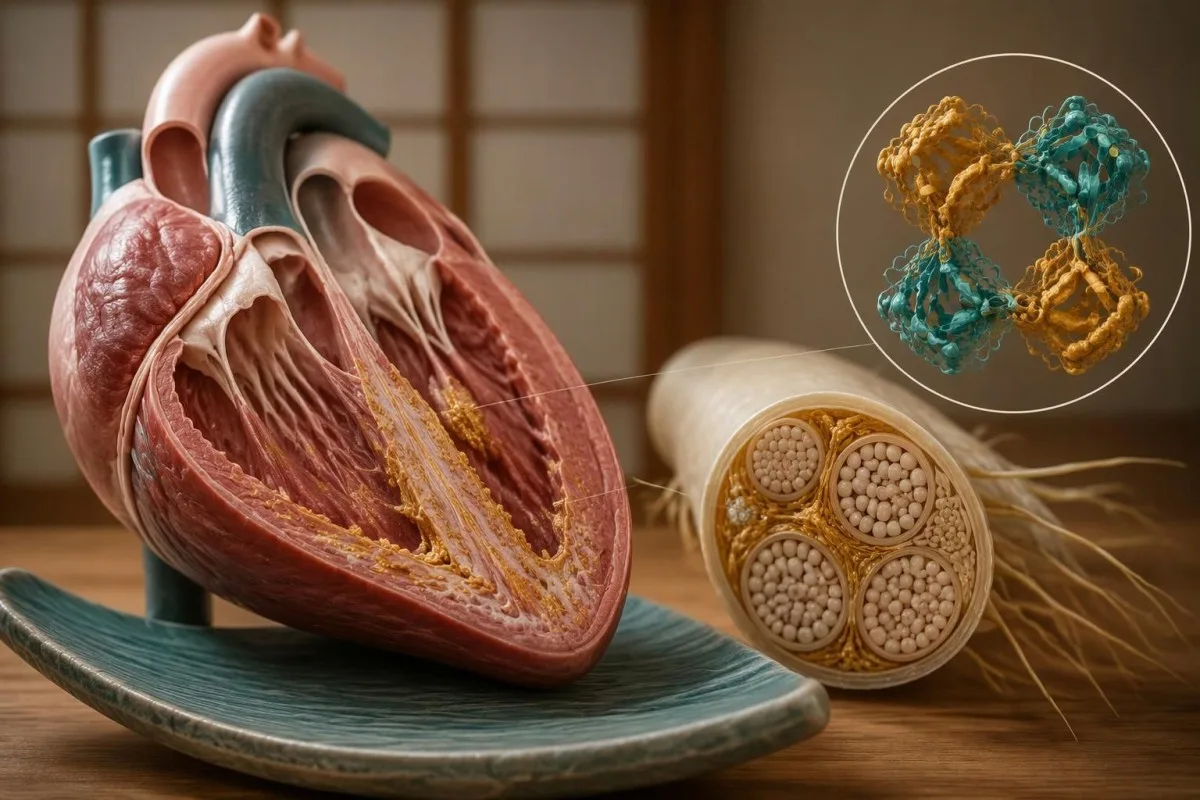
Հիվանդություն առաջացնող TTR տարբերակը հաստատում է ժառանգական նախատրամադրվածությունը ժառանգական ATTR ամիլոիդոզի նկատմամբ, այլ ոչ թե ակտիվ հիվանդության առկայությունը։ Անորոշ նշանակության տարբերակը չի հաստատում այդ նախատրամադրվածությունը․ ախտանիշները պահանջում են առանձին մասնագիտական գնահատում, իսկ վայրի տիպի ATTR-ը զարգանում է առանց հիվանդություն առաջացնող ժառանգական TTR տարբերակի։.

Հիմնական եզրակացությունները
- Ախտածին TTR տարբերակ նշանակում է ժառանգական նախատրամադրվածություն․ մեկ գենետիկ հայտնաբերումն ինքնին չի հաստատում ախտանշանային ամիլոիդոզը։.
- Ժառանգման ռիսկը սովորաբար 50% է հիվանդություն առաջացնող TTR-ի մեկ պատճեն ունեցող անձի յուրաքանչյուր երեխայի համար՝ անկախ երեխայի սեռից։.
- Անորոշ նշանակության հայտնաբերումները պատկանում են տարբերակների դասակարգման 5 ստանդարտ կատեգորիաներից մեկին․ VUS-ը չպետք է ինքնին որոշիչ լինի կանխատեսիչ հետազոտության կամ բուժման համար։.
- Տարբերակների անվանումները կարող են տարբերվել 22 ամինաթթվային դիրքով․ p.Val50Met և պատմական Val30Met անվանումները նկարագրում են նույն փոխարինումը։.
- Վայրի տիպի ATTR ներառում է տրանստիրետին՝ առանց հիվանդություն առաջացնող TTR տարբերակի հայտնաբերման․ ժառանգական և վայրի տիպի կուտակումները հնարավոր չէ հուսալիորեն տարբերակել միայն ախտանիշներով։.
- Սրտային հաստատումը կարող է ներառել ոսկրային ռադիոտրեյսերի 2 կամ 3 աստիճանի կուտակում, սակայն միայն համապատասխան պատկերային հետազոտության ուղու շրջանակում և մոնոկլոնալ սպիտակուցի գնահատումից հետո։.
- Կրողների հսկողությունը հաճախ ներառում է տարեկան գնահատում, որի ժամկետներն անհատականացվում են․ ընտանիքում հիվանդության կանխատեսվող սկզբից մոտավորապես 10 տարի առաջը պլանավորման ուղեցույց է, ոչ թե կենսաբանական վերջնաժամկետ։.
- Շտապ օգնության ախտանիշներ օրինակ՝ ծանր շնչահեղձությունը, ուշագնացությունը կամ կրծքավանդակի ցավը պահանջում են անհապաղ բուժօգնություն, ոչ թե սպասել հսկողության հաջորդ՝ 6–12 ամիս անց նախատեսված այցին։.
Ի՞նչ է իրականում նշանակում TTR տարբերակը։
A ախտածին կամ հավանաբար ախտածին TTR տարբերակը ցույց է տալիս ժառանգական ATTR ամիլոիդոզի նկատմամբ ժառանգական նախատրամադրվածությունը, սակայն ինքնին չի վկայում ակտիվ ամիլոիդի կուտակման կամ օրգանների վնասման մասին։ A անորոշ նշանակության տարբերակ, կամ VUS-ը, բավարար ապացույցներ չունի նման եզրակացության համար․ դրանք առանձին հարցեր են, որոնք պահանջում են առանձին կլինիկական որոշումներ։.

TTR գենն է, որը կոդավորում է տրանստիրետինը՝ հիմնականում լյարդում արտադրվող փոխադրող սպիտակուցը․ դրա սովորական շրջանառվող կառուցվածքը պարունակում է սպիտակուցի 4 ենթամիավոր։ Որոշ տարբերակներ այդ կառուցվածքն ավելի անկայուն են դարձնում՝ թույլ տալով սխալ ծալված սպիտակուցին կուտակվել որպես ամիլոիդ, հատկապես նյարդերում կամ սրտում։.
Օրինակ՝ պատկերացրեք 46-ամյա մարդու, ում կլինիկական գենետիկական հետազոտությամբ հայտնաբերվել է հիվանդություն առաջացնող հայտնի TTR տարբերակ, սակայն նյարդաբանական զննումն ու սրտի գնահատումը հիվանդություն չեն ցույց տալիս։ Համապատասխան նկարագրությունը կարող է լինել տարբերակի անախտանիշ կրող, այլ ոչ թե ախտանշանային ամիլոիդոզով անձ․ բուժման իրավասությունը և հետագա հսկողությունը կախված են լրացուցիչ տվյալներից։.
Kantesti-ը AI արյան թեստերի վերլուծիչ է, որն օգնում է բացատրել ուղեկցող լաբորատոր արդյունքները՝ գենետիկական նախատրամադրվածությունը տարբերակելով օրգանների հիվանդության հաստատումից։ Տեղեկություններ կազմակերպությունում բացատրում է մեր ծառայության համատեքստը․ ո՛չ սովորական լաբորատոր հետազոտությունների փաթեթը, ո՛չ էլ AI-ի բացատրությունը չեն կարող փոխարինել այս 2 մասնագիտական գնահատումներին։.
Ինչո՞վ են տարբերվում ախտածին TTR հայտնաբերումները VUS-ից։
Ախտածին և հավանաբար ախտածին արդյունքներն ունեն ապացույցներ, որոնք հաստատում են հիվանդություն առաջացնելու դրանց դերը․ VUS -ը բավարար ապացույցներ չունի ո՛չ վնասակար, ո՛չ անվնաս դասակարգման համար։ Լաբորատորիաներն օգտագործում են 5 ստանդարտ կատեգորիա՝ ախտածին, հավանաբար ախտածին, անորոշ նշանակության, հավանաբար բարորակ և բարորակ։.

ACMG/AMP հաջորդականության տարբերակների գնահատման շրջանակը հավանաբար ախտածին արդյունքները տեղադրում է ախտածին լինելու 90% վստահության շեմից բարձր, սակայն այդ տոկոսը նկարագրում է դասակարգման վստահությունը, այլ ոչ թե անհատի մոտ ախտանիշների առաջացման հավանականությունը (Richards et al., 2015)։ Մեր բացատրությունը՝ ժառանգական քաղցկեղի թեստերի արդյունքների մասին illustrates the same distinction between a laboratory label and a person's current disease status.
A VUS should not, by itself, trigger disease-specific treatment or routine predictive testing of healthy relatives. Specialists may instead investigate whether the finding tracks with confirmed disease in a family—a segregation study involving 2 or more informative relatives when available—which is different from declaring those relatives genetically affected.
Classification can change when additional family, functional, or population evidence becomes available. Ask who will handle recontact, whether review in 12–24 months would be useful, and whether another laboratory has classified the exact same variant differently; our guide to common genetic variant misconceptions explains why the word mutation is not automatically a diagnosis.
Ինչո՞ւ կարող է նույն TTR տարբերակն ունենալ երկու անուն։
The same TTR variant can have modern and historical protein names because modern numbering includes a 22-amino-acid signal peptide. For example, p.Val50Met is the variant historically called Val30Met, և p.Val142Ile is the variant historically called Val122Ile.

A complete report ideally supplies the gene, transcript reference, DNA-level notation, protein-level notation, zygosity, and classification—not simply a variant nickname. Because a TTR precursor contains 149 amino acids and the mature protein contains 127, comparing reports without noticing the numbering convention can create an apparent disagreement where none exists.
p.Thr80Ala, historically Thr60Ala, can produce a mixed cardiac and neurological phenotype, whereas p.Val142Ile is often associated with predominantly cardiac disease. These are tendencies rather than guarantees: 2 relatives with the same variant may differ in age at onset, affected organs, and severity.
For a hypothetical family, a parent's report saying Val122Ile and an adult child's report saying p.Val142Ile should prompt exact-notation comparison before anyone concludes that there are 2 different familial variants. Similar nomenclature issues arise in enzyme and genetic testing; bring the original reports rather than relying on a handwritten abbreviation.
Արդյո՞ք ժառանգման 50% ռիսկը նշանակում է 50% հիվանդության ռիսկ։
A 50% inheritance risk is not a 50% risk of symptomatic disease. Hereditary ATTR usually follows autosomal dominant inheritance: a person with 1 disease-causing TTR copy has a 50% chance of passing that copy to each child, but disease expression depends on age-related penetrance and other factors.
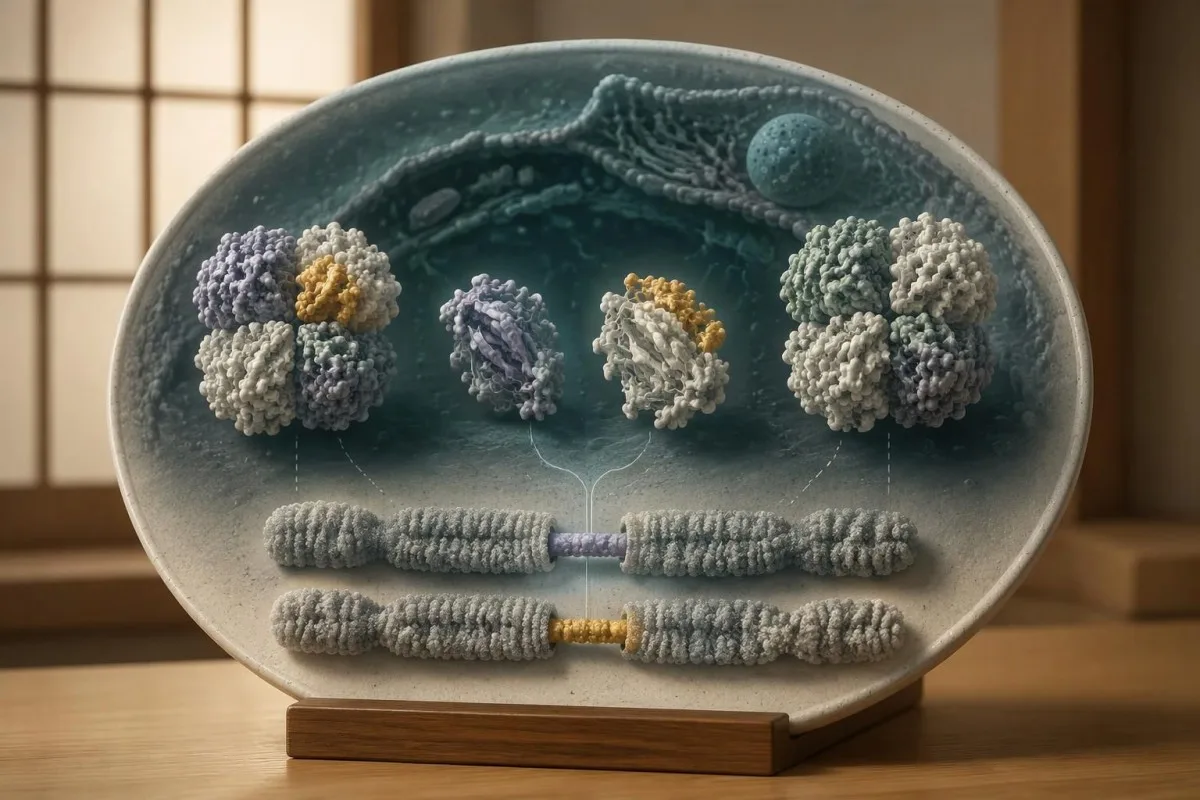
Each pregnancy is an independent event; with 2 children, the theoretical probabilities are 25% for neither inheriting the variant, 50% for exactly one, and 25% for both. Those calculations assume one heterozygous parent and describe inheritance only—they do not predict whether or when either child will become ill.
Penetrance means the proportion of variant carriers who develop disease by a stated age, and it varies across TTR variants and populations. The often-quoted 3–4% frequency of p.Val142Ile in some populations of African ancestry is a variant-frequency estimate, not a universal estimate of amyloidosis prevalence or an individual's lifetime disease risk.
An apparently unaffected parent aged 75 can still have transmitted a pathogenic variant, while a negative family history may reflect late onset, small families, or previously unrecognized disease. Our discussion of genetic susceptibility and kidney risk offers a useful comparison, although APOL1 risk architecture should not be substituted for TTR inheritance.
Ինչո՞վ է ժառանգական ATTR-ը տարբերվում վայրի տիպի ATTR-ից։
Hereditary ATTR involves a disease-causing TTR variant; wild-type ATTR involves amyloid formed from transthyretin without an identified disease-causing variant. Both can affect the heart, so neither age nor a cardiac scan alone reliably distinguishes these 2 forms.
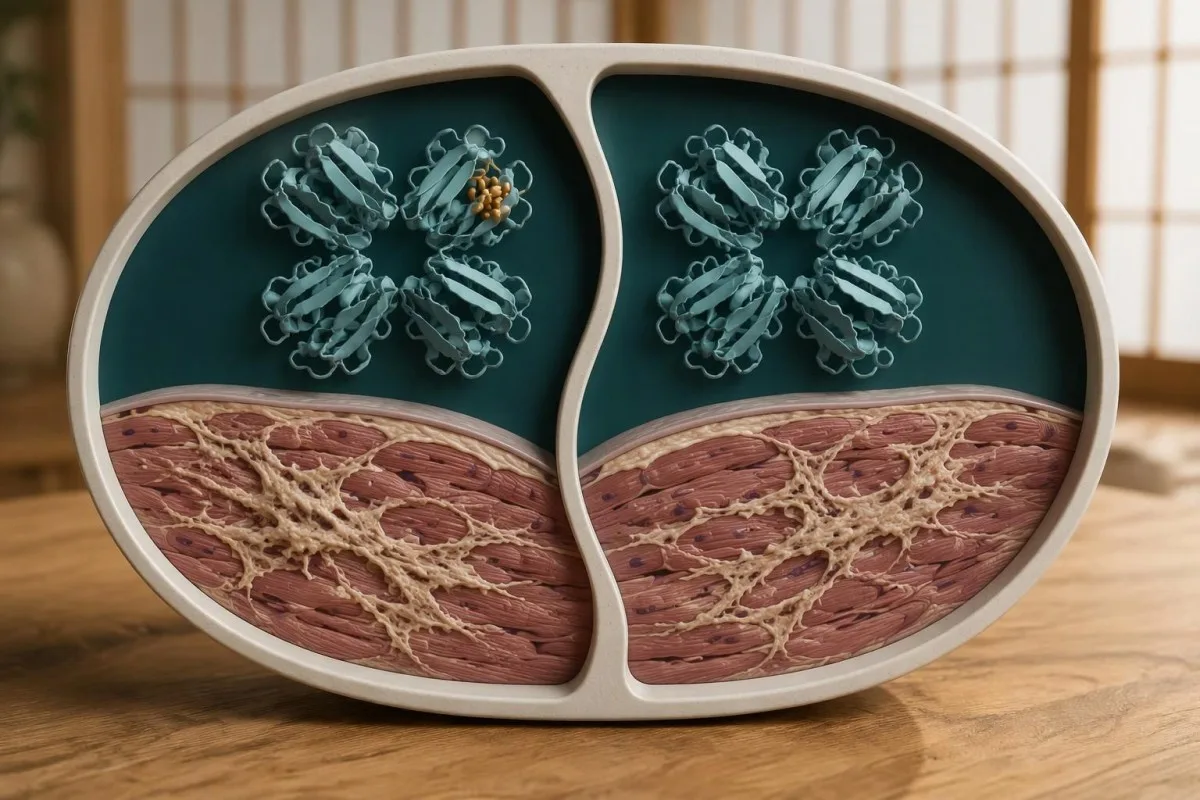
TTR sequencing is recommended after ATTR cardiomyopathy is established, including in older adults, because hereditary disease can first become apparent after age 70. The ESC position statement emphasizes genetic counseling and testing to distinguish variant ATTR from wild-type ATTR, rather than assuming that an older patient's disease cannot be inherited (Garcia-Pavia et al., 2021).
A negative result for a known family variant removes that particular inherited susceptibility, but it does not guarantee that the person will never develop wild-type ATTR or another heart condition. Conversely, a VUS does not automatically convert a confirmed ATTR diagnosis into hereditary ATTR; the laboratory classification and amyloid diagnosis still need reconciliation.
ATTR is also different from AL ամիլոիդոզ, caused by immunoglobulin light chains, and AA ամիլոիդոզը, associated with prolonged inflammatory activity. These are at least 3 distinct amyloid types with different investigations and treatment pathways; an elevated serum amyloid A result does not diagnose TTR-related disease.
Ժառանգական ամիլոիդոզի ո՞ր ախտանիշներն են գնահատման կարիք ունենում։
Hereditary amyloidosis symptoms may include progressive numbness or burning feet, weakness, altered bowel function, dizziness on standing, breathlessness, or ankle swelling. These findings are nonspecific, but involvement of 2 systems—such as neuropathy plus unexplained cardiac thickening—raises more concern than either finding alone.

Bilateral carpal tunnel syndrome, particularly when it precedes cardiac symptoms by several years, can be an ATTR clue but is far more commonly explained by other causes. Document whether 1 or both wrists are affected and when symptoms began; our guide to carpal tunnel finger patterns helps distinguish a local median-nerve pattern from broader neuropathy.
Օրթոստատիկ հիպոտոնիա commonly means a sustained fall of at least 20 mmHg systolic or 10 mmHg diastolic within 3 minutes of standing. Amyloid-related autonomic dysfunction is one possible cause, but dehydration and medicines are common alternatives; it is not interchangeable with the heart-rate pattern discussed in POTS diagnostic testing.
Consider a hypothetical 58-year-old carrier who develops numb feet, unintentional weight loss, and new difficulty climbing stairs over 6 months: that combination warrants prompt specialist review rather than waiting for annual screening. Sudden weakness, severe breathlessness, chest pain, or collapse requires urgent care because immediately treatable problems must be assessed before attributing symptoms to ATTR.
Ո՞ր հետազոտություններն են հաստատում ակտիվ ATTR ամիլոիդոզը։
Active ATTR amyloidosis requires evidence of amyloid disease, not just a genetic result. In the appropriate cardiac setting, grade 2 or 3 uptake on a validated bone-tracer scan can establish ATTR cardiomyopathy without biopsy only when monoclonal protein testing is negative and imaging confirms uptake within heart muscle.

The monoclonal screen includes serum free light chains plus serum and urine immunofixation; serum protein electrophoresis alone is insufficient. Gillmore et al.'s 2016 Circulation study evaluated 1,217 patients and established the nonbiopsy cardiac approach under defined conditions; our guide to immunofixation bands and follow-up explains why detecting a monoclonal protein changes the next step.
A monoclonal protein does not prove AL amyloidosis, because an unrelated monoclonal gammopathy can coexist with ATTR, especially in older adults. However, it prevents clinicians from using the simplified scan-only ATTR pathway; interpreting the ազատ լույսի շղթայի հարաբերակցություն also requires kidney-function context and, where available, assay-specific renal reference intervals.
When tissue examination is needed, Congo red staining establishes amyloid, while reliable protein typing—often mass spectrometry—identifies its source. A negative abdominal fat sample does not exclude ATTR, and grade 1 cardiac uptake is not the same as the grade 2–3 diagnostic criterion; neuropathy-predominant disease may require a different combination of neurological and tissue investigations.
Ի՞նչ պետք է ներառի TTR-ի գենետիկ խորհրդատվությունը։
TTR genetic counseling should explain the exact variant, classification, inheritance, limitations of risk prediction, and consequences for relatives before testing or major decisions. For most heterozygous families, the 50% transmission probability is straightforward; predicting age at onset and organ involvement is much less precise.

Counseling distinguishes diagnostic testing in someone with suspected disease from predictive testing in an unaffected relative. A person considering predictive testing should have time to discuss emotional readiness and the right not to know, similar to the consent principles described in predictive neurological genetic testing, although TTR penetrance differs substantially.
Reproductive discussions can include natural conception, prenatal diagnosis, and preimplantation genetic testing where available and legally permitted. Because a 50% transmission risk does not specify future severity, these conversations should be nondirective; confirm the familial pathogenic variant in a clinical laboratory before using it for reproductive testing or other consequential decisions.
Kantesti's explanations of գաղտնիության և ձեր տվյալների մասին տեղեկությանը help readers consider what they share, but genetic information has implications beyond ordinary laboratory values. Before adding reports for 2 or more relatives to a shared account, obtain each person's permission and ask the genetics team about local insurance rules, record access, and secure family communication.
Ո՞ր հարազատները պետք է դիտարկեն թիրախային TTR հետազոտություն անցնելը։
Adult relatives at risk of a confirmed familial pathogenic or likely pathogenic TTR variant should be offered genetic counseling and the option of targeted testing. Each child of a heterozygous carrier has a 50% inheritance probability; a sibling's risk depends on whether a parent carries the variant.

Start with the relative who has confirmed disease whenever possible, then use that person's exact variant to guide cascade testing. Testing all relatives with a broad panel before establishing the family finding may generate additional VUS results; this differs from the recessive inheritance questions in SMA carrier screening, where 2 gene copies have a different meaning.
Predictive testing for adult-onset TTR disease is generally deferred in children younger than 18 when the result would not change childhood care, preserving their future choice. A child with unexplained relevant symptoms needs clinical assessment rather than automatic dismissal; any exceptional testing decision should involve pediatric and genetics specialists, not a routine family screening package.
For example, a 34-year-old who tests negative for a clinically confirmed familial p.Val50Met variant generally does not need surveillance specifically for that family variant. A symptomatic relative still needs assessment for other causes, and a 1-variant consumer screening result cannot substitute for a validated familial test if the relevant variant was not actually examined.
Ինչպե՞ս են հսկվում ախտանիշներ չունեցող TTR կրողները։
Asymptomatic pathogenic TTR carriers need individualized surveillance, commonly involving annual clinical review, rather than an automatic amyloidosis diagnosis or preventive prescription. Many expert pathways begin structured assessment approximately 10 years before predicted disease onset, but variant-specific evidence and family history may justify earlier or different monitoring.
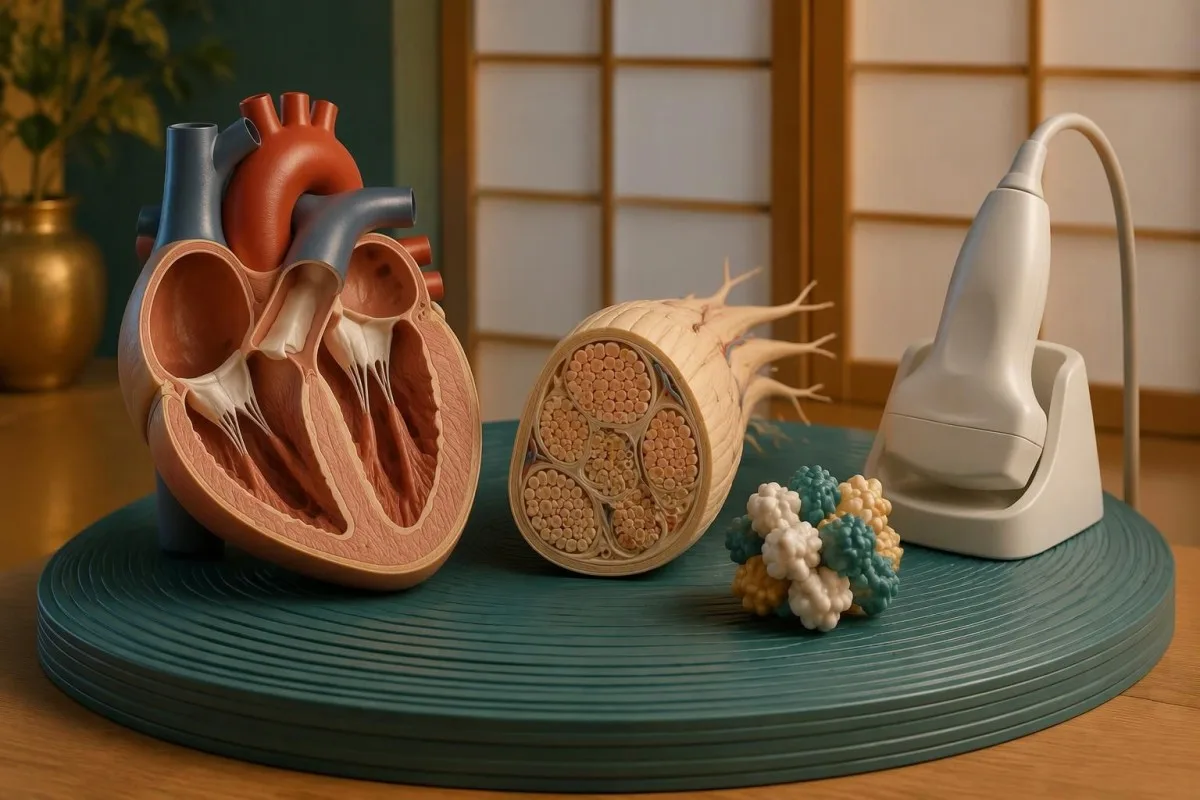
Baseline assessment may include neurological examination, autonomic history, ECG, echocardiography, kidney function, and cardiac biomarkers; additional tests depend on the variant and symptoms. The ESC position statement outlines regular carrier follow-up (Garcia-Pavia et al., 2021), but a 6–12-month interval should be individualized, especially when new findings appear or expected onset approaches.
A parent's onset at 62 is not a countdown showing that a child's disease will begin at 62, and a normal baseline does not eliminate later risk. Kantesti AI can help explain the difference between a single value and a meaningful laboratory timeline, but specialist decisions also require examination and imaging that routine blood interpretation cannot supply.
Imagine NT-proBNP increasing from 180 to 620 pg/mL while eGFR falls from 62 to 43 mL/min/1.73 m²: cardiac change deserves assessment, but reduced kidney clearance can contribute to the rise. Review intercurrent illness, rhythm, and medicines before interpreting progression; our երիկամների ֆունկցիայի հարաբերակցության ուղեցույցը explains why renal context belongs beside cardiac trends.
Ի՞նչ կարող են բացահայտել արյան անալիզները, և ի՞նչ կարող են բաց թողնել։
Routine blood tests cannot confirm or exclude hereditary ATTR amyloidosis. NT-proBNP, troponin, kidney function, and urine protein can help assess organ involvement or alternatives, but a normal set of results—even across 2 visits—does not establish that a pathogenic TTR carrier will remain disease-free.

Տրոպոնին must be interpreted against the assay's 99th-percentile upper reference limit, and NT-proBNP varies with age, kidney function, atrial fibrillation, and body size. A TTR or prealbumin concentration such as 25 mg/dL does not identify a TTR gene mutation or prove amyloid deposition; the test measures circulating protein concentration rather than its genetic sequence.
Neuropathy assessment should also look for treatable alternatives, including diabetes, vitamin B12 deficiency, thyroid disease, and medication effects. A hypothetical B12 result of 210 pg/mL may need additional assessment according to the laboratory and symptoms; our discussion of Վիտամին B12-ի սահմանային արդյունքների explains why a competing diagnosis should not be overlooked simply because a TTR variant exists.
Kantesti is an AI blood test interpretation platform that explains accompanying laboratory values without treating 1 protein result as an amyloidosis diagnosis. Our շիճուկային սպիտակուցների մեկնաբանման ուղեցույց helps separate transport proteins and immunoglobulin findings; neither an ordinary protein panel nor a family-risk feature replaces clinical TTR testing and amyloid typing.
Արդյո՞ք TTR-ի դրական գենետիկ արդյունքը նշանակում է, որ պետք է սկսել բուժումը։
A positive TTR genetic result alone is not a standard indication for disease-modifying treatment. Specialists consider confirmed ATTR disease, the affected organs, functional status, and local approvals; the 2 main medication strategies are stabilizing transthyretin and reducing production of transthyretin.

TTR stabilizers aim to reduce dissociation of the 4-subunit protein, while TTR-lowering therapies reduce production, mainly in the liver. Neither approach edits the inherited DNA, so family transmission considerations remain after treatment; eligibility differs between cardiomyopathy, polyneuropathy, and mixed disease, as do approval and reimbursement rules across countries.
Monitoring depends on the chosen medicine rather than the genetic label alone: some regimens require attention to platelets, kidney function, or vitamin A handling. If vitamin A supplementation is advised during a TTR-lowering regimen, use the prescribed allowance rather than escalating the dose because a laboratory result looks low; 1 abnormal value does not establish a safe replacement dose.
Kantesti does not select amyloidosis medication or establish treatment eligibility from uploaded laboratory results; our տեխնիկական վավերացում և վերահսկողություն describe a different task from specialist prescribing. For an asymptomatic carrier, discuss surveillance and research opportunities; there is no single proven preventive prescription that follows automatically from a 50% inheritance-risk calculation.
Ի՞նչ պետք է բերեք մասնագետի հետ հանդիպմանը։
Bring the original genetic report, symptom timeline, family history, and relevant cardiac or neurological investigations to an amyloidosis or clinical genetics appointment. These 4 information groups help specialists distinguish a confirmed disease-causing variant, an uncertain finding, unrelated symptoms, and early organ involvement.

Record symptom onset by month and year where possible, including numbness, bowel changes, wrist procedures, fainting, breathlessness, and reduced walking tolerance. Include at least 3 generations of family information if available, but distinguish a documented amyloidosis diagnosis from a relative's unexplained heart failure; uncertain family labels should remain visibly uncertain.
Ask 3 focused questions: Is this variant pathogenic, likely pathogenic, or uncertain; what evidence exists for active organ disease; and which relatives should be offered counseling? A written plan should also identify the clinician responsible for follow-up, what changes should trigger earlier contact, and whether a laboratory will notify anyone if the variant classification changes.
Kantesti is an AI-powered blood test analysis tool that can help explain laboratory reports before a consultation, not replace the consultation or infer another relative's genotype. Our guide to consent-based family health tracking covers shared records; our արհեստական բանականության պատասխանատու օգտագործման սկզբունքները explain why 1 uncertain genetic result should never become an automated family diagnosis.
Ո՞ր հետազոտություններն են հիմնավորում ախտորոշումը, և որո՞նք են գնահատում AI-ը։
Clinical amyloidosis research and AI technical benchmarks answer different questions. The 2016 nonbiopsy diagnostic study and 2021 ESC position statement support specific ATTR assessment pathways; the 2 repository publications listed below describe separate AI projects and do not validate TTR variant classification or diagnose hereditary ATTR amyloidosis.

The clinical evidence cited here addresses 3 distinct tasks: sequence-variant classification, cardiac amyloid confirmation, and specialist management pathways. Congo red staining can reveal amyloid but cannot, by itself, identify a TTR genotype or reliably distinguish all amyloid proteins; the same caution applies to a compelling-looking AI explanation unsupported by the required clinical tests.
Kantesti's repository publications describe early hantavirus triage across 50,000 interpreted reports and a technical benchmark involving 100,000 synthetic test cases. The blood-test engine benchmark provides context for the latter; synthetic-case performance does not establish sensitivity for detecting ATTR in real patients, and a Figshare DOI does not itself demonstrate peer review or regulatory authorization.
For patients and relatives, the next decision should follow the report category: counseling and individualized surveillance for a confirmed pathogenic variant, specialist-led clarification for a VUS, and organ assessment for relevant symptoms. Keep those 3 pathways separate; a genetic finding, an imaging result, and an AI-generated explanation are not interchangeable forms of evidence.
Հաճախ տրվող հարցեր
Արդյո՞ք TTR գենի մուտացիան նշանակում է, որ ես ունեմ ժառանգական ATTR ամիլոիդոզ։
TTR գենի ախտածին կամ հավանաբար ախտածին մուտացիան հաստատում է ժառանգական նախատրամադրվածությունը, սակայն ինքնին չի հաստատում ակտիվ ժառանգական ATTR ամիլոիդոզը։ Հիվանդություն առաջացնող TTR-ի 1 պատճեն ունեցող անձը կարող է երկար տարիներ մնալ առանց ախտանիշների կամ երբեք չզարգացնել ճանաչված հիվանդություն։ Մասնագետները գնահատում են ախտանիշները, զննման տվյալները, պատկերային հետազոտությունների արդյունքները և երբեմն հյուսվածքների հետազոտության արդյունքները՝ պարզելու համար, թե արդյոք առկա է օրգանի ախտահարում։ Անորոշ նշանակության տարբերակը չի հաստատում նույն ժառանգական նախատրամադրվածությունը։.
Կարելի՞ է TTR-ի անորոշ կլինիկական նշանակության տարբերակն օգտագործել ընտանիքիս հետազոտելու համար։
TTR-ի անորոշ նշանակության տարբերակը չպետք է ինքնուրույն օգտագործվի առողջ հարազատների սովորական կանխատեսող թեստավորման կամ բուժման վերաբերյալ որոշումներ կայացնելու համար։ Այն տարբերակների դասակարգման 5 ստանդարտ կատեգորիաներից 1-ն է և նշանակում է, որ ապացույցները բավարար չեն գտածոն վնասակար կամ անվնաս դասակարգելու համար։ Գենետիկայի թիմը կարող է կազմակերպել ընտանիքի անդամների ընտրված թեստավորում՝ ուսումնասիրելու, թե արդյոք տարբերակը համընկնում է հաստատված հիվանդության հետ։ Այդ հետազոտությունն օգնում է դասակարգմանը. դա նույնը չէ, ինչ հարազատներին հիվանդություն ունեցող կրողներ համարելը։.
Որքա՞ն է հավանականությունը, որ իմ երեխաները կժառանգեն ժառանգական ATTR-ը։
1 հիվանդություն առաջացնող TTR պատճեն ունեցող անձի յուրաքանչյուր երեխայի մոտ այդ տարբերակը ժառանգելու հավանականությունը սովորաբար 50% է։ Հավանականությունը նույնն է ցանկացած սեռի երեխաների համար, և յուրաքանչյուր հղիություն անկախ է։ Տարբերակի ժառանգումը չի որոշում, թե երբ կսկսվեն ախտանիշները կամ որքան ծանր կլինի հիվանդությունը։ Գենետիկական խորհրդատվությունը կարող է բացատրել կանխատեսիչ թեստավորումն ու վերարտադրողական հնարավորությունները՝ առանց փոխանցման հավանականությունը հիվանդության կանխատեսում համարելու։.
Արդյո՞ք Val30Met-ը և p.Val50Met-ը TTR-ի նույն մուտացիան են։
Val30Met-ը և p.Val50Met-ը նկարագրում են TTR սպիտակուցի նույն փոխարինումը՝ օգտագործելով համարակալման տարբեր սկզբունքներ։ Ժամանակակից համարակալումը ներառում է 22 ամինաթթվից բաղկացած ազդանշանային պեպտիդը, որը պատմական՝ հասուն սպիտակուցի համարակալման մեջ չի ներառվում։ Նույն հանգամանքով է բացատրվում Val122Ile-ի և p.Val142Ile-ի, ինչպես նաև Thr60Ala-ի և p.Thr80Ala-ի տարբերությունը։ Գենետիկայի մասնագետը տարբեր լաբորատորիաների հաշվետվություններն ուսումնասիրելիս պետք է համեմատի ԴՆԹ-ի և սպիտակուցի ամբողջական նշագրումները։.
Կարո՞ղ են արյան սովորական անալիզները բացառել ATTR ամիլոիդոզը:
Normal routine blood tests cannot rule out ATTR amyloidosis or eliminate future disease risk in a pathogenic TTR carrier. Troponin is interpreted using the assay's 99th-percentile limit, while NT-proBNP and kidney results provide context about organ stress rather than amyloid identity. A normal TTR or prealbumin concentration does not exclude a TTR variant or amyloid deposits. Evaluation may still require neurological assessment, cardiac imaging, and selected tissue investigations.
Ժառանգակա՞ն է վայրի տիպի ATTR ամիլոիդոզը:
Վայրի տիպի ATTR ամիլոիդոզը չի վերագրվում հիվանդություն առաջացնող ժառանգական TTR տարբերակին՝ ի տարբերություն ժառանգական ATTR-ի։ Երկու ձևերն էլ կարող են առաջացնել սրտային նմանատիպ դրսևորումներ, ուստի միայն տարիքը և ախտանիշները բավարար չեն դրանք հուսալիորեն տարբերակելու համար։ ATTR կարդիոմիոպաթիայի հաստատումից հետո խորհուրդ է տրվում կատարել TTR-ի գենետիկական հետազոտություն, այդ թվում՝ տարեց մեծահասակների մոտ։ Հարազատները կարիք չունեն նպատակային հետազոտության՝ ընտանեկան տարբերակի առկայությունը պարզելու համար, եթե հիվանդություն առաջացնող տարբերակն իրականում չի հայտնաբերվել։.
Որքա՞ն հաճախ պետք է ասիմպտոմ TTR կրողը այցելի մասնագետի։
Ախտանիշներ չունեցող՝ TTR-ի ախտածին տարբերակի կրողը սովորաբար տարեկան անցնում է մասնագետի զննում, սակայն հետագա հսկողությունը պետք է անհատականացվի, այլ ոչ թե բոլորի համար սահմանվի նույն ժամանակացույցը։ Որոշ հսկողության ծրագրեր սկսվում են ընտանիքում հիվանդության կանխատեսվող սկզբից մոտ 10 տարի առաջ՝ ախտանիշների կամ մտահոգիչ հայտնաբերումների դեպքում ավելի վաղ զննում նախատեսելով։ Ծրագրի մաս կարող են կազմել նյարդաբանական զննումը, ԷՍԳ-ն, էխոկարդիոգրաֆիան և ընտրված լաբորատոր մարկերները։ Նոր առաջացած շնչահեղձությունը, ուժգնացող թուլությունը կամ ուշագնացությունը պետք է հիմք դառնան ավելի վաղ զննման համար՝ ոչ թե սպասելու նշանակված այցին։.
Ստացեք ձեր արյան անալիզի արդյունքների բացատրությունը
Վերբեռնեք ձեր լաբորատոր հաշվետվությունը, և Kantesti-ի AI-ն վայրկյանների ընթացքում պարզ լեզվով կբացատրի յուրաքանչյուր կենսամարկեր։ Օգտագործում է ավելի քան 2 միլիոն մարդ ամբողջ աշխարհում։.
Հղումներ
- Klein, T., Mitchell, S., & Weber, H. (2026). Բազմալեզու AI-ով օժանդակվող կլինիկական որոշումների աջակցություն՝ հանտավիրուսի վաղ փուլում տրիաժի համար․ նախագծում, ինժեներական վավերացում և իրական պայմաններում կիրառում՝ 50,000 մեկնաբանված արյան անալիզի հաշվետվությունների հիման վրա։. Kantesti AI բժշկական հետազոտություն։. ԴՕԻ
- Klein, T., Mitchell, S., & Weber, H. (2026). Kantesti Արյան թեստի մեկնաբանման շարժիչի նախապես գրանցված, ռուբրիկային (rubric-based) ավտոմատացված տեխնիկական բենչմարկը՝ 100,000 սինթետիկ թեստային դեպքերի վրա։. Kantesti AI բժշկական հետազոտություն։. ԴՕԻ
- Richards S et al. (2015)։. Հաջորդականության տարբերակների մեկնաբանման չափանիշներն ու ուղեցույցները․ Ամերիկյան բժշկական գենետիկայի և գենոմիկայի քոլեջի և Մոլեկուլային պաթոլոգիայի ասոցիացիայի համատեղ համաձայնեցված առաջարկություն։. Գենետիկա բժշկության մեջ։. ԴՕԻ PubMed
- Garcia-Pavia P et al. (2021). Diagnosis and treatment of cardiac amyloidosis: a position statement of the ESC Working Group on Myocardial and Pericardial Diseases. European Heart Journal։. ԴՕԻ PubMed
- Gillmore JD et al. (2016). Nonbiopsy Diagnosis of Cardiac Transthyretin Amyloidosis. Circulation։. ԴՕԻ PubMed
- 2 միլիոն+Վերլուծված թեստեր
- 127+Երկրներ
- 100+Լեզուներ
Բժշկական թիմի մասին


E-E-A-T վստահության ազդանշաններ
Փորձառություն
Բժշկի կողմից ղեկավարվող կլինիկական վերանայում՝ լաբորատոր մեկնաբանության աշխատանքային հոսքերի համար։.
Մասնագիտություն
Լաբորատոր բժշկության կենտրոնացում՝ այն բանի վրա, թե ինչպես են բիոմարկերները դրսևորվում կլինիկական համատեքստում։.
Հեղինակություն
Բժշկական գրախոսությունը՝ դոկտոր Թոմաս Քլայնի կողմից, դոկտոր Սառա Միտչելի և պրոֆ. դոկտոր Հանս Վեբերի մասնակցությամբ։.
Հուսալիություն
Ապացույցների վրա հիմնված մեկնաբանություն՝ հստակ հետագա քայլերի ուղիներով՝ ահազանգերը նվազեցնելու համար։.






Բժշկական հրաժարում պատասխանատվությունից
Այս հոդվածը միայն կրթական նպատակների համար է և չի հանդիսանում բժշկական խորհրդատվություն։ Ախտորոշման և բուժման որոշումների համար միշտ խորհրդակցեք որակավորված բուժաշխատողի հետ։.
Հրապարակված · Կապ հաստատել խմբագրական թիմի հետ
Հրատարակված է Kantesti Ltd-ի կողմից, գրանցված Անգլիայում և Ուելսում, ընկերության համար. 17090423, Լոնդոն, Միացյալ Թագավորություն։.
