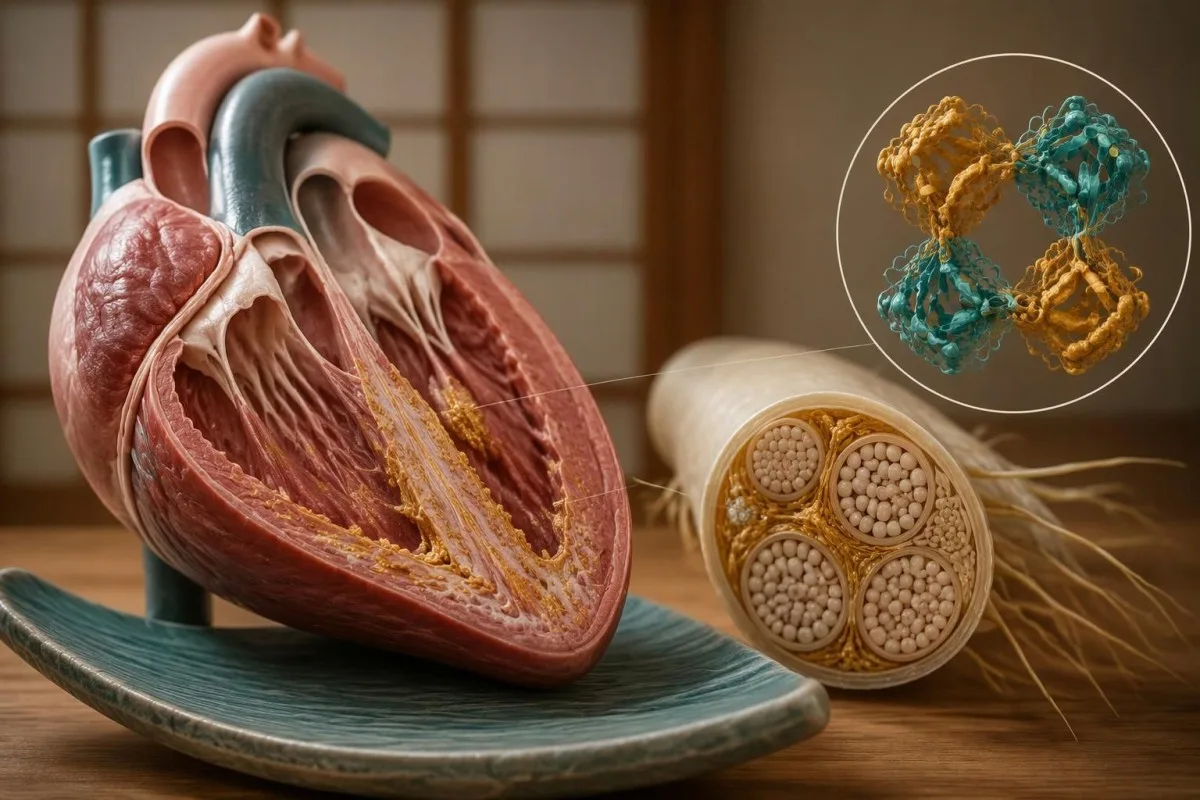
Variant TTR spôsobujúci ochorenie potvrdzuje dedičnú predispozíciu na dedičnú amyloidózu ATTR — nie aktívne ochorenie. Neistý variant túto predispozíciu nepotvrdzuje; príznaky si vyžadujú samostatné posúdenie špecialistom a ATTR divokého typu vzniká bez zdedeného variantu TTR spôsobujúceho ochorenie.

Kľúčové poznatky
- Patogénny variant TTR znamená dedičnú predispozíciu; 1 genetický nález sám osebe nepotvrdzuje symptomatickú amyloidózu.
- Riziko dedičnosti je zvyčajne 50% pre každé dieťa osoby s 1 kópiou TTR spôsobujúcou ochorenie, bez ohľadu na pohlavie dieťaťa.
- Neisté nálezy patria do 1 z 5 štandardných kategórií klasifikácie variantov; samotný VUS by nemal určovať prediktívne testovanie ani liečbu.
- Názvy variantov sa môžu líšiť o 22 pozícií aminokyselín: p.Val50Met a historický názov Val30Met označujú rovnakú substitúciu.
- ATTR divokého typu zahŕňa transthyretín bez identifikovaného variantu TTR spôsobujúceho ochorenie; dedičné a divoké depozity nemožno spoľahlivo rozlíšiť iba podľa príznakov.
- Potvrdenie postihnutia srdca môže využívať vychytávanie kostného rádiofarmaka 2. alebo 3. stupňa, ale iba v rámci príslušného zobrazovacieho postupu a po vyšetrení monoklonálneho proteínu.
- Sledovanie nosičov často zahŕňa každoročné vyšetrenie, pričom načasovanie sa prispôsobuje individuálne; približne 10 rokov pred predpokladaným nástupom ochorenia v rodine slúži ako pomôcka pri plánovaní, nie ako biologický termín.
- Príznaky vyžadujúce urgentnú pomoc ako sú závažná dýchavičnosť, kolaps alebo bolesť na hrudníku si vyžadujú okamžitú starostlivosť – nečakajte na najbližšiu kontrolu v rámci sledovania o 6–12 mesiacov.
Čo v skutočnosti znamená variant TTR?
A patogénny alebo pravdepodobne patogénny variant TTR identifikuje dedičnú náchylnosť na hereditárnu ATTR amyloidózu, ale sám osebe nepotvrdzuje aktívne ukladanie amyloidu ani poškodenie orgánov. A variant neznámeho významu, čiže VUS, nemá dostatok dôkazov na takýto záver; ide o samostatné otázky, ktoré si vyžadujú samostatné klinické rozhodnutia.

TTR je gén, ktorý kóduje transthyretín, transportný proteín produkovaný prevažne v pečeni; jeho bežná cirkulujúca štruktúra obsahuje 4 proteínové podjednotky. Niektoré varianty túto štruktúru destabilizujú a umožňujú nesprávne poskladanému proteínu hromadiť sa vo forme amyloidu, najmä v nervoch alebo srdci.
Predstavme si napríklad 46-ročnú osobu, ktorej klinické genetické vyšetrenie odhalí známy variant TTR spôsobujúci ochorenie, ale neurologické vyšetrenie ani vyšetrenie srdca nepreukážu ochorenie. Vhodným označením môže byť asymptomatický nosič variantu, nie osoba so symptomatickou amyloidózou; nárok na liečbu a následné sledovanie závisia od ďalších nálezov.
Kantesti je analyzátor krvných testov s umelou inteligenciou, ktorý pomáha vysvetliť sprievodné laboratórne výsledky a zároveň odlišuje genetickú náchylnosť od potvrdenia ochorenia orgánov. Informácie o našej organizácii objasňujú kontext našej služby; rutinný laboratórny panel ani vysvetlenie vytvorené umelou inteligenciou nemôžu nahradiť tieto 2 odborné vyšetrenia.
Ako sa líšia patogénne nálezy TTR od VUS?
Patogénne a pravdepodobne patogénny nálezy majú dôkazy podporujúce ich úlohu pri spôsobovaní ochorenia; pri nejasného významu (VUS) nie je dostatok dôkazov na klasifikáciu ako škodlivého alebo neškodného. Laboratóriá používajú 5 štandardných kategórií: patogénny, pravdepodobne patogénny, nejasného klinického významu, pravdepodobne benígny a benígny.

Rámec ACMG/AMP pre klasifikáciu sekvenčných variantov zaraďuje pravdepodobne patogénne nálezy nad hranicu spoľahlivosti 90% pre patogenitu, ale toto percento vyjadruje spoľahlivosť klasifikácie, nie pravdepodobnosť, že sa u jednotlivca rozvinú príznaky (Richards et al., 2015). Naše vysvetlenie výsledkov testov na dedičné nádorové ochorenia illustrates the same distinction between a laboratory label and a person's current disease status.
A VUS should not, by itself, trigger disease-specific treatment or routine predictive testing of healthy relatives. Specialists may instead investigate whether the finding tracks with confirmed disease in a family—a segregation study involving 2 or more informative relatives when available—which is different from declaring those relatives genetically affected.
Classification can change when additional family, functional, or population evidence becomes available. Ask who will handle recontact, whether review in 12–24 months would be useful, and whether another laboratory has classified the exact same variant differently; our guide to common genetic variant misconceptions explains why the word mutation is not automatically a diagnosis.
Prečo môže mať ten istý variant TTR dva názvy?
The same TTR variant can have modern and historical protein names because modern numbering includes a 22-amino-acid signal peptide. For example, p.Val50Met is the variant historically called Val30Meta p.Val142Ile is the variant historically called Val122Ile.

A complete report ideally supplies the gene, transcript reference, DNA-level notation, protein-level notation, zygosity, and classification—not simply a variant nickname. Because a TTR precursor contains 149 amino acids and the mature protein contains 127, comparing reports without noticing the numbering convention can create an apparent disagreement where none exists.
p.Thr80Ala, historically Thr60Ala, can produce a mixed cardiac and neurological phenotype, whereas p.Val142Ile is often associated with predominantly cardiac disease. These are tendencies rather than guarantees: 2 relatives with the same variant may differ in age at onset, affected organs, and severity.
For a hypothetical family, a parent's report saying Val122Ile and an adult child's report saying p.Val142Ile should prompt exact-notation comparison before anyone concludes that there are 2 different familial variants. Similar nomenclature issues arise in enzyme and genetic testing; bring the original reports rather than relying on a handwritten abbreviation.
Znamená riziko dedičnosti 50% riziko ochorenia 50%?
A 50% inheritance risk is not a 50% risk of symptomatic disease. Hereditary ATTR usually follows autosomal dominant inheritance: a person with 1 disease-causing TTR copy has a 50% chance of passing that copy to each child, but disease expression depends on age-related penetrance and other factors.
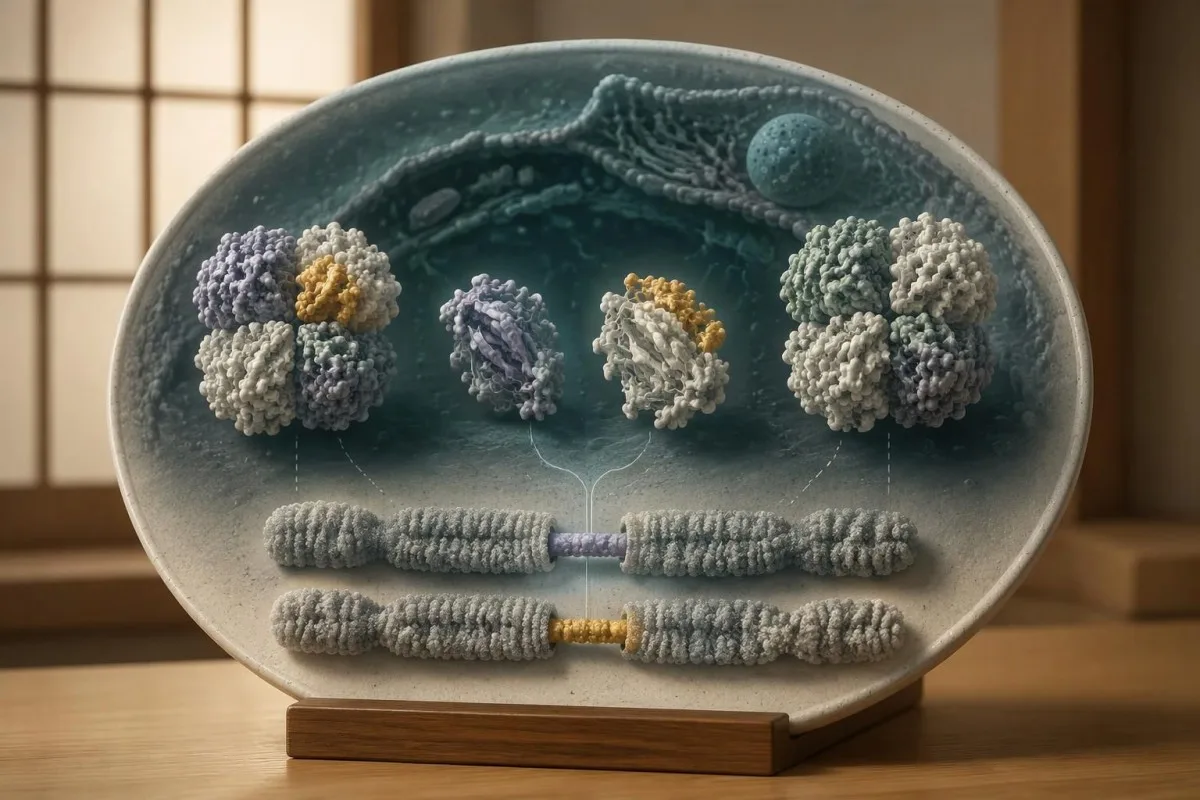
Each pregnancy is an independent event; with 2 children, the theoretical probabilities are 25% for neither inheriting the variant, 50% for exactly one, and 25% for both. Those calculations assume one heterozygous parent and describe inheritance only—they do not predict whether or when either child will become ill.
Penetrance means the proportion of variant carriers who develop disease by a stated age, and it varies across TTR variants and populations. The often-quoted 3–4% frequency of p.Val142Ile in some populations of African ancestry is a variant-frequency estimate, not a universal estimate of amyloidosis prevalence or an individual's lifetime disease risk.
An apparently unaffected parent aged 75 can still have transmitted a pathogenic variant, while a negative family history may reflect late onset, small families, or previously unrecognized disease. Our discussion of genetic susceptibility and kidney risk offers a useful comparison, although APOL1 risk architecture should not be substituted for TTR inheritance.
Čím sa dedičná ATTR líši od ATTR divokého typu?
Hereditary ATTR involves a disease-causing TTR variant; wild-type ATTR involves amyloid formed from transthyretin without an identified disease-causing variant. Both can affect the heart, so neither age nor a cardiac scan alone reliably distinguishes these 2 forms.
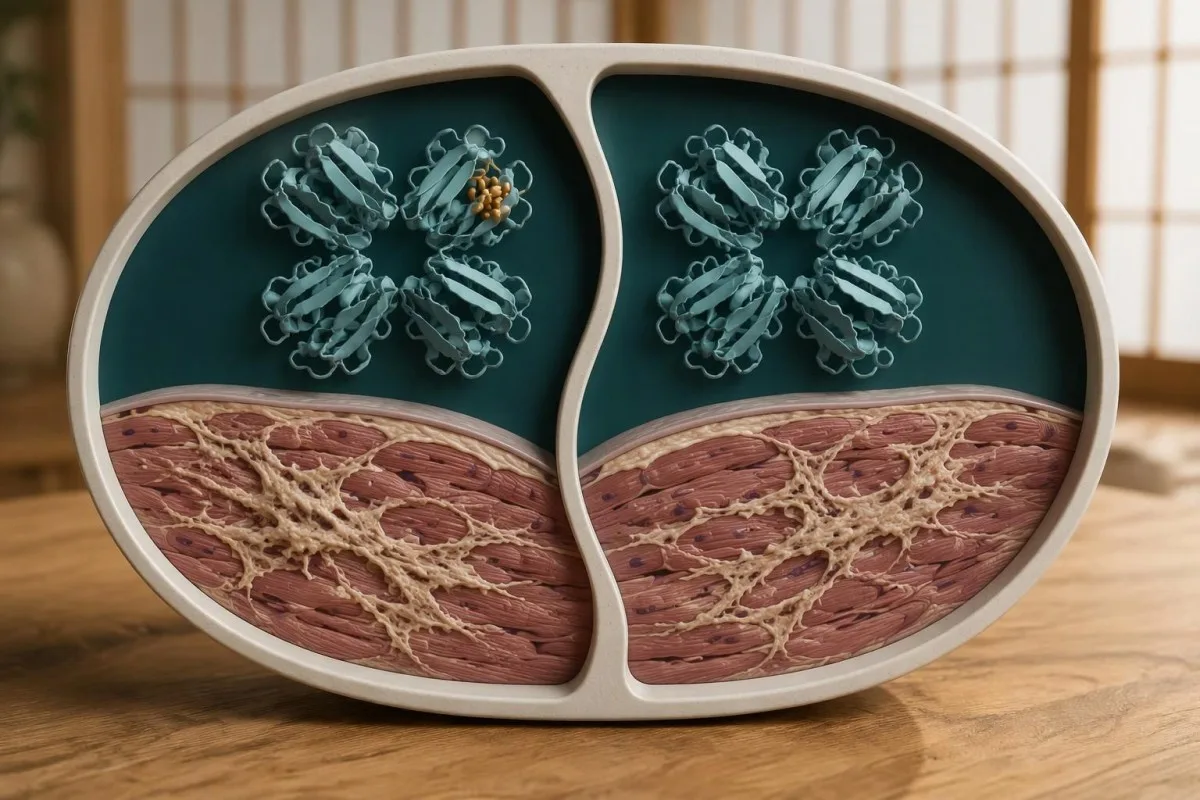
TTR sequencing is recommended after ATTR cardiomyopathy is established, including in older adults, because hereditary disease can first become apparent after age 70. The ESC position statement emphasizes genetic counseling and testing to distinguish variant ATTR from wild-type ATTR, rather than assuming that an older patient's disease cannot be inherited (Garcia-Pavia et al., 2021).
A negative result for a known family variant removes that particular inherited susceptibility, but it does not guarantee that the person will never develop wild-type ATTR or another heart condition. Conversely, a VUS does not automatically convert a confirmed ATTR diagnosis into hereditary ATTR; the laboratory classification and amyloid diagnosis still need reconciliation.
ATTR is also different from AL amyloidóza, caused by immunoglobulin light chains, and AA amyloidóza, associated with prolonged inflammatory activity. These are at least 3 distinct amyloid types with different investigations and treatment pathways; an elevated serum amyloid A result does not diagnose TTR-related disease.
Ktoré príznaky dedičnej amyloidózy si vyžadujú posúdenie?
Hereditary amyloidosis symptoms may include progressive numbness or burning feet, weakness, altered bowel function, dizziness on standing, breathlessness, or ankle swelling. These findings are nonspecific, but involvement of 2 systems—such as neuropathy plus unexplained cardiac thickening—raises more concern than either finding alone.

Bilateral carpal tunnel syndrome, particularly when it precedes cardiac symptoms by several years, can be an ATTR clue but is far more commonly explained by other causes. Document whether 1 or both wrists are affected and when symptoms began; our guide to carpal tunnel finger patterns helps distinguish a local median-nerve pattern from broader neuropathy.
Ortostatická hypotenzia commonly means a sustained fall of at least 20 mmHg systolic or 10 mmHg diastolic within 3 minutes of standing. Amyloid-related autonomic dysfunction is one possible cause, but dehydration and medicines are common alternatives; it is not interchangeable with the heart-rate pattern discussed in POTS diagnostic testing.
Consider a hypothetical 58-year-old carrier who develops numb feet, unintentional weight loss, and new difficulty climbing stairs over 6 months: that combination warrants prompt specialist review rather than waiting for annual screening. Sudden weakness, severe breathlessness, chest pain, or collapse requires urgent care because immediately treatable problems must be assessed before attributing symptoms to ATTR.
Ktoré testy potvrdzujú aktívnu amyloidózu ATTR?
Active ATTR amyloidosis requires evidence of amyloid disease, not just a genetic result. In the appropriate cardiac setting, grade 2 or 3 uptake on a validated bone-tracer scan can establish ATTR cardiomyopathy without biopsy only when monoclonal protein testing is negative and imaging confirms uptake within heart muscle.

The monoclonal screen includes serum free light chains plus serum and urine immunofixation; serum protein electrophoresis alone is insufficient. Gillmore et al.'s 2016 Circulation study evaluated 1,217 patients and established the nonbiopsy cardiac approach under defined conditions; our guide to immunofixation bands and follow-up explains why detecting a monoclonal protein changes the next step.
A monoclonal protein does not prove AL amyloidosis, because an unrelated monoclonal gammopathy can coexist with ATTR, especially in older adults. However, it prevents clinicians from using the simplified scan-only ATTR pathway; interpreting the pomeru voľných ľahkých reťazcov also requires kidney-function context and, where available, assay-specific renal reference intervals.
When tissue examination is needed, Congo red staining establishes amyloid, while reliable protein typing—often mass spectrometry—identifies its source. A negative abdominal fat sample does not exclude ATTR, and grade 1 cardiac uptake is not the same as the grade 2–3 diagnostic criterion; neuropathy-predominant disease may require a different combination of neurological and tissue investigations.
Čo by malo zahŕňať genetické poradenstvo pri TTR?
TTR genetic counseling should explain the exact variant, classification, inheritance, limitations of risk prediction, and consequences for relatives before testing or major decisions. For most heterozygous families, the 50% transmission probability is straightforward; predicting age at onset and organ involvement is much less precise.

Counseling distinguishes diagnostic testing in someone with suspected disease from predictive testing in an unaffected relative. A person considering predictive testing should have time to discuss emotional readiness and the right not to know, similar to the consent principles described in predictive neurological genetic testing, although TTR penetrance differs substantially.
Reproductive discussions can include natural conception, prenatal diagnosis, and preimplantation genetic testing where available and legally permitted. Because a 50% transmission risk does not specify future severity, these conversations should be nondirective; confirm the familial pathogenic variant in a clinical laboratory before using it for reproductive testing or other consequential decisions.
Kantesti's explanations of ochranu súkromia a vaše údaje help readers consider what they share, but genetic information has implications beyond ordinary laboratory values. Before adding reports for 2 or more relatives to a shared account, obtain each person's permission and ask the genetics team about local insurance rules, record access, and secure family communication.
Ktorí príbuzní by mali zvážiť cielené testovanie TTR?
Adult relatives at risk of a confirmed familial pathogenic or likely pathogenic TTR variant should be offered genetic counseling and the option of targeted testing. Each child of a heterozygous carrier has a 50% inheritance probability; a sibling's risk depends on whether a parent carries the variant.

Start with the relative who has confirmed disease whenever possible, then use that person's exact variant to guide cascade testing. Testing all relatives with a broad panel before establishing the family finding may generate additional VUS results; this differs from the recessive inheritance questions in SMA carrier screening, where 2 gene copies have a different meaning.
Predictive testing for adult-onset TTR disease is generally deferred in children younger than 18 when the result would not change childhood care, preserving their future choice. A child with unexplained relevant symptoms needs clinical assessment rather than automatic dismissal; any exceptional testing decision should involve pediatric and genetics specialists, not a routine family screening package.
For example, a 34-year-old who tests negative for a clinically confirmed familial p.Val50Met variant generally does not need surveillance specifically for that family variant. A symptomatic relative still needs assessment for other causes, and a 1-variant consumer screening result cannot substitute for a validated familial test if the relevant variant was not actually examined.
Ako sa sledujú asymptomatickí nositelia variantu TTR?
Asymptomatic pathogenic TTR carriers need individualized surveillance, commonly involving annual clinical review, rather than an automatic amyloidosis diagnosis or preventive prescription. Many expert pathways begin structured assessment approximately 10 years before predicted disease onset, but variant-specific evidence and family history may justify earlier or different monitoring.

Baseline assessment may include neurological examination, autonomic history, ECG, echocardiography, kidney function, and cardiac biomarkers; additional tests depend on the variant and symptoms. The ESC position statement outlines regular carrier follow-up (Garcia-Pavia et al., 2021), but a 6–12-month interval should be individualized, especially when new findings appear or expected onset approaches.
A parent's onset at 62 is not a countdown showing that a child's disease will begin at 62, and a normal baseline does not eliminate later risk. Kantesti AI can help explain the difference between a single value and a meaningful laboratory timeline, but specialist decisions also require examination and imaging that routine blood interpretation cannot supply.
Imagine NT-proBNP increasing from 180 to 620 pg/mL while eGFR falls from 62 to 43 mL/min/1.73 m²: cardiac change deserves assessment, but reduced kidney clearance can contribute to the rise. Review intercurrent illness, rhythm, and medicines before interpreting progression; our príručka k pomeru ukazovateľov funkcie obličiek explains why renal context belongs beside cardiac trends.
Čo môžu odhaliť krvné testy — a čo môžu prehliadnuť?
Routine blood tests cannot confirm or exclude hereditary ATTR amyloidosis. NT-proBNP, troponin, kidney function, and urine protein can help assess organ involvement or alternatives, but a normal set of results—even across 2 visits—does not establish that a pathogenic TTR carrier will remain disease-free.

Troponín must be interpreted against the assay's 99th-percentile upper reference limit, and NT-proBNP varies with age, kidney function, atrial fibrillation, and body size. A TTR or prealbumin concentration such as 25 mg/dL does not identify a TTR gene mutation or prove amyloid deposition; the test measures circulating protein concentration rather than its genetic sequence.
Neuropathy assessment should also look for treatable alternatives, including diabetes, vitamin B12 deficiency, thyroid disease, and medication effects. A hypothetical B12 result of 210 pg/mL may need additional assessment according to the laboratory and symptoms; our discussion of hraničných výsledkov vitamínu B12 explains why a competing diagnosis should not be overlooked simply because a TTR variant exists.
Kantesti is an AI blood test interpretation platform that explains accompanying laboratory values without treating 1 protein result as an amyloidosis diagnosis. Our návod na interpretáciu sérových proteínov helps separate transport proteins and immunoglobulin findings; neither an ordinary protein panel nor a family-risk feature replaces clinical TTR testing and amyloid typing.
Znamená pozitívny výsledok genetického testu TTR, že sa má začať liečba?
A positive TTR genetic result alone is not a standard indication for disease-modifying treatment. Specialists consider confirmed ATTR disease, the affected organs, functional status, and local approvals; the 2 main medication strategies are stabilizing transthyretin and reducing production of transthyretin.

TTR stabilizers aim to reduce dissociation of the 4-subunit protein, while TTR-lowering therapies reduce production, mainly in the liver. Neither approach edits the inherited DNA, so family transmission considerations remain after treatment; eligibility differs between cardiomyopathy, polyneuropathy, and mixed disease, as do approval and reimbursement rules across countries.
Monitoring depends on the chosen medicine rather than the genetic label alone: some regimens require attention to platelets, kidney function, or vitamin A handling. If vitamin A supplementation is advised during a TTR-lowering regimen, use the prescribed allowance rather than escalating the dose because a laboratory result looks low; 1 abnormal value does not establish a safe replacement dose.
Kantesti does not select amyloidosis medication or establish treatment eligibility from uploaded laboratory results; our technické overenie a dohľad describe a different task from specialist prescribing. For an asymptomatic carrier, discuss surveillance and research opportunities; there is no single proven preventive prescription that follows automatically from a 50% inheritance-risk calculation.
Čo si máte priniesť na vyšetrenie k špecialistovi?
Bring the original genetic report, symptom timeline, family history, and relevant cardiac or neurological investigations to an amyloidosis or clinical genetics appointment. These 4 information groups help specialists distinguish a confirmed disease-causing variant, an uncertain finding, unrelated symptoms, and early organ involvement.

Record symptom onset by month and year where possible, including numbness, bowel changes, wrist procedures, fainting, breathlessness, and reduced walking tolerance. Include at least 3 generations of family information if available, but distinguish a documented amyloidosis diagnosis from a relative's unexplained heart failure; uncertain family labels should remain visibly uncertain.
Ask 3 focused questions: Is this variant pathogenic, likely pathogenic, or uncertain; what evidence exists for active organ disease; and which relatives should be offered counseling? A written plan should also identify the clinician responsible for follow-up, what changes should trigger earlier contact, and whether a laboratory will notify anyone if the variant classification changes.
Kantesti is an AI-powered blood test analysis tool that can help explain laboratory reports before a consultation, not replace the consultation or infer another relative's genotype. Our guide to consent-based family health tracking covers shared records; our zásady zodpovedného používania AI explain why 1 uncertain genetic result should never become an automated family diagnosis.
Ktoré výskumy podporujú diagnostiku a ktoré hodnotia AI?
Clinical amyloidosis research and AI technical benchmarks answer different questions. The 2016 nonbiopsy diagnostic study and 2021 ESC position statement support specific ATTR assessment pathways; the 2 repository publications listed below describe separate AI projects and do not validate TTR variant classification or diagnose hereditary ATTR amyloidosis.

The clinical evidence cited here addresses 3 distinct tasks: sequence-variant classification, cardiac amyloid confirmation, and specialist management pathways. Congo red staining can reveal amyloid but cannot, by itself, identify a TTR genotype or reliably distinguish all amyloid proteins; the same caution applies to a compelling-looking AI explanation unsupported by the required clinical tests.
Kantesti's repository publications describe early hantavirus triage across 50,000 interpreted reports and a technical benchmark involving 100,000 synthetic test cases. The blood-test engine benchmark provides context for the latter; synthetic-case performance does not establish sensitivity for detecting ATTR in real patients, and a Figshare DOI does not itself demonstrate peer review or regulatory authorization.
For patients and relatives, the next decision should follow the report category: counseling and individualized surveillance for a confirmed pathogenic variant, specialist-led clarification for a VUS, and organ assessment for relevant symptoms. Keep those 3 pathways separate; a genetic finding, an imaging result, and an AI-generated explanation are not interchangeable forms of evidence.
Často kladené otázky
Znamená mutácia génu TTR, že mám hereditárnu ATTR amyloidózu?
Patogénna alebo pravdepodobne patogénna mutácia génu TTR potvrdzuje zdedenú predispozíciu, sama osebe však nepotvrdzuje aktívnu hereditárnu amyloidózu ATTR. Osoba s 1 kópiou TTR spôsobujúcou ochorenie môže zostať mnoho rokov asymptomatická alebo sa u nej rozpoznateľné ochorenie nemusí nikdy rozvinúť. Odborníci posudzujú príznaky, nálezy pri vyšetrení, zobrazovacie vyšetrenia a niekedy aj výsledky vyšetrenia tkaniva, aby určili, či je prítomné orgánové ochorenie. Variant s nejasným klinickým významom nepotvrdzuje rovnakú zdedenú predispozíciu.
Možno variant TTR nejasného klinického významu použiť na testovanie mojej rodiny?
0 Variant TTR s nejasným klinickým významom by sa nemal používať samostatne na rutinné prediktívne testovanie zdravých príbuzných ani na rozhodovanie o liečbe. Je to 1 z 5 štandardných kategórií klasifikácie variantov a znamená, že dôkazy nestačia na klasifikáciu nálezu ako škodlivého alebo neškodného. Genetický tím môže zabezpečiť cielené testovanie vybraných členov rodiny, aby zistil, či sa variant vyskytuje spolu s potvrdeným ochorením. Toto vyšetrenie pomáha pri klasifikácii; nie je to to isté ako označiť príbuzných za postihnutých nositeľov variantu.
Aká je pravdepodobnosť, že moje deti zdedia dedičnú ATTR?
Každé dieťa osoby s jednou kópiou TTR spôsobujúcou ochorenie má zvyčajne 50% pravdepodobnosť, že zdedí tento variant. Pravdepodobnosť je rovnaká pre deti akéhokoľvek pohlavia a každé tehotenstvo je nezávislé. Zdedienie variantu neurčuje, kedy sa objavia príznaky ani aké závažné ochorenie bude. Genetické poradenstvo môže vysvetliť prediktívne testovanie a možnosti reprodukcie bez toho, aby sa pravdepodobnosť prenosu považovala za prognózu ochorenia.
Sú Val30Met a p.Val50Met rovnakou mutáciou TTR?
0 Val30Met a p.Val50Met označujú tú istú substitúciu v proteíne TTR, pričom používajú odlišné konvencie číslovania. Moderné číslovanie zahŕňa 22-aminokyselinový signálny peptid, ktorý sa v historickom číslovaní zrelého proteínu nezohľadňuje. Rovnaký rozdiel vysvetľuje aj označenia Val122Ile a p.Val142Ile, ako aj Thr60Ala a p.Thr80Ala. Genetik by mal pri posudzovaní správ z rôznych laboratórií porovnať úplné zápisy zmien v DNA aj proteíne.
Môžu bežné krvné testy vylúčiť ATTR amyloidózu?
Normal routine blood tests cannot rule out ATTR amyloidosis or eliminate future disease risk in a pathogenic TTR carrier. Troponin is interpreted using the assay's 99th-percentile limit, while NT-proBNP and kidney results provide context about organ stress rather than amyloid identity. A normal TTR or prealbumin concentration does not exclude a TTR variant or amyloid deposits. Evaluation may still require neurological assessment, cardiac imaging, and selected tissue investigations.
Je amyloidóza ATTR divokého typu dedičná?
Wildtypová ATTR amyloidóza sa nepripisuje dedičnému variantu TTR spôsobujúcemu ochorenie, na rozdiel od hereditárnej ATTR. Obe formy môžu vyvolávať podobné kardiálne nálezy, preto ich nemožno spoľahlivo rozlíšiť iba na základe veku a príznakov. Po potvrdení ATTR kardiomyopatie sa odporúča genetické testovanie TTR, a to aj u starších dospelých. Príbuzní nepotrebujú cielené testovanie na familiárny variant, pokiaľ nebol skutočne identifikovaný variant spôsobujúci ochorenie.
Ako často by mal asymptomatický nosič TTR navštevovať špecialistu?
Asymptomatický nosič patogénneho variantu TTR zvyčajne absolvuje každoročné odborné vyšetrenie, ale ďalšie sledovanie by malo byť individualizované, nie pevne stanovené pre každého. Niektoré postupy začínajú so systematickým sledovaním približne 10 rokov pred predpokladaným nástupom ochorenia v rodine, pričom pri príznakoch alebo znepokojujúcich nálezoch sa vyšetrenie vykonáva skôr. Súčasťou plánu môže byť neurologické vyšetrenie, EKG, echokardiografia a vybrané laboratórne markery. Nová dýchavičnosť, postupujúca slabosť alebo mdloby by mali viesť k skoršiemu vyšetreniu namiesto čakania na plánovanú návštevu.
Získajte vysvetlenie výsledkov krvných testov
Nahrajte svoj laboratórny nález a AI nástroja Kantesti vám v priebehu niekoľkých sekúnd vysvetlí každý biomarker jednoduchým jazykom. Používa ho viac než 2 milióny ľudí na celom svete.
Referencie
- Klein, T., Mitchell, S., & Weber, H. (2026). Viacjazyčná klinická podpora rozhodovania s pomocou AI pri včasnej triáži hantavírusu: návrh, technické overenie a nasadenie v reálnom svete naprieč 50 000 interpretovanými správami o výsledkoch krvného testu. Kantesti AI lekársky výskum. DOI
- Klein, T., Mitchell, S., & Weber, H. (2026). Predregistrovaný, na rubrikách založený automatizovaný technický benchmark interpretačného enginu Kantesti na vyšetrenie krvi na 100 000 syntetických testovacích prípadoch. Kantesti AI lekársky výskum. DOI
- Richards S a kol. (2015). Štandardy a usmernenia na interpretáciu variantov sekvencií: spoločné konsenzuálne odporúčanie American College of Medical Genetics and Genomics a Association for Molecular Pathology. Genetics in Medicine. DOI PubMed
- Garcia-Pavia P et al. (2021). Diagnosis and treatment of cardiac amyloidosis: a position statement of the ESC Working Group on Myocardial and Pericardial Diseases. European Heart Journal. DOI PubMed
- Gillmore JD et al. (2016). Nonbiopsy Diagnosis of Cardiac Transthyretin Amyloidosis. Circulation. DOI PubMed
- 2 milióny+Analyzované testy
- 127+Krajiny
- 100+Jazyky
O zdravotníckom tíme


Signály dôvery E-E-A-T Trust Signals
Skúsenosti
Klinické hodnotenie vedené lekárom pracovných postupov interpretácie laboratórnych výsledkov.
Odbornosť
Laboratórna medicína so zameraním na to, ako sa biomarkery správajú v klinickom kontexte.
Autoritatívnosť
Lekársky recenzoval Dr. Thomas Klein, s príspevkami Dr. Sarah Mitchell a prof. Dr. Hansa Webera.
Dôveryhodnosť
Interpretácia založená na dôkazoch s jasnými následnými krokmi na zníženie poplachu.






Zdravotnícke upozornenie
Tento článok je určený len na vzdelávacie účely a nepredstavuje lekárske poradenstvo. Pri rozhodnutiach o diagnostike a liečbe sa vždy poraďte s kvalifikovaným poskytovateľom zdravotnej starostlivosti.
Publikované · Kontaktujte redakčný tím
Vydáva Kantesti Ltd, registrovaná v Anglicku a Walese, číslo spoločnosti. 17090423, Londýn, Spojené kráľovstvo.
