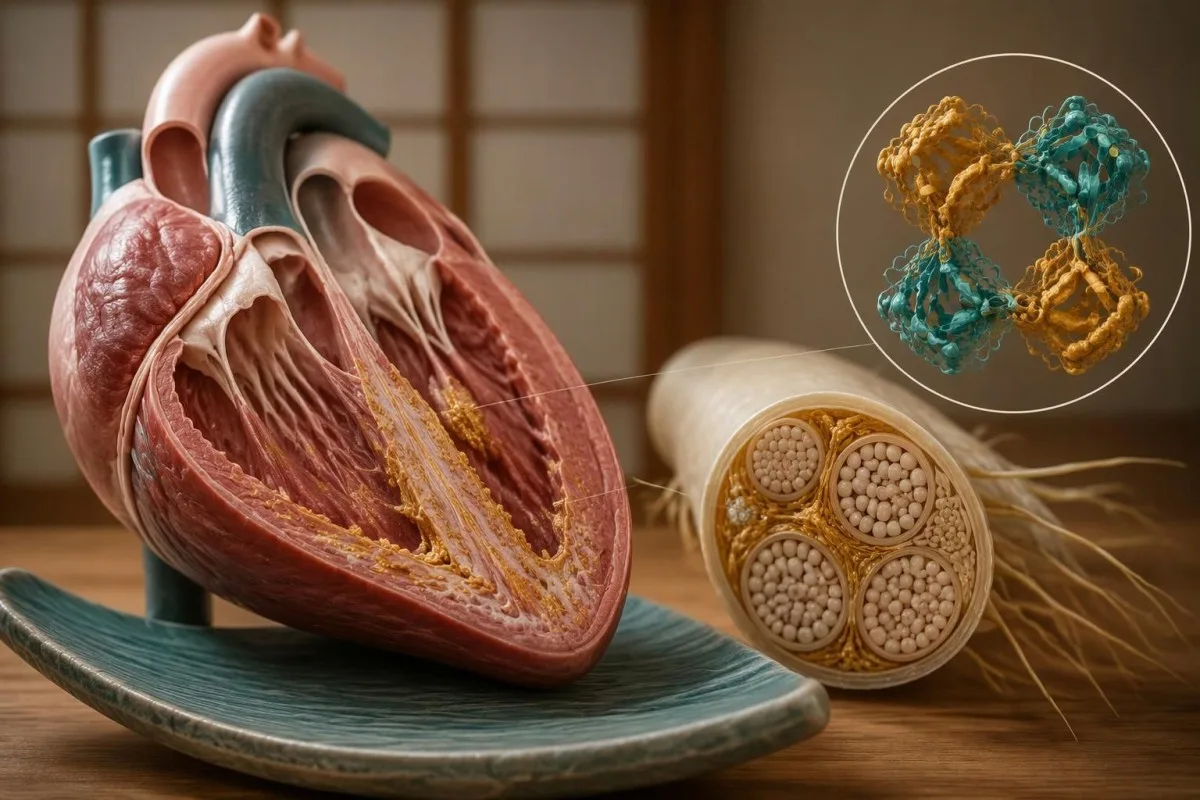
การพบ TTR ชนิดแปรผันที่ก่อโรคบ่งชี้ถึงความไวต่อโรคอะไมลอยโดซิส ATTR ทางพันธุกรรมที่ถ่ายทอดได้ ไม่ใช่หลักฐานว่ากำลังเป็นโรคอยู่ ชนิดแปรผันที่ยังไม่ทราบความสำคัญทางคลินิกไม่ได้ยืนยันความไวต่อโรคดังกล่าว อาการต้องได้รับการประเมินแยกต่างหากโดยผู้เชี่ยวชาญ และ ATTR ชนิดปกติเกิดขึ้นได้โดยไม่มี TTR ชนิดแปรผันที่ถ่ายทอดทางพันธุกรรมและก่อโรค.

ประเด็นสำคัญ
- TTR ชนิดแปรผันที่ก่อโรค หมายถึงความไวต่อโรคที่ถ่ายทอดทางพันธุกรรม การพบผลทางพันธุกรรมเพียง 1 รายการไม่ได้ยืนยันการเป็นโรคอะไมลอยโดซิสที่มีอาการ.
- ความเสี่ยงในการถ่ายทอดทางพันธุกรรม โดยทั่วไปอยู่ที่ 50% สำหรับบุตรแต่ละคนของผู้ที่มี TTR 1 สำเนาที่ก่อโรค โดยไม่ขึ้นกับเพศของบุตร.
- ผลตรวจที่ยังไม่ทราบความสำคัญ จัดอยู่ใน 1 ใน 5 หมวดหมู่มาตรฐานของการจำแนกชนิดแปรผัน VUS ไม่ควรใช้เป็นปัจจัยกำหนดการตรวจเพื่อคาดการณ์ความเสี่ยงหรือการรักษาเพียงลำพัง.
- ชื่อเรียกของชนิดแปรผัน อาจต่างกัน 22 ตำแหน่งกรดอะมิโน: p.Val50Met และชื่อเดิม Val30Met ใช้เรียกการแทนที่ตำแหน่งเดียวกัน.
- ATTR ชนิดปกติ เกี่ยวข้องกับทรานส์ไทเรตินโดยไม่พบ TTR variant ที่ก่อโรคที่ระบุได้ ไม่สามารถแยกการสะสมแบบถ่ายทอดทางพันธุกรรมกับแบบชนิดป่าได้อย่างน่าเชื่อถือโดยพิจารณาจากอาการเพียงอย่างเดียว.
- การยืนยันทางหัวใจ อาจใช้การจับสารติดตามกระดูกระดับ 2 หรือ 3 แต่ต้องเป็นไปตามแนวทางการตรวจภาพที่เหมาะสมและหลังประเมินโปรตีนโมโนโคลนัลแล้วเท่านั้น.
- การเฝ้าระวังพาหะ มักรวมถึงการประเมินประจำปี โดยปรับช่วงเวลาตามแต่ละบุคคล; ประมาณ 10 ปีก่อนช่วงอายุที่คาดว่าสมาชิกในครอบครัวจะเริ่มมีอาการเป็นแนวช่วยวางแผน ไม่ใช่กำหนดเส้นตายทางชีววิทยา.
- อาการฉุกเฉิน เช่น หายใจลำบากรุนแรง หมดสติ หรือต้องเจ็บหน้าอก จำเป็นต้องได้รับการดูแลทันที—ไม่ใช่รอจนถึงการนัดเฝ้าระวังครั้งถัดไปในอีก 6–12 เดือน.
TTR ชนิดแปรผันหมายถึงอะไรกันแน่?
A TTR variant ที่ก่อโรคหรือมีแนวโน้มก่อโรค บ่งชี้ความไวต่อโรค ATTR amyloidosis ชนิดถ่ายทอดทางพันธุกรรม แต่เพียงอย่างเดียวไม่ได้แสดงว่ามีการสะสมของอะไมลอยด์หรือความเสียหายของอวัยวะที่กำลังเกิดขึ้น A การแปรผันที่มีความสำคัญไม่แน่นอน, หรือ VUS มีหลักฐานไม่เพียงพอที่จะสรุปเช่นนั้น; ประเด็นเหล่านี้เป็นคนละเรื่องและต้องใช้การตัดสินใจทางคลินิกแยกจากกัน.

TTR คือยีนที่เข้ารหัสทรานส์ไทเรติน ซึ่งเป็นโปรตีนขนส่งที่ผลิตโดยตับเป็นหลัก; โครงสร้างที่หมุนเวียนตามปกติมีหน่วยย่อยของโปรตีน 4 หน่วย variant บางชนิดทำให้โครงสร้างดังกล่าวมีเสถียรภาพลดลง ส่งผลให้โปรตีนที่พับผิดรูปสะสมเป็นอะไมลอยด์ โดยเฉพาะในเส้นประสาทหรือหัวใจ.
ตัวอย่างเช่น ลองนึกถึงผู้มีอายุ 46 ปีที่ผลตรวจทางพันธุกรรมทางคลินิกพบ TTR variant ที่ทราบว่าก่อโรค แต่การตรวจระบบประสาทและการประเมินหัวใจไม่พบโรค คำอธิบายที่เหมาะสมอาจเป็น พาหะของ variant ที่ไม่มีอาการ, ไม่ใช่ผู้ที่มีแอมิลอยโดซิสที่แสดงอาการ; การมีสิทธิ์รับการรักษาและการติดตามผลขึ้นอยู่กับข้อค้นพบเพิ่มเติม.
Kantesti เป็นเครื่องวิเคราะห์ผลตรวจเลือดด้วย AI ที่ช่วยอธิบายผลตรวจทางห้องปฏิบัติการที่เกี่ยวข้อง โดยแยกความไวต่อโรคทางพันธุกรรมออกจากการยืนยันโรคของอวัยวะ ข้อมูลเกี่ยวกับ องค์กรของเรา อธิบายบริบทของบริการของเรา; ทั้งชุดตรวจทางห้องปฏิบัติการตามปกติและคำอธิบายจาก AI ไม่สามารถใช้แทนการประเมินโดยผู้เชี่ยวชาญ 2 ด้านนี้ได้.
ผลตรวจพบ TTR ที่ก่อโรคแตกต่างจาก VUS อย่างไร?
ก่อโรค และ มีแนวโน้มก่อโรค ข้อค้นพบมีหลักฐานสนับสนุนบทบาทในการก่อโรค; ส่วน VUS ไม่มีหลักฐานเพียงพอที่จะจัดประเภทว่าเป็นอันตรายหรือไม่เป็นอันตราย ห้องปฏิบัติการใช้การจัดประเภทมาตรฐาน 5 หมวด ได้แก่ ก่อโรค มีแนวโน้มก่อโรค ความสำคัญไม่แน่ชัด มีแนวโน้มไม่เป็นอันตราย และไม่เป็นอันตราย.

กรอบการจัดประเภท sequence variant ของ ACMG/AMP จัดให้ข้อค้นพบที่มีแนวโน้มก่อโรคมีค่าความเชื่อมั่นสูงกว่าเกณฑ์ 90% ในการก่อโรค แต่เปอร์เซ็นต์ดังกล่าวอธิบายถึง ความเชื่อมั่นในการจัดประเภท, ไม่ใช่โอกาสที่บุคคลหนึ่งจะมีอาการ (Richards et al., 2015) คำอธิบายของเราเกี่ยวกับ ผลการตรวจมะเร็งที่ถ่ายทอดทางพันธุกรรม illustrates the same distinction between a laboratory label and a person's current disease status.
A VUS should not, by itself, trigger disease-specific treatment or routine predictive testing of healthy relatives. Specialists may instead investigate whether the finding tracks with confirmed disease in a family—a segregation study involving 2 or more informative relatives when available—which is different from declaring those relatives genetically affected.
Classification can change when additional family, functional, or population evidence becomes available. Ask who will handle recontact, whether review in 12–24 months would be useful, and whether another laboratory has classified the exact same variant differently; our guide to common genetic variant misconceptions explains why the word mutation is not automatically a diagnosis.
เหตุใด TTR ชนิดแปรผันเดียวกันจึงมีชื่อเรียกได้สองชื่อ?
The same TTR variant can have modern and historical protein names because modern numbering includes a 22-amino-acid signal peptide. For example, p.Val50Met is the variant historically called Val30Met, และ p.Val142Ile is the variant historically called Val122Ile.

A complete report ideally supplies the gene, transcript reference, DNA-level notation, protein-level notation, zygosity, and classification—not simply a variant nickname. Because a TTR precursor contains 149 amino acids and the mature protein contains 127, comparing reports without noticing the numbering convention can create an apparent disagreement where none exists.
p.Thr80Ala, historically Thr60Ala, can produce a mixed cardiac and neurological phenotype, whereas p.Val142Ile is often associated with predominantly cardiac disease. These are tendencies rather than guarantees: 2 relatives with the same variant may differ in age at onset, affected organs, and severity.
For a hypothetical family, a parent's report saying Val122Ile and an adult child's report saying p.Val142Ile should prompt exact-notation comparison before anyone concludes that there are 2 different familial variants. Similar nomenclature issues arise in enzyme and genetic testing; bring the original reports rather than relying on a handwritten abbreviation.
ความเสี่ยงในการถ่ายทอดทางพันธุกรรม 50% หมายถึงความเสี่ยงต่อโรค 50% หรือไม่?
A 50% inheritance risk is not a 50% risk of symptomatic disease. Hereditary ATTR usually follows autosomal dominant inheritance: a person with 1 disease-causing TTR copy has a 50% chance of passing that copy to each child, but disease expression depends on age-related penetrance and other factors.

Each pregnancy is an independent event; with 2 children, the theoretical probabilities are 25% for neither inheriting the variant, 50% for exactly one, and 25% for both. Those calculations assume one heterozygous parent and describe inheritance only—they do not predict whether or when either child will become ill.
Penetrance means the proportion of variant carriers who develop disease by a stated age, and it varies across TTR variants and populations. The often-quoted 3–4% frequency of p.Val142Ile in some populations of African ancestry is a variant-frequency estimate, not a universal estimate of amyloidosis prevalence or an individual's lifetime disease risk.
An apparently unaffected parent aged 75 can still have transmitted a pathogenic variant, while a negative family history may reflect late onset, small families, or previously unrecognized disease. Our discussion of genetic susceptibility and kidney risk offers a useful comparison, although APOL1 risk architecture should not be substituted for TTR inheritance.
ATTR ทางพันธุกรรมที่ถ่ายทอดได้แตกต่างจาก ATTR ชนิดปกติอย่างไร?
Hereditary ATTR involves a disease-causing TTR variant; wild-type ATTR involves amyloid formed from transthyretin without an identified disease-causing variant. Both can affect the heart, so neither age nor a cardiac scan alone reliably distinguishes these 2 forms.
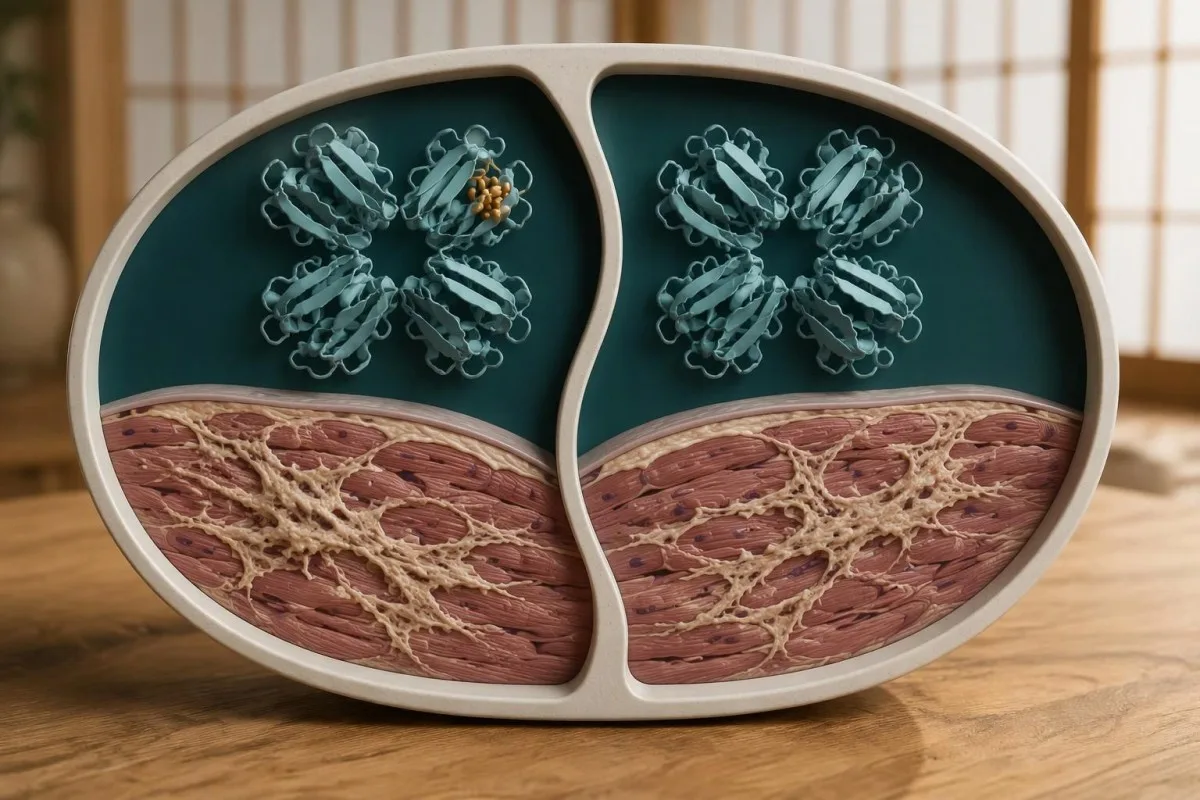
TTR sequencing is recommended after ATTR cardiomyopathy is established, including in older adults, because hereditary disease can first become apparent after age 70. The ESC position statement emphasizes genetic counseling and testing to distinguish variant ATTR from wild-type ATTR, rather than assuming that an older patient's disease cannot be inherited (Garcia-Pavia et al., 2021).
A negative result for a known family variant removes that particular inherited susceptibility, but it does not guarantee that the person will never develop wild-type ATTR or another heart condition. Conversely, a VUS does not automatically convert a confirmed ATTR diagnosis into hereditary ATTR; the laboratory classification and amyloid diagnosis still need reconciliation.
ATTR is also different from โรคอะไมลอยโดซิสชนิด AL, caused by immunoglobulin light chains, and ภาวะแอมิลอยโดซิสชนิด AA, associated with prolonged inflammatory activity. These are at least 3 distinct amyloid types with different investigations and treatment pathways; an elevated serum amyloid A result does not diagnose TTR-related disease.
อาการของโรคอะไมลอยโดซิสทางพันธุกรรมชนิดใดที่ควรได้รับการประเมิน?
Hereditary amyloidosis symptoms may include progressive numbness or burning feet, weakness, altered bowel function, dizziness on standing, breathlessness, or ankle swelling. These findings are nonspecific, but involvement of 2 systems—such as neuropathy plus unexplained cardiac thickening—raises more concern than either finding alone.

Bilateral carpal tunnel syndrome, particularly when it precedes cardiac symptoms by several years, can be an ATTR clue but is far more commonly explained by other causes. Document whether 1 or both wrists are affected and when symptoms began; our guide to carpal tunnel finger patterns helps distinguish a local median-nerve pattern from broader neuropathy.
ภาวะความดันโลหิตต่ำเมื่อเปลี่ยนท่า (orthostatic hypotension) commonly means a sustained fall of at least 20 mmHg systolic or 10 mmHg diastolic within 3 minutes of standing. Amyloid-related autonomic dysfunction is one possible cause, but dehydration and medicines are common alternatives; it is not interchangeable with the heart-rate pattern discussed in POTS diagnostic testing.
Consider a hypothetical 58-year-old carrier who develops numb feet, unintentional weight loss, and new difficulty climbing stairs over 6 months: that combination warrants prompt specialist review rather than waiting for annual screening. Sudden weakness, severe breathlessness, chest pain, or collapse requires urgent care because immediately treatable problems must be assessed before attributing symptoms to ATTR.
การตรวจใดยืนยันการเป็นโรคอะไมลอยโดซิส ATTR ที่กำลังดำเนินอยู่?
Active ATTR amyloidosis requires evidence of amyloid disease, not just a genetic result. In the appropriate cardiac setting, grade 2 or 3 uptake on a validated bone-tracer scan can establish ATTR cardiomyopathy without biopsy only when monoclonal protein testing is negative and imaging confirms uptake within heart muscle.

The monoclonal screen includes serum free light chains plus serum and urine immunofixation; serum protein electrophoresis alone is insufficient. Gillmore et al.'s 2016 Circulation study evaluated 1,217 patients and established the nonbiopsy cardiac approach under defined conditions; our guide to immunofixation bands and follow-up explains why detecting a monoclonal protein changes the next step.
A monoclonal protein does not prove AL amyloidosis, because an unrelated monoclonal gammopathy can coexist with ATTR, especially in older adults. However, it prevents clinicians from using the simplified scan-only ATTR pathway; interpreting the free light chain ratio also requires kidney-function context and, where available, assay-specific renal reference intervals.
When tissue examination is needed, Congo red staining establishes amyloid, while reliable protein typing—often mass spectrometry—identifies its source. A negative abdominal fat sample does not exclude ATTR, and grade 1 cardiac uptake is not the same as the grade 2–3 diagnostic criterion; neuropathy-predominant disease may require a different combination of neurological and tissue investigations.
การให้คำปรึกษาทางพันธุกรรมเกี่ยวกับ TTR ควรครอบคลุมเรื่องใด?
TTR genetic counseling should explain the exact variant, classification, inheritance, limitations of risk prediction, and consequences for relatives before testing or major decisions. For most heterozygous families, the 50% transmission probability is straightforward; predicting age at onset and organ involvement is much less precise.

Counseling distinguishes diagnostic testing in someone with suspected disease from predictive testing in an unaffected relative. A person considering predictive testing should have time to discuss emotional readiness and the right not to know, similar to the consent principles described in predictive neurological genetic testing, although TTR penetrance differs substantially.
Reproductive discussions can include natural conception, prenatal diagnosis, and preimplantation genetic testing where available and legally permitted. Because a 50% transmission risk does not specify future severity, these conversations should be nondirective; confirm the familial pathogenic variant in a clinical laboratory before using it for reproductive testing or other consequential decisions.
Kantesti's explanations of ความเป็นส่วนตัวและข้อมูลของคุณ help readers consider what they share, but genetic information has implications beyond ordinary laboratory values. Before adding reports for 2 or more relatives to a shared account, obtain each person's permission and ask the genetics team about local insurance rules, record access, and secure family communication.
ญาติคนใดควรพิจารณาตรวจ TTR แบบเจาะจง?
Adult relatives at risk of a confirmed familial pathogenic or likely pathogenic TTR variant should be offered genetic counseling and the option of targeted testing. Each child of a heterozygous carrier has a 50% inheritance probability; a sibling's risk depends on whether a parent carries the variant.

Start with the relative who has confirmed disease whenever possible, then use that person's exact variant to guide cascade testing. Testing all relatives with a broad panel before establishing the family finding may generate additional VUS results; this differs from the recessive inheritance questions in SMA carrier screening, where 2 gene copies have a different meaning.
Predictive testing for adult-onset TTR disease is generally deferred in children younger than 18 when the result would not change childhood care, preserving their future choice. A child with unexplained relevant symptoms needs clinical assessment rather than automatic dismissal; any exceptional testing decision should involve pediatric and genetics specialists, not a routine family screening package.
For example, a 34-year-old who tests negative for a clinically confirmed familial p.Val50Met variant generally does not need surveillance specifically for that family variant. A symptomatic relative still needs assessment for other causes, and a 1-variant consumer screening result cannot substitute for a validated familial test if the relevant variant was not actually examined.
ติดตามผู้มี TTR ชนิดแปรผันแต่ไม่มีอาการอย่างไร?
Asymptomatic pathogenic TTR carriers need individualized surveillance, commonly involving annual clinical review, rather than an automatic amyloidosis diagnosis or preventive prescription. Many expert pathways begin structured assessment approximately 10 years before predicted disease onset, but variant-specific evidence and family history may justify earlier or different monitoring.

Baseline assessment may include neurological examination, autonomic history, ECG, echocardiography, kidney function, and cardiac biomarkers; additional tests depend on the variant and symptoms. The ESC position statement outlines regular carrier follow-up (Garcia-Pavia et al., 2021), but a 6–12-month interval should be individualized, especially when new findings appear or expected onset approaches.
A parent's onset at 62 is not a countdown showing that a child's disease will begin at 62, and a normal baseline does not eliminate later risk. Kantesti AI can help explain the difference between a single value and a meaningful laboratory timeline, but specialist decisions also require examination and imaging that routine blood interpretation cannot supply.
Imagine NT-proBNP increasing from 180 to 620 pg/mL while eGFR falls from 62 to 43 mL/min/1.73 m²: cardiac change deserves assessment, but reduced kidney clearance can contribute to the rise. Review intercurrent illness, rhythm, and medicines before interpreting progression; our คู่มืออัตราส่วนการทำงานของไต explains why renal context belongs beside cardiac trends.
การตรวจเลือดบอกอะไรได้บ้าง และอาจพลาดอะไรได้บ้าง?
Routine blood tests cannot confirm or exclude hereditary ATTR amyloidosis. NT-proBNP, troponin, kidney function, and urine protein can help assess organ involvement or alternatives, but a normal set of results—even across 2 visits—does not establish that a pathogenic TTR carrier will remain disease-free.

ทรอพอนิน must be interpreted against the assay's 99th-percentile upper reference limit, and NT-proBNP varies with age, kidney function, atrial fibrillation, and body size. A TTR or prealbumin concentration such as 25 mg/dL does not identify a TTR gene mutation or prove amyloid deposition; the test measures circulating protein concentration rather than its genetic sequence.
Neuropathy assessment should also look for treatable alternatives, including diabetes, vitamin B12 deficiency, thyroid disease, and medication effects. A hypothetical B12 result of 210 pg/mL may need additional assessment according to the laboratory and symptoms; our discussion of ผลตรวจวิตามินบี 12 ที่อยู่ในระดับก้ำกึ่ง explains why a competing diagnosis should not be overlooked simply because a TTR variant exists.
Kantesti is an AI blood test interpretation platform that explains accompanying laboratory values without treating 1 protein result as an amyloidosis diagnosis. Our คู่มือการตีความโปรตีนในซีรั่ม helps separate transport proteins and immunoglobulin findings; neither an ordinary protein panel nor a family-risk feature replaces clinical TTR testing and amyloid typing.
ผลตรวจทางพันธุกรรม TTR เป็นบวกหมายความว่าควรเริ่มการรักษาหรือไม่?
A positive TTR genetic result alone is not a standard indication for disease-modifying treatment. Specialists consider confirmed ATTR disease, the affected organs, functional status, and local approvals; the 2 main medication strategies are stabilizing transthyretin and reducing production of transthyretin.

TTR stabilizers aim to reduce dissociation of the 4-subunit protein, while TTR-lowering therapies reduce production, mainly in the liver. Neither approach edits the inherited DNA, so family transmission considerations remain after treatment; eligibility differs between cardiomyopathy, polyneuropathy, and mixed disease, as do approval and reimbursement rules across countries.
Monitoring depends on the chosen medicine rather than the genetic label alone: some regimens require attention to platelets, kidney function, or vitamin A handling. If vitamin A supplementation is advised during a TTR-lowering regimen, use the prescribed allowance rather than escalating the dose because a laboratory result looks low; 1 abnormal value does not establish a safe replacement dose.
Kantesti does not select amyloidosis medication or establish treatment eligibility from uploaded laboratory results; our การตรวจสอบทางเทคนิคและการกำกับดูแล describe a different task from specialist prescribing. For an asymptomatic carrier, discuss surveillance and research opportunities; there is no single proven preventive prescription that follows automatically from a 50% inheritance-risk calculation.
ควรนำอะไรไปพบแพทย์ผู้เชี่ยวชาญ?
Bring the original genetic report, symptom timeline, family history, and relevant cardiac or neurological investigations to an amyloidosis or clinical genetics appointment. These 4 information groups help specialists distinguish a confirmed disease-causing variant, an uncertain finding, unrelated symptoms, and early organ involvement.

Record symptom onset by month and year where possible, including numbness, bowel changes, wrist procedures, fainting, breathlessness, and reduced walking tolerance. Include at least 3 generations of family information if available, but distinguish a documented amyloidosis diagnosis from a relative's unexplained heart failure; uncertain family labels should remain visibly uncertain.
Ask 3 focused questions: Is this variant pathogenic, likely pathogenic, or uncertain; what evidence exists for active organ disease; and which relatives should be offered counseling? A written plan should also identify the clinician responsible for follow-up, what changes should trigger earlier contact, and whether a laboratory will notify anyone if the variant classification changes.
Kantesti is an AI-powered blood test analysis tool that can help explain laboratory reports before a consultation, not replace the consultation or infer another relative's genotype. Our guide to consent-based family health tracking covers shared records; our หลักการ AI ที่มีความรับผิดชอบ explain why 1 uncertain genetic result should never become an automated family diagnosis.
งานวิจัยใดสนับสนุนการวินิจฉัย และงานวิจัยใดประเมิน AI?
Clinical amyloidosis research and AI technical benchmarks answer different questions. The 2016 nonbiopsy diagnostic study and 2021 ESC position statement support specific ATTR assessment pathways; the 2 repository publications listed below describe separate AI projects and do not validate TTR variant classification or diagnose hereditary ATTR amyloidosis.

The clinical evidence cited here addresses 3 distinct tasks: sequence-variant classification, cardiac amyloid confirmation, and specialist management pathways. Congo red staining can reveal amyloid but cannot, by itself, identify a TTR genotype or reliably distinguish all amyloid proteins; the same caution applies to a compelling-looking AI explanation unsupported by the required clinical tests.
Kantesti's repository publications describe early hantavirus triage across 50,000 interpreted reports and a technical benchmark involving 100,000 synthetic test cases. The blood-test engine benchmark provides context for the latter; synthetic-case performance does not establish sensitivity for detecting ATTR in real patients, and a Figshare DOI does not itself demonstrate peer review or regulatory authorization.
For patients and relatives, the next decision should follow the report category: counseling and individualized surveillance for a confirmed pathogenic variant, specialist-led clarification for a VUS, and organ assessment for relevant symptoms. Keep those 3 pathways separate; a genetic finding, an imaging result, and an AI-generated explanation are not interchangeable forms of evidence.
คำถามที่พบบ่อย
การกลายพันธุ์ของยีน TTR หมายความว่าฉันเป็นโรคอะไมลอยโดซิส ATTR ชนิดถ่ายทอดทางพันธุกรรมหรือไม่?
การกลายพันธุ์ของยีน TTR ที่ก่อโรคหรือมีแนวโน้มก่อโรคบ่งชี้ถึงความไวต่อโรคที่ถ่ายทอดทางพันธุกรรม แต่เพียงอย่างเดียวไม่ได้ยืนยันว่ามีภาวะ amyloidosis ชนิด ATTR ที่ถ่ายทอดทางพันธุกรรมและกำลังดำเนินอยู่ ผู้ที่มี TTR 1 ชุดที่ก่อโรคอาจไม่แสดงอาการเป็นเวลาหลายปี หรืออาจไม่เกิดโรคที่ตรวจพบได้เลย ผู้เชี่ยวชาญจะประเมินอาการ ผลการตรวจร่างกาย ภาพถ่ายทางการแพทย์ และบางครั้งรวมถึงผลตรวจเนื้อเยื่อ เพื่อพิจารณาว่ามีโรคที่อวัยวะหรือไม่ ความแปรผันที่มีนัยสำคัญไม่แน่ชัดไม่ได้บ่งชี้ถึงความไวต่อโรคที่ถ่ายทอดทางพันธุกรรมแบบเดียวกัน.
สามารถใช้ TTR variant of uncertain significance เพื่อตรวจสมาชิกในครอบครัวได้หรือไม่?
ไม่ควรใช้ TTR variant of uncertain significance เพียงอย่างเดียวในการตรวจคัดกรองเพื่อทำนายโรคในญาติที่มีสุขภาพดีตามปกติ หรือประกอบการตัดสินใจรักษา ทั้งนี้เป็น 1 ใน 5 หมวดมาตรฐานสำหรับการจำแนก variant และหมายความว่าหลักฐานยังไม่เพียงพอที่จะจัดประเภทผลที่พบว่าเป็นอันตรายหรือไม่เป็นอันตราย ทีมพันธุศาสตร์อาจจัดให้มีการตรวจสมาชิกในครอบครัวบางรายเพื่อศึกษาว่า variant นี้สัมพันธ์กับโรคที่ได้รับการยืนยันหรือไม่ การตรวจสอบดังกล่าวช่วยในการจำแนกประเภท แต่ไม่ใช่การระบุว่าญาติเป็นพาหะที่ได้รับผลกระทบ ทดลองใช้ฟรี.
โอกาสที่ลูก ๆ ของฉันจะได้รับการถ่ายทอด ATTR ทางพันธุกรรมมีมากน้อยเพียงใด?
บุตรแต่ละคนของผู้ที่มียีน TTR ก่อโรค 1 ชุด โดยทั่วไปมีโอกาส 50% ที่จะได้รับการถ่ายทอดตัวแปรดังกล่าว ความน่าจะเป็นนี้เท่ากันสำหรับบุตรทุกเพศ และการตั้งครรภ์แต่ละครั้งเป็นอิสระต่อกัน การได้รับการถ่ายทอดตัวแปรนี้ไม่ได้บ่งชี้ว่าอาการจะเริ่มเมื่อใดหรือโรคจะรุนแรงเพียงใด การให้คำปรึกษาทางพันธุกรรมสามารถอธิบายการตรวจคัดกรองเพื่อพยากรณ์โรคและทางเลือกในการสืบพันธุ์ได้ โดยไม่ถือว่าความน่าจะเป็นในการถ่ายทอดโรคเป็นการพยากรณ์โรค.
Val30Met และ p.Val50Met เป็นการกลายพันธุ์ของ TTR แบบเดียวกันหรือไม่?
Val30Met และ p.Val50Met อธิบายการแทนที่โปรตีน TTR แบบเดียวกันโดยใช้หลักเกณฑ์การนับที่แตกต่างกัน การนับแบบสมัยใหม่รวมเปปไทด์สัญญาณที่มีกรดอะมิโน 22 ตัว ซึ่งการนับโปรตีนที่ผ่านการตัดแต่งแล้วแบบดั้งเดิมไม่นับรวม ประเด็นเดียวกันนี้อธิบายความแตกต่างระหว่าง Val122Ile กับ p.Val142Ile และ Thr60Ala กับ p.Thr80Ala ผู้เชี่ยวชาญด้านพันธุศาสตร์ควรเปรียบเทียบรูปแบบการระบุ DNA และโปรตีนแบบเต็มเมื่อตรวจทานรายงานจากห้องปฏิบัติการต่างแห่ง.
ผลตรวจเลือดปกติสามารถตัดความเป็นไปได้ของโรคอะไมลอยโดซิสชนิด ATTR ได้หรือไม่?
Normal routine blood tests cannot rule out ATTR amyloidosis or eliminate future disease risk in a pathogenic TTR carrier. Troponin is interpreted using the assay's 99th-percentile limit, while NT-proBNP and kidney results provide context about organ stress rather than amyloid identity. A normal TTR or prealbumin concentration does not exclude a TTR variant or amyloid deposits. Evaluation may still require neurological assessment, cardiac imaging, and selected tissue investigations.
โรคอะไมลอยโดซิส ATTR ชนิด wild-type ถ่ายทอดทางพันธุกรรมหรือไม่?
0 Wild-type ATTR amyloidosis ไม่ได้มีสาเหตุมาจากความแปรผันของยีน TTR ที่ถ่ายทอดทางพันธุกรรมและก่อโรค ซึ่งแตกต่างจาก ATTR ชนิดถ่ายทอดทางพันธุกรรม ทั้ง 2 รูปแบบอาจทำให้พบความผิดปกติของหัวใจคล้ายกัน จึงไม่สามารถแยกความแตกต่างได้อย่างน่าเชื่อถือจากอายุและอาการเพียงอย่างเดียว แนะนำให้ตรวจพันธุกรรม TTR หลังจากยืนยันภาวะคาร์ดิโอไมโอแพทีจาก ATTR แล้ว รวมถึงในผู้สูงอายุด้วย ญาติไม่จำเป็นต้องเข้ารับการตรวจหาเป้าหมายเพื่อค้นหาความแปรผันในครอบครัว เว้นแต่จะตรวจพบความแปรผันที่ก่อโรคแล้ว.
ผู้ที่เป็นพาหะของ TTR แต่ไม่มีอาการควรพบแพทย์ผู้เชี่ยวชาญบ่อยแค่ไหน?
ผู้เป็นพาหะ TTR ก่อโรคที่ไม่มีอาการมักได้รับการประเมินโดยแพทย์เฉพาะทางเป็นประจำทุกปี แต่ควรกำหนดการติดตามผลให้เหมาะกับแต่ละบุคคล แทนที่จะกำหนดตายตัวสำหรับทุกคน แนวทางบางแนวทางเริ่มการเฝ้าระวังอย่างเป็นระบบประมาณ 10 ปีก่อนอายุที่คาดว่าสมาชิกในครอบครัวจะเริ่มมีอาการ โดยให้เข้ารับการประเมินเร็วกว่านั้นหากมีอาการหรือพบสิ่งที่น่ากังวล การตรวจระบบประสาท, ECG, การตรวจคลื่นเสียงสะท้อนหัวใจ และตัวบ่งชี้ทางห้องปฏิบัติการที่เลือกใช้ อาจเป็นส่วนหนึ่งของแผน หากมีอาการหายใจไม่อิ่ม กล้ามเนื้ออ่อนแรงมากขึ้น หรือเป็นลม ควรเข้ารับการประเมินก่อนกำหนด แทนที่จะรอจนถึงวันนัดตรวจตามกำหนด.
อ่านผลตรวจเลือดอย่างไร
อัปโหลดรายงานผลตรวจของคุณ แล้ว AI ของ Kantesti จะอธิบายตัวบ่งชี้ทางชีวภาพแต่ละรายการด้วยภาษาที่เข้าใจง่ายภายในไม่กี่วินาที มีผู้ใช้ทั่วโลกมากกว่า 2 ล้านคน.
เอกสารอ้างอิง
- ไคลน์, ที., มิตเชลล์, เอส., & เวเบอร์, เอช. (2026). ระบบสนับสนุนการตัดสินใจทางคลินิกที่ใช้ AI หลายภาษาเพื่อคัดกรองการติดเชื้อฮันตาไวรัสในระยะเริ่มต้น: การออกแบบ การตรวจสอบความถูกต้องทางวิศวกรรม และการนำไปใช้จริงกับรายงานผลตรวจเลือดที่แปลผลแล้ว 50,000 ฉบับ. Kantesti AI การวิจัยทางการแพทย์. โดอิ
- ไคลน์, ที., มิตเชลล์, เอส., & เวเบอร์, เอช. (2026). เกณฑ์มาตรฐานทางเทคนิคแบบอัตโนมัติที่ลงทะเบียนไว้ล่วงหน้าและยึดตามรูบริกของเครื่องมือสำหรับการตีความผลตรวจเลือด Kantesti บนเคสทดสอบสังเคราะห์ 100,000 เคส. Kantesti AI การวิจัยทางการแพทย์. โดอิ
- Richards S และคณะ (2015). มาตรฐานและแนวทางสำหรับการแปลผลตัวแปรของลำดับ: ข้อเสนอแนะฉันทามติร่วมของ American College of Medical Genetics and Genomics และ Association for Molecular Pathology. วารสาร Genetics in Medicine. โดอิ พับเมด
- Garcia-Pavia P et al. (2021). Diagnosis and treatment of cardiac amyloidosis: a position statement of the ESC Working Group on Myocardial and Pericardial Diseases. European Heart Journal. โดอิ พับเมด
- Gillmore JD et al. (2016). Nonbiopsy Diagnosis of Cardiac Transthyretin Amyloidosis. Circulation. โดอิ พับเมด
- 2 ล้าน+การตรวจที่วิเคราะห์
- 127+ประเทศ
- 100+ภาษา
เกี่ยวกับทีมแพทย์


สัญญาณความน่าเชื่อถือ E-E-A-T
ประสบการณ์
การทบทวนเชิงคลินิกโดยแพทย์ที่นำโดยกระบวนการตีความผลตรวจในห้องแล็บ.
ความเชี่ยวชาญ
โฟกัสด้านเวชศาสตร์ห้องปฏิบัติการเกี่ยวกับพฤติกรรมของไบโอมาร์กเกอร์ในบริบททางคลินิก.
อำนาจ
ทบทวนทางการแพทย์โดย นพ. Thomas Klein พร้อมผลงานจาก นพ. Sarah Mitchell และศาสตราจารย์ ดร. Hans Weber.
ความน่าเชื่อถือ
การตีความที่อิงหลักฐาน พร้อมเส้นทางการติดตามที่ชัดเจนเพื่อลดความตื่นตระหนก.






ข้อจำกัดความรับผิดชอบทางการแพทย์
บทความนี้จัดทำเพื่อวัตถุประสงค์ด้านการศึกษาเท่านั้น และไม่ถือเป็นคำแนะนำทางการแพทย์ โปรดปรึกษาผู้ให้บริการด้านสุขภาพที่มีคุณสมบัติเหมาะสมเสมอสำหรับการตัดสินใจด้านการวินิจฉัยและการรักษา.
เผยแพร่แล้ว · ติดต่อทีมบรรณาธิการ
เผยแพร่โดย Kantesti Ltd จดทะเบียนในอังกฤษและเวลส์ เลขทะเบียนบริษัท. 17090423, ลอนดอน สหราชอาณาจักร.
