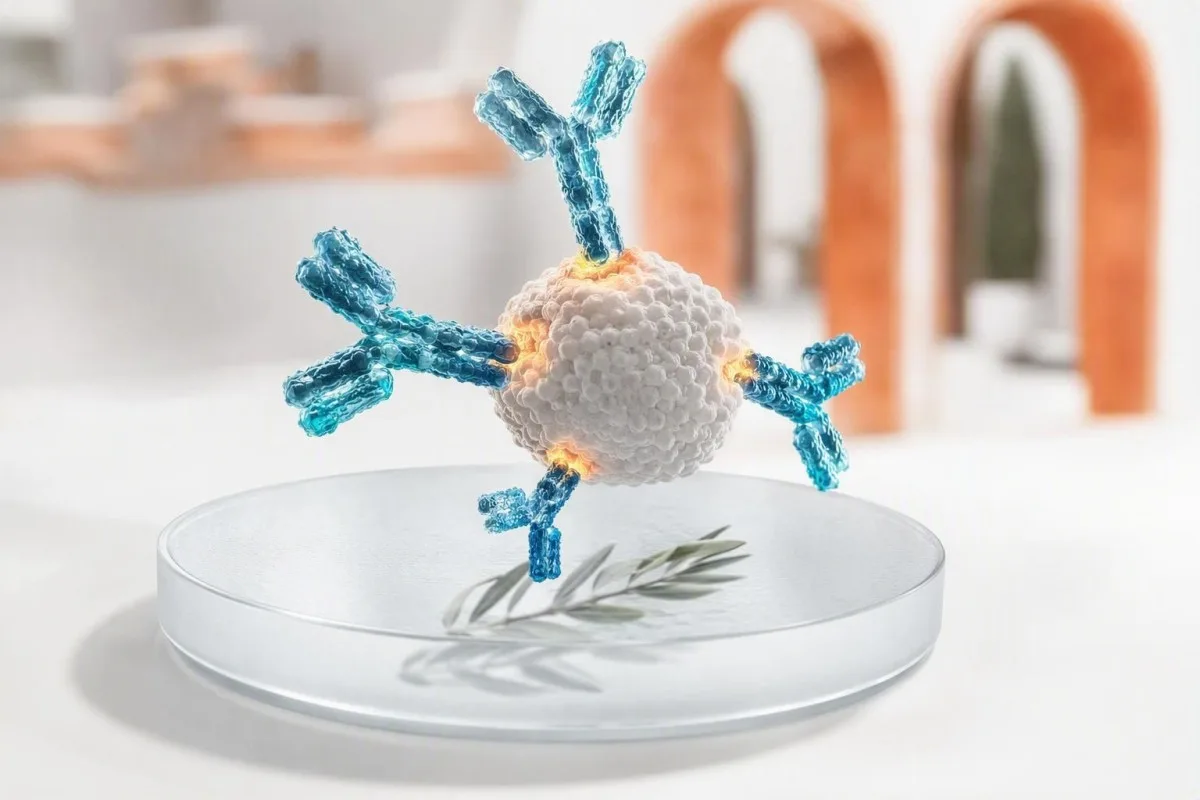
Një rezultat pozitiv i antitrupave do të thotë që sistemi juaj imunitar njohu një objektiv të caktuar; ai nuk dëshmon, vetë për vete, një infeksion aktiv ose një sëmundje. Klasa e antitrupave, metoda e testit, koha, simptomat dhe testet shoqëruese përcaktojnë nëse keni nevojë për siguri, një test të përsëritur, konfirmim ose kujdes të menjëhershëm mjekësor.


- Rezultat pozitiv i antitrupave zakonisht tregon njohjen imune, jo domosdoshmërisht sëmundje aktuale ose ngjitshmëri.
- IgM kundrejt IgG është një shenjë kohore, jo një orë: IgM mund të vazhdojë për muaj dhe IgG mund të shfaqet herët.
- Antitrupat e vaksinave mund ta bëjnë testin e imunitetit pozitiv pa treguar infeksion natyral.
- IgE specifik për alergjen mbi 0.35 kUA/L tregon sensibilizim, por simptomat pas ekspozimit vendosin alergjinë klinike.
- pozitiviteti ANA ndodh te deri në 20% të të rriturve të shëndetshëm në titra të ulëta, veçanërisht me moshën; simptomat dhe antitrupat specifikë kanë më shumë rëndësi.
- reaktiviteti i skriningut HIV gjithmonë kërkon algoritmin e konfirmimit laboratorik para se të bëhet ndonjë diagnozë.
- Anti-tTG IgA është i besueshëm për vlerësimin e çeliakisë vetëm kur personi po ha gluten dhe ka IgA totale adekuate.
- Simptoma urgjente siç janë vështirësia në frymëmarrje, konfuzioni, verdhëza, dhimbja e gjoksit ose një skuqje e përhapur me flluska tejkalojnë një rezultat rutinë të antitrupave.
Çfarë ju tregon në fakt një rezultat pozitiv i antitrupave
A test pozitiv i antitrupave do të thotë se analiza zbuloi proteina imune që lidhen me një objektiv të caktuar; nuk do të thotë jo automatikisht që keni një infeksion aktiv, një sëmundje autoimune, ose një alergji që kërkon trajtim. Hapi tjetër varet nga lloji i antitrupave, forca e rezultateve, simptomat, koha e ekspozimit dhe çdo test i lidhur me antigjenin, PCR ose funksionin e organeve.
Antitrupat janë proteina të qelizave B të bëra pas vaksinimit, infeksionit, ekspozimit ndaj alergjisë, autoimunitetit, ose ndonjëherë pa ndonjë arsye klinikisht të dëmshme. Një rezultat pozitiv përgjigjet një pyetje analitike të ngushtë—“a u zbulua lidhja mbi këtë kufi laboratorik?”—në vend të pyetjes më të gjerë klinike se çfarë po ndodh sot në trupin tuaj.
Në 15 vitet e mia të praktikës klinike, gabimi më i zakonshëm ka qenë leximi i “pozitiv” si një diagnozë. Rregulli praktik i Dr. Thomas Klein është që së pari të identifikohet objektivi—një virus, antigjen i vaksinës, proteinë ushqimore, enzimë tiroide, antigjen bërthamor ose ilaç—pastaj të pyesësh nëse testi zbulon ekspozim të kaluar, organizëm aktual, sensibilizim, ose devijim imunitar.
Kantesti AI është një Analizues i testeve të gjakut AI që lexon flamujt e antitrupave pranë datave, klasën e imunoglobulinës dhe rezultatet e lidhura, në vend që të trajtojë një vijë të vetme pozitive si një vendim. Ai kontekst është veçanërisht i dobishëm kur pacientët krahasojnë raportet nga laboratorë të ndryshëm; rezultatet kualitative dhe kuantitative nuk janë të ndërkëmbyeshme edhe kur të dyja thonë pozitiv.
IgG kundrejt IgM pozitiv: pse koha është më pak e thjeshtë nga sa duket
IgM pozitiv mund të sugjerojë një përgjigje imune të kohëve të fundit, ndërsa IgG pozitive shpesh sugjeron ekspozim të kaluar ose përgjigje ndaj vaksinës; asnjëra nga këto modele nuk e daton me besueshmëri një sëmundje më vete. Disa infeksione prodhojnë IgG brenda 7–14 ditëve, dhe IgM mund të mbetet i zbulueshëm për 3–12 muaj ose më gjatë.
IgM është një antitrup i madh me pesë njësi që shpesh është i zbulueshëm herët, por madhësia dhe lidhja e tij e gjerë e bëjnë atë më të prirur ndaj kryqëzimeve. Virusi Epstein–Barr, parvovirusi B19, faktori reumatoid dhe disa antitrupa autoimune mund të shkaktojnë reaksione të çorientuara të IgM; një rezultat i izoluar i IgM në nivel të ulët meriton më shumë skepticizëm sesa panik.
IgG zakonisht vazhdon pas zhvillimit të kujtesës imune, ndonjëherë për dekada. Një rezultat pozitiv i IgG mund të pasqyrojë infeksion fëmijërie, një vaksinë të kohëve të fundit, antitrupa pasive nga imunoglobulina intravenoze, ose transferim nga nëna te foshnja; nuk mund të provojë mbrojtje nëse ai test specifik nuk ka një prag mbrojtës të vlefshëm.
Mostrat e çiftëzuara mund të jenë më të dobishme se një tërheqje e vetme: një rritje katërfish në titrin e antitrupave midis mostrave të marra rreth 2–4 javë më vonë mbështet infeksionin e kohëve të fundit në sëmundje të zgjedhura. Nëse raporti tregon IgG, IgA dhe IgM totale, rishikoni modelin në vend të një numri me tonë udhëzues për interpretimin e imunoglobulinave.
Kur antitrupat e infeksionit do dhe nuk do të thonë sëmundje aktive
Antikorpate nga infeksioni zakonisht tregojnë ekspozim, ndërsa PCR, testimi i antigjeneve, kultura ose titri në rritje janë mjete më të mira për zbulimin e shumë infeksioneve aktive. Një rezultat pozitiv i antitrupave pa simptoma është shpesh historik, por përjashtimi varet nga organizmi dhe statusi juaj imunitar.
Për hepatitin C, një antitrup reagues do të thotë ekspozim në një moment të caktuar, por vetëm RNA e HCV e zbulueshme krijon viremi aktuale. Për hepatitin B, kombinimi ka rëndësi: antigjeni sipërfaqësor, antitrupi sipërfaqësor dhe antitrupi bërthamor dallojnë infeksionin aktiv, infeksionin e shëruar dhe imunitetin nga vaksina shumë më mirë sesa një marker pozitiv.
HIV është një tjetër rast ku formulimi ka jashtëzakonisht rëndësi. Një ekran i gjeneratës së katërt reagues nuk është diagnozë; laboratori ndjek me një imunoasaj diferencimi HIV-1/HIV-2 dhe, kur është e nevojshme, testime acide nukleike. Një person që merr profilaksi pas ekspozimit ka nevojë për testime të specifikuara sipas kohës, siç shpjegohet në udhëzuesin tonë për testimin e HIV pas PEP.
Kam parë një pacient të shëndetshëm të frikësuar nga një antitrup pozitiv treponemal për sifilis pas trajtimit 18 vjet më parë. Testet treponemike shpesh mbeten pozitive përgjithmonë, ndërsa titri RPR ose VDRL ndihmon në gjykimin e aktivitetit aktual dhe përgjigjes; modelet e testeve të sifilisit i bëjnë këtë dallim më të qartë.
Si antitrupat e vaksinave ndryshojnë nga antitrupat pas infeksionit
Antikorpate të lidhura me vaksinën tregojnë se sistemi imunitar iu përgjigj një antigjeni vaksinal; ato nuk do të thonë se vaksina shkaktoi një infeksion aktiv. Një rezultat pozitiv mund të bjerë ende nën një korrelat mbrojtës të njohur, sepse antitrupate lidhëse dhe antitrupate funksionale neutralizuese nuk janë identike.
Koncentrimet e antitrupave sipërfaqësorë të hepatitit B 10 mIU/mL ose më lart të matura 1-2 muaj pas një serie dokumentuar vaksinash zakonisht konsiderohen mbrojtëse te personat imunokompetentë. Anti-HBc, antitrupi bërthamor i hepatitit B, nuk prodhohet nga vaksinimi standard i hepatitit B; prania e tij tregon drejt ekspozimit natyral dhe duhet të nxisë interpretimin e panelit të plotë.
Rubella IgG kontrollohet zakonisht para shtatzënisë sepse tregon imunitet të mëparshëm, jo një sëmundje aktive e rubeolës. Laboratorët vendosin pragje specifike për analizën, dhe rezultatet kufitare zakonisht trajtohen si jo-imune për planifikimin para konceptimit, sesa interpretohen si infeksion i kohëve të fundit; kohëzimi është detajuar në udhëzuesin për testimin e rubeolës.
Kantesti AI është një platformë e interpretimit të analizave të gjakut AI që dallon antitrupate me model vaksinal nga antitrupate me model infeksioni kur raporti përfshin markerët shoqërues përkatës. Pyetja praktike shpesh nuk është “a jam unë pozitiv?” por “cili antigjen u mat, kur u vaksinova, dhe a ndryshon ky rezultat planin e sotëm të mbrojtjes?”
Pse një test pozitiv i antitrupave të alergjisë mund të mos nënkuptojë një alergji
Një i specifikuar për alergjen IgE test tregon sensibilizim, që do të thotë IgE njeh një alergjen; nuk diagnostikon alergji klinike pa një histori të përputhshme reagimi. Një vlerë mbi 0.35 kUA/L është një prag analitik i zakonshëm i pozitivitetit, jo një prag universal për shmangien e një ushqimi ose medikamenti.
Të dhënat para-testit kanë më shumë rëndësi sesa mendojnë shumë njerëz. Nëse një person ha kikirikë çdo javë pa urtikarie, dhimbje barku, vjellje ose kolaps, vetëm një IgE e ulët pozitive e kikirikëve nuk duhet të çojë në shmangie; kufizimi i panevojshëm i ushqimit mund të krijojë dëm ushqimor dhe social.
Udhëzuesi i sponsorizuar nga NIAID për alergjitë ushqimore thotë se testet me shpërthim të lëkurës dhe IgE specifike identifikojnë ushqime të mundshme shkaktare, por nuk mund të diagnostikojnë në mënyrë të pavarur alergjinë ushqimore (Sampson et al., 2010). Në raste të zgjedhura, një alergolog përdor testime të zgjidhura sipas komponentëve ose një sfidë e provuar ushqimore nën mbikëqyrje mjekësore, e cila mbetet standardi i referencës për zgjidhjen e pasigurisë.
IgE totale matet në IU/mL dhe mund të jetë e lartë në ekzemë, ekspozim parazitar, pirje duhani dhe disa kushte imune; nuk mund të identifikojë një alergjen fajtor. Testimi sipas komponentëve mund të dallojë një proteinë të qëndrueshme magazinimi nga një proteinë e lidhur me polenin me reaktivitet kryq, një diferencë e eksploruar në artikull mbi testet molekulare të alergjisë.
Pse antitrupat autoimunë kërkojnë simptoma dhe shenja organesh
Antikorpët autoimunë mund t'i paraprijnë sëmundjes, të shoqërojnë sëmundjen ose të shfaqen te njerëz të shëndetshëm; një rezultat pozitiv vetëm rrallëherë përcakton një diagnozë autoimune. Mjekët veprojnë kur modeli i antitrupave përputhet me simptomat, gjetjet nga ekzaminimi, markeret e inflamacionit ose ndryshimet objektive të organeve.
Një antitrup bërthamor, ose ANA, është pozitiv në titra të ulëta te rreth 13% e njerëzve në 1:80 dhe rreth 20% në 1:40 në studime popullore, me shkallë më të larta te gratë dhe të rriturit më të moshuar. Një model homogjen ose me pika nuk diagnostikon lupus; ANA përdoret më së miri si një test hyrës kur pamja klinike e bën të mundshme sëmundjen e indit lidhës.
Korniza e klasifikimit të lupusit EULAR/ACR të vitit 2019 përdor ANA në një titër prej të paktën 1:80 si një kriter hyrës, pastaj kërkon tipare shtesë klinike dhe imunologjike të peshuara (Aringer et al., 2019). Proteina e re në urinë, C3/C4 të ulët, citopenitë, ënjtja inflamatore e kyçeve ose një skuqje fotosenzitive bindëse ndryshojnë urgjencën shumë më tepër sesa një ANA e dobët vetëm.
Anti-dsDNA bëhet më kuptimplotë kur çiftëzohet me komplement të ulët dhe gjetje renale, megjithëse metodat e analizës ndryshojnë në mënyrë substanciale. udhëzuesi ynë për ndjekjen e anti-dsDNA dhe përmbledhje e testimit të komplementit shpjegoni pse një specialist mund të përsërisë testimin në një platformë tjetër.
Antitrupat specifikë për organet: shembuj të tiroides, celisë dhe stomakut
Antitrupët specifikë për organet identifikojnë shënjestrimin imunitar të një indi, por ato nuk tregojnë gjithmonë nëse organi është dëmtuar aktualisht apo ka nevojë për trajtim. Antitrupët kundër tiroide peroksidazës, antitrupët kundër transglutaminazës së indit dhe antitrupët kundër faktorit të brendshëm kërkojnë secili teste shoqëruese të ndryshme.
Antitrupët TPO janë të zakonshëm në tiroiditin Hashimoto dhe mund të jenë të pranishëm për vite ndërsa TSH dhe T4 e lirë mbeten normale. Tek një i rritur jo-shtatzënë me funksion normal të tiroides, rezultati zakonisht mbështet monitorimin periodik të TSH sesa trajtimin me hormone tiroide; shtatzënia, planet e fertilitetit dhe simptomat mund ta ndryshojnë atë qasje.
Një test tTG-IgA sugjeron sëmundjen celiake vetëm nëse personi po konsumon ende gluten dhe IgA totale është adekuate. Mungesa selektive e IgA mund ta bëjë tTG-IgA të rremë negativ, kështu që mjekët përdorin peptide deamidated gliadin të bazuar në IgG ose teste tTG kur IgA totale është e ulët; shihni shpjegimin tonë të kurtheve të IgA të ulët.
Antitrupi kundër faktorit të brendshëm është relativisht specifik, por jo shumë sensitiv për aneminë Perniciose. Kur është pozitiv së bashku me B12 të ulët, acid metilmalonik të rritur dhe makrocitozë, modeli është bindës; pa atë model, unë shmang trajtimin e një etikete laboratorike sesa të pacientit. Testimi për aneminë Perniciose tregon sekuencën e zakonshme të konfirmimit.
Çfarë shkakton një rezultat të rremë pozitiv të antitrupave
Rezultatet e rreme-pozitive të antitrupave shfaqen kur analiza zbulon lidhje të padëshiruar, jo kur laboratori thjesht “gaboi”. Antitrupët kryq-reaktivë, faktori reumatoid, stimulimi i fundit imunitar, imunoglobulina pasive dhe probabiliteti i ulët para testit janë arsye të zakonshme.
Specifiteti nuk është përsosmëri. Një test me 99% specifitet prodhon rreth 10 rezultate false-pozitive për çdo 1,000 njerëz vërtet negativë të testuar; kur gjendja është e rrallë, ato rezultate mund të tejkalojnë numrin e pozitivëve të vërtetë. Kjo është arsyeja pse shqyrtimi i gjerë tek dikush pa simptoma shpesh krijon paqartësi sesa qetësi.
Biotina është e famshme për ndërhyrjen në disa analiza hormonale dhe kardiake, ndërsa antitrupët heterofilë dhe faktori reumatoid mund të ndërhyjnë në disa imunoanaliza. Laboratori ndonjëherë mund të hollojë mostrën, të përdorë reagentë bllokues, të përsërisë rezultatin në një arkitekturë tjetër analize, ose të kryejë një metodë konfirmuese më specifike.
Një rezultat pozitiv që bie në kundërshtim me një pamje klinike krejtësisht të pazakontë nuk është diçka për t'u injoruar; është arsye për verifikim. Kantesti AI krahason shenjuesit e kundërshtuar dhe datat e testeve, dhe listë kontrolli për saktësinë e rezultateve laboratorike mund t'ju ndihmojë të regjistroni shtojcat, infuzionet e fundit dhe sëmundjet para se të flisni me mjekun që e ka kërkuar testin.
Test i antitrupave pozitiv por pa simptoma: një plan praktik i triazhit
Kur një test antitrupor është pozitiv, por ju ndiheni mirë, shumica e njerëzve kanë nevojë për sqarim sesa për kujdes urgjent. Hapat e parë më të sigurt janë verifikimi i analizës së saktë, kontrollimi i datave të ekspozimit dhe vaksinimit, dhe kërkimi i testit të çiftëzuar që konfirmon sëmundjen aktuale ose përfshirjen e organeve.
Filloni me vetë raportin: regjistroni emrin e analitit, klasën e antitrupave, indeksin numerik ose titrin, intervalin referues, metodën laboratorike dhe datën e mbledhjes. “Reaktiv” mund të nënkuptojë një raport sinjal-ndaj-prerjeje pak mbi 1.0 ose një rezultat shumë më të fortë; laboratorët nuk përdorin pragje identike, dhe madhësia vetëm ndonjëherë gjurmon probabilitetin klinik.
Më pas, pyesni nëse ekziston një test për sëmundje aktive. Shembuj përfshijnë PCR për hepatitin C, RPR seriale për sifilisin, testin e jashtëqitjes ose frymëmarrjes për Helicobacter pylori aktiv, TSH/free T4 për antitrupat e tiroides, dhe analizën e urinës plus kreatininën për shqetësimin e veshkave të lidhur me lupusin.
Nga data 8 shtator 2026, unë nuk do të rekomandoja fillimin vetë të antibiotikëve, antiviraleve, dietave pa gluten, medikamenteve për tiroiden ose shmangien e ushqimit vetëm nga një rezultat i izoluar i antitrupave. Ruani PDF-në origjinale, shënoni bazën tuaj me ndjekjen longitudinale të analizave laboratorike, dhe caktoni rishikim rutinë nëse nuk ka simptoma të paralajmërimit.
Teste konfirmuese që ndryshojnë hapin tjetër
Testi konfirmues më i mirë varet nga ajo që synon antitrupi: zbulimi molekular konfirmon shumë infeksione, analizat funksionale qartësojnë alergjinë, dhe testimi i funksionit të organeve vlerëson ndikimin autoimun. Përsëritja e së njëjtës test antitrupor është e dobishme vetëm kur ndryshimi i pritur me kalimin e kohës ka kuptim klinik.
Për një test pozitiv të HIV, rruga konfirmuese refleks është një analizë diferencimi e ndjekur nga testimi i acidit nukleik të HIV nëse rezultatet janë të papërcaktuara. Për një antitrup të hepatitit C, HCV RNA është vlerësimi vendimtar; për një antitrup pozitiv të bërthamës së hepatitit B, antigjeni sipërfaqësor, antitrupi sipërfaqësor dhe ndonjëherë HBV DNA qartësojnë modelin.
Për sëmundjen celiac të dyshuar, vendimet për biopsi duhet të merren ndërsa ekspozimi ndaj glutenit është i mjaftueshëm për testim. Për alergjinë e mundshme ushqimore, një alergolog merr parasysh historinë e ekspozimit, nivelin specifik të IgE, profilin e komponentit dhe rrezikun e sfidës—jo një panel me rezultate të ulëta të pavarura të porositura pa një pyetje klinike.
Kantesti AI është një Mjet për analizën e testeve të gjakut me AI që mund të organizojë këto markues të lidhur në një listë pyetjesh të përshtatshme për mjekun, por nuk zëvendëson testimin konfirmues ose diagnozën. Nëse nuk jeni të sigurt sa të besoni një rezultat të jashtëzakonshëm, tonat standardet tona të validimit mjekësor përshkruajnë pse verifikimi dhe mbikëqyrja klinike kanë rëndësi.
Simptomat që e bëjnë një rezultat pozitiv të antitrupave më urgjent
Një rezultat pozitiv i antitrupave justifikon vlerësim urgjent kur shoqërohet me vështirësi në frymëmarrje, ënjtje të fytyrës ose fytit, të fikët, konfuzion, dhimbje gjoksi, zverdhje, skuqje që përhapet shpejt, dehidrim të rëndë ose dobësi të re neurologjike. Simptomat—jo numri i antitrupave vetëm—caktojnë urgjencën.
Anafilaksia e mundshme është një emergjencë: skuqje e papritur e përhapur me gulçim, ngushtim të fytit, të vjella të vazhdueshme, të fikët ose presion të ulët të gjakut pas ekspozimit kërkon shërbime emergjente dhe adrenalinë të përshkruar nëse është e disponueshme. Një IgE pozitiv ushqimor ose i helmit nga muaj më parë as nuk parashikon as nuk përjashton atë rrezik të menjëhershëm.
Zverdhja e re me urinë të errët, dhimbje barku e theksuar, ethe ose konfuzioni duhet të nxisë vlerësim në të njëjtën ditë, pavarësisht nëse antitrupat e hepatitit viral janë pozitivë apo jo. Enzimat e mëlçisë, bilirubina, INR dhe testimi direkt i patogjenit ndihmojnë në dallimin e historisë imune nga sëmundja aktive hepatobiliare; komponentët e panelit të mëlçisë janë një kontekst i dobishëm.
Shqetësimi autoimun bëhet i ndjeshëm ndaj kohës me koll të gjakut, gulçim, kreatininë që rritet shpejt, diarrea me gjak, ndryshim vizual, konvulsione ose dobësi e re nga njëra anë. Unë kam mësuar të mos e qetësoj dikë bazuar në një titër antitrupor kufitar kur trajektorja e simptomave të tyre po përkeqësohet qartë.
A do të thotë një numër më i lartë antitrupash sëmundje më të rëndë?
Një indeks ose titër më i lartë i antitrupave ndonjëherë rrit probabilitetin që një rezultat të jetë i vërtetë, por zakonisht nuk mat ashpërsinë e sëmundjes. Vlerat e analizës janë specifike për metodën, dhe një rezultat prej 80 AU/mL nuk mund të krahasohet drejtpërdrejt me 80 U/mL nga një laborator tjetër.
Në sëmundjet autoimune, tendencat anti-dsDNA ndonjëherë mund të ndjekin aktivitetin e lupusit, veçanërisht kur maten në mënyrë konsistente nga e njëjta metodë dhe interpretohen me komplementin dhe proteinën në urinë. Megjithatë, titri ANA është një masë e dobët e ashpërsinë e lupusit dhe nuk duhet të ndiqet në mënyrë të përsëritur te një person stabil.
Për infeksionet, një sinjal i fortë antitrupor mund të mbështesë ekspozimin e mëparshëm, por rrallë tregon infektim. Testet e antitrupave neutralizues janë të specializuara dhe pragjet e tyre mbrojtëse mund të ndryshojnë sipas patogjenit, moshës, produktit të vaksinës dhe mbulesës imune; një analizë e thjeshtë komerciale IgG nuk është një pasaportë personale imuniteti.
Kur krahasoni raporte, mbani laboratorin, analizën dhe njësitë të dukshme. Një ndryshim biologjik real duhet të tejkalojë variacionin analitik dhe ditor të zakonshëm, prandaj tonat udhëzues për krahasimin e analizave të gjakut përqendrohet te datat dhe metodat, jo vetëm te flamujt me ngjyra.
Shtatzënia, fëmijët dhe supresioni imunitar ndryshojnë interpretimin
Shtatzënia, foshnjëria dhe trajtimi imunosupresiv mund të ndryshojnë si prodhimin e antitrupave ashtu edhe sigurinë e pritjes për konfirmim. Në këto grupe, një rezultat pozitiv mund të pasqyrojë antitrupa materne, përgjigje të reduktuar ndaj vaksinës, rrezik riaktivizimi ose nevojën për këshilla të mëparshme nga specialisti.
IgG-ja e nënës kalon placentën dhe mund të mbetet e zbulueshme te foshnja për disa muaj, ndërsa IgM-ja e nënës zakonisht nuk kalon. Prandaj, pozitiviteti i izoluar i IgG-së te foshnja shpesh pasqyron imunitetin e nënës, ndërsa IgM-ja specifike për organizmin ose zbulimi i drejtpërdrejtë mund të kërkojnë një vlerësim më të fokusuar në varësi të infeksionit dhe moshës.
Gjatë shtatzënisë, rezultatet e antitrupave të rubeolës ose parvovirusit interpretohen me datat e ekspozimit, testin e avidisë dhe mostrat e përsëritura në vend të një IgM-je të vetme. IgM-ja me rezultat fals pozitiv është një problem i njohur, dhe alarmi i shmangshëm mund të çojë në hetime të panevojshme invasive; kontributi obstetrik ose i sëmundjeve infektive është i arsyeshëm kur ekspozimi është i besueshëm.
Personat që marrin rituksimab, kortikosteroide në dozë të lartë, kimioterapi ose medikamente për transplant mund të kenë përgjigje të dobëta ose mungesë të antitrupave pavarësisht infeksionit ose vaksinimit. Për vendimet familjare, limitet e interpretimit të AI-së te fëmijët dhe bordi mjekësor Kantesti përforcojnë nevojën për rishikim të drejtuar nga klinicisti.
Si të përgatiteni për një rishikim të dobishëm nga ana e mjekut të një rezultati pozitiv
Sillni raportin e plotë laboratorik, arsyen pse u urdhërua testi, datat e simptomave ose ekspozimit, historinë e vaksinimit, medikamentet dhe rezultatet e mëparshme. Kjo informacion mund ta kthejë një rezultat të dukshëm pozitiv të antitrupave në një veprim të qartë pasues brenda një takimi.
Shkruani pesë fakte para vizitës: dita e parë e simptomave, ekspozimi i fundit i mundshëm, datat e vaksinimit, medikamentet imunosurpresuese ose infuzionet e imunoglobulinës, dhe nëse simptomat po përmirësohen apo përkeqësohen. Një ethe që filloi 3 ditë para marrjes së mostrës interpretohet shumë ndryshe nga lodhja që filloi 6 muaj më parë.
Bëni tre pyetje të fokusuar: “Çfarë zbulon ky test?”, “Çfarë testi vendos sëmundjen aktive ose efektin në organ?”, dhe “Çfarë rezultati do të ndryshojë trajtimin?” Dr. Thomas Klein thotë se këto pyetje reduktojnë panelet e panevojshme të përsëritura dhe ndihmojnë pacientët të largohen me një kuadër kohor të përcaktuar—sot, 1-2 javë, ose monitorim rutinë.
AI e Kantesti mbështet rishikimin e sigurt të raporteve në më shumë se 75 gjuhë dhe mund të nxjerrë teste shoqëruese të munguar nga një PDF e fotografuar ose e ngarkuar në rreth 60 sekonda. Tonë Udhëzues teknologjik i AI-së shpjegon qasjen e përputhjes së kontekstit, ndërsa ekipi ynë klinik ofron mbikëqyrjen mjekësore pas interpretimit për pacientët.
Pyetje të Shpeshta
Çfarë do të thotë një rezultat pozitiv i antitrupave nëse nuk kam simptoma?
Një rezultat pozitiv i antitrupave pa simptoma në shumicën e rasteve tregon ekspozim të mëparshëm, vaksinim, ndjeshmëri ose një rezultat që kërkon konfirmim, më tepër se sëmundje aktive. Hapi tjetër varet nga objektivi: antitrupi i hepatitit C kërkon RNA-në e HCV-së, një skrining HIV reaktiv kërkon algoritmin e konfirmimit laboratorik, dhe antitrupat e tiroides kërkojnë TSH dhe T4 të lirë. Një rezultat i izoluar me pozitivitet të ulët është më pak bindës kur nuk ka histori të ekspozimit ose simptomave të pajtueshme. Kërkoni kujdes të shpejtë nëse shfaqet verdhëz e re, vështirësi në frymëmarrje, konfuzion, dhimbje gjoksi ose një skuqje që përkeqësohet me shpejtësi.
A është pozitive IgM dhe negative IgG gjithmonë do të thotë një infeksion i ri?
IgM pozitiv me IgG negativ mund të ndodhë herët në një infeksion, por jo gjithmonë provon një infeksion të ri. IgM mund të kryqëzojë me proteina imune të papafara, dhe disa teste prodhojnë rezultate false-pozitive të IgM më shpesh se rezultatet e IgG. Mjekët mund të përsërisin serologjinë pas 1-2 javësh, të kërkojnë testim PCR ose antigjenik, ose të përdorin një test konfirmativ më specifik. Interpretimi i saktë varet gjithashtu nga kronologjia e sëmundjes dhe organizmi specifik i testuar.
A mund ta bëjë një test për antitrupa pozitiv një vaksinë?
Po, vaksinat zakonisht e bëjnë testin e antitrupave pozitiv për antigjenin e përfshirë në vaksinë. Për hepatitin B, një përqendrim anti-HBs prej të paktën 10 mIU/mL i matur 1–2 muaj pas një seri të plotësuar zakonisht tregon një përgjigje mbrojtëse nga vaksina tek njerëzit imunokompetentë. Vaksinimi standard kundër hepatitit B nuk prodhon anti-HBc, kështu që pozitiviteti i antitrupave bërthamë sugjeron ekspozim natyral sesa vetëm vaksinim. Pozitiviteti i lidhur me vaksinën nuk do të thotë që keni një infeksion aktiv.
Mund të keni një test pozitiv të antitrupave autoimunë dhe të jeni të shëndetshëm?
Po, njerëzit e shëndetshëm mund të kenë antitrupa autoimunë pozitivë, veçanërisht rezultate ANA me titër të ulët. ANA është e pranishme te rreth 13% e njerëzve me titër 1:80 dhe rreth 20% me titër 1:40, kështu që nuk është një test i vetëm për lupusin. Simptomat si ënjtje inflamatore e nyjeve, ulçera në gojë, skuqje fotosensitive, komplement i ulët, proteina në urinë ose numër jonormal i qelizave të gjakut përcaktojnë nëse nevojitet vlerësim specialist. Një rezultat pozitiv duhet interpretuar në kontekstin e arsyes pse është bërë testi.
A do të thotë një test pozitiv gjaku IgE se duhet të shmang këtë ushqim?
Jo, një rezultat pozitiv i IgE-së specifik për ushqimin do të thotë ndjeshmëri dhe nuk dëshmon se ngrënia e ushqimit shkakton një reaksion alergjik. Shumë laboratorë i quajnë rezultatet mbi 0.35 kUA/L pozitive, por ai kufi është krijuar për zbulim dhe jo për një vendim të përgjithshëm shmangieje. Një person që ha rregullisht ushqimin pa urtikarie, gulçim, të vjella të përsëritura ose të fikët nuk duhet ta heqë automatikisht nga dieta. Një alergolog mund të përdorë historinë e reaksionit, testimin e komponentëve dhe ndonjëherë një sfidë të mbikëqyrur orale me ushqim për të sqaruar rrezikun.
Sa kohë mbeten pozitivë antitrupat pas një infeksioni?
Kohëzgjatja e antitrupave ndryshon shumë sipas infeksionit dhe klasës së antitrupave. IgM mund të zhduket brenda javësh, por mund të zgjasë për 3–12 muaj ose më gjatë, ndërsa IgG mund të mbetet i matshëm për vite ose gjatë gjithë jetës. Antitrupat treponemal të sifilisit shpesh mbeten pozitivë për jetën pas trajtimit të suksesshëm, ndërsa titrat RPR ose VDRL përdoren për të ndjekur aktivitetin. Prandaj, një rezultat pozitiv i antitrupave nuk mund t'ju tregojë me besueshmëri se kur ka ndodhur një infeksion pa informacion tjetër klinik dhe laboratorik.
Merrni sot analizë të analizave të gjakut me AI
Bashkohuni me mbi 2 milionë përdorues në mbarë botën që i besojnë Kantesti për analizë të menjëhershme dhe të saktë të analizave laboratorike. Ngarkoni rezultatet e analizave të gjakut dhe merrni interpretim gjithëpërfshirës të biomarkerëve të 15,000+ brenda sekondash.
📚 Publikime kërkimore të cituara
Klein, T., Mitchell, S., & Weber, H. (2026). Mbështetja Multilinguale AI e Asistuar për Vendimmarrje Klinike për Triage të Hershëm të Hantavirusit: Dizajni, Vlerësimi i Inxhinierisë dhe Implementimi në Botën Reale në më shumë se 50,000 Raporte të Interpretuara të Testeve të Gjakut. Figshare. https://www.researchgate.net/. Kantesti Kërkim Mjekësor me AI.
Klein, T., Mitchell, S., & Weber, H. (2026). Një Parametër Teknik Automatizuar i Paravendosur, i Bazuar në Rubrikë, i Motorit të Interpretues të Testeve të Gjakut Kantesti në 100,000 Raste Testi Sintetike. Figshare. https://www.academia.edu/. Kantesti Kërkim Mjekësor me AI.
📖 Referenca të jashtme mjekësore
⚕️ Mohim përgjegjësie mjekësore
Ky artikull është vetëm për qëllime edukative dhe nuk përbën këshilla mjekësore. Gjithmonë konsultohuni me një ofrues të kualifikuar të kujdesit shëndetësor për vendimet e diagnozës dhe trajtimit.
Sinjalet e Besimit E-E-A-T
Përvoja
Rishikim klinik i udhëhequr nga mjeku i flukseve të punës për interpretimin e analizave.
Ekspertizë
Fokus i mjekësisë laboratorike mbi mënyrën se si sillen biomarkerët në kontekstin klinik.
Autoritariteti
Shkruar nga Dr. Thomas Klein me rishikim nga Dr. Sarah Mitchell dhe Prof. Dr. Hans Weber.
Besueshmëria
Interpretim i bazuar në prova, me rrugë të qarta për ndjekje për të reduktuar alarmin.