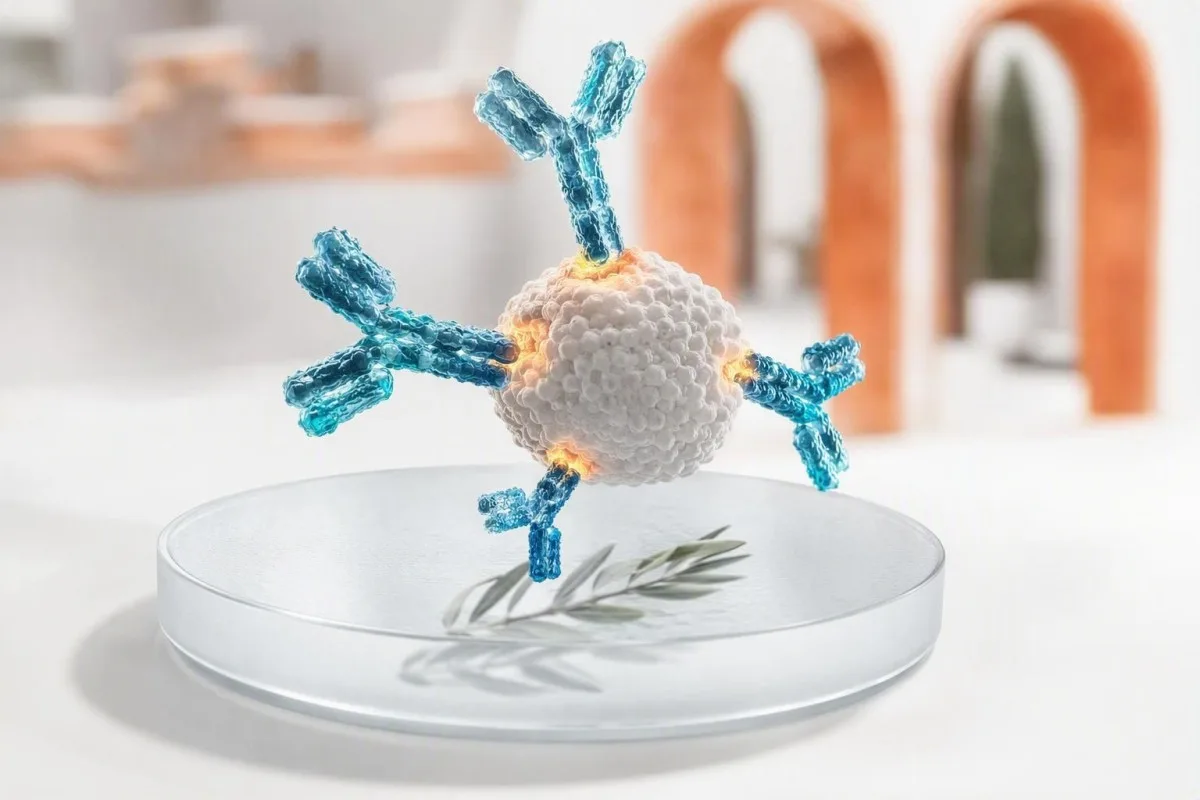
Pozitiva antikorpa rezulto signifas, ke via imunsistemo rekonis specifan celon; ĝi ne, memstare, pruvas aktivan infekton aŭ malsanon. La antikorpa klaso, testmetodo, tempigo, simptomoj kaj akompantaj testoj determinas ĉu vi bezonas certigon, ripetan teston, konfirmon aŭ ĝustatempan klinikan prizorgon.


- Pozitiva antikorpa rezulto kutime montras imunan rekognon, ne nepre aktualan malsanon aŭ kontaĝecon.
- IgM kontraŭ IgG estas tempiga indico, ne horloĝo: IgM povas persisti dum monatoj kaj IgG povas aperi frue.
- Vakcinaj antikorpoj povas igi imunechtestojn pozitivaj sen indiki naturan infekton.
- Alergen-specifa IgE super 0.35 kUA/L indikas sensivigon, sed simptomoj post ekspozicio establas klinikan alergion.
- ANA pozitiveco okazas ĉe ĝis 20% de sanaj plenkreskuloj kun malaltaj titroj, precipe kun aĝo; simptomoj kaj specifaj antikorpoj pli gravas.
- HIV-ekzamenada reaktiveco ĉiam postulas la laboratorian konfirm-algoritmon antaŭ ol iu diagnozo estas farita.
- Anti-tTG IgA estas fidinda por celia taksado nur kiam la persono manĝas glutenon kaj havas adekvatan totalan IgA.
- Urĝaj simptomoj kiel spiraj malfacilaĵoj, konfuzo, iktero, brustodoloro aŭ vasta vezika ekzemo superas rutinajn antikorpo-rezultojn.
Kion pozitiva antikorpa rezulto fakte rakontas al vi
A pozitiva antikorpo-testo signifas, ke la analizo detektis imuno-proteinojn, kiuj ligas certan celon; ĝi ne ne aŭtomate signifas, ke vi havas aktivan infekton, aŭtoimunan malsanon, aŭ alergion, kiu bezonas traktadon. La sekva paŝo dependas de la antikorpo-tipo, rezulto-forto, simptomoj, ekspon-tempo kaj iuj parigitaj antigeno, PCR aŭ organ-funkciaj testoj.
Antikorpoj estas B-ĉelaj proteinoj produktitaj post vakcinado, infekto, alergia ekspono, aŭtoimuneco, aŭ foje sen klinike damaĝa kaŭzo. Pozitiva rezulto respondas unu mallarĝan analizilan demandon —ĉu ligado estis detektita super ĉi tiu laboratoria limo?— prefere ol la pli larĝan klinikan demandon pri tio, kio okazas en via korpo hodiaŭ.
En miaj 15 jaroj da klinika praktiko, la plej ofta eraro estis legi “pozitiva” kiel diagnozo. La praktika regulo de d-ro Thomas Klein estas unue identigi la celon—viruso, vakcina antigeno, nutra proteino, tiroida enzimo, nuklea antigeno aŭ drogo—tiam demandi, ĉu la testo detektas pasintan eksponon, nunan organismon, sensibilizon, aŭ imunan misdirekton.
Kantesti AI estas AI-sangotesta analizilo kiu legas antikorpo-flagojn apud datoj, imunoglobina klaso kaj rilataj rezultoj prefere ol trakti unuopan pozitivan linion kiel verdikton. Tiu kunteksto estas precipe utila kiam pacientoj komparas raportojn de malsamaj laboratorioj; kvalitativaj kaj kvantaj rezultoj ne estas interŝanĝeblaj eĉ kiam ambaŭ diras pozitiva.
IgG kontraŭ IgM pozitiva: kial la tempigo estas malpli simpla ol ĝi sonas
IgM pozitiva povas sugesti lastatempan imunan respondon, dum IgG pozitiva ofte sugestas pasintan eksponon aŭ vakcinan respondon; nek padrono fidinde datos malsanon memstare. Iuj infektoj produktas IgG ene de 7–14 tagoj, kaj IgM povas resti detektebla dum 3–12 monatoj aŭ pli longe.
IgM estas granda kvin-unua antikorpo, kiu ofte estas detektebla frue, sed ĝia grandeco kaj larĝa ligado igas ĝin pli inklinaj al krucreagoj. Epstein–Barr-viruso, parvoviruso B19, reŭmatoida faktoro kaj iuj aŭtoimunaj antikorpoj povas kaŭzi misgvidajn IgM-reagojn; izolita malalt-nivela IgM-rezulto meritas pli da skeptikismo ol paniko.
IgG kutime persistas post kiam imuna memoro evoluas, foje dum jardekoj. Pozitiva IgG-rezulto povas reflekti infanecan infekton, lastatempan vakcinon, pasivan antikorpon de intravejna imunoglobulino, aŭ patrinan transdonon al infano; ĝi ne povas pruvi protekton, krom se tiu aparta analizo havas validigitan protektan sojlon.
Parigitaj specimenoj povas esti pli utilaj ol unuopa sango-kolekto: kvarobla kresko en antikorpo-titro inter specimenoj prenitaj ĉirkaŭ 2–4 semajnojn dise subtenas lastatempan infekton en elektitaj malsanoj. Se la raporto listigas totalan IgG, IgA kaj IgM, reviziu la padronon prefere ol unu numeron kun nia gvidilo pri interpretado de imunoglobulino.
Kiam infektaj antikorpoj signifas kaj ne signifas aktivan malsanon
Antikorpoj kontraŭ infekto kutime montras ekspozicion, dum PCR, testaĵo pri antogeno, kulturo, aŭ kreskanta titro estas pli bonaj iloj por detekti multajn aktivajn infektojn. Pozitiva rezulto de antikorpo sen simptomoj estas ofte historia, sed la escepto dependas de la organismo kaj via imuna stato.
Por hepatito C, reaktiva antikorpo signifas ekspozicion iamaniere, sed nur detektebla HCV RNA establas nunan viraemion. Por hepatito B, la kombinaĵo gravas: surfaca antogeno, surfaca antokorpo kaj kerna antokorpo apartigas aktivan infekton, solvitan infekton kaj vakcinan imunecon multe pli bone ol unu pozitiva markilo.
HIV estas alia situacio kie vortigo gravas enorme. Pozitiva kvara-generacia ekrano ne estas diagnozo; la laboratorio daŭrigas per HIV-1/HIV-2 diferenciga imunoanalizo kaj, kiam necese, nukleacida testaĵo. Persono prenanta post-ekspozician profilaĵon bezonas tempospecifan testadon, kiel klarigite en nia HIV-testado post PEP gvidilo.
Mi vidis sanan pacienton timigitan de pozitiva treponema sifilisa antokorpo post traktado 18 jarojn antaŭe. Treponemaj testoj ofte restas pozitivaj por vivo, dum RPR aŭ VDRL titro helpas juĝi nunan agadon kaj respondon; sifilistestaj ŝablonoj klarigas tiun distingon.
Kiel vakcinaj antikorpoj diferencas de antikorpoj post infekto
Vakcin-rilataj antikorpoj montras ke la imunsistemo respondis al vakcina antogeno; ili ne signifas ke la vakcino kaŭzis aktivan infekton. Pozitiva rezulto povas ankoraŭ fali sub konata protekta korelacio, ĉar ligaj antikorpoj kaj funkciaj neŭtralizantaj antikorpoj ne estas identaj.
Koncentraĵoj de hepatito B surfaca antokorpo 10 mIU/mL aŭ pli alte mezuritaj 1–2 monatojn post dokumentita vakcina serio estas ĝenerale konsiderataj protektaj ĉe imunokompetentaj homoj. Anti-HBc, la hepatito B kerna antokorpo, ne estas produktita de norma hepatito B vakcinado; ĝia ĉeesto indikas naturan ekspozicion kaj devus instigi plenan panelan interpretadon.
Rubella IgG estas ofte kontrolita antaŭ gravedeco ĉar ĝi indikas antaŭan imunecon, ne aktivan rubellan malsanon. Laboratorioj fiksas ekzemplil-specifajn sojlojn, kaj limaj rezultoj estas kutime traktataj kiel ne-imunaj por antaŭkoncepcia planado prefere ol interpretitaj kiel lastatempa infekto; tempigo estas detaligita en nia rubella testada gvidilo.
Kantesti AI estas AI sangotesta interpretada platformo kiu apartigas vakcin-ŝablonajn antikorpojn de infekto-ŝablonaj antikorpoj kiam la raporto inkluzivas la rilatajn akompanajn markilojn. La praktika demando ofte ne estas “ĉu mi estas pozitiva?” sed “kiu antogeno estis mezurita, kiam mi estis vakcinita, kaj ĉu ĉi tiu rezulto ŝanĝas hodiaŭan protektan planon?”
Kial pozitiva alergia antikorpa testo eble ne signifas alergion
Pozitiva alergen-specifa IgE testo indikas sensivigon, signifante ke IgE rekonas alergenon; ĝi ne diagnozas klinikan alergion sen kongrua historio de reago. Valoro super 0.35 kUA/L estas ofta analiza pozitiva sojlo, ne universala sojlo por eviti manĝaĵon aŭ medikamenton.
La antaŭ-testa rakonto gravas pli ol multaj homoj realigas. Se persono manĝas arakidon semajne sen urtikario, sibilo, vomado aŭ kolapso, malalta pozitiva arakida IgE sola ne devus konduki al evitado; nenecesa manĝaĵa restrikto povas kaŭzi nutran kaj socian damaĝon.
La NIAID-sponsorita gvidlinio pri manĝalergio deklaras ke haŭtopikaj kaj specifaj IgE-testoj identigas eblajn ellasajn manĝaĵojn sed ne povas sendepende diagnozi manĝalergion (Sampson et al., 2010). En elektitaj kazoj, alergologo uzas komponent-solvitajn testojn aŭ medicine kontrolitan parolmanĝan defion, kiu restas la referenca normo por solvi necertecon.
Totala IgE estas mezurita en IU/mL kaj povas esti alta en ekzemo, parazita ekspozicio, fumado kaj pluraj imunaj kondiĉoj; ĝi ne povas identigi kaŭzan alergenon. Komponenta testaĵo povas distingi stabilan stokado-proteinon de kruc-reaktiva poleno-rilata proteino, diferenco esplorita en nia artikolo pri molekula alergiodetekto.
Kial aŭtoimunaj antikorpoj postulas simptomojn kaj organajn indicojn
Aŭtoimunaj antikorpoj povas antaŭi malsanon, akompani malsanon, aŭ aperi ĉe sanaj homoj; pozitiva rezulto sole apenaŭ establas aŭtoimunan diagnozon. Klinikistoj agas kiam la antikorpa padrono kongruas kun simptomoj, ekzamenaj trovoj, inflaj signoj aŭ objektivaj organaj ŝanĝoj.
Antinuklea antikorpo, aŭ ANA, estas pozitiva ĉe malaltaj titroj ĉe ĉirkaŭ 13% de homoj ĉe 1:80 kaj ĉirkaŭ 20% ĉe 1:40 en populaciaj studoj, kun pli altaj indicoj ĉe virinoj kaj pli aĝaj plenkreskuloj. Homogena aŭ makula padrono ne diagnozas lupuson; ANA estas plej bone utiligita kiel enireja provo kiam la klinika bildo faras konektiv-tisulan malsanon verŝajna.
La 2019 EULAR/ACR lupo-klasifika kadro uzas ANA ĉe titolo de almenaŭ 1:80 kiel enirkriterio, poste postulas pliajn pezajn klinikajn kaj imunologiajn ecojn (Aringer et al., 2019). Nova proteino en urino, malalta C3/C4, citopenioj, inflama artika ŝvelaĵo aŭ konvinka fotosentema ekzemo ŝanĝas la urĝecon multe pli ol malforta ANA sole.
Anti-dsDNA iĝas pli signifa kiam parigite kun malalta komplemento kaj renaj trovoj, kvankam analizmetodoj konsiderinde diferencas. Nia gvidilo pri sekvado de anti-dsDNA kaj superrigardo de komplementodetekto klarigas kial specialisto povas ripeti testadon per malsama platformo.
Organ-specifaj antikorpoj: tiroidaj, celiakaj kaj stomakaj ekzemploj
Organ-specifaj antikorpoj identigas imunan celadon de histo, sed ili ne ĉiam montras ĉu la organo estas nune difektita aŭ bezonas traktadon. Tiroidaj peroksidazaj antikorpoj, histaj transglutaminazaj antikorpoj kaj internaj-faktoraj antikorpoj ĉiu postulas malsamajn akompantestojn.
TPO-antikorpoj estas oftaj en Hashimoto-tiroidito kaj povas ĉeesti dum jaroj dum TSH kaj libera T4 restas normalaj. Ĉe ne-graveda plenkreskulo kun normala tiroida funkcio, la rezulto kutime subtenas periodan TSH-monitoradon prefere ol tiroidhormonan traktadon; gravedeco, fekundecplanoj kaj simptomoj povas ŝanĝi tiun alproksimiĝon.
Pozitiva tTG-IgA sugestas celiakion nur se la persono ankoraŭ konsumas glutenon kaj totala IgA estas adekvata. Selektiva IgA-manko povas igi tTG-IgA malĝuste negativa, do klinikistoj uzas IgG-bazitajn deamidigitajn gliadinajn peptidojn aŭ tTG-testojn kiam totala IgA estas malalta; vidu nian klarigon pri malaltaj IgA-falsaĵoj.
Interna-faktora antikorpo estas relative specifa sed ne tre sentema por pernicioza anemio. Kiam ĝi estas pozitiva kune kun malalta B12, levita metilmalona acido kaj makrocitozo, la padrono estas konvinka; sen tiu padrono, mi evitas trakti laboratoria etikedo prefere ol la paciento. testado pri pernicioza anemio montras la kutiman konfirmsekvencon.
Kio kaŭzas falsan pozitivan antikorpan rezulton
Malĝuste pozitivaj antikorpresultoj aperas kiam la analizo detektas neintencan ligon, ne kiam la laboratorio simple “erarigas ĝin.” Kruc-reagaj antikorpoj, reŭmatoida faktoro, lastatempa imuna stimulo, pasiva imunoglobulino kaj malalta antaŭ-testa probablo estas oftaj kialoj.
Specifeco ne estas perfekteco. Testo kun 99% specifeco produktas proksimume 10 malĝuste pozitivajn rezultojn por ĉiu 1,000 vere negativaj testitaj homoj; kiam la kondiĉo estas malofta, tiuj rezultoj povas superi verajn pozitivojn. Tial ampleksa rastrumo ĉe iu sen simptomoj ofte kreas ambiguecon prefere ol certigon.
Biotino estas fama pro malhelpado de kelkaj hormonaj kaj kardiaj analizoj, dum heterofilaj antikorpoj kaj reŭmatoida faktoro povas malhelpi certajn imunanalizojn. La laboratorio povas foje dilui la specimenon, uzi blokajn reaktivojn, ripeti la rezulton per alia analiza arkitekturo, aŭ fari pli specifan konfirman metodon.
Pozitiva rezulto kiu konfliktas kun tute nerimarkinda klinika bildo ne estas io ignorinda; ĝi estas kialo por kontroli. Kantesti AI komparas nekonformajn markilojn kaj testodatojn, kaj nia kontrol-listo pri precizeco de labortestrezultoj povas helpi vin registri suplementojn, lastatempajn infuzaĵojn kaj malsanojn antaŭ ol paroli kun la mendanta klinikisto.
Antikorpa testo pozitiva sed neniuj simptomoj: praktika triage-plano
Kiam antikorpa testo estas pozitiva sed vi fartas bone, plej multaj homoj bezonas klarigon prefere ol kriz-zorgon. La plej sekuraj unuaj paŝoj estas kontroli la precizan analizon, kontroli ekspoziciajn kaj vakcinajn datojn, kaj serĉi la parigitan teston, kiu konfirmas aktualan malsanon aŭ organan implikiĝon.
Komencu mem mem la raporton mem: registru la analitan nomon, la antikorpan klason, la cifrecan indekson aŭ titron, la referencan intervalon, la laboratorian metodon kaj la kolekton daton. “Reaktiva” povas signifi signalo-al-limiga rilatumo apenaŭ super 1.0 aŭ multe pli fortan rezulton; laboratorioj ne uzas identajn sojlojn, kaj la grandeco nur foje sekvas la klinikan probablon.
Poste, demandu ĉu ekzistas aktiva-malsana testo. Ekzemploj inkluzivas PCR por hepatito C, serian RPR por sifiliso, sterkon aŭ spiran testadon por aktiva Helicobacter pylori, TSH/libera T4 por tiroidaj antikorpoj, kaj urinan analizon plus kreatinino por lupuso-rilata rena zorgo.
Ekde la 8-a de septembro 2026, mi ne rekomendus mem-komenci antibiotikojn, antivirusilojn, gluten-liberaj dietoj, tiroidajn medikamentojn aŭ manĝan eviton sole de izolita antikorpa rezulto. Konservu la originalan PDF, notu vian bazlinion kun longitudaj laboratoriaj sekvadoj, and arrange routine review unless red-flag symptoms are present.
Konfirmantaj testoj kiuj ŝanĝas la sekvan paŝon
La plej bona konfirmiga testo dependas de tio, kion la antikorpo celas: molekula detekto konfirmas multajn infektojn, funkciaj analizoj klarigas alergion, kaj organ-funkcia testado taksas aŭtoimunan efikon. Ripeti la saman antikorpan teston utilas nur kiam la atendata ŝanĝo laŭlonge de la tempo havas klinikan signifon.
Por reaktiva HIV-ekrano, la reflekta konfirma vojo estas diferenciga analizo sekvata de HIV-nukleacida testado se la rezultoj estas netuŝeblaj. Por hepatito C-antikorpo, HCV RNA estas la decida postrestado; por pozitiva hepatito B kora antikorpo, surfaca antigeno, surfaca antikorpo kaj foje HBV DNA klarigas la padronon.
Por suspektata celiaka malsano, biopsiaj decidoj devas esti faritaj dum gluten-ekspozicio sufiĉas por testado. Por ebla manĝa alergio, alergologo konsideras la ekspozican historion, specifan IgE-nivelon, komponentan profilon kaj defian riskon—ne panelon de nerelaciaj malaltaj pozitivuloj menditaj sen klinika demando.
Kantesti AI estas AI-movita ilo por analizo de sangotestoj kiu povas organizi ĉi tiujn ligitajn signojn en klinike pretan demandoliston, sed ĝi ne anstataŭas konfirman testadon aŭ diagnozon. Se vi ne certas kiom fidi eksteran rezulton, nia medicinan validigan normaron priskribu kial konfirmo kaj klinika superrigardo gravas.
Simptomoj kiuj faras pozitivan antikorpan rezulton pli urĝa
Pozitiva antikorpa rezulto postulas urĝan taksadon kiam ĝi akompanas spiran malfacilon, vizaĝan aŭ gorĝan ŝveliĝon, senkonscion, konfuzon, brustodoloron, ictaron, rapide disvastiĝantan erupcion, severan dehidratiĝon aŭ novan neŭrologian malfortecon. Simptomoj—ne la antikorpa nombro sole—determinas la urĝecon.
Ebla anafilaksio estas krizo: subitaj ĝeneraligitaj urtikarioj kun sibilo, gorĝa streĉo, persista vomado, kapturnemo aŭ malalta sangopremo post ekspozicio bezonas krizajn servojn kaj preskribitan adrenalinon se havebla. Pozitiva manĝaĵo aŭ venena IgE de monatoj antaŭe nek antaŭdiras nek ekskludas tiun tujan riskon.
Nova iktero kun malhela urino, markita abdomena doloro, febro aŭ konfuzo devas instigi samtagan taksadon ĉu virushepataj antikorpoj estas pozitivaj aŭ ne. Hepatikaj enzimoj, bilirubino, INR kaj rekta patogena testado helpas distingi imunan historion de aktiva hepato-bila malsano; hepata-panelaj komponantoj are useful context.
Aŭtoimuna zorgo fariĝas tem-sentema kun tuso de sango, sputoj, rapide kreskanta kreatinino, sanga lakso, vida ŝanĝo, konvulsio aŭ nova unuflanka malforto. Mi lernis ne trankviligi iun bazante sur limiga antikorpa titro kiam ilia simptoma trajektorio klare malboniĝas.
Ĉu pli alta nombro da antikorpoj signifas pli severan malsanon?
Pli alta antikorpa indekso aŭ titro foje pliigas la eblecon, ke rezulto estas aŭtentika, sed ĝi kutime ne mezuras malsanan severecon. Analizaj valoroj estas metod-specifaj, kaj rezulto de 80 AU/mL ne povas esti komparata rekte kun 80 U/mL de alia laboratorio.
En aŭtoimuna malsano, anti-dsDNA tendencoj foje povas sekvi lupusan aktivecon, precipe kiam mezurite konstante per la sama metodo kaj interpretita kun komplemento kaj urina proteino. ANA-titro, tamen, estas malbona mezuro de lupusa severecom kaj ne devus esti postkurata ripete ĉe stabila persono.
Por infektoj, forta antikorpa signalo povas subteni antaŭan ekspozicion sed malofte indikas infektecon. Neŭtraligaj antikorptestoj estas specialigitaj kaj iliaj protektaj sojloj povas varii laŭ patogeno, aĝo, vakcina produkto kaj imuna subpremado; simpla komerca IgG-analizo ne estas persona imuneca pasporto.
Dum komparado de raportoj, konservu la laboratorion, la analizon kaj la unuojn videblaj. Vera biologia ŝanĝo devas superi ordinaran analizan kaj ĉiutagan variadon, tial nia sang-testa kompara gvidilo fokusiĝas pri datoj kaj metodoj prefere ol nur kolor-kodigitaj flagoj.
Gravedeco, infanoj kaj imunsupresio ŝanĝas interpreton
Gravedeco, infanaĝo kaj imunosubpremanta traktado povas ŝanĝi kaj antikorpan produktadon kaj la sekurecon de atendi konfirmon. En ĉi tiuj grupoj, pozitiva rezulto povas reflekti patrinajn antikorpojn, reduktitan vakcinan respondon, reakciadan riskon aŭ bezonon de pli frua specialista konsilo.
Patrina IgG transiras la placenton kaj povas resti detektebla ĉe infano dum pluraj monatoj, dum patrina IgM ĝenerale ne transiras. Tial, izolita IgG-pozitiveco ĉe infano ofte reflektas patrinan imunecon, dum organismo-specifa IgM aŭ rekta detekto povas meriti pli fokusan taksadon depende de la infekto kaj aĝo.
Dum gravedeco, rubelaj aŭ parvovirusaj antikorpresultoj estas interpretitaj kun datoj de ekspozicio, avideca testado kaj ripetaj specimenoj prefere ol unufoja IgM sole. Fals-pozitiva IgM estas agnoskita problemo, kaj evitebla alarmo povas konduki al nenecesaj invadaj esploroj; obstetrika aŭ infekt-malsana enigo estas prudenta kiam ekspozicio estas kredinda.
Homoj ricevantaj rituksimabon, alt-dozajn kortikosteroidojn, kemioterapion aŭ transplantaĵon medikamento povas havi malfortajn aŭ forestantajn antikorajn respondojn malgraŭ infekto aŭ vakcinado. Por familiaj decidoj, interpretaj limoj de infana AI kaj la medicina konsila komitato plifortigas la bezonon de klinikisto-gvidi revizion.
Kiel prepari por utila klinikista revizio de pozitiva rezulto
Alportu la kompletan laboratorian raporton, la kialon, kial la testo estis ordonita, datojn de simptomoj aŭ ekspozicio, vakcinan historion, medikamentojn kaj antaŭajn rezultojn. Ĉi tiu informo povas ŝanĝi ŝajne vage pozitivan antikoran rezulton al klara sekva ago ene de unu rendevuo.
Skribu kvin faktojn antaŭ la vizito: la unuan tagon de simptomoj, la lastan kredindan ekspozicion, vakcinajn datojn, imunosupresantajn medikamentojn aŭ immunoglobulinajn infuzaĵojn, kaj ĉu simptomoj pliboniĝas aŭ plimalboniĝas. Febron, kiu komenciĝis 3 tagojn antaŭ specimenigo, oni interpretas tre malsame ol lacecon, kiu komenciĝis antaŭ 6 monatoj.
Demandu tri fokusitajn demandojn: “Kion ĉi tiu testo detektas?”, “Kiu testo establas aktivan malsanon aŭ organan efikon?”, kaj “Kiu rezulto ŝanĝus traktadon?” D-ro Thomas Klein trovas, ke ĉi tiuj demandoj reduktas nenecesajn ripetajn panelojn kaj helpas pacientojn foriri kun difinita tempokadro—hodiaŭ, 1–2 semajnoj, aŭ rutina monitorado.
Kantesti AI subtenas sekuran raportan revizion en pli ol 75 lingvoj kaj povas surfaci mankantajn akompantestojn el fotografitaj aŭ alŝutitaj PDF-oj en ĉirkaŭ 60 sekundoj. Nia Gvidilo de AI-teknologio klarigas la aliron de kongruo de kunteksto, dum nia klinika teamo provizas la medicinan kontrolon malantaŭ paciento-direktita interpreto.
Oftaj Demandoj
Kion signifas pozitiva antikorpa rezulto se mi havas neniujn simptomojn?
Pozitiva antikorpa rezulto sen simptomoj plejofte indikas antaŭan ekspozicion, vakcinadon, sensivigon aŭ rezulton kiu bezonas konfirmon prefere ol aktivan malsanon. La sekva paŝo dependas de la celo: hepatito C antikorpo bezonas HCV RNA, reaktiva HIV ekzameno bezonas la laboratorian konfirman algoritmon, kaj tiroidaj antikorpoj bezonas TSH kaj liberan T4. Izolita malalta-pozitiva rezulto estas malpli konvinka kiam ne ekzistas kongrua ekspozicio aŭ simptoma historio. Serĉu rapidan zorgon se nova iktero, spiradproblemo, konfuzeco, brustodoloro aŭ rapide plimalboniĝanta ekzemo evoluas.
Ĉu IgM pozitiva kaj IgG negativa ĉiam signifas novan infekton?
IgM pozitiva kun IgG negativa povas okazi frue en infekto, sed ĝi ne ĉiam pruvas novan infekton. IgM povas transreagi kun nerelataj imuno-proteinoj, kaj kelkaj analizoj produktas falsajn pozitivajn IgM rezultojn pli ofte ol IgG rezultojn. Kuracistoj povas ripeti serologion post 1–2 semajnoj, peti PCR aŭ antigenteston, aŭ uzi pli specifan konfirmantan analizilon. La ĝusta interpreto ankaŭ dependas de la malsana temposkemo kaj la specifa testita organismo.
Ĉu vakcino povas igi teston pri antikorpoj pozitiva?
Jes, vakcinoj ofte igas antikorpo-testojn pozitivaj por la antigentipo enhavita en la vakcino. Por hepatito B, anti-HBs-koncentriĝo de almenaŭ 10 mIU/mL mezurita 1–2 monatojn post kompleta serio ĝenerale indikas protektan vakcinan respondon ĉe imunokompetentaj homoj. Norma hepatito B-vakcinado ne produktas anti-HBc, do pozitiveco de kern-antikorpo sugestas naturan eksponiĝon prefere ol sole vakcinadon. Vakcin-rilata pozitiveco ne signifas, ke vi havas aktivan infekton.
Ĉu oni povas havi pozitivan aŭtoimunan antikorpo-teston kaj esti sana?
Jes, sanaj homoj povas havi pozitivajn aŭtoimunajn antikorpojn, precipe malalt-titerajn ANA-rezultojn. ANA estas detektebla en ĉirkaŭ 13% de homoj kun titolo de 1:80 kaj ĉirkaŭ 20% kun titolo de 1:40, do ĝi ne estas memstara lupo-testo. Simptomoj kiel inflama artikodoloro, buŝaj ulceroj, fotosentema ekzemo, malalta komplemento, proteino en urino aŭ nenormalaj sangokalkuloj determinas ĉu necesas specialista takso. Pozitiva rezulto devas esti interpretita en la kunteksto de la kialo, pro kiu la testo estis mendita.
Ĉu pozitiva IgE-sangotesto signifas, ke mi devas eviti tiun manĝaĵon?
Ne, pozitiva manĝaĵ-specifa IgE-rezulto signifas sensivigon kaj ne pruvas, ke manĝado de la manĝaĵo kaŭzas alergian reagon. Multaj laboratorioj nomas rezultojn super 0,35 kUA/L pozitivaj, sed tiu limo estas desegnita por detekto prefere ol universala evitada decido. Homo, kiu regule manĝas la manĝaĵon sen pikanteco, sibilo, ripeta vomado aŭ kapto, ne devus aŭtomate forigi ĝin de la dieto. Alergologo povas uzi la reaktan historion, komponentan testadon kaj foje kontrolitan buŝan manĝaĵan defion por klarigi riskon.
Kiel longe la antikorpoj restas pozitivaj post infekto?
La antibiotika daŭro varias vaste laŭ infekto kaj antibiotika klaso. IgM povas malaperi ene de semajnoj sed povas persisti dum 3–12 monatoj aŭ pli longe, dum IgG povas resti mezurebla dum jaroj aŭ dumvive. Treponemaj sifiliso-antibiotikoj ofte restas pozitivaj por vivo post sukcesa traktado, dum RPR aŭ VDRL titroj estas uzataj por sekvi agadon. Pozitiva antibiotika rezulto do ne povas fidinde diri al vi kiam infekto okazis sen aliaj klinikaj kaj laboratoriaj informoj.
Akiru hodiaŭ AI-movitan analizon de sangoanalizo
Aliĝu al pli ol 2 milionoj da uzantoj tutmonde, kiuj fidas je Kantesti por tuja, preciza analizo de laboratoriaj testoj. Alŝutu viajn rezultojn de sangoanalizo kaj ricevu ampleksan interpretadon de 15,000+-biomarkiloj en sekundoj.
📚 Referencitaj esplorpublikaĵoj
Klein, T., Mitchell, S., & Weber, H. (2026). Multlingva AI-Helpa Klinika Decida Subteno por Frua Hantaviruso-Triageo: Dezajno, Inĝeniera Validado, kaj Real-Monda Dislokigo Tra 50,000 Interpretitaj Sangotestaj Raportoj. Figshare. https://www.researchgate.net/. Kantesti AI Medicina Esploro.
Klein, T., Mitchell, S., & Weber, H. (2026). Antaŭ-Registrita, Rubrik-Bazita Aŭtomata Teknika Benko de la Kantesti Sango-Testa Interpreta Motoro ĉe 100.000 Sintezaj Test-Kazoj. Figshare. https://www.academia.edu/. Kantesti AI Medicina Esploro.
📖 Eksteraj medicinaj referencoj
⚕️ Medicina Deklaro
Ĉi tiu artikolo estas nur por edukaj celoj kaj ne konsistigas medicinan konsilon. Ĉiam konsultu kvalifikitan sanprovizanton por diagnozaj kaj traktadaj decidoj.
Signaloj de fido E-E-A-T
Sperto
Kuracista gvidata klinika revizio de laboratoriaj interpretaj laborfluoj.
Kompetenteco
Laboratoria medicino fokusiĝas pri kiel biomarkiloj kondutas en klinika kunteksto.
Aŭtoritateco
Skribita de d-ro Thomas Klein kun revizio de d-ro Sarah Mitchell kaj prof. d-ro Hans Weber.
Fidindeco
Evident-bazita interpretado kun klaraj sekvaj vojoj por redukti alarmon.