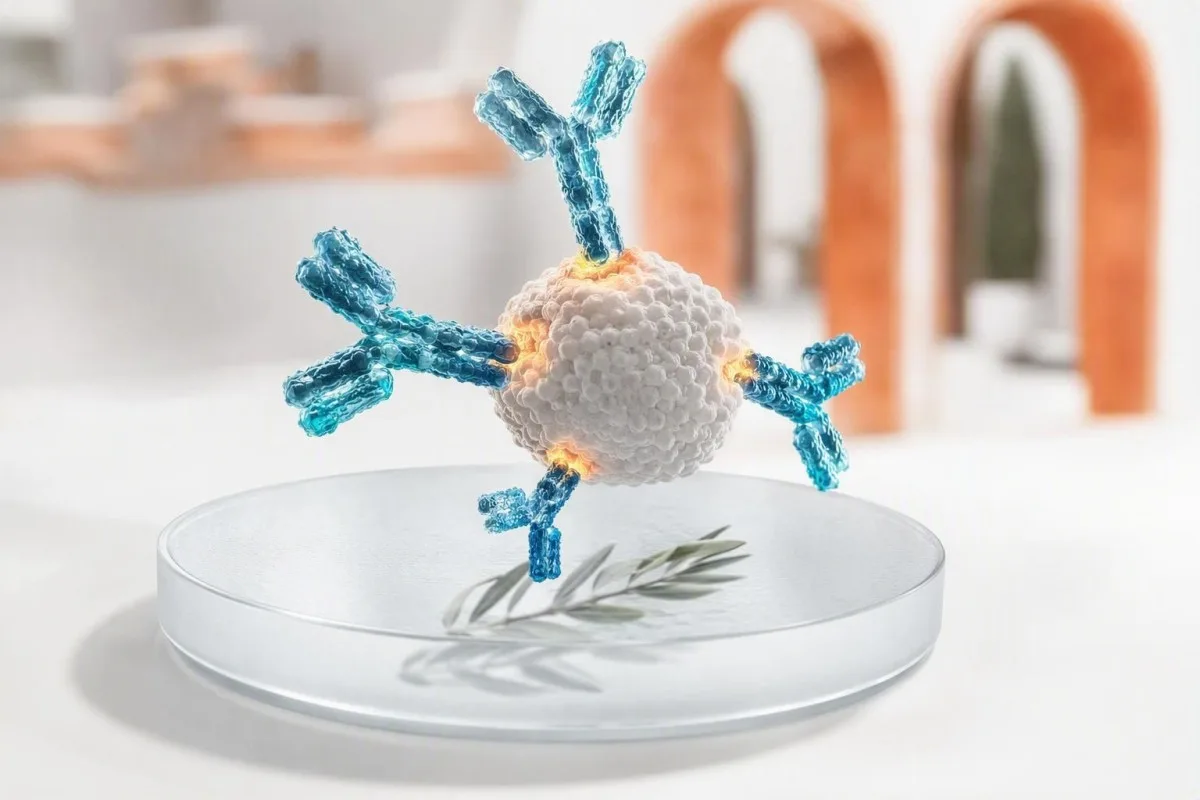
Pozitīvs antivielu rezultāts nozīmē, ka jūsu imūnsistēma ir atpazinusi noteiktu mērķi; tas pats par sevi neapstiprina aktīvu infekciju vai slimību. Antivielu klase, testēšanas metode, laiks, simptomi un pavadošie testi nosaka, vai jums ir nepieciešams apliecinājums, atkārtots tests, apstiprinājums vai savlaicīga klīniskā aprūpe.


- Pozitīvs antivielu rezultāts parasti norāda uz imūno atpazīšanu, ne obligāti uz pašreizējo slimību vai lipīgumu.
- IgM pret IgG ir laika norāde, nevis pulkstenis: IgM var saglabāties mēnešiem ilgi, un IgG var parādīties agri.
- Vakcīnu antivielas var padarīt imunitātes testus pozitīvus, nenorādot uz dabisku infekciju.
- Alergēniem specifiskas IgE virs 0.35 kUA/L norāda uz jutīgumu, bet simptomi pēc iedarbības nosaka klīnisko alerģiju.
- ANA pozitivitāte rodas līdz pat 20% veselu pieaugušo ar zemu titru, īpaši ar vecumu; simptomi un specifiskās antivielas ir svarīgākas.
- HIV skrīninga reaktivitāte pirms jebkādas diagnozes noteikšanas vienmēr prasa laboratorijas apstiprināšanas algoritmu.
- Anti-tTG IgA ir uzticams celiakijas novērtēšanai tikai tad, ja persona lieto glutenu un tai ir pietiekams kopējais IgA līmenis.
- Steidzami simptomi piemēram, elpošanas grūtības, apmulsums, dzeltēšana, sāpes krūtīs vai izplatīts pūšļu izsitums ir svarīgāks par rutīnas antivielu rezultātu.
Ko patiesībā nozīmē pozitīvs antivielu rezultāts
A pozitīvs antivielu tests nozīmē, ka analīze noteica imūnos proteīnus, kas saistās ar noteiktu mērķi; tas ne automātiski nenozīmē, ka jums ir aktīva infekcija, autoimūna slimība vai alerģija, kas prasa ārstēšanu. Nākamais solis ir atkarīgs no antivielu veida, rezultāta stipruma, simptomiem, ekspozīcijas laika un jebkādiem antigēna, PCR vai orgānu funkciju testiem.
Antivielas ir B šūnu proteīni, kas veidojas pēc vakcinācijas, infekcijas, alerģijas iedarbības, autoimunitātes vai retāk bez klīniski kaitīga iemesla. Pozitīvs rezultāts atbild uz vienu šauru analītisku jautājumu — vai saistīšanās tika noteikta virs šīs laboratorijas atskaites robežas? — nevis plašāku klīnisku jautājumu par to, kas notiek jūsu organismā šodien.
Savā 15 gadu klīniskajā praksē visbiežākā kļūda ir bijusi “pozitīva” lasīšana kā diagnoze. Dr. Tomasa Kleina praktiskais noteikums ir vispirms identificēt mērķi— vīrusu, vakcīnas antigēnu, pārtikas proteīnu, vairogdziedzera enzīmu, kodola antigēnu vai zāles — pēc tam jautāt, vai tests nosaka pagātnes iedarbību, pašreizējo organismu, jutīgumu vai imūno novirzi.
Kantesti AI ir AI asins analīžu analizators kas rāda antivielu uzlīmes blakus datumiem, imūnglobulīna klasi un saistītajiem rezultātiem, nevis vienu pozitīvu rindiņu uzskata par spriedumu. Šis konteksts ir īpaši noderīgs, kad pacienti salīdzina pārskatus no dažādām laboratorijām; kvalitatīvi un kvantitatīvi rezultāti nav savstarpēji aizstājami, pat ja abi saka pozitīvi.
Pozitīvs IgG pret IgM: kāpēc laiks ir sarežģītāks, nekā šķiet
IgM pozitīvs var liecināt par nesenu imūno atbildi, savukārt IgG pozitīvs bieži vien liecina par pagātnes iedarbību vai vakcīnas reakciju; neviens no šiem modeļiem pats par sevi neļauj precīzi noteikt slimības laiku. Dažas infekcijas rada IgG 7–14 dienu laikā, un IgM var palikt nosakāms 3–12 mēnešus vai ilgāk.
IgM ir liels piecu vienību antivielu veids, kas bieži ir nosakāms agrīnā stadijā, bet tā izmērs un plašā saistīšanās padara to jutīgāku pret krusteniskām reakcijām. Epšteina-Baras vīruss, parvovīruss B19, reimatoīdais faktors un dažas autoimūnās antivielas var izraisīt maldinošas IgM reakcijas; izolēts zema līmeņa IgM rezultāts prasa vairāk skeptisku attieksmi nekā paniku.
IgG parasti saglabājas pēc imūnās atmiņas attīstības, dažreiz gadu desmitiem. Pozitīvs IgG rezultāts var atspoguļot bērnības infekciju, nesenu vakcīnu, pasīvu antivielu no intravenoza imūnglobulīna vai mātes pāreju zīdainim; tas nevar pierādīt aizsardzību, ja vien konkrētā analīze nav ar apstiprinātu aizsardzības slieksni.
Savienotie paraugi var būt noderīgāki nekā viena asins deva: četrkārtīgs antivielu titra pieaugums starp paraugiem, kas ņemti aptuveni 2–4 nedēļu intervālā, atbalsta nesenu infekciju noteiktās slimībās. Ja pārskatā ir norādīts kopējais IgG, IgA un IgM, pārskatiet modeli, nevis vienu skaitli kopā ar mūsu rokasgrāmata imūnglobulīnu interpretācijai.
Kad inficēšanās antivielas nozīmē aktīvu slimību un kad nē
Infekciju antivielas parasti norāda uz saskari, savukārt PCR, antigēnu noteikšana, kultūra vai antivielu titra pieaugums ir labāki rīki daudzu aktīvu infekciju noteikšanai. Pozitīvs antivielu rezultāts bez simptomiem bieži vien ir vēsturisks, bet izņēmums ir atkarīgs no organisma un jūsu imūnsistēmas stāvokļa.
Hepatīta C gadījumā reaktīvas antivielas nozīmē saskari noteiktā laikā, bet tikai nosakāms HCV RNS apstiprina pašreizējo viremizāciju. Hepatīta B gadījumā svarīga ir kombinācija: virsmas antigēns, virsmas antivielas un kodola antivielas atšķir aktīvu infekciju, pārslimotu infekciju un vakcīnas izraisītu imunitāti daudz labāk nekā viens pozitīvs marķieris.
HIV ir cita situācija, kurā formulējumam ir milzīga nozīme. Reaktīvs ceturtās paaudzes skrīnings nav diagnoze; laboratorija veic HIV-1/HIV-2 diferenciācijas imūntestu un, ja nepieciešams, nukleīnskābju testēšanu. Persona, kas saņem pēcpakļaušanas profilaksi, nepieciešama laika specifiska testēšana, kā paskaidrots mūsu HIV testēšana pēc PEP rokasgrāmatā.
Esmu redzējis veselu pacientu, ko satrauca pozitīvs treponēmu sifilisa antivielu tests 18 gadus pēc ārstēšanas. Treponēmu testi bieži paliek pozitīvi uz mūžu, savukārt RPR vai VDRL titrs palīdz novērtēt pašreizējo aktivitāti un reakciju; sifilisa testu shēmas padara šo atšķirību skaidrāku.
Kā vakcīnas antivielas atšķiras no antivielām pēc inficēšanās
Vakcīnu radītās antivielas norāda, ka imūnsistēma reaģēja uz vakcīnas antigēnu; tās nenozīmē, ka vakcīna izraisīja aktīvu infekciju. Pozitīvs rezultāts joprojām var būt zem zināmas aizsardzības korelācijas, jo saistošās antivielas un funkcionālās neitralizējošās antivielas nav identiskas.
Hepatīta B virsmas antivielu koncentrācijas 10 mIU/mL vai vairāk kas mērītas 1–2 mēnešus pēc dokumentētas vakcīnu sērijas, parasti tiek uzskatītas par aizsargājošām imūnsistēmā kompetentiem cilvēkiem. Anti-HBc, hepatīta B kodola antivielas, standarta hepatīta B vakcinācijā neveidojas; tā klātbūtne norāda uz dabisku saskari un tai vajadzētu rosināt pilnas paneļa interpretāciju.
Rubeolas IgG parasti pārbauda pirms grūtniecības, jo tā norāda uz iepriekšēju imunitāti, nevis aktīvu rubeolas slimību. Laboratorijas nosaka testu specifiskus sliekšņus, un robežzīmes rezultāti parasti tiek uzskatīti par neimūniem pirmskoncepcijas plānošanai, nevis interpretēti kā nesena infekcija; laika noteikšana ir detalizēta mūsu rubeolas testēšanas rokasgrāmatā.
Kantesti AI ir AI asins analīžu rezultātu platforma kas atšķir vakcīnu modeļa antivielas no infekcijas modeļa antivielām, ja ziņojumā ir attiecīgie pavadošie marķieri. Praktiskais jautājums bieži nav “vai esmu pozitīvs?”, bet gan “kāds antigēns tika mērīts, kad es tiku vakcinēts un vai šis rezultāts maina šodienas aizsardzības plānu?”.”
Kāpēc pozitīvs alerģijas antivielu tests var nenozīmēt alerģiju
Pozitīvs alergēnu specifisks IgE tests norāda uz sensibilizāciju, kas nozīmē, ka IgE atpazīst alergēnu; tas nenosaka klīnisko alerģiju bez saderīgas reakcijas vēstures. Vērtība virs 0.35 kUA/L ir kopīgs analītiskās pozitivitātes slieksnis, nevis universāls slieksnis pārtikas vai zāļu lietošanas izvairīšanai.
Pretestības stāsts ir svarīgāks, nekā daudzi cilvēki saprot. Ja persona nedēļā ēd zemesriekstus bez nātrene, sēkšanas, vemšanas vai kolapsa, zems pozitīvs zemesriekstu IgE viens pats nedrīkst novest pie izvairīšanās; nevajadzīga pārtikas ierobežošana var radīt uztura un sociālu kaitējumu.
NIAID atbalstītā pārtikas alerģijas vadlīnija nosaka, ka ādas dūriena un specifiski IgE testi identificē iespējamos izraisītājus, bet nevar neatkarīgi diagnosticēt pārtikas alerģiju (Sampson et al., 2010). Izvēlētos gadījumos alergologs izmanto komponentiem atrisinātu testēšanu vai medicīniski uzraudzītu perorālo pārtikas izaicinājumu, kas joprojām ir etalona standarts nenoteiktības novēršanai.
Kopējais IgE tiek mērīts IU/mL un var būt augsts ekzēmā, parazītu invāzijās, smēķēšanā un vairākās imūnsistēmas slimībās; tas nevar noteikt vainīgo alergēnu. Komponentu testēšana var atšķirt stabilu uzglabāšanas proteīnu no krusteniski reaģējoša ar ziedputekšņiem saistīta proteīna, atšķirība, kas aplūkota mūsu raksts par molekulāro alerģijas testēšanu.
Kāpēc autoimūnām antivielām ir nepieciešami simptomi un orgānu pazīmes
Autoimūnās antivielas var radīt slimību, pavadīt slimību vai būt veseliem cilvēkiem; pozitīvs rezultāts reti vien nosaka autoimūnu diagnozi. Klīnicisti rīkojas, kad antivielu modelis atbilst simptomiem, izmeklēšanas atradumiem, iekaisuma marķieriem vai objektīvām orgānu izmaiņām.
Antinukleārās antivielas vai ANA, ir pozitīvas zemās titros aptuveni 13% cilvēku pie 1:80 un apmēram 20% pie 1:40 populācijas pētījumos, ar augstāku rādītāju sievietēm un vecākiem pieaugušajiem. Homogēns vai punktēts modelis nenosaka lupu; ANA vislabāk izmantot kā ieejas testu, kad klīniskais attēls padara saistaudu slimību ticamu.
2019. gada EULAR/ACR lupu klasifikācijas sistēma izmanto ANA titrā vismaz 1:80 kā iekļaušanas kritēriju, pēc tam prasa papildu svērtas klīniskās un imunoloģiskās iezīmes (Aringer et al., 2019). Jauni proteīni urīnā, zems C3/C4, citopēnijas, iekaisuma locītavu pietūkums vai pārliecinošs fotosensitīvs izsitumu izraisījums maina steidzamību daudz vairāk nekā vāja ANA vien.
Anti-dsDNA kļūst nozīmīgāks, ja tas ir savienots ar zemu komplementa līmeni un nieru atradumiem, lai gan metožu atšķirības ir ievērojamas. Mūsu anti-dsDNA uzraudzības ceļvedis un komplementa testēšanas pārskats paskaidro, kāpēc speciālists var atkārtot testēšanu uz citas platformas.
Orgāniem specifiskas antivielas: vairogdziedzera, celiakijas un kuņģa piemēri
Orgānspecifiskās antivielas identificē imūno audu mērķēšanu, bet tās ne vienmēr parāda, vai orgāns pašlaik ir bojāts vai nepieciešama ārstēšana. Vairogdziedzera peroksidāzes antivielas, audu transglutamināzes antivielas un iekšējā faktora antivielas katrai nepieciešami atšķirīgi papildu testi.
TPO antivielas ir bieži sastopamas Hāšimoto tireoidītā un var būt klātesošas gadiem ilgi, kamēr TSH un brīvais T4 paliek normāli. Pieaugušam cilvēkam bez grūtniecības ar normālu vairogdziedzera darbību rezultāts parasti atbalsta periodisku TSH uzraudzību, nevis vairogdziedzera hormonu ārstēšanu; grūtniecība, auglības plāni un simptomi var mainīt šo pieeju.
Pozitīvs tTG-IgA liecina par celiakiju tikai tad, ja persona joprojām patērē glutenu un kopējais IgA ir pietiekams. Selektīva IgA deficīta gadījumā tTG-IgA var būt viltoti negatīvs, tāpēc klīnicisti izmanto IgG bāzes deamidētās gliadīna peptīda vai tTG testus, ja kopējais IgA ir zems; skatiet mūsu skaidrojumu par zema IgA riskiem.
Iekšējā faktora antiviela ir salīdzinoši specifiska, bet ne ļoti jutīga pret perniciozo anēmiju. Kad tā ir pozitīva kopā ar zemu B12, paaugstinātu metilmaloniskās skābes līmeni un makrocitozi, modelis ir pārliecinošs; bez šī modeļa es izvairos ārstēt laboratorijas marķieri, nevis pacientu. Perniciozās anēmijas testēšana parāda parasto apstiprināšanas secību.
Kas izraisa viltus pozitīvu antivielu rezultātu
Viltus pozitīvi antivielu rezultāti rodas, ja tests nosaka netīšu saistīšanos, nevis tad, kad laboratorija vienkārši “kļūdās.” Krusteniskās antivielas, reimatoīdais faktors, nesena imūna stimulācija, pasīvais imūnglobulīns un zema pirms testa varbūtība ir bieži sastopami iemesli.
Specifiskums nav pilnība. Tests ar 99,% specifiskumu rada apmēram 10 viltus pozitīvus rezultātus uz katriem 1000 patiesi negatīviem cilvēkiem, kuriem veic testu; kad stāvoklis ir reti sastopams, šie rezultāti var pārsniegt patieso pozitīvo skaitu. Tāpēc plaša skrīninga veikšana personai bez simptomiem bieži rada nenoteiktību, nevis pārliecību.
Biotīns ir slavens ar to, ka traucē dažus hormonālos un kardiālos testus, savukārt heterofīlie antivielas un reimatoīdais faktors var traucēt noteiktus imunoanalītiskos testus. Laboratorija dažreiz var atšķaidīt paraugu, izmantot bloķējošus reaģentus, atkārtot rezultātu citā testa arhitektūrā vai veikt specifiskāku apstiprinošu metodi.
Pozitīvs rezultāts, kas ir pretrunā ar pilnīgi neuzkrītošu klīnisko ainu, nav kaut kas, ko ignorēt; tas ir iemesls, lai to pārbaudītu. Kantesti AI salīdzina neatbilstošus marķierus un testu datumus, un mūsu laboratorijas rezultātu precizitātes kontrolsaraksts var palīdzēt jums reģistrēt uztura bagātinātājus, nesenās infūzijas un slimības pirms sarunas ar nosūtošo ārstu.
Pozitīvs antivielu tests, bet nav simptomu: praktisks triāžas plāns
Kad antivielu tests ir pozitīvs, bet jūs jūtaties labi, lielākajai daļai cilvēku ir nepieciešama skaidrība, nevis neatliekamā palīdzība. Drošākie pirmie soļi ir pārbaudīt precīzu testu, pārbaudīt iedarbības un vakcinācijas datumus, kā arī meklēt saistīto testu, kas apstiprina pašreizējo slimību vai orgānu iesaistīšanos.
Sāciet ar pašu pārskatu: reģistrējiet analīta nosaukumu, antivielu klasi, ciparu indeksu vai titru, atsauces intervālu, laboratorijas metodi un savākšanas datumu. “Reaktīvs” var nozīmēt signāla-sliekšņa attiecību, kas ir nedaudz virs 1,0, vai daudz spēcīgāku rezultātu; laboratorijas neizmanto identiskus sliekšņus, un lielums tikai dažreiz atspoguļo klīnisko varbūtību.
Tālāk jautājiet, vai pastāv aktīvās slimības tests. Piemēri ietver C hepatīta PCR, sērijas RPR sifilisam, izkārnījumu vai elpas testu aktīvai Helicobacter pylori, TSH/brīvais T4 vairogdziedzera antivielām un urīna analīzi plus kreatinīnu lūpus saistītām nieru problēmām.
No 2026. gada 8. septembra es neieteiktu pašrocīgi sākt lietot antibiotikas, antivielas, bezglutēna diētas, vairogdziedzera zāles vai izvairīties no pārtikas tikai izolēta antivielu rezultāta dēļ. Saglabājiet oriģinālo PDF, atzīmējiet savu sākuma stāvokli ar longitudinālai laboratorijas rādītāju izsekošanai, un organizējiet rutīnas apskati, ja nav sarkanās emblēmas simptomu.
Apstiprinošie testi, kas maina nākamo soli
Labākais apstiprinošais tests ir atkarīgs no tā, ko antivielas mērķē: molekulārā noteikšana apstiprina daudzas infekcijas, funkcionālie testi noskaidro alerģiju, un orgānu funkciju testēšana novērtē autoimūno ietekmi. Tā paša antivielu testa atkārtošana ir noderīga tikai tad, ja paredzamās izmaiņas laika gaitā ir klīniski nozīmīgas.
Reaktīvam HIV skrīningam, refleksās apstiprināšanas ceļš ir diferenciācijas tests, kam seko HIV nukleīnskābes tests, ja rezultāti ir nenoteikti. Hepatīta C antivielai HCV RNA ir izšķirošā tālāka izmeklēšana; pozitīvai hepatīta B kodola antivielai antigēns, virsmas antiviela un dažreiz HBV DNS noskaidro modeli.
Tiekoties ar iespējamu celiakiju, lēmumi par biopsiju jāpieņem, kamēr glutēna ietekme ir pietiekama testēšanai. Iespējamās pārtikas alerģijas gadījumā alergologs ņem vērā ekspozīcijas vēsturi, specifisko IgE līmeni, komponentu profilu un izaicinājuma risku — nevis nesaistītu zemu pozitīvu paneli, kas pasūtīta bez klīniskā jautājuma.
Kantesti AI ir ar AI balstīts asins analīzes rīks kas var organizēt šos saistītos marķierus sarakstā ar klīnicistiem saprotamiem jautājumiem, taču tas neaizstāj apstiprinošu testēšanu vai diagnozi. Ja neesat pārliecināts, cik uzticēties izņēmuma rezultātam, mūsu medicīniskās validācijas standarti apraksta, kāpēc pārbaude un klīniskā uzraudzība ir svarīga.
Simptomi, kas padara pozitīvu antivielu rezultātu steidzamāku
Pozitīvs antivielu rezultāts prasa steidzamu novērtēšanu, ja tas rodas kopā ar elpošanas grūtībām, sejas vai rīkles pietūkumu, samaņu zaudēšanu, apjukumu, krūšu sāpēm, dzelteni, strauji izplatīšanos izsitumiem, smagu dehidratāciju vai jaunu neiroloģisku vājumu. Simptomi — nevis tikai antivielu skaits — nosaka steidzamību.
Iespējama nāvējoša anafilakse ir ārkārtas situācija: pēkšņas visaptverošas nātrene ar sēkšanu, rīkles savilkšanos, pastāvīgu vemšanu, reiboni vai zemu asinsspiedienu pēc iedarbības prasa neatliekamās palīdzības dienestus un izrakstītu adrenalīnu, ja tas ir pieejams. Pozitīvs pārtikas vai indes IgE tests pirms mēnešiem gan neprognozē, gan neizslēdz šo tūlītējo risku.
Jauna dzelte ar tumšu urīnu, izteiktas vēdersāpes, drudzis vai apjukums jāizmeklē tajā pašā dienā, neatkarīgi no tā, vai vīrusu hepatīta antivielas ir pozitīvas vai nē. Aknu fermenti, bilirubīns, INR un tiešu patogēnu noteikšana palīdz atšķirt imūno vēsturi no aktīvas aknu un žultsvadu slimības; aknu paneļa komponentiem ir noderīgs konteksts.
Autoimūnu problēmu laika aspekti kļūst svarīgi, ja ir klepus ar asinīm, elpas trūkums, strauji pieaugošs kreatinīns, asiņaini caureja, redzes izmaiņas, krampji vai jauns vienpusējs vājums. Esmu iemācījies neuzticēties personai, pamatojoties uz robežzīmes antivielu titru, kad viņu simptomu trajektorija skaidri pasliktinās.
Vai augstāks antivielu skaits nozīmē smagāku slimību?
Augstāks antivielu indekss vai titrs dažkārt palielina iespēju, ka rezultāts ir patiess, bet tas parasti nemēra slimības smagumu. Testa vērtības ir specifiskas metodei, un rezultātu 80 AU/mL nevar tieši salīdzināt ar 80 U/mL no citas laboratorijas.
Autoimūnu slimību gadījumā anti-dsDNA tendences dažreiz var sekot līdzi lūpus aktivitātei, īpaši, ja tās mēra konsekventi ar to pašu metodi un interpretē kopā ar komplementu un urīna proteīnu. ANA titrs, tomēr, ir slikts lūpus smaguma rādītājs un to nedrīkst atkārtoti meklēt stabilai personai.
Infekciju gadījumā spēcīgs antivielu signāls var liecināt par iepriekšēju iedarbību, bet reti norāda uz inficēšanos. Neitralizējošo antivielu testi ir specializēti, un to aizsardzības sliekšņi var atšķirties atkarībā no patogēna, vecuma, vakcīnas produkta un imūnsupresijas; vienkāršs komerciāls IgG tests nav personīgās imunitātes pase.
Salīdzinot pārskatus, paturiet redzamus laboratoriju, testu un vienību datus. Patiesa bioloģiska izmaiņa pārsniedz parasto analītisko un ikdienas svārstīgumu, tāpēc mūsu asins analīžu salīdzināšanas ceļvedis galvenā uzmanība pievērsta datumiem un metodēm, nevis tikai krāsainiem karodziņiem.
Grūtniecība, bērni un imūnsupresija maina interpretāciju
Grūtniecība, zīdaiņu vecums un imūnsupresīva ārstēšana var mainīt gan antivielu veidošanos, gan gaidīšanas drošību apstiprinājuma saņemšanai. Šajās grupās pozitīvs rezultāts var atspoguļot mātes antivielas, samazinātu vakcīnas atbildes reakciju, atjaunošanās risku vai nepieciešamību pēc agrākas speciālista konsultācijas.
Mātes IgG šķērso placentu un var saglabāties jaundzimušajā vairākus mēnešus, savukārt mātes IgM parasti nešķērso. Tādēļ jaundzimušā izolēta IgG pozitīvitāte bieži atspoguļo mātes imunitāti, savukārt uz organismu specifiskā IgM vai tieša noteikšana var būt nepieciešama rūpīgāka izvērtēšana atkarībā no infekcijas un vecuma.
Grūtniecības laikā masaliņu vai parvovīrusa antivielu rezultātus interpretē, ņemot vērā ekspozīcijas datumus, AVIDITĀTES testēšanu un atkārtotus paraugus, nevis tikai vienreizēju IgM. Viltus pozitīvs IgM ir atzīta problēma, un nepietiekama trauksme var novest pie nevajadzīgām invazīvām izmeklēšanām; akušieru vai infekcijas slimību speciālistu iesaistīšana ir saprātīga, ja ekspozīcija ir ticama.
Pacienti, kuri saņem rituksimabu, lielas devas kortikosteroīdus, ķīmijterapiju vai transplantācijas medikamentus, var radīt vājas vai neesošas antivielu atbildes reakcijas, neskatoties uz infekciju vai vakcināciju. Attiecībā uz ģimenes lēmumiem, bērnu AI interpretācijas ierobežojumi un Kantesti medicīnas konsultatīvo padomi pastiprina klīniski vadītas pārskatīšanas nepieciešamību.
Kā sagatavoties klīnicista noderīgai pozitīva rezultāta izskatīšanai
Iesniedziet pilnu laboratorijas pārskatu, testa pasūtīšanas iemeslu, simptomu vai ekspozīcijas datumus, vakcinācijas vēsturi, medikamentus un iepriekšējos rezultātus. Šī informācija var pārvērst acīmredzami neskaidru pozitīvu antivielu rezultātu par skaidru nākamo darbību vienas vizītes laikā.
Pirms vizītes pierakstiet piecus faktus: pirmā simptomu diena, pēdējā iespējamā ekspozīcija, vakcinācijas datumi, imūnsupresīvi medikamenti vai imūnglobulīna infūzijas, un vai simptomi uzlabojas vai pasliktinās. Drudzi, kas sākās 3 dienas pirms parauga ņemšanas, interpretē ļoti atšķirīgi nekā nogurumu, kas sākās pirms 6 mēnešiem.
Uzdodiet trīs fokusētus jautājumus: “Ko šis tests nosaka?”, “Kāds tests nosaka aktīvu slimību vai orgānu bojājumu?”, un “Kāds rezultāts mainītu ārstēšanu?” Dr. Tomass Kleins uzskata, ka šie jautājumi samazina nevajadzīgu atkārtotu paneļu veikšanu un palīdz pacientiem iziet ar noteiktu laika periodu - šodien, 1–2 nedēļas, vai regulāra uzraudzība.
Kantesti AI atbalsta drošu pārskatu pārskatīšanu vairāk nekā 75 valodās un var parādīt trūkstošos pavadošos testus no fotografēta vai augšupielādēta PDF aptuveni 60 sekunžu laikā. Mūsu AI tehnoloģiju ceļvedis izskaidro konteksta atbilstošas pieejas, savukārt mūsu klīniskā komanda nodrošina medicīnisko uzraudzību aiz pacienta orientētas interpretācijas.
Bieži uzdotie jautājumi
Ko nozīmē pozitīvs antivielu tests, ja man nav simptomu?
Pozitīvs antivielu rezultāts bez simptomiem visbiežāk norāda uz iepriekšēju inficēšanos, vakcināciju, sensibilizāciju vai rezultātu, kuram nepieciešama apstiprināšana, nevis aktīvu slimību. Nākamais solis ir atkarīgs no mērķa: C hepatīta antivielām nepieciešams HCV RNA, reaktīvajam HIV skrīningam nepieciešams laboratoriskās apstiprināšanas algoritms, bet vairogdziedzera antivielām nepieciešams TSH un brīvais T4. Izolēts zems pozitīvs rezultāts ir mazāk pārliecinošs, ja nav saderīgas ekspozīcijas vai simptomu vēstures. Meklējiet tūlītēju palīdzību, ja rodas jauna dzelte, elpas trūkums, apjukums, sāpes krūtīs vai strauji pasliktinās izsitumi.
Vai IgM pozitīvs un IgG negatīvs vienmēr nozīmē jaunu infekciju?
IgM pozitīvs ar IgG negatīvu var rasties infekcijas sākumā, taču tas ne vienmēr pierāda jaunu infekciju. IgM var krusteniski reaģēt ar nesaistītiem imūproteīniem, un daži testi uzrāda IgM viltus pozitīvus rezultātus biežāk nekā IgG rezultātus. Klīnicisti var atkārtot seroloģiju pēc 1–2 nedēļām, pieprasīt PCR vai antigēnu testēšanu vai izmantot specifiskāku apstiprinošu testu. Pareiza interpretācija ir atkarīga arī no slimības laika līnijas un testētā specifiskā organisma.
Vai vakcīna var radīt antivielu testa pozitīvu rezultātu?
Jā, vakcīnas bieži padara antivielu testus pozitīvus attiecībā uz vakcīnā esošo antigēnu. Hepatīta B gadījumā anti-HBs koncentrācija vismaz 10 mIU/mL, ko mēra 1–2 mēnešus pēc pabeigtas vakcinācijas sērijas, parasti norāda uz aizsargājošu vakcīnas reakciju imūnkomepetentiem cilvēkiem. Standarta hepatīta B vakcinācija nerada anti-HBc, tāpēc kodola antivielu pozitivitāte liecina par dabisku inficēšanos, nevis tikai par vakcināciju. Ar vakcīnu saistīta pozitivitāte nenozīmē, ka Jums ir aktīva infekcija.
Vai var būt pozitīvs autoimūno antivielu tests un būt vesels?
Jā, veseli cilvēki var saņemt autoimūno antivielu testu rezultātus, īpaši zema titra ANA rezultātus. ANA ir nosakāms aptuveni 13% cilvēku ar titru 1:80 un apmēram 20% ar titru 1:40, tāpēc tas nav vienīgais lupusa tests. Simptomi, piemēram, iekaisīgs locītavu pietūkums, mutes čūlas, fotosensivitātes izsitumi, zems komplements, olbaltumvielas urīnā vai patoloģiski asins analīžu rādītāji nosaka, vai ir nepieciešama speciālista konsultācija. Pozitīvs rezultāts jāinterpretē kontekstā ar iemeslu, kāpēc tests tika veikts.
Vai pozitīvs IgE asins analīžu rezultāts nozīmē, ka man jāizvairās no šī ēdiena?
Nē, pozitīvs pret noteiktu pārtiku specifiskās IgE antivielas rezultāts nozīmē jutīgumu, bet nepierāda, ka pārtikas lietošana izraisa alerģisku reakciju. Daudzas laboratorijas rezultātus virs 0,35 kUA/L uzskata par pozitīviem, taču šis slieksnis ir paredzēts noteikšanai, nevis vispārējam izvairīšanās lēmumam. Cilvēks, kurš regulāri lieto pārtiku bez nātrēm, sēkšanas, atkārtotas vemšanas vai ģīboņa, neautoamtiski nedrīkst to izslēgt no uztura. Alerģists var izmantot reakciju vēsturi, komponentu testēšanu un dažreiz uzraudzītu perorālo pārtikas provokācijas testu, lai precizētu risku.
Cik ilgi antivielas paliek pozitīvas pēc infekcijas?
Antivielu ilgmūžība dažādi atšķiras atkarībā no infekcijas un antivielu klases. IgM var izzust dažu nedēļu laikā, bet var saglabāties 3–12 mēnešus vai ilgāk, savukārt IgG var palikt nosakāms gadiem vai visu mūžu. Treponēmu izraisītas sifilisa antivielas bieži paliek pozitīvas visu mūžu pēc veiksmīgas ārstēšanas, savukārt RPR vai VDRL titrus izmanto aktivitātes novērošanai. Tāpēc pozitīvs antivielu rezultāts nevar ticami norādīt, kad notikusi infekcija, bez citas klīniskās un laboratoriskās informācijas.
Iegūstiet AI vadītu asins analīžu analīzi jau šodien
Pievienojieties vairāk nekā 2 miljoniem lietotāju visā pasaulē, kuri uzticas Kantesti tūlītējai, precīzai laboratorijas analīžu interpretācijai. Augšupielādējiet savas asins analīzes rezultātus un dažu sekunžu laikā saņemiet visaptverošu 15,000+ biomarķieru interpretāciju.
📚 Atsauces pētniecības publikācijas
Kleins, T., Mičels, S., un Vēbers, H. (2026). Daudzvalodu AI palīdzētā klīniskā lēmumu atbalsta sistēma agrīnai hantavīrusu triāžai: dizains, inženieru validācija un reālā laika ieviešana vairāk nekā 50 000 interpretētu asins analīžu pārskatu apjomā. Figshare. https://www.researchgate.net/. Kantesti AI Medicīnas pētījumi.
Kleins, T., Mičels, S., un Vēbers, H. (2026). Pirmsreģistrēts, uz rubriku balstīts automātiskais tehniskais etalons Kantesti asins analīžu interpretācijas dzinējam uz 100 000 sintētisku testu gadījumiem. Figshare. https://www.academia.edu/. Kantesti AI Medicīnas pētījumi.
📖 Ārējās medicīniskās atsauces
⚕️ Medicīniskā atruna
Šis raksts ir paredzēts tikai izglītojošiem nolūkiem un nav medicīnisks padoms. Vienmēr konsultējieties ar kvalificētu veselības aprūpes speciālistu, lai pieņemtu lēmumus par diagnostiku un ārstēšanu.
E-E-A-T uzticēšanās signāli
Pieredze
Ārstu vadīta klīniskā laboratorijas interpretācijas darbplūsmu pārskatīšana.
Ekspertīze
Laboratorijas medicīnas fokuss uz to, kā biomarķieri uzvedas klīniskā kontekstā.
Autoritāte
Sagatavojis Dr. Thomas Klein, pārskatījusi Dr. Sarah Mitchell un prof. Dr. Hans Weber.
Uzticamība
Uz pierādījumiem balstīta interpretācija ar skaidriem turpmākās rīcības ceļiem, lai mazinātu trauksmi.