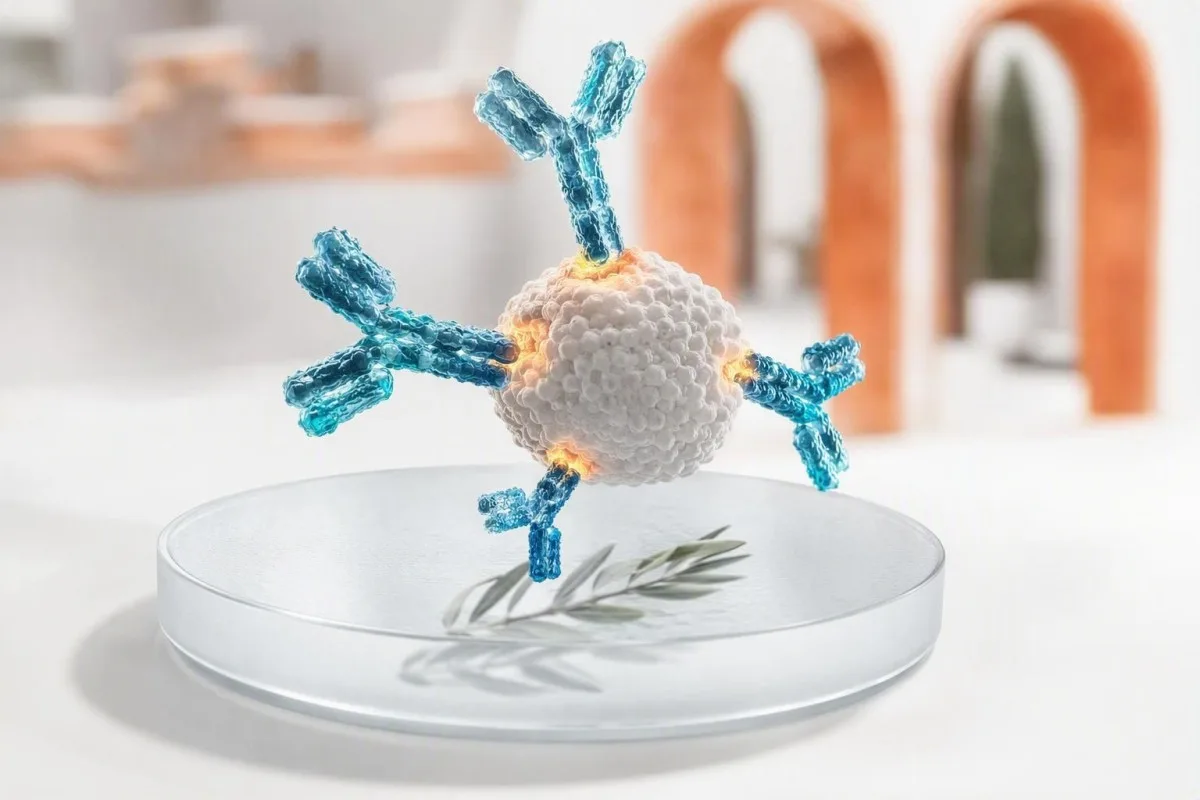
Pozitiven rezultat testiranja na protitelesa pomeni, da je vaš imunski sistem prepoznal določeno tarčo; sam po sebi ne dokazuje aktivne okužbe ali bolezni. Razred protiteles, testna metoda, čas, simptomi in spremljevalni testi določajo, ali potrebujete zagotovilo, ponovitev testa, potrditev ali hitro klinično oskrbo.


- Pozitiven rezultat testiranja na protitelesa običajno kaže na imunsko prepoznavo, ne nujno na trenutno bolezen ali nalezljivost.
- IgM v primerjavi z IgG je namig glede časa, ne ura: IgM lahko vztraja več mesecev, IgG pa se lahko pojavi zgodaj.
- Protitelesa iz cepiva lahko povzročijo pozitiven test imunosti, ne da bi kazala na naravno okužbo.
- Specifični IgE za alergene nad 0,35 kUA/L kaže na senzibilizacijo, vendar simptomi po izpostavljenosti potrjujejo klinično alergijo.
- pozitivnost ANA se pojavi pri do 20% zdravih odraslih z nizkimi titri, zlasti s starostjo; bolj pomembni so simptomi in specifična protitelesa.
- reaktivnost presejanja za HIV vedno zahteva algoritem laboratorijske potrditve pred postavitvijo kakršne koli diagnoze.
- Anti-tTG IgA je zanesljiv za oceno celiakije le, če oseba uživa gluten in ima zadostno skupno raven IgA.
- Nujni simptomi kot so težave z dihanjem, zmedenost, zlatenica, bolečina v prsih ali razširjen mehurčast izpuščaj, prevagajo rutinski rezultat protiteles.
Kaj vam dejansko pove pozitiven rezultat testiranja na protitelesa
A pozitiven test na protitelesa pomeni, da je test zaznal imunske beljakovine, ki se vežejo na določeno tarčo; to ne ne samodejno pomeni, da imate aktivno okužbo, avtoimunsko bolezen ali alergijo, ki zahteva zdravljenje. Naslednji korak je odvisen od vrste protitelesa, jakosti rezultata, simptomov, časa izpostavljenosti in morebitnih testov antigena, PCR ali delovanja organov.
Protitelesa so beljakovine B-celic, ki nastanejo po cepljenju, okužbi, izpostavljenosti alergenom, avtoimunosti ali občasno brez klinično škodljivega razloga. Pozitiven rezultat odgovori na eno ozko analitsko vprašanje – ali je bila vezava zaznana nad laboratorijsko mejo? – namesto širšega kliničnega vprašanja, kaj se danes dogaja v vašem telesu.
V mojih 15 letih klinične prakse je najpogostejša napaka branje “pozitivno” kot diagnoza. Praktično pravilo dr. Thomasa Kleina je, da najprej identificiramo tarčo—virus, cepilni antigen, prehranski protein, encim ščitnice, jedrni antigen ali zdravilo—nato pa vprašamo, ali test zazna preteklo izpostavljenost, trenutni organizem, senzibilizacijo ali imunske zablode.
Kantesti AI je AI analizator krvi ki bere zastavice protiteles ob datumih, razredu imunoglobulina in sorodnih rezultatih, namesto da bi eno samo pozitivno črto obravnaval kot sodbo. Ta kontekst je še posebej uporaben, ko pacienti primerjajo poročila iz različnih laboratorijev; kvalitativni in kvantitativni rezultati niso zamenljivi, tudi ko oba kažeta pozitivno.
Pozitivna IgG ali IgM: zakaj je čas manj preprost, kot se sliši
pozitiven IgM lahko kaže na nedavno imunsko odzivnost, medtem ko IgG pozitivno pogosto kaže na preteklo izpostavljenost ali odziv na cepivo; noben vzorec sam po sebi zanesljivo ne datira bolezni. Nekatere okužbe povzročijo IgG v 7–14 dneh, IgM pa lahko ostane zaznaven 3–12 mesecev ali dlje.
IgM je veliko protitelo s petimi enotami, ki je pogosto zgodaj zaznavno, vendar je zaradi svoje velikosti in širokega vezanja bolj nagnjeno k navzkrižnim reakcijam. Epstein-Barrov virus, parvovirus B19, revmatoidni faktor in nekatera avtoimunska protitelesa lahko povzročijo zavajajoče reakcije IgM; osamljen rezultat nizke ravni IgM zasluži večjo skepso kot paniko.
IgG običajno vztraja po razvoju imunske spomine, včasih desetletja. Pozitiven rezultat IgG lahko odraža otroško okužbo, nedavno cepljenje, pasivna protitelesa iz intravenskega imunoglobulina ali prenos z matere na dojenčka; ne more dokazati zaščite, razen če ima določen test potrjeno zaščitno vrednost.
Parični vzorci so lahko bolj koristni kot en sam odvzem: štirikratno zvišanje titra protiteles med vzorci, odvzetimi približno 2–4 tedne narazen, podpira nedavno okužbo pri izbranih boleznih. Če poročilo navaja skupni IgG, IgA in IgM, preglejte vzorec namesto ene številke z našo vodnik za tolmačenje imunoglobulinov.
Kdaj protitelesa pri okužbi pomenijo in kdaj ne pomenijo aktivne bolezni
Protice proti okužbam običajno kažejo na izpostavljenost, medtem ko PCR, antigenski test, kultura ali naraščajoči titer so boljša orodja za odkrivanje številnih aktivnih okužb. Pozitiven rezultat protitelesa brez simptomov je pogosto zgodovinski, vendar izjema je odvisna od organizma in vašega imunskega statusa.
Za hepatitis C reaktivna protitelesa pomenijo izpostavljenost v določenem času, vendar samo zaznavni HCV RNA potrjuje trenutno viremijo. Za hepatitis B je kombinacija pomembna: površinski antigen, površinsko protitelo in jedrno protitelo bolje ločujejo aktivno okužbo, pozdravljeno okužbo in cepilno imunost kot en sam pozitiven marker.
HIV je še eno področje, kjer besede izjemno veliko pomenijo. Reaktivni presejalni test četrte generacije ni diagnoza; laboratorij nadaljuje z imunskim testom za diferenciacijo HIV-1/HIV-2 in, če je potrebno, z testiranjem nukleinskih kislin. Oseba, ki jemlje post-eksponirano profilakso, potrebuje testiranje, specifično za čas, kot je pojasnjeno v našem Vodniku za testiranje HIV po PEP.
Videla sem zdravega pacienta, ki ga je prestrašilo pozitivno treponemsko protitelo za sifilis po zdravljenju 18 let prej. Treponemski testi pogosto ostanejo pozitivni vse življenje, medtem ko titer RPR ali VDRL pomaga presoditi trenutno aktivnost in odziv; vzorci testov za sifilis jasneje pojasnijo to razliko.
Kako se protitelesa iz cepiva razlikujejo od protiteles po okužbi
Cepilna protitelesa kažejo, da se je imunski sistem odzval na cepilni antigen; ne pomenijo, da je cepivo povzročilo aktivno okužbo. Pozitiven rezultat je lahko še vedno pod znano zaščitno korelacijo, ker vezavna protitelesa in funkcionalna nevtralizirajoča protitelesa niso enaka.
Koncentracije površinskega protitelesa proti hepatitisu B 10 mIU/mL ali več izmerjene 1–2 meseca po dokumentirani seriji cepljenja se na splošno štejejo za zaščitne pri imunokompetentnih osebah. Anti-HBc, jedrno protitelo proti hepatitisu B, se ne proizvaja z običajnim cepljenjem proti hepatitisu B; njegova prisotnost kaže na naravno izpostavljenost in bi morala sprožiti popolno interpretacijo panela.
Rubella IgG se pogosto preverja pred nosečnostjo, ker kaže na prejšnjo imunost, ne na aktivno bolezen zaradi rdečk. Laboratoriji določajo mejne vrednosti, specifične za test, in mejne rezultate običajno obravnavajo kot neimunske za načrtovanje pred zanositvijo, namesto da bi jih interpretirali kot nedavno okužbo; časovni potek je podrobno opisan v našem vodniku za testiranje rdečk.
Kantesti AI je platforma za razlaga krvne slike z AI ki ločuje cepilno-podobna protitelesa od okužbeno-podobnih protiteles, ko poročilo vključuje ustrezne spremljevalne označevalce. Praktično vprašanje pogosto ni “sem pozitiven?”, temveč “kateri antigen je bil izmerjen, kdaj sem bil cepljen in ali ta rezultat spremeni današnji načrt zaščite?”.”
Zakaj pozitiven test protiteles za alergije morda ne pomeni alergije
Pozitiven specifični alergenski IgE test kaže na senzibilizacijo, kar pomeni, da IgE prepozna alergen; ne diagnosticira klinične alergije brez združljive zgodovine reakcije. Vrednost nad 0.35 kUA/L je pogosta analitična mejna vrednost pozitivnosti, ne univerzalna mejna vrednost za izogibanje hrani ali zdravilu.
Zgodba pred testom je pomembnejša, kot se mnogi zavedajo. Če oseba tedensko je arašide brez koprivnice, piskanja, bruhanja ali kolapsa, sam nizko pozitiven IgE za arašide ne bi smel voditi do izogibanja; nepotrebna omejitev prehrane lahko povzroči prehranske in socialne škode.
Smernice NIAID za alergije na hrano navajajo, da testi s kožnimi vbodi in specifični IgE testi identificirajo možne sprožitelje hrane, vendar sami ne morejo diagnosticirati alergije na hrano (Sampson et al., 2010). V izbranih primerih alergolog uporabi testiranje z razločevanjem komponent ali medicinsko nadzorovan izziv z oralno hrano, ki ostaja referenčni standard za reševanje negotovosti.
Skupni IgE se meri v IU/mL in je lahko visok pri ekcemih, parazitskih izpostavljenostih, kajenju in več imunskih stanjih; ne more identificirati krivca alergena. Testiranje s komponentami lahko razlikuje med stabilnim skladiščnim beljakom in navzkrižno reaktivnim beljakom, povezanih s cvetnim prahom, razlika, raziskana v našem članek o molekularni alergijski diagnostiki.
Zakaj avtoimunska protitelesa zahtevajo simptome in namige o organih
Avtoprotitelesa lahko predhodijo bolezni, spremljajo bolezen ali se pojavijo pri zdravih ljudeh; pozitiven rezultat sam redko potrdi avtoimunsko diagnozo. Klinični zdravniki ukrepajo, ko se vzorec protiteles ujema s simptomi, izvidi pregleda, označevalci vnetja ali objektivnimi spremembami organov.
Antinuklearna protitelesa, ali ANA, je pozitivna pri nizkih razredih pri približno 13% ljudi pri 1:80 in okoli 20% pri 1:40 v populacijskih študijah, z višjo stopnjo pri ženskah in starejših odraslih. Homogen ali pegast vzorec ne diagnosticira lupusa; ANA je najbolje uporabiti kot vstopni test, ko slika bolezni naredi vezivno tkivno bolezen verjetno.
Okvir za klasifikacijo lupusa EULAR/ACR iz leta 2019 uporablja ANA pri razredih vsaj 1:80 kot vstopni kriterij, nato pa zahteva dodatne ponderirane klinične in imunološke značilnosti (Aringer et al., 2019). Nova beljakovina v urinu, nizki C3/C4, citopenije, vnetna oteklina sklepov ali prepričljiv izpuščaj, občutljiv na svetlobo, spremenijo nujnost veliko bolj kot oslabela ANA sama.
Anti-dsDNA postane bolj pomenljiv, ko je povezan z nizkim komplementom in ledvičnimi izvidi, čeprav se metode testiranja bistveno razlikujejo. Naš vodnik za spremljanje anti-dsDNA in pregled testiranja komplementa pojasnjuje, zakaj lahko specialist ponovi testiranje na drugačni platformi.
Specifična protitelesa za organe: primeri ščitnice, celijakije in želodca
Organ-specifična protitelesa prepoznajo imunsko ciljanje tkiva, vendar ne vedno pokažejo, ali je organ trenutno poškodovan ali potrebuje zdravljenje. Protitelesa proti ščitnični peroksidazi, protitelesa proti tkivni transglutaminazi in protitelesa proti notranjemu faktorju zahtevajo različne spremljevalne teste.
Protitelesa TPO so pogosta pri Hashimotovi tiroiditis in so lahko prisotna več let, medtem ko TSH in prosti T4 ostajata normalna. Pri odraslih, ki niso noseči, z normalno delujočo ščitnico, rezultat običajno podpira občasno spremljanje TSH namesto zdravljenja s ščitničnimi hormoni; nosečnost, načrti za plodnost in simptomi lahko spremenijo ta pristop.
Pozitiven tTG-IgA predlaga celiakijo le, če oseba še uživa gluten in je skupni IgA ustrezen. Izbrana pomanjkljivost IgA lahko povzroči lažno negativen test tTG-IgA, zato klinični zdravniki uporabljajo teste deamidiranih gliadinskih peptidov ali tTG na osnovi IgG, ko je skupni IgA nizek; glejte našo razlago pasti nizkega IgA.
Protitelesa proti notranjemu faktorju so relativno specifična, vendar ne zelo občutljiva za perniciozno anemijo. Ko so pozitivna skupaj z nizkim B12, povišanim metilmalonsko kislino in makrocitozo, je vzorec prepričljiv; brez tega vzorca se izogibam zdravljenju laboratorijske oznake namesto bolnika. Testiranje za perniciozno anemijo prikazuje običajni zaporedni potek potrditve.
Kaj povzroči lažno pozitiven rezultat testiranja na protitelesa
Lažno pozitivni rezultati protiteles se pojavijo, ko test zazna nenamerno vezavo, ne ko laboratorij “pomotoma naredi napako.” Pogosti razlogi so navzkrižno reaktivna protitelesa, revmatoidni faktor, nedavna imunostimulacija, pasivni imunoglobulin in nizka predtestna verjetnost.
Specifičnost ni popolnost. Test z 99% specifičnostjo povzroči približno 10 lažno pozitivnih rezultatov na 1000 resnično negativnih testiranih ljudi; ko je bolezen redka, ti rezultati lahko presegajo število pravih pozitivnih. Zato široko presejanje pri osebi brez simptomov pogosto ustvari dvoumnost namesto pomiritev.
Biotin je znan po motnjah nekaterih hormonskih in srčnih testov, medtem ko lahko heterofilna protitelesa in revmatoidni faktor motijo nekatere imunoeseje. Laboratorij lahko včasih razredči vzorec, uporabi blokirne reagente, ponovi rezultat na drugem testu ali izvede bolj specifično potrditveno metodo.
Pozitiven rezultat, ki je v nasprotju s popolnoma neopazno klinično sliko, ni nekaj, kar bi smeli ignorirati; je razlog za preverjanje. Kantesti AI primerja neskladne označevalce in datume testov, naš kontrolni seznam točnosti laboratorijskega izvida vam lahko pomaga zabeležiti dodatke, nedavne infuzije in bolezni pred pogovorom z naročajočim zdravnikom.
Pozitiven test protiteles, a brez simptomov: praktični načrt za triažo
Ko je test protiteles pozitiven, vi pa se počutite dobro, večina ljudi potrebuje pojasnila namesto nujne oskrbe. Najvarnejši prvi koraki so preveriti natančen test, preveriti datume izpostavljenosti in cepljenja ter poiskati spremljevalni test, ki potrdi trenutno bolezen ali vpletenost organov.
Začnite s samim poročilom: zabeležite ime analita, razred protiteles, numerični indeks ali titracijo, referenčni interval, laboratorijsko metodo in datum odvzema. “Reaktivno” lahko pomeni razmerje med signalom in mejno vrednostjo le malo nad 1,0 ali veliko močnejši rezultat; laboratoriji ne uporabljajo enakih mejnih vrednosti, in velikost le občasno sledi klinični verjetnosti.
Nato vprašajte, ali obstaja test za aktivno bolezen. Primeri vključujejo PCR za hepatitis C, serijsko RPR za sifilis, testiranje blata ali daha za aktivni Helicobacter pylori, TSH/prosti T4 za ščitnična protitelesa ter analizo urina in kreatinina za težave z ledvicami, povezane z lupusom.
Od 8. septembra 2026 naprej ne bi priporočal samostojnega začetka jemanja antibiotikov, protivirusnih zdravil, diete brez glutena, zdravil za ščitnico ali izogibanja hrani samo na podlagi izoliranega rezultata protiteles. Shranite izvirni PDF, zabeležite svojo osnovno stanje z vzdolžnem spremljanju laboratorijskih izvidov, in se dogovorite za redni pregled, razen če so prisotni alarmni simptomi.
Potrditveni testi, ki spremenijo naslednji korak
Najboljši potrditveni test je odvisen od tega, kaj cilja protitelo: molekularno odkrivanje potrdi številne okužbe, funkcionalne analize pojasnijo alergije, testiranje organov pa oceni avtoimunski vpliv. Ponovitev istega testa protiteles je koristna le, kadar ima pričakovana časovna sprememba klinični pomen.
Za reaktiven test na HIV je potrjevalni postopek diferenčna analiza, ki ji sledi testiranje HIV nukleinske kisline, če so rezultati nedoločni. Za protitelo proti hepatitisu C je odločilni nadaljnji ukrep HCV RNA; za pozitivno protitelo proti hepatitisu B potrjujejo vzorec antigen površine, protitelo površine in včasih HBV DNA.
Za sum na celiakijo je treba odločitve o biopsiji sprejeti, ko je izpostavljenost glutenu zadostna za testiranje. Za možno alergijo na hrano alergolog upošteva zgodovino izpostavljenosti, specifično raven IgE, profil komponent in tveganje za izziv – ne pa panel nepovezanih nizkih pozitivnih rezultatov, naročenih brez kliničnega vprašanja.
Kantesti AI je Orodje za analizo krvnih testov z umetno inteligenco ki lahko te povezane markerje organizira v seznam vprašanj, pripravljen za kliničnega zdravnika, vendar ne nadomesti potrditvenega testiranja ali diagnoze. Če niste prepričani, kako zelo lahko zaupate odstopajočemu rezultatu, naši standarde medicinske validacije opisujejo, zakaj sta preverjanje in klinični nadzor pomembna.
Simptomi, zaradi katerih je pozitiven rezultat testiranja na protitelesa bolj nujen
Pozitiven rezultat protiteles upravičuje nujno oceno, ko ga spremljajo težave z dihanjem, otekanje obraza ali grla, omotica, zmedenost, bolečina v prsih, zlatenica, hitro se šireč izpuščaj, huda dehidracija ali nova nevrološka oslabelost. Simptomi – ne samo število protiteles – določajo nujnost.
Možna anafilaksija je nujno stanje: nenadna razširjena koprivnica s piskanjem, tesnost v grlu, vztrajno bruhanje, omotica ali nizek krvni tlak po izpostavljenosti potrebuje nujno medicinsko pomoč in predpisano adrenalin, če je na voljo. Pozitiven rezultat IgE na hrano ali strup pred meseci ne napoveduje niti ne izključuje tega neposrednega tveganja.
Nova zlatenica s temnim urinom, izrazita bolečina v trebuhu, vročina ali zmedenost naj bi spodbudili oceno isti dan, ne glede na to, ali so protitelesa proti virusnemu hepatitisu pozitivna ali ne. Jetrni encimi, bilirubin, INR in neposredno testiranje patogena pomagajo razlikovati med imunsko zgodovino in aktivno hepatobiliarno boleznijo; komponent jetrnega panela so uporaben kontekst.
Avtoimunska skrb postane časovno občutljiva ob kašljanju krvi, kratki sapici, hitro naraščajočem kreatininu, krvavi driski, spremembah vida, epileptičnem napadu ali novi enostranski oslabelosti. Naučil sem se ne tolažiti nekoga na podlagi mejne titracije protiteles, ko se njihova simptomatska pot jasno poslabšuje.
Ali višje število protiteles pomeni hujšo bolezen?
Višji indeks protiteles ali titracija včasih poveča verjetnost, da je rezultat resničen, vendar običajno ne meri resnosti bolezni. Vrednosti analize so specifične za metodo in rezultata 80 AU/mL ni mogoče neposredno primerjati z 80 U/mL iz drugega laboratorija.
Pri avtoimunskih boleznih lahko trendi anti-dsDNA včasih sledijo aktivnosti lupusa, zlasti kadar se dosledno merijo z isto metodo in interpretirajo s komplementom in urinskim beljakovinam. Titracija ANA pa je slab pokazatelj resnosti lupusa in je ne bi smeli ponavljati pri stabilni osebi.
Pri okužbah lahko močan signal protiteles podpira preteklo izpostavljenost, redko pa kaže na nalezljivost. Testi na nevtralizacijska protitelesa so specializirani in njihove zaščitne mejne vrednosti se lahko razlikujejo glede na patogen, starost, cepivo in imunosupresijo; preprost komercialni IgG test ni osebni potni list za imuniteto.
Pri primerjanju poročil naj bodo laboratorij, analiza in enote vidne. Prava biološka sprememba bi morala presegati običajno analitsko in dnevno variacijo, zato se naše vodnik za primerjavo krvnih preiskav osredotoča na datume in metode, ne le na barvno kodirane zastavice.
Nosečnost, otroci in imunska zavora spremenijo interpretacijo
Nosečnost, dojenček in imunosupresivno zdravljenje lahko spremenijo tako proizvodnjo protiteles kot varnost čakanja na potrditev. V teh skupinah lahko pozitiven rezultat odraža materinska protitelesa, zmanjšan odziv na cepivo, tveganje za ponovitev ali potrebo po zgodnejšem specialističnem nasvetu.
Materinski IgG prečka posteljico in je lahko zaznaven pri dojenčku več mesecev, medtem ko materinski IgM na splošno ne prehaja. Zato osamljena IgG pozitivnost dojenčka pogosto odraža materino imunost, medtem ko lahko organizemsko specifični IgM ali neposredna detekcija zaslužita bolj usmerjeno oceno, odvisno od okužbe in starosti.
Med nosečnostjo se rezultati protiteles proti rdečkam ali parvovirusu razlagajo z datumi izpostavljenosti, testiranjem avidnosti in ponovljenimi vzorci, namesto samo z enkratnim IgM. Lažno pozitivni IgM je prepoznan problem, in izognjeni alarm lahko vodi do nepotrebnih invazivnih preiskav; porodniški ali infektološki vnos je smiseln, kadar je izpostavljenost verjetna.
Ljudje, ki prejemajo rituksimab, visoke odmerke kortikosteroidov, kemoterapijo ali presaditvena zdravila, imajo lahko oslabljene ali odsotne odzive protiteles kljub okužbi ali cepljenju. Za družinske odločitve, interpretacijske omejitve otroške AI in Kantesti medicinski svetovalni odbor poudarjajo potrebo po pregledu s strani zdravnika.
Kako se pripraviti na koristno oceno pozitivnega rezultata s strani zdravnika
Prinesite celotno laboratorijsko poročilo, razlog za naročilo testa, datume simptomov ali izpostavljenosti, zgodovino cepljenja, zdravila in prejšnje rezultate. Te informacije lahko spremenijo navidezno nejasen pozitiven rezultat protiteles v jasno naslednjo dejanje v enem obisku.
Pred obiskom si zabeležite pet dejstev: prvi dan simptomov, zadnjo verjetno izpostavljenost, datume cepljenja, imunosupresivna zdravila ali infuzije imunoglobulinov in ali se simptomi izboljšujejo ali poslabšujejo. Vročina, ki se je začela 3 dni pred odvzemom vzorca, se interpretira zelo drugače kot utrujenost, ki se je začela pred 6 meseci.
Zastavite tri osredotočena vprašanja: “Kaj ta test zazna?”, “Kateri test potrjuje aktivno bolezen ali organski učinek?” in “Kateri rezultat bi spremenil zdravljenje?” Dr. Thomas Klein meni, da ta vprašanja zmanjšajo nepotrebna ponovna naročanja in pomagajo pacientom oditi z določenim časovnim okvirom – danes, 1–2 tedna ali rutinsko spremljanje.
Kantesti AI podpira varen pregled poročil v več kot 75 jezikih in lahko v približno 60 sekundah prikaže manjkajoče spremljajoče teste iz fotografirane ali naložene PDF-datoteke. Naše Vodnik po tehnologiji AI pojasnjuje pristop ujemajočega se konteksta, medtem ko naš klinični tim zagotavlja medicinski nadzor za razlago, usmerjeno k pacientu.
Pogosto zastavljena vprašanja
Kaj pomeni pozitiven rezultat protiteles, če nimam simptomov?
Pozitiven rezultat protiteles brez simptomov pogosto kaže na predhodno izpostavljenost, cepljenje, senzibilizacijo ali rezultat, ki ga je treba potrditi, namesto na aktivno bolezen. Naslednji korak je odvisen od tarče: protitelesa proti hepatitisu C potrebujejo HCV RNA, reaktivni presejalni test za HIV potrebuje laboratorijski potrditveni algoritem, ščitnična protitelesa pa potrebujejo TSH in prosti T4. Izoliran nizko pozitiven rezultat je manj prepričljiv, če ni združljive zgodovine izpostavljenosti ali simptomov. Poiščite takojšnjo oskrbo, če se pojavi nov zlatenica, težko dihanje, zmedenost, bolečina v prsih ali hitro poslabšanje izpuščaja.
Ali IgM pozitiven in IgG negativen vedno pomeni novo okužbo?
IgM pozitiven z negativnim IgG se lahko pojavi zgodaj v okužbi, vendar ne dokazuje vedno nove okužbe. IgM lahko navzkrižno reagira z nepovezanimi imunskimi beljakovinami, nekateri testi pa dajejo lažno pozitivne rezultate IgM pogosteje kot rezultate IgG. Klinični zdravniki lahko ponovijo serologijo po 1–2 tednih, naročijo PCR ali antigensko testiranje ali uporabijo bolj specifično potrditveno testiranje. Pravilna interpretacija je odvisna tudi od časovnice bolezni in specifičnega testiranega organizma.
Ali je mogoče, da cepivo povzroči pozitiven test na protitelesa?
Da, cepiva pogosto povzročijo, da so testi na protitelesa pozitivni na antigen, ki je vsebovan v cepivu. Za hepatitis B koncentracija anti-HBs vsaj 10 mIU/mL, izmerjena 1–2 meseca po zaključeni seriji, običajno kaže na zaščitni odziv na cepivo pri imunokompetentnih osebah. Standardno cepljenje proti hepatitisu B ne povzroči anti-HBc, zato pozitivnost protiteles proti jederu (core-antibody) kaže na naravno izpostavljenost, ne le na cepljenje. Pozitivnost, povezana s cepivom, ne pomeni, da imate aktivno okužbo.
Ali je mogoče imeti pozitiven test na avtoimunska protitelesa in biti zdrav?
Da, zdravi ljudje imajo lahko pozitivna avtoimunska protitelesa, zlasti nizko titrske rezultate ANA. ANA je zaznavna pri približno 13% ljudi pri titru 1:80 in okoli 20% pri 1:40, zato ni samostojni test za lupus. Simptomi, kot so vneto otekanje sklepov, razjede v ustih, fotosenzibilni izpuščaj, nizka raven komplementa, beljakovine v urinu ali nenormalne krvne slike, določajo, ali je potrebna ocena strokovnjaka. Pozitiven rezultat je treba razlagati v kontekstu razloga, zaradi katerega je bil test naročen.
Ali pozitiven test na IGE v krvi pomeni, da se moram tej hrani izogibati?
Ne, pozitiven rezultat specifičnega IgE za hrano pomeni senzibilizacijo in ne dokazuje, da uživanje hrane povzroča alergijsko reakcijo. Številni laboratoriji rezultate nad 0,35 kUA/L imenujejo pozitivne, vendar je ta mejna vrednost zasnovana za odkrivanje, ne za univerzalno odločitev o izogibanju. Oseba, ki redno uživa hrano brez srbenja, piskanja, ponavljajočega bruhanja ali omotice, je ne bi smela samodejno odstraniti iz prehrane. Alergolog lahko uporabi zgodovino reakcij, testiranje komponent in včasih nadzorovan peroralni izziv s hrano za pojasnitev tveganja.
Kako dolgo ostanejo protitelesa pozitivna po okužbi?
Trajanje protiteles se močno razlikuje glede na okužbo in razred protiteles. IgM lahko izgine v nekaj tednih, vendar lahko traja 3–12 mesecev ali dlje, medtem ko lahko IgG ostane merljiv več let ali vse življenje. Treponemska protitelesa za sifilis pogosto ostanejo pozitivna vse življenje po uspešnem zdravljenju, medtem ko se titri RPR ali VDRL uporabljajo za spremljanje aktivnosti. Zato pozitiven rezultat protiteles zanesljivo ne more povedati, kdaj je prišlo do okužbe, brez drugih kliničnih in laboratorijskih informacij.
Danes pridobite analizo krvnih preiskav z umetno inteligenco
Pridružite se več kot 2 milijonoma uporabnikov po vsem svetu, ki zaupajo Kantesti za takojšnjo, natančno analizo laboratorijskih preiskav. Naložite svoje rezultate krvnih preiskav in v nekaj sekundah prejmite celovito razlago biomarkerjev 15,000+.
📚 Citirane raziskovalne publikacije
Klein, T., Mitchell, S., & Weber, H. (2026). Večjezična AI podprta klinična podpora odločanju za zgodnje triažiranje hantavirusa: zasnova, inženirsko potrjevanje in uporaba v resničnem svetu na 50.000 interpretiranih poročilih o krvnih testih. Figshare. https://www.researchgate.net/. Kantesti AI Medical Research.
Klein, T., Mitchell, S., & Weber, H. (2026). Predhodno registriran, avtomatski tehnični merilo na osnovi merilnikov za interpretacijski motor za krvne teste Kantesti na 100.000 sintetičnih testnih primerih. Figshare. https://www.academia.edu/. Kantesti AI Medical Research.
📖 Zunanje medicinske reference
⚕️ Medicinska izjava o omejitvi odgovornosti
Ta članek je namenjen izobraževalnim namenom in ne predstavlja medicinskega nasveta. Za odločitve o diagnozi in zdravljenju se vedno posvetujte z usposobljenim izvajalcem zdravstvenih storitev.
E-E-A-T zaupanja vredni signali
Izkušnje
Zdravniški klinični pregled delovnih postopkov za interpretacijo laboratorijskih izvidov.
Strokovno znanje
Laboratorijska medicina s poudarkom na tem, kako se biomarkerji obnašajo v kliničnem kontekstu.
Avtoritativnost
Napisal dr. Thomas Klein, pregledala dr. Sarah Mitchell in prof. dr. Hans Weber.
Zanesljivost
Interpretacija na podlagi dokazov z jasnimi nadaljnjimi potmi za zmanjšanje alarmiranja.