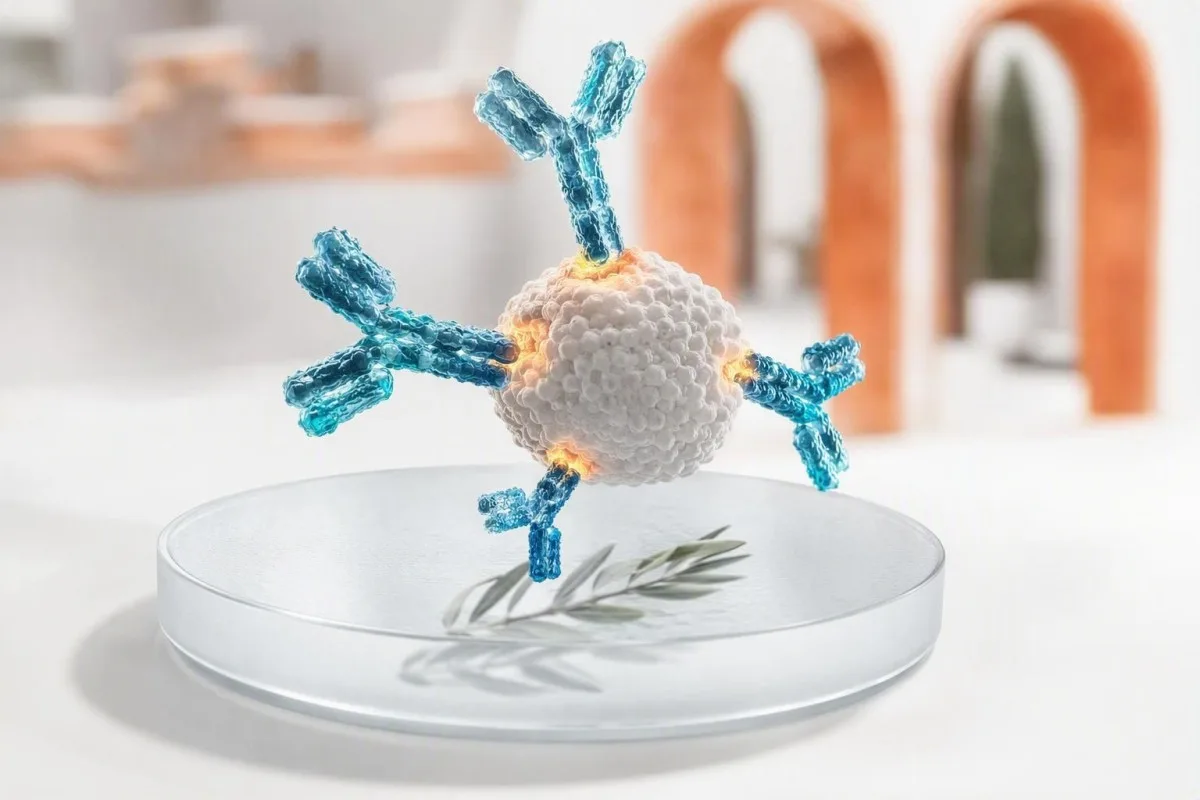
ผลการตรวจแอนติบอดีเป็นบวก หมายความว่าระบบภูมิคุ้มกันของคุณรับรู้เป้าหมายที่เฉพาะเจาะจง แต่ไม่ได้พิสูจน์ว่ามีการติดเชื้อที่กำลังดำเนินอยู่หรือโรคด้วยตัวเอง แอนติบอดีคลาส วิธีการทดสอบ ระยะเวลา อาการ และการทดสอบร่วมกัน เป็นตัวกำหนดว่าคุณต้องการความมั่นใจ การทดสอบซ้ำ การยืนยัน หรือการดูแลทางการแพทย์อย่างเร่งด่วนหรือไม่.



- ผลการตรวจแอนติบอดีเป็นบวก มักแสดงถึงการรับรู้ของระบบภูมิคุ้มกัน ไม่จำเป็นต้องเป็นความเจ็บป่วยในปัจจุบันหรือการแพร่เชื้อ.
- IgM เทียบกับ IgG เป็นเบาะแสเรื่องเวลา ไม่ใช่ตัวบอกเวลา: IgM อาจคงอยู่เป็นเดือน และ IgG สามารถปรากฏขึ้นได้ตั้งแต่เนิ่นๆ.
- แอนติบอดีจากวัคซีน สามารถทำให้การทดสอบภูมิคุ้มกันเป็นบวกโดยไม่ต้องบ่งชี้ถึงการติดเชื้อตามธรรมชาติ.
- IgE จำเพาะต่อสารก่อภูมิแพ้ เกิน 0.35 kUA/L บ่งชี้ถึงการแพ้ แต่การมีอาการหลังการสัมผัสจะเป็นตัวกำหนดโรคภูมิแพ้ทางคลินิก.
- การตรวจพบ ANA เกิดขึ้นในผู้ใหญ่ที่มีสุขภาพดีถึง 1 ใน 4 ที่ระดับต่ำ โดยเฉพาะอย่างยิ่งเมื่ออายุมากขึ้น อาการและแอนติบอดีที่จำเพาะมีความสำคัญมากกว่า.
- การตรวจคัดกรอง HIV ที่ให้ผลบวก จำเป็นต้องมีอัลกอริทึมการยืนยันผลในห้องปฏิบัติการก่อนเสมอ ก่อนที่จะวินิจฉัยโรคใดๆ.
- Anti-tTG IgA มีความน่าเชื่อถือสำหรับการประเมินโรคเซลิแอคได้ก็ต่อเมื่อบุคคลนั้นรับประทานกลูเตนและมีระดับ IgA ทั้งหมดเพียงพอ.
- อาการที่ควรรีบด่วน เช่น หายใจลำบาก สับสน ดีซ่าน เจ็บหน้าอก หรือผื่นพุพองทั่วตัว มีความสำคัญมากกว่าผลแอนติบอดีทั่วไป.
ผลการตรวจแอนติบอดีเป็นบวกบอกอะไรคุณจริงๆ
A การตรวจแอนติบอดีให้ผลบวก หมายความว่าการทดสอบตรวจพบโปรตีนของระบบภูมิคุ้มกันที่จับกับเป้าหมายเฉพาะ มันไม่ได้ ไม่ หมายความว่าคุณมีการติดเชื้อเฉียบพลัน โรคภูมิต้านตนเอง หรืออาการแพ้ที่ต้องได้รับการรักษาโดยอัตโนมัติ ขั้นตอนต่อไปขึ้นอยู่กับชนิดของแอนติบอดี ความแรงของผลการทดสอบ อาการ ระยะเวลาที่สัมผัส และการทดสอบแอนติเจน PCR หรือการทำงานของอวัยวะที่เกี่ยวข้อง.
แอนติบอดีคือโปรตีนจากเซลล์บีที่สร้างขึ้นหลังจากการฉีดวัคซีน การติดเชื้อ การสัมผัสสารก่อภูมิแพ้ โรคภูมิต้านตนเอง หรือบางครั้งก็ไม่มีเหตุผลที่เป็นอันตรายต่อสุขภาพ การให้ผลบวกเป็นการตอบคำถามเชิงวิเคราะห์ที่แคบมาก—“ตรวจพบการจับตัวสูงกว่าค่าตัดที่กำหนดในห้องปฏิบัติการนี้หรือไม่?”— แทนที่จะเป็นคำถามทางคลินิกที่กว้างกว่าว่าเกิดอะไรขึ้นในร่างกายของคุณในวันนี้.
ในการปฏิบัติงานทางคลินิกของฉันเป็นเวลา 15 ปี ความผิดพลาดที่พบบ่อยที่สุดคือการอ่าน “ผลบวก” เป็นการวินิจฉัย กฎการปฏิบัติของ Dr Thomas Klein คือการระบุ เป้าหมาย—ไวรัส แอนติเจนของวัคซีน โปรตีนอาหาร เอนไซม์ของต่อมไทรอยด์ แอนติเจนของนิวเคลียส หรือยา—จากนั้นจึงถามว่าการทดสอบตรวจพบการสัมผัสในอดีต เชื้อในปัจจุบัน การแพ้ หรือการตอบสนองของระบบภูมิคุ้มกันที่ผิดปกติหรือไม่.
Kantesti AI เป็น เครื่องวิเคราะห์ผลเลือด AI ที่อ่านค่าแฟล็กของแอนติบอดีตามวันที่ ชนิดของอิมมูโนโกลบูลิน และผลลัพธ์ที่เกี่ยวข้อง แทนที่จะรักษาเส้นบวกเพียงเส้นเดียวเป็นข้อสรุป บริบทนั้นมีประโยชน์อย่างยิ่งเมื่อผู้ป่วยเปรียบเทียบรายงานจากห้องปฏิบัติการต่างๆ; ผลการทดสอบเชิงคุณภาพและเชิงปริมาณ ไม่สามารถใช้แทนกันได้แม้ว่าทั้งสองจะให้ผลบวกก็ตาม.
IgG เทียบกับ IgM ที่เป็นบวก: ทำไมระยะเวลาจึงไม่ตรงไปตรงมาอย่างที่คิด
IgM ให้ผลบวก อาจบ่งชี้ถึงการตอบสนองของระบบภูมิคุ้มกันเมื่อเร็วๆ นี้ ในขณะที่ IgG เป็นบวก มักบ่งชี้ถึงการสัมผัสในอดีตหรือการตอบสนองต่อวัคซีน รูปแบบใดรูปแบบหนึ่งไม่สามารถระบุเวลาของโรคได้อย่างน่าเชื่อถือด้วยตัวเอง การติดเชื้อบางชนิดสร้าง IgG ภายใน 7-14 วัน และ IgM อาจยังคงตรวจพบได้นาน 3-12 เดือนหรือนานกว่านั้น.
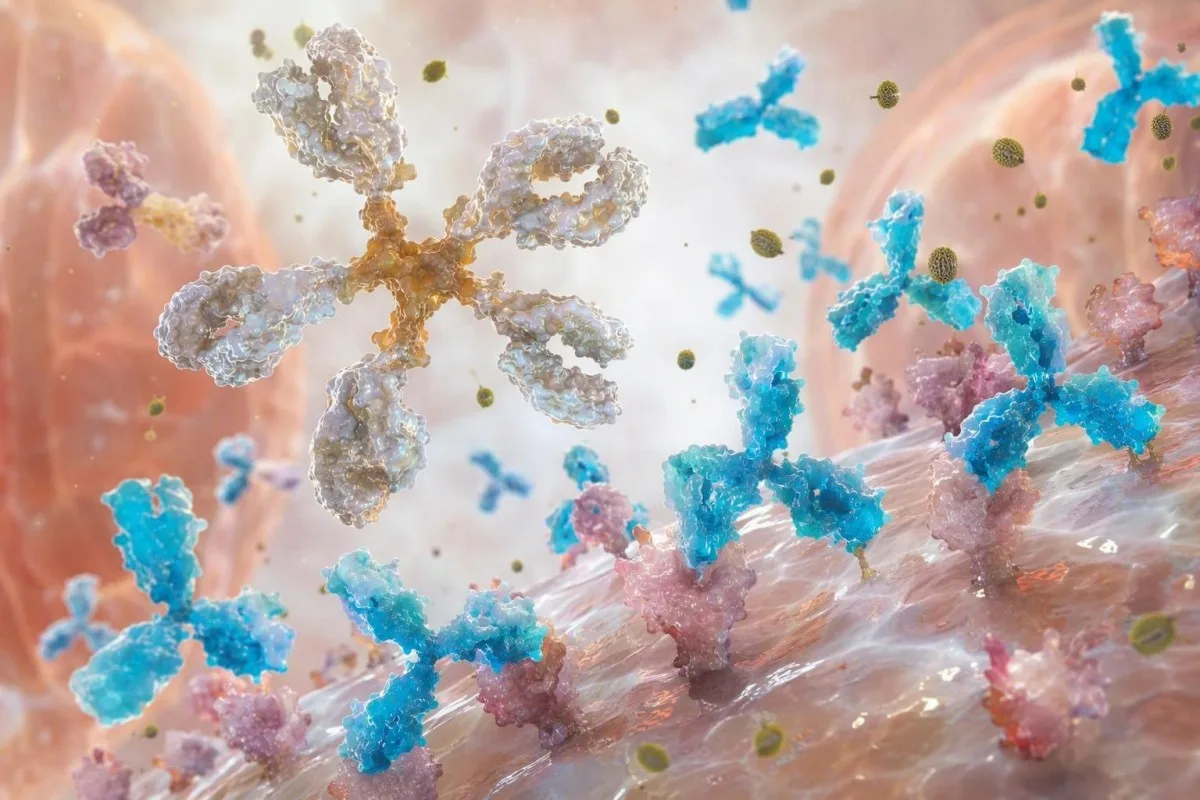
IgM เป็นแอนติบอดีขนาดใหญ่ที่มีห้าหน่วย ซึ่งมักตรวจพบได้ตั้งแต่เนิ่นๆ แต่ขนาดและการจับตัวที่กว้างทำให้มีแนวโน้มที่จะเกิดปฏิกิริยาข้ามได้ง่ายขึ้น ไวรัส Epstein–Barr, parvovirus B19, rheumatoid factor และแอนติบอดีโรคภูมิต้านตนเองบางชนิดอาจทำให้เกิดปฏิกิริยา IgM ที่ทำให้เข้าใจผิด ผล IgM ระดับต่ำเพียงอย่างเดียวสมควรได้รับความสงสัยมากกว่าความตื่นตระหนก.
IgG มักจะคงอยู่หลังจากการพัฒนาระบบภูมิคุ้มกัน ความจำบางครั้งเป็นเวลาหลายสิบปี ผล IgG ที่เป็นบวกอาจสะท้อนถึงการติดเชื้อในวัยเด็ก การฉีดวัคซีนเมื่อเร็วๆ นี้ แอนติบอดีแบบพาสซีฟจากอิมมูโนโกลบูลินทางหลอดเลือดดำ หรือการถ่ายทอดจากมารดาสู่ทารก มันไม่สามารถพิสูจน์การป้องกันได้ เว้นแต่การทดสอบนั้นๆ จะมีเกณฑ์การป้องกันที่ผ่านการตรวจสอบแล้ว.
ตัวอย่างเลือดคู่สามารถมีประโยชน์มากกว่าการเจาะเพียงครั้งเดียว: การเพิ่มขึ้นของระดับแอนติบอดีสี่เท่าระหว่างตัวอย่างที่เก็บห่างกันประมาณ 2-4 สัปดาห์ สนับสนุนการติดเชื้อเมื่อเร็วๆ นี้ในโรคที่เลือก หากรายงานแสดงรายการ IgG, IgA และ IgM ทั้งหมด ให้ทบทวนรูปแบบแทนที่จะเป็นตัวเลขเดียวพร้อมกับ คู่มือการแปลผลอิมมูโนโกลบูลิน.
เมื่อแอนติบอดีจากการติดเชื้อบ่งบอกถึงโรคที่กำลังดำเนินอยู่หรือไม่
แอนติบอดีจากการติดเชื้อโดยทั่วไปแสดงถึงการสัมผัสเชื้อ ในขณะที่ PCR, การตรวจหาแอนติเจน, การเพาะเชื้อ หรือการตรวจหาไทเทอร์ที่เพิ่มขึ้น เป็นเครื่องมือที่ดีกว่าในการตรวจหาการติดเชื้อที่กำลังดำเนินอยู่หลายชนิด ผลแอนติบอดีที่เป็นบวกโดยไม่มีอาการมักบ่งชี้ถึงการสัมผัสเชื้อในอดีต แต่ข้อยกเว้นขึ้นอยู่กับเชื้อโรคและสถานะภูมิคุ้มกันของคุณ.
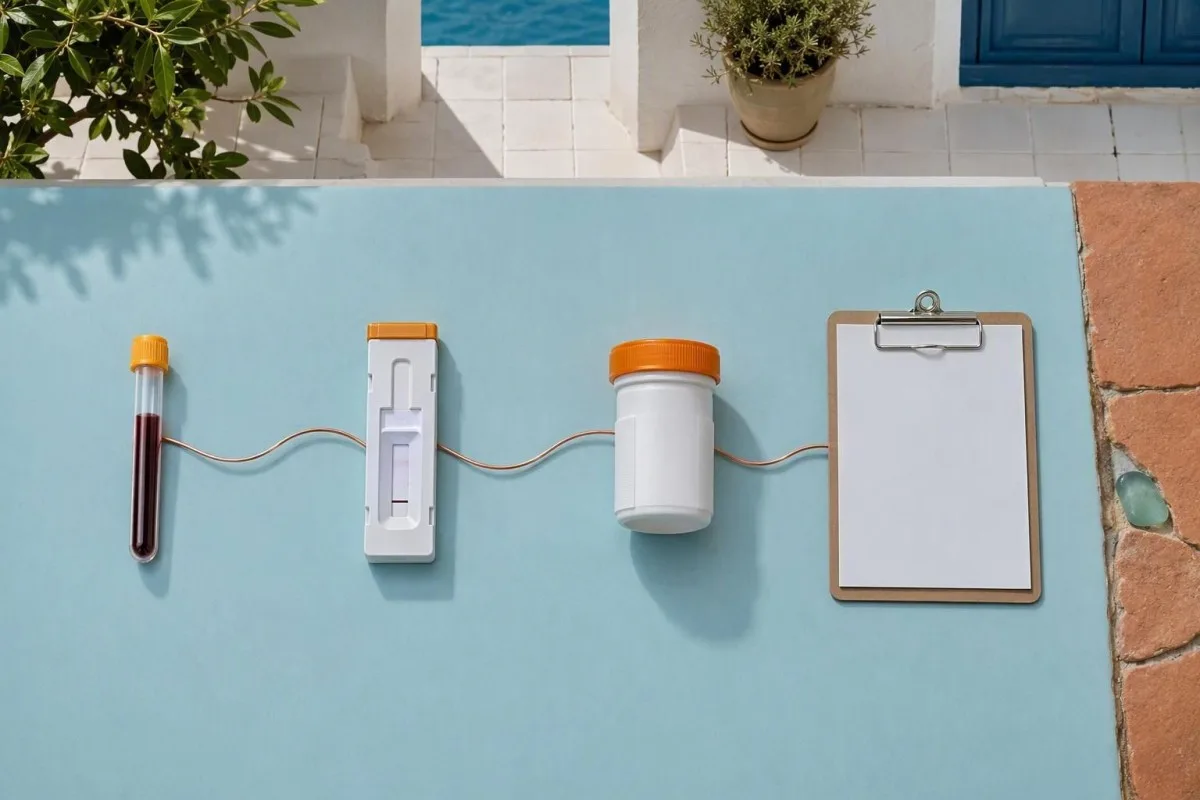
สำหรับไวรัสตับอักเสบซี (hepatitis C) ผลแอนติบอดีที่ให้ผลบวกหมายถึงการสัมผัสเชื้อ ณ จุดใดจุดหนึ่ง แต่ RNA ของไวรัสตับอักเสบซีที่ตรวจพบได้เท่านั้นจึงจะยืนยันการติดเชื้อในปัจจุบัน สำหรับไวรัสตับอักเสบบี (hepatitis B) การรวมกันของสิ่งต่างๆ มีความสำคัญ: แอนติเจนพื้นผิว, แอนติบอดีพื้นผิว และแอนติบอดีแกนกลาง แยกการติดเชื้อที่กำลังดำเนินอยู่, การติดเชื้อที่หายแล้ว และภูมิคุ้มกันจากวัคซีนได้ดีกว่าการมีเครื่องหมายบวกเพียงอย่างเดียว.
HIV เป็นอีกกรณีหนึ่งที่การใช้คำพูดมีความสำคัญอย่างยิ่ง การตรวจคัดกรองรุ่นที่สี่ที่ให้ผลบวกไม่ใช่การวินิจฉัย; ห้องปฏิบัติการจะดำเนินการตรวจด้วยอิมมูโนแอสเสย์แยกชนิด HIV-1/HIV-2 และเมื่อจำเป็น จะทำการตรวจหาสารพันธุกรรม ผู้ที่กำลังรับยา PEP (post-exposure prophylaxis) ต้องการการทดสอบตามช่วงเวลาที่เฉพาะเจาะจง ดังที่อธิบายไว้ใน คู่มือการตรวจ HIV หลังรับยา PEP.
ฉันเคยเห็นผู้ป่วยที่แข็งแรงตกใจกับผลแอนติบอดีซิฟิลิสแบบเทรโพนีมาที่เป็นบวกหลังจากการรักษา 18 ปีก่อนหน้านี้ การตรวจหาเทรโพนีมามักจะยังคงเป็นบวกตลอดชีวิต ในขณะที่ไทเทอร์ RPR หรือ VDRL จะช่วยประเมินกิจกรรมและการตอบสนองในปัจจุบัน; รูปแบบการตรวจซิฟิลิส ทำให้ความแตกต่างนี้ชัดเจนยิ่งขึ้น.
แอนติบอดีวัคซีนแตกต่างจากแอนติบอดีหลังการติดเชื้ออย่างไร
แอนติบอดีที่เกี่ยวข้องกับวัคซีนแสดงว่าระบบภูมิคุ้มกันตอบสนองต่อแอนติเจนของวัคซีน พวกเขาไม่ได้หมายความว่าวัคซีนทำให้เกิดการติดเชื้อที่กำลังดำเนินอยู่ ผลบวกอาจยังคงต่ำกว่าค่าที่ทราบว่าป้องกันได้ เนื่องจากแอนติบอดีที่จับตัวและแอนติบอดีที่ยับยั้งการทำงานนั้นไม่เหมือนกัน.
ความเข้มข้นของแอนติบอดีไวรัสตับอักเสบบีพื้นผิว 10 mIU/mL หรือสูงกว่า ที่วัดได้ 1-2 เดือนหลังจากการได้รับวัคซีนตามกำหนด โดยทั่วไปถือว่าสามารถป้องกันได้ในผู้ที่มีภูมิคุ้มกันปกติ Anti-HBc, แอนติบอดีแกนกลางของไวรัสตับอักเสบบี, ไม่ได้ถูกสร้างขึ้นจากการฉีดวัคซีนไวรัสตับอักเสบบีตามมาตรฐาน การมีอยู่ของมันบ่งชี้ถึงการสัมผัสเชื้อตามธรรมชาติและควรได้รับการตีความผลแบบเต็มแผง.
Rubella IgG มักจะถูกตรวจสอบก่อนตั้งครรภ์เนื่องจากบ่งชี้ถึงภูมิคุ้มกันที่มีอยู่ก่อน ไม่ใช่อาการป่วยจากหัด (rubella) ที่กำลังดำเนินอยู่ ห้องปฏิบัติการกำหนดเกณฑ์เฉพาะสำหรับแต่ละการทดสอบ และผลลัพธ์ที่ก้ำกึ่งมักจะถูกจัดการว่าเป็นไม่มีภูมิคุ้มกันสำหรับการวางแผนก่อนตั้งครรภ์ แทนที่จะตีความว่าเป็นการติดเชื้อล่าสุด; ช่วงเวลาจะถูกระบุรายละเอียดใน คู่มือการตรวจหัด.
Kantesti AI เป็น แพลตฟอร์มการแปลผลตรวจเลือดของ AI ที่แยกแยะแอนติบอดีรูปแบบวัคซีนออกจากแอนติบอดีรูปแบบการติดเชื้อเมื่อรายงานผลรวมถึงเครื่องหมายที่เกี่ยวข้อง คำถามที่ใช้ได้จริงมักจะไม่ใช่ “ฉันมีผลบวกหรือไม่?” แต่ “มีการวัดแอนติเจนใด, ฉันได้รับวัคซีนเมื่อใด, และผลลัพธ์นี้จะเปลี่ยนแปลงแผนการป้องกันในปัจจุบันหรือไม่?”
ทำไมผลการทดสอบแอนติบอดีภูมิแพ้ที่เป็นบวกอาจไม่ได้หมายถึงภูมิแพ้
การตรวจหา IgE สารก่อภูมิแพ้จำเพาะที่เป็นบวกบ่งชี้ถึงการแพ้ (sensitisation) หมายความว่า IgE จดจำสารก่อภูมิแพ้ได้ มันไม่ได้วินิจฉัยอาการแพ้ทางคลินิกโดยไม่มีประวัติการเกิดปฏิกิริยาที่เข้ากันได้ ค่าที่สูงกว่า 0.35 kUA/L เป็นเกณฑ์การให้ผลบวกทั่วไปสำหรับการวิเคราะห์ ไม่ใช่เกณฑ์สากลสำหรับการหลีกเลี่ยงอาหารหรือยา.
ประวัติก่อนการตรวจมีความสำคัญมากกว่าที่หลายคนคิด หากบุคคลนั้นรับประทานถั่วลิสงเป็นประจำทุกสัปดาห์โดยไม่มีอาการลมพิษ, หายใจดังเสียงหวีด, อาเจียน หรือหมดสติ การมีผล IgE ถั่วลิสงเป็นบวกเพียงเล็กน้อยเพียงอย่างเดียวไม่ควรนำไปสู่การหลีกเลี่ยง การจำกัดอาหารที่ไม่จำเป็นอาจก่อให้เกิดอันตรายทางโภชนาการและสังคม.
แนวทางเกี่ยวกับอาการแพ้อาหารที่ได้รับการสนับสนุนจาก NIAID ระบุว่าการทดสอบสะกิดผิวหนัง (skin-prick) และ IgE จำเพาะ สามารถระบุอาหารที่เป็นตัวกระตุ้นที่เป็นไปได้ แต่ไม่สามารถวินิจฉัยอาการแพ้อาหารได้ด้วยตนเอง (Sampson et al., 2010) ในบางกรณี นักภูมิแพ้จะใช้การทดสอบแบบแยกส่วนประกอบ (component-resolved testing) หรือการท้าทายอาหารโดยการรับประทานภายใต้การดูแลของแพทย์ (oral food challenge) ซึ่งยังคงเป็นมาตรฐานอ้างอิงสำหรับการคลายความไม่แน่นอน.
Total IgE วัดในหน่วย IU/mL และอาจสูงในโรคผิวหนังอักเสบ (eczema), การสัมผัสปรสิต, การสูบบุหรี่ และสภาวะภูมิคุ้มกันหลายอย่าง ไม่สามารถระบุสารก่อภูมิแพ้ที่เป็นต้นเหตุได้ การทดสอบแบบแยกส่วนประกอบสามารถแยกโปรตีนสะสมที่คงที่ออกจากโปรตีนที่เกี่ยวข้องกับละอองเรณูซึ่งเกิดการแพ้ข้ามชนิดได้ ซึ่งเป็นความแตกต่างที่สำรวจไว้ใน บทความทดสอบภูมิแพ้ระดับโมเลกุล.
ทำไมแอนติบอดีของโรคแพ้ภูมิตนเองจึงต้องการอาการและเบาะแสจากอวัยวะ
แอนติบอดีที่เกิดจากภูมิต้านตนเองสามารถเกิดขึ้นก่อนโรค เกิดร่วมกับโรค หรือพบในคนที่มีสุขภาพดี ผลบวกเพียงอย่างเดียวแทบไม่เคยนำไปสู่การวินิจฉัยโรคภูมิต้านตนเอง แพทย์จะดำเนินการเมื่อรูปแบบแอนติบอดีตรงกับอาการ การตรวจร่างกาย เครื่องหมายการอักเสบ หรือการเปลี่ยนแปลงของอวัยวะที่ตรวจพบ.
แอนตินิวเคลียร์แอนติบอดี หรือ อนา, มีผลเป็นบวกที่ค่าต่ำในประมาณ 13% ของคนที่มีค่า 1:80 และประมาณ 20% ที่ค่า 1:40 ในการศึกษาประชากร โดยมีอัตราสูงขึ้นในผู้หญิงและผู้สูงอายุ รูปแบบที่เป็นเนื้อเดียวกันหรือเป็นจุดๆ ไม่สามารถวินิจฉัยโรค SLE ได้ ANA เหมาะที่สุดในการใช้เป็นชุดทดสอบเบื้องต้นเมื่อภาพรวมทางคลินิกทำให้สงสัยโรคเนื้อเยื่อเกี่ยวพัน.
กรอบการจัดประเภทโรคลูปัส EULAR/ACR ปี 2019 ใช้ ANA ที่ค่าอย่างน้อย 1:80 เป็นเกณฑ์การเข้า จากนั้นจึงต้องมีคุณลักษณะทางคลินิกและภูมิคุ้มกันเพิ่มเติมที่มีน้ำหนัก (Aringer et al., 2019) โปรตีนใหม่ในปัสสาวะ, C3/C4 ต่ำ, cytopenias, การบวมของข้ออักเสบ หรือผื่นที่ไวต่อแสงที่น่าเชื่อถือ สามารถเปลี่ยนแปลงความเร่งด่วนได้มากกว่า ANA ที่อ่อนแอเพียงอย่างเดียว.
Anti-dsDNA มีความหมายมากขึ้นเมื่อจับคู่กับ complement ต่ำและการตรวจพบอวัยวะ แม้ว่าวิธีการทดสอบจะแตกต่างกันอย่างมาก คู่มือติดตามผล anti-dsDNA และ ภาพรวมการทดสอบ complement อธิบายว่าทำไมผู้เชี่ยวชาญอาจทำการทดสอบซ้ำบนแพลตฟอร์มอื่น.
แอนติบอดีเฉพาะอวัยวะ: ตัวอย่างต่อมไทรอยด์, โรคเซลิแอค และกระเพาะอาหาร
แอนติบอดีที่เจาะจงอวัยวะบ่งชี้การโจมตีของระบบภูมิคุ้มกันต่อเนื้อเยื่อ แต่ไม่ได้แสดงเสมอไปว่าอวัยวะได้รับความเสียหายในปัจจุบันหรือต้องการการรักษาหรือไม่ แอนติบอดีต่อเอนไซม์ thyroid peroxidase, แอนติบอดีต่อ tissue transglutaminase และแอนติบอดีต่อ intrinsic-factor แต่ละชนิดต้องการการทดสอบร่วมที่แตกต่างกัน.

แอนติบอดี TPO พบได้บ่อยใน Hashimoto thyroiditis และอาจมีอยู่เป็นเวลาหลายปีในขณะที่ TSH และ free T4 ยังคงเป็นปกติ ในผู้ใหญ่ที่ไม่ตั้งครรภ์ที่มีการทำงานของต่อมไทรอยด์ปกติ ผลลัพธ์มักจะสนับสนุนการตรวจ TSH เป็นระยะๆ มากกว่าการรักษาด้วยฮอร์โมนไทรอยด์ การตั้งครรภ์ แผนการมีบุตร และอาการต่างๆ อาจเปลี่ยนแปลงแนวทางดังกล่าว.
ผลตรวจที่ tTG-IgA ชี้ว่า coeliac disease เกิดขึ้นได้ก็ต่อเมื่อบุคคลนั้นยังคงบริโภคกลูเตนและมีค่า total IgA เพียงพอ ภาวะขาด IgA แบบเลือกเฉพาะอาจทำให้ tTG-IgA ให้ผลลบปลอม ดังนั้น แพทย์จึงใช้ deamidated gliadin peptide หรือ tTG ที่อิงตาม IgG เมื่อ total IgA ต่ำ ดูคำอธิบายของเราเกี่ยวกับ ข้อผิดพลาดของ IgA ต่ำ.
Intrinsic-factor antibody ค่อนข้างจำเพาะ แต่ไม่ไวพอสำหรับ pernicious anaemia เมื่อมีผลบวกควบคู่ไปกับ B12 ต่ำ, methylmalonic acid สูง และ macrocytosis รูปแบบจะน่าเชื่อถือ หากไม่มีรูปแบบนั้น ฉันจะหลีกเลี่ยงการรักษาป้ายกำกับห้องปฏิบัติการมากกว่าผู้ป่วย. การทดสอบ Pernicious anaemia แสดงลำดับการยืนยันตามปกติ.
สาเหตุของผลการตรวจแอนติบอดีที่เป็นบวกปลอม
ผลแอนติบอดีที่เป็นบวกปลอมเกิดขึ้นเมื่อการทดสอบตรวจจับการจับตัวที่ไม่ตั้งใจ ไม่ใช่เมื่อห้องปฏิบัติการ “ทำผิดพลาด” แอนติบอดีที่เกิดปฏิกิริยาข้าม, rheumatoid factor, การกระตุ้นภูมิคุ้มกันล่าสุด, อิมมูโนโกลบูลินแบบพาสซีฟ และความน่าจะเป็นก่อนการทดสอบต่ำเป็นเหตุผลทั่วไป.
ความจำเพาะไม่สมบูรณ์ การทดสอบที่มีความจำเพาะ 99% จะให้ผลบวกลวงประมาณ 10 รายการต่อคนที่มีผลลบจริง 1,000 คนที่ได้รับการทดสอบ เมื่อภาวะนั้นหายาก ผลลัพธ์เหล่านั้นอาจมีจำนวนมากกว่าผลบวกจริง นี่คือเหตุผลว่าทำไมการคัดกรองอย่างกว้างขวางในผู้ที่ไม่มีอาการจึงมักสร้างความกำกวมมากกว่าความสบายใจ.
ไบโอตินมีชื่อเสียงในการรบกวนการทดสอบฮอร์โมนและการทดสอบหัวใจบางชนิด ในขณะที่ heterophile antibodies และ rheumatoid factor สามารถรบกวน immunoassays บางชนิดได้ ห้องปฏิบัติการบางครั้งสามารถเจือจางตัวอย่าง ใช้สารปิดกั้น ทำผลลัพธ์ซ้ำในการทดสอบอื่น หรือใช้วิธีการยืนยันที่จำเพาะเจาะจงมากขึ้น.
ผลบวกที่ขัดแย้งกับภาพทางคลินิกที่สมบูรณ์แบบไม่ใช่สิ่งที่จะมองข้าม เป็นเหตุผลในการยืนยัน Kantesti AI เปรียบเทียบเครื่องหมายที่ขัดแย้งกันและวันที่ทดสอบ และ เช็กลิสต์ความถูกต้องของผลตรวจทางห้องปฏิบัติการ สามารถช่วยคุณบันทึกอาหารเสริม การฉีดล่าสุด และอาการป่วยก่อนที่จะพูดคุยกับแพทย์ผู้สั่ง.
ผลการตรวจแอนติบอดีเป็นบวกแต่ไม่มีอาการ: แผนการคัดแยกเบื้องต้น
เมื่อการทดสอบแอนติบอดีเป็นบวก แต่คุณรู้สึกสบายดี คนส่วนใหญ่ต้องการการชี้แจงมากกว่าการดูแลฉุกเฉิน ขั้นตอนแรกที่ปลอดภัยที่สุดคือการตรวจสอบการทดสอบที่แน่นอน ตรวจสอบวันที่สัมผัสและการฉีดวัคซีน และมองหาการทดสอบคู่ที่ยืนยันโรคในปัจจุบันหรือการเกี่ยวข้องของอวัยวะ.

เริ่มต้นด้วยรายงานเอง: บันทึกชื่อสารวิเคราะห์, ชนิดของแอนติบอดี, ดัชนีเชิงตัวเลขหรือไทเทอร์, ช่วงอ้างอิง, วิธีการในห้องปฏิบัติการ และวันที่เก็บตัวอย่าง “Reactive” อาจหมายถึงอัตราส่วนสัญญาณต่อค่าตัดที่สูงกว่า 1.0 เพียงเล็กน้อย หรือผลลัพธ์ที่แข็งแกร่งกว่ามาก ห้องปฏิบัติการไม่ได้ใช้วงเกณฑ์ที่เหมือนกัน และขนาดผลลัพธ์ก็ติดตามความเป็นไปได้ทางคลินิกเป็นบางครั้ง.
ถัดไป ให้ถามว่ามีแบบทดสอบสำหรับโรคที่กำลังดำเนินอยู่หรือไม่ ตัวอย่างเช่น PCR สำหรับไวรัสตับอักเสบซี, RPR เป็นระยะสำหรับซิฟิลิส, การตรวจอุจจาระหรือลมหายใจสำหรับเชื้อ Helicobacter pylori ที่กำลังดำเนินอยู่, TSH/free T4 สำหรับแอนติบอดีต่อไทรอยด์, และการตรวจปัสสาวะร่วมกับครีเอตินีนสำหรับข้อกังวลเกี่ยวกับไตที่เกี่ยวข้องกับโรคแพ้ภูมิตัวเอง.
ณ วันที่ 8 กันยายน 2026 ฉันจะไม่แนะนำให้เริ่มยาปฏิชีวนะ ยาต้านไวรัส อาหารปลอดกลูเตน ยารักษาไทรอยด์ หรือการหลีกเลี่ยงอาหารด้วยตนเองเพียงจากผลแอนติบอดีที่แยกออกมา บันทึกไฟล์ PDF ต้นฉบับ, จดบันทึกค่าพื้นฐานของคุณพร้อม การติดตามผลทางห้องปฏิบัติการแบบต่อเนื่อง, และจัดการการทบทวนตามปกติ เว้นแต่จะมีอาการเตือน.
การทดสอบเพื่อยืนยันที่เปลี่ยนแปลงขั้นตอนต่อไป
การทดสอบเพื่อยืนยันที่ดีที่สุดขึ้นอยู่กับเป้าหมายของแอนติบอดี: การตรวจจับระดับโมเลกุลยืนยันการติดเชื้อหลายชนิด, การทดสอบการทำงานช่วยชี้แจงอาการแพ้, และการทดสอบการทำงานของอวัยวะช่วยประเมินผลกระทบจากโรคภูมิต้านตนเอง การทำซ้ำแบบทดสอบแอนติบอดีเดียวกันมีประโยชน์เฉพาะเมื่อการเปลี่ยนแปลงที่คาดหวังเมื่อเวลาผ่านไปมีความหมายทางคลินิก.
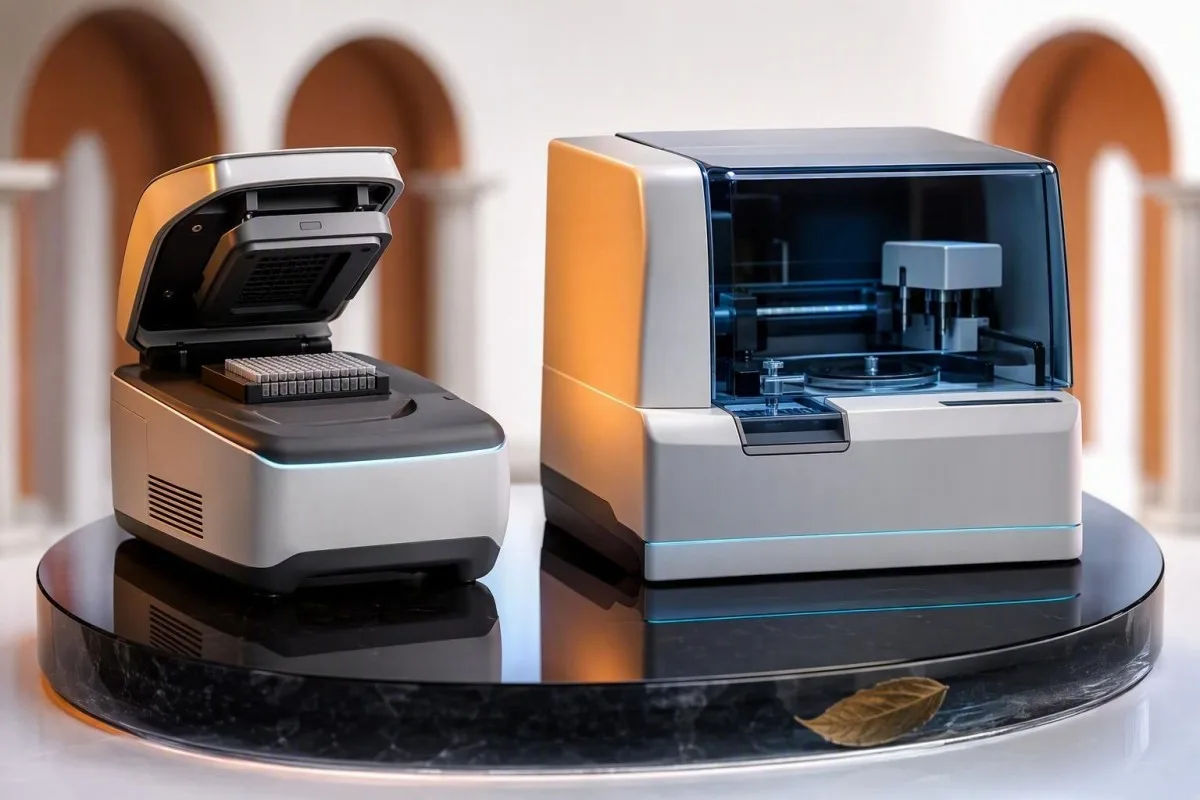
สำหรับการตรวจคัดกรอง HIV ที่เป็นบวก เส้นทางการยืนยันแบบสะท้อนกลับคือการทดสอบแยกประเภทตามด้วยการตรวจกรดนิวคลีอิก HIV หากผลลัพธ์ไม่ชัดเจน สำหรับแอนติบอดีไวรัสตับอักเสบซี, HCV RNA คือการติดตามผลที่เด็ดขาด; สำหรับแอนติบอดีต่อต้านไวรัสตับอักเสบบีที่เป็นบวก, แอนติเจนพื้นผิว, แอนติบอดีพื้นผิว และบางครั้ง HBV DNA ช่วยชี้แจงรูปแบบ.
สำหรับโรคเซลิแอคที่สงสัย การตัดสินใจในการตัดชิ้นเนื้อควรทำในขณะที่ได้รับกลูเตนเพียงพอสำหรับการทดสอบ สำหรับอาการแพ้อาหารที่เป็นไปได้ แพทย์ผู้เชี่ยวชาญด้านภูมิแพ้จะพิจารณาประวัติการสัมผัส, ระดับ IgE จำเพาะ, โปรไฟล์ส่วนประกอบ และความเสี่ยงในการทดสอบ—ไม่ใช่ชุดผลบวกต่ำที่ไม่เกี่ยวข้องซึ่งสั่งโดยไม่มีคำถามทางคลินิก.
Kantesti AI เป็น เครื่องมือวิเคราะห์ผลตรวจเลือดที่ขับเคลื่อนด้วย AI ที่สามารถจัดระเบียบเครื่องหมายที่เชื่อมโยงเหล่านี้เป็นรายการคำถามที่พร้อมให้แพทย์นำไปใช้ได้ แต่ก็ไม่สามารถทดแทนการทดสอบเพื่อยืนยันหรือการวินิจฉัยได้ หากคุณไม่แน่ใจว่าจะเชื่อผลลัพธ์ที่ผิดปกติได้มากน้อยเพียงใด, มาตรฐานการยืนยันทางการแพทย์ อธิบายว่าทำไมการตรวจสอบและการกำกับดูแลทางคลินิกจึงมีความสำคัญ.
อาการที่ทำให้ผลการตรวจแอนติบอดีเป็นบวกมีความเร่งด่วนมากขึ้น
ผลแอนติบอดีที่เป็นบวกสมควรได้รับการประเมินเร่งด่วนเมื่อมีอาการหายใจลำบาก, ใบหน้าหรือลำคอบวม, หน้ามืด, สับสน, เจ็บหน้าอก, ดีซ่าน, ผื่นลุกลามอย่างรวดเร็ว, ภาวะขาดน้ำรุนแรง หรืออ่อนแรงทางระบบประสาทที่เกิดขึ้นใหม่ อาการ—ไม่ใช่จำนวนแอนติบอดีเพียงอย่างเดียว—เป็นตัวกำหนดความเร่งด่วน.

Anaphylaxis ที่อาจเกิดขึ้นเป็นภาวะฉุกเฉิน: ลมพิษทั่วร่างกายอย่างกะทันหันพร้อมเสียงหวีด, คอบีบ, อาเจียนไม่หยุด, หน้ามืด หรือความดันโลหิตต่ำหลังได้รับสารกระตุ้นต้องการบริการฉุกเฉินและอะดรีนาลีนตามใบสั่งยาหากมี อาหารที่เป็นบวกหรือพิษ IgE เมื่อหลายเดือนก่อนไม่สามารถคาดการณ์หรือตัดความเสี่ยงทันทีนี้ได้.
ดีซ่านใหม่ที่มีปัสสาวะเข้ม, ปวดท้องมาก, มีไข้ หรือสับสนควรได้รับการประเมินภายในวันเดียวกันไม่ว่าแอนติบอดีไวรัสตับอักเสบจะเป็นบวกหรือไม่ก็ตาม เอนไซม์ตับ, บิลิรูบิน, INR และการทดสอบเชื้อโรคโดยตรงช่วยแยกแยะประวัติภูมิคุ้มกันจากโรคตับและถุงน้ำดีที่กำลังดำเนินอยู่; องค์ประกอบของการตรวจตับ (liver-panel) เป็นบริบทที่มีประโยชน์.
ข้อกังวลเกี่ยวกับโรคภูมิต้านตนเองมีความสำคัญต่อเวลาเมื่อมีอาการไอเป็นเลือด, หายใจลำบาก, ครีเอตินีนสูงขึ้นอย่างรวดเร็ว, ท้องเสียมีเลือดปน, การมองเห็นเปลี่ยนแปลง, ชัก หรืออ่อนแรงข้างเดียวที่เกิดขึ้นใหม่ ฉันได้เรียนรู้ที่จะไม่ให้ความมั่นใจแก่ใครก็ตามโดยพิจารณาจากไทเทอร์แอนติบอดีที่ก้ำกึ่งเมื่อแนวโน้มอาการของพวกเขากำลังแย่ลงอย่างเห็นได้ชัด.
ตัวเลขแอนติบอดีที่สูงขึ้นหมายถึงโรครุนแรงขึ้นหรือไม่?
ดัชนีหรือไทเทอร์แอนติบอดีที่สูงขึ้นบางครั้งก็เพิ่มความเป็นไปได้ว่าผลลัพธ์นั้นเป็นจริง แต่โดยปกติแล้วไม่ได้วัดความรุนแรงของโรค ค่าการทดสอบมีความจำเพาะต่อวิธีการ และผลลัพธ์ 80 AU/mL ไม่สามารถเปรียบเทียบโดยตรงกับ 80 U/mL จากห้องปฏิบัติการอื่นได้.
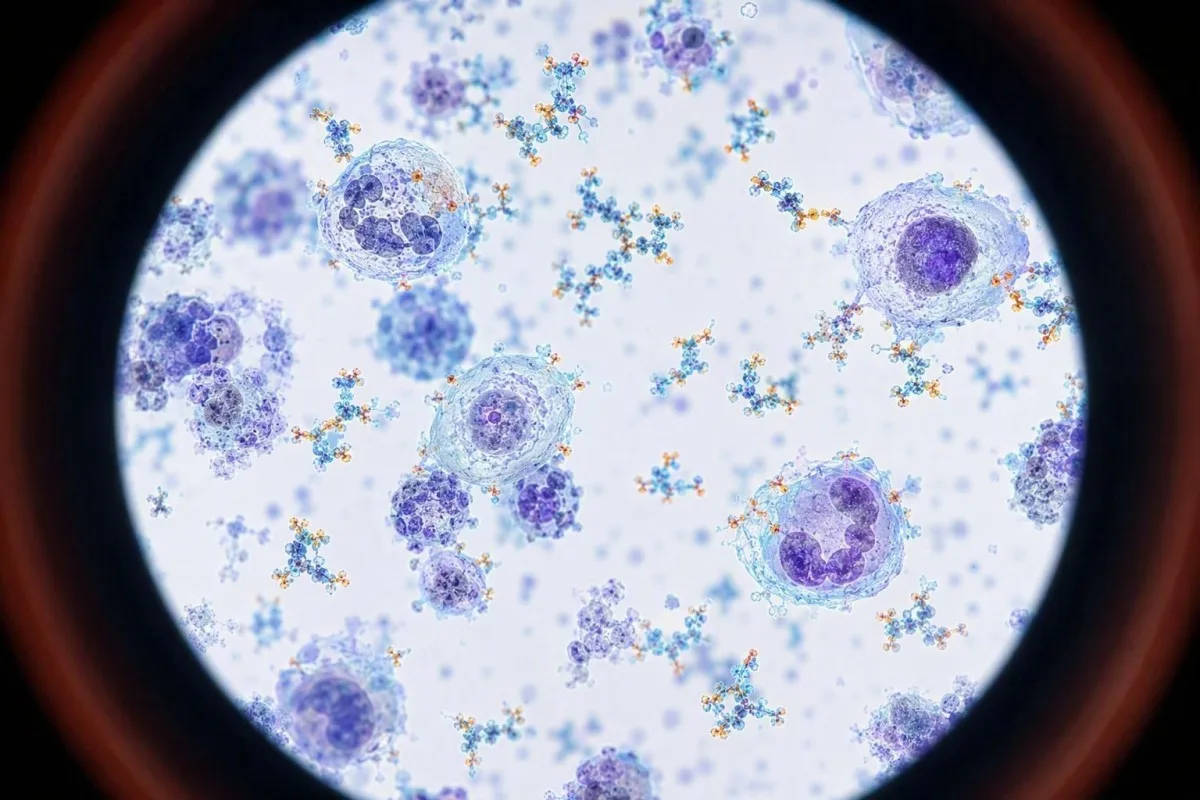
ในโรคภูมิต้านตนเอง แนวโน้ม anti-dsDNA บางครั้งสามารถติดตามกิจกรรมของโรค SLE ได้ โดยเฉพาะเมื่อวัดผลอย่างสม่ำเสมอด้วยวิธีเดียวกันและตีความร่วมกับค่า complement และโปรตีนในปัสสาวะ อย่างไรก็ตาม ANA titre เป็นตัววัดความรุนแรงของโรค SLE ที่ไม่ดีและไม่ควรรีบทำซ้ำในบุคคลที่อาการคงที่.
สำหรับการติดเชื้อ สัญญาณแอนติบอดีที่แรงอาจสนับสนุนการสัมผัสเชื้อในอดีต แต่ไม่ค่อยบ่งชี้ถึงการแพร่เชื้อ การทดสอบแอนติบอดีที่ยับยั้งได้เป็นแบบเฉพาะทางและค่าตัดที่ป้องกันได้อาจแตกต่างกันไปตามเชื้อโรค, อายุ, ผลิตภัณฑ์วัคซีน และการกดภูมิคุ้มกัน; การทดสอบ IgG เชิงพาณิชย์แบบง่ายๆ ไม่ใช่หนังสือรับรองภูมิคุ้มกันส่วนบุคคล.
เมื่อเปรียบเทียบบันทึก ให้คงห้องปฏิบัติการ, การทดสอบ และหน่วยต่างๆ ไว้ การเปลี่ยนแปลงทางชีววิทยาที่แท้จริงควรเกินกว่าความผันแปรจากการวิเคราะห์ปกติและการเปลี่ยนแปลงในแต่ละวัน ซึ่งเป็นเหตุผลว่าทำไม คู่มือเปรียบเทียบผลเลือด ของเราจึงมุ่งเน้นไปที่วันที่และวิธีการ แทนที่จะเป็นเพียงแค่ธงสี.
การตั้งครรภ์ เด็ก และการกดภูมิคุ้มกัน เปลี่ยนการตีความ
การตั้งครรภ์, การให้นมบุตร และการรักษาที่กดภูมิคุ้มกันสามารถเปลี่ยนแปลงทั้งการผลิตแอนติบอดีและความปลอดภัยในการรอการยืนยัน ในกลุ่มเหล่านี้ ผลลัพธ์ที่เป็นบวกอาจสะท้อนถึงแอนติบอดีจากมารดา, การตอบสนองต่อวัคซีนที่ลดลง, ความเสี่ยงในการกลับมาเป็นซ้ำ หรือความจำเป็นในการได้รับคำแนะนำจากผู้เชี่ยวชาญก่อนกำหนด.

IgG ของมารดาจะถูกส่งผ่านรกและยังคงตรวจพบได้ในทารกนานหลายเดือน ในขณะที่ IgM ของมารดาส่วนใหญ่ไม่สามารถส่งผ่านได้ ดังนั้น การตรวจพบ IgG เพียงอย่างเดียวในทารกมักสะท้อนถึงภูมิคุ้มกันของมารดา ในขณะที่การตรวจหา IgM ที่จำเพาะต่อเชื้อหรือการตรวจหาโดยตรงอาจต้องได้รับการประเมินที่ละเอียดมากขึ้น ขึ้นอยู่กับการติดเชื้อและอายุ.
ในระหว่างตั้งครรภ์ ผลการตรวจแอนติบอดีต่อโรคหัดเยอรมันหรือพาร์โวไวรัสจะถูกตีความร่วมกับวันที่สัมผัส การทดสอบความสามารถในการจับแอนติบอดี และการส่งตัวอย่างซ้ำ แทนที่จะใช้ IgM เพียงครั้งเดียว การแปลผล IgM ที่ผิดพลาดเป็นปัญหาที่ทราบกันดี และการแจ้งเตือนที่อาจเกิดขึ้นโดยไม่จำเป็นอาจนำไปสู่การตรวจหาเชิงรุกที่ไม่จำเป็น การปรึกษาผู้เชี่ยวชาญด้านสูติศาสตร์หรือโรคติดเชื้อมีความสมเหตุสมผลเมื่อมีการสัมผัสเชื้อที่น่าเชื่อถือ.
ผู้ที่ได้รับยา rituximab, corticosteroids ปริมาณสูง, เคมีบำบัด หรือยาปลูกถ่ายอวัยวะ อาจมีการตอบสนองต่อแอนติบอดีที่อ่อนแอหรือไม่ปรากฏเลย แม้จะมีการติดเชื้อหรือการฉีดวัคซีนก็ตาม สำหรับการตัดสินใจของครอบครัว, ขีดจำกัดการแปลผล AI ของเด็ก และ คณะกรรมการที่ปรึกษาทางการแพทย์ Kantesti ตอกย้ำความจำเป็นในการทบทวนโดยแพทย์.
วิธีเตรียมตัวสำหรับการทบทวนผลที่เป็นบวกโดยแพทย์ผู้เชี่ยวชาญ
นำรายงานผลทางห้องปฏิบัติการฉบับสมบูรณ์ เหตุผลที่สั่งตรวจ วันที่มีอาการหรือสัมผัสเชื้อ ประวัติการฉีดวัคซีน ยา และผลการตรวจก่อนหน้านี้ ข้อมูลเหล่านี้สามารถเปลี่ยนผลการตรวจแอนติบอดีที่ดูเหมือนจะคลุมเครือให้กลายเป็นการดำเนินการที่ชัดเจนภายในครั้งเดียว.

จดข้อเท็จจริง 5 ข้อก่อนไปพบแพทย์: วันแรกที่มีอาการ วันที่สัมผัสเชื้อที่เป็นไปได้ครั้งสุดท้าย วันที่ฉีดวัคซีน ยาที่กดภูมิคุ้มกันหรือการให้ภูมิคุ้มกัน และอาการกำลังดีขึ้นหรือแย่ลง ไข้ที่เริ่มขึ้น 3 วันก่อนการเก็บตัวอย่างจะถูกตีความแตกต่างอย่างมากจากความเหนื่อยล้าที่เริ่มขึ้นเมื่อ 6 เดือนที่แล้ว.
ถามคำถามที่เจาะจง 3 ข้อ: “การทดสอบนี้ตรวจหาอะไร?” “การทดสอบใดที่บ่งชี้ถึงโรคที่กำลังดำเนินอยู่หรือผลกระทบต่ออวัยวะ?” และ “ผลลัพธ์ใดที่จะเปลี่ยนแปลงการรักษา?” ดร. โทมัส ไคลน์ พบว่าคำถามเหล่านี้ช่วยลดการตรวจซ้ำที่ไม่จำเป็นและช่วยให้ผู้ป่วยกลับบ้านพร้อมกรอบเวลาที่กำหนด—วันนี้ 1-2 สัปดาห์ หรือการติดตามผลตามปกติ.
AI Kantesti รองรับการทบทวนรายงานอย่างปลอดภัยในกว่า 75 ภาษา และสามารถแสดงรายการการทดสอบคู่ที่ขาดหายไปจาก PDF ที่ถ่ายหรืออัปโหลดได้ภายในประมาณ 60 วินาที คู่มือเทคโนโลยี AI อธิบายแนวทางการจับคู่บริบท ในขณะที่ ทีมคลินิกของเรา ให้การดูแลทางการแพทย์เบื้องหลังการตีความสำหรับผู้ป่วย.
คำถามที่พบบ่อย
ผลการตรวจแอนติบอดีที่เป็นบวกหมายความว่าอย่างไรหากฉันไม่มีอาการ?
ผลแอนติบอดีที่เป็นบวกโดยไม่มีอาการส่วนใหญ่มักบ่งชี้ถึงการสัมผัสก่อนหน้านี้ การฉีดวัคซีน การทำให้ไวต่อการรับรู้ หรือผลลัพธ์ที่ต้องได้รับการยืนยัน แทนที่จะเป็นโรคที่กำลังดำเนินอยู่ ขั้นตอนต่อไปขึ้นอยู่กับเป้าหมาย: แอนติบอดีไวรัสตับอักเสบซีต้องใช้ HCV RNA, การตรวจคัดกรอง HIV ที่มีปฏิกิริยาต้องใช้อัลกอริทึมการยืนยันในห้องปฏิบัติการ และแอนติบอดีต่อไทรอยด์ต้องใช้ TSH และ free T4 ผลลัพธ์เชิงบวกต่ำที่แยกได้นั้นโน้มน้าวใจน้อยลงเมื่อไม่มีประวัติการสัมผัสหรืออาการที่เข้ากันได้ ให้รีบไปพบแพทย์ทันทีหากมีอาการตัวเหลืองตาเหลือง หายใจลำบาก สับสน เจ็บหน้าอก หรือผื่นที่แย่ลงอย่างรวดเร็ว.
IgM เป็นบวก และ IgG เป็นลบ หมายถึงการติดเชื้อครั้งใหม่เสมอหรือไม่?
IgM ที่เป็นบวก ร่วมกับ IgG ที่เป็นลบ อาจเกิดขึ้นในช่วงต้นของการติดเชื้อ แต่ก็ไม่ได้พิสูจน์เสมอไปว่าเป็นการติดเชื้อใหม่ IgM อาจทำปฏิกิริยาไขว้กับโปรตีนภูมิคุ้มกันที่ไม่เกี่ยวข้อง และการทดสอบบางอย่างให้ผลบวกลวงของ IgM บ่อยกว่าผลของ IgG แพทย์อาจทำการตรวจเลือดซ้ำหลังจาก 1–2 สัปดาห์ ขอ PCR หรือการทดสอบแอนติเจน หรือใช้การทดสอบยืนยันที่จำเพาะมากขึ้น การตีความที่ถูกต้องยังขึ้นอยู่กับระยะเวลาของอาการและจุลินทรีย์ที่เฉพาะเจาะจงที่ทำการทดสอบ.
วัคซีนสามารถทำให้ผลตรวจแอนติบอดีเป็นบวกได้หรือไม่?
ใช่ วัคซีนมักทำให้ผลตรวจแอนติบอดีเป็นบวกสำหรับแอนติเจนที่อยู่ในวัคซีน สำหรับไวรัสตับอักเสบบี ความเข้มข้นของ anti-HBs อย่างน้อย 10 mIU/mL ที่วัดได้ 1–2 เดือนหลังฉีดวัคซีนครบชุด โดยทั่วไปบ่งชี้ถึงการตอบสนองของวัคซีนที่ป้องกันได้ในผู้ที่มีภูมิคุ้มกันปกติ การฉีดวัคซีนไวรัสตับอักเสบบีตามมาตรฐานไม่ก่อให้เกิด anti-HBc ดังนั้นการตรวจพบแอนติบอดีต่อคอร์ (core-antibody) บ่งชี้ถึงการสัมผัสเชื้อตามธรรมชาติมากกว่าการฉีดวัคซีนเพียงอย่างเดียว การตรวจพบผลบวกที่เกี่ยวข้องกับวัคซีนไม่ได้หมายความว่าคุณมีการติดเชื้อระยะเฉียบพลัน.
คุณสามารถมีผลตรวจแอนติบอดีของโรคภูมิต้านตนเองเป็นบวกและยังคงมีสุขภาพดีได้หรือไม่
ใช่ คนที่มีสุขภาพดีก็สามารถมีแอนติบอดีต่อต้านตนเองได้ โดยเฉพาะอย่างยิ่งผล ANA ที่มีไทเทอร์ต่ำ ANA สามารถตรวจพบได้ในคนประมาณ 13% ที่ไทเทอร์ 1:80 และประมาณ 20% ที่ 1:40 ดังนั้นจึงไม่ใช่การทดสอบลูปัสเพียงอย่างเดียว อาการต่างๆ เช่น ข้อบวมอักเสบ แผลในปาก ผื่นไวต่อแสง คอมพลีเมนต์ต่ำ โปรตีนในปัสสาวะ หรือความผิดปกติของเม็ดเลือด จะเป็นตัวกำหนดว่าจำเป็นต้องมีการประเมินโดยผู้เชี่ยวชาญหรือไม่ ผลบวกควรได้รับการตีความตามบริบทของเหตุผลที่สั่งการทดสอบ.
ผลการตรวจเลือด IgE เป็นบวก หมายความว่าฉันต้องหลีกเลี่ยงอาหารนั้นหรือไม่?
ไม่ การตรวจพบ IgE จำเพาะต่ออาหารที่เป็นบวก หมายถึง การแพ้ภูมิต้านทาน (sensitisation) และไม่ได้พิสูจน์ว่าการรับประทานอาหารนั้นทำให้เกิดอาการแพ้ ห้องปฏิบัติการหลายแห่งเรียกผลที่สูงกว่า 0.35 kUA/L ว่าเป็นบวก แต่เกณฑ์ตัดนี้ออกแบบมาเพื่อการตรวจจับมากกว่าการตัดสินใจหลีกเลี่ยงโดยทั่วไป ผู้ที่รับประทานอาหารนั้นเป็นประจำโดยไม่มีอาการลมพิษ หายใจมีเสียงหวีด อาเจียนซ้ำๆ หรือหน้ามืด ไม่ควรงดอาหารนั้นออกจากอาหารโดยอัตโนมัติ แพทย์ผู้เชี่ยวชาญด้านภูมิแพ้สามารถใช้ประวัติการเกิดปฏิกิริยา การทดสอบส่วนประกอบ และบางครั้งการทดสอบการรับประทานอาหารภายใต้การดูแลเพื่อชี้แจงความเสี่ยง.
แอนติบอดีจะคงอยู่เป็นบวกนานเท่าใดหลังจากการติดเชื้อ?
ระยะเวลาของแอนติบอดีแตกต่างกันไปอย่างมากขึ้นอยู่กับการติดเชื้อและประเภทของแอนติบอดี IgM อาจหายไปภายในไม่กี่สัปดาห์ แต่อาจคงอยู่ได้ 3–12 เดือนหรือนานกว่านั้น ในขณะที่ IgG อาจยังคงตรวจวัดได้นานหลายปีหรือตลอดชีวิต แอนติบอดีซิฟิลิสจากเชื้อ Treponema มักจะยังคงเป็นบวกตลอดชีวิตหลังการรักษาที่ประสบความสำเร็จ ในขณะที่ระดับ RPR หรือ VDRL ใช้เพื่อติดตามการดำเนินของโรค ดังนั้นผลแอนติบอดีที่เป็นบวกจึงไม่สามารถบอกคุณได้อย่างน่าเชื่อถือว่าการติดเชื้อเกิดขึ้นเมื่อใด หากไม่มีข้อมูลทางคลินิกและห้องปฏิบัติการอื่น ๆ.
รับการวิเคราะห์ผลตรวจเลือดด้วย AI วันนี้
เข้าร่วมผู้ใช้งานมากกว่า 2 ล้านคนทั่วโลกที่ไว้วางใจ Kantesti สำหรับการวิเคราะห์ผลตรวจทางห้องแล็บแบบทันทีและแม่นยำ อัปโหลดผลตรวจเลือดของคุณ แล้วรับการอ่านผลตรวจเลือดอย่างครอบคลุมของไบโอมาร์กเกอร์ 15,000+ ภายในไม่กี่วินาที.
📚 งานวิจัยที่อ้างอิง
Klein, T., Mitchell, S., & Weber, H. (2026). ปัญญาประดิษฐ์หลายภาษาช่วยสนับสนุนการตัดสินใจทางคลินิกสำหรับการคัดกรองฮันตาไวรัสเบื้องต้น: การออกแบบ การตรวจสอบทางวิศวกรรม และการนำไปใช้จริงทั่วรายงานผลการตรวจเลือด 50,000 รายการ Figshare. https://www.researchgate.net/.
Klein, T., Mitchell, S., & Weber, H. (2026). การประเมินมาตรฐานทางเทคนิคอัตโนมัติแบบลงทะเบียนล่วงหน้าโดยใช้เกณฑ์การประเมินสำหรับ Kantesti Blood-Test Interpretation Engine บนกรณีทดสอบสังเคราะห์ 100,000 กรณี Figshare. https://www.academia.edu/.
📖 อ้างอิงทางการแพทย์ภายนอก





⚕️ ข้อสงวนสิทธิ์ทางการแพทย์
บทความนี้จัดทำเพื่อวัตถุประสงค์ด้านการศึกษาเท่านั้น และไม่ถือเป็นคำแนะนำทางการแพทย์ โปรดปรึกษาผู้ให้บริการด้านสุขภาพที่มีคุณสมบัติเหมาะสมเสมอสำหรับการตัดสินใจด้านการวินิจฉัยและการรักษา.
สัญญาณความน่าเชื่อถือ E-E-A-T
ประสบการณ์
การทบทวนเชิงคลินิกโดยแพทย์ที่นำโดยกระบวนการตีความผลตรวจในห้องแล็บ.
ความเชี่ยวชาญ
โฟกัสด้านเวชศาสตร์ห้องปฏิบัติการเกี่ยวกับพฤติกรรมของไบโอมาร์กเกอร์ในบริบททางคลินิก.
อำนาจ
เขียนโดย ดร. โธมัส ไคลน์ (Dr. Thomas Klein) พร้อมทบทวนโดย ดร. ซาราห์ มิตเชลล์ (Dr. Sarah Mitchell) และ ศ.ดร. ฮันส์ เวเบอร์ (Prof. Dr. Hans Weber).
ความน่าเชื่อถือ
การตีความที่อิงหลักฐาน พร้อมเส้นทางการติดตามที่ชัดเจนเพื่อลดความตื่นตระหนก.