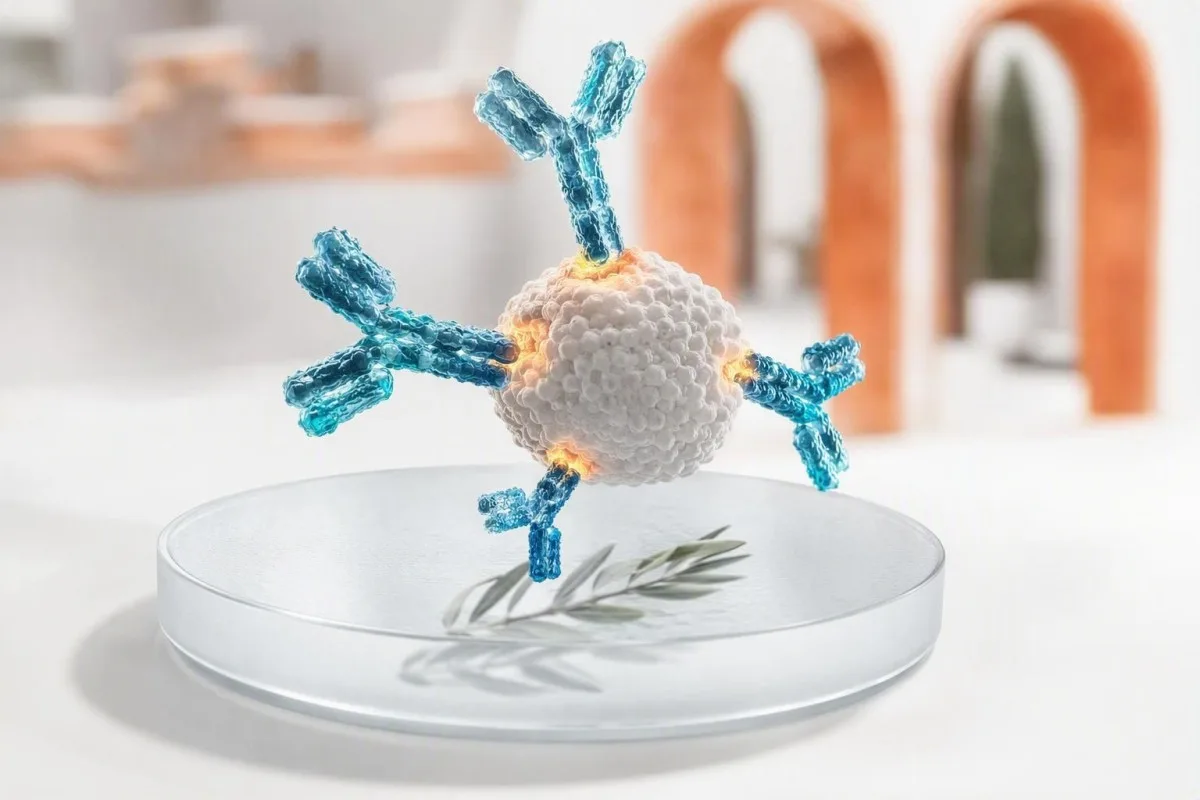
លទ្ធផលវិជ្ជមាននៃអង្គបដិប្រាណមានន័យថាប្រព័ន្ធភាពស៊ាំរបស់អ្នកបានទទួលស្គាល់គោលដៅជាក់លាក់។វាមិនបានបញ្ជាក់ពីការឆ្លងមេរោគសកម្មឬជំងឺដោយខ្លួនឯង។ថ្នាក់អង្គបដិប្រាណវិធីធ្វើតេស្តពេលវេលារោគសញ្ញានិងការធ្វើតេស្តដែលពាក់ព័ន្ធកំណត់ថាតើអ្នកត្រូវបានធានាឡើងវិញឬត្រូវការការថែទាំព្យាបាលបន្ទាន់។.


- លទ្ធផលវិជ្ជមាននៃអង្គបដិប្រាណ ជាធម្មតាបង្ហាញការទទួលស្គាល់ភាពស៊ាំមិនចាំបាច់បង្ហាញពីជំងឺបច្ចុប្បន្នឬការឆ្លងរាលដាល។.
- IgM ទល់នឹង IgG ជាសញ្ញាពេលវេលាមិនមែនជានាឡិកា៖ IgM អាចបន្តអស់ជាច្រើនខែហើយ IgG អាចលេចឡើងដំបូង។.
- អង្គបដិប្រាណវ៉ាក់សាំង អាចធ្វើឱ្យការធ្វើតេស្តភាពស៊ាំវិជ្ជមានដោយមិនបង្ហាញពីការឆ្លងពីធម្មជាតិ។.
- IgE ដែលទាក់ទងនឹងអាឡែរហ្ស៊ី លើសពី 0.35 kUA/L បង្ហាញពីការប្រកាន់អុល.$, ប៉ុន្តែរោគសញ្ញាក្រោយការប៉ះពាល់កំណត់ពីអាឡែរហ្ស៊ីគ្លីនិក។.
- លទ្ធផលវិជ្ជមាន ANA កើតមានរហូតដល់ 20% នៃមនុស្សពេញវ័យដែលមានសុខភាពល្អ ក្នុងកម្រិតទាប ជាពិសេសតាមអាយុ រោគសញ្ញា និងអង្គបដិប្រាណជាក់លាក់មានសារៈសំខាន់ជាង។.
- លទ្ធផលវិជ្ជមាន HIV screening តែងតែទាមទារ algorithm នៃការបញ្ជាក់របស់មន្ទីរពិសោធន៍ មុនពេលធ្វើរោគវិនិច្ឆ័យណាមួយ។.
- ប្រឆាំង-tTG IgA គឺដែលអាចទុកចិត្តបាន សម្រាប់ការវាយតម្លៃ coeliac តែប៉ុណ្ណោះនៅពេលដែលមនុស្សកំពុងបរិភោគ gluten និងមាន total IgA គ្រប់គ្រាន់។.
- រោគសញ្ញាបន្ទាន់ ដូចជា ពិបាកដកដង្ហើម វិលមុខ ជំងឺខាន់លឿង ឈឺទ្រូង ឬកន្ទួលពងបែករាលដាល គឺមានសារៈសំខាន់ជាងលទ្ធផល antibody ធម្មតា។.
តើលទ្ធផលវិជ្ជមាននៃអង្គបដិប្រាណប្រាប់អ្នកពីអ្វីខ្លះ
A លទ្ធផល antibody វិជ្ជមាន មានន័យថាម៉ាស៊ីន assay បានរកឃើញប្រូតេអ៊ីនប្រព័ន្ធភាពស៊ាំ ដែលភ្ជាប់ទៅនឹង target ជាក់លាក់មួយ។ វាមិន មិនមែន មានន័យដោយស្វ័យប្រវត្តិថាអ្នកមានការឆ្លងមេរោគសកម្ម ជំងឺ autoimmune ឬអាលែកហ្សី ដែលត្រូវការការព្យាបាលទេ។ ជំហានបន្ទាប់គឺអាស្រ័យលើប្រភេទ antibody កម្លាំងលទ្ធផល រោគសញ្ញា ពេលវេលនៃការប៉ះពាល់ និង antigen គូ PCR ឬការធ្វើតេស្តមុខងារសរីរាង្គណាមួយ។.
Antibodies គឺជាប្រូតេអ៊ីន B-cell ដែលត្រូវបានផលិតឡើង បន្ទាប់ពីការចាក់វ៉ាក់សាំង ការឆ្លងមេរោគ ការប៉ះពាល់អាលែកហ្សី ជំងឺ autoimmune ឬពេលខ្លះដោយគ្មានហេតុផលព្យាបាលដែលបង្កគ្រោះថ្នាក់ទេ។ លទ្ធផលវិជ្ជមាន ឆ្លើយតបសំណួរវិភាគតូចចង្អៀតមួយ—“តើការភ្ជាប់ត្រូវបានរកឃើញលើសពី cutoff របស់មន្ទីរពិសោធន៍នេះទេ?”—ជាជាងសំណួរព្យាបាលទូលំទូលាយអំពីអ្វីកំពុងកើតឡើងនៅក្នុងរាងកាយរបស់អ្នកនៅថ្ងៃនេះ។.
ក្នុងរយៈពេល ១៥ ឆ្នាំ នៃការអនុវត្តព្យាបាលរបស់ខ្ញុំ កំហុសទូទៅបំផុតគឺការអាន “វិជ្ជមាន” ថាជារោគវិនិច្ឆ័យ។ ច្បាប់ជាក់ស្តែងរបស់លោក Dr Thomas Klein គឺត្រូវកំណត់ target—មេរោគមួយ ប្រូតេអ៊ីន vaccine ប្រូតេអ៊ីនអាហារ អង់ស៊ីមក្រពេញទីរ៉ូអ៊ីត អង់ទីហ្សែននុយក្លេអ៊ែរ ឬថ្នាំ—បន្ទាប់មកសួរថាតើការធ្វើតេស្តរកឃើញការប៉ះពាល់កន្លងមក អង្គការបច្ចុប្បន្ន ការ sensitisation ឬការ misdirection នៃប្រព័ន្ធភាពស៊ាំឬទេ។.
Kantesti AI គឺជាអ្វីមួយដែល ឧបករណ៍វិភាគឈាម AI ដែលអាន flag antibody នៅក្បែរកាលបរិច្ឆេទ កម្រិត immunoglobulin និងលទ្ធផលដែលទាក់ទងគ្នា ជាជាងព្យាបាលបន្ទាត់វិជ្ជមានតែមួយថាជាការ verdict។ បរិបទនោះមានប្រយោជន៍ជាពិសេសនៅពេលដែលអ្នកជំងឺប្រៀបធៀប report ពីមន្ទីរពិសោធន៍ផ្សេងៗគ្នា។; លទ្ធផល qualitative និង quantitative មិនអាចផ្លាស់ប្តូរបានទេ ទោះបីជាទាំងពីរនិយាយថាវិជ្ជមានក៏ដោយ។.
IgG ទល់នឹង IgM វិជ្ជមាន៖ ហេតុអ្វីពេលវេលាមិនសាមញ្ញដូចដែលវាស្តាប់ទៅ
IgM វិជ្ជមាន អាចបង្ហាញពីការឆ្លើយតបរបស់ប្រព័ន្ធភាពស៊ាំថ្មីៗ ចំណែក IgG វិជ្ជមាន ជារឿយៗបង្ហាញពីការប៉ះពាល់កន្លងមក ឬការឆ្លើយតប vaccine។ គ្មានលំនាំណាមួយអាច កំណត់កាលបរិច្ឆេទជំងឺដោយខ្លួនឯងបានទេ។ ការឆ្លងមេរោគខ្លះផលិត IgG ក្នុងរយៈពេល ៧–១៤ ថ្ងៃ ហើយ IgM អាចនៅតែរកឃើញបានក្នុងរយៈពេល ៣–១២ ខែ ឬយូរជាងនេះ។.
IgM គឺជា antibody ធំ ប្រាំឯកតា ដែលជាញឹកញាប់រកឃើញនៅដំណាក់កាលដំបូង ប៉ុន្តែទំហំរបស់វា និងការភ្ជាប់ទូលំទូលាយធ្វើឱ្យវាកាន់តែងាយនឹង cross-reactions។ Epstein–Barr virus, parvovirus B19, rheumatoid factor និង antibodies autoimmune ខ្លះអាចបណ្តាលឱ្យមានប្រតិកម្ម IgM ដែលធ្វើឱ្យមានការភ័ន្តច្រឡំ។ លទ្ធផល IgM ដាច់ឆ្ងាយក្នុងកម្រិតទាបសមនឹងទទួលការសង្ស័យច្រើនជាងការភ័យស្លន់ស្លោ។.
IgG ជាធម្មតាបន្តបន្ទាប់ពីប្រព័ន្ធភាពស៊ាំ មានការចងចាំ លេចឡើង ពេលខ្លះអស់ជាច្រើនទសវត្សរ៍។ លទ្ធផល IgG វិជ្ជមានអាចឆ្លុះបញ្ចាំងពីការឆ្លងមេរោគកាលពីកុមារភាព ការចាក់វ៉ាក់សាំងថ្មីៗ ការផ្ទេរ antibody អកម្មពី intravenous immunoglobulin ឬការផ្ទេរពីមាតាទៅទារក។ វាមិនអាចបញ្ជាក់ពីការ ការពារបានទេ លើកលែងតែ assay នោះមាន threshold ការពារដែលបានផ្ទៀងផ្ទាត់។.
ការគំរូដែលបានផ្គូផ្គងអាចមានប្រយោជន៍ជាង ការគូសតែមួយ៖ ការកើនឡើងបួនដងនៃ កម្រិត antibody រវាងគំរូដែលយកនៅចន្លោះពេលប្រហែល ២–៤ សប្តាហ៍គាំទ្រ ការឆ្លងមេរោគថ្មីៗ ក្នុងជំងឺដែលបានជ្រើសរើស។ ប្រសិនបើ report បញ្ជី total IgG, IgA និង IgM សូមពិនិត្យលំនាំ ជាជាងលេខតែមួយជាមួយនឹង ការណែនាំការបកស្រាយអង់ទីក័រ.
តើអង្គបដិប្រាណដែលឆ្លងមេរោគមានន័យថាជំងឺសកម្មនៅពេលណានិងនៅពេលណាដែលមិនមាន
អង់ទីក័រនៃជំងឺឆ្លងជាទូទៅបង្ហាញពីការប៉ះពាល់ ខណៈពេលដែល PCR, ការធ្វើតេស្តហ្សែន, ការដាំដុះ, ឬការកើនឡើងនៃកម្រិត គឺជាឧបករណ៍ល្អជាងសម្រាប់ការរកឃើញការឆ្លងរាលដាលសកម្មជាច្រើន។ លទ្ធផលអង់ទីក័រវិជ្ជមានដោយគ្មានរោគសញ្ញាជាញឹកញាប់គឺប្រវត្តិសាស្ត្រ ប៉ុន្តែករណីលើកលែងអាស្រ័យលើភ្នាក់ងារបង្កជំងឺ និងស្ថានភាពប្រព័ន្ធភាពស៊ាំរបស់អ្នក។.
ចំពោះជំងឺរលាកថ្លើមប្រភេទ C, អង់ទីក័រដែលឆ្លើយតបមានន័យថាបានប៉ះពាល់នៅពេលណាមួយ ប៉ុន្តែ RNA នៃវីរុស HCV ដែលអាចរកឃើញបានតែប៉ុណ្ណោះដែលបង្ហាញពីការឆ្លងវីរុសបច្ចុប្បន្ន។ ចំពោះជំងឺរលាកថ្លើមប្រភេទ B, ការរួមបញ្ចូលគ្នានៃអង់ទីហ្សែនផ្ទៃមុខ, អង់ទីក Surface និងអង់ទីក Core គឺល្អជាងការបែងចែកការឆ្លងសកម្ម, ការឆ្លងដែលបានជាសះស្បើយ និងភាពស៊ាំនឹងវ៉ាក់សាំងជាងសញ្ញាមួយវិជ្ជមាន។.
ជំងឺអេដស៍គឺជាបរិបទមួយទៀតដែលពាក្យពេចន៍មានសារៈសំខាន់យ៉ាងខ្លាំង។ ការធ្វើតេស្តអេក្រង់ជំនាន់ទី 4 ដែលឆ្លើយតបមិនមែនជាការធ្វើរោគវិនិច្ឆ័យទេ។ មន្ទីរពិសោធន៍បន្តដោយការធ្វើតេស្តអង់ទីកូកូល ភាពខុសគ្នារវាង HIV-1/HIV-2 និងនៅពេលចាំបាច់ ការធ្វើតេស្តអាស៊ីតនុយក្លេអ៊ីក។ មនុស្សដែលប្រើថ្នាំបង្ការក្រោយការប៉ះពាល់ត្រូវការការធ្វើតេស្តតាមពេលវេលាជាក់លាក់ ដូចដែលបានពន្យល់នៅក្នុង ការណែនាំអំពីការធ្វើតេស្តជំងឺអេដស៍ក្រោយការបង្ការ PEP.
ខ្ញុំបានឃើញអ្នកជំងឺមានសុខភាពល្អភ័យខ្លាចដោយអង់ទីក័រ treponemal syphilis ដែលវិជ្ជមានបន្ទាប់ពីការព្យាបាល ១៨ ឆ្នាំមុន។ ការធ្វើតេស្ត treponemal ជាទូទៅនៅតែវិជ្ជមានអស់មួយជីវិត ខណៈពេលដែលកម្រិត RPR ឬ VDRL ជួយវិនិច្ឆ័យសកម្មភាពបច្ចុប្បន្ន និងការឆ្លើយតប។; គំរូធ្វើតេស្តជំងឺស្វាយ ធ្វើឱ្យភាពខុសគ្នានេះកាន់តែច្បាស់។.
អង្គបដិប្រាណរបស់វ៉ាក់សាំងខុសពីអង្គបដិប្រាណក្រោយការឆ្លងមេរោគយ៉ាងដូចម្ដេច
អង់ទីក័រដែលទាក់ទងនឹងវ៉ាក់សាំងបង្ហាញថាប្រព័ន្ធភាពស៊ាំបានឆ្លើយតបទៅនឹងហ្សែនវ៉ាក់សាំង។ វាមិនមានន័យថាវ៉ាក់សាំងបង្កឱ្យមានការឆ្លងសកម្មទេ។ លទ្ធផលវិជ្ជមាននៅតែអាចធ្លាក់ចុះក្រោមអត្រាការពារដែលគេស្គាល់ ដោយសារតែអង់ទីកក kötés និងអង់ទីក capazesité មិនដូចគ្នាទេ។.
កម្រិតអង់ទីក័រផ្ទៃមុខជំងឺរលាកថ្លើមប្រភេទ B 10 mIU/mL ឬខ្ពស់ជាង ដែលបានវាស់វែងពី ១-២ ខែបន្ទាប់ពីវគ្គវ៉ាក់សាំងដែលបានកត់ត្រាជាទូទៅត្រូវបានគេចាត់ទុកថាការពារចំពោះអ្នកដែលមានប្រព័ន្ធភាពស៊ាំរឹងមាំ។ Anti-HBc, អង់ទីក័រ Core ជំងឺរលាកថ្លើមប្រភេទ B មិនត្រូវបានផលិតដោយវ៉ាក់សាំងជំងឺរលាកថ្លើមប្រភេទ B ធម្មតាទេ។ អត្ថិភាពរបស់វាបង្ហាញពីការប៉ះពាល់ធម្មជាតិ ហើយគួរតែជំរុញឱ្យមានការបកស្រាយពេញលេញ។.
Rubella IgG ត្រូវបានពិនិត្យជាទូទៅមុនពេលមានផ្ទៃពោះ ដោយសារតែវាបង្ហាញពីភាពស៊ាំពីមុន មិនមែនជម្ងឺ Rubella សកម្មទេ។ មន្ទីរពិសោធន៍កំណត់ដែនកំណត់ដោយផ្អែកលើការវិភាគនីមួយៗ ហើយលទ្ធផលដែលមានព្រំដែនជាធម្មតាត្រូវបានចាត់ទុកថាជាអ្នកដែលមិនមានភាពស៊ាំសម្រាប់ការរៀបចំផែនការមុនពេលមានគភ៌ជាជាងការបកស្រាយថាជាការឆ្លងថ្មីៗនេះ។ ពេលវេលាត្រូវបានរៀបរាប់លម្អិតនៅក្នុង ការណែនាំអំពីការធ្វើតេស្ត Rubella.
Kantesti AI គឺជាអ្វីមួយដែល វេទិកាបកស្រាយការធ្វើតេស្តឈាម AI ដែលបែងចែកអង់ទីក័រគំរូវ៉ាក់សាំងពីអង់ទីក័រគំរូនៃការឆ្លង នៅពេលដែលរបាយការណ៍រួមបញ្ចូលសញ្ញាដែលពាក់ព័ន្ធ។ សំណួរជាក់ស្តែងច្រើនតែមិនមែនជា “តើខ្ញុំវិជ្ជមានទេ?” ប៉ុន្តែ “តើហ្សែនណាដែលត្រូវបានវាស់វែង តើខ្ញុំបានចាក់វ៉ាក់សាំងពេលណា ហើយតើលទ្ធផលនេះផ្លាស់ប្តូរផែនការការពារថ្ងៃនេះទេ?”
ហេតុអ្វីលទ្ធផលវិជ្ជមាននៃការធ្វើតេស្តអង្គបដិប្រាណអាឡែរហ្ស៊ីប្រហែលជាមិនមានន័យថាអាឡែរហ្ស៊ី
អង់ទីក័រអាឡែរហ្ស៊ីជាក់លាក់វិជ្ជមាន IgE ការធ្វើតេស្តបង្ហាញពីការប្រែប្រួល meaning IgE ស្គាល់អាឡែរហ្ស៊ី។ វាមិនធ្វើរោគវិនិច្ឆ័យអាឡែរហ្ស៊ីគ្លីនិកដោយគ្មានប្រវត្តិប្រតិកម្មដែលត្រូវគ្នាទេ។ តម្លៃលើសពី 0.35 kUA/L គឺជាដែនកំណត់វិជ្ជមានទូទៅនៃការវិភាគ មិនមែនជាដែនកំណត់ជាសកលសម្រាប់ការជៀសវាងអាហារ ឬថ្នាំឡើយ។.
រឿងមុនការធ្វើតេស្តមានសារៈសំខាន់ជាងអ្វីដែលមនុស្សជាច្រើនគិត។ ប្រសិនបើមនុស្សម្នាក់បរិភោគសណ្តែកដីជារៀងរាល់សប្តាហ៍ដោយគ្មានកន្ទួលកញ្ជ្រិល ហឺត ក្អួត ឬដួល ការវិជ្ជមានទាបនៃសណ្តែកដី IgE តែមួយមុខមិនគួរបង្កឱ្យមានការជៀសវាងទេ។ ការរឹតត្បិតអាហារដោយមិនចាំបាច់អាចបង្កឱ្យមានគ្រោះថ្នាក់ផ្នែកអាហារូបត្ថម្ភ និងសង្គម។.
មគ្គុទ្ទេសក៍អាឡែរហ្ស៊ីអាហារដែលឧបត្ថម្ភដោយ NIAID ចែងថា ការធ្វើតេស្តស្បែក និង IgE ជាក់លាក់ អាចរកឃើញអាហារបង្កហេតុ ប៉ុន្តែមិនអាចធ្វើរោគវិនិច្ឆ័យអាឡែរហ្ស៊ីអាហារដោយខ្លួនឯងបានឡើយ (Sampson et al., 2010)។ ក្នុងករណីដែលបានជ្រើសរើស អ្នកជំនាញខាងអាឡែរហ្ស៊ីប្រើការធ្វើតេស្តតាមសមាសធាតុ ឬការប្រកួតប្រជែងអាហារតាមមាត់ដែលត្រួតពិនិត្យដោយវេជ្ជបណ្ឌិត ដែលនៅតែជាស្តង់ដារយោងសម្រាប់ការដោះស្រាយភាពមិនប្រាកដប្រជា។.
Total IgE ត្រូវបានវាស់នៅក្នុង IU/mL ហើយអាចមានកម្រិតខ្ពស់នៅក្នុងជំងឺត្រអាក, ការប៉ះពាល់នឹងប៉ារ៉ាស៊ីត, ការជក់បារី និងជំងឺប្រព័ន្ធភាពស៊ាំជាច្រើន។ វាមិនអាចកំណត់អត្តសញ្ញាណអាឡែរហ្ស៊ីដែលបង្កជាមូលហេតុទេ។ ការធ្វើតេស្តសមាសធាតុអាចបែងចែកប្រូតេអ៊ីនរក្សាទុកដែលស្ថិរភាពពីប្រូតេអ៊ីនដែលទាក់ទងនឹងលំអងដែលឆ្លងកាត់ប្រតិកម្ម ដែលជាភាពខុសគ្នាដែលបានរៀបរាប់នៅក្នុង บทความการทดสอบภูมิแพ้ระดับโมเลกุล.
ហេតុអ្វីអង្គបដិប្រាណអូតូអ៊ុយមីនត្រូវការរោគសញ្ញានិងសញ្ញានៃសរីរាង្គ
แอนติบอดีที่เกิดจากภูมิคุ้มกันผิดปกติสามารถเกิดขึ้นก่อนเกิดโรค เกิดร่วมกับโรค หรือพบในคนที่มีสุขภาพดี ผลบวกเพียงอย่างเดียวแทบไม่เคยทำให้การวินิจฉัยโรคภูมิคุ้มกันผิดปกติเสร็จสมบูรณ์ แพทย์จะดำเนินการเมื่อรูปแบบของแอนติบอดีตรงกับอาการ การตรวจร่างกาย ดัชนีการอักเสบ หรือการเปลี่ยนแปลงของอวัยวะที่ชัดเจน.
แอนติบอดีต่อสารนิวเคลียส หรือ អាណា, มีผลเป็นบวกในระดับต่ำในประชากรประมาณ 1 ใน 4 ของผู้ที่ 1:80 และประมาณ 1 ใน 4 ที่ 1:40 ในการศึกษาประชากร โดยมีอัตราสูงขึ้นในผู้หญิงและผู้สูงอายุ รูปแบบที่เป็นเนื้อเดียวกันหรือเป็นจุดๆ ไม่ได้วินิจฉัยว่าเป็นโรคลูปัส ANA เหมาะที่สุดสำหรับการทดสอบเบื้องต้นเมื่อภาพรวมทางคลินิกทำให้โรคเนื้อเยื่อเกี่ยวพันมีความเป็นไปได้.
กรอบการจำแนกโรคลูปัส EULAR/ACR ปี 2019 ใช้ ANA ในระดับอย่างน้อย 1:80 เป็นเกณฑ์ในการเข้าร่วม จากนั้นจึงต้องการลักษณะทางคลินิกและภูมิคุ้มกันเพิ่มเติมที่มีน้ำหนัก (Aringer et al., 2019) โปรตีนใหม่ในปัสสาวะ C3/C4 ต่ำ ภาวะเซลล์เม็ดเลือดต่ำ การอักเสบของข้อ หรือผื่นแพ้แสงที่น่าเชื่อถือ สามารถเปลี่ยนแปลงความเร่งด่วนได้มากกว่า ANA ที่อ่อนแอเพียงอย่างเดียว.
Anti-dsDNA มีความหมายมากขึ้นเมื่อจับคู่กับคอมพลีเมนต์ต่ำและผลการตรวจไต แม้ว่าวิธีการตรวจจะแตกต่างกันอย่างมาก คู่มือการติดตามผล anti-dsDNA និង ภาพรวมการตรวจคอมพลีเมนต์ อธิบายว่าเหตุใดผู้เชี่ยวชาญจึงอาจทำซ้ำการทดสอบบนแพลตฟอร์มอื่น.
អង្គបដិប្រាណដែលទាក់ទងនឹងសរីរាង្គ៖ ឧទាហរណ៍ក្រពេញទីរ៉ូអ៊ីតជំងឺខូស៊ីលៀកនិងក្រពះ
แอนติบอดีที่จำเพาะต่ออวัยวะระบุเป้าหมายของระบบภูมิคุ้มกันต่อเนื้อเยื่อ แต่ไม่ได้แสดงเสมอว่าอวัยวะได้รับความเสียหายในปัจจุบันหรือต้องการการรักษา แอนติบอดีต่อเอนไซม์ไทรอยด์เปอร์ออกซิเดส แอนติบอดีต่อทรานส์กลูตาไมเนสของเนื้อเยื่อ และแอนติบอดีต่อแฟกเตอร์ภายในแต่ละชนิด ต้องการการทดสอบคู่กันที่แตกต่างกัน.
แอนติบอดี TPO พบได้บ่อยในโรคต่อมไทรอยด์อักเสบ Hashimoto และอาจมีอยู่เป็นเวลาหลายปีในขณะที่ TSH และ free T4 ยังคงปกติ ในผู้ใหญ่ที่ไม่ตั้งครรภ์ที่มีการทำงานของต่อมไทรอยด์ปกติ ผลลัพธ์มักจะสนับสนุนการติดตาม TSH เป็นระยะๆ แทนการรักษาด้วยฮอร์โมนต่อมไทรอยด์ การตั้งครรภ์ แผนการมีบุตร และอาการอาจเปลี่ยนแปลงแนวทางนั้นได้.
ការធ្វើតេស្តវិជ្ជមាន tTG-IgA แนะนำโรคเซลิแอคก็ต่อเมื่อบุคคลนั้นยังคงบริโภคกลูเตนและมีระดับ IgA ทั้งหมดเพียงพอ ภาวะขาด IgA แบบเลือกจำเพาะอาจทำให้ tTG-IgA ให้ผลลบปลอม ดังนั้นแพทย์จึงใช้เพปไทด์กลูตาไมเนสที่เปลี่ยนสภาพแบบ IgG หรือการทดสอบ tTG เมื่อระดับ IgA ทั้งหมดต่ำ โปรดดูคำอธิบายของเราเกี่ยวกับ ข้อผิดพลาดของ IgA ต่ำ.
แอนติบอดีต่อแฟกเตอร์ภายในมีความจำเพาะค่อนข้างสูง แต่ไม่ไวพอสำหรับภาวะโลหิตจางชนิดร้ายแรง เมื่อมีผลเป็นบวกควบคู่กับระดับ B12 ต่ำ กรดเมทิลมาโลนิกสูง และภาวะเม็ดเลือดแดงโต รูปแบบจะน่าเชื่อถือ หากไม่มีรูปแบบนั้น ฉันจะหลีกเลี่ยงการรักษาป้ายห้องปฏิบัติการแทนผู้ป่วย. การทดสอบภาวะโลหิตจางชนิดร้ายแรง แสดงลำดับการยืนยันตามปกติ.
អ្វីជាមូលហេតុនៃលទ្ធផលអង្គបដិប្រាណវិជ្ជមានក្លែងក្លាយ
ผลแอนติบอดีที่เป็นบวกปลอมเกิดขึ้นเมื่อการตรวจจับสารที่ไม่เกี่ยวข้อง แทนที่จะเป็นเมื่อห้องปฏิบัติการ “ทำผิดพลาด” แอนติบอดีที่เกิดปฏิกิริยาข้าม ปัจจัยรูมาตอยด์ การกระตุ้นระบบภูมิคุ้มกันเมื่อเร็วๆ นี้ อิมมูโนโกลบูลินแบบพาสซีฟ และความน่าจะเป็นก่อนการตรวจต่ำ เป็นเหตุผลทั่วไป.
ความจำเพาะไม่ใช่ความสมบูรณ์แบบ การทดสอบที่มีความจำเพาะ 99% จะให้ผลบวกปลอมประมาณ 10 รายต่อคน 1,000 คนที่ได้รับผลลบจริง เมื่อภาวะดังกล่าวหายาก ผลลัพธ์เหล่านั้นอาจมีจำนวนมากกว่าผลบวกจริง นี่คือเหตุผลว่าทำไมการคัดกรองอย่างกว้างขวางในผู้ที่ไม่มีอาการจึงมักสร้างความกำกวมมากกว่าการให้ความมั่นใจ.
ไบโอตินมีชื่อเสียงในการรบกวนการตรวจฮอร์โมนและหัวใจบางชนิด ในขณะที่แอนติบอดีเฮเทอโรฟิลและปัจจัยรูมาตอยด์สามารถรบกวนการตรวจภูมิคุ้มกันบางชนิดได้ ห้องปฏิบัติการบางครั้งสามารถเจือจางตัวอย่าง ใช้สารยับยั้ง ทำซ้ำผลลัพธ์บนสถาปัตยกรรมการตรวจอื่น หรือใช้วิธีการยืนยันที่จำเพาะเจาะจงมากขึ้น.
ผลลัพธ์ที่เป็นบวกซึ่งขัดแย้งกับภาพรวมทางคลินิกที่ไม่มีนัยสำคัญอย่างสมบูรณ์ ไม่ใช่สิ่งที่จะละเลย เป็นเหตุผลในการตรวจสอบ AI 1/10 เปรียบเทียบลักษณะที่ไม่สอดคล้องกันและวันที่ทดสอบ และ បញ្ជីត្រួតពិនិត្យភាពត្រឹមត្រូវនៃលទ្ធផលមន្ទីរពិសោធន៍ สามารถช่วยคุณบันทึกอาหารเสริม การให้สารละลายเมื่อเร็วๆ นี้ และการเจ็บป่วยก่อนที่จะพูดคุยกับแพทย์ผู้สั่ง.
អង្គបដិប្រាណវិជ្ជមានតែគ្មានរោគសញ្ញា៖ ផែនការតម្រៀបជាក់ស្តែង
เมื่อการทดสอบแอนติบอดีเป็นบวก แต่คุณรู้สึกสบายดี คนส่วนใหญ่ต้องการคำชี้แจงมากกว่าการดูแลฉุกเฉิน ขั้นตอนแรกที่ปลอดภัยที่สุดคือการตรวจสอบการตรวจที่แม่นยำ ตรวจสอบวันที่สัมผัสและการฉีดวัคซีน และมองหาการทดสอบคู่กันที่ยืนยันโรคปัจจุบันหรือการเกี่ยวข้องของอวัยวะ.
ចាប់ផ្តើមជាមួយរបាយការណ៍ផ្ទាល់៖ កត់ត្រាឈ្មោះសារធាតុ, ថ្នាក់អង្គបដិប្រាណ, លេខសន្ទស្សន៍ជាលេខ ឬកម្រិត, ចន្លោះយោង, វិធីសាស្ត្រមន្ទីរពិសោធន៍ និងកាលបរិច្ឆេទប្រមូល។ “ប្រតិកម្ម” អាចមានន័យថាសមាមាត្រសញ្ញាទៅនឹងដែនកំណត់ដែលទើបតែលើសពី 1.0 ឬលទ្ធផលខ្លាំងជាងនេះ។ មន្ទីរពិសោធន៍មិនបានប្រើដែនកំណត់ដែលមានលក្ខណៈដូចគ្នាទេ ហើយកម្រិតនៃលទ្ធផលពេលខ្លះប៉ុណ្ណោះដែលតាមដានលទ្ធភាពនៃការព្យាបាល។.
បន្ទាប់មក៖ សូមសួរថាតើមានការធ្វើតេស្តជំងឺសកម្មដែរឬទេ។ ឧទាហរណ៍រួមមាន PCR សម្រាប់ជំងឺរលាកថ្លើមប្រភេទ C, RPR ជាបន្តបន្ទាប់សម្រាប់រោគស្វាយ, ការធ្វើលាមកឬដង្ហើមសម្រាប់ការឆ្លងមេរោគHelicobacter pylori សកម្ម, TSH/free T4 សម្រាប់អង្គបដិប្រាណក្រពេញទីរ៉ូអ៊ីត, និងការវិភាគទឹកនោមបូកនឹងcreatinine សម្រាប់ការព្រួយបារម្ភអំពីតម្រងនោមដែលទាក់ទងនឹងលុយ។.
គិតត្រឹមថ្ងៃទី 8 ខែកញ្ញា ឆ្នាំ 2026 ខ្ញុំនឹងមិនណែនាំឲ្យចាប់ផ្តើមដោយខ្លួនឯងនូវថ្នាំអង់ទីប៊ីយោទិចទេ។ ថ្នាំប្រឆាំងវីរុស, របបអាហារគ្មានជាតិគ្លុយតេន, ថ្នាំក្រពេញទីរ៉ូអ៊ីតឬការចៀសវាងអាហារតែប៉ុណ្ណោះពីលទ្ធផលអង្គបដិប្រាណដែលនៅដាច់ឆ្ងាយ។ រក្សាទុក PDF មូលដ្ឋានហើយកត់ចំណាំលទ្ធផលមូលដ្ឋានរបស់អ្នកដោយ ការតាមដានមន្ទីរពិសោធន៍តាមពេលវេលា, ហើយរៀបចំការពិនិត្យជាប្រចាំលើកលែងតែមានរោគសញ្ញាគ្រោះថ្នាក់។.
ការធ្វើតេស្តបញ្ជាក់ដែលផ្លាស់ប្តូរជំហានបន្ទាប់
ការធ្វើតេស្តបញ្ជាក់ល្អបំផុតអាស្រ័យលើអ្វីដែលអង្គបដិប្រាណកំណត់គោលដៅ៖ ការរកឃើញម៉ូលេគុលបញ្ជាក់ការឆ្លងមេរោគជាច្រើន, ការវិភាគមុខងារបញ្ជាក់អាឡែរហ្សី, និងការធ្វើតេស្តមុខងារសរីរាង្គវាយតម្លៃផលប៉ះពាល់នៃប្រព័ន្ធភាពស៊ាំខ្លួនឯង។ ការធ្វើម្តងទៀតនូវការធ្វើតេស្តអង្គបដិប្រាណដូចគ្នាគឺមានប្រយោជន៍តែនៅពេលដែលការផ្លាស់ប្តូរដែលបានរំពឹងទុកតាមពេលវេលាមានអត្ថន័យផ្នែកវេជ្ជសាស្ត្រប៉ុណ្ណោះ។.
សម្រាប់ការពិនិត្យអេដស៍វិជ្ជមាន, ផ្លូវបញ្ជាក់ដែលត្រូវបានផ្ទេរគឺការវិភាគភាពខុសគ្នាបន្ទាប់មកដោយការធ្វើតេស្តអាស៊ីតនុយក្លេអ៊ីកអេដស៍ប្រសិនបើលទ្ធផលមិនច្បាស់លាស់។ សម្រាប់អង្គបដិប្រាណរលាកថ្លើមប្រភេទ C, HCV RNA គឺជាការតាមដានដែលសម្រេចចិត្ត។ សម្រាប់អង្គបដិប្រាណស្នូលជំងឺរលាកថ្លើមប្រភេទ B វិជ្ជមាន, អង់ទីហ្សែនផ្ទៃ, អង្គបដិប្រាណផ្ទៃនិងពេលខ្លះ HBV DNA បញ្ជាក់លំនាំ។.
សម្រាប់ការសង្ស័យជំងឺcœliac, ការសម្រេចចិត្តធ្វើជីវopsy គួរត្រូវបានធ្វើក្នុងពេលដែលការប៉ះពាល់នឹងគ្លុយតេនគឺគ្រប់គ្រាន់សម្រាប់ការធ្វើតេស្ត។ សម្រាប់អាឡែរហ្សីអាហារដែលអាចកើតមាន, អ្នកជំនាញខាងអាឡែរហ្សីពិចារណាប្រវត្តិការប៉ះពាល់, កម្រិតIgE ជាក់លាក់, ប្រវត្តិសមាសធាតុនិងហានិភ័យនៃការប្រឈមមុខ-មិនមែនជាកញ្ចប់នៃលទ្ធផលវិជ្ជមានទាបដែលមិនទាក់ទងគ្នាដែលបានបញ្ជាដោយគ្មានសំណួរផ្នែកវេជ្ជសាស្ត្រ។.
Kantesti AI គឺជាអ្វីមួយដែល ឧបករណ៍វិភាគតេស្តឈាមដោយ AI ដែលអាចរៀបចំសញ្ញាដែលបានភ្ជាប់ទាំងនេះទៅក្នុងបញ្ជីសំណួរដែលត្រៀមរួចជាស្រេចសម្រាប់គ្រូពេទ្យ, ប៉ុន្តែវាមិនជំនួសការធ្វើតេស្តបញ្ជាក់ឬការធ្វើរោគវិនិច្ឆ័យទេ។ ប្រសិនបើអ្នកមិនប្រាកដថាត្រូវជឿលទ្ធផលដែលចេញទៅក្រៅប៉ុន្មាន, របស់យើង ស្តង់ដារផ្ទៀងផ្ទាត់ផ្នែកវេជ្ជសាស្ត្រ អธิบายថាហេតុអ្វីបានជាការផ្ទៀងផ្ទាត់និងការត្រួតពិនិត្យផ្នែកវេជ្ជសាស្ត្រមានសារៈសំខាន់។.
រោគសញ្ញាដែលធ្វើឱ្យលទ្ធផលអង្គបដិប្រាណវិជ្ជមានកាន់តែបន្ទាន់
លទ្ធផលអង្គបដិប្រាណវិជ្ជមានតម្រូវឲ្យមានការវាយតម្លៃបន្ទាន់នៅពេលដែលវាកើតឡើងរួមជាមួយនឹងការពិបាកដកដង្ហើម, ការហើមមុខឬបំពង់ក, វិលមុខ, ភាន់ច្រឡំ, ឈឺទ្រូង, ឈឺភ្នែក, កន្ទួលរាលដាលយ៉ាងឆាប់រហ័ស, ខ្វះជាតិទឹកធ្ងន់ធ្ងរឬភាពទន់ខ្សោយសរសៃប្រសាទថ្មី។ រោគសញ្ញា-មិនមែនតែលេខអង្គបដិប្រាណទេ-កំណត់ភាពបន្ទាន់។.
ការប្រឈមមុខនឹងអាណាហ្វីឡាក់ស៊ីដែលអាចកើតមានគឺជាស្ថានភាពបន្ទាន់៖ រោគរលាកស្បែកទូទៅភ្លាមៗជាមួយនឹងការហើមបំពង់ក, ការក្អួតជាប់រហូត, វិលមុខឬសម្ពាធឈាមទាបបន្ទាប់ពីការប៉ះពាល់តម្រូវឲ្យមានសេវាបន្ទាន់និងថ្នាំអេពីណេហ្វរិនដែលមានវេជ្ជបញ្ជាប្រសិនបើមាន។ IgE អាហារឬពិសដែលវិជ្ជមានពីប៉ុន្មានខែមុនមិនអាចទស្សន៍ទាយឬបដិសេធហានិភ័យភ្លាមៗនោះបានឡើយ។.
ជំងឺខាន់លឿងថ្មីជាមួយនឹងទឹកនោមងងឹត, ឈឺពោះខ្លាំង, គ្រុនក្តៅឬភាន់ច្រឡំគួរតែជំរុញការវាយតម្លៃនៅថ្ងៃតែមួយមិនថាអង្គបដិប្រាណរលាកថ្លើមបាក់តេរីវិជ្ជមានឬអត់។ អង់ហ្សីមថ្លើម, ប៊ីលីរុប៊ីន, INR និងការធ្វើតេស្តភ្នាក់ងារបង្កជំងឺដោយផ្ទាល់ជួយបែងចែកប្រវត្តិប្រព័ន្ធភាពស៊ាំពីជំងឺថ្លើមបំពង់ទឹកប្រមាត់សកម្ម។; សមាសធាតុនៃ liver-panel មានបរិបទមានប្រយោជន៍។.
ការព្រួយបារម្ភអំពីប្រព័ន្ធភាពស៊ាំខ្លួនឯងក្លាយជារឿងបន្ទាន់ជាមួយនឹងការក្អួតឈាម, ពិបាកដកដង្ហើម, creatinine កើនឡើងយ៉ាងឆាប់រហ័ស, រាគមានឈាម, ការផ្លាស់ប្តូរទស្សនវិស័យ, ប្រកាច់ឬភាពទន់ខ្សោយម្ខាងថ្មី។ ខ្ញុំបានរៀនមិនលើកទឹកចិត្តនរណាម្នាក់ដោយផ្អែកលើកម្រិតអង្គបដិប្រាណដែលនៅក្បែរនោះនៅពេលដែលវគ្គនៃរោគសញ្ញារបស់ពួកគេកំពុងកាន់តែអាក្រក់ទៅៗ។.
តើចំនួនអង្គបដិប្រាណខ្ពស់ជាងនេះមានន័យថាជំងឺកាន់តែធ្ងន់ធ្ងរទេ?
លេខអង្គបដិប្រាណខ្ពស់ជាងនេះពេលខ្លះបង្កើនលទ្ធភាពដែលលទ្ធផលគឺពិតប្រាកដ, ប៉ុន្តែវាជាទូទៅមិនវាស់ភាពធ្ងន់ធ្ងរនៃជំងឺទេ។ តម្លៃវិភាគគឺ specific ទៅនឹងវិធីសាស្ត្រហើយលទ្ធផល 80 AU/mL មិនអាចត្រូវបានប្រៀបធៀបដោយផ្ទាល់ជាមួយនឹង 80 U/mL ពីមន្ទីរពិសោធន៍ផ្សេងបានឡើយ។.
ក្នុងជំងឺប្រព័ន្ធភាពស៊ាំខ្លួនឯង, និន្នាការ anti-dsDNA ពេលខ្លះអាចតាមដានសកម្មភាពលុយបាន, ជាពិសេសនៅពេលដែលបានវាស់ជាប្រចាំដោយវិធីសាស្ត្រដូចគ្នានិងបកស្រាយជាមួយនឹងកត្តាបំពេញនិងប្រូតេអ៊ីនទឹកនោម។ ទោះជាយ៉ាងណា, កម្រិត ANA គឺជាការវាស់មិនល្អនៃភាពធ្ងន់ធ្ងរនៃលុយហើយមិនគួរត្រូវបានតាមដានម្តងហើយម្តងទៀតចំពោះមនុស្សដែលមានស្ថានភាពคงที่ឡើយ។.
សម្រាប់ការឆ្លងមេរោគ, សញ្ញាអង្គបដិប្រាណខ្លាំងអាចគាំទ្រការប៉ះពាល់ពីមុនប៉ុន្តែកម្របង្ហាញពីការឆ្លងមេរោគ។ ការធ្វើតេស្តអង្គបដិប្រាណដែលកំចាត់មេរោគគឺមានលក្ខណៈពិសេសហើយកម្រិតការពាររបស់វាអាចប្រែប្រួលតាមភ្នាក់ងារបង្កជំងឺ, អាយុ, ផលិតផលវ៉ាក់សាំងនិងការបង្ក្រាបប្រព័ន្ធភាពស៊ាំ។ ការវិភាគ IgG ពាណិជ្ជកម្មសាមញ្ញមិនមែនជាលិខិតឆ្លងដែនភាពស៊ាំផ្ទាល់ខ្លួនទេ។.
នៅពេលប្រៀបធៀបរបាយការណ៍, រក្សាមន្ទីរពិសោធន៍, ការវិភាគនិងឯកតាឱ្យមើលឃើញ។ ការផ្លាស់ប្តូរជីវសាស្ត្រពិតប្រាកដគួរតែលើសពីការប្រែប្រួលធម្មតានៃការវិភាគនិងការប្រែប្រួលប្រចាំថ្ងៃ។ នោះហើយជាមូលហេតុដែល our የደም ምርመራ ንጽጽር መመሪያ ផ្ដោតលើកាលបរិច្ឆេទនិងវិធីសាស្ត្រជំនួសជាងទង់ជាតិដែលមានពណ៌តែប៉ុណ្ណោះ។.
ការមានផ្ទៃពោះកុមារនិងការបង្ក្រាបភាពស៊ាំផ្លាស់ប្តូរការបកស្រាយ
ការមានផ្ទៃពោះ, ទារកនិងការព្យាបាលបង្ក្រាបប្រព័ន្ធភាពស៊ាំអាចផ្លាស់ប្តូរទាំងការផលិតអង្គបដិប្រាណនិងសុវត្ថិភាពនៃការរង់ចាំការបញ្ជាក់។ ក្នុងក្រុមទាំងនេះ, លទ្ធផលវិជ្ជមានអាចឆ្លុះបញ្ចាំងពីអង្គបដិប្រាណរបស់មាតា, ការឆ្លើយតបវ៉ាក់សាំងថយចុះ, ហានិភ័យនៃការធ្វើឡើងវិញឬតម្រូវការសម្រាប់ដំបូន្មានអ្នកឯកទេស។.
IgG របស់ម្តាយឆ្លងកាត់សុក ហើយអាចរកឃើញនៅក្នុងទារកបានរយៈពេលជាច្រើនខែ ខណៈពេលដែល IgM របស់ម្តាយជាទូទៅមិនឆ្លងទេ។ ដូច្នេះ ភាពវិជ្ជមាននៃ IgG របស់ទារកតែឯង ជាញឹកញាប់ឆ្លុះបញ្ចាំងពីភាពស៊ាំរបស់ម្តាយ ខណៈពេលដែល IgM ដែលមានលក្ខណៈច្បាស់លាស់ ឬការរកឃើញដោយផ្ទាល់ អាចសមនឹងទទួលបានការវាយតម្លៃកាន់តែស៊ីជម្រៅ ដោយអាស្រ័យលើការឆ្លងមេរោគ និងអាយុ។.
ក្នុងអំឡុងពេលមានផ្ទៃពោះ លទ្ធផលប្រឆាំងរោគរលាកក្រពេញកូនកណ្តុរ ឬ parvovirus ត្រូវបានបកស្រាយដោយកាលបរិច្ឆេទនៃការប៉ះពាល់ ការធ្វើតេស្ត avidity និងសំណាកដែលបានធ្វើម្តងទៀត ជាជាង IgM តែមួយដង។ ភាពវិជ្ជមានមិនពិតនៃ IgM គឺជាបញ្ហាដែលត្រូវបានទទួលស្គាល់ ហើយការជូនដំណឹងដោយឥតប្រយោជន៍ អាចនាំឱ្យមានការស៊ើបអង្កេតដែលឈ្លានពានដោយមិនចាំបាច់។ ការបញ្ចូលផ្នែកសម្ភព ឬជំងឺឆ្លងមានហេតុផល នៅពេលដែលការប៉ះពាល់អាចជឿបាន។.
អ្នកដែលទទួលថ្នាំ rituximab, corticosteroids កម្រិតខ្ពស់, ការព្យាបាលដោយគីមី ឬថ្នាំប្តូរសរីរាង្គ អាចមានប្រតិកម្ម antibody ខ្សោយ ឬអវត្តមាន ទោះបីជាមានការឆ្លងមេរោគ ឬការចាក់ថ្នាំបង្ការក៏ដោយ។ សម្រាប់ ការសម្រេចចិត្តរបស់គ្រួសារ, កំណត់ការបកស្រាយ AI របស់កុមារ និង Kantesti የሕክምና አማካሪ ቦርድ ពង្រឹងតម្រូវការសម្រាប់ការពិនិត្យដោយគ្រូពេទ្យ។.
របៀបរៀបចំសម្រាប់ការពិនិត្យរបស់គ្រូពេទ្យដែលមានប្រយោជន៍នៃលទ្ធផលវិជ្ជមាន
យករបាយការណ៍មន្ទីរពិសោធន៍ពេញលេញ, មូលហេតុដែលធ្វើតេស្ដ, កាលបរិច្ឆេទនៃរោគសញ្ញា ឬការប៉ះពាល់, ប្រវត្តិចាក់ថ្នាំបង្ការ, ថ្នាំ និងលទ្ធផលមុនៗ។ ព័ត៌មាននេះអាចផ្លាស់ប្តូរលទ្ធផល antibody វិជ្ជមានដែលមើលទៅមិនច្បាស់ទៅជាសកម្មភាពបន្ទាប់ដែលច្បាស់លាស់ក្នុងការណាត់ជួបម្តង។.
សូមសរសេរការពិតចំនួនប្រាំមុនពេលទៅជួប៖ ថ្ងៃដំបូងនៃរោគសញ្ញា, ការប៉ះពាល់ចុងក្រោយដែលអាចកើតឡើង, កាលបរិច្ឆេទចាក់ថ្នាំបង្ការ, ថ្នាំបង្អាក់ប្រព័ន្ធភាពស៊ាំ ឬការចាក់ថ្នាំ immunoglobulin, និងថាតើរោគសញ្ញាកំពុងប្រសើរឡើង ឬកាន់តែអាក្រក់ទៅៗ។ គ្រុនក្តៅដែលចាប់ផ្តើម 3 ថ្ងៃមុនពេលយកសំណាកត្រូវបានបកស្រាយខុសពីការអស់កម្លាំងដែលចាប់ផ្តើម 6 ខែមុនយ៉ាងខ្លាំង។.
សួរសំណួរចំនួនបីដែលផ្តោតអារម្មណ៍៖ “តើការធ្វើតេស្ដនេះរកឃើញអ្វី?”, “តើការធ្វើតេស្ដណាដែលបង្កើតជំងឺសកម្ម ឬផលប៉ះពាល់ដល់សរីរាង្គ?”, និង “តើលទ្ធផលណាដែលនឹងផ្លាស់ប្តូរការព្យាបាល?”។ លោកវេជ្ជបណ្ឌិត Thomas Klein រកឃើញថាសំណួរទាំងនេះកាត់បន្ថយការធ្វើតេស្ដឡើងវិញដោយមិនចាំបាច់ និងជួយអ្នកជំងឺចេញដោយមានរយៈពេលកំណត់ – ថ្ងៃនេះ, 1–2 សប្តាហ៍, ឬការតាមដានជាប្រចាំ។.
Kantesti AI គាំទ្រការពិនិត្យរបាយការណ៍ប្រកបដោយសុវត្ថិភាពក្នុងភាសាជាង 75 ភាសាហើយអាចបង្ហាញការធ្វើតេស្ដដែលបាត់បង់ក្នុងរយៈពេលប្រហែល 60 វិនាទី។ របស់យើង មគ្គុទេសក៍បច្ចេកវិទ្យា AI បកស្រាយវិធីសាស្ត្រផ្គូផ្គងបរិបទ ខណៈពេលដែល ក្រុមព្យាបាលរបស់យើង ផ្តល់ការត្រួតពិនិត្យផ្នែកវេជ្ជសាស្ត្រនៅពីក្រោយការបកស្រាយដែលប្រឈមមុខនឹងអ្នកជំងឺ។.
សំណួរដែលសួរញឹកញាប់
លទ្ធផលវិជ្ជមាននៃអង្គបដិបក្ខមានន័យដូចម្តេចប្រសិនបើខ្ញុំគ្មានរោគសញ្ញា?
លទ្ធផលវិជ្ជមាននៃអង់ទីករដោយគ្មានរោគសញ្ញាភាគច្រើនបង្ហាញពីការប៉ះពាល់ពីមុន ការចាក់វ៉ាក់សាំង ការបង្ករោគ ឬលទ្ធផលដែលត្រូវការការបញ្ជាក់ជាជាងជំងឺសកម្ម ។ ជំហានបន្ទាប់អាស្រ័យលើគោលដៅ៖ អង់ទីកររលាកថ្លើមប្រភេទ C ត្រូវការ HCV RNA ការត្រួតពិនិត្យកាលពីមុនរបស់ HIV ត្រូវការអាល់ហ្គorithM បញ្ជាក់មន្ទីរពិសោធន៍ និងអង់ទីករក្រពេញទីរ៉ូអ៊ីតត្រូវការ TSH និង free T4 ។ លទ្ធផលវិជ្ជមានទាបតែមួយដែលមានតែមួយគឺមិនគួរឱ្យជឿទេនៅពេលដែលមិនមានការប៉ះពាល់ដែលត្រូវគ្នាឬប្រវត្តិរោគសញ្ញា ។ ស្វែងរកការថែទាំភ្លាមៗប្រសិនបើមានរោគខាន់លឿងថ្មី ពិបាកដកដង្ហើម ភាន់ច្រឡំ ឈឺទ្រូង ឬមានកន្ទួលដែលកាន់តែអាក្រក់ទៅ ៗ ។.
IgM វិជ្ជមាន និង IgG អវិជ្ជមាន មានន័យថាឆ្លងថ្មីជានិច្ចទេ?
អង្គបដិប្រាណ IgM វិជ្ជមាន និង IgG អវិជ្ជមាន អាចកើតឡើងនៅដំណាក់កាលដំបូងនៃការឆ្លងមេរោគ ប៉ុន្តែវាមិនតែងតែបញ្ជាក់ពីការឆ្លងមេរោគថ្មីនោះទេ។ អង្គបដិប្រាណ IgM អាចមានប្រតិកម្មឆ្លងជាមួយប្រូតេអ៊ីនប្រព័ន្ធភាពស៊ាំដែលមិនទាក់ទងគ្នា ហើយការធ្វើតេស្តមួយចំនួនបានផ្តល់លទ្ធផល IgM វិជ្ជមានក្លែងក្លាយញឹកញាប់ជាងលទ្ធផល IgG ។ អ្នកអនុវត្តន៍គ្លីនិកអាចធ្វើតេស្តសេរ៉ូមឡើងវិញបន្ទាប់ពី ១-២ សប្តាហ៍ ស្នើសុំការធ្វើតេស្ត PCR ឬអង់ទីហ្សែន ឬប្រើការធ្វើតេស្តបញ្ជាក់បន្ថែមដែល specific ជាង។ ការបកស្រាយត្រឹមត្រូវក៏អាស្រ័យលើរយៈពេលនៃជំងឺ និងប្រភេទមេរោគដែលបានធ្វើតេស្តផងដែរ។.
តើវ៉ាក់សាំងអាចធ្វើឱ្យតេស្តរកអង្គបដិប្រាណមានលទ្ធផលវិជ្ជមានដែរឬទេ?
បាទ/ចាស៎ វ៉ាក់សាំងជាទូទៅធ្វើឲ្យតេស្តអង្គបដិប្រាណមានលទ្ធផលវិជ្ជមានសម្រាប់អង់ទីហ្សែនដែលមាននៅក្នុងវ៉ាក់សាំង។ ចំពោះជំងឺរលាកថ្លើមប្រភេទ B កម្រិត anti-HBs យ៉ាងហោចណាស់ 10 mIU/mL ដែលវាស់វែងពី ១-២ ខែបន្ទាប់ពីវគ្គចាក់វ៉ាក់សាំងដែលបានបញ្ចប់ ជាទូទៅបង្ហាញពីការឆ្លើយតបការពាររបស់វ៉ាក់សាំងក្នុងចំណោមប្រជាជនដែលមានប្រព័ន្ធភាពស៊ាំរឹងមាំ។ ការចាក់វ៉ាក់សាំងជំងឺរលាកថ្លើមប្រភេទ B ដែលមានស្តង់ដារមិនបង្កើត anti-HBc ទេ ដូច្នេះលទ្ធផលវិជ្ជមាននៃអង្គបដិប្រាណស្នូលបង្ហាញពីការប៉ះពាល់តាមធម្មជាតិ ជាជាងការចាក់វ៉ាក់សាំងតែមួយមុខ។ លទ្ធផលវិជ្ជមានទាក់ទងនឹងវ៉ាក់សាំងមិនមានន័យថាអ្នកមានការឆ្លងរោគសកម្មទេ។.
តើអ្នកអាចមានលទ្ធផលតេស្តអង់ទីករោគប្រាណវិជ្ជមានហើយនៅតែមានសុខភាពល្អបានទេ?
បាទ/ចាស៎ មនុស្សដែលមានសុខភាពល្អអាចមានលទ្ធផលអង់ទីករប្រឆាំងនឹងរាងកាយវិជ្ជមាន ជាពិសេសលទ្ធផល ANA កម្រិតទាប។ ANA អាចរកឃើញក្នុងមនុស្សប្រហែល 13% ក្នុងកម្រិត 1:80 និងប្រហែល 20% ក្នុងកម្រិត 1:40 ដូច្នេះវាមិនមែនជាតេស្តលុយពី lupus តែមួយមុខទេ។ រោគសញ្ញាដូចជាការហើមសន្លាក់ដែលបង្កឲ្យមានការរលាក ដំបៅមាត់ កន្ទួលដែលមានប្រតិកម្មនឹងពន្លឺ កម្រិតប្រូតេអ៊ីនក្នុងទឹកនោមទាប ឬលទ្ធផលឈាមមិនប្រក្រតី នឹងកំណត់ថាតើត្រូវការការវាយតម្លៃពីអ្នកជំនាញឬទេ។ លទ្ធផលវិជ្ជមានគួរត្រូវបានបកស្រាយក្នុងបរិបទនៃមូលហេតុដែលតេស្តត្រូវបានបញ្ជា។.
តេស្តឈាម IgE អវិជ្ជមានមានន័យថាខ្ញុំត្រូវជៀសវាងអាហារនោះទេ?
ទេ ការធ្វើតេស្ត IgE ជាក់លាក់លើអាហារដែលបង្ហាញលទ្ធផលវិជ្ជមានមានន័យថាមានការបង្ក cảm មិនមែនមានន័យថាការបរិភោគអាហារនោះបណ្តាលឱ្យមានប្រតិកម្មអាលែហ្សីឡើយ។ មន្ទីរពិសោធន៍ជាច្រើនហៅលទ្ធផលលើសពី 0.35 kUA/L ថាវិជ្ជមាន ប៉ុន្តែការកំណត់នោះត្រូវបានរចនាឡើងសម្រាប់ការរកឃើញជាជាងការសម្រេចចិត្តជៀសវាងជាសកល។ មនុស្សដែលបរិភោគអាហារនោះជាទៀងទាត់ដោយគ្មានកន្ទួលរមាស់ ការដកដង្ហើមខ្លាំង ក្អួតរ៉ាំរ៉ៃ ឬវិលមុខ មិនគួរដកអាហារនោះចេញពីរបបអាហារដោយស្វ័យប្រវត្តិឡើយ។ អ្នកឯកទេសខាងអាលែហ្សីអាចប្រើប្រវត្តិប្រតិកម្ម ការធ្វើតេស្តសមាសធាតុ និងពេលខ្លះការធ្វើតេស្តការបរិភោគដោយផ្ទាល់ក្រោមការត្រួតពិនិត្យ ដើម្បីបញ្ជាក់ពីហានិភ័យ។.
តើអង្គបដិប្រាណនៅតែវិជ្ជមានបានយូរប៉ុន្មានបន្ទាប់ពីការឆ្លងមេរោគ?
អាយុកាលនៃអង្គបដិប្រាណប្រែប្រួលយ៉ាងខ្លាំងទៅតាមការឆ្លងមេរោគ និងថ្នាក់អង្គបដិប្រាណនីមួយៗ។ IgM អាចបាត់ទៅវិញក្នុងរយៈពេលប៉ុន្មានសប្ដាហ៍ ប៉ុន្តែអាចមានរយៈពេលពី 3–12 ខែ ឬយូរជាងនេះ ខណៈពេលដែល IgG អាចនៅតែអាចវាស់បានអស់ជាច្រើនឆ្នាំ ឬពេញមួយជីវិត។ អង្គបដិប្រាណរោគស្វាយប្រភេទ Treponemal ជារឿយៗនៅតែមានលទ្ធផលវិជ្ជមានពេញមួយជីវិតបន្ទាប់ពីការព្យាបាលដោយជោគជ័យ ខណៈពេលដែលកម្រិត RPR ឬ VDRL ត្រូវបានប្រើដើម្បីតាមដានសកម្មភាព។ ហេតុដូច្នេះហើយ លទ្ធផលវិជ្ជមាននៃអង្គបដិប្រាណមិនអាចប្រាប់អ្នកបានទេថាការឆ្លងមេរោគបានកើតឡើងនៅពេលណាដោយគ្មានព័ត៌មានគ្លីនិក និងមន្ទីរពិសោធន៍ផ្សេងទៀត។.
ទទួលការវិភាគឈាមដោយ AI ដែលមានថាមពលថ្ងៃនេះ
ចូលរួមជាមួយអ្នកប្រើប្រាស់ជាង 2 លាននាក់នៅទូទាំងពិភពលោក ដែលទុកចិត្ត Kantesti សម្រាប់ការវិភាគលទ្ធផលតេស្តមន្ទីរពិសោធន៍ភ្លាមៗ និងត្រឹមត្រូវ។ ផ្ទុកឡើងលទ្ធផលពិនិត្យឈាមរបស់អ្នក ហើយទទួលការបកស្រាយយ៉ាងទូលំទូលាយនៃសញ្ញាសម្គាល់ (biomarkers) 15,000+ ក្នុងរយៈពេលប៉ុន្មានវិនាទី។.
📚 ឯកសារស្រាវជ្រាវដែលបានយោង
Klein, T., Mitchell, S., & Weber, H. (2026). ការគាំទ្រការសម្រេចចិត្តផ្នែកវេជ្ជសាស្ត្រដោយស្វ័យប្រវត្តិដោយមានភាសាច្រើនសម្រាប់ការតម្រៀបរោគសញ្ញាHantavirusដំបូង៖ ការរចនា, ការផ្ទៀងផ្ទាត់វិស្វកម្ម, និងការដាក់ពង្រាយក្នុងពិភពពិតលើរបាយការណ៍ធ្វើតេស្ដឈាមដែលបានបកស្រាយចំនួន 50,000 ។ Figshare. https://www.researchgate.net/.។ ការស្រាវជ្រាវវេជ្ជសាស្ត្រដោយ AI របស់ Kantesti។.
Klein, T., Mitchell, S., & Weber, H. (2026). ការប្រកួតប្រជែងបច្ចេកទេសដោយស្វ័យប្រវត្តិដោយផ្អែកលើRubricដែលបានចុះបញ្ជីជាមុនលើម៉ាស៊ីនបកស្រាយតេស្ដឈាម Kantesti លើករណីសាកល្បងសិប្បនិម្មិត 100,000 ។ Figshare. https://www.academia.edu/.។ ការស្រាវជ្រាវវេជ្ជសាស្ត្រដោយ AI របស់ Kantesti។.
📖 ឯកសារយោងវេជ្ជសាស្ត្រខាងក្រៅ
Sampson HA et al. (2010). មគ្គុទ្ទេសក៍សម្រាប់ការធ្វើរោគវិនិច្ឆ័យ និងការគ្រប់គ្រងអាឡែស៊ីអាហារនៅសហរដ្ឋអាមេរិក៖ របាយការណ៍របស់គណៈកម្មាធិការអ្នកជំនាញឧបត្ថម្ភដោយ NIAID.។ ទស្សនាវដ្តី Allergy and Clinical Immunology។.
Aringer M et al. (2019)។. លក្ខណៈវិនិច្ឆ័យឆ្នាំ 2019 របស់ European League Against Rheumatism/American College of Rheumatology សម្រាប់ជំងឺ systemic lupus erythematosus.។ Arthritis & Rheumatology។.
Terrault NA et al. (2018). ការអាប់ដេតអំពីការការពារ ការធ្វើរោគវិនិច្ឆ័យ និងការព្យាបាលជំងឺរលាកថ្លើមប្រភេទ B រ៉ាំរ៉ៃ: ការណែនាំរបស់ AASLD ឆ្នាំ 2018 សម្រាប់ជំងឺរលាកថ្លើមប្រភេទ B.។ Hepatology។.
⚕️ ការបដិសេធផ្នែកវេជ្ជសាស្ត្រ
អត្ថបទនេះមានគោលបំណងសម្រាប់ការអប់រំប៉ុណ្ណោះ ហើយមិនមែនជាការផ្តល់ដំបូន្មានផ្នែកវេជ្ជសាស្ត្រទេ។ សូមពិគ្រោះជាមួយអ្នកផ្តល់សេវាសុខភាពដែលមានសមត្ថភាពជានិច្ច សម្រាប់ការសម្រេចចិត្តអំពីការធ្វើរោគវិនិច្ឆ័យ និងការព្យាបាល។.
សញ្ញាទុកចិត្ត E-E-A-T
បទពិសោធន៍
ការពិនិត្យព្យាបាលដោយវេជ្ជបណ្ឌិតលើដំណើរការការបកស្រាយលទ្ធផលមន្ទីរពិសោធន៍។.
ជំនាញ
ផ្តោតលើវិទ្យាសាស្ត្រមន្ទីរពិសោធន៍ថា សញ្ញាសម្គាល់ (biomarkers) មានឥរិយាបថយ៉ាងដូចម្តេចក្នុងបរិបទព្យាបាល។.
ភាពមានសិទ្ធិអំណាច
សរសេរដោយវេជ្ជបណ្ឌិត Thomas Klein ជាមួយការពិនិត្យឡើងវិញដោយវេជ្ជបណ្ឌិត Sarah Mitchell និងសាស្ត្រាចារ្យវេជ្ជបណ្ឌិត Hans Weber។.
ភាពគួរឱ្យទុកចិត្ត
ការបកស្រាយដោយផ្អែកលើភស្តុតាង ជាមួយផ្លូវបន្តតាមដានច្បាស់លាស់ ដើម្បីកាត់បន្ថយការភ័យខ្លាច។.