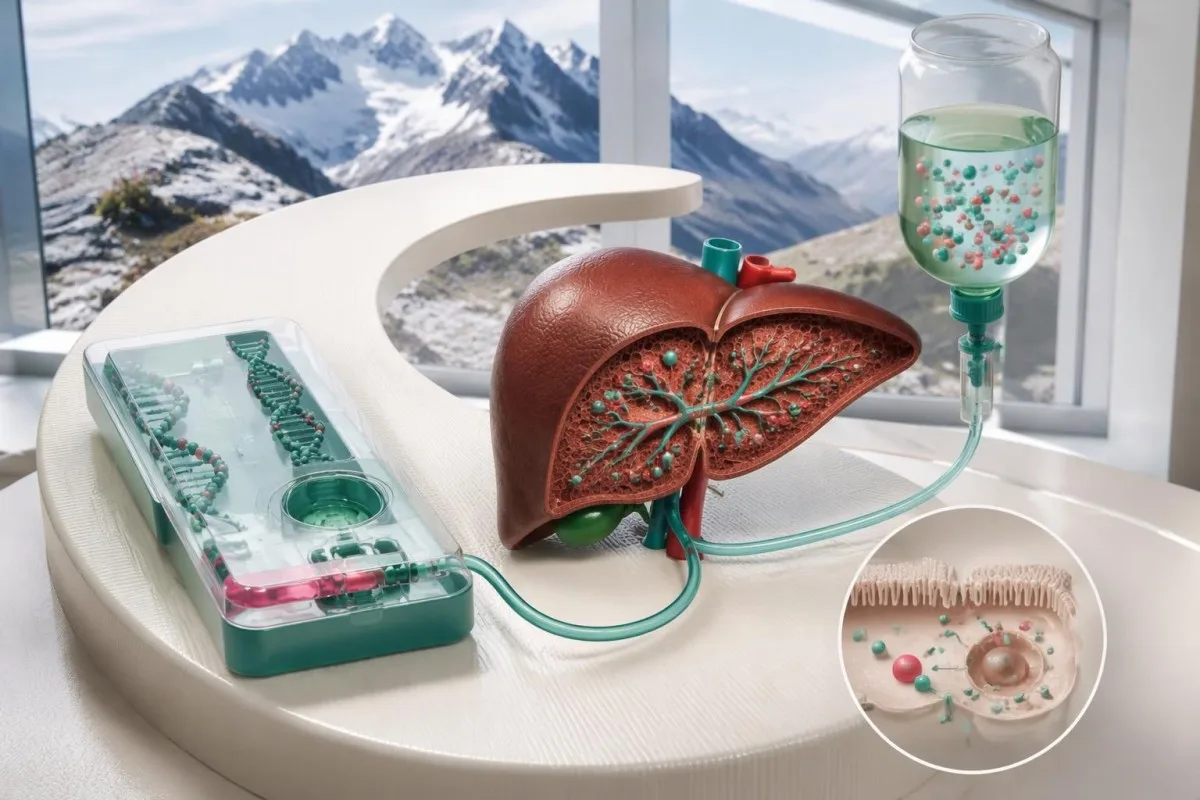
UGT1A1 ಪರೀಕ್ಷೆಯು ಇರಿನೊಟೆಕಾನ್ನ ಸಕ್ರಿಯ ಮೆಟಾಬೊಲೈಟ್ನ ಕ್ಲಿಯರೆನ್ಸ್ ಕಡಿಮೆಯಾಗಿರುವುದನ್ನು ಗುರುತಿಸಿ, ಹೆಚ್ಚು ಸುರಕ್ಷಿತ ಆರಂಭಿಕ ಡೋಸ್ಗೆ ಬೆಂಬಲ ನೀಡಬಹುದು. ಇದು ಪ್ರತಿಯೊಂದು ಪ್ರತಿಕ್ರಿಯೆಯನ್ನೂ ಊಹಿಸಲಾರದು; ನಿರ್ಧಾರವು ನಿಖರವಾದ ಫಾರ್ಮ್ಯುಲೇಶನ್, ಚಿಕಿತ್ಸಾ ಕ್ರಮ ಮತ್ತು ನಿಮ್ಮ ಆಂಕಾಲಜಿ ತಂಡದ ಮೌಲ್ಯಮಾಪನವನ್ನು ಅವಲಂಬಿಸಿರುತ್ತದೆ.

ಪ್ರಮುಖ ಅಂಶಗಳು
- UGT1A1 ಪರೀಕ್ಷೆ SN-38 ನಿಷ್ಕ್ರಿಯಗೊಳಿಸುವಿಕೆಯಲ್ಲಿ ವಂಶಪಾರಂಪರ್ಯ ವ್ಯತ್ಯಾಸಗಳನ್ನು ಗುರುತಿಸುತ್ತದೆ; ಸಾಮಾನ್ಯ ಬಿಲಿರುಬಿನ್ ಅಥವಾ ಯಕೃತ್ತಿನ ಪರೀಕ್ಷೆಗಳು ಆನುವಂಶಿಕ ಫಲಿತಾಂಶಕ್ಕೆ ಪರ್ಯಾಯವಾಗಲಾರವು.
- ಕಡಿಮೆ ಮೆಟಾಬೊಲೈಸರ್ಗಳು ಸಾಮಾನ್ಯವಾಗಿ *28/*28, *6/*6, ಅಥವಾ *6/*28 ಫಲಿತಾಂಶಗಳನ್ನು ಹೊಂದಿರುತ್ತಾರೆ; ಇವು ಇರಿನೊಟೆಕಾನ್ಗೆ ಸಂಬಂಧಿಸಿದ ತೀವ್ರ ನ್ಯೂಟ್ರೋಪೀನಿಯಾದ ಅಪಾಯವನ್ನು ಹೆಚ್ಚಿಸುತ್ತವೆ.
- ಮಧ್ಯಮ ಮೆಟಾಬೊಲೈಸರ್ಗಳು ಸಾಮಾನ್ಯವಾಗಿ *1/*28 ಅಥವಾ *1/*6 ಫಲಿತಾಂಶಗಳನ್ನು ಹೊಂದಿರುತ್ತಾರೆ; ಈ ರೋಗಿಗಳಿಗೆ ಜೀನೋಟೈಪ್ ಆಧರಿಸಿದ ಸ್ವಯಂಚಾಲಿತ ಡೋಸ್ ಇಳಿಕೆಯನ್ನು ಡಚ್ ಫಾರ್ಮಕೋಜೆನೆಟಿಕ್ಸ್ ಕಾರ್ಯಪಡೆ ಶಿಫಾರಸು ಮಾಡುವುದಿಲ್ಲ.
- ಆರಂಭಿಕ ಡೋಸ್ ಮಾರ್ಗದರ್ಶನ ಭಿನ್ನವಾಗಿದೆ: ಕಡಿಮೆ ಮೆಟಾಬೊಲೈಸರ್ಗಳಿಗೆ ಸಾಮಾನ್ಯ ಇರಿನೊಟೆಕಾನ್ ಆರಂಭಿಕ ಡೋಸ್ನ 70% ಅನ್ನು ಡಚ್ ಮಾರ್ಗಸೂಚಿ ಶಿಫಾರಸು ಮಾಡುತ್ತದೆ; ನಂತರ ವೈದ್ಯರ ಮೇಲ್ವಿಚಾರಣೆಯಲ್ಲಿ ಹೊಂದಾಣಿಕೆ ಮಾಡಲಾಗುತ್ತದೆ.
- ಚಿಕಿತ್ಸಾ ಕ್ರಮ ಮುಖ್ಯ ಏಕೆಂದರೆ ಸಾಂಪ್ರದಾಯಿಕ FOLFIRI ಕ್ರಮದಲ್ಲಿ ಸಾಮಾನ್ಯವಾಗಿ ಪ್ರತಿ 2 ವಾರಗಳಿಗೊಮ್ಮೆ 180 mg/m² ಬಳಸಲಾಗುತ್ತದೆ; ಇತರ ವೇಳಾಪಟ್ಟಿಗಳು ಮತ್ತು ಲಿಪೊಸೋಮಲ್ ಫಾರ್ಮ್ಯುಲೇಶನ್ಗಳಲ್ಲಿ ಬೇರೆ ಡೋಸ್ಗಳನ್ನು ಬಳಸಲಾಗುತ್ತದೆ.
- ಲಿಪೊಸೋಮಲ್ ಇರಿನೋಟೆಕಾನ್ ನಿರ್ದಿಷ್ಟ ಫಾರ್ಮುಲೇಶನ್ಗೆ ಸಂಬಂಧಿಸಿದ ಸೂಚನೆಗಳನ್ನು ಹೊಂದಿದೆ; 70 mg/m² ಚಿಕಿತ್ಸಾ ಕ್ರಮ ಮತ್ತು 50 mg/m² ಚಿಕಿತ್ಸಾ ಕ್ರಮವನ್ನು ಪರಸ್ಪರ ಬದಲಾಯಿಸಬಹುದಾದವುಗಳೆಂದು ಪರಿಗಣಿಸಬಾರದು.
- ತಡವಾಗಿ ಕಾಣಿಸಿಕೊಳ್ಳುವ ಅತಿಸಾರ ಇರಿನೋಟೆಕಾನ್ ನೀಡಿದ 24 ಗಂಟೆಗಳಿಗಿಂತ ಹೆಚ್ಚು ಸಮಯದ ನಂತರ ಆರಂಭವಾಗುತ್ತದೆ ಮತ್ತು ನಿರ್ಜಲೀಕರಣ, ಎಲೆಕ್ಟ್ರೋಲೈಟ್ಗಳ ನಷ್ಟ ಅಥವಾ ಜೊತೆಯಲ್ಲಿರುವ ನ್ಯೂಟ್ರೋಪೀನಿಯಾದಿಂದ ಅಪಾಯಕಾರಿಯಾಗಬಹುದು.
- ತುರ್ತು ಮೌಲ್ಯಮಾಪನ ಕಿಮೋಥೆರಪಿ ನಡೆಯುತ್ತಿರುವಾಗ 38.0°C ಅಥವಾ ಅದಕ್ಕಿಂತ ಹೆಚ್ಚಿನ ತಾಪಮಾನಕ್ಕೆ ಇದು ಅಗತ್ಯ; ನಿಮ್ಮ ಆಂಕಾಲಜಿ ತಂಡವು ಬೇರೆ, ಇನ್ನೂ ಕಟ್ಟುನಿಟ್ಟಾದ ಮಿತಿಯನ್ನು ಸೂಚಿಸಿದ್ದರೆ ಅದಕ್ಕೆ ವಿನಾಯಿತಿ.
ಮೊದಲ ಇನ್ಫ್ಯೂಷನ್ಗೂ ಮೊದಲು UGT1A1 ಪರೀಕ್ಷೆಯಿಂದ ಏನು ಬದಲಾಗುತ್ತದೆ?
A ಇರಿನೋಟೆಕಾನ್ಗೆ ಮೊದಲು UGT1A1 ಪರೀಕ್ಷೆ ಔಷಧದ ಸಕ್ರಿಯ ಮೆಟಾಬೊಲೈಟ್ ಆದ SN-38 ಅನ್ನು ನಿಷ್ಕ್ರಿಯಗೊಳಿಸುವ ಸಾಮರ್ಥ್ಯ ಕಡಿಮೆಯಿರುವುದನ್ನು ಗುರುತಿಸುತ್ತದೆ. ಇಂತಹ ಫಲಿತಾಂಶಗಳು 28/*28, *6/*6, ಅಥವಾ *6/*28 ಕಡಿಮೆ ಆರಂಭಿಕ ಡೋಸ್ ಮತ್ತು ತೀವ್ರ ನ್ಯೂಟ್ರೋಪೀನಿಯಾ ಹಾಗೂ ತಡವಾಗಿ ಕಾಣಿಸಿಕೊಳ್ಳುವ ಅತಿಸಾರಕ್ಕಾಗಿ ಹೆಚ್ಚು ನಿಗಾ ವಹಿಸುವುದನ್ನು ಬೆಂಬಲಿಸಬಹುದು; ಫಲಿತಾಂಶವನ್ನು ನಿಜವಾದ ಚಿಕಿತ್ಸಾ ಕ್ರಮಕ್ಕೆ ಆಂಕಾಲಜಿ ತಂಡವೇ ಅನ್ವಯಿಸಬೇಕು.

ಚಿಕಿತ್ಸೆ-ಸಂಬಂಧಿತ ಯಾವುದೇ ಲಕ್ಷಣಗಳು ಕಾಣಿಸಿಕೊಳ್ಳುವ ಮೊದಲುಲೇ ಆನುವಂಶಿಕ ತೆರವು ಸಾಮರ್ಥ್ಯದ ವ್ಯತ್ಯಾಸ ಇರುತ್ತದೆ; ಆದ್ದರಿಂದ ಮೊದಲ ಸೈಕಲ್ಗೆ ಮುನ್ನ ಪರೀಕ್ಷೆ ಅತ್ಯಂತ ಉಪಯುಕ್ತ. ಫಲಿತಾಂಶವು ಪ್ರಸ್ತುತ ದೇಹದಲ್ಲಿ ಎಷ್ಟು ಇರಿನೋಟೆಕಾನ್ ಸಂಚರಿಸುತ್ತಿದೆ ಎಂಬುದನ್ನು ಅಳೆಯುವುದಿಲ್ಲ, ಮತ್ತು ಕಿಮೋಥೆರಪಿ ಪರಿಣಾಮಕಾರಿಯಾಗುತ್ತದೆಯೇ ಎಂಬುದನ್ನೂ ನಿರ್ಧರಿಸುವುದಿಲ್ಲ; ಚಿಕಿತ್ಸೆ ಪ್ರತಿಕ್ರಿಯೆ, ವೈದ್ಯಕೀಯ ಮೌಲ್ಯಮಾಪನ ಮತ್ತು ಕೆಲವೊಮ್ಮೆ ತಜ್ಞರ ಫಾರ್ಮಕೋಕೈನೆಟಿಕ್ ವಿಧಾನಗಳ ಮೂಲಕ ಉತ್ತರಿಸುವ ಪ್ರತ್ಯೇಕ ಪ್ರಶ್ನೆಗಳಿವು.
ಸಾಂಪ್ರದಾಯಿಕ ಇರಿನೋಟೆಕಾನ್ ಅನ್ನು 180 mg/m² ಪ್ರಮಾಣದಲ್ಲಿ ಪಡೆಯಲು ನಿಗದಿಯಾದ ಕಾಲ್ಪನಿಕ ರೋಗಿಗೆ, ದುರ್ಬಲ ಮೆಟಾಬೊಲೈಸರ್ ಫಲಿತಾಂಶದ ನಂತರ ಬೇರೆ ಆರಂಭಿಕ ಚಿಕಿತ್ಸಾ ಯೋಜನೆ ನೀಡಬಹುದು; ಅದೇ ಜೀನೋಟೈಪ್ ಇರುವ ಮತ್ತೊಬ್ಬ ರೋಗಿಗೆ ಈಗಾಗಲೇ ಕಡಿಮೆ-ಡೋಸ್ ಸಂಯೋಜಿತ ಚಿಕಿತ್ಸೆ ನೀಡುತ್ತಿರಬಹುದು. ಫಲಿತಾಂಶ ಪಾಸಿಟಿವ್ ಆಗಿದೆಯೇ ಎಂಬುದಷ್ಟೇ ಉಪಯುಕ್ತ ಪ್ರಶ್ನೆಯಲ್ಲ: ಫಲಿತಾಂಶವು ಯಾವ ಆರಂಭಿಕ ಡೋಸ್, ನಿಗಾ ವೇಳಾಪಟ್ಟಿ ಮತ್ತು ಡೋಸ್ ಹೆಚ್ಚಿಸುವ ಮಾನದಂಡಗಳನ್ನು ಬದಲಿಸುತ್ತದೆ ಎಂದು ಕೇಳಿ.
ಕಾಂತೆಸ್ಟಿ ಒಬ್ಬ AI ರಕ್ತ ಪರೀಕ್ಷಾ ವಿಶ್ಲೇಷಕ ಇದು ಸಾಮಾನ್ಯ CBC ಮತ್ತು ಬಿಲಿರುಬಿನ್ ವರದಿಗಳನ್ನು ಅರ್ಥಮಾಡಿಕೊಳ್ಳಲು ಸಹಾಯ ಮಾಡುತ್ತದೆ; UGT1A1 ಜೀನೋಟೈಪಿಂಗ್ ಮಾಡುವ ಪ್ರಯೋಗಾಲಯವನ್ನಾಗಲಿ ಕಿಮೋಥೆರಪಿಯನ್ನು ಶಿಫಾರಸು ಮಾಡುವ ಸೇವೆಯನ್ನಾಗಲಿ ಅಲ್ಲ. ನಮ್ಮ ಸಂಸ್ಥೆ ಮತ್ತು ಕ್ಲಿನಿಕಲ್ ಉದ್ದೇಶ ನಿಮ್ಮ ಆಂಕಾಲಜಿ ತಂಡದ ಔಷಧ ಶಿಫಾರಸು ಮಾಡುವ ಪಾತ್ರಕ್ಕಿಂತ ಭಿನ್ನವಾಗಿವೆ; ಆನುವಂಶಿಕ ವರದಿ ಮತ್ತು ಸೈಕಲ್-ನಿರ್ದಿಷ್ಟ ಪ್ರಯೋಗಾಲಯ ಫಲಿತಾಂಶಗಳನ್ನು ಚಿಕಿತ್ಸಾ ದಾಖಲೆಯ 2 ಪ್ರತ್ಯೇಕ ಭಾಗಗಳಾಗಿ ಇರಿಸಿ.
UGT1A1 *28 ಮತ್ತು *6 ಇರಿನೊಟೆಕಾನ್ನ ಚಯಾಪಚಯದ ಮೇಲೆ ಹೇಗೆ ಪರಿಣಾಮ ಬೀರುತ್ತವೆ?
UGT1A1 *28 ಎಂಜೈಮ್ನ ಅಭಿವ್ಯಕ್ತಿಯನ್ನು ಕಡಿಮೆ ಮಾಡುತ್ತದೆ, ಆದರೆ UGT1A1 *6 ರೂಪಾಂತರ ಕೋಡಿಂಗ್ ಬದಲಾವಣೆಯ ಮೂಲಕ ಎಂಜೈಮ್ನ ಕಾರ್ಯವನ್ನು ಕಡಿಮೆ ಮಾಡುತ್ತದೆ. ಎರಡೂ ಸಕ್ರಿಯ SN-38 ಅನ್ನು ಅದರ ಬಹಳ ಕಡಿಮೆ ಸಕ್ರಿಯ ಗ್ಲುಕ್ಯುರೊನೈಡ್ SN-38G ಆಗಿ ಪರಿವರ್ತಿಸುವುದನ್ನು ನಿಧಾನಗೊಳಿಸಬಹುದು; ಇದರಿಂದ ALT ಅಥವಾ AST ಫಲಿತಾಂಶಗಳು ಅಸಹಜವಾಗಿರದಿದ್ದರೂ ಔಷಧದ ಒಡ್ಡಿಕೊಳ್ಳುವಿಕೆ ಹೆಚ್ಚುತ್ತದೆ.

ಕಾರ್ಬಾಕ್ಸಿಲೆಸ್ಟರೇಸ್ಗಳು ಮೊದಲು ಇರಿನೋಟೆಕಾನ್ ಅನ್ನು SN-38 ಆಗಿ ಪರಿವರ್ತಿಸುತ್ತವೆ; ನಂತರ UGT1A1, SN-38 ಅನ್ನು ಆರಂಭದಲ್ಲಿ ಸಕ್ರಿಯಗೊಳಿಸುವುದಕ್ಕಿಂತ ಅದನ್ನು ನಿಷ್ಕ್ರಿಯಗೊಳಿಸುವ ಪ್ರಕ್ರಿಯೆಯಲ್ಲಿ ಭಾಗವಹಿಸುತ್ತದೆ. *28 ಅಲೀಲ್ನಲ್ಲಿ ಸಾಮಾನ್ಯವಾಗಿ *1ಗೆ ಸಂಬಂಧಿಸಿದ 6 ಪ್ರೊಮೋಟರ್ TA ಪುನರಾವರ್ತನೆಗಳ ಬದಲು 7 ಇರುತ್ತವೆ; *6 ಅನ್ನು ಸಾಮಾನ್ಯವಾಗಿ c.211G>A ಎಂದು ವಿವರಿಸಲಾಗುತ್ತದೆ, ಇದರಿಂದ p.Gly71Arg ಬದಲಾವಣೆ ಉಂಟಾಗುತ್ತದೆ.
ಇದೇ ಎಂಜೈಮ್ ಬಿಲಿರುಬಿನ್ನ್ನೂ ಸಂಯೋಜಿಸುತ್ತದೆ; ಇದರಿಂದ ಇದರೊಂದಿಗಿನ ಸಂಬಂಧವನ್ನು ವಿವರಿಸಬಹುದು ಗಿಲ್ಬರ್ಟ್ ಸಿಂಡ್ರೋಮ್ ಮತ್ತು ಬಿಲಿರುಬಿನ್. ಆದಾಗ್ಯೂ, ಬಿಲಿರುಬಿನ್ನ ಸಾಮಾನ್ಯ ಫಲಿತಾಂಶವು ಕಡಿಮೆ-ಕಾರ್ಯನಿರ್ವಹಣೆಯ ಜೀನೋಟೈಪ್ ಇಲ್ಲವೆಂದು ಸಾಬೀತುಪಡಿಸುವುದಿಲ್ಲ; ಹೆಚ್ಚಿದ ಫಲಿತಾಂಶದಿಂದ ಯಾವ ರೂಪಾಂತರವಿದೆ ಎಂಬುದೂ ತಿಳಿಯುವುದಿಲ್ಲ. ಉಪವಾಸ, ಅನಾರೋಗ್ಯ, ಅಡಚಣೆ ಮತ್ತು ಯಕೃತ್ತಿನ ಕಾರ್ಯಹಾನಿ ಒಂದೇ ಮಾಪನದ ಅರ್ಥೈಸುವಿಕೆಯನ್ನು ಬದಲಾಯಿಸಬಹುದು.
ಮಿನಾಮಿ ಮತ್ತು ಸಹೋದ್ಯೋಗಿಗಳು ಜಪಾನಿನ ರೋಗಿಗಳಲ್ಲಿ *6 ಮತ್ತು *28 ಎರಡನ್ನೂ ಪರಿಶೀಲಿಸಿ, UGT1A ವ್ಯತ್ಯಾಸವನ್ನು ಇರಿನೋಟೆಕಾನ್ನ ಫಾರ್ಮಕೋಕೈನೆಟಿಕ್ಸ್ ಮತ್ತು ವಿಷಕಾರಿತ್ವದೊಂದಿಗೆ ಸಂಬಂಧಿಸಿದ್ದಾರೆ (Pharmacogenetics and Genomics, 2007). *28ಗೆ ಮಾತ್ರ ಸೀಮಿತವಾದ ಪರೀಕ್ಷೆಯು ವೈದ್ಯಕೀಯವಾಗಿ ಪ್ರಸ್ತುತವಾದ *6 ಅಲೀಲ್ ಅನ್ನು ಕಾಣದೆ ಬಿಡಬಹುದು ಎಂಬ ಕಾರಣಕ್ಕೆ ಅವರ ಅಧ್ಯಯನ ಮಹತ್ವದ್ದಾಗಿದೆ; *28-ನೆಗೆಟಿವ್ ಎಂದು ವಿವರಿಸಲಾದ 2 ರೋಗಿಗಳಿಗೆ SN-38 ತೆರವು ಸಾಮರ್ಥ್ಯ ಒಂದೇ ಆಗಿರಬೇಕೆಂದಿಲ್ಲ.
ಯಾವ ಫಲಿತಾಂಶಗಳು UGT1A1 ಕಡಿಮೆ ಮೆಟಾಬೊಲೈಸರ್ ಸ್ಥಿತಿಯನ್ನು ಸೂಚಿಸುತ್ತವೆ?
A UGT1A1 ದುರ್ಬಲ ಮೆಟಾಬೊಲೈಸರ್ generally carries 2 decreased-function alleles, including 28/*28, *6/*6, ಅಥವಾ *6/*28. A person with *1/*28 or *1/*6 usually has an intermediate-metabolizer phenotype; *1/*1 is usually classified as normal when the test adequately covers relevant variants.

The slash separates the 2 inherited gene copies; it is not a fraction or a drug concentration. A *6/*28 result usually means one decreased-function allele came from each parent, creating a compound-heterozygous poor-metabolizer result; possessing 2 different allele names does not make the result less clinically relevant than *28/*28.
Intermediate metabolism is not the same as zero risk. Although the Dutch guideline does not recommend an automatic reduction for *1/*28 or *1/*6, a patient starting at 180 mg/m² may still need modification because of elevated bilirubin, limited marrow reserve, previous toxicity, or the accompanying drugs; the phenotype is one input, not permission to ignore the rest.
Pharmacogenetic recommendations are drug-specific, as our explanation of SLCO1B1-related medication risk also illustrates. A reduced-function result does not mean every medicine is unsafe, and *28/*28 does not itself diagnose a hereditary cancer syndrome; ask the laboratory to provide the diplotype, assigned phenotype, and variants tested rather than a 1-word positive result.
ಆನುವಂಶಿಕ ಪರೀಕ್ಷೆಯಲ್ಲಿ ಏನು ಸೇರಿರಬೇಕು, ಮತ್ತು ಅದು ಯಾವಾಗ ಅಗತ್ಯ?
The test should clearly state whether it detects both *28 and *6, how it assigns the 2 alleles, and which other variants it evaluates. Testing before the first irinotecan dose allows the result to influence prevention rather than merely explain toxicity after it occurs.
UGT1A1 *6 is more frequent in several East Asian populations, while *28 occurs across multiple ancestry groups; ancestry can inform test coverage but cannot substitute for testing. Some assays also distinguish the 5-repeat *36 and 8-repeat *37 alleles, so reports from 2 laboratories may differ because their analytical scope differs—not because your inherited genotype changed.
A laboratory may use a blood-derived DNA sample or a validated saliva or cheek-cell method; fasting is not ordinarily required for the genetic analysis itself. Recent allogeneic stem-cell transplantation needs special discussion because circulating DNA may reflect the donor, and turnaround time must be checked locally rather than assumed to fit a treatment appointment in 2 days.
Genotyping and enzyme-activity testing are not interchangeable, a distinction also relevant to TPMT test interpretation. UGT1A1 genotype generally needs testing only once, but a narrow panel may warrant additional analysis if the clinical picture is unexpected; a report listing only 1 tested variant should not be read as proof that every other reduced-function allele is absent.
UGT1A1 ತೀವ್ರ ನ್ಯೂಟ್ರೋಪೀನಿಯಾದ ಅಪಾಯವನ್ನು ಎಷ್ಟು ಹೆಚ್ಚಿಸುತ್ತದೆ?
Poor-metabolizer genotypes increase the likelihood of ತೀವ್ರ ನ್ಯೂಟ್ರೋಪೀನಿಯಾ, but the size of the increase depends on dose and regimen. Grade 3 neutropenia generally means an absolute neutrophil count below 1.0 down to 0.5 × 10⁹/L; grade 4 means below 0.5 × 10⁹/L.
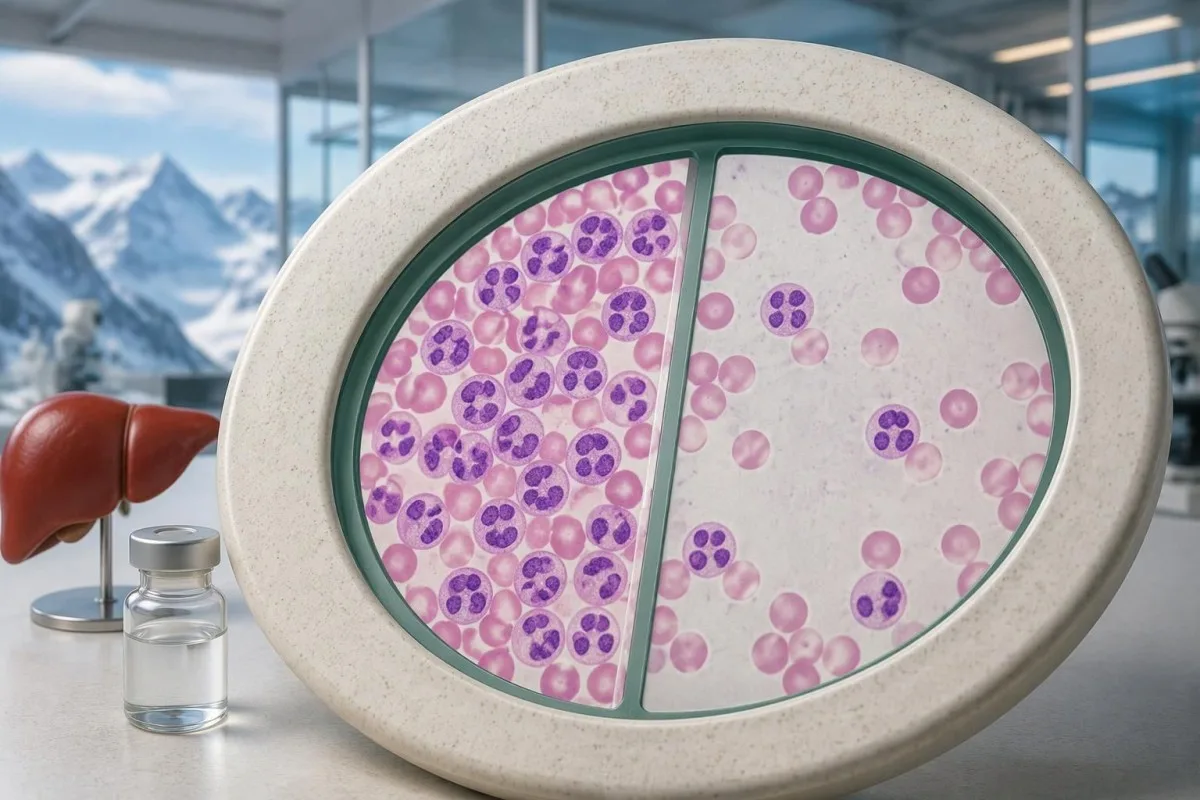
Hoskins et al. reported a dose-dependent association between *28/*28 and irinotecan-related neutropenia in their 2007 Journal of the National Cancer Institute meta-analysis. In the 150–250 mg/m² category, the pooled odds ratio was 3.22, with a 95% confidence interval of 1.52–6.81; older mixed schedules and wide uncertainty prevent treating this as a personal probability.
An odds ratio is not the percentage of patients affected. In a purely hypothetical illustration, if baseline risk were 10%, an odds ratio of 3 would correspond to approximately 25% risk—not 30%; the actual baseline varies with companion drugs, supportive care, prior treatment, and eligibility criteria, so no single percentage applies to every poor metabolizer.
Kantesti can help readers distinguish the ANC from the neutrophil percentage in routine reports, using the concepts explained in our ಸಂಪೂರ್ಣ ನ್ಯೂಟ್ರೋಫಿಲ್ ಎಣಿಕೆ ಮಾರ್ಗದರ್ಶಿ. A pre-existing Duffy-null-associated lower ANC requires individualized interpretation, but a new chemotherapy-related fall below 0.5 × 10⁹/L still deserves prompt oncology assessment rather than reassurance based on ancestry alone.
ಇರಿನೊಟೆಕಾನ್ನ ಆರಂಭಿಕ ಮತ್ತು ವಿಳಂಬಿತ ಅತಿಸಾರ ಏಕೆ ಭಿನ್ನವಾಗಿವೆ?
Early diarrhea occurs during or shortly after infusion, usually within 24 hours, and may accompany cholinergic symptoms such as sweating or abdominal cramping. ತಡವಾಗಿ ಕಾಣಿಸಿಕೊಳ್ಳುವ ಅತಿಸಾರ begins more than 24 hours after treatment and is more closely related to intestinal toxicity, including exposure to SN-38.
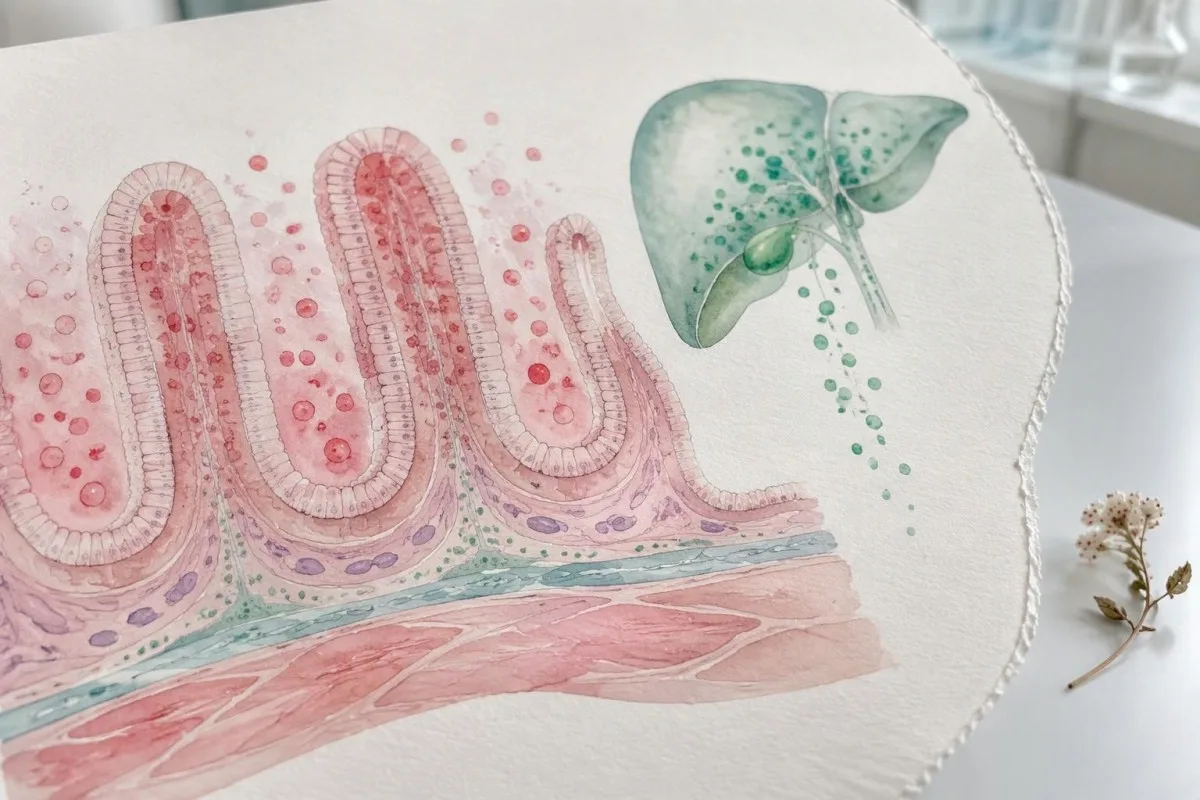
UGT1A1 genotype is more useful for anticipating delayed toxicity than predicting the immediate cholinergic syndrome. Clinicians may use atropine for early symptoms when appropriate, while delayed diarrhea requires a separate written treatment plan; intestinal bacteria can convert SN-38G back to SN-38 through beta-glucuronidase activity, illustrating why liver conjugation is not the only determinant of bowel exposure.
Grade 3 diarrhea commonly includes at least 7 additional stools per day above baseline, hospitalization being indicated, or a severe increase in ostomy output. Do not wait to reach that count before calling: persistent diarrhea despite the prescribed plan, vomiting that prevents drinking, fever, dizziness, or reduced urine output can justify urgent assessment at a much smaller stool increase.
Diarrhea during chemotherapy should not automatically be attributed to genotype, because antibiotics, infections, and accompanying drugs can produce similar symptoms; our C. difficile result guide explains one relevant diagnostic complication. If diarrhea lasts beyond 24 hours despite your oncology instructions, contact the team, and treat blood in the stool or significant abdominal pain as warning signs rather than ordinary treatment effects.
ಚಿಕಿತ್ಸಾ ಕ್ರಮವು ಆರಂಭಿಕ ಡೋಸ್ ನಿರ್ಧಾರವನ್ನು ಹೇಗೆ ಬದಲಾಯಿಸುತ್ತದೆ?
A starting-dose decision combines UGT1A1 phenotype with the planned regimen, not genotype alone. Conventional FOLFIRI commonly uses irinotecan 180 mg/m² every 2 weeks, whereas modified combinations may use 150 mg/m² or another protocol-specific amount; those differences change baseline exposure and toxicity.

The Dutch Pharmacogenetics Working Group recommends starting poor metabolizers at 70% of the normal irinotecan dose, with subsequent increases guided by neutrophil counts and clinical tolerance (Hulshof et al., 2023). Applied hypothetically to a 180 mg/m² protocol, 70% is 126 mg/m²; the prescribing team decides whether protocol rules permit rounding, what dose level to use, and when reassessment occurs.
A 70% calculation is relative to the regimen’s usual starting dose, not a fixed universal dose. For a hypothetical protocol starting at 150 mg/m², the same calculation gives 105 mg/m²; applying the 126 mg/m² figure from a different protocol would therefore be a genuine dosing error, especially if the infusion schedule or formulation also differed.
ಕಾಂತೆಸ್ಟಿ ಒಬ್ಬ AI ರಕ್ತ ಪರೀಕ್ಷೆ ವರದಿ ಅರ್ಥ ಪ್ಲಾಟ್ಫಾರ್ಮ್ for explaining reported laboratory values, not selecting a 180 mg/m² chemotherapy prescription; our ಕ್ಲಿನಿಕಲ್ ಮಾನ್ಯತಾ ಚೌಕಟ್ಟು describes the distinction between interpretation support and prescribing. In combinations containing fluorouracil or capecitabine, ಕೀಮೋಥೆರಪಿಗೆ ಮುನ್ನ DPYD ಪರೀಕ್ಷೆ addresses a separate metabolic risk that a normal UGT1A1 result cannot rule out.
ಇರಿನೊಟೆಕಾನ್ ಡೋಸಿಂಗ್ ಶಿಫಾರಸುಗಳು ಮಾರ್ಗಸೂಚಿಗಳ ನಡುವೆ ಏಕೆ ಭಿನ್ನವಾಗಿವೆ?
Guidelines differ because they interpret dose-dependent evidence differently and serve different clinical settings. The Dutch guideline recommends a 70% starting dose for poor metabolizers, while US conventional irinotecan prescribing information advises considering a reduction by at least 1 dose level, without defining one percentage for every regimen.
A dose level is defined by the treatment protocol rather than by the genetic test. Moving from 180 to 150 mg/m² would be approximately a 17% reduction, while moving from 180 to 120 mg/m² would be approximately a 33% reduction; these are mathematical examples, not recommendations, and explain why the phrase reduce one level needs a named protocol.
The French RNPGx/GPCO dose-stratified framework has historically distinguished doses below 180 mg/m², doses of 180–230 mg/m², and high doses of at least 240 mg/m². It recommended approximately 25–30% reduction for *28/*28 at the intermediate range and advised against high-dose use in that genotype; the Dutch recommendation is broader, including lower-dose regimens and other poor-metabolizer combinations.
The evidence is genuinely less settled at lower doses, where severe events may be less frequent and studies less able to estimate genotype effects precisely. This differs from HLA-B*57:01 drug avoidance, where the relevant recommendation is avoidance rather than a 30% reduction; ask which local guideline your team follows and whether its advice specifically covers *6/*6 or *6/*28.
ಲಿಪೊಸೋಮಲ್ ಇರಿನೊಟೆಕಾನ್ಗೆ ಅದೇ UGT1A1 ಡೋಸ್ ನಿಯಮಗಳು ಅನ್ವಯಿಸುತ್ತವೆಯೇ?
Liposomal irinotecan is not interchangeable with conventional irinotecan, and its UGT1A1 instructions depend on the regimen. In the liposomal irinotecan plus fluorouracil/leucovorin setting, a usual 70 mg/m² dose is reduced to 50 mg/m² initially for known *28/*28; the NALIRIFOX regimen already starts at 50 mg/m².

Those 70 and 50 mg/m² figures refer to irinotecan free base in the relevant liposomal prescribing instructions. Some documents also express doses using the hydrochloride trihydrate equivalent, approximately 80 and 60 mg/m² respectively; the team must verify the convention rather than interpret a different-looking number as an intentional dose increase or decrease.
For NALIRIFOX—liposomal irinotecan with oxaliplatin, fluorouracil, and leucovorin—the labeled starting dose is 50 mg/m² every 2 weeks, including patients known to have *28/*28. This does not establish that every poor-metabolizer genotype has identical evidence, especially *6-containing combinations; the oncology pharmacist should check the relevant product information and local protocol rather than import conventional irinotecan rules automatically.
A medication list that says only irinotecan is insufficient for a pharmacogenetic decision: request the formulation, companion drugs, dose expression, and schedule before comparing 2 plans. Our ಮೂಲ ಪ್ರಯೋಗಾಲಯ ಪರೀಕ್ಷೆಯ ಸಿದ್ಧತಾ ಮಾರ್ಗದರ್ಶಿಯಲ್ಲಿರುವ also explains why recording pretreatment measurements helps later interpretation, although those measurements cannot resolve a formulation or prescribing ambiguity.
ಜೀನೋಟೈಪ್ ಜೊತೆಗೆ ಯಾವ ಪ್ರಯೋಗಾಲಯ ಫಲಿತಾಂಶಗಳು ಮತ್ತು ಔಷಧಿಗಳು ಮುಖ್ಯ?
CBC with differential, bilirubin, liver tests, kidney function, and electrolytes provide information that UGT1A1 genotype cannot supply. A bilirubin of 2.0 mg/dL is approximately 34 µmol/L; conventional irinotecan studies often excluded values above this level, so higher results require specialist assessment rather than a genotype-only calculation.
An isolated indirect bilirubin rise may fit reduced UGT1A1 activity, while rising direct bilirubin with abnormal ALP or transaminases suggests an additional hepatobiliary problem. A hypothetical total bilirubin of 1.8 mg/dL with otherwise stable tests is therefore not equivalent to 1.8 mg/dL accompanied by new jaundice and obstruction; fractionation, trends, symptoms, and imaging determine the interpretation.
Strong CYP3A4 inducers can lower irinotecan exposure, while strong CYP3A4 or UGT1A1 inhibitors can increase clinically relevant exposure; examples requiring pharmacy review include rifampicin, carbamazepine, ketoconazole, and atazanavir. Do not stop a prescription yourself, and disclose supplements such as St John’s wort before cycle 1 because changing an interacting medicine can itself change exposure.
Kantesti can help explain routine kidney and electrolyte reports, but a normal creatinine does not guarantee tolerance of delayed diarrhea. The ಪ್ರಯೋಗಾಲಯದ ದೋಷ (ಲ್ಯಾಬ್ ಆರ್ಟಿಫ್ಯಾಕ್ಟ್)ಗೆ ಗೌರವ ಕೊಡಬೇಕು, ಏಕೆಂದರೆ ಅದು ಪ್ರತೀ ವಾರವೂ ಜನರನ್ನು ತಪ್ಪು ದಾರಿಗೆಳೆಯುತ್ತದೆ. EDTA-ಆಧಾರಿತ ಪ್ಲೇಟ್ಲೆಟ್ ಗುಂಪುಗೂಡುವಿಕೆ (ಕ್ಲಂಪಿಂಗ್) ತಪ್ಪಾಗಿ ಕಡಿಮೆ ಫಲಿತಾಂಶ ನೀಡಬಹುದು; ಸಿಟ್ರೇಟ್ ಟ್ಯೂಬ್ನಲ್ಲಿ ಪೆರಿಫೆರಲ್ ಸ್ಮಿಯರ್ ಅಥವಾ ಮರು ಎಣಿಕೆ ಸಾಮಾನ್ಯವಾಗಿ ಆ ಗೊಂದಲವನ್ನು ಪರಿಹರಿಸುತ್ತದೆ. ಸಂಪೂರ್ಣ ಪ್ಯಾನೆಲ್ ಕೂಡ ಕಿಡ್ನಿ ರೋಗ, ಯಕೃತ್ ರೋಗ, ಅಥವಾ ಪ್ರೋಟೀನ್ ಅಸಾಮಾನ್ಯತೆಗಳ ಸೂಚನೆ ನೀಡಿದರೆ, ಓದುಗರು ನಮ್ಮ describes contextual interpretation, while our electrolyte safety guide explains why potassium or magnesium losses can matter after 24 hours of gastrointestinal symptoms.
ಯಾವ ಮೇಲ್ವಿಚಾರಣೆ ಮತ್ತು ಲಕ್ಷಣಗಳಿಗೆ ತುರ್ತು ಕ್ರಮ ಅಗತ್ಯ?
Monitoring remains necessary for every genotype, with CBC checks before treatment and additional measurements when clinically indicated. A temperature of 38.0°C ಅಥವಾ ಅದಕ್ಕಿಂತ ಹೆಚ್ಚಾದಾಗ during chemotherapy warrants immediate contact with the oncology service unless the team has supplied a different threshold; follow a stricter local instruction.

Formal definitions of febrile neutropenia often use a single temperature of 38.3°C or a temperature of 38.0°C sustained for 1 hour, together with a low or falling ANC. These definitions are not instructions to wait at home: chemotherapy services often use simpler, more cautious telephone thresholds, and shaking chills, confusion, or sudden deterioration can be urgent without a documented fever.
A falling ANC can precede symptoms, so a patient feeling well should still attend the scheduled laboratory check. Our borderline neutrophil interpretation guide explains why a result near a cutoff needs context; during treatment, a change from 2.5 to 0.7 × 10⁹/L carries different significance from a stable longstanding count near 1.4 × 10⁹/L.
Dose escalation after a reduced start should follow a predefined plan based on counts, diarrhea, other toxicity, and treatment goals—not simply the absence of nausea after cycle 1. G-CSF may reduce neutropenia risk when indicated, but it does not prevent intestinal toxicity; urgent assessment is needed for diarrhea with fever, severe abdominal pain, inability to drink, or markedly reduced urination.
ಸಾಮಾನ್ಯ ಜೀನೋಟೈಪ್ ಇದ್ದರೂ ತೀವ್ರ ಅಡ್ಡಪರಿಣಾಮಗಳು ಏಕೆ ಉಂಟಾಗಬಹುದು?
A normal UGT1A1 result does not guarantee safe treatment because irinotecan toxicity has multiple causes. Genotype does not adequately predict every episode of nausea, fatigue, hair loss, infusion symptoms, or toxicity from companion drugs; even *1/*1 patients can develop severe neutropenia or diarrhea.
A narrow assay may miss uncommon reduced-function variants, while liver impairment, interacting medicines, treatment intensity, and previous chemotherapy can increase risk independently. Thus, 2 patients both reported as *1/*1 may have different exposures and different marrow reserve; a phenotype assignment only describes the genetic information captured by the test, not every biological factor affecting treatment.
Companion drugs create additional attribution problems: oxaliplatin can cause neuropathy, and fluoropyrimidines can contribute diarrhea, mucositis, and marrow suppression. A hypothetical patient on a 4-drug combination with severe diarrhea cannot have the culprit assigned from UGT1A1 alone; timing, the complete regimen, microbiological testing when indicated, and other pharmacogenetic results may alter the clinical explanation.
Kantesti’s role in laboratory trend interpretation is to support understanding, not establish which drug caused a change between 2 cycles. Genetic reports also contain durable personal information, so review our ಗೌಪ್ಯತೆ ಮತ್ತು ದತ್ತಾಂಶ ನಿರ್ವಹಣೆ before sharing them; an inherited metabolic variant is not a complete forecast of your future health.
ಇರಿನೊಟೆಕಾನ್ ಪಡೆಯುವ ಮೊದಲು ನಿಮ್ಮ ಆಂಕಾಲಜಿ ತಂಡವನ್ನು ಏನು ಕೇಳಬೇಕು?
Before treatment, ask which formulation and regimen you will receive, whether *28 and *6 were tested, and how the result changes the first dose. Also obtain a written diarrhea plan, a temperature threshold, and a 24-hour contact route; these practical details matter even when the genotype is normal.

Request the actual dose in mg/m² and the planned total dose in mg, because they answer different questions. For example, a hypothetical 126 mg/m² order for a body surface area of 1.8 m² gives 226.8 mg before institutional rounding; patients should not perform their own adjustment, but this distinction helps identify whether 2 documents describe the same prescription.
Ask how the team will judge tolerance after cycle 1, whether an interim CBC is planned, and what would justify later escalation. Your written diarrhea instructions may use a loperamide schedule different from ordinary over-the-counter directions, so follow the oncology prescription rather than inventing a schedule; fever, abdominal pain, or persistent symptoms may require assessment instead of additional self-treatment.
ಕಾಂತೆಸ್ಟಿ ಒಬ್ಬ AI-ಚಾಲಿತ ರಕ್ತ ಪರೀಕ್ಷೆ ವಿಶ್ಲೇಷಣೆ ಸಾಧನ that can help explain routine reports alongside your own treatment notes; our AI ತಂತ್ರಜ್ಞಾನ ಮಾರ್ಗದರ್ಶಿ explains the supporting technology rather than a chemotherapy dosing system. Keep 3 items accessible: the genetic report, the current regimen sheet, and the emergency contact instructions, with the prescribing team verifying all clinical decisions.
ಸಂಶೋಧನಾ ಪ್ರಕಟಣೆಗಳು: ಯಾವುದು ಸಲಹೆಗೆ ಬೆಂಬಲ ನೀಡುತ್ತದೆ, ಯಾವುದು ನೀಡುವುದಿಲ್ಲ?
The dosing advice rests on drug-specific pharmacogenetic guidance and irinotecan studies, not on general blood-test education publications. The 2023 Dutch guideline recommends a 70% start for poor metabolizers, while the 2007 studies cited here help explain dose dependence and the relevance of both *28 and *6.
Hulshof et al. translate pharmacokinetic and toxicity evidence into prescribing guidance, whereas Hoskins et al. quantify associations across older dose categories, and Minami et al. examine relevant variants in Japanese patients. These 3 sources answer complementary questions; none supplies an individualized toxicity percentage for every contemporary combination, and observational associations should not be presented as proof that one starting dose suits everyone.
Kantesti’s 2 Zenodo publications listed below are educational resources on RDW and the BUN/creatinine ratio, not trials of UGT1A1-guided irinotecan dosing. Our RDW and CBC interpretation resource can explain accompanying red-cell indices, but RDW does not replace ANC, genotype, or a chemotherapy protocol; a DOI is a persistent identifier, not an automatic guarantee of clinical relevance or peer review.
The unresolved question is often how best to preserve treatment intensity while preventing a severe event in cycle 1, particularly in lower-dose combinations and less-studied genotypes. Our ವೈದ್ಯಕೀಯ ವಿಷಯದ ಮಾನದಂಡಗಳು require separating established guidance, hypothetical calculations, and genuine uncertainty; the oncology team should confirm the current local product information and protocol before applying any published recommendation.
ಆಗಾಗ್ಗೆ ಕೇಳಲಾಗುವ ಪ್ರಶ್ನೆಗಳು
ಇರಿನೋಟೆಕನ್ಗೆ ಮೊದಲು ಎಲ್ಲರೂ UGT1A1 ಪರೀಕ್ಷೆ ಮಾಡಿಸಿಕೊಳ್ಳಬೇಕೇ?
ಪರೀಕ್ಷಾ ನೀತಿಯು ದೇಶ, ಸಂಸ್ಥೆ ಮತ್ತು ಚಿಕಿತ್ಸಾ ಕ್ರಮಕ್ಕೆ ಅನುಗುಣವಾಗಿ ಬದಲಾಗುತ್ತದೆ; ಆದರೆ ಡಚ್ ಫಾರ್ಮಕೋಜೆನೆಟಿಕ್ಸ್ ಕಾರ್ಯಗುಂಪು ಇರಿನೊಟೆಕಾನ್ಗೆ ಚಿಕಿತ್ಸೆ ಆರಂಭಿಸುವ ಮೊದಲು UGT1A1 ಪರೀಕ್ಷೆಯನ್ನು ಶಿಫಾರಸು ಮಾಡುತ್ತದೆ. ತೀವ್ರ ವಿಷಕಾರಕತೆ ಉಂಟಾಗುವ ಮೊದಲು ಕಳಪೆ ಚಯಾಪಚಯಕಾರರನ್ನು ಗುರುತಿಸಲು ಇದು ನೆರವಾಗುವುದರಿಂದ, ಮೊದಲ ಚಕ್ರಕ್ಕೂ ಮೊದಲು ಫಲಿತಾಂಶವು ವಿಶೇಷವಾಗಿ ಉಪಯುಕ್ತವಾಗಿದೆ. ಪರೀಕ್ಷೆಯಲ್ಲಿ *28 ಮತ್ತು *6 ಎರಡನ್ನೂ ಪರಿಶೀಲಿಸಲಾಗಿದೆಯೇ ಎಂಬುದನ್ನು ಸ್ಪಷ್ಟಪಡಿಸಬೇಕು; *28 ಇಲ್ಲ ಎಂದು ಮಾತ್ರ ವರದಿ ಮಾಡಬಾರದು. ಪರೀಕ್ಷೆಯು ನಿಮ್ಮ ನಿರ್ದಿಷ್ಟ ಆರಂಭಿಕ ಡೋಸ್ ಅನ್ನು ಬದಲಾಯಿಸುತ್ತದೆಯೇ ಮತ್ತು ಫಲಿತಾಂಶ ಬರುವವರೆಗೆ ಕಾಯುವುದು ಸೂಕ್ತವೇ ಎಂಬುದನ್ನು ನಿಮ್ಮ ಕ್ಯಾನ್ಸರ್ ಚಿಕಿತ್ಸಾ ತಂಡವು ವಿವರಿಸಬೇಕು.
ಇರಿನೊಟೆಕಾನ್ ಡೋಸಿಂಗ್ಗೆ UGT1A1 *28/*28 ಎಂದರೆ ಏನು?
UGT1A1 *28/*28 ಸಾಮಾನ್ಯವಾಗಿ poor-metabolizer ಸ್ಥಿತಿಯನ್ನು ಮತ್ತು ಇರಿನೊಟೆಕಾನ್ಗೆ ಸಂಬಂಧಿಸಿದ ತೀವ್ರ ನ್ಯೂಟ್ರೋಪೀನಿಯಾದ ಹೆಚ್ಚಿದ ಅಪಾಯವನ್ನು ಸೂಚಿಸುತ್ತದೆ. ಡಚ್ ಮಾರ್ಗಸೂಚಿಯು ಸಾಮಾನ್ಯ ಆರಂಭಿಕ ಡೋಸ್ನ 70% ಅನ್ನು ಶಿಫಾರಸು ಮಾಡುತ್ತದೆ; ನಂತರ ಸಹಿಷ್ಣುತೆ ಮತ್ತು ನ್ಯೂಟ್ರೋಫಿಲ್ ಎಣಿಕೆಗಳಿಗೆ ಅನುಗುಣವಾಗಿ ವೈದ್ಯರು ಡೋಸ್ ಅನ್ನು ಸರಿಹೊಂದಿಸುತ್ತಾರೆ. ಊಹಾತ್ಮಕ ಸಾಂಪ್ರದಾಯಿಕ 180 mg/m² ಚಿಕಿತ್ಸಾ ಕ್ರಮಕ್ಕೆ, ಪ್ರೋಟೋಕಾಲ್-ನಿರ್ದಿಷ್ಟ ನಿರ್ಧಾರಗಳು ಅಥವಾ ರೌಂಡಿಂಗ್ಗೆ ಮುನ್ನ ಈ ಲೆಕ್ಕಾಚಾರವು 126 mg/m² ಆಗಿರುತ್ತದೆ. US ಔಷಧ ಸೂಚನೆಗಳು ಮತ್ತು ಲಿಪೋಸೋಮಲ್ ಚಿಕಿತ್ಸಾ ಕ್ರಮಗಳು ವಿಭಿನ್ನ ವಿಧಾನಗಳನ್ನು ಬಳಸುತ್ತವೆ; ಆದ್ದರಿಂದ ಈ ಲೆಕ್ಕಾಚಾರವು ವೈಯಕ್ತಿಕ ಔಷಧಿ ಸೂಚನೆಯಲ್ಲ.
ಇರಿನೋಟೆಕಾನ್ ನೀಡುವ ಮೊದಲು UGT1A1 *6, *28ರಷ್ಟೇ ಪ್ರಸ್ತುತವಾಗಿದೆಯೇ?
UGT1A1 *6 ಎಂಬುದು ವೈದ್ಯಕೀಯವಾಗಿ ಪ್ರಸ್ತುತವಾದ, ಕಾರ್ಯಕ್ಷಮತೆ ಕಡಿಮೆಯಾದ ರೂಪಾಂತರವಾಗಿದ್ದು, SN-38 ನಿಷ್ಕ್ರಿಯಗೊಳಿಸುವಿಕೆಯನ್ನು ಕಡಿಮೆ ಮಾಡಬಹುದು. *6/*6 ಅಥವಾ *6/*28 ನಂತಹ ಫಲಿತಾಂಶಗಳು ಸಾಮಾನ್ಯವಾಗಿ ದುರ್ಬಲ-ಚಯಾಪಚಯಕಾರಕ ಸ್ಥಿತಿಯನ್ನು ಸೂಚಿಸುತ್ತವೆ, ಏಕೆಂದರೆ ಅವುಗಳಲ್ಲಿ ಕಾರ್ಯಕ್ಷಮತೆ ಕಡಿಮೆಯಾದ 2 ಆಲೀಲ್ಗಳಿರುತ್ತವೆ. ಈ ರೂಪಾಂತರವು ಹಲವಾರು ಪೂರ್ವ ಏಷ್ಯಾದ ಜನಸಂಖ್ಯೆಗಳಲ್ಲಿ ಹೆಚ್ಚು ಸಾಮಾನ್ಯವಾಗಿದೆ, ಆದರೆ ವಂಶಪಾರಂಪರ್ಯವೊಂದರಿಂದಲೇ ವ್ಯಕ್ತಿಯು ಇದನ್ನು ಹೊಂದಿದ್ದಾರೆಯೇ ಎಂದು ನಿರ್ಧರಿಸಲಾಗುವುದಿಲ್ಲ. *28-ಋಣಾತ್ಮಕ ಫಲಿತಾಂಶವನ್ನು ಸಾಮಾನ್ಯ ಚಯಾಪಚಯವೆಂದು ಅರ್ಥೈಸುವ ಮೊದಲು, ನಿಮ್ಮ ಪ್ರಯೋಗಾಲಯವು *6 ಪರೀಕ್ಷಿಸಿತ್ತೇ ಎಂದು ಕೇಳಿ.
UGT1A1 *1/*28 ಇದ್ದರೆ ಸ್ವಯಂಚಾಲಿತವಾಗಿ ಡೋಸ್ ಕಡಿತಗೊಳಿಸಬೇಕೇ?
UGT1A1 *1/*28 ಸಾಮಾನ್ಯವಾಗಿ ಕಳಪೆ-ಮೆಟಾಬೊಲೈಸರ್ ಸ್ಥಿತಿಗಿಂತ ಮಧ್ಯಮ-ಮೆಟಾಬೊಲೈಸರ್ ಸ್ಥಿತಿಯನ್ನು ಸೂಚಿಸುತ್ತದೆ. ಮಧ್ಯಮ ಮೆಟಾಬೊಲೈಸರ್ಗಳಿಗೆ ಜಿನೋಟೈಪ್ ಆಧಾರಿತವಾಗಿ ಮಾತ್ರ ಆರಂಭಿಕ ಡೋಸ್ ಅನ್ನು ಸ್ವಯಂಚಾಲಿತವಾಗಿ ಕಡಿಮೆ ಮಾಡಲು ಡಚ್ ಮಾರ್ಗಸೂಚಿ ಶಿಫಾರಸು ಮಾಡುವುದಿಲ್ಲ. 180 mg/m² ನಿಗದಿಪಡಿಸಲಾದ ರೋಗಿಗೆ ಬಿಲಿರುಬಿನ್, ಹಿಂದಿನ ಚಿಕಿತ್ಸೆ, ಪರಸ್ಪರ ಕ್ರಿಯೆಗೊಳಗಾಗುವ ಔಷಧಿಗಳು ಅಥವಾ ಸಂಯೋಜಿತ ಚಿಕಿತ್ಸಾ ಕ್ರಮದಿಂದಾಗಿ ವಿಭಿನ್ನ ಯೋಜನೆ ಅಗತ್ಯವಾಗಬಹುದು. ಮಧ್ಯಮ ಮೆಟಾಬಾಲಿಸಂ ಇರುವುದರಿಂದ CBC ಮೇಲ್ವಿಚಾರಣೆ ಅಥವಾ ಅತಿಸಾರ ಸುರಕ್ಷತಾ ಯೋಜನೆಯ ಅಗತ್ಯ ಇಲ್ಲವಾಗುವುದಿಲ್ಲ.
0 ಸಾಮಾನ್ಯ ಬಿಲಿರುಬಿನ್ ಪರೀಕ್ಷೆಯು UGT1A1 ಆನುವಂಶಿಕ ಪರೀಕ್ಷೆಗೆ ಬದಲಿಯಾಗಬಹುದೇ?
ಸಾಮಾನ್ಯ ಬಿಲಿರುಬಿನ್ ಇದ್ದರೂ ಕಾರ್ಯಕ್ಷಮತೆ ಕಡಿಮೆಯಿರುವ UGT1A1 ಜೀನೋಟೈಪ್ ಅನ್ನು ತಳ್ಳಿಹಾಕಲಾಗುವುದಿಲ್ಲ, ಮತ್ತು ಬಿಲಿರುಬಿನ್ ಹೆಚ್ಚಿರುವುದರಿಂದ ನಿರ್ದಿಷ್ಟ ಅಲೀಲ್ ಅನ್ನು ಗುರುತಿಸಲಾಗುವುದಿಲ್ಲ. ಬಿಲಿರುಬಿನ್ ಸಂಯುಗ್ಮನ, ಯಕೃತ್ತಿನ ಕಾರ್ಯ, ಅಡಚಣೆ ಮತ್ತು ಕೆಂಪು ರಕ್ತಕಣಗಳ ವಹಿವಾಟು ಸೇರಿದಂತೆ ಹಲವು ಪ್ರಕ್ರಿಯೆಗಳನ್ನು ಪ್ರತಿಬಿಂಬಿಸುತ್ತದೆ. 2.0 mg/dL ಒಟ್ಟು ಬಿಲಿರುಬಿನ್ ಅಂದಾಜು 34 µmol/L ಆಗಿದ್ದು, ಸಂಬಂಧಿತ ಇರಿನೊಟೆಕಾನ್ ಪ್ರೋಟೋಕಾಲ್ನ ಚೌಕಟ್ಟಿನಲ್ಲಿ ಅರ್ಥೈಸಬೇಕು. ಆನುವಂಶಿಕ ಪರೀಕ್ಷೆ ಮತ್ತು ಬಿಲಿರುಬಿನ್ ಮಾಪನವು ಪರಸ್ಪರ ಪೂರಕ ಮಾಹಿತಿಯನ್ನು ಒದಗಿಸುತ್ತವೆ; ಅವು ಪರಸ್ಪರ ಬದಲಾಯಿಸಬಹುದಾದ ಉತ್ತರಗಳಲ್ಲ.
ಇರಿನೋಟೆಕಾನ್ ತೆಗೆದುಕೊಂಡ ನಂತರ ಅತಿಸಾರ ಅಥವಾ ಜ್ವರ ಬಂದರೆ ನಾನು ಯಾವಾಗ ಕರೆ ಮಾಡಬೇಕು?
ಕೀಮೋಥೆರಪಿ ನಡೆಯುವಾಗ ದೇಹದ ಉಷ್ಣತೆ 38.0°C ಅಥವಾ ಅದಕ್ಕಿಂತ ಹೆಚ್ಚಾದರೆ, ನಿಮ್ಮ ಆಂಕಾಲಜಿ ಸೇವೆಯನ್ನು ತಕ್ಷಣ ಸಂಪರ್ಕಿಸಿ; ಆದರೆ ತಂಡವು ಬೇರೆ ಮಿತಿಯನ್ನು ತಿಳಿಸಿದ್ದರೆ ಅದನ್ನು ಪಾಲಿಸಿ, ಮತ್ತು ಇನ್ನೂ ಕಟ್ಟುನಿಟ್ಟಾದ ಯಾವುದೇ ಸೂಚನೆಗಳನ್ನು ಅನುಸರಿಸಿ. ಇರಿನೋಟೆಕಾನ್ನಿಂದ ಉಂಟಾಗುವ ತಡವಾದ ಅತಿಸಾರವು ಚಿಕಿತ್ಸೆಯ 24 ಗಂಟೆಗಳಿಗಿಂತ ಹೆಚ್ಚು ಸಮಯದ ನಂತರ ಪ್ರಾರಂಭವಾಗುತ್ತದೆ ಮತ್ತು ನಿರ್ಜಲೀಕರಣ ಅಥವಾ ಎಲೆಕ್ಟ್ರೋಲೈಟ್ಗಳ ನಷ್ಟಕ್ಕೆ ಕಾರಣವಾಗಬಹುದು. ಸೂಚಿಸಲಾದ ಕ್ರಮವನ್ನು ಪಾಲಿಸಿದರೂ ಅತಿಸಾರ ಮುಂದುವರಿದರೆ, ನೀರು ಕುಡಿಯಲು ಸಾಧ್ಯವಾಗದಿದ್ದರೆ, ಮೂತ್ರ ವಿಸರ್ಜನೆ ಕಡಿಮೆಯಾದರೆ, ಮಲದಲ್ಲಿ ರಕ್ತ ಕಂಡುಬಂದರೆ ಅಥವಾ ಗಮನಾರ್ಹ ಹೊಟ್ಟೆನೋವು ಇದ್ದರೆ ತಕ್ಷಣ ಕರೆ ಮಾಡಿ. ಸಹಾಯ ಪಡೆಯುವ ಮೊದಲು ದಿನಕ್ಕೆ ಹೆಚ್ಚುವರಿಯಾಗಿ 7 ಬಾರಿ ಮಲ ವಿಸರ್ಜನೆಯಾಗುವವರೆಗೆ ಅಥವಾ ನಿಗದಿತ ರಕ್ತ ಪರೀಕ್ಷೆಯವರೆಗೆ ಕಾಯಬೇಡಿ.
ನಿಮ್ಮ ರಕ್ತ ಪರೀಕ್ಷೆ ಫಲಿತಾಂಶಗಳನ್ನು ವಿವರಿಸಿಕೊಳ್ಳಿ
ನಿಮ್ಮ ಪ್ರಯೋಗಾಲಯ ವರದಿಯನ್ನು ಅಪ್ಲೋಡ್ ಮಾಡಿ; Kantestiಯ AI ಕೆಲವೇ ಸೆಕೆಂಡುಗಳಲ್ಲಿ ಪ್ರತಿಯೊಂದು ಜೈವಿಕ ಸೂಚಕವನ್ನು ಸರಳ ಭಾಷೆಯಲ್ಲಿ ವಿವರಿಸುತ್ತದೆ. ವಿಶ್ವದಾದ್ಯಂತ 2 ದಶಲಕ್ಷಕ್ಕೂ ಹೆಚ್ಚು ಜನರು ಬಳಸಿದ್ದಾರೆ.
ಉಲ್ಲೇಖಗಳು
- Klein, T., Mitchell, S., & Weber, H. (2026). RDW ರಕ್ತ ಪರೀಕ್ಷೆ: RDW-CV, MCV ಮತ್ತು MCHC ಕುರಿತು ಸಂಪೂರ್ಣ ಮಾರ್ಗದರ್ಶಿ. Kantesti AI ವೈದ್ಯಕೀಯ ಸಂಶೋಧನೆ. ಡಿಒಐ
- Klein, T., Mitchell, S., & Weber, H. (2026). BUN/Creatinine ಅನುಪಾತ ವಿವರಿಸಲಾಗಿದೆ: ಕಿಡ್ನಿ ಕಾರ್ಯ ಪರೀಕ್ಷಾ ಮಾರ್ಗದರ್ಶಿ. Kantesti AI ವೈದ್ಯಕೀಯ ಸಂಶೋಧನೆ. ಡಿಒಐ
- Hulshof DP et al. (2023). Dutch pharmacogenetics working group (DPWG) guideline for the gene–drug interaction between UGT1A1 and irinotecan. European Journal of Human Genetics.
- Hoskins JM et al. (2007). UGT1A1*28 genotype and irinotecan-induced neutropenia: dose matters. Journal of the National Cancer Institute. ಡಿಒಐ
- Minami H et al. (2007). Irinotecan pharmacokinetics/pharmacodynamics and UGT1A genetic polymorphisms in Japanese: roles of UGT1A1*6 and *28. Pharmacogenetics and Genomics.
- 2ಮಿ+ವಿಶ್ಲೇಷಿಸಿದ ಪರೀಕ್ಷೆಗಳು
- 127+ದೇಶಗಳು
- 100+ಭಾಷೆಗಳು
ವೈದ್ಯಕೀಯ ತಂಡದ ಬಗ್ಗೆ


E-E-A-T ವಿಶ್ವಾಸ ಸಂಕೇತಗಳು
ಅನುಭವ
ಲ್ಯಾಬ್ ಅರ್ಥೈಸುವ ಕಾರ್ಯಪ್ರವಾಹಗಳ ಮೇಲೆ ವೈದ್ಯರಿಂದ ನೇತೃತ್ವದ ಕ್ಲಿನಿಕಲ್ ವಿಮರ್ಶೆ.
ಪರಿಣಿತಿ
ಕ್ಲಿನಿಕಲ್ ಸಂದರ್ಭದಲ್ಲಿನ ಬಯೋಮಾರ್ಕರ್ಗಳು ಹೇಗೆ ವರ್ತಿಸುತ್ತವೆ ಎಂಬುದರ ಮೇಲೆ ಪ್ರಯೋಗಾಲಯ ವೈದ್ಯಕೀಯದ ಕೇಂದ್ರೀಕರಣ.
ಅಧಿಕಾರಯುತತೆ
ಡಾ. ಥಾಮಸ್ ಕ್ಲೈನ್ ಅವರ ವೈದ್ಯಕೀಯ ವಿಮರ್ಶೆ; ಡಾ. ಸಾರಾ ಮಿಚೆಲ್ ಮತ್ತು ಪ್ರೊ. ಡಾ. ಹಾನ್ಸ್ ವೆಬರ್ ಅವರ ಕೊಡುಗೆಗಳೊಂದಿಗೆ.
ವಿಶ್ವಾಸಾರ್ಹತೆ
ಎಚ್ಚರಿಕೆಯನ್ನು ಕಡಿಮೆ ಮಾಡಲು ಸ್ಪಷ್ಟವಾದ ಮುಂದಿನ ಹಂತಗಳೊಂದಿಗೆ ಸಾಕ್ಷ್ಯಾಧಾರಿತ ಅರ್ಥೈಸಿಕೆ.






ವೈದ್ಯಕೀಯ ಹಕ್ಕುತ್ಯಾಗ
ಈ ಲೇಖನವು ಕೇವಲ ಶಿಕ್ಷಣ ಉದ್ದೇಶಗಳಿಗಾಗಿ이며 ವೈದ್ಯಕೀಯ ಸಲಹೆಯನ್ನು ನೀಡುವುದಿಲ್ಲ. ರೋಗನಿರ್ಣಯ ಮತ್ತು ಚಿಕಿತ್ಸೆ ನಿರ್ಧಾರಗಳಿಗಾಗಿ ಸದಾ ಅರ್ಹ ಆರೋಗ್ಯ ಸೇವಾ ಪೂರೈಕೆದಾರರನ್ನು ಸಂಪರ್ಕಿಸಿ.
ಪ್ರಕಟಿಸಲಾಗಿದೆ · ಸಂಪಾದಕೀಯ ತಂಡವನ್ನು ಸಂಪರ್ಕಿಸಿ
Kantesti Ltd ಪ್ರಕಟಿಸಿದೆ, ಇಂಗ್ಲೆಂಡ್ ಮತ್ತು ವೇಲ್ಸ್ನಲ್ಲಿ ನೋಂದಾಯಿತವಾಗಿದೆ, ಕಂಪನಿ ಸಂಖ್ಯೆ. 17090423, ಲಂಡನ್, ಯುನೈಟೆಡ್ ಕಿಂಗ್ಡಮ್.
