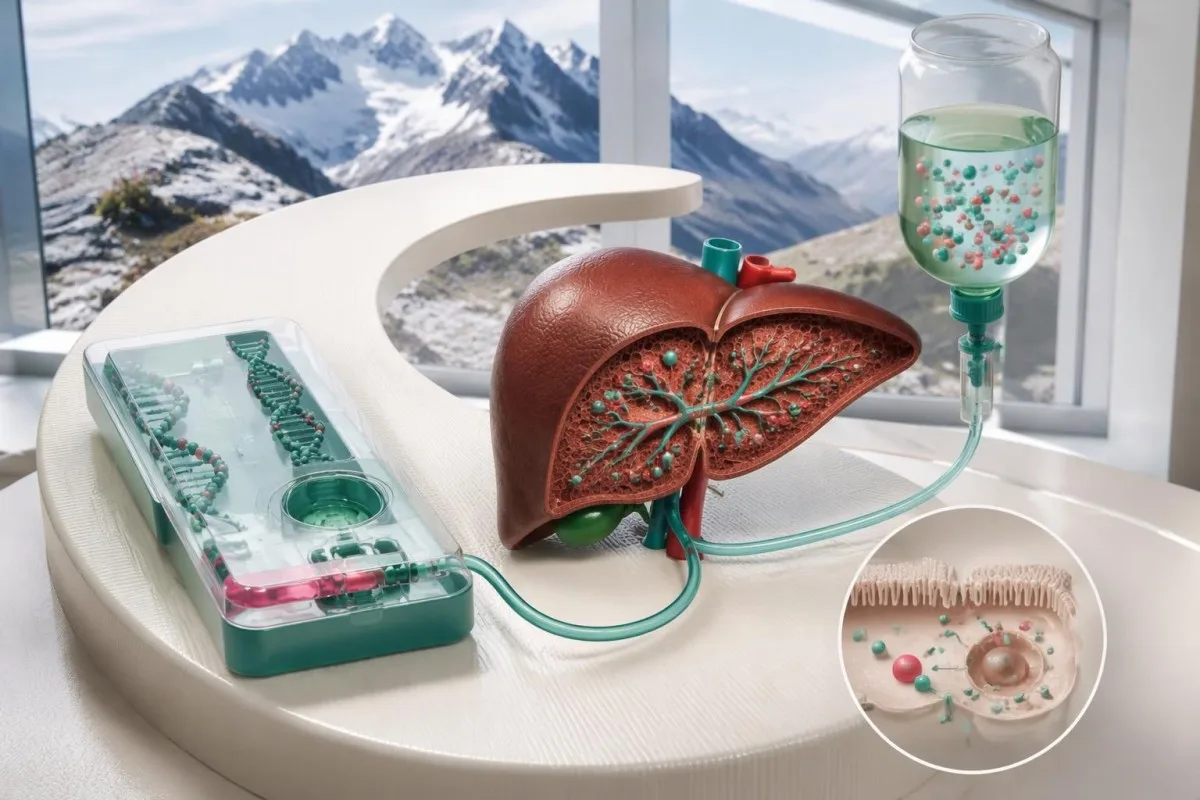
د UGT1A1 ازموینه د ایرینوټیکان د فعال مېتابولایټ د کمې تصفیې کچه معلومولای شي او د لا خوندي لومړني دوز په ټاکلو کې مرسته کوي. دا د هر ډول غبرګون وړاندوینه نه شي کولای، او پرېکړه پر کره فورمول، د درملنې پر رژیم او ستاسو د سرطان درملنې ډلې پر ارزونه پورې اړه لري.

مهم ټکي
- د UGT1A1 ازموینه په SN-38 غیرفعالولو کې ارثي توپیرونه معلوموي؛ د بیلیروبین یا ځیګر معمولې ازموینې د جنیټیک پایلې ځای نه شي نیولای.
- کممېتابولیزوونکي ډېری وخت د *28/*28، *6/*6 یا *6/*28 پایلې لري، چې د ایرینوټیکان اړوندې شدیدې نیوټروپینیا خطر زیاتوي.
- منځني مېتابولیزوونکي ډېری وخت د *1/*28 یا *1/*6 پایلې لري؛ د درملپېژندنې د هالنډ کاري ډله د دغو ناروغانو لپاره یوازې د جینوتایپ پر بنسټ دوز په اتومات ډول کمولو سپارښتنه نه کوي.
- د لومړني دوز لارښوونه توپیر لري: د هالنډ لارښود د کممېتابولیزوونکو لپاره د ایرینوټیکان د معمول لومړني دوز 70% سپارښتنه کوي، چې وروسته دې د ډاکټر تر لارښوونې لاندې سمون ورکړل شي.
- د درملنې رژیم مهم دی ځکه چې په دودیز FOLFIRI کې عموماً هرې ۲ اونۍ 180 mg/m² کارول کېږي، حال دا چې نور مهالویشونه او لایپوزومي فورمولونه بېلابېل دوزونه لري.
- لیپوزومل ایرینوتیکان د فورمولې ځانګړې لارښوونې لري؛ د 70 mg/m² رژیم او د 50 mg/m² رژیم باید د یو بل پر ځای د کارولو وړ ونه ګڼل شي.
- ځنډېدلې نسناسته د ایرینوتیکان له کارولو څخه تر 24 ساعتونو ډېر وروسته پیلېږي او د بدن د اوبو کمښت، د الکترولایتونو له لاسه ورکولو، یا ورسره مل نیوټروپینیا له امله خطرناکه کېدای شي.
- بیړنۍ ارزونه د کیموتراپي پر مهال د 38.0°C یا تر دې لوړې تودوخې لپاره اړینه ده، مګر دا چې ستاسو د سرطان درملنې ډلې بله، لا سخته کچه ټاکلې وي.
د لومړي انفیوژن مخکې د UGT1A1 ازموینه څه بدلون راولي؟
A د ایرینوتیکان له کارولو مخکې د UGT1A1 ازموینه د SN-38، د درملو د فعال مېتابولایټ، د غیرفعالولو کمه وړتیا څرګندوي. داسې پایلې لکه 28/*28، *6/*6، یا *6/*28 د درملنې د پیل د ټیټ دوز او د شدیدې نیوټروپینیا او ځنډېدلې نسناستې لپاره د لا نږدې څارنې ملاتړ کولی شي؛ د سرطان درملنې ډله باید پایله پر واقعي رژیم تطبیق کړي.

ازموینه د 1 دورې له پیل مخکې ډېره ګټوره ده، ځکه ارثي توپیر په تصفیه کې د درملنې اړوند نښو له رامنځته کېدو مخکې موجود وي. پایله دا نه ښيي چې اوس مهال څومره ایرینوتیکان په وینه کې ګرځي، او دا هم نه ټاکي چې کیموتراپي به اغېز وکړي که نه؛ دې ته بېلې پوښتنې ویل کېږي چې د درملنې د غبرګون، کلینیکي ارزونې او کله ناکله د متخصصو فارماکوکینټیکي لارو له لارې ځوابېږي.
یو فرضي ناروغ چې د 180 mg/m² په دوز د دودیز ایرینوتیکان لپاره ټاکل شوی وي، ښايي د ورو میتابولایزر د پایلې له مخې د پیل بل پلان ترلاسه کړي؛ خو بل ناروغ چې ورته جینوټایپ ولري، ښايي له مخکې د ټیټ دوز ترکیبي درملنه ترلاسه کوي. ګټوره پوښتنه یوازې دا نه ده چې پایله مثبته ده که نه: وپوښتئ چې پایله د پیل کوم دوز، د څارنې مهالویش او د دوز د زیاتولو معیارونه بدلوي.
کانټیسټي یو دی د AI د وینې معاینې شنونکی چې د معمول CBC او د بلیروبین راپورونو په تشریح کې مرسته کوي، نه هغه لابراتوار چې د UGT1A1 جینوټایپ ازموینه ترسره کوي او نه هغه خدمت چې کیموتراپي تجویزوي. زموږ سازمان او کلینیکي هدف ستاسو د سرطان درملنې ډلې د درملو د تجویز له ونډې څخه جلا دي؛ جنیټیک راپور او د هرې دورې ځانګړې لابراتواري پایلې د درملنې د ریکارډ د 2 جلا برخو په توګه وساتئ.
د UGT1A1 *28 او *6 ډولونه د ایرینوټیکان پر مېتابولیزم څه اغېز لري؟
UGT1A1 *28 د انزایم څرګندونه کموي، په داسې حال کې چې د UGT1A1 *6 بڼې د کوډکوونکې برخې د بدلون له لارې د انزایم فعالیت کموي. دواړه کولای شي د فعال SN-38 د ډېر لږ فعال ګلوکورونایډ، SN-38G، ته د بدلېدو بهیر ورو کړي؛ دا په ALT یا AST پایلو کې د غیرنورمالوالي پرته د درملو د اغېز کچه لوړوي.

ایرینوتیکان لومړی د کاربوکسیلېسټرېزونو له خوا په SN-38 بدلېږي؛ بیا UGT1A1 د SN-38 په غیرفعالولو کې ونډه لري، نه د هغه په لومړني فعالولو کې. د *28 الیل معمولاً د *1 له 6 تکرارونو سره په پرتله 7 پروموټر TA تکرارونه لري، په داسې حال کې چې *6 عموماً د c.211G>A په توګه تشریح کېږي او د p.Gly71Arg بدلون رامنځته کوي.
همدا انزایم بلیروبین هم له بل مرکب سره تړي، چې له دې سره یې تړاو روښانه کېږي د ګیلبرټ سنډروم او بلیروبین. خو د بلیروبین عادي پایله د کم فعالیت جینوټایپ شتون نه ردوي، او لوړه پایله نه څرګندوي چې کومه بڼه شته؛ روژه، ناروغي، بندښت او د ځیګر کمزورتیا د یوې اندازې تفسیر بدلولی شي.
Minami او همکارانو په جاپاني ناروغانو کې *6 او *28 دواړه وڅېړل او د UGT1A بدلون یې د ایرینوتیکان له فارماکوکینټیک او زهریت سره وتاړه (Pharmacogenetics and Genomics, 2007). د دوی کار ځکه مهم دی چې یوازې د *28 ازموینه ښايي په کلینیکي لحاظ اړوند *6 الیل له پامه وغورځوي؛ هغه 2 ناروغان چې *28-منفي بلل شوي، اړینه نه ده چې د SN-38 د تصفیې یو شان وړتیا ولري.
کومې پایلې د UGT1A1 د کممېتابولیزوونکي حالت معنا لري؟
A د UGT1A1 ورو میتابولایزر generally carries 2 decreased-function alleles, including 28/*28، *6/*6، یا *6/*28. A person with *1/*28 or *1/*6 usually has an intermediate-metabolizer phenotype; *1/*1 is usually classified as normal when the test adequately covers relevant variants.

The slash separates the 2 inherited gene copies; it is not a fraction or a drug concentration. A *6/*28 result usually means one decreased-function allele came from each parent, creating a compound-heterozygous poor-metabolizer result; possessing 2 different allele names does not make the result less clinically relevant than *28/*28.
Intermediate metabolism is not the same as zero risk. Although the Dutch guideline does not recommend an automatic reduction for *1/*28 or *1/*6, a patient starting at 180 mg/m² may still need modification because of elevated bilirubin, limited marrow reserve, previous toxicity, or the accompanying drugs; the phenotype is one input, not permission to ignore the rest.
Pharmacogenetic recommendations are drug-specific, as our explanation of SLCO1B1-related medication risk also illustrates. A reduced-function result does not mean every medicine is unsafe, and *28/*28 does not itself diagnose a hereditary cancer syndrome; ask the laboratory to provide the diplotype, assigned phenotype, and variants tested rather than a 1-word positive result.
په جنیټیک ازموینه کې باید څه شامل وي، او دا کله اړینه ده؟
The test should clearly state whether it detects both *28 and *6, how it assigns the 2 alleles, and which other variants it evaluates. Testing before the first irinotecan dose allows the result to influence prevention rather than merely explain toxicity after it occurs.
UGT1A1 *6 is more frequent in several East Asian populations, while *28 occurs across multiple ancestry groups; ancestry can inform test coverage but cannot substitute for testing. Some assays also distinguish the 5-repeat *36 and 8-repeat *37 alleles, so reports from 2 laboratories may differ because their analytical scope differs—not because your inherited genotype changed.
A laboratory may use a blood-derived DNA sample or a validated saliva or cheek-cell method; fasting is not ordinarily required for the genetic analysis itself. Recent allogeneic stem-cell transplantation needs special discussion because circulating DNA may reflect the donor, and turnaround time must be checked locally rather than assumed to fit a treatment appointment in 2 days.
Genotyping and enzyme-activity testing are not interchangeable, a distinction also relevant to TPMT test interpretation. UGT1A1 genotype generally needs testing only once, but a narrow panel may warrant additional analysis if the clinical picture is unexpected; a report listing only 1 tested variant should not be read as proof that every other reduced-function allele is absent.
د UGT1A1 ډول د شدید نیوټروپینیا خطر څومره زیاتوي؟
Poor-metabolizer genotypes increase the likelihood of سخت نیوټروپینیا, but the size of the increase depends on dose and regimen. Grade 3 neutropenia generally means an absolute neutrophil count below 1.0 down to 0.5 × 10⁹/L; grade 4 means below 0.5 × 10⁹/L.
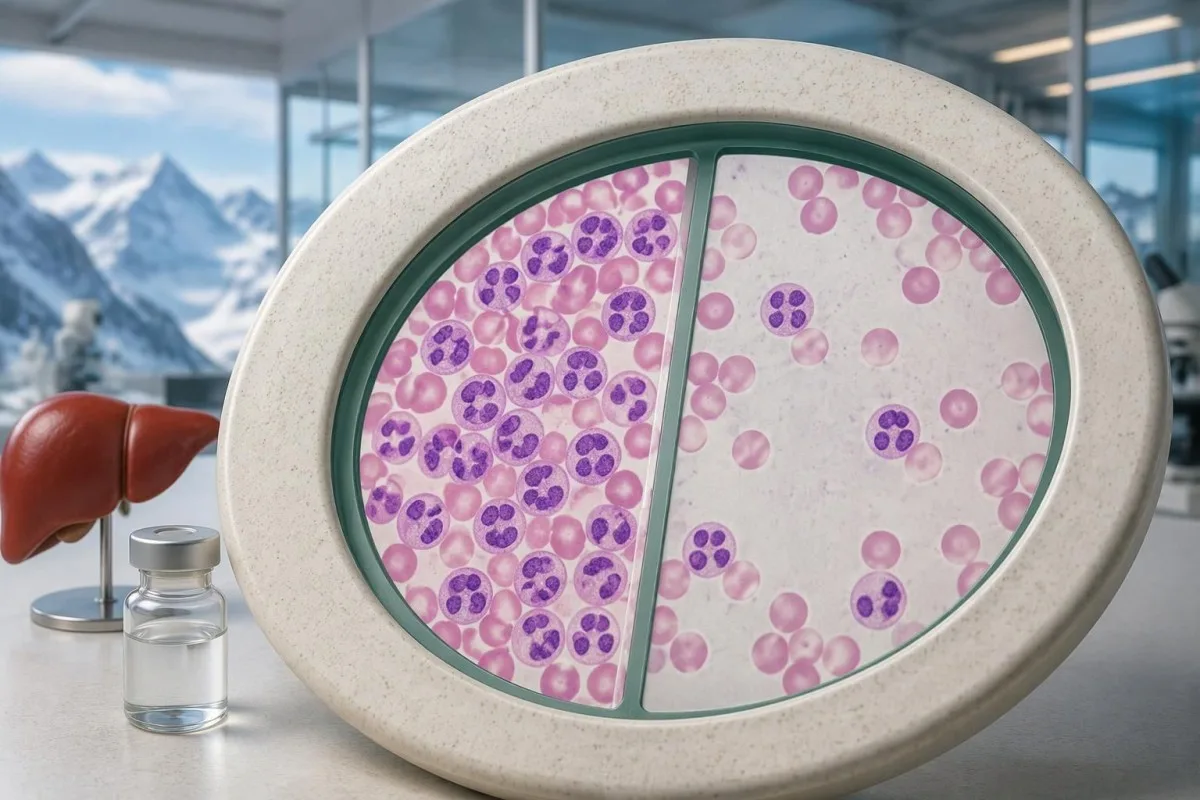
Hoskins et al. reported a dose-dependent association between *28/*28 and irinotecan-related neutropenia in their 2007 Journal of the National Cancer Institute meta-analysis. In the 150–250 mg/m² category, the pooled odds ratio was 3.22, with a 95% confidence interval of 1.52–6.81; older mixed schedules and wide uncertainty prevent treating this as a personal probability.
An odds ratio is not the percentage of patients affected. In a purely hypothetical illustration, if baseline risk were 10%, an odds ratio of 3 would correspond to approximately 25% risk—not 30%; the actual baseline varies with companion drugs, supportive care, prior treatment, and eligibility criteria, so no single percentage applies to every poor metabolizer.
Kantesti can help readers distinguish the ANC from the neutrophil percentage in routine reports, using the concepts explained in our د نیوټروفیل مطلق شمیر لارښود. A pre-existing Duffy-null-associated lower ANC requires individualized interpretation, but a new chemotherapy-related fall below 0.5 × 10⁹/L still deserves prompt oncology assessment rather than reassurance based on ancestry alone.
ولې د ایرینوټیکان لومړنی او ځنډنی نسناستی توپیر لري؟
Early diarrhea occurs during or shortly after infusion, usually within 24 hours, and may accompany cholinergic symptoms such as sweating or abdominal cramping. ځنډېدلې نسناسته begins more than 24 hours after treatment and is more closely related to intestinal toxicity, including exposure to SN-38.
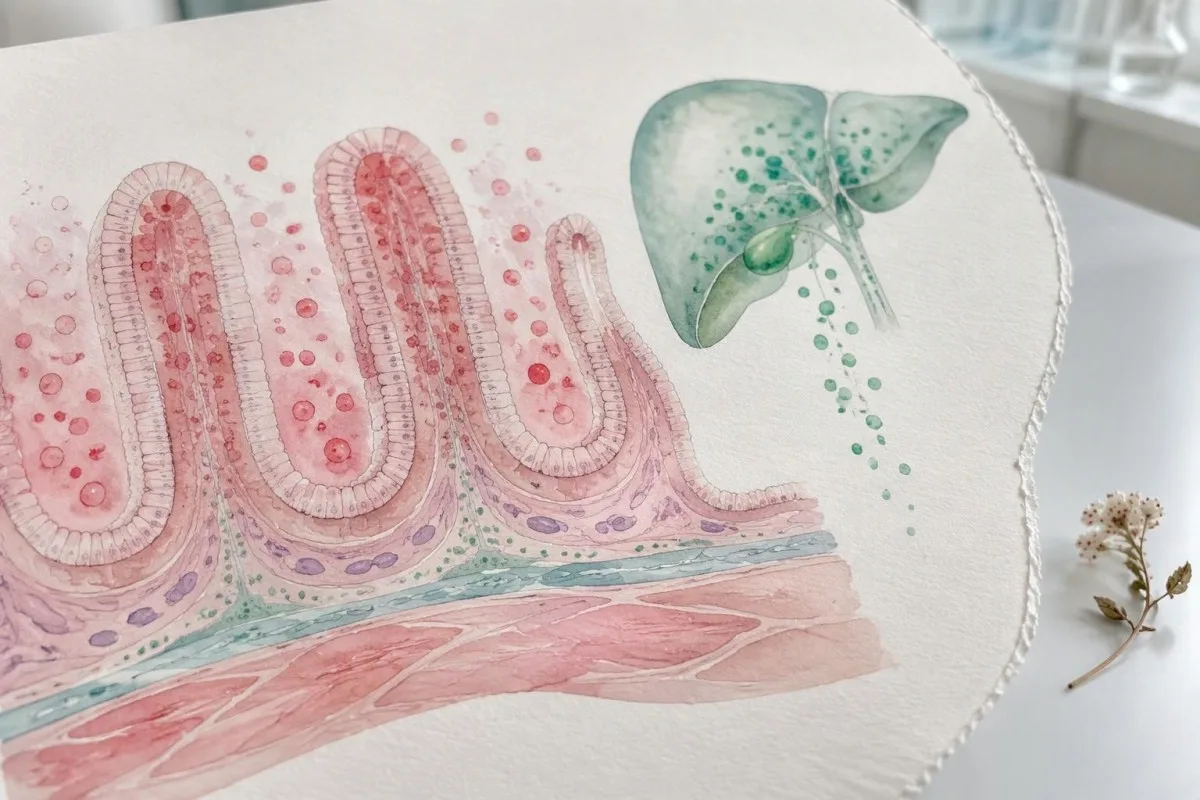
UGT1A1 genotype is more useful for anticipating delayed toxicity than predicting the immediate cholinergic syndrome. Clinicians may use atropine for early symptoms when appropriate, while delayed diarrhea requires a separate written treatment plan; intestinal bacteria can convert SN-38G back to SN-38 through beta-glucuronidase activity, illustrating why liver conjugation is not the only determinant of bowel exposure.
Grade 3 diarrhea commonly includes at least 7 additional stools per day above baseline, hospitalization being indicated, or a severe increase in ostomy output. Do not wait to reach that count before calling: persistent diarrhea despite the prescribed plan, vomiting that prevents drinking, fever, dizziness, or reduced urine output can justify urgent assessment at a much smaller stool increase.
Diarrhea during chemotherapy should not automatically be attributed to genotype, because antibiotics, infections, and accompanying drugs can produce similar symptoms; our C. difficile result guide explains one relevant diagnostic complication. If diarrhea lasts beyond 24 hours despite your oncology instructions, contact the team, and treat blood in the stool or significant abdominal pain as warning signs rather than ordinary treatment effects.
د درملنې رژیم د لومړني دوز پر پرېکړه څه اغېز لري؟
A starting-dose decision combines UGT1A1 phenotype with the planned regimen, not genotype alone. Conventional FOLFIRI commonly uses irinotecan 180 mg/m² every 2 weeks, whereas modified combinations may use 150 mg/m² or another protocol-specific amount; those differences change baseline exposure and toxicity.

The Dutch Pharmacogenetics Working Group recommends starting poor metabolizers at 70% of the normal irinotecan dose, with subsequent increases guided by neutrophil counts and clinical tolerance (Hulshof et al., 2023). Applied hypothetically to a 180 mg/m² protocol, 70% is 126 mg/m²; the prescribing team decides whether protocol rules permit rounding, what dose level to use, and when reassessment occurs.
A 70% calculation is relative to the regimen’s usual starting dose, not a fixed universal dose. For a hypothetical protocol starting at 150 mg/m², the same calculation gives 105 mg/m²; applying the 126 mg/m² figure from a different protocol would therefore be a genuine dosing error, especially if the infusion schedule or formulation also differed.
کانټیسټي یو دی AI د وینې ازموینې تشریح پلیټفارم for explaining reported laboratory values, not selecting a 180 mg/m² chemotherapy prescription; our کلینیکي تایید چوکاټ. describes the distinction between interpretation support and prescribing. In combinations containing fluorouracil or capecitabine, د کیموتراپي له پیل مخکې د DPYD ازموینه addresses a separate metabolic risk that a normal UGT1A1 result cannot rule out.
ولې د ایرینوټیکان د دوز سپارښتنې د لارښودونو ترمنځ توپیر لري؟
Guidelines differ because they interpret dose-dependent evidence differently and serve different clinical settings. The Dutch guideline recommends a 70% starting dose for poor metabolizers, while US conventional irinotecan prescribing information advises considering a reduction by at least 1 dose level, without defining one percentage for every regimen.

A dose level is defined by the treatment protocol rather than by the genetic test. Moving from 180 to 150 mg/m² would be approximately a 17% reduction, while moving from 180 to 120 mg/m² would be approximately a 33% reduction; these are mathematical examples, not recommendations, and explain why the phrase reduce one level needs a named protocol.
The French RNPGx/GPCO dose-stratified framework has historically distinguished doses below 180 mg/m², doses of 180–230 mg/m², and high doses of at least 240 mg/m². It recommended approximately 25–30% reduction for *28/*28 at the intermediate range and advised against high-dose use in that genotype; the Dutch recommendation is broader, including lower-dose regimens and other poor-metabolizer combinations.
The evidence is genuinely less settled at lower doses, where severe events may be less frequent and studies less able to estimate genotype effects precisely. This differs from HLA-B*57:01 drug avoidance, where the relevant recommendation is avoidance rather than a 30% reduction; ask which local guideline your team follows and whether its advice specifically covers *6/*6 or *6/*28.
ایا لایپوزومي ایرینوټیکان هم د UGT1A1 دوز هماغه اصول کاروي؟
Liposomal irinotecan is not interchangeable with conventional irinotecan, and its UGT1A1 instructions depend on the regimen. In the liposomal irinotecan plus fluorouracil/leucovorin setting, a usual 70 mg/m² dose is reduced to 50 mg/m² initially for known *28/*28; the NALIRIFOX regimen already starts at 50 mg/m².

Those 70 and 50 mg/m² figures refer to irinotecan free base in the relevant liposomal prescribing instructions. Some documents also express doses using the hydrochloride trihydrate equivalent, approximately 80 and 60 mg/m² respectively; the team must verify the convention rather than interpret a different-looking number as an intentional dose increase or decrease.
For NALIRIFOX—liposomal irinotecan with oxaliplatin, fluorouracil, and leucovorin—the labeled starting dose is 50 mg/m² every 2 weeks, including patients known to have *28/*28. This does not establish that every poor-metabolizer genotype has identical evidence, especially *6-containing combinations; the oncology pharmacist should check the relevant product information and local protocol rather than import conventional irinotecan rules automatically.
A medication list that says only irinotecan is insufficient for a pharmacogenetic decision: request the formulation, companion drugs, dose expression, and schedule before comparing 2 plans. Our د لابراتواري بنسټیز چمتووالي لارښود also explains why recording pretreatment measurements helps later interpretation, although those measurements cannot resolve a formulation or prescribing ambiguity.
د جینوتایپ ترڅنګ د لابراتوار کومې پایلې او درمل مهم دي؟
CBC with differential, bilirubin, liver tests, kidney function, and electrolytes provide information that UGT1A1 genotype cannot supply. A bilirubin of 2.0 mg/dL is approximately 34 µmol/L; conventional irinotecan studies often excluded values above this level, so higher results require specialist assessment rather than a genotype-only calculation.
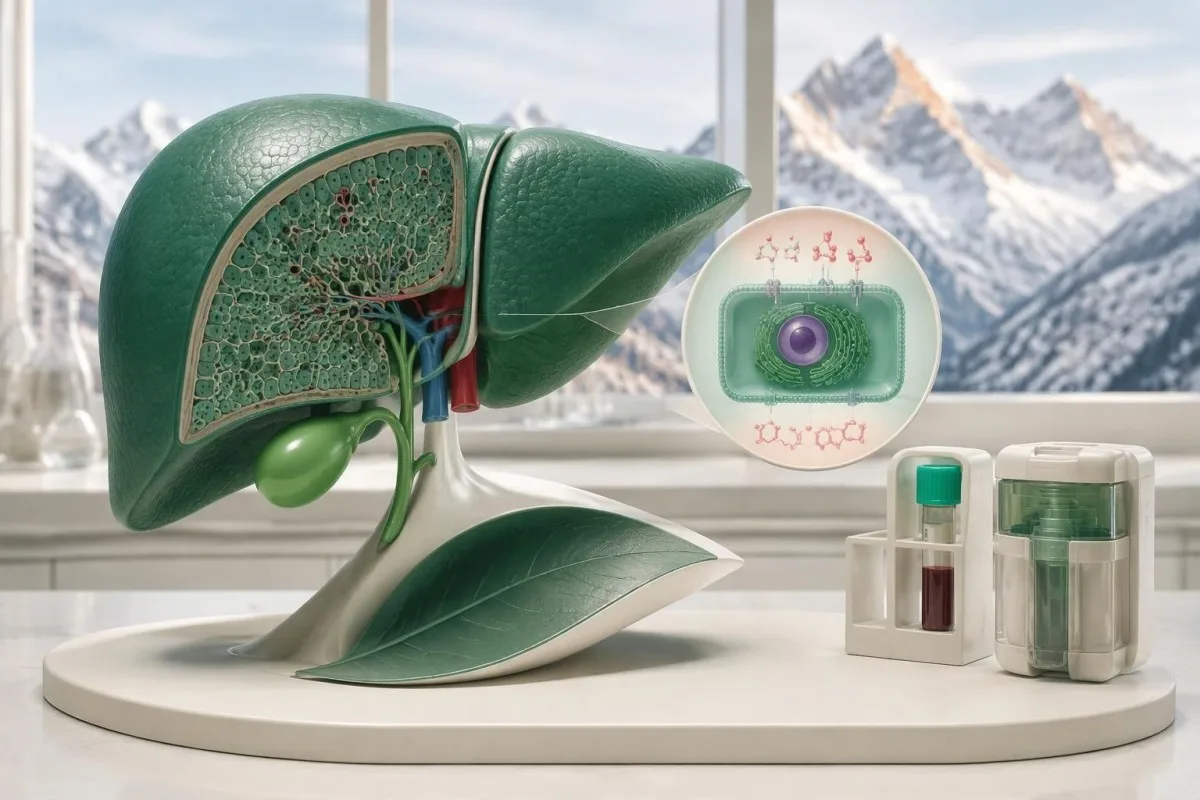
An isolated indirect bilirubin rise may fit reduced UGT1A1 activity, while rising direct bilirubin with abnormal ALP or transaminases suggests an additional hepatobiliary problem. A hypothetical total bilirubin of 1.8 mg/dL with otherwise stable tests is therefore not equivalent to 1.8 mg/dL accompanied by new jaundice and obstruction; fractionation, trends, symptoms, and imaging determine the interpretation.
Strong CYP3A4 inducers can lower irinotecan exposure, while strong CYP3A4 or UGT1A1 inhibitors can increase clinically relevant exposure; examples requiring pharmacy review include rifampicin, carbamazepine, ketoconazole, and atazanavir. Do not stop a prescription yourself, and disclose supplements such as St John’s wort before cycle 1 because changing an interacting medicine can itself change exposure.
Kantesti can help explain routine kidney and electrolyte reports, but a normal creatinine does not guarantee tolerance of delayed diarrhea. The د لابراتوار آرتیفکټ ته باید پام وشي، ځکه دا هره اوونۍ خلک غولوي. د EDTA پورې تړلې پلیټلېټ ټوټې کېدل کولی شي په غلط ډول ټیټه پایله تولید کړي؛ د لاسرسي وینې (پریفیرل) سمییر یا په سیټریټ ټیوب کې د شمېرې تکرار ډېری وخت معما حلوي. که پراخ پینل هم د describes contextual interpretation, while our electrolyte safety guide explains why potassium or magnesium losses can matter after 24 hours of gastrointestinal symptoms.
کومه څارنه او نښې بیړني اقدام ته اړتیا لري؟
Monitoring remains necessary for every genotype, with CBC checks before treatment and additional measurements when clinically indicated. A temperature of 38.0°C یا لوړه during chemotherapy warrants immediate contact with the oncology service unless the team has supplied a different threshold; follow a stricter local instruction.

Formal definitions of febrile neutropenia often use a single temperature of 38.3°C or a temperature of 38.0°C sustained for 1 hour, together with a low or falling ANC. These definitions are not instructions to wait at home: chemotherapy services often use simpler, more cautious telephone thresholds, and shaking chills, confusion, or sudden deterioration can be urgent without a documented fever.
A falling ANC can precede symptoms, so a patient feeling well should still attend the scheduled laboratory check. Our borderline neutrophil interpretation guide explains why a result near a cutoff needs context; during treatment, a change from 2.5 to 0.7 × 10⁹/L carries different significance from a stable longstanding count near 1.4 × 10⁹/L.
Dose escalation after a reduced start should follow a predefined plan based on counts, diarrhea, other toxicity, and treatment goals—not simply the absence of nausea after cycle 1. G-CSF may reduce neutropenia risk when indicated, but it does not prevent intestinal toxicity; urgent assessment is needed for diarrhea with fever, severe abdominal pain, inability to drink, or markedly reduced urination.
ولې د عادي جینوتایپ باوجود هم شدیدې جانبي اغېزې رامنځته کېدای شي؟
A normal UGT1A1 result does not guarantee safe treatment because irinotecan toxicity has multiple causes. Genotype does not adequately predict every episode of nausea, fatigue, hair loss, infusion symptoms, or toxicity from companion drugs; even *1/*1 patients can develop severe neutropenia or diarrhea.
A narrow assay may miss uncommon reduced-function variants, while liver impairment, interacting medicines, treatment intensity, and previous chemotherapy can increase risk independently. Thus, 2 patients both reported as *1/*1 may have different exposures and different marrow reserve; a phenotype assignment only describes the genetic information captured by the test, not every biological factor affecting treatment.
Companion drugs create additional attribution problems: oxaliplatin can cause neuropathy, and fluoropyrimidines can contribute diarrhea, mucositis, and marrow suppression. A hypothetical patient on a 4-drug combination with severe diarrhea cannot have the culprit assigned from UGT1A1 alone; timing, the complete regimen, microbiological testing when indicated, and other pharmacogenetic results may alter the clinical explanation.
Kantesti’s role in laboratory trend interpretation is to support understanding, not establish which drug caused a change between 2 cycles. Genetic reports also contain durable personal information, so review our د محرمیت او د معلوماتو د سمبالښت before sharing them; an inherited metabolic variant is not a complete forecast of your future health.
د ایرینوټیکان له کارولو مخکې باید د سرطان درملنې له ډلې څه وپوښتئ؟
Before treatment, ask which formulation and regimen you will receive, whether *28 and *6 were tested, and how the result changes the first dose. Also obtain a written diarrhea plan, a temperature threshold, and a 24-hour contact route; these practical details matter even when the genotype is normal.

Request the actual dose in mg/m² and the planned total dose in mg, because they answer different questions. For example, a hypothetical 126 mg/m² order for a body surface area of 1.8 m² gives 226.8 mg before institutional rounding; patients should not perform their own adjustment, but this distinction helps identify whether 2 documents describe the same prescription.
Ask how the team will judge tolerance after cycle 1, whether an interim CBC is planned, and what would justify later escalation. Your written diarrhea instructions may use a loperamide schedule different from ordinary over-the-counter directions, so follow the oncology prescription rather than inventing a schedule; fever, abdominal pain, or persistent symptoms may require assessment instead of additional self-treatment.
کانټیسټي یو دی د AI پر بنسټ د وینې ازموینې تحلیل وسیله that can help explain routine reports alongside your own treatment notes; our د AI ټکنالوژۍ لارښود explains the supporting technology rather than a chemotherapy dosing system. Keep 3 items accessible: the genetic report, the current regimen sheet, and the emergency contact instructions, with the prescribing team verifying all clinical decisions.
څېړنیزې خپرونې: د سپارښتنو ملاتړ څه کوي او څه یې نه کوي؟
The dosing advice rests on drug-specific pharmacogenetic guidance and irinotecan studies, not on general blood-test education publications. The 2023 Dutch guideline recommends a 70% start for poor metabolizers, while the 2007 studies cited here help explain dose dependence and the relevance of both *28 and *6.
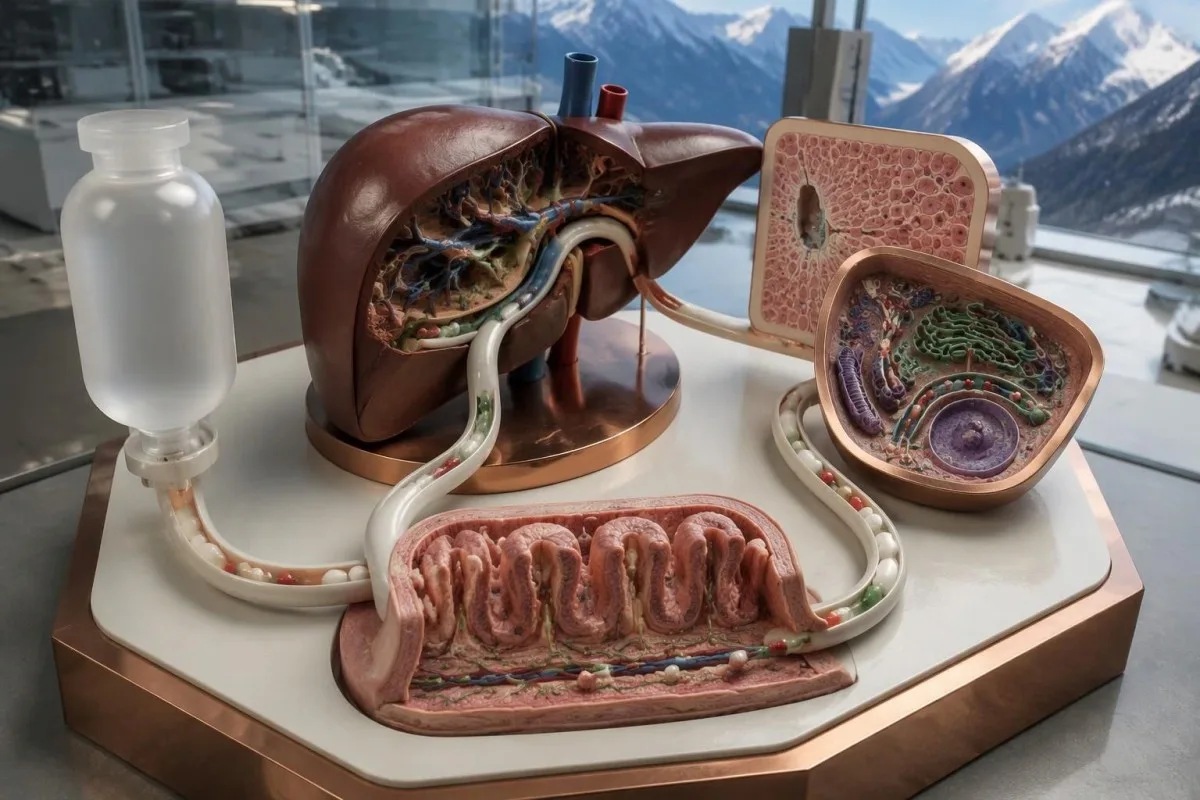
Hulshof et al. translate pharmacokinetic and toxicity evidence into prescribing guidance, whereas Hoskins et al. quantify associations across older dose categories, and Minami et al. examine relevant variants in Japanese patients. These 3 sources answer complementary questions; none supplies an individualized toxicity percentage for every contemporary combination, and observational associations should not be presented as proof that one starting dose suits everyone.
Kantesti’s 2 Zenodo publications listed below are educational resources on RDW and the BUN/creatinine ratio, not trials of UGT1A1-guided irinotecan dosing. Our RDW and CBC interpretation resource can explain accompanying red-cell indices, but RDW does not replace ANC, genotype, or a chemotherapy protocol; a DOI is a persistent identifier, not an automatic guarantee of clinical relevance or peer review.
The unresolved question is often how best to preserve treatment intensity while preventing a severe event in cycle 1, particularly in lower-dose combinations and less-studied genotypes. Our د طبي محتوا معیارونه require separating established guidance, hypothetical calculations, and genuine uncertainty; the oncology team should confirm the current local product information and protocol before applying any published recommendation.
پرله پسې پوښتل شوي پوښتنې
ایا هر څوک باید د ایرینوټېکان تر اخیستلو مخکې د UGT1A1 ازموینه وکړي؟
د ازموینې پالیسي د هېواد، ادارې او درملنیز رژیم له مخې توپیر لري، خو د فارماکوژنیټیک په برخه کې د هالنډ کاري ډله د ایرینوتیکان له درملنې مخکې د UGT1A1 ازموینې سپارښتنه کوي. پایله یې په ځانګړې توګه د لومړي دورې له پیل مخکې ګټوره ده، ځکه چې د سختو عوارضو له رامنځته کېدو مخکې کممیټابولیزوونکي پېژندلای شي. ازموینه باید روښانه کړي چې *28 او *6 دواړه پکې شامل دي، نه دا چې یوازې د *28 نشتوالی راپور کړي. ستاسو د سرطاندرملنې ډله باید تشریح کړي چې ایا ازموینه ستاسو د پیل ځانګړې دوز بدلوي او ایا د پایلې لپاره انتظار مناسب دی.
UGT1A1 *28/*28 د ایرینوټېکان دوز لپاره څه معنا لري؟
UGT1A1 *28/*28 عموماً د کممیتابولیزر حالت او د ایرینوتیکان پورې اړوند د شدید نیوټروپینیا د زیات خطر ښکارندویي کوي. د هالنډ لارښود د معمول پیلدوز 70% سپارښتنه کوي، او ورپسې د زغم او د نیوټروفیلونو د شمېر له مخې د ډاکټر تر لارښوونې لاندې دوز تنظیمېږي. د 180 mg/m² د یوه فرضي دودیز رژیم لپاره، دا محاسبه د پروتوکول د ځانګړو پرېکړو یا د نږدې شمېر ته د ګردولو تر مخه 126 mg/m² کېږي. د متحده ایالاتو د تجویز لارښوونې او لیپوزومي رژیمونه بېلابېلې لارې کاروي، نو دا محاسبه شخصي نسخه نه ده.
ایا د اېرینوتیکان له کارولو مخکې UGT1A1 *6 هم د *28 په څېر اړوند دی؟
UGT1A1 *6 یو کلینیکي پلوه مهم د کم فعالیت ډول دی چې د SN-38 غیرفعال کېدل کمولای شي. د *6/*6 یا *6/*28 په څېر پایلې عموماً د کممیټابولایزر حالت ښيي، ځکه چې په دې کې د کم فعالیت دوه الیلونه شته. دا ډول په ختیځې اسیا کې د څو نفوسونو ترمنځ ډېر عام دی، خو یوازې د نسب له مخې نه شي معلومېدای چې یو کس دا ډول لري که نه. مخکې له دې چې د *28 منفي پایله د عادي میټابولیزم په توګه تعبیر کړئ، وپوښتئ چې ایا ستاسو لابراتوار د *6 ازموینه کړې ده.
ایا UGT1A1 *1/*28 دوز په اتومات ډول کمولو ته اړتیا لري؟
د UGT1A1 *1/*28 پایله عموماً د منځني میتابولیزر حالت ښيي، نه د کمزوري میتابولیزر حالت. د هالنډ لارښود د منځني میتابولیزرانو لپاره یوازې د جینوتایپ پر بنسټ د پیل دوز د اتوماتیک کمولو سپارښتنه نه کوي. خو هغه ناروغ چې د 180 mg/m² لپاره ټاکل شوی وي، بیا هم ښايي د بلیروبین، پخوانۍ درملنې، له نورو درملو سره د تعامل، یا د ګډ رژیم له امله بل پلان ته اړتیا ولري. منځنی میتابولیزم د CBC څارنې یا د اسهال لپاره د خوندیتوب پلان اړتیا نه ختموي.
0 ایا د بلیروبین عادي کچه د UGT1A1 جنیټیکي ازموینې ځای نیولی شي؟
نورمال بلیروبین د کم فعالیت لرونکی UGT1A1 جینوتایپ نه شي ردولای، او لوړ بلیروبین ځانګړی الیل نه شي پېژندلای. بلیروبین د څو بهیرونو انعکاس دی، چې پکې کنجوګېشن، د ځیګر فعالیت، انسداد او د سرو حجرو دوران شامل دي. د ټول بلیروبین 2.0 mg/dL کچه نږدې 34 µmol/L ده او د اړوند ایرینوټیکان پروتوکول په چوکاټ کې یې تفسیر ته اړتیا ده. جنیټیکي ازموینه او د بلیروبین اندازه کول بشپړوونکي معلومات برابروي، نه یو د بل پر ځای کارېدونکي ځوابونه.
د ایرینوټیکان تر اخیستو وروسته د نسناستې یا تبې په اړه باید کله زنګ ووهم؟
د کیموتراپي پر مهال د 38.0°C یا تر دې لوړې تودوخې په صورت کې سمدستي د خپل سرطاندرملنې له خدمت سره اړیکه ونیسئ، مګر دا چې ټیم مو بله کچه درته ټاکلې وي، او هرې لا سختې لارښوونې ته غاړه کېږدئ. د ایرینوټیکان ځنډنۍ نسناستې له درملنې څخه تر 24 ساعتونو ډېر وخت وروسته پیلېږي او د بدن د اوبو یا الکترولیتونو د کمښت لامل کېدای شي. که نسناسته د درته ټاکل شوي پلان سره سره دوام وکړي، اوبه نه شئ څښلی، ادرار مو کم شوی وي، په غایطه موادو کې وینه وي، یا د ګېډې د پام وړ درد ولرئ، ژر زنګ ووهئ. د مرستې غوښتلو لپاره د ورځې د 7 نورو ځلونو نسناستې یا د وینې د ټاکل شوې معاینې انتظار مه کوئ.
د وینې ازموینې پایلې څنګه ولولئ
خپل لابراتواري راپور پورته کړئ، او د Kantesti AI به په څو ثانیو کې هر بایومارکر په ساده ژبه تشریح کړي. په ټوله نړۍ کې له 2 میلیونو څخه زیاتو کسانو ترې کار اخیستی.
ماخذونه
- کلاین، ټي.، میچل، ایس.، او وېبر، ایچ. (۲۰۲۶). د RDW د وینې ازموینه: د RDW-CV، MCV او MCHC بشپړ لارښود. د Kantesti AI طبي څېړنه. د دفاع وزارت
- کلاین، ټي.، میچل، ایس.، او وېبر، ایچ. (۲۰۲۶). د BUN/کریاتینین نسبت تشریح: د پښتورګو د فعالیت ازموینې لارښود. د Kantesti AI طبي څېړنه. د دفاع وزارت
- Hulshof DP et al. (2023). Dutch pharmacogenetics working group (DPWG) guideline for the gene–drug interaction between UGT1A1 and irinotecan. European Journal of Human Genetics.
- Hoskins JM et al. (2007). UGT1A1*28 genotype and irinotecan-induced neutropenia: dose matters. Journal of the National Cancer Institute. د دفاع وزارت
- Minami H et al. (2007). Irinotecan pharmacokinetics/pharmacodynamics and UGT1A genetic polymorphisms in Japanese: roles of UGT1A1*6 and *28. Pharmacogenetics and Genomics.
- ۲ میلیونه+تحلیل شوې ازموینې
- 127+هېوادونه
- 100+ژبې
د طبي ټیم په اړه


د E-E-A-T باور نښې
تجربه
د ډاکټر تر مشرۍ لاندې کلینیکي بیاکتنه د لابراتواري تفسیر د کاري بهیرونو لپاره.
تخصص
د لابراتواري طب تمرکز پر دې چې بایومارکرونه په کلینیکي شرایطو کې څنګه چلند کوي.
واک ورکول
د ډاکټر توماس کلاین له خوا طبي بیاکتنه شوې، د ډاکټر سارا میچل او پروفیسور ډاکټر هانس وېبر په مرسته.
اعتبار
د شواهدو پر بنسټ تفسیر د روښانه تعقیبي لارو چارو سره، تر څو اندیښنه کمه شي.






طبي سلبِ مسئولیت
دا مقاله یوازې د زده کړې لپاره ده او طبي مشوره نه جوړوي. د تشخیص او درملنې د پرېکړو لپاره تل د وړ روغتیايي خدمت وړاندې کوونکي سره سلا وکړئ.
خپور شوی · له تحریري ټیم سره اړیکه ونیسئ
خپروونکی یې Kantesti Ltd دی، چې په انګلستان او وېلز کې ثبت شوی، د شرکت شمېره. 17090423, ، لندن، بریتانیا.
