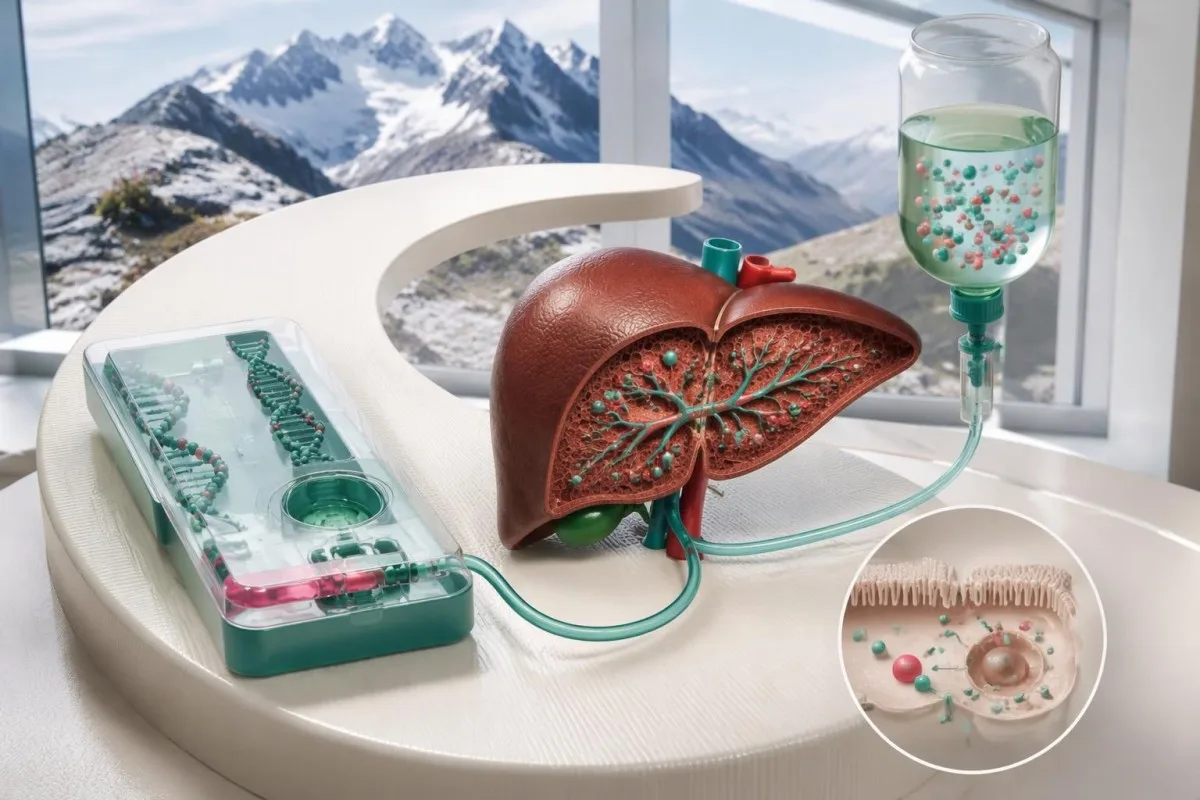
UGT1A1 പരിശോധനയ്ക്ക് ഇറിനോടെക്കാന്റെ സജീവ മെറ്റബൊലൈറ്റിന്റെ ക്ലിയറൻസ് കുറഞ്ഞതായി തിരിച്ചറിയാനും കൂടുതൽ സുരക്ഷിതമായ പ്രാരംഭ ഡോസ് നിശ്ചയിക്കാനും സഹായിക്കാം. എല്ലാ പ്രതികരണങ്ങളും ഇതിലൂടെ പ്രവചിക്കാനാവില്ല; കൃത്യമായ ഫോർമുലേഷൻ, ചികിത്സാ റെജിമൻ, നിങ്ങളുടെ ഓങ്കോളജി ടീമിന്റെ വിലയിരുത്തൽ എന്നിവയെ ആശ്രയിച്ചാണ് തീരുമാനം.

പ്രധാന കാര്യങ്ങൾ
- UGT1A1 പരിശോധന SN-38 നിർവീര്യമാക്കുന്നതിലെ പാരമ്പര്യ വ്യത്യാസങ്ങൾ തിരിച്ചറിയുന്നു; പതിവ് ബിലിറൂബിൻ അല്ലെങ്കിൽ കരൾ പരിശോധനകൾക്ക് ജനിതക പരിശോധനാഫലത്തിന് പകരമാകാനാവില്ല.
- മോശം മെറ്റബൊലൈസർമാർ സാധാരണയായി *28/*28, *6/*6, അല്ലെങ്കിൽ *6/*28 ഫലങ്ങളുള്ളവരാണ്; ഇവ ഇറിനോടെക്കാനുമായി ബന്ധപ്പെട്ട ഗുരുതര ന്യൂട്രോപീനിയയുടെ അപകടസാധ്യത വർധിപ്പിക്കുന്നു.
- ഇടത്തരം മെറ്റബൊലൈസർമാർ സാധാരണയായി *1/*28 അല്ലെങ്കിൽ *1/*6 ഫലങ്ങളുള്ളവരാണ്; ഈ രോഗികൾക്ക് ജനിതകരൂപം മാത്രം അടിസ്ഥാനമാക്കി സ്വയമേവ ഡോസ് കുറയ്ക്കാൻ ഡച്ച് ഫാർമക്കോജനറ്റിക്സ് വർക്കിങ് ഗ്രൂപ്പ് ശുപാർശ ചെയ്യുന്നില്ല.
- പ്രാരംഭ ഡോസിനുള്ള മാർഗനിർദേശം വ്യത്യാസപ്പെടുന്നു: മോശം മെറ്റബൊലൈസർമാർക്ക് പതിവ് ഇറിനോടെക്കാൻ പ്രാരംഭ ഡോസിന്റെ 70% നൽകണമെന്ന് ഡച്ച് മാർഗനിർദേശം ശുപാർശ ചെയ്യുന്നു; തുടർന്ന് ഡോസ് ക്രമീകരിക്കുന്നത് ചികിത്സകനാണ്.
- റെജിമൻ പ്രധാനമാണ് കാരണം പരമ്പരാഗത FOLFIRI-യിൽ സാധാരണയായി 2 ആഴ്ച കൂടുമ്പോൾ 180 mg/m² ഉപയോഗിക്കുമ്പോൾ, മറ്റ് ഷെഡ്യൂളുകളിലും ലിപ്പോസോമൽ ഫോർമുലേഷനുകളിലും വ്യത്യസ്ത ഡോസുകളാണ് ഉപയോഗിക്കുന്നത്.
- ലിപ്പോസോമൽ ഇറിനോടെകാൻ ഫോർമുലേഷനു പ്രത്യേകമായ നിർദ്ദേശങ്ങളുണ്ട്; 70 mg/m² ഡോസിംഗ് രീതിയും 50 mg/m² ഡോസിംഗ് രീതിയും പരസ്പരം മാറ്റി ഉപയോഗിക്കാവുന്നതായി കണക്കാക്കരുത്.
- വൈകിയുണ്ടാകുന്ന വയറിളക്കം ഇറിനോടെകാനെടുത്ത് 24 മണിക്കൂറിലധികം കഴിഞ്ഞാണ് തുടങ്ങുന്നത്; നിർജലീകരണം, ഇലക്ട്രോലൈറ്റ് നഷ്ടം, അല്ലെങ്കിൽ അനുബന്ധമായ ന്യൂട്രോപീനിയ എന്നിവയിലൂടെ ഇത് അപകടകരമാകാം.
- അടിയന്തര വിലയിരുത്തൽ കീമോതെറാപ്പിക്കിടെ 38.0°C അല്ലെങ്കിൽ അതിലധികം താപനിലയുണ്ടായാൽ, നിങ്ങളുടെ ഓങ്കോളജി സംഘം വ്യത്യസ്തവും കൂടുതൽ കർശനവുമായ പരിധി നിർദേശിച്ചിട്ടില്ലെങ്കിൽ, ഇത് ആവശ്യമാണ്.
ആദ്യ ഇൻഫ്യൂഷനു മുമ്പ് UGT1A1 പരിശോധന എന്ത് മാറ്റം വരുത്തും?
A ഇറിനോടെകാന് മുമ്പുള്ള UGT1A1 പരിശോധന മരുന്നിന്റെ സജീവ മെറ്റബൊലൈറ്റായ SN-38 നിർവീര്യമാക്കാനുള്ള കഴിവ് കുറഞ്ഞിട്ടുണ്ടെന്ന് തിരിച്ചറിയുന്നു. ഇതുപോലുള്ള ഫലങ്ങൾ 28/*28, *6/*6, അല്ലെങ്കിൽ *6/*28 കുറഞ്ഞ പ്രാരംഭ ഡോസിനെയും ഗുരുതരമായ ന്യൂട്രോപീനിയയും വൈകിയുണ്ടാകുന്ന വയറിളക്കവും ഉണ്ടാകുന്നുണ്ടോയെന്ന് കൂടുതൽ അടുത്ത നിരീക്ഷണത്തെയും പിന്തുണയ്ക്കാം; യഥാർത്ഥ ചികിത്സാ രീതിയിൽ ഈ ഫലം ഓങ്കോളജി സംഘം പ്രയോഗിക്കണം.

ചികിത്സയുമായി ബന്ധപ്പെട്ട ലക്ഷണങ്ങൾ ഉണ്ടാകുന്നതിന് മുമ്പുതന്നെ പാരമ്പര്യമായി ലഭിച്ച ക്ലിയറൻസ് വ്യത്യാസം നിലനിൽക്കുന്നതിനാൽ, സൈക്കിൾ 1-ന് മുമ്പാണ് പരിശോധന ഏറ്റവും പ്രയോജനകരം. ഫലം നിലവിൽ ശരീരത്തിൽ എത്ര ഇറിനോടെകാൻ സഞ്ചരിക്കുന്നുവെന്ന് അളക്കുന്നില്ല; കീമോതെറാപ്പി ഫലപ്രദമാകുമോ എന്നും നിർണയിക്കുന്നില്ല. ചികിത്സയോടുള്ള പ്രതികരണം, ക്ലിനിക്കൽ വിലയിരുത്തൽ, ചിലപ്പോൾ വിദഗ്ധ ഫാർമക്കോകൈനറ്റിക് രീതികൾ എന്നിവയിലൂടെയാണ് ആ വ്യത്യസ്ത ചോദ്യങ്ങൾക്ക് ഉത്തരം ലഭിക്കുന്നത്.
180 mg/m² പരമ്പരാഗത ഇറിനോടെകാൻ നിശ്ചയിച്ചിട്ടുള്ള ഒരു സാങ്കൽപ്പിക രോഗിക്ക് മോശം മെറ്റബൊലൈസർ ഫലം വന്നതിനെത്തുടർന്ന് വ്യത്യസ്തമായ ഒരു പ്രാരംഭ ചികിത്സാ പദ്ധതി ലഭിച്ചേക്കാം; അതേസമയം, അതേ ജനിതകരൂപമുള്ള മറ്റൊരു രോഗി ഇതിനകം കുറഞ്ഞ ഡോസിലുള്ള കോമ്പിനേഷൻ ചികിത്സ സ്വീകരിക്കുന്നുണ്ടാകാം. ഫലം പോസിറ്റീവാണോ എന്നതുമാത്രമല്ല പ്രയോജനകരമായ ചോദ്യം: ഫലം ഏത് പ്രാരംഭ ഡോസ്, നിരീക്ഷണക്രമം, ഡോസ് വർധിപ്പിക്കുന്നതിനുള്ള മാനദണ്ഡങ്ങൾ എന്നിവയിൽ മാറ്റം വരുത്തുമെന്ന് ചോദിക്കുക.
കാന്റേസ്റ്റി ഒരു AI രക്ത പരിശോധന അനലൈസർ പതിവ് CBC, ബിലിറൂബിൻ റിപ്പോർട്ടുകൾ എന്നിവ വിശദീകരിക്കാൻ സഹായിക്കുന്നതാണ്; UGT1A1 ജനിതകരൂപ പരിശോധന നടത്തുന്ന ലബോറട്ടറിയോ കീമോതെറാപ്പി നിർദേശിക്കുന്ന സേവനമോ അല്ല. ഞങ്ങളുടെ സംഘടനയും ക്ലിനിക്കൽ ഉദ്ദേശ്യവും നിങ്ങളുടെ ഓങ്കോളജി സംഘത്തിന്റെ മരുന്ന് നിർദേശിക്കുന്ന ചുമതലയിൽനിന്ന് വ്യത്യസ്തമാണ്; ജനിതക റിപ്പോർട്ടും ഓരോ സൈക്കിളിനുമുള്ള ലബോറട്ടറി ഫലങ്ങളും ചികിത്സാ രേഖയുടെ 2 വ്യത്യസ്ത ഭാഗങ്ങളായി സൂക്ഷിക്കുക.
UGT1A1 *28-ഉം *6-ഉം ഇറിനോടെക്കാന്റെ മെറ്റബോളിസത്തെ എങ്ങനെ ബാധിക്കുന്നു?
UGT1A1 *28 എൻസൈമിന്റെ പ്രകടനം കുറയ്ക്കുന്നു; അതേസമയം UGT1A1 *6 വകഭേദം കോഡിംഗ് മാറ്റത്തിലൂടെ എൻസൈമിന്റെ പ്രവർത്തനം കുറയ്ക്കുന്നു. ഇവ രണ്ടും സജീവമായ SN-38-നെ വളരെ കുറച്ച് മാത്രമേ സജീവമായിരിക്കൂ എന്ന ഗ്ലൂക്കുറോണൈഡായ SN-38G-യാക്കി മാറ്റുന്നത് മന്ദഗതിയിലാക്കാം; ഇതിലൂടെ ALT അല്ലെങ്കിൽ AST ഫലങ്ങൾ അസാധാരണമാകാതെതന്നെ ശരീരത്തിലെ ഔഷധസമ്പർക്കം വർധിക്കുന്നു.

കാർബോക്സിലിസ്റ്ററേസുകൾ ആദ്യം ഇറിനോടെകാനെ SN-38 ആക്കി മാറ്റുന്നു; തുടർന്ന് UGT1A1 SN-38-ന്റെ പ്രാരംഭ സജീവീകരണത്തിലല്ല, നിർവീര്യമാക്കലിലാണ് പങ്കാളിയാകുന്നത്. *28 അല്ലീൽ സാധാരണയായി *1-നോട് ബന്ധപ്പെട്ട 6 പ്രൊമോട്ടർ TA ആവർത്തനങ്ങൾക്കു പകരം 7 എണ്ണം ഉൾക്കൊള്ളുന്നു; അതേസമയം, *6-നെ സാധാരണയായി c.211G>A എന്നാണ് വിശേഷിപ്പിക്കുന്നത്, ഇത് p.Gly71Arg പകരംവയ്ക്കലിന് കാരണമാകുന്നു.
ഇതേ എൻസൈം ബിലിറൂബിനെയും സംയോജിപ്പിക്കുന്നു; അതാണ് ഗിൽബർട്ട് സിൻഡ്രോമുമായും ബിലിറൂബിനുമായുമുള്ള ബന്ധം. എന്നിരുന്നാലും, ബിലിറൂബിൻ സാധാരണ നിലയിലാണെന്നത് പ്രവർത്തനശേഷി കുറഞ്ഞ ജനിതകരൂപം ഇല്ലെന്ന് തെളിയിക്കുന്നില്ല; ഉയർന്ന ഫലം ഏത് വകഭേദമാണ് ഉള്ളതെന്നും തിരിച്ചറിയുന്നില്ല. ഉപവാസം, അസുഖം, തടസ്സം, കരൾ പ്രവർത്തനക്കുറവ് എന്നിവ ഒറ്റ അളവിന്റെ വ്യാഖ്യാനം മാറ്റാം.
മിനാമി et al. ജാപ്പനീസ് രോഗികളിൽ *6-ഉം *28-ഉം പരിശോധിച്ച്, UGT1A വ്യതിയാനത്തെ ഇറിനോടെകാന്റെ ഫാർമക്കോകൈനറ്റിക്സുമായും വിഷപ്രതികരണവുമായും ബന്ധപ്പെടുത്തി (Pharmacogenetics and Genomics, 2007). *28 മാത്രം പരിശോധിക്കുന്ന പരിശോധനയിൽ ക്ലിനിക്കലായി പ്രസക്തമായ *6 അല്ലീൽ കാണാതെ പോകാമെന്നതിനാൽ അവരുടെ പഠനം പ്രധാനമാണ്; *28-നെഗറ്റീവ് എന്ന് വിശേഷിപ്പിച്ച 2 രോഗികൾക്ക് SN-38 ക്ലിയറൻസ് ശേഷി ഒരുപോലെയായിരിക്കണമെന്നില്ല.
ഏത് പരിശോധനാഫലങ്ങളാണ് UGT1A1 poor metabolizer എന്നതിനെ സൂചിപ്പിക്കുന്നത്?
A UGT1A1 മോശം മെറ്റബൊലൈസർ generally carries 2 decreased-function alleles, including 28/*28, *6/*6, അല്ലെങ്കിൽ *6/*28. A person with *1/*28 or *1/*6 usually has an intermediate-metabolizer phenotype; *1/*1 is usually classified as normal when the test adequately covers relevant variants.

The slash separates the 2 inherited gene copies; it is not a fraction or a drug concentration. A *6/*28 result usually means one decreased-function allele came from each parent, creating a compound-heterozygous poor-metabolizer result; possessing 2 different allele names does not make the result less clinically relevant than *28/*28.
Intermediate metabolism is not the same as zero risk. Although the Dutch guideline does not recommend an automatic reduction for *1/*28 or *1/*6, a patient starting at 180 mg/m² may still need modification because of elevated bilirubin, limited marrow reserve, previous toxicity, or the accompanying drugs; the phenotype is one input, not permission to ignore the rest.
Pharmacogenetic recommendations are drug-specific, as our explanation of SLCO1B1-related medication risk also illustrates. A reduced-function result does not mean every medicine is unsafe, and *28/*28 does not itself diagnose a hereditary cancer syndrome; ask the laboratory to provide the diplotype, assigned phenotype, and variants tested rather than a 1-word positive result.
ജനിതക പരിശോധനയിൽ എന്തൊക്കെ ഉൾപ്പെടുത്തണം, അത് എപ്പോൾ ആവശ്യമാണ്?
The test should clearly state whether it detects both *28 and *6, how it assigns the 2 alleles, and which other variants it evaluates. Testing before the first irinotecan dose allows the result to influence prevention rather than merely explain toxicity after it occurs.
UGT1A1 *6 is more frequent in several East Asian populations, while *28 occurs across multiple ancestry groups; ancestry can inform test coverage but cannot substitute for testing. Some assays also distinguish the 5-repeat *36 and 8-repeat *37 alleles, so reports from 2 laboratories may differ because their analytical scope differs—not because your inherited genotype changed.
A laboratory may use a blood-derived DNA sample or a validated saliva or cheek-cell method; fasting is not ordinarily required for the genetic analysis itself. Recent allogeneic stem-cell transplantation needs special discussion because circulating DNA may reflect the donor, and turnaround time must be checked locally rather than assumed to fit a treatment appointment in 2 days.
Genotyping and enzyme-activity testing are not interchangeable, a distinction also relevant to TPMT test interpretation. UGT1A1 genotype generally needs testing only once, but a narrow panel may warrant additional analysis if the clinical picture is unexpected; a report listing only 1 tested variant should not be read as proof that every other reduced-function allele is absent.
UGT1A1 ഗുരുതരമായ ന്യൂട്രോപീനിയയുടെ അപകടസാധ്യത എത്രത്തോളം വർധിപ്പിക്കുന്നു?
Poor-metabolizer genotypes increase the likelihood of ഗുരുതരമായ ന്യൂട്രോപീനിയ, but the size of the increase depends on dose and regimen. Grade 3 neutropenia generally means an absolute neutrophil count below 1.0 down to 0.5 × 10⁹/L; grade 4 means below 0.5 × 10⁹/L.
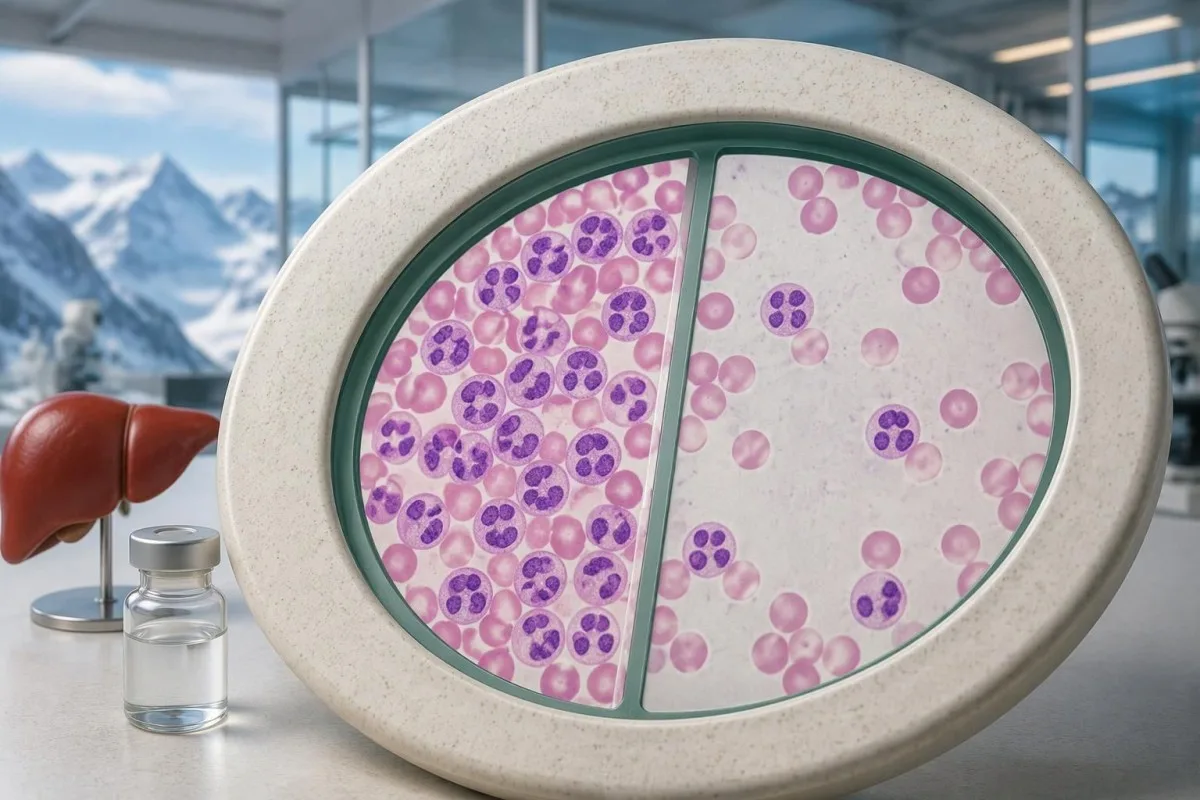
Hoskins et al. reported a dose-dependent association between *28/*28 and irinotecan-related neutropenia in their 2007 Journal of the National Cancer Institute meta-analysis. In the 150–250 mg/m² category, the pooled odds ratio was 3.22, with a 95% confidence interval of 1.52–6.81; older mixed schedules and wide uncertainty prevent treating this as a personal probability.
An odds ratio is not the percentage of patients affected. In a purely hypothetical illustration, if baseline risk were 10%, an odds ratio of 3 would correspond to approximately 25% risk—not 30%; the actual baseline varies with companion drugs, supportive care, prior treatment, and eligibility criteria, so no single percentage applies to every poor metabolizer.
Kantesti can help readers distinguish the ANC from the neutrophil percentage in routine reports, using the concepts explained in our അബ്സല്യൂട്ട് ന്യൂട്രോഫിൽ കൗണ്ട് മാർഗ്ഗനിർദ്ദേശം. A pre-existing Duffy-null-associated lower ANC requires individualized interpretation, but a new chemotherapy-related fall below 0.5 × 10⁹/L still deserves prompt oncology assessment rather than reassurance based on ancestry alone.
ഇറിനോടെക്കാനുമായി ബന്ധപ്പെട്ട ആദ്യഘട്ട വയറിളക്കവും വൈകിയുണ്ടാകുന്ന വയറിളക്കവും വ്യത്യസ്തമാകുന്നത് എന്തുകൊണ്ട്?
Early diarrhea occurs during or shortly after infusion, usually within 24 hours, and may accompany cholinergic symptoms such as sweating or abdominal cramping. വൈകിയുണ്ടാകുന്ന വയറിളക്കം begins more than 24 hours after treatment and is more closely related to intestinal toxicity, including exposure to SN-38.
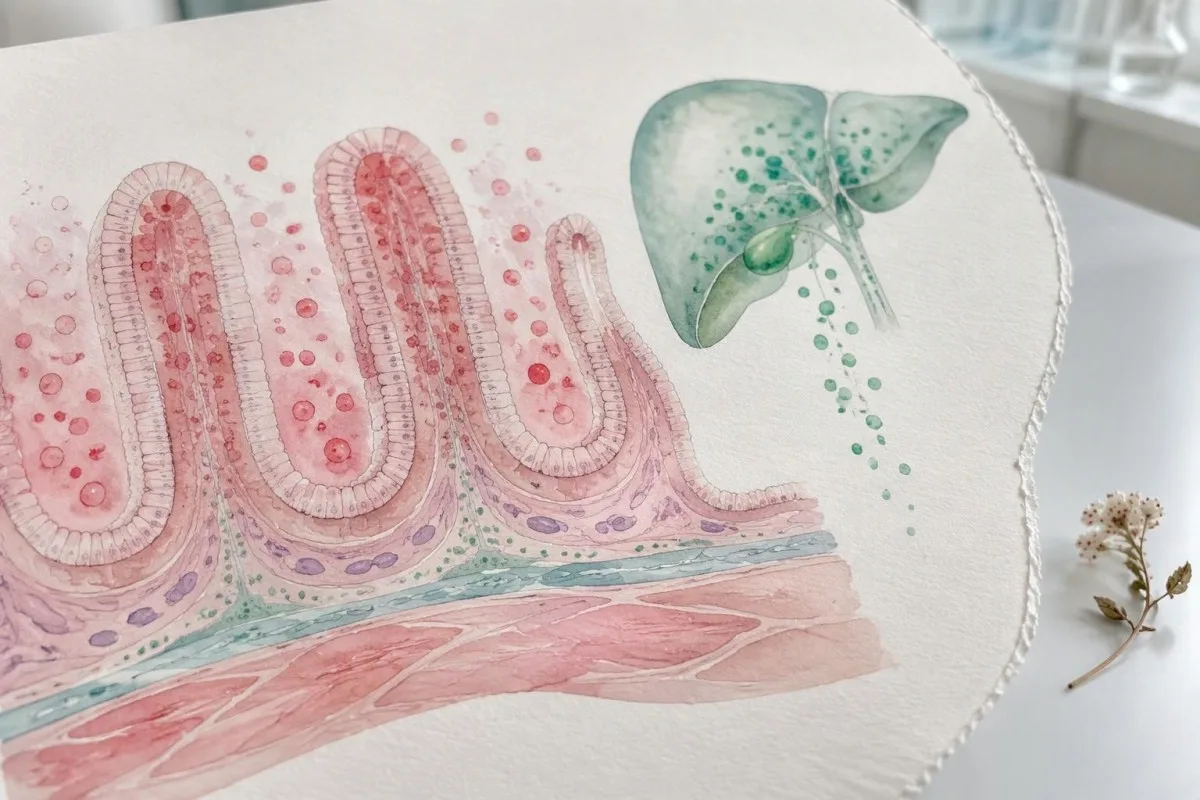
UGT1A1 genotype is more useful for anticipating delayed toxicity than predicting the immediate cholinergic syndrome. Clinicians may use atropine for early symptoms when appropriate, while delayed diarrhea requires a separate written treatment plan; intestinal bacteria can convert SN-38G back to SN-38 through beta-glucuronidase activity, illustrating why liver conjugation is not the only determinant of bowel exposure.
Grade 3 diarrhea commonly includes at least 7 additional stools per day above baseline, hospitalization being indicated, or a severe increase in ostomy output. Do not wait to reach that count before calling: persistent diarrhea despite the prescribed plan, vomiting that prevents drinking, fever, dizziness, or reduced urine output can justify urgent assessment at a much smaller stool increase.
Diarrhea during chemotherapy should not automatically be attributed to genotype, because antibiotics, infections, and accompanying drugs can produce similar symptoms; our C. difficile result guide explains one relevant diagnostic complication. If diarrhea lasts beyond 24 hours despite your oncology instructions, contact the team, and treat blood in the stool or significant abdominal pain as warning signs rather than ordinary treatment effects.
ചികിത്സാ റെജിമൻ പ്രാരംഭ ഡോസ് തീരുമാനത്തെ എങ്ങനെ മാറ്റുന്നു?
A starting-dose decision combines UGT1A1 phenotype with the planned regimen, not genotype alone. Conventional FOLFIRI commonly uses irinotecan 180 mg/m² every 2 weeks, whereas modified combinations may use 150 mg/m² or another protocol-specific amount; those differences change baseline exposure and toxicity.

The Dutch Pharmacogenetics Working Group recommends starting poor metabolizers at 70% of the normal irinotecan dose, with subsequent increases guided by neutrophil counts and clinical tolerance (Hulshof et al., 2023). Applied hypothetically to a 180 mg/m² protocol, 70% is 126 mg/m²; the prescribing team decides whether protocol rules permit rounding, what dose level to use, and when reassessment occurs.
A 70% calculation is relative to the regimen’s usual starting dose, not a fixed universal dose. For a hypothetical protocol starting at 150 mg/m², the same calculation gives 105 mg/m²; applying the 126 mg/m² figure from a different protocol would therefore be a genuine dosing error, especially if the infusion schedule or formulation also differed.
കാന്റേസ്റ്റി ഒരു AI രക്ത പരിശോധന ഫലം മനസ്സിലാക്കൽ പ്ലാറ്റ്ഫോം for explaining reported laboratory values, not selecting a 180 mg/m² chemotherapy prescription; our ക്ലിനിക്കൽ വാലിഡേഷൻ ഫ്രെയിംവർക്ക് describes the distinction between interpretation support and prescribing. In combinations containing fluorouracil or capecitabine, കീമോതെറാപ്പിക്ക് മുമ്പുള്ള DPYD പരിശോധന addresses a separate metabolic risk that a normal UGT1A1 result cannot rule out.
ഇറിനോടെക്കാൻ ഡോസിങ് ശുപാർശകൾ മാർഗനിർദേശങ്ങൾക്കനുസരിച്ച് വ്യത്യാസപ്പെടുന്നത് എന്തുകൊണ്ട്?
Guidelines differ because they interpret dose-dependent evidence differently and serve different clinical settings. The Dutch guideline recommends a 70% starting dose for poor metabolizers, while US conventional irinotecan prescribing information advises considering a reduction by at least 1 dose level, without defining one percentage for every regimen.
A dose level is defined by the treatment protocol rather than by the genetic test. Moving from 180 to 150 mg/m² would be approximately a 17% reduction, while moving from 180 to 120 mg/m² would be approximately a 33% reduction; these are mathematical examples, not recommendations, and explain why the phrase reduce one level needs a named protocol.
The French RNPGx/GPCO dose-stratified framework has historically distinguished doses below 180 mg/m², doses of 180–230 mg/m², and high doses of at least 240 mg/m². It recommended approximately 25–30% reduction for *28/*28 at the intermediate range and advised against high-dose use in that genotype; the Dutch recommendation is broader, including lower-dose regimens and other poor-metabolizer combinations.
The evidence is genuinely less settled at lower doses, where severe events may be less frequent and studies less able to estimate genotype effects precisely. This differs from HLA-B*57:01 drug avoidance, where the relevant recommendation is avoidance rather than a 30% reduction; ask which local guideline your team follows and whether its advice specifically covers *6/*6 or *6/*28.
ലിപ്പോസോമൽ ഇറിനോടെക്കാനിലും ഇതേ UGT1A1 ഡോസ് നിയമങ്ങളാണോ ഉപയോഗിക്കുന്നത്?
Liposomal irinotecan is not interchangeable with conventional irinotecan, and its UGT1A1 instructions depend on the regimen. In the liposomal irinotecan plus fluorouracil/leucovorin setting, a usual 70 mg/m² dose is reduced to 50 mg/m² initially for known *28/*28; the NALIRIFOX regimen already starts at 50 mg/m².

Those 70 and 50 mg/m² figures refer to irinotecan free base in the relevant liposomal prescribing instructions. Some documents also express doses using the hydrochloride trihydrate equivalent, approximately 80 and 60 mg/m² respectively; the team must verify the convention rather than interpret a different-looking number as an intentional dose increase or decrease.
For NALIRIFOX—liposomal irinotecan with oxaliplatin, fluorouracil, and leucovorin—the labeled starting dose is 50 mg/m² every 2 weeks, including patients known to have *28/*28. This does not establish that every poor-metabolizer genotype has identical evidence, especially *6-containing combinations; the oncology pharmacist should check the relevant product information and local protocol rather than import conventional irinotecan rules automatically.
A medication list that says only irinotecan is insufficient for a pharmacogenetic decision: request the formulation, companion drugs, dose expression, and schedule before comparing 2 plans. Our അടിസ്ഥാന ലബോറട്ടറി പരിശോധനയ്ക്കുള്ള തയ്യാറെടുപ്പ് മാർഗനിർദേശത്തിലെ also explains why recording pretreatment measurements helps later interpretation, although those measurements cannot resolve a formulation or prescribing ambiguity.
ജനിതകരൂപത്തോടൊപ്പം ഏതെല്ലാം ലബോറട്ടറി ഫലങ്ങളും മരുന്നുകളും പരിഗണിക്കണം?
CBC with differential, bilirubin, liver tests, kidney function, and electrolytes provide information that UGT1A1 genotype cannot supply. A bilirubin of 2.0 mg/dL is approximately 34 µmol/L; conventional irinotecan studies often excluded values above this level, so higher results require specialist assessment rather than a genotype-only calculation.
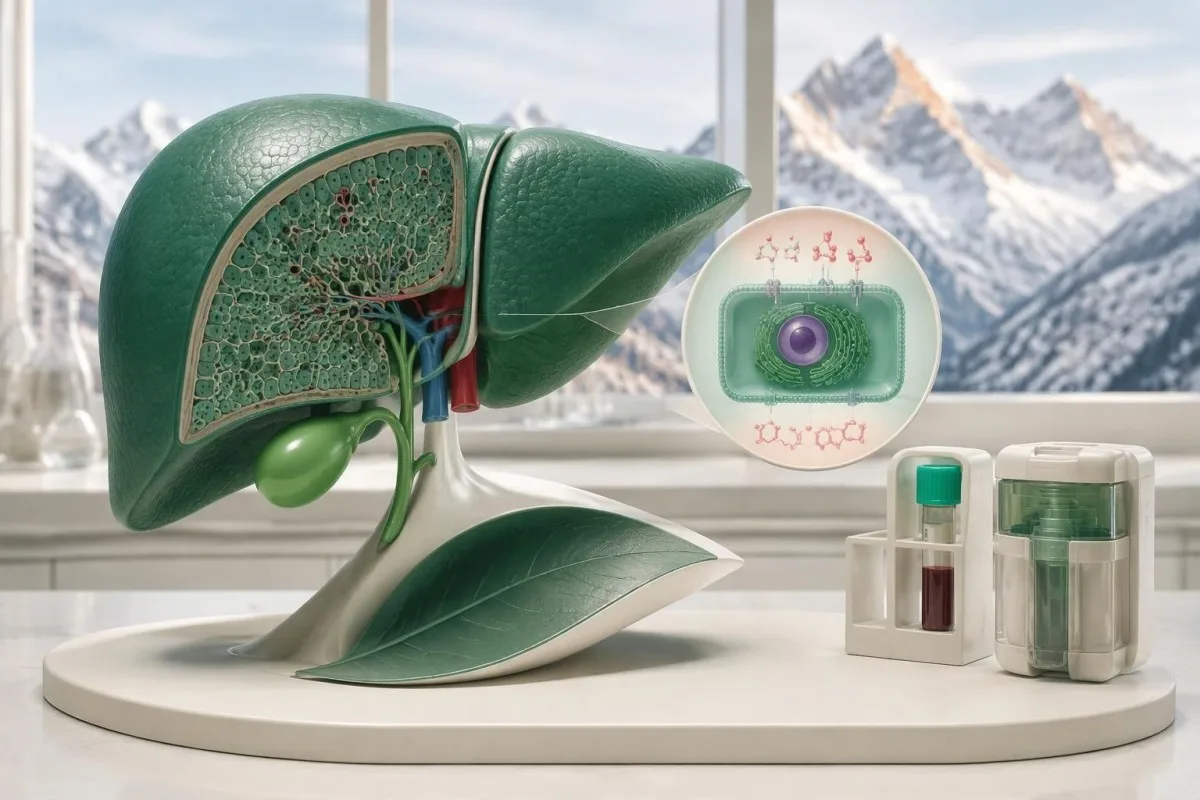
An isolated indirect bilirubin rise may fit reduced UGT1A1 activity, while rising direct bilirubin with abnormal ALP or transaminases suggests an additional hepatobiliary problem. A hypothetical total bilirubin of 1.8 mg/dL with otherwise stable tests is therefore not equivalent to 1.8 mg/dL accompanied by new jaundice and obstruction; fractionation, trends, symptoms, and imaging determine the interpretation.
Strong CYP3A4 inducers can lower irinotecan exposure, while strong CYP3A4 or UGT1A1 inhibitors can increase clinically relevant exposure; examples requiring pharmacy review include rifampicin, carbamazepine, ketoconazole, and atazanavir. Do not stop a prescription yourself, and disclose supplements such as St John’s wort before cycle 1 because changing an interacting medicine can itself change exposure.
Kantesti can help explain routine kidney and electrolyte reports, but a normal creatinine does not guarantee tolerance of delayed diarrhea. The BUN/ക്രിയാറ്റിനിൻ അനുപാത ഗൈഡ് describes contextual interpretation, while our electrolyte safety guide explains why potassium or magnesium losses can matter after 24 hours of gastrointestinal symptoms.
ഏതെല്ലാം നിരീക്ഷണങ്ങളും ലക്ഷണങ്ങളും അടിയന്തര നടപടി ആവശ്യപ്പെടുന്നു?
Monitoring remains necessary for every genotype, with CBC checks before treatment and additional measurements when clinically indicated. A temperature of 38.0°C അല്ലെങ്കിൽ അതിലധികം during chemotherapy warrants immediate contact with the oncology service unless the team has supplied a different threshold; follow a stricter local instruction.

Formal definitions of febrile neutropenia often use a single temperature of 38.3°C or a temperature of 38.0°C sustained for 1 hour, together with a low or falling ANC. These definitions are not instructions to wait at home: chemotherapy services often use simpler, more cautious telephone thresholds, and shaking chills, confusion, or sudden deterioration can be urgent without a documented fever.
A falling ANC can precede symptoms, so a patient feeling well should still attend the scheduled laboratory check. Our borderline neutrophil interpretation guide explains why a result near a cutoff needs context; during treatment, a change from 2.5 to 0.7 × 10⁹/L carries different significance from a stable longstanding count near 1.4 × 10⁹/L.
Dose escalation after a reduced start should follow a predefined plan based on counts, diarrhea, other toxicity, and treatment goals—not simply the absence of nausea after cycle 1. G-CSF may reduce neutropenia risk when indicated, but it does not prevent intestinal toxicity; urgent assessment is needed for diarrhea with fever, severe abdominal pain, inability to drink, or markedly reduced urination.
സാധാരണ ജനിതകരൂപമുണ്ടായിട്ടും ഗുരുതര പാർശ്വഫലങ്ങൾ ഉണ്ടാകാൻ സാധ്യതയുള്ളത് എന്തുകൊണ്ട്?
A normal UGT1A1 result does not guarantee safe treatment because irinotecan toxicity has multiple causes. Genotype does not adequately predict every episode of nausea, fatigue, hair loss, infusion symptoms, or toxicity from companion drugs; even *1/*1 patients can develop severe neutropenia or diarrhea.
A narrow assay may miss uncommon reduced-function variants, while liver impairment, interacting medicines, treatment intensity, and previous chemotherapy can increase risk independently. Thus, 2 patients both reported as *1/*1 may have different exposures and different marrow reserve; a phenotype assignment only describes the genetic information captured by the test, not every biological factor affecting treatment.
Companion drugs create additional attribution problems: oxaliplatin can cause neuropathy, and fluoropyrimidines can contribute diarrhea, mucositis, and marrow suppression. A hypothetical patient on a 4-drug combination with severe diarrhea cannot have the culprit assigned from UGT1A1 alone; timing, the complete regimen, microbiological testing when indicated, and other pharmacogenetic results may alter the clinical explanation.
Kantesti’s role in laboratory trend interpretation is to support understanding, not establish which drug caused a change between 2 cycles. Genetic reports also contain durable personal information, so review our സ്വകാര്യതയും ഡാറ്റ കൈകാര്യം ചെയ്യലും before sharing them; an inherited metabolic variant is not a complete forecast of your future health.
ഇറിനോടെക്കാൻ തുടങ്ങുന്നതിനു മുമ്പ് നിങ്ങളുടെ ഓങ്കോളജി ടീമിനോട് എന്താണ് ചോദിക്കേണ്ടത്?
Before treatment, ask which formulation and regimen you will receive, whether *28 and *6 were tested, and how the result changes the first dose. Also obtain a written diarrhea plan, a temperature threshold, and a 24-hour contact route; these practical details matter even when the genotype is normal.

Request the actual dose in mg/m² and the planned total dose in mg, because they answer different questions. For example, a hypothetical 126 mg/m² order for a body surface area of 1.8 m² gives 226.8 mg before institutional rounding; patients should not perform their own adjustment, but this distinction helps identify whether 2 documents describe the same prescription.
Ask how the team will judge tolerance after cycle 1, whether an interim CBC is planned, and what would justify later escalation. Your written diarrhea instructions may use a loperamide schedule different from ordinary over-the-counter directions, so follow the oncology prescription rather than inventing a schedule; fever, abdominal pain, or persistent symptoms may require assessment instead of additional self-treatment.
കാന്റേസ്റ്റി ഒരു AI-ശക്തിയുള്ള രക്തപരിശോധന വിശകലന ഉപകരണം that can help explain routine reports alongside your own treatment notes; our AI സാങ്കേതികവിദ്യ ഗൈഡ് explains the supporting technology rather than a chemotherapy dosing system. Keep 3 items accessible: the genetic report, the current regimen sheet, and the emergency contact instructions, with the prescribing team verifying all clinical decisions.
ഗവേഷണ പ്രസിദ്ധീകരണങ്ങൾ: ഉപദേശത്തെ പിന്തുണയ്ക്കുന്നതും പിന്തുണയ്ക്കാത്തതും എന്തൊക്കെ?
The dosing advice rests on drug-specific pharmacogenetic guidance and irinotecan studies, not on general blood-test education publications. The 2023 Dutch guideline recommends a 70% start for poor metabolizers, while the 2007 studies cited here help explain dose dependence and the relevance of both *28 and *6.
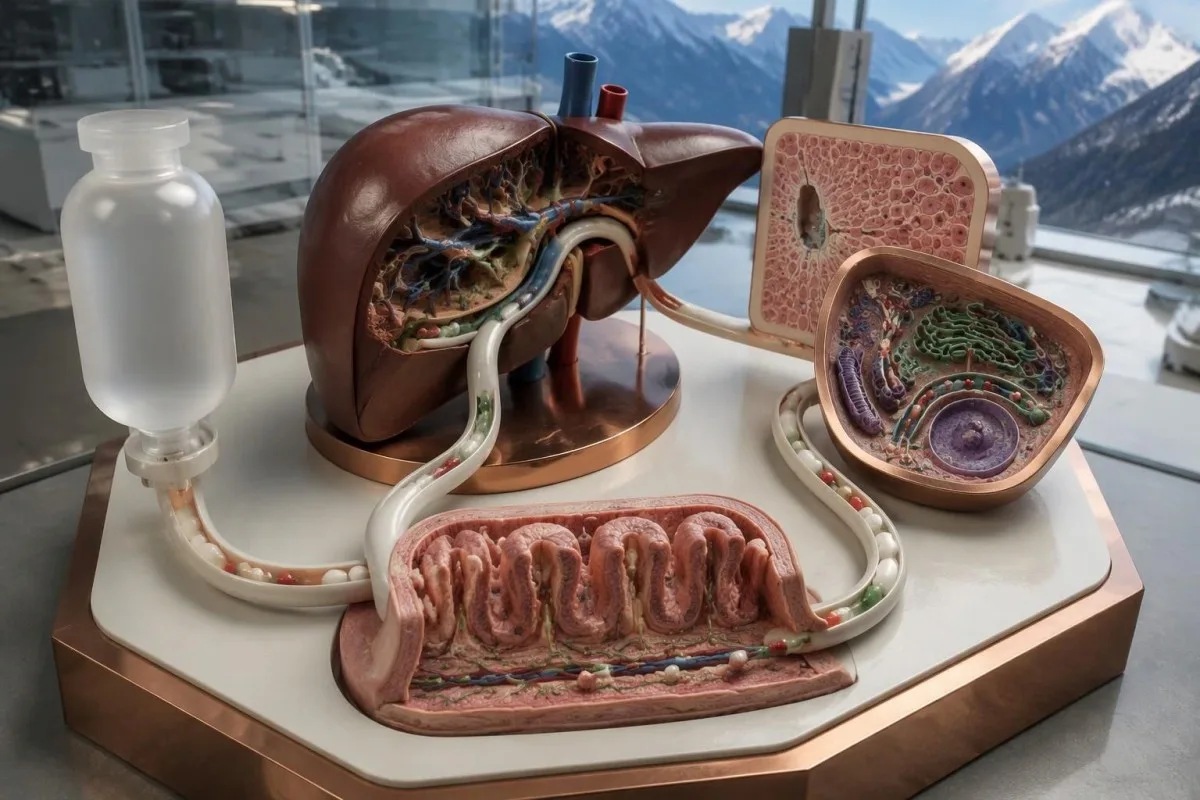
Hulshof et al. translate pharmacokinetic and toxicity evidence into prescribing guidance, whereas Hoskins et al. quantify associations across older dose categories, and Minami et al. examine relevant variants in Japanese patients. These 3 sources answer complementary questions; none supplies an individualized toxicity percentage for every contemporary combination, and observational associations should not be presented as proof that one starting dose suits everyone.
Kantesti’s 2 Zenodo publications listed below are educational resources on RDW and the BUN/creatinine ratio, not trials of UGT1A1-guided irinotecan dosing. Our RDW and CBC interpretation resource can explain accompanying red-cell indices, but RDW does not replace ANC, genotype, or a chemotherapy protocol; a DOI is a persistent identifier, not an automatic guarantee of clinical relevance or peer review.
The unresolved question is often how best to preserve treatment intensity while preventing a severe event in cycle 1, particularly in lower-dose combinations and less-studied genotypes. Our മെഡിക്കൽ ഉള്ളടക്ക മാനദണ്ഡങ്ങൾ require separating established guidance, hypothetical calculations, and genuine uncertainty; the oncology team should confirm the current local product information and protocol before applying any published recommendation.
സാധാരണയായി ചോദിക്കുന്ന ചോദ്യങ്ങൾ
irinotecan-ന് മുമ്പ് എല്ലാവരും UGT1A1 പരിശോധനയ്ക്ക് വിധേയരാകണോ?
പരിശോധനാ നയങ്ങൾ രാജ്യത്തിനും സ്ഥാപനത്തിനും ചികിത്സാരീതിക്കും അനുസരിച്ച് വ്യത്യാസപ്പെടുന്നു; എന്നിരുന്നാലും, ഇറിനോടെക്കാനിന് ചികിത്സയ്ക്കുമുമ്പ് UGT1A1 പരിശോധന നടത്താൻ ഡച്ച് ഫാർമക്കോജെനെറ്റിക്സ് വർക്കിംഗ് ഗ്രൂപ്പ് ശുപാർശ ചെയ്യുന്നു. ഗുരുതരമായ വിഷാംശം ഉണ്ടാകുന്നതിനുമുമ്പ് മോശം മെറ്റബോളൈസർമാരെ തിരിച്ചറിയാൻ കഴിയുന്നതിനാൽ, ആദ്യ സൈക്കിളിന് മുമ്പ് ഫലം ലഭിക്കുന്നത് പ്രത്യേകിച്ച് പ്രയോജനകരമാണ്. *28 ഇല്ലെന്ന് മാത്രം റിപ്പോർട്ട് ചെയ്യാതെ, *28, *6 എന്നിവ രണ്ടും പരിശോധനയിൽ ഉൾപ്പെടുന്നുണ്ടെന്ന് ഉറപ്പാക്കണം. പരിശോധന നിങ്ങളുടെ തുടക്ക ഡോസിൽ മാറ്റം വരുത്തുമോ എന്നും ഫലത്തിനായി കാത്തിരിക്കുന്നത് ഉചിതമാണോ എന്നും നിങ്ങളുടെ ഓങ്കോളജി സംഘം വിശദീകരിക്കണം.
UGT1A1 *28/*28 എന്നത് ഇറിനോടെക്കാൻ ഡോസിംഗിന് എന്താണ് അർത്ഥമാക്കുന്നത്?
UGT1A1 *28/*28 പൊതുവെ poor-metabolizer നിലയും irinotecan-ബന്ധപ്പെട്ട ഗുരുതര ന്യൂട്രോപീനിയയുടെ വർധിച്ച അപകടസാധ്യതയും സൂചിപ്പിക്കുന്നു. ഡച്ച് മാർഗ്ഗനിർദ്ദേശം പതിവ് ആരംഭ ഡോസിന്റെ 70% ശുപാർശ ചെയ്യുന്നു; തുടർന്ന് സഹിഷ്ണുതയും ന്യൂട്രോഫിൽ എണ്ണവും അനുസരിച്ച് ക്ലിനീഷ്യൻ ഡോസ് ക്രമീകരിക്കണം. സാങ്കൽപ്പികമായ ഒരു പരമ്പരാഗത 180 mg/m² ചികിത്സാ പദ്ധതിക്ക്, പ്രോട്ടോക്കോൾ-നിർദ്ദിഷ്ട തീരുമാനങ്ങൾക്കോ റൗണ്ടിങ്ങിനോ മുമ്പുള്ള കണക്കുകൂട്ടൽ 126 mg/m² ആണ്. യുഎസ് നിർദ്ദേശങ്ങളിലും ലിപ്പോസോമൽ ചികിത്സാ പദ്ധതികളിലും വ്യത്യസ്ത സമീപനങ്ങളാണ് ഉപയോഗിക്കുന്നത്; അതിനാൽ ഈ കണക്കുകൂട്ടൽ വ്യക്തിഗത കുറിപ്പടിയല്ല.
ഇറിനോടെക്കാനിന് മുമ്പ് UGT1A1 *6-ന് *28-ന് തുല്യമായ പ്രസക്തിയുണ്ടോ?
UGT1A1 *6, SN-38 നിർജ്ജീവമാക്കൽ കുറയ്ക്കാൻ സാധ്യതയുള്ള, ക്ലിനിക്കലി പ്രസക്തമായ പ്രവർത്തനക്കുറവുള്ള ഒരു വകഭേദമാണ്. *6/*6 അല്ലെങ്കിൽ *6/*28 പോലുള്ള ഫലങ്ങൾ സാധാരണയായി poor-metabolizer നിലയെ സൂചിപ്പിക്കുന്നു, കാരണം അവയിൽ പ്രവർത്തനക്കുറവുള്ള 2 അല്ലീലുകൾ അടങ്ങിയിരിക്കുന്നു. കിഴക്കൻ ഏഷ്യയിലെ നിരവധി ജനവിഭാഗങ്ങളിൽ ഈ വകഭേദം കൂടുതൽ സാധാരണമാണ്, എന്നാൽ വംശപരമ്പര മാത്രം ഉപയോഗിച്ച് ഒരാൾക്ക് ഇത് ഉണ്ടോ എന്ന് നിർണയിക്കാനാവില്ല. *28-നെഗറ്റീവ് ഫലം സാധാരണ മെറ്റബോളിസമായി വ്യാഖ്യാനിക്കുന്നതിന് മുമ്പ് നിങ്ങളുടെ ലബോറട്ടറി *6 പരിശോധന നടത്തിയിട്ടുണ്ടോ എന്ന് ചോദിക്കുക.
UGT1A1 *1/*28 ഉള്ളപ്പോൾ നിർബന്ധമായും ഡോസ് കുറയ്ക്കേണ്ടതുണ്ടോ?
UGT1A1 *1/*28 സാധാരണയായി poor-metabolizer നിലയേക്കാൾ intermediate-metabolizer നിലയെയാണ് സൂചിപ്പിക്കുന്നത്. Intermediate metabolizers-ന് ജനിതകരൂപം മാത്രം അടിസ്ഥാനമാക്കിയുള്ള സ്വയമേവയുള്ള പ്രാരംഭ-ഡോസ് കുറവ് Dutch മാർഗ്ഗനിർദ്ദേശം ശുപാർശ ചെയ്യുന്നില്ല. 180 mg/m²-ന് ഷെഡ്യൂൾ ചെയ്തിട്ടുള്ള ഒരു രോഗിക്ക്, ബിലിറൂബിൻ നില, മുൻചികിത്സ, പരസ്പരം ഇടപെടുന്ന മരുന്നുകൾ, അല്ലെങ്കിൽ സംയോജന ചികിത്സാ പദ്ധതി എന്നിവ കാരണം വ്യത്യസ്തമായൊരു പദ്ധതി ആവശ്യമായി വന്നേക്കാം. Intermediate metabolism, CBC നിരീക്ഷണത്തിന്റെയോ വയറിളക്കത്തിനായുള്ള സുരക്ഷാ പദ്ധതിയുടെയോ ആവശ്യകത ഇല്ലാതാക്കുന്നില്ല.
സാധാരണ ബിലിറൂബിന് UGT1A1 ജനിതക പരിശോധനയ്ക്ക് പകരമാകുമോ?
സാധാരണ ബിലിറൂബിൻ കുറഞ്ഞ പ്രവർത്തനമുള്ള UGT1A1 ജനിതകരൂപത്തെ ഒഴിവാക്കുന്നില്ല; ഉയർന്ന ബിലിറൂബിൻ നിർദ്ദിഷ്ട അല്ലീൽ തിരിച്ചറിയാനും കഴിയില്ല. സംയോജനം, കരളിന്റെ പ്രവർത്തനം, തടസ്സം, ചുവന്ന രക്താണുക്കളുടെ വിഘടനം എന്നിവ ഉൾപ്പെടെ നിരവധി പ്രക്രിയകളെയാണ് ബിലിറൂബിൻ പ്രതിഫലിപ്പിക്കുന്നത്. 2.0 mg/dL എന്ന മൊത്തം ബിലിറൂബിൻ ഏകദേശം 34 µmol/L ആണ്; ഇത് ബന്ധപ്പെട്ട ഇറിനോടെക്കാൻ പ്രോട്ടോക്കോളിന്റെ പരിധിയിൽ വ്യാഖ്യാനിക്കണം. ജനിതക പരിശോധനയും ബിലിറൂബിൻ അളക്കലും പരസ്പരം പകരംവയ്ക്കാവുന്ന ഉത്തരങ്ങളല്ല, മറിച്ച് പരസ്പരപൂരകമായ വിവരങ്ങളാണ് നൽകുന്നത്.
ഇറിനോടെക്കാനിന് ശേഷം വയറിളക്കമോ പനിയോ ഉണ്ടായാൽ എപ്പോഴാണ് വിളിക്കേണ്ടത്?
0 ഉടൻ കാൻസർ ചികിത്സാ വിഭാഗവുമായി ബന്ധപ്പെടുക: കീമോതെറാപ്പിക്കിടെ 38.0°C അല്ലെങ്കിൽ അതിലധികം പനി ഉണ്ടായാൽ, ചികിത്സാ സംഘം മറ്റൊരു പരിധി നൽകിയിട്ടില്ലെങ്കിൽ, കൂടാതെ കൂടുതൽ കർശനമായ നിർദ്ദേശങ്ങളുണ്ടെങ്കിൽ അവ പാലിക്കുക. ചികിത്സ കഴിഞ്ഞ് 24 മണിക്കൂറിലധികം കഴിഞ്ഞ് തുടങ്ങുന്ന ഇറിനോടെക്കാൻ മൂലമുള്ള വയറിളക്കം നിർജലീകരണത്തിനോ ഇലക്ട്രോലൈറ്റ് നഷ്ടത്തിനോ കാരണമാകാം. നിർദ്ദേശിച്ച പദ്ധതി പാലിച്ചിട്ടും വയറിളക്കം തുടരുക, വെള്ളം കുടിക്കാൻ കഴിയാതിരിക്കുക, മൂത്രമൊഴിക്കൽ കുറയുക, മലത്തിൽ രക്തം കാണുക, അല്ലെങ്കിൽ കാര്യമായ വയറുവേദന ഉണ്ടാകുക എന്നിവയുണ്ടെങ്കിൽ ഉടൻ വിളിക്കുക. സഹായം തേടുന്നതിന് മുമ്പ് ഒരു ദിവസം 7 അധിക തവണ മലവിസർജനം ഉണ്ടാകുന്നതുവരെയോ നിശ്ചയിച്ച രക്തപരിശോധന വരെയോ കാത്തിരിക്കരുത്.
നിങ്ങളുടെ രക്ത പരിശോധന ഫലം എങ്ങനെ വായിക്കാം
നിങ്ങളുടെ ലാബ് റിപ്പോർട്ട് അപ്ലോഡ് ചെയ്യൂ; Kantesti-യുടെ AI ഓരോ ബയോമാർക്കറും നിമിഷങ്ങൾക്കുള്ളിൽ ലളിതമായ ഭാഷയിൽ വിശദീകരിക്കും. ലോകമെമ്പാടുമുള്ള 2 ദശലക്ഷത്തിലധികം ആളുകൾ ഉപയോഗിക്കുന്നു.
അവലംബം
- ക്ലൈൻ, ടി., മിച്ചൽ, എസ്., & വെബർ, എച്ച്. (2026). RDW രക്തപരിശോധന: RDW-CV, MCV, MCHC എന്നിവയ്ക്കുള്ള സമ്പൂർണ ഗൈഡ്. Kantesti AI മെഡിക്കൽ ഗവേഷണം. ഡി.ഒ.ഐ.
- ക്ലൈൻ, ടി., മിച്ചൽ, എസ്., & വെബർ, എച്ച്. (2026). BUN/ക്രിയാറ്റിനിൻ അനുപാതം വിശദീകരിച്ചു: വൃക്ക പ്രവർത്തന പരിശോധന ഗൈഡ്. Kantesti AI മെഡിക്കൽ ഗവേഷണം. ഡി.ഒ.ഐ.
- Hulshof DP et al. (2023). Dutch pharmacogenetics working group (DPWG) guideline for the gene–drug interaction between UGT1A1 and irinotecan. European Journal of Human Genetics.
- Hoskins JM et al. (2007). UGT1A1*28 genotype and irinotecan-induced neutropenia: dose matters. Journal of the National Cancer Institute. ഡി.ഒ.ഐ.
- Minami H et al. (2007). Irinotecan pharmacokinetics/pharmacodynamics and UGT1A genetic polymorphisms in Japanese: roles of UGT1A1*6 and *28. Pharmacogenetics and Genomics.
- 2മി+വിശകലനം ചെയ്ത പരിശോധനകൾ
- 127+രാജ്യങ്ങൾ
- 100+ഭാഷകൾ
മെഡിക്കൽ സംഘത്തെക്കുറിച്ച്


E-E-A-T വിശ്വാസ സൂചനകൾ
അനുഭവം
ലാബ് ഫലം വ്യാഖ്യാനിക്കുന്ന പ്രവാഹങ്ങളുടെ വൈദ്യനേതൃത്വത്തിലുള്ള ക്ലിനിക്കൽ അവലോകനം.
വൈദഗ്ദ്ധ്യം
ക്ലിനിക്കൽ സാഹചര്യത്തിൽ ബയോമാർക്കറുകൾ എങ്ങനെ പെരുമാറുന്നു എന്നതിൽ ലബോറട്ടറി മെഡിസിൻ കേന്ദ്രീകരിക്കുന്നു.
ആധികാരികത
ഡോ. തോമസ് ക്ലൈൻ മെഡിക്കൽ അവലോകനം നടത്തി; ഡോ. സാറാ മിച്ചലിന്റെയും പ്രൊഫ. ഡോ. ഹാൻസ് വെബറിന്റെയും സംഭാവനകളോടെ.
വിശ്വാസ്യത
അലാറം കുറയ്ക്കാൻ വ്യക്തമായ തുടർനടപടി മാർഗങ്ങളോടെയുള്ള തെളിവാധിഷ്ഠിത വ്യാഖ്യാനം.






മെഡിക്കൽ നിരാകരണ അറിയിപ്പ്
ഈ ലേഖനം വിദ്യാഭ്യാസ ആവശ്യങ്ങൾക്കായി മാത്രമാണ്; ഇത് മെഡിക്കൽ ഉപദേശം എന്ന നിലയിൽ കണക്കാക്കരുത്. രോഗനിർണയത്തിനും ചികിത്സാ തീരുമാനങ്ങൾക്കും വേണ്ടി എപ്പോഴും യോഗ്യതയുള്ള ആരോഗ്യപരിചരണ വിദഗ്ധനെ സമീപിക്കുക.
പ്രസിദ്ധീകരിച്ചത് · എഡിറ്റോറിയൽ സംഘവുമായി ബന്ധപ്പെടുക
Kantesti Ltd പ്രസിദ്ധീകരിച്ചത്, ഇംഗ്ലണ്ടിലും വെയിൽസിലും രജിസ്റ്റർ ചെയ്തിരിക്കുന്നു, കമ്പനി നമ്പർ. 17090423, ലണ്ടൻ, യുണൈറ്റഡ് കിംഗ്ഡം.
