UGT1A1 পৰীক্ষাই irinotecan-ৰ সক্ৰিয় মেটাব’লাইটৰ নিষ্কাশন কম হোৱা চিনাক্ত কৰি অধিক নিৰাপদ আৰম্ভণিৰ মাত্ৰা নিৰ্ধাৰণত সহায় কৰিব পাৰে। ই সকলো প্ৰতিক্ৰিয়া পূৰ্বানুমান কৰিব নোৱাৰে, আৰু সিদ্ধান্ত নিৰ্দিষ্ট ফৰ্মুলেচন, চিকিৎসা-ৰেজিমেন আৰু আপোনাৰ অংক’লজি দলৰ মূল্যায়নৰ ওপৰত নিৰ্ভৰ কৰে।.

মূল কথাসমূহ
- UGT1A1 পৰীক্ষাই SN-38 নিষ্ক্ৰিয়কৰণৰ বংশগত পাৰ্থক্য চিনাক্ত কৰে; নিয়মীয়া বিলিৰুবিন বা যকৃতৰ পৰীক্ষাই জেনেটিক ফলাফলৰ বিকল্প হ’ব নোৱাৰে।.
- Poor metabolizers সাধাৰণতে *28/*28, *6/*6, বা *6/*28 ফলাফল থাকে, যিয়ে irinotecan-সম্পৰ্কীয় গুৰুতৰ নিউট্ৰ’পেনিয়াৰ বিপদাশংকা বৃদ্ধি কৰে।.
- Intermediate metabolizers সাধাৰণতে *1/*28 বা *1/*6 ফলাফল থাকে; Dutch Pharmacogenetics Working Group-এ এই ৰোগীসকলৰ বাবে কেৱল জিন’টাইপৰ ভিত্তিত স্বয়ংক্ৰিয়ভাৱে মাত্ৰা কমোৱাৰ পৰামৰ্শ নিদিয়ে।.
- আৰম্ভণিৰ মাত্ৰা সম্পৰ্কীয় নিৰ্দেশনা বেলেগ: Dutch guideline-এ poor metabolizers-ৰ বাবে সাধাৰণ irinotecan আৰম্ভণিৰ মাত্ৰাৰ 70% পৰামৰ্শ দিয়ে, তাৰ পিছত চিকিৎসকৰ তত্ত্বাৱধানত মাত্ৰা সালসলনি কৰা হয়।.
- চিকিৎসা-ৰেজিমেন গুৰুত্বপূৰ্ণ কাৰণ পৰম্পৰাগত FOLFIRI-ত সাধাৰণতে প্ৰতি 2 সপ্তাহত 180 mg/m² দিয়া হয়, আনহাতে অন্য সময়সূচী আৰু liposomal ফৰ্মুলেচনত বেলেগ মাত্ৰা ব্যৱহাৰ কৰা হয়।.
- লিপ’জ’মেল ইৰিনোটেকান ইয়াৰ প্ৰস্তুতি-নিৰ্দিষ্ট নিৰ্দেশনা আছে; 70 mg/m² ৰেজিমেন আৰু 50 mg/m² ৰেজিমেনক পৰস্পৰৰ সলনি ব্যৱহাৰযোগ্য বুলি গণ্য কৰিব নালাগে।.
- পলমকৈ হোৱা ডায়েৰিয়া ইৰিনোটেকান দিয়াৰ 24 ঘণ্টাতকৈ অধিক সময়ৰ পিছত আৰম্ভ হয় আৰু পানীশূন্যতা, ইলেক্ট্ৰ’লাইটৰ ক্ষয় বা লগত হোৱা নিউট্ৰ’পেনিয়াৰ ফলত বিপজ্জনক হৈ উঠিব পাৰে।.
- তৎক্ষণাৎ মূল্যায়ন কেম’থেৰাপিৰ সময়ত 38.0°C বা তাতকৈ অধিক জ্বৰ হ’লে ইয়াৰ প্ৰয়োজন হয়, যদিহে আপোনাৰ অংক’লজি দলে বেলেগ, অধিক কঠোৰ সীমা নিৰ্ধাৰণ কৰা নাই।.
প্ৰথম ইনফিউজনৰ আগতে UGT1A1 পৰীক্ষাই কি সলনি কৰে?
A ইৰিনোটেকান দিয়াৰ আগতে UGT1A1 পৰীক্ষা এ SN-38, ঔষধটোৰ সক্ৰিয় মেটাব’লাইট নিষ্ক্ৰিয় কৰাৰ ক্ষমতা হ্ৰাস পোৱাটো চিনাক্ত কৰে। যেনে, 28/*28, *6/*6, বা *6/*28 ফলাফলে কম প্ৰাৰম্ভিক মাত্ৰা আৰু তীব্ৰ নিউট্ৰ’পেনিয়া তথা পলমকৈ হোৱা ডায়েৰিয়াৰ বাবে অধিক নিবিড় নিৰীক্ষণৰ পক্ষে যুক্তি দিব পাৰে; অংক’লজি দলে ফলাফলটো প্ৰকৃত ৰেজিমেনৰ ক্ষেত্ৰত প্ৰয়োগ কৰিব লাগিব।.

চক্ৰ 1-ৰ আগতে পৰীক্ষা কৰাটোৱেই আটাইতকৈ উপযোগী, কাৰণ চিকিৎসা-সম্পৰ্কীয় কোনো লক্ষণ দেখা দিয়াৰ আগতেই বংশগতভাৱে ঔষধ নিষ্কাশনৰ পাৰ্থক্য থাকে। ফলাফলে বৰ্তমান শৰীৰত কিমান ইৰিনোটেকান চলি আছে সেয়া জোখা নকৰে, আৰু কেম’থেৰাপিয়ে কাম কৰিব নে নাই সেয়াও নিৰ্ধাৰণ নকৰে; এইবোৰ বেলেগ প্ৰশ্ন, যাৰ উত্তৰ চিকিৎসাৰ প্ৰতিক্ৰিয়া, ক্লিনিকেল মূল্যায়ন আৰু কেতিয়াবা বিশেষজ্ঞৰ ফাৰ্মাকোকাইনেটিক পদ্ধতিৰ জৰিয়তে পোৱা যায়।.
ধৰি লওক, পৰম্পৰাগত ইৰিনোটেকান 180 mg/m² দিয়াৰ সময়সূচী থকা এজন ৰোগীয়ে দুৰ্বল মেটাব’লাইজাৰ ফলাফলৰ পিছত বেলেগ প্ৰাৰম্ভিক চিকিৎসা-পৰিকল্পনা পাব পাৰে; আনহাতে, একে জিন’টাইপৰ আন এজন ৰোগীয়ে ইতিমধ্যে কম মাত্ৰাৰ সংমিশ্ৰণ চিকিৎসা পাই থাকিব পাৰে। ফলাফলটো কেৱল পজিটিভ নে নহয় সেয়াই সুধিবলগীয়া কথা নহয়: ফলাফলটোৱে কোনটো প্ৰাৰম্ভিক মাত্ৰা, নিৰীক্ষণৰ সময়সূচী আৰু মাত্ৰা বৃদ্ধিৰ মাপকাঠী সলনি কৰে সেয়া সুধক।.
কান্টেষ্টি হৈছে এক... এ আই ব্লাড টেষ্ট এনালাইজাৰ যিয়ে নিয়মীয়া CBC আৰু বিলিৰুবিনৰ প্ৰতিবেদন বুজিবলৈ সহায় কৰে, কিন্তু UGT1A1 জিন’টাইপিং কৰা পৰীক্ষাগাৰ বা কেম’থেৰাপিৰ পৰামৰ্শ দিয়া সেৱা নহয়। আমাৰ সংগঠন আৰু ক্লিনিক্যালে উদ্দেশ্য আপোনাৰ অংক’লজি দলৰ ঔষধ লিখি দিয়াৰ ভূমিকাৰ পৰা পৃথক; জিনীয় প্ৰতিবেদন আৰু প্ৰতিটো চক্ৰৰ নিৰ্দিষ্ট পৰীক্ষাগাৰৰ ফলাফল চিকিৎসাৰ নথিৰ 2টা পৃথক অংশ হিচাপে ৰাখক।.
UGT1A1 *28 আৰু *6-এ irinotecan-ৰ বিপাকত কেনে প্ৰভাৱ পেলায়?
UGT1A1 *28 এ এনজাইমৰ প্ৰকাশ হ্ৰাস কৰে, আনহাতে UGT1A1 *6 ভেৰিয়েণ্টে কোডিং পৰিৱৰ্তনৰ জৰিয়তে এনজাইমৰ কাৰ্যক্ষমতা হ্ৰাস কৰে। দুয়োটাই সক্ৰিয় SN-38-ৰ অতি কম সক্ৰিয় গ্লুকুৰ’নাইড, SN-38G-লৈ ৰূপান্তৰ মন্থৰ কৰিব পাৰে; ইয়াৰ ফলত ALT বা AST-ৰ ফলাফল অস্বাভাৱিক নোহোৱাকৈয়ে ঔষধৰ সংস্পৰ্শ বৃদ্ধি পায়।.

কাৰ্বক্সিলএষ্টাৰেজে প্ৰথমে ইৰিনোটেকানক SN-38-লৈ ৰূপান্তৰ কৰে; তাৰ পিছত UGT1A1-এ SN-38 নিষ্ক্ৰিয় কৰাত ভূমিকা লয়, ইয়াৰ প্ৰাৰম্ভিক সক্ৰিয়কৰণত নহয়। *28 এলিলত সাধাৰণতে *1-ৰ সৈতে জড়িত 6টা প্ৰম’টাৰ TA পুনৰাবৃত্তিৰ সলনি 7টা থাকে, আনহাতে *6-ক সাধাৰণতে c.211G>A বুলি বৰ্ণনা কৰা হয়, যাৰ ফলত p.Gly71Arg প্ৰতিস্থাপন ঘটে।.
একেটা এনজাইমে বিলিৰুবিনৰ সৈতেও সংযোজন কৰে, যিয়ে গিলবাৰ্ট ছিণ্ড্ৰম আৰু বিলিৰুবিনৰ সৈতে থকা সম্পৰ্কটো বুজায়. । কিন্তু বিলিৰুবিনৰ স্বাভাৱিক ফলাফলে কাৰ্যক্ষমতা হ্ৰাস কৰা জিন’টাইপ নথকাটো নিশ্চিত নকৰে, আৰু বৃদ্ধি পোৱা ফলাফলেও কোনটো ভেৰিয়েণ্ট আছে সেয়া চিনাক্ত নকৰে; উপবাস, অসুস্থতা, অৱৰোধ আৰু যকৃতৰ অক্ষমতাই এটা মাত্ৰ জোখৰ ব্যাখ্যা সলনি কৰিব পাৰে।.
মিনামি আৰু সহযোগীসকলে জাপানী ৰোগীৰ ক্ষেত্ৰত *6 আৰু *28 দুয়োটাকে পৰীক্ষা কৰি UGT1A-ৰ ভিন্নতাৰ সৈতে ইৰিনোটেকানৰ ফাৰ্মাকোকাইনেটিক্স আৰু বিষক্ৰিয়াৰ সম্পৰ্ক দেখুৱাইছিল (Pharmacogenetics and Genomics, 2007)। তেওঁলোকৰ গৱেষণা গুৰুত্বপূৰ্ণ, কাৰণ কেৱল *28-ত সীমাবদ্ধ পৰীক্ষাই চিকিৎসাগতভাৱে প্ৰাসংগিক *6 এলিল ধৰা পেলাব নোৱাৰিব পাৰে; *28-নেগেটিভ বুলি বৰ্ণনা কৰা 2জন ৰোগীৰ SN-38 নিষ্কাশনৰ ক্ষমতা একে হ’বই লাগিব বুলি ক’ব নোৱাৰি।.
কোনবোৰ ফলাফলে UGT1A1 poor metabolizer সূচায়?
A UGT1A1 দুৰ্বল মেটাব’লাইজাৰ generally carries 2 decreased-function alleles, including 28/*28, *6/*6, বা *6/*28. A person with *1/*28 or *1/*6 usually has an intermediate-metabolizer phenotype; *1/*1 is usually classified as normal when the test adequately covers relevant variants.

The slash separates the 2 inherited gene copies; it is not a fraction or a drug concentration. A *6/*28 result usually means one decreased-function allele came from each parent, creating a compound-heterozygous poor-metabolizer result; possessing 2 different allele names does not make the result less clinically relevant than *28/*28.
Intermediate metabolism is not the same as zero risk. Although the Dutch guideline does not recommend an automatic reduction for *1/*28 or *1/*6, a patient starting at 180 mg/m² may still need modification because of elevated bilirubin, limited marrow reserve, previous toxicity, or the accompanying drugs; the phenotype is one input, not permission to ignore the rest.
Pharmacogenetic recommendations are drug-specific, as our explanation of SLCO1B1-related medication risk also illustrates. A reduced-function result does not mean every medicine is unsafe, and *28/*28 does not itself diagnose a hereditary cancer syndrome; ask the laboratory to provide the diplotype, assigned phenotype, and variants tested rather than a 1-word positive result.
জেনেটিক পৰীক্ষাত কি কি থাকিব লাগে, আৰু ইয়াৰ প্ৰয়োজন কেতিয়া হয়?
The test should clearly state whether it detects both *28 and *6, how it assigns the 2 alleles, and which other variants it evaluates. Testing before the first irinotecan dose allows the result to influence prevention rather than merely explain toxicity after it occurs.
UGT1A1 *6 is more frequent in several East Asian populations, while *28 occurs across multiple ancestry groups; ancestry can inform test coverage but cannot substitute for testing. Some assays also distinguish the 5-repeat *36 and 8-repeat *37 alleles, so reports from 2 laboratories may differ because their analytical scope differs—not because your inherited genotype changed.
A laboratory may use a blood-derived DNA sample or a validated saliva or cheek-cell method; fasting is not ordinarily required for the genetic analysis itself. Recent allogeneic stem-cell transplantation needs special discussion because circulating DNA may reflect the donor, and turnaround time must be checked locally rather than assumed to fit a treatment appointment in 2 days.
Genotyping and enzyme-activity testing are not interchangeable, a distinction also relevant to TPMT test interpretation. UGT1A1 genotype generally needs testing only once, but a narrow panel may warrant additional analysis if the clinical picture is unexpected; a report listing only 1 tested variant should not be read as proof that every other reduced-function allele is absent.
UGT1A1-এ গুৰুতৰ নিউট্ৰ’পেনিয়াৰ বিপদাশংকা কিমান বৃদ্ধি কৰে?
Poor-metabolizer genotypes increase the likelihood of তীব্ৰ neutropenia, but the size of the increase depends on dose and regimen. Grade 3 neutropenia generally means an absolute neutrophil count below 1.0 down to 0.5 × 10⁹/L; grade 4 means below 0.5 × 10⁹/L.
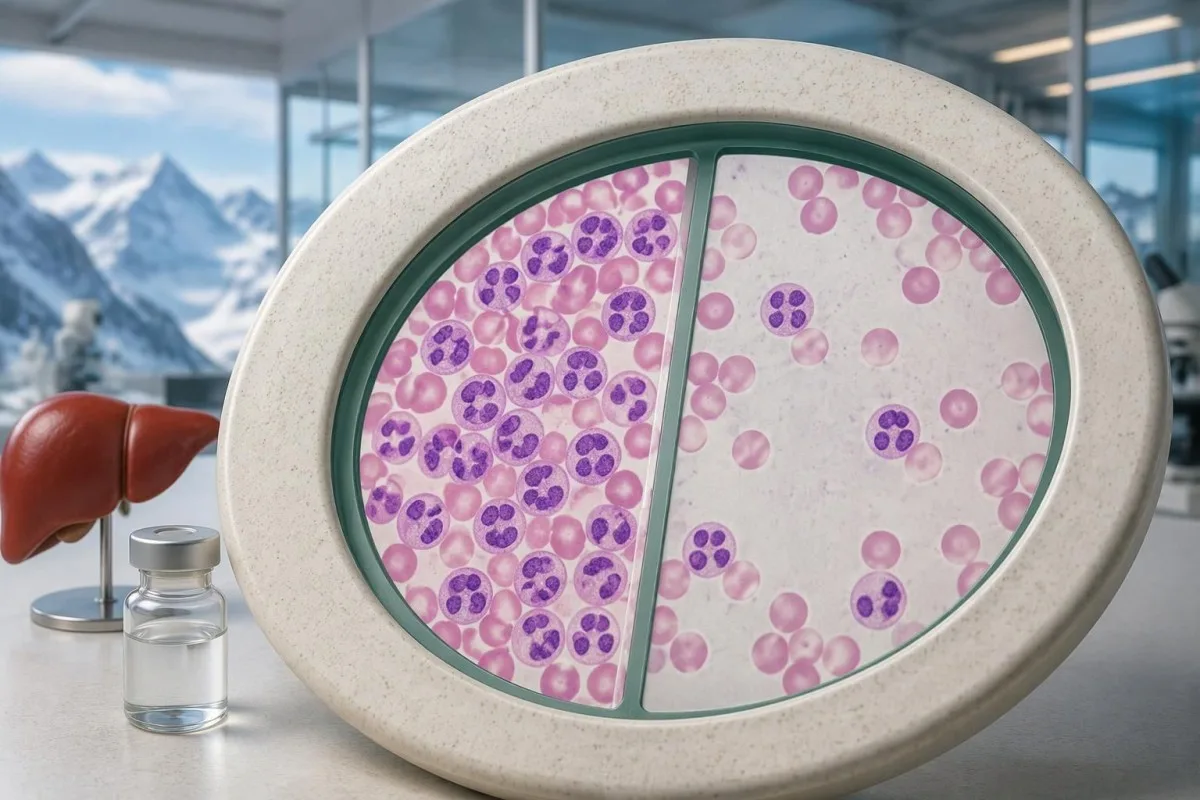
Hoskins et al. reported a dose-dependent association between *28/*28 and irinotecan-related neutropenia in their 2007 Journal of the National Cancer Institute meta-analysis. In the 150–250 mg/m² category, the pooled odds ratio was 3.22, with a 95% confidence interval of 1.52–6.81; older mixed schedules and wide uncertainty prevent treating this as a personal probability.
An odds ratio is not the percentage of patients affected. In a purely hypothetical illustration, if baseline risk were 10%, an odds ratio of 3 would correspond to approximately 25% risk—not 30%; the actual baseline varies with companion drugs, supportive care, prior treatment, and eligibility criteria, so no single percentage applies to every poor metabolizer.
Kantesti can help readers distinguish the ANC from the neutrophil percentage in routine reports, using the concepts explained in our पूर्ण न्यूट्रोफिल गणना गाइड. A pre-existing Duffy-null-associated lower ANC requires individualized interpretation, but a new chemotherapy-related fall below 0.5 × 10⁹/L still deserves prompt oncology assessment rather than reassurance based on ancestry alone.
irinotecan-ৰ আগতীয়া আৰু পলমকৈ হোৱা ডায়েৰিয়া কিয় বেলেগ?
Early diarrhea occurs during or shortly after infusion, usually within 24 hours, and may accompany cholinergic symptoms such as sweating or abdominal cramping. পলমকৈ হোৱা ডায়েৰিয়া begins more than 24 hours after treatment and is more closely related to intestinal toxicity, including exposure to SN-38.
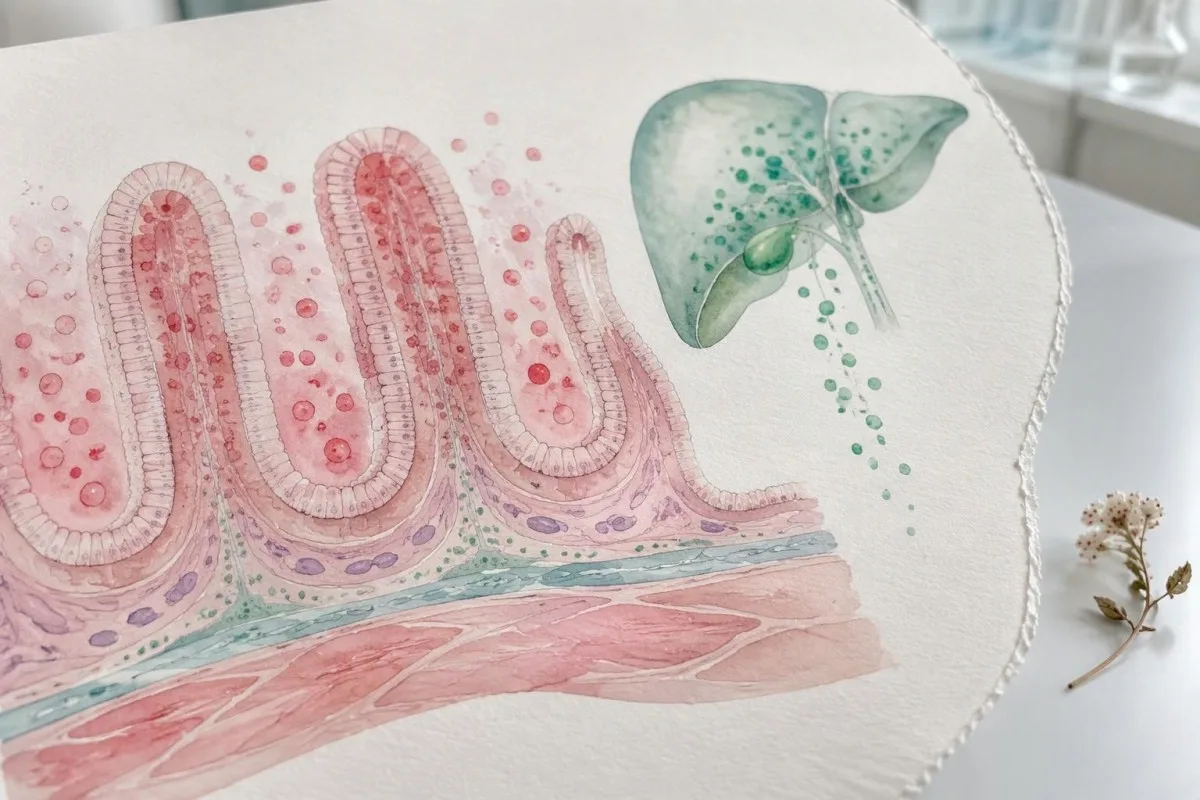
UGT1A1 genotype is more useful for anticipating delayed toxicity than predicting the immediate cholinergic syndrome. Clinicians may use atropine for early symptoms when appropriate, while delayed diarrhea requires a separate written treatment plan; intestinal bacteria can convert SN-38G back to SN-38 through beta-glucuronidase activity, illustrating why liver conjugation is not the only determinant of bowel exposure.
Grade 3 diarrhea commonly includes at least 7 additional stools per day above baseline, hospitalization being indicated, or a severe increase in ostomy output. Do not wait to reach that count before calling: persistent diarrhea despite the prescribed plan, vomiting that prevents drinking, fever, dizziness, or reduced urine output can justify urgent assessment at a much smaller stool increase.
Diarrhea during chemotherapy should not automatically be attributed to genotype, because antibiotics, infections, and accompanying drugs can produce similar symptoms; our C. difficile result guide explains one relevant diagnostic complication. If diarrhea lasts beyond 24 hours despite your oncology instructions, contact the team, and treat blood in the stool or significant abdominal pain as warning signs rather than ordinary treatment effects.
চিকিৎসা-ৰেজিমেনে আৰম্ভণিৰ মাত্ৰা নিৰ্ধাৰণৰ সিদ্ধান্তত কেনে প্ৰভাৱ পেলায়?
A starting-dose decision combines UGT1A1 phenotype with the planned regimen, not genotype alone. Conventional FOLFIRI commonly uses irinotecan 180 mg/m² every 2 weeks, whereas modified combinations may use 150 mg/m² or another protocol-specific amount; those differences change baseline exposure and toxicity.

The Dutch Pharmacogenetics Working Group recommends starting poor metabolizers at 70% of the normal irinotecan dose, with subsequent increases guided by neutrophil counts and clinical tolerance (Hulshof et al., 2023). Applied hypothetically to a 180 mg/m² protocol, 70% is 126 mg/m²; the prescribing team decides whether protocol rules permit rounding, what dose level to use, and when reassessment occurs.
A 70% calculation is relative to the regimen’s usual starting dose, not a fixed universal dose. For a hypothetical protocol starting at 150 mg/m², the same calculation gives 105 mg/m²; applying the 126 mg/m² figure from a different protocol would therefore be a genuine dosing error, especially if the infusion schedule or formulation also differed.
কান্টেষ্টি হৈছে এক... AI তেজ পৰীক্ষাৰ ফলাফল প্লেটফৰ্ম for explaining reported laboratory values, not selecting a 180 mg/m² chemotherapy prescription; our ক্লিনিকেল ভেলিডেচন ফ্ৰেমৱৰ্ক describes the distinction between interpretation support and prescribing. In combinations containing fluorouracil or capecitabine, কেম’থেৰাপিৰ আগৰ DPYD পৰীক্ষা addresses a separate metabolic risk that a normal UGT1A1 result cannot rule out.
বিভিন্ন নিৰ্দেশনাত irinotecan-ৰ মাত্ৰা সম্পৰ্কীয় পৰামৰ্শ কিয় বেলেগ?
Guidelines differ because they interpret dose-dependent evidence differently and serve different clinical settings. The Dutch guideline recommends a 70% starting dose for poor metabolizers, while US conventional irinotecan prescribing information advises considering a reduction by at least 1 dose level, without defining one percentage for every regimen.
A dose level is defined by the treatment protocol rather than by the genetic test. Moving from 180 to 150 mg/m² would be approximately a 17% reduction, while moving from 180 to 120 mg/m² would be approximately a 33% reduction; these are mathematical examples, not recommendations, and explain why the phrase reduce one level needs a named protocol.
The French RNPGx/GPCO dose-stratified framework has historically distinguished doses below 180 mg/m², doses of 180–230 mg/m², and high doses of at least 240 mg/m². It recommended approximately 25–30% reduction for *28/*28 at the intermediate range and advised against high-dose use in that genotype; the Dutch recommendation is broader, including lower-dose regimens and other poor-metabolizer combinations.
The evidence is genuinely less settled at lower doses, where severe events may be less frequent and studies less able to estimate genotype effects precisely. This differs from HLA-B*57:01 drug avoidance, where the relevant recommendation is avoidance rather than a 30% reduction; ask which local guideline your team follows and whether its advice specifically covers *6/*6 or *6/*28.
liposomal irinotecan-ত UGT1A1-ৰ একেই মাত্ৰা-নিয়ম প্ৰযোজ্য হয়নে?
Liposomal irinotecan is not interchangeable with conventional irinotecan, and its UGT1A1 instructions depend on the regimen. In the liposomal irinotecan plus fluorouracil/leucovorin setting, a usual 70 mg/m² dose is reduced to 50 mg/m² initially for known *28/*28; the NALIRIFOX regimen already starts at 50 mg/m².

Those 70 and 50 mg/m² figures refer to irinotecan free base in the relevant liposomal prescribing instructions. Some documents also express doses using the hydrochloride trihydrate equivalent, approximately 80 and 60 mg/m² respectively; the team must verify the convention rather than interpret a different-looking number as an intentional dose increase or decrease.
For NALIRIFOX—liposomal irinotecan with oxaliplatin, fluorouracil, and leucovorin—the labeled starting dose is 50 mg/m² every 2 weeks, including patients known to have *28/*28. This does not establish that every poor-metabolizer genotype has identical evidence, especially *6-containing combinations; the oncology pharmacist should check the relevant product information and local protocol rather than import conventional irinotecan rules automatically.
A medication list that says only irinotecan is insufficient for a pharmacogenetic decision: request the formulation, companion drugs, dose expression, and schedule before comparing 2 plans. Our প্ৰাৰম্ভিক পৰীক্ষাগাৰ প্ৰস্তুতিৰ নিৰ্দেশিকাত also explains why recording pretreatment measurements helps later interpretation, although those measurements cannot resolve a formulation or prescribing ambiguity.
জিন’টাইপৰ লগতে কোনবোৰ পৰীক্ষাগাৰৰ ফলাফল আৰু ঔষধ গুৰুত্বপূৰ্ণ?
CBC with differential, bilirubin, liver tests, kidney function, and electrolytes provide information that UGT1A1 genotype cannot supply. A bilirubin of 2.0 mg/dL is approximately 34 µmol/L; conventional irinotecan studies often excluded values above this level, so higher results require specialist assessment rather than a genotype-only calculation.
An isolated indirect bilirubin rise may fit reduced UGT1A1 activity, while rising direct bilirubin with abnormal ALP or transaminases suggests an additional hepatobiliary problem. A hypothetical total bilirubin of 1.8 mg/dL with otherwise stable tests is therefore not equivalent to 1.8 mg/dL accompanied by new jaundice and obstruction; fractionation, trends, symptoms, and imaging determine the interpretation.
Strong CYP3A4 inducers can lower irinotecan exposure, while strong CYP3A4 or UGT1A1 inhibitors can increase clinically relevant exposure; examples requiring pharmacy review include rifampicin, carbamazepine, ketoconazole, and atazanavir. Do not stop a prescription yourself, and disclose supplements such as St John’s wort before cycle 1 because changing an interacting medicine can itself change exposure.
Kantesti can help explain routine kidney and electrolyte reports, but a normal creatinine does not guarantee tolerance of delayed diarrhea. The BUN/creatinine অনুপাত গাইড describes contextual interpretation, while our electrolyte safety guide explains why potassium or magnesium losses can matter after 24 hours of gastrointestinal symptoms.
কোনবোৰ নিৰীক্ষণ আৰু লক্ষণত জৰুৰী ব্যৱস্থা ল’ব লাগে?
Monitoring remains necessary for every genotype, with CBC checks before treatment and additional measurements when clinically indicated. A temperature of 38.0°C বা তাতকৈ বেছি জ্বৰ during chemotherapy warrants immediate contact with the oncology service unless the team has supplied a different threshold; follow a stricter local instruction.

Formal definitions of febrile neutropenia often use a single temperature of 38.3°C or a temperature of 38.0°C sustained for 1 hour, together with a low or falling ANC. These definitions are not instructions to wait at home: chemotherapy services often use simpler, more cautious telephone thresholds, and shaking chills, confusion, or sudden deterioration can be urgent without a documented fever.
A falling ANC can precede symptoms, so a patient feeling well should still attend the scheduled laboratory check. Our borderline neutrophil interpretation guide explains why a result near a cutoff needs context; during treatment, a change from 2.5 to 0.7 × 10⁹/L carries different significance from a stable longstanding count near 1.4 × 10⁹/L.
Dose escalation after a reduced start should follow a predefined plan based on counts, diarrhea, other toxicity, and treatment goals—not simply the absence of nausea after cycle 1. G-CSF may reduce neutropenia risk when indicated, but it does not prevent intestinal toxicity; urgent assessment is needed for diarrhea with fever, severe abdominal pain, inability to drink, or markedly reduced urination.
স্বাভাৱিক জিন’টাইপ থাকিলেও পিছত গুৰুতৰ পাৰ্শ্বক্ৰিয়া কিয় হ’ব পাৰে?
A normal UGT1A1 result does not guarantee safe treatment because irinotecan toxicity has multiple causes. Genotype does not adequately predict every episode of nausea, fatigue, hair loss, infusion symptoms, or toxicity from companion drugs; even *1/*1 patients can develop severe neutropenia or diarrhea.
A narrow assay may miss uncommon reduced-function variants, while liver impairment, interacting medicines, treatment intensity, and previous chemotherapy can increase risk independently. Thus, 2 patients both reported as *1/*1 may have different exposures and different marrow reserve; a phenotype assignment only describes the genetic information captured by the test, not every biological factor affecting treatment.
Companion drugs create additional attribution problems: oxaliplatin can cause neuropathy, and fluoropyrimidines can contribute diarrhea, mucositis, and marrow suppression. A hypothetical patient on a 4-drug combination with severe diarrhea cannot have the culprit assigned from UGT1A1 alone; timing, the complete regimen, microbiological testing when indicated, and other pharmacogenetic results may alter the clinical explanation.
Kantesti’s role in laboratory trend interpretation is to support understanding, not establish which drug caused a change between 2 cycles. Genetic reports also contain durable personal information, so review our গোপনীয়তা আৰু তথ্য পৰিচালনা before sharing them; an inherited metabolic variant is not a complete forecast of your future health.
irinotecan লোৱাৰ আগতে আপোনাৰ অংক’লজি দলক কি সুধিব লাগে?
Before treatment, ask which formulation and regimen you will receive, whether *28 and *6 were tested, and how the result changes the first dose. Also obtain a written diarrhea plan, a temperature threshold, and a 24-hour contact route; these practical details matter even when the genotype is normal.

Request the actual dose in mg/m² and the planned total dose in mg, because they answer different questions. For example, a hypothetical 126 mg/m² order for a body surface area of 1.8 m² gives 226.8 mg before institutional rounding; patients should not perform their own adjustment, but this distinction helps identify whether 2 documents describe the same prescription.
Ask how the team will judge tolerance after cycle 1, whether an interim CBC is planned, and what would justify later escalation. Your written diarrhea instructions may use a loperamide schedule different from ordinary over-the-counter directions, so follow the oncology prescription rather than inventing a schedule; fever, abdominal pain, or persistent symptoms may require assessment instead of additional self-treatment.
কান্টেষ্টি হৈছে এক... এআই-চালিত রক্ত পরীক্ষার বিশ্লেষণ সরঞ্জাম that can help explain routine reports alongside your own treatment notes; our AI প্রযুক্তি গাইড explains the supporting technology rather than a chemotherapy dosing system. Keep 3 items accessible: the genetic report, the current regimen sheet, and the emergency contact instructions, with the prescribing team verifying all clinical decisions.
গৱেষণা-প্ৰকাশনা: পৰামৰ্শৰ সমৰ্থনত কি আছে আৰু কি নাই?
The dosing advice rests on drug-specific pharmacogenetic guidance and irinotecan studies, not on general blood-test education publications. The 2023 Dutch guideline recommends a 70% start for poor metabolizers, while the 2007 studies cited here help explain dose dependence and the relevance of both *28 and *6.
Hulshof et al. translate pharmacokinetic and toxicity evidence into prescribing guidance, whereas Hoskins et al. quantify associations across older dose categories, and Minami et al. examine relevant variants in Japanese patients. These 3 sources answer complementary questions; none supplies an individualized toxicity percentage for every contemporary combination, and observational associations should not be presented as proof that one starting dose suits everyone.
Kantesti’s 2 Zenodo publications listed below are educational resources on RDW and the BUN/creatinine ratio, not trials of UGT1A1-guided irinotecan dosing. Our RDW and CBC interpretation resource can explain accompanying red-cell indices, but RDW does not replace ANC, genotype, or a chemotherapy protocol; a DOI is a persistent identifier, not an automatic guarantee of clinical relevance or peer review.
The unresolved question is often how best to preserve treatment intensity while preventing a severe event in cycle 1, particularly in lower-dose combinations and less-studied genotypes. Our চিকিৎসা বিষয়বস্তুৰ মানদণ্ড require separating established guidance, hypothetical calculations, and genuine uncertainty; the oncology team should confirm the current local product information and protocol before applying any published recommendation.
সাধাৰণতে সোধা প্ৰশ্ন
ইৰিনোটেকান দিয়াৰ আগতে সকলোৰে UGT1A1 পৰীক্ষা কৰোৱা উচিতনে?
পৰীক্ষাৰ নীতি দেশ, প্ৰতিষ্ঠান আৰু চিকিৎসা-সূচী অনুসৰি ভিন্ন হয়, কিন্তু ডাচ ফাৰ্মাক’জেনেটিক্স কৰ্মগোটে irinotecan আৰম্ভ কৰাৰ আগতে UGT1A1 পৰীক্ষা কৰাৰ পৰামৰ্শ দিয়ে। প্ৰথম চক্ৰৰ আগতে এই ফল বিশেষভাৱে উপযোগী, কাৰণ ই গুৰুতৰ বিষক্ৰিয়া দেখা দিয়াৰ আগতেই কম বিপাককাৰী চিনাক্ত কৰিব পাৰে। পৰীক্ষাই *28 আৰু *6 দুয়োটাৰ উপস্থিতি স্পষ্ট কৰিব লাগে, কেৱল *28 অনুপস্থিত বুলি জনোৱাই নহয়। পৰীক্ষাৰ ফলাফলে আপোনাৰ নিৰ্দিষ্ট আৰম্ভণিৰ মাত্ৰা সলনি কৰে নেকি আৰু ফলৰ বাবে অপেক্ষা কৰাটো উপযুক্ত নেকি, সেয়া আপোনাৰ কৰ্কট-চিকিৎসা দলে বুজাই দিব লাগে।.
ইৰিনোটেকানৰ ড’জ নিৰ্ধাৰণৰ ক্ষেত্ৰত UGT1A1 *28/*28-ৰ অৰ্থ কি?
UGT1A1 *28/*28-এ সাধাৰণতে ঔষধৰ বিপাক ধীৰে কৰা অৱস্থা আৰু irinotecan-সম্পৰ্কীয় গুৰুতৰ নিউট্ৰ’পেনিয়াৰ বৃদ্ধি পোৱা আশংকা সূচায়। ডাচ নিৰ্দেশিকাই সাধাৰণ আৰম্ভণিৰ মাত্ৰাৰ 70% দিবলৈ পৰামৰ্শ দিয়ে, তাৰ পিছত সহনশীলতা আৰু নিউট্ৰ’ফিলৰ সংখ্যাৰ ভিত্তিত চিকিৎসকৰ নিৰ্দেশনাত মাত্ৰা সলনি কৰা হয়। কাল্পনিক পৰম্পৰাগত 180 mg/m² ৰেজিমেনৰ ক্ষেত্ৰত, প্ৰট’কল-নিৰ্দিষ্ট সিদ্ধান্ত বা ৰাউণ্ডিং কৰাৰ আগতে এই হিচাপ 126 mg/m² হয়। আমেৰিকাৰ ঔষধ-নিৰ্দেশনা আৰু লিপ’জ’মেল ৰেজিমেনত বেলেগ পদ্ধতি ব্যৱহাৰ কৰা হয়, সেয়ে এই হিচাপ ব্যক্তিগত প্ৰেছক্ৰিপশ্যন নহয়।.
ইৰিনোটেকান দিয়াৰ আগতে UGT1A1 *6, *28-ৰ দৰেই প্ৰাসংগিক নেকি?
UGT1A1 *6 হৈছে চিকিৎসাগতভাৱে প্ৰাসংগিক হ্ৰাস-পোৱা-কাৰ্যক্ষমতাৰ এটা ভেৰিয়েণ্ট, যিয়ে SN-38 নিষ্ক্ৰিয়কৰণ কমাব পাৰে। *6/*6 বা *6/*28-ৰ দৰে ফলাফলে সাধাৰণতে দুটা হ্ৰাস-পোৱা-কাৰ্যক্ষমতাৰ এলিল থকাৰ বাবে দুৰ্বল-মেটাবলাইজাৰ অৱস্থা সূচায়। কেইবাটাও পূব-এছীয় জনসমষ্টিত এই ভেৰিয়েণ্ট অধিক সঘন, কিন্তু কেৱল বংশগত পৰিচয়ে কোনো ব্যক্তিৰ এই ভেৰিয়েণ্ট আছে নে নাই নিৰ্ধাৰণ কৰিব নোৱাৰে। *28-নিগেটিভ ফলাফলক স্বাভাৱিক মেটাবলিজম বুলি ব্যাখ্যা কৰাৰ আগতে আপোনাৰ পৰীক্ষাগাৰে *6 পৰীক্ষা কৰিছিল নেকি সোধক।.
UGT1A1 *1/*28-ৰ বাবে স্বয়ংক্ৰিয়ভাৱে মাত্ৰা হ্ৰাস কৰাৰ প্ৰয়োজন হয়নে?
UGT1A1 *1/*28-এ সাধাৰণতে poor-metabolizer status-ৰ পৰিৱৰ্তে intermediate-metabolizer status সূচায়। ডাচ নিৰ্দেশিকাই intermediate metabolizers-ৰ বাবে কেৱল genotype-ৰ ভিত্তিত স্বয়ংক্ৰিয়ভাৱে আৰম্ভণিৰ ডোজ হ্ৰাস কৰাৰ পৰামৰ্শ নিদিয়ে। 180 mg/m²-ৰ বাবে নিৰ্ধাৰিত এগৰাকী ৰোগীৰ অৱশ্যে বিলিৰুবিন, পূৰ্বৰ চিকিৎসা, পাৰস্পৰিক ক্ৰিয়া কৰা ঔষধ, অথবা সংমিশ্ৰণ চিকিৎসা-সূচীৰ বাবে বেলেগ পৰিকল্পনাৰ প্ৰয়োজন হ’ব পাৰে। Intermediate metabolism-এ CBC নিৰীক্ষণ বা ডায়েৰিয়াৰ সুৰক্ষা পৰিকল্পনাৰ প্ৰয়োজনীয়তা আঁতৰাই নিদিয়ে।.
স্বাভাৱিক বিলিৰুবিনে UGT1A1 জিনগত পৰীক্ষাৰ বিকল্প হ’ব পাৰেনে?
স্বাভাৱিক বিলিৰুবিনে হ্ৰাসপ্ৰাপ্ত-কাৰ্যক্ষমতাৰ UGT1A1 জিন’টাইপ নথকাৰ কথা নিশ্চিত কৰিব নোৱাৰে, আৰু বিলিৰুবিন বৃদ্ধি পালে নিৰ্দিষ্ট এলিল চিনাক্ত কৰিব নোৱাৰি। বিলিৰুবিনে কেইবাটাও প্ৰক্ৰিয়াৰ প্ৰতিফলন ঘটায়, যাৰ ভিতৰত আছে কনজুগেচন, যকৃতৰ কাৰ্যক্ষমতা, অৱৰোধ আৰু লোহিত ৰক্তকণিকাৰ টাৰ্ণঅ’ভাৰ। মুঠ বিলিৰুবিন 2.0 mg/dL প্ৰায় 34 µmol/L, আৰু ইয়াৰ ব্যাখ্যা প্ৰাসংগিক ইৰিন’টেকান প্ৰ’ট’কলৰ ভিতৰত কৰিব লাগে। জিনগত পৰীক্ষা আৰু বিলিৰুবিনৰ জোখে পৰস্পৰ-পূৰক তথ্য প্ৰদান কৰে, ইটোৱে সিটোৰ সলনি ব্যৱহাৰ কৰিব পৰা উত্তৰ নহয়।.
ইৰিনোটেকানৰ পিছত ডায়েৰিয়া বা জ্বৰ হ’লে কেতিয়া ফোন কৰিব লাগে?
কেমোথেৰাপিৰ সময়ত উষ্ণতা 38.0°C বা তাতকৈ বেছি হ’লে, আপোনাৰ চিকিৎসক-দলটোৱে অন্য সীমা নিৰ্ধাৰণ কৰি নিদিলে, তৎক্ষণাৎ আপোনাৰ কৰ্কট-চিকিৎসা সেৱাৰ সৈতে যোগাযোগ কৰক আৰু অধিক কঠোৰ যিকোনো নিৰ্দেশনা মানি চলক। ইৰিনোটেকানৰ পলমকৈ হোৱা ডায়েৰিয়া চিকিৎসাৰ 24 ঘণ্টাৰো অধিক সময়ৰ পিছত আৰম্ভ হয় আৰু ইয়াৰ ফলত পানীশূন্যতা বা ইলেক্ট্ৰ’লাইটৰ ক্ষতি হ’ব পাৰে। নিৰ্ধাৰিত পৰিকল্পনা মানি চলাৰ পিছতো ডায়েৰিয়া অব্যাহত থাকিলে, পানীয় খাব নোৱাৰিলে, প্ৰস্ৰাৱ কম হ’লে, মলত তেজ দেখা গ’লে বা পেটত যথেষ্ট বিষ হ’লে তৎক্ষণাৎ ফোন কৰক। সহায় বিচৰাৰ আগতে প্ৰতিদিনে অতিৰিক্ত 7 বাৰ মলত্যাগ হোৱালৈকে বা নিৰ্ধাৰিত তেজ পৰীক্ষালৈকে অপেক্ষা নকৰিব।.
আপোনাৰ তেজ পৰীক্ষাৰ ফলাফল কেনেকৈ পঢ়িব
আপোনাৰ পৰীক্ষাগাৰৰ প্ৰতিবেদন আপল’ড কৰক আৰু Kantesti-ৰ AI-এ কেইছেকেণ্ডৰ ভিতৰতে প্ৰতিটো বায়’মাৰ্কাৰ সহজ ভাষাত বুজাই দিয়ে। বিশ্বজুৰি 2 নিযুততকৈও অধিক লোকে ব্যৱহাৰ কৰে।.
তথ্যসূত্ৰ
- ক্লেইন, টি., মিচেল, এস., ও ওয়েবার, এইচ. (২০২৬)।. RDW তেজ পৰীক্ষা: RDW-CV, MCV আৰু MCHC-ৰ সম্পূৰ্ণ গাইড।. Kantesti AI চিকিৎসা গৱেষণা।. DOI
- ক্লেইন, টি., মিচেল, এস., ও ওয়েবার, এইচ. (২০২৬)।. BUN/Creatinine অনুপাত ব্যাখ্যা: কিডনি কাৰ্য পৰীক্ষা গাইড।. Kantesti AI চিকিৎসা গৱেষণা।. DOI
- Hulshof DP et al. (2023). Dutch pharmacogenetics working group (DPWG) guideline for the gene–drug interaction between UGT1A1 and irinotecan. European Journal of Human Genetics.
- Hoskins JM et al. (2007). UGT1A1*28 genotype and irinotecan-induced neutropenia: dose matters. Journal of the National Cancer Institute. DOI
- Minami H et al. (2007). Irinotecan pharmacokinetics/pharmacodynamics and UGT1A genetic polymorphisms in Japanese: roles of UGT1A1*6 and *28. Pharmacogenetics and Genomics.
- ২M+বিশ্লেষণ কৰা পৰীক্ষাসমূহ
- 127+দেশসমূহ
- 100+ভাষাসমূহ
চিকিৎসা দলৰ বিষয়ে


E-E-A-T বিশ্বাস সংকেত
অভিজ্ঞতা
চিকিৎসক-নিৰ্দেশিত লেব ব্যাখ্যা কাৰ্যপ্ৰবাহৰ ক্লিনিকেল পৰ্যালোচনা।.
বিশেষজ্ঞতা
ক্লিনিকেল পৰিপ্ৰেক্ষিতত বায়’মাৰ্কাৰসমূহ কেনেকৈ আচৰণ কৰে—সেই বিষয়ে লেবৰেটৰী মেডিচিনৰ গুৰুত্ব।.
কৰ্তৃত্বশীলতা
ডাঃ Thomas Klein-এ চিকিৎসা পৰ্যালোচনা কৰিছে; ডাঃ Sarah Mitchell আৰু অধ্যাপক ডাঃ Hans Weber-ৰ অৱদান আছে।.
বিশ্বাসযোগ্যতা
স্পষ্ট অনুসৰণ পথৰ সৈতে প্ৰমাণ-ভিত্তিক ব্যাখ্যা—আতংক কমাবলৈ।.






চিকিৎসা-সম্পৰ্কীয় অস্বীকাৰোক্তি
এই লেখাটো কেৱল শিক্ষামূলক উদ্দেশ্যৰ বাবে, আৰু ই চিকিৎসাজনিত পৰামৰ্শ নহয়। ৰোগ নিৰ্ণয় আৰু চিকিৎসাৰ সিদ্ধান্তৰ বাবে সদায় যোগ্য স্বাস্থ্যসেৱা বিশেষজ্ঞৰ সৈতে পৰামৰ্শ কৰক।.
প্ৰকাশিত · সম্পাদকীয় দলৰ সৈতে যোগাযোগ কৰক
Kantesti Ltd-ৰ দ্বাৰা প্ৰকাশিত, ইংলেণ্ড আৰু ৱেলছত পঞ্জীয়নভুক্ত, কোম্পানী নং।. 17090423, লণ্ডন, যুক্তৰাজ্য।.
