UGT1A1 سىنىقى ئىرىنوتېكاننىڭ ئاكتىپ مېتابولىتنىڭ بەدەندىن تازىلىنىش نىسبىتىنىڭ تۆۋەنلىگەنلىكىنى بايقىيالايدۇ ۋە تېخىمۇ بىخەتەر دەسلەپكى دورا مىقدارىنى تاللاشقا ياردەم بېرىدۇ. ئۇ ھەر بىر رېئاكسىيەنى ئالدىن مۆلچەرلىيەلمەيدۇ؛ قارار ئېنىق دورا شەكلى، داۋالاش تۈزۈمى ۋە ئۆسمە كېسەللىكلىرى گۇرۇپپىڭىزنىڭ باھاسىغا باغلىق.

مۇھىم خۇلاسىلەر
- UGT1A1 سىنىقى SN-38 نى ئىناكتېپلاشتۇرۇشتىكى ۋارىسلىق قىلىنىدىغان پەرقلەرنى بايقايدۇ؛ دائىملىق بىلىرۇبىن ياكى جىگەر تەكشۈرۈشى گېن نەتىجىسىنىڭ ئورنىنى باسالمايدۇ.
- ناچار مېتابولىزملىغۇچىلار كۆپىنچە *28/*28، *6/*6 ياكى *6/*28 نەتىجىلىرىگە ئىگە بولۇپ، بۇ نەتىجىلەر ئىرىنوتېكانغا مۇناسىۋەتلىك ئېغىر نېيتروپېنىيە خەۋپىنى ئاشۇرىدۇ.
- ئوتتۇراھال مېتابولىزملىغۇچىلار كۆپىنچە *1/*28 ياكى *1/*6 نەتىجىلىرىگە ئىگە؛ گوللاندىيە فارماكوگېنتىكا خىزمەت گۇرۇپپىسى بۇ بىمارلارغا پەقەت گېن تىپىغا ئاساسەن ئاپتوماتىك دورا مىقدارىنى ئازايتىشنى تەۋسىيە قىلمايدۇ.
- دەسلەپكى دورا مىقدارى توغرىسىدىكى يېتەكچىلىك پەرقلىنىدۇ: گوللاندىيە كۆرسەتمىسى ناچار مېتابولىزملىغۇچىلارغا ئادەتتىكى ئىرىنوتېكان دەسلەپكى دورا مىقدارىنىڭ 70% ىنى بېرىشنى، ئاندىن دوختۇرنىڭ يېتەكچىلىكىدە تەڭشەشنى تەۋسىيە قىلىدۇ.
- داۋالاش تۈزۈمى مۇھىم چۈنكى ئادەتتىكى FOLFIRI دا كۆپىنچە ھەر 2 ھەپتىدە 180 mg/m² ئىشلىتىلىدۇ، باشقا ۋاقىت جەدۋەللىرى ۋە لىپوسومالىق دورا شەكىللىرىدە بولسا ئوخشىمىغان دورا مىقدارى ئىشلىتىلىدۇ.
- 脂پوسومل ئىرىنوتېكان فورمۇلاسىغا خاس كۆرسەتمىلەر بار؛ 70 mg/m² تۈزۈمى بىلەن 50 mg/m² تۈزۈمىنى ئۆزئارا ئالماشتۇرغىلى بولىدۇ دەپ قاراشقا بولمايدۇ.
- كېچىكىپ كۆرۈلىدىغان ئىچ سۈرۈش ئىرىنوتېكاننى ئىستېمال قىلغاندىن 24 سائەتتىن كۆپرەك ۋاقىت ئۆتكەندە باشلىنىدۇ ۋە سۇسىزلىنىش، ئېلېكتىرولىت يوقىتىش ياكى قوشۇلۇپ كەلگەن نېيترۇپېنىيە سەۋەبىدىن خەتەرلىك بولۇپ كېتىشى مۇمكىن.
- جىددىي باھالاش خىمىيەلىك داۋالاش جەريانىدا تېمپېراتۇرا 38.0°C ياكى ئۇنىڭدىن يۇقىرى بولغاندا، ئۆسمە كېسەللىكلىرى گۇرۇپپىڭىز باشقىچە، تېخىمۇ قاتتىق چەك بەلگىلىمىگەن بولسا، زۆرۈر بولىدۇ.
UGT1A1 سىنىقى تۇنجى قېتىم دورا قۇيۇشتىن بۇرۇن نېمىنى ئۆزگەرتىدۇ؟
A ئىرىنوتېكاندىن بۇرۇن UGT1A1 تەكشۈرۈشى SN-38، يەنى دورىنىڭ ئاكتىپ مېتابولىتنى ئاكتىپسىزلاندۇرۇش ئىقتىدارىنىڭ تۆۋەنلىگەنلىكىنى ئېنىقلايدۇ. مەسىلەن، تۆۋەندىكىدەك نەتىجىلەر 28/*28، *6/*6 ياكى *6/*28 باشلىنىش مىقدارىنى تۆۋەنرەك بېكىتىش ۋە ئېغىر نېيترۇپېنىيە بىلەن كېچىكىپ كۆرۈلىدىغان ئىچ سۈرۈشنى يېقىندىن كۆزىتىشنى قوللاشقا ياردەم بېرىدۇ؛ ئۆسمە كېسەللىكلىرى گۇرۇپپىسى نەتىجىنى ئەمەلىي داۋالاش تۈزۈمىگە ماسلاشتۇرۇپ قوللىنىشى كېرەك.

تەكشۈرۈش 1-دەۋرىيلىكتىن بۇرۇن ئەڭ پايدىلىق، چۈنكى ۋارىسلىق قىلىنىدىغان تازىلاش ئىقتىدارى پەرقى داۋالاشقا مۇناسىۋەتلىك ھەر قانداق ئالامەت پەيدا بولۇشتىن بۇرۇنلا مەۋجۇت بولىدۇ. نەتىجە ھازىر قاندا قانچىلىك ئىرىنوتېكان ئايلىنىپ يۈرگەنلىكىنى ئۆلچىمەيدۇ، شۇنداقلا خىمىيەلىك داۋالاشنىڭ ئۈنۈم بېرىدىغان-بەرمەيدىغانلىقىنىمۇ بەلگىلىمەيدۇ؛ بۇلار داۋالاشقا بولغان ئىنكاس، كلىنىكىلىق باھالاش ۋە بەزىدە مۇتەخەسسىسنىڭ فارماكوكىنېتىكا ئۇسۇللىرى ئارقىلىق جاۋاب بېرىلىدىغان باشقا سوئاللاردۇر.
مەسىلەن، ئادەتتىكى ئىرىنوتېكاننى 180 mg/m² مىقداردا قوبۇل قىلىش پىلانلانغان پەرەزىي بىماردا مېتابولىزمى ناچار دەپ چىققان نەتىجىدىن كېيىن باشقىچە باشلىنىش پىلانى قوللىنىلىشى مۇمكىن؛ يەنە بىر بىماردا ئوخشاش گېن تىپى بولسىمۇ، ئاللىبۇرۇن تۆۋەن مىقدارلىق بىرىكمە داۋالاش قوللىنىلىۋاتقان بولۇشى مۇمكىن. پايدىلىق سوئال پەقەت نەتىجىنىڭ مۇسبەت ياكى ئەمەسلىكى ئەمەس: نەتىجە قايسى باشلىنىش مىقدارى، كۆزىتىش جەدۋىلى ۋە مىقدارنى ئاشۇرۇش ئۆلچىمىنى ئۆزگەرتىدىغانلىقىنى سوراڭ.
كانتېستى بىر AI قان تەكشۈرۈش ئانالىزچىسى ئادەتتىكى CBC ۋە بىلىرۇبىن دوكلاتلىرىنى چۈشىنىشكە ياردەم بېرىدۇ، ئەمما UGT1A1 گېن گېنوتىپلاشنى ئېلىپ بارىدىغان تەجرىبىخانا ياكى خىمىيەلىك داۋالاشنى بەلگىلەيدىغان مۇلازىمەت ئەمەس. بىزنىڭ تەشكىلىي قوللىشىمىز ۋە كلىنىكىلىق مەقسىتىمىز ئۆسمە كېسەللىكلىرى گۇرۇپپىڭىزنىڭ دورا بەلگىلەش رولىدىن پەرقلىنىدۇ؛ گېن دوكلاتى بىلەن ھەر بىر دەۋرىيلىككە خاس تەجرىبىخانا نەتىجىلىرىنى داۋالاش خاتىرىسىنىڭ 2 ئايرىم قىسمى سۈپىتىدە ساقلاڭ.
UGT1A1 *28 ۋە *6 ئىرىنوتېكان مېتابولىزمىغا قانداق تەسىر كۆرسىتىدۇ؟
UGT1A1 *28 فېرمېنت ئىپادىلىنىشىنى تۆۋەنلىتىدۇ، ھالبۇكى UGT1A1 *6 ۋارىيانتى كودلاش ئۆزگىرىشى ئارقىلىق فېرمېنت ئىقتىدارىنى تۆۋەنلىتىدۇ. ھەر ئىككىسى ئاكتىپ SN-38 نىڭ ئاكتىپلىقى خېلى تۆۋەن گلۇكۇرونىدى SN-38G غا ئايلىنىشىنى ئاستىلىتىدۇ؛ بۇ ALT ياكى AST نەتىجىلىرى نورمال بولۇشىنى تەلەپ قىلماستىن، دورا تەسىرىنى ئاشۇرىدۇ.

ئىرىنوتېكان ئالدى بىلەن كاربۇكسىئېستېرازىلار ئارقىلىق SN-38 غا ئايلىنىدۇ؛ ئاندىن UGT1A1 SN-38 نىڭ دەسلەپكى ئاكتىپلىنىشىغا ئەمەس، ئۇنى ئاكتىپسىزلاندۇرۇشقا قاتنىشىدۇ. *28 ئاللېلى ئادەتتە *1 بىلەن مۇناسىۋەتلىك 6 TA تەكرارىنىڭ ئورنىغا تەشۋىقاتچى رايونىدا 7 TA تەكرارىنى ئۆز ئىچىگە ئالىدۇ، *6 بولسا كۆپىنچە c.211G>A دەپ تەسۋىرلىنىپ، p.Gly71Arg ئورۇن ئالماشتۇرۇشىنى كەلتۈرۈپ چىقىرىدۇ.
ئوخشاش فېرمېنت بىلىرۇبىننىمۇ بىرىكتۈرىدۇ، بۇ ئۇنىڭ گىلبېرت ئۇنىۋېرسال كېسەللىكى ۋە بىلىرۇبىن بىلەن بولغان باغلىنىشىنى. چۈشەندۈرىدۇ. ئەمما بىلىرۇبىن نەتىجىسىنىڭ نورمال بولۇشى ئىقتىدارى تۆۋەن گېن تىپىنى يوققا چىقارمايدۇ، يۇقىرى نەتىجە بولۇشىمۇ قايسى ۋارىيانتى بارلىقىنى ئېنىقلىمايدۇ؛ ئاچ قېلىش، كېسەللىك، توسۇلۇش ۋە جىگەر ئىقتىدارىنىڭ بۇزۇلۇشى بىر قېتىملىق ئۆلچەمنىڭ ئىزاھاتىنى ئۆزگەرتىشى مۇمكىن.
Minami قاتارلىقلار ياپونىيەلىك بىمارلاردا *6 ۋە *28 نىڭ ھەر ئىككىسىنى تەكشۈرۈپ، UGT1A ئۆزگىرىشلىرىنى ئىرىنوتېكاننىڭ فارماكوكىنېتىكىسى ۋە زەھەرلىك تەسىرى بىلەن باغلىغان (Pharmacogenetics and Genomics, 2007). ئۇلارنىڭ تەتقىقاتى مۇھىم، چۈنكى پەقەت *28 نىلا تەكشۈرىدىغان سىناق كلىنىكىلىق جەھەتتىن مۇھىم *6 ئاللېلىنى بايقىماي قېلىشى مۇمكىن؛ *28 مەنپىي دەپ تەسۋىرلەنگەن 2 بىمارنىڭ SN-38 نى تازىلاش ئىقتىدارى چوقۇم ئوخشاش بولىدۇ دېگىلى بولمايدۇ.
قايسى نەتىجىلەر UGT1A1 ناچار مېتابولىزملىغۇچى ئىكەنلىكىنى كۆرسىتىدۇ؟
A UGT1A1 نىڭ مېتابولىزمى ناچار شەخسىسى generally carries 2 decreased-function alleles, including 28/*28، *6/*6 ياكى *6/*28. A person with *1/*28 or *1/*6 usually has an intermediate-metabolizer phenotype; *1/*1 is usually classified as normal when the test adequately covers relevant variants.

The slash separates the 2 inherited gene copies; it is not a fraction or a drug concentration. A *6/*28 result usually means one decreased-function allele came from each parent, creating a compound-heterozygous poor-metabolizer result; possessing 2 different allele names does not make the result less clinically relevant than *28/*28.
Intermediate metabolism is not the same as zero risk. Although the Dutch guideline does not recommend an automatic reduction for *1/*28 or *1/*6, a patient starting at 180 mg/m² may still need modification because of elevated bilirubin, limited marrow reserve, previous toxicity, or the accompanying drugs; the phenotype is one input, not permission to ignore the rest.
Pharmacogenetic recommendations are drug-specific, as our explanation of SLCO1B1-related medication risk also illustrates. A reduced-function result does not mean every medicine is unsafe, and *28/*28 does not itself diagnose a hereditary cancer syndrome; ask the laboratory to provide the diplotype, assigned phenotype, and variants tested rather than a 1-word positive result.
گېن سىنىقى نېمىلەرنى ئۆز ئىچىگە ئېلىشى كېرەك، ئۇ قاچان زۆرۈر بولىدۇ؟
The test should clearly state whether it detects both *28 and *6, how it assigns the 2 alleles, and which other variants it evaluates. Testing before the first irinotecan dose allows the result to influence prevention rather than merely explain toxicity after it occurs.
UGT1A1 *6 is more frequent in several East Asian populations, while *28 occurs across multiple ancestry groups; ancestry can inform test coverage but cannot substitute for testing. Some assays also distinguish the 5-repeat *36 and 8-repeat *37 alleles, so reports from 2 laboratories may differ because their analytical scope differs—not because your inherited genotype changed.
A laboratory may use a blood-derived DNA sample or a validated saliva or cheek-cell method; fasting is not ordinarily required for the genetic analysis itself. Recent allogeneic stem-cell transplantation needs special discussion because circulating DNA may reflect the donor, and turnaround time must be checked locally rather than assumed to fit a treatment appointment in 2 days.
Genotyping and enzyme-activity testing are not interchangeable, a distinction also relevant to TPMT test interpretation. UGT1A1 genotype generally needs testing only once, but a narrow panel may warrant additional analysis if the clinical picture is unexpected; a report listing only 1 tested variant should not be read as proof that every other reduced-function allele is absent.
UGT1A1 ئېغىر نېيتروپېنىيە خەۋپىنى قانچىلىك ئاشۇرىدۇ؟
Poor-metabolizer genotypes increase the likelihood of ئېغىر نىيۇتروفىل يوقسۇللىقى, but the size of the increase depends on dose and regimen. Grade 3 neutropenia generally means an absolute neutrophil count below 1.0 down to 0.5 × 10⁹/L; grade 4 means below 0.5 × 10⁹/L.
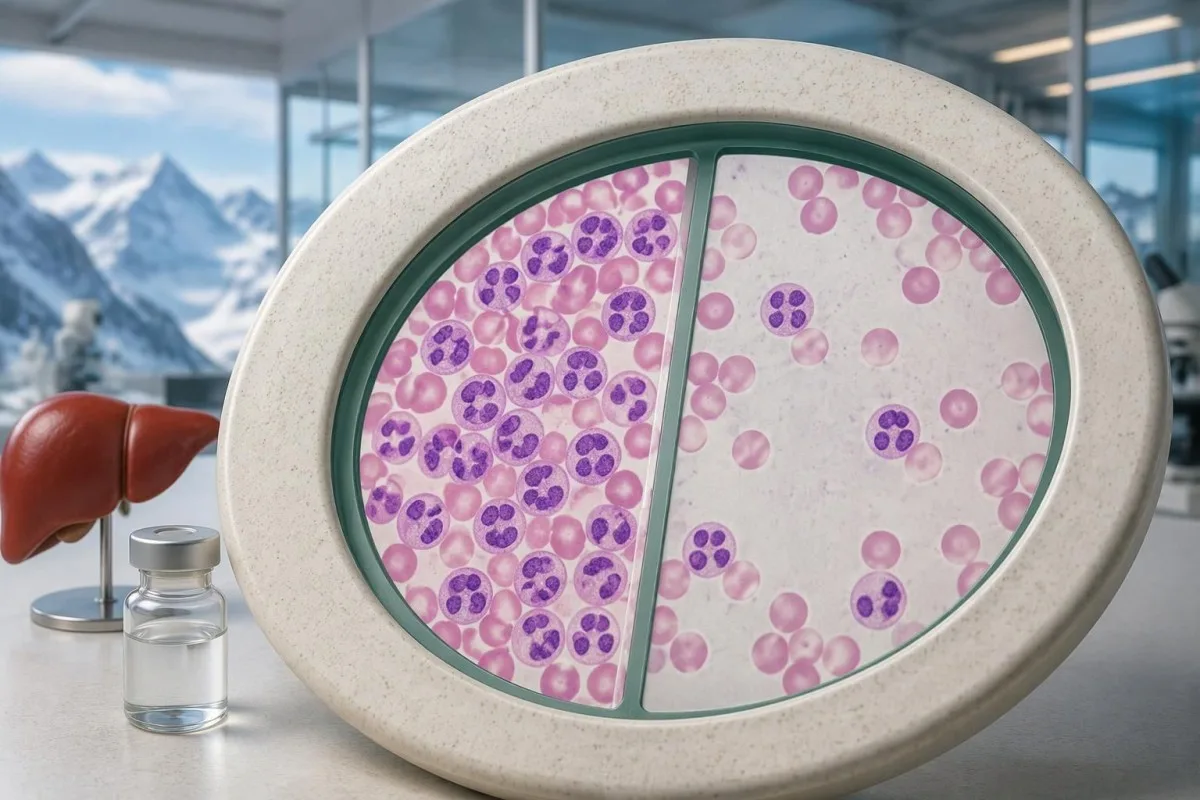
Hoskins et al. reported a dose-dependent association between *28/*28 and irinotecan-related neutropenia in their 2007 Journal of the National Cancer Institute meta-analysis. In the 150–250 mg/m² category, the pooled odds ratio was 3.22, with a 95% confidence interval of 1.52–6.81; older mixed schedules and wide uncertainty prevent treating this as a personal probability.
An odds ratio is not the percentage of patients affected. In a purely hypothetical illustration, if baseline risk were 10%, an odds ratio of 3 would correspond to approximately 25% risk—not 30%; the actual baseline varies with companion drugs, supportive care, prior treatment, and eligibility criteria, so no single percentage applies to every poor metabolizer.
Kantesti can help readers distinguish the ANC from the neutrophil percentage in routine reports, using the concepts explained in our مۇتلەق نېيتروفىل سانىنى يېتەكچى. A pre-existing Duffy-null-associated lower ANC requires individualized interpretation, but a new chemotherapy-related fall below 0.5 × 10⁹/L still deserves prompt oncology assessment rather than reassurance based on ancestry alone.
ئىرىنوتېكاننىڭ بالدۇر پەيدا بولىدىغان ئىچى سۈرۈشى بىلەن كېچىكىپ پەيدا بولىدىغان ئىچى سۈرۈشى نېمە ئۈچۈن ئوخشىمايدۇ؟
Early diarrhea occurs during or shortly after infusion, usually within 24 hours, and may accompany cholinergic symptoms such as sweating or abdominal cramping. كېچىكىپ كۆرۈلىدىغان ئىچ سۈرۈش begins more than 24 hours after treatment and is more closely related to intestinal toxicity, including exposure to SN-38.
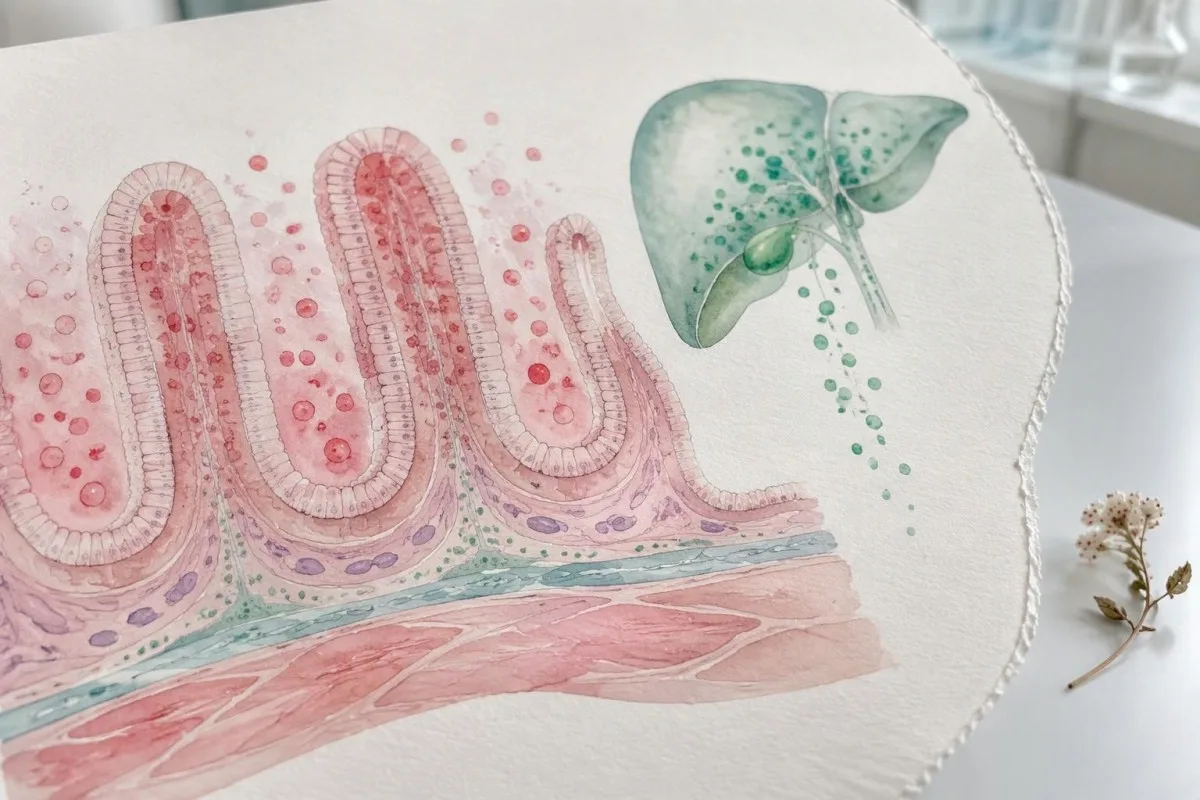
UGT1A1 genotype is more useful for anticipating delayed toxicity than predicting the immediate cholinergic syndrome. Clinicians may use atropine for early symptoms when appropriate, while delayed diarrhea requires a separate written treatment plan; intestinal bacteria can convert SN-38G back to SN-38 through beta-glucuronidase activity, illustrating why liver conjugation is not the only determinant of bowel exposure.
Grade 3 diarrhea commonly includes at least 7 additional stools per day above baseline, hospitalization being indicated, or a severe increase in ostomy output. Do not wait to reach that count before calling: persistent diarrhea despite the prescribed plan, vomiting that prevents drinking, fever, dizziness, or reduced urine output can justify urgent assessment at a much smaller stool increase.
Diarrhea during chemotherapy should not automatically be attributed to genotype, because antibiotics, infections, and accompanying drugs can produce similar symptoms; our C. difficile result guide explains one relevant diagnostic complication. If diarrhea lasts beyond 24 hours despite your oncology instructions, contact the team, and treat blood in the stool or significant abdominal pain as warning signs rather than ordinary treatment effects.
داۋالاش تۈزۈمى دەسلەپكى دورا مىقدارى توغرىسىدىكى قارارنى قانداق ئۆزگەرتىدۇ؟
A starting-dose decision combines UGT1A1 phenotype with the planned regimen, not genotype alone. Conventional FOLFIRI commonly uses irinotecan 180 mg/m² every 2 weeks, whereas modified combinations may use 150 mg/m² or another protocol-specific amount; those differences change baseline exposure and toxicity.

The Dutch Pharmacogenetics Working Group recommends starting poor metabolizers at 70% of the normal irinotecan dose, with subsequent increases guided by neutrophil counts and clinical tolerance (Hulshof et al., 2023). Applied hypothetically to a 180 mg/m² protocol, 70% is 126 mg/m²; the prescribing team decides whether protocol rules permit rounding, what dose level to use, and when reassessment occurs.
A 70% calculation is relative to the regimen’s usual starting dose, not a fixed universal dose. For a hypothetical protocol starting at 150 mg/m², the same calculation gives 105 mg/m²; applying the 126 mg/m² figure from a different protocol would therefore be a genuine dosing error, especially if the infusion schedule or formulation also differed.
كانتېستى بىر AI قان تەكشۈرۈش نەتىجىسىنى چۈشەندۈرۈش سۇپىسى for explaining reported laboratory values, not selecting a 180 mg/m² chemotherapy prescription; our كلىنىكىلىق تەكشۈرۈش رامكىسى بار بولۇپ، تەجرىبىخانا ئىزاھاتلىرى قانداق سىناق قىلىنىپ ۋە داۋالاش جەھەتتىن قانداق تەكشۈرۈلىدىغانلىقىنى چۈشەندۈرىدۇ. Kantesti نىڭ داۋالاش تەكشۈرۈش مودېلى بىزنىڭ describes the distinction between interpretation support and prescribing. In combinations containing fluorouracil or capecitabine, خىمىيەلىك داۋالاشتىن بۇرۇنقى DPYD تەكشۈرۈشى addresses a separate metabolic risk that a normal UGT1A1 result cannot rule out.
ئىرىنوتېكاننىڭ دورا مىقدارى توغرىسىدىكى تەۋسىيەلەر نېمە ئۈچۈن كۆرسەتمىلەر ئارىسىدا پەرقلىنىدۇ؟
Guidelines differ because they interpret dose-dependent evidence differently and serve different clinical settings. The Dutch guideline recommends a 70% starting dose for poor metabolizers, while US conventional irinotecan prescribing information advises considering a reduction by at least 1 dose level, without defining one percentage for every regimen.
A dose level is defined by the treatment protocol rather than by the genetic test. Moving from 180 to 150 mg/m² would be approximately a 17% reduction, while moving from 180 to 120 mg/m² would be approximately a 33% reduction; these are mathematical examples, not recommendations, and explain why the phrase reduce one level needs a named protocol.
The French RNPGx/GPCO dose-stratified framework has historically distinguished doses below 180 mg/m², doses of 180–230 mg/m², and high doses of at least 240 mg/m². It recommended approximately 25–30% reduction for *28/*28 at the intermediate range and advised against high-dose use in that genotype; the Dutch recommendation is broader, including lower-dose regimens and other poor-metabolizer combinations.
The evidence is genuinely less settled at lower doses, where severe events may be less frequent and studies less able to estimate genotype effects precisely. This differs from HLA-B*57:01 drug avoidance, where the relevant recommendation is avoidance rather than a 30% reduction; ask which local guideline your team follows and whether its advice specifically covers *6/*6 or *6/*28.
لىپوسومالىق ئىرىنوتېكاندا UGT1A1 دورا مىقدارىنىڭ ئوخشاش قائىدىلىرى قوللىنىلامدۇ؟
Liposomal irinotecan is not interchangeable with conventional irinotecan, and its UGT1A1 instructions depend on the regimen. In the liposomal irinotecan plus fluorouracil/leucovorin setting, a usual 70 mg/m² dose is reduced to 50 mg/m² initially for known *28/*28; the NALIRIFOX regimen already starts at 50 mg/m².

Those 70 and 50 mg/m² figures refer to irinotecan free base in the relevant liposomal prescribing instructions. Some documents also express doses using the hydrochloride trihydrate equivalent, approximately 80 and 60 mg/m² respectively; the team must verify the convention rather than interpret a different-looking number as an intentional dose increase or decrease.
For NALIRIFOX—liposomal irinotecan with oxaliplatin, fluorouracil, and leucovorin—the labeled starting dose is 50 mg/m² every 2 weeks, including patients known to have *28/*28. This does not establish that every poor-metabolizer genotype has identical evidence, especially *6-containing combinations; the oncology pharmacist should check the relevant product information and local protocol rather than import conventional irinotecan rules automatically.
A medication list that says only irinotecan is insufficient for a pharmacogenetic decision: request the formulation, companion drugs, dose expression, and schedule before comparing 2 plans. Our دەسلەپكى تەجرىبىخانا تەييارلىقى قوللانمىمىزدىكى also explains why recording pretreatment measurements helps later interpretation, although those measurements cannot resolve a formulation or prescribing ambiguity.
گېن تىپىدىن باشقا، قايسى تەجرىبىخانا نەتىجىلىرى ۋە دورىلارمۇ مۇھىم؟
CBC with differential, bilirubin, liver tests, kidney function, and electrolytes provide information that UGT1A1 genotype cannot supply. A bilirubin of 2.0 mg/dL is approximately 34 µmol/L; conventional irinotecan studies often excluded values above this level, so higher results require specialist assessment rather than a genotype-only calculation.
An isolated indirect bilirubin rise may fit reduced UGT1A1 activity, while rising direct bilirubin with abnormal ALP or transaminases suggests an additional hepatobiliary problem. A hypothetical total bilirubin of 1.8 mg/dL with otherwise stable tests is therefore not equivalent to 1.8 mg/dL accompanied by new jaundice and obstruction; fractionation, trends, symptoms, and imaging determine the interpretation.
Strong CYP3A4 inducers can lower irinotecan exposure, while strong CYP3A4 or UGT1A1 inhibitors can increase clinically relevant exposure; examples requiring pharmacy review include rifampicin, carbamazepine, ketoconazole, and atazanavir. Do not stop a prescription yourself, and disclose supplements such as St John’s wort before cycle 1 because changing an interacting medicine can itself change exposure.
Kantesti can help explain routine kidney and electrolyte reports, but a normal creatinine does not guarantee tolerance of delayed diarrhea. The BUN/creatinine نىسبىتى يېتەكچىسى describes contextual interpretation, while our electrolyte safety guide explains why potassium or magnesium losses can matter after 24 hours of gastrointestinal symptoms.
قايسى كۆزىتىش ۋە كېسەللىك ئالامەتلىرى دەرھال چارە قوللىنىشنى تەلەپ قىلىدۇ؟
Monitoring remains necessary for every genotype, with CBC checks before treatment and additional measurements when clinically indicated. A temperature of 38.0°C ياكى ئۇنىڭدىن يۇقىرى بولسا during chemotherapy warrants immediate contact with the oncology service unless the team has supplied a different threshold; follow a stricter local instruction.

Formal definitions of febrile neutropenia often use a single temperature of 38.3°C or a temperature of 38.0°C sustained for 1 hour, together with a low or falling ANC. These definitions are not instructions to wait at home: chemotherapy services often use simpler, more cautious telephone thresholds, and shaking chills, confusion, or sudden deterioration can be urgent without a documented fever.
A falling ANC can precede symptoms, so a patient feeling well should still attend the scheduled laboratory check. Our borderline neutrophil interpretation guide explains why a result near a cutoff needs context; during treatment, a change from 2.5 to 0.7 × 10⁹/L carries different significance from a stable longstanding count near 1.4 × 10⁹/L.
Dose escalation after a reduced start should follow a predefined plan based on counts, diarrhea, other toxicity, and treatment goals—not simply the absence of nausea after cycle 1. G-CSF may reduce neutropenia risk when indicated, but it does not prevent intestinal toxicity; urgent assessment is needed for diarrhea with fever, severe abdominal pain, inability to drink, or markedly reduced urination.
گېن تىپى نورمال بولسىمۇ، نېمە ئۈچۈن ئېغىر ئەكس تەسىرلەر كۆرۈلۈشى مۇمكىن؟
A normal UGT1A1 result does not guarantee safe treatment because irinotecan toxicity has multiple causes. Genotype does not adequately predict every episode of nausea, fatigue, hair loss, infusion symptoms, or toxicity from companion drugs; even *1/*1 patients can develop severe neutropenia or diarrhea.
A narrow assay may miss uncommon reduced-function variants, while liver impairment, interacting medicines, treatment intensity, and previous chemotherapy can increase risk independently. Thus, 2 patients both reported as *1/*1 may have different exposures and different marrow reserve; a phenotype assignment only describes the genetic information captured by the test, not every biological factor affecting treatment.
Companion drugs create additional attribution problems: oxaliplatin can cause neuropathy, and fluoropyrimidines can contribute diarrhea, mucositis, and marrow suppression. A hypothetical patient on a 4-drug combination with severe diarrhea cannot have the culprit assigned from UGT1A1 alone; timing, the complete regimen, microbiological testing when indicated, and other pharmacogenetic results may alter the clinical explanation.
Kantesti’s role in laboratory trend interpretation is to support understanding, not establish which drug caused a change between 2 cycles. Genetic reports also contain durable personal information, so review our مەخپىيەتلىك ۋە سانلىق مەلۇماتلارنى بىر تەرەپ قىلىش before sharing them; an inherited metabolic variant is not a complete forecast of your future health.
ئىرىنوتېكاننى باشلاشتىن بۇرۇن ئۆسمە كېسەللىكلىرى گۇرۇپپىڭىزدىن نېمىلەرنى سورىشىڭىز كېرەك؟
Before treatment, ask which formulation and regimen you will receive, whether *28 and *6 were tested, and how the result changes the first dose. Also obtain a written diarrhea plan, a temperature threshold, and a 24-hour contact route; these practical details matter even when the genotype is normal.

Request the actual dose in mg/m² and the planned total dose in mg, because they answer different questions. For example, a hypothetical 126 mg/m² order for a body surface area of 1.8 m² gives 226.8 mg before institutional rounding; patients should not perform their own adjustment, but this distinction helps identify whether 2 documents describe the same prescription.
Ask how the team will judge tolerance after cycle 1, whether an interim CBC is planned, and what would justify later escalation. Your written diarrhea instructions may use a loperamide schedule different from ordinary over-the-counter directions, so follow the oncology prescription rather than inventing a schedule; fever, abdominal pain, or persistent symptoms may require assessment instead of additional self-treatment.
كانتېستى بىر AI ئارقىلىق قوزغىتىلغان قان تەكشۈرۈش تەھلىل قورالى that can help explain routine reports alongside your own treatment notes; our AI تېخنىكىسى يېتەكچىسى explains the supporting technology rather than a chemotherapy dosing system. Keep 3 items accessible: the genetic report, the current regimen sheet, and the emergency contact instructions, with the prescribing team verifying all clinical decisions.
تەتقىقات نەشر بۇيۇملىرى: قايسىلىرى بۇ تەۋسىيەلەرنى قوللايدۇ، قايسىلىرى قوللىمايدۇ؟
The dosing advice rests on drug-specific pharmacogenetic guidance and irinotecan studies, not on general blood-test education publications. The 2023 Dutch guideline recommends a 70% start for poor metabolizers, while the 2007 studies cited here help explain dose dependence and the relevance of both *28 and *6.
Hulshof et al. translate pharmacokinetic and toxicity evidence into prescribing guidance, whereas Hoskins et al. quantify associations across older dose categories, and Minami et al. examine relevant variants in Japanese patients. These 3 sources answer complementary questions; none supplies an individualized toxicity percentage for every contemporary combination, and observational associations should not be presented as proof that one starting dose suits everyone.
Kantesti’s 2 Zenodo publications listed below are educational resources on RDW and the BUN/creatinine ratio, not trials of UGT1A1-guided irinotecan dosing. Our RDW and CBC interpretation resource can explain accompanying red-cell indices, but RDW does not replace ANC, genotype, or a chemotherapy protocol; a DOI is a persistent identifier, not an automatic guarantee of clinical relevance or peer review.
The unresolved question is often how best to preserve treatment intensity while preventing a severe event in cycle 1, particularly in lower-dose combinations and less-studied genotypes. Our 0 تېببىي مەزمۇن ئۆلچەملىرى require separating established guidance, hypothetical calculations, and genuine uncertainty; the oncology team should confirm the current local product information and protocol before applying any published recommendation.
دائىملىق سورالدىغان سوئاللار
ئىرىنوتېكاننى ئىشلىتىشتىن بۇرۇن ھەممەيلەن UGT1A1 تەكشۈرۈشىدىن ئۆتۈشى كېرەكمۇ؟
سىناق قىلىش سىياسىتى دۆلەت، ئاپپارات ۋە داۋالاش تۈزۈمىگە قاراپ پەرقلىنىدۇ، ئەمما گوللاندىيە فارماكوگېنېتىكا خىزمەت گۇرۇپپىسى ئىرىنوتېكاننى باشلاشتىن بۇرۇن UGT1A1 سىنىقىدىن ئۆتۈشنى تەۋسىيە قىلىدۇ. بۇ نەتىجە 1-دەۋرىيلىكتىن بۇرۇن بولۇپمۇ پايدىلىق، چۈنكى ئېغىر زەھەرلىك تەسىرلەر پەيدا بولۇشتىن ئىلگىرى مېتابولىزىم ئىقتىدارى تۆۋەنلەرنى پەرقلەندۈرەلەيدۇ. سىناق *28 نىڭ يوقلىقىنىلا دوكلات قىلماي، *28 ۋە *6 نىڭ ھەر ئىككىسىنى ئۆز ئىچىگە ئالىدىغانلىقىنى ئېنىق كۆرسىتىشى كېرەك. ئۆسمە كېسەللىكلىرى گۇرۇپپىڭىز سىناقنىڭ سىزگە بېكىتىلگەن دەسلەپكى دورا مىقدارىنى ئۆزگەرتىش-ئۆزگەرتمەيدىغانلىقىنى ۋە نەتىجە چىققۇچە كۈتۈشنىڭ مۇۋاپىق ياكى ئەمەسلىكىنى چۈشەندۈرۈشى كېرەك.
UGT1A1 *28/*28 ئىرىنوتېكان مىقدارىنى بېكىتىشتە نېمىدىن دېرەك بېرىدۇ؟
0 UGT1A1 *28/*28 ئادەتتە ماددا ئالمىشىشى ئاستا بولۇش ھالىتىنى ۋە ئىرىنوتېكانغا مۇناسىۋەتلىك ئېغىر نېيتروفىل ئازلىشىنىڭ خەۋپى يۇقىرىلىقىنى كۆرسىتىدۇ. گوللاندىيە كۆرسەتمىسى ئادەتتىكى دەسلەپكى مىقدارنىڭ 70% نى تەۋسىيە قىلىدۇ، ئاندىن داۋالاشنىڭ كۆتۈرۈلۈشى ۋە نېيتروفىل سانىغا ئاساسەن دوختۇر مىقدارنى تەڭشەيدۇ. پەرەز قىلىنغان ئادەتتىكى 180 mg/m² لىق دورا بېرىش تەرتىپىدە، بۇ ھېسابلاش كېلىشىمگە خاس قارارلار ياكى يۇمىلاقلاشتىن بۇرۇن 126 mg/m² بولىدۇ. ئامېرىكىدىكى دورا يېزىش كۆرسەتمىلىرى ۋە لىپوسوملۇق دورا بېرىش تەرتىپلىرىدە باشقا ئۇسۇللار قوللىنىلىدۇ، شۇڭا بۇ ھېسابلاش شەخسىي رېتسېپ ئەمەس.
ئىرىنوتېكاندىن بۇرۇن UGT1A1 *6، *28 بىلەن ئوخشاش دەرىجىدە مۇھىممۇ؟
0 UGT1A1 *6 كلىنىكىلىق جەھەتتىن مۇھىم بولغان، ئىقتىدارى تۆۋەنلىگەن ۋارىيانت بولۇپ، SN-38 نىڭ ئىناكتېۋاتسىيە قىلىنىشىنى ئازايتىشى مۇمكىن. *6/*6 ياكى *6/*28 قاتارلىق نەتىجىلەر ئادەتتە مېتابولىزمى ناچار تۈرگە تەۋە ئىكەنلىكىنى كۆرسىتىدۇ، چۈنكى ئۇلاردا ئىقتىدارى تۆۋەنلىگەن ئىككى ئاللېل بار. بۇ ۋارىيانت شەرقىي ئاسىيادىكى بىر قانچە نوپۇستا كۆپرەك ئۇچرايدۇ، ئەمما ئەجدادنىڭ كېلىپ چىقىشىلا ئادەمنىڭ بۇ ۋارىيانتنى ئېلىپ يۈرگەن-يۈرمىگەنلىكىنى بەلگىلىيەلمەيدۇ. *28-مەنپىي نەتىجىنى نورمال مېتابولىزم دەپ چۈشەندۈرۈشتىن بۇرۇن، تەجرىبىخانىڭىزنىڭ *6 نى تەكشۈرگەن-تەكشۈرمىگەنلىكىنى سوراڭ.
UGT1A1 *1/*28 ئاپتوماتىك دورا مىقدارىنى ئازايتىشنى تەلەپ قىلامدۇ؟
0 UGT1A1 *1/*28 ئادەتتە ناچار مېتابولىزم قىلغۇچى ھالەتنى ئەمەس، ئوتتۇرا دەرىجىدە مېتابولىزم قىلغۇچى ھالەتنى كۆرسىتىدۇ. گوللاندىيە كۆرسەتمىسى ئوتتۇرا دەرىجىدە مېتابولىزم قىلغۇچىلارغا پەقەت گېنوتىپقا ئاساسەن ئاپتوماتىك دەسلەپكى دورا مىقدارىنى ئازايتىشنى تەۋسىيە قىلمايدۇ. 180 mg/m² مىقدارى بېكىتىلگەن بىماردا بىراقلا بىلىرۇبىن، ئىلگىرىكى داۋالاش، دورىلارنىڭ ئۆزئارا تەسىرى ياكى بىرلەشتۈرۈلگەن داۋالاش تۈزۈمى سەۋەبىدىن باشقىچە پىلان كېرەك بولۇشى مۇمكىن. ئوتتۇرا دەرىجىدە مېتابولىزم قىلىش CBC نى نازارەت قىلىش ياكى ئىچ سۈرۈشنىڭ بىخەتەرلىك پىلانىغا بولغان ئېھتىياجنى يوققا چىقارمايدۇ.
نورمال بىلىرۇبىن UGT1A1 گېن تەكشۈرۈشىنىڭ ئورنىنى ئالالامدۇ؟
نورمال بىليروبىن UGT1A1 گېنىتىپنىڭ فۇنكسىيەسى تۆۋەنلىگەنلىكىنى يوققا چىقارمايدۇ، يۇقىرى بىليروبىن بولسا كونكرېت ئاللېلنى ئېنىقلىيالمايدۇ. بىليروبىن بىر قانچە جەرياننى ئەكس ئەتتۈرىدۇ، بۇلار كونجۇگاتسىيە، جىگەر فۇنكسىيەسى، توسۇلۇش ۋە قىزىل قان ھۈجەيرىلىرىنىڭ ئايلىنىشىنى ئۆز ئىچىگە ئالىدۇ. ئومۇمىي بىليروبىننىڭ 2.0 mg/dL بولۇشى تەخمىنەن 34 µmol/L غا تەڭ بولۇپ، مۇناسىۋەتلىك ئىرىنوتېكان پروتوколى دائىرىسىدە شەرھلىنىشى كېرەك. گېن تەكشۈرۈشى بىلەن بىليروبىن ئۆلچەش ئۆزئارا تولۇقلىشىدىغان ئۇچۇر بىلەن تەمىنلەيدۇ، ئەمما بىر-بىرىنىڭ ئورنىنى باسىدىغان جاۋاب ئەمەس.
ئىرىنوتېكاندىن كېيىن ئىچ سۈرۈش ياكى قىزىتما توغرىسىدا قاچان تېلېفون قىلىشىم كېرەك؟
خىمىيەلىك داۋالاش جەريانىدا تېمپېراتۇرىڭىز 38.0°C ياكى ئۇنىڭدىن يۇقىرى بولسا، داۋالاش گۇرۇپپىسى باشقا چەك بەلگىلىمىگەن ئەھۋالدا، ئۆسمە كېسەللىكلىرى داۋالاش مۇلازىمىتى بىلەن دەرھال ئالاقىلىشىڭ ۋە تېخىمۇ قاتتىق كۆرسەتمىلەر بولسا، ئۇلارغا ئەمەل قىلىڭ. ئىرىنوتېكانغا مۇناسىۋەتلىك كېچىكىپ پەيدا بولىدىغان ئىچ سۈرۈش داۋالاشتىن 24 سائەتتىن كۆپرەك ۋاقىت ئۆتكەندىن كېيىن باشلىنىدۇ ھەمدە سۇسىزلىنىش ياكى ئېلېكتىرولىتلارنىڭ يوقىلىشىنى كەلتۈرۈپ چىقىرىشى مۇمكىن. بەلگىلەنگەن پىلانغا ئەمەل قىلغان تەقدىردىمۇ توختىمىغان ئىچ سۈرۈش، سۇ ئىچەلمەسلىك، سۈيدۈكنىڭ ئازىيىشى، چوڭ تەرەتتە قان بولۇش ياكى قورساقنىڭ كۆرۈنەرلىك ئاغرىشى ئەھۋاللىرىدا تېزدىن تېلېفون قىلىڭ. ياردەم سوراشتىن بۇرۇن كۈنىگە يەنە 7 قېتىم ئىچ سۈرۈشنى ياكى پىلانلانغان قان تەكشۈرۈشنى كۈتمەڭ.
قان تەكشۈرۈش نەتىجىسىنى قانداق ئوقۇش
تەجرىبىخانا دوكلاتىڭىزنى يوللاڭ، Kantesti نىڭ سۈنئىي ئەقىلى ھەر بىر بىئوماركېرنى بىر نەچچە سېكۇنت ئىچىدە ئاددىي تىلدا چۈشەندۈرىدۇ. دۇنيا بويىچە 2 مىليوندىن ئارتۇق ئادەم ئىشلىتىدۇ.
پايدىلانغان ماتېرىياللار
- Klein, T., Mitchell, S., & Weber, H. (2026). RDW قان تەكشۈرۈشى: RDW-CV، MCV ۋە MCHC توغرىسىدىكى تولۇق قوللانما. Kantesti AI Medical Research. DOI
- Klein, T., Mitchell, S., & Weber, H. (2026). BUN/Creatinine نىسبىتى چۈشەندۈرۈلدى: بۆرەك ئىقتىدار تەكشۈرۈش قوللانمىسى. Kantesti AI Medical Research. DOI
- Hulshof DP et al. (2023). Dutch pharmacogenetics working group (DPWG) guideline for the gene–drug interaction between UGT1A1 and irinotecan. European Journal of Human Genetics.
- Hoskins JM et al. (2007). UGT1A1*28 genotype and irinotecan-induced neutropenia: dose matters. Journal of the National Cancer Institute. DOI
- Minami H et al. (2007). Irinotecan pharmacokinetics/pharmacodynamics and UGT1A genetic polymorphisms in Japanese: roles of UGT1A1*6 and *28. Pharmacogenetics and Genomics.
- 2M +تەھلىل قىلىنغان تەكشۈرۈشلەر
- 127+دۆلەتلەر
- 100+تىللار
تېببىي گۇرۇپپا ھەققىدە


E-E-A-T ئىشەنچ سىگناللىرى
تەجرىبە
دوختۇر رەھبەرلىكىدىكى لابوراتورىيە تەبىرىنى چۈشەندۈرۈش خىزمەت ئېقىملىرىنى بالىياتقۇچلۇق تەكشۈرۈش.
مۇتەخەسسىسلىك
بىئوماركىرلارنىڭ كىلىنىكىلىق مۇھىتتا قانداق ھەرىكەت قىلىدىغانلىقىغا مەركەزلەشكەن لابوراتورىيە تېبابىتى.
ھوقۇقدارلىق
دوكتور توماس كلېين تېببىي جەھەتتىن تەكشۈرگەن، دوكتور سارا مىچېل ۋە پروفېسسور دوكتور خانس ۋېبېرنىڭ تۆھپىسى بىلەن تەييارلانغان.
ئىشەنچلىكلىك
ئاگاھلاندۇرۇشنى ئازايتىش ئۈچۈن ئېنىق كېيىنكى قەدەملەر بىلەن ئىسپات-ئاساسلىق تەبىر.






تېببىي ئاگاھلاندۇرۇش
بۇ ماقالە پەقەت تەربىيە-ئوقۇتۇش مەقسىتى ئۈچۈن بولۇپ، داۋالاش مەسلىھەتىنى تەشكىل قىلمايدۇ. دىئاگنوز قويۇش ۋە داۋالاش قارارلىرى ئۈچۈن ھەمىشە لاياقەتلىك ساغلاملىق مۇلازىمىتى تەمىنلىگۈچى بىلەن مەسلىھەتلىشىڭ.
Published · تەھرىر گۇرۇپپىسى بىلەن ئالاقىلىشىڭ
ئەنگلىيە ۋە ۋېلىشتا تىزىمغا ئېلىنغان Kantesti Ltd تەرىپىدىن نەشر قىلىنغان، شىركەت نومۇرى:. 17090423, ، لوندون، ئەنگلىيە.
