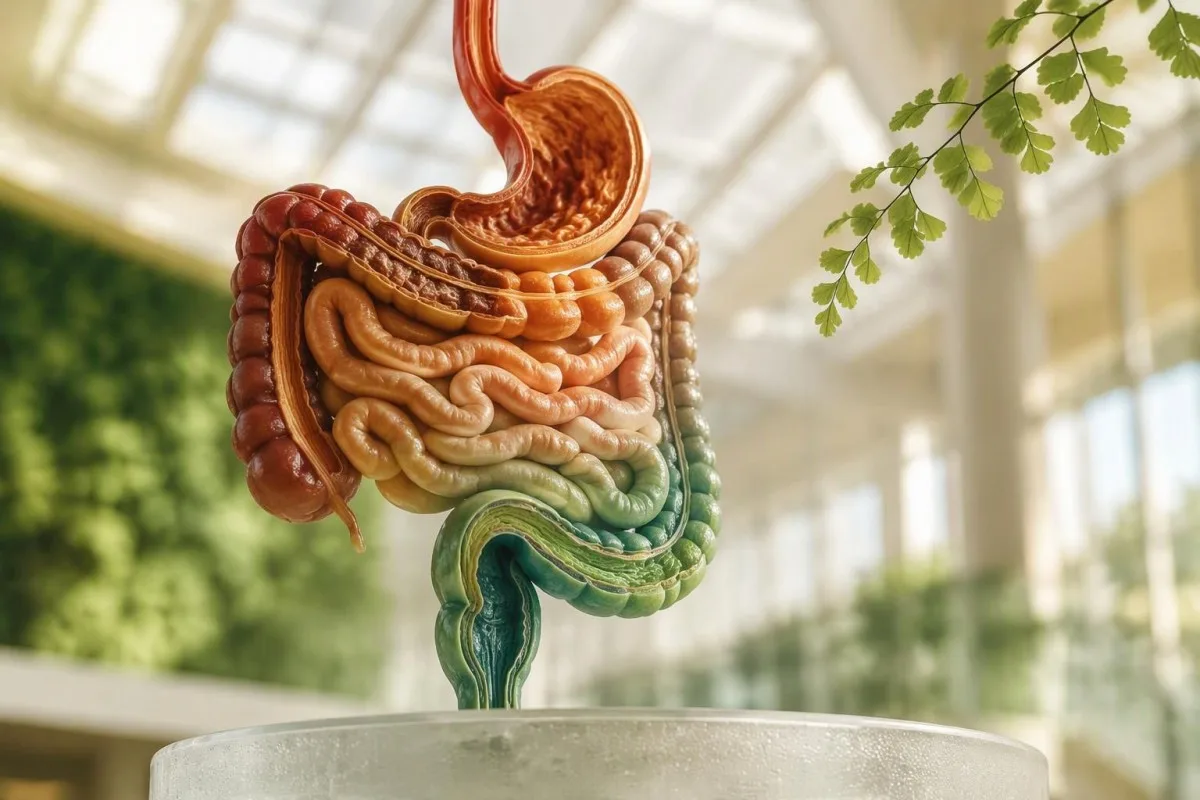
تېرەڭ رەڭلىك تېرەڭ تېرەڭلىكنى ئورۇنلاشتۇرۇشتا ياردەم بېرىدۇ، ئەمما رەڭنىڭ ئۆزى سەۋەبىنى دىئاگنوز قويمايدۇ. بۇ يېڭىدىن باشلاپ كېسەللىك ئالامەتلىرىنى تېزدىن كېسەللىك ئالامەتلىرىدىن ئايرىيدۇ.


- قارا تېرەڭ تېرەڭلىك ئۈستۈنكى غەيرىي-ئاشقازان-ئۈچەي قاناشنى كۆرسىتىشى مۇمكىن ۋە باشلىنىش، ھالىسىزلىك ياكى قۇسۇش قاتارلىق باشلىنىش كۈنىدىكى جىددىي باھالاشنى تەلەپ قىلىدۇ.
- تېرەڭلىكتىكى قىزىل قان ھەمىشە ھەمورروئىد ياكى ھەمورروئىدتىن كېلىدۇ، ئەمما 40 ياشتىن كېيىن دائىم قاناش تېببىي كۆرۈشنى تەلەپ قىلىدۇ.
- قاراڭغۇ قىزىل تېرەڭلىك ئۈچەي ياكى ئۈچەي قاناشنىڭ تېخىمۇ تېز ياكى تېخىمۇ كۆپ بولۇشىنى كۆرسىتىشى مۇمكىن، ئۆيدە كۆزىتىش كېرەك ئەمەس.
- جىددىيلىك بوسۇغىسى ھوشىدىن كېتىش، جىگەر ئاغرىقى، نەپەس قىيىن بولۇش، كالاللىق، قاتتىق قورساق ئاغرىقى ياكى يۈرەك سوقۇشى بىلەن ئىپادىلىنىدىغان ھەر قانداق تېرەڭلىك قاناش.
- CBC نىڭ ئىشارىتى: تۆۋەنلەۋاتقان ھېمېمگلوبىن ياكى ئۆرلەۋاتقان ئۈرېيە-كرېئاتىن نىسبىتى غەيرىي-ئاشقازان-ئۈچەي قاناشنى قوللايدۇ.
- دورا تەكشۈرۈشى мәсәләләр: аспирин, ибупрофен, напроксен، قانۇنلاشتۇرغۇچى دورىلار، گېنېتىكىلىق ستېرېئىدلار ۋە بەزى قوشۇمچە مەھسۇلاتلار قاناش خەۋپىنى ئاشۇرالايدۇ.
- يېمەكلىككە ئوخشاش قىزىلچا، قىزىل رەڭلىك يېمەكلىك رەڭگى، بىسمۇت ۋە تۆمۈرنى ئۆز ئىچىگە ئالىدۇ؛ ئۇلار تۈكۈكنىڭ رەڭگىنى ئۆزگەرتەلەيدۇ، ئەمما ئىچكىندىكى قان سىنىقىنىڭ مۇسبەت نەتىجىسىنى چۈشەندۈرۈپ بېرەلمەيدۇ.
- تەيىنلەنگەن قانۇنلاشتۇرغۇچى دورىلارنى توختاتماڭ ئۇلارنى تەيىنلىگەن كىلىننىك خادىمدىن تېزدىن كۆرسەتمە ئالمىغىچە، گەرچە ئارقا بۆلەك قاناش بولسىمۇ.
تېرەڭلىك رەڭلىك تېرەڭلىك بىرىنچى سائەتتە سىزگە نېمە دېيەلەيدۇ
ئىچكىندە قان بولۇشى يۇقىرىقىدىن باشلاپ ئېنلىغىچە بولغان digestive tract نىڭ بىر يېرىدە قاناش بولۇشى مۇمكىنلىكىنى بىلدۈرىدۇ؛ قارا، چاپلاق تۈكۈك ئادەتتە تومۇزدىكى بىر قانچە پارقىراق قىزىل سىزىقتىن تېخىمۇ جىددىي. 2026-يىلى 25-سېنتەبىردىن باشلاپ، مېنىڭ ئەمەلىي قائىدىم ئاددىي: ئەگەر سىز ئۆزىڭىزنى سالامەتسىز ھېس قىلسىڭىز، ئېقىپ كەتكەندەك، نەپىس تار، سوغۇق، ياكى قارا ھۆل تۈكۈكنى بايقاپ قالسىڭىز، ئۆيدە سەۋەبىنى ئىسپاتلاشقا ئۇرۇنۇشتىن بۇرۇن تېزدىن داۋالىنىشقا ئېرىشىڭ.
پارقىراق قىزىل قان ئادەتتە ھەزىم قىلىشقا ئاز ۋاقىت كەتكەن، شۇڭا ئۇ دائىم ئارقا بۆلەك ياكى ئانال كانالىدىن كېلىدۇ. قارا ھۆل تۈكۈك، مېلېنا دەپ ئاتىلىدۇ، ئادەتتە قاننىڭ ئىچكىي ھۈجەيرە ئىسسىقلىق ساقلاش سۈتۈمى ۋە ئۈچەي ئىچىدىكى ئىچكى سۇيۇقلۇق تەرىپىدىن ئۆزگەرتىلگەنلىكىنى بىلدۈرىدۇ, ، دائىم ئۆڭگەي، قورساقتىن ياكى ئۈچەيدىن. بىرلا رەڭ مەنبەنى ئىسپاتلىمايدۇ، ئەمما ئۇ جىددىيلىكنى ئۆزگەرتىدۇ.
قېنىق قېنى ياكى قېنىق ئۈزۈم رەڭلىك تۈكۈك ئوڭ تەرەپتىكى كولون، كىچىك ئىچەك، ياكى ئۈستىدىكى جيىيىدىن قاناشتىن كېلىشى مۇمكىن. كلىننىكىلىق ئەمەلىيەتتە، يۈرەك سۈرئىتى مىنۇتىغا 100 قېتىم، يېڭى باش ئاغرىش، ياكى كىچىك تۈكۈك چىقىرىش مىقدارى تۆۋەنلەيدىغان قېنىق تۈكۈك، ئىسپاتلانمىغۇچە، گۇمانلىق ئىچكى قاناش دەپ قارىلىدۇ.
كانتېستى بىر AI قان تەكشۈرۈش ئانالىزچىسى بۇ بىر CBC، تۆمۈر تەتقىقاتى، بۆرەك بەلگىلىرى ۋە جىگەر سىنىقىنى كىلىننىك خادىم تېزلىكتە ئالدىنى ئالغان ھالەتتە، بىر تەرەپ قىلىشقا ياردەم بېرىدۇ. گىيىملىك ئۈچەي ئۈلگىسىگە مۇناسىۋەتلىك، بىزنىڭ رەھبەرلىك قوللانمىمىزغا قاراڭ. Bristol چوڭ تەرەت جەدۋىلى.
رەڭنى ئۆيدە دىئاگنوز قويۇشقا ئىشلەتمەڭ
قىزىلچا، قىزىل رەڭ، پىياز تېرىسى، تۆمۈر تაბېتكىسى ۋە بىسمۇت خۇشاللىنارلىق رەڭ ئۆزگىرىشىنى تەقلىد قىلالايدۇ. ھەقىقىي ھۆل تۈكۈك ئادەتتە جەت قارا، پارقىراق، چاپلاق، ۋە غەلىتە ھەممىگە قادىر – پەقەت قېنىق قوڭغۇراق ئەمەس.
تېرەڭلىكتىكى قىزىل قان: ئادەتتىكى سەۋەبلەر ۋە چەكلىمىلەر
تۈكۈكتىكى پارقىراق قىزىل قان ھەمورويىد، ئانالىق سىزىق، ئارقا بۆلەك ياللۇغى، ياكى تۆۋەنكى ئۈچەي يېڭىدىن بولىدۇ. تومۇزدىكى كىچىك ئاغرىقسىز سىزىقلار ئاز بولۇشى مۇمكىن، ئەمما تەكرارلانغان ئەھۋاللار، تۈكۈك بىلەن ئارىلاشقان قان، ياكى ئورۇن كېمەيتىش بىلەن قاناش تېببىي تەكشۈرۈشنى تەلەپ قىلىدۇ.
ھېموروئىد دائىم قېنىق قىزىل تامچە ياكى سۈرتكەندىن كېيىنكى سىزىقلارنى، بولۇپمۇ تۇنجۇق، ھامىلدارلىق، ئېغىر كۆتۈرۈش، ياكى ئۇزۇنغا سوزۇلغان بېسىم بىلەن كەلتۈرۈپ چىقىرىدۇ. ئانالىق سىزىق دائىم تۈكۈك ھەرىكىتى جەريانىدا ياكى كېيىن ئاغرىق پەيدا قىلىدۇ؛ كىلىننىك كادىر ئادەتتە بۇنى ئالاھىدە تەكشۈرۈش بىلەن پەرقلەندۈرەلەيدۇ.
قان ئارىلاشقان تۈكۈككە يۈزىدە تۇرۇشنىڭ ئورنىغا تېخىمۇ كۆپ دىققەت تەلەپ قىلىدۇ، چۈنكى ئۇ ئارقا بۆلەك ياكى كولونىيەنىڭ يۇقىرىقىسىدىن كېلىشى مۇمكىن. NICE گۇمانلىق راك يولى 50 ياشتىن يۇقىرى چوڭلاردا، بولۇپمۇ قورساق ئاغرىش ياكى ئۆزگەرتىلگەن تۈكۈك ئادەتلىرى بىلەن بىللە بولغاندا، ئالدامچىلىقسىز ئارقا بۆلەك قاناشنى تېز تەكشۈرۈشنى تەۋسىيە قىلىدۇ (NICE, 2025).
بىر قېتىملىق پايدىلىق ئەمەلىي قەدەم، تۈكۈكنى سۈرەتكە تارتىش، پەقەت سىز تىنىچ ھالەتتە قىلالىسىڭىز، ئاندىن ۋاقىت، مىقدار، ئاغرىق، تۈكۈك چىقىرىش چاستوتىسى ۋە دورىلارنى خاتىرىلەش. ئىزچىل تۇنجۇق سىزىقلارنى ياكى ھېموروئىدنىمۇ ناچارلاشتۇرالايدۇ؛ بىزنىڭ ماقالىمىزدا ھەزىم قىلىنمىغان يېمەكلىك ۋە ئاگاھلاندۇرۇش بەلگىلىرى تۈكۈكنىڭ ئۆزگىرىشىنىڭ نېمىلەرنى ئىسپاتلايدىغانلىقىنى ۋە نېمىلەرنى ئىسپاتلىمايدىغانلىقىنى چۈشەندۈرىدۇ.
قارا تېرەڭ تېرەڭلىك سەۋەبلىرى ۋە جىددىي قىيىنچىلىقلار
Black tarry stool causes include peptic ulcer bleeding, gastritis, oesophageal varices, and medicines that irritate the stomach lining; true melaena warrants same-day urgent assessment. Black stool plus faintness, vomiting that resembles coffee grounds, or severe weakness is an emergency.
Melaena is classically black, sticky, and difficult to flush because digested haemoglobin changes stool texture as well as colour. Iron supplements may make stool dark green-black, but they usually do not create the sticky, tar-like quality or the illness symptoms that accompany an active upper gastrointestinal bleed.
A urea level that rises out of proportion to creatinine can occur in upper gastrointestinal bleeding because digested protein is absorbed and converted to urea. This pattern is supportive rather than diagnostic; hydration status, kidney function, and steroid use can produce similar results. Our BUN ۋە كرىياتىنىن نىسبىتى (ratio) چۈشەندۈرىدۇ explains those competing explanations.
The 2021 American College of Gastroenterology guideline recommends risk assessment at presentation for overt upper gastrointestinal bleeding and supports endoscopy within 24 hours for patients admitted or under observation (Laine et al., 2021). I would not advise driving yourself if you are dizzy or passing repeated black stools.
قاراڭغۇ قىزىل رەڭدىكى مەنىسى: بۇ رەڭ نېمىشكىمۇ جىددىي تەكشۈرۈشنى تەلەپ قىلىدۇ
Maroon stool means blood may be moving through the bowel quickly enough that it is only partly digested, and it should be assessed urgently if new or ongoing. It can arise from the colon, small intestine, or occasionally a rapid upper gastrointestinal source.
Maroon stool is not a harmless middle ground between red and black. A person can lose a clinically meaningful volume of blood before the stool becomes obviously red, particularly if they are older, take beta-blockers, or have limited cardiac reserve.
Diverticular bleeding is often painless and can be surprisingly brisk, while colitis more commonly brings urgency, cramps, diarrhoea, fever, or mucus. A new maroon stool after a recent colonoscopy, polyp removal, or change in anticoagulant dose should prompt immediate contact with the treating team.
The 2016 ACG guideline states that haematochezia with haemodynamic instability may indicate an upper gastrointestinal source and merits upper endoscopy consideration (Strate and Gralnek, 2016). Review our positive FIT follow-up guide if screening test results are part of the picture.
تېرەڭلىكتىكى قان جىددىي بولغاندا
Call emergency services or go to an emergency department now if stool bleeding occurs with fainting, confusion, chest pain, shortness of breath, severe abdominal pain, or repeated large-volume blood loss. A normal-looking blood pressure does not reliably exclude early blood loss, especially in fit younger adults.
A resting heart rate above 100 beats per minute, systolic pressure below 100 mmHg, cold sweaty skin, or inability to stand without dizziness are practical danger signs. In my experience, patients often minimise these symptoms because the bleeding seems to have stopped; that can be misleading after an intermittent bleed.
Seek urgent care the same day for black stool, maroon stool, recurrent red bleeding, or any bleeding while taking warfarin, apixaban, rivaroxaban, dabigatran, clopidogrel, or dual antiplatelet therapy. Do not independently skip an anticoagulant dose unless an emergency clinician tells you to—stroke and clot risk can rise quickly.
Kantesti's AI قان تەكشۈرۈش نەتىجىسىنى چۈشەندۈرۈش سۇپىسى can organise trends in haemoglobin, platelets, kidney tests, and iron markers, but it is not an emergency service and cannot rule out active bleeding. If the bleeding is paired with breathlessness, our نەپەس قىيىنچىلىقى ئۈچۈن قان تەكشۈرۈش article explains why anaemia is only one possibility.
نورمال كۆرۈشۈش مۇۋاپىق بولغاندا
A routine primary-care appointment is reasonable for one small episode of bright-red blood clearly linked to constipation or painful wiping when you feel entirely well. Arrange review within days rather than months if it recurs, even when you suspect haemorrhoids.
The lower-risk pattern is a few drops of red blood on paper after a hard stool, with no blood mixed into stool, no abdominal symptoms, and no anaemia symptoms. Even then, age, family history of colorectal cancer, inflammatory bowel disease, and prior polyps alter the threshold for investigation.
New rectal bleeding with unexplained fatigue, unintentional weight loss, persistent altered bowel habit, or abdominal mass should not be labelled haemorrhoids without an examination. A full blood count is often useful, but a normal haemoglobin does not exclude an early lesion or intermittent bleeding.
Dr. Thomas Klein advises patients to bring a complete medication and supplement list, including turmeric, fish oil, ginkgo, NSAIDs, and iron. A clinician may use a faecal immunochemical test, examination, sigmoidoscopy, or colonoscopy; compare FIT and FOBT testing before assuming the tests are interchangeable.
ياش، ئاغرىق ۋە تېرەڭلىككە ئاساسەن ئادەتتىكى سەۋەبلەر ئوخشىمايدۇ
The most likely cause of blood in stool changes with age and symptoms: fissures and infectious diarrhoea are common in younger adults, while diverticular disease, polyps, angiodysplasia, and cancer become more relevant with age. Pain, diarrhoea, fever, and medication use refine the pattern.
Painful bright bleeding after constipation points toward a fissure, while painless intermittent bleeding may fit haemorrhoids, polyps, or diverticular disease. Cramping with bloody diarrhoea raises concern for infectious colitis, inflammatory bowel disease, or ischaemic colitis—particularly after dehydration, low blood pressure, or vascular disease.
In adults under 50, colorectal cancer is still less common than benign causes, but incidence has risen enough that persistent rectal bleeding should never be dismissed by age alone. The presence of iron-deficiency anaemia, a first-degree relative with colorectal cancer, or symptoms that wake someone at night changes the risk calculation substantially.
Stool inflammatory markers can sometimes clarify whether diarrhoea reflects intestinal inflammation, although they cannot identify the cause by themselves. See كالپروتىنغا قارشى لاكتوفېررىن for sensible next questions after recurrent loose, bloody stool.
زەھەر، ئىسپىرت ۋە تولۇقلاش مىقدارىنى ئاشۇرىدۇ
Aspirin, ibuprofen, naproxen, anticoagulants, antiplatelet drugs, corticosteroids, and heavy alcohol use can make gastrointestinal bleeding more likely or more severe. The combination of an NSAID with an anticoagulant is more concerning than either medicine alone.
NSAIDs reduce protective prostaglandins in the stomach and duodenum, which can allow ulcers to form or bleed. A person taking ibuprofen 600 mg three times daily for several days may be at higher risk than they realise, especially if they are also older than 65, use steroids, or have had an ulcer before.
Warfarin requires an INR check when bleeding occurs, but a normal INR does not make rectal bleeding unimportant. Direct oral anticoagulants do not have a simple routine blood level that excludes clinically meaningful bleeding; emergency clinicians use timing of the last dose, kidney function, and bleeding severity.
Dark stool after iron is common, while bismuth can turn stool black and the tongue darker. If you take iron because of low ferritin, review the underlying reason with our تۆۋەن فېرىتىن ئەڭ ئەۋجال سىستېمىسى rather than assuming replacement has solved the cause.
تېببىي خادىملار قان ۋە تېرەڭلىك سىنىقىدا نېمىلەرنى تەكشۈرىدۇ
Clinicians commonly check a full blood count, ferritin, urea, creatinine, liver tests, clotting studies, and stool tests when blood in stool is recurrent or significant. No single laboratory result can identify the exact bleeding site.
A haemoglobin below the laboratory reference range supports anaemia, while a low mean corpuscular volume and low ferritin can suggest longer-term iron loss. Ferritin below 15 ng/mL is highly specific for depleted iron stores in many adults, although inflammation can raise ferritin and hide deficiency.
Platelet count, prothrombin time, INR, activated partial thromboplastin time, albumin, bilirubin, and liver enzymes may be relevant when bleeding is unexpected or liver disease is possible. A platelet count below 50 × 10^9/L increases procedural and spontaneous bleeding concerns, though individual decisions depend on context.
كانتېستى بىر AI ئارقىلىق قوزغىتىلغان قان تەكشۈرۈش تەھلىل قورالى that compares these markers across reports so a clinician can see whether a low haemoglobin is new, stable, or worsening. For why red-cell size matters, read our تۆۋەن MCV سەۋەبلىرى رەھبەرلىك.
تېرەڭلىكتىكى قاننى تېخىمۇ ئەندىشىگە سالىدىغان ئانېمىيەدىكى ئىزلار
Blood in stool becomes more concerning when it is paired with falling haemoglobin, low ferritin, fatigue, exertional breathlessness, palpitations, or pale skin. Chronic small-volume bleeding may cause iron deficiency before a person sees obvious red blood.
A haemoglobin decrease of 2 g/dL or more over days to weeks is clinically meaningful and should be interpreted urgently when bleeding is suspected. Acute blood loss can initially leave haemoglobin looking deceptively normal because fluid shifts take time; symptoms and vital signs still matter.
Iron deficiency can produce fatigue, restless legs, reduced exercise tolerance, hair shedding, and concentration difficulty before anaemia develops. In men and postmenopausal women, confirmed iron-deficiency anaemia commonly prompts gastrointestinal evaluation because menstrual loss is not an adequate explanation.
Dr. Thomas Klein has seen patients reassured by a “normal” haemoglobin of 13.2 g/dL despite a clear downward trend from 15.8 g/dL over six months. Our haematocrit and haemoglobin guide shows why both numbers and trends deserve attention.
ھامىلدارلىق، بالىلار ۋە ياشانغانلاردا تېرەڭلىكتىكى قان
Pregnancy, childhood, and older age each change the likely causes of blood in stool, but black stool or systemic illness is urgent at any age. In infants and children, a paediatric clinician should assess recurrent bleeding rather than relying on adult haemorrhoid explanations.
Pregnancy increases constipation and haemorrhoids, so small bright-red streaks are common, yet severe abdominal pain, heavy bleeding, dizziness, or black stool still needs urgent assessment. Iron supplements can darken stool during pregnancy, but they do not make a person safe from gastrointestinal bleeding.
In children, fissures from constipation are common, but bloody diarrhoea with fever, reduced drinking, lethargy, or abdominal swelling needs same-day paediatric care. Currant-jelly-like stool with episodic severe pain is an emergency pattern because intussusception is one possible cause.
Older adults may have less pain despite substantial bleeding, especially with diverticular disease or angiodysplasia. If there is a bleeding tendency in the wider family, our von Willebrand disease symptoms guide may help prepare for the right questions.
تېببىي مەسلىھەتنى ساقلاۋاتقاندا نېمە قىلماسلىق كېرەك
Do not take extra ibuprofen or aspirin for abdominal pain, use anti-diarrhoeal medicines for bloody diarrhoea without advice, or stop critical anticoagulants on your own. These choices can worsen bleeding, hide important symptoms, or create clotting risk.
Avoid alcohol, strenuous exercise, and fasting if you are light-headed or continuing to pass blood. Drink small amounts of fluid if you can keep them down, but do not force fluids if vomiting, severe pain, or confusion is present—those are reasons for urgent in-person assessment.
Do not use a home stool test to reassure yourself after visible blood. A negative result can miss intermittent bleeding, while a positive result cannot identify whether the cause is a fissure, inflammation, polyp, ulcer, or cancer.
Write down the last normal stool, estimated amount of bleeding, medicine doses, and any prior endoscopy results. If you use warfarin, see our explanation of what INR means before discussing results with your care team.
دوختۇرلار غەيرىي-ئاشقازان-ئۈچەي قاناش مەنبەسىنى قانداق ئورۇنلاشتۇرىدۇ
Doctors locate gastrointestinal bleeding using symptom pattern, examination, laboratory trends, and targeted procedures such as endoscopy, colonoscopy, CT angiography, or capsule endoscopy. The test choice depends on whether bleeding is active, likely upper or lower, and whether the person is stable.
Upper endoscopy examines the oesophagus, stomach, and duodenum and can often treat a bleeding ulcer during the same procedure. Colonoscopy examines the colon and rectum, but preparation quality, active bleeding, and medical stability influence timing and visibility.
CT angiography can identify active bleeding when the rate is high enough to detect, but a negative scan does not rule out a slow or intermittent source. Capsule endoscopy is sometimes used for suspected small-bowel bleeding after standard upper and lower examinations are unrevealing.
Kantesti AI interprets supportive laboratory patterns, not images or endoscopic findings, and our داۋالاش جەھەتتىكى دەلىللەش ئۇسۇلىمىز explains why clinical context and human oversight remain necessary. A normal test on one day is not proof that intermittent bleeding never occurred.
پايدىلىق تېببىي كۆرۈشۈشكە قانداق تەييارلىق قىلىش كېرەك
The most useful appointment preparation is a precise timeline of stool colour, amount, pain, bowel changes, medicines, family history, and prior laboratory results. This often shortens the path to the appropriate test more than a vague description such as “a little blood.”
Tell the clinician whether blood is on paper, drips into the bowl, coats stool, or is mixed throughout it; these descriptions change the working diagnosis. Record associated symptoms including fever, urgency, nocturnal diarrhoea, nausea, weight change, and fatigue, plus whether you have travelled or recently used antibiotics.
Bring prior CBC, ferritin, liver, kidney, and coagulation results if available. A longitudinal view can reveal a gradual decline that a single report conceals; our قان تەكشۈرۈش يۈزلىنىشى يېتەكچىسىدىن outlines what to save between visits.
Kantesti is used across 127+ countries as an AI لابراتورىيە سىنىقىنى چۈشەندۈرۈش مۇلازىمىتىدە ئېلان قىلىنىدۇ, but no automated interpretation should delay a clinician’s assessment of visible gastrointestinal bleeding. Our doctors and reviewers follow clinical oversight standards described by the داۋالاش مەسلىھەتچىلەر كومىتېتى.
ئەمەلىي رەڭ-ئالامەتتىن ھەرىكەت پىلانى
Treat black tarry stool, maroon stool, large-volume red bleeding, or any bleeding with weakness or faintness as urgent; arrange timely review for recurring bright-red bleeding even if haemorrhoids seem likely. The safest decision is based on colour plus how you feel, not colour alone.
Call emergency services for fainting, chest pain, severe shortness of breath, confusion, severe abdominal pain, or ongoing large-volume bleeding. Go for same-day urgent evaluation for melaena, maroon stool, coffee-ground vomiting, or bleeding while on anticoagulants.
Book a prompt outpatient appointment for recurring bright red blood, blood mixed in stool, changed bowel habits lasting more than 3 weeks, unexplained fatigue, or weight loss. A presumed haemorrhoid diagnosis should be revisited when the pattern changes or symptoms persist.
The practical lesson from my clinical work is that people rarely regret seeking assessment for a potentially serious bleed; they more often regret waiting because a familiar explanation seemed plausible. For a broader overview of clinical test interpretation safeguards, visit our AI تېخنىكىسى يېتەكچىسى.
دائىم سورايدىغان سوئاللار
قان يۇقىرى قان تومۇرلىرىدىن ئىبارەتمۇ؟
Haemorrhoids usually cause bright-red blood on toilet paper, on the stool surface, or as drops in the bowl rather than blood thoroughly mixed through stool. Blood mixed into stool can come from higher in the rectum or colon and should be assessed, particularly if it recurs or occurs after age 40. Seek faster care if there is weight loss, changed bowel habit, abdominal pain, fatigue, or a haemoglobin decline of 2 g/dL or more. A clinician can confirm haemorrhoids, but visible bleeding should not be self-diagnosed indefinitely.
قارا تۈكۈك ھەمىشە قانمۇ؟
Black stool is not always blood because iron tablets, bismuth-containing medicines, and some foods can darken stool. True melaena is usually jet black, glossy, sticky, and unusually foul-smelling, and it may occur with weakness, dizziness, or a heart rate above 100 beats per minute. Black tarry stool should receive same-day urgent medical assessment, even if you take iron. Emergency care is needed if fainting, vomiting, chest pain, or shortness of breath accompanies it.
قوڭۇر رەڭلىك تۈكۈك نېمىنى بىلدۈرىدۇ؟
Maroon stool can mean bleeding from the right colon, small intestine, or a rapidly bleeding upper gastrointestinal source. It is more concerning than a few small bright-red streaks because it can reflect blood moving quickly through the bowel. Maroon stool with light-headedness, low urine output, fast pulse, or repeated bowel movements needs emergency assessment. Doctors may use a CBC, urea and creatinine, CT angiography, colonoscopy, or upper endoscopy depending on stability.
قان سېزگە قاchan جىددىي قۇتقۇزۇش بۆلۈمىگە بېرىشىم كېرەك؟
Go to the emergency department immediately for black tarry stool, maroon stool, large amounts of red blood, fainting, confusion, chest pain, severe abdominal pain, shortness of breath, or a resting pulse above 100 beats per minute. These features can indicate substantial blood loss or a serious gastrointestinal condition. People taking warfarin, apixaban, rivaroxaban, dabigatran, clopidogrel, or dual antiplatelet therapy should seek same-day advice for any new visible stool bleeding. Do not drive yourself if you feel weak or dizzy.
تۆمۈر دورىسى ئىچكىي ئەخلاتنى قارا رەڭ قىلالامدۇ؟
Iron tablets commonly make stool dark green or black, and this effect can begin within 24 to 48 hours of starting treatment. Iron-related dark stool is usually not sticky or tar-like and does not typically cause dizziness, weakness, coffee-ground vomiting, or a falling haemoglobin level. Do not assume black stool is from iron if the appearance is new, very tarry, foul-smelling, or accompanied by illness symptoms. A clinician can decide whether a CBC, ferritin, and urgent gastrointestinal evaluation are needed.
ئىچكى ئۈچەي قاناشنى قانداق قان تەكشۈرۈش ئېنىقلايدۇ؟
A full blood count can show low haemoglobin, low haematocrit, and sometimes a low MCV when blood loss has been ongoing long enough to deplete iron. Ferritin below 15 ng/mL strongly supports depleted iron stores in many adults, although inflammation can make ferritin appear higher than expected. Urea may rise disproportionately to creatinine in upper gastrointestinal bleeding because digested protein increases urea production. Normal laboratory results do not exclude a recent or intermittent bleed, especially during the first hours.
بۈگۈنلا AI بىلەن قان تەكشۈرۈش تەھلىلى ئېلىڭ
دۇنيادىكى 2 مىليوندىن ئارتۇق ئىشلەتكۈچى Kantesti نى دەرھال، توغرا تەجرىبىخانا تەھلىلى ئۈچۈن ئىشەنچ قىلىدۇ. قان تەكشۈرۈش نەتىجىڭىزنى يوللاپ، 15,000+ بىئوماركىرلىرىنىڭ تولۇق چۈشەندۈرۈشىنى بىر نەچچە سېكۇنتتا ئېلىڭ.
📚 پايدىلىنىلغان تەتقىقات ئېلانلىرى
Klein, T., Mitchell, S., & Weber, H. (2026). BUN/Creatinine Ratio Explained: Kidney Function Test Guide. Kantesti Research Publication. Zenodo.. Kantesti AI Medical Research.
Klein, T., Mitchell, S., & Weber, H. (2026). Urobilinogen in Urine Test: Complete Urinalysis Guide 2026. Kantesti Research Publication. Zenodo.. Kantesti AI Medical Research.
📖 تاشقى داۋالاش پايدىلىنىش ماتېرىياللىرى
دۆلەتلىك ساغلاملىق ۋە پەرۋىش مۇنەۋۋەرلىكى ئىنستىتۇتى (2025). Suspected cancer: recognition and referral. NICE guideline NG12.
⚕️ تېببىي ئەسكەرتىش
بۇ ماقالە پەقەت تەربىيە-ئوقۇتۇش مەقسىتى ئۈچۈن بولۇپ، داۋالاش مەسلىھەتىنى تەشكىل قىلمايدۇ. دىئاگنوز قويۇش ۋە داۋالاش قارارلىرى ئۈچۈن ھەمىشە لاياقەتلىك ساغلاملىق مۇلازىمىتى تەمىنلىگۈچى بىلەن مەسلىھەتلىشىڭ.
E-E-A-T ئىشەنچ سىگناللىرى
تەجرىبە
دوختۇر رەھبەرلىكىدىكى لابوراتورىيە تەبىرىنى چۈشەندۈرۈش خىزمەت ئېقىملىرىنى بالىياتقۇچلۇق تەكشۈرۈش.
مۇتەخەسسىسلىك
بىئوماركىرلارنىڭ كىلىنىكىلىق مۇھىتتا قانداق ھەرىكەت قىلىدىغانلىقىغا مەركەزلەشكەن لابوراتورىيە تېبابىتى.
ھوقۇقدارلىق
دوكتور توماس كلېين تەرىپىدىن يېزىلغان، دوكتور سارا ميتچېل ۋە پروف. دوكتور ھانس ۋېبېر تەرىپىدىن تەكشۈرۈلگەن.
ئىشەنچلىكلىك
ئاگاھلاندۇرۇشنى ئازايتىش ئۈچۈن ئېنىق كېيىنكى قەدەملەر بىلەن ئىسپات-ئاساسلىق تەبىر.