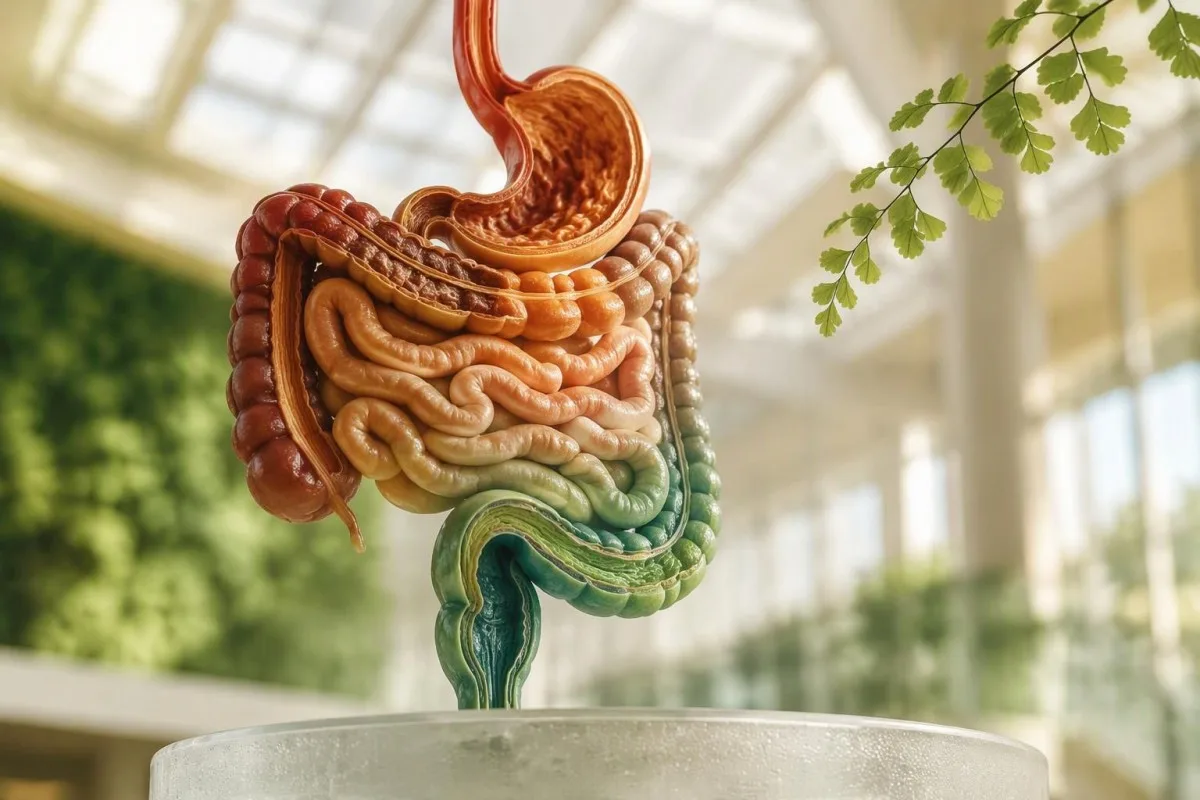
Qotirlar jismoniy qonash manbasini aniqlashga yordam berishi mumkin, ammo rangning o'zi sababini aniqlay olmaydi. Ushbu simptomga asoslangan qo'llanma favqulodda ogohlantirish belgilarni hali ham o'z vaqtida tibbiy ko'rib chiqishni talab qiladigan vaziyatlardan ajratadi.


- Qora smolali najas yuqori oshqozon-ichak qonashini ko'rsatishi mumkin va zudlik bilan bir kunlik baholashni talab qiladi, ayniqsa bosh aylanishi, zaiflik yoki qusish bilan birga.
- Najosatda yorqin qizil qon ko'pincha gemorroy yoki yoriqlar natijasida yuzaga keladi, ammo 40 yoshdan keyin takroriy qon ketish hali ham shifokor ko'rigini talab qiladi.
- Marun najas yoğun ichak yoki ingichka ichakdan tezroq yoki sezilarli qon ketishini ko'rsatishi mumkin va uni uyda kuzatib bo'lmaydi.
- Favqulodda chegara hushidan ketish, ko'krak qafasi og'rig'i, nafas siqilishi, ongni yo'qotish, qorinning kuchli og'rig'i yoki tez yurak urishi bilan bog'liq har qanday najosatdagi qon ketishidir.
- CBC belgisi: gemoglobinning pasayishi yoki mochevina-kreatinin nisbatining ko'payishi jismoniy qon ketishini klinik jihatdan muhim deb hisoblashni qo'llab-quvvatlashi mumkin.
- Dori-darmonlarni ko‘rib chiqish muhimdir: aspirin, ibuprofen, naproksen, antikoagulyantlar, kortikosteroidlar va ba'zi qo'shimchalar qon ketish xavfini oshirishi mumkin.
- Oziq-ovqatga o'xshash narsalar lavlagi, qizil oziq-ovqat bo'yasi, vismut va temirni o'z ichiga oladi; ular najasning rangini o'zgartirishi mumkin, lekin najasdagi qon testining ijobiy natijasini tushuntirmaydi.
- Tayinlangan qonni suyultiruvchi vositalarni to'xtatmang ularni buyurgan shifokorning zudlik bilan maslahatisiz, hatto to'g'ridan-to'g'ri qon ketish hollari bo'lsa ham.
Birinchi soat ichida najas qonining rangi nimani anglatishi mumkin
Najasdagi qon yuqori ovqat hazm qilish traktidan anusgacha bo'lgan joyda qon ketishini bildiradi; qora, yopishqoq najas odatda hojatxona qog'ozidagi bir nechta yorqin qizil chiziqlardan ko'ra shoshilinchdir. 25-sentabr, 2026-yildan boshlab mening amaliy qoidam sodda: o'zingizni yomon his qilsangiz, hushdan ketayotgandek bo'lsangiz, nafas qisishi, terlash yoki qora smolali najasni sezsangiz, uyda sababini aniqlashga urinishdan ko'ra zudlik bilan yordam oling.
Yorqin qizil qon odatda hazm qilishga kam vaqt bo'lgan, shuning uchun u ko'pincha to'g'ri ichakdan yoki anal kanaldan keladi. Melaena deb ataladigan qora smolali najas odatda qon oshqozon kislotasi va ichak fermentlari tomonidan o'zgartirilganligini anglatadi, ko'pincha qizilo'ngach, oshqozon yoki o'n ikki barmoqli ichakdan. Yagona rang manbaini isbotlamaydi, lekin u shoshilinchlikni o'zgartiradi.
Jigarrang yoki to'q vino rangidagi najas o'ng ichakdan, ingichka ichakdan yoki yuqori ovqat hazm qilish traktidan qon ketishidan kelib chiqishi mumkin. Klinik amaliyotda, puls daqiqada 100 zarbadan yuqori bo'lgan, yangi yengil bosh aylanishi yoki siydikning kam chiqishi bilan bog'liq jigarrang najas, aksincha isbotlanmaguncha, potentsial muhim ichki qon yo'qotish sifatida davolanadi.
Kantesti - bu AI qon testi analizatori bu foydalanuvchilarga shifokor zudlik bilan alomatlarni hal qilinganidan so'ng CBC, temir tadqiqotlari, buyrak markerlari va jigar testlarini kontekstga qo'yishga yordam beradi. Bog'liq ichak naqshlari ko'rsatkichlari uchun bizning qo'llanmamizga qarang Bristol najas jadvali.
Uy diagnozi uchun rangdan foydalanmang
Lavlagi, qizil rang beruvchi moddalar, pomidor terilari, temir tabletkalari va vismut rangining tashvishli o'zgarishini taqlid qilishi mumkin. Haqiqatdan ham smolali najas odatda yorqin qora, yaltiroq, yopishqoq va g'ayrioddiy sassiq hidli bo'ladi - shunchaki to'q jigarrang emas.
Najosatda yorqin qizil qon: keng tarqalgan sabablari va chegaralari
Najasdagi yorqin qizil qon ko'pincha gemorroy, anal yoriq, to'g'ri ichakning yallig'lanishi yoki quyi ichak lezyonidan keladi. Qog'ozdagi kichik og'riqsiz chiziqlar ahamiyatsiz bo'lishi mumkin, ammo takroriy holatlar, najas bilan aralashgan qon yoki vazn yo'qotish bilan qon ketishi tibbiy ko'rikni talab qiladi.
Gemorroy ko'pincha kosadagi yorqin-qizil tomchilarni yoki artinishdan keyin chiziqlarni, ayniqsa ich qotishi, homiladorlik, og'ir ko'tarish yoki uzoq vaqt turish bilan bog'liq holda sabab bo'ladi. Anal yoriq ko'pincha ichak harakatidan oldin yoki keyin keskin og'riqni keltirib chiqaradi; shifokor odatda buni aniq tekshiruv bilan ajrata oladi.
Qon aralashgan najas yuzasida turishidan ko'ra ko'proq e'tiborga loyiqdir, chunki u to'g'ri ichak yoki yo'g'on ichakning yuqori qismidan kelib chiqishi mumkin. NICE shubhali saraton yo'nalishi kattalar orasida 50 va undan yuqori yoshdagilarda tushunilmagan to'g'ri ichakdan qon ketishini, ayniqsa qorin og'rig'i yoki o'zgargan ichak odatlari bilan birga bo'lsa, zudlik bilan tekshirishni tavsiya etadi (NICE, 2025).
Foydali amaliy qadam - bu najasni faqat shaxsiy suratga olishingiz mumkin bo'lsa, suratga olish, keyin vaqtni, miqdorni, og'riqni, ichak chastotasini va dorilarni yozib olishdir. Doimiy ich qotishi yoriqlar yoki gemorroyni kuchaytirishi mumkin; bizning maqolamiz hazm bo'lmagan oziq-ovqat va xavf belgilari najasning o'zgarishlari nimani ko'rsatadi va nimani ko'rsatmaydi tushuntiradi.
Qora smolali najas sabablari va favqulodda vaziyat chegaralari
Qora smolali najas sabablari peptik yarani qon ketishi, gastrit, qizilo'ngach varikozlari va oshqozon shilliq qavatini tirnash xususiyati beruvchi dorilarni o'z ichiga oladi; haqiqiy melaena bir kunlik shoshilinch baholashni talab qiladi. Black stool plus faintness, vomiting that resembles coffee grounds, or severe weakness is an emergency.
Melaena is classically black, sticky, and difficult to flush because digested haemoglobin changes stool texture as well as colour. Iron supplements may make stool dark green-black, but they usually do not create the sticky, tar-like quality or the illness symptoms that accompany an active upper gastrointestinal bleed.
A urea level that rises out of proportion to creatinine can occur in upper gastrointestinal bleeding because digested protein is absorbed and converted to urea. This pattern is supportive rather than diagnostic; hydration status, kidney function, and steroid use can produce similar results. Our BUN va kreatinin nisbati explains those competing explanations.
The 2021 American College of Gastroenterology guideline recommends risk assessment at presentation for overt upper gastrointestinal bleeding and supports endoscopy within 24 hours for patients admitted or under observation (Laine et al., 2021). I would not advise driving yourself if you are dizzy or passing repeated black stools.
Marun rangli najasning ma'nosi: bu rang nima uchun zudlik bilan ko'rib chiqishni talab qiladi
Maroon stool means blood may be moving through the bowel quickly enough that it is only partly digested, and it should be assessed urgently if new or ongoing. It can arise from the colon, small intestine, or occasionally a rapid upper gastrointestinal source.
Maroon stool is not a harmless middle ground between red and black. A person can lose a clinically meaningful volume of blood before the stool becomes obviously red, particularly if they are older, take beta-blockers, or have limited cardiac reserve.
Diverticular bleeding is often painless and can be surprisingly brisk, while colitis more commonly brings urgency, cramps, diarrhoea, fever, or mucus. A new maroon stool after a recent colonoscopy, polyp removal, or change in anticoagulant dose should prompt immediate contact with the treating team.
The 2016 ACG guideline states that haematochezia with haemodynamic instability may indicate an upper gastrointestinal source and merits upper endoscopy consideration (Strate and Gralnek, 2016). Review our positive FIT follow-up guide if screening test results are part of the picture.
Qachon najosatda qon paydo bo'lishi favqulodda holat hisoblanadi
Call emergency services or go to an emergency department now if stool bleeding occurs with fainting, confusion, chest pain, shortness of breath, severe abdominal pain, or repeated large-volume blood loss. A normal-looking blood pressure does not reliably exclude early blood loss, especially in fit younger adults.
A resting heart rate above 100 beats per minute, systolic pressure below 100 mmHg, cold sweaty skin, or inability to stand without dizziness are practical danger signs. In my experience, patients often minimise these symptoms because the bleeding seems to have stopped; that can be misleading after an intermittent bleed.
Seek urgent care the same day for black stool, maroon stool, recurrent red bleeding, or any bleeding while taking warfarin, apixaban, rivaroxaban, dabigatran, clopidogrel, or dual antiplatelet therapy. Do not independently skip an anticoagulant dose unless an emergency clinician tells you to—stroke and clot risk can rise quickly.
Kantesti AI qon tahlili natijalari platformasi can organise trends in haemoglobin, platelets, kidney tests, and iron markers, but it is not an emergency service and cannot rule out active bleeding. If the bleeding is paired with breathlessness, our hansirash uchun qon tekshiruvlari article explains why anaemia is only one possibility.
Qachon navbatdagi uchrashuv o'rinli bo'ladi
A routine primary-care appointment is reasonable for one small episode of bright-red blood clearly linked to constipation or painful wiping when you feel entirely well. Arrange review within days rather than months if it recurs, even when you suspect haemorrhoids.
The lower-risk pattern is a few drops of red blood on paper after a hard stool, with no blood mixed into stool, no abdominal symptoms, and no anaemia symptoms. Even then, age, family history of colorectal cancer, inflammatory bowel disease, and prior polyps alter the threshold for investigation.
New rectal bleeding with unexplained fatigue, unintentional weight loss, persistent altered bowel habit, or abdominal mass should not be labelled haemorrhoids without an examination. A full blood count is often useful, but a normal haemoglobin does not exclude an early lesion or intermittent bleeding.
Dr. Thomas Klein advises patients to bring a complete medication and supplement list, including turmeric, fish oil, ginkgo, NSAIDs, and iron. A clinician may use a faecal immunochemical test, examination, sigmoidoscopy, or colonoscopy; compare FIT and FOBT testing before assuming the tests are interchangeable.
Keng tarqalgan sabablar yosh, og'riq va ichak faoliyatiga qarab farq qiladi
The most likely cause of blood in stool changes with age and symptoms: fissures and infectious diarrhoea are common in younger adults, while diverticular disease, polyps, angiodysplasia, and cancer become more relevant with age. Pain, diarrhoea, fever, and medication use refine the pattern.
Painful bright bleeding after constipation points toward a fissure, while painless intermittent bleeding may fit haemorrhoids, polyps, or diverticular disease. Cramping with bloody diarrhoea raises concern for infectious colitis, inflammatory bowel disease, or ischaemic colitis—particularly after dehydration, low blood pressure, or vascular disease.
In adults under 50, colorectal cancer is still less common than benign causes, but incidence has risen enough that persistent rectal bleeding should never be dismissed by age alone. The presence of iron-deficiency anaemia, a first-degree relative with colorectal cancer, or symptoms that wake someone at night changes the risk calculation substantially.
Stool inflammatory markers can sometimes clarify whether diarrhoea reflects intestinal inflammation, although they cannot identify the cause by themselves. See kalprotektin va laktoferrin for sensible next questions after recurrent loose, bloody stool.
Qon ketish xavfini o'zgartiruvchi dorilar, alkogol va qo'shimchalar
Aspirin, ibuprofen, naproxen, anticoagulants, antiplatelet drugs, corticosteroids, and heavy alcohol use can make gastrointestinal bleeding more likely or more severe. The combination of an NSAID with an anticoagulant is more concerning than either medicine alone.
NSAIDs reduce protective prostaglandins in the stomach and duodenum, which can allow ulcers to form or bleed. A person taking ibuprofen 600 mg three times daily for several days may be at higher risk than they realise, especially if they are also older than 65, use steroids, or have had an ulcer before.
Warfarin requires an INR check when bleeding occurs, but a normal INR does not make rectal bleeding unimportant. Direct oral anticoagulants do not have a simple routine blood level that excludes clinically meaningful bleeding; emergency clinicians use timing of the last dose, kidney function, and bleeding severity.
Dark stool after iron is common, while bismuth can turn stool black and the tongue darker. If you take iron because of low ferritin, review the underlying reason with our past ferritin simptom qo'llanmamiz rather than assuming replacement has solved the cause.
Shifokorlar qon va najosat testlarida nimani tekshirishadi
Clinicians commonly check a full blood count, ferritin, urea, creatinine, liver tests, clotting studies, and stool tests when blood in stool is recurrent or significant. No single laboratory result can identify the exact bleeding site.
A haemoglobin below the laboratory reference range supports anaemia, while a low mean corpuscular volume and low ferritin can suggest longer-term iron loss. Ferritin below 15 ng/mL is highly specific for depleted iron stores in many adults, although inflammation can raise ferritin and hide deficiency.
Platelet count, prothrombin time, INR, activated partial thromboplastin time, albumin, bilirubin, and liver enzymes may be relevant when bleeding is unexpected or liver disease is possible. A platelet count below 50 × 10^9/L increases procedural and spontaneous bleeding concerns, though individual decisions depend on context.
Kantesti - bu AI asosidagi qon tahlili analiz vositasi that compares these markers across reports so a clinician can see whether a low haemoglobin is new, stable, or worsening. For why red-cell size matters, read our past MCV sabablari bo'yicha qo'llanmamiz.
Anemiya belgilari, ular najosatda qon ketishini yanada xavfli qiladi
Blood in stool becomes more concerning when it is paired with falling haemoglobin, low ferritin, fatigue, exertional breathlessness, palpitations, or pale skin. Chronic small-volume bleeding may cause iron deficiency before a person sees obvious red blood.
A haemoglobin decrease of 2 g/dL or more over days to weeks is clinically meaningful and should be interpreted urgently when bleeding is suspected. Acute blood loss can initially leave haemoglobin looking deceptively normal because fluid shifts take time; symptoms and vital signs still matter.
Iron deficiency can produce fatigue, restless legs, reduced exercise tolerance, hair shedding, and concentration difficulty before anaemia develops. In men and postmenopausal women, confirmed iron-deficiency anaemia commonly prompts gastrointestinal evaluation because menstrual loss is not an adequate explanation.
Dr. Thomas Klein has seen patients reassured by a “normal” haemoglobin of 13.2 g/dL despite a clear downward trend from 15.8 g/dL over six months. Our haematocrit and haemoglobin guide shows why both numbers and trends deserve attention.
Homiladorlik, bolalar va kattalarda najosatda qon paydo bo'lishi
Pregnancy, childhood, and older age each change the likely causes of blood in stool, but black stool or systemic illness is urgent at any age. In infants and children, a paediatric clinician should assess recurrent bleeding rather than relying on adult haemorrhoid explanations.
Pregnancy increases constipation and haemorrhoids, so small bright-red streaks are common, yet severe abdominal pain, heavy bleeding, dizziness, or black stool still needs urgent assessment. Iron supplements can darken stool during pregnancy, but they do not make a person safe from gastrointestinal bleeding.
In children, fissures from constipation are common, but bloody diarrhoea with fever, reduced drinking, lethargy, or abdominal swelling needs same-day paediatric care. Currant-jelly-like stool with episodic severe pain is an emergency pattern because intussusception is one possible cause.
Older adults may have less pain despite substantial bleeding, especially with diverticular disease or angiodysplasia. If there is a bleeding tendency in the wider family, our von Willebrand disease symptoms guide may help prepare for the right questions.
Tibbiy maslahatni kutish paytida nima qilish kerak emas
Do not take extra ibuprofen or aspirin for abdominal pain, use anti-diarrhoeal medicines for bloody diarrhoea without advice, or stop critical anticoagulants on your own. These choices can worsen bleeding, hide important symptoms, or create clotting risk.
Avoid alcohol, strenuous exercise, and fasting if you are light-headed or continuing to pass blood. Drink small amounts of fluid if you can keep them down, but do not force fluids if vomiting, severe pain, or confusion is present—those are reasons for urgent in-person assessment.
Do not use a home stool test to reassure yourself after visible blood. A negative result can miss intermittent bleeding, while a positive result cannot identify whether the cause is a fissure, inflammation, polyp, ulcer, or cancer.
Write down the last normal stool, estimated amount of bleeding, medicine doses, and any prior endoscopy results. If you use warfarin, see our explanation of what INR means before discussing results with your care team.
Shifokorlar oshqozon-ichak qonash manbasini qanday aniqlaydilar
Doctors locate gastrointestinal bleeding using symptom pattern, examination, laboratory trends, and targeted procedures such as endoscopy, colonoscopy, CT angiography, or capsule endoscopy. The test choice depends on whether bleeding is active, likely upper or lower, and whether the person is stable.
Upper endoscopy examines the oesophagus, stomach, and duodenum and can often treat a bleeding ulcer during the same procedure. Colonoscopy examines the colon and rectum, but preparation quality, active bleeding, and medical stability influence timing and visibility.
CT angiography can identify active bleeding when the rate is high enough to detect, but a negative scan does not rule out a slow or intermittent source. Capsule endoscopy is sometimes used for suspected small-bowel bleeding after standard upper and lower examinations are unrevealing.
Kantesti AI interprets supportive laboratory patterns, not images or endoscopic findings, and our tibbiy validatsiya yondashuvimiz explains why clinical context and human oversight remain necessary. A normal test on one day is not proof that intermittent bleeding never occurred.
Foydali tibbiy uchrashuvga qanday tayyorgarlik ko'rish kerak
The most useful appointment preparation is a precise timeline of stool colour, amount, pain, bowel changes, medicines, family history, and prior laboratory results. This often shortens the path to the appropriate test more than a vague description such as “a little blood.”
Tell the clinician whether blood is on paper, drips into the bowl, coats stool, or is mixed throughout it; these descriptions change the working diagnosis. Record associated symptoms including fever, urgency, nocturnal diarrhoea, nausea, weight change, and fatigue, plus whether you have travelled or recently used antibiotics.
Bring prior CBC, ferritin, liver, kidney, and coagulation results if available. A longitudinal view can reveal a gradual decline that a single report conceals; our qon tahlili trendi bo‘yicha qo‘llanma outlines what to save between visits.
Kantesti is used across 127+ countries as an AI lab test interpretatsiya xizmati, but no automated interpretation should delay a clinician’s assessment of visible gastrointestinal bleeding. Our doctors and reviewers follow clinical oversight standards described by the Tibbiy maslahat kengashi.
Amaliy rang-va-simptom harakat rejasi
Treat black tarry stool, maroon stool, large-volume red bleeding, or any bleeding with weakness or faintness as urgent; arrange timely review for recurring bright-red bleeding even if haemorrhoids seem likely. The safest decision is based on colour plus how you feel, not colour alone.
Call emergency services for fainting, chest pain, severe shortness of breath, confusion, severe abdominal pain, or ongoing large-volume bleeding. Go for same-day urgent evaluation for melaena, maroon stool, coffee-ground vomiting, or bleeding while on anticoagulants.
Book a prompt outpatient appointment for recurring bright red blood, blood mixed in stool, changed bowel habits lasting more than 3 weeks, unexplained fatigue, or weight loss. A presumed haemorrhoid diagnosis should be revisited when the pattern changes or symptoms persist.
The practical lesson from my clinical work is that people rarely regret seeking assessment for a potentially serious bleed; they more often regret waiting because a familiar explanation seemed plausible. For a broader overview of clinical test interpretation safeguards, visit our AI texnologiyasi bo‘yicha qo‘llanma.
Tez-tez so'raladigan savollar
Hemorroy najas bilan aralashgan qonni keltirib chiqarishi mumkinmi?
Haemorrhoids usually cause bright-red blood on toilet paper, on the stool surface, or as drops in the bowl rather than blood thoroughly mixed through stool. Blood mixed into stool can come from higher in the rectum or colon and should be assessed, particularly if it recurs or occurs after age 40. Seek faster care if there is weight loss, changed bowel habit, abdominal pain, fatigue, or a haemoglobin decline of 2 g/dL or more. A clinician can confirm haemorrhoids, but visible bleeding should not be self-diagnosed indefinitely.
Qora najas doimo qonmi?
Black stool is not always blood because iron tablets, bismuth-containing medicines, and some foods can darken stool. True melaena is usually jet black, glossy, sticky, and unusually foul-smelling, and it may occur with weakness, dizziness, or a heart rate above 100 beats per minute. Black tarry stool should receive same-day urgent medical assessment, even if you take iron. Emergency care is needed if fainting, vomiting, chest pain, or shortness of breath accompanies it.
Marun rangidagi najas nimani anglatadi?
Maroon stool can mean bleeding from the right colon, small intestine, or a rapidly bleeding upper gastrointestinal source. It is more concerning than a few small bright-red streaks because it can reflect blood moving quickly through the bowel. Maroon stool with light-headedness, low urine output, fast pulse, or repeated bowel movements needs emergency assessment. Doctors may use a CBC, urea and creatinine, CT angiography, colonoscopy, or upper endoscopy depending on stability.
Qonli najas bilan shoshilinch yordam bo'limiga qachon murojaat qilishim kerak?
Go to the emergency department immediately for black tarry stool, maroon stool, large amounts of red blood, fainting, confusion, chest pain, severe abdominal pain, shortness of breath, or a resting pulse above 100 beats per minute. These features can indicate substantial blood loss or a serious gastrointestinal condition. People taking warfarin, apixaban, rivaroxaban, dabigatran, clopidogrel, or dual antiplatelet therapy should seek same-day advice for any new visible stool bleeding. Do not drive yourself if you feel weak or dizzy.
Temir tabletkalari najasni qora qiladimi?
Iron tablets commonly make stool dark green or black, and this effect can begin within 24 to 48 hours of starting treatment. Iron-related dark stool is usually not sticky or tar-like and does not typically cause dizziness, weakness, coffee-ground vomiting, or a falling haemoglobin level. Do not assume black stool is from iron if the appearance is new, very tarry, foul-smelling, or accompanied by illness symptoms. A clinician can decide whether a CBC, ferritin, and urgent gastrointestinal evaluation are needed.
Ichak qonashini qanday qon testlari ko'rsatishi mumkin?
A full blood count can show low haemoglobin, low haematocrit, and sometimes a low MCV when blood loss has been ongoing long enough to deplete iron. Ferritin below 15 ng/mL strongly supports depleted iron stores in many adults, although inflammation can make ferritin appear higher than expected. Urea may rise disproportionately to creatinine in upper gastrointestinal bleeding because digested protein increases urea production. Normal laboratory results do not exclude a recent or intermittent bleed, especially during the first hours.
Bugun AI asosidagi qon tahlilini tahlil qilishni oling
Kantesti’ga tezkor va aniq laboratoriya tahlili uchun ishonadigan butun dunyo bo‘ylab 2 milliondan ortiq foydalanuvchiga qo‘shiling. Qon tahlili natijalaringizni yuklang va soniyalar ichida 15,000+ biomarkerlarining to‘liq talqinini oling.
📚 Havola qilingan ilmiy tadqiqot nashrlari
Klein, T., Mitchell, S., & Weber, H. (2026). BUN/Creatinine Ratio Explained: Kidney Function Test Guide. Kantesti Research Publication. Zenodo.. Kantesti AI tibbiy tadqiqoti.
Klein, T., Mitchell, S., & Weber, H. (2026). Urobilinogen in Urine Test: Complete Urinalysis Guide 2026. Kantesti Research Publication. Zenodo.. Kantesti AI tibbiy tadqiqoti.
📖 Tashqi tibbiy manbalar
Milliy sog‘liqni saqlash va g‘amxo‘rlik mukammalligi instituti (2025). Suspected cancer: recognition and referral. NICE guideline NG12.
⚕️ Tibbiy ogohlantirish
Ushbu maqola faqat ta’lim maqsadlari uchun mo‘ljallangan va tibbiy maslahatni anglatmaydi. Tashxis va davolash bo‘yicha qarorlar uchun har doim malakali sog‘liqni saqlash mutaxassisiga murojaat qiling.
E-E-A-T ishonch signallari
Tajriba
Shifokor boshchiligidagi laboratoriya talqin qilish ish jarayonlarini klinik ko‘rib chiqish.
Tajriba
Laboratoriya tibbiyoti biomarkerlarning klinik kontekstda qanday o‘zini tutishini yoritadi.
Vakolatlilik
Dr. Tomas Klein tomonidan yozilgan, Dr. Sarah Mitchell va Prof. Dr. Hans Weber tomonidan ko‘rib chiqilgan.
Ishonchlilik
Xavotirni kamaytirish uchun aniq keyingi qadamlar yo‘nalishlari bilan dalillarga asoslangan talqin.