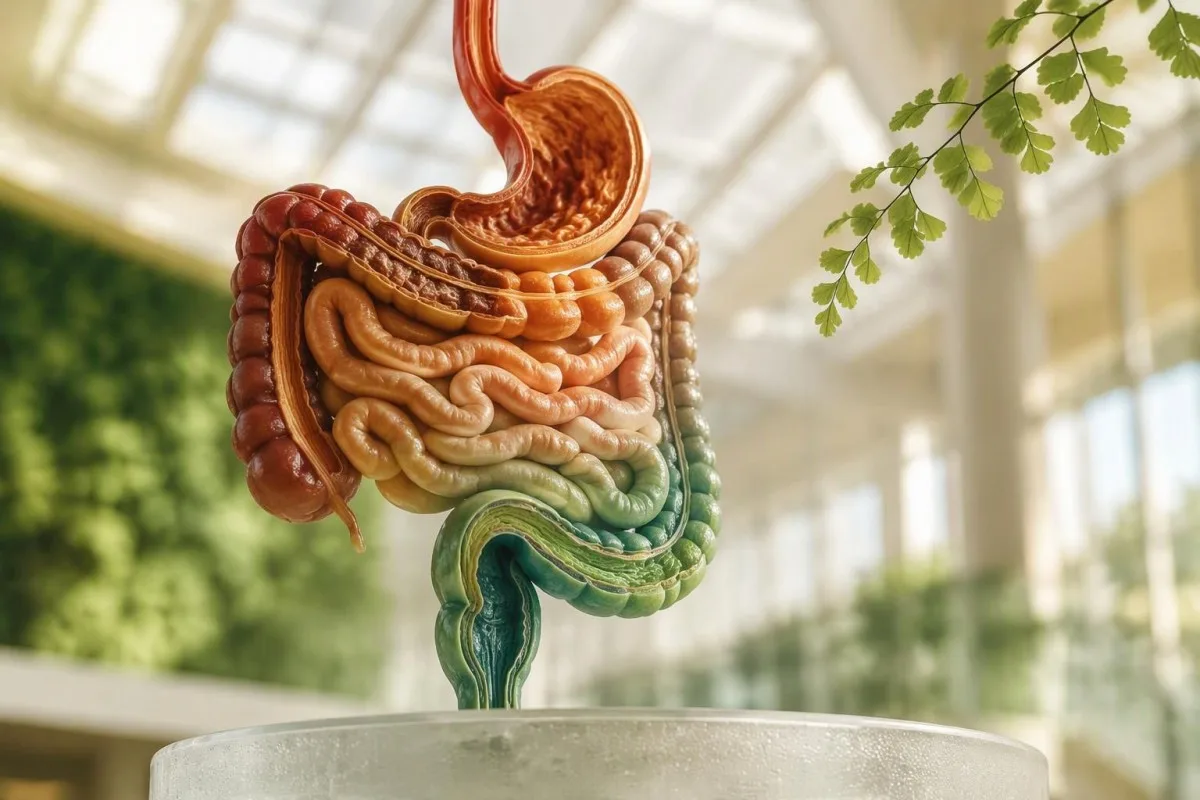
Stóllitur getur hjálpað til við að staðsetja blæðingu í meltingarvegi en liturinn einn og sér getur ekki greint orsökina. Þessi einkennafyrsti leiðarvísir aðgreinir bráðahættumerki frá aðstæðum sem þarfnast samt tímanlegrar læknisathugunar.


- Svartar tjörulegar hægðir geta bent til blæðingar í efri hluta meltingarvegar og þarfnast mats sama dag, sérstaklega með svima, máttleysi eða uppköstum.
- Bjart rautt blóð í hægðum er oft frá gyllinæð eða rifum, en endurtekin blæðing eftir 40 ára aldur þarfnast samt klínísrar mats.
- Marónrauðar hægðir geta bent til hraðari eða meiri blæðingar frá ristli eða smáþörmum og ætti ekki að fylgjast með heima.
- Bráðamörk er hvers kyns blæðing í hægðum ásamt yfirliði, brjóstverkjum, mæði, rugli, miklum kviðverkjum eða hraðum hjartslætti.
- Ábending úr heildarblóðtölu (CBC): fallandi blóðrauði eða hækkandi þvagefnis-til-kreatíníns hlutfalls getur stutt klínískt marktæka blæðingu í meltingarvegi.
- Yfirferð lyfja atriði: aspirín, íbúprófen, naproxen, segavarnarlyf, barksterar og sum fæðubótarefni geta aukið blæðingarhættu.
- Matur sem líkist matvælum inniheldur rófu, rautt matarlit, bismút og járn; þau geta breytt hægðarlit en skýra ekki jákvæða hægðablóðprufu.
- Hættið ekki við ávísaðar segavarnir án bráðrar ráðleggingar frá lækninum sem ávísaði þeim, jafnvel þótt blæðing frá endaþarmi komi fram.
Hvað stóllitur blóðs getur sagt þér á fyrsta klukkutímanum
Blóð í hægðum þýðir að blæðing getur átt sér stað einhvers staðar frá efri meltingarvegi til endaþarms; svartar, klístraðar hægðir eru venjulega bráðari en nokkur björtu rauðu rendur á salernispappír. Frá og með 25. september 2026 er mín hagnýta regla einföld: ef þér líður illa, verður svimi, andnauð, köld sviti, eða tekur eftir dökkum tjörulíkum hægðum, leitaðu tafarlaust til bráðamóttöku frekar en að reyna að greina orsökina heima.
Björtu rauðu blóði hefur venjulega haft lítinn tíma til að meltingu, svo það kemur oft frá endaþarmi eða endaþarmsopi. Dökkar tjörulíkar hægðir, kallaðar melaena, þýðir venjulega að blóð hefur breyst af magasýru og ensímum í meltingarvegi, oft frá vélinda, maga eða skeifugörn. Einn litur sönnar ekki uppruna, en hann breytir bráðræði.
Dökkrauðar eða dökkvínrauðar hægðir geta komið frá hægri hluta ristils, smáþörmum, eða mikilli blæðingu úr efri meltingarvegi. Í klínískri starfsemi eru dökkrauðar hægðir með púls yfir 100 slögum á mínútu, nýlegt svimi, eða minni þvaglát úrgangur talin hugsanlega marktæk innri blóðmissi þar til annað hefur verið sannað.
Kantesti er AI blóðprufugreiningartæki sem hjálpar notendum að setja CBC, járnrannsóknir, nýrnastarfsemi og lifrarpróf í samhengi eftir að læknir hefur tekist á við bráð einkenni. Fyrir tengda vísbendingar um þörmamynstur, sjá leiðbeiningar okkar um Bristol hægðakort.
Ekki nota lit sem heimilislækning
Rófa, rautt litarefni, tómat Skin, járntöflur og bismút geta líkt eftir áhyggjuaukandi litabreytingu. Hægðir sem eru sannarlega tjörulíkar eru yfirleitt djúp svartar, gljáandi, klístraðar og óvenju illa lyktandi – ekki bara dökkar brúnar.
Bjart rautt blóð í hægðum: algengar orsakir og takmarkanir
Björt rauður blóð í hægðum kemur oftast frá gyllinæð, endaþarms sprungu, bólgu í endaþarmi eða sár í neðri þörmum. Lítil sársaukalaus rendur aðeins á pappír geta verið minniháttar, en endurtekin atvik, blóð blandað í hægðum, eða blæðing með þyngdartapi krefst læknisfræðilegrar athugunar.
Gyllinæð veldur oft björtum rauðum dropum í skálinni eða röndum eftir þurrk, sérstaklega við hægðatregðu, þungun, mikla líkamsrækt, eða langvarandi þrýsting. Endaþarms sprunga veldur oft sterkum sársauka meðan eða eftir hægðalosun; læknir getur venjulega greint mun á þessu með einbeittri skoðun.
Blóð sem er blandað í hægðir frekar en að liggja á yfirborði þeirra, vekur meiri athygli því það getur komið frá efra hluta endaþarms eða ristils. NICE grunsöm krabbameinsleiðbeinir um tafarlausa rannsókn á óútskýrðri blæðingu frá endaþarmi hjá fullorðnum 50 ára og eldri, sérstaklega þegar það fylgir kviðverkur eða breytt þarmavenja (NICE, 2025).
Gagnið hagnýtt skref er að mynda hægðirnar ef þú getur gert það í næði, skráðu síðan tímasetningu, magn, verki, þarmatíðni og lyf. Einkennandi hægðatregða getur versnað annaðhvort sprungur eða gyllinæð; grein okkar um ómelt matvæli og viðvörunarmerki útskýrir hvað hægðabreytingar gera og hvað þær ekki gera.
Orsakir svartra tjörulegra hægða og mörk fyrir bráðatilfelli
Black tarry stool causes include peptic ulcer bleeding, gastritis, oesophageal varices, and medicines that irritate the stomach lining; true melaena warrants same-day urgent assessment. Black stool plus faintness, vomiting that resembles coffee grounds, or severe weakness is an emergency.
Melaena is classically black, sticky, and difficult to flush because digested haemoglobin changes stool texture as well as colour. Iron supplements may make stool dark green-black, but they usually do not create the sticky, tar-like quality or the illness symptoms that accompany an active upper gastrointestinal bleed.
A urea level that rises out of proportion to creatinine can occur in upper gastrointestinal bleeding because digested protein is absorbed and converted to urea. This pattern is supportive rather than diagnostic; hydration status, kidney function, and steroid use can produce similar results. Our BUN og kreatínínhlutfall leiðbeinir explains those competing explanations.
The 2021 American College of Gastroenterology guideline recommends risk assessment at presentation for overt upper gastrointestinal bleeding and supports endoscopy within 24 hours for patients admitted or under observation (Laine et al., 2021). I would not advise driving yourself if you are dizzy or passing repeated black stools.
Merking marónrauðra hægða: hvers vegna þessi litur þarfnast skjótrar athugunar
Maroon stool means blood may be moving through the bowel quickly enough that it is only partly digested, and it should be assessed urgently if new or ongoing. It can arise from the colon, small intestine, or occasionally a rapid upper gastrointestinal source.
Maroon stool is not a harmless middle ground between red and black. A person can lose a clinically meaningful volume of blood before the stool becomes obviously red, particularly if they are older, take beta-blockers, or have limited cardiac reserve.
Diverticular bleeding is often painless and can be surprisingly brisk, while colitis more commonly brings urgency, cramps, diarrhoea, fever, or mucus. A new maroon stool after a recent colonoscopy, polyp removal, or change in anticoagulant dose should prompt immediate contact with the treating team.
The 2016 ACG guideline states that haematochezia with haemodynamic instability may indicate an upper gastrointestinal source and merits upper endoscopy consideration (Strate and Gralnek, 2016). Review our positive FIT follow-up guide if screening test results are part of the picture.
Hvenær blóð í hægðum er bráðatilfelli
Call emergency services or go to an emergency department now if stool bleeding occurs with fainting, confusion, chest pain, shortness of breath, severe abdominal pain, or repeated large-volume blood loss. A normal-looking blood pressure does not reliably exclude early blood loss, especially in fit younger adults.
A resting heart rate above 100 beats per minute, systolic pressure below 100 mmHg, cold sweaty skin, or inability to stand without dizziness are practical danger signs. In my experience, patients often minimise these symptoms because the bleeding seems to have stopped; that can be misleading after an intermittent bleed.
Seek urgent care the same day for black stool, maroon stool, recurrent red bleeding, or any bleeding while taking warfarin, apixaban, rivaroxaban, dabigatran, clopidogrel, or dual antiplatelet therapy. Do not independently skip an anticoagulant dose unless an emergency clinician tells you to—stroke and clot risk can rise quickly.
Kantesti's AI blóðrannsóknartúlkunarvettvangur can organise trends in haemoglobin, platelets, kidney tests, and iron markers, but it is not an emergency service and cannot rule out active bleeding. If the bleeding is paired with breathlessness, our blóðprufur fyrir andnauð article explains why anaemia is only one possibility.
Hvenær venjulegur tími hjá lækni er skynsamlegur
A routine primary-care appointment is reasonable for one small episode of bright-red blood clearly linked to constipation or painful wiping when you feel entirely well. Arrange review within days rather than months if it recurs, even when you suspect haemorrhoids.
The lower-risk pattern is a few drops of red blood on paper after a hard stool, with no blood mixed into stool, no abdominal symptoms, and no anaemia symptoms. Even then, age, family history of colorectal cancer, inflammatory bowel disease, and prior polyps alter the threshold for investigation.
New rectal bleeding with unexplained fatigue, unintentional weight loss, persistent altered bowel habit, or abdominal mass should not be labelled haemorrhoids without an examination. A full blood count is often useful, but a normal haemoglobin does not exclude an early lesion or intermittent bleeding.
Dr. Thomas Klein advises patients to bring a complete medication and supplement list, including turmeric, fish oil, ginkgo, NSAIDs, and iron. A clinician may use a faecal immunochemical test, examination, sigmoidoscopy, or colonoscopy; compare FIT and FOBT testing before assuming the tests are interchangeable.
Líklegar orsakir eru mismunandi eftir aldri, verkjum og hægðavenjum
The most likely cause of blood in stool changes with age and symptoms: fissures and infectious diarrhoea are common in younger adults, while diverticular disease, polyps, angiodysplasia, and cancer become more relevant with age. Pain, diarrhoea, fever, and medication use refine the pattern.
Painful bright bleeding after constipation points toward a fissure, while painless intermittent bleeding may fit haemorrhoids, polyps, or diverticular disease. Cramping with bloody diarrhoea raises concern for infectious colitis, inflammatory bowel disease, or ischaemic colitis—particularly after dehydration, low blood pressure, or vascular disease.
In adults under 50, colorectal cancer is still less common than benign causes, but incidence has risen enough that persistent rectal bleeding should never be dismissed by age alone. The presence of iron-deficiency anaemia, a first-degree relative with colorectal cancer, or symptoms that wake someone at night changes the risk calculation substantially.
Stool inflammatory markers can sometimes clarify whether diarrhoea reflects intestinal inflammation, although they cannot identify the cause by themselves. See calprotectin gegn lactoferrin for sensible next questions after recurrent loose, bloody stool.
Lyf, áfengi og fæðubótarefni sem breyta blæðingarhættu
Aspirin, ibuprofen, naproxen, anticoagulants, antiplatelet drugs, corticosteroids, and heavy alcohol use can make gastrointestinal bleeding more likely or more severe. The combination of an NSAID with an anticoagulant is more concerning than either medicine alone.
NSAIDs reduce protective prostaglandins in the stomach and duodenum, which can allow ulcers to form or bleed. A person taking ibuprofen 600 mg three times daily for several days may be at higher risk than they realise, especially if they are also older than 65, use steroids, or have had an ulcer before.
Warfarin requires an INR check when bleeding occurs, but a normal INR does not make rectal bleeding unimportant. Direct oral anticoagulants do not have a simple routine blood level that excludes clinically meaningful bleeding; emergency clinicians use timing of the last dose, kidney function, and bleeding severity.
Dark stool after iron is common, while bismuth can turn stool black and the tongue darker. If you take iron because of low ferritin, review the underlying reason with our leiðbeiningar um einkenni lágs ferritins rather than assuming replacement has solved the cause.
Hvað læknar athuga í blóð- og hægðarprófum
Clinicians commonly check a full blood count, ferritin, urea, creatinine, liver tests, clotting studies, and stool tests when blood in stool is recurrent or significant. No single laboratory result can identify the exact bleeding site.
A haemoglobin below the laboratory reference range supports anaemia, while a low mean corpuscular volume and low ferritin can suggest longer-term iron loss. Ferritin below 15 ng/mL is highly specific for depleted iron stores in many adults, although inflammation can raise ferritin and hide deficiency.
Platelet count, prothrombin time, INR, activated partial thromboplastin time, albumin, bilirubin, and liver enzymes may be relevant when bleeding is unexpected or liver disease is possible. A platelet count below 50 × 10^9/L increases procedural and spontaneous bleeding concerns, though individual decisions depend on context.
Kantesti er AI-knúið blóðprófunargreiningartól that compares these markers across reports so a clinician can see whether a low haemoglobin is new, stable, or worsening. For why red-cell size matters, read our leiðbeiningar um lág-MCV orsakir.
Vísbendingar um blóðleysi sem gera blæðingu í hægðum meira áhyggjuvaldandi
Blood in stool becomes more concerning when it is paired with falling haemoglobin, low ferritin, fatigue, exertional breathlessness, palpitations, or pale skin. Chronic small-volume bleeding may cause iron deficiency before a person sees obvious red blood.
A haemoglobin decrease of 2 g/dL or more over days to weeks is clinically meaningful and should be interpreted urgently when bleeding is suspected. Acute blood loss can initially leave haemoglobin looking deceptively normal because fluid shifts take time; symptoms and vital signs still matter.
Iron deficiency can produce fatigue, restless legs, reduced exercise tolerance, hair shedding, and concentration difficulty before anaemia develops. In men and postmenopausal women, confirmed iron-deficiency anaemia commonly prompts gastrointestinal evaluation because menstrual loss is not an adequate explanation.
Dr. Thomas Klein has seen patients reassured by a “normal” haemoglobin of 13.2 g/dL despite a clear downward trend from 15.8 g/dL over six months. Our haematocrit and haemoglobin guide shows why both numbers and trends deserve attention.
Blóð í hægðum hjá þunguðum konum, börnum og eldra fólki
Pregnancy, childhood, and older age each change the likely causes of blood in stool, but black stool or systemic illness is urgent at any age. In infants and children, a paediatric clinician should assess recurrent bleeding rather than relying on adult haemorrhoid explanations.
Pregnancy increases constipation and haemorrhoids, so small bright-red streaks are common, yet severe abdominal pain, heavy bleeding, dizziness, or black stool still needs urgent assessment. Iron supplements can darken stool during pregnancy, but they do not make a person safe from gastrointestinal bleeding.
In children, fissures from constipation are common, but bloody diarrhoea with fever, reduced drinking, lethargy, or abdominal swelling needs same-day paediatric care. Currant-jelly-like stool with episodic severe pain is an emergency pattern because intussusception is one possible cause.
Older adults may have less pain despite substantial bleeding, especially with diverticular disease or angiodysplasia. If there is a bleeding tendency in the wider family, our von Willebrand disease symptoms guide may help prepare for the right questions.
Hvað á ekki að gera á meðan beðið er eftir læknisráði
Do not take extra ibuprofen or aspirin for abdominal pain, use anti-diarrhoeal medicines for bloody diarrhoea without advice, or stop critical anticoagulants on your own. These choices can worsen bleeding, hide important symptoms, or create clotting risk.
Avoid alcohol, strenuous exercise, and fasting if you are light-headed or continuing to pass blood. Drink small amounts of fluid if you can keep them down, but do not force fluids if vomiting, severe pain, or confusion is present—those are reasons for urgent in-person assessment.
Do not use a home stool test to reassure yourself after visible blood. A negative result can miss intermittent bleeding, while a positive result cannot identify whether the cause is a fissure, inflammation, polyp, ulcer, or cancer.
Write down the last normal stool, estimated amount of bleeding, medicine doses, and any prior endoscopy results. If you use warfarin, see our explanation of what INR means before discussing results with your care team.
Hvernig læknar staðsetja upptök blæðingar í meltingarvegi
Doctors locate gastrointestinal bleeding using symptom pattern, examination, laboratory trends, and targeted procedures such as endoscopy, colonoscopy, CT angiography, or capsule endoscopy. The test choice depends on whether bleeding is active, likely upper or lower, and whether the person is stable.
Upper endoscopy examines the oesophagus, stomach, and duodenum and can often treat a bleeding ulcer during the same procedure. Colonoscopy examines the colon and rectum, but preparation quality, active bleeding, and medical stability influence timing and visibility.
CT angiography can identify active bleeding when the rate is high enough to detect, but a negative scan does not rule out a slow or intermittent source. Capsule endoscopy is sometimes used for suspected small-bowel bleeding after standard upper and lower examinations are unrevealing.
Kantesti AI interprets supportive laboratory patterns, not images or endoscopic findings, and our læknisfræðilega staðfestingarleið okkar explains why clinical context and human oversight remain necessary. A normal test on one day is not proof that intermittent bleeding never occurred.
Hvernig á að undirbúa sig fyrir gagnlegt læknisviðtal
The most useful appointment preparation is a precise timeline of stool colour, amount, pain, bowel changes, medicines, family history, and prior laboratory results. This often shortens the path to the appropriate test more than a vague description such as “a little blood.”
Tell the clinician whether blood is on paper, drips into the bowl, coats stool, or is mixed throughout it; these descriptions change the working diagnosis. Record associated symptoms including fever, urgency, nocturnal diarrhoea, nausea, weight change, and fatigue, plus whether you have travelled or recently used antibiotics.
Bring prior CBC, ferritin, liver, kidney, and coagulation results if available. A longitudinal view can reveal a gradual decline that a single report conceals; our 3-10 mEq/L án kalíums; 8-16 mEq/L með kalíum outlines what to save between visits.
Kantesti is used across 127+ countries as an þjónustu fyrir túlkun á rannsóknarprófum með gervigreind, but no automated interpretation should delay a clinician’s assessment of visible gastrointestinal bleeding. Our doctors and reviewers follow clinical oversight standards described by the Læknisfræðileg ráðgjafarnefnd.
Hagnýt aðgerðaáætlun miðað við lit og einkenni
Treat black tarry stool, maroon stool, large-volume red bleeding, or any bleeding with weakness or faintness as urgent; arrange timely review for recurring bright-red bleeding even if haemorrhoids seem likely. The safest decision is based on colour plus how you feel, not colour alone.
Call emergency services for fainting, chest pain, severe shortness of breath, confusion, severe abdominal pain, or ongoing large-volume bleeding. Go for same-day urgent evaluation for melaena, maroon stool, coffee-ground vomiting, or bleeding while on anticoagulants.
Book a prompt outpatient appointment for recurring bright red blood, blood mixed in stool, changed bowel habits lasting more than 3 weeks, unexplained fatigue, or weight loss. A presumed haemorrhoid diagnosis should be revisited when the pattern changes or symptoms persist.
The practical lesson from my clinical work is that people rarely regret seeking assessment for a potentially serious bleed; they more often regret waiting because a familiar explanation seemed plausible. For a broader overview of clinical test interpretation safeguards, visit our leiðarvísir fyrir gervigreindartækni.
Algengar spurningar
Getur gyllinOrðið "gyllin-" or "gyllin-" í orðinu "gyllin-" valdið blóði blandaðri hægðum?
Haemorrhoids usually cause bright-red blood on toilet paper, on the stool surface, or as drops in the bowl rather than blood thoroughly mixed through stool. Blood mixed into stool can come from higher in the rectum or colon and should be assessed, particularly if it recurs or occurs after age 40. Seek faster care if there is weight loss, changed bowel habit, abdominal pain, fatigue, or a haemoglobin decline of 2 g/dL or more. A clinician can confirm haemorrhoids, but visible bleeding should not be self-diagnosed indefinitely.
Er hægðir kaffidrykkjarmerktar alltaf blóð?
Black stool is not always blood because iron tablets, bismuth-containing medicines, and some foods can darken stool. True melaena is usually jet black, glossy, sticky, and unusually foul-smelling, and it may occur with weakness, dizziness, or a heart rate above 100 beats per minute. Black tarry stool should receive same-day urgent medical assessment, even if you take iron. Emergency care is needed if fainting, vomiting, chest pain, or shortness of breath accompanies it.
Hvað þýðir svartur hægðir?
Maroon stool can mean bleeding from the right colon, small intestine, or a rapidly bleeding upper gastrointestinal source. It is more concerning than a few small bright-red streaks because it can reflect blood moving quickly through the bowel. Maroon stool with light-headedness, low urine output, fast pulse, or repeated bowel movements needs emergency assessment. Doctors may use a CBC, urea and creatinine, CT angiography, colonoscopy, or upper endoscopy depending on stability.
Hvenær á ég að fara á bráðamóttöku vegna blóðs í hægðum?
Go to the emergency department immediately for black tarry stool, maroon stool, large amounts of red blood, fainting, confusion, chest pain, severe abdominal pain, shortness of breath, or a resting pulse above 100 beats per minute. These features can indicate substantial blood loss or a serious gastrointestinal condition. People taking warfarin, apixaban, rivaroxaban, dabigatran, clopidogrel, or dual antiplatelet therapy should seek same-day advice for any new visible stool bleeding. Do not drive yourself if you feel weak or dizzy.
Getur járntöflur gert hægðir svartar?
Iron tablets commonly make stool dark green or black, and this effect can begin within 24 to 48 hours of starting treatment. Iron-related dark stool is usually not sticky or tar-like and does not typically cause dizziness, weakness, coffee-ground vomiting, or a falling haemoglobin level. Do not assume black stool is from iron if the appearance is new, very tarry, foul-smelling, or accompanied by illness symptoms. A clinician can decide whether a CBC, ferritin, and urgent gastrointestinal evaluation are needed.
Hvaða blóðrannsóknir geta sýnt innri blæðingar í meltingarvegi?
A full blood count can show low haemoglobin, low haematocrit, and sometimes a low MCV when blood loss has been ongoing long enough to deplete iron. Ferritin below 15 ng/mL strongly supports depleted iron stores in many adults, although inflammation can make ferritin appear higher than expected. Urea may rise disproportionately to creatinine in upper gastrointestinal bleeding because digested protein increases urea production. Normal laboratory results do not exclude a recent or intermittent bleed, especially during the first hours.
Fáðu AI-knúna greiningu á blóðprufum í dag
Vertu með yfir 2 milljónir notenda um allan heim sem treysta Kantesti fyrir tafarlausa og nákvæma greiningu á blóðprufum. Hladdu upp niðurstöðum blóðrannsókna þinna og fáðu yfirgripsmikla túlkun á 15,000+ lífmerkjum á sekúndum.
📚 Tilvísuð rannsóknarútgáfa
Klein, T., Mitchell, S., & Weber, H. (2026). BUN/Creatinine Ratio Explained: Kidney Function Test Guide. Kantesti Research Publication. Zenodo.. Kantesti AI Medical Research.
Klein, T., Mitchell, S., & Weber, H. (2026). Urobilinogen in Urine Test: Complete Urinalysis Guide 2026. Kantesti Research Publication. Zenodo.. Kantesti AI Medical Research.
📖 Ytri læknisfræðilegar heimildir
National Institute for Health and Care Excellence (2025). Suspected cancer: recognition and referral. NICE guideline NG12.
⚕️ Fyrirvari vegna læknisfræðilegra mála
Þessi grein er eingöngu til fræðslu og felur ekki í sér læknisráðgjöf. Leitaðu alltaf til hæfs heilbrigðisstarfsmanns vegna ákvarðana um greiningu og meðferð.
E-E-A-T traustmerki
Reynsla
Læknastýrð klínísk yfirferð á vinnuferlum við túlkun rannsóknarniðurstaðna.
Sérþekking
Áhersla á rannsóknarstofulækningar: hvernig lífmarkarar hegða sér í klínísku samhengi.
Yfirvald
Skrifað af Dr. Thomas Klein með yfirferð Dr. Sarah Mitchell og próf. Dr. Hans Weber.
Traustleiki
Rökstudd túlkun byggð á gögnum með skýrum eftirfylgnileiðum til að draga úr ávörun.