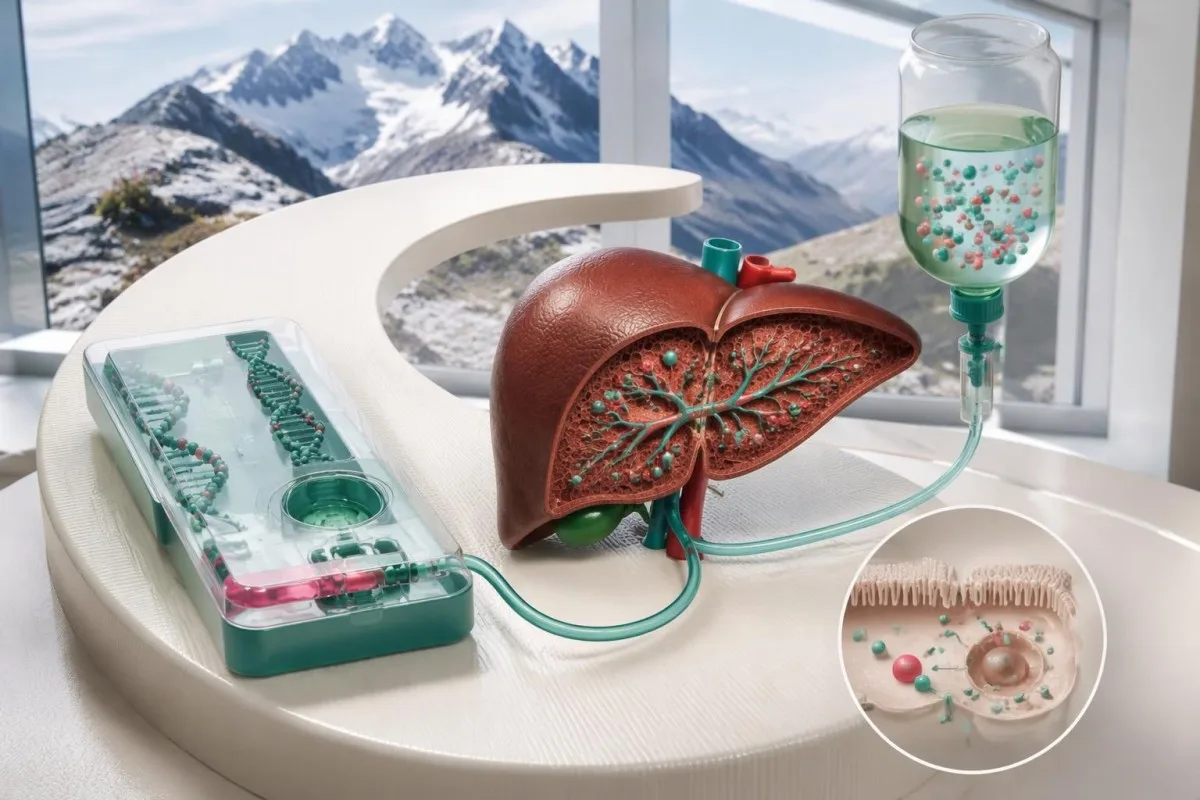
UGT1A1 පරීක්ෂාවෙන් ඉරිනොටෙකෑන්හි සක්රිය පරිවෘත්තීය ද්රව්යය ඉවත් කිරීමේ හැකියාව අඩු බව හඳුනාගෙන, වඩාත් ආරක්ෂිත ආරම්භක මාත්රාවක් තෝරාගැනීමට උපකාර කළ හැකිය. එයින් සෑම ප්රතික්රියාවක්ම පුරෝකථනය කළ නොහැකි අතර, තීරණය නිශ්චිත සූත්රණය, ප්රතිකාර ක්රමය සහ ඔබේ පිළිකා ප්රතිකාර කණ්ඩායමේ ඇගයීම මත රඳා පවතී.

ප්රධාන කරුණු
- UGT1A1 පරීක්ෂාව SN-38 අක්රිය කිරීමේදී උරුමයෙන් ලැබෙන වෙනස්කම් හඳුනා ගනී; සාමාන්ය බිලිරුබින් හෝ අක්මා පරීක්ෂණවලට ජානමය ප්රතිඵලය වෙනුවට භාවිත කළ නොහැක.
- දුර්වල පරිවෘත්තිකාරකයන් සාමාන්යයෙන් *28/*28, *6/*6 හෝ *6/*28 ප්රතිඵල ඇති අය වන අතර, ඒවා ඉරිනොටෙකෑන් ආශ්රිත දරුණු නියුට්රොපීනියා අවදානම වැඩි කරයි.
- අතරමැදි පරිවෘත්තිකාරකයන් සාමාන්යයෙන් *1/*28 හෝ *1/*6 ප්රතිඵල ඇති අය වේ; මෙම රෝගීන් සඳහා ජානමය වර්ගීකරණය පමණක් පදනම් කරගත් ස්වයංක්රීය මාත්රා අඩු කිරීමක් ලන්දේසි ඖෂධවේද ජාන විද්යා ක්රියාකාරී කණ්ඩායම නිර්දේශ නොකරයි.
- ආරම්භක මාත්රාව පිළිබඳ මඟපෙන්වීම වෙනස් වේ: දුර්වල පරිවෘත්තිකාරකයන් සඳහා සාමාන්ය ඉරිනොටෙකෑන් ආරම්භක මාත්රාවෙන් 70%ක් ලබා දී, පසුව වෛද්යවරයාගේ මඟපෙන්වීම යටතේ මාත්රාව සකස් කිරීම ලන්දේසි මාර්ගෝපදේශය නිර්දේශ කරයි.
- ප්රතිකාර ක්රමය වැදගත්ය මන්ද සාම්ප්රදායික FOLFIRI ක්රමයේදී සාමාන්යයෙන් සති 2කට වරක් 180 mg/m² භාවිත කරන අතර, අනෙකුත් කාලසටහන් සහ ලිපොසෝමීය සූත්රණ සඳහා වෙනස් මාත්රා භාවිත වේ.
- ලිපොසෝමල් ඉරිනොටෙකන් සූත්රගත කිරීම සඳහා විශේෂිත උපදෙස් ඇත; 70 mg/m² මාත්රා ක්රමය සහ 50 mg/m² මාත්රා ක්රමය එකිනෙකට හුවමාරු කළ හැකි ලෙස නොසැලකිය යුතුය.
- ප්රමාද වී ඇති පාචනය ඉරිනොටෙකන් ලබා දීමෙන් පැය 24කට පසුව ආරම්භ වන අතර, විජලනය, ඉලෙක්ට්රොලයිට් අහිමි වීම හෝ ඒ සමඟ ඇති වන නියුට්රොපීනියාව හේතුවෙන් භයානක තත්ත්වයකට පත්විය හැකිය.
- හදිසි ඇගයීමක් රසායනික චිකිත්සාව අතරතුර උෂ්ණත්වය 38.0°C හෝ ඊට වැඩි වූ විට, ඔබේ පිළිකා ප්රතිකාර කණ්ඩායම වෙනත්, වඩාත් දැඩි සීමාවක් ලබා දී නොමැති නම්, අවශ්ය වේ.
පළමු ඉන්ෆියුෂනයට පෙර UGT1A1 පරීක්ෂාවෙන් වෙනස් වන්නේ කුමක්ද?
A ඉරිනොටෙකන් ලබා දීමට පෙර UGT1A1 පරීක්ෂණය ඖෂධයේ ක්රියාකාරී පරිවෘත්තීය ද්රව්යය වන SN-38 අක්රිය කිරීමේ හැකියාව අඩු බව හඳුනා ගනී. මෙවැනි ප්රතිඵල 28/*28, *6/*6, හෝ *6/*28 ආරම්භක මාත්රාව අඩු කිරීම සහ දරුණු නියුට්රොපීනියාව හා ප්රමාද වී ඇති පාචනය සඳහා වඩාත් සමීපව නිරීක්ෂණය කිරීම සඳහා සහාය විය හැකිය; එම ප්රතිඵලය සැබෑ මාත්රා ක්රමයට අදාළ කළ යුත්තේ පිළිකා ප්රතිකාර කණ්ඩායමයි.

ප්රතිකාරයට අදාළ රෝග ලක්ෂණ ඇතිවීමට පෙර, පාරම්පරික නිෂ්කාශන වෙනසක් පවතින බැවින්, පළමු චක්රයට පෙර පරීක්ෂා කිරීම වඩාත් ප්රයෝජනවත් වේ. ප්රතිඵලයකින් දැනට ශරීරයේ සංසරණය වන ඉරිනොටෙකන් ප්රමාණය මැනෙන්නේ නැති අතර, රසායනික චිකිත්සාව සාර්ථක වේද යන්නද තහවුරු නොවේ; ඒවාට ප්රතිකාර ප්රතිචාරය, සායනික ඇගයීම සහ ඇතැම් විට විශේෂඥ ඖෂධීය-ගතික ක්රම මඟින් පිළිතුරු සපයන වෙනත් ප්රශ්න වේ.
සාම්ප්රදායික ඉරිනොටෙකන් 180 mg/m² මාත්රාවට නියමිත උපකල්පිත රෝගියෙකුට, දුර්වල පරිවෘත්තීය ප්රතිඵලයක් ලැබීමෙන් පසු වෙනස් ආරම්භක මාත්රා සැලැස්මක් ලබා දිය හැකිය; එහෙත් එකම ජානප්රභේදය ඇති වෙනත් රෝගියෙකුට දැනටමත් අඩු මාත්රා සංයෝජනයක් ලබා දෙනවා විය හැකිය. ප්රයෝජනවත් ප්රශ්නය වන්නේ ප්රතිඵලය ධනාත්මකද යන්න පමණක් නොවේ: එම ප්රතිඵලය වෙනස් කරන්නේ කුමන ආරම්භක මාත්රාවද, නිරීක්ෂණ කාලසටහනද, සහ මාත්රාව වැඩි කිරීමේ නිර්ණායකදැයි විමසන්න.
කන්ටෙස්ටි යනු AI රුධිර පරීක්ෂණ විශ්ලේෂකය සාමාන්ය CBC සහ බිලිරුබින් වාර්තා තේරුම් ගැනීමට උපකාරී වන නමුත්, UGT1A1 ජාන ප්රභේද පරීක්ෂණය කරන රසායනාගාරයක් හෝ රසායනික චිකිත්සාව නියම කරන සේවාවක් නොවන එය. අපගේ සංවිධානය සහ සායනික අරමුණ ඔබේ පිළිකා ප්රතිකාර කණ්ඩායමේ ඖෂධ නියම කිරීමේ කාර්යභාරයෙන් වෙනස් වේ; ජාන වාර්තාව සහ එක් එක් චක්රයට අදාළ රසායනාගාර ප්රතිඵල ප්රතිකාර වාර්තාවේ වෙනම කොටස් 2ක් ලෙස තබා ගන්න.
UGT1A1 *28 සහ *6 ඉරිනොටෙකෑන් පරිවෘත්තියට බලපාන්නේ කෙසේද?
UGT1A1 *28 එන්සයිම ප්රකාශනය අඩු කරන අතර, UGT1A1 *6 ප්රභේදය කේතීකරණ වෙනසක් හරහා එන්සයිම ක්රියාකාරිත්වය අඩු කරයි. දෙකම ක්රියාකාරී SN-38, එහි ක්රියාකාරිත්වය බෙහෙවින් අඩු ග්ලූකුරොනයිඩය වන SN-38G බවට පරිවර්තනය වීම මන්දගාමී කළ හැකිය; මේ සඳහා ALT හෝ AST ප්රතිඵල අසාමාන්ය වීම අවශ්ය නොවී නිරාවරණය වැඩි වේ.

කාබොක්සිලෙස්ටරේස් මඟින් ඉරිනොටෙකන් පළමුව SN-38 බවට පරිවර්තනය කරයි; ඉන්පසු UGT1A1, SN-38 මුල් අවස්ථාවේ සක්රිය කිරීමෙහි නොව එය අක්රිය කිරීමෙහි දායක වේ. *28 ඇලීලයේ සාමාන්යයෙන් *1 සමඟ සම්බන්ධ TA පුනරාවර්තන 6 වෙනුවට ප්රවර්ධක TA පුනරාවර්තන 7ක් ඇති අතර, *6 සාමාන්යයෙන් c.211G>A ලෙස විස්තර කෙරෙන අතර එමඟින් p.Gly71Arg ආදේශනය සිදුවේ.
එම එන්සයිමයම බිලිරුබින් ද සංයුග්මනය කරන බැවින්, මෙය ගිල්බට් සින්ඩ්රෝමය සහ බිලිරුබින්. සමඟ ඇති සම්බන්ධය පැහැදිලි කරයි. කෙසේ වෙතත්, සාමාන්ය බිලිරුබින් ප්රතිඵලයක් තිබීමෙන් අඩු ක්රියාකාරීත්වයක් ඇති ජානප්රභේදයක් බැහැර නොවන අතර, ඉහළ ප්රතිඵලයකින් පවතින ප්රභේදය කුමක්දැයි හඳුනාගත නොහැකිය; නිරාහාරව සිටීම, රෝගී වීම, අවහිරතා සහ අක්මා ක්රියාකාරීත්වයේ දුර්වලතා එක් මිනුමක අර්ථකථනය වෙනස් කළ හැකිය.
Minami සහ සගයන් ජපන් රෝගීන් තුළ *6 සහ *28 යන දෙකම පරීක්ෂා කර UGT1A වෙනස්කම් ඉරිනොටෙකන් ඖෂධීය-ගතික ලක්ෂණ හා විෂ සහිත බලපෑම් සමඟ සම්බන්ධ බව පෙන්වා දුන්හ (Pharmacogenetics and Genomics, 2007). *28 පමණක් පරීක්ෂා කරන පරීක්ෂණයකින් සායනිකව වැදගත් *6 ඇලීලයක් මඟහැරිය හැකි බැවින් ඔවුන්ගේ කාර්යය වැදගත් වේ; *28-ඍණ ලෙස විස්තර කරන රෝගීන් 2 දෙනෙකුට SN-38 නිෂ්කාශන හැකියාව එකම විය යුතු නැත.
UGT1A1 දුර්වල පරිවෘත්තිකාරකයෙකු බව අදහස් කරන ප්රතිඵල මොනවාද?
A UGT1A1 දුර්වල පරිවෘත්තීයකයා generally carries 2 decreased-function alleles, including 28/*28, *6/*6, හෝ *6/*28. A person with *1/*28 or *1/*6 usually has an intermediate-metabolizer phenotype; *1/*1 is usually classified as normal when the test adequately covers relevant variants.

The slash separates the 2 inherited gene copies; it is not a fraction or a drug concentration. A *6/*28 result usually means one decreased-function allele came from each parent, creating a compound-heterozygous poor-metabolizer result; possessing 2 different allele names does not make the result less clinically relevant than *28/*28.
Intermediate metabolism is not the same as zero risk. Although the Dutch guideline does not recommend an automatic reduction for *1/*28 or *1/*6, a patient starting at 180 mg/m² may still need modification because of elevated bilirubin, limited marrow reserve, previous toxicity, or the accompanying drugs; the phenotype is one input, not permission to ignore the rest.
Pharmacogenetic recommendations are drug-specific, as our explanation of SLCO1B1-related medication risk also illustrates. A reduced-function result does not mean every medicine is unsafe, and *28/*28 does not itself diagnose a hereditary cancer syndrome; ask the laboratory to provide the diplotype, assigned phenotype, and variants tested rather than a 1-word positive result.
ජාන පරීක්ෂාවට ඇතුළත් විය යුත්තේ කුමක්ද, එය අවශ්ය වන්නේ කවදාද?
The test should clearly state whether it detects both *28 and *6, how it assigns the 2 alleles, and which other variants it evaluates. Testing before the first irinotecan dose allows the result to influence prevention rather than merely explain toxicity after it occurs.
UGT1A1 *6 is more frequent in several East Asian populations, while *28 occurs across multiple ancestry groups; ancestry can inform test coverage but cannot substitute for testing. Some assays also distinguish the 5-repeat *36 and 8-repeat *37 alleles, so reports from 2 laboratories may differ because their analytical scope differs—not because your inherited genotype changed.
A laboratory may use a blood-derived DNA sample or a validated saliva or cheek-cell method; fasting is not ordinarily required for the genetic analysis itself. Recent allogeneic stem-cell transplantation needs special discussion because circulating DNA may reflect the donor, and turnaround time must be checked locally rather than assumed to fit a treatment appointment in 2 days.
Genotyping and enzyme-activity testing are not interchangeable, a distinction also relevant to TPMT test interpretation. UGT1A1 genotype generally needs testing only once, but a narrow panel may warrant additional analysis if the clinical picture is unexpected; a report listing only 1 tested variant should not be read as proof that every other reduced-function allele is absent.
UGT1A1 දරුණු නියුට්රොපීනියා අවදානම කොපමණ වැඩි කරයිද?
Poor-metabolizer genotypes increase the likelihood of දරුණු නියුට්රොපීනියාව, but the size of the increase depends on dose and regimen. Grade 3 neutropenia generally means an absolute neutrophil count below 1.0 down to 0.5 × 10⁹/L; grade 4 means below 0.5 × 10⁹/L.
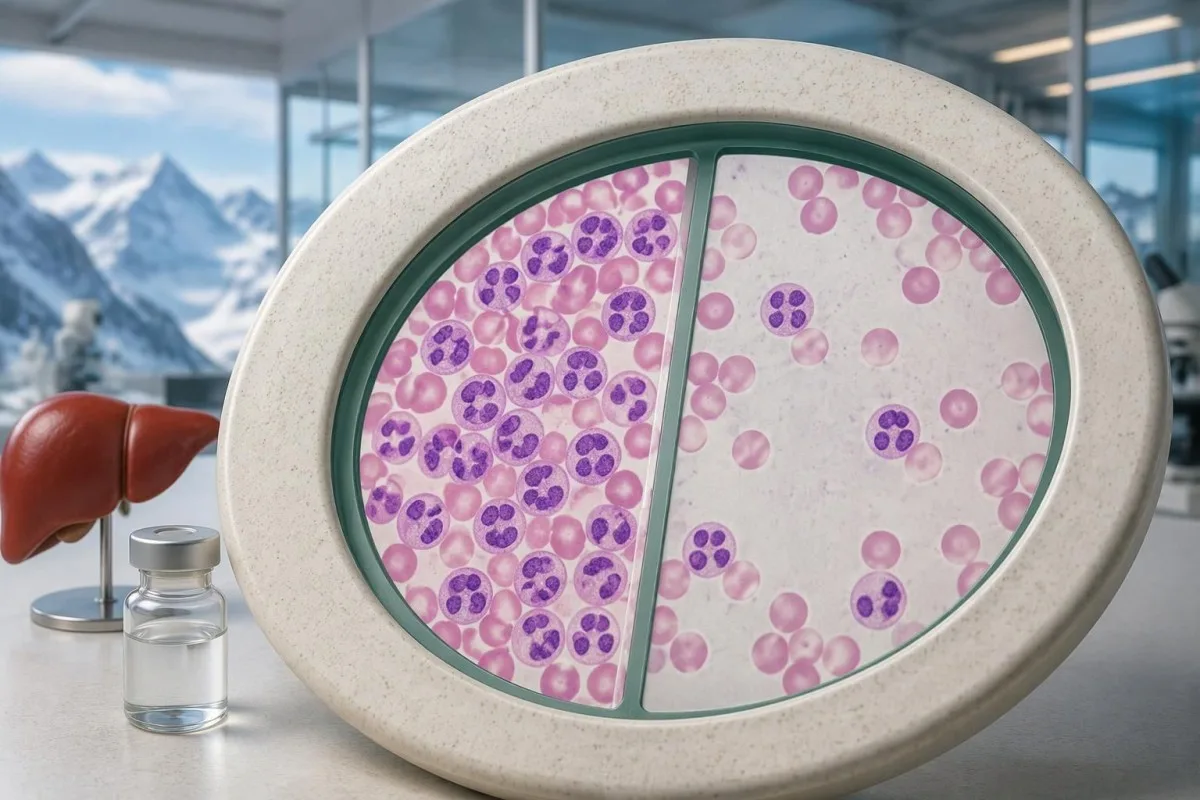
Hoskins et al. reported a dose-dependent association between *28/*28 and irinotecan-related neutropenia in their 2007 Journal of the National Cancer Institute meta-analysis. In the 150–250 mg/m² category, the pooled odds ratio was 3.22, with a 95% confidence interval of 1.52–6.81; older mixed schedules and wide uncertainty prevent treating this as a personal probability.
An odds ratio is not the percentage of patients affected. In a purely hypothetical illustration, if baseline risk were 10%, an odds ratio of 3 would correspond to approximately 25% risk—not 30%; the actual baseline varies with companion drugs, supportive care, prior treatment, and eligibility criteria, so no single percentage applies to every poor metabolizer.
Kantesti can help readers distinguish the ANC from the neutrophil percentage in routine reports, using the concepts explained in our සම්පූර්ණ නියුට්රොෆිල් ගණන මාර්ගෝපදේශය. A pre-existing Duffy-null-associated lower ANC requires individualized interpretation, but a new chemotherapy-related fall below 0.5 × 10⁹/L still deserves prompt oncology assessment rather than reassurance based on ancestry alone.
ඉරිනොටෙකෑන් නිසා ඇති වන මුල් සහ ප්රමාද වූ පාචනය වෙනස් වන්නේ ඇයි?
Early diarrhea occurs during or shortly after infusion, usually within 24 hours, and may accompany cholinergic symptoms such as sweating or abdominal cramping. ප්රමාද වී ඇති පාචනය begins more than 24 hours after treatment and is more closely related to intestinal toxicity, including exposure to SN-38.
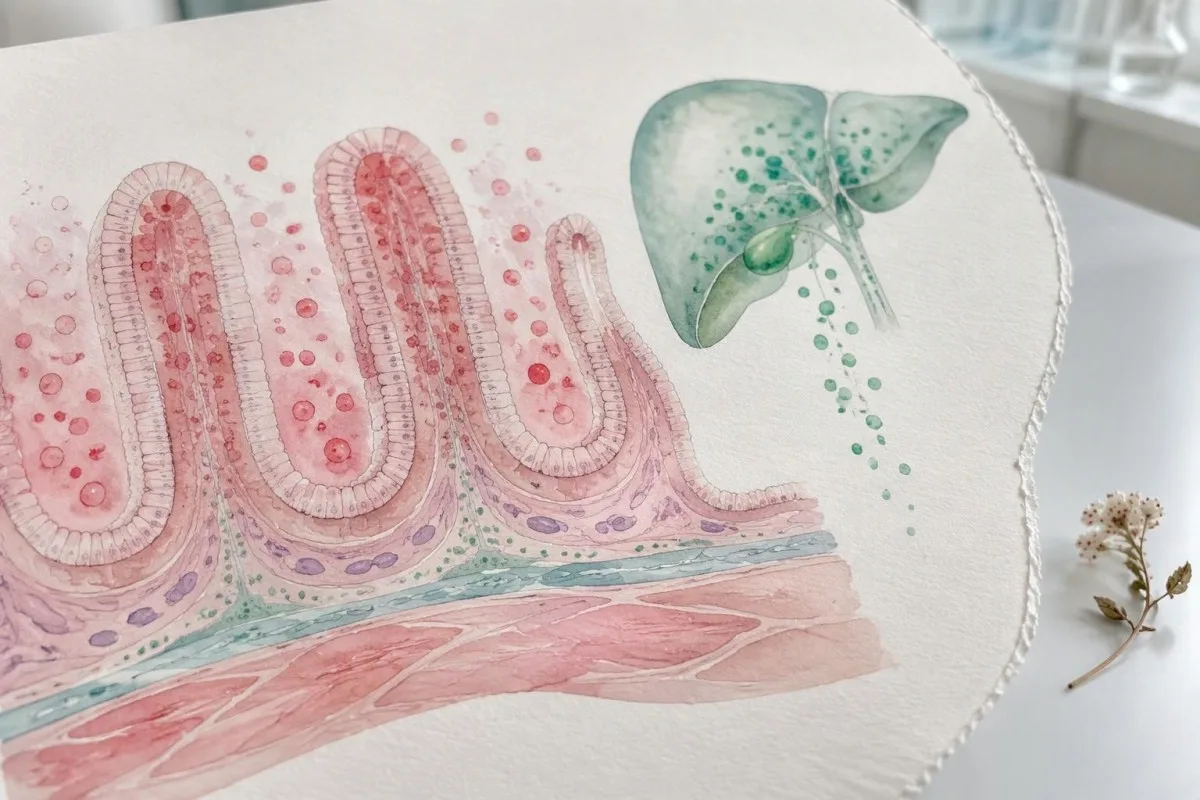
UGT1A1 genotype is more useful for anticipating delayed toxicity than predicting the immediate cholinergic syndrome. Clinicians may use atropine for early symptoms when appropriate, while delayed diarrhea requires a separate written treatment plan; intestinal bacteria can convert SN-38G back to SN-38 through beta-glucuronidase activity, illustrating why liver conjugation is not the only determinant of bowel exposure.
Grade 3 diarrhea commonly includes at least 7 additional stools per day above baseline, hospitalization being indicated, or a severe increase in ostomy output. Do not wait to reach that count before calling: persistent diarrhea despite the prescribed plan, vomiting that prevents drinking, fever, dizziness, or reduced urine output can justify urgent assessment at a much smaller stool increase.
Diarrhea during chemotherapy should not automatically be attributed to genotype, because antibiotics, infections, and accompanying drugs can produce similar symptoms; our C. difficile result guide explains one relevant diagnostic complication. If diarrhea lasts beyond 24 hours despite your oncology instructions, contact the team, and treat blood in the stool or significant abdominal pain as warning signs rather than ordinary treatment effects.
ප්රතිකාර ක්රමය ආරම්භක මාත්රාව පිළිබඳ තීරණය වෙනස් කරන්නේ කෙසේද?
A starting-dose decision combines UGT1A1 phenotype with the planned regimen, not genotype alone. Conventional FOLFIRI commonly uses irinotecan 180 mg/m² every 2 weeks, whereas modified combinations may use 150 mg/m² or another protocol-specific amount; those differences change baseline exposure and toxicity.

The Dutch Pharmacogenetics Working Group recommends starting poor metabolizers at 70% of the normal irinotecan dose, with subsequent increases guided by neutrophil counts and clinical tolerance (Hulshof et al., 2023). Applied hypothetically to a 180 mg/m² protocol, 70% is 126 mg/m²; the prescribing team decides whether protocol rules permit rounding, what dose level to use, and when reassessment occurs.
A 70% calculation is relative to the regimen’s usual starting dose, not a fixed universal dose. For a hypothetical protocol starting at 150 mg/m², the same calculation gives 105 mg/m²; applying the 126 mg/m² figure from a different protocol would therefore be a genuine dosing error, especially if the infusion schedule or formulation also differed.
කන්ටෙස්ටි යනු AI රුධිර පරීක්ෂණ ප්රතිඵල වේදිකාව for explaining reported laboratory values, not selecting a 180 mg/m² chemotherapy prescription; our සායනික වලංගුකරණ රාමුව describes the distinction between interpretation support and prescribing. In combinations containing fluorouracil or capecitabine, රසායනික චිකිත්සාවට පෙර DPYD පරීක්ෂණය addresses a separate metabolic risk that a normal UGT1A1 result cannot rule out.
ඉරිනොටෙකෑන් මාත්රාව පිළිබඳ නිර්දේශ මාර්ගෝපදේශ අනුව වෙනස් වන්නේ ඇයි?
Guidelines differ because they interpret dose-dependent evidence differently and serve different clinical settings. The Dutch guideline recommends a 70% starting dose for poor metabolizers, while US conventional irinotecan prescribing information advises considering a reduction by at least 1 dose level, without defining one percentage for every regimen.
A dose level is defined by the treatment protocol rather than by the genetic test. Moving from 180 to 150 mg/m² would be approximately a 17% reduction, while moving from 180 to 120 mg/m² would be approximately a 33% reduction; these are mathematical examples, not recommendations, and explain why the phrase reduce one level needs a named protocol.
The French RNPGx/GPCO dose-stratified framework has historically distinguished doses below 180 mg/m², doses of 180–230 mg/m², and high doses of at least 240 mg/m². It recommended approximately 25–30% reduction for *28/*28 at the intermediate range and advised against high-dose use in that genotype; the Dutch recommendation is broader, including lower-dose regimens and other poor-metabolizer combinations.
The evidence is genuinely less settled at lower doses, where severe events may be less frequent and studies less able to estimate genotype effects precisely. This differs from HLA-B*57:01 drug avoidance, where the relevant recommendation is avoidance rather than a 30% reduction; ask which local guideline your team follows and whether its advice specifically covers *6/*6 or *6/*28.
ලිපොසෝමීය ඉරිනොටෙකෑන් සඳහාද UGT1A1 මාත්රා නීතිම භාවිත වේද?
Liposomal irinotecan is not interchangeable with conventional irinotecan, and its UGT1A1 instructions depend on the regimen. In the liposomal irinotecan plus fluorouracil/leucovorin setting, a usual 70 mg/m² dose is reduced to 50 mg/m² initially for known *28/*28; the NALIRIFOX regimen already starts at 50 mg/m².

Those 70 and 50 mg/m² figures refer to irinotecan free base in the relevant liposomal prescribing instructions. Some documents also express doses using the hydrochloride trihydrate equivalent, approximately 80 and 60 mg/m² respectively; the team must verify the convention rather than interpret a different-looking number as an intentional dose increase or decrease.
For NALIRIFOX—liposomal irinotecan with oxaliplatin, fluorouracil, and leucovorin—the labeled starting dose is 50 mg/m² every 2 weeks, including patients known to have *28/*28. This does not establish that every poor-metabolizer genotype has identical evidence, especially *6-containing combinations; the oncology pharmacist should check the relevant product information and local protocol rather than import conventional irinotecan rules automatically.
A medication list that says only irinotecan is insufficient for a pharmacogenetic decision: request the formulation, companion drugs, dose expression, and schedule before comparing 2 plans. Our මූලික රසායනාගාර පරීක්ෂණ සූදානම් කිරීමේ මාර්ගෝපදේශයේ also explains why recording pretreatment measurements helps later interpretation, although those measurements cannot resolve a formulation or prescribing ambiguity.
ජානමය වර්ගීකරණයට අමතරව අදාළ වන රසායනාගාර ප්රතිඵල සහ ඖෂධ මොනවාද?
CBC with differential, bilirubin, liver tests, kidney function, and electrolytes provide information that UGT1A1 genotype cannot supply. A bilirubin of 2.0 mg/dL is approximately 34 µmol/L; conventional irinotecan studies often excluded values above this level, so higher results require specialist assessment rather than a genotype-only calculation.
An isolated indirect bilirubin rise may fit reduced UGT1A1 activity, while rising direct bilirubin with abnormal ALP or transaminases suggests an additional hepatobiliary problem. A hypothetical total bilirubin of 1.8 mg/dL with otherwise stable tests is therefore not equivalent to 1.8 mg/dL accompanied by new jaundice and obstruction; fractionation, trends, symptoms, and imaging determine the interpretation.
Strong CYP3A4 inducers can lower irinotecan exposure, while strong CYP3A4 or UGT1A1 inhibitors can increase clinically relevant exposure; examples requiring pharmacy review include rifampicin, carbamazepine, ketoconazole, and atazanavir. Do not stop a prescription yourself, and disclose supplements such as St John’s wort before cycle 1 because changing an interacting medicine can itself change exposure.
Kantesti can help explain routine kidney and electrolyte reports, but a normal creatinine does not guarantee tolerance of delayed diarrhea. The BUN/creatinine අනුපාත මාර්ගෝපදේශය describes contextual interpretation, while our electrolyte safety guide explains why potassium or magnesium losses can matter after 24 hours of gastrointestinal symptoms.
හදිසි පියවර අවශ්ය කරන නිරීක්ෂණ සහ රෝග ලක්ෂණ මොනවාද?
Monitoring remains necessary for every genotype, with CBC checks before treatment and additional measurements when clinically indicated. A temperature of 38.0°C හෝ ඊට වැඩි නම් during chemotherapy warrants immediate contact with the oncology service unless the team has supplied a different threshold; follow a stricter local instruction.

Formal definitions of febrile neutropenia often use a single temperature of 38.3°C or a temperature of 38.0°C sustained for 1 hour, together with a low or falling ANC. These definitions are not instructions to wait at home: chemotherapy services often use simpler, more cautious telephone thresholds, and shaking chills, confusion, or sudden deterioration can be urgent without a documented fever.
A falling ANC can precede symptoms, so a patient feeling well should still attend the scheduled laboratory check. Our borderline neutrophil interpretation guide explains why a result near a cutoff needs context; during treatment, a change from 2.5 to 0.7 × 10⁹/L carries different significance from a stable longstanding count near 1.4 × 10⁹/L.
Dose escalation after a reduced start should follow a predefined plan based on counts, diarrhea, other toxicity, and treatment goals—not simply the absence of nausea after cycle 1. G-CSF may reduce neutropenia risk when indicated, but it does not prevent intestinal toxicity; urgent assessment is needed for diarrhea with fever, severe abdominal pain, inability to drink, or markedly reduced urination.
සාමාන්ය ජානමය වර්ගීකරණයක් තිබියදීත් දරුණු අතුරු ආබාධ ඇති විය හැක්කේ ඇයි?
A normal UGT1A1 result does not guarantee safe treatment because irinotecan toxicity has multiple causes. Genotype does not adequately predict every episode of nausea, fatigue, hair loss, infusion symptoms, or toxicity from companion drugs; even *1/*1 patients can develop severe neutropenia or diarrhea.
A narrow assay may miss uncommon reduced-function variants, while liver impairment, interacting medicines, treatment intensity, and previous chemotherapy can increase risk independently. Thus, 2 patients both reported as *1/*1 may have different exposures and different marrow reserve; a phenotype assignment only describes the genetic information captured by the test, not every biological factor affecting treatment.
Companion drugs create additional attribution problems: oxaliplatin can cause neuropathy, and fluoropyrimidines can contribute diarrhea, mucositis, and marrow suppression. A hypothetical patient on a 4-drug combination with severe diarrhea cannot have the culprit assigned from UGT1A1 alone; timing, the complete regimen, microbiological testing when indicated, and other pharmacogenetic results may alter the clinical explanation.
Kantesti’s role in laboratory trend interpretation is to support understanding, not establish which drug caused a change between 2 cycles. Genetic reports also contain durable personal information, so review our පෞද්ගලිකත්වය සහ දත්ත හැසිරවීම before sharing them; an inherited metabolic variant is not a complete forecast of your future health.
ඉරිනොටෙකෑන් ගැනීමට පෙර ඔබේ පිළිකා ප්රතිකාර කණ්ඩායමෙන් ඔබ ඇසිය යුත්තේ කුමක්ද?
Before treatment, ask which formulation and regimen you will receive, whether *28 and *6 were tested, and how the result changes the first dose. Also obtain a written diarrhea plan, a temperature threshold, and a 24-hour contact route; these practical details matter even when the genotype is normal.

Request the actual dose in mg/m² and the planned total dose in mg, because they answer different questions. For example, a hypothetical 126 mg/m² order for a body surface area of 1.8 m² gives 226.8 mg before institutional rounding; patients should not perform their own adjustment, but this distinction helps identify whether 2 documents describe the same prescription.
Ask how the team will judge tolerance after cycle 1, whether an interim CBC is planned, and what would justify later escalation. Your written diarrhea instructions may use a loperamide schedule different from ordinary over-the-counter directions, so follow the oncology prescription rather than inventing a schedule; fever, abdominal pain, or persistent symptoms may require assessment instead of additional self-treatment.
කන්ටෙස්ටි යනු AI මගින් බලගැන්වූ රුධිර පරීක්ෂණ විශ්ලේෂණ මෙවලම that can help explain routine reports alongside your own treatment notes; our AI තාක්ෂණික මාර්ගෝපදේශය explains the supporting technology rather than a chemotherapy dosing system. Keep 3 items accessible: the genetic report, the current regimen sheet, and the emergency contact instructions, with the prescribing team verifying all clinical decisions.
පර්යේෂණ ප්රකාශන: උපදෙස්වලට සහාය දක්වන්නේ කුමක්ද, සහ නොදක්වන්නේ කුමක්ද?
The dosing advice rests on drug-specific pharmacogenetic guidance and irinotecan studies, not on general blood-test education publications. The 2023 Dutch guideline recommends a 70% start for poor metabolizers, while the 2007 studies cited here help explain dose dependence and the relevance of both *28 and *6.
Hulshof et al. translate pharmacokinetic and toxicity evidence into prescribing guidance, whereas Hoskins et al. quantify associations across older dose categories, and Minami et al. examine relevant variants in Japanese patients. These 3 sources answer complementary questions; none supplies an individualized toxicity percentage for every contemporary combination, and observational associations should not be presented as proof that one starting dose suits everyone.
Kantesti’s 2 Zenodo publications listed below are educational resources on RDW and the BUN/creatinine ratio, not trials of UGT1A1-guided irinotecan dosing. Our RDW and CBC interpretation resource can explain accompanying red-cell indices, but RDW does not replace ANC, genotype, or a chemotherapy protocol; a DOI is a persistent identifier, not an automatic guarantee of clinical relevance or peer review.
The unresolved question is often how best to preserve treatment intensity while preventing a severe event in cycle 1, particularly in lower-dose combinations and less-studied genotypes. Our වෛද්ය අන්තර්ගත ප්රමිතීන් require separating established guidance, hypothetical calculations, and genuine uncertainty; the oncology team should confirm the current local product information and protocol before applying any published recommendation.
නිතර අසනු ලබන ප්රශ්න
ඉරිනොටෙකෑන් ලබාදීමට පෙර සෑම කෙනෙකුටම UGT1A1 පරීක්ෂණයක් කළ යුතුද?
පරීක්ෂණ ප්රතිපත්තිය රට, ආයතනය සහ ප්රතිකාර ක්රමය අනුව වෙනස් වන නමුත්, ඩච් ඖෂධ ප්රවේණි විද්යා ක්රියාකාරී කණ්ඩායම ඉරිනොටෙකෑන් සඳහා ප්රතිකාරයට පෙර UGT1A1 පරීක්ෂණය නිර්දේශ කරයි. පළමු ප්රතිකාර වාරයට පෙර ප්රතිඵලයක් විශේෂයෙන් ප්රයෝජනවත් වන අතර, එමඟින් දරුණු විෂාබාධ ඇතිවීමට පෙර දුර්වල පරිවෘත්තකයන් හඳුනාගත හැකිය. *28 නොමැති බව පමණක් වාර්තා නොකර, පරීක්ෂණයෙන් *28 සහ *6 යන දෙකම ආවරණය වන බව පැහැදිලි කළ යුතුය. පරීක්ෂණය ඔබේ ආරම්භක මාත්රාව වෙනස් කරන්නේද සහ ප්රතිඵලය ලැබෙන තෙක් බලා සිටීම සුදුසුද යන්න ඔබේ පිළිකා ප්රතිකාර කණ්ඩායම පැහැදිලි කළ යුතුය.
UGT1A1 *28/*28 තත්ත්වය irinotecan මාත්රාවට බලපාන්නේ කෙසේද?
UGT1A1 *28/*28 සාමාන්යයෙන් දුර්වල පරිවෘත්තීය තත්ත්වයක් සහ ඉරිනොටෙකන් සම්බන්ධ දැඩි නියුට්රොපීනියා අවදානම වැඩි බව පෙන්නුම් කරයි. ලන්දේසි මාර්ගෝපදේශය සාමාන්ය ආරම්භක මාත්රාවෙන් 70% ලබා දී, පසුව ඉවසීමේ හැකියාව සහ නියුට්රොෆිල් සංඛ්යාව අනුව වෛද්යවරයා විසින් මාත්රාව සකස් කිරීම නිර්දේශ කරයි. උපකල්පිත සාම්ප්රදායික 180 mg/m² ක්රමවේදයක් සඳහා, එම ගණනය කිරීම ප්රොටෝකෝලයට විශේෂිත තීරණ හෝ වටකිරීමට පෙර 126 mg/m² වේ. එක්සත් ජනපදයේ නියම කිරීමේ උපදෙස් සහ ලිපොසෝමීය ප්රතිකාර ක්රම වෙනස් ප්රවේශ භාවිත කරන බැවින්, මෙම ගණනය පුද්ගලික ඖෂධ නියමයක් නොවේ.
irinotecan ලබා දීමට පෙර UGT1A1 *6, *28 තරම්ම අදාළද?
UGT1A1 *6 යනු SN-38 අක්රිය කිරීම අඩු කළ හැකි, සායනිකව වැදගත් අඩු-ක්රියාකාරීත්ව ප්රභේදයකි. *6/*6 හෝ *6/*28 වැනි ප්රතිඵලවලින් සාමාන්යයෙන් දුර්වල පරිවෘත්තිකාරක තත්ත්වයක් පෙන්නුම් කරයි, මන්ද ඒවායේ අඩු-ක්රියාකාරීත්ව ඇලීල 2ක් අඩංගු වන බැවිනි. නැගෙනහිර ආසියානු ජනගහන කිහිපයක මෙම ප්රභේදය වඩාත් සුලභ වුවද, පරම්පරාගත සම්භවය පමණක් පුද්ගලයකුට එය තිබේදැයි තීරණය කළ නොහැක. *28-සෘණ ප්රතිඵලයක් සාමාන්ය පරිවෘත්තියක් ලෙස අර්ථකථනය කිරීමට පෙර, ඔබේ රසායනාගාරය *6 පරීක්ෂා කළේදැයි විමසන්න.
UGT1A1 *1/*28 නිසා ස්වයංක්රීයව මාත්රාව අඩු කළ යුතුද?
UGT1A1 *1/*28 සාමාන්යයෙන් දුර්වල පරිවෘත්තිකාරක තත්ත්වය වෙනුවට අතරමැදි පරිවෘත්තිකාරක තත්ත්වයක් පෙන්නුම් කරයි. අතරමැදි පරිවෘත්තිකාරකයන් සඳහා ජාන වර්ගය පමණක් පදනම් කරගත් ආරම්භක මාත්රාව ස්වයංක්රීයව අඩු කිරීම නෙදර්ලන්ත මාර්ගෝපදේශය නිර්දේශ නොකරයි. කෙසේවෙතත්, 180 mg/m² නියමිත රෝගියෙකුට බිලිරුබින් මට්ටම, පෙර ප්රතිකාර, අන්තර්ක්රියා කරන ඖෂධ හෝ සංයෝජන ප්රතිකාර ක්රමය නිසා වෙනත් සැලැස්මක් අවශ්ය විය හැකිය. අතරමැදි පරිවෘත්තිය නිසා CBC නිරීක්ෂණය හෝ පාචනය සම්බන්ධ ආරක්ෂක සැලැස්මක අවශ්යතාව නැති නොවේ.
සාමාන්ය බිලිරුබින් මට්ටමක් UGT1A1 ජාන පරීක්ෂාවට ආදේශ කළ හැකිද?
සාමාන්ය බිලිරුබින් මට්ටමක් තිබීමෙන් UGT1A1 ජානප්රභේදයක ක්රියාකාරිත්වය අඩු වී ඇති බව බැහැර කළ නොහැකි අතර, බිලිරුබින් ඉහළ මට්ටමක තිබීමෙන් නිශ්චිත ඇලීලය හඳුනාගත නොහැක. බිලිරුබින් මට්ටම සංයුග්මනය, අක්මාවේ ක්රියාකාරිත්වය, අවහිරතා සහ රතු රුධිර සෛල පිරිවැටුම ඇතුළු ක්රියාවලි කිහිපයක් පිළිබිඹු කරයි. මුළු බිලිරුබින් 2.0 mg/dL අගයක් ආසන්න වශයෙන් 34 µmol/L වන අතර, එය අදාළ ඉරිනොටෙකෑන් ප්රොටෝකෝලය තුළ අර්ථකථනය කළ යුතුය. ජාන පරීක්ෂාව සහ බිලිරුබින් මැනීම එකිනෙකට අනුපූරක තොරතුරු සපයන අතර, ඒවා එකිනෙකට හුවමාරු කළ හැකි පිළිතුරු නොවේ.
ඉරිනොටෙකාන් ලබාගැනීමෙන් පසු පාචනය හෝ උණ ඇති වුවහොත් මා ඇමතිය යුත්තේ කවදාද?
රසායනික චිකිත්සාව අතරතුර උෂ්ණත්වය 38.0°C හෝ ඊට වැඩි වුවහොත්, ඔබේ ප්රතිකාර කණ්ඩායම වෙනත් සීමාවක් ලබා දී නොමැති නම්, වහාම ඔබේ පිළිකා ප්රතිකාර සේවාව අමතන්න, එමෙන්ම වඩාත් දැඩි උපදෙස් තිබේ නම් ඒවා අනුගමනය කරන්න. ප්රතිකාරයෙන් පැය 24කට වැඩි කාලයකට පසු ආරම්භ වන ඉරිනොටෙකෑන් නිසා ඇතිවන පාචනයෙන් විජලනය හෝ ඉලෙක්ට්රොලයිට් අහිමි වීම සිදුවිය හැක. නියම කර ඇති සැලැස්ම අනුගමනය කළත් පාචනය දිගටම පවතී නම්, දියර පානය කළ නොහැකි නම්, මුත්රා පිටවීම අඩු වී ඇත්නම්, මළපහවල රුධිරය තිබේ නම්, හෝ සැලකිය යුතු උදර වේදනාවක් තිබේ නම් වහාම අමතන්න. උපකාර ලබාගැනීමට පෙර දිනකට අමතර මළපහ වාර 7ක් ඇති වන තෙක් හෝ නියමිත රුධිර පරීක්ෂාව සිදු වන තෙක් බලා නොසිටින්න.
ඔබේ රුධිර පරීක්ෂණ ප්රතිඵල කියවා ගන්න
ඔබේ රසායනාගාර වාර්තාව උඩුගත කරන්න; Kantesti හි AI තත්පර කිහිපයකින් එක් එක් ජෛව සලකුණ සරල භාෂාවෙන් පැහැදිලි කරයි. ලොව පුරා මිලියන 2කට අධික පිරිසක් භාවිත කරති.
ආශ්රිත
- ක්ලයින්, ටී., මිචෙල්, එස්., සහ වෙබර්, එච්. (2026). RDW රුධිර පරීක්ෂණය: RDW-CV, MCV සහ MCHC පිළිබඳ සම්පූර්ණ මාර්ගෝපදේශය. Kantesti AI වෛද්ය පර්යේෂණය. ඩීඕඅයි
- ක්ලයින්, ටී., මිචෙල්, එස්., සහ වෙබර්, එච්. (2026). BUN/Creatinine අනුපාතය විස්තරය: කුඩු ක්රියාකාරිත්ව පරීක්ෂණ මාර්ගෝපදේශය. Kantesti AI වෛද්ය පර්යේෂණය. ඩීඕඅයි
- Hulshof DP et al. (2023). Dutch pharmacogenetics working group (DPWG) guideline for the gene–drug interaction between UGT1A1 and irinotecan. European Journal of Human Genetics.
- Hoskins JM et al. (2007). UGT1A1*28 genotype and irinotecan-induced neutropenia: dose matters. Journal of the National Cancer Institute. ඩීඕඅයි
- Minami H et al. (2007). Irinotecan pharmacokinetics/pharmacodynamics and UGT1A genetic polymorphisms in Japanese: roles of UGT1A1*6 and *28. Pharmacogenetics and Genomics.
- මි2+විශ්ලේෂණය කළ පරීක්ෂණ
- 127+රටවල්
- 100+භාෂා
වෛද්ය කණ්ඩායම පිළිබඳව


E-E-A-T විශ්වාස සංඥා
අත්දැකීම්
වෛද්යවරයා විසින් මෙහෙයවන ලද රසායනාගාර අර්ථකථන ක්රියාවලි පිළිබඳ සමාලෝචනය.
ප්රවීණතාව
සායනික සන්දර්භය තුළ ජෛව සලකුණු (biomarkers) හැසිරෙන ආකාරය පිළිබඳ රසායනාගාර වෛද්ය විද්යා අවධානය.
අධිකාරීත්වය
වෛද්ය Thomas Klein විසින් වෛද්යමය වශයෙන් සමාලෝචනය කරන ලද අතර, Dr. Sarah Mitchell සහ Prof. Dr. Hans Weber දායක වූහ.
විශ්වසනීයත්වය
අනතුරු ඇඟවීම් අඩු කිරීමට පැහැදිලි පසුකැඳවීම් මාර්ග සහිත සාක්ෂි-පාදක අර්ථකථනය.






වෛද්ය වියාචනය
මෙම ලිපිය අධ්යාපනික අරමුණු සඳහා පමණක් වන අතර වෛද්ය උපදෙස් ලෙස නොසැලකේ. රෝග නිદાન සහ ප්රතිකාර තීරණ සඳහා සෑම විටම සුදුසුකම් ලත් සෞඛ්ය සේවා සපයන්නෙකුගෙන් උපදෙස් ලබාගන්න.
ප්රකාශයට පත් කරන ලදී · කර්තෘ මණ්ඩලය අමතන්න
Kantesti Ltd විසින් ප්රකාශයට පත් කරන ලද අතර, එංගලන්තයේ සහ වේල්සයේ ලියාපදිංචි සමාගමකි, සමාගම් අංකය. 17090423, ලන්ඩන්, එක්සත් රාජධානිය.
