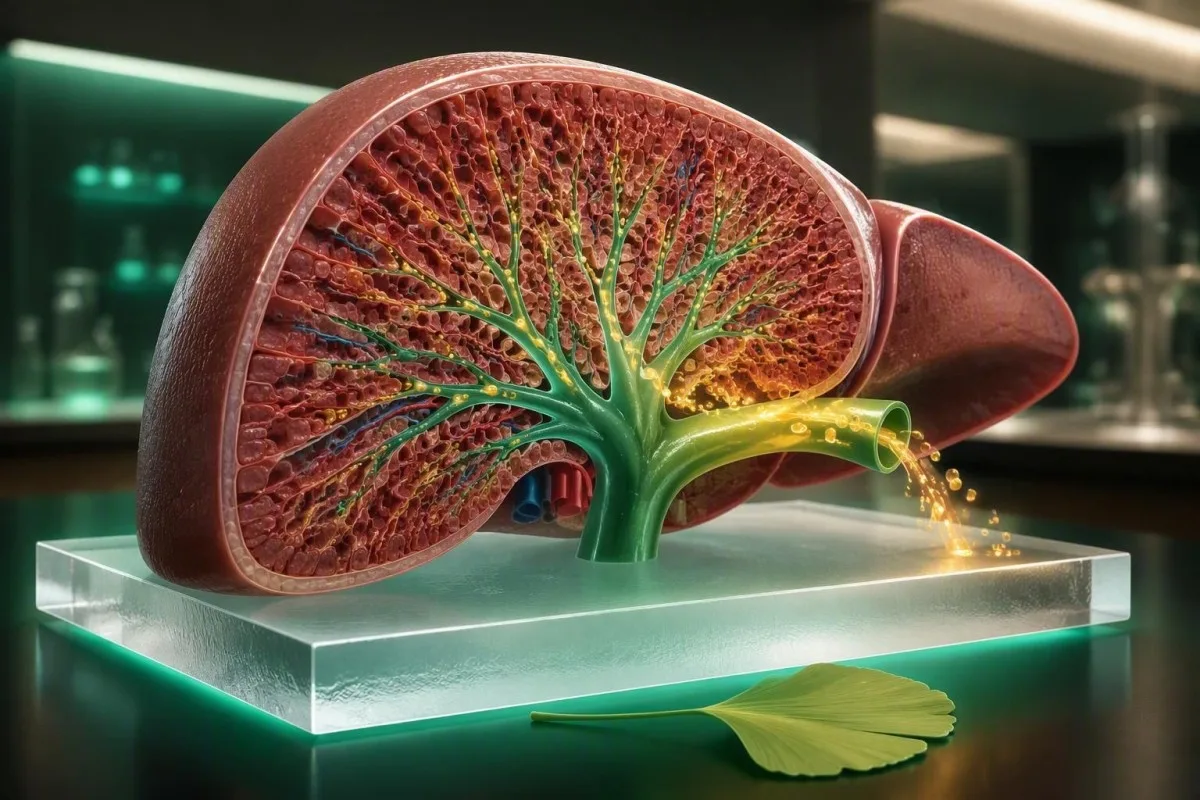
গিলबर्टගේ සින්ඩ්රෝමය, සංයුක්ත නොවන බිලිරුබින් ඉහළ යාමට හා පහත වැටීමට හානිකර, උරුම වූ නැඹුරුවක් ඇති කරයි. අක්මා රෝග, රක්තපාතය හෝ ඖෂධ බලපෑම් නොසලකා හැරීමකින් තොරව, හුරුපුරුදු රටාව තහවුරු කිරීම මෙහිදී වැදගත් වේ.


- গিলබට් සින්ඩ්රෝම් බිලිරුබින් සාමාන්යයෙන් ALT, AST, ALP සහ රුධිර ගණන් සාමාන්ය වන අතර, සාමාන්යයෙන් 5 mg/dL (85 µmol/L) ට වඩා අඩු, හුදකලා නොවන සංයුක්ත ඉහළ යාමකි.
- සෘජු බිලිරුබින් සාමාන්ය গিলබට් රටාවේදී මුළු බිලිරුබින් වලින් 20% ට වඩා අඩු ලෙස පවතී.
- නිරාහාරව සිටීම සහ අසනීප වීම গিলබට් සින්ඩ්රෝමය ඇති පුද්ගලයින් තුළ පැය 24 ත් 48 ත් අතර කාලයක් තුළ බිලිරුබින් දෙතුන් ගුණයකින් ඉහළ නැංවිය හැක.
- UGT1A1 ක්රියාකාරිත්වය සාමාන්ය ක්රියාකාරිත්වයෙන් ආසන්න වශයෙන් 30% දක්වා අඩු වී, අක්මාවට හානි නොකර බිලිරුබින් සංයෝජනය මන්දගාමී කරයි.
- රක්තපාත පරීක්ෂාව රක්තහීනතාවය හෝ ඉහළ රෙටිකුලෝසයිට් බිලිරුබින් සමඟ ඇති විට CBC, රෙටිකුලෝසයිට් ගණන, LDH, haptoglobin සහ ආන්ත්රික චිත්රපටය ඇතුළත් වේ.
- තද මුත්රා සාමාන්ය නොවේ හුදකලා, සංයුක්ත නොවන හයිපර්බිලිдітьරුබිනේමියාවේ, මන්ද සංයුක්ත නොවන බිලිдітьරුබින් මුත්රා වල දිය නොවේ.
- ජානමය පරීක්ෂණ UGT1A1 ප්රභේද හඳුනාගත හැකිය, නමුත් නැවත නැවතත් රසායනාගාර රටා සම්භාව්ය වන විට කලාතුරකින් අවශ්ය වේ.
- හදිසි පරීක්ෂාවක් උණ, උදර වේදනාව, සුදුමැලි මළපහ, තද මුත්රා, ව්යාකූලත්වය, අධික ඍජු බිලිдітьරුබින්, හෝ අසාමාන්ය අක්මා එන්සයිම සඳහා සුදුසු වේ.
গিলබට් සින්ඩ්රෝම් බිලිරුබින් රටාව ඇත්තෙන්ම අදහස් කරන්නේ කුමක්ද?
ගිල්බට් සින්ඩ්රෝමය යනු අක්මාව සාමාන්යයට වඩා සෙමින් බිලිдітьරුබින් සංයුක්ත කිරීම නිසා, අතරින් පතර ඇති වන, හුදකලා, සංයුක්ත නොවන බිලිдітьරුබින් ඉහළ යාමක් ඇති කරයි; එය ප්රගතිශීලී අක්මා හානියක් ඇති නොකරයි. මුළු බිලිдітьරුබින් බොහෝ විට 1.2 සිට 3.0 mg/dL (20 සිට 51 µmol/L) දක්වා පවතින අතර, කෙසේ වෙතත්, උත්තේජකයක් එය 5 mg/dL (85 µmol/L) දක්වා තල්ලු කළ හැකි අතර ALT, AST, ALP, ඇල්බුමින් සහ CBC සාමාන්යව පවතී.
බිලිдітьරුබින් යනු පැරණි රතු රුධිර සෛල නැවත සැකසීමෙන් පසු ඉතිරි වන කහ පැහැති වර්ණකයකි. අක්මාව එය වෙනස් කිරීමට පෙර, එය සංයුක්ත නොවූ බිලිරුබින්, ඇල්බුමින් සමඟ බැඳී රුධිරයේ ගෙන යන ජලයේ දිය නොවන ආකාරයකි. Kantesti යනු AI රුධිර පරීක්ෂණ විශ්ලේෂකය එය රසායනාගාරවල ඇති එක ලකුණක් රෝග විනිශ්චයක් ලෙස සැලකීමට වඩා, අක්මා එන්සයිම සහ සම්පූර්ණ රුධිර ගණනය සමඟ මෙම කොටස කියවයි.
සාමාන්ය වැඩිහිටි මුළු බිලිдітьරුබින් යොමු පරතරය සාමාන්යයෙන් 0.2 සිට 1.2 mg/dL, හෝ 3 සිට 20 µmol/L දක්වා වන නමුත් රසායනාගාර ඒවායේ සීමාවන් තමන් විසින්ම සකසයි. මගේ පුහුණුවේ වසර 15 තුළ, 1.8 mg/dL හි එක් අගයක් ලැබීමෙන් පසු “අක්මා ගැටලු” ඇති බවට දැනුම් දුන් බොහෝ පුද්ගලයන් මට හමු වී ඇත; සාමාන්ය එන්සයිම පැනලයක් සහ ඊට පෙර සමාන ප්රතිඵලයක් බොහෝ විට මෙම සංවාදය සම්පූර්ණයෙන්ම වෙනස් කරයි. අපගේ මාර්ගෝපදේශය ඉහළ බිලිරුබින් රටා fractionation මුලින්ම පැමිණෙන්නේ ඇයිද යන්න පැහැදිලි කරයි.
ගිල්බට් සින්ඩ්රෝමය ආසන්න වශයෙන් 3% සිට 10% දක්වා ජනතාවට බලපායි, එම ඇස්තමේන්තු මුතුන්පත්කම සහ ජනතාව කොතරම් ක්රියාශීලීව පරීක්ෂා කරනු ලැබේද යන්න අනුව සැලකිය යුතු ලෙස වෙනස් වේ. එය සාමාන්යයෙන් නව යොවුන් වියේදී හෝ මුල් වැඩිහිටි වියේදී දැකගත හැකි නමුත්, ජානමය නැඹුරුව උපතේ සිටම පවතී. පළමු අසාමාන්ය පැනලයේදී, විශේෂයෙන්ම, තරඟකාරී පැහැදිලි කිරීම් බැහැර කිරීමෙන් රෝග විනිශ්චයක් උපයා ගත යුතුය.
කහ පැහැය එන්නේ ගිහින් එන්නේ ඇයිද
ඇස්වල සුදු කොටස්වල පෙනෙන කහ පැහැය බොහෝ විට මුළු බිලිдітьරුබින් 2 සිට 3 mg/dL පමණ වන විට ආරම්භ වේ, නමුත් කාමර ආලෝකය, සමේ පැහැය සහ තනි පුද්ගල අවබෝධය නිසා මෙය විශ්වාස කළ නොහැකි සීමාවක් වේ. රසායනාගාර ඉහළ යාමක් ඇති බොහෝ අය කිසි විටෙකත් සෙංගමාලයෙන් පෙනී නොසිටිති.
මුළු, සෘජු සහ වක්ර බිලිරුබින්: වෛද්යවරුන් භාවිතා කරන භාග
සම්භාව්ය ගිල්බට් රටාවක් යනු ප්රධාන වශයෙන් ඍජු නොවන බිලිдітьරුබින් වන අතර, ඍජු බිලිдітьරුබින් සාමාන්යයෙන් මුළු ප්රමාණයෙන් 20% ට වඩා අඩුවෙන් සහ එසේ නොමැති නම් සාමාන්ය අක්මා රසායන විද්යාව පවතී. ඉහළ ගිය ඍජු කොටසක් වෛද්යවරුන්ව වෙනත් මාර්ගයකට යොමු කරයි: පිත්තාශයේ ගලා යාම අඩාල වීම, අක්මා සෛල හානි වීම, හෝ ඖෂධ-ආශ්රිත කොලෙස්ටැටික් බලපෑමක්.
බොහෝ රසායනාගාර වාර්තා වල මුළු සහ ඍජු බිලිдітьරුබින් ලැයිස්තුගත කර ඇත, අතර “ඍජු නොවන” යනු මුළු වලින් ඍජු අඩු කිරීමෙන් ගණනය කෙරේ. උදාහරණයක් ලෙස, මුළු බිලිдітьරුබින් 2.4 mg/dL සහ ඍජු බිලිдітьරුබින් 0.3 mg/dL යනු 2.1 mg/dL, හෝ මුළු වලින් 88% හි ඍජු නොවන බිලිдітьරුබින් ඉතිරි කරයි. එම බෙදා හැරීම බාධාවට වඩා ගිල්බට් සින්ඩ්රෝමයට බෙහෙවින් ගැලපේ.
0.3 mg/dL ට වඩා වැඩි ඍජු බිලිдітьරුබින් ස්වයංක්රීයව අනතුරුදායක නොවේ, මන්ද අඩු සාන්ද්රණයන්හිදී විශ්ලේෂණ ක්රම වෙනස් වේ. සායනිකව ප්රයෝජනවත් ප්රශ්නය වන්නේ සමානුපාතිකත්වයයි: 1.8 mg/dL මුළු ප්රමාණයක 1.2 mg/dL ඍජු බිලිдітьරුබින් යනු 2.5 mg/dL මුළු ප්රමාණයක 0.3 mg/dL ට වඩා ඉතා වෙනස් ප්රතිඵලයකි. අපගේ අක්මා පැනල් මාකර් මාර්ගෝපදේශය බලන්න, එය භාග වලට ඒවායේ අරුත ලබා දෙන සංගෘහිත පරීක්ෂණ සඳහා.
Kantesti වාර්තා කරන රසායනාගාරයේ පරතරය සහ ඇල්බුමින් සහ ALP ඇතුළු අදාළ සලකුණු වලට එරෙහිව බිලිдітьරුබින් භාග අර්ථකථනය කරයි. එහි ජෛව මාර්කර් යොමු මාර්ගෝපදේශය වාර්තාව µmol/L වෙනුවට mg/dL භාවිතා කරන විට ප්රයෝජනවත් වේ; 1 mg/dL බිලිдітьරුබින් ආසන්න වශයෙන් 17.1 µmol/L ට සමාන වේ.
UGT1A1 ජානය සහ මන්දගාමී බිලිරුබින් සංයෝජනය
ගිල්බට් සින්ඩ්රෝමය සාමාන්යයෙන් UGT1A1 හි උරුම වූ අඩු ප්රකාශනය පිළිබිඹු කරයි, එය බිලිරුබින්ට ග්ලූකුරෝනික් අම්ලය සම්බන්ධ කරන එන්සයිමය වන අතර එමඟින් එය පිත්තාශයට ඇතුළු විය හැකිය. ඉතිරි එන්සයිම ක්රියාකාරිත්වය සාමාන්ය ක්රියාකාරිත්වයෙන් දළ වශයෙන් 30% ක් වන අතර, දෛනික සෞඛ්යය සඳහා ප්රමාණවත් නමුත් කායික විද්යාත්මක ආතතිය අතරතුර අඩු ප්රතිරෝධී වේ.
යුරෝපීය සම්භවයක් ඇති පුද්ගලයින් අතර සාමාන්යයෙන් සාකච්ඡා කෙරෙන ප්රභේදය UGT1A1 ප්රවර්ධකයේ අමතර TA නැවත නැවත සිදුවීමකි, එය UGT1A1*28 ලෙස හැඳින්වේ. නැගෙනහිර ආසියානු, අප්රිකානු සහ මැද පෙරදිග ජනගහනය අතර අනෙකුත් ප්රභේද වඩාත් සුලභ වේ, එබැවින් එක් ප්රභේදයක් සඳහා සෘණ පරීක්ෂණයකට සායනිකව ඒත්තු ගැන්වෙන රටාවක් නැති නොකරයි.
බොස්මා සහ සගයන් 1995 දී The New England Journal of Medicine හි පළ වූ කඩඉම් ලිපියක (Bosma et al., 1995) ගිල්බට් සින්ඩ්රෝමය සඳහා අණුක පදනම ලෙස අඩු UGT1A1 ප්රකාශනය ප්රදර්ශනය කළහ. තත්ත්වය උරුම වී ඇත, නමුත් ඥාතීන්ට ආහාර ගැනීම, ඔසප් චක්රය, ආසාදන, ව්යායාම සහ ඖෂධ දෘශ්යමාන ප්රකාශනය වෙනස් කරන බැවින් ඉතා වෙනස් බිලිරුබින් අගයන් තිබිය හැක.
ජාන ප්රතිඵලය අක්මා-ක්රියා පරීක්ෂණයක් නොවේ. සෘජු බිලිරුබින් අසමාන ලෙස ඉහළ මට්ටමක පවතින විට, සායනික ප්රශ්නය වෙනස් වේ; අපගේ පැහැදිලි කිරීම ඉහළ සෘජු බිලිරුබින් ගිල්බට් සින්ඩ්රෝමය මෙන් හැසිරෙන්නේ නැති රටා ආවරණය කරයි.
গিলබට් සින්ඩ්රෝමයේ බිලිරුබින් ඉහළ යාමට හේතුවන්නේ කුමන හේතුද?
නිරාහාරව සිටීම, විජලනය, උණ, වෛරස් රෝග, නින්ද අහිමි වීම, දැඩි ව්යායාම, මත්පැන් අතිරික්තය සහ ඔසප් වීම යනු පොදු ගිල්බට් සින්ඩ්රෝමය බිලිරුබින් ප්රේරක වේ. පැය 24 ත් 48 ත් අතර කාලයක් දිනකට kcal 400 ක් පමණ කැලරි සීමා කිරීමෙන් ආකර්ෂණීය පුද්ගලයින් තුළ බිලිරුබින් දෙගුණ-තුන්ගුණයක් වැඩි විය හැක.
නිරාහාරව සිටීමේ බලපෑම බොහෝ විට “විෂ ඉවත් කළ” හෝ අක්මාවට හානි කළ බවට සාක්ෂි ලෙස වැරදි ලෙස කියනු ලැබේ. ඇත්ත වශයෙන්ම, අඩු කැලරි පරිභෝජනය අක්මාවේ බිලිරුබින් හැසිරවීම වෙනස් කර සංයෝජනය නොකළ කොටස වැඩි කරයි. මම දුටු 52 හැවිරිදි ධාවන තරඟකරුවෙකුට පැය 36ක නිරාහාරයක් සහ ධාවන සති අන්තයකින් පසු මුළු බිලිරුබින් 3.7 mg/dL තිබුණි; සාමාන්ය ආහාර සහ සුවය ලැබීමෙන් පසු එය 1.4 mg/dL වෙත නැවත පැමිණියේය.
උග්ර ආසාදන තවත් නිතර ප්රේරකයකි, මන්ද දැවිල්ල, අඩු පරිභෝජනය සහ විජලනය එකට පැමිණීමට නැඹුරු වේ. අසනීප දිනයන්, නිරාහාරව සිටීම, දැඩි පුහුණුව, මත්පැන් පරිභෝජනය සහ ඔසප් කාලය පිළිබඳ සරල ලොගයක් නැවත නැවත අහඹු පරීක්ෂණ වලට වඩා රෝග විනිශ්චය විය හැකිය. අපගේ ලිපිය නරක නින්දෙන් පසු රසායනාගාර වෙනස්කම් තාවකාලික කායික විද්යාත්මක මාරුවක් ස්ථාවර බේස්ලයින් එකකින් වෙන් කිරීමට උපකාරී වේ.
Kantesti AI යනු AI රසායනාගාර පරීක්ෂණ අර්ථකථන සේවාව වර්තමාන සහ පෙර බිලිරුබින් අගයන් සංසන්දනය කළ හැකි අතර, ආතතියට සම්බන්ධ රටාවක් පහසුවෙන් දැකගත හැකිය. එසේ වුවද, ප්රවණතා හඳුනාගැනීම සහායක සාක්ෂියකි, නව වේදනාව, උණ, තද මුත්ර හෝ අසාමාන්ය ALT නොසලකා හැරීමට අවසරයක් නොවේ.
গিলබට් සින්ඩ්රෝම් රෝග ලක්ෂණ: බිලිරුබින්ට දොස් පැවරිය හැකි සහ බැරි දේ
ගිල්බට් සින්ඩ්රෝමය ඇති බොහෝ අය හොඳින් සිටිති, නමුත් බිලිරුබින් ඉහළ යන විට ඇස් කහ පැහැ ගැන්වීමක් සිදුවිය හැකිය. තෙහෙට්ටුව, ඔක්කාරය, මොළයේ දුර්වලතාවය සහ උදරයේ අපහසුතාවය රෝගීන්ගෙන් සමහරෙකු විසින් වාර්තා කරනු ලැබේ, නමුත් තත්ත්වය හඳුනා ගැනීමට හෝ පවතින රෝග ලක්ෂණ පැහැදිලි කිරීමට කිසිවක් ප්රමාණවත් නොවේ.
කාරණය නම්, හිතකර රෝග විනිශ්චයක් නුසුදුසු සර්ව සුගත ලේබලයක් බවට පත්විය හැකිය. තෙහෙට්ටුව සති 6 ක් පවතී නම්, නින්ද බාධා ඇති කරයි හෝ ක්රියාකාරිත්වය සීමා කරයි නම්, මම තවමත් රක්තහීනතාවය, තයිරොයිඩ් රෝගය, යකඩ ඌණතාවය, මානසික අවපීඩනය, නින්ද ආබාධ සහ ඖෂධ බලපෑම් සලකා බලමි. CBC රුධිර පරීක්ෂණ ප්රතිඵල කියවන්නේ කෙසේද බොහෝ විට අක්මා පරීක්ෂාවට සුදුසු සහකරුවෙකි.
ගිල්බට් සින්ඩ්රෝමය සාමාන්යයෙන් කැසීම, සුදුමැලි මළපහ, දකුණු-ඉහළ උදරයේ වේදනාව, උණ හෝ බර අඩු වීම සිදු නොකරයි. මෙම ලක්ෂණ කොලෙස්ටැසිස්, පිත්තාශයේ රෝග, හෙපටයිටිස් හෝ පද්ධතිමය රෝග සඳහා සැලකිල්ලක් දක්වයි, විශේෂයෙන් සෘජු බිලිරුබින්, ALP හෝ GGT ඉහළ ගිය විට.
තෝමස් ක්ලයින්, MD, රෝගීන්ට සාමාන්ය අංකයක් ලුහුබැඳීමට නැවත නැවත බිලිරුබින් පරීක්ෂා නොකරන ලෙස උපදෙස් දෙයි. නැවත ලබාගත් ප්රතිඵලය සායනික ප්රශ්නයකට පිළිතුරු දෙන විට එය වඩාත් ප්රයෝජනවත් වේ: භාගය වෙනස් වී ඇත්ද, එන්සයිම සාමාන්ය ලෙස පවතීද, නැතහොත් සැක කරන ලද උත්ප්රේරකය සමත් වී ඇත්ද යන්න.
වෛද්යවරුන් විසින් গিলබට් සින්ඩ්රෝම් රෝග විනිශ්චය කරන්නේ කෙසේද?
ගිල්බට් සින්ඩ්රෝමය රෝග විනිශ්චය සායනික වන අතර: නැවත නැවත ඇතිවන සංයුක්ත නොවන හයිපර්බිලිරුබිනේමියාව, සාමාන්ය අක්මා එන්සයිම, රක්තපාතයට සාක්ෂි නොමැතිකම, සහ කරදරකාරී රෝග ලක්ෂණ හෝ පරීක්ෂණ සොයාගැනීම් නොමැතිකම. මෙම මූලද්රව්ය හතරම පවතින විට ජාන පරීක්ෂණ, රූපගත කිරීම සහ ආක්රමණශීලී ක්රියා පටිපාටි සාමාන්යයෙන් අනවශ්ය වේ.
ප්රායෝගික පළමු පැනලය සම්පූර්ණ සහ සෘජු බිලිරුබින්, ALT, AST, ALP, GGT, ඇල්බුමින්, CBC සහ බොහෝ විට රෙටිකුලෝසයිට්, LDH සහ හැප්ටෝග්ලොබින් ඇතුළත් වේ. සාමාන්ය හිමොග්ලොබින් සාමාන්ය LDH සහ හැප්ටෝග්ලොබින් සමඟ සායනිකව අර්ථවත් රක්තපාතය අසම්භාවිත කරයි; ඉහළ ගිය රෙටිකුලෝසයිට් ගණන එම තක්සේරුව වෙනස් කරයි. අපගේ reticulocyte testing guide පැහැදිලි කරන්නේ ඇයි අස්ථි මද්ය ප්රතිචාරය වැදගත් වන්නේද යන්න.
ජීවිත කාලය පුරාම ලේබලයක් ඇමිණීමට පෙර වෛද්යවරයෙකු ඖෂධ සමාලෝචනය කළ යුතුය. Atazanavir සහ indinavir UGT1A1 අවහිර කිරීම මගින් සංයුක්ත නොවන බිලිරුබින් ඉහළ නැංවිය හැකි අතර, irinotecan වල විෂ වීමේ අවදානම අඩු UGT1A1 ක්රියාකාරිත්වය ඇති සමහර පුද්ගලයින් තුළ වැඩි වේ. වෛද්යවරයාගේ උපදෙස් නොමැතිව නියමිත ප්රතිකාර කිසි විටෙකත් නතර නොකළ යුතුය.
VanWagner සහ Green's JAMA සමාලෝචනය, රෝග ලක්ෂණ රහිත වැඩිහිටියෙකු තුළ ගිල්බට් සින්ඩ්රෝමය හඳුනා ගැනීමට පෙර රක්තපාතය සහ ඖෂධ-උපද්රව හයිපර්බිලිරුබිනේමියාව බැහැර කරන ලෙස නිර්දේශ කරයි (VanWagner and Green, 2015). මගේ අත්දැකීමේදී, පැහැදිලි උත්ප්රේරකයකින් සුවය ලැබීමෙන් පසු භාගික පැනලයක් නැවත නැවත කිරීම, වහාම අල්ට්රාසවුන්ඩ් නියෝග කිරීමට වඩා බොහෝ විට තොරතුරු සපයයි.
රුධිර සෛල බිඳවැටීම මගින් වක්ර නොවන බිලිරුබින් ඉහළ යාම අනුකරණය කළ හැක්කේ කෙසේද?
අක්මාවට ඒවායේ වර්ණකය ඉවත් කිරීමට පෙර රුධිර සෛල වේගයෙන් බිඳී යන බැවින් රක්තපාතය සංයුක්ත නොවන බිලිරුබින් ඉහළ නැංවිය හැකිය. සංකීර්ණ නොවන ගිල්බට් සින්ඩ්රෝමය මෙන් නොව, රක්තපාතය බොහෝ විට ඉහළ රෙටිකුලෝසයිට් සහ LDH, අඩු හැප්ටෝග්ලොබින්, රක්තහීනතාවය, හෝ පර්යන්ත චිත්රපටයේ අසාමාන්ය සෛලීය ආකෘති නිපදවයි.
2.6 mg/dL බිලිරුබින්, හිමොග්ලොබින් 10.2 g/dL, රෙටිකුලෝසයිට් 7%, ඉහළ LDH සහ අඩු හැප්ටෝග්ලොබින් ගිල්බට් සින්ඩ්රෝමය ලෙස ආරක්ෂිතව බැහැර කළ නොහැක. මෙම සංයෝගය වේගවත් රතු-රුධිර සෛල හුවමාරුවක් යෝජනා කරයි, සහ හේතුව ස්වයං ප්රතිශක්තිකරණ රක්තපාතයේ සිට උරුම වූ පටල හෝ එන්සයිම ආබාධයක් දක්වා විය හැකිය.
රක්තපාතය හැරුණු විට, දුර්වල වූ අක්මා සංස්ලේෂණය ඇතුළු හේතු නිසා හැප්ටෝග්ලොබින් අඩු විය හැකිය, එබැවින් එය කිසි විටෙකත් තනිවම අර්ථකථනය නොකෙරේ. හරස්-චෙක් බලවත් ය: සාමාන්ය CBC, සාමාන්ය රෙටිකුලෝසයිට් ගණන සහ වසර ගණනාවක් පුරා ස්ථාවර බිලිරුබින් රක්තපාතය අසම්භාවිත කරයි, කෙසේ වෙතත් නව රක්තහීනතාවය නැවුම් වැඩක් ඉල්ලා සිටී. ගැන වැඩිදුර කියවන්න low haptoglobin causes.
Kantesti AI බිලිරුබින්, හිමොග්ලොබින්, MCV, රෙටිකුලෝසයිට්, LDH සහ හැප්ටෝග්ලොබින් සමඟ ඒකාබද්ධව අර්ථකථනය කරන්නේ හුදකලා වූ ඉහළ බිලිරුබින් රක්තහීනතාවය සමඟ එම ප්රතිඵලයේ සිට වෙනස් අවදානම් පැතිකඩක් ඇති බැවිනි. දෘශ්යමානව ලේ රහිත රසායනාගාර සාම්පලයක් සමහර ඇගයීම් වලට බාධා ඇති කළ හැකි අතර, රසායනාගාරය සාම්පල බාධා කිරීම් ධජ කරන්නේ නම් නැවත ඇඳීමක් අවශ්ය විය හැකිය.
ඉහළ බිලිරුබින් අක්මා හෝ පිත්තාශ රෝගයක් වීමට වැඩි ඉඩකඩ ඇති විට
ඉහළ ගිය සෘජු බිලිරුබින් ඉහළ ගිය ALT, AST, ALP හෝ GGT සමඟ සාමාන්ය ගිල්බට් සින්ඩ්රෝම් රටාව නොවේ, එයට වෛද්ය තක්සේරුවක් අවශ්ය වේ. රසායනාගාරයේ ඉහළ සීමාවට වඩා ALT හෝ AST ඉහළ යාම අක්මා සෛල හානියක් යෝජනා කරන අතර, ALP සහ GGT එකට ඉහළ යාම බඩගිනි ගලායාම අඩුවීමක් යෝජනා කරයි.
Dark tea-coloured urine is a particularly useful clue because conjugated bilirubin is water-soluble and can appear in urine; unconjugated bilirubin generally cannot. Pale or clay-coloured stools, generalized itch and progressive jaundice deserve prompt evaluation even if a person already carries a Gilbert syndrome diagnosis.
Viral hepatitis, gallstones, alcohol-related injury, metabolic fatty liver disease and drug-induced liver injury may all alter the liver panel. The hepatitis B symptom guide is relevant because many acute and chronic liver conditions cause few symptoms early on.
An ultrasound is often appropriate when the direct fraction is high, ALP is elevated, pain is present, or jaundice is new and persistent. It is not routinely required for a 25-year-old with repeated indirect bilirubin of 2.0 mg/dL, normal enzymes and a negative hemolysis screen.
গিলබට් සින්ඩ්රෝම් ලෙස හැඳින්විය යුතු නැති බිලිරුබින් රතු කොඩි
Seek urgent medical care for jaundice with fever, severe abdominal pain, vomiting, confusion, fainting, black stools, or rapidly worsening weakness. These symptoms can signal infection, obstruction, acute liver injury, bleeding or severe hemolysis rather than a benign bilirubin fluctuation.
New jaundice after age 40 is not automatically more dangerous, but it deserves a lower threshold for structured assessment because gallstone, medication and liver-disease probabilities change with age. Total bilirubin above 5 mg/dL, especially if rising over days, is atypical for uncomplicated Gilbert syndrome and should be rechecked with fractions and liver tests.
Pregnancy deserves its own pathway. Mild isolated indirect elevation may still reflect Gilbert syndrome, but itching, high blood pressure, headache, right-sided upper abdominal pain, or abnormal AST and ALT require obstetric review because pregnancy-specific liver disorders can evolve quickly.
For a practical explanation of ALP, GGT and bilirubin combinations, see our cholestasis රුධිර පරීක්ෂණ දළ විශ්ලේෂණය (overview). The reason we worry about bilirubin plus abnormal ALP is that the pair suggests a bile-flow problem, whereas bilirubin alone often does not.
නැවත බිලිරුබින් පරීක්ෂණය සඳහා සූදානම් වන්නේ කෙසේද?
For a useful repeat bilirubin test, eat and drink normally for 24 to 48 hours, avoid unusually intense exercise for 24 hours, and test after an acute illness has settled if clinically safe. A deliberate fast can exaggerate Gilbert syndrome bilirubin and make interpretation needlessly confusing.
You do not need to force a bilirubin result down with supplements, liver cleanses or excessive water intake. Normal hydration is enough; overhydration can dilute other results and does not treat the underlying enzyme pattern. If fasting is required for another test, tell the clinician it may affect your bilirubin interpretation.
Record the time of collection, recent exercise, 24-hour food intake, illness, alcohol exposure and all medicines. This small amount of context is often what turns two seemingly inconsistent results into a coherent pattern. Our article on fasting and laboratory tests outlines the broader pre-test effects.
A repeat is usually arranged in weeks rather than days when the only issue is mild isolated indirect bilirubin and the person feels well. Earlier testing is sensible if symptoms start, bilirubin rises sharply, or other liver markers become abnormal.
ආහාර, මධ්යසාර සහ දෛනික පුරුදු, গিলබට් සින්ඩ්රෝමය සමඟ
Regular meals, adequate fluids, recovery after exertion and avoiding crash diets reduce bilirubin fluctuations for many people with Gilbert syndrome. These habits may reduce visible jaundice but do not change the inherited UGT1A1 variant or require a restrictive “liver diet.”
There is no evidence-based bilirubin-lowering supplement for Gilbert syndrome. I discourage products marketed as liver detoxes because concentrated extracts can cause drug interactions or genuine liver injury; the safest plan is ordinary nutrition with enough calories for activity.
Alcohol does not cause Gilbert syndrome, but binge drinking can cause dehydration, reduced food intake and liver enzyme abnormalities that muddy the picture. If alcohol is followed by jaundice, vomiting or abdominal pain, do not assume the syndrome is the whole explanation. Our evidence-based review of foods and liver health separates reasonable nutrition from detox claims.
Endurance athletes and people using intermittent fasting often notice the pattern first. Thomas Klein, MD, usually recommends checking a baseline panel during a normal training week before attributing a post-race result to either liver disease or Gilbert syndrome.
ඖෂධ, සැත්කම් සහ ක්රියා පටිපාටි: গিলබට් සින්ඩ්රෝමය වැදගත් වන විට
Gilbert syndrome usually does not change routine medical care, but clinicians should know about it before drugs that depend heavily on UGT1A1 metabolism are prescribed. The clearest examples are irinotecan, where reduced enzyme activity can increase toxicity risk, and atazanavir, which can visibly raise bilirubin.
A high bilirubin result during atazanavir use can reflect reduced conjugation rather than liver-cell injury, provided enzymes and direct bilirubin are reassuring. That distinction belongs with the prescribing clinician because medication choice depends on the whole treatment plan, not on a single laboratory marker.
Before elective surgery, a documented history of isolated indirect hyperbilirubinemia can prevent last-minute concern when a pre-operative panel is mildly flagged. Fasting before surgery may transiently raise bilirubin, so a previous normal enzyme panel and fractionated history are genuinely useful records.
කන්ටෙස්ටි යනු AI මගින් බලගැන්වූ රුධිර පරීක්ෂණ විශ්ලේෂණ මෙවලම that organizes historical laboratory reports so patients can share the recurring pattern during a medication review. Our AI තාක්ෂණික මාර්ගෝපදේශය explains why source values and laboratory units are preserved during interpretation.
රෝග විනිශ්චය කිරීමෙන් පසු දිගුකාලීන පුරෝකථනය සහ අධීක්ෂණය
Confirmed Gilbert syndrome has an excellent prognosis and does not progress to cirrhosis, liver failure or liver cancer. Most people need no treatment and no bilirubin-specific monitoring schedule beyond routine care or testing prompted by a new clinical issue.
The useful baseline is not one perfect result; it is the repeated relationship between bilirubin fractions, enzymes, blood counts and triggers. A stable total bilirubin between 1.4 and 2.8 mg/dL over several years with normal ALT and ALP carries a very different meaning from a new climb from 0.6 to 2.8 mg/dL.
Kantesti’s trend analysis can surface a persistent isolated pattern across laboratory providers, but a clinician should review unexpected changes, especially if results cross laboratory methods or units. Our guide to රුධිර පරීක්ෂණ අතර ඇති අර්ථවත් වෙනස්කම් explains why small shifts can reflect ordinary analytic variation.
As of September 14, 2026, no major guideline recommends routine imaging or specialist follow-up solely for a well-established Gilbert syndrome diagnosis. Monitoring should instead follow real risks: medication exposure, alcohol-related harm, metabolic risk, viral hepatitis risk, symptoms, or abnormal liver chemistry.
සායනික සන්දර්භය අහිමි නොවී AI අර්ථකථනයක් භාවිතා කරන්නේ කෙසේද?
An AI explanation can help identify an isolated Gilbert-like pattern, but it cannot confirm a diagnosis without the bilirubin fractions, medication history, symptoms and examination context. Safe interpretation should flag uncertainty rather than reassure someone with direct hyperbilirubinemia or abnormal enzymes.
Kantesti AI reads uploaded reports in about 60 seconds and can identify whether total bilirubin, direct bilirubin, ALT, AST, ALP, hemoglobin and reticulocytes move together. That is helpful pattern recognition, not a replacement for medical assessment; the අපගේ සායනික වලංගුකරණ ප්රවේශය describes the safeguards and limits we apply.
Our medical reviewers see a recurring problem: users may upload only a metabolic panel that reports total bilirubin, without direct bilirubin or a CBC. In that setting, “possible Gilbert syndrome” is the honest wording, because the distinction from hemolysis or liver disease has not yet been tested.
කන්ටෙස්ටි යනු AI biomarker interpretation platform built to make laboratory language clearer across 75+ languages, while preserving the need for clinician-led diagnosis. Readers who want to understand our physician oversight can meet the වෛද්ය උපදේශක මණ්ඩලය; this article was medically reviewed under that process.
ඉහළ බිලිරුබින් ප්රතිඵලයක් ලැබීමෙන් පසු ඔබේ වෛද්යවරයා වෙත ගෙන යාමට ප්රශ්න
The most useful question after high bilirubin is: “Was the elevation indirect, and were my liver enzymes and hemolysis markers normal?” This turns a vague abnormal flag into a specific diagnostic pathway and avoids both false reassurance and unnecessary alarm.
Ask for the actual total and direct bilirubin values, not simply whether the result was high. Ask whether ALT, AST, ALP, GGT, albumin, hemoglobin, reticulocytes, LDH and haptoglobin fit the same benign story. A clinician may reasonably omit some tests if prior results already establish the pattern.
Ask whether your medicines, recent fasting, exercise, illness or family history alter the interpretation. If you have dark urine, pale stools, itch, abdominal pain or fever, say so directly because those details carry more weight than a small numerical difference.
Kantesti’s clinical team, led by Dr. Thomas Klein, recommends bringing prior reports rather than relying on memory of “high bilirubin.” If you need a second explanation of a confusing result, our රුධිර පරීක්ෂාව දෙවන මතය මාර්ගෝපදේශය outlines when additional review is sensible.
නිතර අසන ප්රශ්න
Gilbert syndrome හි සාමාන්යයෙන් බිලිරුබින් මට්ටම කොපමණද?
Gilbert syndrome usually produces total bilirubin between 1.2 and 3.0 mg/dL, or about 20 to 51 µmol/L, although fasting or illness can temporarily raise it toward 5 mg/dL (85 µmol/L). The rise should be predominantly unconjugated, with direct bilirubin generally below 20% of total bilirubin. ALT, AST, ALP, GGT, albumin and the complete blood count are usually normal. A value above 5 mg/dL or a changing liver panel warrants reassessment rather than automatic attribution to Gilbert syndrome.
ගිල්බට් සින්ඩ්රෝමය නිසා මුත්රා තද පැහැයක් ගන්නවාද?
Isolated Gilbert syndrome does not usually cause dark urine because unconjugated bilirubin is not water-soluble and is not normally excreted into urine. Dark tea-coloured urine suggests conjugated bilirubin, dehydration, blood pigments, medicines or other causes and should be assessed in context. If dark urine occurs with pale stools, itch, fever, abdominal pain or elevated direct bilirubin, prompt medical review is appropriate. A urine bilirubin test can help distinguish these pathways.
නිරාහාරව සිටීම ගිල්බට්ගේ සින්ඩ්රෝමය තුළ බිලිරුබින් මට්ටම ඉහළ නංවනවාද?
Yes, fasting commonly raises bilirubin in Gilbert syndrome, sometimes by two- to three-fold within 24 to 48 hours. Very low calorie intake, dehydration and endurance exercise often compound the effect because they occur together. Eating normally and being adequately hydrated for one to two days before a non-urgent repeat test gives a more representative baseline. Fasting should not be skipped when another medically necessary test requires it; instead, tell the clinician how long you fasted.
ගිල්බට්ගේ සින්ඩ්රෝමය හඳුනා ගන්නේ කෙසේද?
Gilbert syndrome diagnosis is usually based on repeated isolated unconjugated hyperbilirubinemia, normal liver enzymes, normal blood counts and no evidence of hemolysis. Clinicians often check total and direct bilirubin, ALT, AST, ALP, GGT, CBC, reticulocytes, LDH and haptoglobin. UGT1A1 genetic testing can support the diagnosis but is not routinely needed when the laboratory pattern is classic. Imaging is generally reserved for direct bilirubin elevation, abnormal enzymes, pain, or other red flags.
ගිල්බට්ගේ සින්ඩ්රෝමය අක්මා රෝගයක් විය හැකිද?
Gilbert syndrome does not progress to cirrhosis, liver failure or liver cancer because it reflects reduced bilirubin conjugation rather than ongoing liver-cell damage. A person with Gilbert syndrome can still develop unrelated liver disease, so new ALT, AST, ALP or direct bilirubin elevation should be investigated on its own merits. Routine treatment is not required for established Gilbert syndrome. New jaundice with pain, fever, dark urine or pale stools is never something to ignore.
ගිල්බට්ගේ සින්ඩ්රෝමය සඳහා ජාන පරීක්ෂණයක් කළ යුතුද?
Genetic testing for UGT1A1 variants is usually unnecessary when bilirubin is repeatedly indirect, usually below 5 mg/dL, liver tests are normal and hemolysis has been excluded. It can be useful when the diagnosis remains uncertain, when a medicine such as irinotecan is being considered, or when bilirubin values are unusually high. A result must be interpreted in light of ancestry because relevant UGT1A1 variants differ across populations. Genetic testing does not replace a liver panel or hemolysis assessment.
අදම AI බලයෙන් රුධිර පරීක්ෂණ විශ්ලේෂණය ලබාගන්න
තත්පර කිහිපයකින් ක්ෂණික හා නිවැරදි රසායනාගාර පරීක්ෂණ විශ්ලේෂණය සඳහා Kantesti විශ්වාස කරන ලොව පුරා මිලියන 2කට වැඩි පරිශීලකයන්ට එක්වන්න. ඔබගේ රුධිර පරීක්ෂණ ප්රතිඵල උඩුගත කර, තත්පර කිහිපයකින් 15,000+ ජෛව සලකුණු පිළිබඳ සවිස්තර අර්ථකථනය ලබාගන්න.
📚 යොමු කර ඇති පර්යේෂණ ප්රකාශන
ක්ලයින්, ටී., මිචෙල්, එස්., සහ වෙබර්, එච්. (2026). Women's Health Guide: Ovulation, Menopause & Hormonal Symptoms. (2026). Figshare. https://doi.org/10.6084/m9.figshare.31830721. ResearchGate: https://www.researchgate.net. Academia.edu: https://www.academia.edu.. Kantesti AI වෛද්ය පර්යේෂණ.
ක්ලයින්, ටී., මිචෙල්, එස්., සහ වෙබර්, එච්. (2026). Multilingual AI Assisted Clinical Decision Support for Early Hantavirus Triage: Design, Engineering Validation, and Real-World Deployment Across 50,000 Interpreted Blood Test Reports. (2026). Figshare. https://doi.org/10.6084/m9.figshare.32230290. ResearchGate: https://www.researchgate.net. Academia.edu: https://www.academia.edu.. Kantesti AI වෛද්ය පර්යේෂණ.
📖 බාහිර වෛද්ය යොමු
⚕️ වෛද්ය වියාචනය
මෙම ලිපිය අධ්යාපනික අරමුණු සඳහා පමණක් වන අතර වෛද්ය උපදෙස් ලෙස නොසැලකේ. රෝග නිદાન සහ ප්රතිකාර තීරණ සඳහා සෑම විටම සුදුසුකම් ලත් සෞඛ්ය සේවා සපයන්නෙකුගෙන් උපදෙස් ලබාගන්න.
E-E-A-T විශ්වාස සංඥා
අත්දැකීම්
වෛද්යවරයා විසින් මෙහෙයවන ලද රසායනාගාර අර්ථකථන ක්රියාවලි පිළිබඳ සමාලෝචනය.
ප්රවීණතාව
සායනික සන්දර්භය තුළ ජෛව සලකුණු (biomarkers) හැසිරෙන ආකාරය පිළිබඳ රසායනාගාර වෛද්ය විද්යා අවධානය.
අධිකාරීත්වය
ආචාර්ය තෝමස් ක්ලයින් විසින් ලියන ලද අතර ආචාර්ය සාරා මිචෙල් සහ මහාචාර්ය ආචාර්ය හෑන්ස් වෙබර් විසින් සමාලෝචනය කරන ලදී.
විශ්වසනීයත්වය
අනතුරු ඇඟවීම් අඩු කිරීමට පැහැදිලි පසුකැඳවීම් මාර්ග සහිත සාක්ෂි-පාදක අර්ථකථනය.