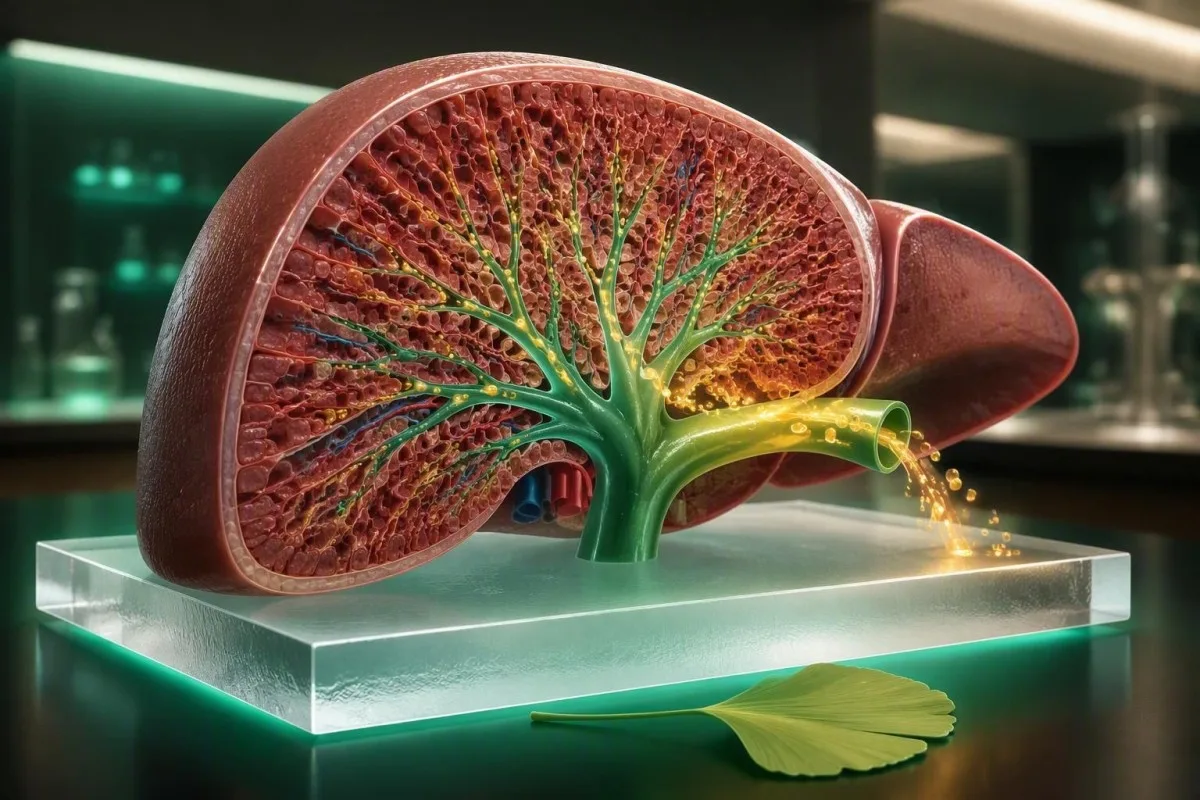
نەخۆشیی گیلبێرت هۆکارێکی بێ زیانی توێژەرەوەیە بۆ بەرزبوونەوە و دابەزینی بیلی روبینی یەکگرتوو. گرنگ ئەوەیە کەوڵووی ئاسایی بنەماڵەیی بسەلمێندرێت بێ ئەوەی نەخۆشیی جگەر، تێکچوونی خوێن، یان کاریگەریی دەرمانەکان لەبیر بکرێت.


- بیلی روبینی نەخۆشیی گیلبێرت بە شێوەیەکی گشتی بەرزبوونەوەیەکی تەنھای یەک نەگرتووە، زۆربەی جار کەمتر لە 5 mg/dL (85 µmol/L)، لەگەڵ ALT, AST, ALP ی ئاسایی و ژمارەی خوێن.
- بیلیروبینی ڕاستەوخۆ بە گشتی کەمتر لە 20% لە بیلی روبینی گشتی لە کەوڵووی ئاسایی گیلبێرتدا دەمێنێتەوە.
- برسیەتی و نەخۆشی دەتوانێت بیلی روبین دوو تا سێ ئەوەندە لە ماوەی ٢٤ بۆ ٤٨ کاتژمێردا لە کەسانی تووشبوو بە نەخۆشیی گیلبێرتدا زیاد بکات.
- چالاکی UGT1A1 کەم دەکاتەوە بۆ نزیکەی 30% چالاکی ئاسایی، ھێواشکردنی یەکگرتنی بیلی روبین بێ ئەوەی جگەر زیانبەر بکەوێت.
- تاقیکردنەوەی ھێمۆلیسیس بریتییە لە CBC، ژمارەی ڕیتیکولۆسایت، LDH، ھابتوگڵۆبین و شاشەی دەوری کاتێک کەمخوێنی یان ڕیتیکولۆسایتی بەرز لەگەڵ بیلی روبیندا بێت.
- میز رەنگتاریک نییە لە هیپەربیلی روبینێمی یەکگرتووی ناوازەدا چونکە بیلی روبینی یەکگرتوو لە میزدا ناجولێتەوە.
- پشکنینی بۆماوەیی دەتوانێت گۆڕاوەکانی UGT1A1 دیاری بکات بەڵام بەهۆی نەخۆشییەکانی تاقیگە دووبارە بووەوە زۆرجار پێویست ناکات.
- پشکنینی بەهێز/هەڵسەنگاندنی فورس گونجاوە بۆ تا، ئازاری سک، پیسایی کاڵ، میز رەنگتاریک، سەرلێشێواوی، زیادبوونی بیلی روبینی ڕاستەوخۆ، یان ئەنزیمی جگەرە نائاسایی.
مانای ڕاستەقینەی کەوڵووی بیلی روبینی نەخۆشیی گیلبێرت
نەخۆشیی گیلبێرت هۆکارە بۆ بەرزبوونەوەی ناوبەناو، ناوازەی بیلی روبینی یەکگرتوو چونکە جگەرە بیلی روبین لە ئاسایی کەمتر دەجوڵێنێت؛ هیچ زیانێکی بەردەوامی جگەرە دروست ناکات. بیلی روبینی گشتی زۆرجار 1.2 بۆ 3.0 ملگم/دسلە، یان 20 بۆ 51 mkmol/L، لە کاتێکدا هاندەرێک دەتوانێت بیباتە نزیک 5 ملگم/دسلە (85 mkmol/L) لە کاتێکدا ALT، AST، ALP، ئەلبیومین و CBC ئاسایی دەمێننەوە.
بیلی روبین ئەو ڕەنگە زەردەیە کە دوای نوێکردنەوەی خڕۆکە سوورە کۆنەکان دەمێنێتەوە. پێش ئەوەی جگەرە بیگۆڕێت، ئەوەیە بیلیروبینی نەهێنراو (unconjugated), ، شێوەیەکی ناتوانێت لە ئاو تێکەڵ بێت کە لە خوێندا بە ئەلبیومینەوە بەستراوە. Kantesti یەکێکە لە Analyzerê testa xwînê ya AI کە ئەم بەشە لەگەڵ ئەنزیمی جگەر و pretty blood count دەخوێنێتەوە لەبری چارەسەرکردنی یەک حاڵەت وەک دیاریکردن.
ڕێژەیەکی ئاساییی گەورە بۆ بیلی روبینی گشتی 0.2 بۆ 1.2 ملگم/دسلە، یان 3 بۆ 20 mkmol/L، بەڵام تاقیگەکان سنوورەکانی خۆیان دادەنێن. لە 15 ساڵی کارکردنمدا، زۆر کەسم ناسیوە کە پێیان وتراوە “کێشەی جگەریان هەیە” دوای یەک ڕێژەی 1.8 ملگم/دسلە؛ کۆمەڵەیەکی ئاساییی ئەنزیم و ئەنجامی پێشووی هاوشێوە زۆرجار ئەو قسانە بە تەواوی دەگۆڕێت. ڕێبەری ئێمە بۆ شێوازەکانی بیلی روبینی بەرز ڕووندەکاتەوە بۆچی لێکدانی بەشەکان یەکەم جار دێت.
نەخۆشیی گیلبێرت نزیکەی 3% بۆ 10% لە خەڵک دەگرێتەوە، و ڕێژەکان بە شێوەیەکی بەرچاو جیاوازن بەپێی نەتەوە و بە چ شێوەیەک گرووپێکی دانیشتووان بە چاودێری دەکرێت. زۆرجار لە مێردمنداڵی یان سەرەتای گەورەبووندا دەستنیشان دەکرێت، بەڵام هۆکاری بۆماوەیی لەو کاتەوە بوونی هەبووە کە لەدایکبوویت. دەستنیشانکردن هێشتا دەبێت بە جیاکردنەوەی هۆکارەکانی تر، بەتایبەتی لە یەکەم کۆمەڵەی نائاساییدا، بەدەستبهێنرێت.
بۆچی ڕەنگە زەردەکە دێت و دەڕوات
ڕووکەشی زەردی سپیی چاو زۆرجار لە دەوری بیلی روبینی گشتی 2 بۆ 3 ملگم/دسلە دەست پێ دەکات، بەڵام ڕووناکی ژوور، ڕەنگی پێست و تێڕوانینی تاکە کەسی ئەم سنوورە نادروست دەکات. زۆرێک لە خەڵک کە بەرزبوونەوەی تاقیگەیان هەیە هەرگیز زەرد نابینرێت.
بیلی روبینی گشتی، ڕاستەوخۆ و ناڕاستەوخۆ: بەشەکان کە پزیشکان بەکاری دەهێنن
شێوازێکی كلاسيكيی گیلبێرت بریتییە لە بیلی روبینی ناوازەی زۆر، لەگەڵ بیلی روبینی ڕاستەوخۆ کە بە شێوەیەکی گشتی کەمترە لە 20% ی گشتی و بێجگە لەو هەموانە کیمیای ئاساییی جگەر. بەشێکی ڕاستەوخۆی بەرزکراو ڕێنوێنی پزیشکان دەکات بۆ ڕێگەیەکی جیاواز: تێکچوونی ڕۆیشتنی زەرداو، برینی خانەکانی جگەر، یان کاریگەریی کاتیلداریی دەرمانی.
زۆرێک لە ڕاپۆرتەکانی تاقیگە ڕێژەی گشتی و بیلی روبینی ڕاستەوخۆ دادەنێن، لە کاتێکدا “ناوازە” بریتییە لە گشتی کەمکردنەوەی ڕاستەوخۆ. بۆ نموونە، بیلی روبینی گشتی 2.4 ملگم/دسلە لەگەڵ بیلی روبینی ڕاستەوخۆ 0.3 ملگم/دسلە، بیلی روبینی ناوازەی 2.1 ملگم/دسلە، یان 88% ی گشتی بەجێ دەهێڵێت. ئەم دابەشکردنە زۆر باشتر لە گیلبێرت دەچێت تا ڕێگرتن.
بیلی روبینی ڕاستەوخۆی سەرووی 0.3 ملگم/دسلە بە شێوەیەکی خۆکار مەترسیدار نییە چونکە شێوازی تاقیکردنەوەکان لە کۆنترۆڵە کەمەکاندا جیاوازن. پرسیارە گرنگەکە بریتییە لە پروپورشنیالی: بیلی روبینی ڕاستەوخۆی 1.2 ملگم/دسلە لە گشتی 1.8 ملگم/دسلە ئەنجامێکی زۆر جیاوازە لە 0.3 ملگم/دسلە لە گشتی 2.5 ملگم/دسلە. سەیری ڕێبەری نیشانەکانمان بکە بۆ پشکنینی جگەر بۆ تاقیکردنەوە هاوبەشەکان کە بەشەکان مانای خۆیان پێ دەبەخشن.
Kantesti پشکەکانی بیلی روبین بەگوێرەی ڕێژەی ڕاپۆرتکردنی تاقیگە و نیشانە پەیوەندیدارەکان، لەوانەش ئەلبیومین و ALP، لێکدەر دەکاتەوە. ئەمەش rêbernameya referansê ya nîşankerên biyolojîk کاتێک بەسوودە کە ڕاپۆرتێک بەکاردەهێنێت mkmol/L لە جیاتی mg/dL؛ 1 mg/dL بیلی روبین یەکسانە بە نزیکەی 17.1 µmol/L.
جینی UGT1A1 و ھێواشکردنی یەکگرتنی بیلی روبین
Gilbert syndrome usually reflects inherited lower expression of UGT1A1, the enzyme that attaches glucuronic acid to bilirubin so it can enter bile. Residual enzyme activity is roughly 30% of usual activity, enough for everyday health but less resilient during physiologic stress.
The commonly discussed variant in people of European ancestry is an extra TA repeat in the UGT1A1 promoter, often called UGT1A1*28. Other variants are more common in East Asian, African and Middle Eastern populations, so a negative test for one variant does not erase a clinically convincing pattern.
Bosma and colleagues demonstrated reduced UGT1A1 expression as the molecular basis for Gilbert syndrome in a landmark New England Journal of Medicine paper (Bosma et al., 1995). The condition is inherited, but relatives may have very different bilirubin values because food intake, menstrual cycling, infections, exercise and medicines alter the visible expression.
A gene result is not a liver-function test. When direct bilirubin is disproportionately high, the clinical question changes; our explanation of بیلی روبینی ڕاستەوخۆی بەرز covers the patterns that do not behave like Gilbert syndrome.
چی ھۆکارێک دەبێتە ھۆی بەرزبوونەوەی بیلی روبین لە نەخۆشیی گیلبێرت؟
Fasting, dehydration, fever, viral illness, sleep loss, hard exercise, alcohol excess and menstruation are common Gilbert syndrome bilirubin triggers. A calorie restriction of about 400 kcal daily for 24 to 48 hours can increase bilirubin two- to three-fold in susceptible people.
The fasting effect is often misread as proof that someone has “detoxed” or damaged their liver. In reality, reduced caloric intake changes hepatic bilirubin handling and increases the unconjugated fraction. A 52-year-old endurance runner I saw had total bilirubin of 3.7 mg/dL after a 36-hour fast and race weekend; it returned to 1.4 mg/dL after normal meals and recovery.
Acute infections are another frequent trigger because inflammation, lower intake and dehydration tend to arrive together. A simple log of illness dates, fasting, strenuous training, alcohol intake and menstrual timing can be more diagnostic than repeated random tests. Our article on laboratory changes after poor sleep helps separate a temporary physiologic shift from a stable baseline.
Kantesti AI یەک خزمەتگوزاری تێکست/تێگەیشتنی تاقیکردنی لابراتۆریی AI that can compare current and prior bilirubin values, making a recurrent stress-linked pattern easier to see. Still, trend recognition is supportive evidence, not permission to ignore new pain, fever, dark urine or an abnormal ALT.
نیشانەکانی نەخۆشیی گیلبێرت: چی دەکرێت و چی ناکرێت بخرێتە ئەستۆی بیلی روبین
Most people with Gilbert syndrome feel well, although mild yellowing of the eyes can appear during a bilirubin rise. Fatigue, nausea, brain fog and abdominal discomfort are reported by some patients, but none is specific enough to diagnose the condition or to explain away persistent symptoms.
The thing is, a benign diagnosis can become an unhelpful catch-all label. If fatigue persists for 6 weeks, causes sleep disruption or limits activity, I still consider anemia, thyroid disease, iron deficiency, depression, sleep disorders and medication effects. A ڕێنمای تفسیرکردنی CBC is often a sensible companion to liver testing.
Gilbert syndrome does not typically cause itching, pale stools, persistent right-upper-abdominal pain, fever or weight loss. Those features raise concern for cholestasis, gallbladder disease, hepatitis or systemic illness, particularly when direct bilirubin, ALP or GGT is elevated.
Thomas Klein, MD, advises patients not to test bilirubin repeatedly just to chase a normal number. A repeat result is most useful when it answers a clinical question: whether the fraction changed, whether enzymes remain normal, or whether a suspected trigger has passed.
چۆن پزیشکان دەستنیشانکردنی نەخۆشیی گیلبێرت دەکەن
Gilbert syndrome diagnosis is clinical: recurrent unconjugated hyperbilirubinemia, normal liver enzymes, no evidence of hemolysis, and no concerning symptoms or examination findings. Genetic testing, imaging and invasive procedures are usually unnecessary when all four elements are present.
A practical first panel includes total and direct bilirubin, ALT, AST, ALP, GGT, albumin, CBC and often reticulocytes, LDH and haptoglobin. Normal hemoglobin with normal LDH and haptoglobin makes clinically meaningful hemolysis unlikely; a raised reticulocyte count changes that assessment. Our reticulocyte testing guide explains why marrow response matters.
A clinician should review medicines before attaching a lifelong label. Atazanavir and indinavir can raise unconjugated bilirubin by inhibiting UGT1A1, while irinotecan toxicity risk is increased in some people with reduced UGT1A1 function. Prescription treatment should never be stopped without the prescriber’s advice.
VanWagner and Green’s JAMA review recommends excluding hemolysis and drug-induced hyperbilirubinemia before diagnosing Gilbert syndrome in an asymptomatic adult (VanWagner and Green, 2015). In my experience, repeating a fractionated panel after recovery from a clear trigger is often more informative than ordering an ultrasound immediately.
چۆن تێکچوونی خانەکانی خوێن دەتوانێت بەرزبوونەوەی بیلی روبینی یەکگرتوو ببینێت
Hemolysis can raise unconjugated bilirubin because red cells are being broken down faster than the liver can clear their pigment. Unlike uncomplicated Gilbert syndrome, hemolysis often produces high reticulocytes and LDH, low haptoglobin, anemia, or abnormal cellular forms on a peripheral film.
A bilirubin of 2.6 mg/dL with hemoglobin 10.2 g/dL, reticulocytes 7%, elevated LDH and low haptoglobin is not safely dismissed as Gilbert syndrome. The combination suggests accelerated red-cell turnover, and the cause can range from autoimmune hemolysis to an inherited membrane or enzyme disorder.
Haptoglobin can be low for reasons other than hemolysis, including impaired liver synthesis, so it is never interpreted alone. The cross-check is powerful: a normal CBC, normal reticulocyte count and stable bilirubin over years make hemolysis less likely, whereas new anemia requires a fresh work-up. Read more about low haptoglobin causes.
Kantesti AI interprets bilirubin alongside hemoglobin, MCV, reticulocytes, LDH and haptoglobin because an isolated high bilirubin has a different risk profile from that same result with anemia. A visibly hemolyzed laboratory sample can also distort some assays, so a redraw may be needed if the laboratory flags sample interference.
کەی بەرزبوونەوەی بیلی روبین زیاتر نەخۆشیی جگەر یان ڕێگەکانی زەرداوەیە
Raised direct bilirubin with elevated ALT, AST, ALP or GGT is not the usual Gilbert syndrome pattern and needs medical assessment. ALT or AST above the laboratory upper limit suggests hepatocyte injury, while ALP and GGT rising together suggests impaired bile flow.
Dark tea-coloured urine is a particularly useful clue because conjugated bilirubin is water-soluble and can appear in urine; unconjugated bilirubin generally cannot. Pale or clay-coloured stools, generalized itch and progressive jaundice deserve prompt evaluation even if a person already carries a Gilbert syndrome diagnosis.
Viral hepatitis, gallstones, alcohol-related injury, metabolic fatty liver disease and drug-induced liver injury may all alter the liver panel. The hepatitis B symptom guide is relevant because many acute and chronic liver conditions cause few symptoms early on.
An ultrasound is often appropriate when the direct fraction is high, ALP is elevated, pain is present, or jaundice is new and persistent. It is not routinely required for a 25-year-old with repeated indirect bilirubin of 2.0 mg/dL, normal enzymes and a negative hemolysis screen.
نیشانە سورەکانی بیلی روبین کە نابێت پێی بڵێن نەخۆشیی گیلبێرت
Seek urgent medical care for jaundice with fever, severe abdominal pain, vomiting, confusion, fainting, black stools, or rapidly worsening weakness. These symptoms can signal infection, obstruction, acute liver injury, bleeding or severe hemolysis rather than a benign bilirubin fluctuation.
New jaundice after age 40 is not automatically more dangerous, but it deserves a lower threshold for structured assessment because gallstone, medication and liver-disease probabilities change with age. Total bilirubin above 5 mg/dL, especially if rising over days, is atypical for uncomplicated Gilbert syndrome and should be rechecked with fractions and liver tests.
Pregnancy deserves its own pathway. Mild isolated indirect elevation may still reflect Gilbert syndrome, but itching, high blood pressure, headache, right-sided upper abdominal pain, or abnormal AST and ALT require obstetric review because pregnancy-specific liver disorders can evolve quickly.
For a practical explanation of ALP, GGT and bilirubin combinations, see our ڕوونکردنەوەی تاقیکردنەوەی خوێن بۆ cholestasis. The reason we worry about bilirubin plus abnormal ALP is that the pair suggests a bile-flow problem, whereas bilirubin alone often does not.
چۆن ئامادەبیت بۆ تاقیکردنەوەیەکی دووبارەی بیلی روبین
For a useful repeat bilirubin test, eat and drink normally for 24 to 48 hours, avoid unusually intense exercise for 24 hours, and test after an acute illness has settled if clinically safe. A deliberate fast can exaggerate Gilbert syndrome bilirubin and make interpretation needlessly confusing.
You do not need to force a bilirubin result down with supplements, liver cleanses or excessive water intake. Normal hydration is enough; overhydration can dilute other results and does not treat the underlying enzyme pattern. If fasting is required for another test, tell the clinician it may affect your bilirubin interpretation.
Record the time of collection, recent exercise, 24-hour food intake, illness, alcohol exposure and all medicines. This small amount of context is often what turns two seemingly inconsistent results into a coherent pattern. Our article on fasting and laboratory tests outlines the broader pre-test effects.
A repeat is usually arranged in weeks rather than days when the only issue is mild isolated indirect bilirubin and the person feels well. Earlier testing is sensible if symptoms start, bilirubin rises sharply, or other liver markers become abnormal.
خۆراک، خواردنەوەی کحولی و ڕاهاتنی ڕۆژانە لەگەڵ نەخۆشیی گیلبێرت
Regular meals, adequate fluids, recovery after exertion and avoiding crash diets reduce bilirubin fluctuations for many people with Gilbert syndrome. These habits may reduce visible jaundice but do not change the inherited UGT1A1 variant or require a restrictive “liver diet.”
There is no evidence-based bilirubin-lowering supplement for Gilbert syndrome. I discourage products marketed as liver detoxes because concentrated extracts can cause drug interactions or genuine liver injury; the safest plan is ordinary nutrition with enough calories for activity.
Alcohol does not cause Gilbert syndrome, but binge drinking can cause dehydration, reduced food intake and liver enzyme abnormalities that muddy the picture. If alcohol is followed by jaundice, vomiting or abdominal pain, do not assume the syndrome is the whole explanation. Our evidence-based review of foods and liver health separates reasonable nutrition from detox claims.
Endurance athletes and people using intermittent fasting often notice the pattern first. Thomas Klein, MD, usually recommends checking a baseline panel during a normal training week before attributing a post-race result to either liver disease or Gilbert syndrome.
دەرمانەکان، نەشتەرگەری و پرۆسەکان: کەی نەخۆشیی گیلبێرت گرنگە
Gilbert syndrome usually does not change routine medical care, but clinicians should know about it before drugs that depend heavily on UGT1A1 metabolism are prescribed. The clearest examples are irinotecan, where reduced enzyme activity can increase toxicity risk, and atazanavir, which can visibly raise bilirubin.
A high bilirubin result during atazanavir use can reflect reduced conjugation rather than liver-cell injury, provided enzymes and direct bilirubin are reassuring. That distinction belongs with the prescribing clinician because medication choice depends on the whole treatment plan, not on a single laboratory marker.
Before elective surgery, a documented history of isolated indirect hyperbilirubinemia can prevent last-minute concern when a pre-operative panel is mildly flagged. Fasting before surgery may transiently raise bilirubin, so a previous normal enzyme panel and fractionated history are genuinely useful records.
Kantestî yek e ئامێری توێژینەوەی تاقیکردنەوەی خوێن بە پشتبەستن بە AI that organizes historical laboratory reports so patients can share the recurring pattern during a medication review. Our ڕێنمایی تەکنەلۆژیای AI explains why source values and laboratory units are preserved during interpretation.
دەرئەنجامی دوورمەودا و چاودێریکردن دوای دەستنیشانکردن
Confirmed Gilbert syndrome has an excellent prognosis and does not progress to cirrhosis, liver failure or liver cancer. Most people need no treatment and no bilirubin-specific monitoring schedule beyond routine care or testing prompted by a new clinical issue.
The useful baseline is not one perfect result; it is the repeated relationship between bilirubin fractions, enzymes, blood counts and triggers. A stable total bilirubin between 1.4 and 2.8 mg/dL over several years with normal ALT and ALP carries a very different meaning from a new climb from 0.6 to 2.8 mg/dL.
Kantesti’s trend analysis can surface a persistent isolated pattern across laboratory providers, but a clinician should review unexpected changes, especially if results cross laboratory methods or units. Our guide to گۆڕانکاری گرنگ لە نێوان تێستە خوێنییەکان explains why small shifts can reflect ordinary analytic variation.
As of September 14, 2026, no major guideline recommends routine imaging or specialist follow-up solely for a well-established Gilbert syndrome diagnosis. Monitoring should instead follow real risks: medication exposure, alcohol-related harm, metabolic risk, viral hepatitis risk, symptoms, or abnormal liver chemistry.
چۆن سوود لە لێکدانەوەیەکی زیرەکی دەستکرد وەرگریت بێ ئەوەی ستیای کلینیکی لەدەست بدەیت
An AI explanation can help identify an isolated Gilbert-like pattern, but it cannot confirm a diagnosis without the bilirubin fractions, medication history, symptoms and examination context. Safe interpretation should flag uncertainty rather than reassure someone with direct hyperbilirubinemia or abnormal enzymes.
Kantesti AI reads uploaded reports in about 60 seconds and can identify whether total bilirubin, direct bilirubin, ALT, AST, ALP, hemoglobin and reticulocytes move together. That is helpful pattern recognition, not a replacement for medical assessment; the ڕێگای تاقیکردنەوەی پزیشکی (clinical validation) describes the safeguards and limits we apply.
Our medical reviewers see a recurring problem: users may upload only a metabolic panel that reports total bilirubin, without direct bilirubin or a CBC. In that setting, “possible Gilbert syndrome” is the honest wording, because the distinction from hemolysis or liver disease has not yet been tested.
Kantestî yek e پلاتفۆرمی تێکڕوانینی بایۆمارکەری AI built to make laboratory language clearer across 75+ languages, while preserving the need for clinician-led diagnosis. Readers who want to understand our physician oversight can meet the Lijneya Şêwirmendiya Bijîşkî; this article was medically reviewed under that process.
پرسیارەکان بۆ بردنە لای پزیشکەکەت دوای ئەنجامی بەرزبوونەوەی بیلی روبین
The most useful question after high bilirubin is: “Was the elevation indirect, and were my liver enzymes and hemolysis markers normal?” This turns a vague abnormal flag into a specific diagnostic pathway and avoids both false reassurance and unnecessary alarm.
Ask for the actual total and direct bilirubin values, not simply whether the result was high. Ask whether ALT, AST, ALP, GGT, albumin, hemoglobin, reticulocytes, LDH and haptoglobin fit the same benign story. A clinician may reasonably omit some tests if prior results already establish the pattern.
Ask whether your medicines, recent fasting, exercise, illness or family history alter the interpretation. If you have dark urine, pale stools, itch, abdominal pain or fever, say so directly because those details carry more weight than a small numerical difference.
Kantesti’s clinical team, led by Dr. Thomas Klein, recommends bringing prior reports rather than relying on memory of “high bilirubin.” If you need a second explanation of a confusing result, our دووبارە-بینی لە تاقیکردنەوەی خوێن (blood-test second-opinion guide) outlines when additional review is sensible.
Pirsên Pir tên Pirsîn
لە کێشەی گیلبرتی (Gilbert syndrome) کەوتنەوەی بیلیروبین لە چ کۆنترۆڵێکی تایبەتی دەبێت؟
Gilbert syndrome usually produces total bilirubin between 1.2 and 3.0 mg/dL, or about 20 to 51 µmol/L, although fasting or illness can temporarily raise it toward 5 mg/dL (85 µmol/L). The rise should be predominantly unconjugated, with direct bilirubin generally below 20% of total bilirubin. ALT, AST, ALP, GGT, albumin and the complete blood count are usually normal. A value above 5 mg/dL or a changing liver panel warrants reassessment rather than automatic attribution to Gilbert syndrome.
ئایا نەخۆشیی گیلبرت دەبێتە هۆی ڕەشبوونی میز؟
Isolated Gilbert syndrome does not usually cause dark urine because unconjugated bilirubin is not water-soluble and is not normally excreted into urine. Dark tea-coloured urine suggests conjugated bilirubin, dehydration, blood pigments, medicines or other causes and should be assessed in context. If dark urine occurs with pale stools, itch, fever, abdominal pain or elevated direct bilirubin, prompt medical review is appropriate. A urine bilirubin test can help distinguish these pathways.
ئایا fasting (بەڕۆژوو بوون) Bilirubin بەرز دەکاتەوە لە Gilbert syndrome؟
Yes, fasting commonly raises bilirubin in Gilbert syndrome, sometimes by two- to three-fold within 24 to 48 hours. Very low calorie intake, dehydration and endurance exercise often compound the effect because they occur together. Eating normally and being adequately hydrated for one to two days before a non-urgent repeat test gives a more representative baseline. Fasting should not be skipped when another medically necessary test requires it; instead, tell the clinician how long you fasted.
چۆن نەخۆشیی گیلبێرت دەستنیشان دەکرێت؟
Gilbert syndrome diagnosis is usually based on repeated isolated unconjugated hyperbilirubinemia, normal liver enzymes, normal blood counts and no evidence of hemolysis. Clinicians often check total and direct bilirubin, ALT, AST, ALP, GGT, CBC, reticulocytes, LDH and haptoglobin. UGT1A1 genetic testing can support the diagnosis but is not routinely needed when the laboratory pattern is classic. Imaging is generally reserved for direct bilirubin elevation, abnormal enzymes, pain, or other red flags.
دەکرێت نەخۆشی گیلبێرت ببێتە نەخۆشی جگەر؟
Gilbert syndrome does not progress to cirrhosis, liver failure or liver cancer because it reflects reduced bilirubin conjugation rather than ongoing liver-cell damage. A person with Gilbert syndrome can still develop unrelated liver disease, so new ALT, AST, ALP or direct bilirubin elevation should be investigated on its own merits. Routine treatment is not required for established Gilbert syndrome. New jaundice with pain, fever, dark urine or pale stools is never something to ignore.
ئایا دەبێت پشکنینی بۆ ماڵەوە بۆ نەخۆشی گیلبرت بکەم؟
Genetic testing for UGT1A1 variants is usually unnecessary when bilirubin is repeatedly indirect, usually below 5 mg/dL, liver tests are normal and hemolysis has been excluded. It can be useful when the diagnosis remains uncertain, when a medicine such as irinotecan is being considered, or when bilirubin values are unusually high. A result must be interpreted in light of ancestry because relevant UGT1A1 variants differ across populations. Genetic testing does not replace a liver panel or hemolysis assessment.
ئەمڕۆ AI-پاوەرد لەسەر تاقیکردنەوەی خوێن بەدەست بهێنە
بە یارمەتی زیاتر لە 2 ملیۆن بەکارهێنەر لە هەموو جیهاندا کە Kantesti دەستپێدەکەن بۆ تاقیکردنەوەی لابراتۆری ڕاست و بەهێز لە کاتێکی کەم. ڕەخنەی تاقیکردنەوەی خوێنت بنێرە و تفسیرێکی تەواو لە 15,000+ نیشانەی زیستی (biomarkers) لە ماوەی چرکەکاندا وەرگرە.
📚 توێژینەوە سەرچاوە پەیوەندیدارەکان
کلاین، ت.، میچێڵ، س.، & وێبەر، ه. (2026). Women's Health Guide: Ovulation, Menopause & Hormonal Symptoms. (2026). Figshare. https://doi.org/10.6084/m9.figshare.31830721. ResearchGate: https://www.researchgate.net. Academia.edu: https://www.academia.edu.. Kantesti توێژینەوەی پزیشکی AI.
کلاین، ت.، میچێڵ، س.، & وێبەر، ه. (2026). Multilingual AI Assisted Clinical Decision Support for Early Hantavirus Triage: Design, Engineering Validation, and Real-World Deployment Across 50,000 Interpreted Blood Test Reports. (2026). Figshare. https://doi.org/10.6084/m9.figshare.32230290. ResearchGate: https://www.researchgate.net. Academia.edu: https://www.academia.edu.. Kantesti توێژینەوەی پزیشکی AI.
📖 سەرچاوەی پزیشکی دەرەکی
⚕️ Daxuyaniya Bijîşkî
ئەم مادەیە تەنها بۆ. I think I must continue but user expects all items.
سەنگەری باوەڕپێکردن E-E-A-T
Tecribe
ڕەوی پشکنینی کلینیکی لەلایەن پزیشکەوە بۆ ڕێکخستنی ڕووداوەکانی لێکدانەوەی ئازمایش.
Pisporî
گرێدانی لابراتۆرییەی پزیشکی بەوەی چۆن بایۆمارکەرەکان لە کۆنتێکستی کلینیکی دەگۆڕن.
Desthilatdarî
نووسراوە لەلایەن د. توماس کلاین بە پشکنینی لەلایەن د. سارا میچێڵ و پڕۆف. د. هانس وێبەر.
Bawerî
لێکدانەوە بە بنەمای دڵنیابوون (Evidence-based) بە ڕێڕەوی دوایینەوەی ڕوون بۆ کەمکردنەوەی هەست بە ترس/هەڵوەشاندن.