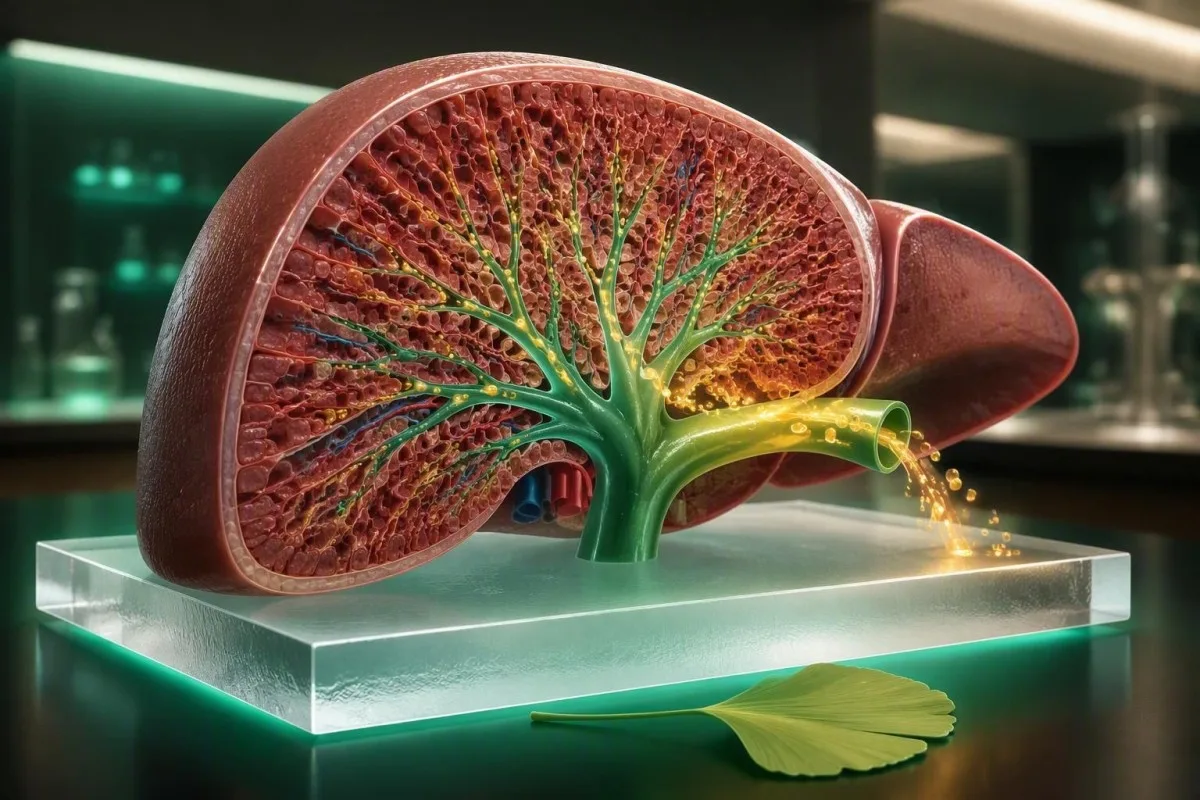
กลุ่มอาการ Gilbert ทำให้มีแนวโน้มที่ส่งต่อทางพันธุกรรมซึ่งไม่มีอันตรายในการเพิ่มขึ้นและลดลงของบิลิรูบินชนิดไม่เชื่อมต่อ สิ่งสำคัญคือต้องยืนยันรูปแบบที่คุ้นเคยในขณะที่ไม่มองข้ามโรคตับ, การแตกตัวของเม็ดเลือดแดง หรือผลกระทบจากยา.


- บิลิรูบินในกลุ่มอาการ Gilbert โดยทั่วไปจะเป็นการเพิ่มขึ้นของบิลิรูบินชนิดไม่เชื่อมต่อที่แยกออกมา, โดยทั่วไปต่ำกว่า 5 มก./ดล. (85 µmol/L), โดยมี ALT, AST, ALP และจำนวนเม็ดเลือดปกติ.
- Bilirubin ສ່ວນທີ່ໂດຍກົງ (direct) โดยทั่วไปจะต่ำกว่า 20% ของบิลิรูบินทั้งหมดในรูปแบบ Gilbert ทั่วไป.
- การอดอาหารและการเจ็บป่วย สามารถเพิ่มบิลิรูบินได้สองถึงสามเท่าภายใน 24 ถึง 48 ชั่วโมงในผู้ที่มีกลุ่มอาการ Gilbert.
- กิจกรรม UGT1A1 ลดลงเหลือประมาณ 30% ของกิจกรรมปกติ, ทำให้การเชื่อมต่อบิลิรูบินช้าลงโดยไม่ทำลายตับ.
- การทดสอบการแตกตัวของเม็ดเลือดแดง รวมถึง CBC, จำนวน reticulocyte, LDH, haptoglobin และฟิล์มเลือดส่วนปลายเมื่อภาวะโลหิตจางหรือ reticulocytes สูงร่วมกับบิลิรูบิน.
- ปัสสาวะสีเข้มไม่ใช่เรื่องปกติ ของภาวะบิลิrubin ในเลือดสูงชนิดไม่จับคู่ (unconjugated hyperbilirubinemia) โดยเฉพาะ เพราะบิลิrubin ชนิดไม่จับคู่ไม่ละลายในปัสสาวะ.
- การตรวจทางพันธุกรรม สามารถระบุรูปแบบของ UGT1A1 ได้ แต่ไม่ค่อยจำเป็นเมื่อรูปแบบผลการตรวจทางห้องปฏิบัติการซ้ำๆ นั้นเข้าได้กับภาวะดังกล่าว.
- ກວດທົບທວນດ່ວນ เหมาะสมสำหรับอาการไข้, ปวดท้อง, อุจจาระสีซีด, ปัสสาวะสีเข้ม, สับสน, บิลิrubin ชนิดจับคู่เพิ่มขึ้น, หรือเอนไซม์ตับผิดปกติ.
รูปแบบบิลิรูบินของกลุ่มอาการ Gilbert หมายถึงอะไรจริงๆ
กลุ่มอาการของ Gilbert ทำให้บิลิrubin ชนิดไม่จับคู่สูงขึ้นเป็นครั้งคราวโดยเฉพาะ เนื่องจากตับมีการจับคู่บิลิrubin ช้ากว่าปกติ; ไม่ได้ทำให้เกิดความเสียหายต่อตับอย่างต่อเนื่อง. บิลิrubin ทั้งหมดมักอยู่ที่ 1.2 ถึง 3.0 มก./ดล. (20 ถึง 51 µmol/L) แม้ว่าปัจจัยกระตุ้นอาจทำให้สูงถึง 5 มก./ดล. (85 µmol/L) ในขณะที่ ALT, AST, ALP, อัลบูมิน และ CBC ปกติ.
บิลิrubin เป็นเม็ดสีเหลืองที่เหลืออยู่หลังจากเซลล์เม็ดเลือดแดงเก่าถูกนำกลับมาใช้ใหม่ ก่อนที่ตับจะปรับเปลี่ยน มันคือ bilirubin ທີ່ບໍ່ຖືກຜູກ (unconjugated), ซึ่งเป็นรูปแบบที่ละลายในน้ำไม่ได้ในน้ำ ถูกขนส่งในเลือดโดยจับกับอัลบูมิน Kantesti เป็น AI ເຄື່ອງວິເຄາະເລືອດ ที่อ่านค่าเศษส่วนนี้ ควบคู่ไปกับเอนไซม์ตับและการตรวจนับเม็ดเลือดสมบูรณ์ แทนที่จะวินิจฉัยจากค่ารวมที่ผิดปกติเพียงค่าเดียว.
ค่าอ้างอิงทั่วไปสำหรับบิลิrubin รวมในผู้ใหญ่คือ 0.2 ถึง 1.2 มก./ดล. หรือ 3 ถึง 20 µmol/L แต่ห้องปฏิบัติการกำหนดเกณฑ์ของตนเอง ในช่วง 15 ปีของการปฏิบัติงานของฉัน ฉันได้พบคนจำนวนมากที่ถูกบอกว่ามี “ปัญหาเกี่ยวกับตับ” หลังจากมีค่า 1.8 มก./ดล. เพียงครั้งเดียว; ผลการตรวจเอนไซม์ที่ปกติและผลลัพธ์ที่เหมือนกันก่อนหน้านี้มักจะเปลี่ยนการสนทนานั้นไปเลย คู่มือของเราสำหรับการ รูปแบบบิลิรูบินสูง อธิบายว่าเหตุใดการแยกส่วนจึงมีความสำคัญเป็นอันดับแรก.
กลุ่มอาการของ Gilbert ส่งผลกระทบต่อคนประมาณ 3% ถึง 10% โดยมีการประเมินที่แตกต่างกันอย่างมากตามเชื้อชาติและวิธีการคัดกรองประชากรที่ใช้งานอยู่ มักสังเกตพบในช่วงวัยรุ่นหรือวัยผู้ใหญ่ตอนต้น แต่แนวโน้มทางพันธุกรรมมีมาตั้งแต่แรกเกิด การวินิจฉัยควรได้รับการยืนยันโดยการแยกแยะคำอธิบายอื่นๆ ที่แข่งขันกัน โดยเฉพาะอย่างยิ่งเมื่อพบความผิดปกติครั้งแรก.
เหตุใดสีเหลืองจึงมาและหายไป
การมองเห็นสีเหลืองของตาขาวมักจะเริ่มขึ้นเมื่อบิลิrubin รวมอยู่ที่ประมาณ 2 ถึง 3 มก./ดล. แต่แสงในห้อง สีผิว และการรับรู้ส่วนบุคคลทำให้ค่านี้เป็นเกณฑ์ที่ไม่น่าเชื่อถือ ผู้คนจำนวนมากที่มีค่าสูงขึ้นในห้องปฏิบัติการไม่เคยดูเป็นดีซ่านเลย.
บิลิรูบินทั้งหมด, บิลิรูบินโดยตรง และบิลิรูบินโดยอ้อม: ส่วนประกอบที่แพทย์ใช้
รูปแบบ Gilbert แบบคลาสสิกคือบิลิrubin ชนิดไม่จับคู่เป็นหลัก โดยบิลิrubin ชนิดจับคู่มักน้อยกว่า 20% ของค่าทั้งหมด และเคมีในตับอื่นๆ ปกติ. ค่าบิลิrubin ชนิดจับคู่ที่สูงขึ้นบ่งชี้เส้นทางอื่นสำหรับแพทย์: การไหลของน้ำดีที่บกพร่อง, การบาดเจ็บของเซลล์ตับ, หรือผลกระทบของการเกิดดีซ่านจากยา.
รายงานผลแล็บหลายฉบับแสดงรายการบิลิrubินทั้งหมดและชนิดจับคู่ ในขณะที่ “ชนิดไม่จับคู่” จะคำนวณจากค่าทั้งหมดลบด้วยชนิดจับคู่ ตัวอย่างเช่น บิลิrubินทั้งหมด 2.4 มก./ดล. กับบิลิrubินชนิดจับคู่ 0.3 มก./ดล. จะทำให้บิลิrubินชนิดไม่จับคู่เท่ากับ 2.1 มก./ดล. หรือ 88% ของค่าทั้งหมด การกระจายนี้เข้าได้กับกลุ่มอาการของ Gilbert มากกว่าการอุดตัน.
บิลิrubินชนิดจับคู่สูงกว่า 0.3 มก./ดล. ไม่ได้อันตรายโดยอัตโนมัติเนื่องจากวิธีการวิเคราะห์แตกต่างกันที่ความเข้มข้นต่ำ คำถามที่มีประโยชน์ทางคลินิกคือสัดส่วน: บิลิrubินชนิดจับคู่ 1.2 มก./ดล. ในค่ารวม 1.8 มก./ดล. เป็นผลลัพธ์ที่แตกต่างอย่างมากจาก 0.3 มก./ดล. ในค่ารวม 2.5 มก./ดล. โปรดดู คู่มือการตรวจเครื่องหมายตับ สำหรับการทดสอบร่วมที่ให้ความหมายแก่เศษส่วนต่างๆ.
Kantesti แปลค่าเศษส่วนบิลิrubินเทียบกับช่วงอ้างอิงของห้องปฏิบัติการที่รายงานและเครื่องหมายที่เกี่ยวข้อง รวมถึงอัลบูมินและ ALP ຄູ່ມືອ້າງອີງ biomarker มีประโยชน์เมื่อรายงานใช้หน่วย µmol/L แทน mg/dL; บิลิrubิน 1 มก./ดล. เท่ากับประมาณ 17.1 µmol/L.
ยีน UGT1A1 และการเชื่อมต่อบิลิรูบินที่ช้าลง
Gilbert syndrome usually reflects inherited lower expression of UGT1A1, the enzyme that attaches glucuronic acid to bilirubin so it can enter bile. Residual enzyme activity is roughly 30% of usual activity, enough for everyday health but less resilient during physiologic stress.
The commonly discussed variant in people of European ancestry is an extra TA repeat in the UGT1A1 promoter, often called UGT1A1*28. Other variants are more common in East Asian, African and Middle Eastern populations, so a negative test for one variant does not erase a clinically convincing pattern.
Bosma and colleagues demonstrated reduced UGT1A1 expression as the molecular basis for Gilbert syndrome in a landmark New England Journal of Medicine paper (Bosma et al., 1995). The condition is inherited, but relatives may have very different bilirubin values because food intake, menstrual cycling, infections, exercise and medicines alter the visible expression.
A gene result is not a liver-function test. When direct bilirubin is disproportionately high, the clinical question changes; our explanation of 高结合胆红素 covers the patterns that do not behave like Gilbert syndrome.
ปัจจัยกระตุ้นใดที่ทำให้บิลิรูบินสูงขึ้นในกลุ่มอาการ Gilbert?
Fasting, dehydration, fever, viral illness, sleep loss, hard exercise, alcohol excess and menstruation are common Gilbert syndrome bilirubin triggers. A calorie restriction of about 400 kcal daily for 24 to 48 hours can increase bilirubin two- to three-fold in susceptible people.
The fasting effect is often misread as proof that someone has “detoxed” or damaged their liver. In reality, reduced caloric intake changes hepatic bilirubin handling and increases the unconjugated fraction. A 52-year-old endurance runner I saw had total bilirubin of 3.7 mg/dL after a 36-hour fast and race weekend; it returned to 1.4 mg/dL after normal meals and recovery.
Acute infections are another frequent trigger because inflammation, lower intake and dehydration tend to arrive together. A simple log of illness dates, fasting, strenuous training, alcohol intake and menstrual timing can be more diagnostic than repeated random tests. Our article on laboratory changes after poor sleep helps separate a temporary physiologic shift from a stable baseline.
Kantesti AI គឺជាអ្វីមួយដែល ບໍລິການຕີຄວາມຜົນການກວດຂອງ AI that can compare current and prior bilirubin values, making a recurrent stress-linked pattern easier to see. Still, trend recognition is supportive evidence, not permission to ignore new pain, fever, dark urine or an abnormal ALT.
อาการของกลุ่มอาการ Gilbert: อะไรที่อาจถูกหรืออาจไม่ถูกตำหนิว่าเป็นเพราะบิลิรูบิน
Most people with Gilbert syndrome feel well, although mild yellowing of the eyes can appear during a bilirubin rise. Fatigue, nausea, brain fog and abdominal discomfort are reported by some patients, but none is specific enough to diagnose the condition or to explain away persistent symptoms.
The thing is, a benign diagnosis can become an unhelpful catch-all label. If fatigue persists for 6 weeks, causes sleep disruption or limits activity, I still consider anemia, thyroid disease, iron deficiency, depression, sleep disorders and medication effects. A ຄູ່ມືການວິເຄາະການກວດເລືອດ is often a sensible companion to liver testing.
Gilbert syndrome does not typically cause itching, pale stools, persistent right-upper-abdominal pain, fever or weight loss. Those features raise concern for cholestasis, gallbladder disease, hepatitis or systemic illness, particularly when direct bilirubin, ALP or GGT is elevated.
Thomas Klein, MD, advises patients not to test bilirubin repeatedly just to chase a normal number. A repeat result is most useful when it answers a clinical question: whether the fraction changed, whether enzymes remain normal, or whether a suspected trigger has passed.
แพทย์วินิจฉัยกลุ่มอาการ Gilbert ได้อย่างไร
Gilbert syndrome diagnosis is clinical: recurrent unconjugated hyperbilirubinemia, normal liver enzymes, no evidence of hemolysis, and no concerning symptoms or examination findings. Genetic testing, imaging and invasive procedures are usually unnecessary when all four elements are present.
A practical first panel includes total and direct bilirubin, ALT, AST, ALP, GGT, albumin, CBC and often reticulocytes, LDH and haptoglobin. Normal hemoglobin with normal LDH and haptoglobin makes clinically meaningful hemolysis unlikely; a raised reticulocyte count changes that assessment. Our reticulocyte testing guide explains why marrow response matters.
A clinician should review medicines before attaching a lifelong label. Atazanavir and indinavir can raise unconjugated bilirubin by inhibiting UGT1A1, while irinotecan toxicity risk is increased in some people with reduced UGT1A1 function. Prescription treatment should never be stopped without the prescriber’s advice.
VanWagner and Green’s JAMA review recommends excluding hemolysis and drug-induced hyperbilirubinemia before diagnosing Gilbert syndrome in an asymptomatic adult (VanWagner and Green, 2015). In my experience, repeating a fractionated panel after recovery from a clear trigger is often more informative than ordering an ultrasound immediately.
การแตกตัวของเซลล์เม็ดเลือดสามารถเลียนแบบบิลิรูบินชนิดไม่เชื่อมต่อที่สูงได้อย่างไร
Hemolysis can raise unconjugated bilirubin because red cells are being broken down faster than the liver can clear their pigment. Unlike uncomplicated Gilbert syndrome, hemolysis often produces high reticulocytes and LDH, low haptoglobin, anemia, or abnormal cellular forms on a peripheral film.
A bilirubin of 2.6 mg/dL with hemoglobin 10.2 g/dL, reticulocytes 7%, elevated LDH and low haptoglobin is not safely dismissed as Gilbert syndrome. The combination suggests accelerated red-cell turnover, and the cause can range from autoimmune hemolysis to an inherited membrane or enzyme disorder.
Haptoglobin can be low for reasons other than hemolysis, including impaired liver synthesis, so it is never interpreted alone. The cross-check is powerful: a normal CBC, normal reticulocyte count and stable bilirubin over years make hemolysis less likely, whereas new anemia requires a fresh work-up. Read more about low haptoglobin causes.
Kantesti AI interprets bilirubin alongside hemoglobin, MCV, reticulocytes, LDH and haptoglobin because an isolated high bilirubin has a different risk profile from that same result with anemia. A visibly hemolyzed laboratory sample can also distort some assays, so a redraw may be needed if the laboratory flags sample interference.
เมื่อใดที่บิลิรูบินสูงน่าจะเป็นโรคตับหรือท่อน้ำดีมากกว่า
Raised direct bilirubin with elevated ALT, AST, ALP or GGT is not the usual Gilbert syndrome pattern and needs medical assessment. ALT or AST above the laboratory upper limit suggests hepatocyte injury, while ALP and GGT rising together suggests impaired bile flow.
Dark tea-coloured urine is a particularly useful clue because conjugated bilirubin is water-soluble and can appear in urine; unconjugated bilirubin generally cannot. Pale or clay-coloured stools, generalized itch and progressive jaundice deserve prompt evaluation even if a person already carries a Gilbert syndrome diagnosis.
Viral hepatitis, gallstones, alcohol-related injury, metabolic fatty liver disease and drug-induced liver injury may all alter the liver panel. The hepatitis B symptom guide is relevant because many acute and chronic liver conditions cause few symptoms early on.
An ultrasound is often appropriate when the direct fraction is high, ALP is elevated, pain is present, or jaundice is new and persistent. It is not routinely required for a 25-year-old with repeated indirect bilirubin of 2.0 mg/dL, normal enzymes and a negative hemolysis screen.
สัญญาณเตือนของบิลิรูบินที่ไม่ควรถือว่าเป็นกลุ่มอาการ Gilbert
Seek urgent medical care for jaundice with fever, severe abdominal pain, vomiting, confusion, fainting, black stools, or rapidly worsening weakness. These symptoms can signal infection, obstruction, acute liver injury, bleeding or severe hemolysis rather than a benign bilirubin fluctuation.
New jaundice after age 40 is not automatically more dangerous, but it deserves a lower threshold for structured assessment because gallstone, medication and liver-disease probabilities change with age. Total bilirubin above 5 mg/dL, especially if rising over days, is atypical for uncomplicated Gilbert syndrome and should be rechecked with fractions and liver tests.
Pregnancy deserves its own pathway. Mild isolated indirect elevation may still reflect Gilbert syndrome, but itching, high blood pressure, headache, right-sided upper abdominal pain, or abnormal AST and ALT require obstetric review because pregnancy-specific liver disorders can evolve quickly.
For a practical explanation of ALP, GGT and bilirubin combinations, see our ພາບລວມການກວດເລືອດສຳລັບ cholestasis. The reason we worry about bilirubin plus abnormal ALP is that the pair suggests a bile-flow problem, whereas bilirubin alone often does not.
วิธีเตรียมตัวสำหรับการทดสอบบิลิรูบินซ้ำ
For a useful repeat bilirubin test, eat and drink normally for 24 to 48 hours, avoid unusually intense exercise for 24 hours, and test after an acute illness has settled if clinically safe. A deliberate fast can exaggerate Gilbert syndrome bilirubin and make interpretation needlessly confusing.
You do not need to force a bilirubin result down with supplements, liver cleanses or excessive water intake. Normal hydration is enough; overhydration can dilute other results and does not treat the underlying enzyme pattern. If fasting is required for another test, tell the clinician it may affect your bilirubin interpretation.
Record the time of collection, recent exercise, 24-hour food intake, illness, alcohol exposure and all medicines. This small amount of context is often what turns two seemingly inconsistent results into a coherent pattern. Our article on fasting and laboratory tests outlines the broader pre-test effects.
A repeat is usually arranged in weeks rather than days when the only issue is mild isolated indirect bilirubin and the person feels well. Earlier testing is sensible if symptoms start, bilirubin rises sharply, or other liver markers become abnormal.
อาหาร, แอลกอฮอล์ และพฤติกรรมประจำวันกับกลุ่มอาการ Gilbert
Regular meals, adequate fluids, recovery after exertion and avoiding crash diets reduce bilirubin fluctuations for many people with Gilbert syndrome. These habits may reduce visible jaundice but do not change the inherited UGT1A1 variant or require a restrictive “liver diet.”
There is no evidence-based bilirubin-lowering supplement for Gilbert syndrome. I discourage products marketed as liver detoxes because concentrated extracts can cause drug interactions or genuine liver injury; the safest plan is ordinary nutrition with enough calories for activity.
Alcohol does not cause Gilbert syndrome, but binge drinking can cause dehydration, reduced food intake and liver enzyme abnormalities that muddy the picture. If alcohol is followed by jaundice, vomiting or abdominal pain, do not assume the syndrome is the whole explanation. Our evidence-based review of foods and liver health separates reasonable nutrition from detox claims.
Endurance athletes and people using intermittent fasting often notice the pattern first. Thomas Klein, MD, usually recommends checking a baseline panel during a normal training week before attributing a post-race result to either liver disease or Gilbert syndrome.
ยา, การผ่าตัด และหัตถการ: กลุ่มอาการ Gilbert มีความสำคัญเมื่อใด
Gilbert syndrome usually does not change routine medical care, but clinicians should know about it before drugs that depend heavily on UGT1A1 metabolism are prescribed. The clearest examples are irinotecan, where reduced enzyme activity can increase toxicity risk, and atazanavir, which can visibly raise bilirubin.
A high bilirubin result during atazanavir use can reflect reduced conjugation rather than liver-cell injury, provided enzymes and direct bilirubin are reassuring. That distinction belongs with the prescribing clinician because medication choice depends on the whole treatment plan, not on a single laboratory marker.
Before elective surgery, a documented history of isolated indirect hyperbilirubinemia can prevent last-minute concern when a pre-operative panel is mildly flagged. Fasting before surgery may transiently raise bilirubin, so a previous normal enzyme panel and fractionated history are genuinely useful records.
ແຄນເທສຕີ ເປັນ ឧបករណ៍វិភាគតេស្តឈាមដែលដំណើរការដោយ AI that organizes historical laboratory reports so patients can share the recurring pattern during a medication review. Our ຄູ່ມືເທັກໂນໂລຍີ AI explains why source values and laboratory units are preserved during interpretation.
แนวโน้มระยะยาวและการติดตามผลหลังการวินิจฉัย
Confirmed Gilbert syndrome has an excellent prognosis and does not progress to cirrhosis, liver failure or liver cancer. Most people need no treatment and no bilirubin-specific monitoring schedule beyond routine care or testing prompted by a new clinical issue.
The useful baseline is not one perfect result; it is the repeated relationship between bilirubin fractions, enzymes, blood counts and triggers. A stable total bilirubin between 1.4 and 2.8 mg/dL over several years with normal ALT and ALP carries a very different meaning from a new climb from 0.6 to 2.8 mg/dL.
Kantesti’s trend analysis can surface a persistent isolated pattern across laboratory providers, but a clinician should review unexpected changes, especially if results cross laboratory methods or units. Our guide to ការផ្លាស់ប្តូរដែលមានន័យរវាងការធ្វើតេស្តឈាម explains why small shifts can reflect ordinary analytic variation.
As of September 14, 2026, no major guideline recommends routine imaging or specialist follow-up solely for a well-established Gilbert syndrome diagnosis. Monitoring should instead follow real risks: medication exposure, alcohol-related harm, metabolic risk, viral hepatitis risk, symptoms, or abnormal liver chemistry.
วิธีใช้การตีความของ AI โดยไม่พลาดบริบททางคลินิก
An AI explanation can help identify an isolated Gilbert-like pattern, but it cannot confirm a diagnosis without the bilirubin fractions, medication history, symptoms and examination context. Safe interpretation should flag uncertainty rather than reassure someone with direct hyperbilirubinemia or abnormal enzymes.
Kantesti AI reads uploaded reports in about 60 seconds and can identify whether total bilirubin, direct bilirubin, ALT, AST, ALP, hemoglobin and reticulocytes move together. That is helpful pattern recognition, not a replacement for medical assessment; the វិធីសាស្ត្រធ្វើឲ្យមានសុពលភាពផ្នែកព្យាបាល (clinical validation) describes the safeguards and limits we apply.
Our medical reviewers see a recurring problem: users may upload only a metabolic panel that reports total bilirubin, without direct bilirubin or a CBC. In that setting, “possible Gilbert syndrome” is the honest wording, because the distinction from hemolysis or liver disease has not yet been tested.
ແຄນເທສຕີ ເປັນ ແພລດຟອມການຕີຄວາມໝາຍ biomarker ຂອງ AI built to make laboratory language clearer across 75+ languages, while preserving the need for clinician-led diagnosis. Readers who want to understand our physician oversight can meet the ຄະນະທີ່ປຶກສາທາງການແພດ; this article was medically reviewed under that process.
คำถามที่จะถามแพทย์ของคุณหลังได้รับผลบิลิรูบินสูง
The most useful question after high bilirubin is: “Was the elevation indirect, and were my liver enzymes and hemolysis markers normal?” This turns a vague abnormal flag into a specific diagnostic pathway and avoids both false reassurance and unnecessary alarm.
Ask for the actual total and direct bilirubin values, not simply whether the result was high. Ask whether ALT, AST, ALP, GGT, albumin, hemoglobin, reticulocytes, LDH and haptoglobin fit the same benign story. A clinician may reasonably omit some tests if prior results already establish the pattern.
Ask whether your medicines, recent fasting, exercise, illness or family history alter the interpretation. If you have dark urine, pale stools, itch, abdominal pain or fever, say so directly because those details carry more weight than a small numerical difference.
Kantesti’s clinical team, led by Dr. Thomas Klein, recommends bringing prior reports rather than relying on memory of “high bilirubin.” If you need a second explanation of a confusing result, our ຄູ່ມືການກວດເລືອດຄັ້ງທີສອງ outlines when additional review is sensible.
ຄໍາຖາມທີ່ຖາມເລື້ອຍໆ
ລະດັບ bilirubin ປົກກະຕິໃນໂຣກ Gilbert ແມ່ນປະມານເທົ່າໃດ?
Gilbert syndrome usually produces total bilirubin between 1.2 and 3.0 mg/dL, or about 20 to 51 µmol/L, although fasting or illness can temporarily raise it toward 5 mg/dL (85 µmol/L). The rise should be predominantly unconjugated, with direct bilirubin generally below 20% of total bilirubin. ALT, AST, ALP, GGT, albumin and the complete blood count are usually normal. A value above 5 mg/dL or a changing liver panel warrants reassessment rather than automatic attribution to Gilbert syndrome.
ໂຣກ Gilbert ສາມາດເຮັດໃຫ້ມີອາການປັດສາວະເຂັ້ມໄດ້ບໍ?
Isolated Gilbert syndrome does not usually cause dark urine because unconjugated bilirubin is not water-soluble and is not normally excreted into urine. Dark tea-coloured urine suggests conjugated bilirubin, dehydration, blood pigments, medicines or other causes and should be assessed in context. If dark urine occurs with pale stools, itch, fever, abdominal pain or elevated direct bilirubin, prompt medical review is appropriate. A urine bilirubin test can help distinguish these pathways.
ການອົດອາຫານເຮັດໃຫ້ລະດັບ bilirubin ສູງຂຶ້ນໃນ Gilbert syndrome ບໍ?
Yes, fasting commonly raises bilirubin in Gilbert syndrome, sometimes by two- to three-fold within 24 to 48 hours. Very low calorie intake, dehydration and endurance exercise often compound the effect because they occur together. Eating normally and being adequately hydrated for one to two days before a non-urgent repeat test gives a more representative baseline. Fasting should not be skipped when another medically necessary test requires it; instead, tell the clinician how long you fasted.
ພະຍາດ Gilbert ຖືກວິນິດໄສໄດ້ແນວໃດ?
Gilbert syndrome diagnosis is usually based on repeated isolated unconjugated hyperbilirubinemia, normal liver enzymes, normal blood counts and no evidence of hemolysis. Clinicians often check total and direct bilirubin, ALT, AST, ALP, GGT, CBC, reticulocytes, LDH and haptoglobin. UGT1A1 genetic testing can support the diagnosis but is not routinely needed when the laboratory pattern is classic. Imaging is generally reserved for direct bilirubin elevation, abnormal enzymes, pain, or other red flags.
ໂຣກ Gilbert ສາມາດກາຍເປັນພະຍາດຕັບໄດ້ບໍ?
Gilbert syndrome does not progress to cirrhosis, liver failure or liver cancer because it reflects reduced bilirubin conjugation rather than ongoing liver-cell damage. A person with Gilbert syndrome can still develop unrelated liver disease, so new ALT, AST, ALP or direct bilirubin elevation should be investigated on its own merits. Routine treatment is not required for established Gilbert syndrome. New jaundice with pain, fever, dark urine or pale stools is never something to ignore.
ຂ້ອຍຄວນກວດຫາເຊື້ອສາຍພັນເພື່ອເປັນໂຣກ Gilbert ບໍ?
Genetic testing for UGT1A1 variants is usually unnecessary when bilirubin is repeatedly indirect, usually below 5 mg/dL, liver tests are normal and hemolysis has been excluded. It can be useful when the diagnosis remains uncertain, when a medicine such as irinotecan is being considered, or when bilirubin values are unusually high. A result must be interpreted in light of ancestry because relevant UGT1A1 variants differ across populations. Genetic testing does not replace a liver panel or hemolysis assessment.
ຮັບການວິເຄາະຜົນກວດເລືອດດ້ວຍ AI ທັນທີ
ເຂົ້າຮ່ວມຜູ້ໃຊ້ຫຼາຍກວ່າ 2 ລ້ານຄົນທົ່ວໂລກ ທີ່ໄວ້ໃຈ Kantesti ສຳລັບການວິເຄາະການກວດເລືອດທີ່ທັນທີ ແລະຖືກຕ້ອງ. ອັບໂຫຼດຜົນກວດເລືອດຂອງທ່ານ ແລະຮັບການຕີຄວາມໝາຍຢ່າງຄົບຖ້ວນຂອງ biomarker 15,000+ ໃນວິນາທີ.
📚 ບົດຄວາມວິຈັຍທີ່ອ້າງອີງ
Klein, T., Mitchell, S., & Weber, H. (2026). Women's Health Guide: Ovulation, Menopause & Hormonal Symptoms. (2026). Figshare. https://doi.org/10.6084/m9.figshare.31830721. ResearchGate: https://www.researchgate.net. Academia.edu: https://www.academia.edu.. ການຄົ້ນຄວ້າທາງການແພດຂອງ AI Kantesti.
Klein, T., Mitchell, S., & Weber, H. (2026). Multilingual AI Assisted Clinical Decision Support for Early Hantavirus Triage: Design, Engineering Validation, and Real-World Deployment Across 50,000 Interpreted Blood Test Reports. (2026). Figshare. https://doi.org/10.6084/m9.figshare.32230290. ResearchGate: https://www.researchgate.net. Academia.edu: https://www.academia.edu.. ການຄົ້ນຄວ້າທາງການແພດຂອງ AI Kantesti.
📖 ເອກະສານອ້າງອີງທາງການແພດພາຍນອກ
⚕️ ຂໍ້ສັງເກດທາງການແພດ
ບົດຄວາມນີ້ມີຈຸດປະສົງເພື່ອການສຶກສາເທົ່ານັ້ນ ແລະບໍ່ແມ່ນຄຳແນະນຳທາງການແພດ. ຄວນປຶກສາຜູ້ໃຫ້ບໍລິການດ້ານສຸຂະພາບທີ່ມີຄຸນວຸດທິສະເໝີ ສຳລັບການວິນິດໄຊ ແລະ ການຕັດສິນໃຈດ້ານການຮັກສາ.
ສັນຍານຄວາມໄວ້ໃຈ E-E-A-T
ປະສົບການ
ການທົບທວນຄລີນິກຂອງແພດຜູ້ນຳພາ ກ່ຽວກັບຂັ້ນຕອນການຕີຄວາມໝາຍຜົນການກວດໃນຫ້ອງທົດລອງ.
ຄວາມຊ່ຽວຊານ
ວິຊາການແພດທົດລອງ (ການແພດທາງຫ້ອງທົດລອງ) ເນັ້ນໃສ່ວ່າຕົວຊີ້ວັດ (biomarkers) ມີພຶດຕິກຳແນວໃດໃນບັນບົດທາງຄລີນິກ.
ຄວາມເປັນອຳນາດ
ຂຽນໂດຍທ່ານດຣ. Thomas Klein ໂດຍມີການກວດທານໂດຍທ່ານດຣ. Sarah Mitchell ແລະ ສາດສະດາຈານດຣ. Hans Weber.
ຄວາມໜ້າເຊື່ອຖື
ການຕີຄວາມໝາຍອີງຕາມຫຼັກຖານດ້ວຍເສັ້ນທາງຕິດຕາມທີ່ຊັດເຈນ ເພື່ອຫຼຸດການຕົກໃຈ.