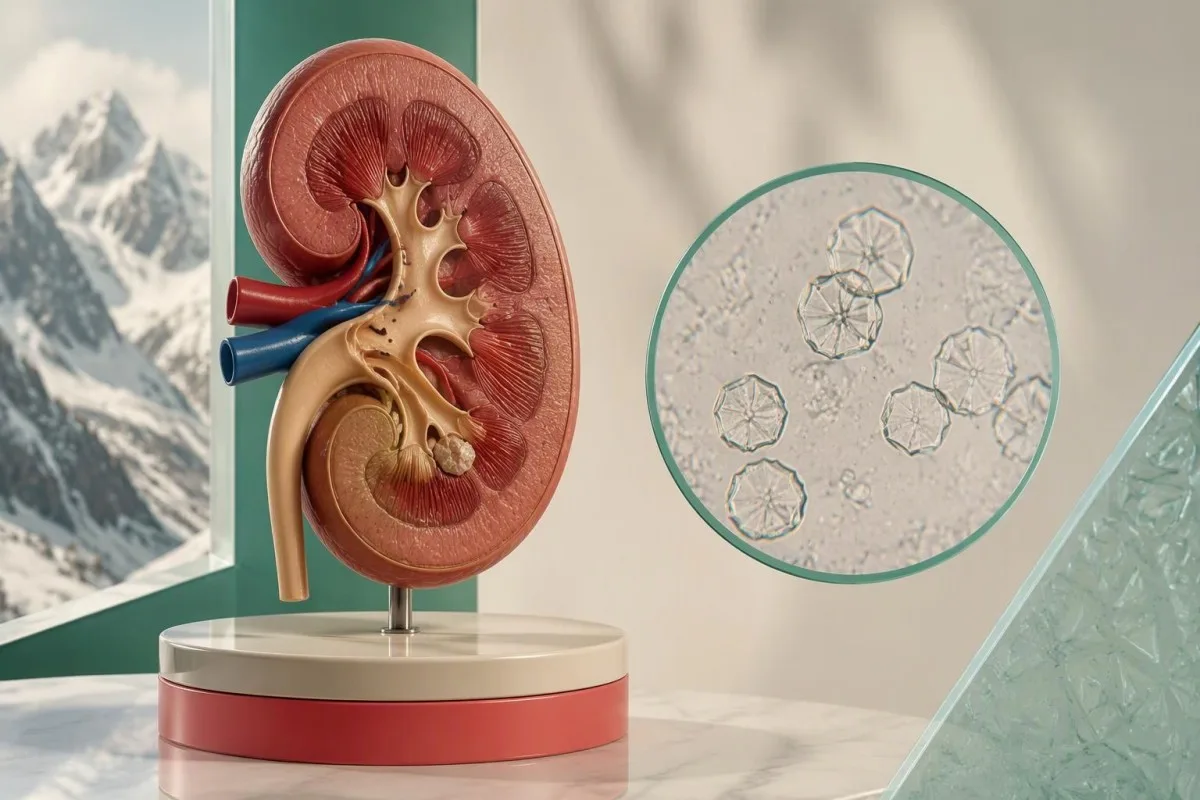
ລະດັບຊິສຕີນໃນປັດສະວະທີ່ສູງບົ່ງຊີ້ວ່າເປັນພະຍາດ cystinuria ເມື່ອມີຜົນການກວດແບບປະລິມານ, ພົບຜລຶກຮູບຫົກຫຼ່ຽມທີ່ເປັນລັກສະນະສະເພາະ ຫຼື ພົບນິ່ວທີ່ມີຊິສຕີນ. ຜົນກວດຄັດກອງເປັນບວກພຽງຢ່າງດຽວບໍ່ຢືນຢັນການວິນິດໄສ ແລະຄວາມຜິດພາດໃນການເກັບຕົວຢ່າງອາດເຮັດໃຫ້ຜົນປ່ຽນແປງ.

ຂໍ້ສະຫຼຸບສຳຄັນ
- ການກວດຊິສຕີນໃນປັດສະວະ ວັດແທກຄວາມເຂັ້ມຂຸ້ນ ຫຼື ປະລິມານຊິສຕີນທີ່ຂັບອອກ; mg/L ແລະ mg/24 hours ຕອບຄຳຖາມຄົນລະຢ່າງ.
- ປະລິມານທີ່ຂັບອອກຕາມປົກກະຕິໃນຜູ້ໃຫຍ່ ມັກຈະຕ່ຳກວ່າ 30 mg/24 hours, ແຕ່ໃຫ້ຖືເອົາວິທີການກວດ ແລະຊ່ວງອ້າງອີງຂອງຫ້ອງປະລິກວດທີ່ລາຍງານຜົນເປັນຫຼັກ.
- ການສູງຂຶ້ນຢ່າງຊັດເຈນ ສູງກວ່າ 300 mg/24 hours ສະໜັບສະໜູນຢ່າງໜັກແໜ້ນວ່າເປັນລັກສະນະພະຍາດ cystinuria ແບບຄລາສສິກ, ແຕ່ຄ່າທີ່ຕ່ຳກວ່າບໍ່ໄດ້ຕັດພາວະນີ້ອອກ.
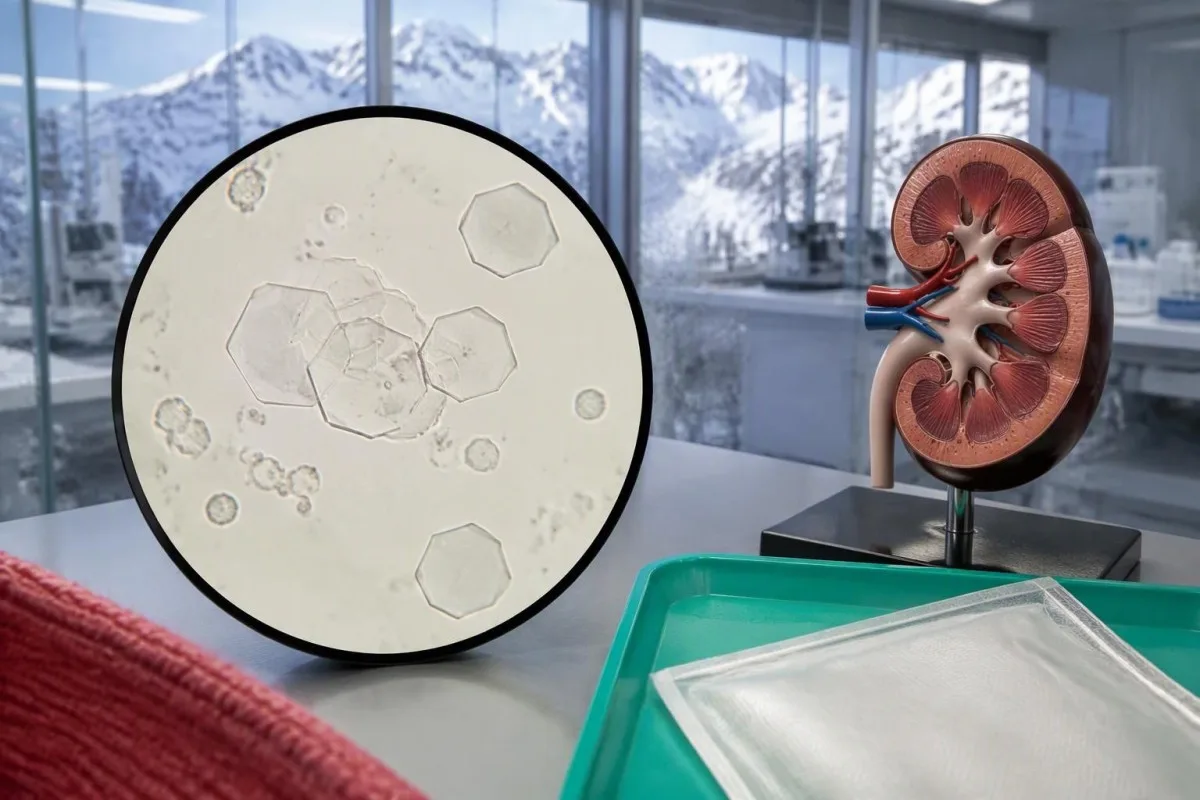
- ຜລຶກຮູບຫົກຫຼ່ຽມ ເປັນລັກສະນະສະເພາະຂອງພະຍາດ cystinuria ຢ່າງສູງ ເມື່ອລະບຸໄດ້ຖືກຕ້ອງ; ການບໍ່ພົບມັນໃນຕົວຢ່າງ 1 ຄັ້ງບໍ່ໄດ້ຕັດພາວະນີ້ອອກ.
- ການວິເຄາະນິ່ວ ການໃຊ້ສະເປັກໂຕຣສະໂກປີອິນຟຣາເຣດ ຫຼື ການເລີ້ວເບນຮັງສີເອັກຊ໌ ສາມາດລະບຸ cystine ໄດ້ ແມ່ນແຕ່ຢູ່ໃນນິ່ວທີ່ມີອົງປະກອບປະສົມ.
- ຄຸນນະພາບການເກັບຕົວຢ່າງ ມີຄວາມສຳຄັນ: ການຂາດປັດສະວະແມ່ນແຕ່ 1 ຄັ້ງ ກໍອາດເຮັດໃຫ້ປະເມີນຜົນ cystine ໃນ 24 ຊົ່ວໂມງຕ່ຳກວ່າຄວາມເປັນຈິງ.
- การตรวจทางพันธุกรรม ໂດຍປົກກະຕິ ກວດ SLC3A1 ແລະ SLC7A9; ການກວດນີ້ສາມາດຊ່ວຍຊີ້ແຈງຜົນທີ່ບໍ່ແນ່ນອນ ຫຼື ເຮັດໃຫ້ກວດຄອບຄົວແບບເຈາະຈົງໄດ້.
- ອາການດ່ວນ ລວມເຖິງມີໄຂ້ຮ່ວມກັບສົງໄສວ່ານິ່ວອຸດຕັນ, ບໍ່ສາມາດຖ່າຍປັດສະວະ ຫຼື ຮາກບໍ່ຢຸດ; ຢ່າລໍຖ້າການເກັບປັດສະວະ 24 ຊົ່ວໂມງ.
ການກວດຊິສຕີນໃນປັດສະວະວັດແທກຫຍັງແທ້?
A ການກວດ cystine ໃນປັດສະວະ ວັດແທກ cystine ໃນຕົວຢ່າງປັດສະວະທີ່ເກັບຄັ້ງດຽວ ຫຼື ຈາກການເກັບປັດສະວະຕະຫຼອດ 24 ຊົ່ວໂມງ. ການຂັບອອກທີ່ສູງຢ່າງຕໍ່ເນື່ອງບົ່ງຊີ້ວ່າການດູດກັບຄືນຂອງທໍ່ໄຕບົກພ່ອງ; ໂອກາດເປັນ cystinuria ຈະສູງເປັນພິເສດ ເມື່ອຜົນກວດປະລິມານສອດຄ່ອງກັບຜລຶກທີ່ມີລັກສະນະຈຳເພາະ ຫຼື ນິ່ວທີ່ມີ cystine.
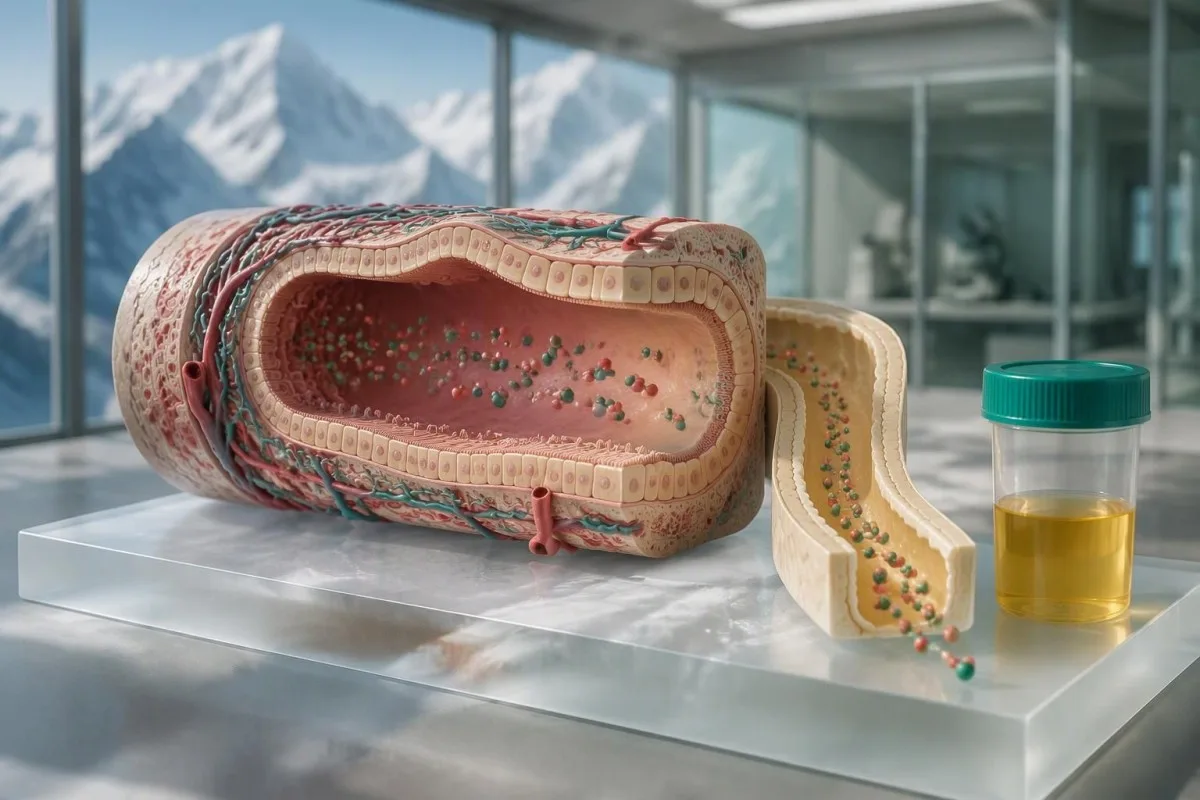
Cystinuria ມີຜົນຕໍ່ການຂົນສົ່ງກົດອາມິໂນ 4 ຊະນິດ: cystine, ornithine, lysine ແລະ arginine, ເຊິ່ງມັກຈື່ດ້ວຍຄຳວ່າ COLA. Cystine ເປັນສາເຫດຫຼັກຂອງບັນຫານິ່ວ ເພາະລະລາຍໄດ້ໜ້ອຍໃນສະພາບປັດສະວະທົ່ວໄປ, ຂະນະທີ່ lysine ຫຼື arginine ໃນປັດສະວະທີ່ເພີ່ມຂຶ້ນ ໂດຍປົກກະຕິບໍ່ກໍ່ໃຫ້ເກີດຄວາມສ່ຽງຕໍ່ການກໍ່ຕົວເປັນຜລຶກແບບດຽວກັນ.
ການກວດປັດສະວະທົ່ວໄປບໍ່ຈຳເປັນຕ້ອງລວມການວັດ cystine ໂດຍສະເພາະ, ແມ່ນແຕ່ເມື່ອໃນລາຍງານມີຜົນກວດແຖບຈຸ່ມ 10 ລາຍການຂຶ້ນໄປ. ຄຳອະທິບາຍຂອງພວກເຮົາກ່ຽວກັບ ຜົນການກວດປັດສະວະດ້ວຍແຖບຈຸ່ມທົ່ວໄປ ຊ່ວຍແຍກການກວດປັດສະວະທົ່ວໄປ ອອກຈາກການກວດວິເຄາະກົດອາມິໂນທີ່ສັ່ງໂດຍເຈດຕະນາ; ຜົນແຖບຈຸ່ມປົກກະຕິບໍ່ສາມາດຕັດພະຍາດ cystinuria ອອກໄດ້.
Kantesti ແມ່ນເຄື່ອງວິເຄາະກວດເລືອດດ້ວຍ AI ທີ່ອາດຊ່ວຍອະທິບາຍຜົນກວດເລືອດກ່ຽວກັບການເຮັດວຽກຂອງໄຕທີ່ກວດຮ່ວມກັນ, ແຕ່ບໍ່ສາມາດວິນິດໄສ cystinuria ຈາກການກວດເລືອດ 1 ຊຸດໄດ້. ພວກເຮົາອະທິບາຍອົງກອນຂອງເຮົາໃນໜ້າ ຂໍ້ມູນພື້ນຖານບໍລິສັດ Kantesti ; ບົດຄວາມນີ້ແຍກການສະໜັບສະໜູນດ້ານຄວາມຮູ້ດັ່ງກ່າວ ອອກຈາກການກວດປັດສະວະໂດຍຜູ້ຊ່ຽວຊານ, ການກວດດ້ວຍກ້ອງຈຸລະທັດ ແລະ ການລະບຸຊະນິດຂອງນິ່ວທາງກາຍະພາບ.
ຊິສຕີນໃນປັດສະວະສູງເທົ່າໃດຈຶ່ງຖືວ່າສູງ?
ລະດັບ cystine ສູງໃນປັດສະວະ ຕ້ອງແປຜົນໂດຍຄຳນຶງເຖິງຫົວໜ່ວຍ: mg/24 hours ສະແດງປະລິມານລວມທີ່ຂັບອອກຕໍ່ມື້, ຂະນະທີ່ mg/L ສະແດງຄວາມເຂັ້ມຂຸ້ນ. ຊ່ວງຄ່າອ້າງອີງສຳລັບຜູ້ໃຫຍ່ຫຼາຍຊ່ວງໃຊ້ຄ່າຕ່ຳກວ່າປະມານ 30 mg/24 hours, ແຕ່ບໍ່ມີຄ່າຕັດຄ່າດຽວທີ່ສາມາດແຍກຜູ້ເປັນພາຫະ, ເດັກທີ່ມີພະຍາດ ແລະ ຜູ້ໃຫຍ່ທີ່ເປັນ cystinuria ທຸກຄົນໄດ້.
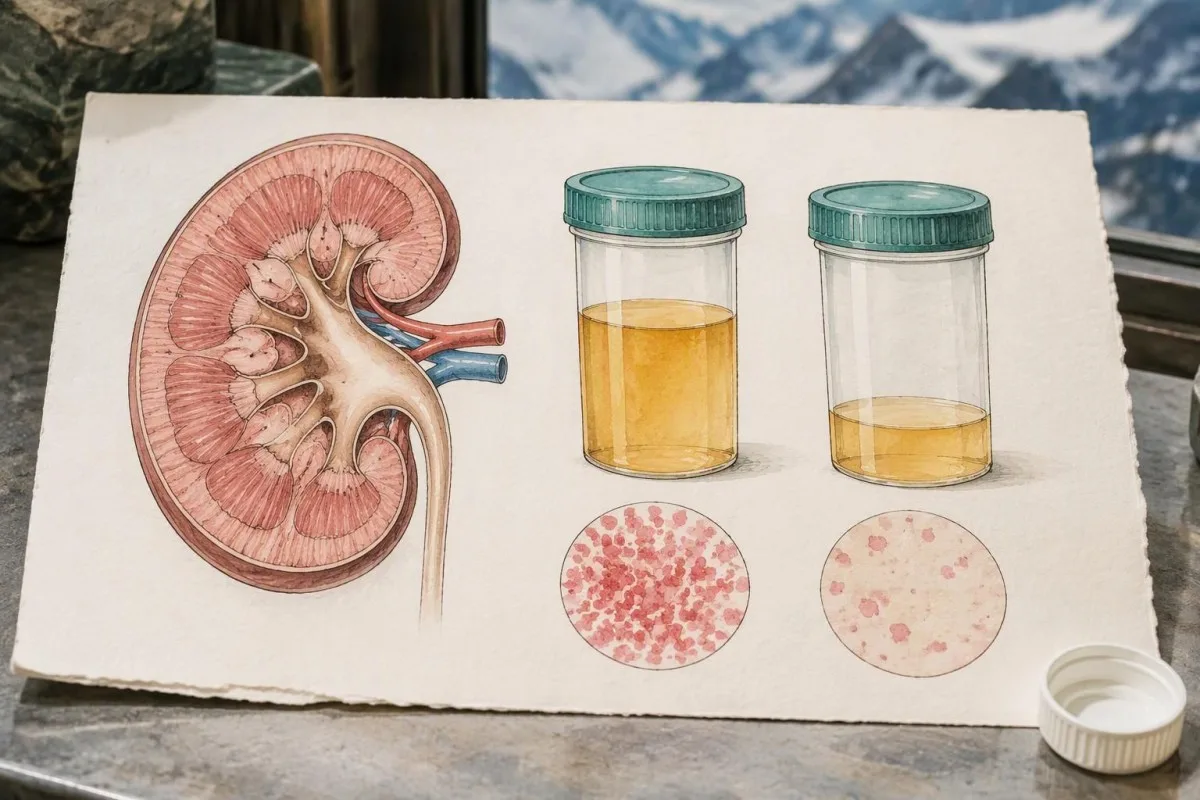
cystinuria ແບບຄລາສສິກທີ່ບໍ່ໄດ້ຮັກສາ ມັກເຮັດໃຫ້ມີ cystine ຫຼາຍຮ້ອຍມິນລິກຣາມຖືກຂັບອອກຕໍ່ມື້; ຜົນທີ່ສູງກວ່າ 300 mg/24 hours ສອດຄ່ອງຢ່າງຫຼາຍກັບຟີໂນໄທປ໌ນັ້ນ. ເຖິງຢ່າງນັ້ນ ຄ່າລະດັບກາງອາດພົບໄດ້ໃນຜູ້ເປັນພາຫະ, ການສະແດງອອກຂອງພັນທຸກຳທີ່ຮຸນແຮງໜ້ອຍກວ່າ, ເດັກນ້ອຍ ຫຼື ການເກັບປັດສະວະບໍ່ຄົບ; ດັ່ງນັ້ນ ຄ່າ 300 mg ເປັນຂໍ້ຊີ້ແນະທີ່ມີປະໂຫຍດ ບໍ່ແມ່ນເກນບັງຄັບສຳລັບການວິນິດໄສ.
ສຳລັບຕົວຢ່າງສົມມຸດທີ່ຊັດເຈນ, cystine 600 mg ທີ່ຂັບອອກໃນປັດສະວະ 1.5 L ຈະໄດ້ຄວາມເຂັ້ມຂຸ້ນສະເລ່ຍ 400 mg/L; ປະລິມານລາຍວັນເທົ່າກັນໃນ 3 L ຈະໄດ້ 200 mg/L. ການດື່ມນ້ຳເພີ່ມເຮັດໃຫ້ຄວາມເຂັ້ມຂຸ້ນປ່ຽນແປງ ໂດຍບໍ່ໄດ້ແກ້ໄຂຄວາມຜິດປົກກະຕິດ້ານການຂົນສົ່ງທີ່ຖ່າຍທອດທາງພັນທຸກຳ; ນີ້ອະທິບາຍວ່າເປັນຫຍັງຄວາມເຂັ້ມຂຸ້ນທີ່ຫຼຸດລົງ ອາດໝາຍເຖິງການປ້ອງກັນທີ່ໄດ້ຜົນ ບໍ່ແມ່ນການຫາຍຂາດຈາກ cystinuria.
ຜົນທີ່ປັບຕາມ creatinine, ເຊັ່ນ mg/g creatinine, ບໍ່ສາມາດນຳໄປທຽບກັບ mg/24 hours ໂດຍກົງໄດ້ ຖ້າບໍ່ມີຂໍ້ມູນເພີ່ມເຕີມ. ຄູ່ມືຂອງພວກເຮົາກ່ຽວກັບ urine creatinine ແລະ dilution ອະທິບາຍວ່າອາຍຸ, ມວນກ້າມເນື້ອ ແລະ ຄວາມເຂັ້ມຂຸ້ນຂອງຕົວຢ່າງ ມີຜົນຕໍ່ອັດຕາສ່ວນແນວໃດ; ປັດໄຈນີ້ມີຄວາມສຳຄັນເປັນພິເສດເມື່ອແປຜົນຕົວຢ່າງປັດສະວະທີ່ເກັບຄັ້ງດຽວ 1 ຕົວຢ່າງຈາກເດັກ.
| ລະດັບ | ຊ່ວງ | ຄວາມໝາຍ |
|---|---|---|
| ການຂັບອອກປະຈຳວັນຂອງຜູ້ໃຫຍ່ໂດຍທົ່ວໄປ | ມັກຈະ <30 mg/24 hours | ໃຫ້ໃຊ້ຊ່ວງອ້າງອີງຂອງຫ້ອງປະລິບັດການນັ້ນ; ອາຍຸແລະວິທີວິເຄາະອາດເຮັດໃຫ້ຄ່າຂີດຈຳກັດອ້າງອີງປ່ຽນແປງໄດ້. |
| ສູງກວ່າຊ່ວງອ້າງອີງທົ່ວໄປ | ປະມານ 30–300 mg/24 hours | ຕ້ອງພິຈາລະນາບໍລິບົດ, ທົບທວນການເກັບຕົວຢ່າງ ແລະບາງຄັ້ງຕ້ອງກວດຊ້ຳ; ຊ່ວງນີ້ອາດລວມທັງຜູ້ທີ່ເປັນພາຫະ ແລະຜູ້ທີ່ມີພະຍາດ. |
| ການຂັບອອກປະຈຳວັນສູງຢ່າງຊັດເຈນ | >300 mg/24 hours | ສອດຄ່ອງຢ່າງຫຼາຍກັບພາວະ cystinuria ຊະນິດຄລາສສິກທີ່ຍັງບໍ່ໄດ້ຮັກສາ, ແຕ່ບໍ່ແມ່ນຄ່າຂີດຈຳກັດຢືນຢັນທີ່ໃຊ້ໄດ້ທົ່ວໄປ. |
| ຄວາມເຂັ້ມຂຸ້ນທີ່ກ່ຽວຂ້ອງກັບການຕົກຕະກອນ | ປະມານ 250 mg/L ທີ່ pH 6–7 | ເປັນຄ່າອ້າງອີງຄວາມລະລາຍໂດຍປະມານ, ບໍ່ແມ່ນການວິນິດໄສ ຫຼືຄ່າຂີດຈຳກັດສຸກເສີນ; ເຄມີຂອງປັດສະວະມີຜົນຕໍ່ຄວາມລະລາຍທີ່ເກີດຂຶ້ນຈິງ. |
ການກວດຊິສຕີນແບບໃດໃຊ້ຄັດກອງ ແລະແບບໃດໃຊ້ຢືນຢັນ?
A ການກວດຄັດກອງ cystine ແບບຄຸນນະພາບ ລະບຸຕົວຢ່າງທີ່ຕ້ອງສືບສວນເພີ່ມເຕີມ; ບໍ່ໄດ້ວັດພາລະ cystine ລວມຕໍ່ມື້. ການຢືນຢັນມັກອາໄສການວິເຄາະ cystine ຫຼືກົດອະມິໂນໃນປັດສະວະແບບປະລິມານ, ການລະບຸຜລຶກຢ່າງໜ້າເຊື່ອຖື, ຫຼືສ່ວນປະກອບຂອງກ້ອນນິ່ວ, ໂດຍແປຜົນຮ່ວມກັນ ແທນການຖືວ່າຜົນກວດຄັດກອງບວກ 1 ຄັ້ງເປັນຂໍ້ຢືນຢັນຂັ້ນສຸດທ້າຍ.
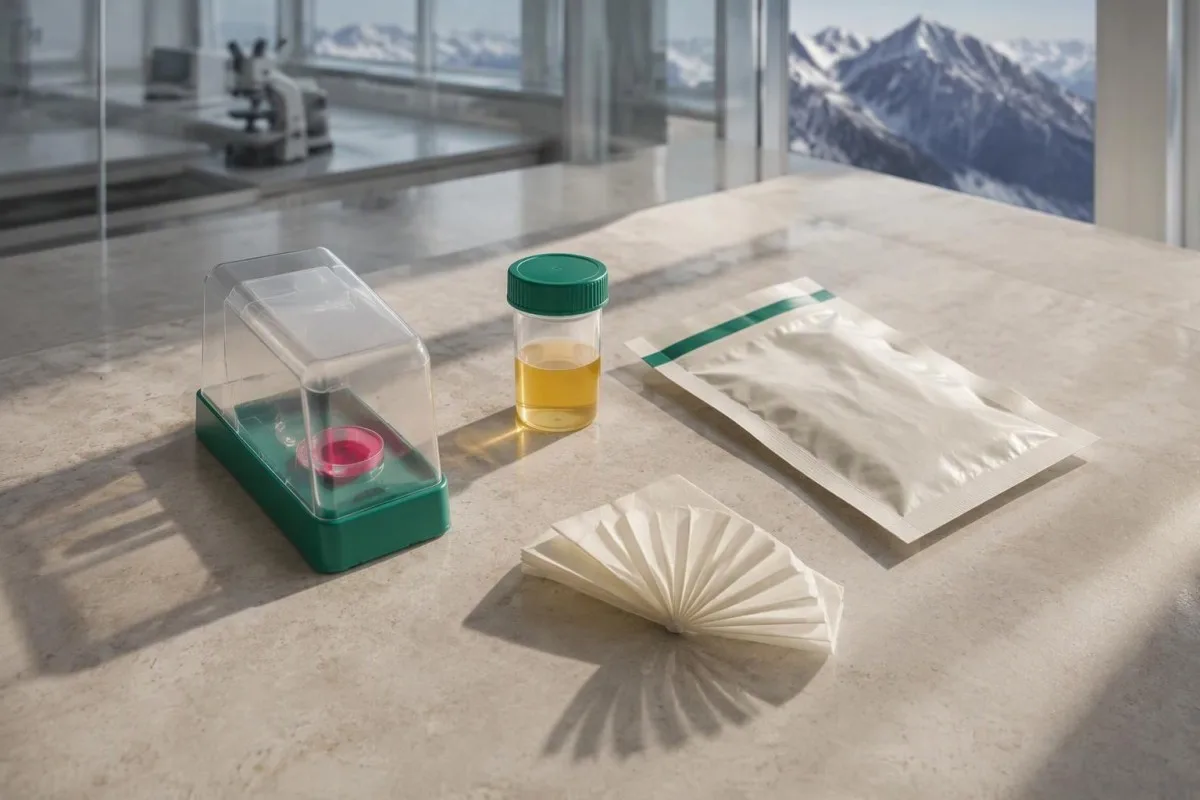
ແບບດັ້ງເດີມ ການກວດຄັດກອງ cyanide–nitroprusside ໃຫ້ຜົນບວກເມື່ອ cystine ມີຄ່າປະມານ 75 mg/L, ແມ່ນວ່າປະສິດທິພາບຈະຂຶ້ນກັບຂັ້ນຕອນຂອງຫ້ອງປະລິບັດການ. Eisner et al. (2020), ໃນບົດຄວາມສະຫຼຸບຄວາມເຫັນຮ່ວມກັນຂອງ Journal of Endourology, ແນະນຳໃຫ້ກວດຕິດຕາມແບບປະລິມານຫຼັງຈາກຜົນກວດຄັດກອງເປັນບວກ; ປະຕິກິລິຍາເຄມີນີ້ຄວນເຮັດໃນຫ້ອງປະລິບັດການສະເພາະທາງ ແລະຫ້າມທົດລອງເຮັດເອງທີ່ບ້ານເດັດຂາດ.
ປະຕິກິລິຍາການກວດຄັດກອງຜົນບວກປອມ ອາດເກີດຂຶ້ນໄດ້ ເພາະປະຕິກິລິຍາເຄມີຍັງຕອບສະໜອງຕໍ່ສານອື່ນທີ່ມີກຳມະຖັນ, ລວມທັງຢາບາງຊະນິດທີ່ມີ thiol ແລະ homocystine. ໃນທາງກັບກັນ, ການເຈືອຈາງອາດເຮັດໃຫ້ຄວາມເຂັ້ມຂຸ້ນຂອງຜູ້ທີ່ເປັນພະຍາດຈິງຫຼຸດຕ່ຳກວ່າປະມານ 75 mg/L, ນີ້ແມ່ນເຫດຜົນທີ່ຜົນກວດຄັດກອງລົບໃນຊ່ວງທີ່ດື່ມນ້ຳຫຼາຍ ບໍ່ສາມາດຕັດສິນປະຫວັດກ້ອນນິ່ວທີ່ໜ້າສົງໄສສູງໄດ້ຢ່າງໜ້າເຊື່ອຖື.
ການວິເຄາະກົດອະມິໂນແບບປະລິມານ ສາມາດສະແດງການເພີ່ມຂຶ້ນຮ່ວມຂອງກົດອະມິໂນ COLA ອີກ 3 ຊະນິດ, ຊ່ວຍເສີມການແປຜົນຂອງ cystine ເອງໃຫ້ໜັກແໜ້ນຂຶ້ນ. ຄຳອະທິບາຍຂອງພວກເຮົາກ່ຽວກັບ ການທົດສອບຄຸນນະພາບທຽບກັບການທົດສອບປະລິມານ ໃຊ້ຄວາມແຕກຕ່າງແບບດຽວກັນ: ຜົນກວດພົບ/ບໍ່ພົບ ແລະປະລິມານທີ່ວັດໄດ້ຢ່າງແມ່ນຍຳ ມີຈຸດປະສົງທາງຄລີນິກຕ່າງກັນ, ເຖິງແມ່ນວ່າທັງສອງຈະກ່ຽວກັບສານດຽວກັນກໍຕາມ.
ຜລຶກຮູບຫົກຫຼ່ຽມໃນປັດສະວະສາມາດວິນິດໄສພະຍາດ cystinuria ໄດ້ຫຼືບໍ່?
ຜລຶກຮູບຫົກຫຼ່ຽມໃນປັດສະວະ ມີລັກສະນະຈຳເພາະສູງຕໍ່ພາວະ cystinuria ເມື່ອຜູ້ຊຳນານງານຫ້ອງປະລິບັດການລະບຸໄດ້ຖືກຕ້ອງ. ແນວໃດກໍຕາມ, ອາດບໍ່ພົບຜລຶກໃນຕົວຢ່າງ 1 ຕົວຢ່າງ ເພາະການຕົກຕະກອນຂອງ cystine ຂຶ້ນກັບຄວາມເຂັ້ມຂຸ້ນ, pH, ການຮັກສາ ແລະການຈັດການຕົວຢ່າງ; ລາຍງານການກວດດ້ວຍກ້ອງຈຸລະທັດທີ່ເປັນລົບ ບໍ່ໄດ້ຕັດພາວະນີ້ອອກ.

ຜົນຶກຊິສຕີນ ໂດຍທົ່ວໄປປາກົດເປັນແຜ່ນຮາບບໍ່ມີສີ ມີ 6 ດ້ານ, ບາງຄັ້ງຊ້ອນກັນ ຫຼືມີຂອບບໍ່ເທົ່າກັນ. ທຸງແຈ້ງເຕືອນຈາກລະບົບກວດຕະກອນອັດຕະໂນມັດທີ່ພຽງແຕ່ລະບຸວ່າພົບຜົນຶກ ມີຄວາມຈຳເພາະໜ້ອຍກວ່າຄຳອະທິບາຍທີ່ຜ່ານການທົບທວນແລ້ວວ່າເປັນຊິສຕີນ; ໃຫ້ສອບຖາມວ່າໄດ້ກວດດ້ວຍກ້ອງຈຸລະທັດໂດຍຜູ້ຊຳນານແລ້ວຫຼືບໍ່ ເມື່ອຮູບຮ່າງ ຫຼືການວິນິດໄສຍັງບໍ່ແນ່ນອນ.
ຄູ່ມືຂອງພວກເຮົາ ຕະກອນແລະຜົນຶກໃນປັດສາວະ ອະທິບາຍວ່າເປັນຫຍັງຕົວຕົນຂອງຜົນຶກຈຶ່ງສຳຄັນກວ່າການລະບຸພຽງວ່າຜິດປົກກະຕິ. ຕົວຢ່າງບຸກຄົນສົມມຸດທີ່ເຄີຍເປັນນິ່ວ 2 ຄັ້ງ ແລະພົບແຜ່ນຫົກຫຼ່ຽມທີ່ລະບຸໄດ້ຢ່າງຖືກຕ້ອງ ມີຫຼັກຖານຊີ້ໄປຫາພາວະຊິສຕີນນູເຣຍແຮງກວ່າຜູ້ທີ່ມີລາຍງານພົບຜົນຶກທີ່ບໍ່ລະບຸຊະນິດພຽງຄັ້ງດຽວ ແລະບໍ່ເຄີຍມີປະຫວັດເປັນນິ່ວ.
ປັດສາວະທີ່ເກັບໄວ້ ອາດເກີດຜົນຶກຫຼັງຈາກເກັບຕົວຢ່າງ ເມື່ອອຸນຫະພູມແລະສະພາບທາງເຄມີປ່ຽນແປງ, ດັ່ງນັ້ນຮູບລັກສະນະນີ້ບໍ່ໄດ້ພິສູດວ່າມີນິ່ວອຸດຕັນຢູ່ໃນຂະນະນີ້. ບັນທຶກເວລາເກັບແລະເວລາກວດຕົວຢ່າງ, ແລະຈັດໃຫ້ກວດວິເຄາະເຊີງປະລິມານ ເຖິງແມ່ນວ່າຜົນກວດຈຸລະທັດທີ່ໜ້າເຊື່ອຖືພຽງ 1 ຢ່າງກໍພຽງພໍທີ່ຈະຊີ້ວ່າມີຄວາມເປັນໄປໄດ້ສູງວ່າມີພະຍາດພື້ນຖານນີ້.
ການວິເຄາະນິ່ວຢືນຢັນວ່າເປັນນິ່ວຊິສຕີນໄດ້ແນວໃດ?
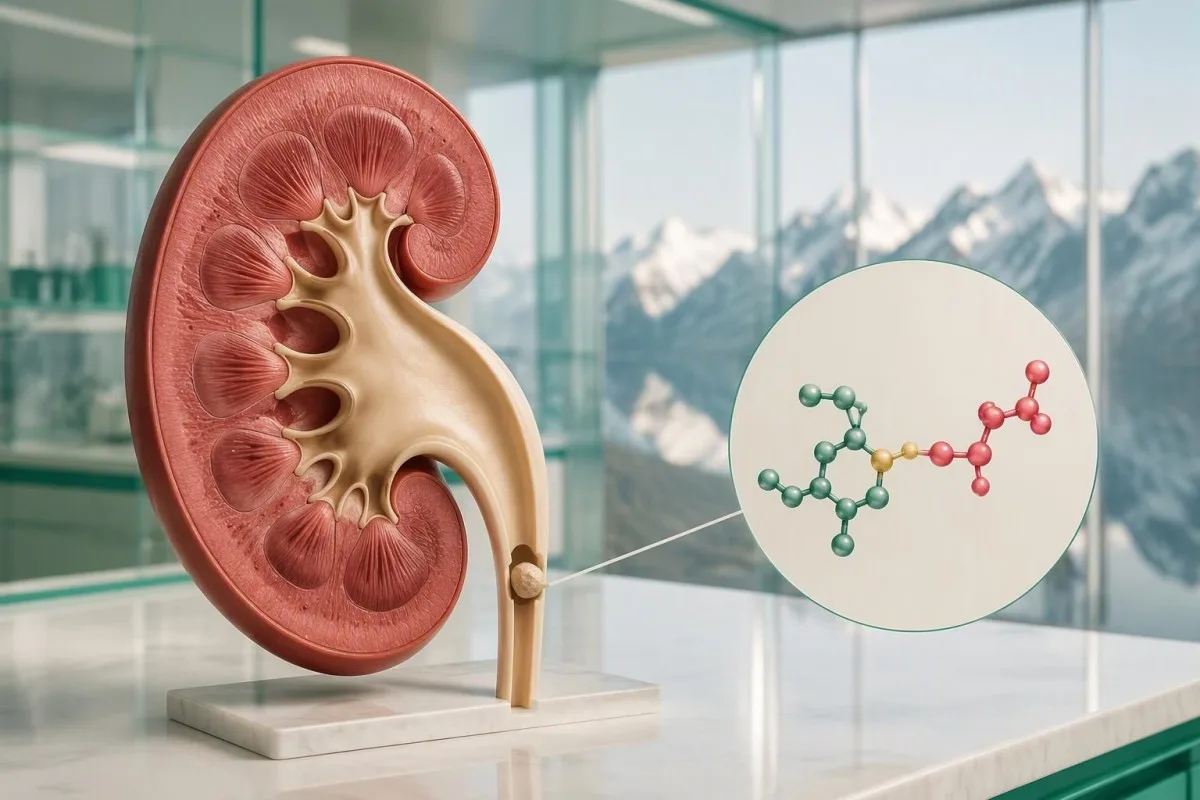
ການວິເຄາະນິ່ວ ກວດພົບຊິສຕີນໂດຍກົງພາຍໃນນິ່ວທາງເດີນປັດສາວະທີ່ຂັບອອກມາ ຫຼືຜ່າຕັດເອົາອອກ, ເຮັດໃຫ້ນີ້ເປັນໜຶ່ງໃນຂໍ້ບົ່ງຊີ້ທີ່ໜັກແໜ້ນທີ່ສຸດຂອງພາວະຊິສຕີນນູເຣຍ. ຄວນໃຊ້ສະເປັກໂຕຣສະໂກປີອິນຟຣາເຣດ ຫຼືການເລັ້ວເບນຂອງລັງສີເອັກຊ໌ ແທນການອາໄສຮູບລັກສະນະພຽງຢ່າງດຽວ; ແມ່ນແຕ່ພົບນິ່ວທີ່ມີຊິສຕີນ 1 ກ້ອນ ແລະລະບຸຊະນິດໄດ້ຖືກຕ້ອງ ກໍຄວນປະເມີນຫາພະຍາດນິ່ວທີ່ສືບທອດທາງພັນທຸກຳ.
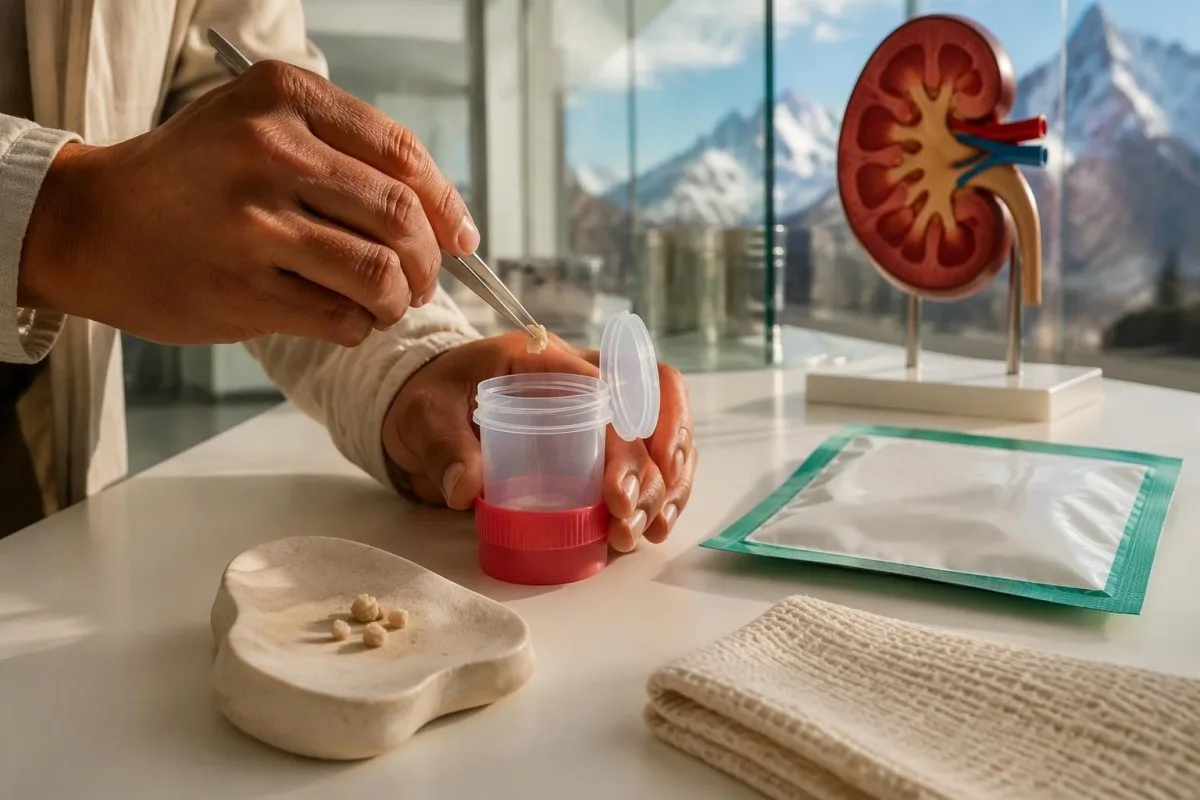
ນິ່ວປະສົມ ບໍ່ໄດ້ຕັດພາວະຊິສຕີນນູເຣຍອອກ: ຕົວຢ່າງອາດມີຊິສຕີນປົນກັບແຄລຊຽມຟອສເຟດ ຫຼືແຮ່ທາດອື່ນ. ແນວທາງຂອງ AUA ແນະນຳໃຫ້ວິເຄາະນິ່ວທີ່ມີຢູ່ຢ່າງໜ້ອຍ 1 ຄັ້ງ, ແລະການວິເຄາະຊ້ຳອາດຊ່ວຍໄດ້ເມື່ອເປັນນິ່ວຊ້ຳເຖິງແມ່ນຮັກສາແລ້ວ ຫຼືມີລັກສະນະຕ່າງຈາກທີ່ຄາດໄວ້ (Pearle et al., 2014).
ສີເຫຼືອງອ່ອນ ຫຼືຜິວລຽບຂອງນິ່ວບໍ່ພຽງພໍທີ່ຈະລະບຸອົງປະກອບທາງເຄມີຂອງມັນ, ແລະຮູບຖ່າຍນິ່ວ 1 ຮູບກໍບໍ່ສາມາດໃຊ້ແທນການວິເຄາະທາງຫ້ອງປະຕິບັດການໄດ້. ບົດຄວາມຂອງພວກເຮົາກ່ຽວກັບ ແຄລຊຽມໃນປັດສາວະສູງ ອະທິບາຍກົນໄກການເກີດນິ່ວອີກຮູບແບບໜຶ່ງ; ການພົບແຄລຊຽມໃນປັດສາວະບໍ່ໄດ້ລົບລ້າງສ່ວນປະກອບຊິສຕີນທີ່ຢືນຢັນແຍກຕ່າງຫາກແລ້ວ.
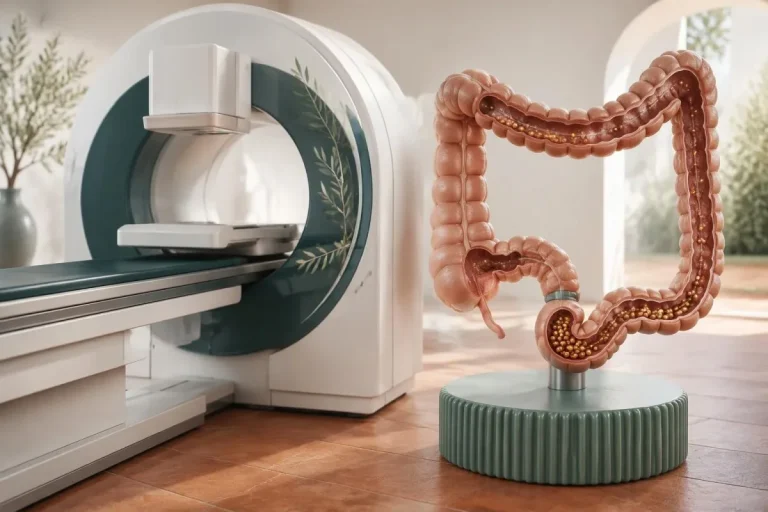
ນິ່ວຊິສຕີນ ອາດເຫັນບໍ່ຊັດໃນຟິມເອັກຊ໌ເຣທຳມະດາເທົ່າກັບນິ່ວທີ່ມີແຄລຊຽມສູງ, ແຕ່ໂດຍທົ່ວໄປສາມາດກວດພົບໄດ້ດ້ວຍ CT; ການກວດອັລຕຣາຊາວສາມາດກວດພົບນິ່ວໄດ້ ແຕ່ບໍ່ສາມາດລະບຸອົງປະກອບ. ເກັບຊິ້ນສ່ວນນິ່ວທີ່ຂັບອອກມາໄວ້ໃນພາຊະນະທີ່ຫ້ອງປະຕິບັດການວິເຄາະກຳນົດ, ແລະຂໍເບິ່ງລາຍງານອົງປະກອບຕົວຈິງ ແທນການອາໄສຄຳບອກເລົ່າຈາກການກວດພາບຖ່າຍ 1 ຄັ້ງ.
ຄວນເກັບຕົວຢ່າງປັດສະວະ 24 ຊົ່ວໂມງຢ່າງໃດໃຫ້ໄດ້ຜົນທີ່ເຊື່ອຖືໄດ້?
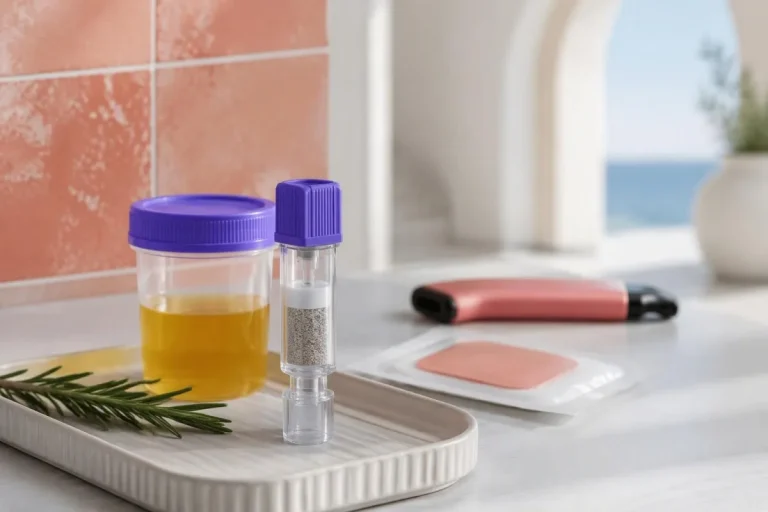
ທີ່ເຊື່ອຖືໄດ້ ການເກັບປັດສາວະ 24 ຊົ່ວໂມງເພື່ອກວດຊິສຕີນ ຕ້ອງເກັບປັດສາວະທຸກຄັ້ງພາຍໃນໄລຍະເວລາທີ່ໄດ້ຮັບຄຳແນະນຳ, ໃຊ້ພາຊະນະທີ່ຫ້ອງປະຕິບັດການກຳນົດ ແລະປະຕິບັດຕາມຄຳແນະນຳໃນການເກັບຮັກສາ. ການຂາດການຖ່າຍປັດສາວະ 1 ຄັ້ງ, ເກັບຜິດໄລຍະເວລາ ຫຼືໃຊ້ສານກັນເສຍທີ່ບໍ່ເໝາະສົມ ອາດເຮັດໃຫ້ຄ່າປະມານຊິສຕີນລາຍວັນຄາດເຄື່ອນ.
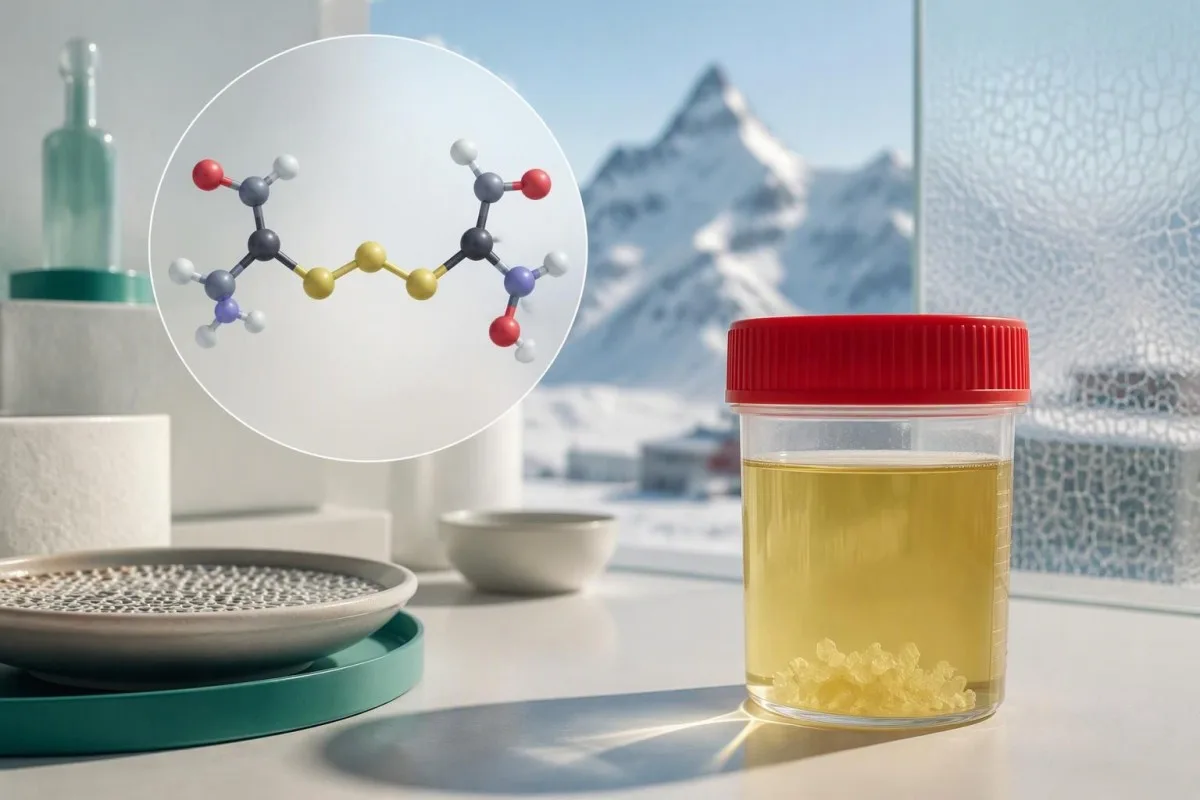
ເມື່ອເລີ່ມເກັບ, ໃຫ້ຖ່າຍປັດສາວະໃຫ້ໝົດກະເພາະປັດສາວະ ແລະຖິ້ມປັດສາວະຄັ້ງທຳອິດນັ້ນ; ຈາກນັ້ນເກັບປັດສາວະທຸກຄັ້ງຕໍ່ມາ ລວມທັງຄັ້ງສຸດທ້າຍໃນເວລາດຽວກັນຂອງມື້ຖັດໄປ. ຕົວຢ່າງ, ການເກັບທີ່ເລີ່ມເວລາ 07:00 ຈະສິ້ນສຸດເມື່ອຖ່າຍປັດສາວະເວລາ 07:00 ຂອງມື້ຕໍ່ມາ—ໃຫ້ບັນທຶກເວລາຈິງ ແທນການປັບເວລາເພື່ອເຮັດໃຫ້ການເກັບທີ່ບໍ່ຄົບຖ້ວນເບິ່ງຄືວ່າຄົບ 24 ຊົ່ວໂມງ.
ຊິສຕີນອາດຕົກຕະກອນເປັນຜົນຶກໃນພາຊະນະ, ໂດຍສະເພາະເມື່ອປັດສາວະເຂັ້ມຂຸ້ນ ຫຼືເປັນກົດ, ແລະສ່ວນຕົວຢ່າງທີ່ບໍ່ໄດ້ຈັດການຢ່າງເໝາະສົມອາດເຮັດໃຫ້ປະເມີນຜົນຕ່ຳກວ່າຄວາມຈິງ. ຫ້ອງປະຕິບັດການໃຊ້ຂັ້ນຕອນການປະສົມແລະການລະລາຍທີ່ກຳນົດໄວ້, ດັ່ງນັ້ນຢ່າເຕີມກົດ, ດ່າງ ຫຼືນ້ຳຈາກຄົວເຮືອນເອງເດັດຂາດ; ໃຫ້ສອບຖາມວ່າຕ້ອງແຊ່ເຢັນ ຫຼືໃຊ້ສານກັນເສຍທີ່ຈັດໃຫ້ສຳລັບການກວດ 24 ຊົ່ວໂມງຂອງທ່ານຫຼືບໍ່.
ຄູ່ມືຂອງພວກເຮົາ ຂໍ້ປະຕິບັດໃນການເກັບປັດສາວະຕາມເວລາກຳນົດ ສະແດງໃຫ້ເຫັນວ່າເຫດໃດຄຳແນະນຳການຈັດການຕົວຢ່າງຈຶ່ງແຕກຕ່າງກັນຕາມສານທີ່ກວດ. ໃຫ້ຮັກສາອາຫານປະຈຳຕາມເດີມ ແລະປະຕິບັດຕາມແຜນການດື່ມນ້ຳທີ່ແພດແນະນຳຕາມປົກກະຕິຕະຫຼອດໄລຍະເກັບຕົວຢ່າງ, ແຈ້ງຢາທັງໝົດທີ່ໃຊ້ ແລະຕິດຕໍ່ຫ້ອງປະຕິບັດການຫາກຂາດການຖ່າຍປັດສາວະແມ່ນແຕ່ 1 ຄັ້ງ; ການເລີ່ມເກັບໃໝ່ມັກມີປະໂຫຍດກວ່າການແປຜົນລວມທີ່ບໍ່ໜ້າເຊື່ອຖື.
ເມື່ອໃດຄວນກວດຊ້ຳຜົນທີ່ສູງ ຫຼື ຕ່ຳ?
ການກວດຊິສຕີນໃນປັດສາວະຊ້ຳ is useful when the collection is incomplete, the result conflicts with a cystine stone or characteristic crystals, or treatment changes make comparison difficult. A low total from 1 questionable collection should not overrule a well-documented cystine-containing stone.
Urinary creatinine excretion helps assess collection plausibility, but there is no universal daily value suitable for every person. A hypothetical result of 180 mg cystine with unexpectedly low 24-hour creatinine after 2 missed voids suggests undercollection; creatinine must still be interpreted against body size, age, muscle mass and previous reliable collections.
Two appropriately collected samples can reveal day-to-day variation in urine volume, sodium and cystine concentration, especially when the initial findings are borderline. The AUA guideline allows 1 or 2 baseline 24-hour collections, while specialized cystinuria practice may favor repeat sampling when results and clinical clues disagree (Pearle et al., 2014; Eisner et al., 2020).
Kantesti AI can explain accompanying creatinine and electrolyte blood results, but those results cannot prove that all 24 hours of urine were collected. Our ຄູ່ມືການຕີຄວາມຫມາຍການເຮັດວຽກຂອງຫມາກໄຂ່ຫຼັງ distinguishes filtration markers from urinary excretion, and our វិធីសាស្ត្រធ្វើឲ្យមានសុពលភាពផ្នែកព្យាបាល (clinical validation) describes why educational AI output must remain separate from laboratory verification.
ຊິສຕີນສູງອາດໝາຍເຖິງພາວະອື່ນນອກຈາກພະຍາດ cystinuria ໄດ້ຫຼືບໍ່?
Elevated urinary cystine is not automatically the same as classic cystine stone disease; inherited carrier states, generalized tubular problems and analytical interference can complicate interpretation. Cystinuria, cystinosis and cystatin C testing are 3 different concepts despite their similar names.
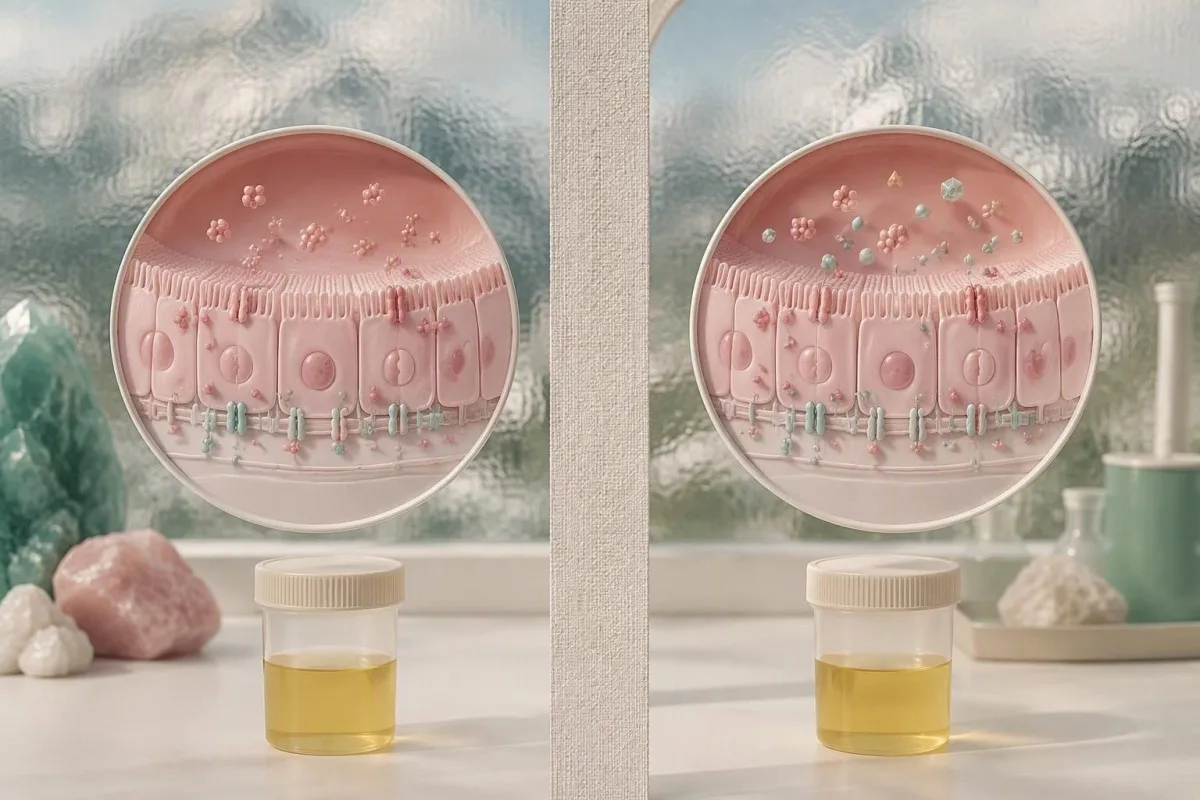
Cystinuria primarily involves impaired transport of COLA amino acids, while cystinosis involves cystine accumulation inside cells and can produce generalized proximal tubular dysfunction. When urine also shows glucose despite normal blood glucose, phosphate wasting or bicarbonate loss, clinicians investigate a broader tubular pattern rather than interpreting 1 elevated amino acid in isolation.
ຄູ່ມືຂອງພວກເຮົາ ພະຍາດไต tubular acidosis explains how bicarbonate and potassium abnormalities suggest a different or additional kidney problem. A blood bicarbonate of 17 mmol/L, for example, is not a defining cystinuria result and deserves its own clinical explanation, particularly alongside several other signs of tubular dysfunction.
Cystatin C is a filtration biomarker, not a test for cystine stones, and a normal cystatin C result does not exclude cystinuria. For an intermediate urinary cystine result, reviewing the full amino acid pattern, family history and stone composition usually adds more diagnostic value than ordering 3 similarly named tests without a specific clinical question.
ການກວດພັນທຸກຳຊ່ວຍໃນການວິນິດໄສພະຍາດ cystinuria ເມື່ອໃດ?
Genetic testing for cystinuria usually examines SLC3A1 and SLC7A9 and is most useful when biochemical findings are uncertain, presentation is unusual or relatives need targeted testing. A convincing cystine stone and compatible urine findings do not always require genetic testing before prevention begins.
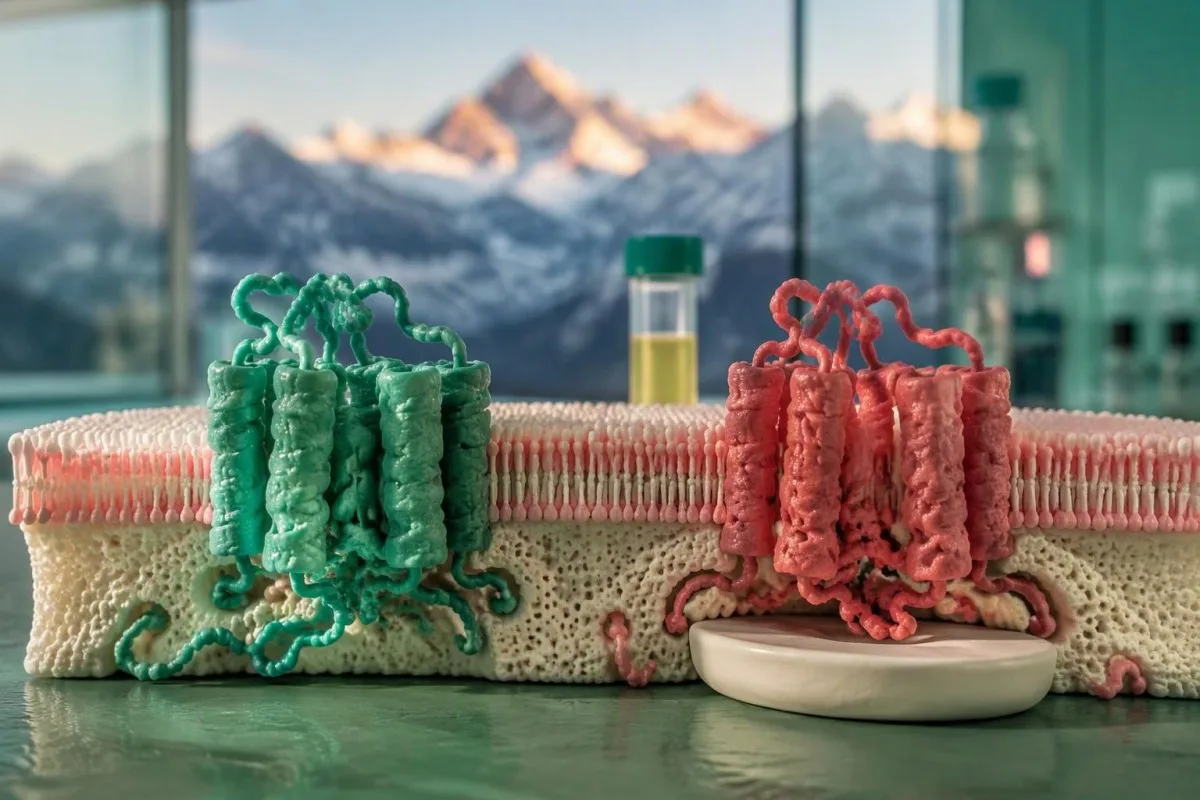
SLC3A1 and SLC7A9 encode components of the amino acid transporter, but genotype does not reliably predict how many stones an individual will develop. The European practice recommendation emphasizes combining phenotype and biochemical findings rather than requiring routine molecular confirmation in every straightforward case (Servais et al., 2021).
Two pathogenic variants in the same gene may support a recessive diagnosis, but laboratories must determine whether they are on opposite gene copies when that distinction matters. A variant ຂອງຄວາມໝາຍບໍ່ແນ່ນອນ is not equivalent to a disease-causing variant; finding 1 such variant should not override negative stone analysis or create a definite diagnosis without additional evidence.
Testing may need deletion/duplication analysis as well as sequencing, and a negative panel does not exclude every clinically established case. Our explanation of kidney genetic risk testing concerns a different condition but illustrates the same safeguard: a genetic result must answer a defined question, not replace 24-hour urine measurements or stone chemistry.
ສະມາຊິກຄົນໃດໃນຄອບຄົວຄວນໄດ້ຮັບການຄັດກອງ?
ການຄັດກອງຄອບຄົວ is especially useful for siblings of someone with confirmed cystinuria, because elevated amino acid excretion can appear before the first stone. Screening may start with urine testing and history; if a causative family variant is known, targeted testing can distinguish different inherited risks.
Autosomal recessive inheritance means that, when both parents carry a pathogenic variant in the same relevant gene, each pregnancy has a 25% chance of an affected child, a 50% carrier chance and a 25% chance of inheriting neither variant. Those probabilities apply to that specific parental combination; they should not be assigned automatically to every family with an elevated cystine result.
ບາງ SLC7A9 carriers have increased urinary amino acids, so carrier status does not always mean a perfectly normal biochemical screen. Children need age-appropriate interpretation of spot cystine/creatinine ratios, and 1 adult reference limit should not be applied to an infant whose kidney tubular handling is still developing; genetic counseling helps reconcile these apparently conflicting results.
Kantesti ແມ່ນແພລດຟອມ AI ສຳລັບການອ່ານຜົນກວດເລືອດ, not a substitute for the urine and genetic investigations needed to screen relatives for cystinuria. Our guide to age-based family test planning supports focused testing: an asymptomatic sibling may need a specific amino acid assessment rather than a broad bundle of 20 unrelated blood markers.
ເຫດໃດປະລິມານປັດສະວະ ແລະ pH ຈຶ່ງສຳຄັນຫຼັງການວິນິດໄສ?
Urine volume and pH determine whether excess cystine stays dissolved or forms crystals, so diagnosis and prevention use different targets. Adult cystinuria care commonly aims for at least 3 L of daily urine output when medically appropriate, alongside clinician-directed alkalinization and dietary sodium reduction.
Cystine solubility is often approximated at 250 mg/L around pH 6–7, but actual urine composition changes that value. In a hypothetical adult excreting 900 mg daily, 3 L of urine still averages 300 mg/L; that calculation explains why hydration alone may be insufficient and why overnight concentration can remain a problem despite an acceptable daily total.
US consensus commonly targets urine pH around 7.0–7.5, while European recommendations often favor values above 7.5 to improve cystine solubility (Eisner et al., 2020; Servais et al., 2021). Higher pH can also favor calcium phosphate precipitation, so treatment requires repeated measurements rather than a universal instruction to make every urine sample as alkaline as possible.
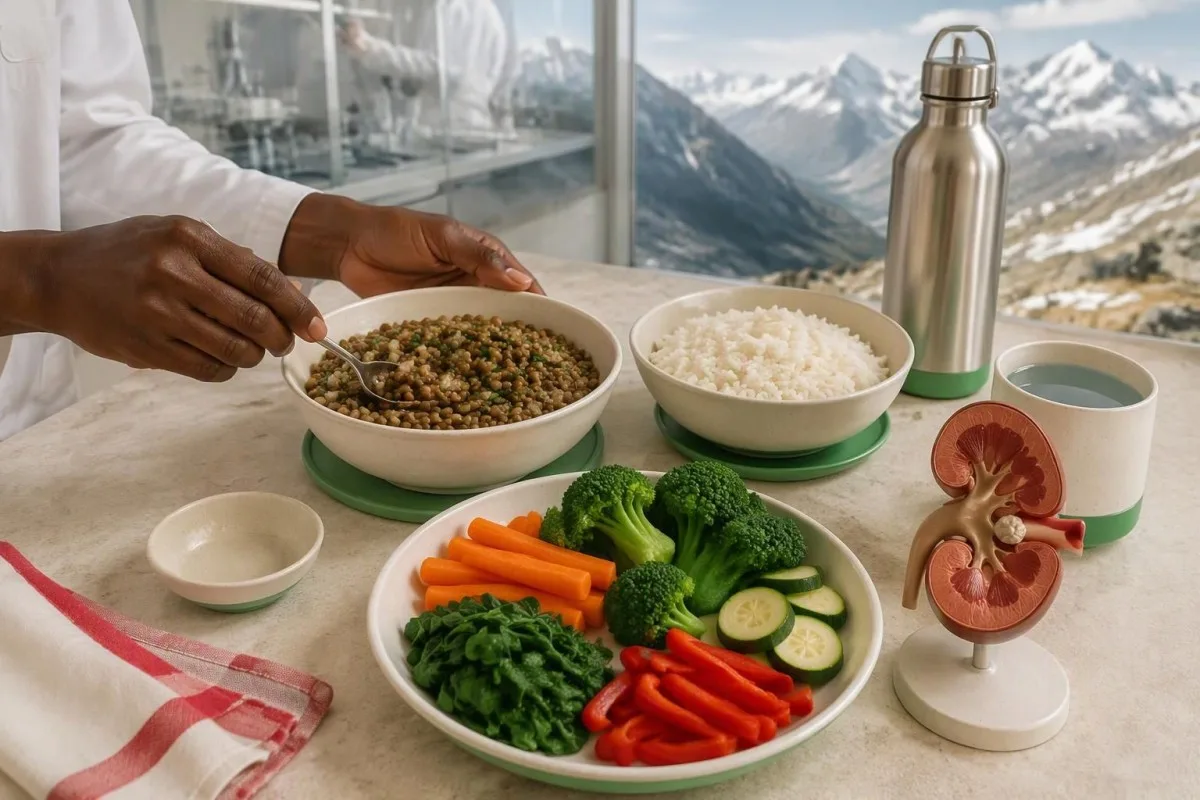
Lower sodium intake can reduce urinary cystine excretion; adult plans often use approximately 2,000–2,300 mg sodium daily, adjusted to the person's circumstances. Our explanation of ການແປຜົນໂຊດຽມໃນປັດສະວະ shows how a 24-hour sodium result can help assess intake, although an incomplete collection will underestimate sodium as well as cystine.
ໂພແທຊຊຽມຊີເທເຣດ may be prescribed for alkalinization even when urine citrate itself is not low; its purpose in cystinuria differs from simply replacing a deficient marker. Our guide to ປັດສະວະ citrate ຕ່ຳ explains that distinction, and people with impaired kidney function or high potassium need clinician-selected treatment rather than copying another person's dose or 3 L fluid target.
ອາການແບບໃດຕ້ອງຮີບດ່ວນ ແລະຢາມີຜົນຕໍ່ການກວດແນວໃດ?
Fever with suspected stone obstruction, inability to pass urine, uncontrolled pain or persistent vomiting requires urgent assessment rather than waiting for another cystine result. Cystine-binding medicines also change laboratory interpretation: after tiopronin or penicillamine begins, 1 reported cystine concentration may not accurately represent the remaining stone-forming risk.
An infected, obstructed urinary system can require emergency drainage; additional drinking cannot reliably remove that obstruction and may be inappropriate during severe vomiting. Symptoms matter more than whether cystine is 200 or 800 mg/24 hours, and a normal recent blood creatinine does not make a new fever-and-obstruction combination safe to watch at home.
Cystine-binding thiol drugs form more soluble complexes, but some assays cannot cleanly distinguish free cystine from drug-associated compounds. Specialized cystine-capacity testing can help: a positive capacity, measured in mg/L, indicates undersaturation under the assay conditions, while a value below 0 mg/L indicates supersaturation; availability and methods differ between laboratories.
Protein in urine during tiopronin or penicillamine treatment needs review because these medicines can cause kidney adverse effects; monitoring is separate from checking stone-prevention success. Our guide to urgent kidney function symptoms explains relevant warning patterns, while Kantesti's ຂໍ້ມູນຄວາມເປັນສ່ວນຕົວແລະຂໍ້ມູນ helps families handle sensitive laboratory and genetic records without assuming that 1 shared result authorizes access to everyone else's data.
AI ອະທິບາຍຫຍັງໄດ້ ແລະສິ່ງໃດຕ້ອງປຶກສາຜູ້ຊ່ຽວຊານ?
AI can explain terminology and accompanying blood markers, but cystinuria diagnosis requires laboratory methods, clinical history and sometimes stone or genetic analysis. No AI reading of 1 report can verify collection completeness, identify a physical crystal or assess an obstructed kidney without appropriate clinical investigation.
Kantesti ແມ່ນເຄື່ອງມືວິເຄາະການກວດເລືອດທີ່ໃຊ້ AI that can help readers understand creatinine, potassium and other blood results accompanying a stone evaluation. Those biomarkers answer different questions from a 24-hour urine cystine assay: filtration may remain normal despite repeated cystine stones, while a potassium abnormality may affect the safety of prescribed alkalinization.
Bring the original report with units, reference interval, collection duration, total volume and medication list rather than copying only the highlighted number. Our guide to checking AI report explanations explains why the source document matters; 250 mg/L and 250 mg/24 hours can lead to substantially different interpretations even though both display the same digits.
Kantesti's educational interpretation should support questions for a nephrologist or urologist, not replace their management plan; our AI ຢ່າງຮັບຜິດຊອບຂອງພວກເຮົາ explain that boundary. The AUA recommends a follow-up 24-hour urine collection within 6 months after treatment begins and then generally yearly or more often with active stone disease, with earlier review when symptoms or medicines require it (Pearle et al., 2014).
ຄວນນຳຫຍັງໄປໃນການຕິດຕາມຄັ້ງຕໍ່ໄປ ແລະຄວນອ້າງອີງແຫຼ່ງຂໍ້ມູນໃດ?
Bring the complete urine report, collection details and any stone-composition result to follow-up; together they are more useful than 1 isolated high value. The clinical references below directly support cystinuria evaluation, while the 2 separately listed research publications address other subjects and do not validate a cystinuria diagnostic test.
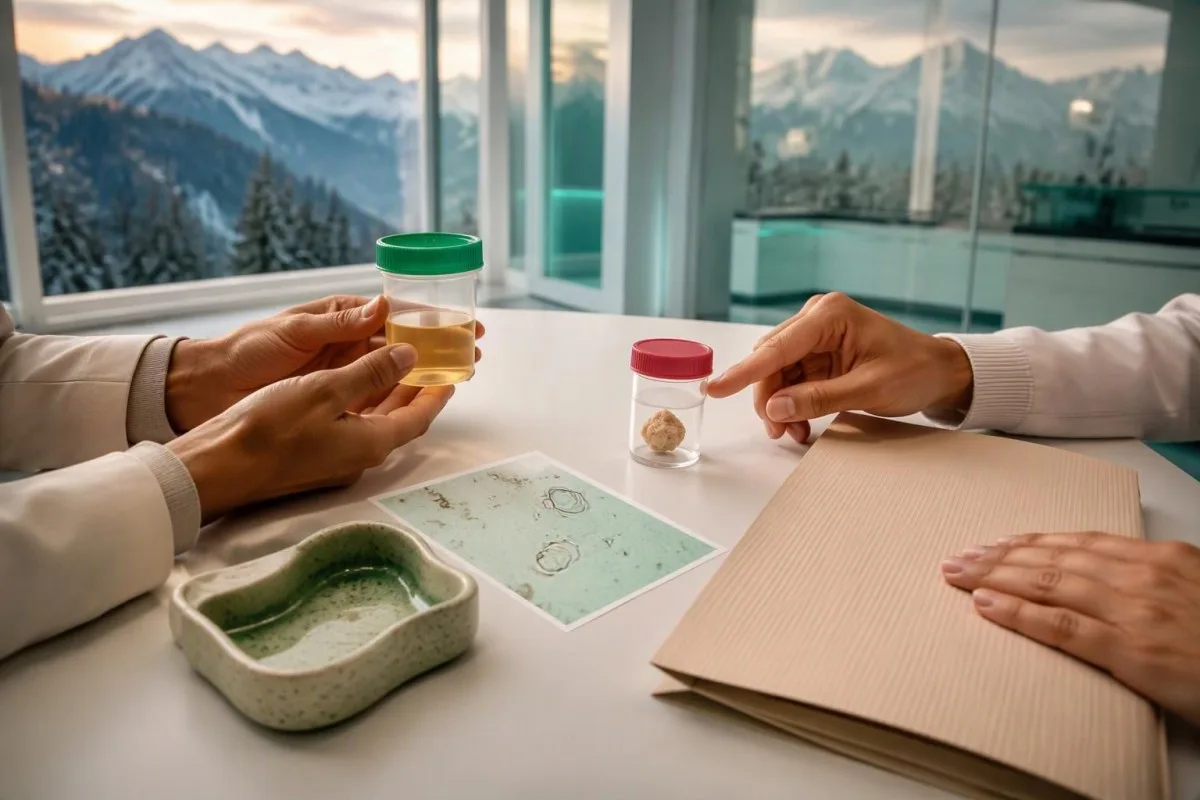
A focused follow-up record should include age at the first stone, number of episodes, affected relatives, current fluid intake and whether testing occurred before or after treatment. For a hypothetical person with 2 childhood stones, 420 mg cystine/24 hours and a confirmed cystine fragment, prevention need not wait for genetic results; an isolated borderline screen without those clues deserves more verification.
Read the quantitative result alongside pH, volume and other urine findings rather than assuming every abnormality has the same cause. Our ຄໍາອະທິບາຍການວິເຄາະນ້ໍາເຫຼືອງຄົບຖ້ວນ separates the wider urine panel from dedicated amino acid testing, and the 2020 US consensus, 2021 European recommendation and 2014 AUA guideline below provide the clinical basis for the distinctions made here.
Kantesti's research publications below concern women's health education and multilingual hantavirus triage, not urinary cystine measurement, crystal-identification accuracy or cystinuria outcomes. Their presence is not evidence of performance for this condition; our ມາດຕະຖານເນື້ອຫາທາງການແພດ explain why condition-specific clinical sources and unrelated organizational research must remain clearly separated, even when both have persistent DOI links.
ຄໍາຖາມທີ່ຖືກຖາມເລື້ອຍໆ
ການມີຊິສຕີນໃນປັດສະວະສູງ ໝາຍຄວາມວ່າຂ້ອຍເປັນພະຍາດຊິສຕີນໃນປັດສະວະບໍ?
ລະດັບ cystine ໃນປັດສະວະສູງບົ່ງຊີ້ເຖິງພາວະ cystinuria, ແຕ່ຄວາມໜັກແໜ້ນຂອງຂໍ້ບົ່ງຊີ້ນີ້ຂຶ້ນກັບຫົວໜ່ວຍ, ຄວາມຄົບຖ້ວນຂອງການເກັບຕົວຢ່າງ ແລະ ຫຼັກຖານສະໜັບສະໜູນ. ການຂັບອອກຕໍ່ມື້ສູງກວ່າ 300 mg/24 hours ສອດຄ່ອງຢ່າງຫຼາຍກັບຟີໂນໄທປ໌ແບບຄລາສສິກທີ່ບໍ່ໄດ້ຮັກສາ, ເຖິງແມ່ນວ່າຜົນທີ່ຕ່ຳກວ່າກໍບໍ່ໄດ້ຕັດພາວະນີ້ອອກ. ການກວດປະລິມານກົດອາມິໂນ, ການລະບຸຜລຶກຮູບຫົກຫຼ່ຽມຢ່າງຖືກຕ້ອງ ແລະ ການວິເຄາະນິ່ວທີ່ມີ cystine ຊ່ວຍຢືນຢັນການວິນິດໄສ. ຜົນບວກຈາກການກວດຄັດກອງແບບຄຸນນະພາບພຽງຢ່າງດຽວຕ້ອງມີການປະເມີນເພີ່ມເຕີມ.
ຜົນກວດຊິສຕີນໃນປັດສະວະປົກກະຕິແມ່ນເທົ່າໃດ?
ຫ້ອງປະຕິບັດການຫຼາຍແຫ່ງສຳລັບຜູ້ໃຫຍ່ໃຊ້ຄ່າຂີດຈຳກັດອ້າງອີງຂອງ cystine ໃນປັດສະວະຕ່ຳກວ່າປະມານ 30 mg/24 hours, ແຕ່ວິທີການຂອງຫ້ອງປະຕິບັດການ ແລະຊ່ວງຄ່າອ້າງອີງແຕກຕ່າງກັນ. ຄວາມເຂັ້ມຂຸ້ນທີ່ລາຍງານເປັນ mg/L ບໍ່ສາມາດນຳໄປປຽບທຽບໂດຍກົງກັບປະລິມານຕໍ່ມື້ທີ່ລາຍງານເປັນ mg/24 hours. ເດັກນ້ອຍອາດຕ້ອງໃຊ້ການແປຜົນ cystine/creatinine ຕາມອາຍຸ ແທນຄ່າຕັດສຳລັບຜູ້ໃຫຍ່. ໃຫ້ໃຊ້ຊ່ວງຄ່າທີ່ພິມໄວ້ໃນລາຍງານ ແລະກວດຢືນຢັນວ່າຕົວຢ່າງເປັນຕົວຢ່າງປັດສະວະແບບສຸ່ມ ຫຼືເປັນການເກັບປັດສະວະຄົບ 24 ຊົ່ວໂມງ.
ຜລຶກຮູບຫົກຫຼ່ຽມໃນປັດສະວະແມ່ນເປັນຊິສຕີນສະເໝີບໍ?
ແຜ່ນຮູບຫົກຫຼ່ຽມບໍ່ມີສີທີ່ລະບຸໄດ້ຢ່າງຖືກຕ້ອງ ເປັນລັກສະນະສະເພາະສູງຂອງຜຶກຊິສຕີນ ແລະສະໜັບສະໜູນການວິນິດໄສພາວະຊິສຕີນໃນປັດສະວະຢ່າງໜັກແໜ້ນ. ລາຍງານທົ່ວໄປຈາກເຄື່ອງວິເຄາະອັດຕະໂນມັດທີ່ລະບຸວ່າພົບຜຶກ ບໍ່ເທົ່າກັບການລະບຸຊະນິດທີ່ຢືນຢັນດ້ວຍການກວດດ້ວຍມື. ຜຶກຊິສຕີນອາດບໍ່ພົບໃນຕົວຢ່າງ 1 ຕົວຢ່າງ ເນື່ອງຈາກການເຈືອຈາງ, pH, ການປິ່ນປົວ ແລະການຈັດການຕົວຢ່າງມີຜົນຕໍ່ການຕົກຜຶກ. ການກວດຫາປະລິມານ ຫຼືການວິເຄາະນິ່ວຄວນຊ່ວຍຊີ້ແຈງຜົນການກວດທີ່ບໍ່ແນ່ນອນ ຫຼືຂັດແຍ້ງກັນ.
ພາວະຂາດນ້ຳສາມາດເຮັດໃຫ້ຜົນກວດຊິສຕີນໃນປັດສະວະສູງໄດ້ບໍ?
ການຂາດນ້ຳອາດເຮັດໃຫ້ຄວາມເຂັ້ມຂຸ້ນຂອງ cystine ເພີ່ມຂຶ້ນໃນຫົວໜ່ວຍ mg/L ໂດຍທີ່ບໍ່ຈຳເປັນຕ້ອງເຮັດໃຫ້ປະລິມານລວມທີ່ຂັບອອກໃນ 24 ຊົ່ວໂມງເພີ່ມຂຶ້ນ. ຕົວຢ່າງເຊັ່ນ 600 mg ຕໍ່ມື້ໃນ 1.5 L ໃຫ້ໄດ້ 400 mg/L, ໃນຂະນະທີ່ປະລິມານດຽວກັນໃນ 3 L ໃຫ້ໄດ້ 200 mg/L. ການຂາດນ້ຳພຽງຢ່າງດຽວບໍ່ສາມາດອະທິບາຍຄວາມຜິດປົກກະຕິທີ່ສືບທອດມາຂອງການລຳລຽງກົດອະມິໂນໃນພະຍາດ cystinuria ໄດ້. ກວດເບິ່ງວ່າລາຍງານວັດແທກຄວາມເຂັ້ມຂຸ້ນ, ປະລິມານຂັບອອກຕໍ່ມື້ ຫຼືອັດຕາສ່ວນທີ່ປັບຕາມ creatinine ກ່ອນຈະແປຜົນທີ່ມີສັນຍານວ່າສູງ.
ຂ້ອຍຈຳເປັນຕ້ອງກວດທາງພັນທຸກຳເພື່ອຢືນຢັນພະຍາດຊິສຕິນເນີເຣຍບໍ?
ການກວດທາງພັນທຸກຳບໍ່ຈຳເປັນສະເໝີໄປ ເມື່ອພົບກ້ອນນິ່ວທີ່ມີ cystine ແລະຜົນການກວດປັດສະວະທີ່ສອດຄ່ອງ ຊຶ່ງສາມາດຢືນຢັນການວິນິດໄສໄດ້ຢ່າງໜ້າເຊື່ອຖືແລ້ວ. ໂດຍປົກກະຕິ ການກວດຈະກວດ 2 ຍີນຄື SLC3A1 ແລະ SLC7A9 ແລະອາດຊ່ວຍໄດ້ໃນກໍລະນີທີ່ຜົນການກວດທາງຊີວະເຄມີບໍ່ຊັດເຈນ, ມີອາການສະແດງທີ່ຜິດແປກ ຫຼືການຄັດກອງສະມາຊິກໃນຄອບຄົວແບບເຈາະຈົງ. ຕົວແປທີ່ມີຄວາມສຳຄັນບໍ່ແນ່ນອນ ບໍ່ສາມາດຢືນຢັນພະຍາດໄດ້ດ້ວຍຕົນເອງ. ຜົນກວດທາງພັນທຸກຳແບບແຜງທີ່ເປັນລົບ ກໍບໍ່ໄດ້ໝາຍຄວາມວ່າຈະຕັດພະຍາດ cystinuria ທີ່ໄດ້ຮັບການຢືນຢັນທາງຄລີນິກແລ້ວອອກໄດ້ໂດຍອັດຕະໂນມັດ.
ຄວນກວດພີ່ນ້ອງຮ່ວມພໍ່ແມ່ຫຼືບໍ່ ຖ້າມີຄົນໜຶ່ງເປັນໂຣກຊິສຕິນນູເຣຍ?
0. ພີ່ນ້ອງຂອງຜູ້ທີ່ຢືນຢັນວ່າເປັນພະຍາດ cystinuria ຄວນປຶກສາເລື່ອງການກວດຄັດກອງແບບເຈາະຈົງ ເນື່ອງຈາກການຂັບອາຊິດອາມິໂນທີ່ຜິດປົກກະຕິອາດເກີດຂຶ້ນກ່ອນມີກ້ອນນິ່ວຄັ້ງທຳອິດ. ການກວດອາດລວມມີການກວດອາຊິດອາມິໂນໃນປັດສະວະ ແລະ ການວິເຄາະພັນທຸກຳແບບເຈາະຈົງ ເມື່ອຮູ້ຈັກຕົວແປພັນທຸກຳໃນຄອບຄົວທີ່ເປັນສາເຫດ. ເມື່ອພໍ່ແລະແມ່ທັງສອງມີຕົວແປພັນທຸກຳກໍ່ພະຍາດໃນຢີນທີ່ກ່ຽວຂ້ອງອັນດຽວກັນ, ແຕ່ລະຄັ້ງທີ່ຕັ້ງຄັນມີໂອກາດ 25% ທີ່ລູກຈະເປັນພະຍາດ. ຄວາມນ່າຈະເປັນໃນການຖ່າຍທອດທາງພັນທຸກຳເຫຼົ່ານັ້ນບໍ່ໄດ້ນຳໃຊ້ໂດຍອັດຕະໂນມັດກັບທຸກຄອບຄົວ ຫຼື ຜົນການກວດພົບພາວະພາຫະ.
ຂ້ອຍຄວນໄປຮັບການດູແລດ່ວນເມື່ອໃດ ຫາກສົງໄສວ່າມີກ້ອນນິ່ວຊິສຕິນ?
ໃຫ້ໄປຮັບການປະເມີນຢ່າງຮີບດ່ວນ ຫາກມີໄຂ້ຮ່ວມກັບສົງໄສວ່າມີນິ່ວອຸດຕັນ, ປັດສະວະບໍ່ອອກ, ອາການເຈັບຄວບຄຸມບໍ່ໄດ້ ຫຼື ຮາກຢ່າງຕໍ່ເນື່ອງ. ການອຸດຕັນທີ່ມີການຕິດເຊື້ອອາດຈຳເປັນຕ້ອງລະບາຍຢ່າງສຸກເສີນ ໂດຍບໍ່ຄຳນຶງວ່າຜົນກວດ cystine ຄັ້ງຫຼ້າສຸດແມ່ນ 200 ຫຼື 800 mg/24 hours. ຢ່າຊັກຊ້າການຮັກສາເພື່ອເກັບປັດສະວະ 24 ຊົ່ວໂມງໃຫ້ຄົບ ຫຼື ຝືນດື່ມນ້ຳປະລິມານຫຼາຍໃນຂະນະທີ່ມີອາການຮຸນແຮງ. ຜົນກວດເລືອດການເຮັດວຽກຂອງໄຕທີ່ປົກກະຕິໃນຊ່ວງບໍ່ດົນມານີ້ ບໍ່ໄດ້ຕັດຄວາມເປັນໄປໄດ້ຂອງການອຸດຕັນທີ່ເກີດຂຶ້ນໃໝ່.
ຮັບຄຳອະທິບາຍຜົນກວດເລືອດຂອງທ່ານ
ອັບໂຫຼດລາຍງານຜົນກວດຂອງທ່ານ ແລະ AI ຂອງ Kantesti ຈະອະທິບາຍ biomarker ແຕ່ລະຕົວດ້ວຍພາສາເຂົ້າໃຈງ່າຍພາຍໃນບໍ່ກີ່ວິນາທີ. ມີຜູ້ໃຊ້ຫຼາຍກວ່າ 2 ລ້ານຄົນທົ່ວໂລກ.
ເອກະສານອ້າງອີງ
- Klein, T., Mitchell, S., & Weber, H. (2026). Women's Health Guide: Ovulation, Menopause & Hormonal Symptoms. ການຄົ້ນຄວ້າທາງການແພດດ້ວຍ AI ຂອງ Kantesti. ດອຍ
- Klein, T., Mitchell, S., & Weber, H. (2026). ລະບົບຊ່ວຍຕັດສິນໃຈທາງຄລີນິກທີ່ຊ່ວຍໂດຍ AI ຫຼາຍພາສາ ສຳລັບການຄັດກອງ Hantavirus ໄລຍະຕົ້ນ: ການອອກແບບ, ການກວດສອບດ້ານວິສະວະກຳ ແລະການນຳໃຊ້ຈິງກັບລາຍງານຜົນກວດເລືອດທີ່ແປຜ່ານລ່າມ 50,000 ລາຍງານ. ການຄົ້ນຄວ້າທາງການແພດດ້ວຍ AI ຂອງ Kantesti. ດອຍ
- Eisner BH et al. (2020). Evaluation and Medical Management of Patients with Cystine Nephrolithiasis: A Consensus Statement. Journal of Endourology. ດອຍ
- Servais A et al. (2021). Cystinuria: clinical practice recommendation. Kidney International. ດອຍ
- Pearle MS et al. (2014). Medical management of kidney stones: AUA guideline. The Journal of Urology. ດອຍ
- 2 ລ້ານ+ການກວດທີ່ວິເຄາະ
- 127+ປະເທດ
- 100+ພາສາ
ກ່ຽວກັບທີມແພດ


ສັນຍານຄວາມໄວ້ໃຈ E-E-A-T
ປະສົບການ
ການທົບທວນຄລີນິກຂອງແພດຜູ້ນຳພາ ກ່ຽວກັບຂັ້ນຕອນການຕີຄວາມໝາຍຜົນການກວດໃນຫ້ອງທົດລອງ.
ຄວາມຊ່ຽວຊານ
ວິຊາການແພດທົດລອງ (ການແພດທາງຫ້ອງທົດລອງ) ເນັ້ນໃສ່ວ່າຕົວຊີ້ວັດ (biomarkers) ມີພຶດຕິກຳແນວໃດໃນບັນບົດທາງຄລີນິກ.
ຄວາມເປັນອຳນາດ
ກວດທົບທວນທາງການແພດໂດຍ ດຣ. Thomas Klein, ໂດຍມີສ່ວນຮ່ວມຈາກ ດຣ. Sarah Mitchell ແລະ ສາດສະດາຈານ ດຣ. Hans Weber.
ຄວາມໜ້າເຊື່ອຖື
ການຕີຄວາມໝາຍອີງຕາມຫຼັກຖານດ້ວຍເສັ້ນທາງຕິດຕາມທີ່ຊັດເຈນ ເພື່ອຫຼຸດການຕົກໃຈ.
ຂໍ້ປະຕິເສດຄວາມຮັບຜິດຊອບທາງການແພດ
ບົດຄວາມນີ້ມີຈຸດປະສົງເພື່ອການສຶກສາເທົ່ານັ້ນ ແລະບໍ່ແມ່ນຄຳແນະນຳທາງການແພດ. ຄວນປຶກສາຜູ້ໃຫ້ບໍລິການດ້ານສຸຂະພາບທີ່ມີຄຸນວຸດທິສະເໝີ ສຳລັບການວິນິດໄຊ ແລະ ການຕັດສິນໃຈດ້ານການຮັກສາ.
ໄດ້ຮັບການເຜີຍແຜ່ · ຕິດຕໍ່ທີມບັນນາທິການ
ຈັດພິມໂດຍ Kantesti Ltd, ຈົດທະບຽນໃນອັງກິດ ແລະເວວສ໌, ເລກທີບໍລິສັດ. 17090423, ລອນດອນ, ສະຫະລາຊະອານາຈັກ.
