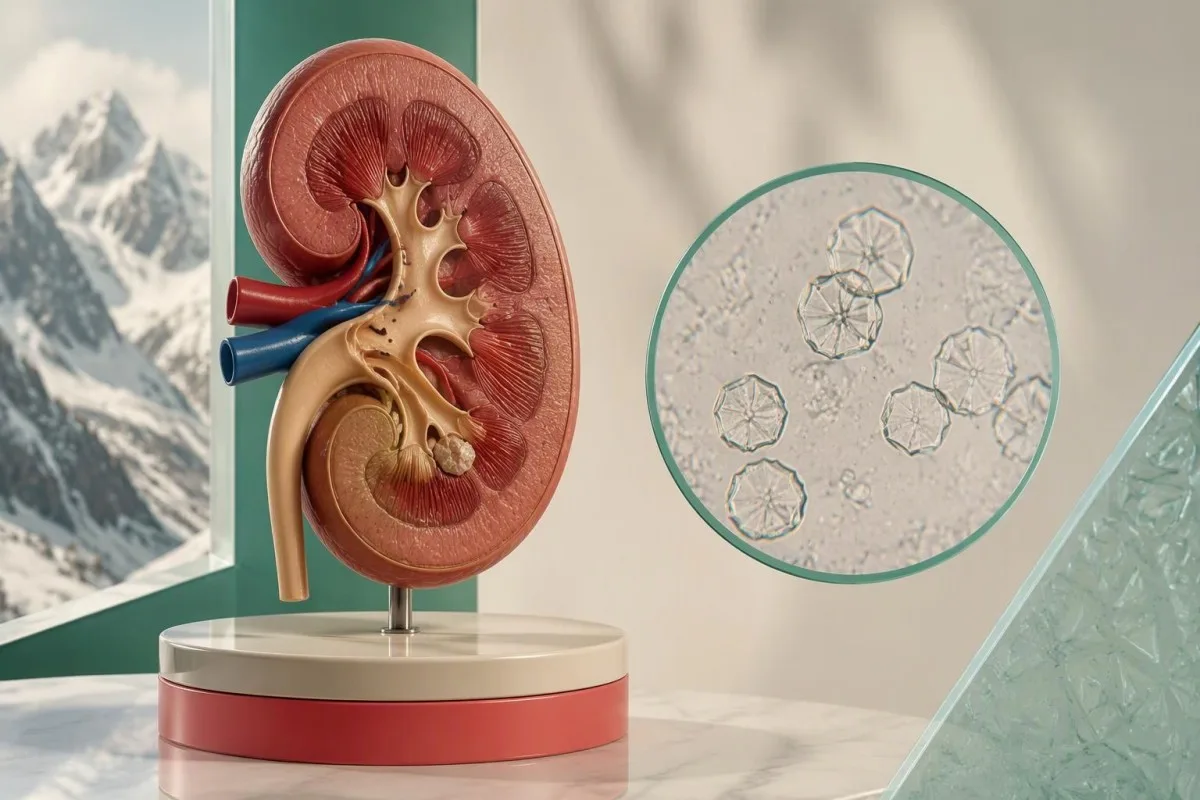
High urine cystine suggests cystinuria when supported by quantitative testing, characteristic hexagonal crystals or a cystine-containing stone. A positive screening test alone is not confirmation, and collection errors can change the result.

Key takeaways
- Urine cystine test measures cystine concentration or excretion; mg/L and mg/24 hours answer different questions.
- Typical adult excretion is often below 30 mg/24 hours, but the reporting laboratory's method and reference interval take priority.
- Marked elevation above 300 mg/24 hours strongly supports a classic cystinuria phenotype, but lower values do not exclude the condition.
- Hexagonal crystals are highly characteristic of cystinuria when correctly identified; their absence in 1 sample does not rule it out.
- Stone analysis using infrared spectroscopy or X-ray diffraction can identify cystine even within a mixed-composition stone.
- Collection quality matters: missing even 1 void can underestimate a 24-hour cystine result.
- Genetic testing usually examines SLC3A1 and SLC7A9; it can clarify uncertain findings or enable targeted family testing.
- Urgent symptoms include fever with suspected stone obstruction, inability to pass urine or uncontrolled vomiting; do not wait for a 24-hour collection.
What does a urine cystine test actually measure?
A urine cystine test measures cystine in a spot urine sample or across a 24-hour collection. Persistently increased excretion suggests impaired kidney tubular reabsorption; cystinuria becomes particularly likely when quantitative results agree with characteristic crystals or a cystine-containing stone.
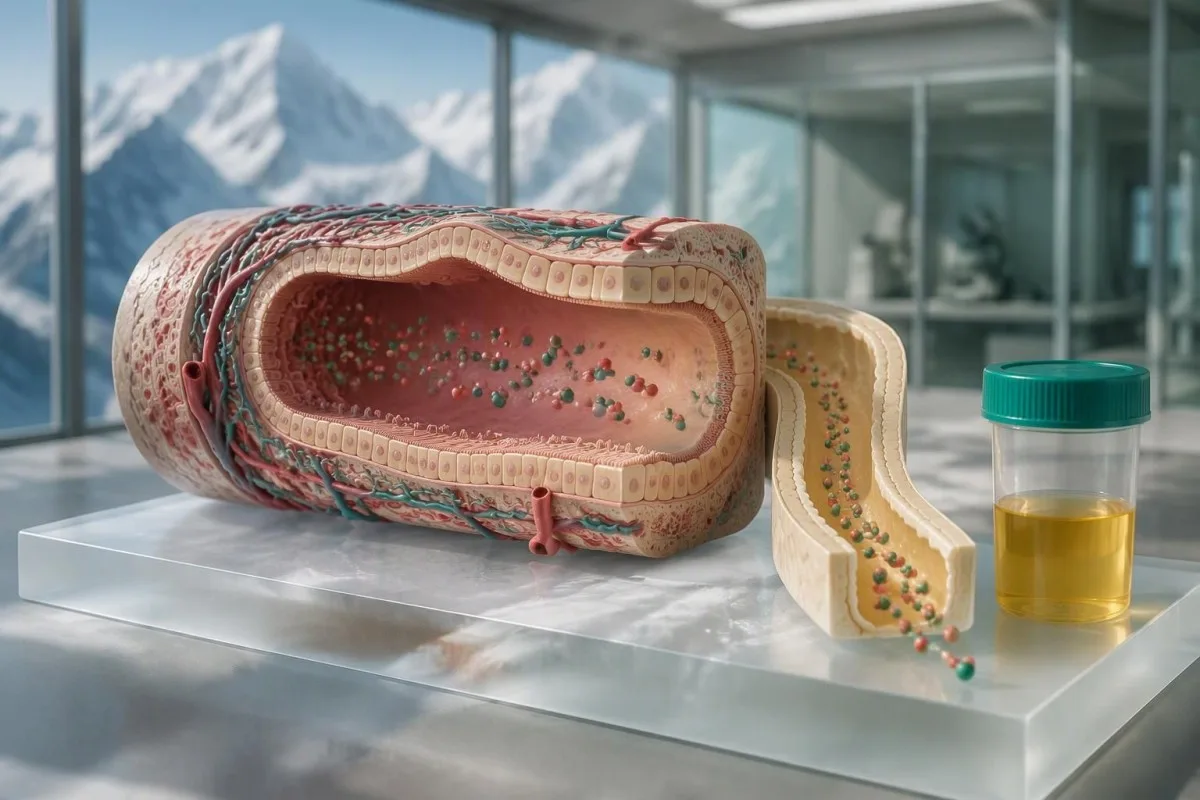
Cystinuria affects the transport of 4 amino acids: cystine, ornithine, lysine and arginine, often remembered as COLA. Cystine causes the main stone problem because it dissolves poorly under ordinary urinary conditions, whereas increased urinary lysine or arginine does not usually produce the same crystal-forming risk.
Routine urinalysis does not necessarily include a specific cystine measurement, even when a report contains 10 or more dipstick findings. Our explanation of routine urine dipstick findings helps distinguish a general urine examination from a deliberately ordered amino acid assay; a normal dipstick cannot exclude cystinuria.
Kantesti is an AI blood test analyzer that can help explain accompanying kidney-function blood results, but it cannot establish cystinuria from 1 blood panel. We describe our organization on the Kantesti company background page; this article separates that educational support from specialist urine testing, microscopy and physical stone identification.
How high is high cystine in urine?
High cystine in urine must be interpreted using its units: mg/24 hours describes total daily excretion, while mg/L describes concentration. Many adult reference intervals use less than approximately 30 mg/24 hours, but no single cutoff separates every carrier, affected child and adult with cystinuria.
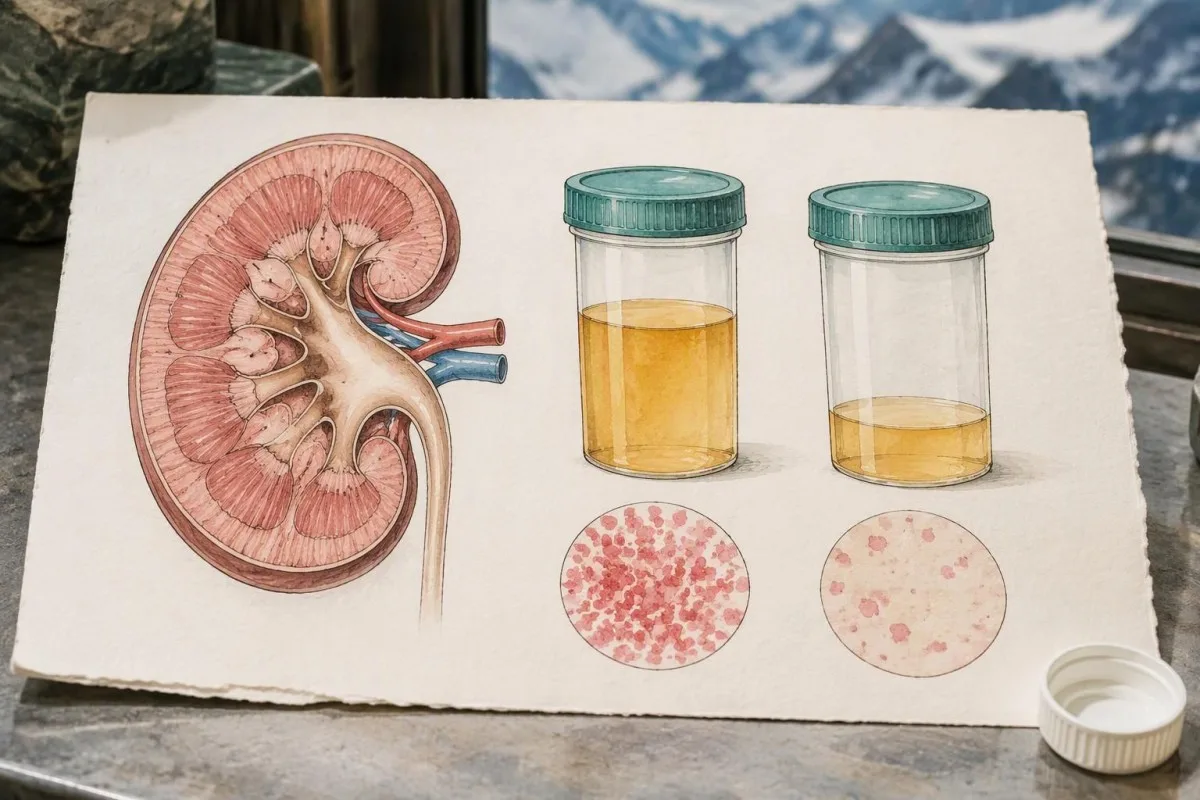
Untreated classic cystinuria commonly produces several hundred milligrams of cystine daily; a result above 300 mg/24 hours is strongly compatible with that phenotype. Nevertheless, intermediate values can occur in carriers, milder genetic presentations, young children or incomplete collections, so the 300 mg figure is a useful clue rather than a mandatory diagnostic gate.
For a clearly hypothetical example, 600 mg excreted in 1.5 L produces an average concentration of 400 mg/L; the same daily amount in 3 L produces 200 mg/L. Additional water changes concentration without correcting the inherited transport defect, which explains why a falling concentration can represent successful prevention rather than resolution of cystinuria.
Creatinine-indexed results, such as mg/g creatinine, cannot be compared directly with mg/24 hours without additional information. Our guide to urine creatinine and dilution explains why age, muscle mass and sample concentration affect ratios; this is especially relevant when interpreting 1 spot sample from a child.
| Level | Range | What it means |
|---|---|---|
| Typical adult daily excretion | Often <30 mg/24 hours | Use the laboratory's own interval; age and analytical method can change the reference limit. |
| Above a typical reference interval | Approximately 30–300 mg/24 hours | Requires context, collection review and sometimes repeat testing; this interval can include carriers and affected individuals. |
| Marked daily excretion | >300 mg/24 hours | Strongly compatible with untreated classic cystinuria, but not a universal confirmation threshold. |
| Concentration relevant to precipitation | Approximately 250 mg/L at pH 6–7 | An approximate solubility benchmark, not a diagnosis or emergency threshold; urinary chemistry alters actual solubility. |
Which cystine tests screen, and which confirm?
A qualitative cystine screen identifies samples needing further investigation; it does not measure the full daily cystine burden. Confirmation usually relies on quantitative urinary cystine or amino acid analysis, reliable crystal identification, or stone composition, interpreted together rather than treating 1 positive screen as definitive.
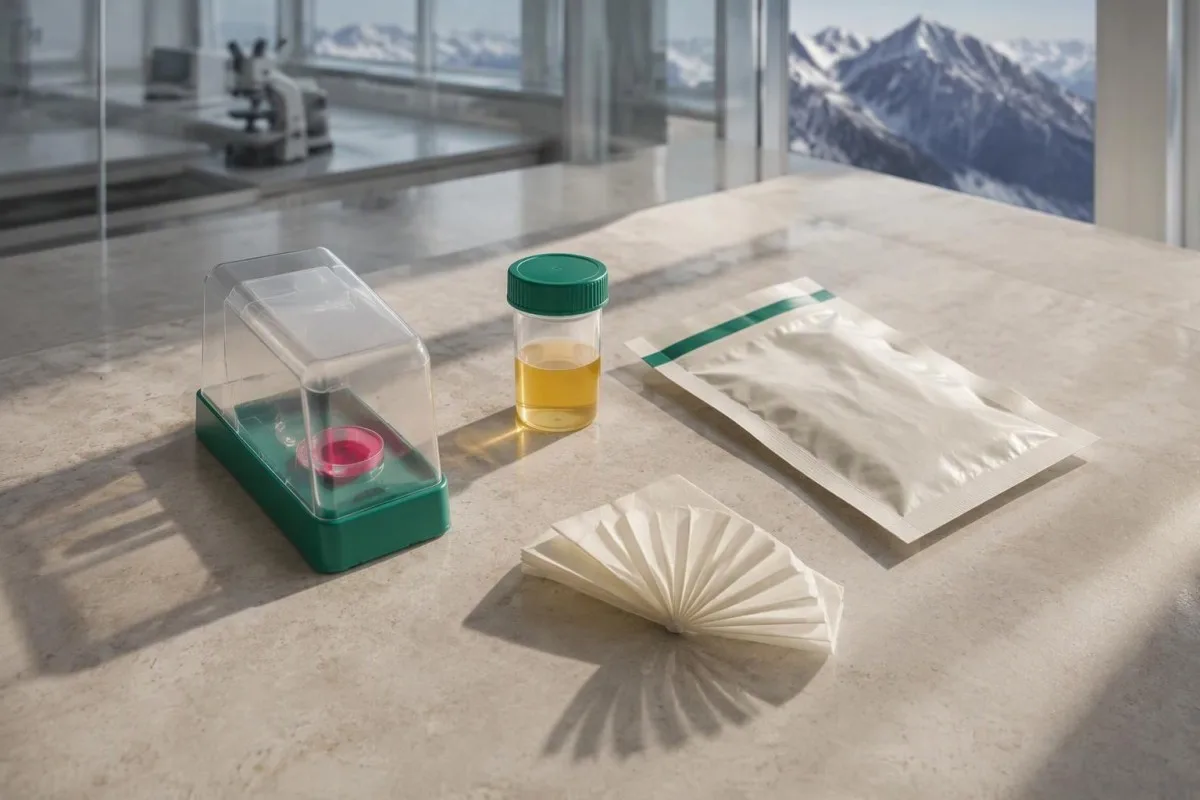
The traditional cyanide–nitroprusside screen becomes positive at roughly 75 mg/L cystine, although performance depends on the laboratory procedure. Eisner et al. (2020), in the Journal of Endourology consensus statement, recommend quantitative follow-up after a positive screen; this chemical reaction belongs in a specialist laboratory and should never be attempted at home.
False-positive screening reactions can occur because the chemistry also responds to other sulfur-containing substances, including some thiol medicines and homocystine. Conversely, dilution may push a genuinely affected person's concentration below approximately 75 mg/L, which is why a negative screen during high fluid intake does not reliably settle a strongly suspicious stone history.
Quantitative amino acid analysis can demonstrate the accompanying elevation of the other 3 COLA amino acids, strengthening the interpretation of cystine itself. Our explanation of qualitative versus quantitative testing uses the same distinction: a detected/not-detected result and an accurately measured amount serve different clinical purposes, even when both concern the same substance.
Do hexagonal crystals in urine diagnose cystinuria?
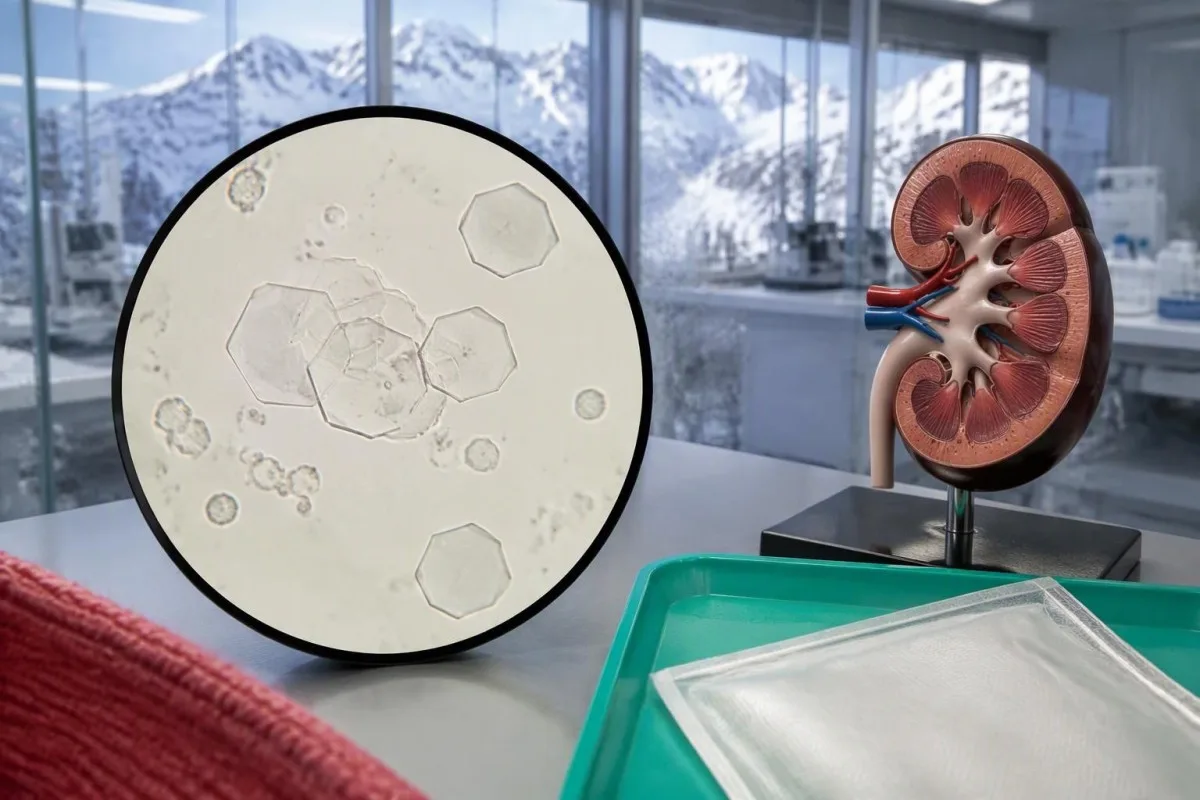
Hexagonal crystals in urine are highly characteristic of cystinuria when a trained laboratory professional correctly identifies them. However, crystals may be absent from 1 sample because cystine precipitation depends on concentration, pH, treatment and specimen handling; a negative microscopy report does not exclude the condition.

Cystine crystals typically appear as colorless, flat plates with 6 sides, sometimes overlapping or showing unequal edges. An automated sediment flag that simply says crystals present is less specific than a reviewed description naming cystine; ask whether microscopy was manually checked when the shape or diagnosis is uncertain.
Our guide to urine sediment and crystals explains why crystal identity matters more than the word abnormal alone. A hypothetical person with 2 stone episodes and correctly identified hexagonal plates has a much stronger cystinuria signal than someone with a single report of unspecified crystals and no stone history.
Stored urine can form crystals after collection as temperature and chemical conditions change, so the appearance does not prove that an obstructing stone is present now. Record the collection and examination times, and arrange quantitative testing even when 1 convincing microscopic finding is sufficient to make the underlying disorder highly likely.
How does stone analysis confirm a cystine stone?
Stone analysis identifies cystine directly within a passed or removed urinary stone, making it one of the strongest clues to cystinuria. Infrared spectroscopy or X-ray diffraction is preferred over appearance alone; even 1 properly identified cystine-containing stone warrants an inherited stone-disorder evaluation.
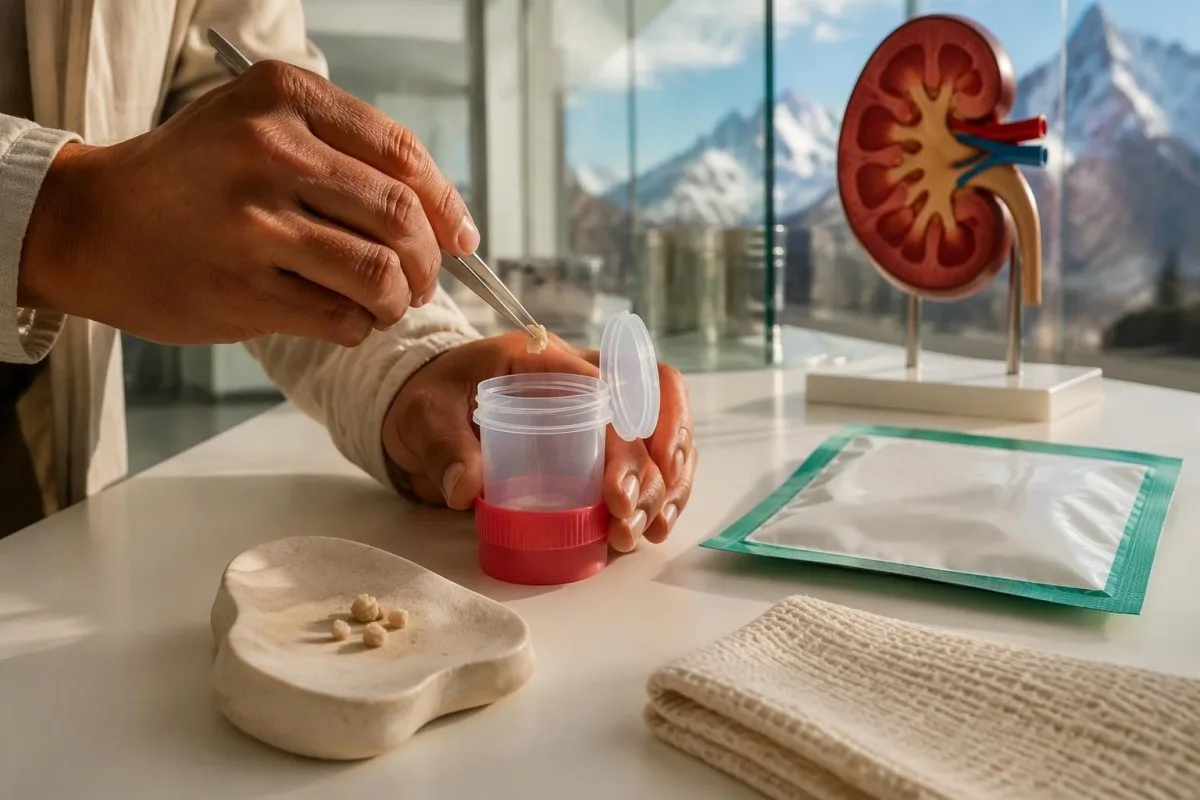
Mixed stones do not exclude cystinuria: a sample may contain cystine alongside calcium phosphate or another mineral. The AUA guideline recommends analysis of an available stone at least once, and repeat analysis can help when stones recur despite treatment or behave differently than expected (Pearle et al., 2014).
A stone's yellowish color or smooth surface is not enough to identify its chemistry, and 1 stone photograph cannot substitute for laboratory analysis. Our article on high urine calcium explains a different stone mechanism; finding calcium in urine does not cancel an independently confirmed cystine component.
Cystine stones can be less conspicuous on plain X-rays than calcium-rich stones, but they are generally detectable with CT; ultrasound can identify stones without determining composition. Save any passed fragment in the container specified by the analyzing laboratory, and ask for the actual composition report rather than relying on a verbal description of 1 imaging study.
How should you collect a reliable 24-hour sample?
A reliable 24-hour urine cystine collection includes every void during the instructed interval, uses the laboratory's specified container and follows its storage instructions. Missing 1 urination, collecting for the wrong duration or using an unsuitable preservative can make the daily cystine estimate misleading.
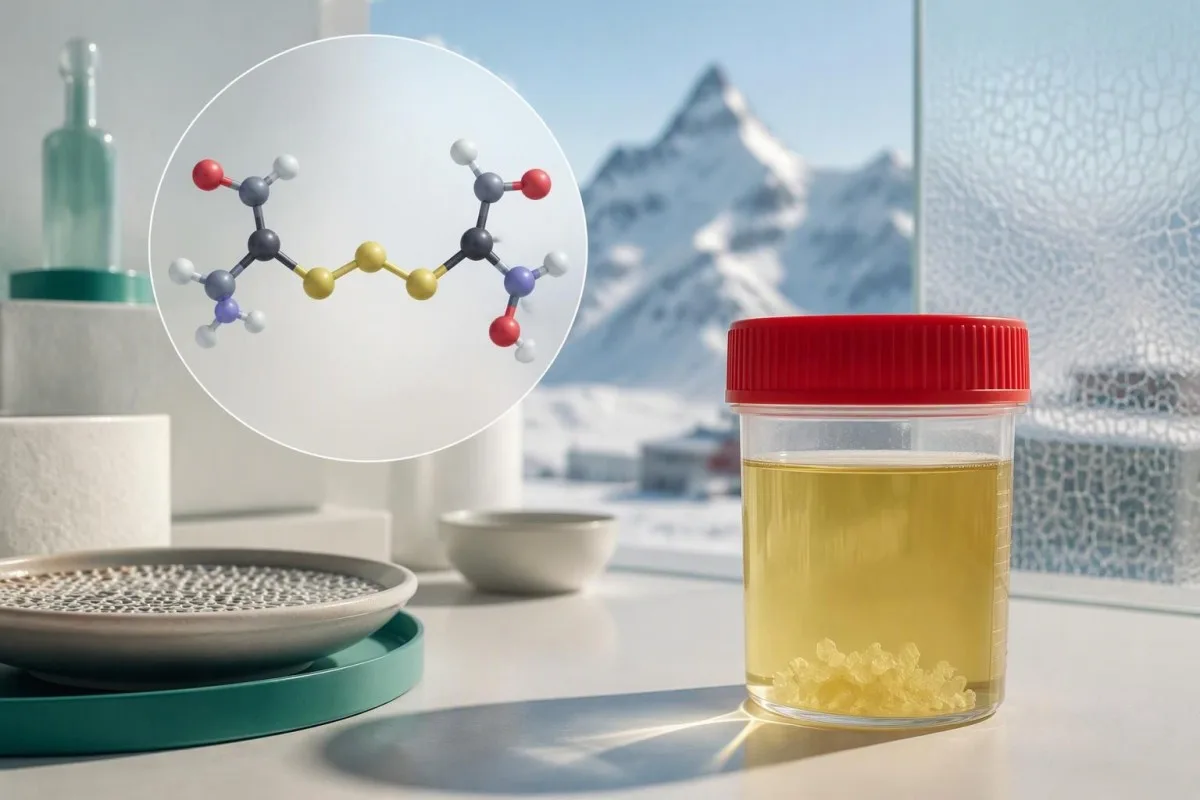
At the starting time, empty your bladder and discard that first urine; then collect all subsequent urine, including a final void at the same time the next day. For example, a collection beginning at 07:00 finishes with the next day's 07:00 void—record the actual times rather than adjusting them to make an incomplete collection appear to last 24 hours.
Cystine can precipitate in the container, particularly when urine is concentrated or acidic, and an inadequately processed aliquot can underestimate the result. Laboratories use specific mixing and dissolution procedures, so never add household acid, alkali or water yourself; ask whether refrigeration or a supplied preservative is required for your particular 24-hour assay.
Our guide to timed urine collection practicalities illustrates why handling instructions differ between analytes. Keep your usual diet and clinician-prescribed fluid regimen during the collection, disclose all medicines, and contact the laboratory if even 1 void is missed; restarting is often more useful than interpreting an unreliable total.
When should a high or low result be repeated?
Repeat urine cystine testing is useful when the collection is incomplete, the result conflicts with a cystine stone or characteristic crystals, or treatment changes make comparison difficult. A low total from 1 questionable collection should not overrule a well-documented cystine-containing stone.
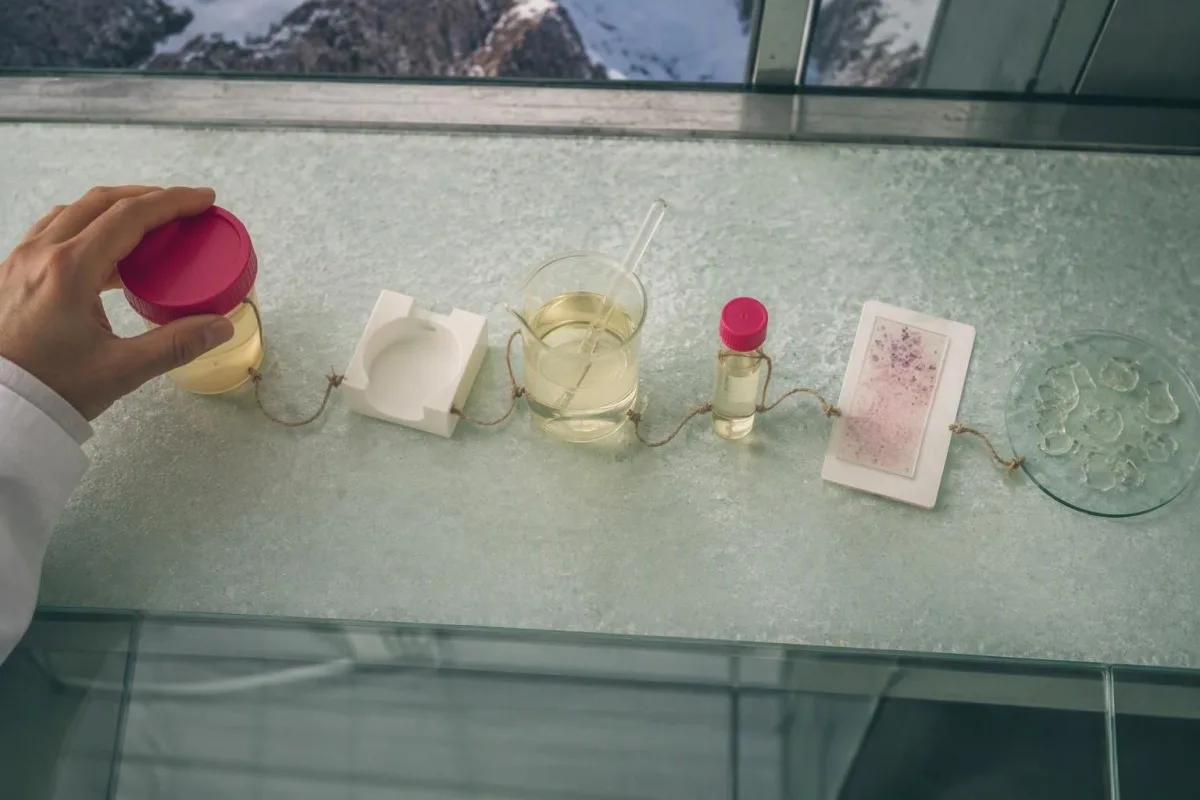
Urinary creatinine excretion helps assess collection plausibility, but there is no universal daily value suitable for every person. A hypothetical result of 180 mg cystine with unexpectedly low 24-hour creatinine after 2 missed voids suggests undercollection; creatinine must still be interpreted against body size, age, muscle mass and previous reliable collections.
Two appropriately collected samples can reveal day-to-day variation in urine volume, sodium and cystine concentration, especially when the initial findings are borderline. The AUA guideline allows 1 or 2 baseline 24-hour collections, while specialized cystinuria practice may favor repeat sampling when results and clinical clues disagree (Pearle et al., 2014; Eisner et al., 2020).
Kantesti AI can explain accompanying creatinine and electrolyte blood results, but those results cannot prove that all 24 hours of urine were collected. Our kidney function interpretation guide distinguishes filtration markers from urinary excretion, and our clinical validation approach describes why educational AI output must remain separate from laboratory verification.
Can elevated cystine mean something other than cystinuria?
Elevated urinary cystine is not automatically the same as classic cystine stone disease; inherited carrier states, generalized tubular problems and analytical interference can complicate interpretation. Cystinuria, cystinosis and cystatin C testing are 3 different concepts despite their similar names.
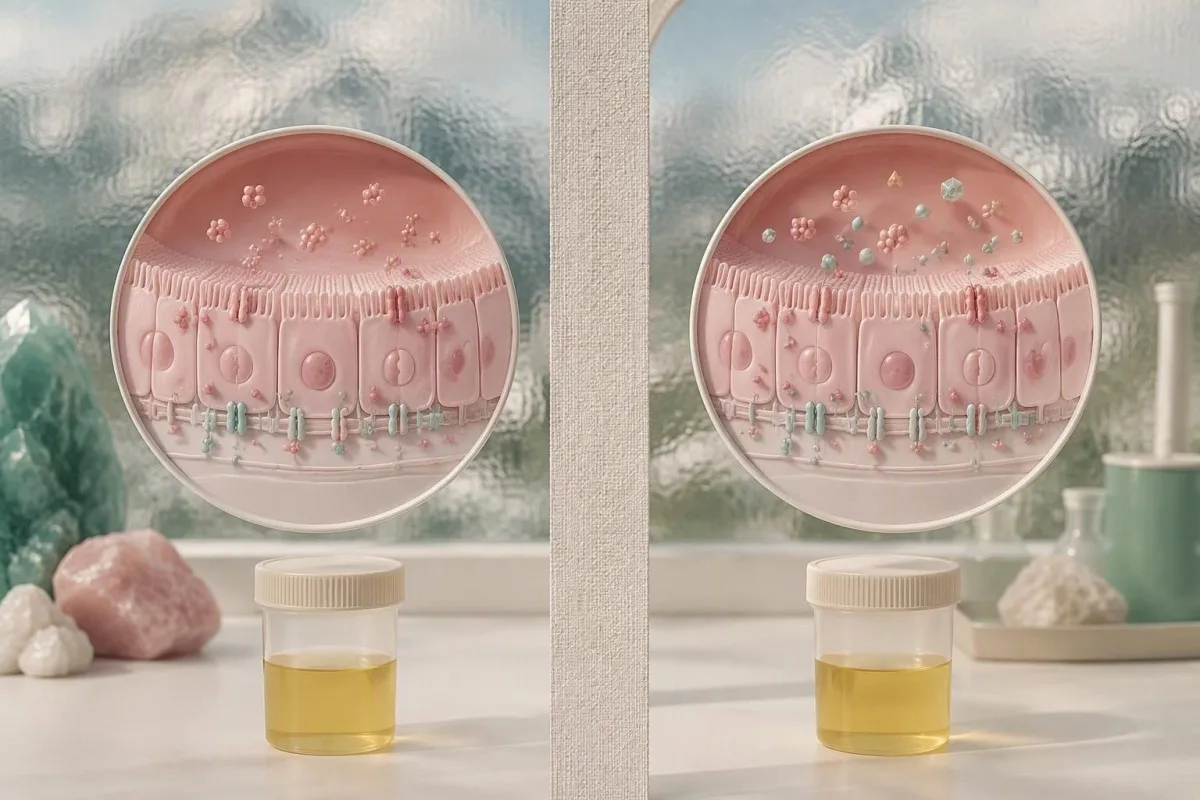
Cystinuria primarily involves impaired transport of COLA amino acids, while cystinosis involves cystine accumulation inside cells and can produce generalized proximal tubular dysfunction. When urine also shows glucose despite normal blood glucose, phosphate wasting or bicarbonate loss, clinicians investigate a broader tubular pattern rather than interpreting 1 elevated amino acid in isolation.
Our guide to renal tubular acidosis patterns explains how bicarbonate and potassium abnormalities suggest a different or additional kidney problem. A blood bicarbonate of 17 mmol/L, for example, is not a defining cystinuria result and deserves its own clinical explanation, particularly alongside several other signs of tubular dysfunction.
Cystatin C is a filtration biomarker, not a test for cystine stones, and a normal cystatin C result does not exclude cystinuria. For an intermediate urinary cystine result, reviewing the full amino acid pattern, family history and stone composition usually adds more diagnostic value than ordering 3 similarly named tests without a specific clinical question.
When does genetic testing help a cystinuria diagnosis?
Genetic testing for cystinuria usually examines SLC3A1 and SLC7A9 and is most useful when biochemical findings are uncertain, presentation is unusual or relatives need targeted testing. A convincing cystine stone and compatible urine findings do not always require genetic testing before prevention begins.
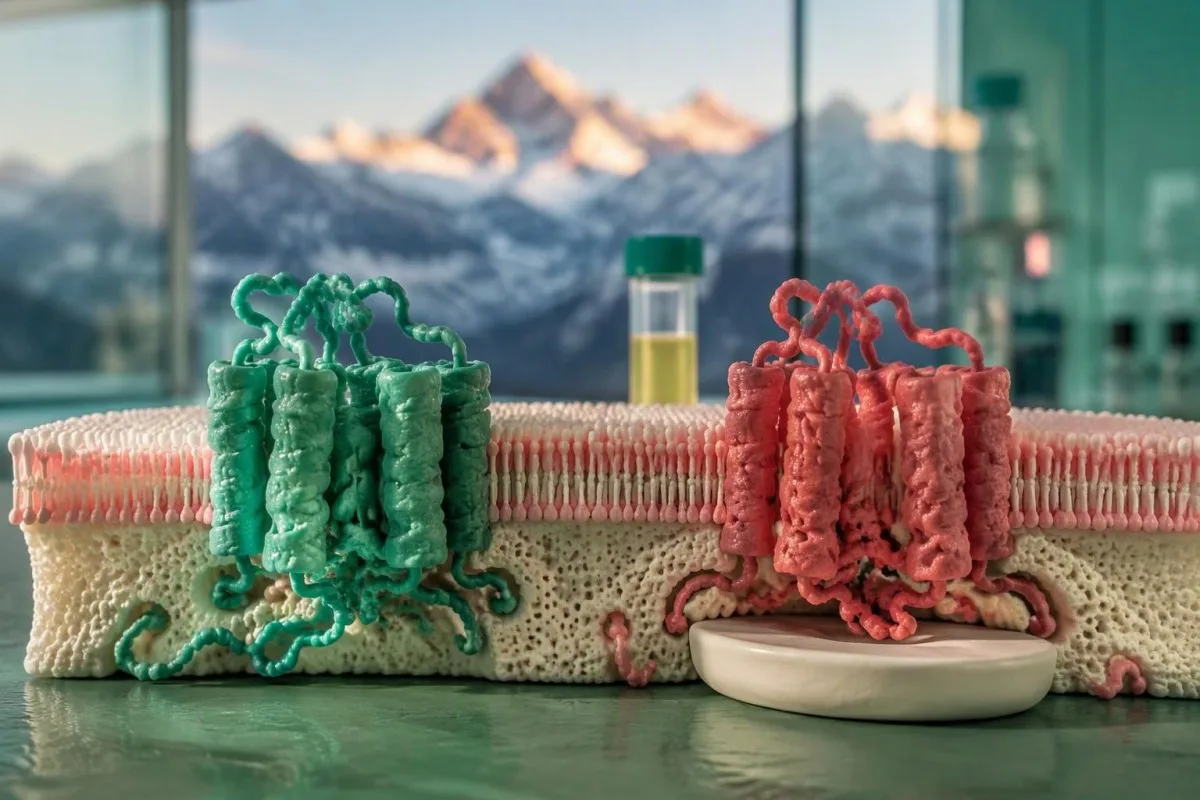
SLC3A1 and SLC7A9 encode components of the amino acid transporter, but genotype does not reliably predict how many stones an individual will develop. The European practice recommendation emphasizes combining phenotype and biochemical findings rather than requiring routine molecular confirmation in every straightforward case (Servais et al., 2021).
Two pathogenic variants in the same gene may support a recessive diagnosis, but laboratories must determine whether they are on opposite gene copies when that distinction matters. A variant of uncertain significance is not equivalent to a disease-causing variant; finding 1 such variant should not override negative stone analysis or create a definite diagnosis without additional evidence.
Testing may need deletion/duplication analysis as well as sequencing, and a negative panel does not exclude every clinically established case. Our explanation of kidney genetic risk testing concerns a different condition but illustrates the same safeguard: a genetic result must answer a defined question, not replace 24-hour urine measurements or stone chemistry.
Who in the family should be screened?
Family screening is especially useful for siblings of someone with confirmed cystinuria, because elevated amino acid excretion can appear before the first stone. Screening may start with urine testing and history; if a causative family variant is known, targeted testing can distinguish different inherited risks.
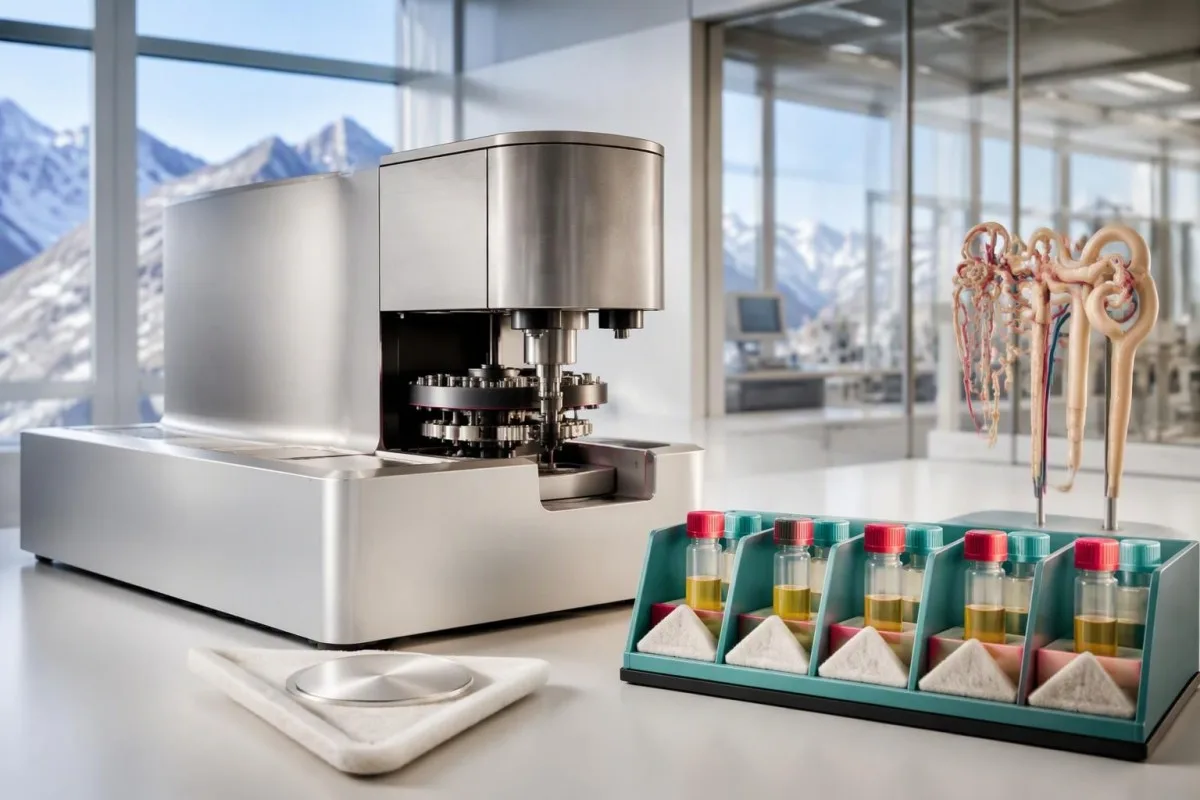
Autosomal recessive inheritance means that, when both parents carry a pathogenic variant in the same relevant gene, each pregnancy has a 25% chance of an affected child, a 50% carrier chance and a 25% chance of inheriting neither variant. Those probabilities apply to that specific parental combination; they should not be assigned automatically to every family with an elevated cystine result.
Some SLC7A9 carriers have increased urinary amino acids, so carrier status does not always mean a perfectly normal biochemical screen. Children need age-appropriate interpretation of spot cystine/creatinine ratios, and 1 adult reference limit should not be applied to an infant whose kidney tubular handling is still developing; genetic counseling helps reconcile these apparently conflicting results.
Kantesti is an AI blood test interpretation platform, not a substitute for the urine and genetic investigations needed to screen relatives for cystinuria. Our guide to age-based family test planning supports focused testing: an asymptomatic sibling may need a specific amino acid assessment rather than a broad bundle of 20 unrelated blood markers.
Why do urine volume and pH matter after diagnosis?
Urine volume and pH determine whether excess cystine stays dissolved or forms crystals, so diagnosis and prevention use different targets. Adult cystinuria care commonly aims for at least 3 L of daily urine output when medically appropriate, alongside clinician-directed alkalinization and dietary sodium reduction.

Cystine solubility is often approximated at 250 mg/L around pH 6–7, but actual urine composition changes that value. In a hypothetical adult excreting 900 mg daily, 3 L of urine still averages 300 mg/L; that calculation explains why hydration alone may be insufficient and why overnight concentration can remain a problem despite an acceptable daily total.
US consensus commonly targets urine pH around 7.0–7.5, while European recommendations often favor values above 7.5 to improve cystine solubility (Eisner et al., 2020; Servais et al., 2021). Higher pH can also favor calcium phosphate precipitation, so treatment requires repeated measurements rather than a universal instruction to make every urine sample as alkaline as possible.
Lower sodium intake can reduce urinary cystine excretion; adult plans often use approximately 2,000–2,300 mg sodium daily, adjusted to the person's circumstances. Our explanation of urine sodium interpretation shows how a 24-hour sodium result can help assess intake, although an incomplete collection will underestimate sodium as well as cystine.
Potassium citrate may be prescribed for alkalinization even when urine citrate itself is not low; its purpose in cystinuria differs from simply replacing a deficient marker. Our guide to low urine citrate explains that distinction, and people with impaired kidney function or high potassium need clinician-selected treatment rather than copying another person's dose or 3 L fluid target.
When are symptoms urgent, and how do medicines affect testing?
Fever with suspected stone obstruction, inability to pass urine, uncontrolled pain or persistent vomiting requires urgent assessment rather than waiting for another cystine result. Cystine-binding medicines also change laboratory interpretation: after tiopronin or penicillamine begins, 1 reported cystine concentration may not accurately represent the remaining stone-forming risk.
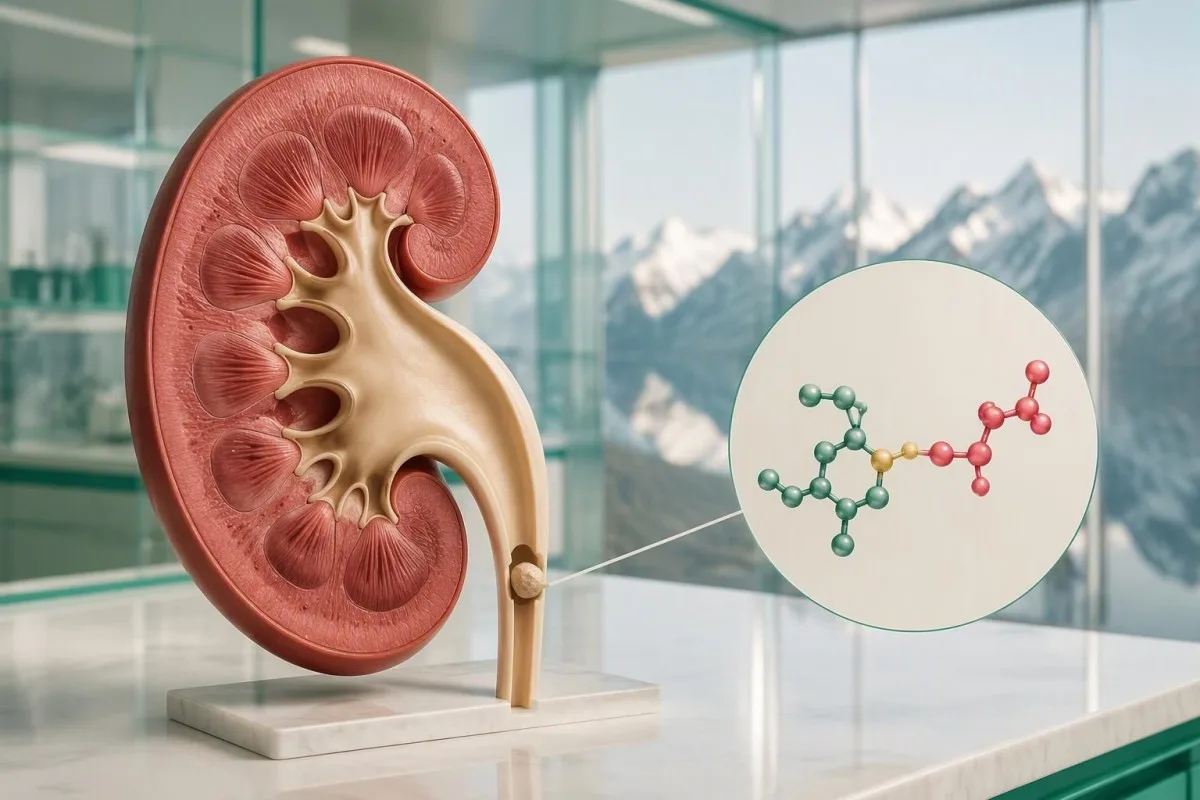
An infected, obstructed urinary system can require emergency drainage; additional drinking cannot reliably remove that obstruction and may be inappropriate during severe vomiting. Symptoms matter more than whether cystine is 200 or 800 mg/24 hours, and a normal recent blood creatinine does not make a new fever-and-obstruction combination safe to watch at home.
Cystine-binding thiol drugs form more soluble complexes, but some assays cannot cleanly distinguish free cystine from drug-associated compounds. Specialized cystine-capacity testing can help: a positive capacity, measured in mg/L, indicates undersaturation under the assay conditions, while a value below 0 mg/L indicates supersaturation; availability and methods differ between laboratories.
Protein in urine during tiopronin or penicillamine treatment needs review because these medicines can cause kidney adverse effects; monitoring is separate from checking stone-prevention success. Our guide to urgent kidney function symptoms explains relevant warning patterns, while Kantesti's privacy and data information helps families handle sensitive laboratory and genetic records without assuming that 1 shared result authorizes access to everyone else's data.
What can AI explain, and what needs a specialist?
AI can explain terminology and accompanying blood markers, but cystinuria diagnosis requires laboratory methods, clinical history and sometimes stone or genetic analysis. No AI reading of 1 report can verify collection completeness, identify a physical crystal or assess an obstructed kidney without appropriate clinical investigation.
Kantesti is an AI-powered blood test analysis tool that can help readers understand creatinine, potassium and other blood results accompanying a stone evaluation. Those biomarkers answer different questions from a 24-hour urine cystine assay: filtration may remain normal despite repeated cystine stones, while a potassium abnormality may affect the safety of prescribed alkalinization.
Bring the original report with units, reference interval, collection duration, total volume and medication list rather than copying only the highlighted number. Our guide to checking AI report explanations explains why the source document matters; 250 mg/L and 250 mg/24 hours can lead to substantially different interpretations even though both display the same digits.
Kantesti's educational interpretation should support questions for a nephrologist or urologist, not replace their management plan; our responsible AI commitments explain that boundary. The AUA recommends a follow-up 24-hour urine collection within 6 months after treatment begins and then generally yearly or more often with active stone disease, with earlier review when symptoms or medicines require it (Pearle et al., 2014).
What should you bring to follow-up, and which sources apply?
Bring the complete urine report, collection details and any stone-composition result to follow-up; together they are more useful than 1 isolated high value. The clinical references below directly support cystinuria evaluation, while the 2 separately listed research publications address other subjects and do not validate a cystinuria diagnostic test.
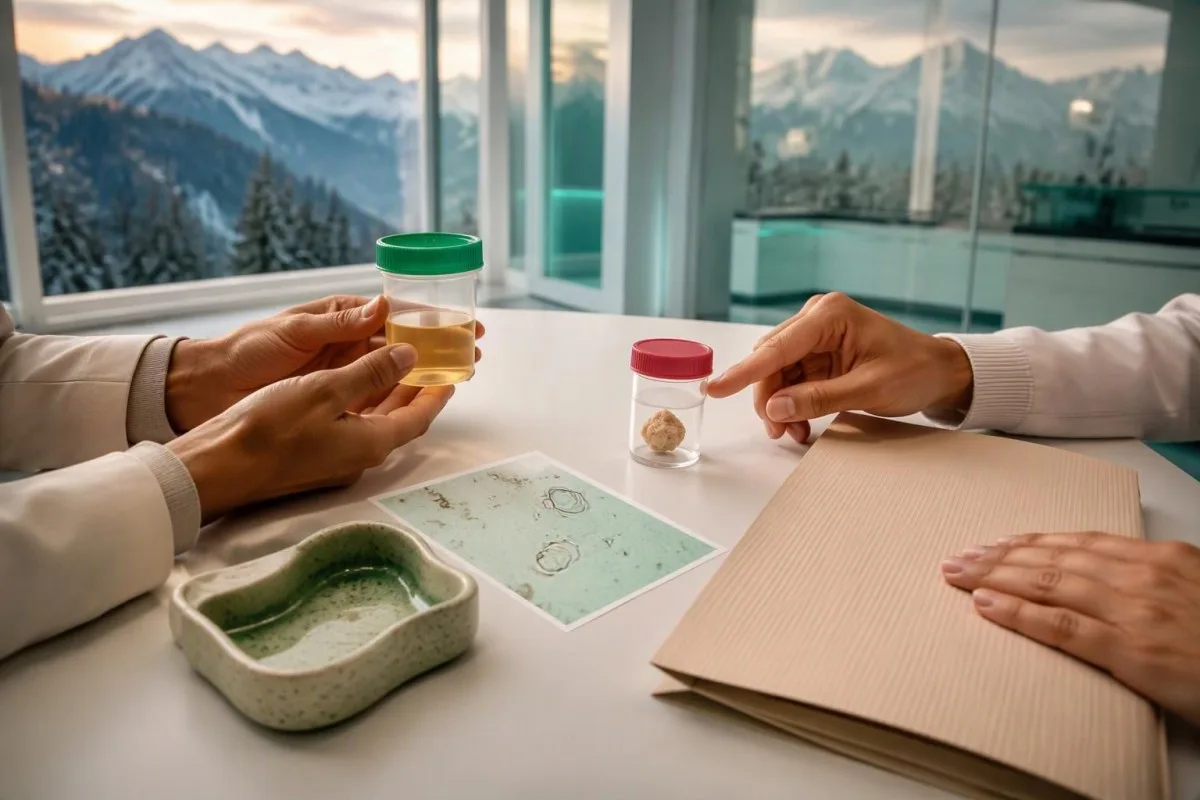
A focused follow-up record should include age at the first stone, number of episodes, affected relatives, current fluid intake and whether testing occurred before or after treatment. For a hypothetical person with 2 childhood stones, 420 mg cystine/24 hours and a confirmed cystine fragment, prevention need not wait for genetic results; an isolated borderline screen without those clues deserves more verification.
Read the quantitative result alongside pH, volume and other urine findings rather than assuming every abnormality has the same cause. Our complete urinalysis explanation separates the wider urine panel from dedicated amino acid testing, and the 2020 US consensus, 2021 European recommendation and 2014 AUA guideline below provide the clinical basis for the distinctions made here.
Kantesti's research publications below concern women's health education and multilingual hantavirus triage, not urinary cystine measurement, crystal-identification accuracy or cystinuria outcomes. Their presence is not evidence of performance for this condition; our medical content standards explain why condition-specific clinical sources and unrelated organizational research must remain clearly separated, even when both have persistent DOI links.
Frequently asked questions
Does high cystine in urine mean I have cystinuria?
High cystine in urine suggests cystinuria, but the strength of that finding depends on units, collection completeness and supporting evidence. Daily excretion above 300 mg/24 hours is strongly compatible with an untreated classic phenotype, although lower results do not exclude the condition. Quantitative amino acid testing, correctly identified hexagonal crystals and cystine-containing stone analysis help establish the diagnosis. A positive qualitative screen alone needs further evaluation.
What is a normal urine cystine test result?
Many adult laboratories use a urine cystine reference limit below approximately 30 mg/24 hours, but laboratory methods and reference intervals differ. A concentration reported in mg/L is not directly comparable with a daily amount reported in mg/24 hours. Children may require age-specific cystine/creatinine interpretation rather than an adult cutoff. Use the interval printed on the report and verify whether the sample was a spot specimen or a complete 24-hour collection.
Are hexagonal crystals in urine always cystine?
Correctly identified colorless, six-sided plates are highly characteristic of cystine crystals and strongly support cystinuria. A generic automated report saying crystals present is not equivalent to a manually confirmed identification. Cystine crystals can be absent in 1 sample because dilution, pH, treatment and handling affect precipitation. Quantitative testing or stone analysis should clarify uncertain or conflicting findings.
Can dehydration cause a high urine cystine result?
Dehydration can increase cystine concentration in mg/L without necessarily increasing the total amount excreted over 24 hours. For example, 600 mg daily in 1.5 L produces 400 mg/L, while the same amount in 3 L produces 200 mg/L. Dehydration alone does not explain the inherited amino acid transport defect of cystinuria. Check whether the report measures concentration, daily excretion or a creatinine-indexed ratio before interpreting a high flag.
Do I need genetic testing to confirm cystinuria?
Genetic testing is not always necessary when a cystine-containing stone and compatible urine findings already establish a convincing diagnosis. Testing usually examines 2 genes, SLC3A1 and SLC7A9, and may help with uncertain biochemical results, unusual presentations or targeted family screening. A variant of uncertain significance does not independently confirm disease. A negative genetic panel also does not automatically exclude clinically established cystinuria.
Should siblings be tested if someone has cystinuria?
Siblings of a person with confirmed cystinuria should discuss focused screening because abnormal amino acid excretion may precede the first stone. Testing can include urine amino acids and, when a causative family variant is known, targeted genetic analysis. When both parents carry a pathogenic variant in the same relevant gene, each pregnancy has a 25% chance of an affected child. Those inheritance probabilities do not apply automatically to every family or carrier result.
When should I seek urgent care for a suspected cystine stone?
Seek urgent assessment for fever with suspected stone obstruction, inability to pass urine, uncontrolled pain or persistent vomiting. An infected obstruction can require emergency drainage, regardless of whether the last cystine result was 200 or 800 mg/24 hours. Do not delay care to finish a 24-hour urine collection or force large amounts of water during severe symptoms. A normal recent kidney-function blood test does not rule out a new obstruction.
Get your blood test results explained
Upload your lab report and Kantesti's AI explains each biomarker in plain language within seconds. Used by more than 2 million people worldwide.
References
- Klein, T., Mitchell, S., & Weber, H. (2026). Women's Health Guide: Ovulation, Menopause & Hormonal Symptoms. Kantesti AI Medical Research. DOI
- Klein, T., Mitchell, S., & Weber, H. (2026). Multilingual AI Assisted Clinical Decision Support for Early Hantavirus Triage: Design, Engineering Validation, and Real-World Deployment Across 50,000 Interpreted Blood Test Reports. Kantesti AI Medical Research. DOI
- Eisner BH et al. (2020). Evaluation and Medical Management of Patients with Cystine Nephrolithiasis: A Consensus Statement. Journal of Endourology. DOI
- Servais A et al. (2021). Cystinuria: clinical practice recommendation. Kidney International. DOI
- Pearle MS et al. (2014). Medical management of kidney stones: AUA guideline. The Journal of Urology. DOI
- 2M+Tests analysed
- 127+Countries
- 100+Languages
About the medical team


E-E-A-T Trust Signals
Experience
Physician-led clinical review of lab interpretation workflows.
Expertise
Laboratory medicine focus on how biomarkers behave in clinical context.
Authoritativeness
Medically reviewed by Dr. Thomas Klein, with contributions from Dr. Sarah Mitchell and Prof. Dr. Hans Weber.
Trustworthiness
Evidence-based interpretation with clear follow-up pathways to reduce alarm.
Medical disclaimer
This article is for educational purposes only and does not constitute medical advice. Always consult a qualified healthcare provider for diagnosis and treatment decisions.
Published · Contact the editorial team
Published by Kantesti Ltd, registered in England & Wales, company no. 17090423, London, United Kingdom.
