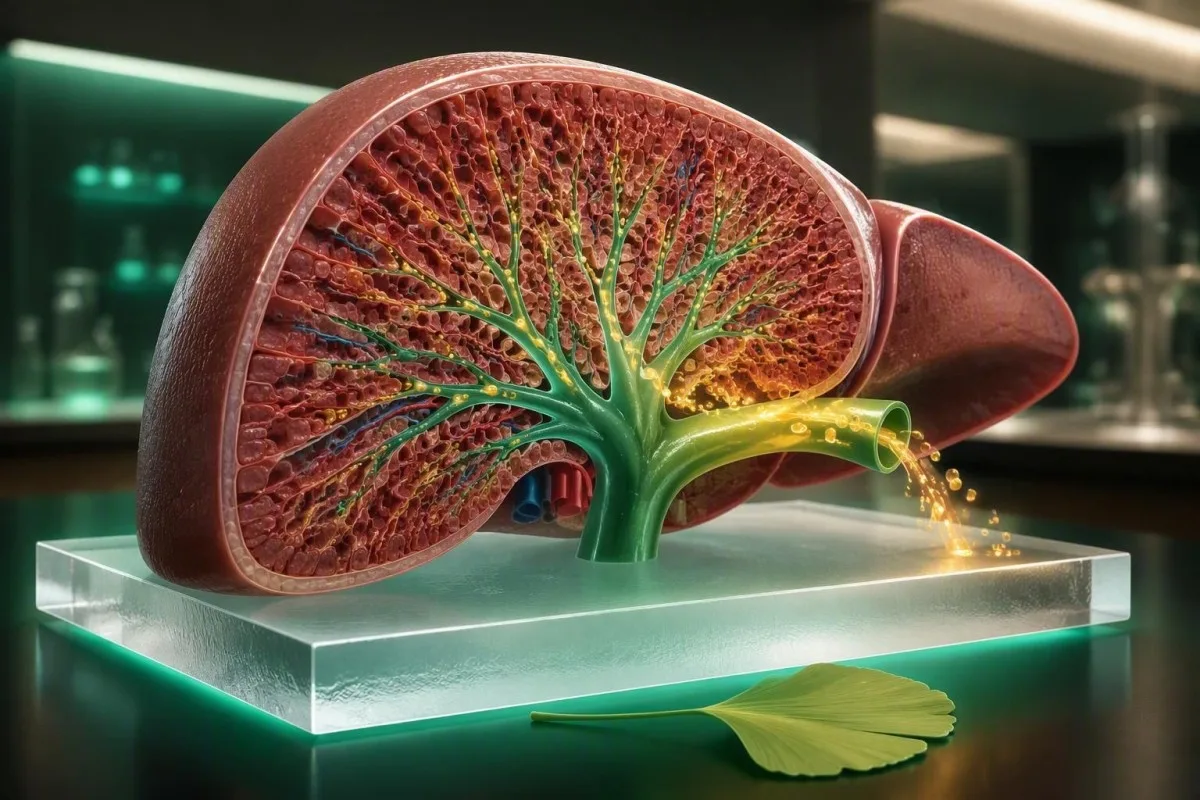
گلبرٽ سنڊروم unconjugated بليروبين جي وڌڻ ۽ گهٽجڻ جي بي ضرر، موروثي رجحان جو سبب بڻجي ٿو. اهم ڳالهه اها آهي ته جگر جي بيماري، hemolysis، يا دوا جي اثرن کي نظر انداز ڪرڻ کان سواء، واقف نمونن جي تصديق ڪرڻ.


- گلبرٽ سنڊروم بليروبين عام طور تي هڪ الڳ unconjugated واڌارو هوندو آهي، اڪثر ڪري 5 mg/dL (85 µmol/L) کان گهٽ، عام ALT، AST، ALP ۽ بلڊ ڳڻپ سان.
- سڌو بليروبن عام گلبرٽ نموني ۾ مجموعي بليروبين جو 20% کان گهٽ رهي ٿو.
- روزو رکڻ ۽ بيماري گلبرٽ سنڊروم ۾ متاثر ماڻهن ۾ 24 کان 48 ڪلاڪن اندر بليروبين کي ٻه کان ٽي ڀيرا وڌائي سگھي ٿو.
- UGT1A1 سرگرمي عام سرگرمي جي تقريباً 30% تائين گھٽجي ٿي، جگر کي نقصان پهچائڻ کان سواء بليروبين جي ڪنجوگيشن کي سست ڪري ٿي.
- Hemolysis ٽيسٽنگ جڏهن انيميا يا اعلي reticulocytes بليروبين سان گڏ هجن ته CBC، reticulocyte count، LDH، haptoglobin ۽ peripheral film شامل آهن.
- ڳاڙهي پيشاب عام نه آهي الڳ ٿيل اڻڄاتل هائپر بليروبينيميا جي، ڇاڪاڻ ته اڻڄاتل بليروبين پيشاب ۾ حل نه ٿئي ٿو.
- جينيٽڪ ٽيسٽنگ UGT1A1 variance سڃاڻي سگهي ٿي پر جڏهن ليبارٽري نمونن جو ڪلاسڪ انداز ورجائي ته تمام گهٽ ضرورت پوندي آهي.
- فوري جائزو بخار، پيٽ جو درد، هلڪو اسٽول، ڳاڙهي پيشاب، مونجهارو، وڌندڙ سڌو بليروبين، يا غير معمولي جگر جا انزايمس لاءِ مناسب آهي.
گلبرٽ سنڊروم بليروبين جو نمونو اصل ۾ ڇا مطلب آهي
گلبرٽ سنڊروم جي ڪري اڻڄاتل بليروبين جو وقفو وقفو ٿيڻ، ڇاڪاڻ ته جگر بليروبين کي معمول کان سست ڪنجيٽ ڪري ٿو؛ اهو جگر کي تدريجي نقصان نه پهچائيندو آهي. مجموعي بليروبين اڪثر 1.2 کان 3.0 mg/dL (20 کان 51 µmol/L) هوندو آهي، جيتوڻيڪ هڪ محرڪ ان کي 5 mg/dL (85 µmol/L) تائين وڌائي سگھي ٿو جڏهن ته ALT، AST، ALP، البومين ۽ CBC عام رهي.
بليروبين پيلو رنگ آهي جيڪو پراڻن ڳاڙهن خولن جي ٻيهر استعمال کان پوءِ بچي ويندو آهي. ان کي جگر تبديل ڪرڻ کان اڳ، اهو آهي غير ڳنڍيل بلي روبن, ، هڪ پاڻي ۾ نه حل ٿيندڙ شڪل جيڪا البومين سان ڳنڍيل رت ۾ کڻي ويندي آهي. Kantesti هڪ اي آءِ بلڊ ٽيسٽ اينالائيزر آهي جيڪو هن حصي کي جگر جي انزايمس ۽ مڪمل خون جي شمارو سان گڏ پڙهي ٿو، ان جي بدران هڪ ڳاڙهي مجموعي کي تشخيص طور علاج ڪرڻ جي.
هڪ عام بالغن جي مجموعي بليروبين جي حوالي واري حد عام طور تي 0.2 کان 1.2 mg/dL، يا 3 کان 20 µmol/L آهي، پر ليبارٽريون پنهنجي حدون مقرر ڪن ٿيون. منهنجي 15 سالن جي عمل ۾، آئون ڪيترن ئي ماڻهن کي مليو آهيان جن کي 1.8 mg/dL جي هڪ قدر کان پوءِ “جگر جي تڪليف” ٻڌايو ويو هو؛ هڪ عام انزايم پينل ۽ هڪ اڳوڻو ساڳيو نتيجو اڪثر ڪري ان گفتگو کي مڪمل طور تبديل ڪري ڇڏي ٿو. اسان جي رهنمائي اعلي بليروبين نمونن وضاحت ڪري ٿي ته ڇو حصو پهريون اچي ٿو.
گلبرٽ سنڊروم تقريبن 3% کان 10% ماڻهن کي متاثر ڪري ٿو، جنهن جا اندازا نسلن ۽ ڪيئن فعال طور تي آبادي جي اسڪريننگ ڪئي وڃي ٿي ان ۾ نمايان طور تي مختلف آهن. اهو عام طور تي جوانيءَ يا شروعاتي بالغن ۾ نمايان ٿئي ٿو، پر جنياتي رجحان پيدائش کان ئي موجود هوندو آهي. ان جي تشخيص اڃا تائين مقابلي جي وضاحت کي رد ڪري حاصل ڪئي وڃي، خاص طور تي پهرين غير معمولي پينل تي.
پيلو رنگ ڇو اچي ۽ وڃي ٿو
اکين جي سفيدين جي ظاهري پيلي رنگت اڪثر ڪري مجموعي بليروبين 2 کان 3 mg/dL جي چوڌاري شروع ٿئي ٿي، پر ڪمري جي روشني، جلد جو رنگ ۽ فرد جي سمجھ ان کي بي اعتباري حد بڻائي ٿي. ڪيترائي ماڻهو ليبارٽري جي وڌتيل سطح سان بلڪل پيلي رنگ جا نه ٿيندا آهن.
مجموعي، سڌو ۽ اڻ سڌو بليروبين: اهي حصا جن کي ڊاڪٽر استعمال ڪندا آهن
گلبرٽ جو ڪلاسڪ نمونو اڪثريتي طور تي بالواسطه بليروبين آهي، جنهن ۾ سڌو بليروبين عام طور تي مجموعي جو 20% کان گهٽ هوندو آهي ۽ ٻي صورت ۾ جگر جي ڪيمسٽري عام هوندي آهي. وڌيل سڌو حصو ڊاڪٽرن کي ٻئي طرف وٺي وڃي ٿو: پتي جي وهڪري ۾ رڪاوٽ، هيپاٽو سيل کي نقصان، يا دوا سان لاڳاپيل ڪوليسٽيٽڪ اثر.
ڪيترائي ليب رپورٽون مجموعي ۽ سڌي بليروبين لسٽ ڪن ٿيون، جڏهن ته “بالواسطه” مجموعي مان سڌي کي گھٽائي ڪري ڪڍيو ويندو آهي. مثال طور، مجموعي بليروبين 2.4 mg/dL سڌي بليروبين 0.3 mg/dL سان، بالواسطه بليروبين 2.1 mg/dL ڇڏي ٿو، يا 88% مجموعي جو. اها ورڇ رڪاوٽ کان گهڻو بهتر گلبرٽ سنڊروم سان ٺهڪي اچي ٿي.
0.3 mg/dL کان مٿي سڌو بليروبين خود بخود خطرناڪ نه آهي ڇاڪاڻ ته ايسي جي طريقن گهٽ ڌيان ۾ مختلف آهن. ڪلينڪل طور تي مفيد سوال تناسب آهي: 1.8 mg/dL جي مجموعي ۾ 1.2 mg/dL جو سڌو بليروبين 2.5 mg/dL جي مجموعي ۾ 0.3 mg/dL جي نتيجي کان تمام مختلف نتيجو آهي. اسان جي جگر پينل مارڪر گائيڊ کي ڏسو گڏيل ٽيسٽن لاءِ جيڪي حصن کي انهن جو مطلب ڏين ٿيون.
Kantesti بليروبين جي حصن کي رپورٽنگ ليبارٽري جي وقفي ۽ لاڳاپيل نشانين، جن ۾ البومين ۽ ALP شامل آهن، جي خلاف سمجهي ٿو. ان جو بايو مارڪر ريفرنس گائيڊ مفيد آهي جڏهن ڪا رپورٽ mg/dL جي بدران µmol/L استعمال ڪري ٿي؛ بليروبين جو 1 mg/dL تقريبن 17.1 µmol/L جي برابر آهي.
UGT1A1 جين ۽ بليروبين جو سست ڪنجوگيشن
Gilbert syndrome usually reflects inherited lower expression of UGT1A1, the enzyme that attaches glucuronic acid to bilirubin so it can enter bile. Residual enzyme activity is roughly 30% of usual activity, enough for everyday health but less resilient during physiologic stress.
The commonly discussed variant in people of European ancestry is an extra TA repeat in the UGT1A1 promoter, often called UGT1A1*28. Other variants are more common in East Asian, African and Middle Eastern populations, so a negative test for one variant does not erase a clinically convincing pattern.
Bosma and colleagues demonstrated reduced UGT1A1 expression as the molecular basis for Gilbert syndrome in a landmark New England Journal of Medicine paper (Bosma et al., 1995). The condition is inherited, but relatives may have very different bilirubin values because food intake, menstrual cycling, infections, exercise and medicines alter the visible expression.
A gene result is not a liver-function test. When direct bilirubin is disproportionately high, the clinical question changes; our explanation of اعلي direct بليروبن covers the patterns that do not behave like Gilbert syndrome.
گلبرٽ سنڊروم ۾ بليروبين کي ڪهڙا ٽرگر وڌائين ٿا؟
Fasting, dehydration, fever, viral illness, sleep loss, hard exercise, alcohol excess and menstruation are common Gilbert syndrome bilirubin triggers. A calorie restriction of about 400 kcal daily for 24 to 48 hours can increase bilirubin two- to three-fold in susceptible people.
The fasting effect is often misread as proof that someone has “detoxed” or damaged their liver. In reality, reduced caloric intake changes hepatic bilirubin handling and increases the unconjugated fraction. A 52-year-old endurance runner I saw had total bilirubin of 3.7 mg/dL after a 36-hour fast and race weekend; it returned to 1.4 mg/dL after normal meals and recovery.
Acute infections are another frequent trigger because inflammation, lower intake and dehydration tend to arrive together. A simple log of illness dates, fasting, strenuous training, alcohol intake and menstrual timing can be more diagnostic than repeated random tests. Our article on laboratory changes after poor sleep helps separate a temporary physiologic shift from a stable baseline.
Kantesti AI هڪ AI ليب ٽيسٽ جي تشريح واري سروس that can compare current and prior bilirubin values, making a recurrent stress-linked pattern easier to see. Still, trend recognition is supportive evidence, not permission to ignore new pain, fever, dark urine or an abnormal ALT.
گلبرٽ سنڊروم جا علامتون: بليروبين جي ڪري ڇا ٿي سگهي ٿو ۽ ڇا نٿو ٿي سگهي
Most people with Gilbert syndrome feel well, although mild yellowing of the eyes can appear during a bilirubin rise. Fatigue, nausea, brain fog and abdominal discomfort are reported by some patients, but none is specific enough to diagnose the condition or to explain away persistent symptoms.
The thing is, a benign diagnosis can become an unhelpful catch-all label. If fatigue persists for 6 weeks, causes sleep disruption or limits activity, I still consider anemia, thyroid disease, iron deficiency, depression, sleep disorders and medication effects. A خون جي جاچ جو نتيجو ڪيئن پڙهجي is often a sensible companion to liver testing.
Gilbert syndrome does not typically cause itching, pale stools, persistent right-upper-abdominal pain, fever or weight loss. Those features raise concern for cholestasis, gallbladder disease, hepatitis or systemic illness, particularly when direct bilirubin, ALP or GGT is elevated.
Thomas Klein, MD, advises patients not to test bilirubin repeatedly just to chase a normal number. A repeat result is most useful when it answers a clinical question: whether the fraction changed, whether enzymes remain normal, or whether a suspected trigger has passed.
ڊاڪٽر گلبرٽ سنڊروم جو تشخيص ڪيئن ڪندا آهن
Gilbert syndrome diagnosis is clinical: recurrent unconjugated hyperbilirubinemia, normal liver enzymes, no evidence of hemolysis, and no concerning symptoms or examination findings. Genetic testing, imaging and invasive procedures are usually unnecessary when all four elements are present.
A practical first panel includes total and direct bilirubin, ALT, AST, ALP, GGT, albumin, CBC and often reticulocytes, LDH and haptoglobin. Normal hemoglobin with normal LDH and haptoglobin makes clinically meaningful hemolysis unlikely; a raised reticulocyte count changes that assessment. Our reticulocyte testing guide explains why marrow response matters.
A clinician should review medicines before attaching a lifelong label. Atazanavir and indinavir can raise unconjugated bilirubin by inhibiting UGT1A1, while irinotecan toxicity risk is increased in some people with reduced UGT1A1 function. Prescription treatment should never be stopped without the prescriber’s advice.
VanWagner and Green’s JAMA review recommends excluding hemolysis and drug-induced hyperbilirubinemia before diagnosing Gilbert syndrome in an asymptomatic adult (VanWagner and Green, 2015). In my experience, repeating a fractionated panel after recovery from a clear trigger is often more informative than ordering an ultrasound immediately.
بلڊ سيل ٽٽڻ unconjugated بليروبين جي بلند ٿيڻ جي نقل ڪيئن ڪري سگهي ٿو
Hemolysis can raise unconjugated bilirubin because red cells are being broken down faster than the liver can clear their pigment. Unlike uncomplicated Gilbert syndrome, hemolysis often produces high reticulocytes and LDH, low haptoglobin, anemia, or abnormal cellular forms on a peripheral film.
A bilirubin of 2.6 mg/dL with hemoglobin 10.2 g/dL, reticulocytes 7%, elevated LDH and low haptoglobin is not safely dismissed as Gilbert syndrome. The combination suggests accelerated red-cell turnover, and the cause can range from autoimmune hemolysis to an inherited membrane or enzyme disorder.
Haptoglobin can be low for reasons other than hemolysis, including impaired liver synthesis, so it is never interpreted alone. The cross-check is powerful: a normal CBC, normal reticulocyte count and stable bilirubin over years make hemolysis less likely, whereas new anemia requires a fresh work-up. Read more about low haptoglobin causes.
Kantesti AI interprets bilirubin alongside hemoglobin, MCV, reticulocytes, LDH and haptoglobin because an isolated high bilirubin has a different risk profile from that same result with anemia. A visibly hemolyzed laboratory sample can also distort some assays, so a redraw may be needed if the laboratory flags sample interference.
جڏهن اعلي بليروبين جگر يا بائل-ڊڪٽ جي بيماري جو امڪان وڌيڪ هوندو آهي
Raised direct bilirubin with elevated ALT, AST, ALP or GGT is not the usual Gilbert syndrome pattern and needs medical assessment. ALT or AST above the laboratory upper limit suggests hepatocyte injury, while ALP and GGT rising together suggests impaired bile flow.
Dark tea-coloured urine is a particularly useful clue because conjugated bilirubin is water-soluble and can appear in urine; unconjugated bilirubin generally cannot. Pale or clay-coloured stools, generalized itch and progressive jaundice deserve prompt evaluation even if a person already carries a Gilbert syndrome diagnosis.
Viral hepatitis, gallstones, alcohol-related injury, metabolic fatty liver disease and drug-induced liver injury may all alter the liver panel. The hepatitis B symptom guide is relevant because many acute and chronic liver conditions cause few symptoms early on.
An ultrasound is often appropriate when the direct fraction is high, ALP is elevated, pain is present, or jaundice is new and persistent. It is not routinely required for a 25-year-old with repeated indirect bilirubin of 2.0 mg/dL, normal enzymes and a negative hemolysis screen.
بليروبين ريڊ فليگز جن کي گلبرٽ سنڊروم نه سڏيو وڃي
Seek urgent medical care for jaundice with fever, severe abdominal pain, vomiting, confusion, fainting, black stools, or rapidly worsening weakness. These symptoms can signal infection, obstruction, acute liver injury, bleeding or severe hemolysis rather than a benign bilirubin fluctuation.
New jaundice after age 40 is not automatically more dangerous, but it deserves a lower threshold for structured assessment because gallstone, medication and liver-disease probabilities change with age. Total bilirubin above 5 mg/dL, especially if rising over days, is atypical for uncomplicated Gilbert syndrome and should be rechecked with fractions and liver tests.
Pregnancy deserves its own pathway. Mild isolated indirect elevation may still reflect Gilbert syndrome, but itching, high blood pressure, headache, right-sided upper abdominal pain, or abnormal AST and ALT require obstetric review because pregnancy-specific liver disorders can evolve quickly.
For a practical explanation of ALP, GGT and bilirubin combinations, see our cholestasis بلڊ-ٽيسٽ اوورويُو. The reason we worry about bilirubin plus abnormal ALP is that the pair suggests a bile-flow problem, whereas bilirubin alone often does not.
بليروبين ٽيسٽ جي ورجائي لاءِ ڪيئن تيار ڪجي
For a useful repeat bilirubin test, eat and drink normally for 24 to 48 hours, avoid unusually intense exercise for 24 hours, and test after an acute illness has settled if clinically safe. A deliberate fast can exaggerate Gilbert syndrome bilirubin and make interpretation needlessly confusing.
You do not need to force a bilirubin result down with supplements, liver cleanses or excessive water intake. Normal hydration is enough; overhydration can dilute other results and does not treat the underlying enzyme pattern. If fasting is required for another test, tell the clinician it may affect your bilirubin interpretation.
Record the time of collection, recent exercise, 24-hour food intake, illness, alcohol exposure and all medicines. This small amount of context is often what turns two seemingly inconsistent results into a coherent pattern. Our article on fasting and laboratory tests outlines the broader pre-test effects.
A repeat is usually arranged in weeks rather than days when the only issue is mild isolated indirect bilirubin and the person feels well. Earlier testing is sensible if symptoms start, bilirubin rises sharply, or other liver markers become abnormal.
گلبرٽ سنڊروم سان گڏ خوراڪ، الڪوحل ۽ روزاني عادتون
Regular meals, adequate fluids, recovery after exertion and avoiding crash diets reduce bilirubin fluctuations for many people with Gilbert syndrome. These habits may reduce visible jaundice but do not change the inherited UGT1A1 variant or require a restrictive “liver diet.”
There is no evidence-based bilirubin-lowering supplement for Gilbert syndrome. I discourage products marketed as liver detoxes because concentrated extracts can cause drug interactions or genuine liver injury; the safest plan is ordinary nutrition with enough calories for activity.
Alcohol does not cause Gilbert syndrome, but binge drinking can cause dehydration, reduced food intake and liver enzyme abnormalities that muddy the picture. If alcohol is followed by jaundice, vomiting or abdominal pain, do not assume the syndrome is the whole explanation. Our evidence-based review of foods and liver health separates reasonable nutrition from detox claims.
Endurance athletes and people using intermittent fasting often notice the pattern first. Thomas Klein, MD, usually recommends checking a baseline panel during a normal training week before attributing a post-race result to either liver disease or Gilbert syndrome.
دوائون، سرجري ۽ طريقا: جڏهن گلبرٽ سنڊروم اهم هوندو آهي
Gilbert syndrome usually does not change routine medical care, but clinicians should know about it before drugs that depend heavily on UGT1A1 metabolism are prescribed. The clearest examples are irinotecan, where reduced enzyme activity can increase toxicity risk, and atazanavir, which can visibly raise bilirubin.
A high bilirubin result during atazanavir use can reflect reduced conjugation rather than liver-cell injury, provided enzymes and direct bilirubin are reassuring. That distinction belongs with the prescribing clinician because medication choice depends on the whole treatment plan, not on a single laboratory marker.
Before elective surgery, a documented history of isolated indirect hyperbilirubinemia can prevent last-minute concern when a pre-operative panel is mildly flagged. Fasting before surgery may transiently raise bilirubin, so a previous normal enzyme panel and fractionated history are genuinely useful records.
ڪينٽيسٽي هڪ آهي AI-powered رت جي ٽيسٽ تجزيي جو اوزار that organizes historical laboratory reports so patients can share the recurring pattern during a medication review. Our AI ٽيڪنالاجي گائيڊ explains why source values and laboratory units are preserved during interpretation.
تشخيص کان پوءِ ڊگھي مدي جو امڪان ۽ نگراني
Confirmed Gilbert syndrome has an excellent prognosis and does not progress to cirrhosis, liver failure or liver cancer. Most people need no treatment and no bilirubin-specific monitoring schedule beyond routine care or testing prompted by a new clinical issue.
The useful baseline is not one perfect result; it is the repeated relationship between bilirubin fractions, enzymes, blood counts and triggers. A stable total bilirubin between 1.4 and 2.8 mg/dL over several years with normal ALT and ALP carries a very different meaning from a new climb from 0.6 to 2.8 mg/dL.
Kantesti’s trend analysis can surface a persistent isolated pattern across laboratory providers, but a clinician should review unexpected changes, especially if results cross laboratory methods or units. Our guide to رت جي ٽيسٽن وچ ۾ معنيٰ خيز تبديليون explains why small shifts can reflect ordinary analytic variation.
As of September 14, 2026, no major guideline recommends routine imaging or specialist follow-up solely for a well-established Gilbert syndrome diagnosis. Monitoring should instead follow real risks: medication exposure, alcohol-related harm, metabolic risk, viral hepatitis risk, symptoms, or abnormal liver chemistry.
ڪلينيڪل حوالي کي نه وڃائڻ کان سواء AI تشريح ڪيئن استعمال ڪجي
An AI explanation can help identify an isolated Gilbert-like pattern, but it cannot confirm a diagnosis without the bilirubin fractions, medication history, symptoms and examination context. Safe interpretation should flag uncertainty rather than reassure someone with direct hyperbilirubinemia or abnormal enzymes.
Kantesti AI reads uploaded reports in about 60 seconds and can identify whether total bilirubin, direct bilirubin, ALT, AST, ALP, hemoglobin and reticulocytes move together. That is helpful pattern recognition, not a replacement for medical assessment; the ڪلينڪل تصديق جو طريقو describes the safeguards and limits we apply.
Our medical reviewers see a recurring problem: users may upload only a metabolic panel that reports total bilirubin, without direct bilirubin or a CBC. In that setting, “possible Gilbert syndrome” is the honest wording, because the distinction from hemolysis or liver disease has not yet been tested.
ڪينٽيسٽي هڪ آهي AI بايو مارڪر تشريحي پليٽ فارم built to make laboratory language clearer across 75+ languages, while preserving the need for clinician-led diagnosis. Readers who want to understand our physician oversight can meet the طبي صلاحڪار بورڊ; this article was medically reviewed under that process.
اعلي بليروبين جي نتيجي کان پوءِ پنهنجي ڊاڪٽر سان سوال
The most useful question after high bilirubin is: “Was the elevation indirect, and were my liver enzymes and hemolysis markers normal?” This turns a vague abnormal flag into a specific diagnostic pathway and avoids both false reassurance and unnecessary alarm.
Ask for the actual total and direct bilirubin values, not simply whether the result was high. Ask whether ALT, AST, ALP, GGT, albumin, hemoglobin, reticulocytes, LDH and haptoglobin fit the same benign story. A clinician may reasonably omit some tests if prior results already establish the pattern.
Ask whether your medicines, recent fasting, exercise, illness or family history alter the interpretation. If you have dark urine, pale stools, itch, abdominal pain or fever, say so directly because those details carry more weight than a small numerical difference.
Kantesti’s clinical team, led by Dr. Thomas Klein, recommends bringing prior reports rather than relying on memory of “high bilirubin.” If you need a second explanation of a confusing result, our بلڊ ٽيسٽ سيڪنڊ اوپن گائيڊ outlines when additional review is sensible.
وچان وچان سوال ڪرڻ
گِلبرٽ سنڊروم ۾ بيليروبن جي عام سطح ڪيتري هوندي آهي؟
Gilbert syndrome usually produces total bilirubin between 1.2 and 3.0 mg/dL, or about 20 to 51 µmol/L, although fasting or illness can temporarily raise it toward 5 mg/dL (85 µmol/L). The rise should be predominantly unconjugated, with direct bilirubin generally below 20% of total bilirubin. ALT, AST, ALP, GGT, albumin and the complete blood count are usually normal. A value above 5 mg/dL or a changing liver panel warrants reassessment rather than automatic attribution to Gilbert syndrome.
ڇا گلبرٽ سنڊروم سبب پيشاب گہرے رنگ جو ٿي سگهي ٿو؟
Isolated Gilbert syndrome does not usually cause dark urine because unconjugated bilirubin is not water-soluble and is not normally excreted into urine. Dark tea-coloured urine suggests conjugated bilirubin, dehydration, blood pigments, medicines or other causes and should be assessed in context. If dark urine occurs with pale stools, itch, fever, abdominal pain or elevated direct bilirubin, prompt medical review is appropriate. A urine bilirubin test can help distinguish these pathways.
ڇا روزو گلبرٽ سنڊروم ۾ بليروبين وڌائي ٿو؟
Yes, fasting commonly raises bilirubin in Gilbert syndrome, sometimes by two- to three-fold within 24 to 48 hours. Very low calorie intake, dehydration and endurance exercise often compound the effect because they occur together. Eating normally and being adequately hydrated for one to two days before a non-urgent repeat test gives a more representative baseline. Fasting should not be skipped when another medically necessary test requires it; instead, tell the clinician how long you fasted.
گِلبرٽ سنڊروم جو ڪيئن تشخيص ڪيو وڃي ٿو؟
Gilbert syndrome diagnosis is usually based on repeated isolated unconjugated hyperbilirubinemia, normal liver enzymes, normal blood counts and no evidence of hemolysis. Clinicians often check total and direct bilirubin, ALT, AST, ALP, GGT, CBC, reticulocytes, LDH and haptoglobin. UGT1A1 genetic testing can support the diagnosis but is not routinely needed when the laboratory pattern is classic. Imaging is generally reserved for direct bilirubin elevation, abnormal enzymes, pain, or other red flags.
ڇا جلبرٽ سنڊروم جگر جي بيماري بڻجي سگهي ٿو؟
Gilbert syndrome does not progress to cirrhosis, liver failure or liver cancer because it reflects reduced bilirubin conjugation rather than ongoing liver-cell damage. A person with Gilbert syndrome can still develop unrelated liver disease, so new ALT, AST, ALP or direct bilirubin elevation should be investigated on its own merits. Routine treatment is not required for established Gilbert syndrome. New jaundice with pain, fever, dark urine or pale stools is never something to ignore.
ڇا مون کي گيلبرٽ سنڊروم لاءِ جنيٽڪ ٽيسٽ ڪرائڻ گهرجي؟
Genetic testing for UGT1A1 variants is usually unnecessary when bilirubin is repeatedly indirect, usually below 5 mg/dL, liver tests are normal and hemolysis has been excluded. It can be useful when the diagnosis remains uncertain, when a medicine such as irinotecan is being considered, or when bilirubin values are unusually high. A result must be interpreted in light of ancestry because relevant UGT1A1 variants differ across populations. Genetic testing does not replace a liver panel or hemolysis assessment.
اڄ ئي AI-طاقتور خون جي جاچ جو تجزيو حاصل ڪريو
دنيا ڀر ۾ 2 ملين کان وڌيڪ استعمال ڪندڙن ۾ شامل ٿيو جيڪي فوري ۽ درست ليب ٽيسٽ تجزيو لاءِ Kantesti تي ڀروسو ڪن ٿا. پنهنجا خون جي جاچ جا نتيجا اپلوڊ ڪريو ۽ سيڪنڊن ۾ 15,000+ بائيو مارڪرز جي جامع تشريح حاصل ڪريو.
📚 حوالا ڏنل تحقيقي اشاعتون
ڪلين، ٽي.، مچل، ايس.، ۽ ويبر، ايڇ. (2026). Women's Health Guide: Ovulation, Menopause & Hormonal Symptoms. (2026). Figshare. https://doi.org/10.6084/m9.figshare.31830721. ResearchGate: https://www.researchgate.net. Academia.edu: https://www.academia.edu.. Kantesti AI Medical Research.
ڪلين، ٽي.، مچل، ايس.، ۽ ويبر، ايڇ. (2026). Multilingual AI Assisted Clinical Decision Support for Early Hantavirus Triage: Design, Engineering Validation, and Real-World Deployment Across 50,000 Interpreted Blood Test Reports. (2026). Figshare. https://doi.org/10.6084/m9.figshare.32230290. ResearchGate: https://www.researchgate.net. Academia.edu: https://www.academia.edu.. Kantesti AI Medical Research.
📖 ٻاهرين طبي حوالا
⚕️ طبي دستبرداري
هي آرٽيڪل صرف تعليمي مقصدن لاءِ آهي ۽ طبي مشورو نٿو بڻجي. تشخيص ۽ علاج جي فيصلن لاءِ هميشه ڪنهن قابل صحت فراهم ڪندڙ سان صلاح ڪريو.
E-E-A-T اعتماد جا سگنل
تجربو
ڊاڪٽر جي نگرانيءَ هيٺ ليبارٽري نتيجن جي تشريح واري عمل جو جائزو.
ماهر
ليبارٽري دوائن جو ڌيان ان ڳالهه تي ته بايو مارڪرز ڪلينڪل حوالي سان ڪيئن رويو ڏيکارين ٿا.
اختيار
ڊاڪٽر ٿامس ڪلين لکيو، ۽ ڊاڪٽر ساره مچل ۽ پروف. ڊاڪٽر هانس ويبر طرفان جائزو ورتل.
اعتبار
ثبوتن تي ٻڌل تشريح، جنهن سان خبرداري گهٽائڻ لاءِ واضح پيرويءَ جا رستا موجود هجن.