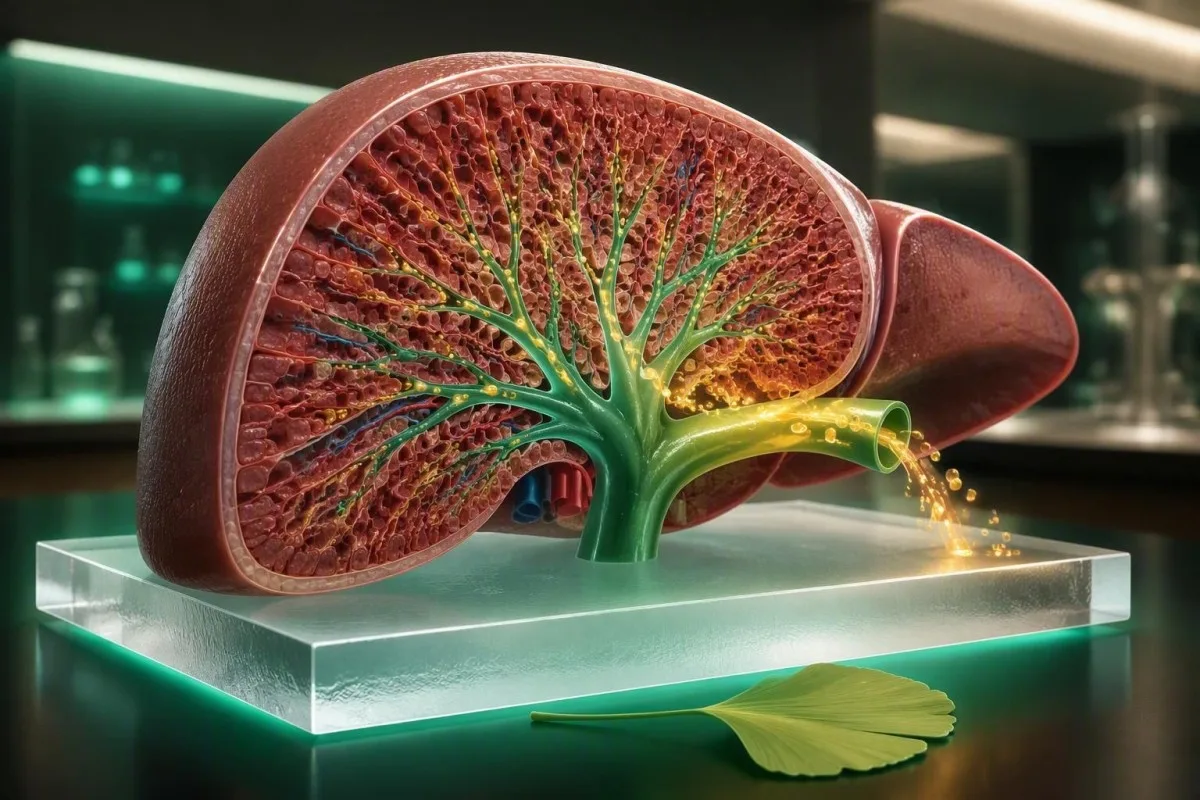
გილბერტის სინდრომი იწვევს უვნებელ, მემკვიდრეობით მიდრეკილებას დაუკავშირებელი ბილირუბინის მომატებისა და დაქვეითებისკენ. მთავარია ნაცნობი ნიმუშის დადასტურება, ღვიძლის დაავადების, ჰემოლიზის ან წამლის ეფექტების გამოტოვების გარეშე.


- გილბერტის სინდრომის ბილირუბინი ჩვეულებრივ არის იზოლირებული არაპირდაპირი მატება, ხშირად 5 მგ/დლ (85 მკმოლ/ლ) ქვემოთ, ნორმალური ALT, AST, ALP და სისხლის ანალიზებით.
- პირდაპირი ბილირუბინი ჩვეულებრივ შეადგენს ჯამური ბილირუბინის 20%-ს გილბერტის ტიპურ ნიმუშში.
- შიმშილი და ავადმყოფობა შეიძლება გაზარდოს ბილირუბინი ორ-სამჯერ 24-48 საათის განმავლობაში გილბერტის სინდრომის მქონე პირებში.
- UGT1A1 აქტივობა დაქვეითებულია დაახლოებით 30%-მდე ჩვეულებრივი აქტივობიდან, ანელებს ბილირუბინის კონიუგაციას ღვიძლის დაზიანების გარეშე.
- ჰემოლიზის ტესტირება მოიცავს CBC, რეტკულიოციტების რაოდენობას, LDH, ჰაპტოგლობინს და პერიფერიულ ნაცხს, როდესაც ანემია ან მაღალი რეტკულიოციტები თან ახლავს ბილირუბინს.
- მუქი შარდი არ არის დამახასიათებელი იზოლირებული არაკონიუგირებული ჰიპერბილირუბინემიისთვის, რადგან არაკონიუგირებული ბილირუბინი არ იხსნება შარდში.
- გენეტიკური ტესტირება შეუძლია UGT1A1 ვარიანტების იდენტიფიცირება, მაგრამ იშვიათად არის საჭირო, როდესაც განმეორებითი ლაბორატორიული ნიმუშები კლასიკურია.
- სასწრაფო გადახედვა მიზანშეწონილია ცხელების, მუცლის ტკივილის, ფერმკრთალი განავლის, მუქი შარდის, დაბნეულობის, მომატებული პირდაპირი ბილირუბინის ან ღვიძლის ფერმენტების დარღვევის დროს.
რას ნიშნავს გილბერტის სინდრომის ბილირუბინის ნიმუში
გილბერტის სინდრომი იწვევს არაკონიუგირებული ბილირუბინის წყვეტილ, იზოლირებულ მომატებას, რადგან ღვიძლი ბილირუბინს ჩვეულებრივზე ნელა აკონიუგირებს; ის არ იწვევს პროგრესირებად ღვიძლის დაზიანებას. მთლიანი ბილირუბინი ხშირად შეადგენს 1,2-დან 3,0 მგ/დლ-მდე (20-დან 51 მკმოლ/ლ-მდე), თუმცა გამომწვევმა ფაქტორმა შეიძლება ის 5 მგ/დლ-მდე (85 მკმოლ/ლ) აწიოს, ხოლო ALT, AST, ALP, ალბუმინი და CBC ნორმალური რჩება.
ბილირუბინი არის ყვითელი პიგმენტი, რომელიც რჩება ძველი სისხლის წითელი უჯრედების გადამუშავების შემდეგ. სანამ ღვიძლი მას დაამუშავებს, ის არის არაკონიუგირებული ბილირუბინის, წყალში უხსნადი ფორმა, რომელიც სისხლში ალბუმინთან არის შეკრული. Kantesti არის AI სისხლის ტესტის ანალიზატორი , რომელიც კითხულობს ამ ფრაქციას ღვიძლის ფერმენტებთან და სრული სისხლის ანალიზთან ერთად, ნაცვლად იმისა, რომ ერთი დიაგნოზის ნიშნულად ჩაითვალოს.
ზრდასრულთა ნორმალური საერთო ბილირუბინის მითითების ინტერვალი ხშირად შეადგენს 0,2-დან 1,2 მგ/დლ-მდე, ან 3-დან 20 მკმოლ/ლ-მდე, თუმცა ლაბორატორიები ადგენენ საკუთარ ლიმიტებს. ჩემი 15 წლიანი პრაქტიკის განმავლობაში, შევხვედრილვარ ბევრ ადამიანს, რომლებსაც 1,8 მგ/დლ-ის ერთი მაჩვენებლის შემდეგ უთხრეს, რომ “ღვიძლის პრობლემა” ჰქონდათ; ნორმალური ფერმენტული პანელი და წინა იდენტური შედეგი ხშირად სრულიად ცვლის ამ საუბარს. ჩვენი სახელმძღვანელო ბილირუბინის მაღალი დონის ნიმუშები ხსნის, რატომ ხდება ფრაქციონირება პირველ რიგში.
გილბერტის სინდრომი აწუხებს დაახლოებით 3%-დან 10% ადამიანს, შეფასებები მნიშვნელოვნად განსხვავდება წარმოშობისა და მოსახლეობის აქტიური გამოკვლევის მიხედვით. ის ხშირად შეიმჩნევა მოზარდობის ან ადრეული ზრდასრულობის პერიოდში, თუმცა გენეტიკური მიდრეკილება დაბადებიდანვე არსებობს. დიაგნოზი მაინც უნდა იყოს დამსახურებული, კონკურენტული ახსნების გამორიცხვით, განსაკუთრებით პირველ ატიპურ პანელზე.
რატომ ჩნდება და ქრება ყვითელი ფერი
თვალების სითეთრის ხილული გაყვითლება ხშირად იწყება დაახლოებით 2-3 მგ/დლ საერთო ბილირუბინის დროს, მაგრამ ოთახის განათება, კანის ტონუსი და ინდივიდუალური აღქმა ამას არასანდო ზღვარად აქცევს. ბევრი ადამიანი ლაბორატორიული მომატებით სულაც არ გამოიყურება სიყვითლით.
ჯამური, პირდაპირი და არაპირდაპირი ბილირუბინი: ფრაქციები, რომლებსაც კლინიცისტები იყენებენ
გილბერტის კლასიკური ნიმუში არის უპირატესად არაპირდაპირი ბილირუბინი, პირდაპირი ბილირუბინით, როგორც წესი, ჯამური 20%-ზე ნაკლები და სხვაგვარად ნორმალური ღვიძლის ქიმია. მომატებული პირდაპირი ფრაქცია ექიმებს მიმართავს განსხვავებული გზით: ნაღვლის ნაკადის შენელება, ჰეპატოციტის დაზიანება ან მედიკამენტებით გამოწვეული ქოლესტაზური ეფექტი.
ბევრი ლაბორატორიული ანგარიში ჩამოთვლის საერთო და პირდაპირ ბილირუბინს, ხოლო “არაპირდაპირი” გამოითვლება როგორც ჯამური მინუს პირდაპირი. მაგალითად, საერთო ბილირუბინი 2,4 მგ/დლ პირდაპირი ბილირუბინით 0,3 მგ/დლ, ტოვებს არაპირდაპირ ბილირუბინს 2,1 მგ/დლ-ს, ანუ ჯამური 88%-ს. ეს განაწილება ბევრად უფრო შეესაბამება გილბერტის სინდრომს, ვიდრე ობსტრუქციას.
პირდაპირი ბილირუბინი 0,3 მგ/დლ-ზე მეტი არ არის ავტომატურად საშიში, რადგან დაბალი კონცენტრაციებისას ანალიზის მეთოდები განსხვავდება. კლინიკურად სასარგებლო კითხვა არის პროპორციულობა: 1,2 მგ/დლ პირდაპირი ბილირუბინი 1,8 მგ/დლ-ის ჯამურ მაჩვენებელში ძალიან განსხვავებული შედეგია, ვიდრე 0,3 მგ/დლ 2,5 მგ/დლ-ის ჯამურ მაჩვენებელში. იხილეთ ჩვენი ღვიძლის პანელის მარკერის გზამკვლევი თანმხლები ტესტებისთვის, რომლებიც ფრაქციებს აძლევენ მნიშვნელობას.
Kantesti განმარტავს ბილირუბინის ფრაქციებს ანგარიშის ლაბორატორიის ინტერვალისა და მასთან დაკავშირებული მარკერების მიხედვით, მათ შორის ალბუმინისა და ALP-ის. მისი ბიომარკერის საცნობარო სახელმძღვანელო სასარგებლოა, როდესაც ანგარიში იყენებს მკმოლ/ლ-ს mg/dL-ის ნაცვლად; 1 მგ/დლ ბილირუბინი უდრის დაახლოებით 17,1 მკმოლ/ლ-ს.
UGT1A1 გენი და ბილირუბინის ნელი კონიუგაცია
Gilbert syndrome usually reflects inherited lower expression of UGT1A1, the enzyme that attaches glucuronic acid to bilirubin so it can enter bile. Residual enzyme activity is roughly 30% of usual activity, enough for everyday health but less resilient during physiologic stress.
The commonly discussed variant in people of European ancestry is an extra TA repeat in the UGT1A1 promoter, often called UGT1A1*28. Other variants are more common in East Asian, African and Middle Eastern populations, so a negative test for one variant does not erase a clinically convincing pattern.
Bosma and colleagues demonstrated reduced UGT1A1 expression as the molecular basis for Gilbert syndrome in a landmark New England Journal of Medicine paper (Bosma et al., 1995). The condition is inherited, but relatives may have very different bilirubin values because food intake, menstrual cycling, infections, exercise and medicines alter the visible expression.
A gene result is not a liver-function test. When direct bilirubin is disproportionately high, the clinical question changes; our explanation of მაღალი პირდაპირი ბილირუბინის შესახებ covers the patterns that do not behave like Gilbert syndrome.
რა გამომწვევები ზრდის ბილირუბინს გილბერტის სინდრომის დროს?
Fasting, dehydration, fever, viral illness, sleep loss, hard exercise, alcohol excess and menstruation are common Gilbert syndrome bilirubin triggers. A calorie restriction of about 400 kcal daily for 24 to 48 hours can increase bilirubin two- to three-fold in susceptible people.
The fasting effect is often misread as proof that someone has “detoxed” or damaged their liver. In reality, reduced caloric intake changes hepatic bilirubin handling and increases the unconjugated fraction. A 52-year-old endurance runner I saw had total bilirubin of 3.7 mg/dL after a 36-hour fast and race weekend; it returned to 1.4 mg/dL after normal meals and recovery.
Acute infections are another frequent trigger because inflammation, lower intake and dehydration tend to arrive together. A simple log of illness dates, fasting, strenuous training, alcohol intake and menstrual timing can be more diagnostic than repeated random tests. Our article on laboratory changes after poor sleep helps separate a temporary physiologic shift from a stable baseline.
Kantesti AI არის AI ლაბორატორიული ტესტის ინტერპრეტაციის სერვისზე that can compare current and prior bilirubin values, making a recurrent stress-linked pattern easier to see. Still, trend recognition is supportive evidence, not permission to ignore new pain, fever, dark urine or an abnormal ALT.
გილბერტის სინდრომის სიმპტომები: რისი დაბრალება შეიძლება და რისი არა ბილირუბინს
Most people with Gilbert syndrome feel well, although mild yellowing of the eyes can appear during a bilirubin rise. Fatigue, nausea, brain fog and abdominal discomfort are reported by some patients, but none is specific enough to diagnose the condition or to explain away persistent symptoms.
The thing is, a benign diagnosis can become an unhelpful catch-all label. If fatigue persists for 6 weeks, causes sleep disruption or limits activity, I still consider anemia, thyroid disease, iron deficiency, depression, sleep disorders and medication effects. A CBC-ის განმარტების სახელმძღვანელო is often a sensible companion to liver testing.
Gilbert syndrome does not typically cause itching, pale stools, persistent right-upper-abdominal pain, fever or weight loss. Those features raise concern for cholestasis, gallbladder disease, hepatitis or systemic illness, particularly when direct bilirubin, ALP or GGT is elevated.
Thomas Klein, MD, advises patients not to test bilirubin repeatedly just to chase a normal number. A repeat result is most useful when it answers a clinical question: whether the fraction changed, whether enzymes remain normal, or whether a suspected trigger has passed.
როგორ სვამენ კლინიცისტები გილბერტის სინდრომის დიაგნოზს
Gilbert syndrome diagnosis is clinical: recurrent unconjugated hyperbilirubinemia, normal liver enzymes, no evidence of hemolysis, and no concerning symptoms or examination findings. Genetic testing, imaging and invasive procedures are usually unnecessary when all four elements are present.
A practical first panel includes total and direct bilirubin, ALT, AST, ALP, GGT, albumin, CBC and often reticulocytes, LDH and haptoglobin. Normal hemoglobin with normal LDH and haptoglobin makes clinically meaningful hemolysis unlikely; a raised reticulocyte count changes that assessment. Our reticulocyte testing guide explains why marrow response matters.
A clinician should review medicines before attaching a lifelong label. Atazanavir and indinavir can raise unconjugated bilirubin by inhibiting UGT1A1, while irinotecan toxicity risk is increased in some people with reduced UGT1A1 function. Prescription treatment should never be stopped without the prescriber’s advice.
VanWagner and Green’s JAMA review recommends excluding hemolysis and drug-induced hyperbilirubinemia before diagnosing Gilbert syndrome in an asymptomatic adult (VanWagner and Green, 2015). In my experience, repeating a fractionated panel after recovery from a clear trigger is often more informative than ordering an ultrasound immediately.
როგორ შეიძლება სისხლის უჯრედების დაშლამ მიბაძოს დაუკავშირებელი ბილირუბინის მატებას
Hemolysis can raise unconjugated bilirubin because red cells are being broken down faster than the liver can clear their pigment. Unlike uncomplicated Gilbert syndrome, hemolysis often produces high reticulocytes and LDH, low haptoglobin, anemia, or abnormal cellular forms on a peripheral film.
A bilirubin of 2.6 mg/dL with hemoglobin 10.2 g/dL, reticulocytes 7%, elevated LDH and low haptoglobin is not safely dismissed as Gilbert syndrome. The combination suggests accelerated red-cell turnover, and the cause can range from autoimmune hemolysis to an inherited membrane or enzyme disorder.
Haptoglobin can be low for reasons other than hemolysis, including impaired liver synthesis, so it is never interpreted alone. The cross-check is powerful: a normal CBC, normal reticulocyte count and stable bilirubin over years make hemolysis less likely, whereas new anemia requires a fresh work-up. Read more about low haptoglobin causes.
Kantesti AI interprets bilirubin alongside hemoglobin, MCV, reticulocytes, LDH and haptoglobin because an isolated high bilirubin has a different risk profile from that same result with anemia. A visibly hemolyzed laboratory sample can also distort some assays, so a redraw may be needed if the laboratory flags sample interference.
როდის არის მაღალი ბილირუბინი უფრო სავარაუდოდ ღვიძლის ან სანაღვლე გზების დაავადება
Raised direct bilirubin with elevated ALT, AST, ALP or GGT is not the usual Gilbert syndrome pattern and needs medical assessment. ALT or AST above the laboratory upper limit suggests hepatocyte injury, while ALP and GGT rising together suggests impaired bile flow.
Dark tea-coloured urine is a particularly useful clue because conjugated bilirubin is water-soluble and can appear in urine; unconjugated bilirubin generally cannot. Pale or clay-coloured stools, generalized itch and progressive jaundice deserve prompt evaluation even if a person already carries a Gilbert syndrome diagnosis.
Viral hepatitis, gallstones, alcohol-related injury, metabolic fatty liver disease and drug-induced liver injury may all alter the liver panel. The hepatitis B symptom guide is relevant because many acute and chronic liver conditions cause few symptoms early on.
An ultrasound is often appropriate when the direct fraction is high, ALP is elevated, pain is present, or jaundice is new and persistent. It is not routinely required for a 25-year-old with repeated indirect bilirubin of 2.0 mg/dL, normal enzymes and a negative hemolysis screen.
ბილირუბინის წითელი დროშები, რომლებიც არ უნდა იყოს გილბერტის სინდრომი
Seek urgent medical care for jaundice with fever, severe abdominal pain, vomiting, confusion, fainting, black stools, or rapidly worsening weakness. These symptoms can signal infection, obstruction, acute liver injury, bleeding or severe hemolysis rather than a benign bilirubin fluctuation.
New jaundice after age 40 is not automatically more dangerous, but it deserves a lower threshold for structured assessment because gallstone, medication and liver-disease probabilities change with age. Total bilirubin above 5 mg/dL, especially if rising over days, is atypical for uncomplicated Gilbert syndrome and should be rechecked with fractions and liver tests.
Pregnancy deserves its own pathway. Mild isolated indirect elevation may still reflect Gilbert syndrome, but itching, high blood pressure, headache, right-sided upper abdominal pain, or abnormal AST and ALT require obstetric review because pregnancy-specific liver disorders can evolve quickly.
For a practical explanation of ALP, GGT and bilirubin combinations, see our ქოლესტაზის სისხლის ანალიზის მიმოხილვა. The reason we worry about bilirubin plus abnormal ALP is that the pair suggests a bile-flow problem, whereas bilirubin alone often does not.
როგორ მოვემზადოთ განმეორებითი ბილირუბინის ანალიზისთვის
For a useful repeat bilirubin test, eat and drink normally for 24 to 48 hours, avoid unusually intense exercise for 24 hours, and test after an acute illness has settled if clinically safe. A deliberate fast can exaggerate Gilbert syndrome bilirubin and make interpretation needlessly confusing.
You do not need to force a bilirubin result down with supplements, liver cleanses or excessive water intake. Normal hydration is enough; overhydration can dilute other results and does not treat the underlying enzyme pattern. If fasting is required for another test, tell the clinician it may affect your bilirubin interpretation.
Record the time of collection, recent exercise, 24-hour food intake, illness, alcohol exposure and all medicines. This small amount of context is often what turns two seemingly inconsistent results into a coherent pattern. Our article on fasting and laboratory tests outlines the broader pre-test effects.
A repeat is usually arranged in weeks rather than days when the only issue is mild isolated indirect bilirubin and the person feels well. Earlier testing is sensible if symptoms start, bilirubin rises sharply, or other liver markers become abnormal.
დიეტა, ალკოჰოლი და ყოველდღიური ჩვევები გილბერტის სინდრომის დროს
Regular meals, adequate fluids, recovery after exertion and avoiding crash diets reduce bilirubin fluctuations for many people with Gilbert syndrome. These habits may reduce visible jaundice but do not change the inherited UGT1A1 variant or require a restrictive “liver diet.”
There is no evidence-based bilirubin-lowering supplement for Gilbert syndrome. I discourage products marketed as liver detoxes because concentrated extracts can cause drug interactions or genuine liver injury; the safest plan is ordinary nutrition with enough calories for activity.
Alcohol does not cause Gilbert syndrome, but binge drinking can cause dehydration, reduced food intake and liver enzyme abnormalities that muddy the picture. If alcohol is followed by jaundice, vomiting or abdominal pain, do not assume the syndrome is the whole explanation. Our evidence-based review of foods and liver health separates reasonable nutrition from detox claims.
Endurance athletes and people using intermittent fasting often notice the pattern first. Thomas Klein, MD, usually recommends checking a baseline panel during a normal training week before attributing a post-race result to either liver disease or Gilbert syndrome.
მედიკამენტები, ქირურგია და პროცედურები: როდის არის მნიშვნელოვანი გილბერტის სინდრომი
Gilbert syndrome usually does not change routine medical care, but clinicians should know about it before drugs that depend heavily on UGT1A1 metabolism are prescribed. The clearest examples are irinotecan, where reduced enzyme activity can increase toxicity risk, and atazanavir, which can visibly raise bilirubin.
A high bilirubin result during atazanavir use can reflect reduced conjugation rather than liver-cell injury, provided enzymes and direct bilirubin are reassuring. That distinction belongs with the prescribing clinician because medication choice depends on the whole treatment plan, not on a single laboratory marker.
Before elective surgery, a documented history of isolated indirect hyperbilirubinemia can prevent last-minute concern when a pre-operative panel is mildly flagged. Fasting before surgery may transiently raise bilirubin, so a previous normal enzyme panel and fractionated history are genuinely useful records.
კანტესტი არის AI-ზე დაფუძნებული სისხლის ანალიზის (blood test analysis) ხელსაწყო that organizes historical laboratory reports so patients can share the recurring pattern during a medication review. Our AI ტექნოლოგიის გზამკვლევი explains why source values and laboratory units are preserved during interpretation.
გრძელვადიანი პროგნოზი და მონიტორინგი დიაგნოზის შემდეგ
Confirmed Gilbert syndrome has an excellent prognosis and does not progress to cirrhosis, liver failure or liver cancer. Most people need no treatment and no bilirubin-specific monitoring schedule beyond routine care or testing prompted by a new clinical issue.
The useful baseline is not one perfect result; it is the repeated relationship between bilirubin fractions, enzymes, blood counts and triggers. A stable total bilirubin between 1.4 and 2.8 mg/dL over several years with normal ALT and ALP carries a very different meaning from a new climb from 0.6 to 2.8 mg/dL.
Kantesti’s trend analysis can surface a persistent isolated pattern across laboratory providers, but a clinician should review unexpected changes, especially if results cross laboratory methods or units. Our guide to სისხლის ანალიზებს შორის არსებით ცვლილებებზე explains why small shifts can reflect ordinary analytic variation.
As of September 14, 2026, no major guideline recommends routine imaging or specialist follow-up solely for a well-established Gilbert syndrome diagnosis. Monitoring should instead follow real risks: medication exposure, alcohol-related harm, metabolic risk, viral hepatitis risk, symptoms, or abnormal liver chemistry.
როგორ გამოვიყენოთ AI ინტერპრეტაცია კლინიკური კონტექსტის გამოტოვების გარეშე
An AI explanation can help identify an isolated Gilbert-like pattern, but it cannot confirm a diagnosis without the bilirubin fractions, medication history, symptoms and examination context. Safe interpretation should flag uncertainty rather than reassure someone with direct hyperbilirubinemia or abnormal enzymes.
Kantesti AI reads uploaded reports in about 60 seconds and can identify whether total bilirubin, direct bilirubin, ALT, AST, ALP, hemoglobin and reticulocytes move together. That is helpful pattern recognition, not a replacement for medical assessment; the კლინიკური ვალიდაციის მიდგომა describes the safeguards and limits we apply.
Our medical reviewers see a recurring problem: users may upload only a metabolic panel that reports total bilirubin, without direct bilirubin or a CBC. In that setting, “possible Gilbert syndrome” is the honest wording, because the distinction from hemolysis or liver disease has not yet been tested.
კანტესტი არის AI ბიომარკერების ინტერპრეტაციის პლატფორმა built to make laboratory language clearer across 75+ languages, while preserving the need for clinician-led diagnosis. Readers who want to understand our physician oversight can meet the სამედიცინო საკონსულტაციო საბჭო; this article was medically reviewed under that process.
კითხვები, რომლებიც უნდა დაუსვათ თქვენს კლინიცისტს მაღალი ბილირუბინის შედეგის შემდეგ
The most useful question after high bilirubin is: “Was the elevation indirect, and were my liver enzymes and hemolysis markers normal?” This turns a vague abnormal flag into a specific diagnostic pathway and avoids both false reassurance and unnecessary alarm.
Ask for the actual total and direct bilirubin values, not simply whether the result was high. Ask whether ALT, AST, ALP, GGT, albumin, hemoglobin, reticulocytes, LDH and haptoglobin fit the same benign story. A clinician may reasonably omit some tests if prior results already establish the pattern.
Ask whether your medicines, recent fasting, exercise, illness or family history alter the interpretation. If you have dark urine, pale stools, itch, abdominal pain or fever, say so directly because those details carry more weight than a small numerical difference.
Kantesti’s clinical team, led by Dr. Thomas Klein, recommends bringing prior reports rather than relying on memory of “high bilirubin.” If you need a second explanation of a confusing result, our სისხლის ანალიზის მეორე მოსაზრების სახელმძღვანელო outlines when additional review is sensible.
ხშირად დასმული კითხვები
რა არის ბილირუბინის ტიპური დონე გილბერტის სინდრომის დროს?
Gilbert syndrome usually produces total bilirubin between 1.2 and 3.0 mg/dL, or about 20 to 51 µmol/L, although fasting or illness can temporarily raise it toward 5 mg/dL (85 µmol/L). The rise should be predominantly unconjugated, with direct bilirubin generally below 20% of total bilirubin. ALT, AST, ALP, GGT, albumin and the complete blood count are usually normal. A value above 5 mg/dL or a changing liver panel warrants reassessment rather than automatic attribution to Gilbert syndrome.
იწვევს თუ არა გილბერტის სინდრომი შარდის გამუქებას?
Isolated Gilbert syndrome does not usually cause dark urine because unconjugated bilirubin is not water-soluble and is not normally excreted into urine. Dark tea-coloured urine suggests conjugated bilirubin, dehydration, blood pigments, medicines or other causes and should be assessed in context. If dark urine occurs with pale stools, itch, fever, abdominal pain or elevated direct bilirubin, prompt medical review is appropriate. A urine bilirubin test can help distinguish these pathways.
ზრდის თუ არა მარხვა ბილირუბინს გილბერტის სინდრომში?
Yes, fasting commonly raises bilirubin in Gilbert syndrome, sometimes by two- to three-fold within 24 to 48 hours. Very low calorie intake, dehydration and endurance exercise often compound the effect because they occur together. Eating normally and being adequately hydrated for one to two days before a non-urgent repeat test gives a more representative baseline. Fasting should not be skipped when another medically necessary test requires it; instead, tell the clinician how long you fasted.
როგორ სვამენ გილბერტის სინდრომის დიაგნოზს?
Gilbert syndrome diagnosis is usually based on repeated isolated unconjugated hyperbilirubinemia, normal liver enzymes, normal blood counts and no evidence of hemolysis. Clinicians often check total and direct bilirubin, ALT, AST, ALP, GGT, CBC, reticulocytes, LDH and haptoglobin. UGT1A1 genetic testing can support the diagnosis but is not routinely needed when the laboratory pattern is classic. Imaging is generally reserved for direct bilirubin elevation, abnormal enzymes, pain, or other red flags.
შეიძლება თუ არა გილბერტის სინდრომი ღვიძლის დაავადებად იქცეს?
Gilbert syndrome does not progress to cirrhosis, liver failure or liver cancer because it reflects reduced bilirubin conjugation rather than ongoing liver-cell damage. A person with Gilbert syndrome can still develop unrelated liver disease, so new ALT, AST, ALP or direct bilirubin elevation should be investigated on its own merits. Routine treatment is not required for established Gilbert syndrome. New jaundice with pain, fever, dark urine or pale stools is never something to ignore.
უნდა გავიკეთო თუ არა გენეტიკური ტესტირება გილბერტის სინდრომისთვის?
Genetic testing for UGT1A1 variants is usually unnecessary when bilirubin is repeatedly indirect, usually below 5 mg/dL, liver tests are normal and hemolysis has been excluded. It can be useful when the diagnosis remains uncertain, when a medicine such as irinotecan is being considered, or when bilirubin values are unusually high. A result must be interpreted in light of ancestry because relevant UGT1A1 variants differ across populations. Genetic testing does not replace a liver panel or hemolysis assessment.
მიიღეთ AI-ით გაძლიერებული სისხლის ანალიზის განმარტება დღეს
შეუერთდით 2 მილიონზე მეტ მომხმარებელს მთელ მსოფლიოში, რომლებიც ენდობიან Kantesti-ს ლაბორატორიული ანალიზების მყისიერ და ზუსტ განმარტებაში. ატვირთეთ თქვენი სისხლის ანალიზის შედეგები და მიიღეთ 15,000+ ბიომარკერების ყოვლისმომცველი ინტერპრეტაცია წამებში.
📚 მითითებული კვლევითი პუბლიკაციები
კლაინი, ტ., მიტჩელი, ს., და ვებერი, ჰ. (2026). Women's Health Guide: Ovulation, Menopause & Hormonal Symptoms. (2026). Figshare. https://doi.org/10.6084/m9.figshare.31830721. ResearchGate: https://www.researchgate.net. Academia.edu: https://www.academia.edu.. Kantesti AI სამედიცინო კვლევა.
კლაინი, ტ., მიტჩელი, ს., და ვებერი, ჰ. (2026). Multilingual AI Assisted Clinical Decision Support for Early Hantavirus Triage: Design, Engineering Validation, and Real-World Deployment Across 50,000 Interpreted Blood Test Reports. (2026). Figshare. https://doi.org/10.6084/m9.figshare.32230290. ResearchGate: https://www.researchgate.net. Academia.edu: https://www.academia.edu.. Kantesti AI სამედიცინო კვლევა.
📖 გარე სამედიცინო წყაროები
⚕️ სამედიცინო პასუხისმგებლობის შეზღუდვა
ეს სტატია მხოლოდ საგანმანათლებლო მიზნებისთვისაა და არ წარმოადგენს სამედიცინო რჩევას. დიაგნოზისა და მკურნალობის გადაწყვეტილებებისთვის ყოველთვის მიმართეთ კვალიფიციურ ჯანდაცვის სპეციალისტს.
E-E-A-T სანდოობის სიგნალები
გამოცდილება
ექიმის ხელმძღვანელობით კლინიკური მიმოხილვა ლაბორატორიული ინტერპრეტაციის სამუშაო პროცესებზე.
ექსპერტიზა
ლაბორატორიული მედიცინის აქცენტი იმაზე, როგორ იქცევიან ბიომარკერები კლინიკურ კონტექსტში.
ავტორიტეტულობა
დაწერილია დოქტორ თომას კლაინის მიერ, მიმოხილვა: დოქტორ სარა მიტჩელისა და პროფესორ დოქტორ ჰანს ვებერის მიერ.
სანდოობა
მტკიცებულებებზე დაფუძნებული ინტერპრეტაცია, მკაფიო შემდგომი ნაბიჯებით, რათა შემცირდეს განგაშის დონე.