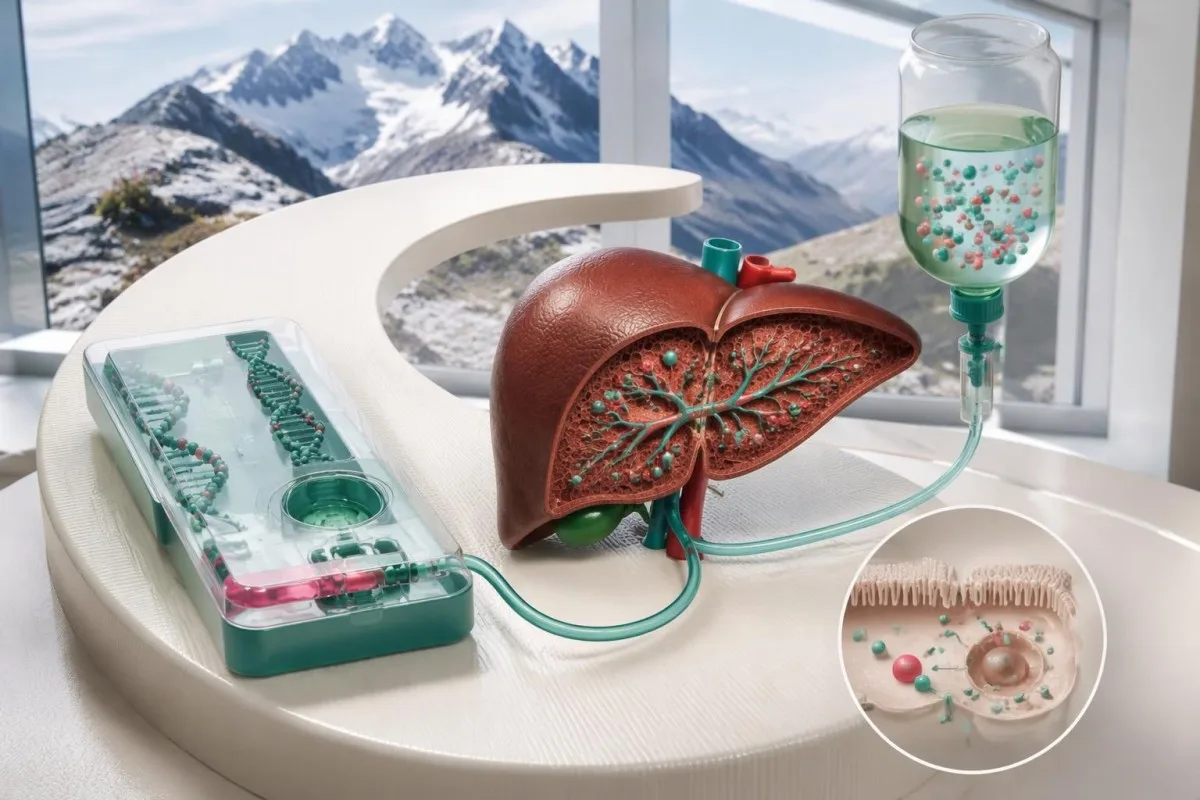
UGT1A1 тестирлөөсү иринотекандын активдүү метаболитинин клиренси төмөндөгөнүн аныктап, баштапкы дозаны коопсузураак тандоого жардам берет. Ал бардык реакцияларды алдын ала айта албайт, ал эми чечим так кайсы препараттын формасы колдонуларына, дарылоо режимине жана онкологиялык командаңыздын баасына жараша болот.

Негизги жыйынтыктар
- UGT1A1 тестирлөөсү SN-38 инактивациясындагы тукум куучу айырмачылыктарды аныктайт; билирубинди же боордун ишин күнүмдүк текшерүү генетикалык жыйынтыктын ордун баса албайт.
- Начар метаболизаторлор көбүнчө *28/*28, *6/*6 же *6/*28 жыйынтыктарына ээ болушат; бул иринотеканга байланышкан оор нейтропениянын коркунучун жогорулатат.
- Орточо метаболизаторлор көбүнчө *1/*28 же *1/*6 жыйынтыктарына ээ болушат; Нидерландиянын фармакогенетика боюнча жумушчу тобу бул бейтаптар үчүн генотипке гана таянган дозаны автоматтык түрдө азайтууну сунуштабайт.
- Баштапкы доза боюнча сунуштар айырмаланат: Нидерландиянын колдонмосу начар метаболизаторлор үчүн иринотекандын адаттагы баштапкы дозасынын 70% өлчөмүн сунуштайт, андан соң дозаны клиницист жөнгө салат.
- Дарылоо режими маанилүү анткени салттуу FOLFIRI режиминде көбүнчө ар 2 жума сайын 180 mg/m² колдонулат, ал эми башка графиктерде жана липосомалык формаларда дозалар айырмаланат.
- Липосомалык иринотекан формуляцияга мүнөздүү нускамаларга ээ; 70 mg/m² режими менен 50 mg/m² режимин бири-бирин алмаштыра колдонууга болбойт.
- Иринотекандан кийин кеч башталган ич өткөк 24 сааттан ашык убакыт өткөндөн кийин башталып, суусуздануу, электролиттердин жоголушу же коштолгон нейтропения аркылуу кооптуу болуп калышы мүмкүн.
- Шашылыш баалоо химиотерапия учурунда дене табы 38.0°C же андан жогору болсо, онкологиялык командаңыз башка, катуураак чекти белгилебесе, талап кылынат.
Биринчи инфузияга чейин UGT1A1 тестинин жыйынтыгы эмнени өзгөртөт?
A Иринотекандын алдында UGT1A1 тести дарынын активдүү метаболити SN-38ди инактивациялоо жөндөмүнүн төмөндөгөнүн аныктайт. Мисалы, төмөнкүдөй жыйынтыктар 28/*28, *6/*6 же *6/*28 баштапкы дозаны төмөндөтүүнү жана оор нейтропения менен кеч башталган ич өткөктү тыкыр көзөмөлдөөнү негиздөөгө жардам берет; жыйынтыкты чыныгы дарылоо режимине онкологиялык команда колдонууга тийиш.

Тестирлөө 1-циклге чейин эң пайдалуу, анткени тукум куучулук клиренс айырмасы дарылоого байланыштуу кандайдыр бир симптомдор пайда боло электе эле бар болот. Жыйынтык учурда организмде канча иринотекан айланып жүргөнүн өлчөбөйт жана химиотерапиянын натыйжалуу болор-болбосун аныктабайт; булар дарылоого жооп, клиникалык баалоо жана кээде адистештирилген фармакокинетикалык ыкмалар аркылуу жооп берилүүчү башка суроолор.
Кадимки иринотеканды 180 mg/m² дозада алууга пландалган шарттуу бейтап начар метаболизатор деген жыйынтыктан кийин баштапкы дозанын башка планын алышы мүмкүн, ал эми ошол эле генотиптеги башка бейтап буга чейин эле төмөн дозалуу айкалыштырылган дарылоону алып жүрүшү мүмкүн. Маанилүү суроо — жыйынтык оңбу же жокпу деген гана суроо эмес: жыйынтык баштапкы дозаны, көзөмөл графигин жана дозаны жогорулатуу критерийлерин кандай өзгөртөрүн сураңыз.
Кантести - бул AI кан анализи анализатору күнүмдүк CBC жана билирубин боюнча отчетторду түшүндүрүүгө жардам берет, бирок UGT1A1 генотиптөөсүн жүргүзүүчү лаборатория же химиотерапияны дайындоочу кызмат эмес. Биздин уюм жана клиникалык максат онкологиялык командаңыздын дарылоону дайындоо ролунан айырмаланат; генетикалык отчетту жана ар бир циклге тиешелүү лабораториялык жыйынтыктарды дарылоо жазуусунун 2 өзүнчө бөлүгү катары сактаңыз.
UGT1A1 *28 жана *6 иринотекандын метаболизмине кандай таасир этет?
UGT1A1 *28 ферменттин экспрессиясын азайтат, ал эми UGT1A1 *6 варианты коддоочу өзгөрүү аркылуу ферменттин функциясын азайтат. Экөө тең активдүү SN-38дин кыйла азыраак активдүү глюкурониди SN-38Gге айланышын жайлатып, ALT же AST жыйынтыктары анормалдуу болбосо да, таасирленүүнү көбөйтүшү мүмкүн.

Иринотекан адегенде карбоксилэстеразалар аркылуу SN-38ге айланат; андан кийин UGT1A1 SN-38ди алгач активдештирүүгө эмес, инактивациялоого катышат. *28 аллели адатта *1 менен байланышкан 6нын ордуна 7 промотордук TA кайталануусун камтыйт, ал эми *6 көбүнчө p.Gly71Arg алмашуусун пайда кылуучу c.211G>A катары сүрөттөлөт.
Ушул эле фермент билирубинди да конъюгациялайт, бул анын төмөнкү менен байланышын түшүндүрөт Гилберт синдрому жана билирубин. Бирок билирубиндин нормалдуу жыйынтыгы функциясы төмөн генотипти жокко чыгарбайт, ал эми жыйынтыктын жогору болушу кайсы вариант бар экенин аныктабайт; ачка жүрүү, оору, өт жолдорунун бүтөлүшү жана боордун иштешинин бузулушу бир жолку өлчөөнүн чечмеленишин өзгөртүшү мүмкүн.
Minami ж.б. япон бейтаптарында *6 жана *28 варианттарын тең изилдеп, UGT1A өзгөрмөлүүлүгүн иринотекандын фармакокинетикасы жана уулуулугу менен байланыштырышкан (Pharmacogenetics and Genomics, 2007). Алардын иши маанилүү, анткени *28 менен гана чектелген тест клиникалык жактан маанилүү *6 аллелин байкабай калышы мүмкүн; *28-терс деп сүрөттөлгөн 2 бейтаптын SN-38 клиренс жөндөмү сөзсүз бирдей болот дегенди билдирбейт.
Кайсы жыйынтыктар UGT1A1 боюнча начар метаболизаторду билдирет?
A UGT1A1 начар метаболизатор generally carries 2 decreased-function alleles, including 28/*28, *6/*6 же *6/*28. A person with *1/*28 or *1/*6 usually has an intermediate-metabolizer phenotype; *1/*1 is usually classified as normal when the test adequately covers relevant variants.

The slash separates the 2 inherited gene copies; it is not a fraction or a drug concentration. A *6/*28 result usually means one decreased-function allele came from each parent, creating a compound-heterozygous poor-metabolizer result; possessing 2 different allele names does not make the result less clinically relevant than *28/*28.
Intermediate metabolism is not the same as zero risk. Although the Dutch guideline does not recommend an automatic reduction for *1/*28 or *1/*6, a patient starting at 180 mg/m² may still need modification because of elevated bilirubin, limited marrow reserve, previous toxicity, or the accompanying drugs; the phenotype is one input, not permission to ignore the rest.
Pharmacogenetic recommendations are drug-specific, as our explanation of SLCO1B1-related medication risk also illustrates. A reduced-function result does not mean every medicine is unsafe, and *28/*28 does not itself diagnose a hereditary cancer syndrome; ask the laboratory to provide the diplotype, assigned phenotype, and variants tested rather than a 1-word positive result.
Генетикалык тест эмнелерди камтышы керек жана ал качан керек?
The test should clearly state whether it detects both *28 and *6, how it assigns the 2 alleles, and which other variants it evaluates. Testing before the first irinotecan dose allows the result to influence prevention rather than merely explain toxicity after it occurs.
UGT1A1 *6 is more frequent in several East Asian populations, while *28 occurs across multiple ancestry groups; ancestry can inform test coverage but cannot substitute for testing. Some assays also distinguish the 5-repeat *36 and 8-repeat *37 alleles, so reports from 2 laboratories may differ because their analytical scope differs—not because your inherited genotype changed.
A laboratory may use a blood-derived DNA sample or a validated saliva or cheek-cell method; fasting is not ordinarily required for the genetic analysis itself. Recent allogeneic stem-cell transplantation needs special discussion because circulating DNA may reflect the donor, and turnaround time must be checked locally rather than assumed to fit a treatment appointment in 2 days.
Genotyping and enzyme-activity testing are not interchangeable, a distinction also relevant to TPMT test interpretation. UGT1A1 genotype generally needs testing only once, but a narrow panel may warrant additional analysis if the clinical picture is unexpected; a report listing only 1 tested variant should not be read as proof that every other reduced-function allele is absent.
UGT1A1 оор нейтропениянын коркунучун канчалык жогорулатат?
Poor-metabolizer genotypes increase the likelihood of оор нейтропения, but the size of the increase depends on dose and regimen. Grade 3 neutropenia generally means an absolute neutrophil count below 1.0 down to 0.5 × 10⁹/L; grade 4 means below 0.5 × 10⁹/L.
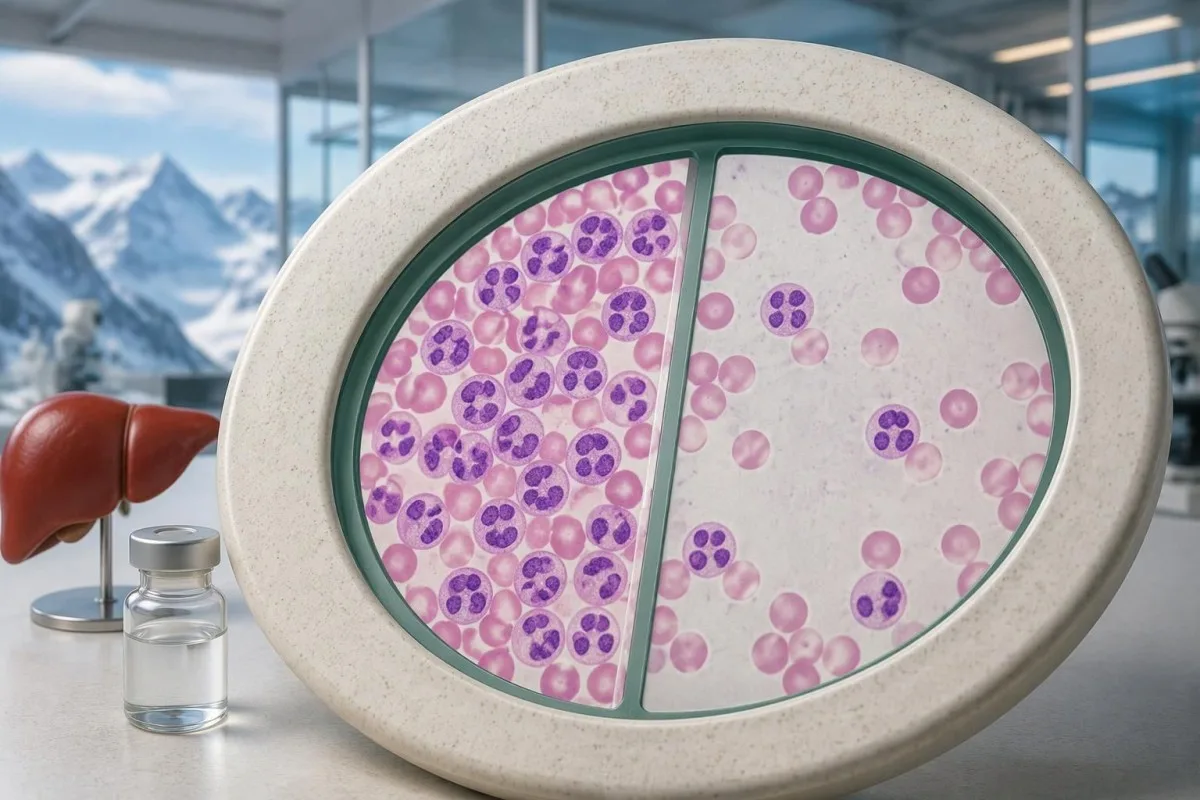
Hoskins et al. reported a dose-dependent association between *28/*28 and irinotecan-related neutropenia in their 2007 Journal of the National Cancer Institute meta-analysis. In the 150–250 mg/m² category, the pooled odds ratio was 3.22, with a 95% confidence interval of 1.52–6.81; older mixed schedules and wide uncertainty prevent treating this as a personal probability.
An odds ratio is not the percentage of patients affected. In a purely hypothetical illustration, if baseline risk were 10%, an odds ratio of 3 would correspond to approximately 25% risk—not 30%; the actual baseline varies with companion drugs, supportive care, prior treatment, and eligibility criteria, so no single percentage applies to every poor metabolizer.
Kantesti can help readers distinguish the ANC from the neutrophil percentage in routine reports, using the concepts explained in our нейтрофилдин абсолюттук саны боюнча көрсөтмө. A pre-existing Duffy-null-associated lower ANC requires individualized interpretation, but a new chemotherapy-related fall below 0.5 × 10⁹/L still deserves prompt oncology assessment rather than reassurance based on ancestry alone.
Эмне үчүн иринотекандан улам пайда болгон эрте жана кеч диарея айырмаланат?
Early diarrhea occurs during or shortly after infusion, usually within 24 hours, and may accompany cholinergic symptoms such as sweating or abdominal cramping. Иринотекандан кийин кеч башталган ич өткөк begins more than 24 hours after treatment and is more closely related to intestinal toxicity, including exposure to SN-38.
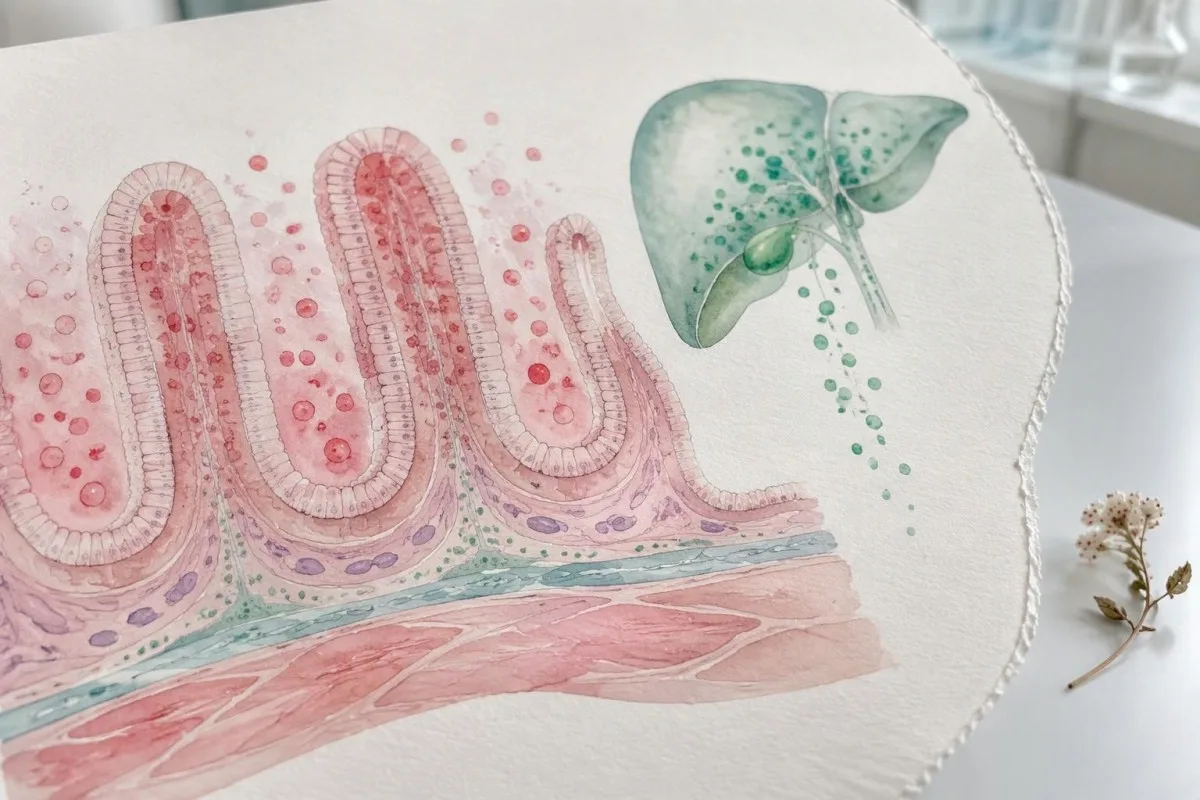
UGT1A1 genotype is more useful for anticipating delayed toxicity than predicting the immediate cholinergic syndrome. Clinicians may use atropine for early symptoms when appropriate, while delayed diarrhea requires a separate written treatment plan; intestinal bacteria can convert SN-38G back to SN-38 through beta-glucuronidase activity, illustrating why liver conjugation is not the only determinant of bowel exposure.
Grade 3 diarrhea commonly includes at least 7 additional stools per day above baseline, hospitalization being indicated, or a severe increase in ostomy output. Do not wait to reach that count before calling: persistent diarrhea despite the prescribed plan, vomiting that prevents drinking, fever, dizziness, or reduced urine output can justify urgent assessment at a much smaller stool increase.
Diarrhea during chemotherapy should not automatically be attributed to genotype, because antibiotics, infections, and accompanying drugs can produce similar symptoms; our C. difficile result guide explains one relevant diagnostic complication. If diarrhea lasts beyond 24 hours despite your oncology instructions, contact the team, and treat blood in the stool or significant abdominal pain as warning signs rather than ordinary treatment effects.
Дарылоо режими баштапкы дозаны тандоо чечимин кантип өзгөртөт?
A starting-dose decision combines UGT1A1 phenotype with the planned regimen, not genotype alone. Conventional FOLFIRI commonly uses irinotecan 180 mg/m² every 2 weeks, whereas modified combinations may use 150 mg/m² or another protocol-specific amount; those differences change baseline exposure and toxicity.

The Dutch Pharmacogenetics Working Group recommends starting poor metabolizers at 70% of the normal irinotecan dose, with subsequent increases guided by neutrophil counts and clinical tolerance (Hulshof et al., 2023). Applied hypothetically to a 180 mg/m² protocol, 70% is 126 mg/m²; the prescribing team decides whether protocol rules permit rounding, what dose level to use, and when reassessment occurs.
A 70% calculation is relative to the regimen’s usual starting dose, not a fixed universal dose. For a hypothetical protocol starting at 150 mg/m², the same calculation gives 105 mg/m²; applying the 126 mg/m² figure from a different protocol would therefore be a genuine dosing error, especially if the infusion schedule or formulation also differed.
Кантести - бул AI кан анализинин жыйынтыгы платформасы for explaining reported laboratory values, not selecting a 180 mg/m² chemotherapy prescription; our клиникалык валидация алкагы describes the distinction between interpretation support and prescribing. In combinations containing fluorouracil or capecitabine, химиотерапияга чейин DPYD тестин жүргүзүү addresses a separate metabolic risk that a normal UGT1A1 result cannot rule out.
Эмне үчүн иринотекандын дозасы боюнча сунуштар колдонмолордо айырмаланат?
Guidelines differ because they interpret dose-dependent evidence differently and serve different clinical settings. The Dutch guideline recommends a 70% starting dose for poor metabolizers, while US conventional irinotecan prescribing information advises considering a reduction by at least 1 dose level, without defining one percentage for every regimen.
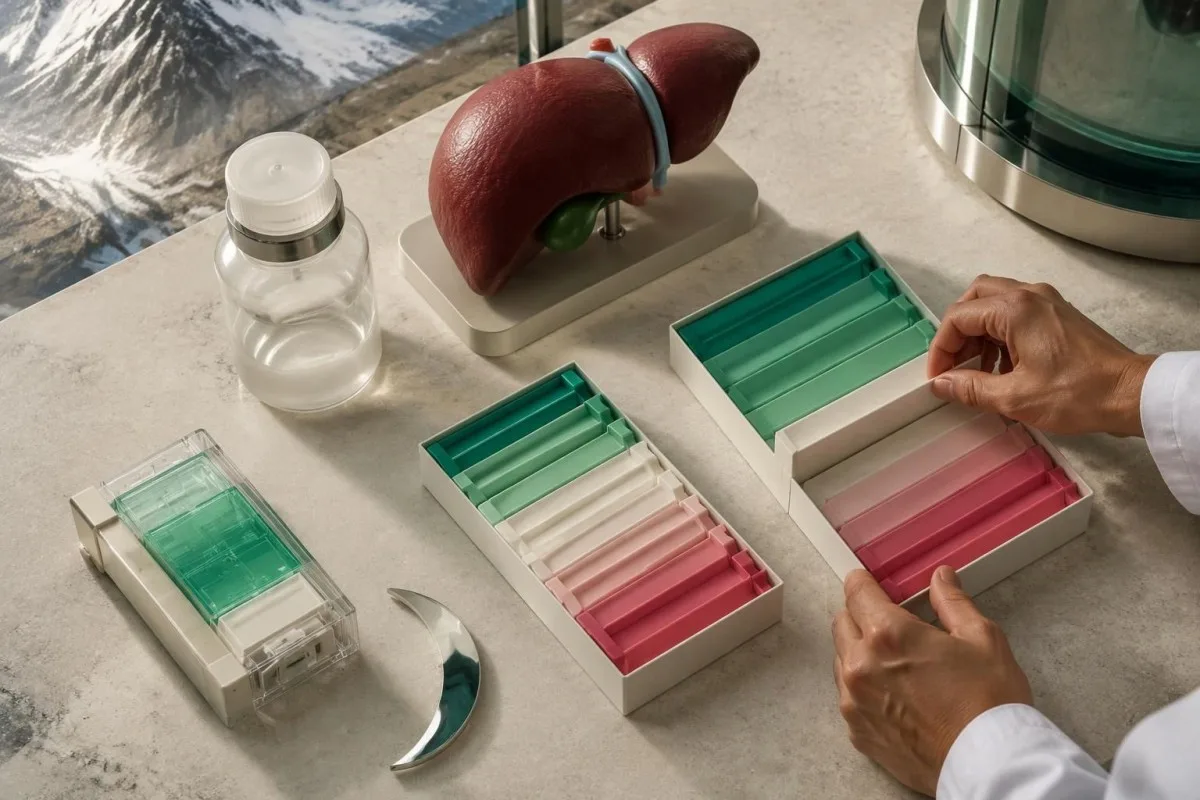
A dose level is defined by the treatment protocol rather than by the genetic test. Moving from 180 to 150 mg/m² would be approximately a 17% reduction, while moving from 180 to 120 mg/m² would be approximately a 33% reduction; these are mathematical examples, not recommendations, and explain why the phrase reduce one level needs a named protocol.
The French RNPGx/GPCO dose-stratified framework has historically distinguished doses below 180 mg/m², doses of 180–230 mg/m², and high doses of at least 240 mg/m². It recommended approximately 25–30% reduction for *28/*28 at the intermediate range and advised against high-dose use in that genotype; the Dutch recommendation is broader, including lower-dose regimens and other poor-metabolizer combinations.
The evidence is genuinely less settled at lower doses, where severe events may be less frequent and studies less able to estimate genotype effects precisely. This differs from HLA-B*57:01 drug avoidance, where the relevant recommendation is avoidance rather than a 30% reduction; ask which local guideline your team follows and whether its advice specifically covers *6/*6 or *6/*28.
Липосомалык иринотекандын дозасы үчүн UGT1A1 боюнча ошол эле эрежелер колдонулабы?
Liposomal irinotecan is not interchangeable with conventional irinotecan, and its UGT1A1 instructions depend on the regimen. In the liposomal irinotecan plus fluorouracil/leucovorin setting, a usual 70 mg/m² dose is reduced to 50 mg/m² initially for known *28/*28; the NALIRIFOX regimen already starts at 50 mg/m².

Those 70 and 50 mg/m² figures refer to irinotecan free base in the relevant liposomal prescribing instructions. Some documents also express doses using the hydrochloride trihydrate equivalent, approximately 80 and 60 mg/m² respectively; the team must verify the convention rather than interpret a different-looking number as an intentional dose increase or decrease.
For NALIRIFOX—liposomal irinotecan with oxaliplatin, fluorouracil, and leucovorin—the labeled starting dose is 50 mg/m² every 2 weeks, including patients known to have *28/*28. This does not establish that every poor-metabolizer genotype has identical evidence, especially *6-containing combinations; the oncology pharmacist should check the relevant product information and local protocol rather than import conventional irinotecan rules automatically.
A medication list that says only irinotecan is insufficient for a pharmacogenetic decision: request the formulation, companion drugs, dose expression, and schedule before comparing 2 plans. Our баштапкы лабораториялык даярдык боюнча колдонмобуздагы also explains why recording pretreatment measurements helps later interpretation, although those measurements cannot resolve a formulation or prescribing ambiguity.
Генотип менен катар лабораториялык кайсы жыйынтыктар жана дары-дармектер маанилүү?
CBC with differential, bilirubin, liver tests, kidney function, and electrolytes provide information that UGT1A1 genotype cannot supply. A bilirubin of 2.0 mg/dL is approximately 34 µmol/L; conventional irinotecan studies often excluded values above this level, so higher results require specialist assessment rather than a genotype-only calculation.
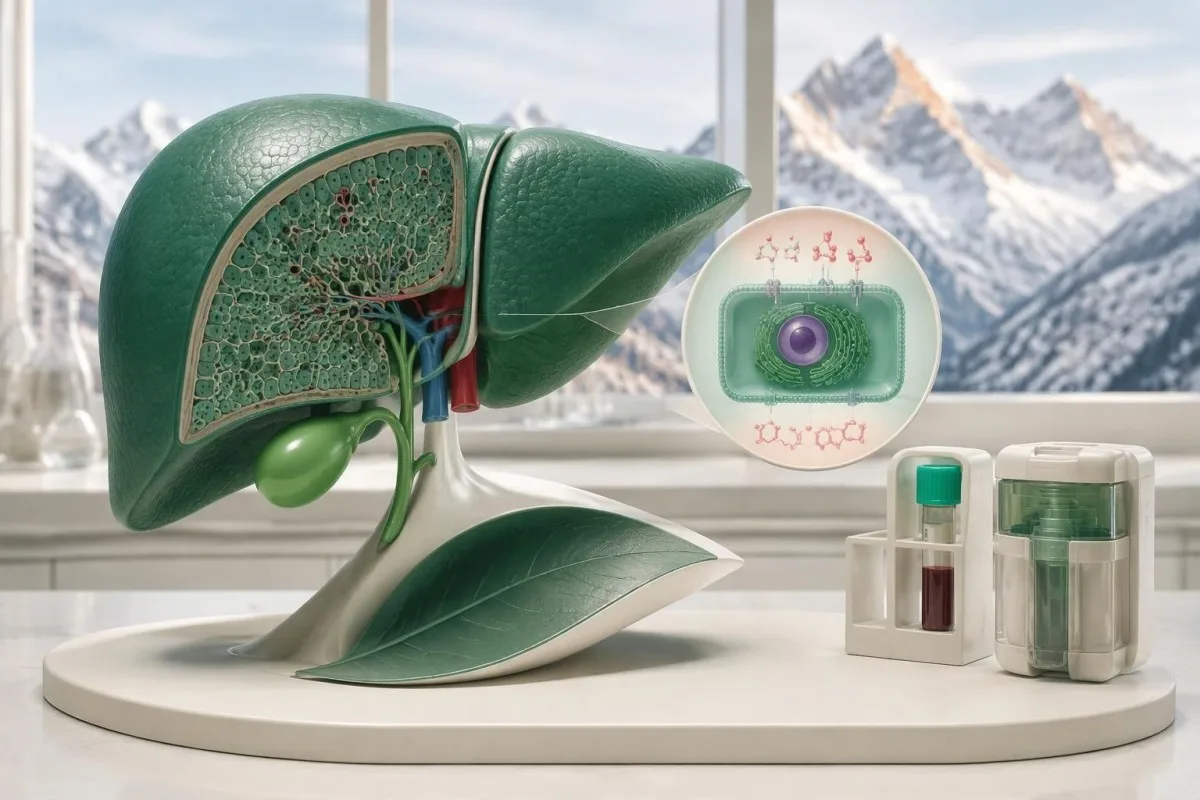
An isolated indirect bilirubin rise may fit reduced UGT1A1 activity, while rising direct bilirubin with abnormal ALP or transaminases suggests an additional hepatobiliary problem. A hypothetical total bilirubin of 1.8 mg/dL with otherwise stable tests is therefore not equivalent to 1.8 mg/dL accompanied by new jaundice and obstruction; fractionation, trends, symptoms, and imaging determine the interpretation.
Strong CYP3A4 inducers can lower irinotecan exposure, while strong CYP3A4 or UGT1A1 inhibitors can increase clinically relevant exposure; examples requiring pharmacy review include rifampicin, carbamazepine, ketoconazole, and atazanavir. Do not stop a prescription yourself, and disclose supplements such as St John’s wort before cycle 1 because changing an interacting medicine can itself change exposure.
Kantesti can help explain routine kidney and electrolyte reports, but a normal creatinine does not guarantee tolerance of delayed diarrhea. The BUN/креатинин катышы боюнча колдонмону describes contextual interpretation, while our electrolyte safety guide explains why potassium or magnesium losses can matter after 24 hours of gastrointestinal symptoms.
Кандай мониторинг керек жана кайсы белгилер шашылыш чара көрүүнү талап кылат?
Monitoring remains necessary for every genotype, with CBC checks before treatment and additional measurements when clinically indicated. A temperature of 38.0°C же андан жогору during chemotherapy warrants immediate contact with the oncology service unless the team has supplied a different threshold; follow a stricter local instruction.

Formal definitions of febrile neutropenia often use a single temperature of 38.3°C or a temperature of 38.0°C sustained for 1 hour, together with a low or falling ANC. These definitions are not instructions to wait at home: chemotherapy services often use simpler, more cautious telephone thresholds, and shaking chills, confusion, or sudden deterioration can be urgent without a documented fever.
A falling ANC can precede symptoms, so a patient feeling well should still attend the scheduled laboratory check. Our borderline neutrophil interpretation guide explains why a result near a cutoff needs context; during treatment, a change from 2.5 to 0.7 × 10⁹/L carries different significance from a stable longstanding count near 1.4 × 10⁹/L.
Dose escalation after a reduced start should follow a predefined plan based on counts, diarrhea, other toxicity, and treatment goals—not simply the absence of nausea after cycle 1. G-CSF may reduce neutropenia risk when indicated, but it does not prevent intestinal toxicity; urgent assessment is needed for diarrhea with fever, severe abdominal pain, inability to drink, or markedly reduced urination.
Эмне үчүн генотип нормалдуу болсо да, андан кийин оор терс таасирлер болушу мүмкүн?
A normal UGT1A1 result does not guarantee safe treatment because irinotecan toxicity has multiple causes. Genotype does not adequately predict every episode of nausea, fatigue, hair loss, infusion symptoms, or toxicity from companion drugs; even *1/*1 patients can develop severe neutropenia or diarrhea.
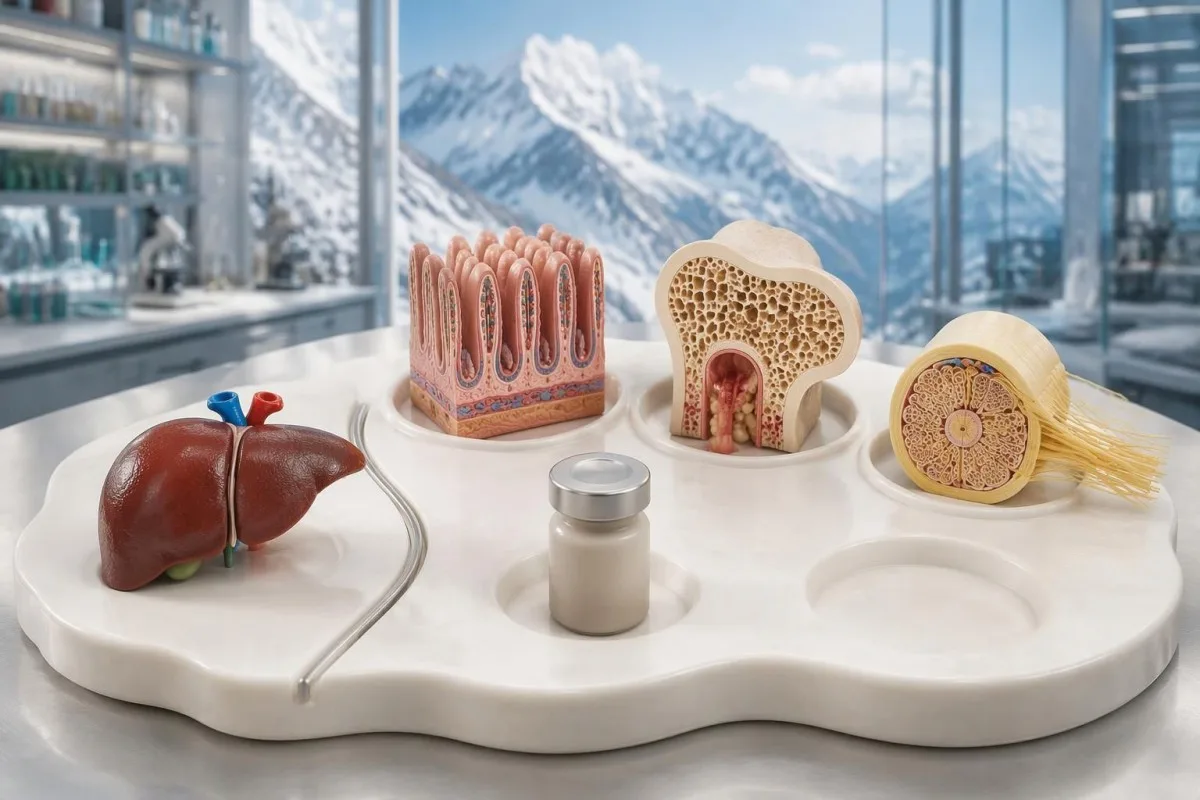
A narrow assay may miss uncommon reduced-function variants, while liver impairment, interacting medicines, treatment intensity, and previous chemotherapy can increase risk independently. Thus, 2 patients both reported as *1/*1 may have different exposures and different marrow reserve; a phenotype assignment only describes the genetic information captured by the test, not every biological factor affecting treatment.
Companion drugs create additional attribution problems: oxaliplatin can cause neuropathy, and fluoropyrimidines can contribute diarrhea, mucositis, and marrow suppression. A hypothetical patient on a 4-drug combination with severe diarrhea cannot have the culprit assigned from UGT1A1 alone; timing, the complete regimen, microbiological testing when indicated, and other pharmacogenetic results may alter the clinical explanation.
Kantesti’s role in laboratory trend interpretation is to support understanding, not establish which drug caused a change between 2 cycles. Genetic reports also contain durable personal information, so review our купуялык жана маалыматтарды иштетүү before sharing them; an inherited metabolic variant is not a complete forecast of your future health.
Иринотекан менен дарылоодон мурун онкологиялык командаңыздан эмнелерди сурашыңыз керек?
Before treatment, ask which formulation and regimen you will receive, whether *28 and *6 were tested, and how the result changes the first dose. Also obtain a written diarrhea plan, a temperature threshold, and a 24-hour contact route; these practical details matter even when the genotype is normal.

Request the actual dose in mg/m² and the planned total dose in mg, because they answer different questions. For example, a hypothetical 126 mg/m² order for a body surface area of 1.8 m² gives 226.8 mg before institutional rounding; patients should not perform their own adjustment, but this distinction helps identify whether 2 documents describe the same prescription.
Ask how the team will judge tolerance after cycle 1, whether an interim CBC is planned, and what would justify later escalation. Your written diarrhea instructions may use a loperamide schedule different from ordinary over-the-counter directions, so follow the oncology prescription rather than inventing a schedule; fever, abdominal pain, or persistent symptoms may require assessment instead of additional self-treatment.
Кантести - бул AI менен иштеген кан анализин талдоо куралы that can help explain routine reports alongside your own treatment notes; our AI технология боюнча колдонмо explains the supporting technology rather than a chemotherapy dosing system. Keep 3 items accessible: the genetic report, the current regimen sheet, and the emergency contact instructions, with the prescribing team verifying all clinical decisions.
Илимий жарыяланмалар: сунуштарды эмне колдойт жана эмне колдобойт?
The dosing advice rests on drug-specific pharmacogenetic guidance and irinotecan studies, not on general blood-test education publications. The 2023 Dutch guideline recommends a 70% start for poor metabolizers, while the 2007 studies cited here help explain dose dependence and the relevance of both *28 and *6.
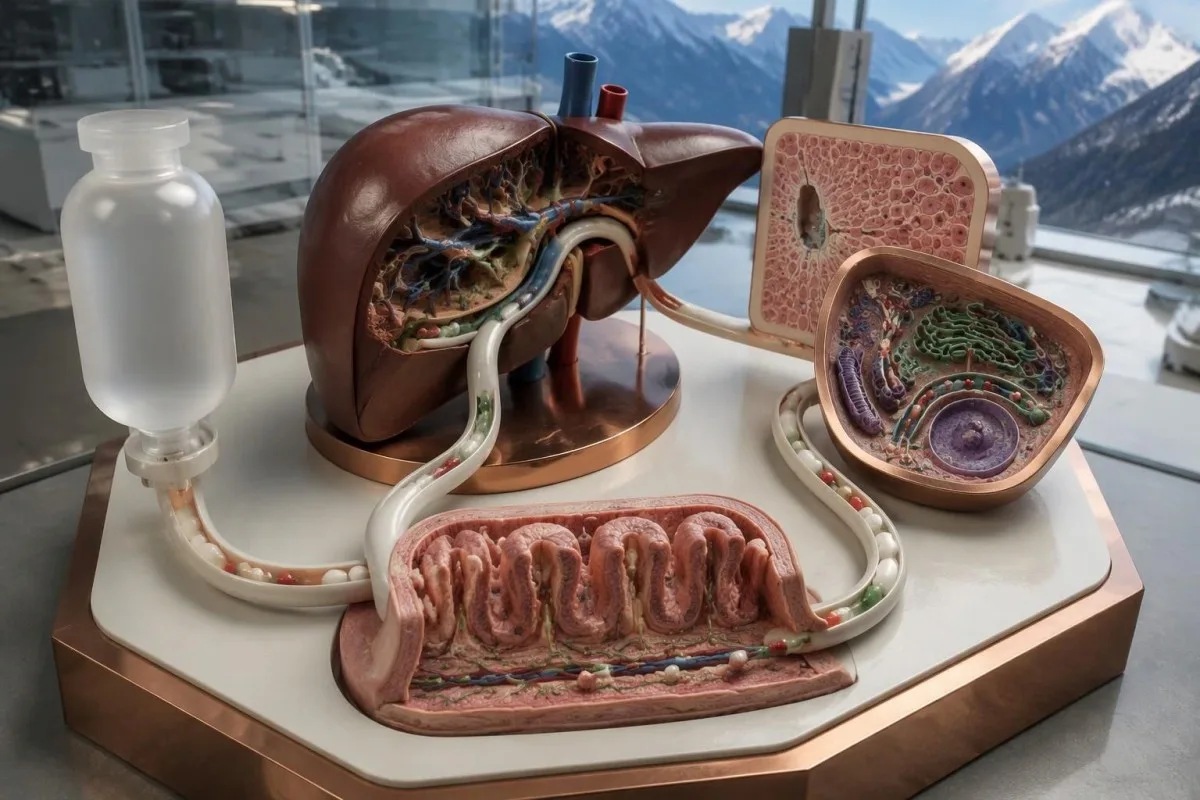
Hulshof et al. translate pharmacokinetic and toxicity evidence into prescribing guidance, whereas Hoskins et al. quantify associations across older dose categories, and Minami et al. examine relevant variants in Japanese patients. These 3 sources answer complementary questions; none supplies an individualized toxicity percentage for every contemporary combination, and observational associations should not be presented as proof that one starting dose suits everyone.
Kantesti’s 2 Zenodo publications listed below are educational resources on RDW and the BUN/creatinine ratio, not trials of UGT1A1-guided irinotecan dosing. Our RDW and CBC interpretation resource can explain accompanying red-cell indices, but RDW does not replace ANC, genotype, or a chemotherapy protocol; a DOI is a persistent identifier, not an automatic guarantee of clinical relevance or peer review.
The unresolved question is often how best to preserve treatment intensity while preventing a severe event in cycle 1, particularly in lower-dose combinations and less-studied genotypes. Our медициналык мазмундун стандарттары require separating established guidance, hypothetical calculations, and genuine uncertainty; the oncology team should confirm the current local product information and protocol before applying any published recommendation.
Көп берилүүчү суроолор
Иринотеканды колдонуудан мурда ар бир адам UGT1A1 тестинен өтүшү керекпи?
Тестирлөө саясаты өлкөгө, мекемеге жана дарылоо режимине жараша айырмаланат, бирок Нидерланддын фармакогенетика боюнча жумушчу тобу иринотекан менен дарылоону баштоого чейин UGT1A1 тестин өткөрүүнү сунуштайт. Натыйжа өзгөчө 1-циклге чейин пайдалуу, анткени ал оор уулуулук өнүгө электе жай метаболизаторлорду аныктоого мүмкүндүк берет. Тест *28 аллели жок деп гана билдирбестен, *28 жана *6 аллелдеринин экөөнүн тең камтылганын тактоого тийиш. Онкологиялык дарылоо тобуңуз тест сиздин баштапкы дозаңызды өзгөртөбү жана натыйжасын күтүү туура болобу — түшүндүрүп бериши керек.
UGT1A1 *28/*28 генотипи иринотекандын дозасына кандай таасир этет?
UGT1A1 *28/*28 адатта метаболизатордун начар статусун жана иринотеканга байланыштуу оор нейтропения коркунучунун жогорулашын көрсөтөт. Нидерландиянын колдонмосу адаттагы баштапкы дозанын 70% бөлүгүн сунуштап, андан кийин дарыгердин чыдамдуулукка жана нейтрофилдердин санына жараша дозаны өзгөртүүсүн сунуштайт. Шарттуу түрдө кадимки 180 мг/м² режими үчүн бул эсеп протоколго мүнөздүү чечимдер же тегеректөө жүргүзүлгөнгө чейин 126 мг/м² түзөт. АКШдагы дайындоо боюнча нускамаларда жана липосомалык режимдерде башкача ыкмалар колдонулат, ошондуктан бул эсеп жеке дайындоо болуп саналбайт.
Иринотеканды колдонуудан мурун UGT1A1 *6 варианты *28 варианты сыяктуу эле маанилүүбү?
UGT1A1 *6 — SN-38дин инактивациясын азайтышы мүмкүн болгон, клиникалык жактан маанилүү функциясы төмөн вариант. *6/*6 же *6/*28 сыяктуу натыйжалар, адатта, начар метаболизатор статусун көрсөтөт, анткени аларда функциясы төмөн 2 аллель бар. Бул вариант Чыгыш Азиянын айрым калктарында көбүрөөк кездешет, бирок адамдын бул вариантты алып жүрөр-жүрбөсүн теги гана аныктай албайт. *28-терс натыйжаны нормалдуу метаболизм деп чечмелөөдөн мурун, лабораторияңыздан *6 вариантын текшерген-текшербегенин сураңыз.
UGT1A1 *1/*28 генотипи дозаны автоматтык түрдө азайтууну талап кылабы?
UGT1A1 *1/*28 адатта начар метаболизатор статусун эмес, аралык метаболизатор статусун көрсөтөт. Нидерландиялык колдонмо аралык метаболизаторлор үчүн генотипке гана негизделген баштапкы дозаны автоматтык түрдө азайтууну сунуштабайт. 180 мг/м² дайындалган бейтапка билирубиндин деңгээлине, мурдагы дарылоого, өз ара аракеттенүүчү дарыларга же айкалыштырылган дарылоо режимине байланыштуу башка план керек болушу мүмкүн. Аралык метаболизм CBC көзөмөлүнүн же ич өткөк учурундагы коопсуздук планынын зарылдыгын жокко чыгарбайт.
Кадимки билирубин UGT1A1 генетикалык тестин алмаштыра алабы?
Билирубиндин нормалдуу деңгээли UGT1A1 генотипинин функциясы төмөндөгөнүн жокко чыгара албайт, ал эми билирубиндин жогору болушу белгилүү бир аллелди аныктай албайт. Билирубин бир нече процессти, анын ичинде конъюгацияны, боордун функциясын, өт жолдорунун тосулушун жана эритроциттердин айланышын чагылдырат. Жалпы билирубиндин 2.0 mg/dL деңгээли болжол менен 34 µmol/Lге барабар жана аны тиешелүү иринотекан протоколунун алкагында чечмелөө зарыл. Генетикалык тестирлөө жана билирубинди өлчөө бири-бирин алмаштыра турган эмес, тескерисинче, бири-бирин толуктаган маалымат берет.
Иринотекан кабыл алгандан кийин ич өткөк же дене табы көтөрүлсө, качан кайрылышым керек?
Химиотерапия учурунда дене табыңыз 38,0°C же андан жогору болсо, эгерде дарылоо тобу башка чекти белгилебесе, онкология кызматыңызга дароо кабарлаңыз жана андан да катуу көрсөтмөлөр берилсе, аларды аткарыңыз. Иринотеканга байланыштуу кеч башталган ич өтүү дарылоодон 24 сааттан ашык убакыт өткөндөн кийин пайда болуп, суусузданууга же электролиттердин жоголушуна алып келиши мүмкүн. Белгиленген планга карабастан ич өтүү улана берсе, суюктук иче албай калсаңыз, заара азайса, заңда кан болсо же курсак катуу ооруса, дароо чалыңыз. Жардам сураардан мурун бир күндө дагы 7 жолу ич өтүшүн же белгиленген кан анализин күтпөңүз.
Кан анализинин жыйынтыгын түшүндүрүп алыңыз
Лабораториялык отчетуңузду жүктөңүз, ошондо Kantestiтин AI функциясы ар бир биомаркерди жөнөкөй тил менен бир нече секундда түшүндүрөт. Дүйнө жүзү боюнча 2 миллиондон ашык адам колдонгон.
Шилтемелер
- Klein, T., Mitchell, S., & Weber, H. (2026). RDW кан анализи: RDW-CV, MCV жана MCHC боюнча толук колдонмо. Kantesti AI медициналык изилдөөлөр. DOI
- Klein, T., Mitchell, S., & Weber, H. (2026). BUN/креатинин катышы: бөйрөк функциясынын анализи боюнча колдонмо. Kantesti AI медициналык изилдөөлөр. DOI
- Hulshof DP et al. (2023). Dutch pharmacogenetics working group (DPWG) guideline for the gene–drug interaction between UGT1A1 and irinotecan. European Journal of Human Genetics.
- Hoskins JM et al. (2007). UGT1A1*28 genotype and irinotecan-induced neutropenia: dose matters. Journal of the National Cancer Institute. DOI
- Minami H et al. (2007). Irinotecan pharmacokinetics/pharmacodynamics and UGT1A genetic polymorphisms in Japanese: roles of UGT1A1*6 and *28. Pharmacogenetics and Genomics.
- 2M+Талданган тесттер
- 127+Өлкөлөр
- 100+Тилдер
Медициналык топ жөнүндө


E-E-A-T ишеним сигналдары
Тажрыйба
Дарыгер жетектеген лабораториялык чечмелөө иш процесстерин клиникалык кароо.
Экспертиза
Биомаркерлер клиникалык контекстте кандай жүрөрүнө лабораториялык медицина багыты.
Авторитеттүүлүк
Доктор Томас Кляйн медициналык жактан карап чыккан, доктор Сара Митчелл жана профессор доктор Ханс Вебердин салымдары менен.
Ишенимдүүлүк
Тынчсызданууну азайтуу үчүн так кийинки кадамдар менен далилге негизделген чечмелөө.






Медициналык эскертүү
Бул макала билим берүү максатында гана жана медициналык кеңеш болуп саналбайт. Диагноз коюу жана дарылоо чечимдери үчүн дайыма квалификациялуу саламаттыкты сактоо адисине кайрылыңыз.
Жарыяланды · Редакциялык топко кайрылыңыз
Kantesti Ltd тарабынан жарыяланган, Англия жана Уэльсте катталган, компаниянын №. 17090423, Лондон, Улуу Британия.
